Your One-Stop Wire Mesh Fence Supplier | POLYMETAL
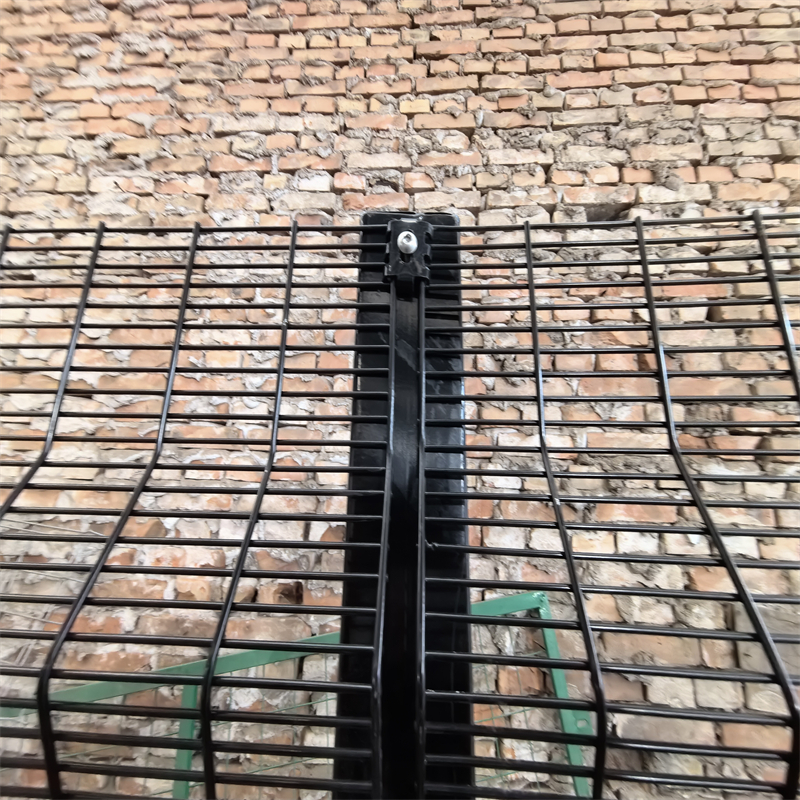

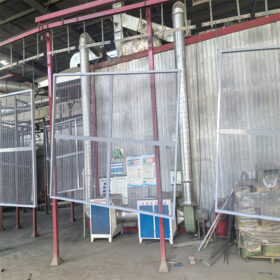
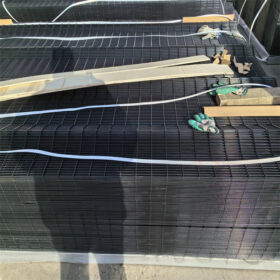
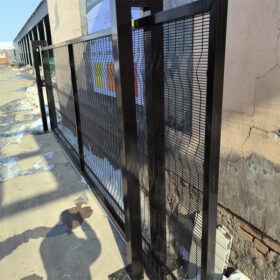
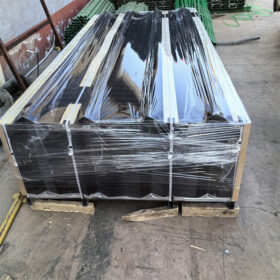
358 anti climb fence is chosen when you need a perimeter that discourages climbing, resists casual cutting attempts, and stays visually “open” for patrols, lighting, and CCTV. The problem is that many projects buy “358” as a name, not as a complete system. That’s how a fence that looks identical on day one quietly becomes loose, noisy, gapped, and expensive to maintain later.
What “358” Really Means
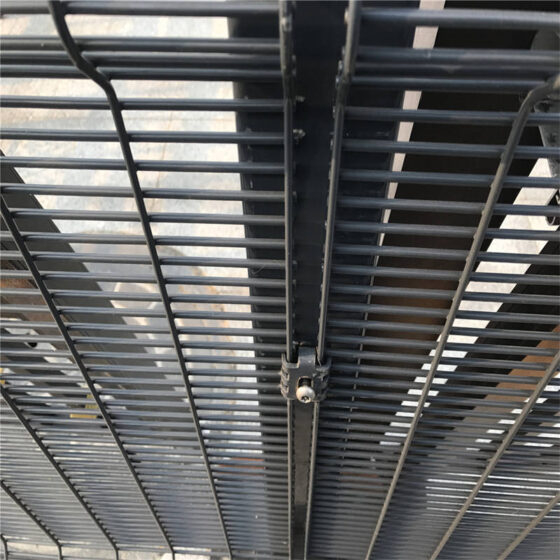
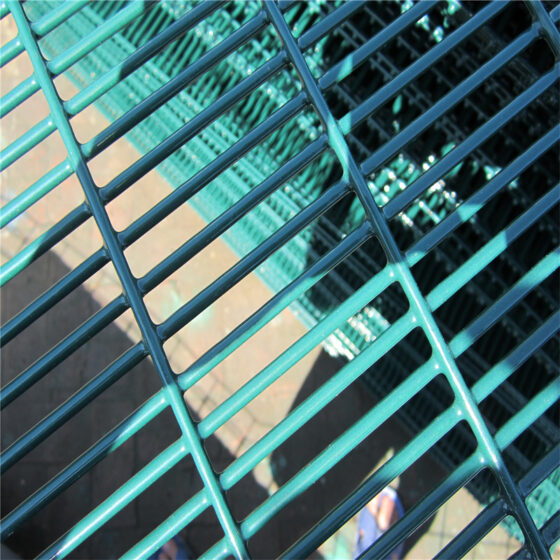
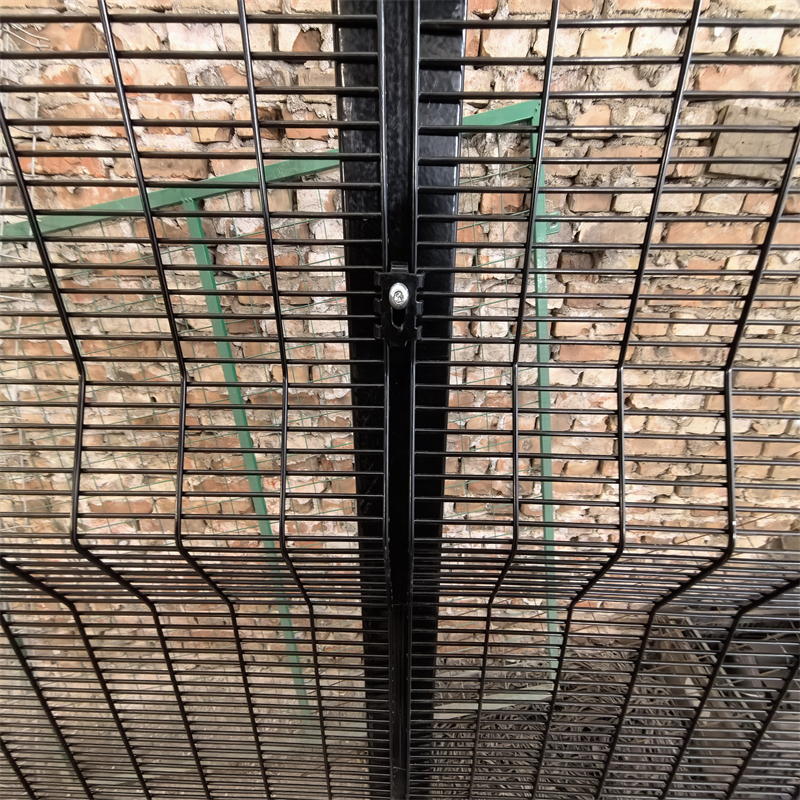
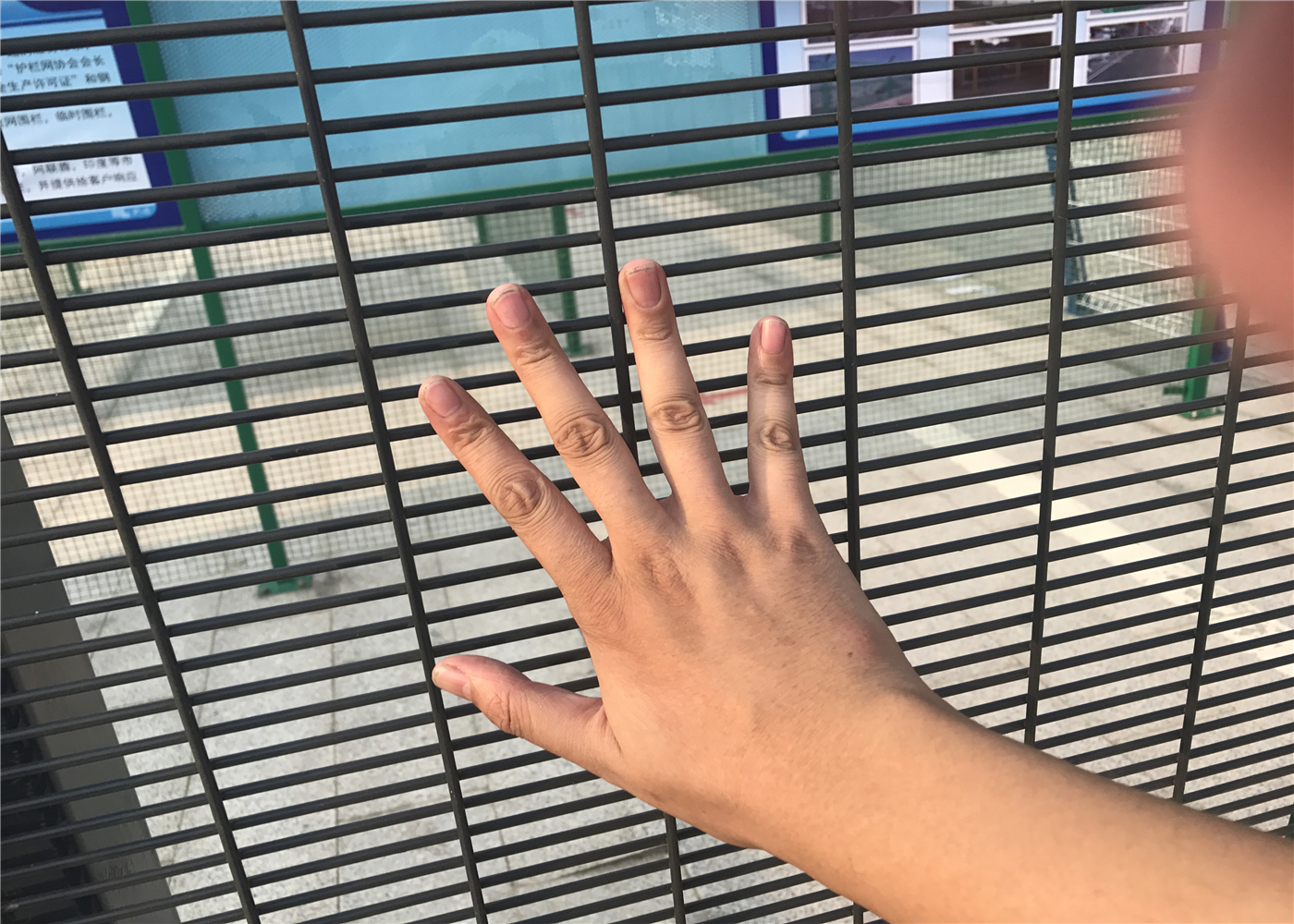
“358” commonly refers to the classic welded mesh pattern built around a small aperture of about 76.2 mm × 12.7 mm (often described as 3″ × 0.5″), combined with wire diameters that typically range from 3.0 mm to 4.0 mm. That tight opening reduces footholds and handholds and makes it extremely difficult to get fingers through the mesh, which is why 358 anti climb fence is often called “anti-climb” or “finger-proof” fencing. At the same time, the open mesh format keeps sightlines clear, which matters when security relies on cameras and fast visual detection.
Product Description
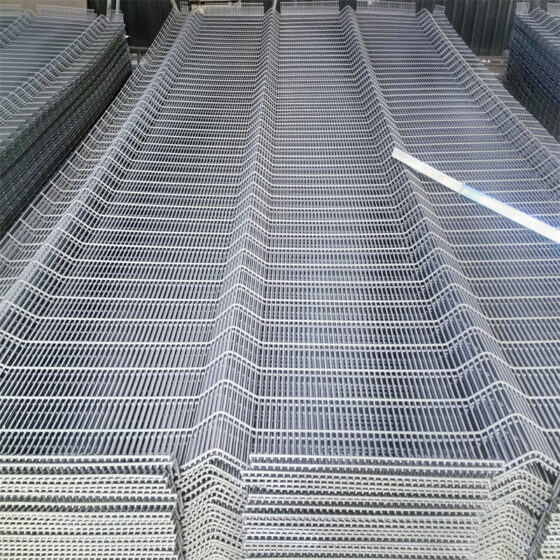
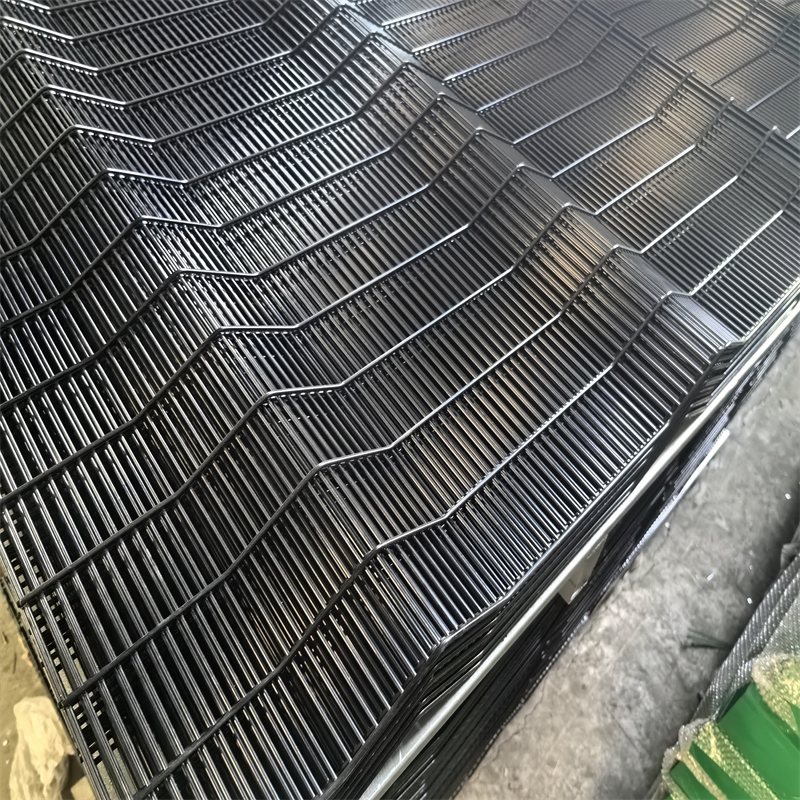
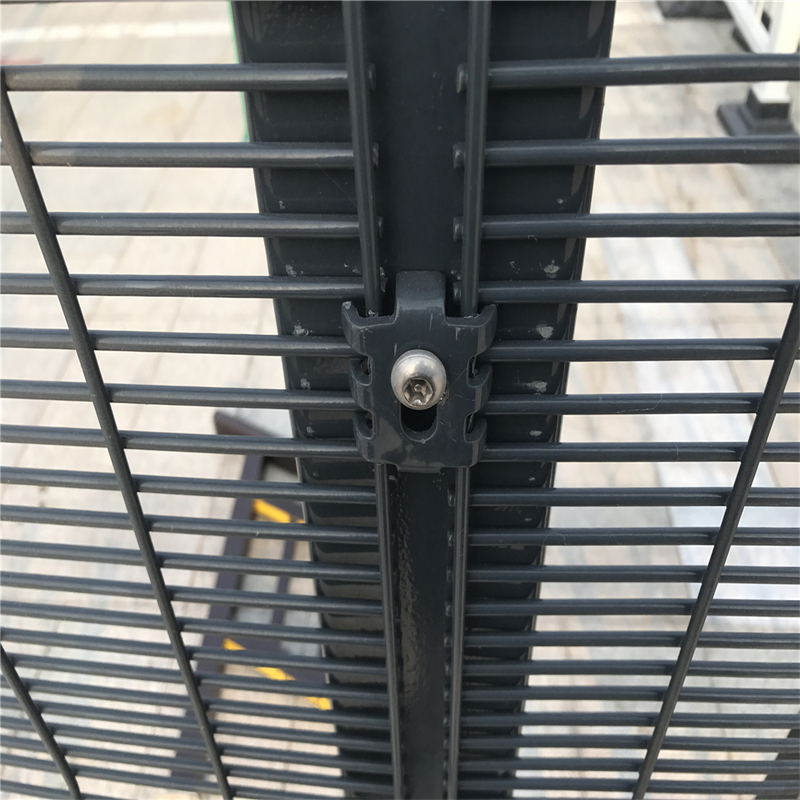
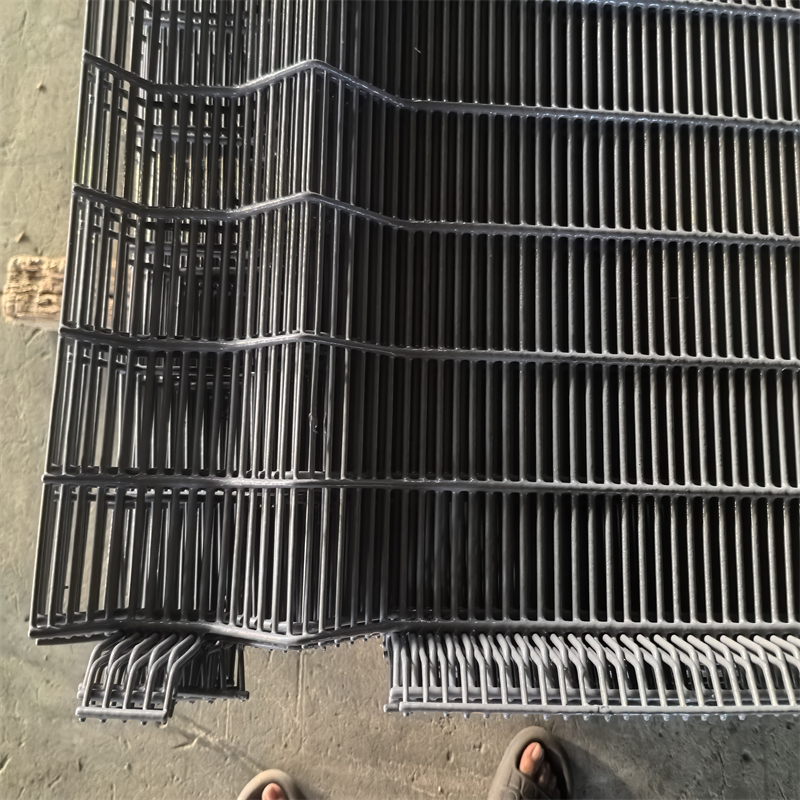
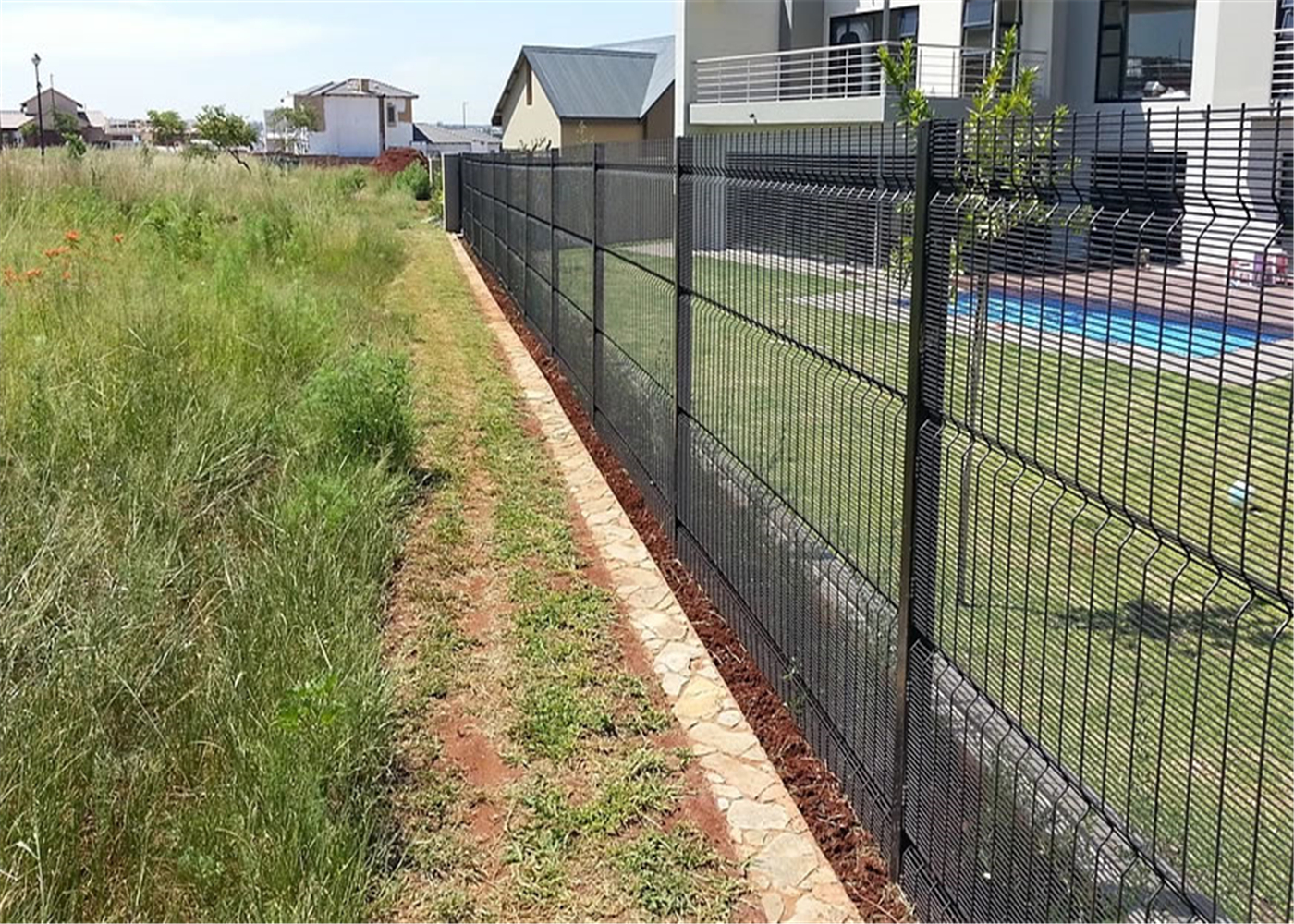
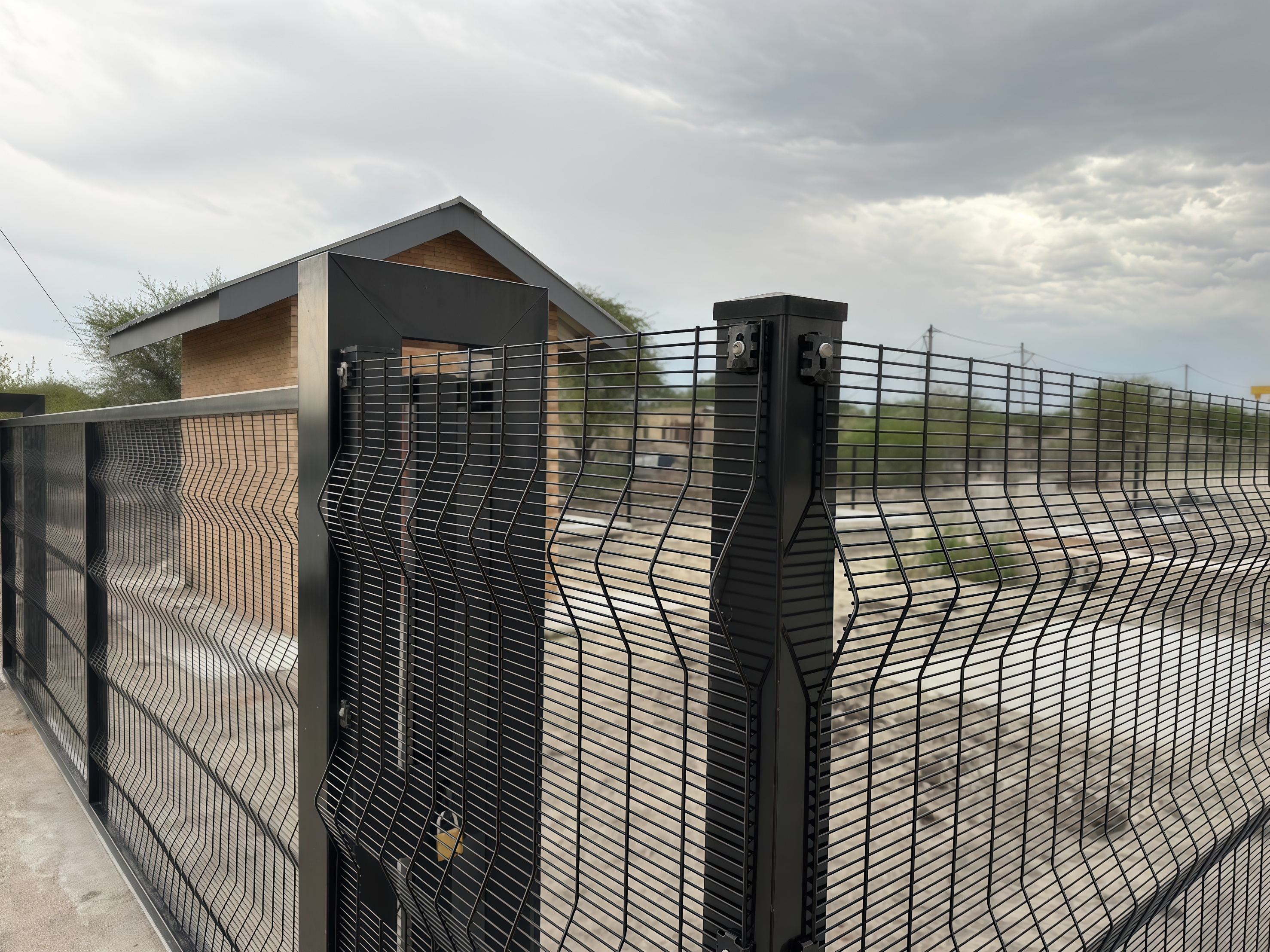
POLYMETAL 358 anti climb fence is a welded mesh security fencing system engineered for high-risk boundaries where deterrence and visibility must work together. The small-aperture mesh design reduces grip opportunities and makes climbing attempts slow, obvious, and uncomfortable, while the welded construction provides a stable grid that holds its shape under wind and daily vibration. Panel bends increase stiffness so the fence line stays straighter over long runs, and a proper post-and-clamp layout locks the system into a rigid perimeter that resists loosening over time. Because “358” can be produced in different wire diameters, bend patterns, post sections, and coating systems, the real performance depends on specifying the complete POLYMETAL system rather than buying panels alone—and then installing it with strict alignment and fixing discipline, using proven field guidance such as Garrison Fence Installation Instructions to help crews avoid the micro-movement mistakes that later turn into gaps, rattles, and costly rework.
Structure and System Logic
A 358 anti climb fence rarely fails in a dramatic moment; it fails in a chain reaction. A slightly flexible post or under-clamped panel allows micro-movement. Micro-movement becomes vibration. Vibration becomes leverage at the fixings. Leverage creates gaps, rattles, coating damage, and eventually corrosion initiation points. Once gaps appear, the fence stops looking “high-security,” the perimeter line loses credibility, and maintenance becomes repetitive. POLYMETAL projects perform best when the system is treated as one engineered unit: panel stiffness, post rigidity, clamp count, fastener quality, coating choice, and installation discipline all reinforce each other.
Top 18 Traps You Don’t Know About 358 Anti Climb Fence (Especially #14)
Trap #1: Buying “358” by name instead of verifying geometry
If the mesh opening and wire diameter are not truly aligned to 358 anti climb logic, the fence becomes a generic welded panel that looks secure but behaves like standard mesh under pressure.
Trap #2: Assuming “clear view” means any finish is acceptable
A poor coating can create glare under lighting, uneven sheen, and patchy appearance that reduces camera clarity and makes a premium site look cheap.
Trap #3: Under-specifying the post section
Panels don’t control the fence line by themselves; posts do. A rigid panel fixed to a soft post will still move, and movement is the beginning of long-term looseness.
Trap #4: Reducing clamp count to cut cost
Every missing clamp shifts load to fewer contact points. That concentrates vibration, accelerates loosening, and makes noise and gaps more likely.
Trap #5: Ignoring bend depth and bend quantity
Bends add stiffness. Too few bends or shallow bends can make tall panels “pump” under wind, which invites loosening and coating wear at fixings.
Trap #6: Accepting loose panel tolerances
Small dimensional errors compound across long runs. Misalignment forces installers to “pull” panels into place, which stores stress that later returns as drift.
Trap #7: Mixing batches across one perimeter line
Different batches can have different stiffness or coating feel. Soft bays become the first bays to move, rattle, and look damaged.
Trap #8: Choosing post length without matching soil reality
Weak soil needs deeper embed or stronger foundations. Short embeds in poor ground create a hinge effect that magnifies motion at the top of the fence.
Trap #9: Treating security fixings like generic hardware
Incorrect fasteners corrode early, strip under torque, or loosen under vibration. The fence is only as secure as the fixing system holding it.
Trap #10: Skipping packing protection and then blaming “bad coating”
Transport rubbing damages powder coat before installation. Those small rub marks become the first corrosion spots later, especially at corners and contact edges.
Trap #11: Poor corner, end, and termination planning
Corners multiply force. If terminations are weak, the entire line slowly migrates because the fence has no “hard stop” to hold tension and alignment.
Trap #12: Not screening weld consistency
Weld quality affects both security resistance and corrosion risk. Weak weld areas become early rust initiation points and obvious attack targets.
Trap #13: Believing “anti-climb” automatically means “maintenance-free”
A 358 anti climb fence is a deterrent system, not a magic object. Fixings, gate points, and high-vibration zones still need inspection discipline.
Trap #14: Allowing post flex to begin (the expensive silent failure)
Post flex turns into micro-movement, micro-movement turns into leverage, and leverage turns into gaps. Gaps trigger repeated retightening, coating damage at contact points, accelerated corrosion, and expensive rework that can cost far more than upgrading posts and fixings at the start.
Trap #15: Using the wrong clamp spacing for fence height
As height increases, so does leverage and wind load. Taller panels need stricter clamp layout and stronger posts to stop the top edge from drifting first.
Trap #16: Skipping straight-line control during installation
If alignment is not locked while setting posts and fixing panels, the fence “learns” a lean pattern that becomes permanent and visually obvious.
Trap #17: Over-trusting one “universal” spec for every site
Wind corridors, coastal zones, public areas, and high-risk facilities do not behave the same. A one-size spec creates weak points where the site demands upgrades.
Trap #18: No QC checkpoint before loading and shipment
If defects ship, the jobsite pays the price in delays, replacements, and arguments. QC before packing prevents the most expensive kind of failure: onsite failure.
Specifications (Tables)
Panel Core Specifications (Typical POLYMETAL 358 Options)
| Spec | Fence Height (mm) | Panel Width (mm) | Mesh Opening (mm) | Wire Diameter (mm) | No. of Bends | Surface Treatment |
|---|---|---|---|---|---|---|
| 358-01 | 1800 | 2515 | 12.7 × 76.2 | 3.0 | 4 | Galv + Powder |
| 358-02 | 1800 | 2515 | 12.7 × 76.2 | 4.0 | 4 | Galv + Powder |
| 358-03 | 2000 | 2515 | 12.7 × 76.2 | 3.0 | 4 | Galv + Powder |
| 358-04 | 2000 | 2515 | 12.7 × 76.2 | 4.0 | 4 | Galv + Powder |
| 358-05 | 2200 | 2515 | 12.7 × 76.2 | 3.0 | 4 | Galv + Powder |
| 358-06 | 2200 | 2515 | 12.7 × 76.2 | 4.0 | 4 | Galv + Powder |
| 358-07 | 2400 | 2515 | 12.7 × 76.2 | 3.0 | 4 | Galv + Powder |
| 358-08 | 2400 | 2515 | 12.7 × 76.2 | 4.0 | 4 | Galv + Powder |
| 358-09 | 3000 | 2515 | 12.7 × 76.2 | 3.0 | 5 | Galv + Powder |
| 358-10 | 3000 | 2515 | 12.7 × 76.2 | 4.0 | 5 | Galv + Powder |
Posts, Bends, and Clamp Discipline (System Matching Table)
| Fence Height | Panel Size (H×W) | Mesh Opening | Wire Diameter | Post Section | Post Length | No. of Bends | Typical Clamp Qty |
|---|---|---|---|---|---|---|---|
| 1800 mm | 1800 × 2515 | 12.7 × 76.2 | 3.0 / 4.0 | 60 × 60 × 2.0 | 2400 | 4 | 4 |
| 2000 mm | 2000 × 2515 | 12.7 × 76.2 | 3.0 / 4.0 | 60 × 60 × 2.0 | 2600 | 4 | 4 |
| 2200 mm | 2200 × 2515 | 12.7 × 76.2 | 3.0 / 4.0 | 60 × 60 × 2.0 | 2800 | 4 | 4 |
| 2400 mm | 2400 × 2515 | 12.7 × 76.2 | 3.0 / 4.0 | 80 × 80 × 3.0 | 3000 | 4 | 4 |
| 3000 mm | 3000 × 2515 | 12.7 × 76.2 | 3.0 / 4.0 | 80 × 80 × 3.0 | 3600 | 5 | 5 |
Applications
POLYMETAL 358 anti climb fence is commonly used for industrial estates, warehouses, logistics yards, utilities and substations, rail corridors, airports, government facilities, schools, data and storage compounds, and any perimeter where security strength must stay compatible with strong visibility.
Benefits
POLYMETAL 358 anti climb fence delivers strong anti-climb deterrence through tight mesh geometry, supports clear CCTV and patrol visibility, maintains a clean professional appearance, and stays stable when post rigidity and clamp discipline prevent vibration-driven movement that causes gaps and costly rework.
Packing
POLYMETAL panels are commonly pallet-bundled with protective separation to reduce rubbing damage during transport. Bottom protection helps prevent the last panel from being scuffed, separators reduce coating-to-coating friction, corner protection helps stabilize edges, and steel strapping secures the bundle for forklift handling. Posts are typically bundled and palletized, while accessories are bagged and boxed for quick counting so installers do not improvise missing hardware onsite.
Standards and Quality Control
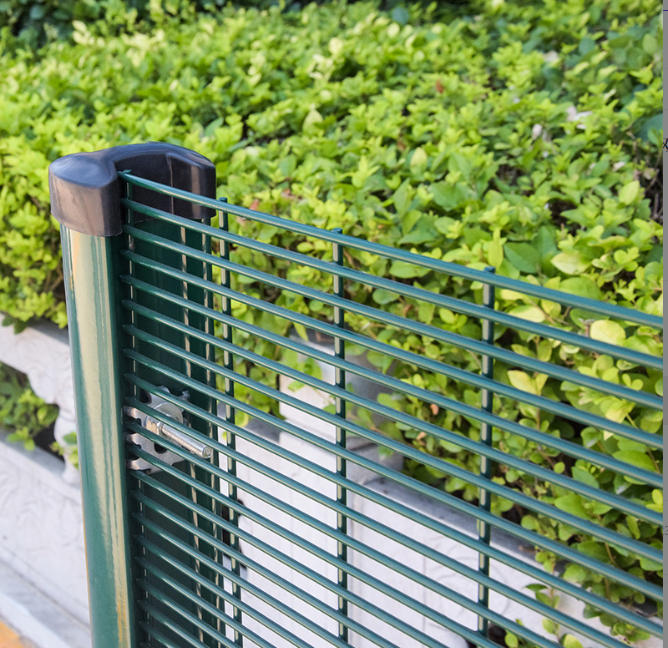
For 358 anti climb fence projects, quality control should focus on consistent wire diameter, accurate mesh opening, weld integrity, panel straightness, coating adhesion, and finish uniformity. Many projects also request documentation aligned to commonly referenced corrosion and coating practices (requirements vary by market and project), plus staged inspections after welding, after coating, and before packing to prevent defective bays from arriving onsite and triggering delays. When a site needs extra anti-intrusion coverage in climb-prone transition areas (such as between fence lines, around structural openings, or where a “soft” infill is required without blocking visibility), some contractors pair the rigid 358 system with compatible add-on barriers like Black Oxide Stainless Steel Cable Mesh, and apply the same QC mindset to tension consistency, surface condition, and corrosion-performance documentation so the whole perimeter behaves like one controlled security system.
FAQs
What does “358” mean in 358 anti climb fence?
It typically refers to a tight welded mesh pattern around 76.2 mm × 12.7 mm openings, designed to reduce grip and resist climbing while keeping visibility high.
Which mistake costs the most money over time?
Trap #14: letting post flex begin. Once movement starts, it spreads into loosening, gaps, coating wear, and repeated rework costs.
Is 3.0 mm wire enough, or should I choose 4.0 mm?
Both are used. 4.0 mm generally increases rigidity and impact resistance, while 3.0 mm is often chosen for balanced performance and cost. Site risk level, height, and wind exposure should drive the decision.
Why does clamp count matter so much?
Clamps control load distribution. Too few clamps concentrates force, increases vibration, and accelerates loosening—especially on taller panels and corners.
Can POLYMETAL 358 anti climb fence be customized?
Yes. Typical customization includes height, wire diameter, bend count, post section, coating system, color, gates, and additional security integrations depending on the project requirements.