Your One-Stop Wire Mesh Fence Supplier | POLYMETAL
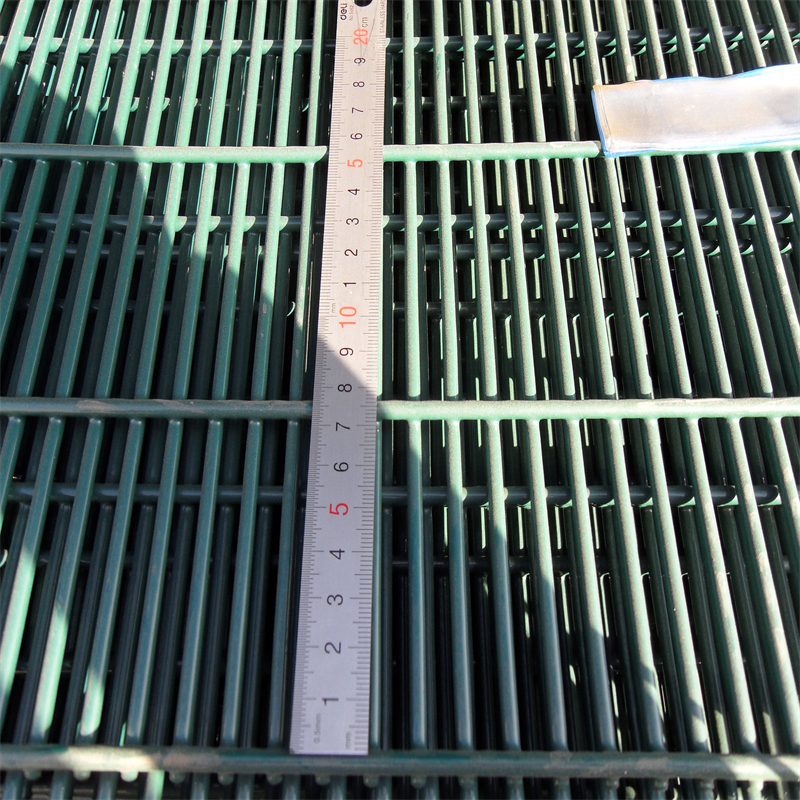
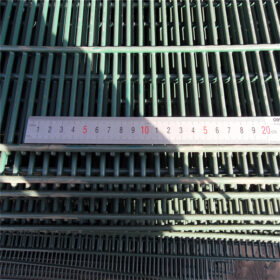
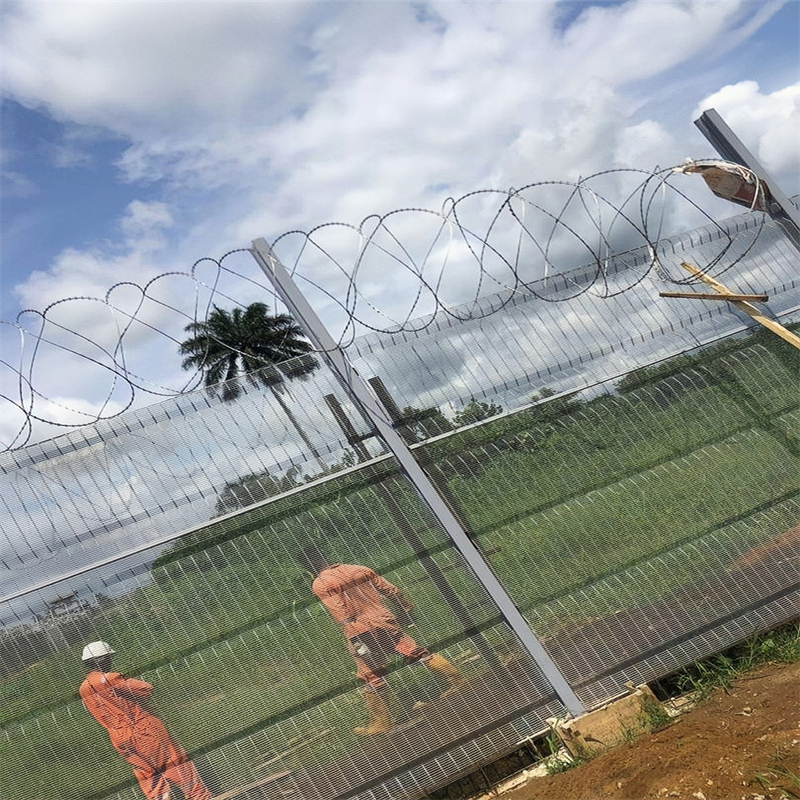
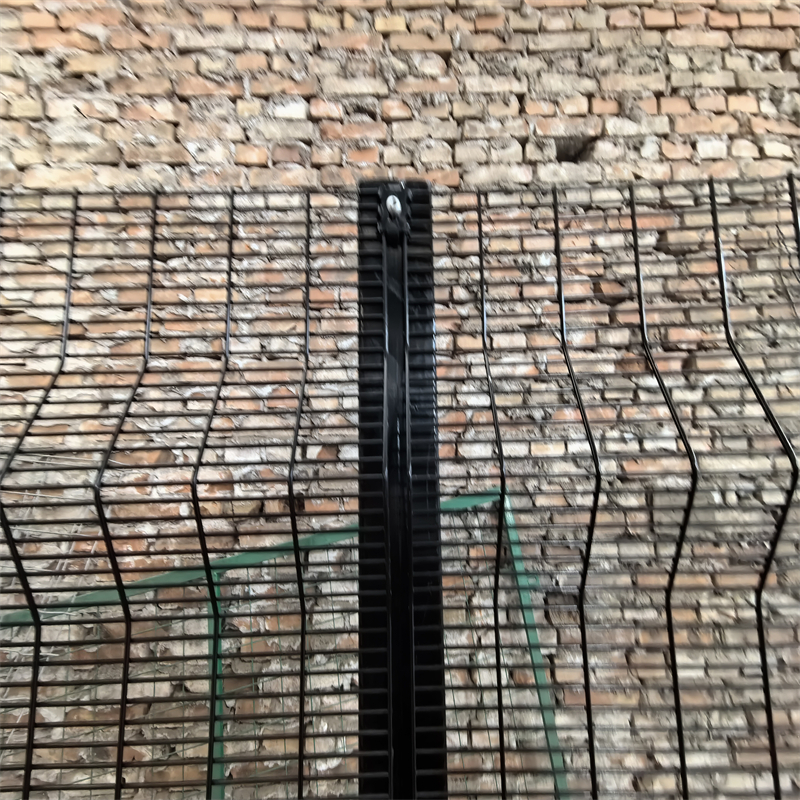
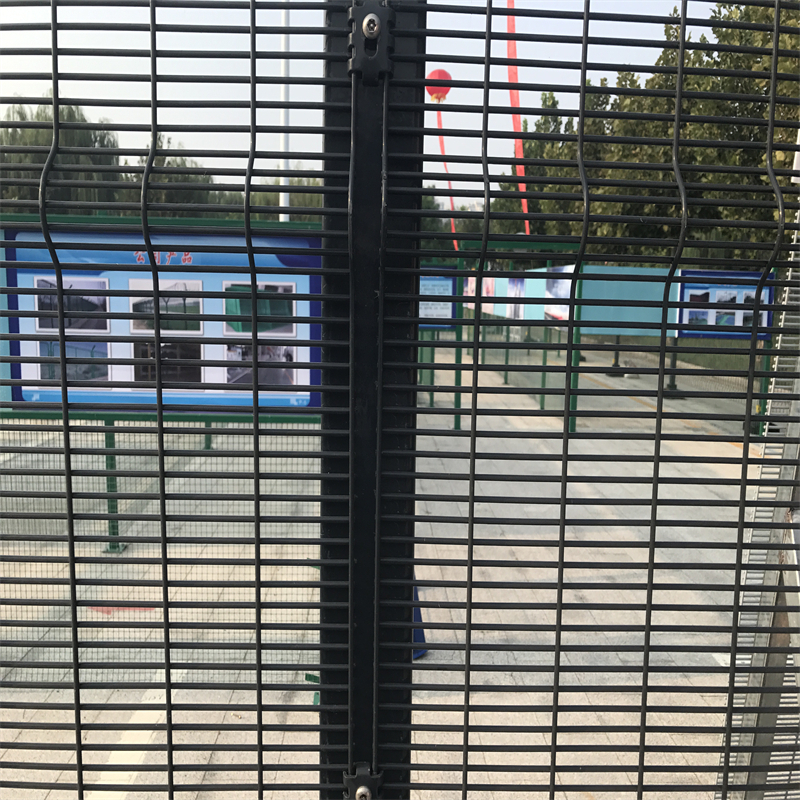
POLYMETAL 358 anti climb mesh fence is an extra high-security welded mesh fence system built for serious perimeter protection where anti-climbing and anti-cutting performance are critical. The “358” name comes from the classic mesh opening 3″ × 0.5″ × 8 gauge, approximately 76.2mm × 12.7mm × 4mm, creating a dense panel that is extremely difficult to penetrate and difficult to attack using conventional hand tools. Because the openings are small and every intersection is resistance welded, a 358 anti climb mesh fence helps reduce footholds and finger holds while maintaining strong visibility for patrol, CCTV, and electronic detection zones.
Product Description
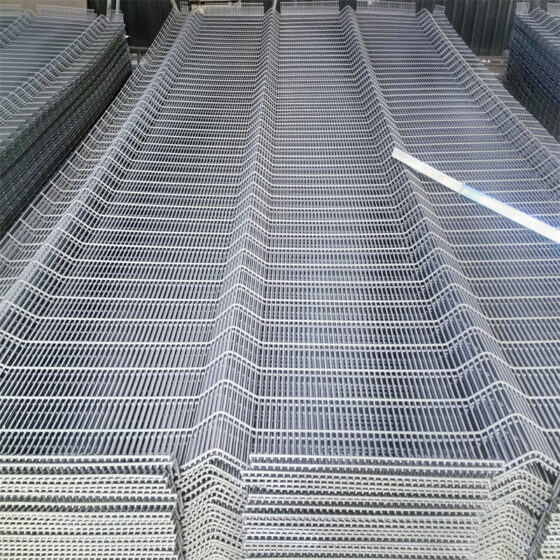
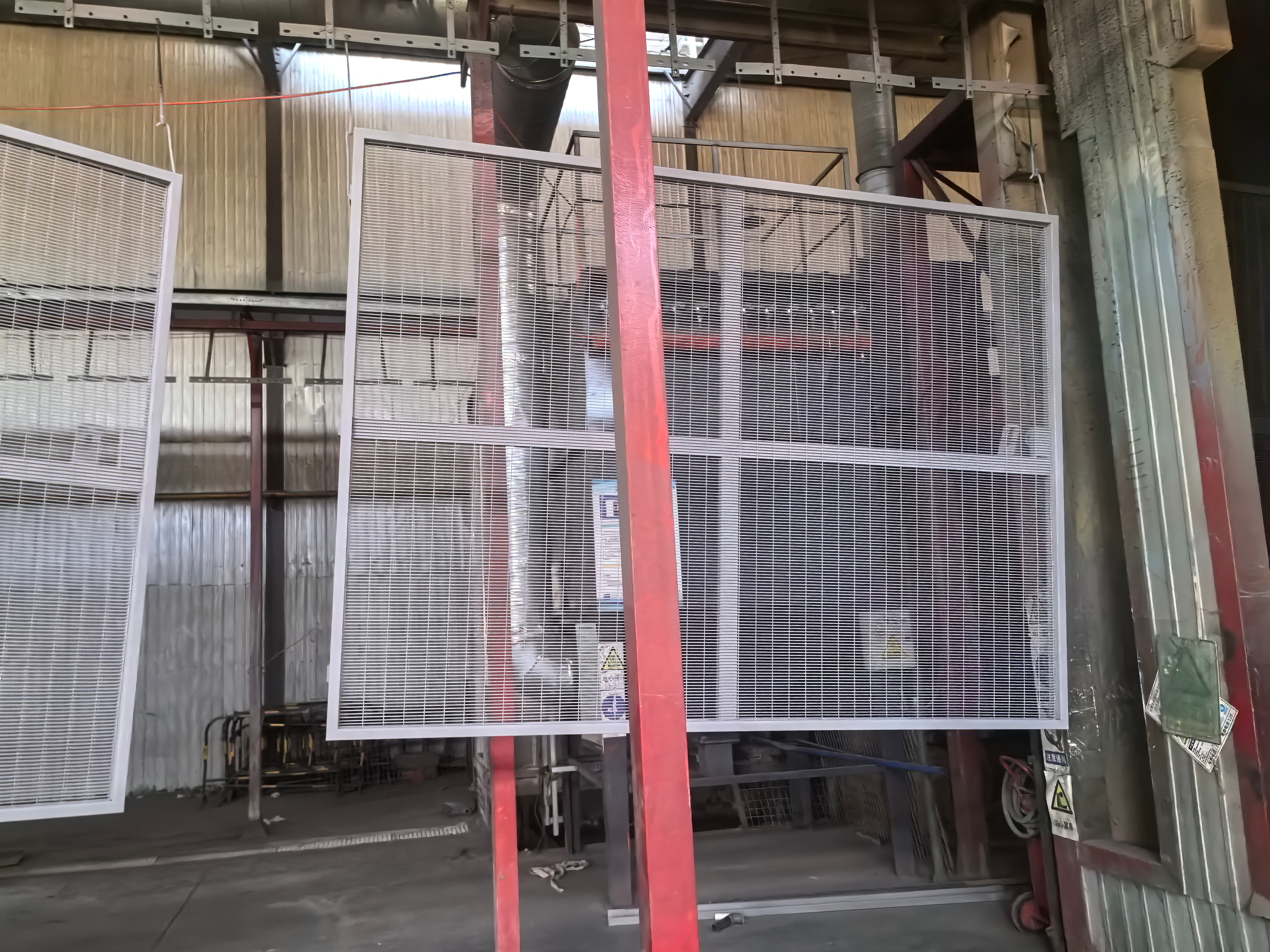
POLYMETAL 358 anti climb mesh fence panels are produced as heavy-duty welded mesh panels engineered to resist climbing and cutting while staying straight, rigid, and visually professional for high-security sites.
Mesh Pattern and Security Function
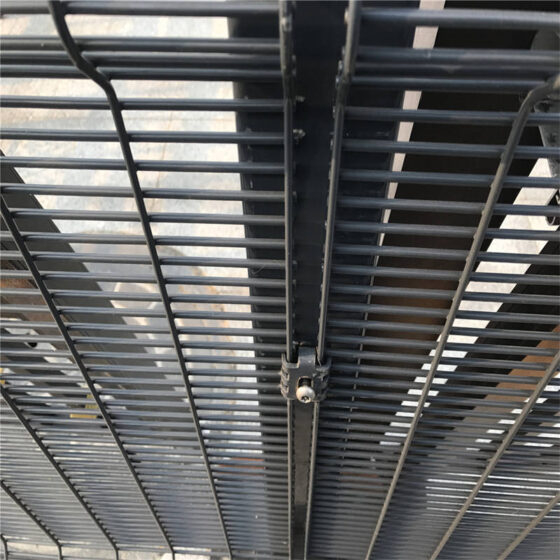
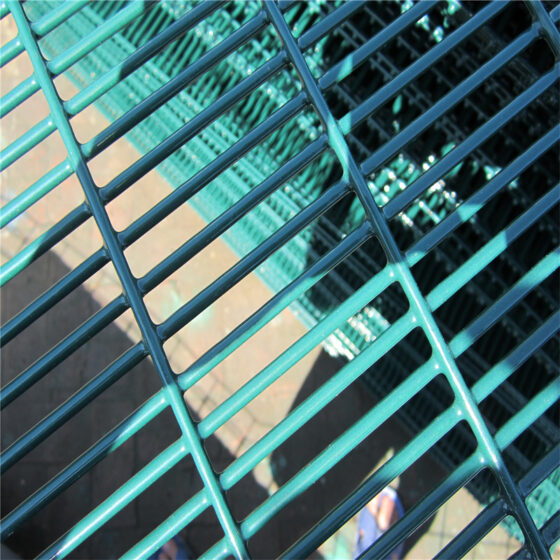
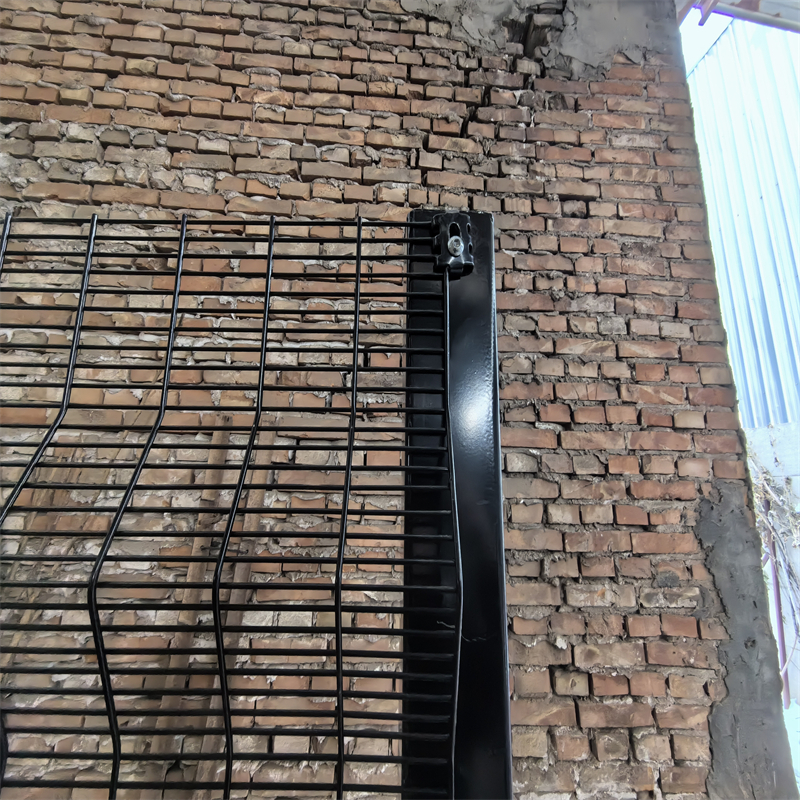
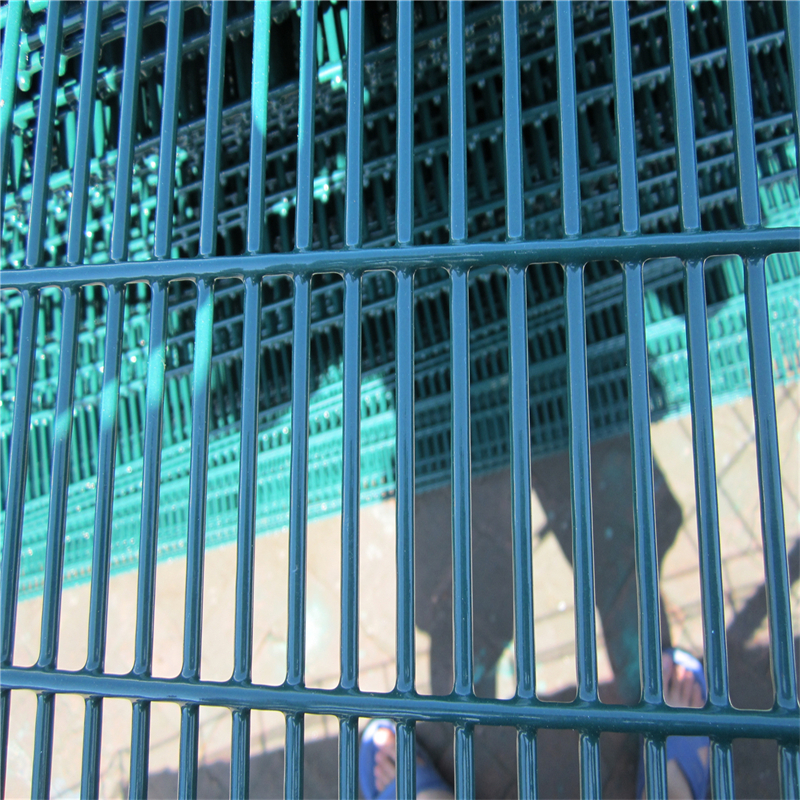
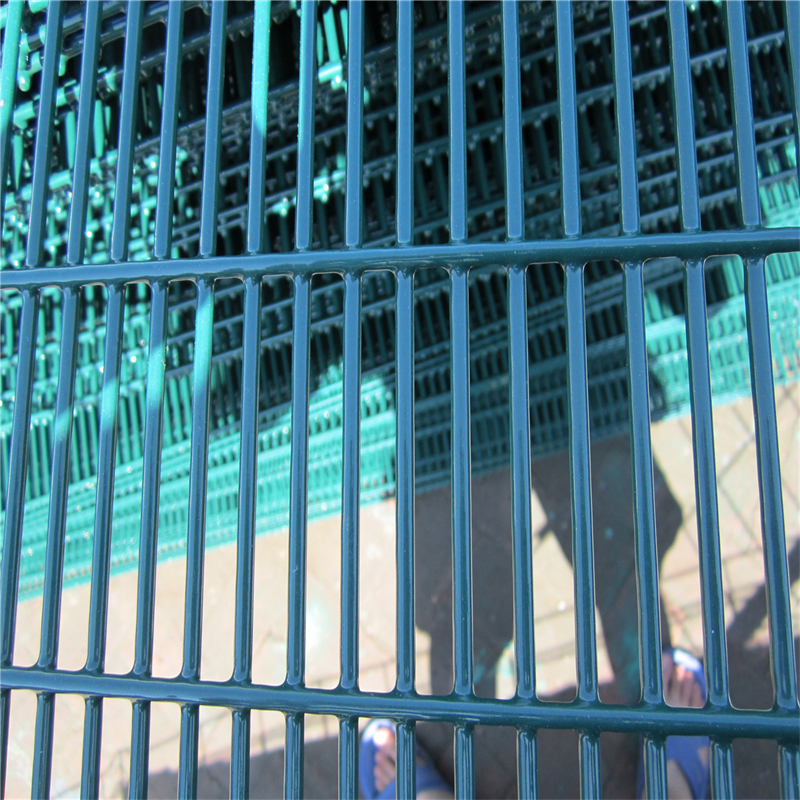
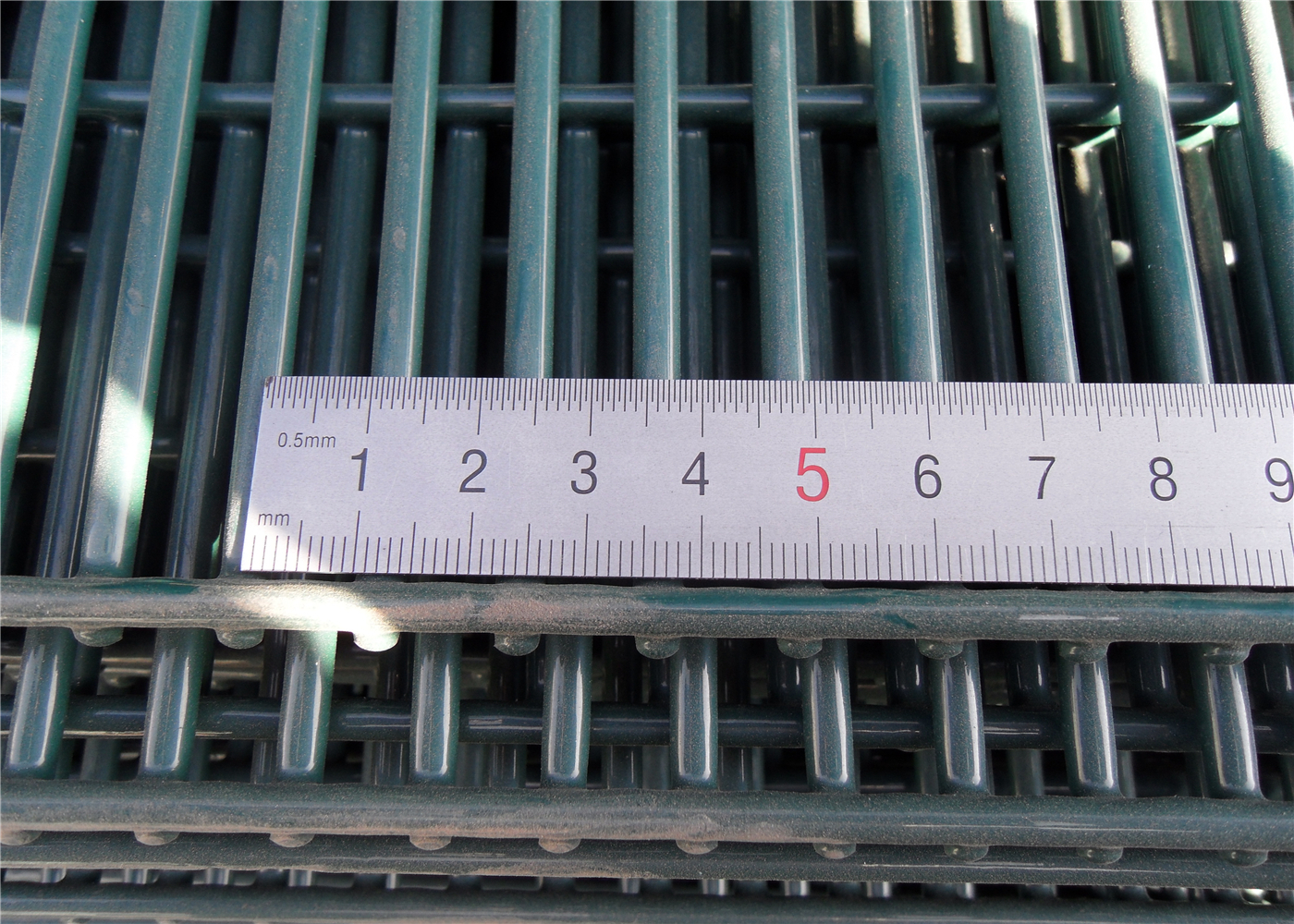
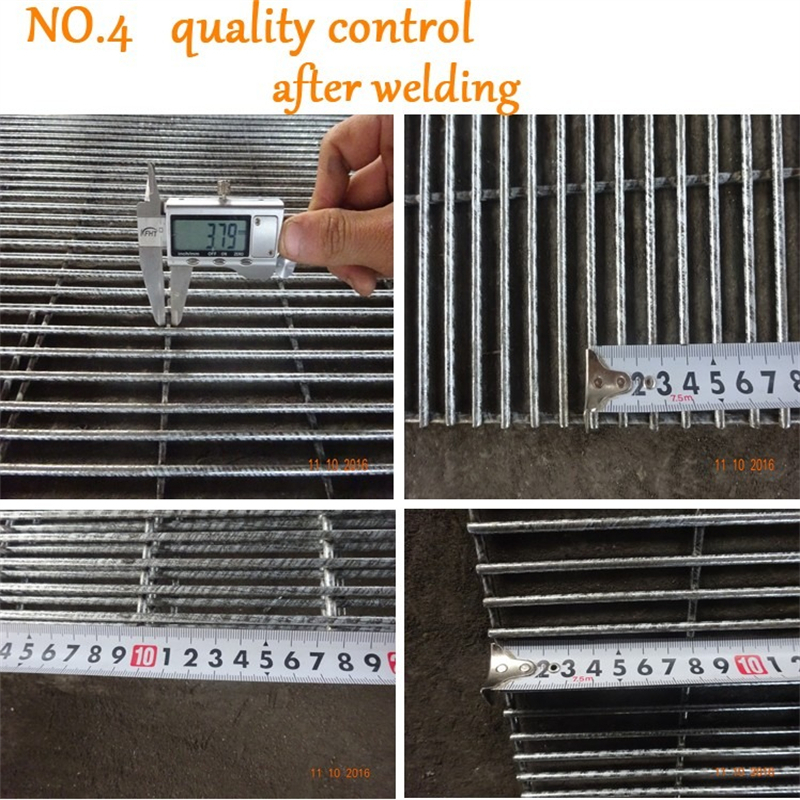
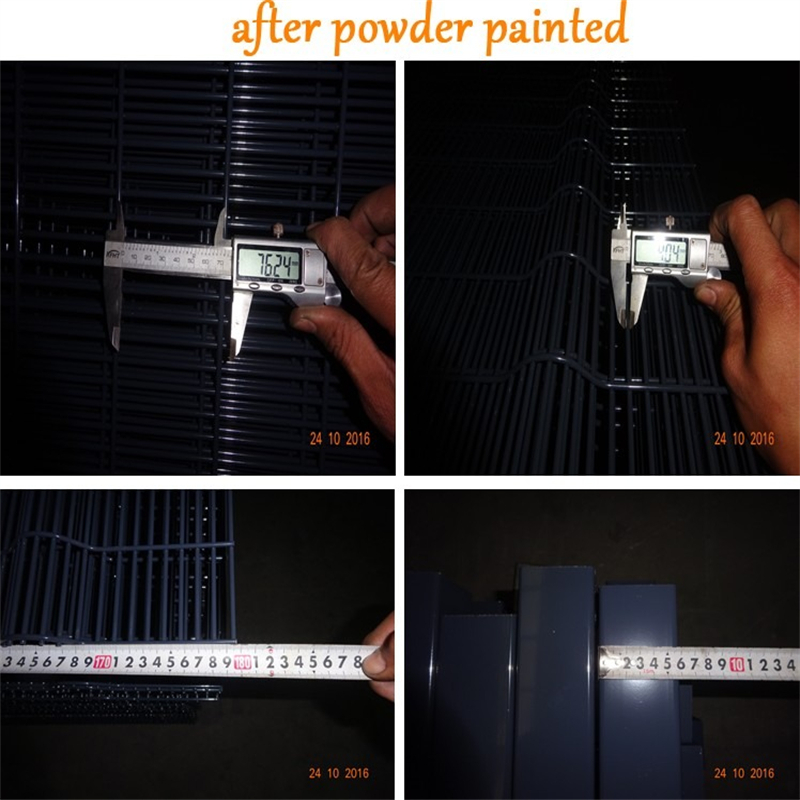
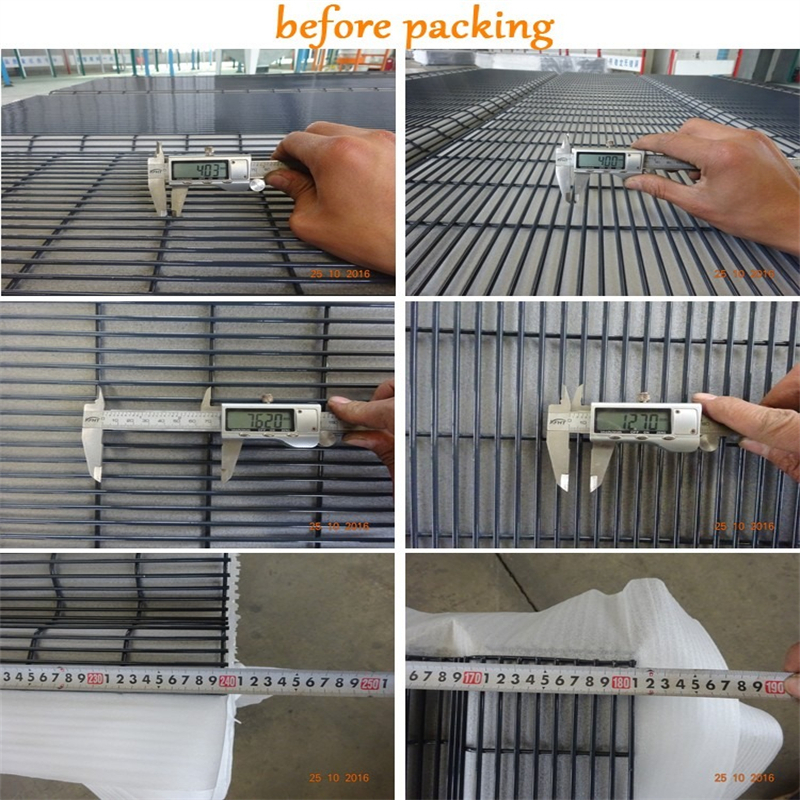
The panel mesh pattern is 76.2mm (3″) × 12.7mm (0.5″), resistance welded at each intersection to form a dense grid that makes it hard to gain leverage with hands, feet, or common tools. This small-aperture geometry helps prevent toe and finger holds while maintaining visibility across the boundary line.
Wire Diameter and Structural Behavior
Wire diameter is commonly specified at 4mm for both horizontal and vertical wires to deliver security-grade stiffness and durable welded joints. When wire size is correct, panels resist deformation better during transport, installation, and long-term wind vibration.
Surface Treatment and Color Options
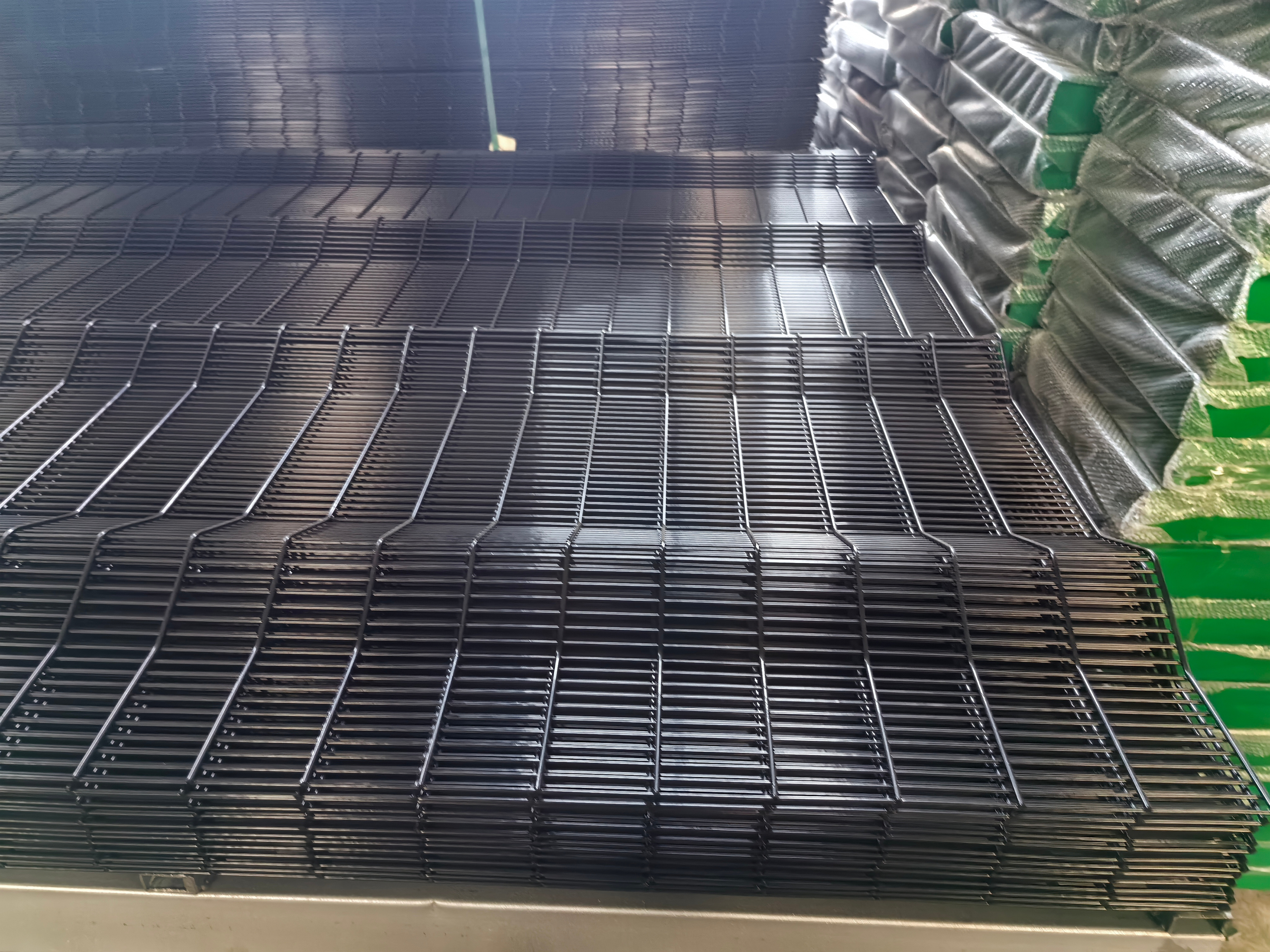
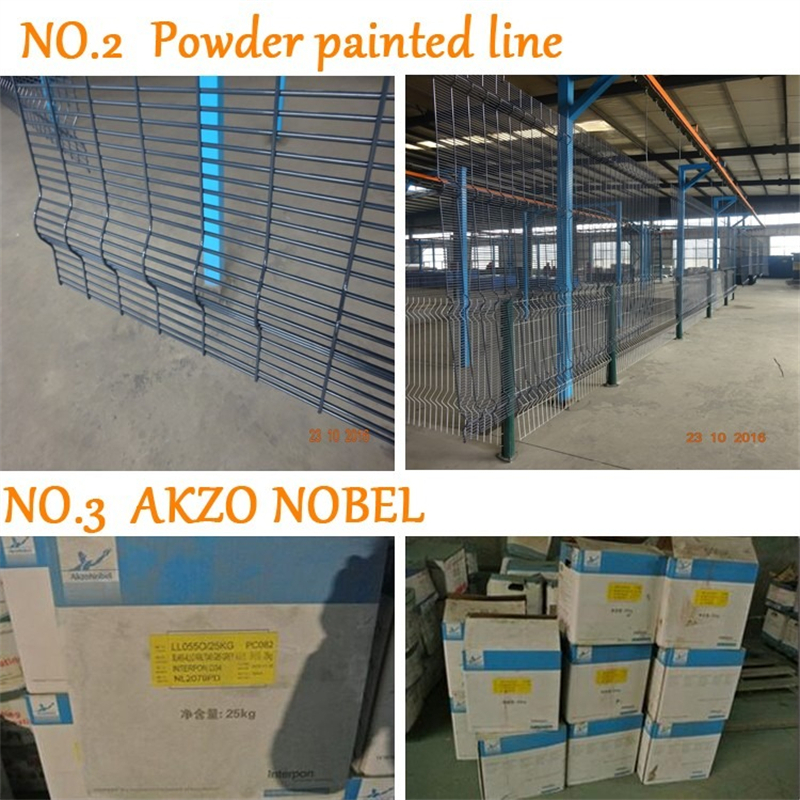
For long-term corrosion protection, panels can be made from galvanized wire or Galfan wire, then protected with polymer powder coating (commonly a heavier build for long service life). Popular color options include Green RAL 6005 and Black RAL 9005, with other colors available for architectural matching.
358 Mesh Fence Features
Anti-Climbing Feature
Small Openings Reduce Footholds
The small aperture design reduces toe or finger holds, making climbing significantly more difficult without specialist equipment.
Anti-Cut Feature
Robust Wire and Welds Increase Cutting Difficulty
Robust wire diameter plus welded intersections make cutting very difficult using bolt cutters and wire cutters.
Durable Performance
Galfan/Galvanized Plus Powder Coating Supports Long Service Life
Galfan or galvanized base material with polymer powder coating helps protect the fence in harsh outdoor environments and helps maintain appearance for longer.
Posts and Fixing System
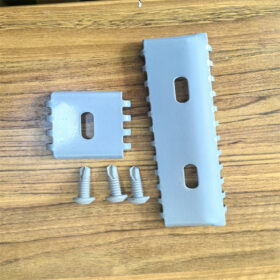
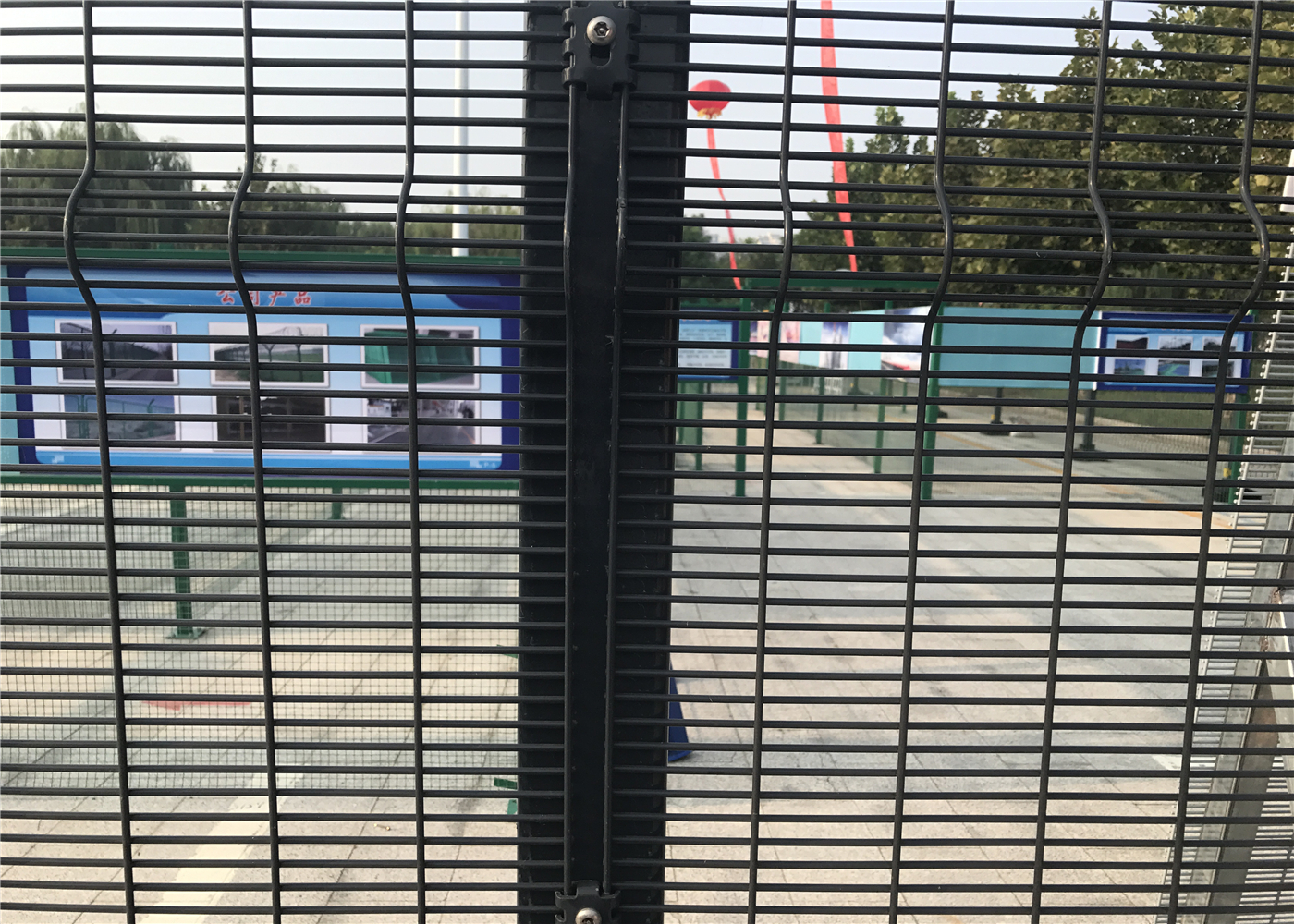
POLYMETAL 358 anti climb mesh fence posts are designed for rigidity and long-term stability under impact and wind load, with clamp bars and bolts securing panels for repeatable installation.
Post Options
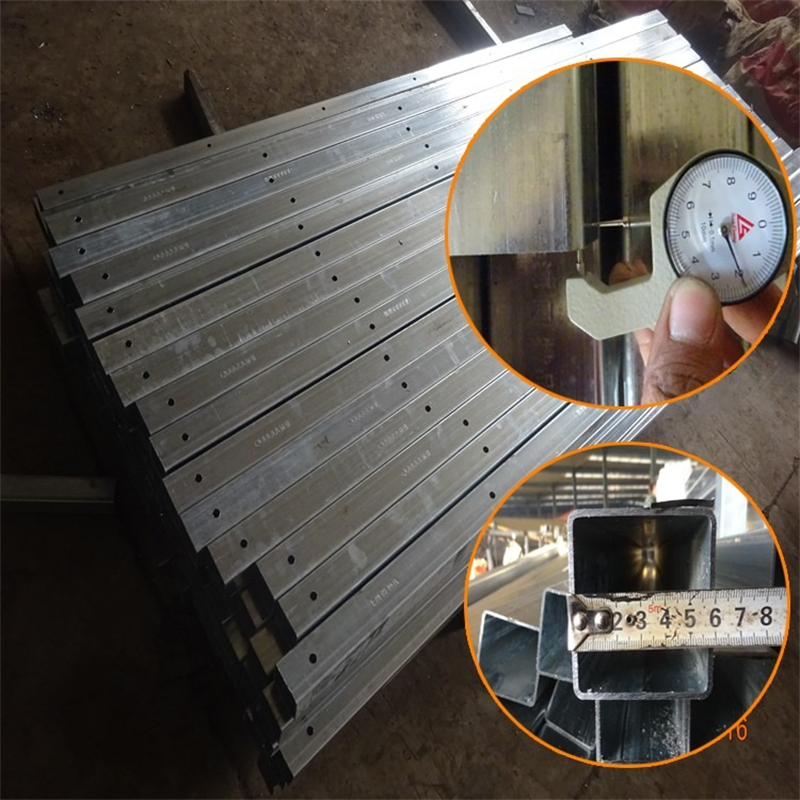
Posts are commonly specified in 60×60mm, 80×80mm, 100×100mm, or 120×120mm sections to match fence height and security demand.
Post Plate and Accessories
Post plate thickness is commonly selected from 2.5mm, 3.0mm, 4.0mm, and 5.0mm for base-plate installations, while clamp bars and metal clips help maintain panel rigidity at every post line.
Post Finish
Posts are typically galvanized inside and outside, then covered with polymer powder coating to improve corrosion resistance and maintain appearance.
The Top 12 “Danger” Headlines You Can’t Ignore (Especially #11)
Danger #1: “358” Name Used, But the Mesh Isn’t Truly 76.2×12.7mm
If the opening is not correct, the fence can accidentally create tool access points and climbing assists—while still being sold as “358”.
Danger #2: Wrong Wire Diameter Creates a Hidden Weak Fence
Underspec wire reduces stiffness and makes cutting and bending easier at high-pressure zones.
Danger #3: Weak Welding Turns a Security Panel Into a Failure Panel
A 358 anti climb mesh fence depends on strong welds at every intersection. Poor welding reduces panel integrity and raises breach risk.
Danger #4: Poor Flatness Means the Fence Looks “Wavy” and Installs Slower
Twisted panels waste labor on site, create visible defects, and weaken the “security-grade” impression.
Danger #5: Coating Looks Fine Now, Then Rust Starts at Welds and Edges
If pretreatment and coating build are weak, corrosion often begins at weld points and cut edges where exposure is highest.
Danger #6: Wrong Post Size Lets High Security Panels Move Under Load
A strong panel on an undersized post can vibrate, loosen, or lean, creating a security gap over time.
Danger #7: Incorrect Clamp Bar or Bolt Layout Reduces Holding Strength
If clamp bars or fasteners are poorly matched to panel height, the fixing system becomes the weak link.
Danger #8: Overlapping and Fixing Done Wrong Creates Attack Points
If overlap distance and fixing method are inconsistent, joints can become a practical target area.
Danger #9: Ignoring Wind Load Turns a Security Fence Into a Maintenance Problem
Tall fences in open areas need correct post spacing and base design or the line can loosen and deform.
Danger #10: Wrong Color/Coating Choice Creates Fast Fading and Ugly Chalk
A low-quality powder system may chalk and fade early, making the fence look “old” while still new.
Danger #11: Ordering Panels Without Tight Tolerances Causes Rework and Security Exposure
If wire diameter tolerance, mesh opening tolerance, and panel size tolerance are not controlled, panels can arrive mismatched, slow down installation, and create gaps that compromise the perimeter when time is critical.
Danger #12: Buying Panels Without Planning Corners, Gates, and Transitions
A 358 anti climb mesh fence is a full system; corners, gates, and transitions must be engineered or the site ends up with weak improvised solutions.
Specifications
POLYMETAL 358 Mesh Fence Specifications Table
| 358 Mesh Fence Specifications | ||||
| Fence height (m) | Panel size (H × W) (mm) | Fence Post (Height × Size × Thick) (mm) | Clamp Bar (Height × Width × Thickness) (mm) | Middle or corner Clamp No. (pcs) |
| 2.0 | 2000 × 2515 | 2700 × 60 × 60 × 2.5 | 2000 × 60 × 5.00 | 7 or 14 |
| 2.4 | 2400 × 2515 | 3100 × 60 × 60 × 2.5 | 2400 × 60 × 5.00 | 9 or 18 |
| 3.0 | 3000 × 2515 | 3800 × 80 × 80 × 2.5 | 3000 × 80 × 6.00 | 11 or 22 |
| 3.3 | 3300 × 2515 | 4200 × 80 × 80 × 2.5 | 3300 × 80 × 6.00 | 12 or 24 |
| 3.6 | 3600 × 2515 | 4500 × 100 × 100 × 3.0 | 3600 × 100 × 7.00 | 13 or 26 |
| 4.2 | 4200 × 2515 | 5200 × 100 × 100 × 4.0 | 4200 × 100 × 8.00 | 15 or 30 |
| 4.5 | 4500 × 2515 | 5500 × 100 × 100 × 5.0 | 4500 × 100 × 8.00 | 16 or 32 |
| 5.2 | 5200 × 2515 | 6200 × 120 × 120 × 5.0 | 5200 × 100 × 8.00 | 18 or 36 |
Applications
Typical Security Use Cases
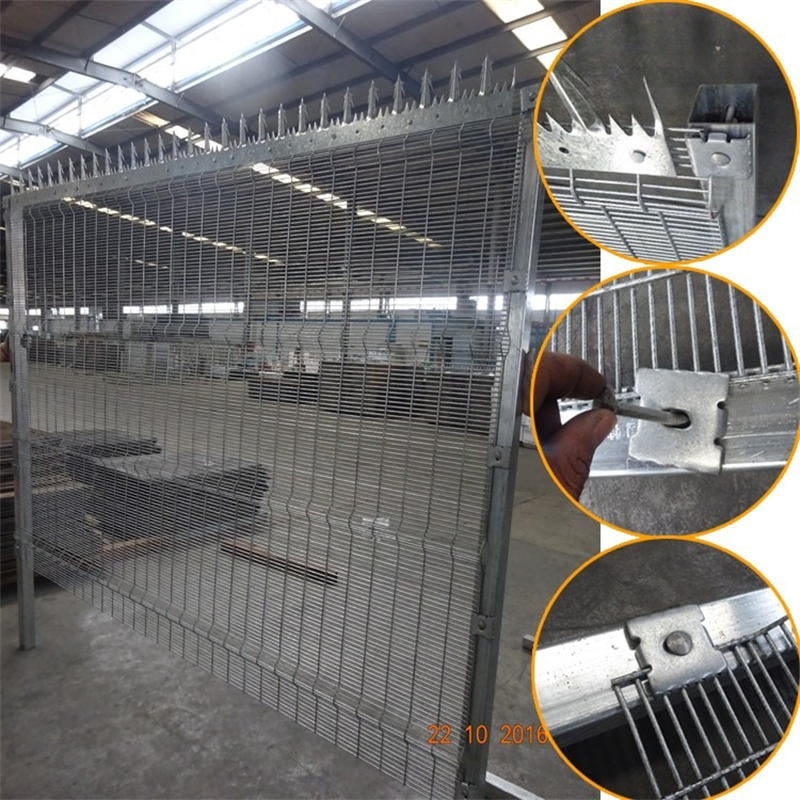
POLYMETAL 358 anti climb mesh fence is commonly used for prisons and correctional facilities, borderlines and restricted zones, power plants and substations, airports, schools and campuses, industrial facilities, high-value storage yards, and locations where strong security performance must be paired with maximum visibility.
Benefits
Security Benefits
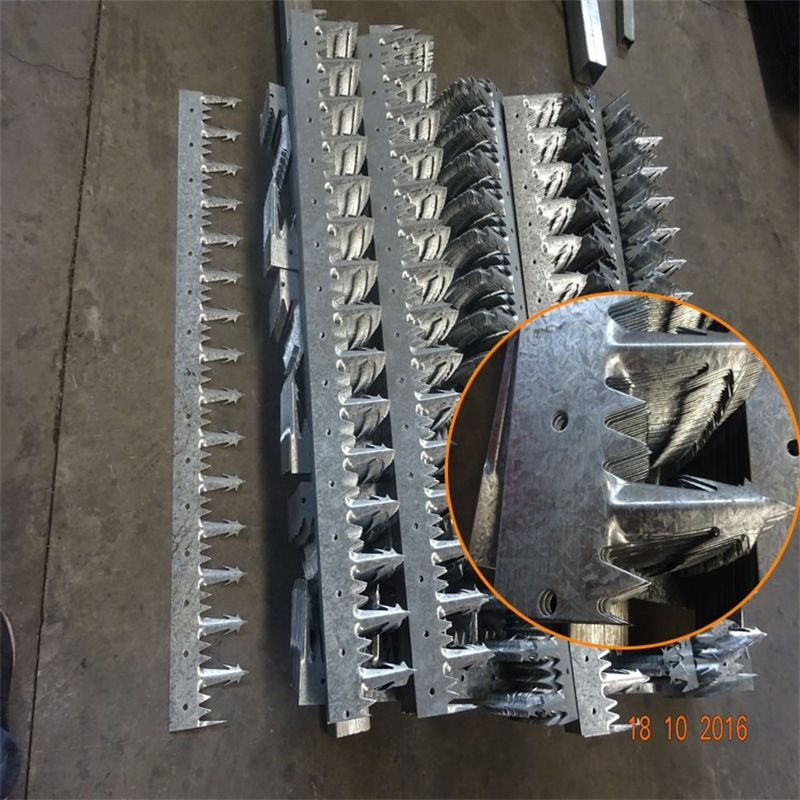
A POLYMETAL 358 anti climb mesh fence improves perimeter protection by reducing climbing opportunities and increasing cutting difficulty through dense small-aperture welded mesh and strong wire diameter selection.
Operational Benefits
High visibility supports CCTV and patrol monitoring while still delivering a strong physical barrier. When coating build is correct, the fence maintains appearance longer and reduces long-term corrosion repair pressure.
Packing
Panel Packing Method
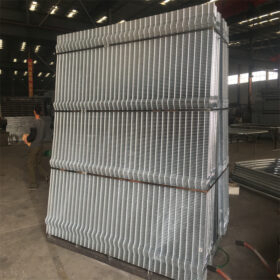
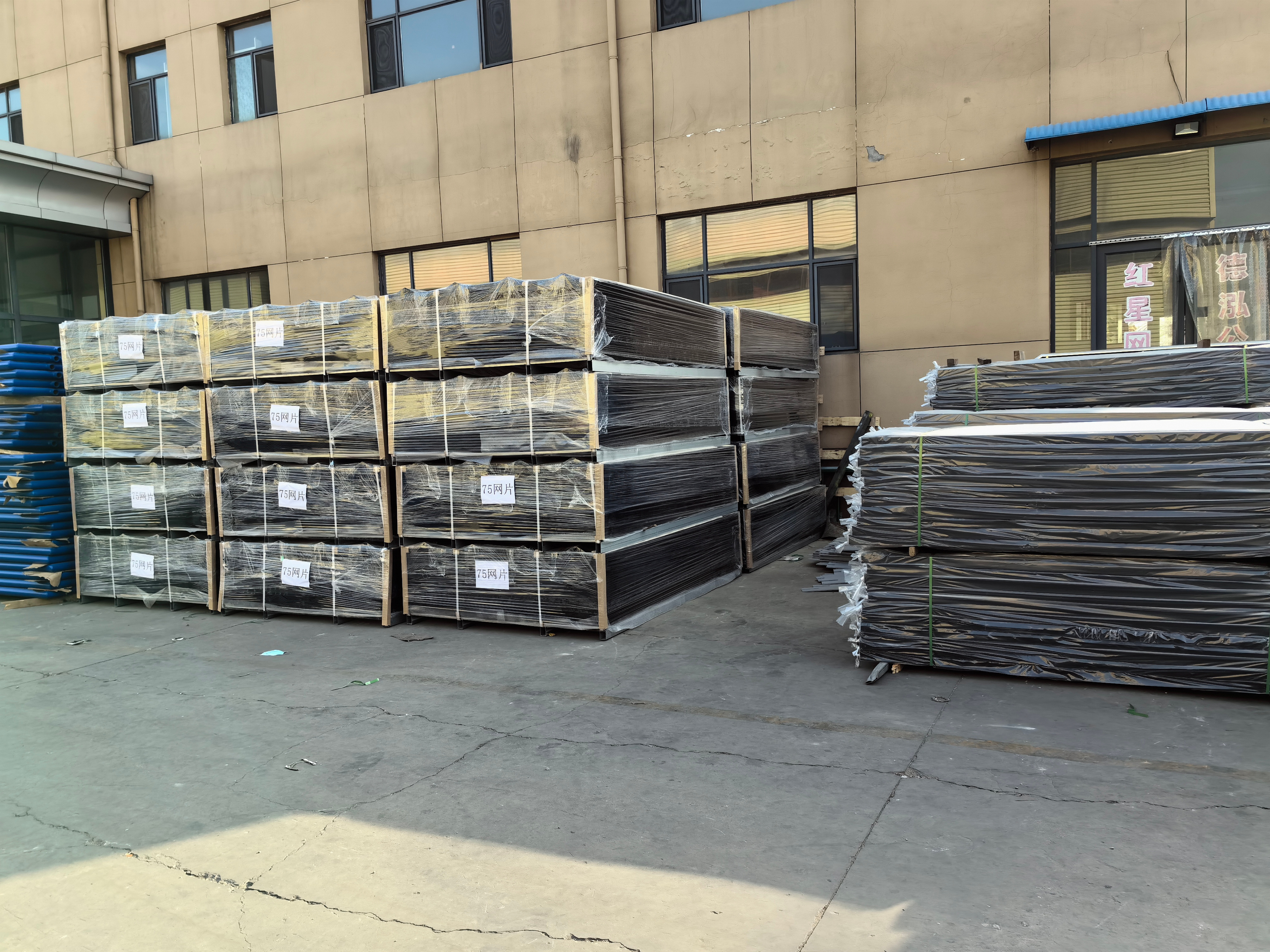
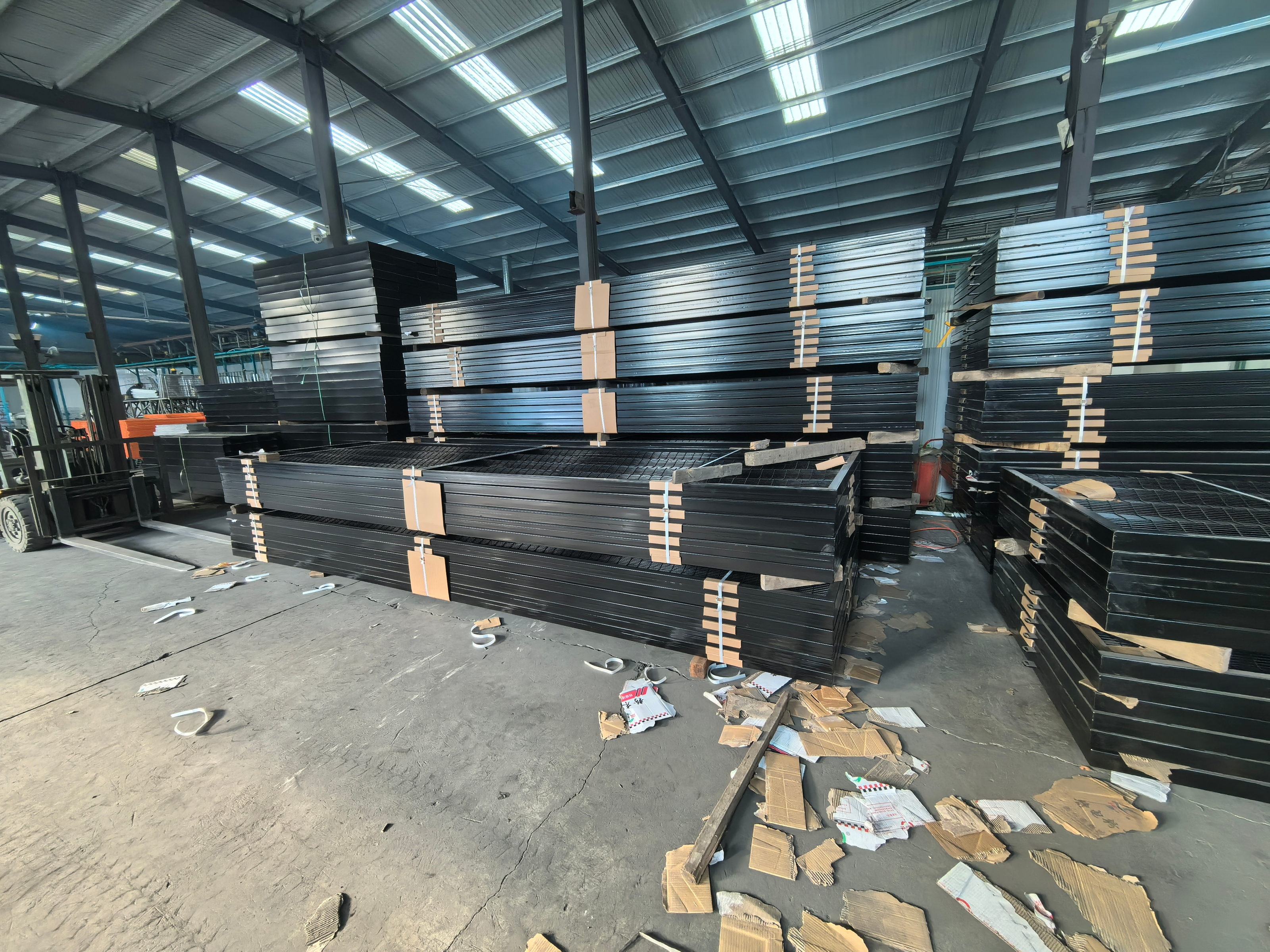
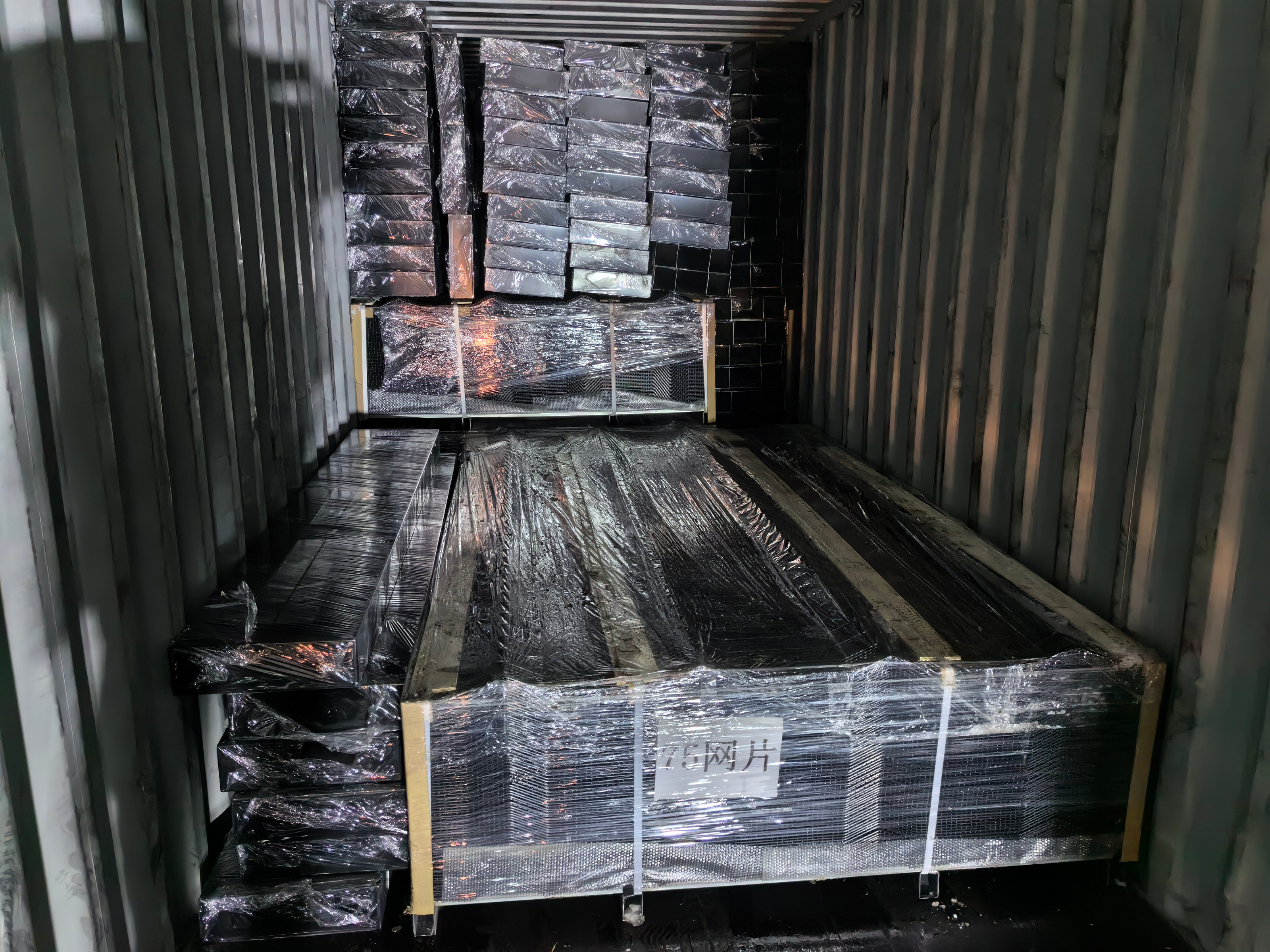
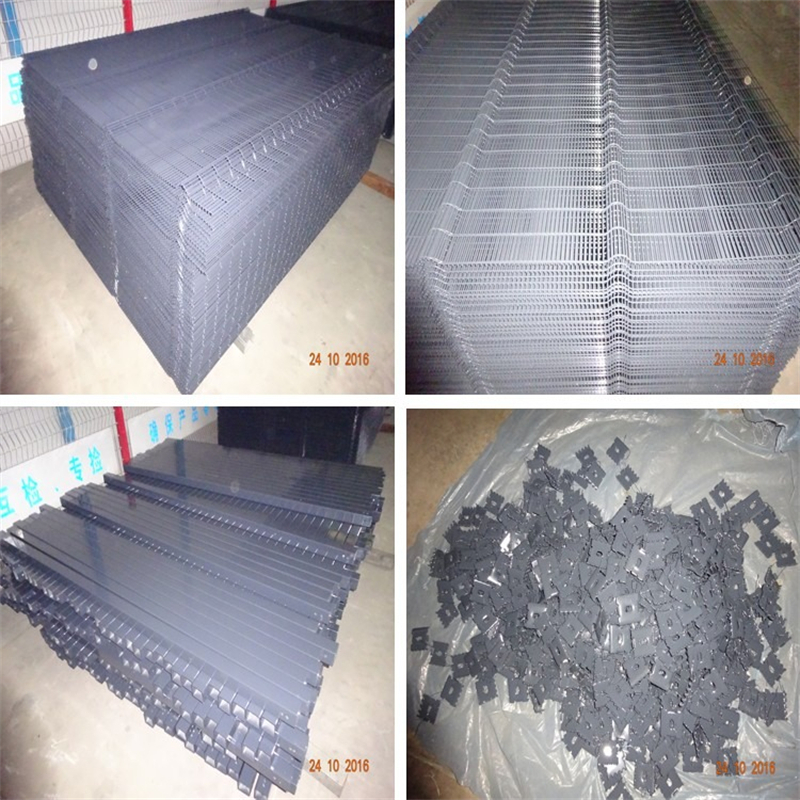
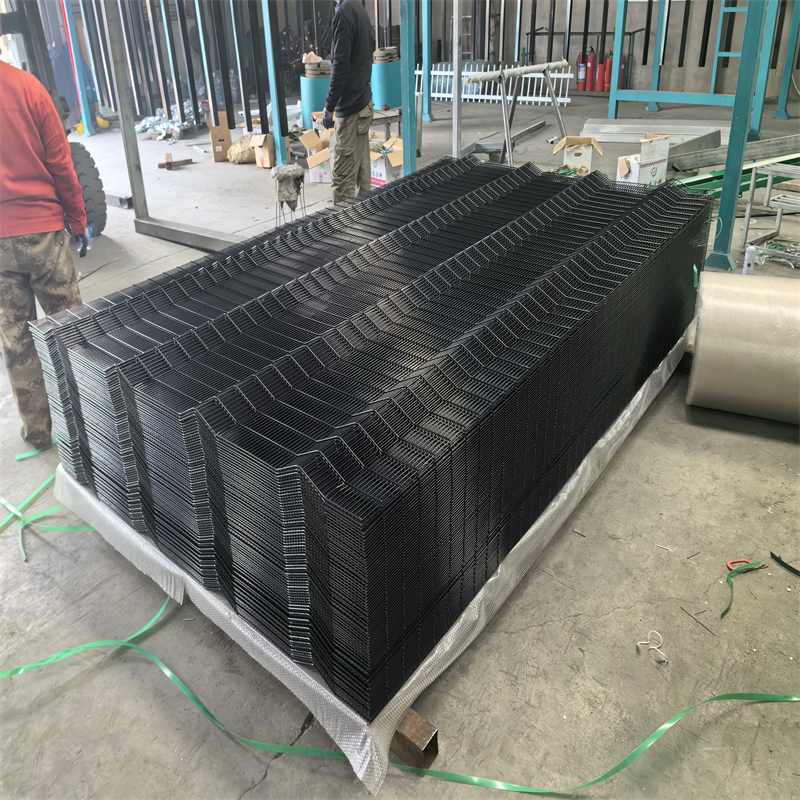
POLYMETAL 358 anti climb mesh fence panels are commonly packed with protective separation between panels to reduce rubbing, with corner protection to keep stacks aligned and stable during transport. Pallet packing helps protect the bottom panel and improves forklift handling efficiency.
Post and Accessory Packing
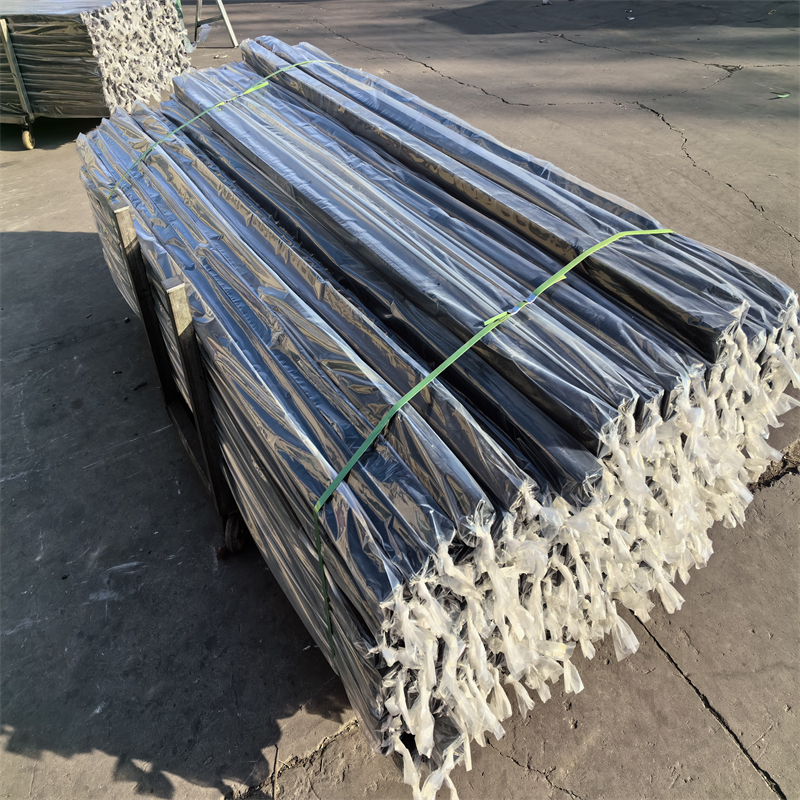
Posts are typically wrapped with plastic film and packed on pallets. Accessories are packed in small plastic bags and cartons to reduce loss and improve site distribution.
Standard
Manufacturing Control Points
POLYMETAL 358 anti climb mesh fence production focuses on welding consistency, dimensional accuracy, coating thickness control, and packing inspection to reduce site rework and ensure stable perimeter performance after installation; meanwhile, you can also explore our picket steel fence for sale options for additional perimeter solutions.
FAQs
What Does “358” Mean in 358 Anti Climb Mesh Fence?
It refers to the classic mesh opening 3″ × 0.5″ with 8 gauge wire, approximately 76.2mm × 12.7mm × 4mm, which creates small openings and strong welded intersections.
Why Is 358 Anti Climb Mesh Fence Difficult to Climb?
Small apertures reduce toe and finger holds, and the welded intersections maintain panel rigidity so the fence is harder to manipulate or deform.
Which Color Is Most Common for High Security Sites?
Green RAL 6005 and Black RAL 9005 are common choices because they match many security and architectural environments while maintaining visibility and a professional appearance.
What Post Sizes Are Common for 358 Anti Climb Mesh Fence?
60×60mm, 80×80mm, 100×100mm, and 120×120mm are common, selected based on fence height and site load conditions.
How Do I Reduce Corrosion Risk Long-Term?
Select a strong galvanized or Galfan base material with a controlled polymer powder coating build and maintain consistent coating coverage at weld points and edges.