Your One-Stop Wire Mesh Fence Supplier | POLYMETAL
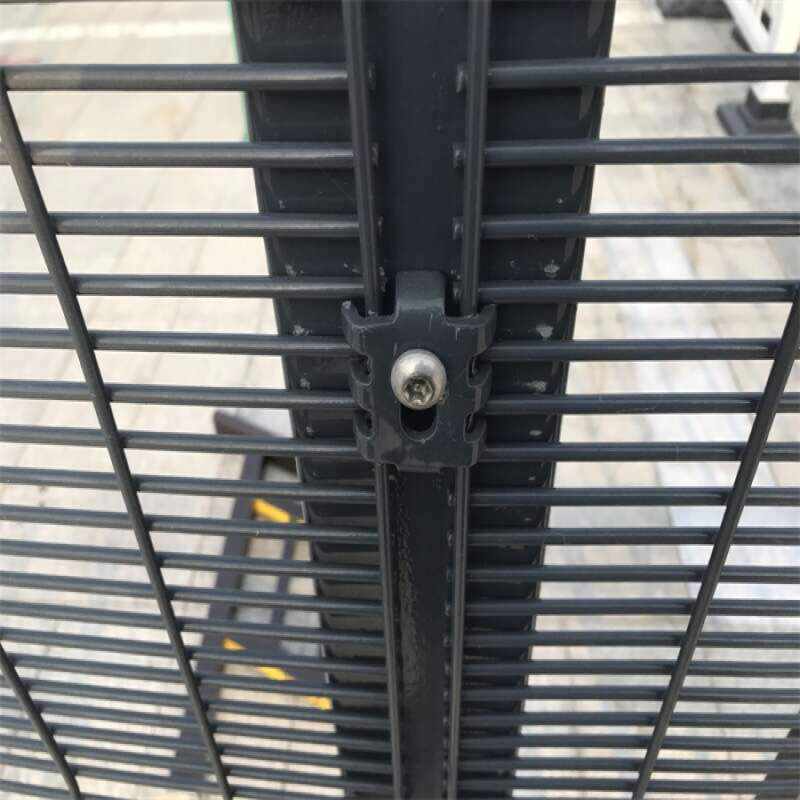
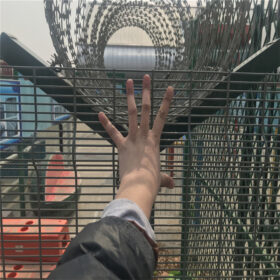
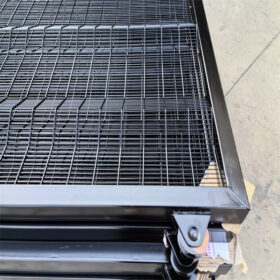
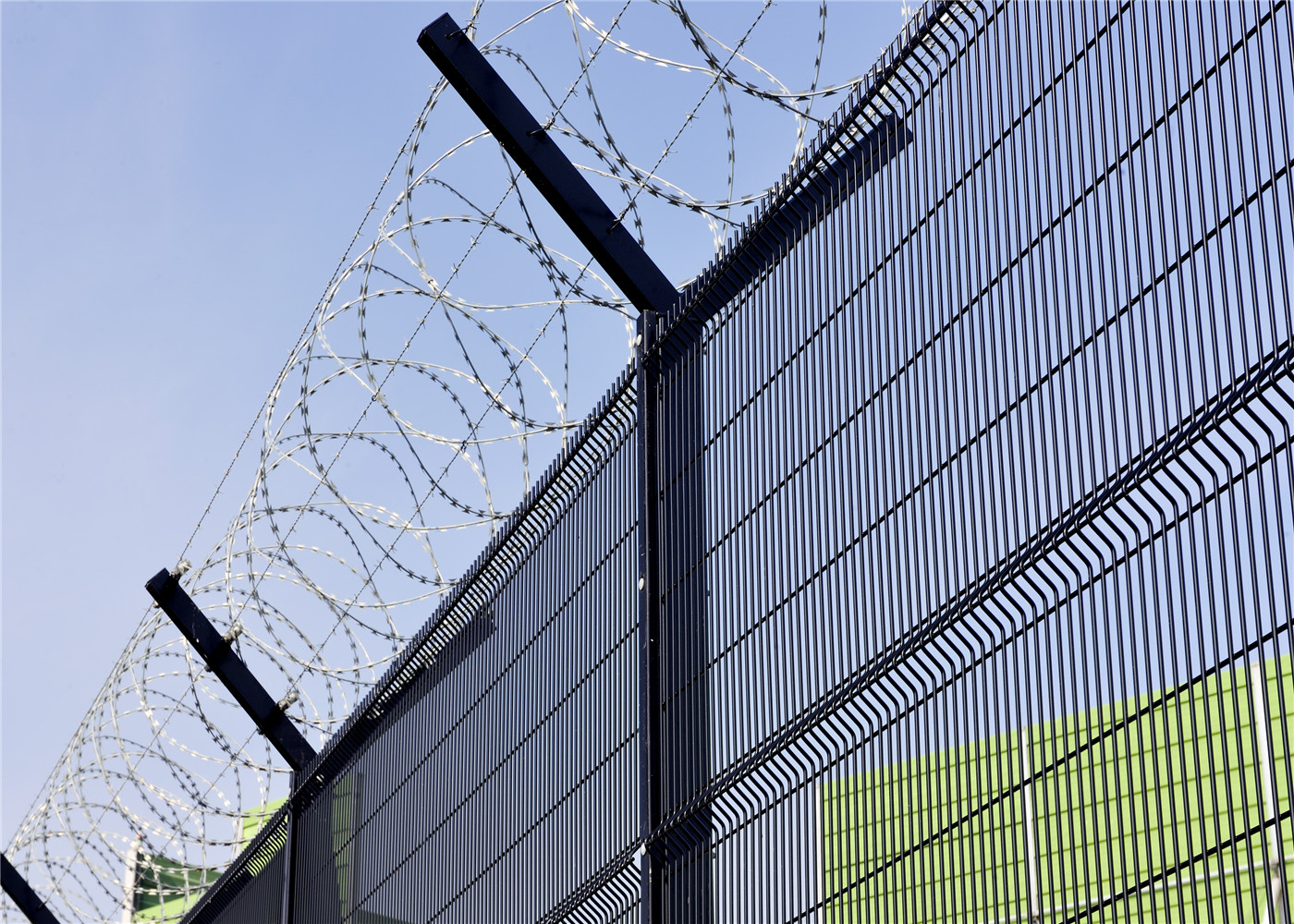
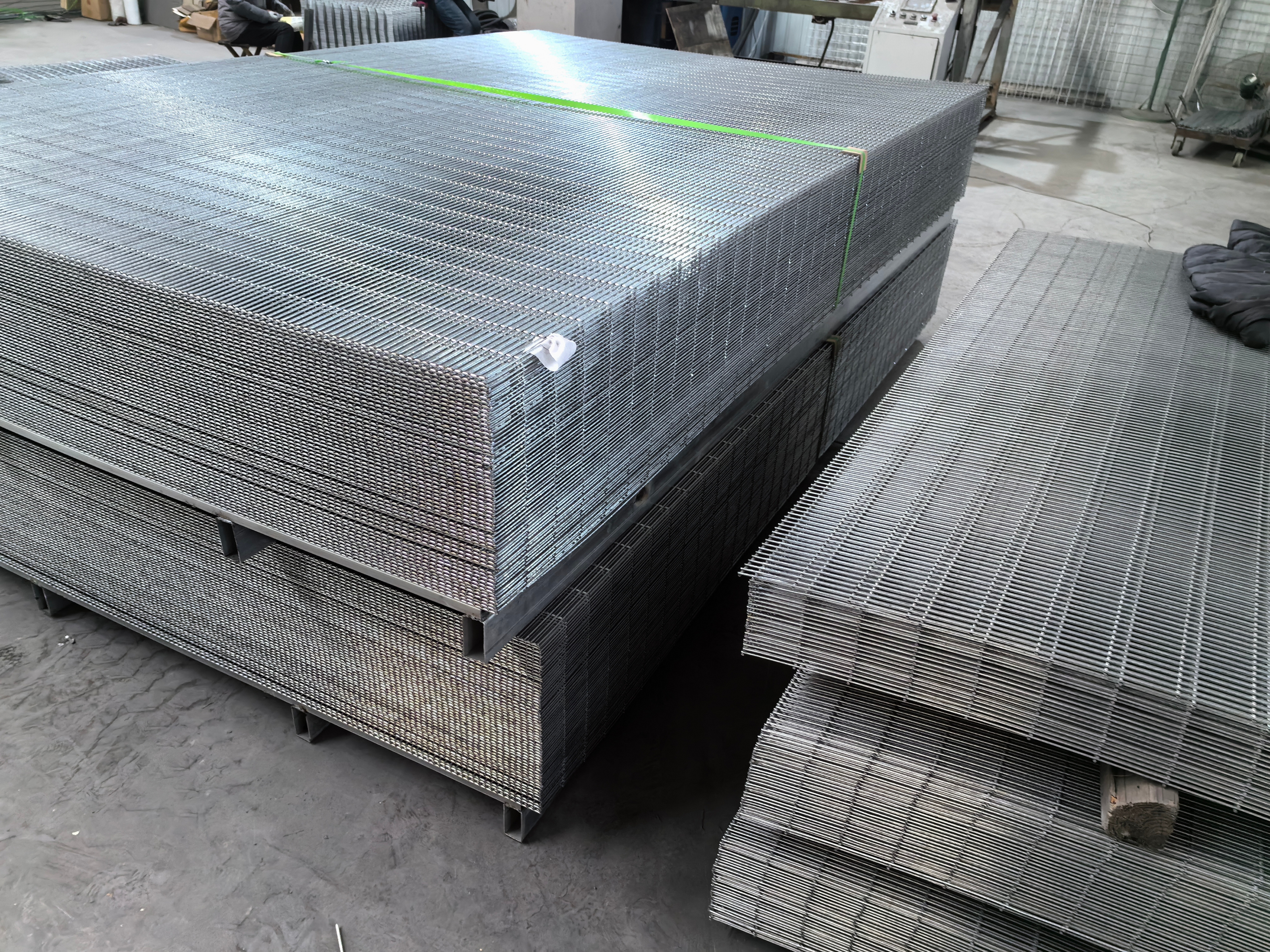
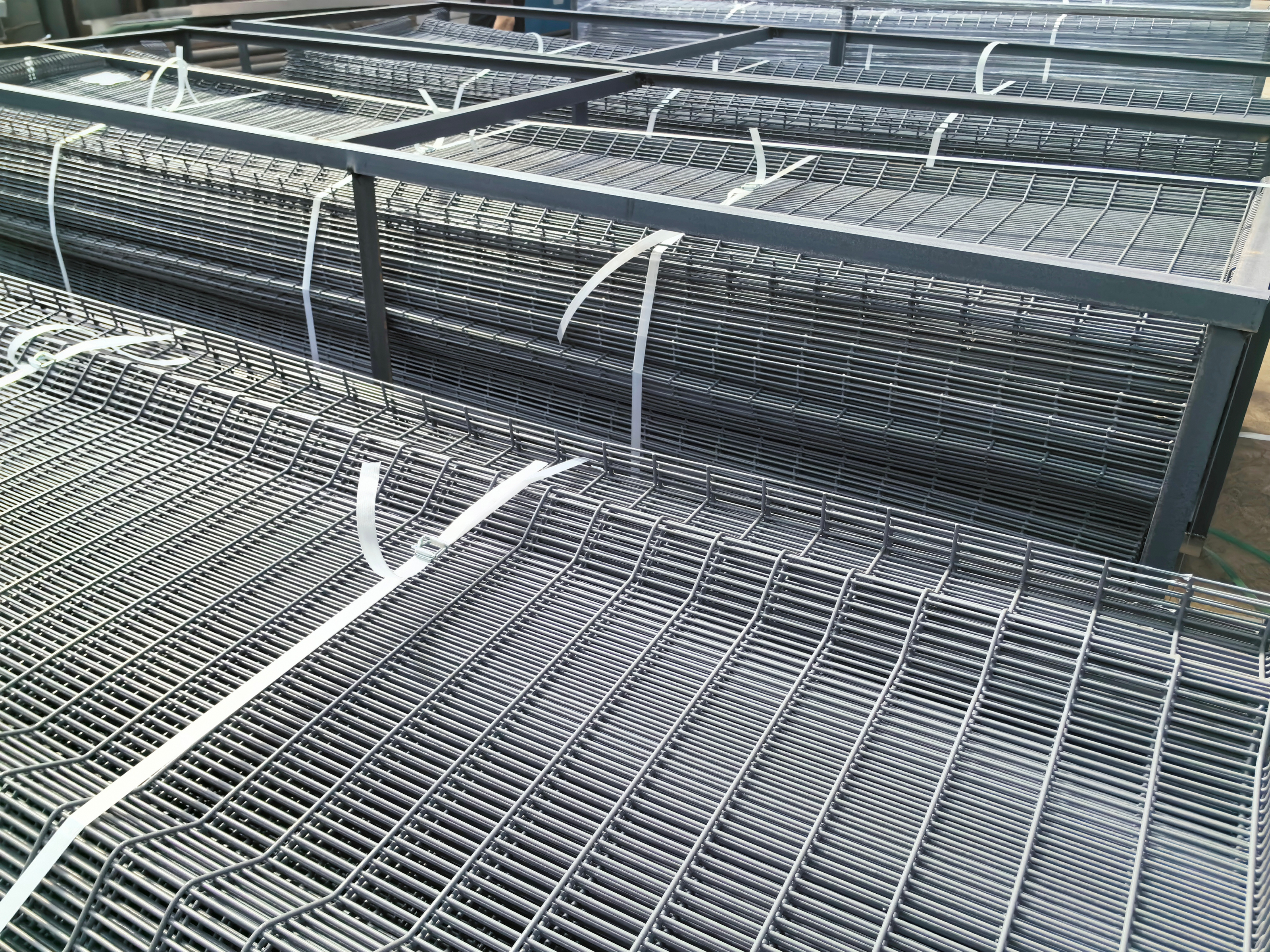
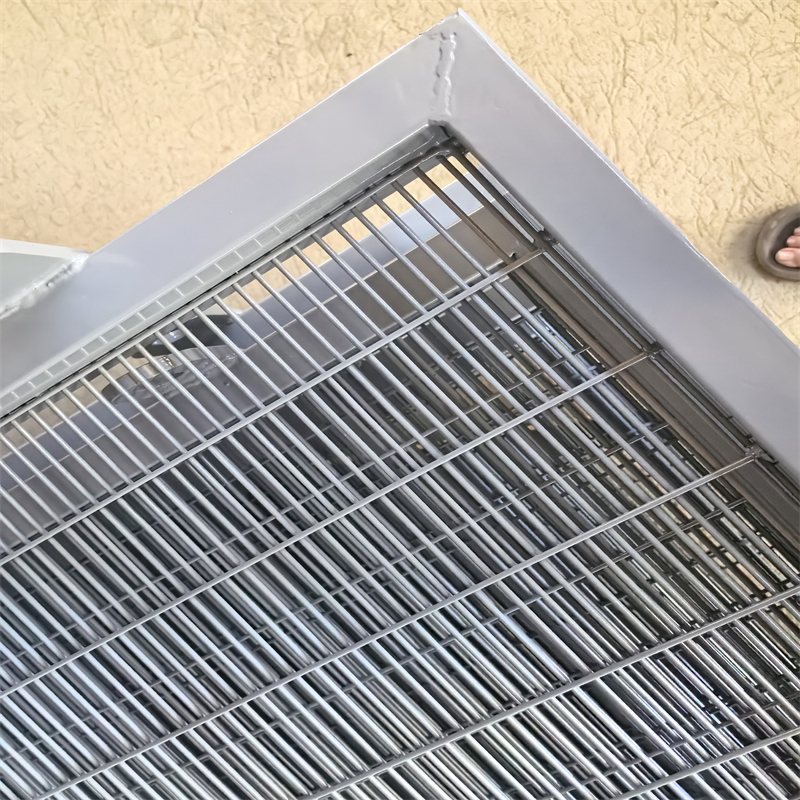
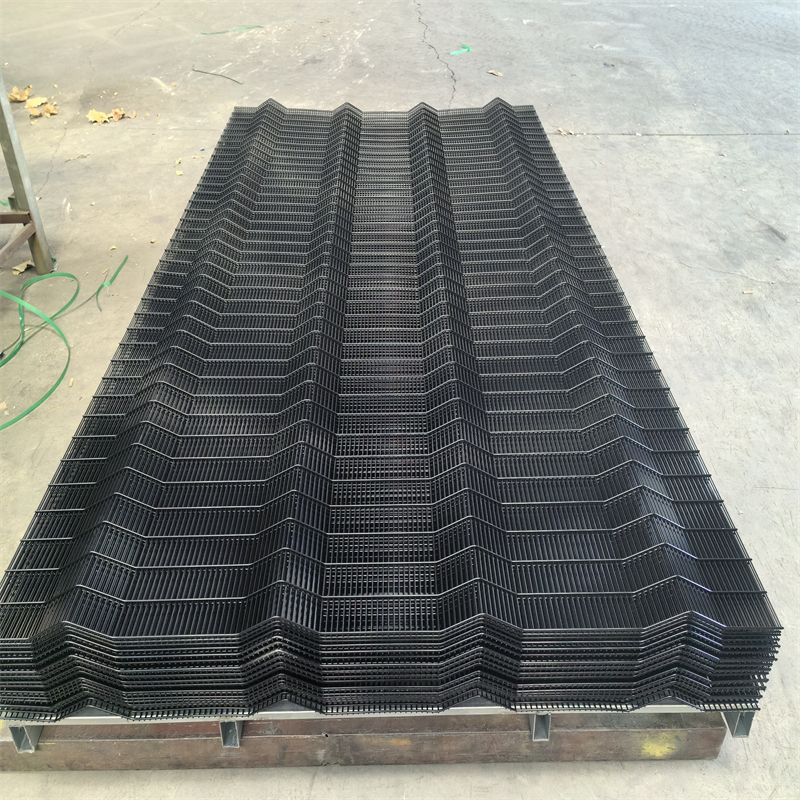
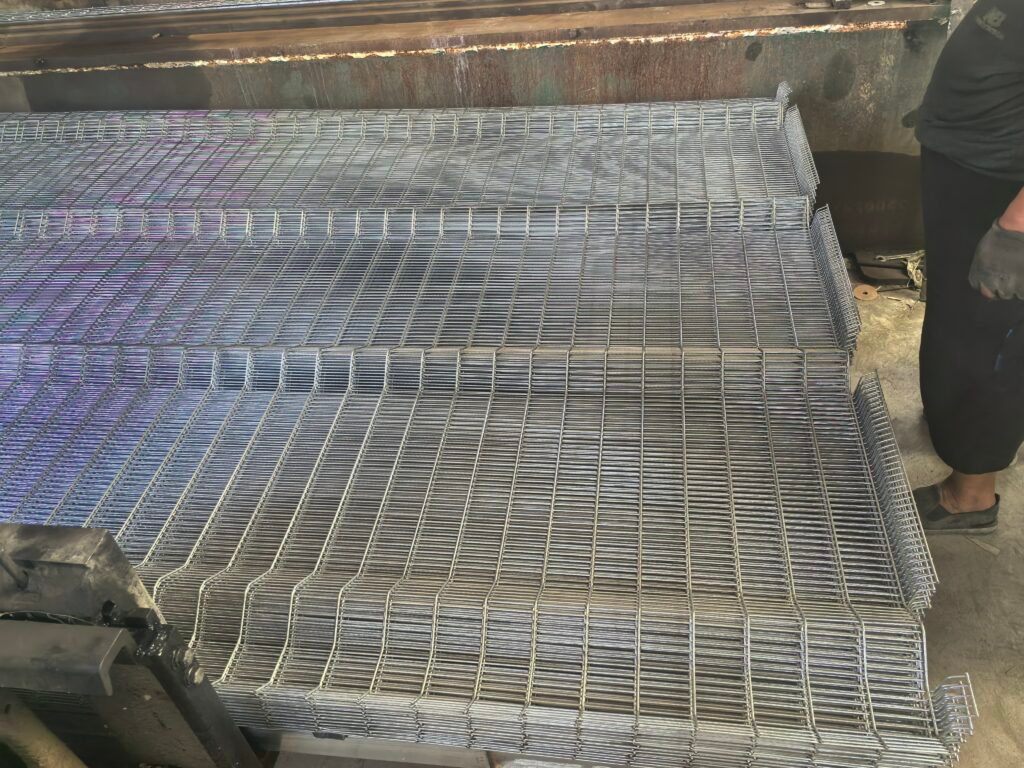
358 anti-climb mesh fencing is a high-security perimeter system built around welded wire mesh panels with an extremely small aperture.
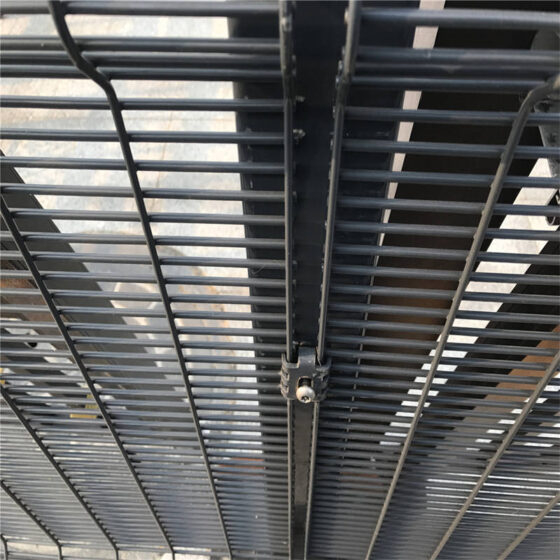
The close mesh opening and dense horizontal wires make the panel incredibly robust, visually clean, and hard to attack. It offers strong see-through visibility for supervision while creating a “finger-proof” climb barrier that conventional hand tools struggle to cut or spread.
In real projects, the fence rarely fails because of one dramatic hit. It fails quietly: posts drift in wind, clamp bars loosen from vibration, coatings crack at stressed zones, and rust begins at welds and cut points. POLYMETAL manufactures 358 anti-climb mesh fencing as repeatable modules—panel, post, clamp system, coating, and packing—so the perimeter behaves as one engineered system instead of a collection of parts.
Where 358 Anti-Climb Mesh Fencing Is Used
High security fencing systems are rapidly growing in use because defendable space matters.
358 anti-climb mesh fencing is widely installed around industrial sites, logistics yards, warehouses, substations, rail corridors, prisons and detention facilities, data centers, airports, ports, schools requiring secure boundaries, and commercial assets where intrusion must be slowed, detected, and discouraged.
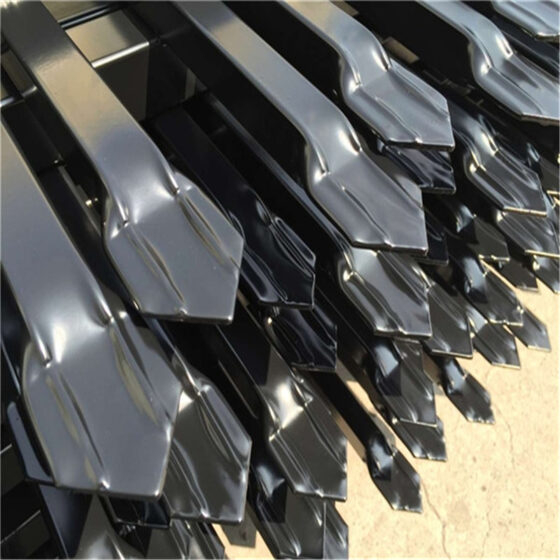
Panels can be matched to different site styles, including palisade-style tops, railing-compatible designs, and other metal security forms depending on the security profile and aesthetic requirement.

Why Buyers Choose 358 Anti-Climb Mesh Fencing
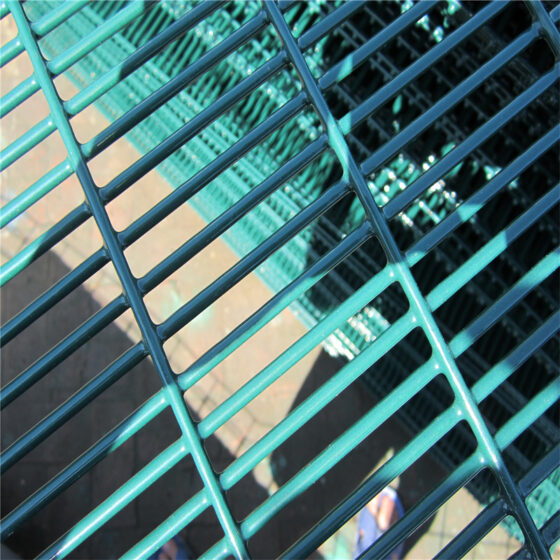
The main reason is measurable intrusion resistance. The small aperture makes it extremely difficult to get fingers and toes through for climbing leverage, while the welded structure resists pushing, prying, and vibration.
It also preserves surveillance sightlines: guards, cameras, and supervisors can see through clearly without sacrificing boundary strength. Finally, a well-made 358 system reduces lifecycle cost—when coating discipline, weld quality, and post stability are specified correctly.
Top 20 High-Risk Buyer Traps for 358 Anti-Climb Mesh Fencing Orders
Each problem below looks “small” on a quotation, but becomes expensive when concrete is poured and the schedule is locked. Pay special attention to #12, because that is where most long-term losses occur.
Trap #1: Aperture confusion that quietly lowers security
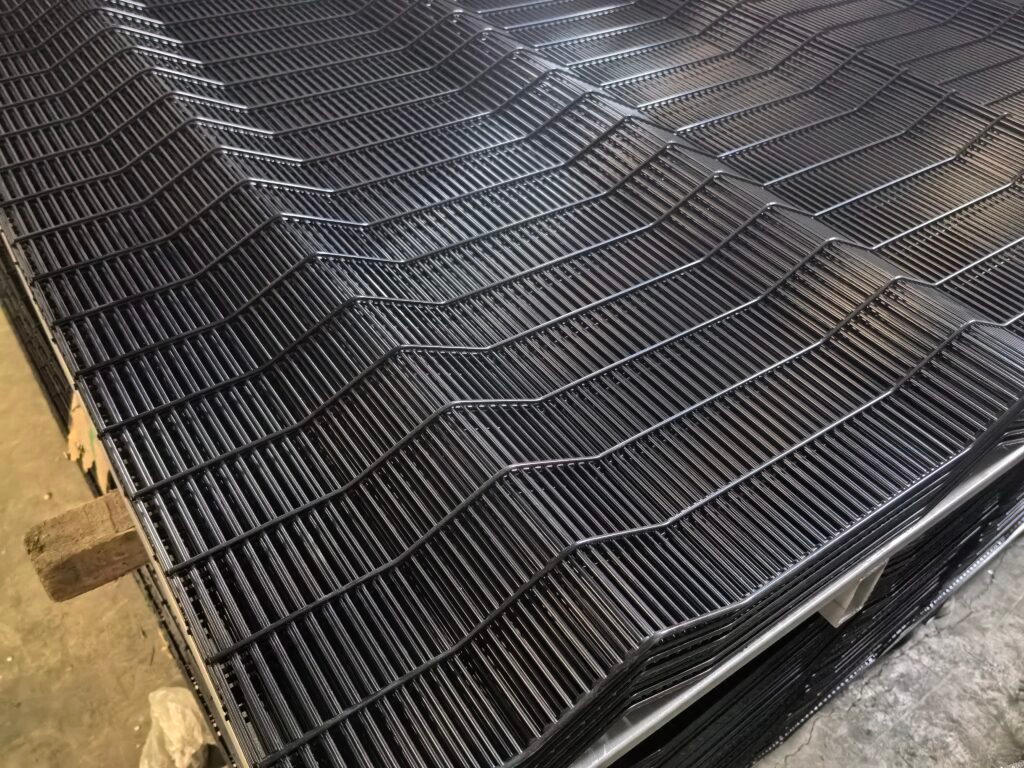
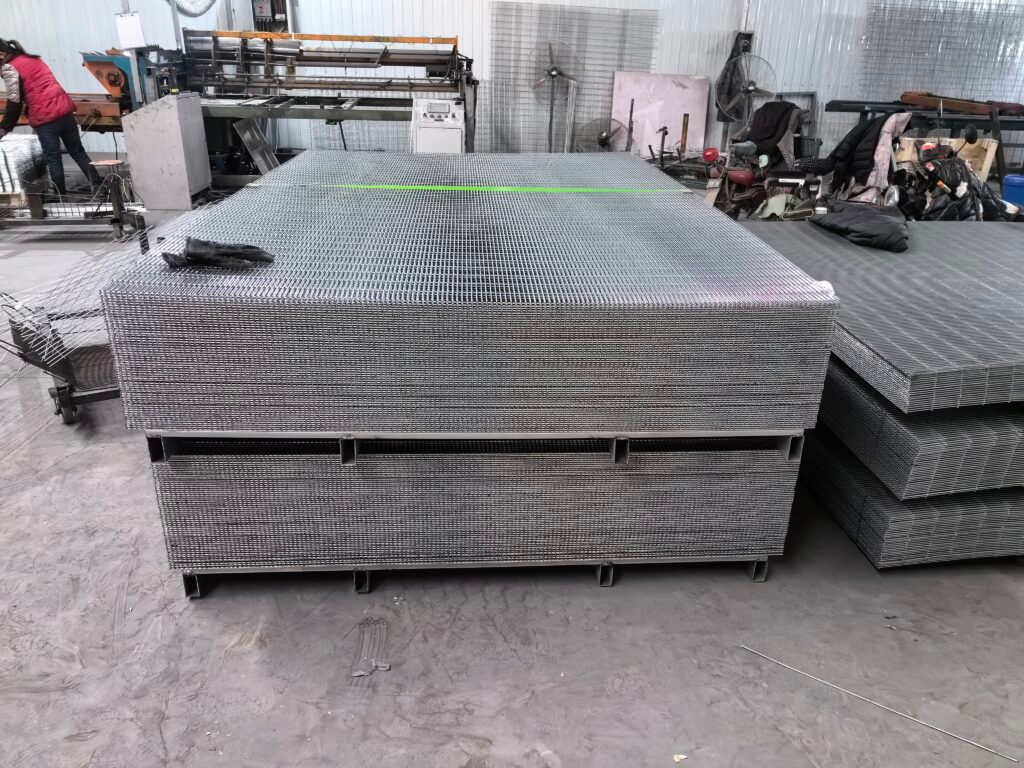
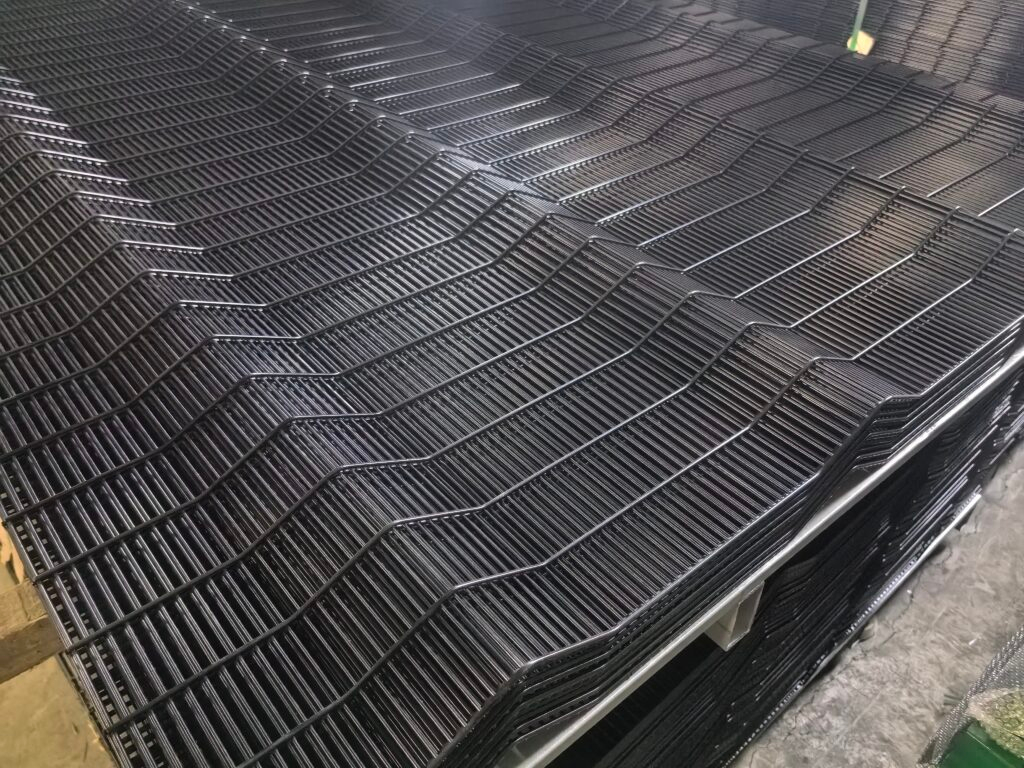
“358” is commonly linked to 76.2×12.7mm, but some suppliers shift to looser patterns or inconsistent tolerances. If the aperture and tolerance are not locked, your delivered panel can become easier to climb or easier to attack at the edges.
Trap #2: Horizontal wire diameter not specified (security drops fast)
Attack resistance depends heavily on wire diameter. If the wire is not defined (3.5mm, 4.0mm, 6.0mm options), thinner wire reduces cut resistance and increases panel flex under load.
Trap #3: “Same thickness” lie—mixed wire lots inside one project
Some orders ship with mixed batches when procurement is rushed. That creates inconsistent stiffness and inconsistent weld heat marks, and installers notice it immediately when panels don’t sit flat.
Trap #4: Weld quality not defined (then you get brittle or under-fused welds)
358 panels live and die by weld integrity. Under-fused welds crack with vibration; over-burned welds weaken wire. Without a weld inspection standard, failure shows up months later.
Trap #5: Panel width mismatch that breaks your bay geometry
Common panel widths include 2.2m and 2.5m. If your bay plan is designed for 2.5m but you receive 2.2m panels, post centers shift, gates misalign, and site layout becomes a patchwork fix.
Trap #6: Panel height selection without wind and exposure logic
Heights like 1800, 2000, 2100, 2200, 2400, 2500, and 3000mm behave differently in wind. Taller panels need stronger posts, deeper embedment, and correct clamp-bar distribution.
Trap #7: Post section under-specified for tall security runs
Post options such as 60×60×3, 80×80×3, 100×60×3, and 100×100×3 must match height and wind. If posts are too light, rotation and lean appear after storms—then every panel line looks “repaired.”
Trap #8: Clamp bar and fixing system treated as “standard”
High security is not just the mesh. Clamp bar thickness, bolt grade, anti-tamper options, and fixing spacing control how the panel behaves under prying and vibration.
Trap #9: Ground clearance ignored (creates pry points and climb aids)
If the bottom gap is too large on uneven terrain, it becomes a pry zone and a step zone. If it is too tight, coating is scraped during settlement and rust starts early.
Trap #10: “Galvanized + PVC” specified without real coating build
Not all PVC coating systems are equal. Without defining zinc layer and polymer thickness, you may receive a thin cosmetic coat that cracks at bends and weld heat zones.
Trap #11: Fully hot dipped galvanized after welding specified but not enforced
Fully hot dip galvanizing after welding (often cited around 500g/m² zinc coating) can be excellent—if done properly. Poor venting, bad pickling, or weak flux control causes bare spots and heavy drips that damage fit-up.
Trap #12: Edge protection failure at cut ends and weld-heat zones (BIGGEST LOSS)
This is where buyers lose the most money. Rust begins at the most stressed micro-zones: cut wire ends, weld-heat affected areas, drill holes, clamp contact lines, and damaged corners from handling. Once corrosion migrates under the coating, the panel becomes a replacement item, not a repair item—especially painful when posts are already set and concrete is cured.
Trap #13: Wrong post centers (panels bow, clamps fight)
If your post centers don’t match panel width exactly, installers force the panel into place, bending clamp bars and creating long-term loosening under vibration.
Trap #14: Corner bays and end posts not upgraded
Corner and end posts carry tension loads. Using mid-line posts at corners leads to rotation, panel gap growth, and visible misalignment first at corners—exactly where clients look.
Trap #15: Gate frames not matched to 358 stiffness
Gate leaves require reinforced frames and proper hinge posts. If the gate frame is too light compared to the fence line stiffness, sag appears early and becomes a security gap.
Trap #16: “Sharp top” assumptions without writing it into the PO
Some projects require palisade-type sharp tops or anti-lift profiles. If not specified, you may receive flat-top panels that do not meet the client’s threat model.
Trap #17: Accessories shipped uncounted (then site work stops)
Missing anti-tamper nuts, clamp bars, or bolts stops installation immediately. The hidden cost is the crew stand-down and rescheduling penalties.
Trap #18: Poor packing causes coating rub before installation
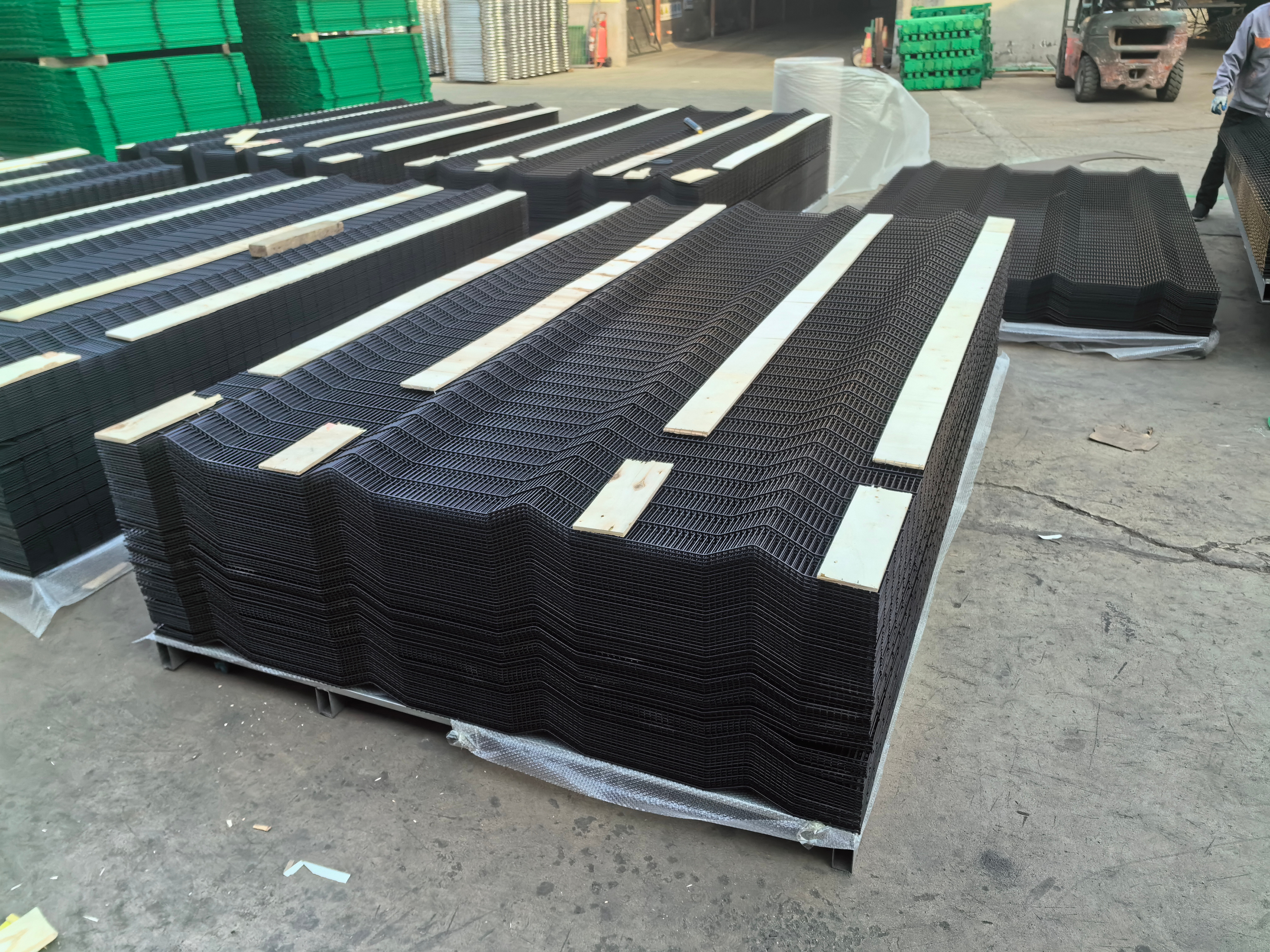
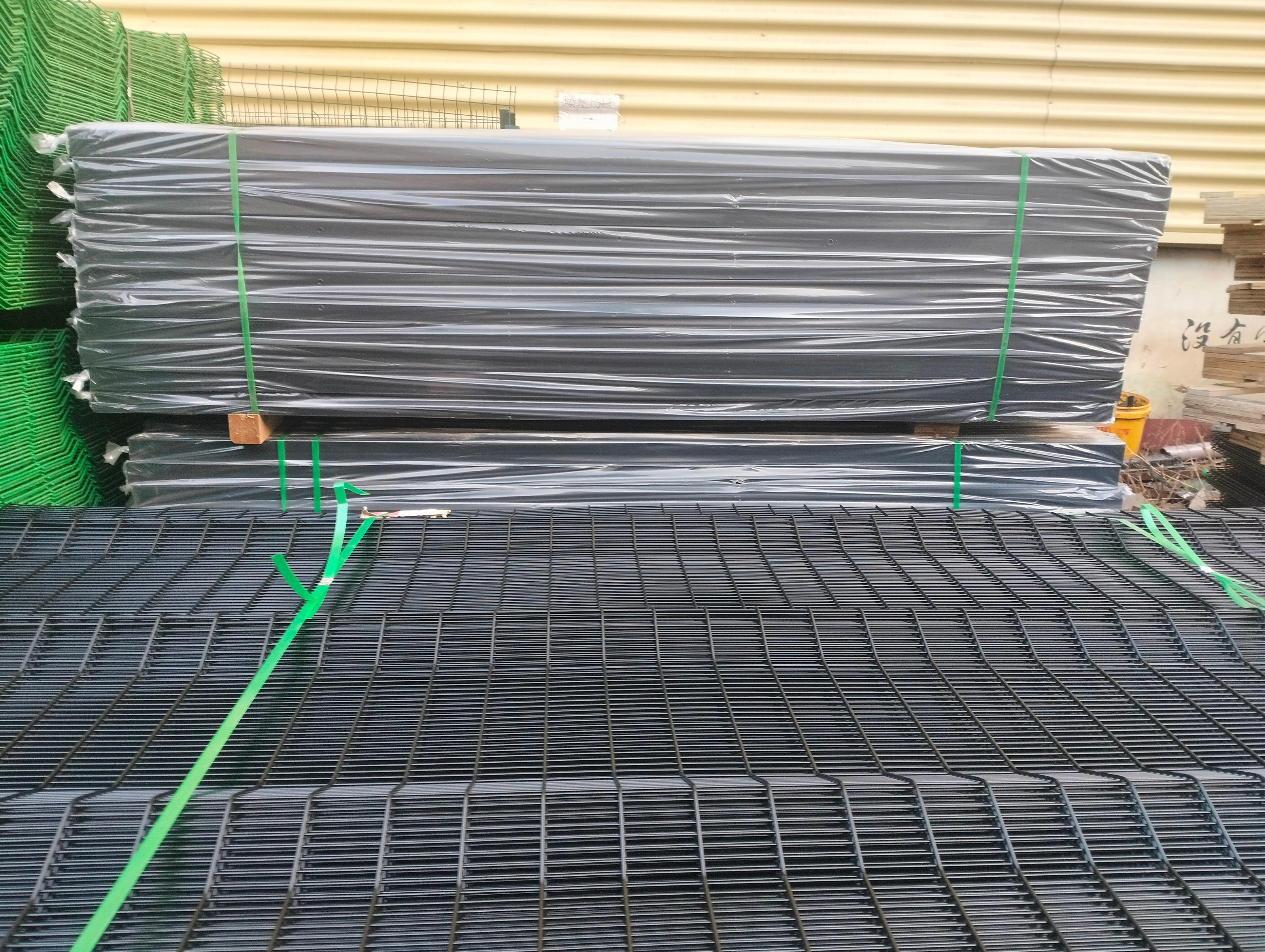
If panels are stacked without separation protection, the coating rubs off at contact points. Those micro-damage lines become rust tracks after the first wet season.
Trap #19: “100% test” promised but no inspection records
Testing needs to be trackable: panel size check, weld integrity sampling, coating thickness checks, and packaging inspection. Without traceability, you’re buying luck.
Trap #20: Special specs requested but no drawing confirmation
358 systems can be made to special requirements, but drawings and fixtures must be confirmed. Without that control step, “custom” becomes “guess.”
Product Description: POLYMETAL 358 Anti-Climb Mesh Fencing
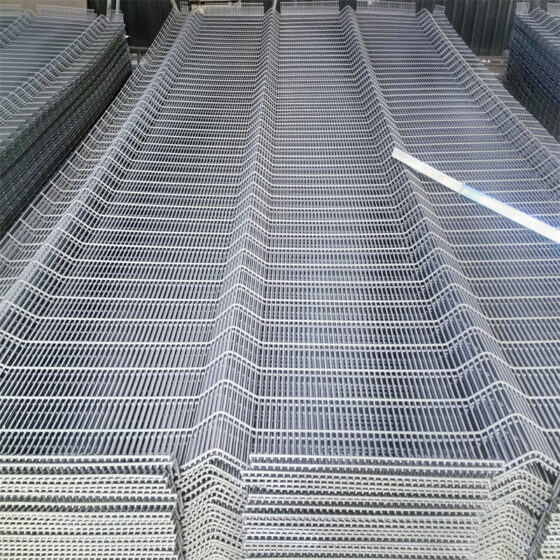
China Factory High Quality 358 Metal Welded Security Anti Climb Fencing is a welded wire mesh panel system built for high-security perimeter protection where defendable space is paramount. The panel uses a close mesh opening with dense horizontal wires to create a robust, finger-proof barrier that is extremely difficult to penetrate, climb, or attack using conventional hand tools.
The system maintains clear through-visibility for supervision and is aesthetically pleasing for public-facing security boundaries. POLYMETAL produces panels, posts, and fixings as repeatable modules and supplies two mainstream surface treatment routes—galvanized plus PVC coating, or fully hot dipped galvanized after welding with heavy zinc protection—to achieve durable, long-term corrosion resistance under real operating conditions.

Specifications: 358 Anti-Climb Mesh Fencing
358 mesh panel size
- Mesh pattern: 76.2 mm (3″) × 12.7 mm (0.5″) resistance welded well at each intersection.
- Wire diameter: 4 mm horizontal wire and vertical Wire.
- Weld strength: range 540-690 N/m2.
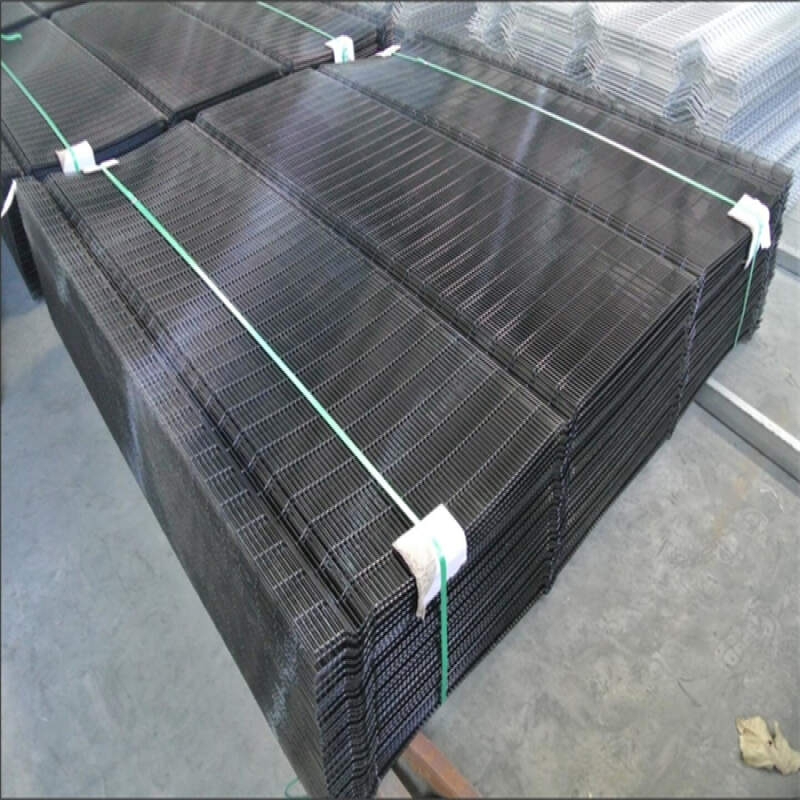
- Surface treatment: 358 mesh fence panels made from galfan wire, then PVC powder coating (Min. 100 micron), or PVC powder painting. It provides additional protection and increases the potential life span.
- Colors: Green RAL 6005, or Black RAL 9005.
- Installation: Overlapped 75 mm minimum at each post for securing with slotted clamp bars and M8 diameter bolts’
| Fence height (m) | Panel size (Height × Width) (mm) | Fence Post (Height × Size × Thick) (mm) | Clamp Bar (Height × Width × Thickness) (mm) | Middle or corner Clamp No. (pcs) |
|---|---|---|---|---|
| 2 | 2000 × 2515 | 2700 × 60 × 60 × 2.5 | 2000 × 60 × 5.00 | 7 or 14 |
| 2.4 | 2400 × 2515 | 3100 × 60 × 60 × 2.5 | 2400 × 60 × 5.00 | 9 or 18 |
| 3 | 3000 × 2515 | 3800 × 80 × 80 × 2.5 | 3000 × 80 × 6.00 | 11 or 22 |
| 3.3 | 3300 × 2515 | 4200 × 80 × 80 × 2.5 | 3300 × 80 × 6.00 | 12 or 24 |
| 3.6 | 3600 × 2515 | 4500 × 100 × 100 × 3.0 | 3600 × 100 × 7.00 | 13 or 26 |
| 4.2 | 4200 × 2515 | 5200 × 100 × 100 × 4.0 | 4200 × 100 × 8.00 | 15 or 30 |
| 4.5 | 4500 × 2515 | 5500 × 100 × 100 × 5.0 | 4500 × 100 × 8.00 | 16 or 32 |
| 5.2 | 5200 × 2515 | 6200 × 120 × 120 × 5.0 | 5200 × 100 × 8.00 | 18 or 36 |
Applications
358 anti-climb mesh fencing is used for prisons, courts, military areas, airports, rail corridors, substations, solar farms, warehouses, ports, industrial yards, critical infrastructure, data centers, and commercial sites where intrusion delay and visibility are required together. It is also applied where the fence line must remain straight and professional under heavy site handling and long-term exposure—especially when perimeter planning is paired with secure building-envelope solutions like stainless steel window screens, and when projects need compatible high-durability mesh components such as stainless steel welded wire mesh panels for internal partitions, equipment cages, or secondary security zones.
Benefits
358 anti-climb mesh fencing delivers high resistance to climbing because the small aperture prevents finger and toe holds, and the welded structure resists pushing and panel deformation. The fence maintains clear visibility for cameras and supervision while keeping a clean security appearance. When coating discipline and packing protection are controlled, the system provides long service life with low maintenance. Modular panels also enable faster installation and simpler future replacements without rebuilding an entire perimeter run.
Packing
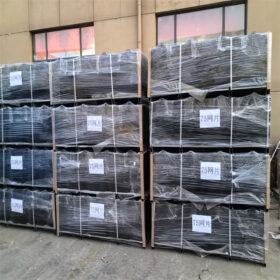
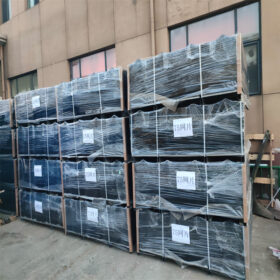
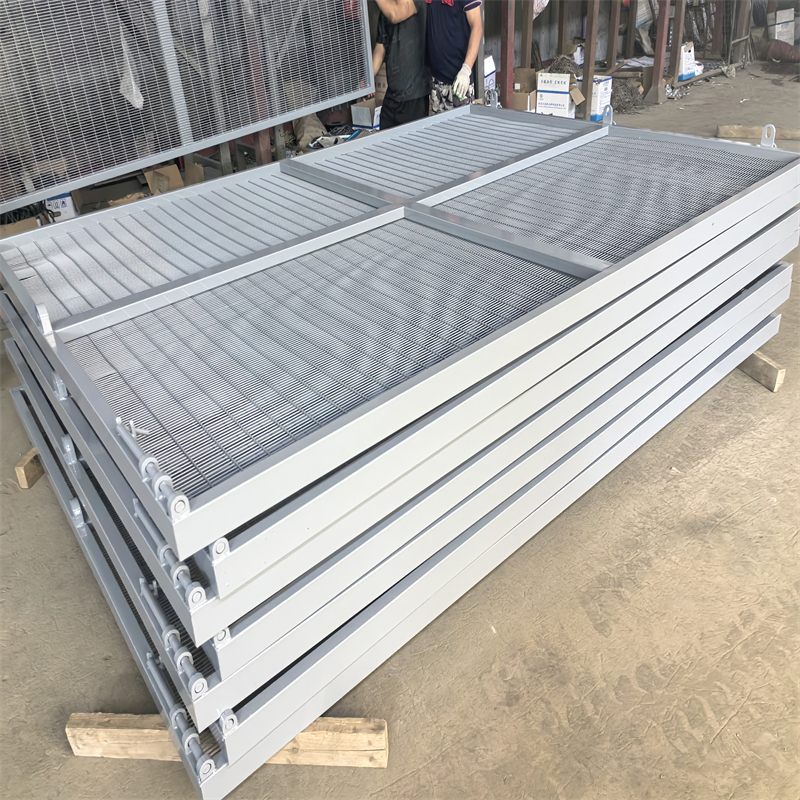
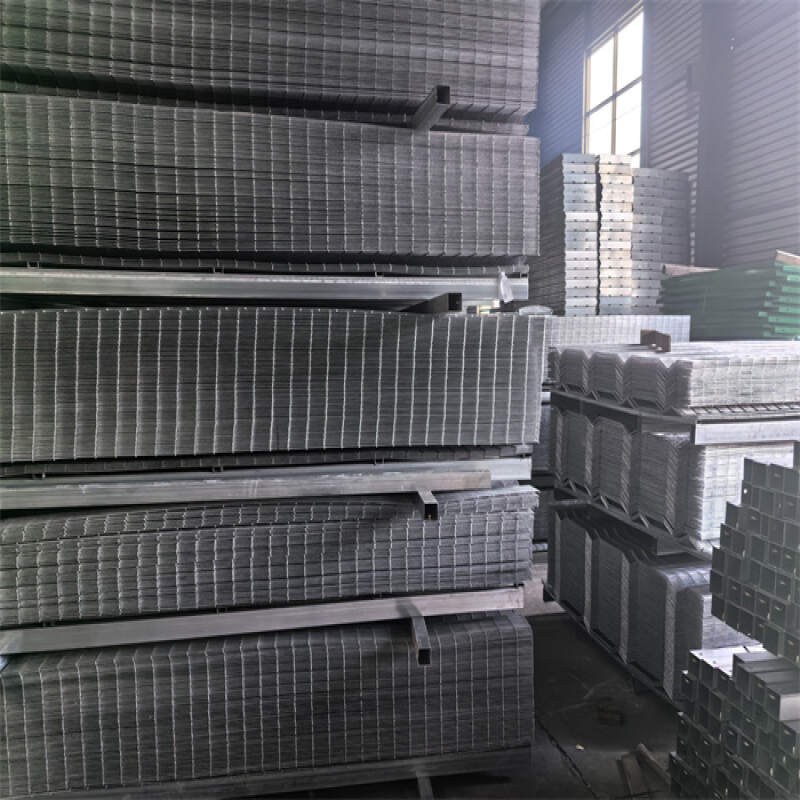
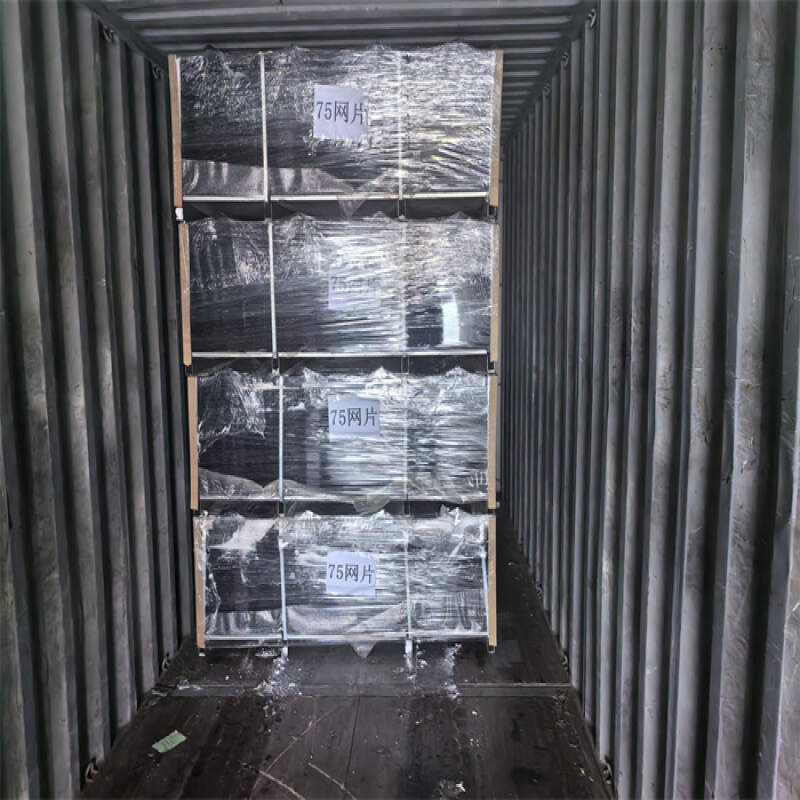
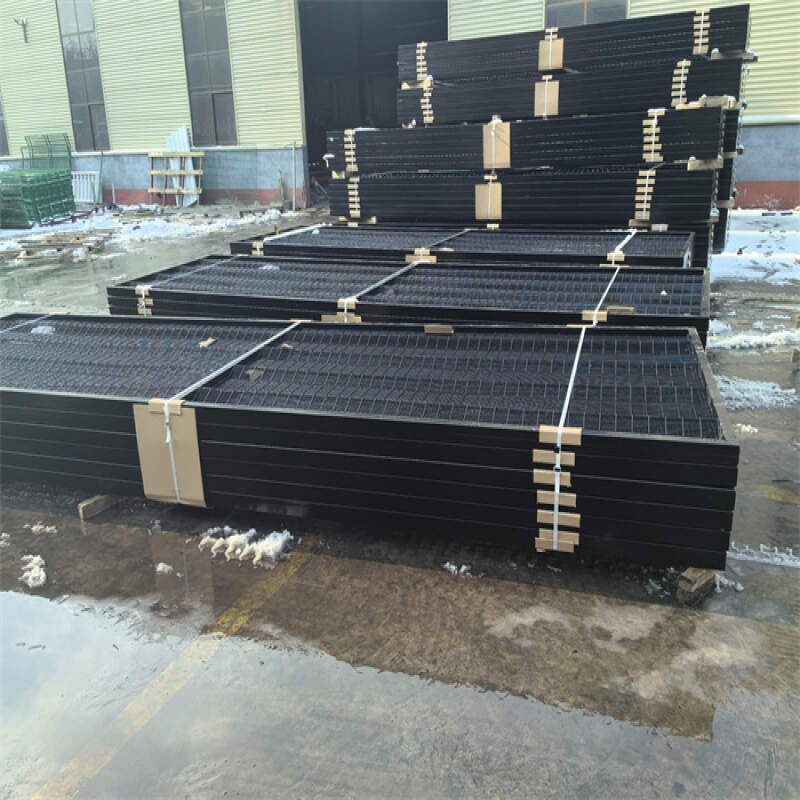
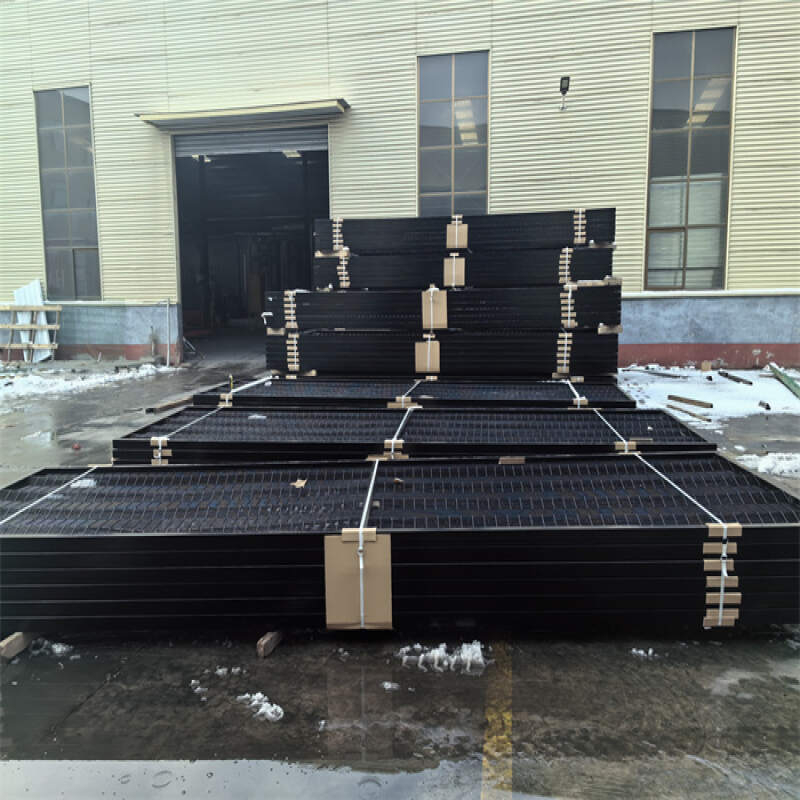
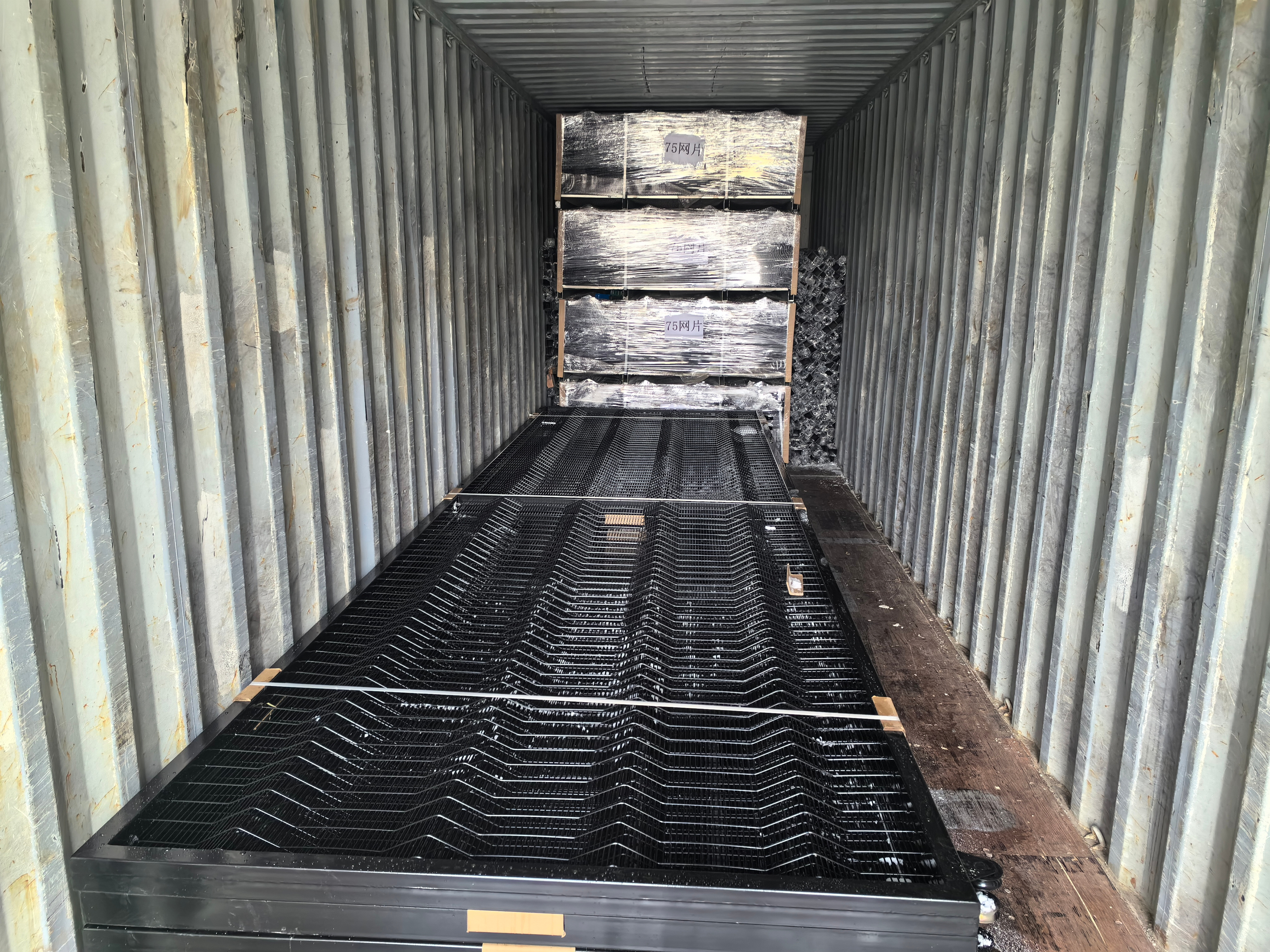
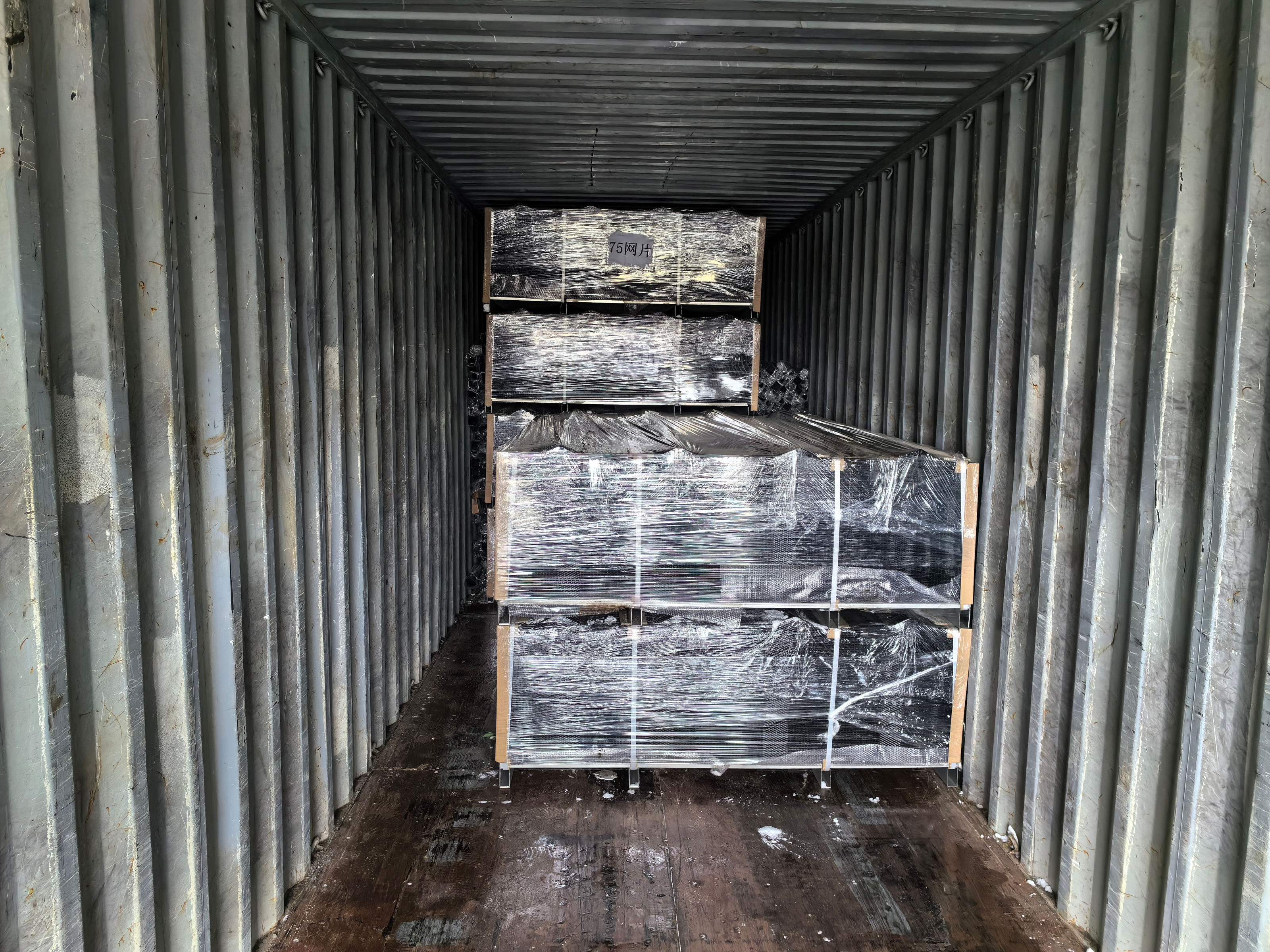
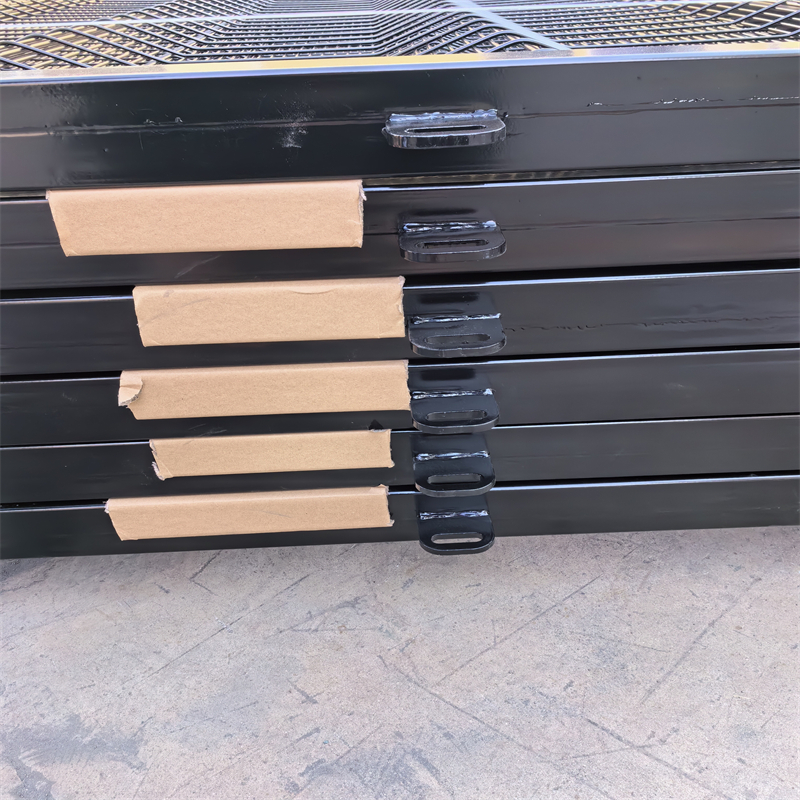
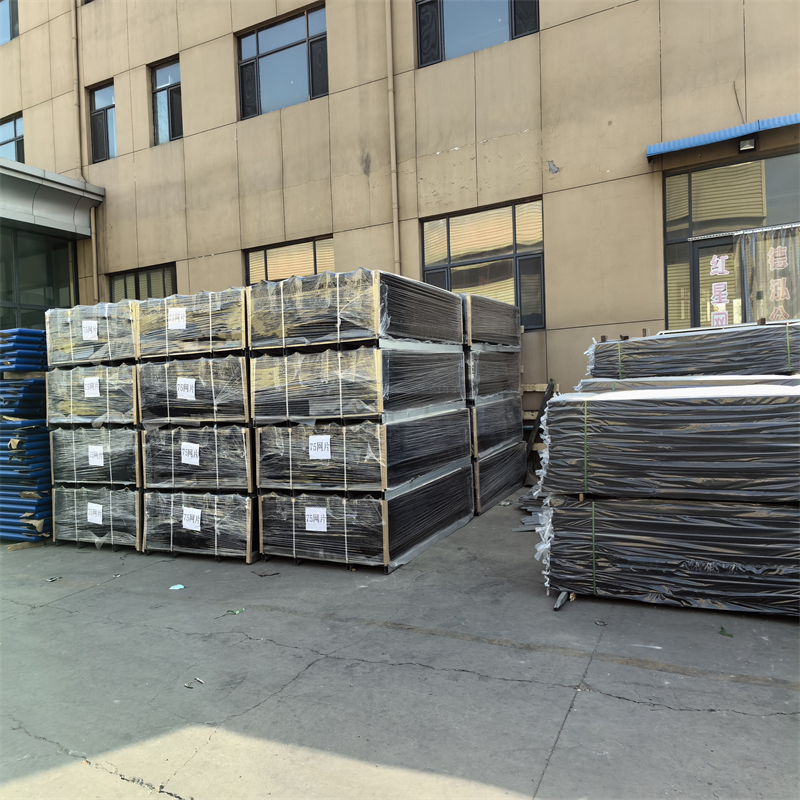
Panels are wrapped with waterproof paper and supplied on metal or wood pallets, then protected with plastic film according to customer requirements. POLYMETAL packs panels to reduce rub damage at contact points, with stable pallet stacking and counted bundles for fast receiving. Posts are packed separately to prevent coating scratches and to keep section sizes organized, while accessories are supplied in counted cartons to prevent site delays caused by missing fixings.
Standards and FAQs
Quality Control Standard
All products go through multiple checks during production and must pass strict inspection before shipment. Dedicated quality control ensures weld integrity, panel geometry consistency, coating integrity, and packing protection so the delivered fence installs cleanly and performs long-term—especially for buyers benchmarking regional performance expectations in Western Australia (see garrison fencing WA top 10 suppliers and how garrison fencing impacts Western Australia) and planning site installation logistics around garrison fencing Perth project conditions.
FAQ
Q1: Your price is too high, could you give me some discounts?
A: If you take the quality into account, you will find our price is reasonable. If your order is big enough, we can offer a discount such as 5%. To establish long-term trade relations, we can also make a concession with a 5% discount.
Q2: What kind of quality control do you have?
A: All products go through multiple checks during the production process and must pass strict inspection before shipment, supported by a dedicated quality control department.
Q3: What’s your terms of packaging?
A: Wrapped with waterproof paper and supplied on metal or wood pallets, standard pallet with plastic film, or packed according to customer requirements.
Q4. Do you test all your goods before delivery?
A: Yes, we conduct 100% testing before delivery.
Q5. Can you produce according to the samples?
A: Yes, we can produce by your samples or technical drawings, and we can build the molds and fixtures.
Special specifications can be produced as required. If you are interested in POLYMETAL 358 anti-climb mesh fencing, please contact us to confirm the panel size, post section, coating route, and packing method so your delivered system matches site security expectations.