Your One-Stop Wire Mesh Fence Supplier | POLYMETAL


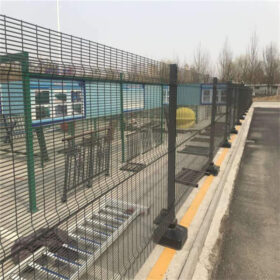
358 Anti Climb Security Fence is often ordered as a “simple welded mesh panel,” but the real risk is that many 358 Anti Climb Security Fence panels look identical in photos while performing completely differently once clamps, post alignment, site tolerances, and tool attacks start testing the perimeter.
because receiving teams judge 358 Anti Climb Security Fence systems after delivery rather than at quotation stage, POLYMETAL builds 358 Anti Climb Security Fence as a repeatable specification-driven package where aperture, wire diameter, clamp bar integrity, post selection, and coating discipline are locked so you do not discover hidden weakness after installation, and if your site also needs a complementary perimeter solution for broader boundary runs you can reference our garrison security fencing option to keep the same disciplined approach to posts, brackets, and finish across the full project scope.



Top 15 Costly Traps You Must Lock in Before You Buy 358 Anti Climb Security Fence (Especially #11)


Trap #1: The “358” Myth That Lets You Buy the Name Instead of the Security
358 Anti Climb Security Fence is defined by a tight aperture concept, but if the purchase order only says “358” without stating aperture, wire diameter, and weld process, you can receive 358 Anti Climb Security Fence panels that look correct from a distance yet allow tool leverage at the wrong openings, and the first loss appears when the client checks the mesh profile and finds it does not match the approved security expectation.
Trap #2: The Aperture Illusion That Turns Anti-Climb Into “Grip-Assist”
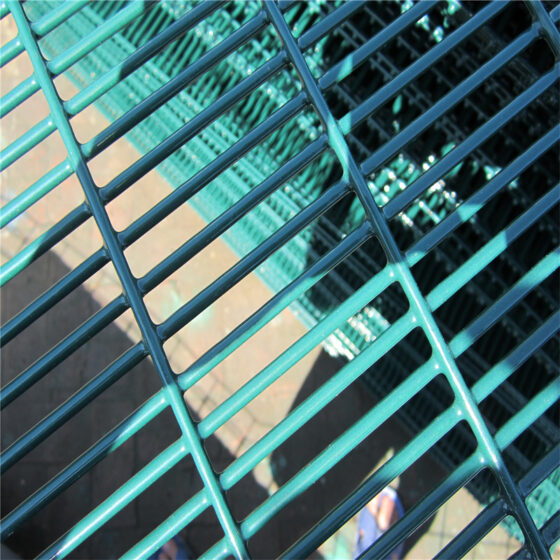
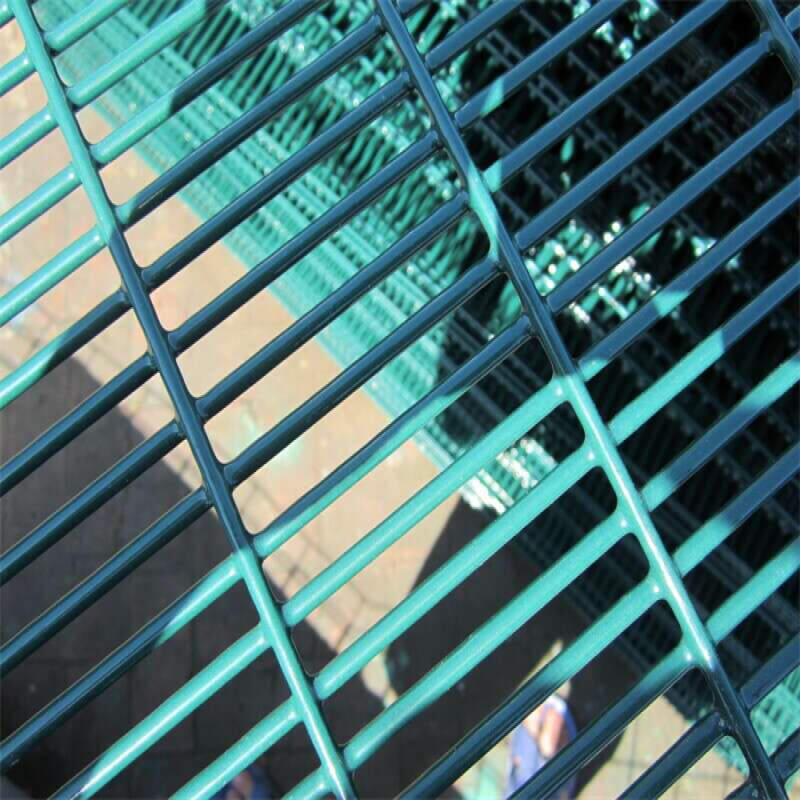
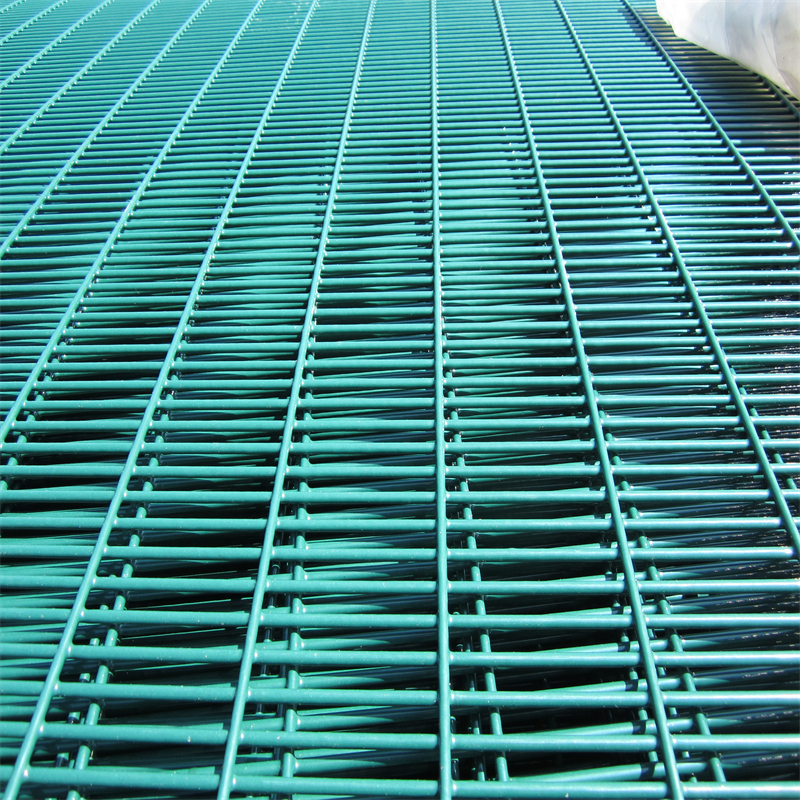
A true 358 Anti Climb Security Fence uses an aperture around 76.2 mm × 12.7 mm to limit finger and tool access, but when the aperture is quietly widened or tolerance is uncontrolled, the same 358 Anti Climb Security Fence label can produce a panel that is easier to tamper with, and the perimeter becomes a hazard because the security “feel” disappears even though the panel size is unchanged.
Trap #3: The Wire Diameter Gap That Makes Cutting Easier Than You Think
Wire diameter is the hidden strength line in any 358 anti-climb security fence, and if diameter is downgraded without a written specification, the fence can become noticeably easier to damage with power tools, so the cost trap is paying for 358 Anti Climb Security Fence performance while receiving a lighter build that fails the threat model.
Trap #4: The Weld-Quality Defect That Shows Up After Vibration and Wind
358 Anti Climb Security Fence relies on weld integrity more than open mesh fencing because the small aperture makes every weld a load transfer point, and if welding current, penetration, and pull-off strength are not controlled, panels can loosen under vibration, creating a long-term failure that looks like “random defects” but is actually a systematic weld weakness.
Trap #5: The “Galvanised” Assumption That Starts Rust at Welds and Cut Points
358 Anti Climb Security Fence may be supplied as galvanised wire plus optional polyester powder or epoxy coating, but when buyers do not define the zinc level, coating method, and touch-up expectations, corrosion typically starts at weld zones, cut ends, and drilled points, and the fence line becomes a visible loss because the damage appears exactly where inspectors focus.
Trap #6: The Clamp Bar Weakness That Creates a Leverage Point for Intruders
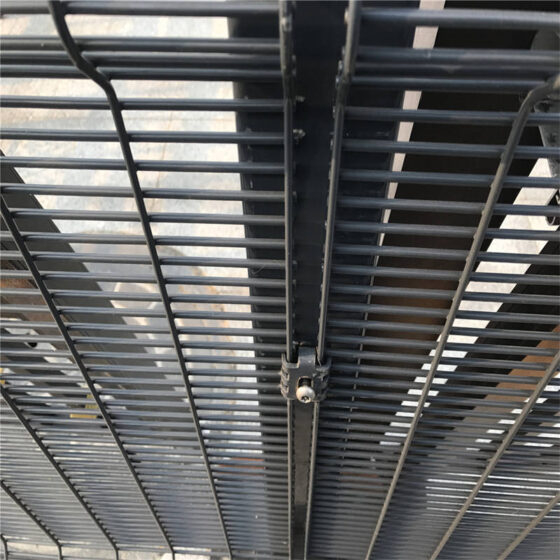
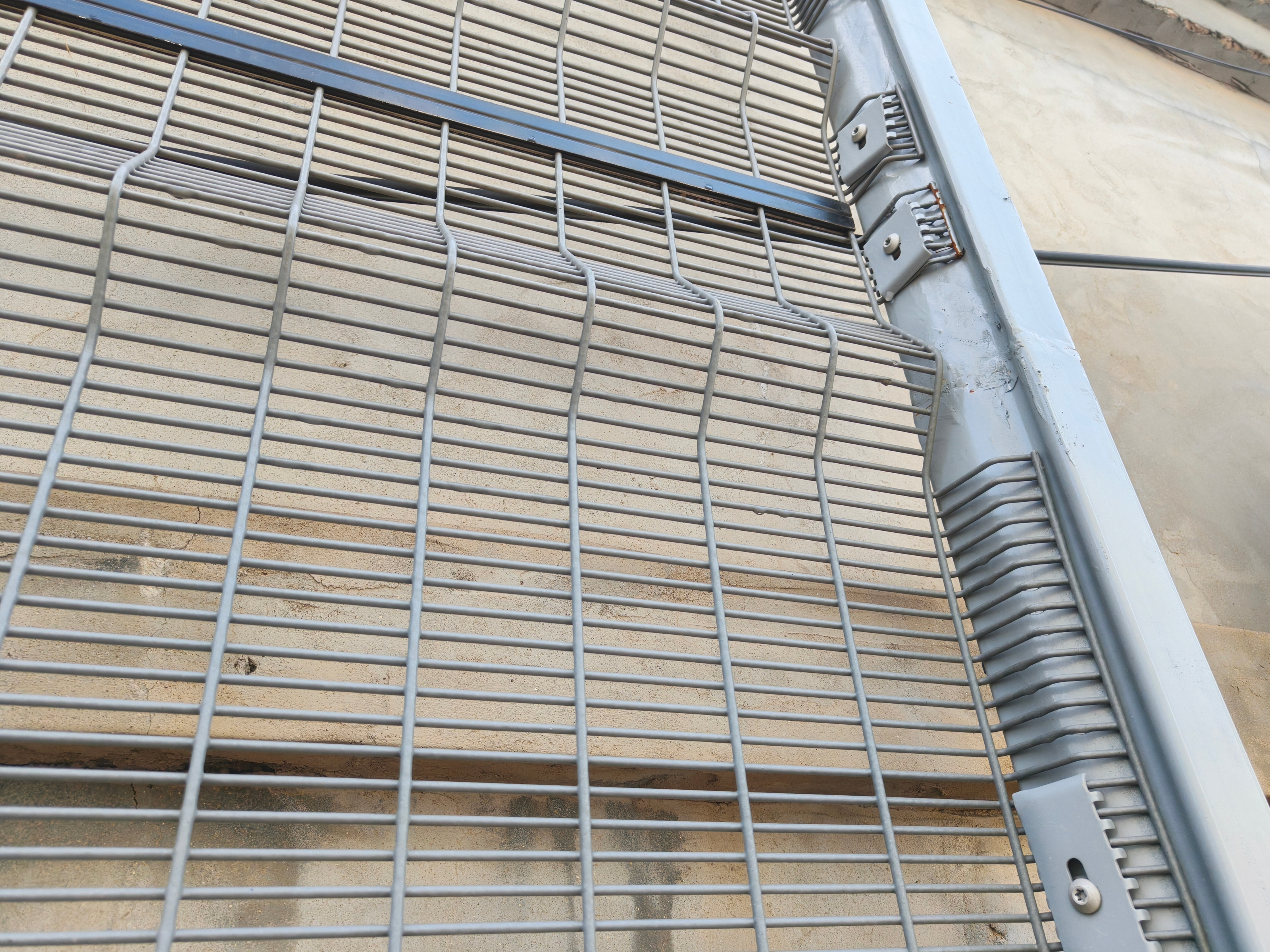
A core feature of 358 Anti Climb Security Fence is a continuous heavy clamp bar that removes leverage points, but if clamp bar thickness, width, hole spacing, or fastener grade is not defined, the clamp bar can become the weakest link, and the security fence turns into a problem because the panel can be forced loose even when the mesh itself is strong.
Trap #7: The Removable-Fixings Risk That Defeats the Whole System
358 Anti Climb Security Fence is selected because it can be built with no easily removable fixings, but if the order does not specify anti-tamper fasteners, captive nuts, or access-controlled hardware, the perimeter may be compromised by simple tool removal, and the fence fails the security purpose without any visible defect in the panels.
Trap #8: The Post Section Misfit That Makes a High-Security Panel Feel “Soft”
Even the best 358 Anti Climb Security Fence panel will feel weak if posts are under-specified, because post section and thickness determine the fence’s real stiffness under impact and wind, and when posts are chosen by habit instead of height and exposure, the perimeter reads unstable and invites complaints.
Trap #9: The Post Length Oversight That Breaks Alignment and Creates Site Rework
Post overall length must match panel height, ground conditions, and fixing plan, and when post length is guessed rather than specified, 358 Anti Climb Security Fence installation can trigger cutting, re-setting, and alignment battles that waste labor and create coating damage during correction.
Trap #10: The Fixings Count Error That Slows Install and Weakens Holding Power
Total number of fixings is not a clerical detail, it is a structural requirement for 358 Anti Climb Security Fence because clamp bars and intermediate clamps distribute load along the post, and if fixing quantity is reduced to save cost, the panel can flex and fasteners can loosen, turning a premium security fence into a maintenance problem.
Trap #11: The Clamp-Bar Layout Pattern That Triggers Rejects and Security Gaps
The most expensive failure is not a small cosmetic scratch, it is a perimeter that cannot be assembled cleanly because clamp bar layout, intermediate clamp count, and corner clamp bar configuration were never locked to the panel height, and this causes on-site re-drilling, misaligned holes, missing fixings, and visible security gaps that become a lasting loss in performance and appearance.
Trap #12: The Panel Size Tolerance Bug That Makes Rows Look Crooked
358 Anti Climb Security Fence panels may be specified as standard widths and heights, but if dimensional tolerance and squareness control are not stated, panels arrive with subtle variance that accumulates across long runs, and the fence line looks crooked even when posts are installed correctly.
Trap #13: The Through-Visibility Fantasy That Becomes a Surveillance Blind Spot
One reason buyers choose 358 Anti Climb Security Fence is visibility for patrolling and video surveillance, but if the layout ignores sight lines, post placement, and corner detailing, the same system can accidentally create camera shadows and blind spots, turning a visibility advantage into a security risk.
Trap #14: The Packing Damage Problem That Ruins Coating Before Installation
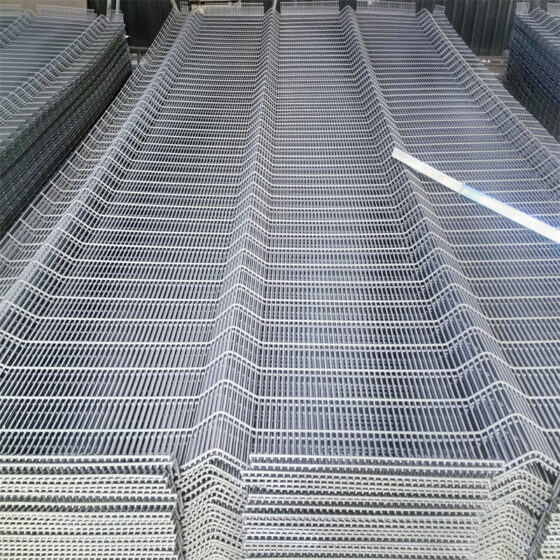
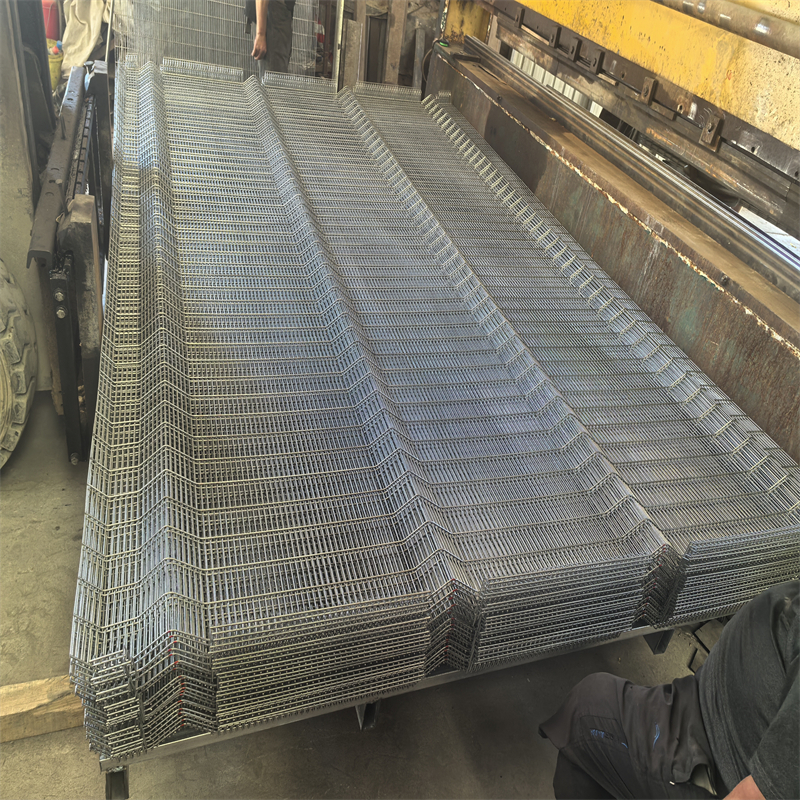
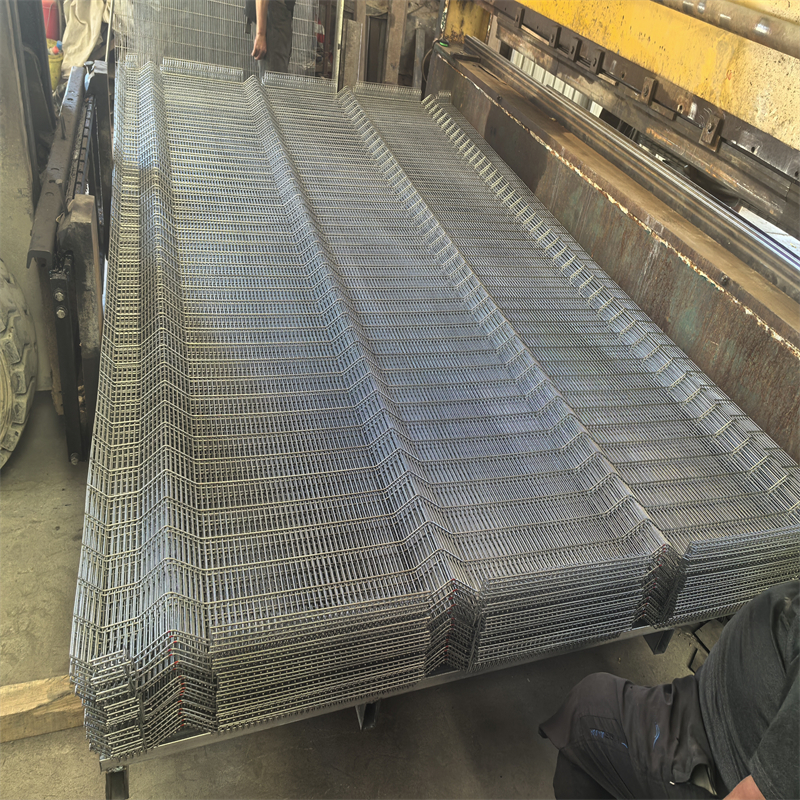
358 Anti Climb Security Fence can arrive damaged if packing allows mesh abrasion or clamp bar scuffing, because metal-to-metal contact creates scars that later become corrosion initiation points under outdoor exposure, so packing must protect both panel flatness and coating integrity through loading, sea freight, and unloading.
Trap #15: The “Looks Secure” Delusion That Ignores Installation Discipline
Even a correctly specified 358 Anti Climb Security Fence can fail if installation discipline is weak, because mis-set posts, uneven concrete, and inconsistent clamp torque create a fence line that looks patched and becomes easier to tamper with, so a complete purchase plan must include installation guidance, receiving checks, and hardware verification.
Product Description (POLYMETAL)
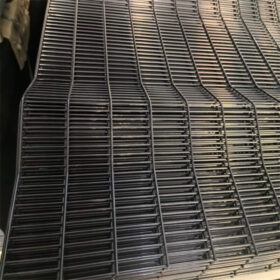
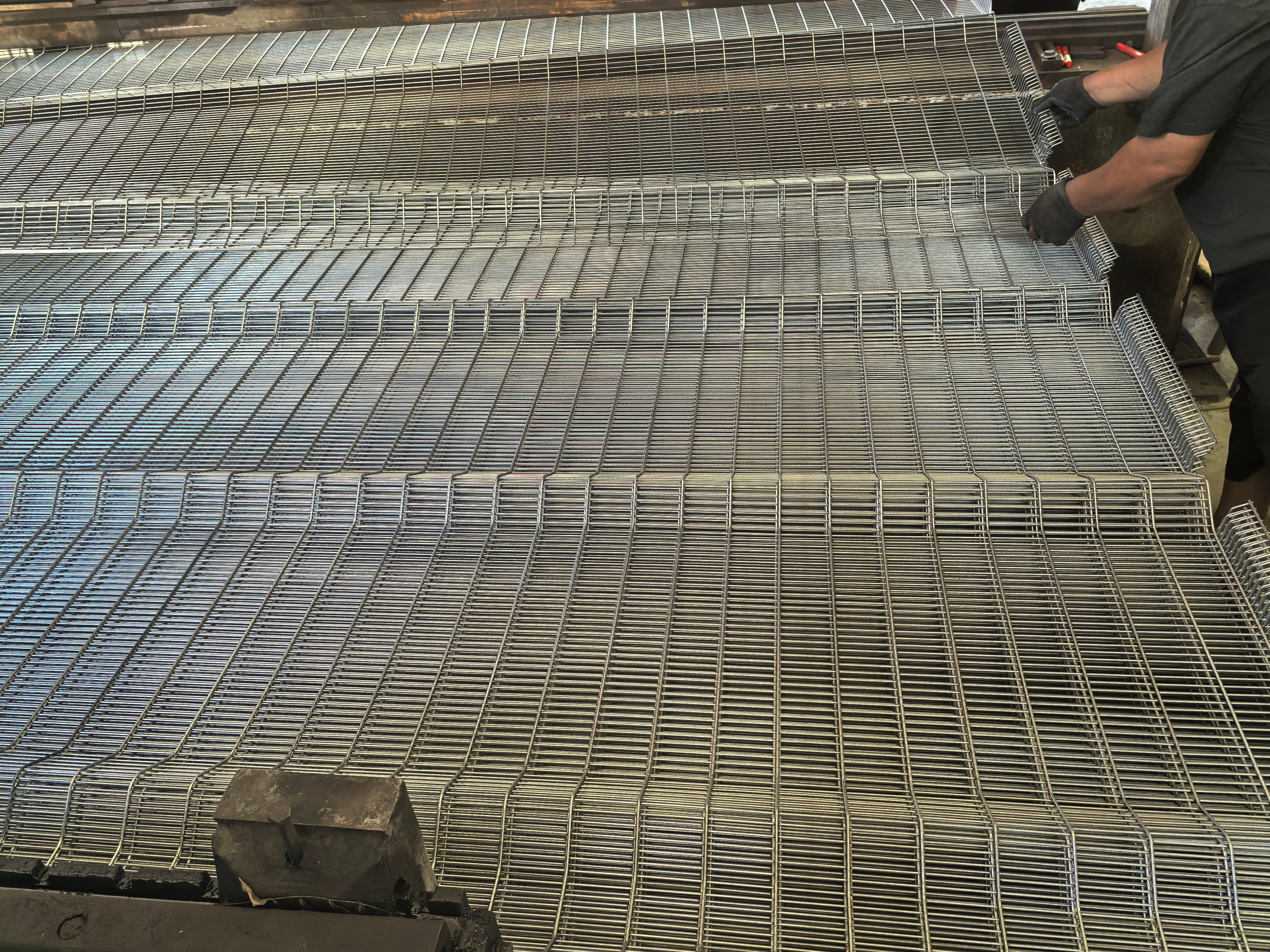
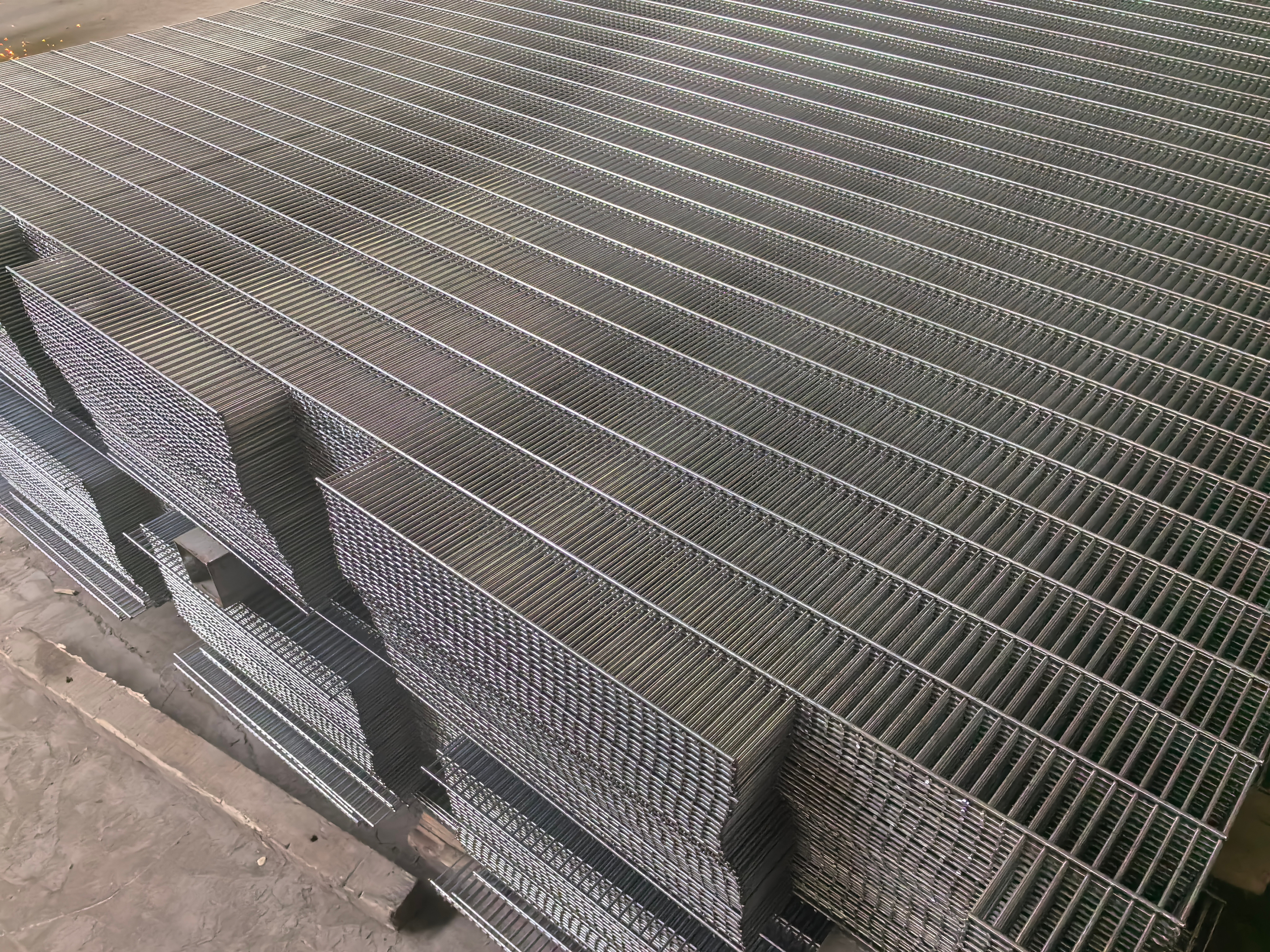
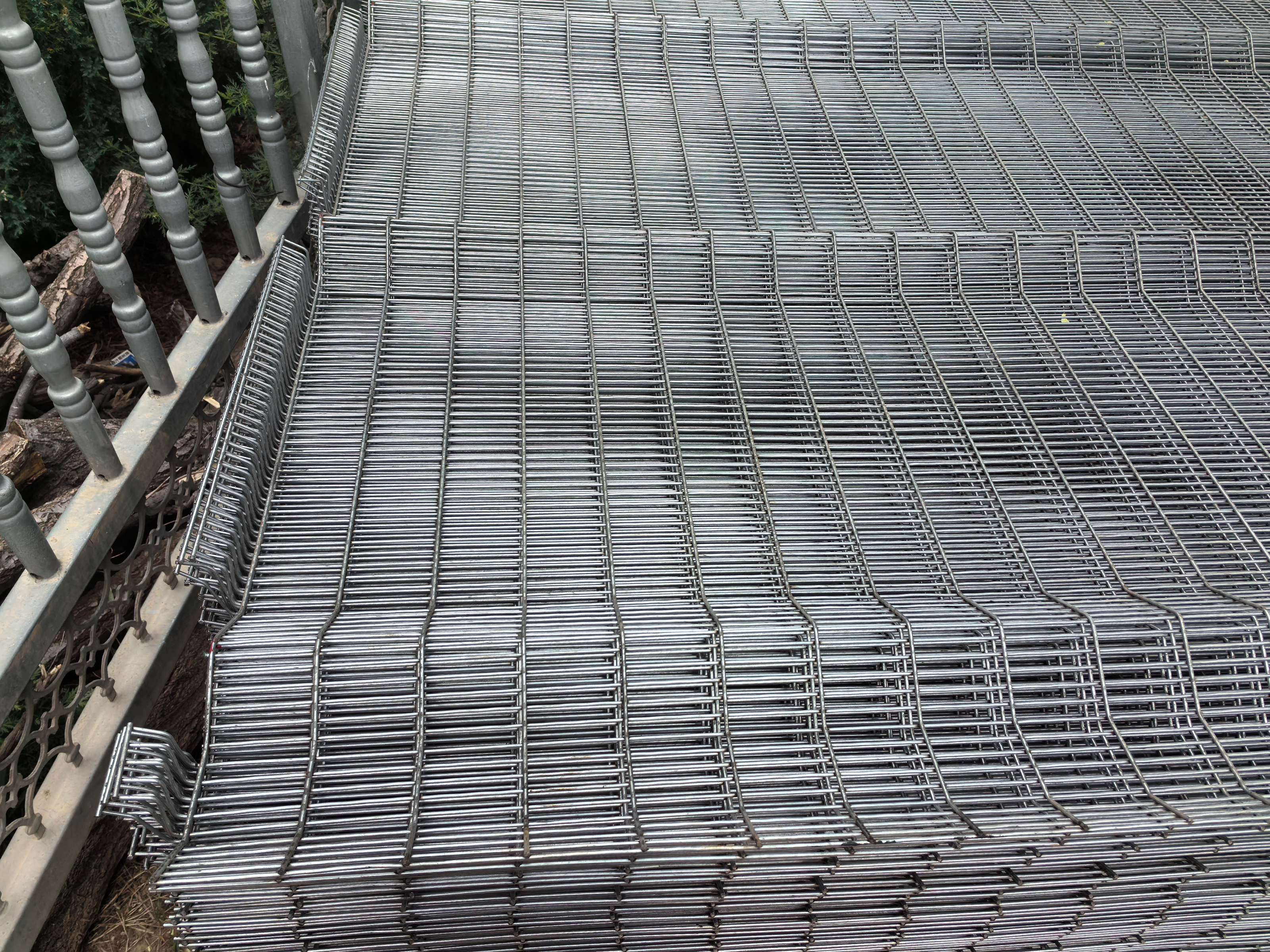
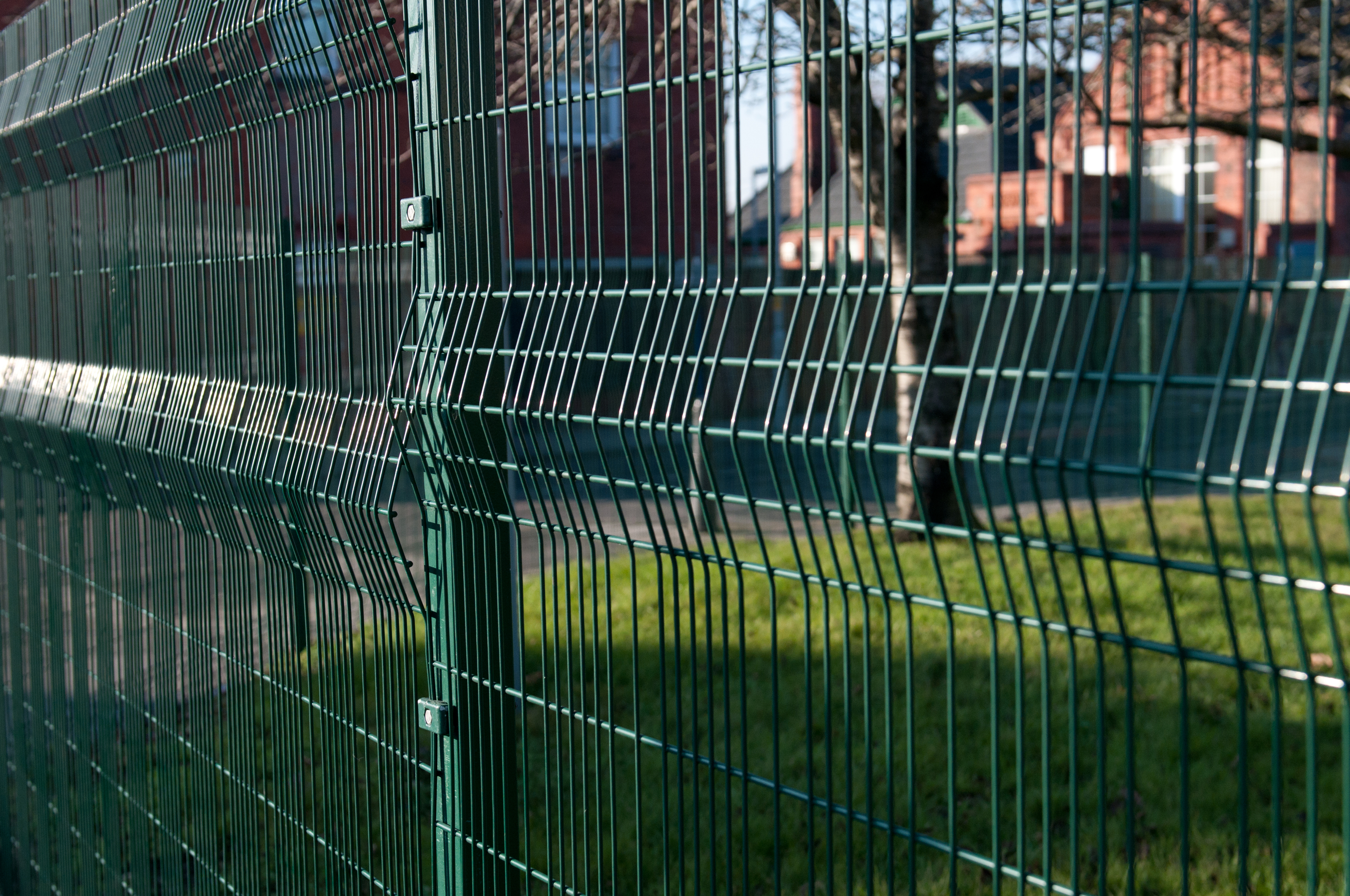
358 Anti-Climb Security Fence is an anti-climb welded mesh system, also known as Prison Mesh Fencing or 358 mesh fencing, designed to deliver maximum perimeter protection without impeding visibility for patrolling or video surveillance, and it has been widely accepted as one of the most secure commercially available welded mesh panel systems because its close mesh structure resists climbing and makes cutting difficult without power tools, while the panels are produced from galvanized steel wire and can be optionally polyester powder and/or epoxy coated, and the mesh is commonly supplied in an aperture configuration of 76.2 mm × 12.7 mm where the clear opening between horizontal wires is small enough to restrict hand tool access and the vertical wires further limit leverage, forming small rectangles throughout each panel.
Features:
358 Anti Climb Security Fence provides high perimeter security because the close mesh profile makes it virtually impossible to climb, the small apertures reduce tool access and increase cutting difficulty, the system uses continuous heavy clamp bars that remove leverage points, anti-tamper fixing options prevent easy panel removal, and the fence maintains strong through-visibility while presenting a clean, professional security appearance for critical sites, and if your specification calls for pre-galvanised components or you want to verify coating expectations before ordering, you can follow this pre-galvanized complete guide to align material choice, corrosion performance, and finishing details to real site conditions.


Specifications
| Panels | Posts | ||||
| Fence | Panel Size | Section | O/A Length | Total number of fixings | |
| Height | Height/Width | Inters- 1 Clamp bar | Corners- 2 Clamp bars | ||
| m | mm | ||||
| 2.0 | 2007 x 2515 | 60x60x2.5mm | 2700 | 7 | 14 |
| 2.4 | 2400 x 2515 | 60x60x2.5mm | 3100 | 9 | 18 |
| 3.0 | 2997 x 2515 | 80x80x2.5mm | 3800 | 11 | 22 |
| 3.3 | 3302 x 2515 | 80x80x2.5mm | 4200 | 12 | 24 |
| 3.6 | 3607 x 2515 | 100x100x3mm | 4500 | 14 | 26 |
| 4.2 | 4204 x 2515 | 100x100x4mm | 5200 | 15 | 30 |
| 4.5 | 4496 x 2515 | 100x100x5mm | 5500 | 16 | 32 |
Applications
358 Anti-Climb Security Fence is widely specified for military sites, prisons and correctional facilities, key infrastructure compounds, warehouses, factories, important government buildings, VIP residential areas, power plants, and telecommunication facilities where maximum security is required without blocking visibility for patrol and surveillance.
Benefits
358 Anti-Climb Security Fence delivers high-security anti-climb performance with strong through-visibility, reduces tamper risk through clamp bar and anti-tamper fixing design, lowers lifetime maintenance pressure by using galvanized wire and optional protective coatings, and improves installation confidence because the system can be specified as a complete package including panels, posts, clamp bars, and fixing counts aligned to fence height.
Packing
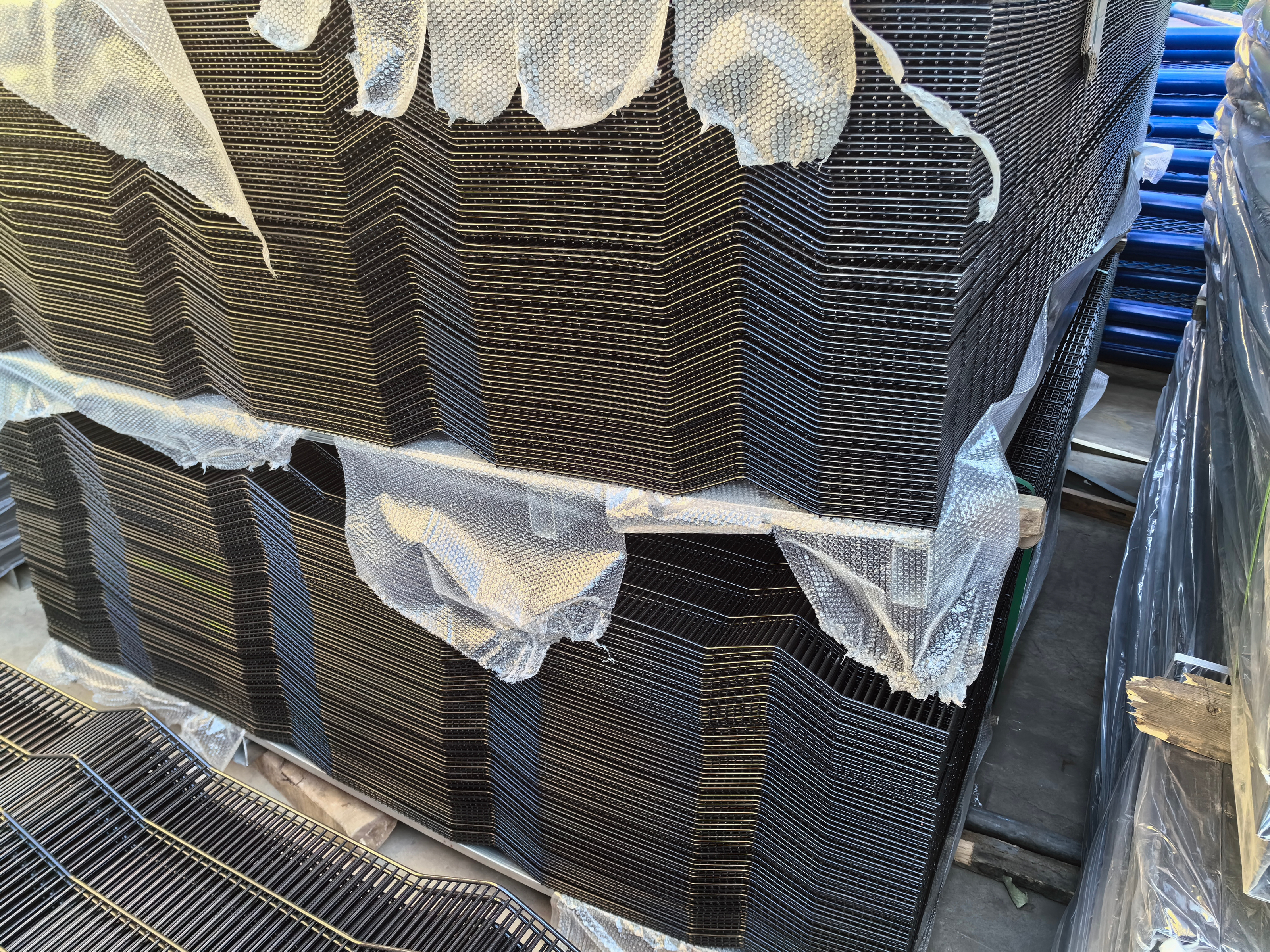
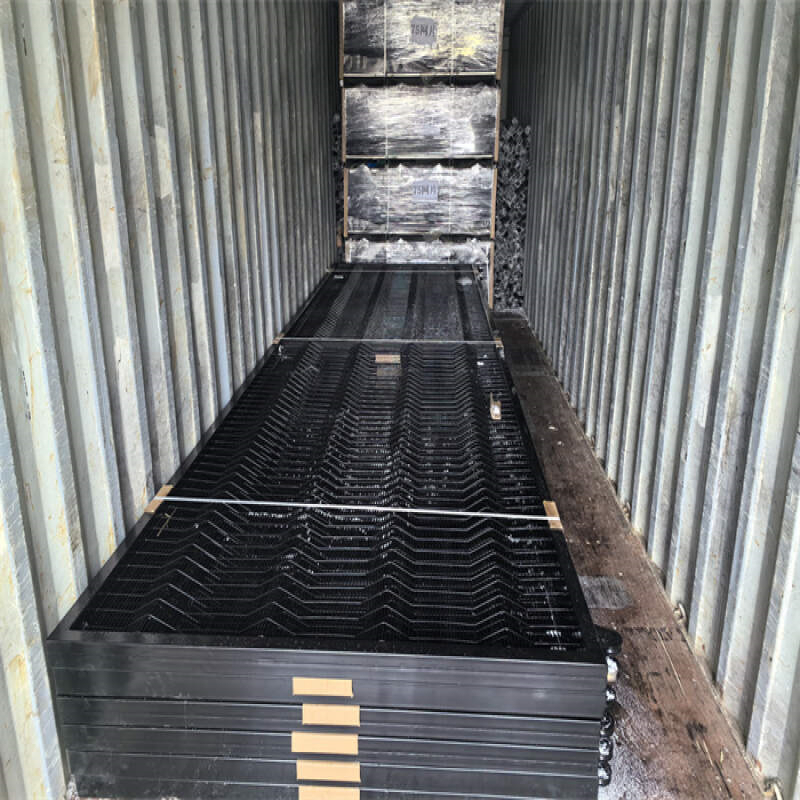
358 Anti-Climb Security Fence panels are packed to protect mesh flatness and coating integrity during loading, sea freight, and unloading, using controlled stacking, protective separators, and disciplined strapping so mesh abrasion, clamp-bar scuffing, and deformation are minimized, while posts and fixings are bundled or boxed separately and labeled to reduce missing-hardware losses and speed up receiving.


Standard
358 Anti-Climb Security Fence materials and coating systems can be aligned to common project requirements such as ISO 1461 for hot-dip galvanizing on fabricated iron and steel articles, ASTM zinc coating references, and relevant steel and welded mesh manufacturing criteria, and the governing project standard, coating expectations, and inspection criteria should be stated in the purchase order so the delivered 358 Anti Climb Security Fence matches the approved security specification.
FAQs
FAQ 1: Are you factory/manufacturer or trader?
We are a direct factory with production lines and workshops, and POLYMETAL supplies 358 Anti Climb Security Fence with flexible specification options without trader mark-ups, allowing panel, post, clamp bar, and coating details to be controlled as one system.
FAQ 2: Which countries do you export to?
POLYMETAL exports 358 Anti Climb Security Fence to Australia, the UK, the USA, Germany, Thailand, South Korea, and other global markets where high-security welded mesh perimeters are specified.
FAQ 3: Can I get free samples?
If standard 358 Anti Climb Security Fence samples are available, we can supply them, and if a custom configuration is required, samples can be produced based on the confirmed specification.
FAQ 4: What is your minimum order quantity?
There is no fixed MOQ for 358 anti-climb security fence, but we typically recommend an order quantity that delivers the best landed cost and packing efficiency for the chosen panel and post configuration.
FAQ 5: Can you do customized logo or packing?
Yes, customized logo labeling and packing are supported for 358 anti-climb security fence, and many customers request branded labels, barcodes, and package marking aligned to site receiving workflows.
FAQ 6: Which payment methods can you accept?
Common payment methods include T/T and L/C, and other terms can be discussed depending on the order size and project requirements for the 358 Anti Climb Security Fence package.
FAQ 7: How long can the goods be delivered if order is placed?
If production is required, typical lead time is around 20 working days depending on the 358 Anti Climb Security Fence specification and quantity, and if stock is available, dispatch can be arranged within 3 working days.