Your One-Stop Wire Mesh Fence Supplier | POLYMETAL
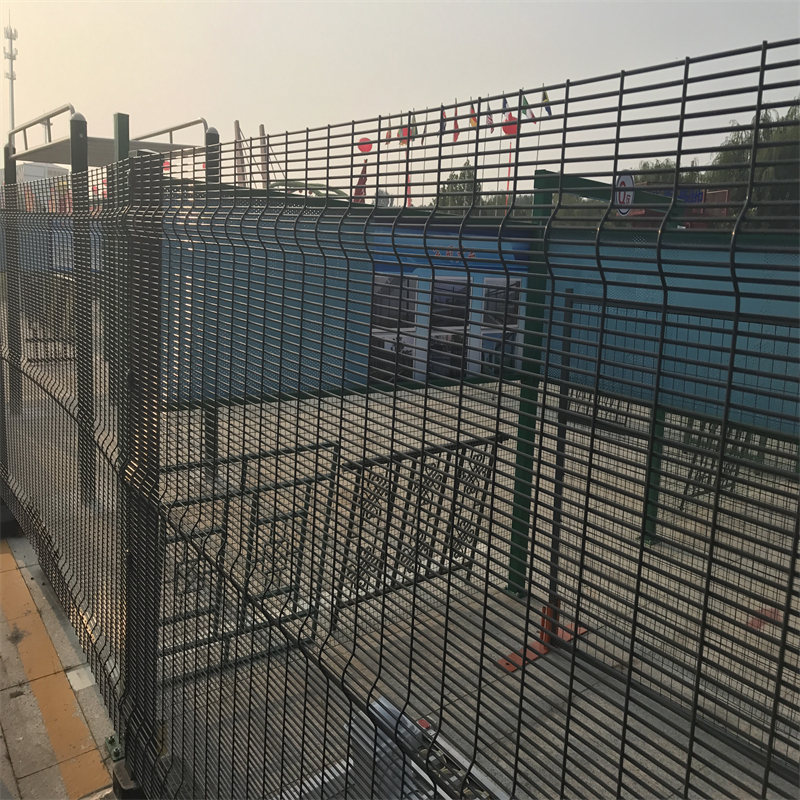
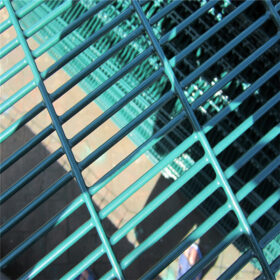
On real sites, a 358 fence panel is judged after delivery: how rigid it feels on the posts, whether the clamp bars sit flush, whether the coating stays clean at welds and cut points, and whether the mesh geometry remains disciplined across a long run. The expensive surprise is that many suppliers sell a 358 fence panel as a “look,” not a controlled system—so the difference only shows up when installers fight misaligned holes, camera lines get blocked by inconsistent geometry, or corrosion begins at the very places everyone can see. For perimeter access planning and compatible entry solutions, you can also reference garrison fencing gates used alongside high-security mesh systems.
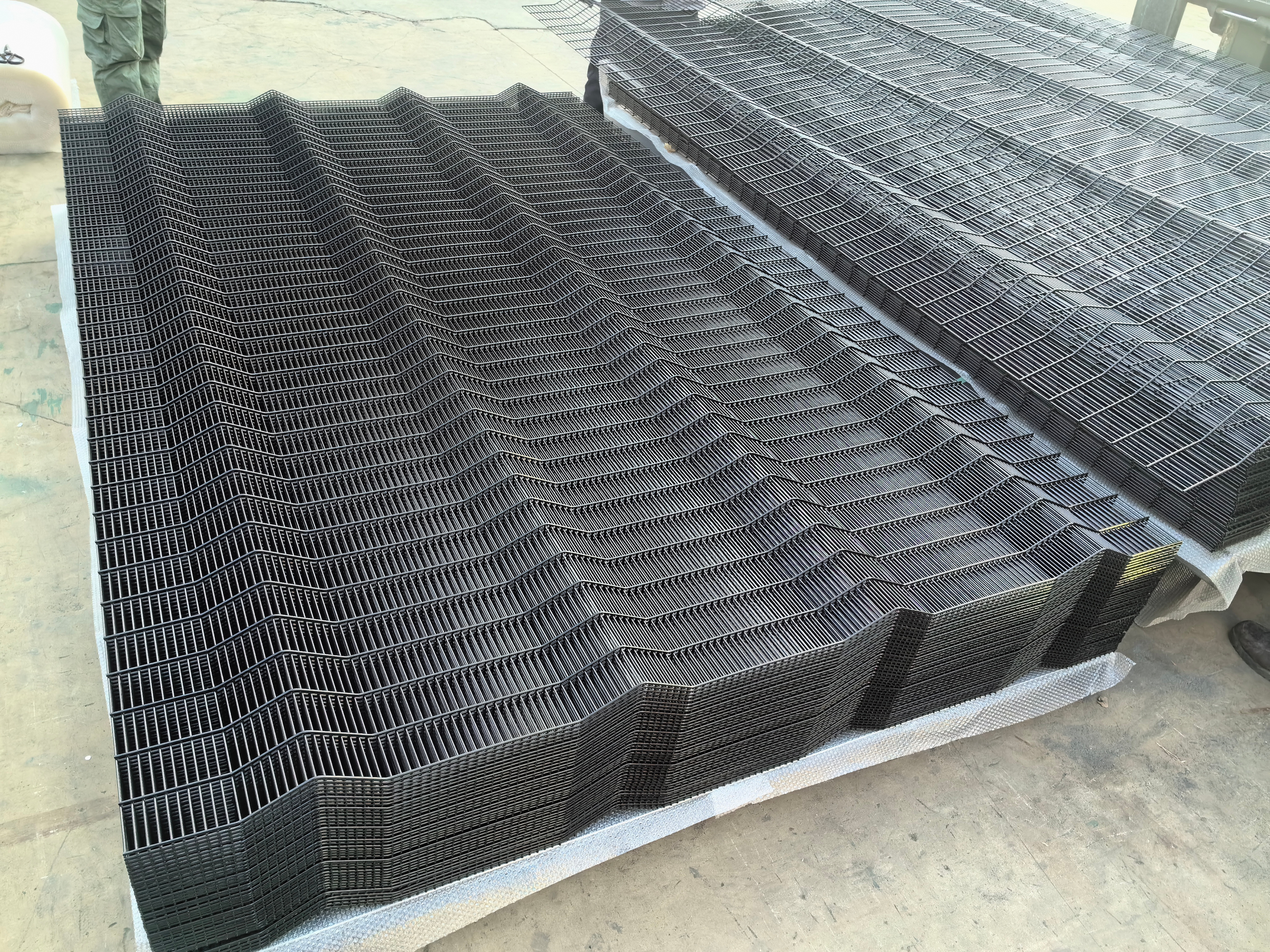
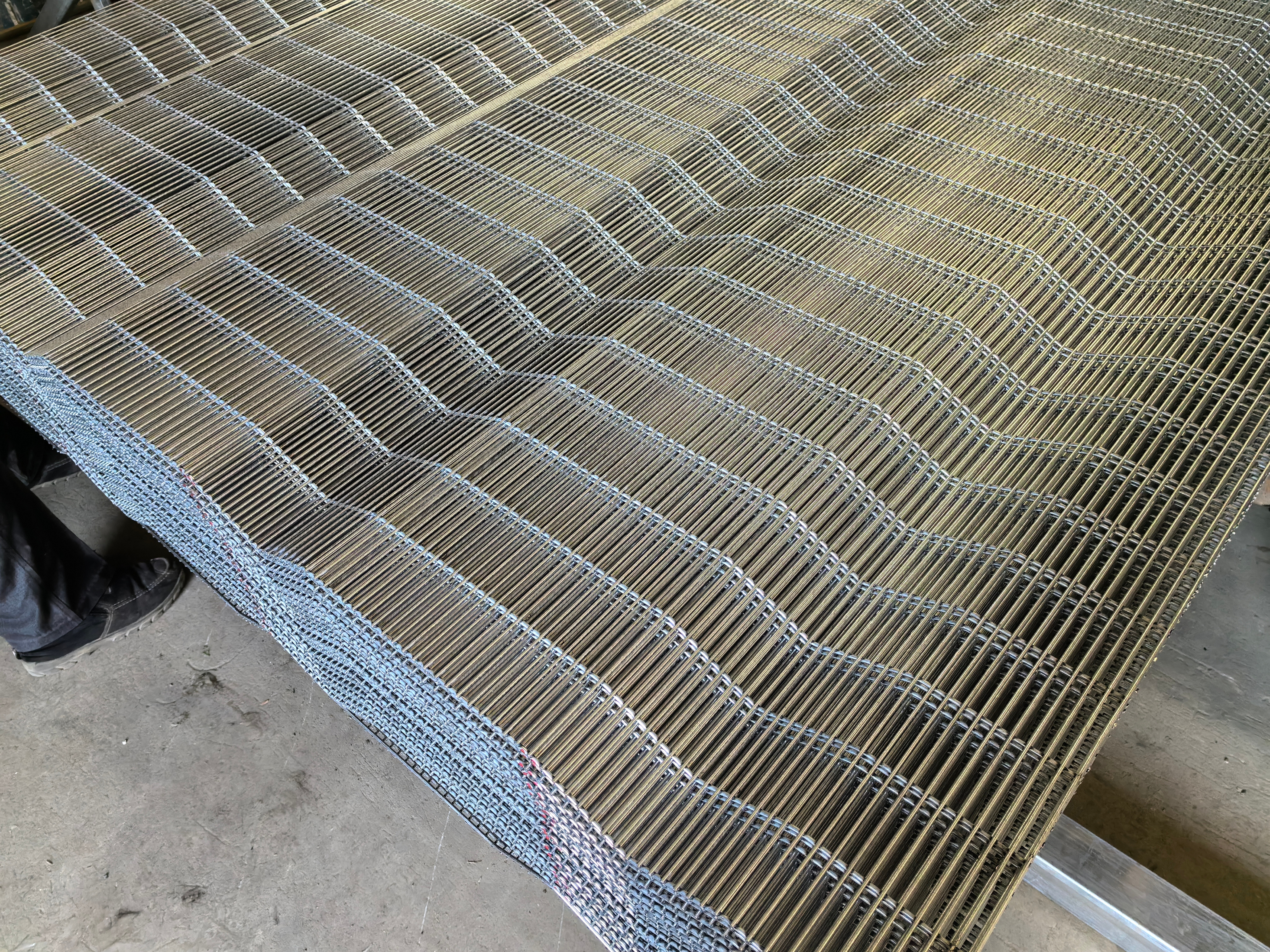
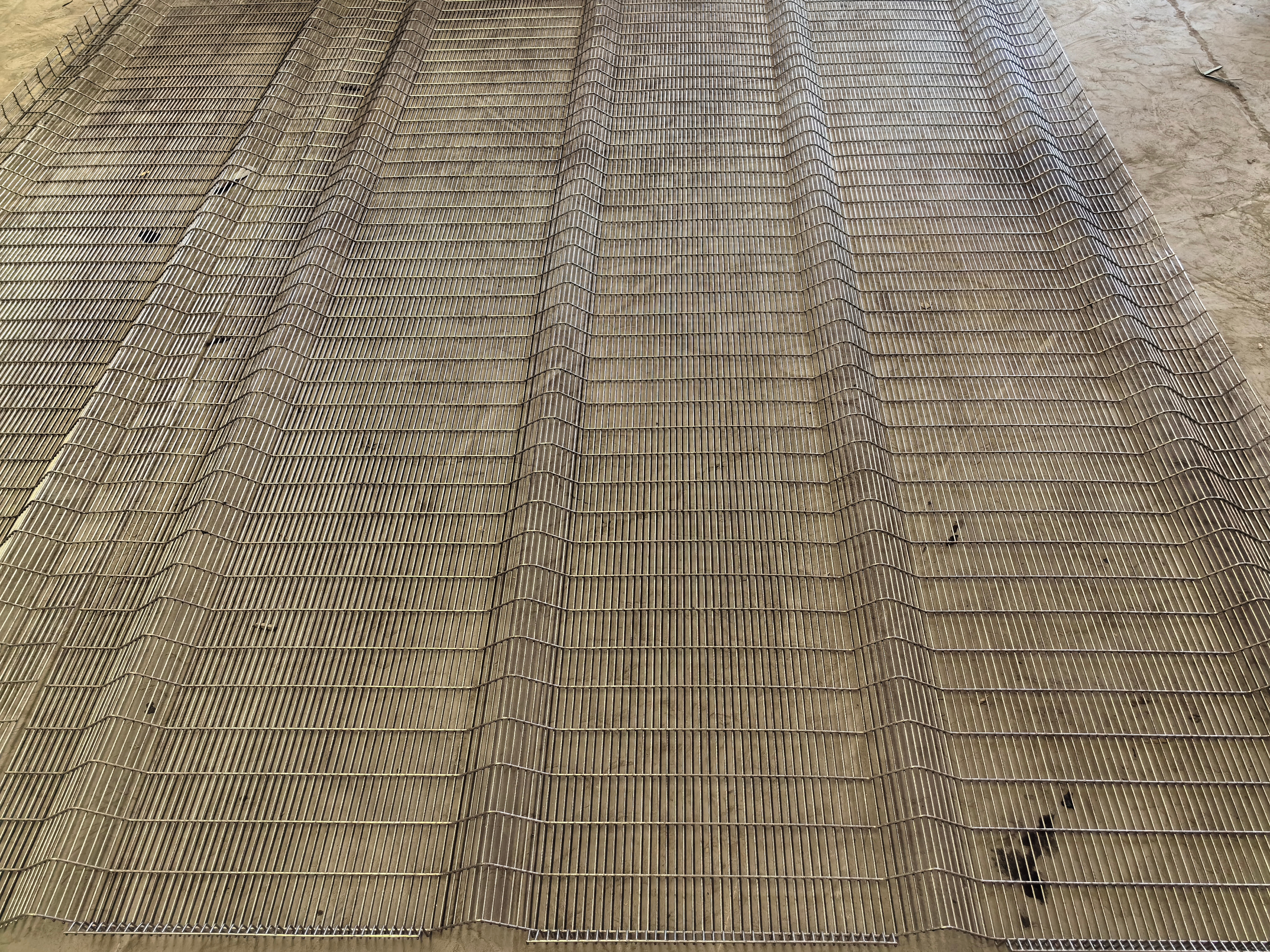
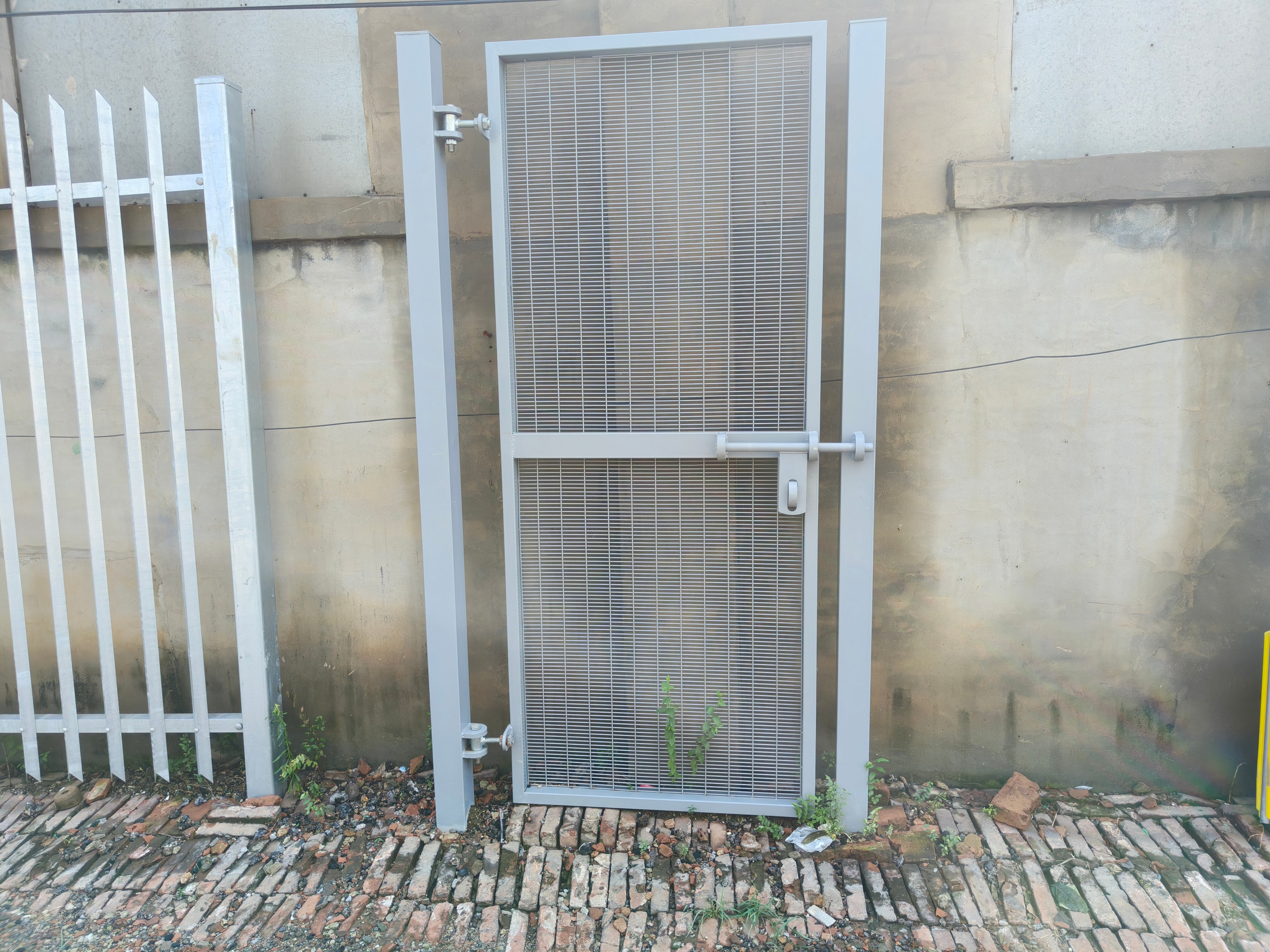
What makes a 358 fence panel “358”
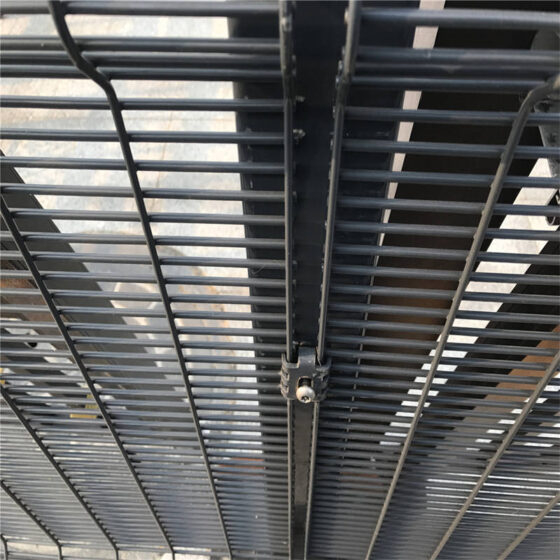
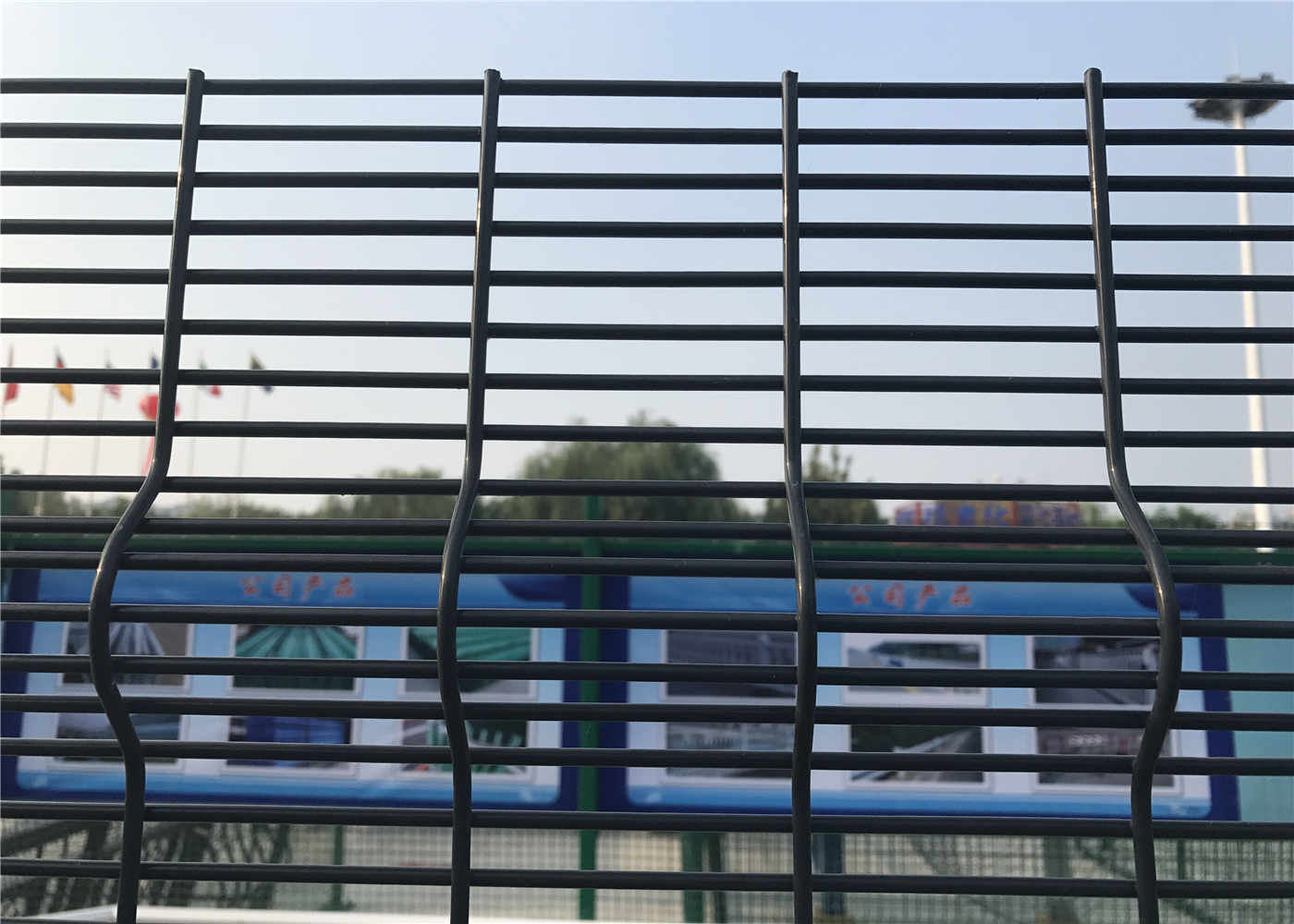
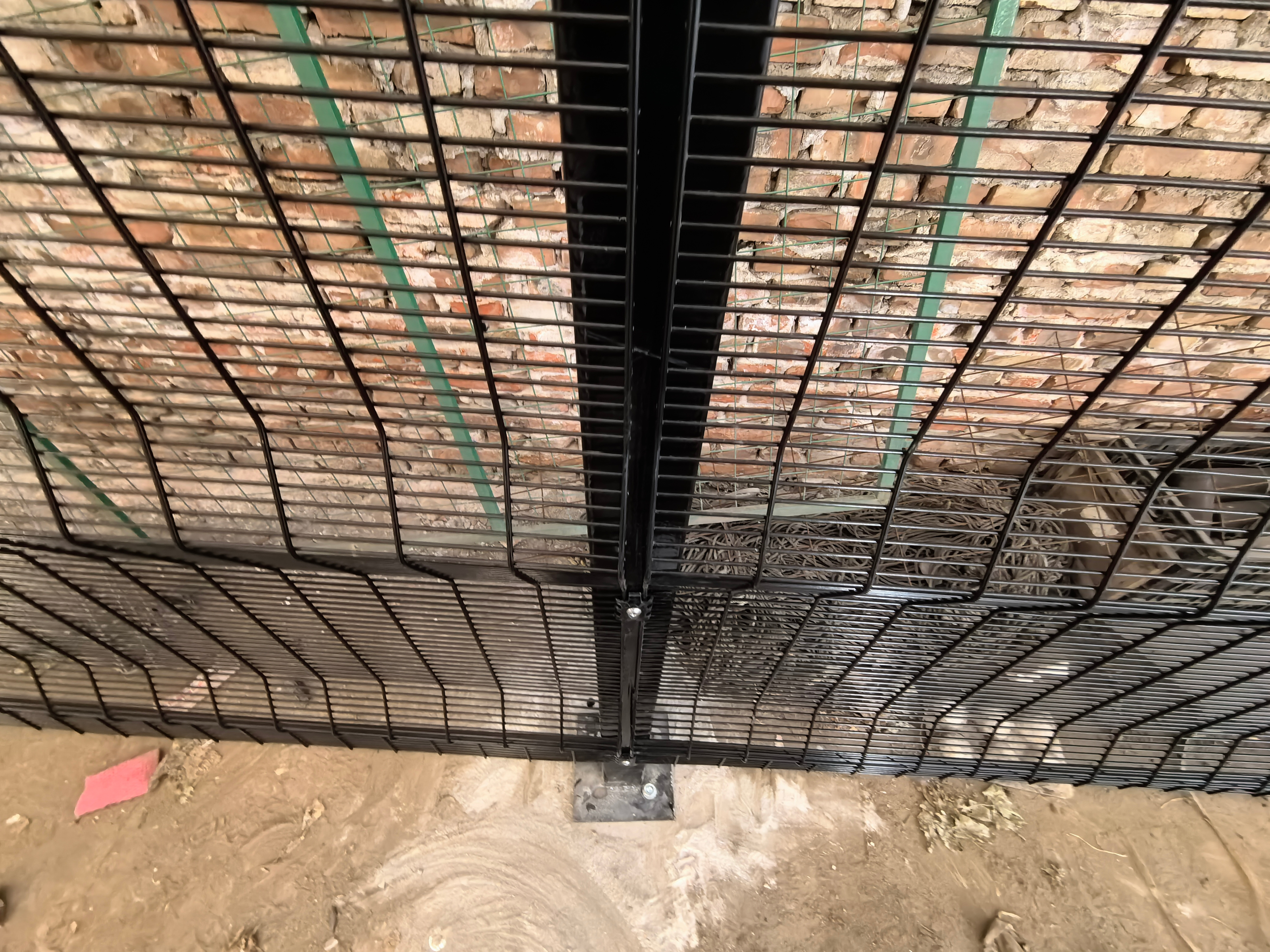
A true 358 fence panel is named by its specification: the classic “finger-proof” aperture combined with heavier wire to reduce climb, cut, and reach-through risks. The small aperture helps keep viewing visibility strong for surveillance because the see-through characteristics remain clear when viewed head-on and still perform well even at an angle—an important requirement for camera coverage and clear sight lines.
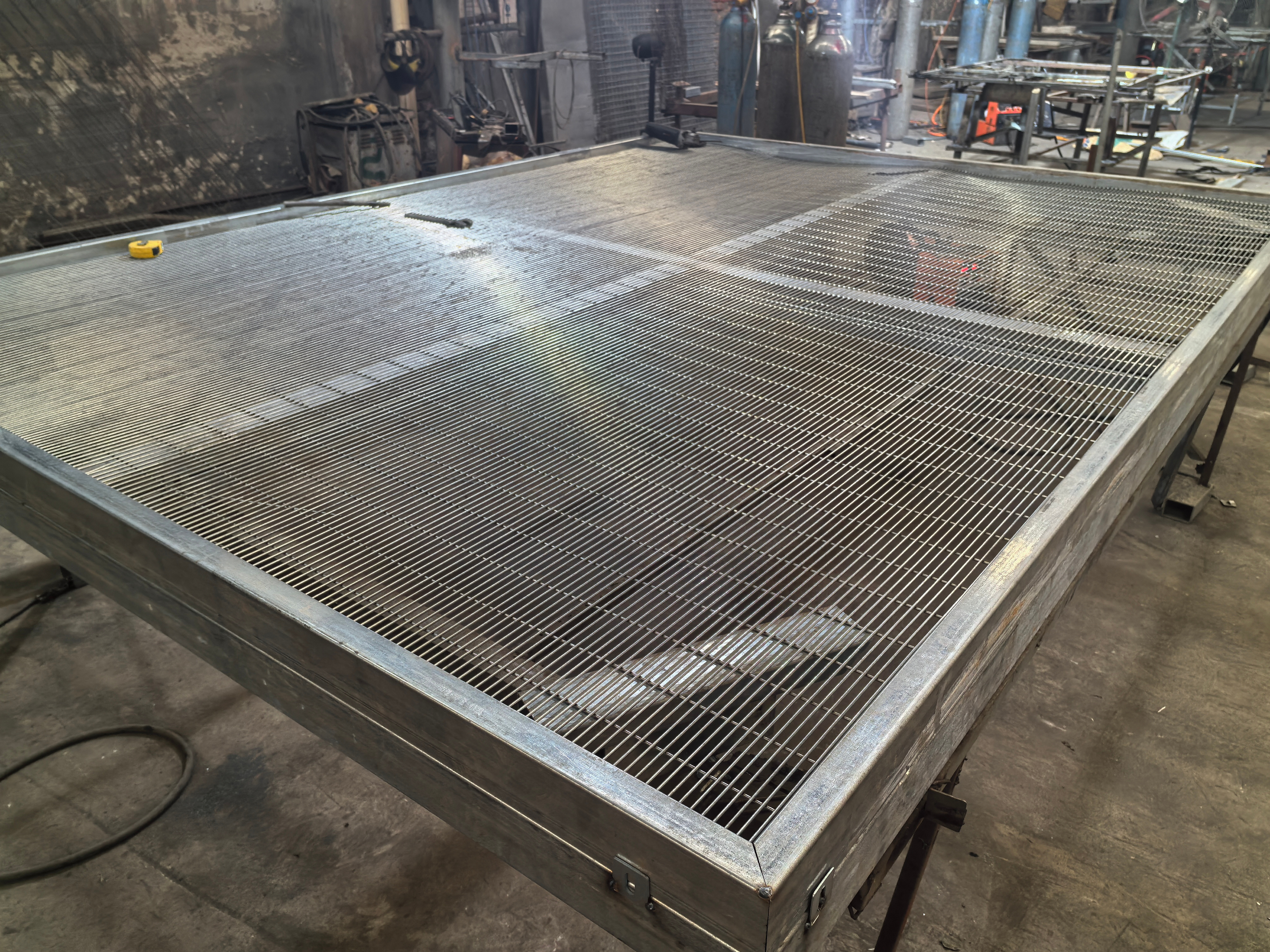
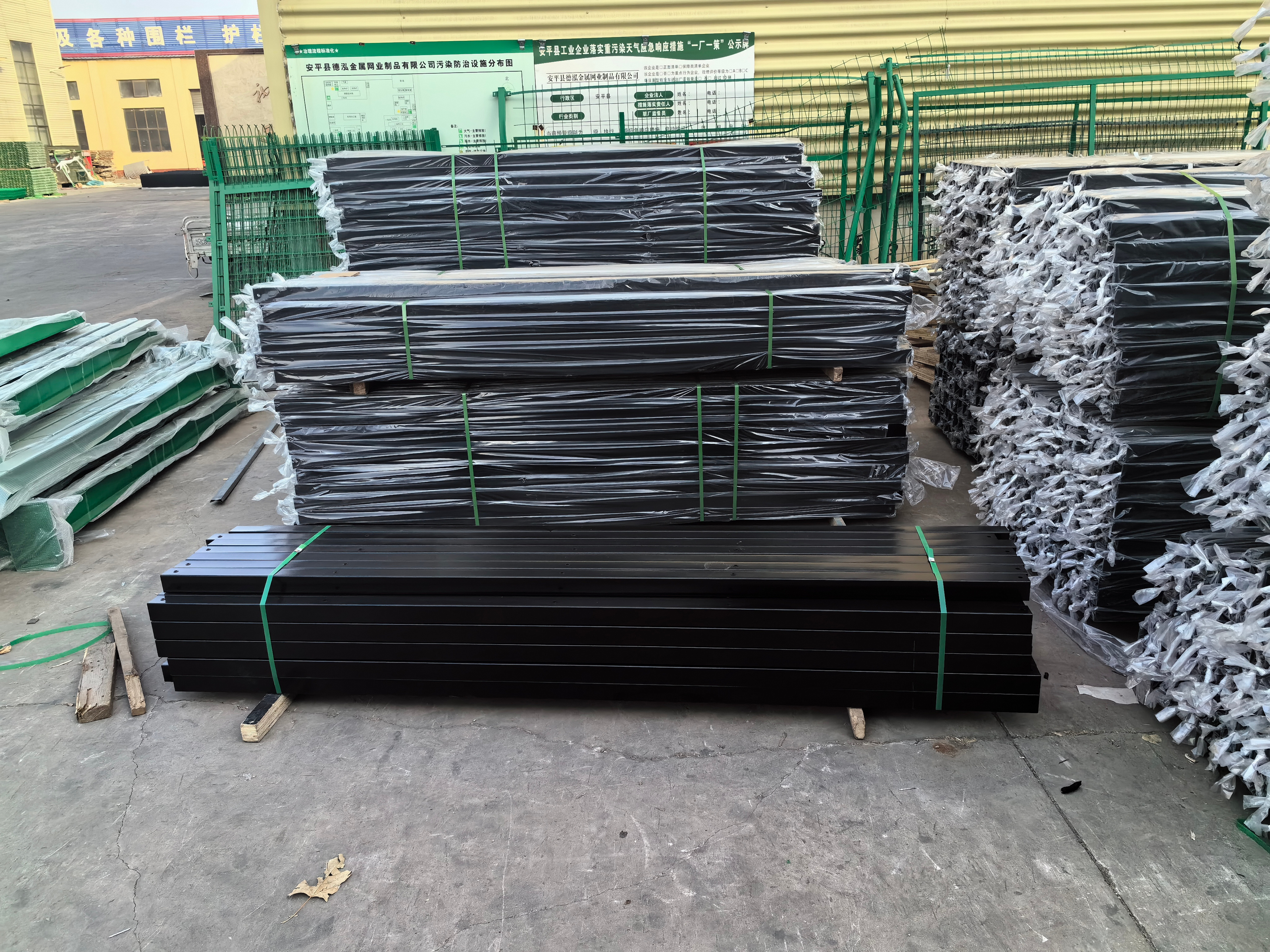
Top 10 brutal procurement traps for 358 fence panel (Especially #7)
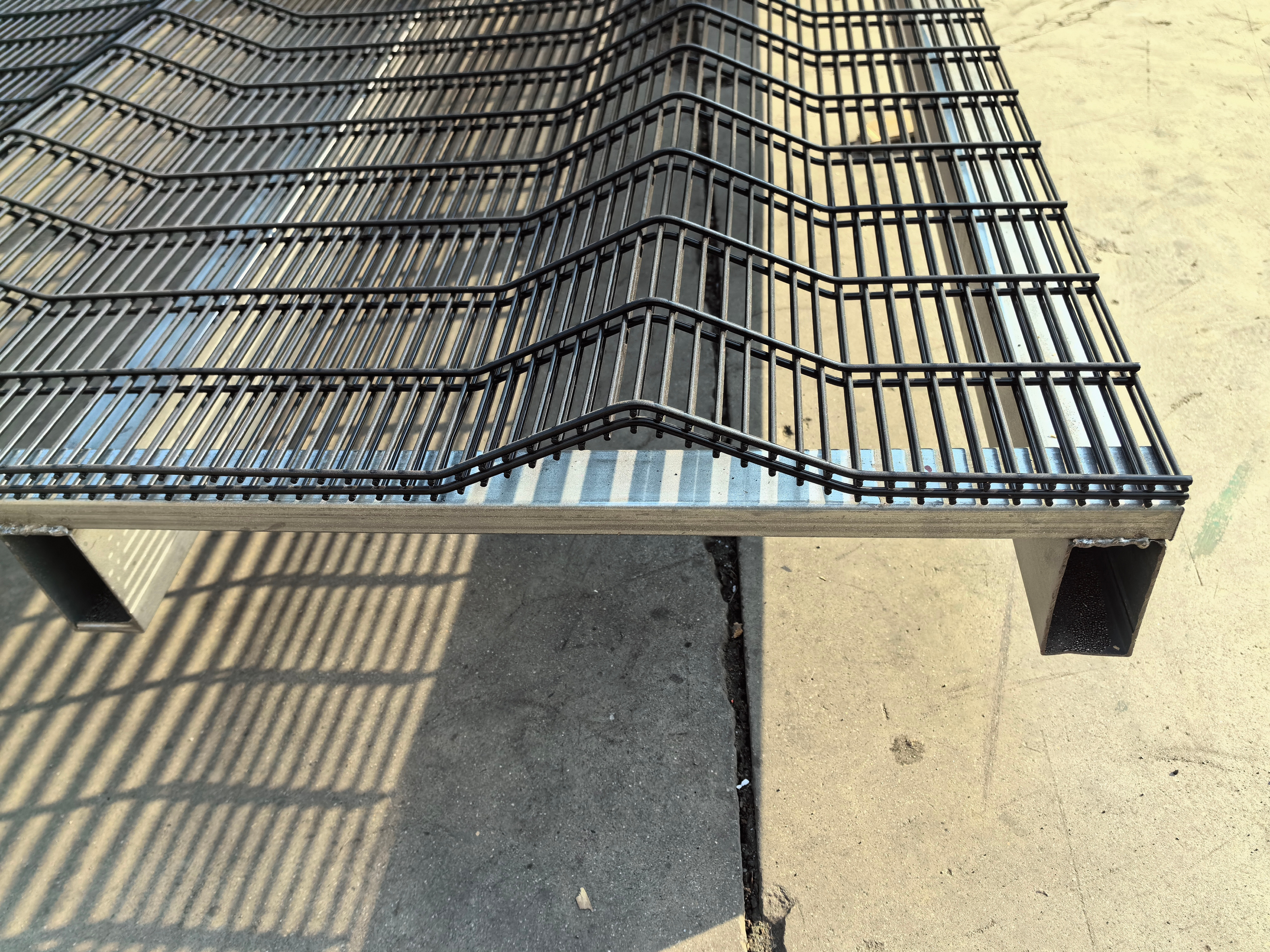
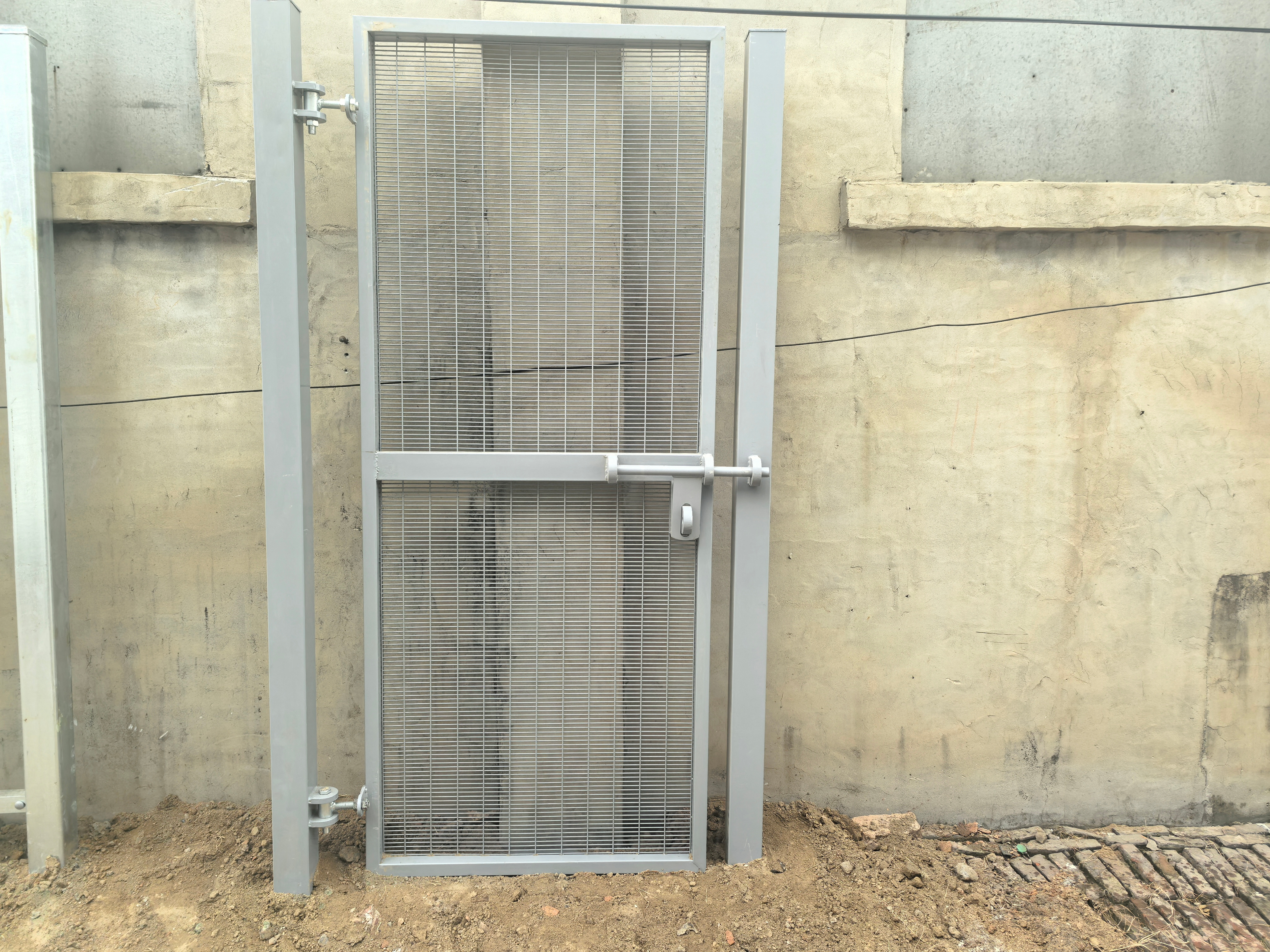
Problem #1: Treating “358 fence panel” as a keyword, not a locked specification
If the quote lists only “358 mesh” and a photo, you are exposed. A 358 fence panel must be locked by measurable controls: mesh aperture, wire diameter, panel height/width, coating route, post section, clamp bar pattern, and fixing counts. When these are not fixed, two “same-looking” panels behave differently in stiffness, security, and corrosion performance.
Mistake #2: Mixing up 358 vs 3510 and assuming the performance is the same
358 typically means 76.2 × 12.7 mm aperture with 4.0 mm wire (Gauge 8), while 3510 uses the same aperture with 3.0 mm wire (Gauge 10). That 1.0 mm difference changes cut resistance, rigidity, and long-term abuse survival. If you need a true 358 fence panel, lock the wire diameter in writing.
Danger #3: Buying “4.0 mm” without verifying real wire tolerance and stiffness
Some panels are quoted as 4.0 mm but arrive lighter, softer, or inconsistent across batches. That shows up when a 358 fence panel flexes too easily during handling, or when installers notice uneven tension and alignment across the fence line.
Gap #4: Selecting a coating route that does not match the job’s corrosion exposure
“Galvanized + PVC” can mean very different corrosion lifecycles depending on whether galvanizing is done before welding or after welding, and how the PVC (or powder) is applied. A 358 fence panel that looks perfect on day one can develop early staining at welds if the coating route is mismatched to the environment.
Oversight #5: Ignoring clamp bar and fixing counts until installation fails the reality test
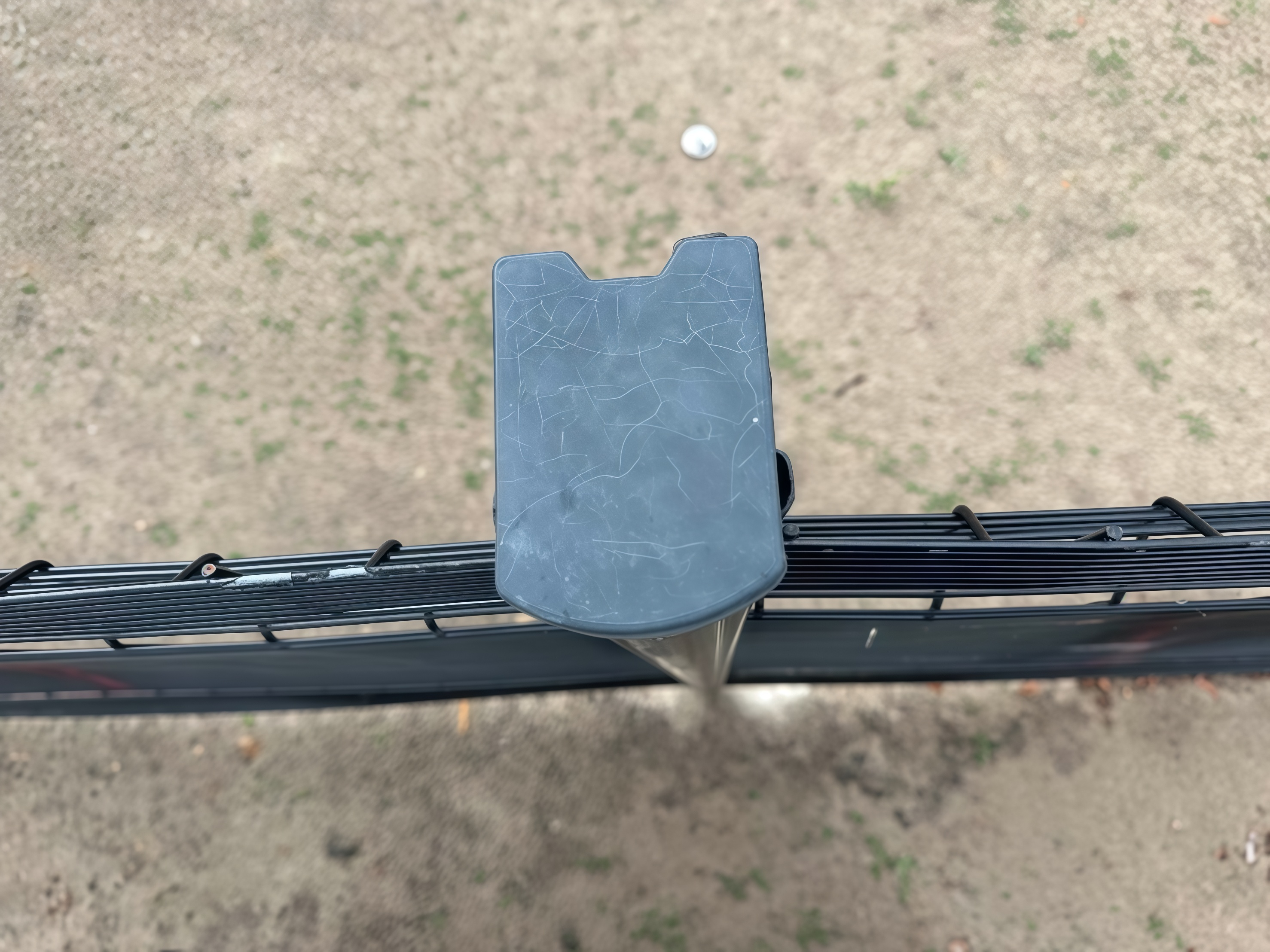
Security panels are only as secure as the fixing system. If clamp bars, bolt patterns, and total fixing counts are not locked, your 358 fence panel can end up with weak attachment points that loosen under vibration, wind, or repeated impact.
Warning #6: Choosing post sections that are too light for the panel height
As height increases, post stiffness becomes the spine of the system. If post sections and wall thickness are under-selected, the 358 fence panel may “read” wavy even if panels are straight, simply because the posts flex under load.
Loss #7: “Finger-proof” aperture, but cut points and weld zones become corrosion starters
This is the silent money-loss item. A 358 fence panel is often specified for high security, yet buyers can lose the most money when corrosion begins at welds, cut ends, and contact points under clamp bars—exactly where the eye and cameras focus. Rework is expensive because it requires access, site disruption, touch-ups, and reputation cost long before anyone questions the main mesh field.
Cost #8: Ordering the wrong panel width for the site’s set-out, then paying in waste
Common panels are built around standard widths. If your site set-out, corner geometry, and gate interfaces are not matched early, installers end up cutting panels, adding infills, or shifting posts—turning a standard 358 fence panel job into a custom rework job.
Myth #9: Believing “impossible to cut” without matching the threat model
A 358 fence panel is extremely difficult to cut with conventional bolt cutters or wire cutters, but the correct system choice still depends on site risk, access control, and fixing design. If the fixing system is weak, attackers target fixings rather than wire.
Checklist #10: Under-packing that bends panels or damages coatings before the job even starts
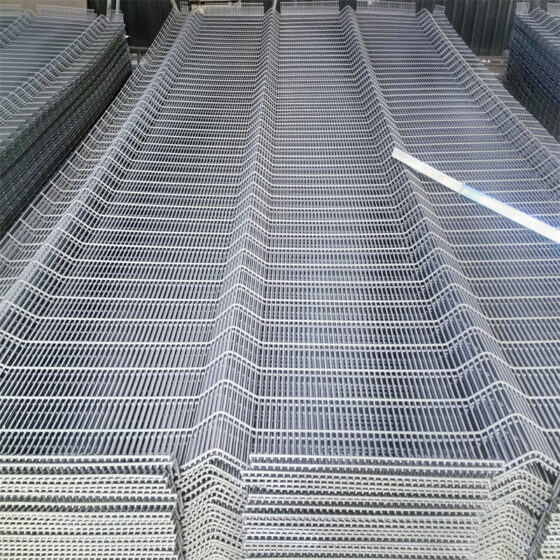
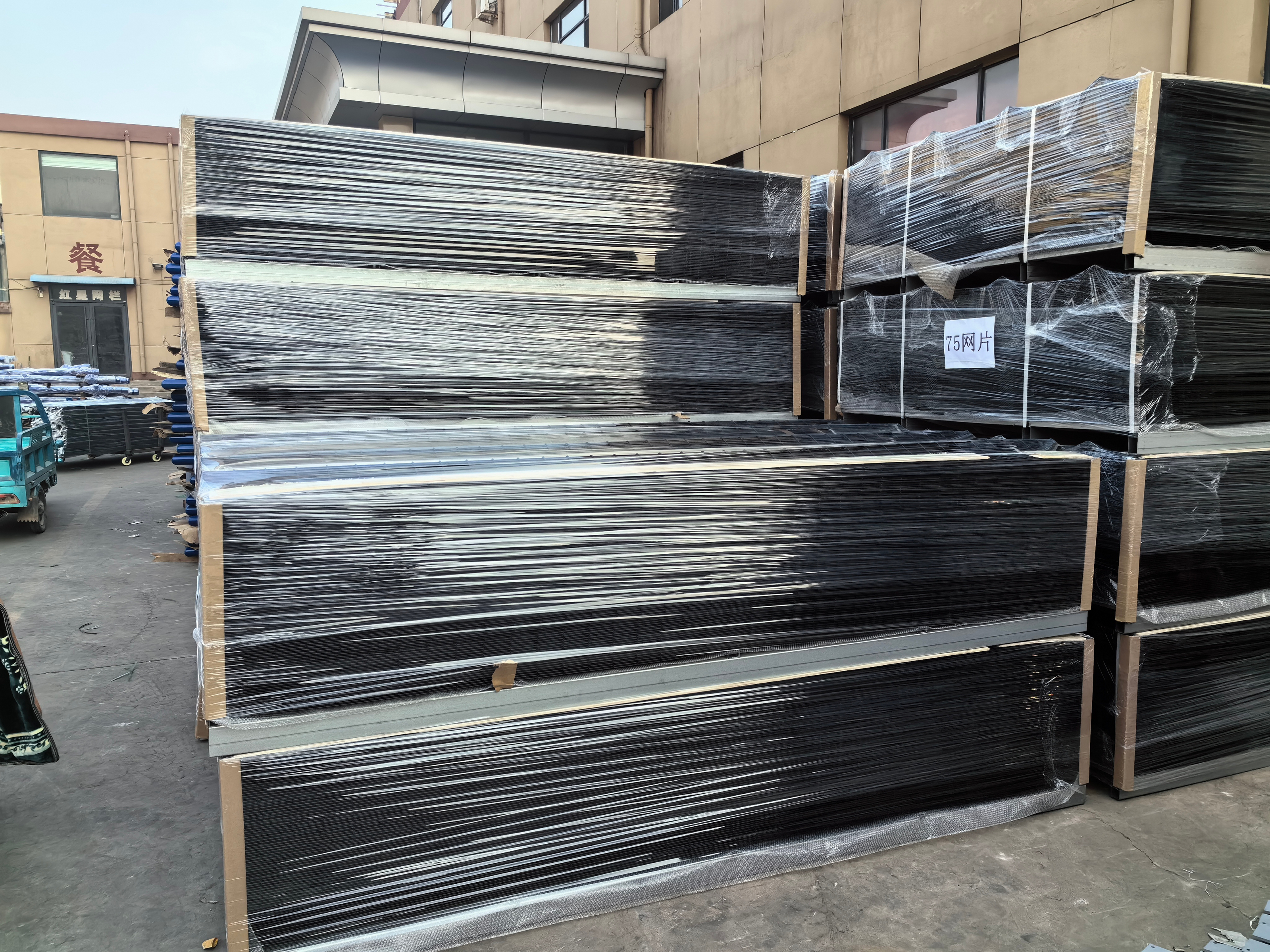
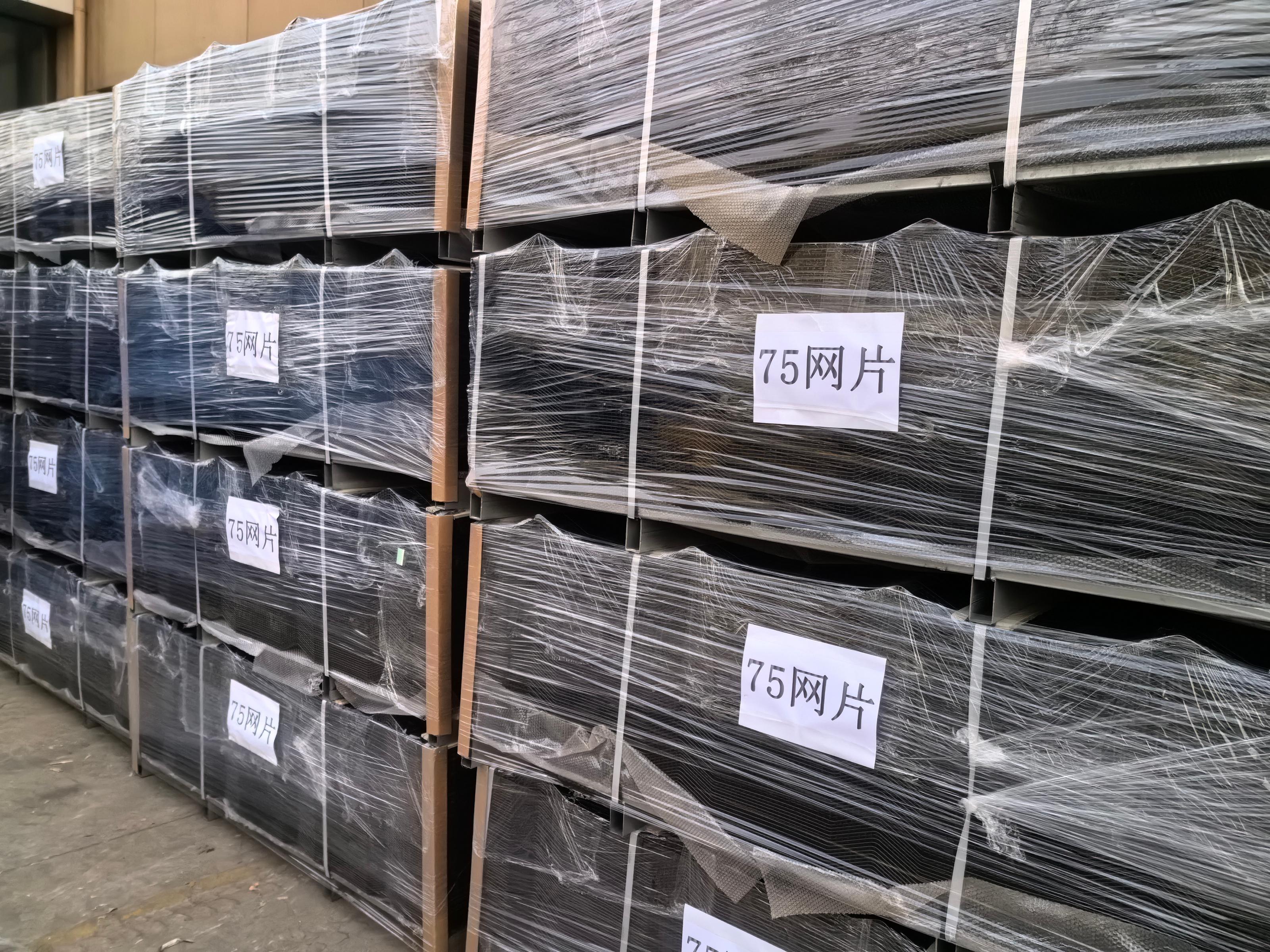
Panels can leave the factory perfect and arrive scratched, rubbed-through, or bowed if stacking points, separators, and strapping are not controlled. A 358 fence panel should unload ready to install, not ready for touch-up.
Product Description (POLYMETAL 358 Fence Panel)
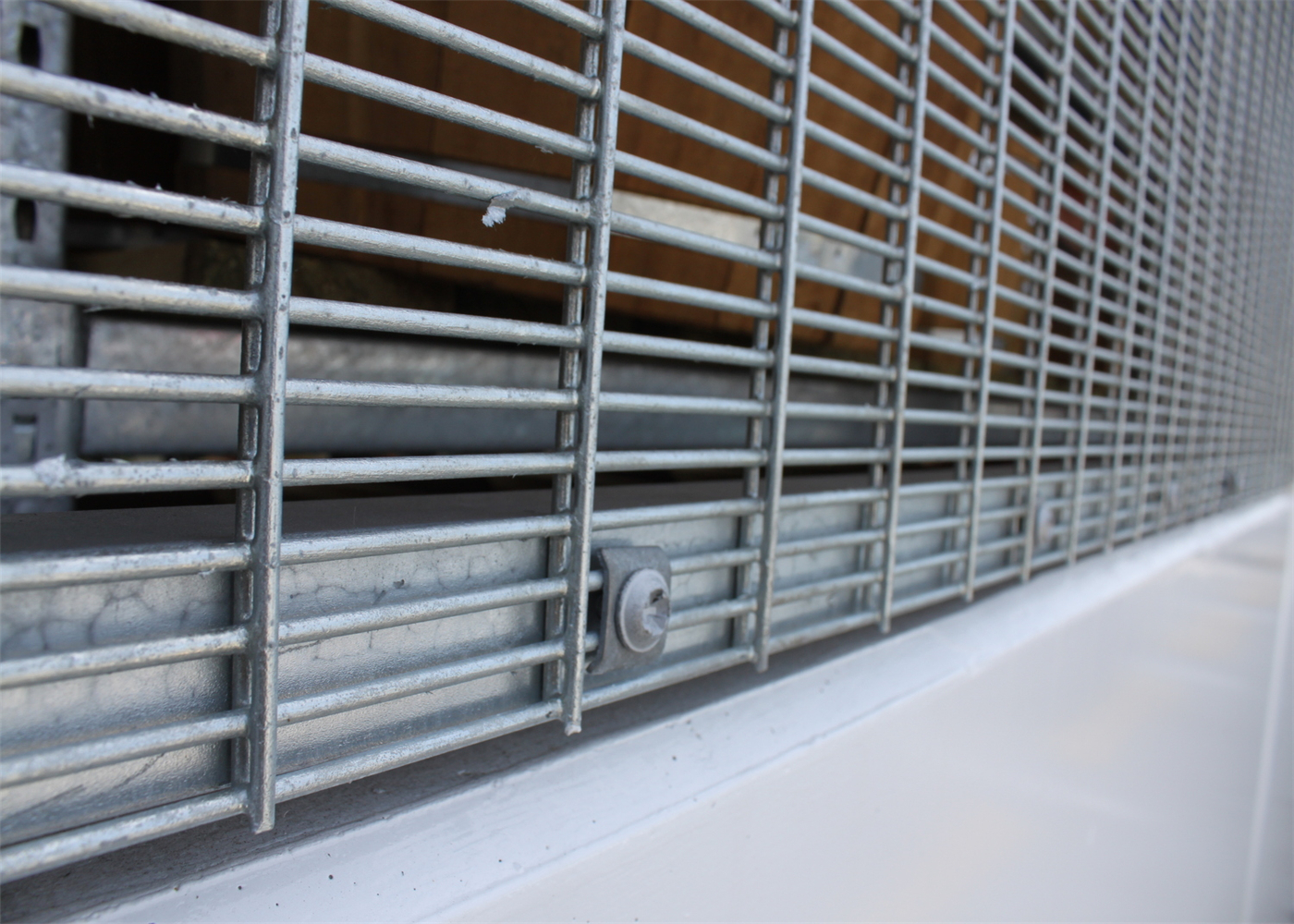
POLYMETAL 358 fence panel is a high-security welded wire mesh fence system engineered for anti-climb, anti-cut, and reduced reach-through performance. The finger-proof aperture combined with heavier wire diameter creates a substantial barrier that is difficult to climb and penetrate, and extremely difficult to cut using conventional bolt cutters or wire cutters. The system is designed to provide a high degree of security where discreet visual impact is essential, while maintaining strong visibility for surveillance because the see-through characteristics remain clear when viewed head-on and still perform well at an angle.
Specifications (Tables)
| Type | Mesh Aperture | Wire Diameter | Material Options | Security Character | Visibility for Cameras |
|---|---|---|---|---|---|
| 358 fence panel | 76.2 mm × 12.7 mm (3″ × 0.5″) | 4.0 mm (Gauge 8) | Low carbon steel wire; Aluminum magnesium alloy wire | Finger-proof aperture + strong cut resistance | Clear head-on and strong at angle |
| 3510 fence | 76.2 mm × 12.7 mm (3″ × 0.5″) | 3.0 mm (Gauge 10) | Low carbon steel wire; Aluminum magnesium alloy wire | Same aperture with lighter wire option | Clear head-on and strong at angle |
| Surface Treatment | Typical Use Case | Key Selection Point |
|---|---|---|
| Hot dipped galvanized wire + PVC coated | General outdoor security fencing | Strong corrosion barrier + decorative finish |
| Electro galvanized wire + PVC coated | Lower exposure zones | Cleaner look, less heavy than HDG |
| Hot dipped galvanized after welding | High corrosion control focus | Protects weld zones effectively |
| Electro galvanized after welding | Indoor/low exposure projects | Cost control option |
| Hot dipped galvanized after welding + PVC coated | Harsh outdoor exposure | Premium corrosion protection route |
| Electro galvanized after welding + PVC coated | Moderate exposure | Balanced look and cost |
| Fence Height (m) | Panel Size (Height × Width, mm) | Post Section (mm) | Total Fixings | Intersections (Clamp Bars) | Corners (Clamp Bars) |
|---|---|---|---|---|---|
| 2.0 | 2007 × 2515 | 60×60×2.5 | 7 | 1 | 2 |
| 2.4 | 2400 × 2515 | 60×60×2.5 | 9 | 1 | 2 |
| 3.0 | 2997 × 2515 | 80×80×2.5 | 11 | 1 | 2 |
| 3.3 | 3302 × 2515 | 80×80×2.5 | 12 | 1 | 2 |
| 3.6 | 3607 × 2515 | 100×60×3.0 | 13 | 1 | 2 |
| 3.6 | 3607 × 2515 | 100×100×3.0 | 13 | 1 | 2 |
Applications
358 fence panel systems are commonly selected for prisons and correctional facilities, data centers, airports, rail corridors, utilities, substations, logistics hubs, warehouses, government compounds, border and critical infrastructure perimeters, and any site that requires high security with discreet visual impact and strong camera surveillance visibility.
Benefits
POLYMETAL 358 fence panel delivers finger-proof aperture control, strong anti-climb behavior, and high resistance to conventional cutting tools. The small aperture supports clear surveillance lines without sacrificing visibility, while multiple coating routes allow the fence to match site exposure and lifecycle expectations. Standardized panel sizes and controlled fixing patterns reduce installation uncertainty and protect project schedule.
Packing
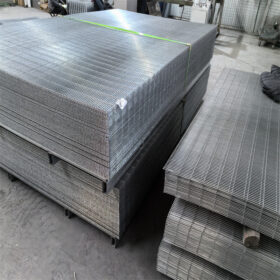
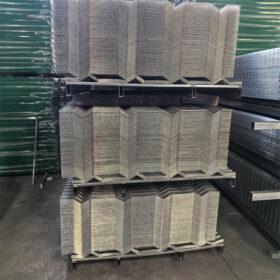
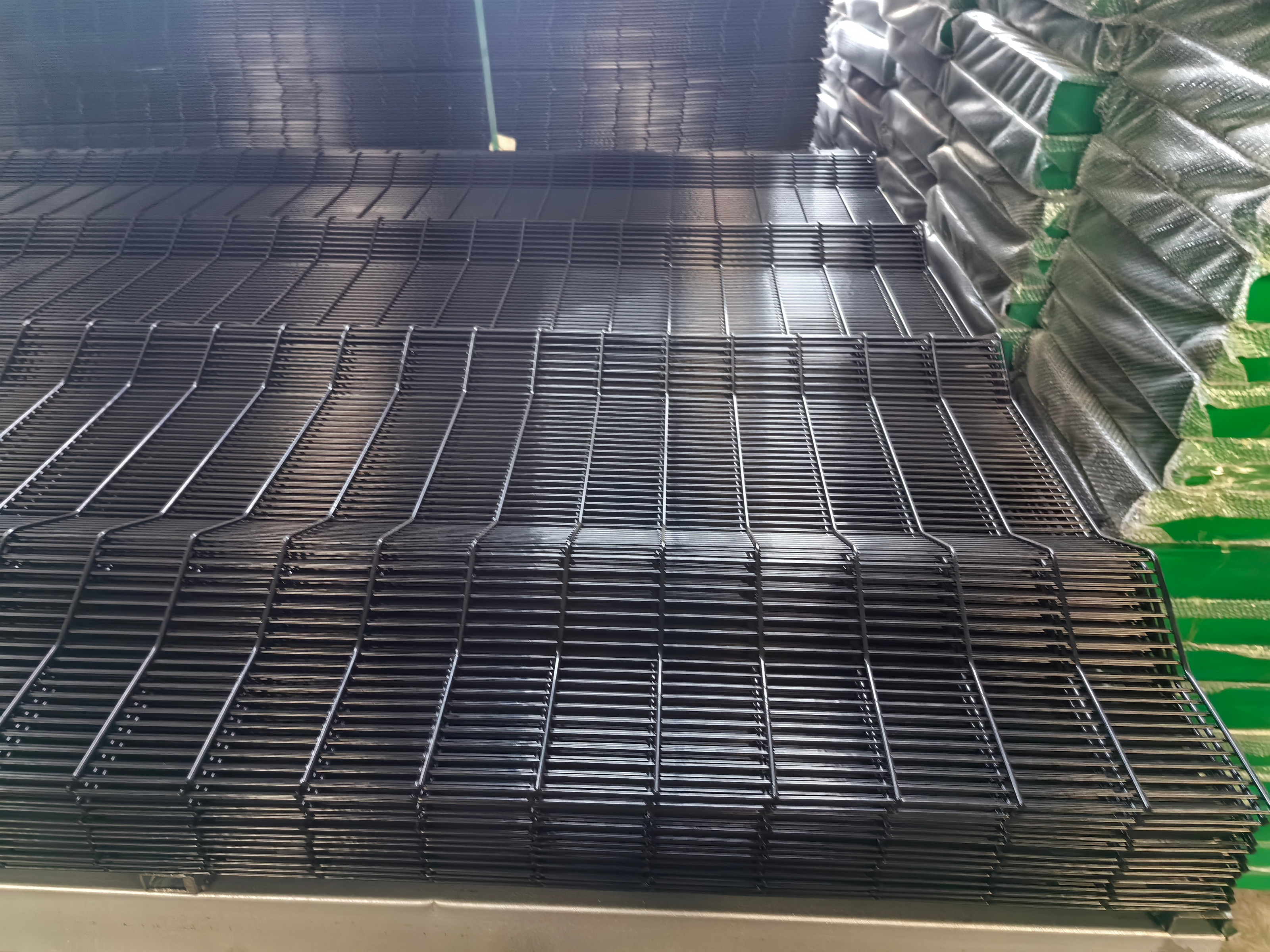
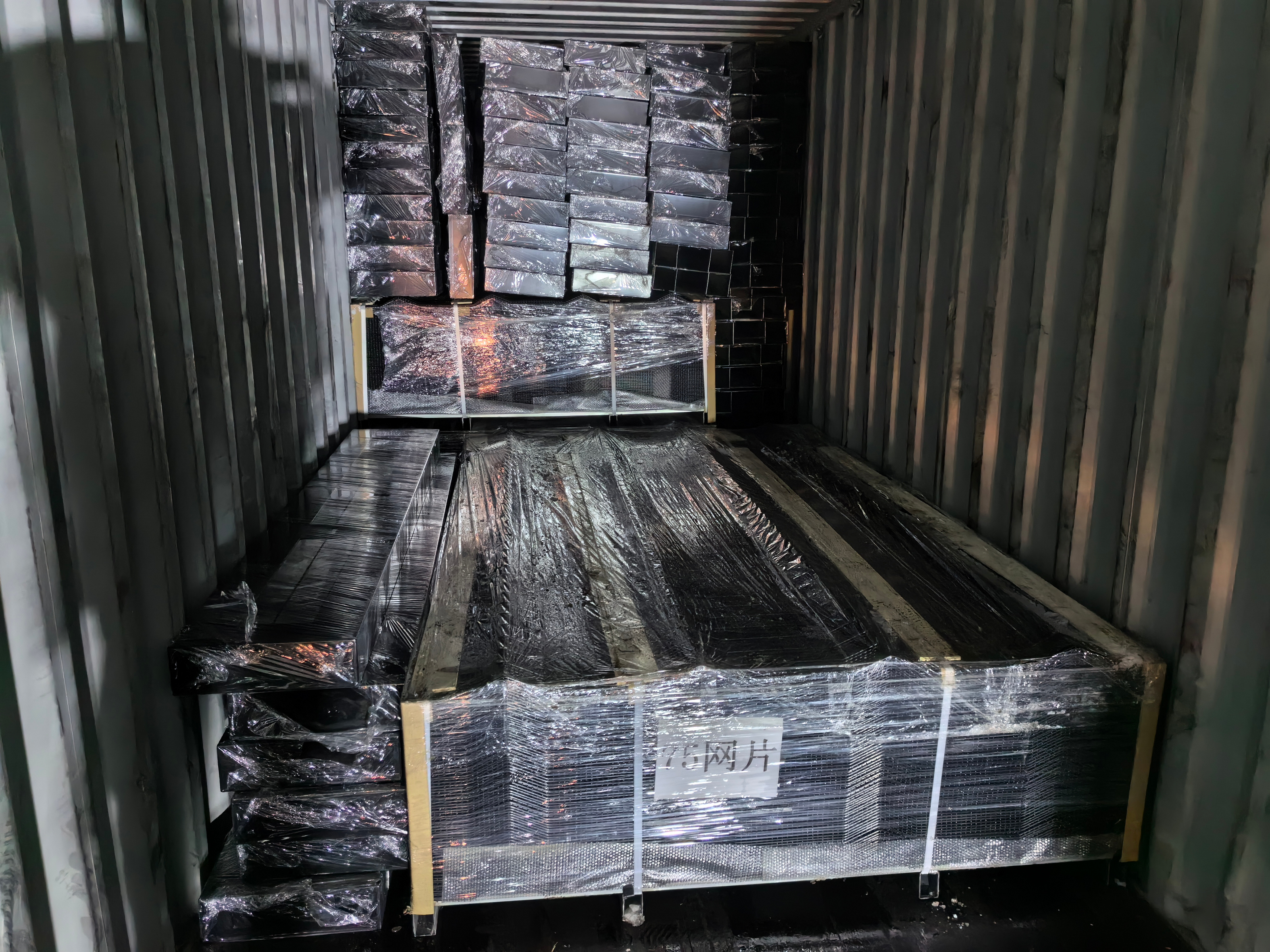
358 fence panel packing is designed to protect panel flatness and coating integrity during transport. Panels are stacked on steel pallets or stillages with separators to prevent mesh rub, protected corners to reduce coating damage, and tight strapping to prevent shifting. Posts are bundled by section and length, and clamp bars, bolts, and accessories are boxed and labeled for fast site picking and clean installation flow. For infrastructure sites that also require slope and roadside protection, project teams can bundle procurement with passive rockfall barriers for sale to streamline logistics and keep safety packages aligned under one shipment plan.
Standard
Common references for welded security mesh projects include galvanizing standards, PVC/powder coating standards, and structured quality management practices to keep mesh geometry, weld consistency, and coating appearance stable across the batch. POLYMETAL organizes inspection around panel dimensions, mesh aperture consistency, wire diameter control, weld quality, coating integrity, and packing stability to keep each 358 fence panel consistent from first pallet to last.
FAQS
Q: What is the standard 358 fence panel aperture?
A: 76.2 mm × 12.7 mm (3″ × 0.5″). This is the classic finger-proof mesh used for high-security 358 fence panel applications.
Q: 358 vs 3510—how do I choose?
A: Choose based on wire diameter requirement. 358 is commonly 4.0 mm wire for higher cut resistance and rigidity, while 3510 is commonly 3.0 mm wire for a lighter option with the same aperture.
Q: Why does a 358 fence panel stay “see-through” with such a small aperture?
A: The small aperture reduces reach-through but maintains clear visibility when viewed head-on and performs well at an angle, which supports camera surveillance needs.
Q: Which surface treatment should I choose for harsh outdoor exposure?
A: Hot dipped galvanized after welding plus PVC coating is a common premium route for harsh exposure where weld zone protection and long-term appearance are critical.
Q: What should I lock before ordering?
A: Lock mesh aperture, wire diameter, panel height/width, coating route, post section, clamp bar pattern, fixing counts, and packing method—so your 358 fence panel arrives consistent and installs clean.