Your One-Stop Wire Mesh Fence Supplier | POLYMETAL
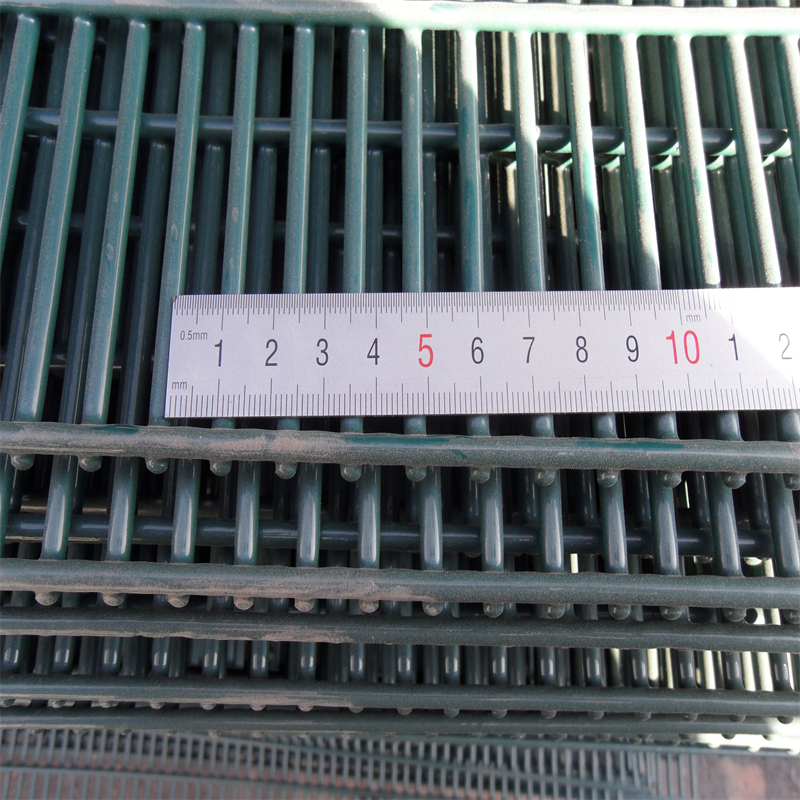


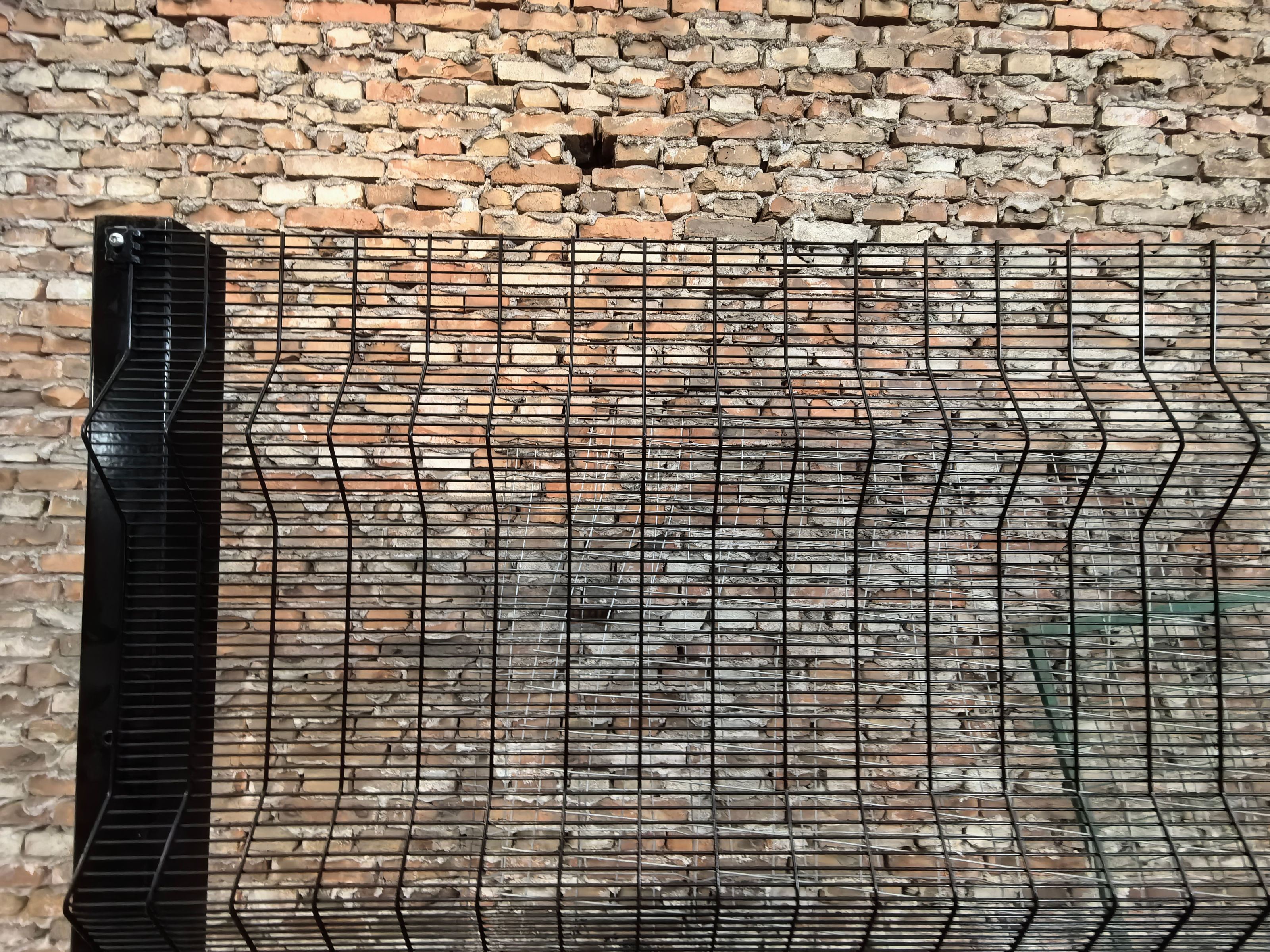
A 358 high security fence (also called an anti-climb fence) is a heavy-duty welded mesh panel system designed to deliver very high security with excellent see-through visibility. Its toe-and-finger-proof profile comes from the small aperture pattern—commonly around 75mm × 12.5mm (or 76.2mm × 12.7mm). That tight mesh makes climbing extremely difficult and limits tool access, increasing resistance against conventional hand cutting tools.
Danger
If you assume a 358 high security fence is “set-and-forget,” one shortcut at the post line can create movement, then leverage, then loss.
2. POLYMETAL 358 High Security Fence Product Description
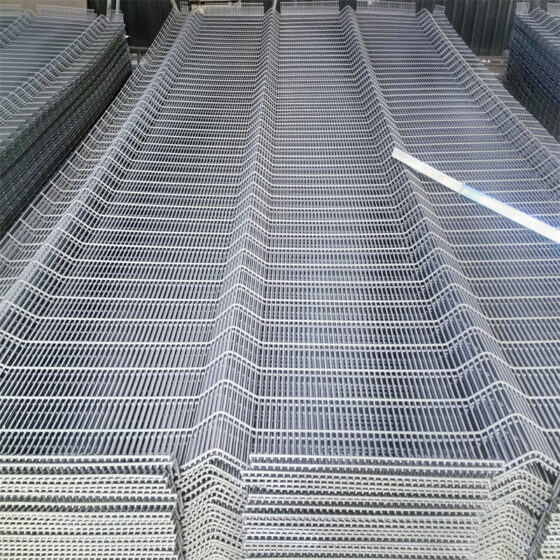
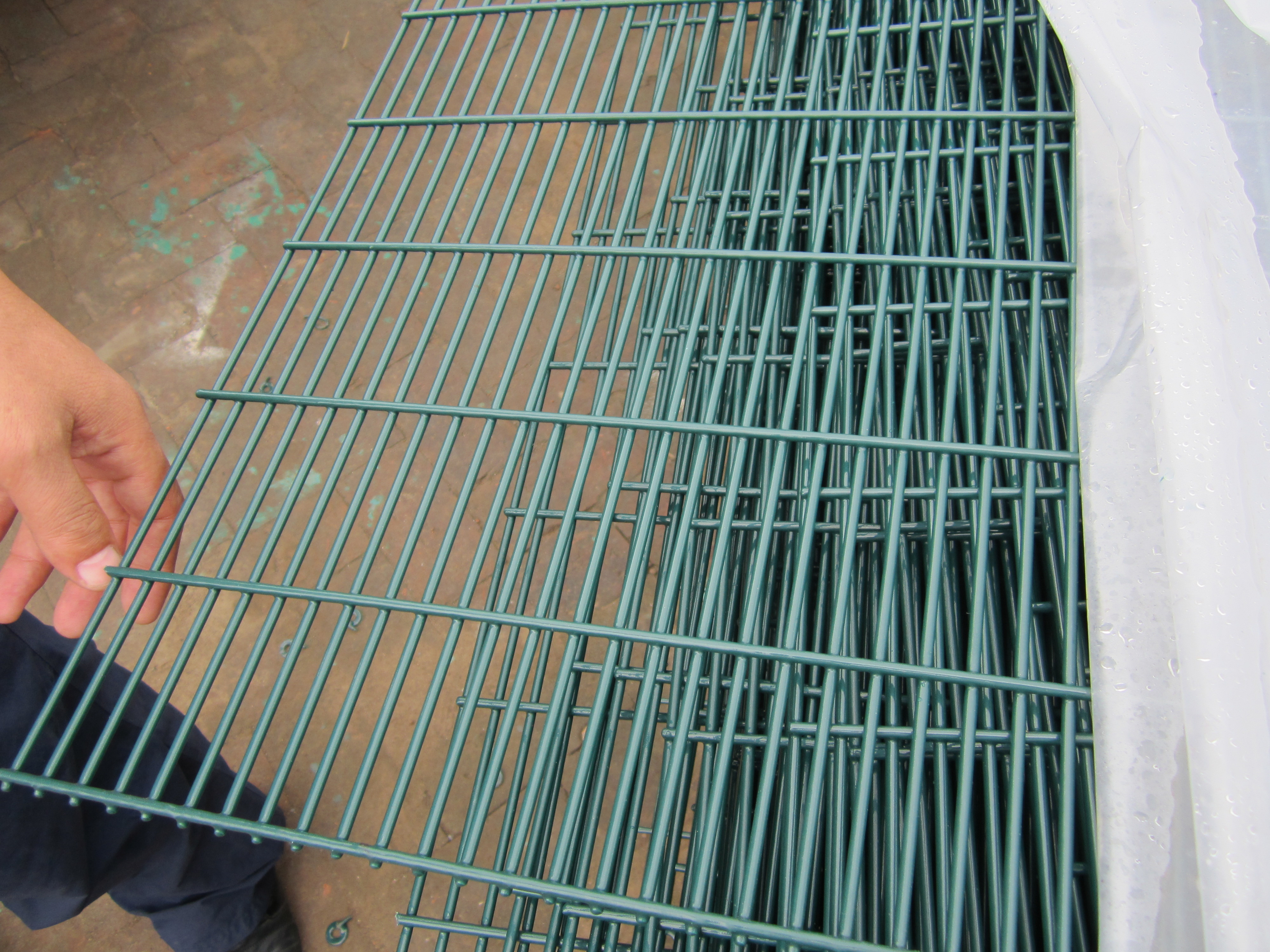
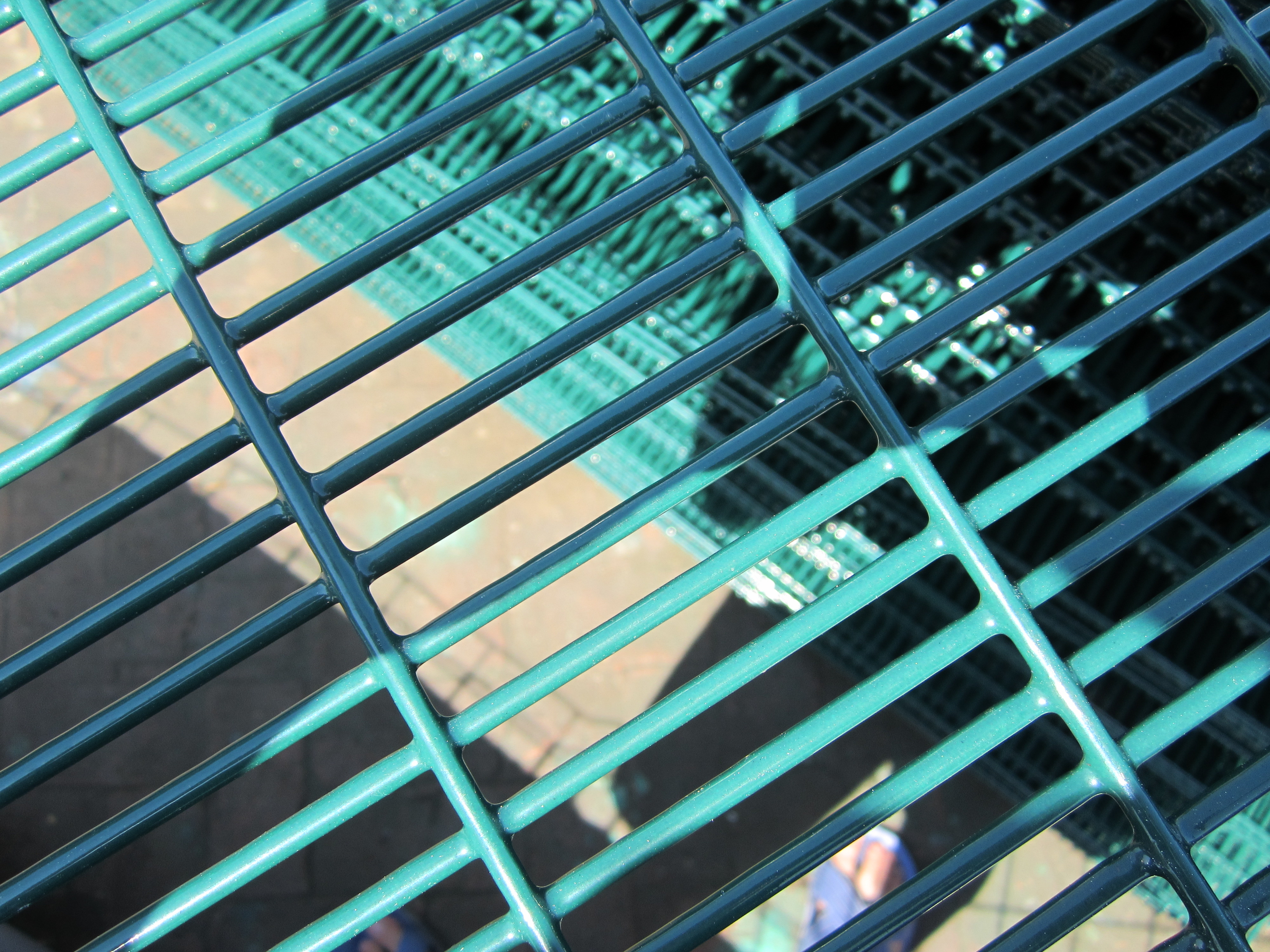
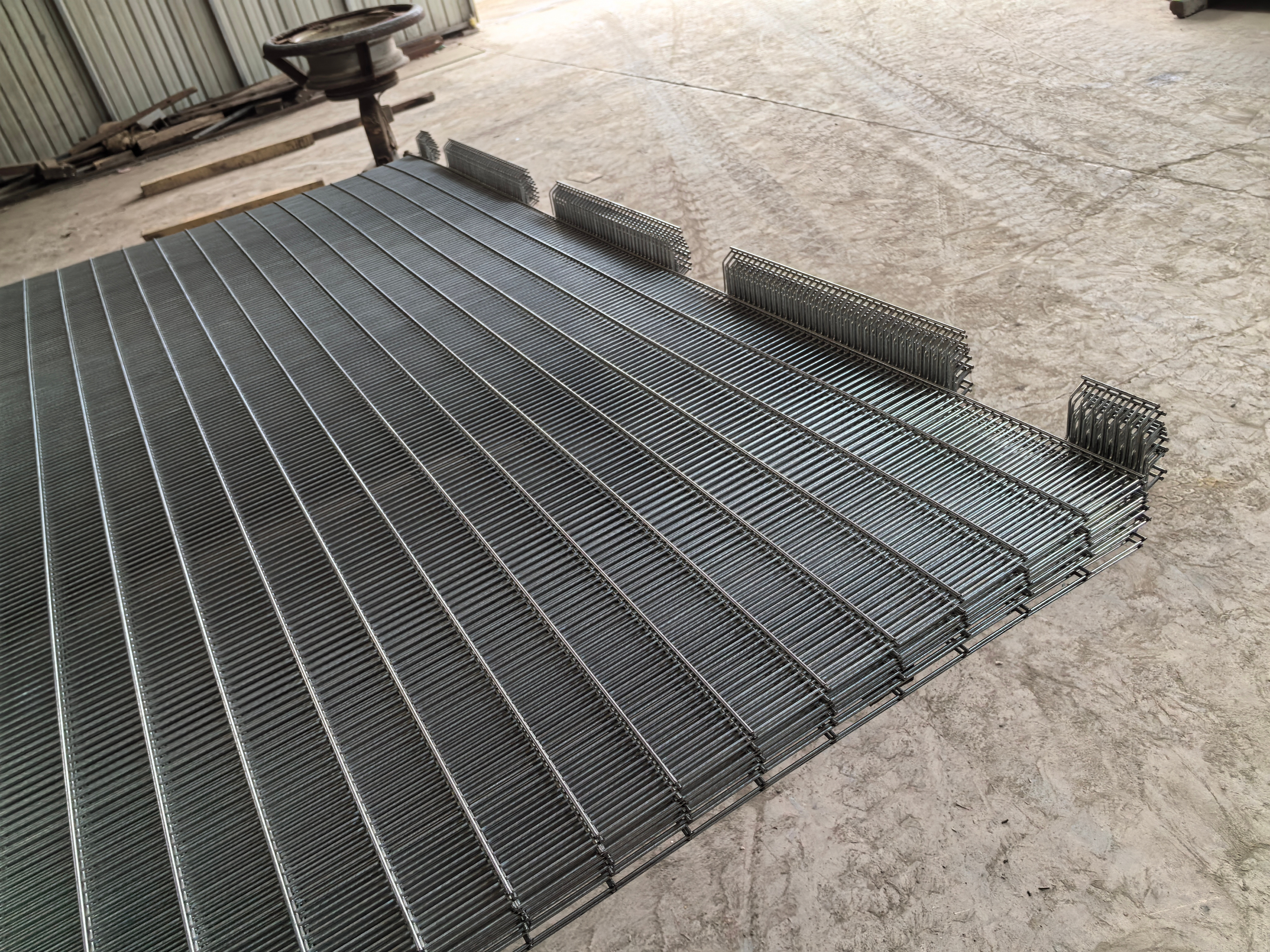
POLYMETAL 358 high security fence panels are built as a matched fence system where the mesh, posts, clamp bars, and security fixings work together to prevent loosening, peeling, or forced removal. The welded mesh uses steel wire (commonly Q195 grade) formed into a tight, high-precision grid that demands strong welding technology and consistent intersection strength. The conventional 358 format is widely recognized as 12.7 × 76.2mm with a common 4.0mm wire option, creating a barrier that is extremely difficult to climb, difficult to penetrate, and difficult to attack using conventional tools—while still supporting visibility for CCTV, patrols, and detection systems.
Protection and appearance are driven by the coating system. Panels can be produced from hot dipped galvanized steel wire and then finished with PVC powder coating or polymer powder coating to increase corrosion resistance, slow aging, and keep the perimeter looking clean. Installation is designed around overlap discipline and full-length clamp bars secured with M8 bolts so the fence is hard to uninstall and hard to “work loose” over time.
3. Panel Structure and Visual References
3.1 Panels
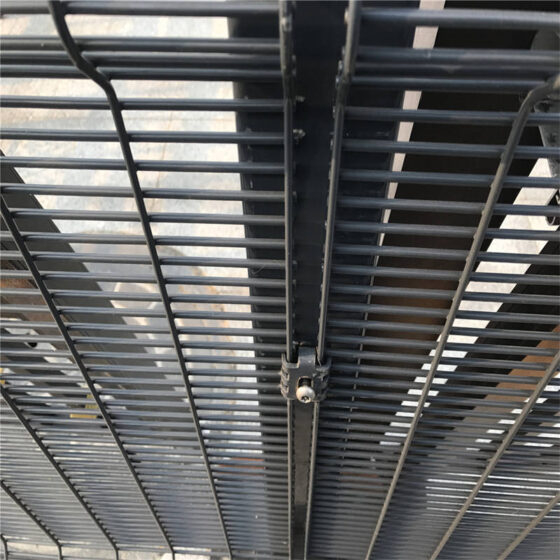
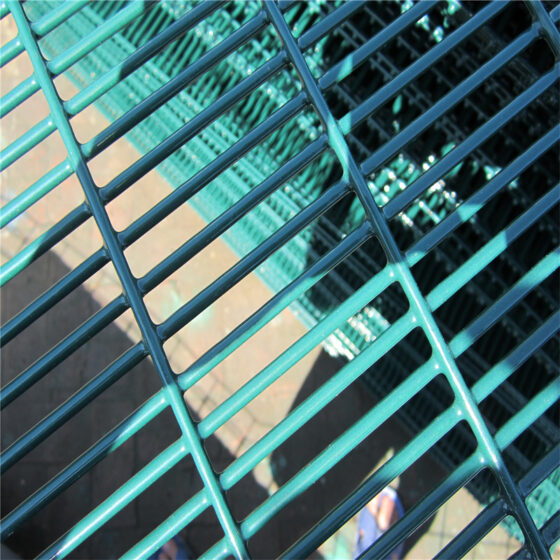
358 security mesh fence is made from a strong welded mesh panel with a small opening pattern. The mesh opening is commonly expressed as 3″ × 0.5″ × 8 gauge—approximately 75mm × 12.5mm with ~4.0mm wire. The very small apertures deny finger and toe holds for climbing and also make it difficult to get cutters into effective positions.
Standard panel width is commonly 2515mm, with typical panel heights ranging from about 2007mm up to 3302mm. Panels can also be stacked to reach higher total heights (e.g., up to ~6300mm depending on design and site requirements).

3.2 Installation Overlap at the Post Line
4. Post System, Clamp Bars, and Fixings
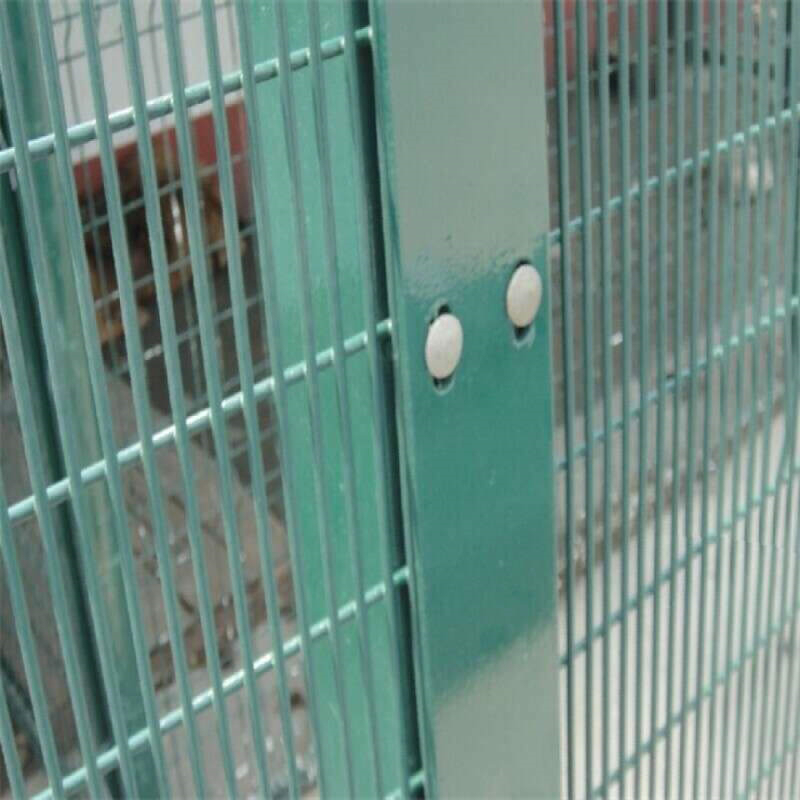
Posts are typically steel hollow sections sized to suit panel height. The mesh is overlapped and secured with full-length clamp bars and security fixings to reduce pry points at the post line.
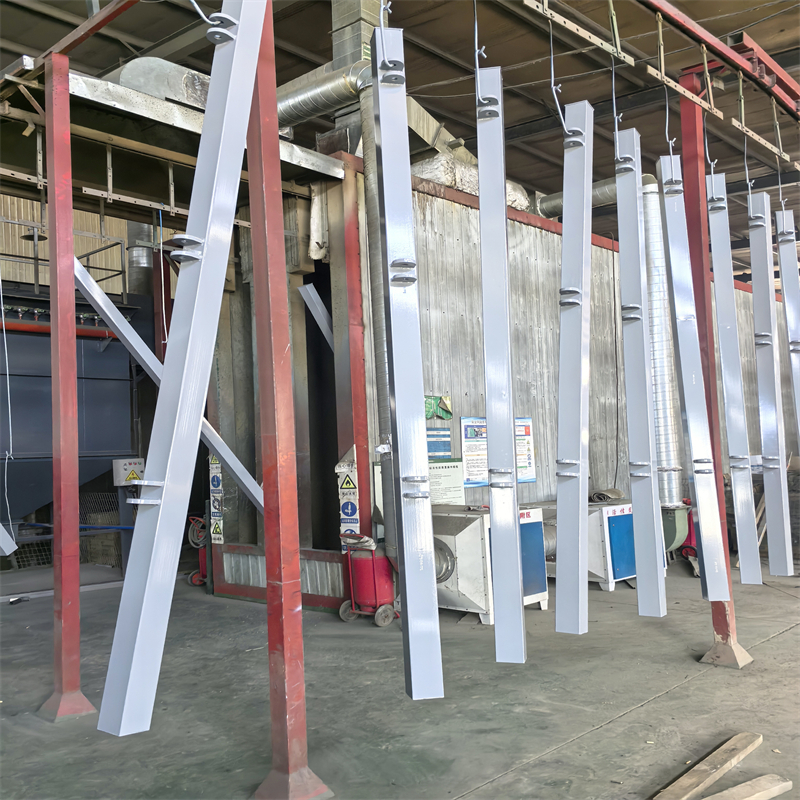
Common post options include 60×60mm, 80×60mm, 80×80mm, or 120×60mm with plate thickness commonly 2.5mm or 3.0mm. Posts are usually galvanized inside and outside (e.g., min. 275 g/m²) and then polymer powder coated (e.g., min. 60 micron). Caps may be metal or plastic depending on post section.


5. Colors
POLYMETAL 358 high security fencing can be supplied in RAL colors. Popular choices include Green RAL 6005 and Black RAL 9005.
6. Coating and Warranty
POLYMETAL 358 high security fence systems typically use galvanized steel wire combined with durable powder coating for long service life. Premium powder systems can be specified for stronger UV stability and gloss retention. A typical manufacturer warranty is 10 years when specified and installed correctly.

7. Applications
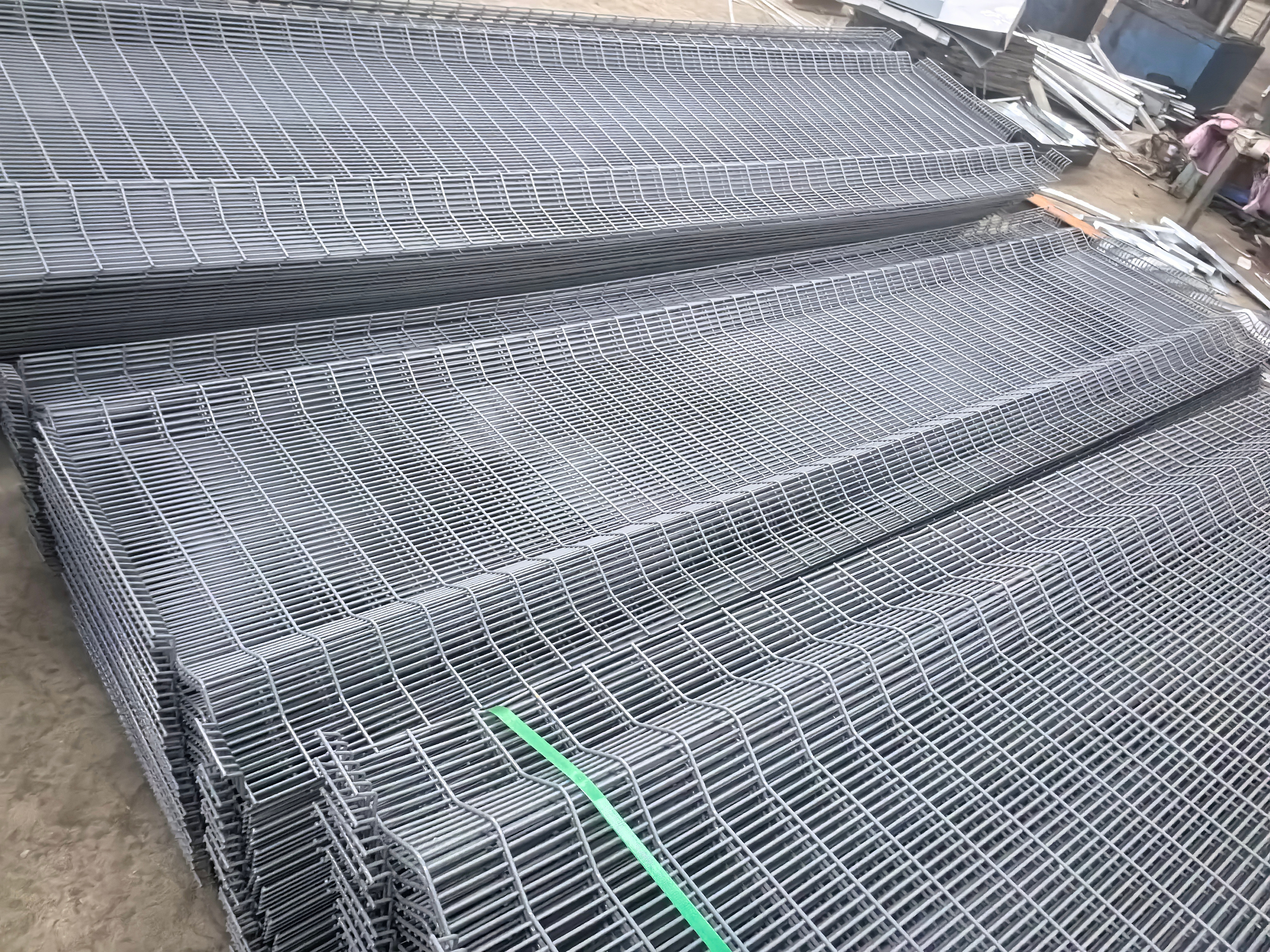
358 high security fence is widely used in prisons, detention facilities, airports, rail corridors, military sites, power plants, industrial and commercial properties, warehouses, secure hospitals, laboratories, schools, parks, and recreation areas—especially where visibility must remain high while physical delay and deterrence stay strong.
8. Benefits
358 high security fence delivers anti-climb performance from toe-and-finger-proof aperture geometry, improved anti-cut behavior by restricting tool access, high visibility for surveillance and detection systems, system strength from full-length clamp bars and security fixings, and corrosion resistance from galvanized + powder/PVC coating combinations.

9. Top 12 Traps (Especially #7) That Cause Losses
Trap #1 (Risk): Buying “358” by name, not by aperture
If the opening is larger than 75×12.5mm (or 76.2×12.7mm), you’ve purchased footholds and tool access dressed up as high security.
Trap #2 (Mistake): Choosing the wrong wire diameter
A thinner wire can look fine at handover but distort faster under vibration, impact, and prying loads.
Trap #3 (Problem): Weak welding at intersections
The panel’s security is the weld grid. If intersections are inconsistent, the panel becomes easier to “work” open.
Trap #4 (Warning): Under-sizing posts for panel height
Panels often don’t fail first—posts move first. Post flex turns every fixing into a loosening cycle.
Trap #5 (Flaw): Treating clamp bars as “just metal strips”
Clamp bars are security hardware. If under-sized, they become the easiest leverage line at the post.
Trap #6 (Oversight): Ignoring overlap discipline at posts
If overlap is inconsistent, stress concentrates at weak points and movement grows under wind and vibration.
Trap #7 (Danger): Cutting fixing count like it’s “just hardware”
When fixing count is reduced, panels begin to move under wind and vibration—then movement becomes leverage. Clamps loosen, gaps open, and the post line becomes a peel point. This multiplies across the run as repeat tightening, re-alignment, and replacement labor.
Trap #8 (Defect): Assuming “galvanized” is one finish
Coating performance at weld zones, edges, and handling-damage points decides where rust starts first.
Trap #9 (Threat): Choosing light coating for harsh handling
Thin protection can be rubbed through during stacking, transport, and installation, exposing metal early.
Trap #10 (Failure): Under-building corners and terminations
Corners multiply forces. Under-built corners shift first and make straight runs look like failures.
Trap #11 (Cost): Not matching post plate thickness to site loads
If base or plate strength is too light, vibration and wind cycles will loosen and drift the line.
Trap #12 (Loss): Mixing specifications across one perimeter
Soft sections become weak sections. Once the weakest bay is found, perimeter integrity collapses.
10. Specifications
10.1 Table 1: 358 Mesh Fence Specifications (Add Mesh Opening + Wire Diameter)
| Fence height (m) | Panel size (H×W) (mm) | Fence Post (H×Size×Thick) (mm) | Clamp Bar (H×W×Thick) (mm) | Middle/Corner Clamp No. (pcs) | Mesh Opening (mm) | Wire Diameter (mm) |
|---|---|---|---|---|---|---|
| 2.0 | 2000×2515 | 2700×60×60×2.5 | 2000×60×5.00 | 7 / 14 | 12.70×76.20 | 3.00 / 4.00 |
| 2.4 | 2400×2515 | 3100×60×60×2.5 | 2400×60×5.00 | 9 / 18 | 12.70×76.20 | 3.00 / 4.00 |
| 3.0 | 3000×2515 | 3800×80×80×2.5 | 3000×80×6.00 | 11 / 22 | 12.70×76.20 | 3.00 / 4.00 |
| 3.3 | 3300×2515 | 4200×80×80×2.5 | 3300×80×6.00 | 12 / 24 | 12.70×76.20 | 3.00 / 4.00 |
| 3.6 | 3600×2515 | 4500×100×100×3.0 | 3600×100×7.00 | 13 / 26 | 12.70×76.20 | 3.00 / 4.00 |
| 4.2 | 4200×2515 | 5200×100×100×4.0 | 4200×100×8.00 | 15 / 30 | 12.70×76.20 | 3.00 / 4.00 |
| 4.5 | 4500×2515 | 5500×100×100×5.0 | 4500×100×8.00 | 16 / 32 | 12.70×76.20 | 3.00 / 4.00 |
| 5.2 | 5200×2515 | 6200×120×120×5.0 | 5200×100×8.00 | 18 / 36 | 12.70×76.20 | 3.00 / 4.00 |
10.2 Table 2: 3D Security Fence System Specifications (Add Mesh Opening + Wire Diameter)
| Fence height (m) | Panel Size (H×W) (mm) | Number of Beams | O/A Length (mm) | Middle Post Material | Middle Clamps (No.) | Corner Post Material | Corner Clamps (No.) | Mesh Opening (mm) | Wire Diameter (mm) |
|---|---|---|---|---|---|---|---|---|---|
| 2.0 | 2000×2515 | 2 | 2700 | 80×60×2.0 RHS | 6 | 80×80×2.5 SHS | 12 | 12.70×76.20 | 3.00 / 4.00 |
| 2.4 | 2400×2515 | 3 | 3100 | 80×60×2.0 RHS | 7 | 80×80×2.5 SHS | 14 | 12.70×76.20 | 3.00 / 4.00 |
| 3.0 | 3000×2515 | 3 | 3800 | 80×80×2.5 SHS | 10 | 80×80×2.5 SHS | 20 | 12.70×76.20 | 3.00 / 4.00 |
11. Packing
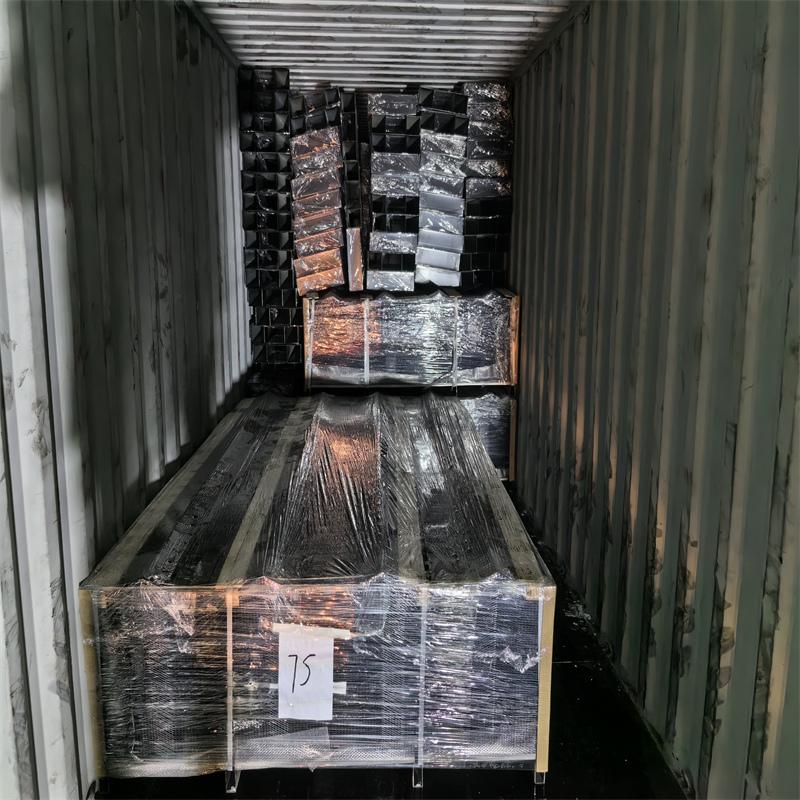
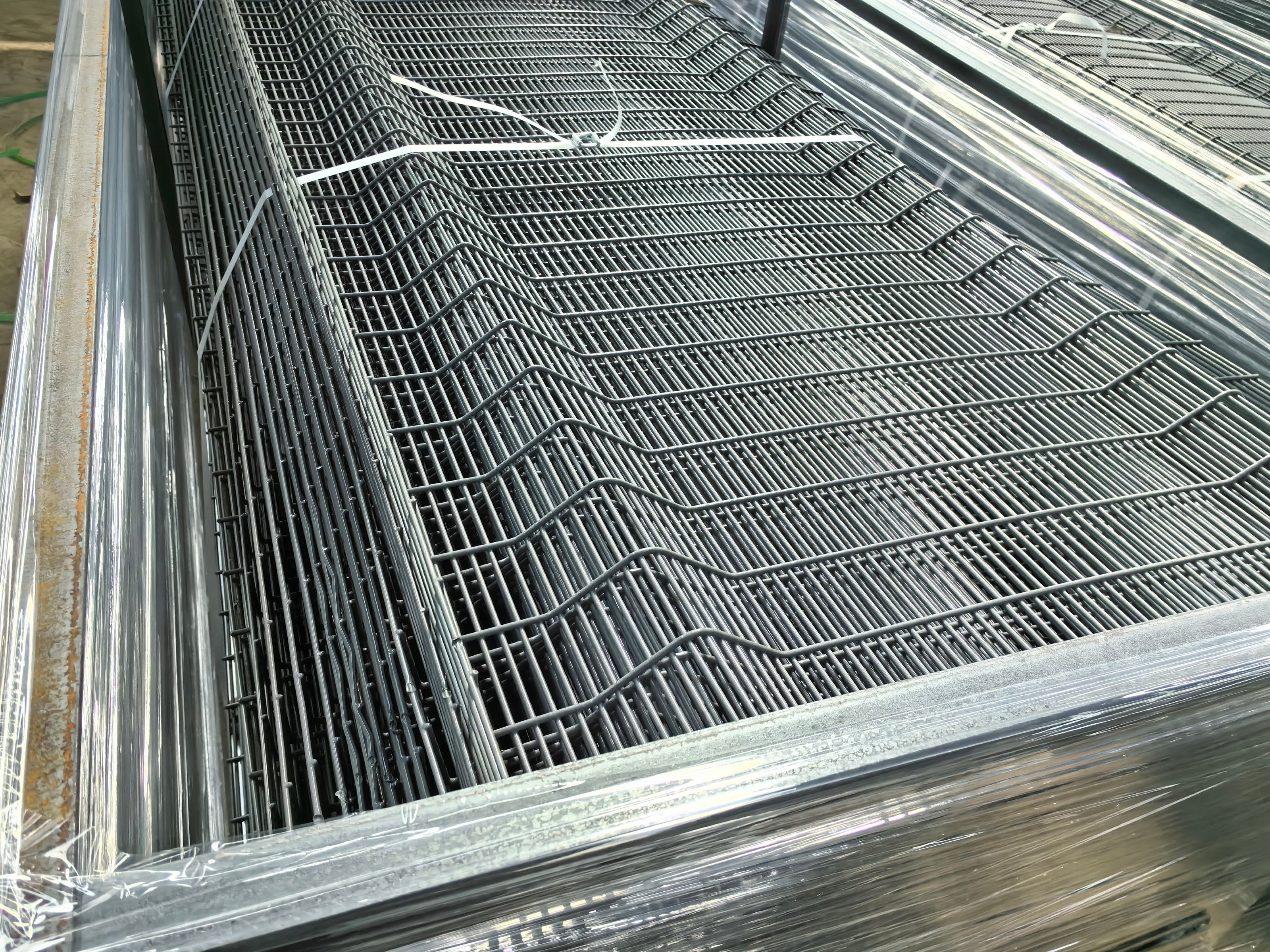
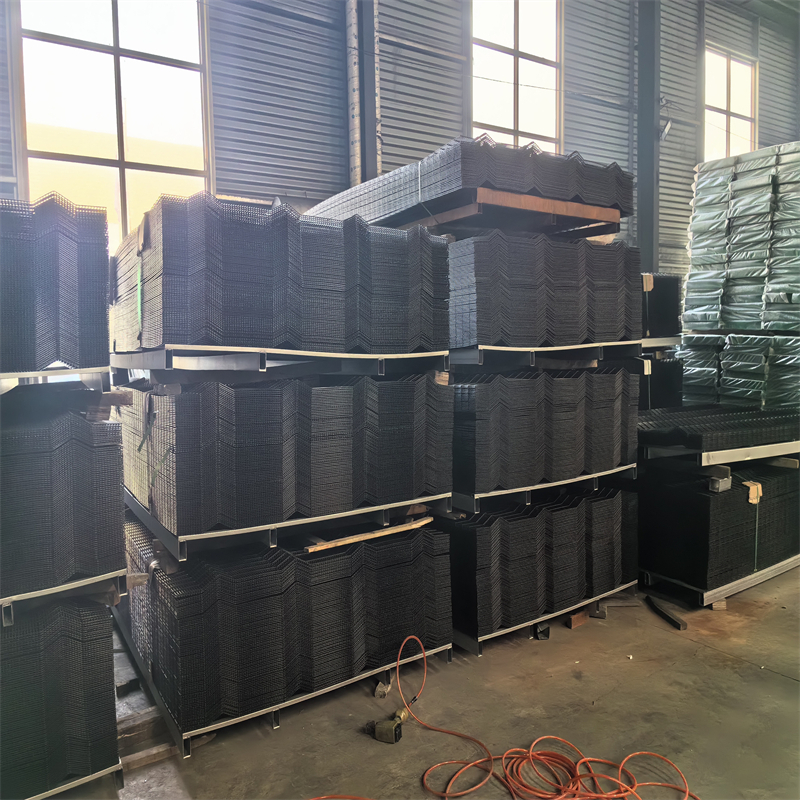
Panels are typically wrapped with plastic film, separated to reduce rubbing, and strapped to pallets to reduce shifting and coating damage. Posts are commonly film-wrapped and palletized. Accessories are bagged and boxed for fast site counting.

12. Standard and Quality Control
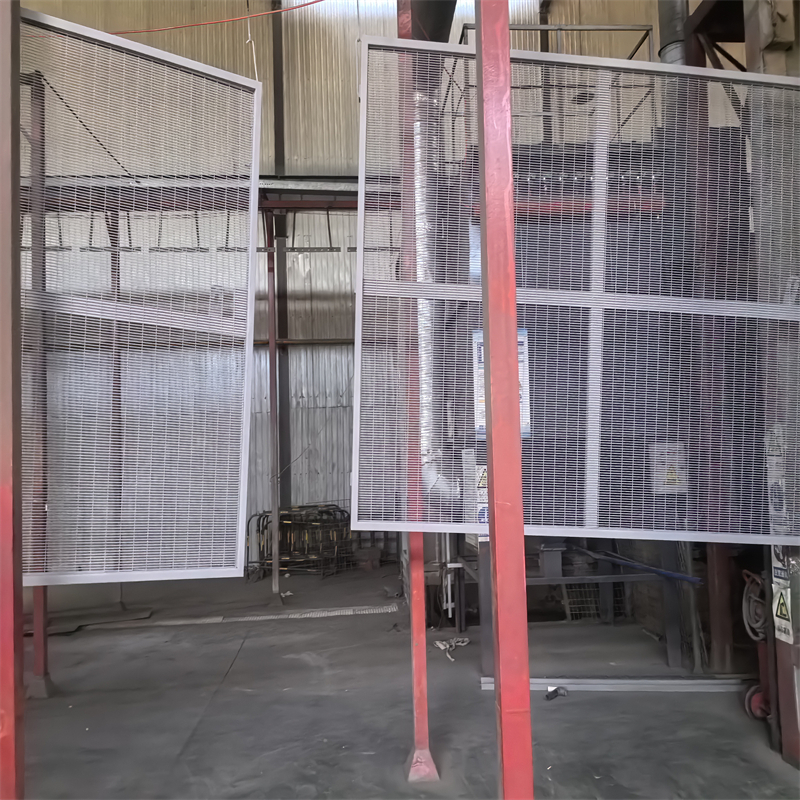
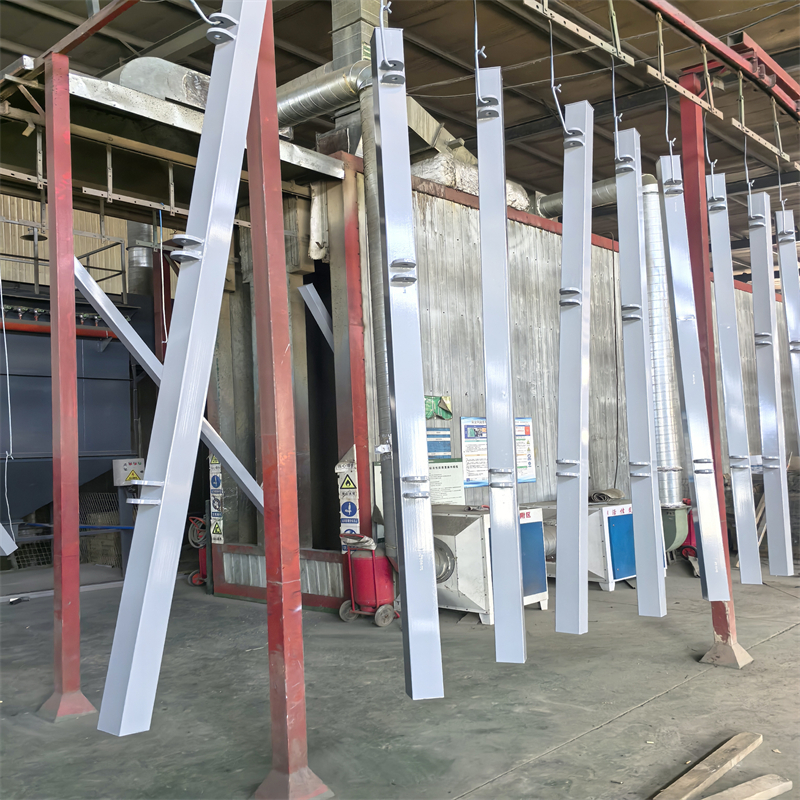
POLYMETAL 358 mesh fence production focuses on weld consistency, panel flatness, coating adhesion, and packing control to reduce transit damage. Typical checkpoints include inspection after welding, after powder coating, and before packing. Dimensional controls often include wire diameter, mesh opening, panel length/width, and diagonal alignment to improve installation fit and security consistency.
13. FAQs
13.1 What does “358” mean?
It refers to the classic aperture format: 3″ × 0.5″ (about 75×12.5mm / 76.2×12.7mm), often paired with ~4.0mm wire.
13.2 Why is it considered anti-climb?
Because the small openings deny stable finger and toe holds, disrupting climbing grip and rhythm.
13.3 What causes early “failure” most often?
Movement at the post line caused by weak posts, weak clamp bars, poor overlap discipline, or reduced fixing counts.
13.4 Does coating really matter?
Yes. Early rust usually begins at weld zones, edges, and handling damage points, then spreads.
14. Conclusion
A 358 high security fence stays “high security” only when aperture, wire diameter, weld quality, posts, clamp bars, overlap discipline, and fixing count are controlled as one system. Avoid the Top 12 traps—especially Trap #7—and you prevent movement, leverage, and corrosion from turning a premium perimeter into repeat losses.