Your One-Stop Wire Mesh Fence Supplier | POLYMETAL
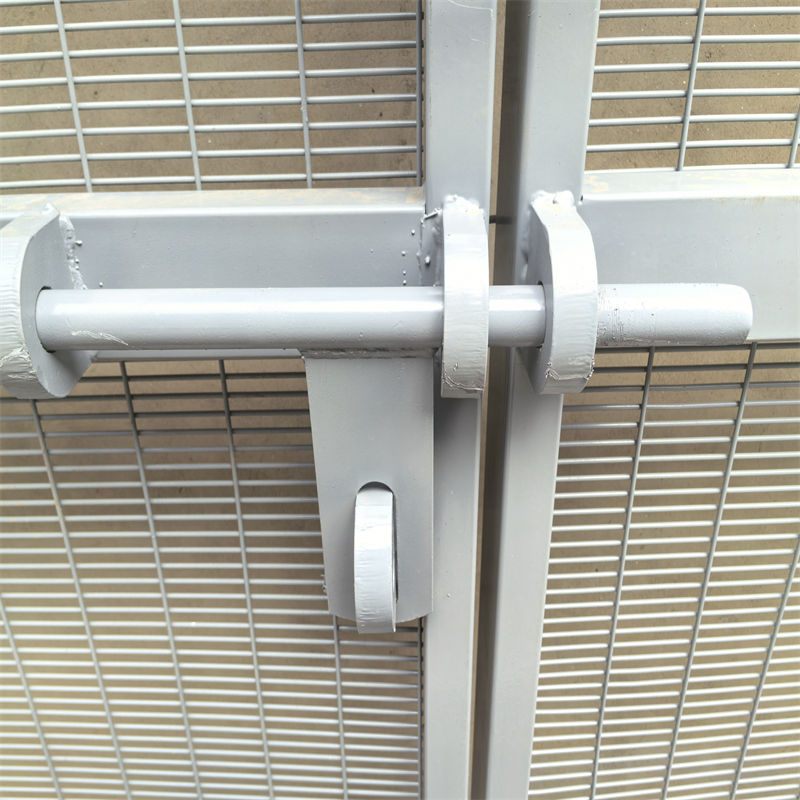
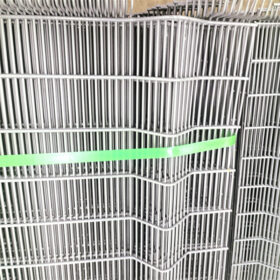
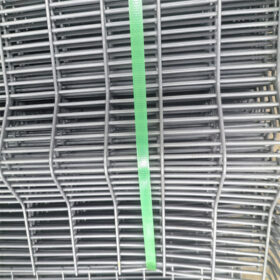
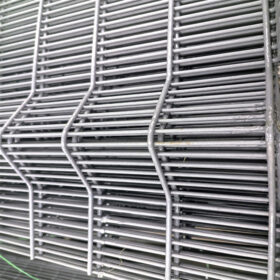
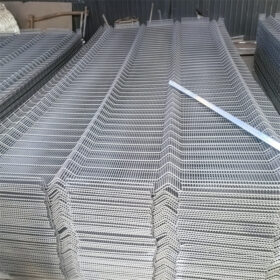
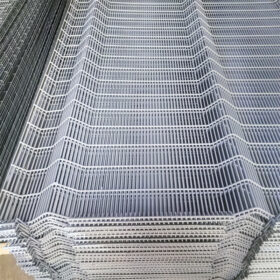
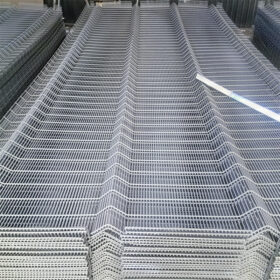
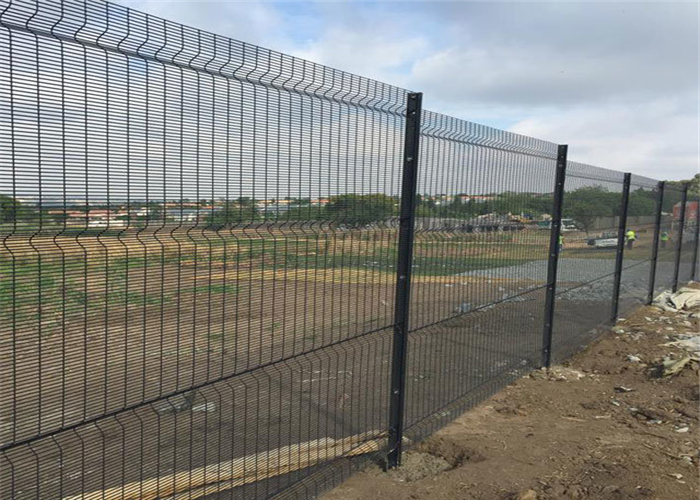
358 High Security Mesh Fence Panels are chosen when a site needs maximum perimeter protection without blocking visibility. The expensive failure pattern is that many suppliers sell 358 High Security Mesh Fence Panels as a name and a photo, not as a controlled system. The real difference appears after delivery and installation: panels arrive out of square, weld strength feels inconsistent, coating fails first at cut points, post lines drift, overlaps are skipped, and the “high security” boundary turns into damage, rework, and wasted labor.
POLYMETAL 358 High Security Mesh Fence Panels are built as measurable specifications. Buyers lock aperture, wire diameter, panel width, panel height, weld discipline, finish build, post section, post wall thickness, clamp bar schedule, overlap rule, and tamper-resistant fixing so the delivered batch installs straight, stays tight, and supports secure detection systems without weak gaps, and for cost planning around perimeter add-ons, see razor wire mesh price factors and insights for buyers.
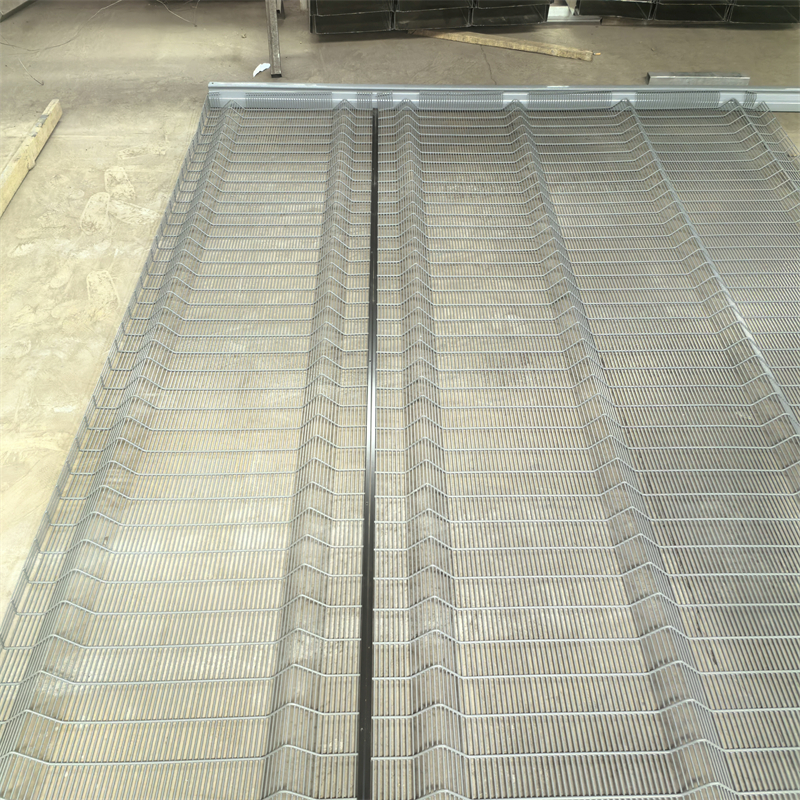
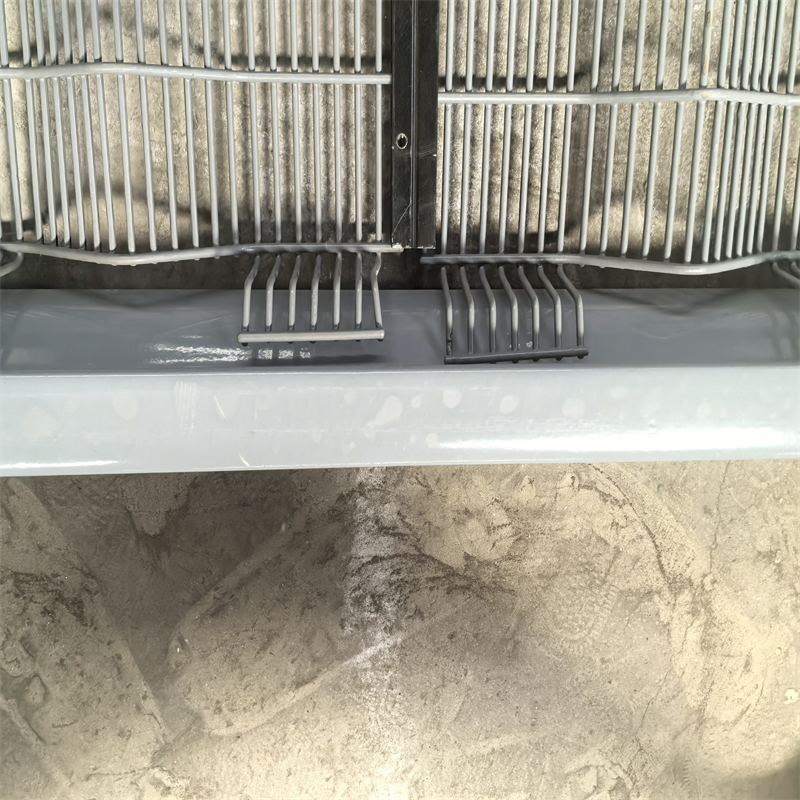
Why Do We Call It 358 Mesh
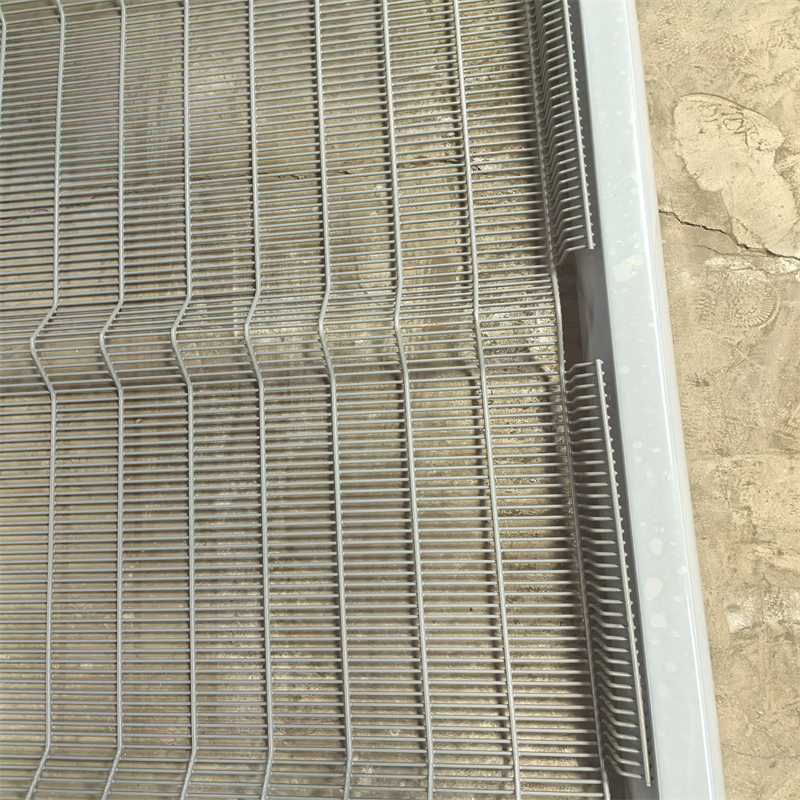
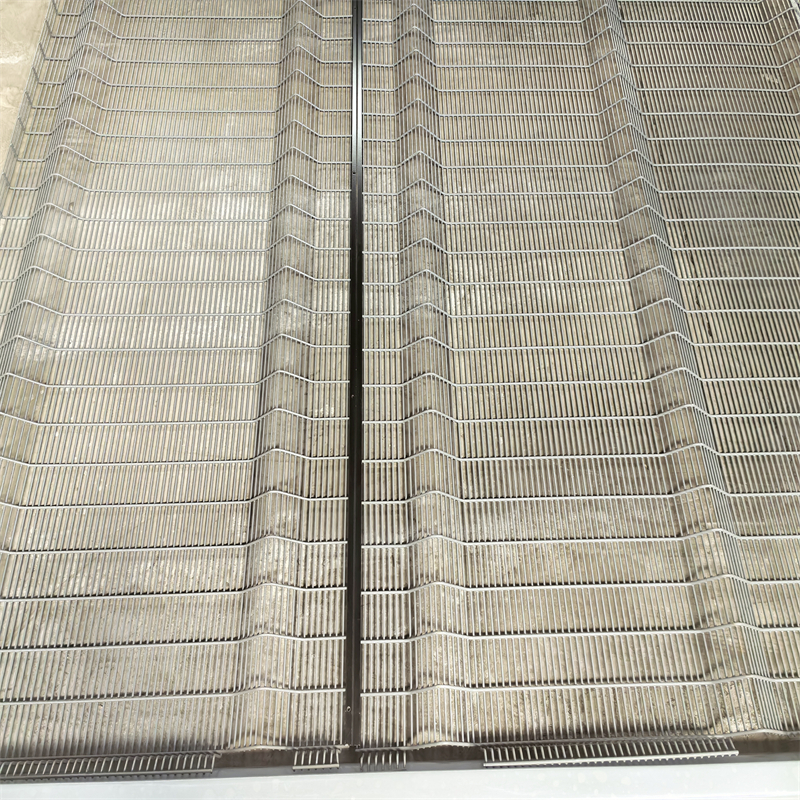
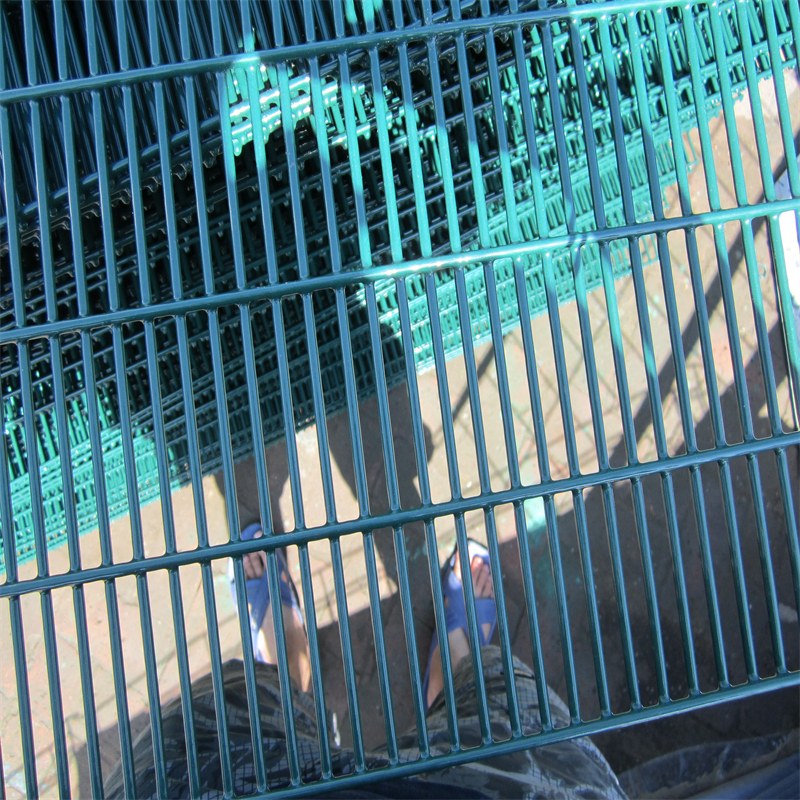
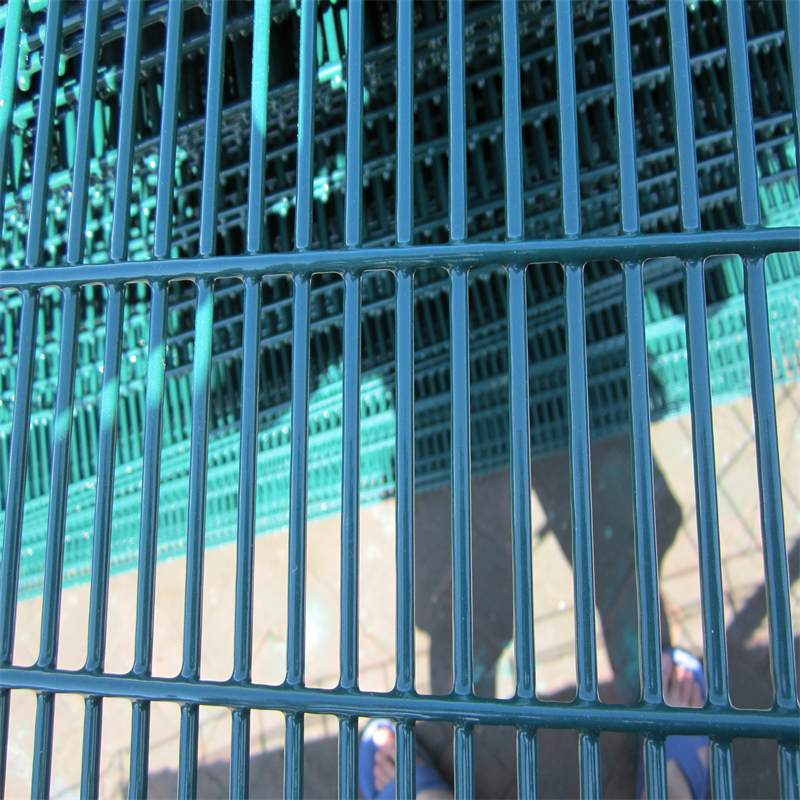
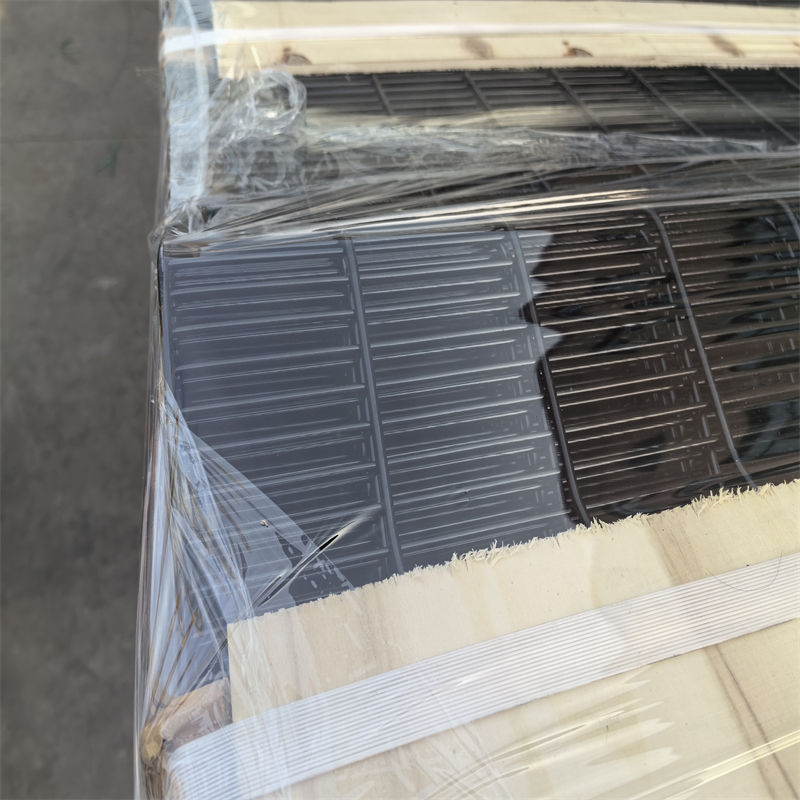
The name “358 mesh” comes from 3″ × 0.5″ × 8 gauge. In practice that means an aperture pattern of 76.2mm × 12.7mm with heavy wire commonly around 4.0mm (often referenced as SWG 8 gauge in many market schedules). This dense pattern is why 358 High Security Mesh Fence Panels are commonly called anti-climb mesh, anti-cut mesh, prison mesh, high-security mesh, or secure mesh.
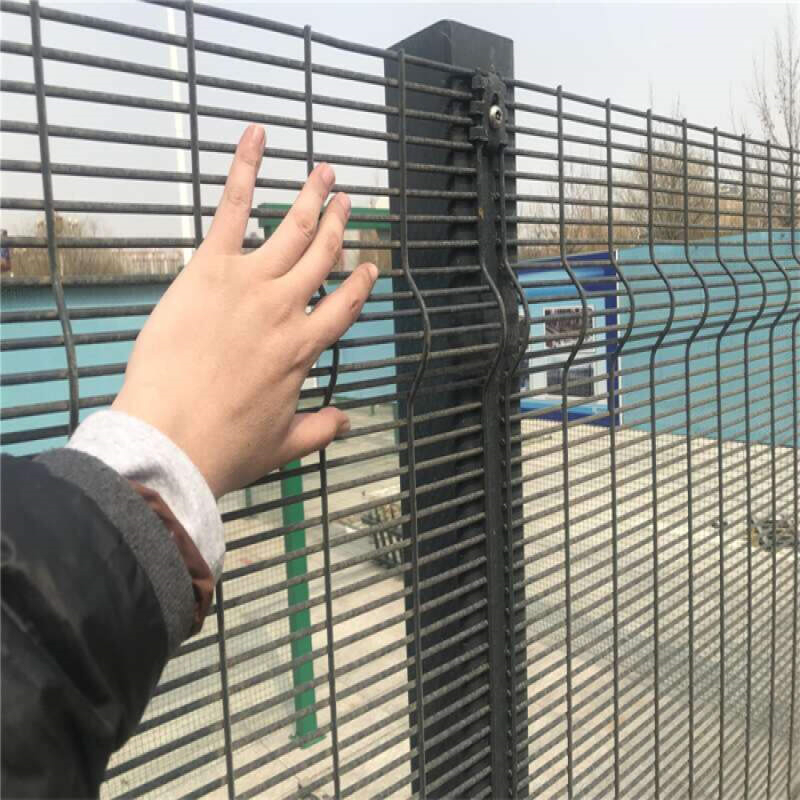
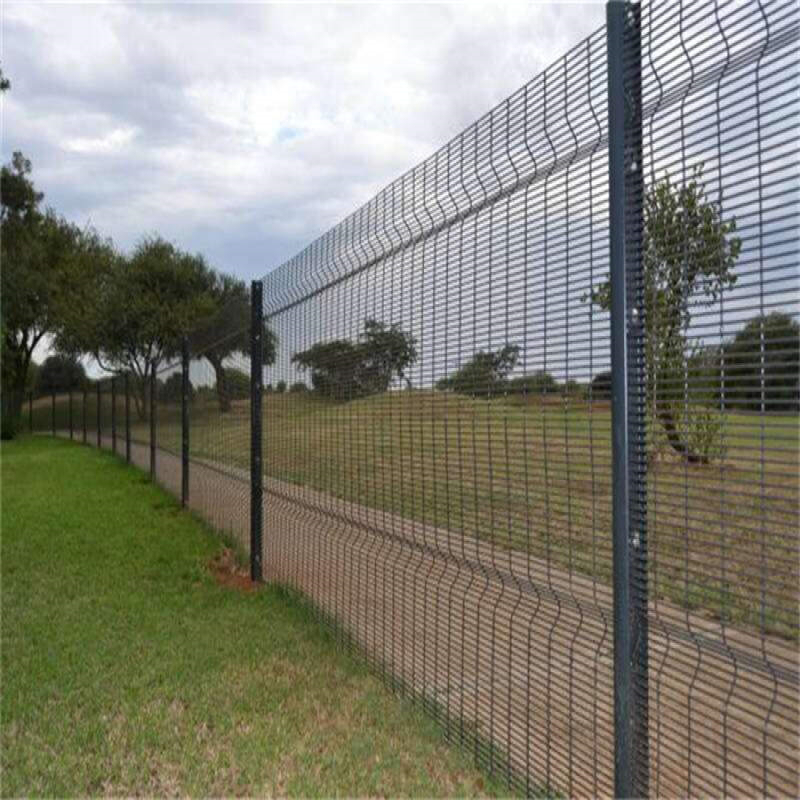
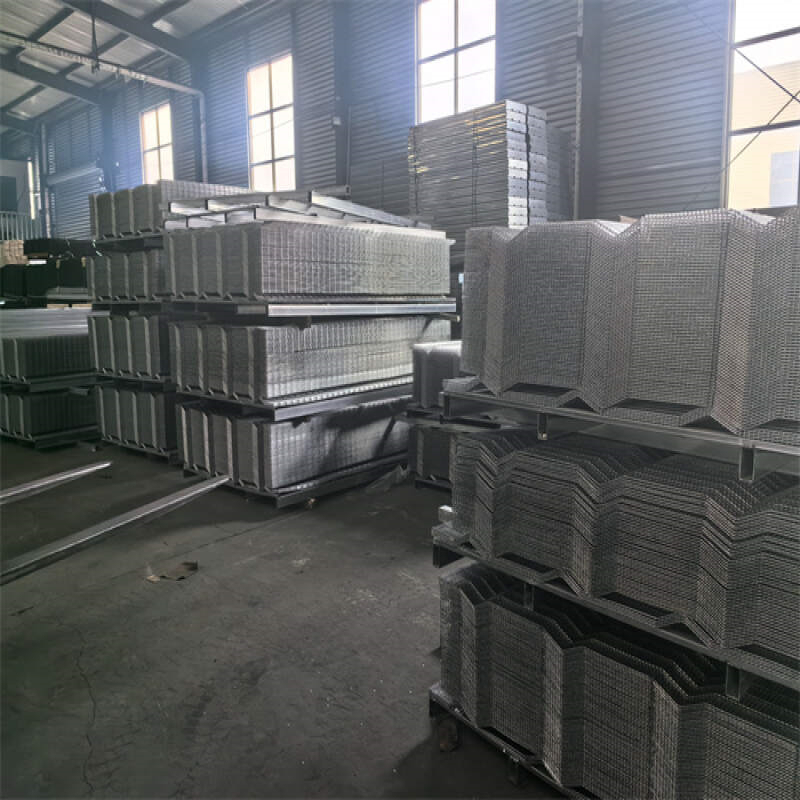
What 358 High Security Mesh Fence Panels Really Mean in Practice
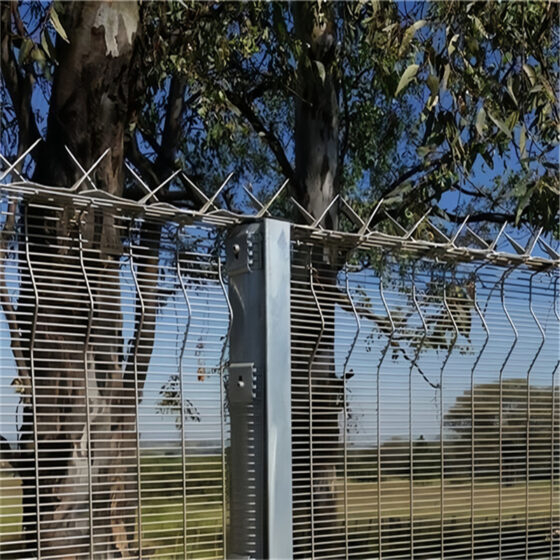
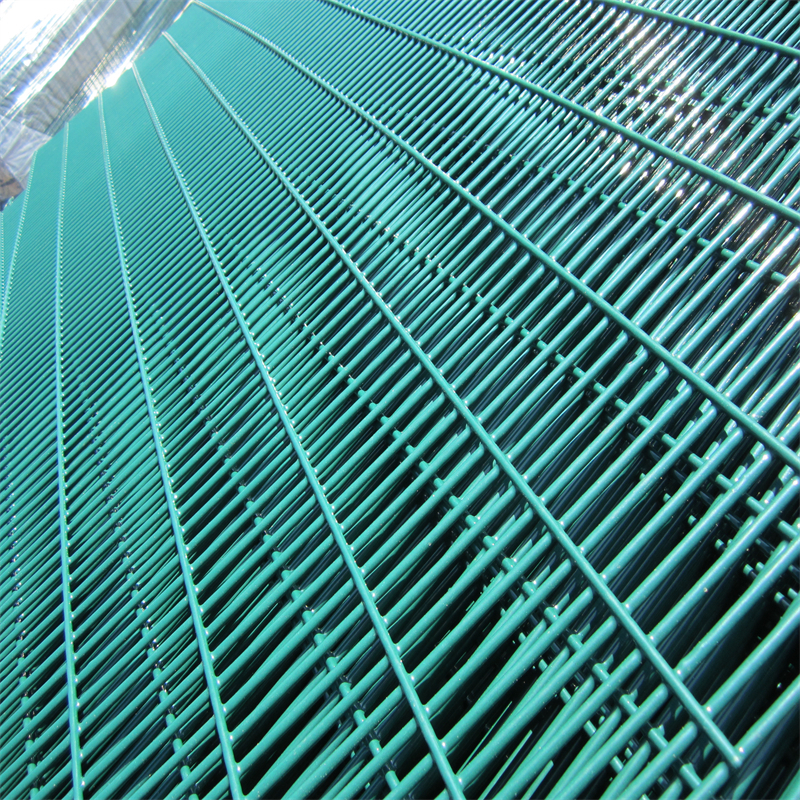
In the market, 358 High Security Mesh Fence Panels usually refer to rigid welded wire panels with 76.2mm × 12.7mm openings, produced from mild steel wire, galvanized steel wire, or stainless steel wire, then finished by hot dip galvanizing and/or polymer powder coating. The security performance is not only the aperture—what matters is whether the welds are strong at every intersection, whether panels remain square, whether fixings eliminate bolt access, whether overlaps are controlled at posts, and whether the post line holds alignment without drift. If your site also needs an architectural boundary solution for frontage areas, you can pair the security line with stain black garrison fencing.
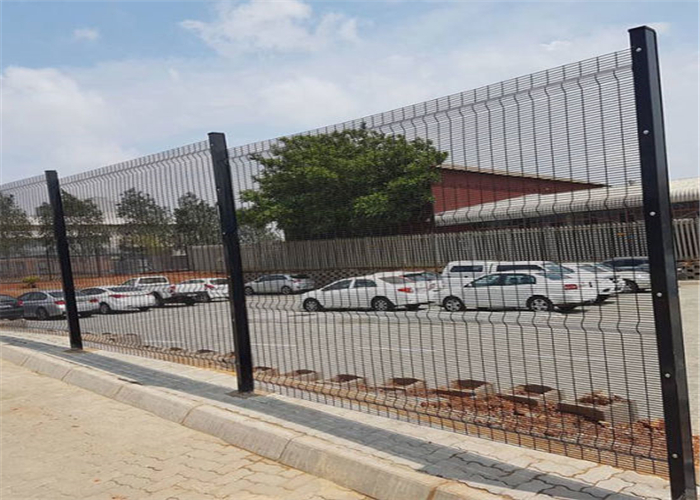
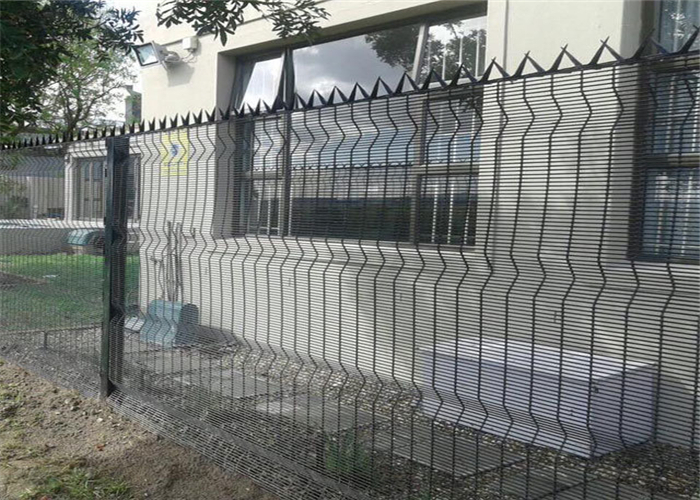
Top 21 Procurement Traps for 358 High Security Mesh Fence Panels (Especially #13)
Trap #1: Treating “358” as a keyword instead of locking the exact aperture and wire schedule
Two quotes can both say 358 High Security Mesh Fence Panels, but behave differently if one shifts the aperture or wire. Lock 76.2mm × 12.7mm and specify the wire diameter and tolerance so the delivered batch matches the security intent.
Trap #2: Allowing wire diameter to float (the fastest hidden downgrade)
A 3.0mm panel does not behave like a 4.0mm panel under attack, transport, and vibration. If wire diameter is not fixed, 358 High Security Mesh Fence Panels can arrive lighter than expected and lose rigidity at the worst time.
Trap #3: Ignoring weld strength and weld consistency
358 High Security Mesh Fence Panels depend on weld integrity at each intersection. Weak welds turn “anti-cut” into “bend-and-peel,” creating failure points that tools exploit and installers regret.
Trap #4: Buying “galvanized” without defining the corrosion strategy
Pre-galvanized wire, hot dip galvanizing after welding, or Galfan-style coatings behave differently. If you don’t define the strategy, finish life becomes unpredictable and you inherit early rust claims.
Trap #5: Assuming powder coat thickness is automatic
Powder performance depends on surface prep, film build, cure, and edge protection. If the powder system is not controlled, 358 High Security Mesh Fence Panels chip at contact points and weld zones, turning premium fences into patchwork.
Trap #6: Not controlling panel width and height for export handling
In theory, very large panels can be produced, but export loading, palletization, and site handling demand realistic sizes. If you don’t lock a practical panel width and maximum panel height, freight damage and unloading risk increase.
Trap #7: Ignoring V-fold (V-beam) requirements
V-shaped folds add rigidity. If fold count and placement are not defined, panels may arrive too flexible for their height and become “drum-like” under wind and pressure.
Trap #8: Choosing posts by habit instead of matching stiffness to height and loading
Posts control the entire fence line. If post section and wall thickness are under-sized, 358 High Security Mesh Fence Panels can still be “secure mesh” and still install as a wavy boundary.
Trap #9: Not locking post wall thickness and insert/bolt system
A post that looks right can still be wrong if wall thickness drifts. Lock post wall thickness and the fixing interface so the system stays rigid and tamper-resistant.
Trap #10: Using the wrong clamp bar schedule
Clamp bars spread load and secure the panel face. If clamp bar size is under-specified, clamp count is reduced, or bar thickness floats, panels loosen and develop noisy movement.
Trap #11: Allowing “standard clamp quantity” instead of specifying a clamp count by height
Clamp quantity is not a vibe; it is a measurable schedule. If clamp count is not tied to fence height, 358 High Security Mesh Fence Panels become easier to pry, rattle, or distort.
Trap #12: Forgetting the overlap rule at posts
Overlap at each post prevents an exploitable vertical seam. If overlaps are skipped or reduced, the fence line can gain a weak “zipper” that attackers and inspectors both notice.
Trap #13 (Most Costly): Choosing a fixing method that exposes nuts/bolts on the attack face
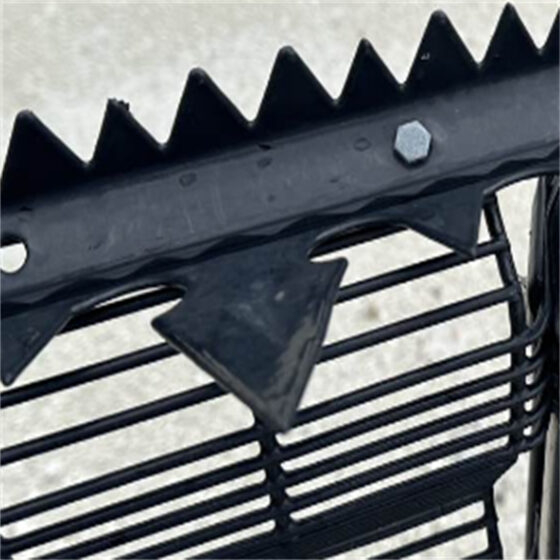
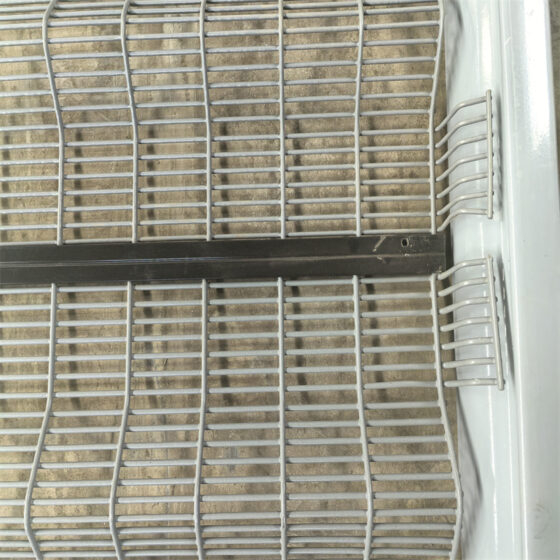
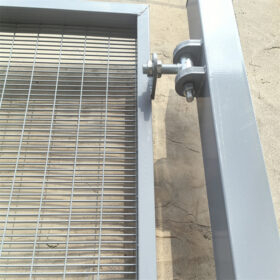
If the attack face allows access to fasteners, security collapses. A controlled 358 High Security Mesh Fence Panels system uses clamp bars, spider-style clamps, claw clips, and vandal/tamper-resistant bolts so the attack face has no accessible nut or bolt to remove.
Trap #14: Not specifying tamper-resistant hardware grade and thread discipline
“Tamper-resistant” is not a finish word. Lock bolt type, grade, and matching inserts so site crews don’t substitute weak fasteners and create a removal path.
Trap #15: Ignoring cut-edge protection and weld-zone finishing
Cut points and weld zones are where corrosion starts. If edge protection and finishing discipline are not specified, you get early rust on the exact areas customers stare at.
Trap #16: Mixing coating colors or batches without color control
Even common colors like RAL 6005 green and RAL 9005 black can vary by batch. If lots are mixed, the installed boundary can show shade differences that look low-grade.
Trap #17: Shipping without panel separation and corner protection
If 358 High Security Mesh Fence Panels rub in transit, powder marks appear before installation begins. Packing must prevent abrasion, corner impact, and pallet shift.
Trap #18: Failing to align the fence schedule with electronic detection systems
Secure sites often use alarms and detection systems. If panel rigidity, post spacing, and fixing stability are inconsistent, false alarms and sensor misreads increase.
Trap #19: Not defining corner, end, and gate transitions
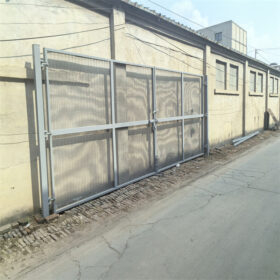
Corners and gates are where security boundaries fail first. If corner posts, corner clamp counts, and gate interface details are not locked, the perimeter becomes inconsistent and vulnerable.
Trap #20: Skipping squareness and straightness tolerances in acceptance criteria
A high-security fence can still look like a mess if panels are out of square and posts drift. Define measurable acceptance checks so defects are caught before balance payment.
Trap #21: Buying “cheapest per panel” instead of “lowest installed loss”
The cheapest 358 High Security Mesh Fence Panels quote often hides losses in repair labor, replacements, extra clamps, rework, and call-backs. A controlled system costs less after installation.
Product Description (POLYMETAL)
POLYMETAL 358 High Security Mesh Fence Panels are high-security welded mesh panels designed for anti-climb and anti-cut perimeter protection while maintaining maximum visibility. The 76.2mm × 12.7mm aperture pattern restricts finger and toe holds and limits access for conventional hand tools, while the heavy welded intersections create a rigid barrier. Panels can be produced from mild steel wire, galvanized steel wire, or stainless steel wire, then finished with hot dip galvanizing and/or polymer powder coating in common security colors such as green RAL 6005 or black RAL 9005. The system is completed with matched posts, clamp bars or claw clips, and vandal/tamper-resistant bolts to eliminate accessible fasteners on the attack face.
Specifications (POLYMETAL) — Solid Line Tables
Common 358 High Security Mesh Fence Panels pattern: 76.2mm × 12.7mm welded at each intersection. Typical wire diameter: 4.0mm. Typical install rule: minimum 75mm overlap at each post. Common colors: RAL 6005 green, RAL 9005 black.
Table 1: Standard 358 High Security Mesh Fence Panels Specification Sheet
| Spec Item | Standard | Options / Notes |
|---|---|---|
| Mesh Type | 358 High Security Welded Mesh Panel | Also called anti-climb / anti-cut / prison mesh |
| Mesh Opening (Aperture) | 76.2mm × 12.7mm | “3” × 0.5” pattern |
| Wire Diameter | 4.0mm | 3.0–6.0mm custom on feasible designs |
| Panel Width | 2515mm | Export-friendly widths also common: 2200mm |
| Panel Height | 2007–3302mm common | Stacking panels can reach up to ~6300mm total height |
| Weld Discipline | Resistance welded at each intersection | Consistent weld face and penetration expected |
| Weld Strength | 540–690 N/mm² (typical schedule) | High weld consistency reduces peel risk |
| Finish Option A | Hot dip galvanizing | Durable zinc protection after welding |
| Finish Option B | Galfan + polymer powder coat | Powder build commonly ≥ 100 micron on security projects |
| Finish Option C | Stainless steel wire | For aggressive corrosion environments |
| Color | RAL 6005 / RAL 9005 | Other RAL colors available |
| Fixing Strategy | Clamp bars / claw clips + tamper-resistant bolts | No accessible nut/bolt on attack face when specified correctly |
| Overlap Rule | Minimum 75mm at each post | Prevents seam weakness and reduces climb/cut points |
Table 2: System Schedule (Panels + Posts + Clamp Bars)
| Fence Height (m) | Panel Size (H×W) (mm) | Fence Post (H×Section×Wall) (mm) | Clamp Bar (H×W×T) (mm) | Clamp No. (Middle / Corner) (pcs) |
|---|---|---|---|---|
| 2.0 | 2000 × 2515 | 2700 × 60×60 × 2.5 | 2000 × 60 × 5.0 | 7 / 14 |
| 2.4 | 2400 × 2515 | 3100 × 60×60 × 2.5 | 2400 × 60 × 5.0 | 9 / 18 |
| 3.0 | 3000 × 2515 | 3800 × 80×80 × 2.5 | 3000 × 80 × 6.0 | 11 / 22 |
| 3.3 | 3300 × 2515 | 4200 × 80×80 × 2.5 | 3300 × 80 × 6.0 | 12 / 24 |
| 3.6 | 3600 × 2515 | 4500 × 100×100 × 3.0 | 3600 × 100 × 7.0 | 13 / 26 |
| 4.2 | 4200 × 2515 | 5200 × 100×100 × 4.0 | 4200 × 100 × 8.0 | 15 / 30 |
| 4.5 | 4500 × 2515 | 5500 × 100×100 × 5.0 | 4500 × 100 × 8.0 | 16 / 32 |
| 5.2 | 5200 × 2515 | 6200 × 120×120 × 5.0 | 5200 × 100 × 8.0 | 18 / 36 |
Table 3: 2D / 3D Security System Options (Matching the 358 Pattern)
| System Type | Mesh Opening | Wire Schedule | Panel Width | Appearance / Rigidity Feature | Typical Use Case |
|---|---|---|---|---|---|
| Standard 358 | 76.2 × 12.7mm | 4.0mm vertical + 4.0mm horizontal | 2515mm | Dense anti-climb + anti-cut pattern | Prisons, airports, military, power plants |
| 2D Security (Reinforced) | 76.2 × 12.7mm | 6.0mm vertical + double 4.0mm horizontals (152.4mm centers) | 2515mm | Extra rigidity for higher impact resistance | Schools, industrial sites, infrastructure |
| 3D Security (V-Beam) | 76.2 × 12.7mm | 4.0mm wire with pressed V-beams | 2515mm | V-beams improve appearance + stiffness | Parks, hospitals, railways, ports, warehouses |
Applications (358 High Security Mesh Fence Panels)
358 High Security Mesh Fence Panels are widely used for military bases, energy and utility sites, airports and transport corridors, prisons and secure hospitals, laboratories, seaports, offshore petrochemical facilities, warehouses, industrial and commercial properties, schools, parks, leisure and recreational areas, and any perimeter where anti-climb and anti-cut performance must remain reliable without blocking visibility. When integrated with electronic alarm and detection systems, 358 High Security Mesh Fence Panels support secure monitoring by maintaining consistent panel rigidity and seam discipline.
Benefits (POLYMETAL)
The core benefit of 358 High Security Mesh Fence Panels is controlled security with controlled appearance. The dense aperture reduces grip and tool access, the welded intersections deliver stiffness, and the matched post-and-clamp system prevents seam weakness and bolt access on the attack face. When specification inputs are locked, 358 High Security Mesh Fence Panels install faster, stay straighter across long runs, support detection systems with fewer false alarms, and reduce the lifetime cost created by rust, loose panels, rework, and replacement labor.
Packing
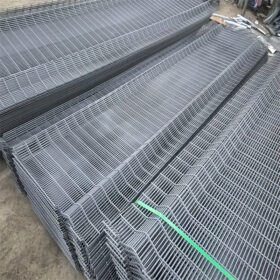
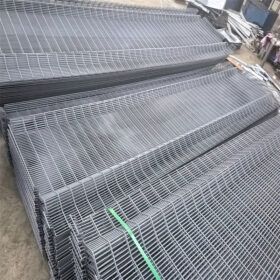
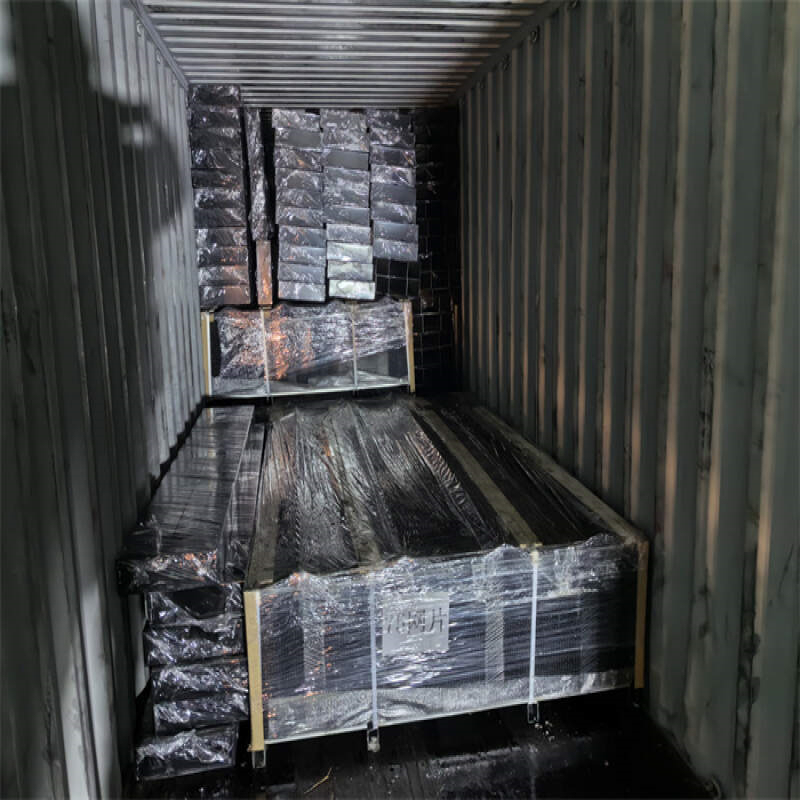
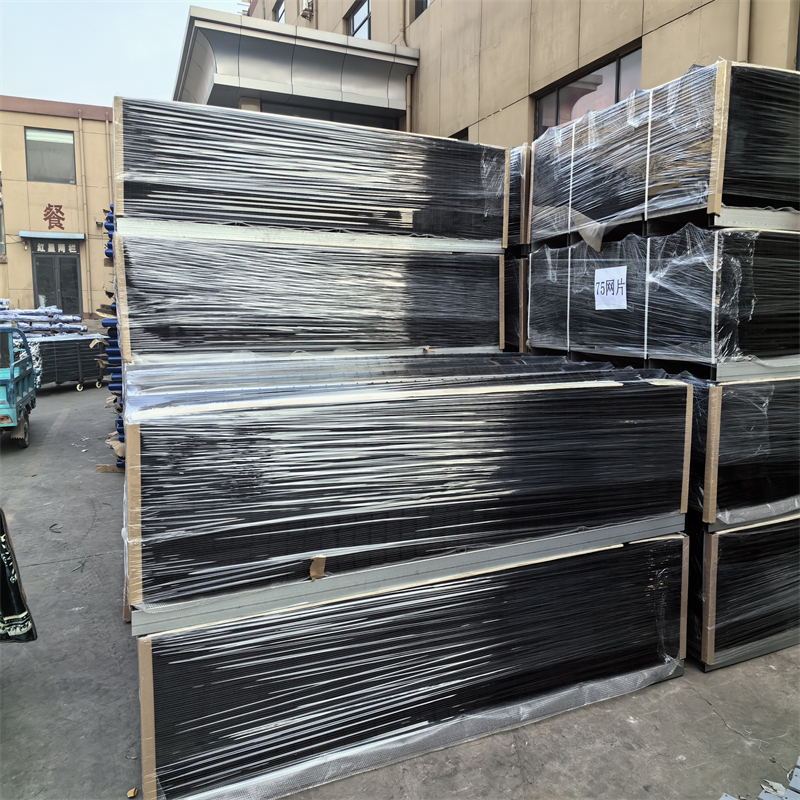
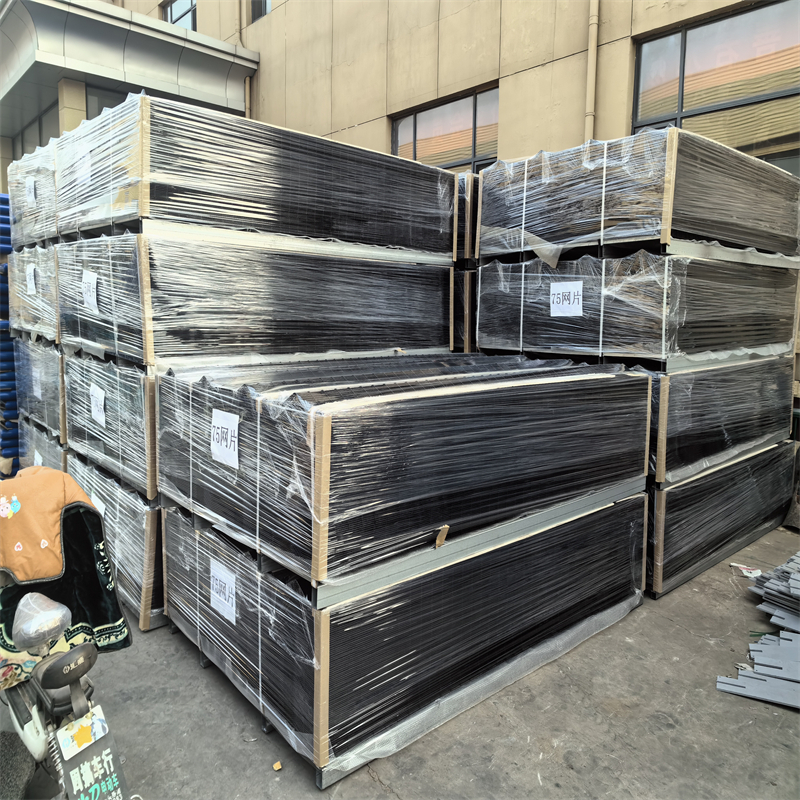
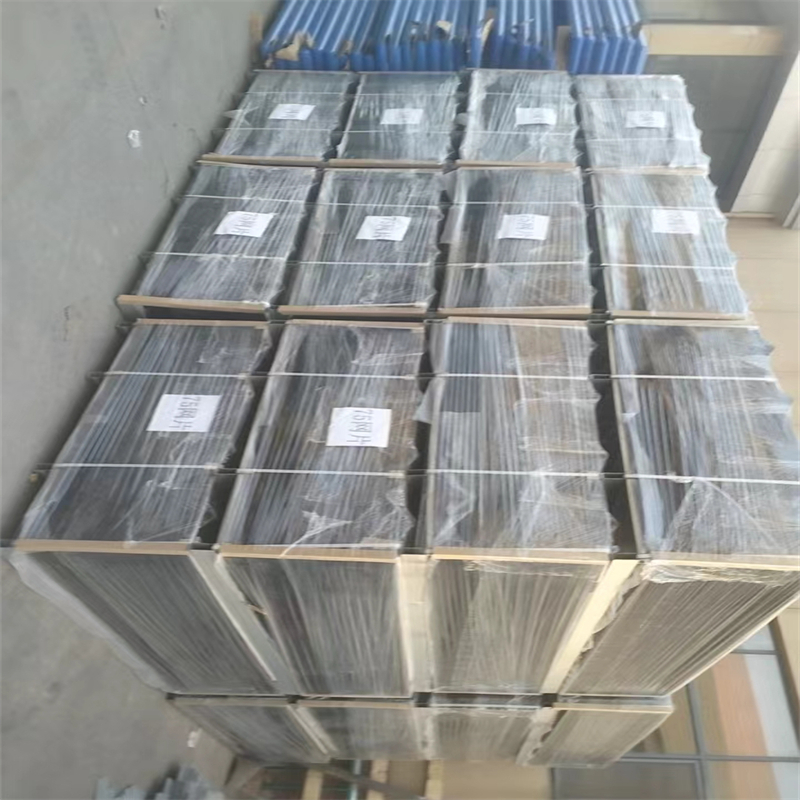
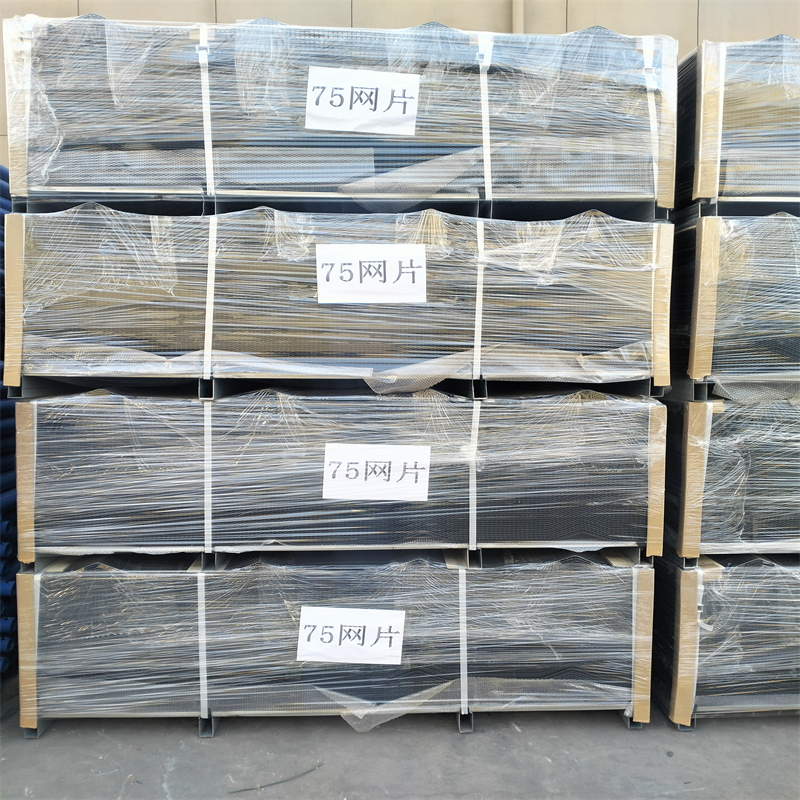
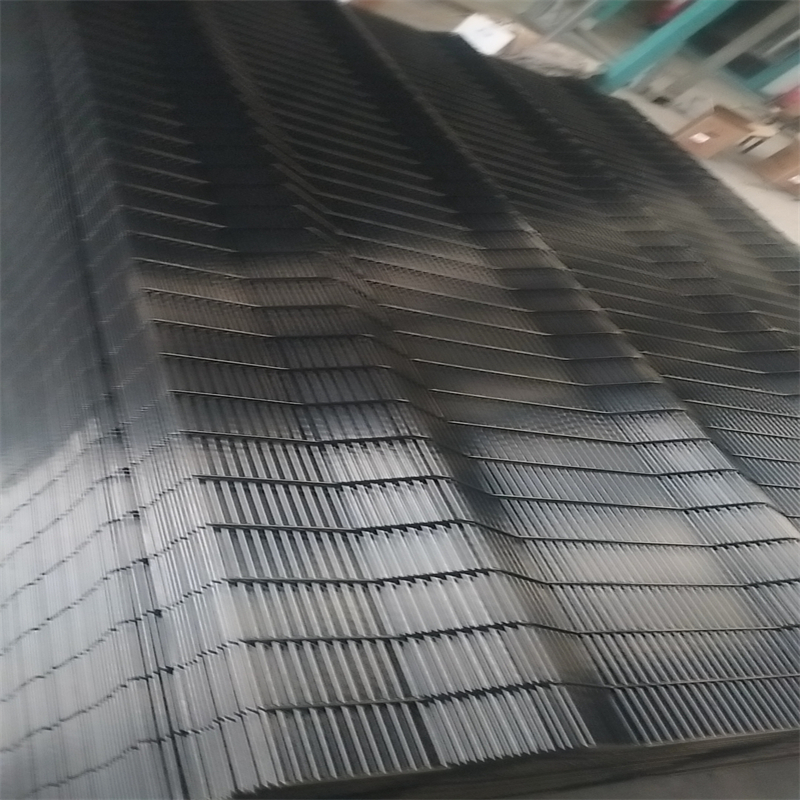
POLYMETAL packs 358 High Security Mesh Fence Panels to preserve coating condition and panel straightness through handling and export transport. Panels are wrapped in protective film, separated to reduce rub marks at contact points, aligned square on wooden pallets, and strapped firmly to prevent shifting. Posts, clamp bars, clips, and tamper-resistant bolts are grouped by height schedule so the site can stage installation without sorting losses or missing hardware that delays installation.
Standard and FAQs
Standard (How Security Projects Control Performance)
358 High Security Mesh Fence Panels projects commonly control performance by locking the mesh opening, wire diameter, welded intersection discipline, corrosion strategy (hot dip galvanizing, Galfan, and/or powder coating), and tamper-resistant fixing strategy. Field performance still depends on measurable controls: panel squareness, post alignment, overlap at posts, clamp count by height, and consistent coating build at weld zones and cut edges.
FAQ 1: Why are 358 High Security Mesh Fence Panels considered anti-climb?
The 76.2mm × 12.7mm aperture reduces toe and finger holds and limits tool access, making the panel difficult to grip and difficult to climb when seams and overlaps are controlled.
FAQ 2: What wire diameter is most common for 358 High Security Mesh Fence Panels?
4.0mm wire is the most common market standard for 358 High Security Mesh Fence Panels, balancing rigidity and cost while maintaining the dense anti-climb pattern.
FAQ 3: How do I prevent a weak seam at posts?
Use a controlled overlap rule (commonly minimum 75mm at each post), match clamp bars to height, and use tamper-resistant bolts so the seam cannot be pried or unfastened from the attack face.
FAQ 4: Which finish is best for outdoor security fencing?
Hot dip galvanizing delivers strong corrosion resistance, while galvanizing plus polymer powder coating adds appearance control and extra protection. The best choice depends on environment, service-life target, and handling severity.
FAQ 5: Can 358 High Security Mesh Fence Panels be stacked for greater height?
Yes. Multiple 358 High Security Mesh Fence Panels can be installed on top of each other to reach higher total heights when post, clamp, and overlap details are engineered as a complete system.