Your One-Stop Wire Mesh Fence Supplier | POLYMETAL

358 High Security Wire Fence: Why “Looks Secure” Can Still Fail on Site
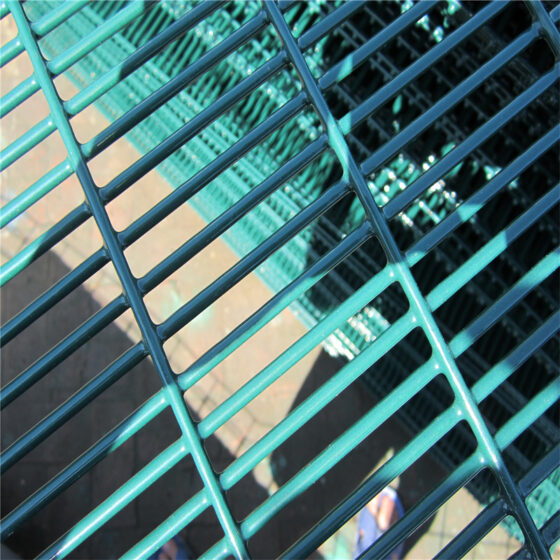
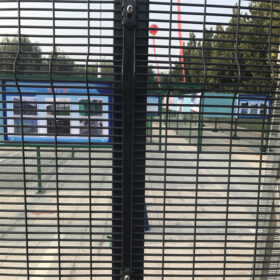
A 358 High Security Wire Fence is selected when a site needs maximum anti-climb performance without losing visibility. The small mesh aperture is effectively finger-proof and extremely difficult to penetrate using conventional hand tools. “358” comes from the common imperial reference 3″ × 0.5″ × 8 gauge, which corresponds to approximately 76.2mm × 12.7mm with about 4.0mm wire in metric builds. The real problem is not the brochure photo—it is the purchase order. Many 358 High Security Wire Fence panels look identical in photos while performing completely differently once transport handling, stacking, installation tolerances, cut-point exposure, and daily vibration start testing the perimeter.
POLYMETAL manufactures 358 High Security Wire Fence systems as specification-driven welded mesh panels with matched posts, clamps, and coatings so the installed line stays straight, remains difficult to climb, and avoids receiving disputes when security supervisors inspect after delivery rather than at quotation stage.
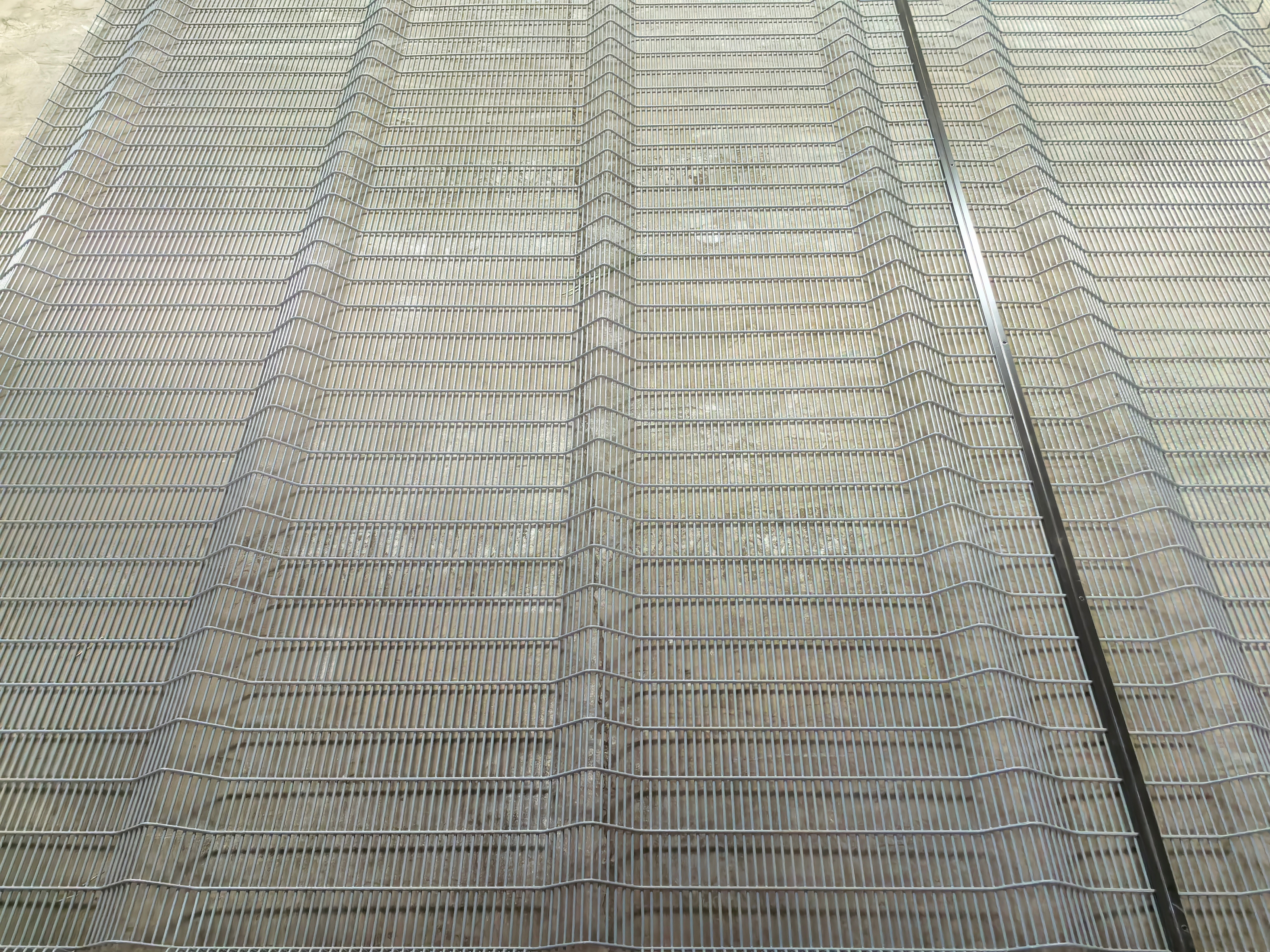
358 High Security Wire Fence Top 18 Costly Traps You Must Lock Before You Buy (Especially #17)
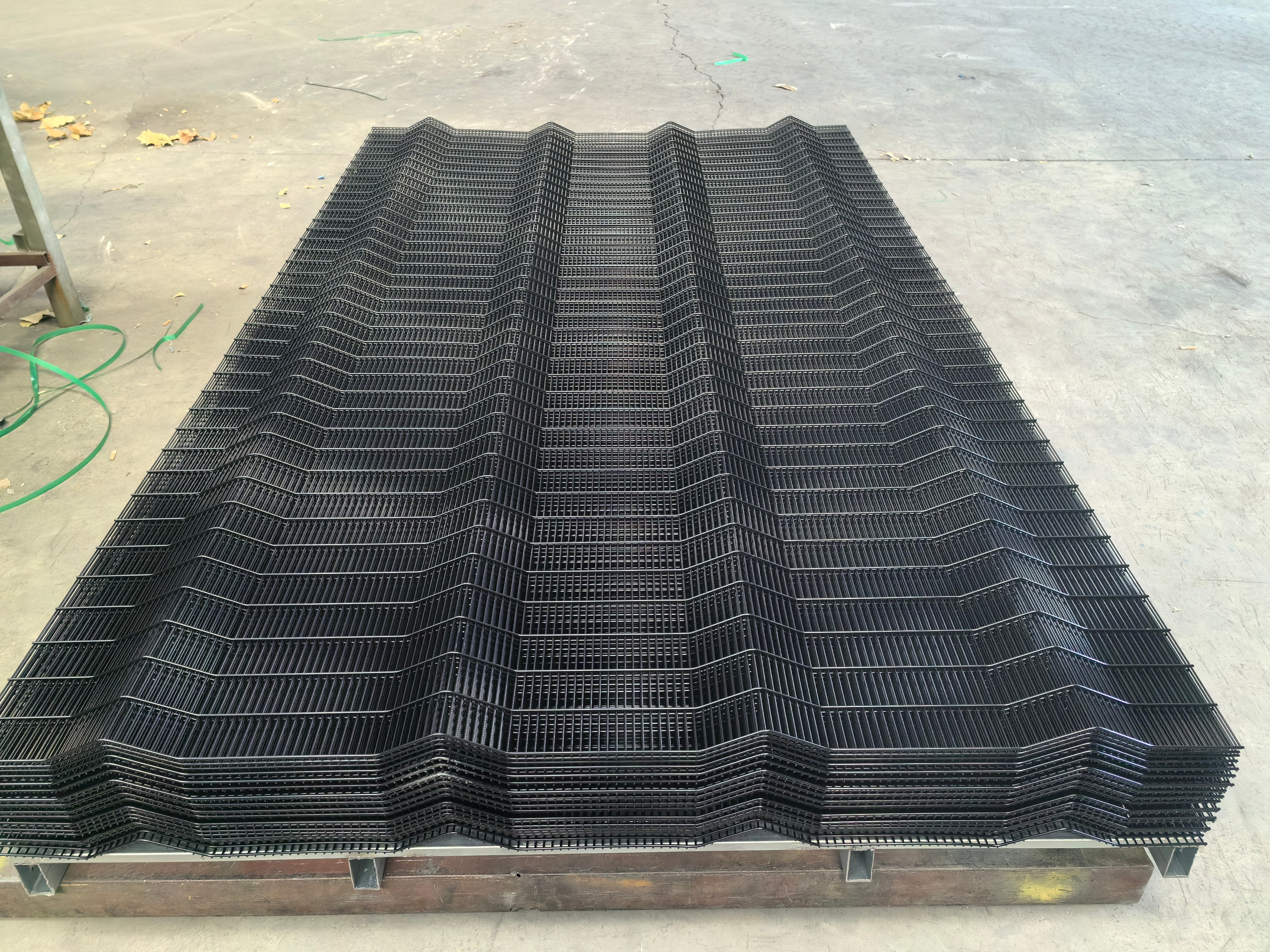
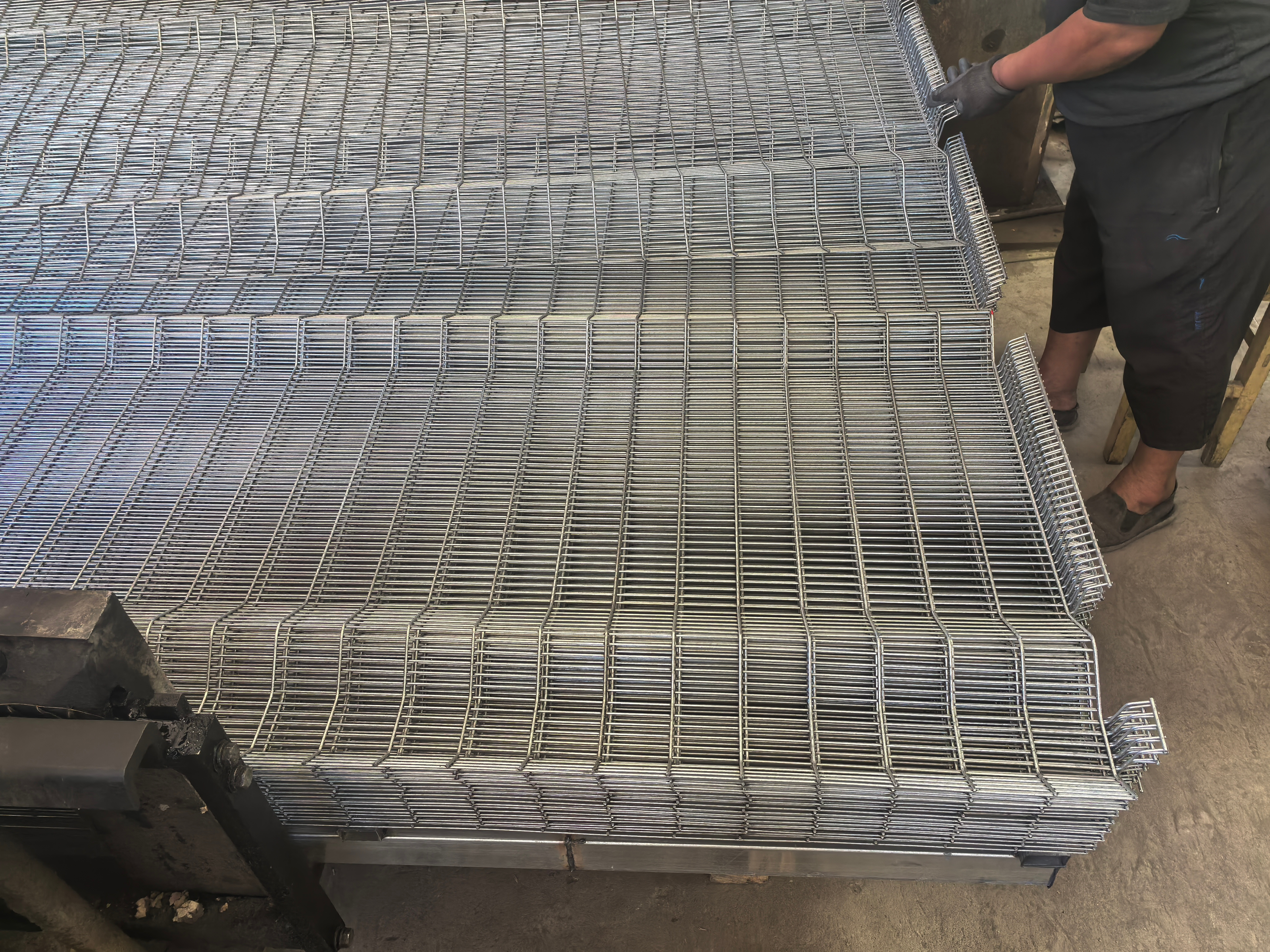
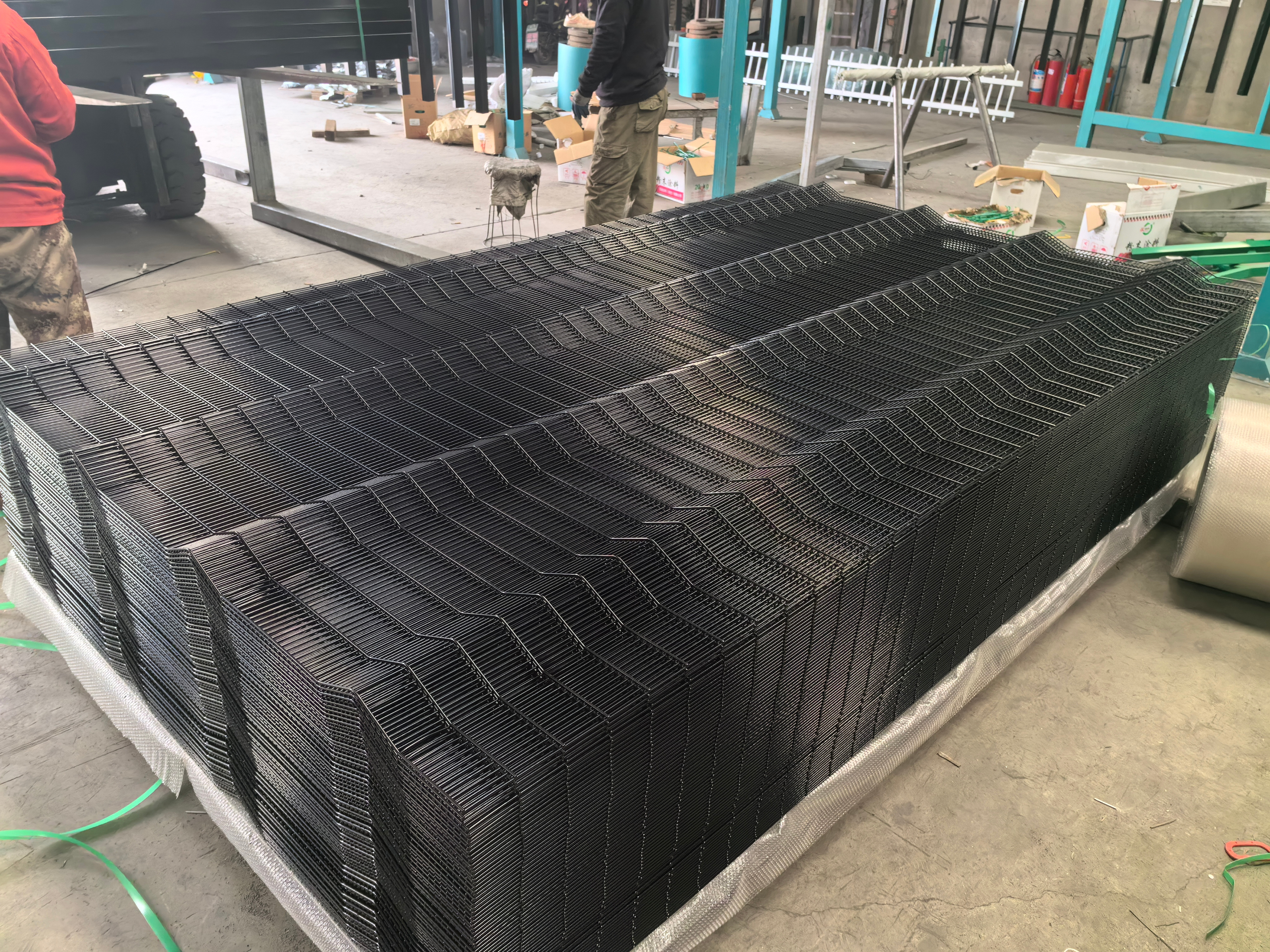

Trap #1: The “secret” behind calling any panel “358” without locking the real aperture
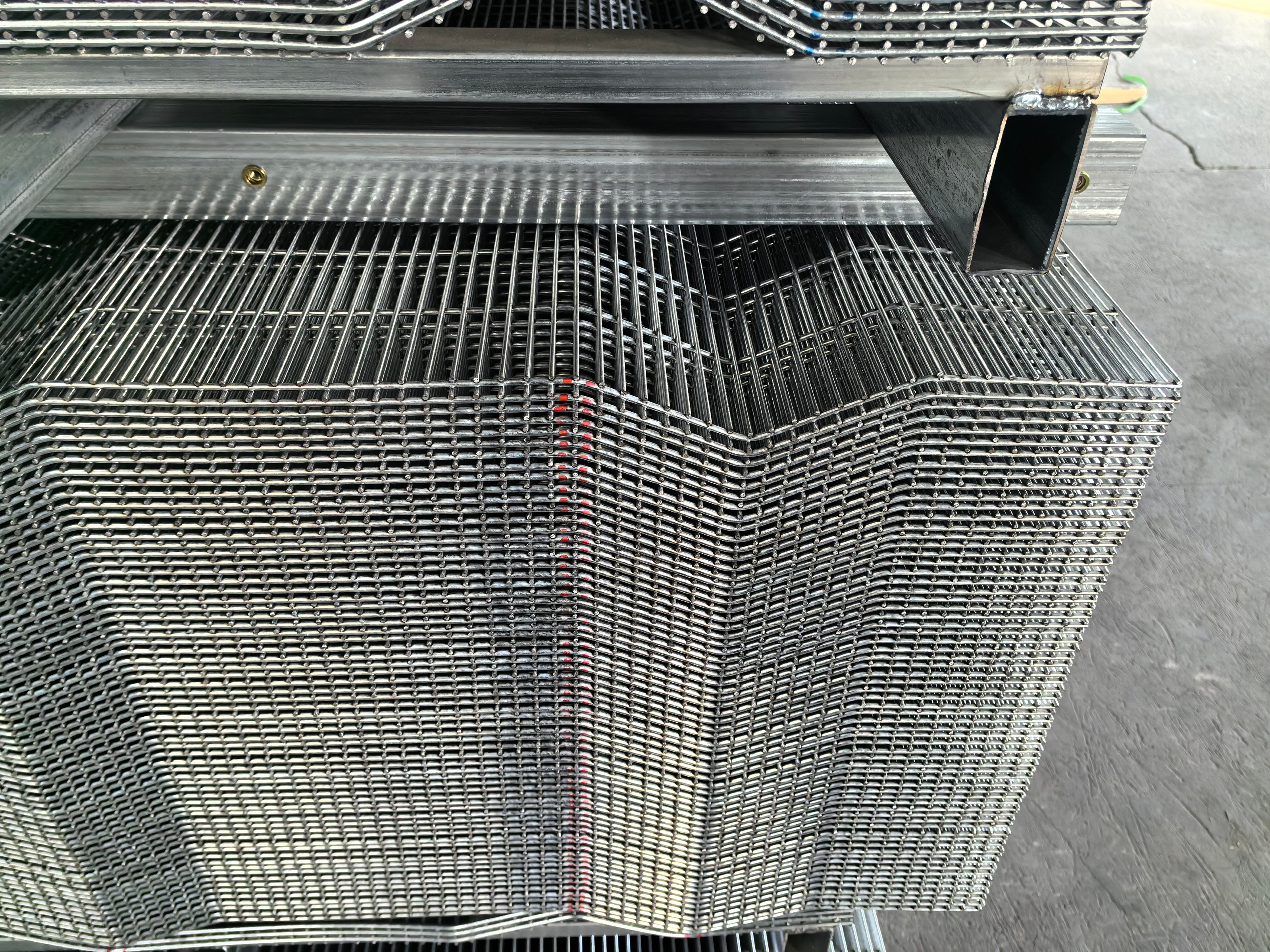
A product can be marketed as 358 even when the mesh opening is not the true anti-climb profile. If you do not lock 12.7×76.2mm (or equivalent) in the purchase order, the delivered 358 High Security Wire Fence may be easier to climb or easier to cut than expected.
Trap #2: The “detail” about wire diameter that decides cut resistance
Wire diameter is not cosmetic. If 4.0mm is downgraded without being stated, cutting resistance drops and the 358 High Security Wire Fence loses its delay factor under hand-tool attack.
Trap #3: The “fact” about weld quality that controls anti-tamper integrity
Weld consistency controls whether the mesh behaves like a single rigid plate. If weld layout and weld strength are not controlled, the 358 High Security Wire Fence can develop weak points at high-stress zones and appear damaged after handling.
Trap #4: The “truth” about panel flatness that controls professional appearance
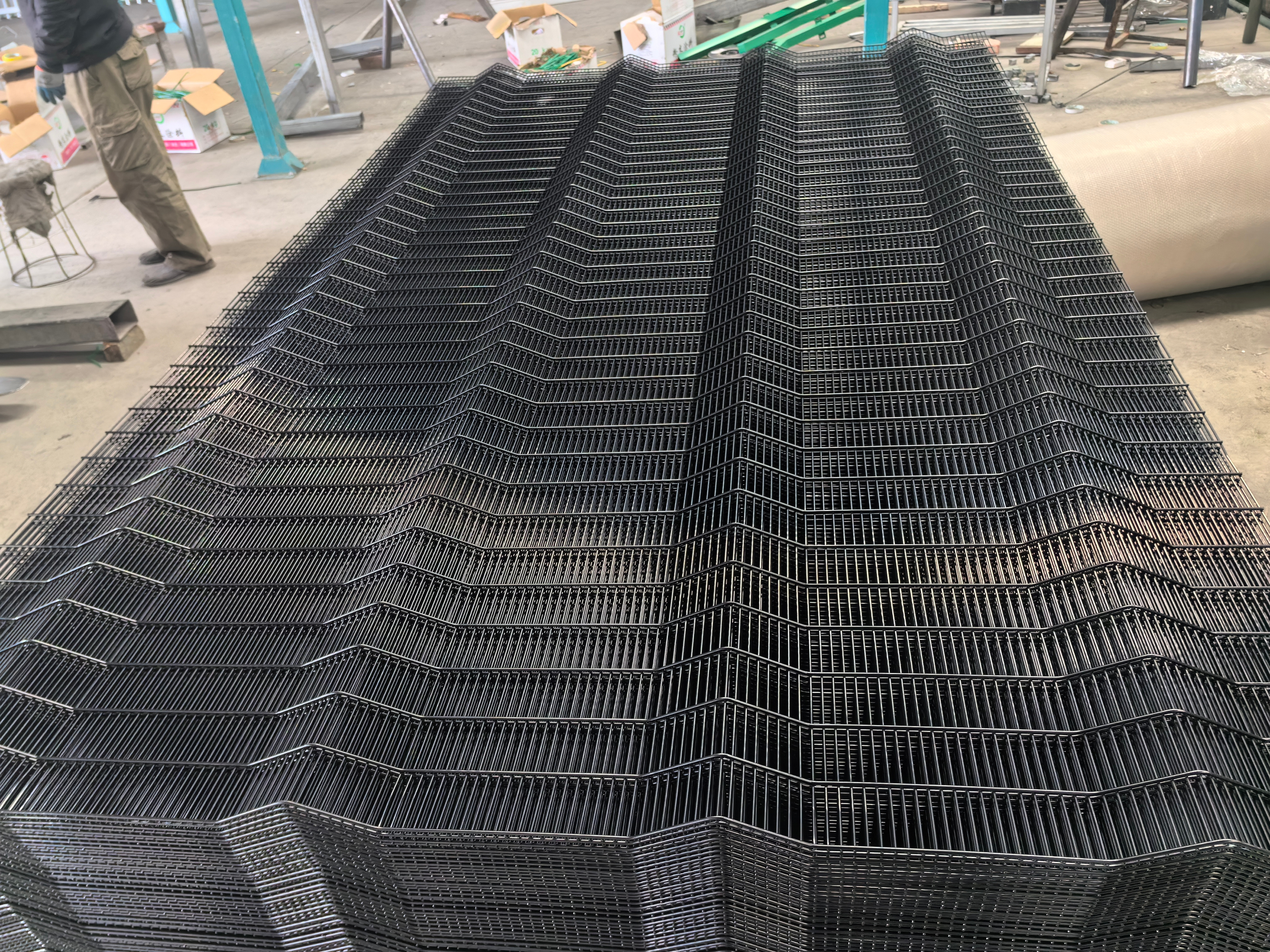
A 358 High Security Wire Fence is judged by straightness across long runs. If panel flatness tolerance is not specified, waves and twist can appear after stacking and unloading, creating a visible “patched” perimeter.
Trap #5: The “point” about panel width/height tolerance that decides installation speed
If dimensions drift, clamps do not align and posts become difficult to set out. Tight tolerance control reduces installation labor and prevents forced alignment that damages coating on a 358 High Security Wire Fence line.
Trap #6: The “note” about cut edges that rust first
Cut edges and weld zones are corrosion hotspots. If edge treatment and coating requirements are not locked, the 358 High Security Wire Fence can show rust where cameras and supervisors focus.
Trap #7: The “tip” about clamp bar thickness that prevents loosening
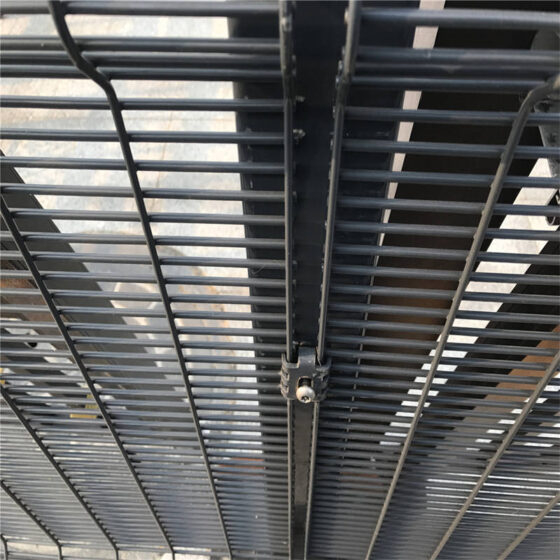
Clamp bars and fixings decide whether panels stay tight under vibration. If clamp bar thickness and fastener spec are not locked, the 358 High Security Wire Fence can loosen over time, creating rattles, gaps, and security complaints.
Trap #8: The “hint” about anti-tamper fasteners that can be silently downgraded
A high-security fence is only as secure as its fasteners. If anti-tamper bolt type and material are not specified, standard hardware can be supplied and the 358 High Security Wire Fence becomes easier to remove.
Trap #9: The “idea” about post size that controls load path and rigidity
Posts carry the load path. If post section size and wall thickness are not matched to height and wind exposure, a 358 High Security Wire Fence line can move even when panels are strong.
Trap #10: The “angle” about post length that decides foundation stability
Post length must match embedment design. If post length is shortened to save cost, the installed 358 High Security Wire Fence can wobble under wind and vehicle vibration, triggering rework after inspection.
Trap #11: The “aspect” about coating system that changes outdoor service life
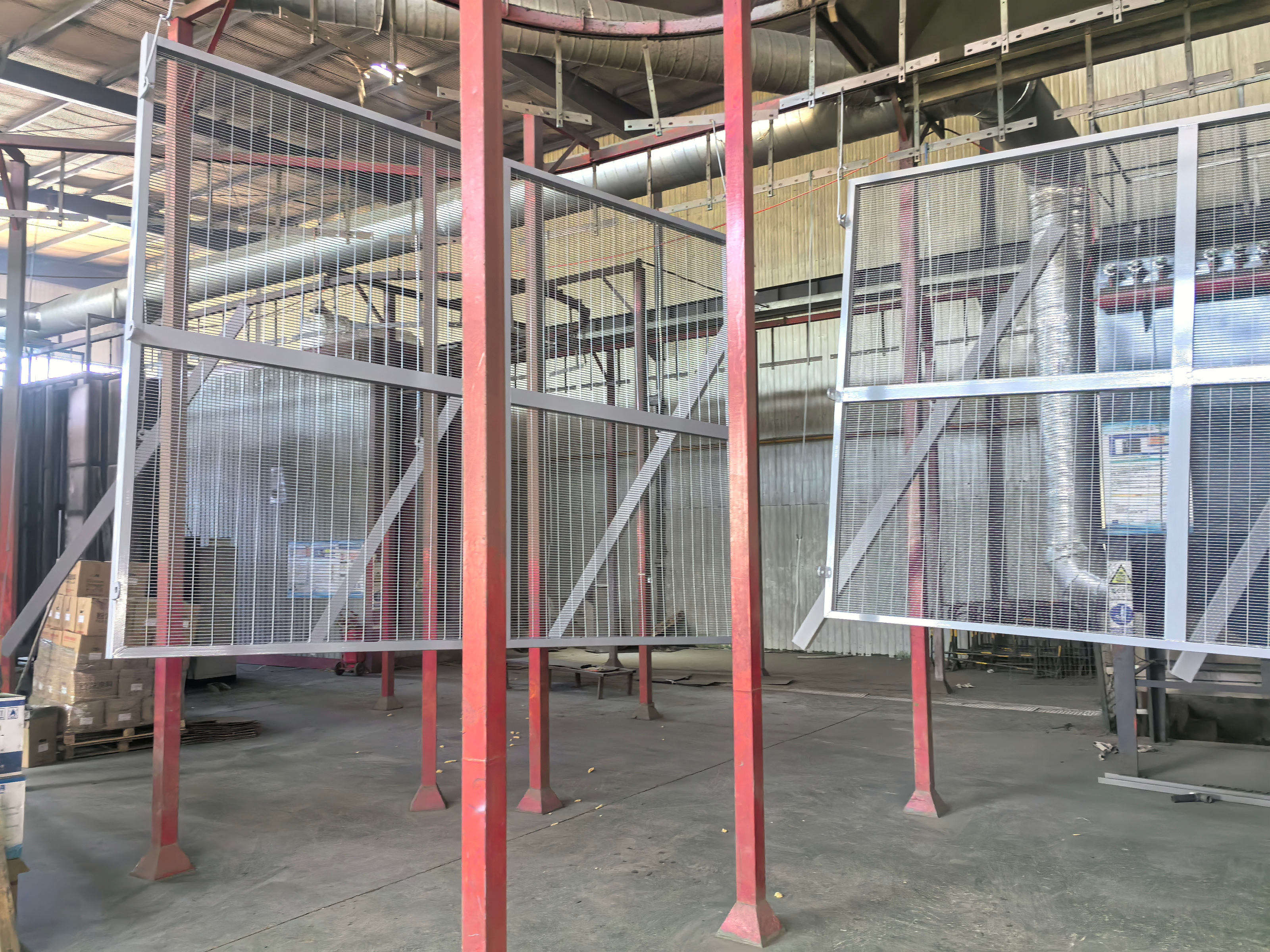
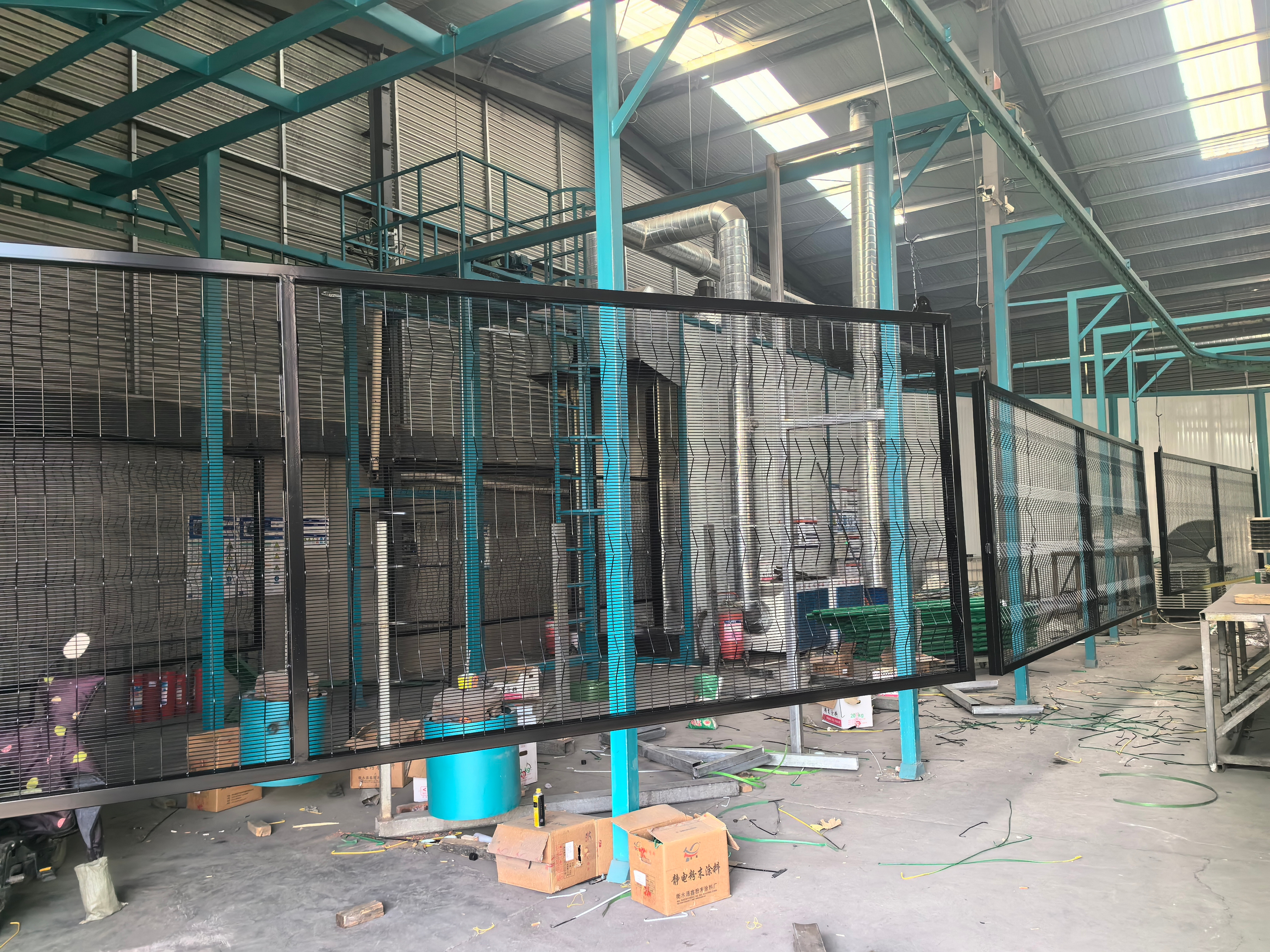
Hot dipped galvanizing, pre-galvanized wire, and powder coating systems behave differently. If the coating method and minimum coating requirement are not locked, the 358 High Security Wire Fence can suffer early corrosion at welds and contact points.
Trap #12: The “element” about color and film thickness that creates patchy appearance
Powder coated builds require controlled pretreatment and film thickness. If not controlled, a 358 High Security Wire Fence can show gloss shift, thin spots, and early wear on clamp contact points.
Trap #13: The “feature” of visibility that is lost with wrong panel orientation
358 High Security Wire Fence is selected for visibility. If panel orientation and installation detail are wrong, the fence can create avoidable blind spots or reflections, reducing the intended operational visibility.
Trap #14: The “trait” of transport stacking damage that bends panels before install
Stacking pressure and forklift handling can bend corners and clamp edges. If packing protection is not disciplined, 358 High Security Wire Fence can arrive damaged before it touches the site.
Trap #15: The “side” of sensor integration that fails without planning
Fence sensor security systems require consistent fixings and cable routing. If sensor mounting points and protection are not planned, a 358 High Security Wire Fence sensor build can become a rework-heavy installation.
Trap #16: The “view” about “cost effective” that hides missing documentation
Low price is meaningless if documents are missing. If material, coating, and inspection records are not provided, a 358 High Security Wire Fence shipment can be delayed or rejected during client checks.
Trap #17: The “finding” that triggers the biggest loss—mixed specifications in one shipment
The most expensive failure is not a scratch—it is receiving mixed mesh aperture, mixed wire diameter, mixed coating, and mixed posts within the same order. That forces on-site sorting, mismatched clamp behavior, safety complaints, and rework that destroys the entire savings plan for a 358 High Security Wire Fence project. Lock one approved build per SKU with fixed tables, signed drawings, and defined inspection criteria so every panel behaves the same.
Trap #18: The “lesson” about installation acceptance checks that must be written
If acceptance checks are not written into the PO, quality becomes subjective at receiving. A measurable checklist prevents disputes and ensures the 358 High Security Wire Fence matches the approved standard.
Product Description: POLYMETAL 358 High Security Wire Fence
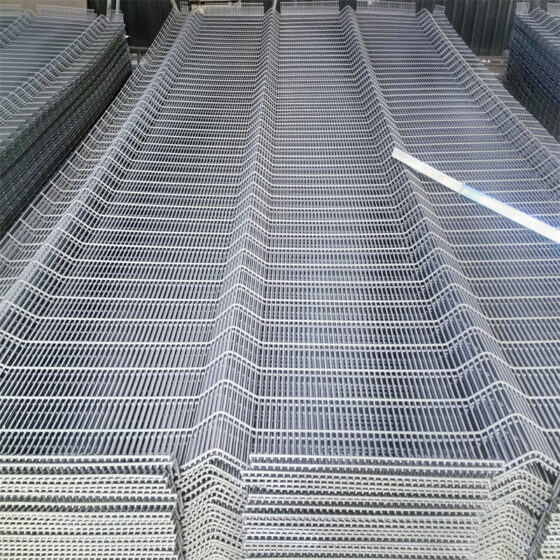
POLYMETAL 358 High Security Wire Fence systems are manufactured as welded mesh security panels designed to deliver strong anti-climb performance, high visibility, and a measurable delay factor against cut-through. The small aperture profile makes it difficult to get fingers and toes through for climbing leverage, while robust welded construction increases resistance to conventional hand-tool attacks. The system can be supplied as a standalone perimeter fence or as part of integrated fence sensor security systems where consistent geometry and fixing discipline are critical.
POLYMETAL builds 358 High Security Wire Fence packages as repeatable modules, matching panel dimensions to post options, clamp bars, and fasteners so the perimeter installs straight and remains secure under wind, vibration, and daily site exposure. Coating options can be specified for outdoor corrosion resistance, and disciplined inspection checkpoints help prevent mixed specs, missing hardware, and receiving disputes.
Specifications: 358 High Security Wire Fence

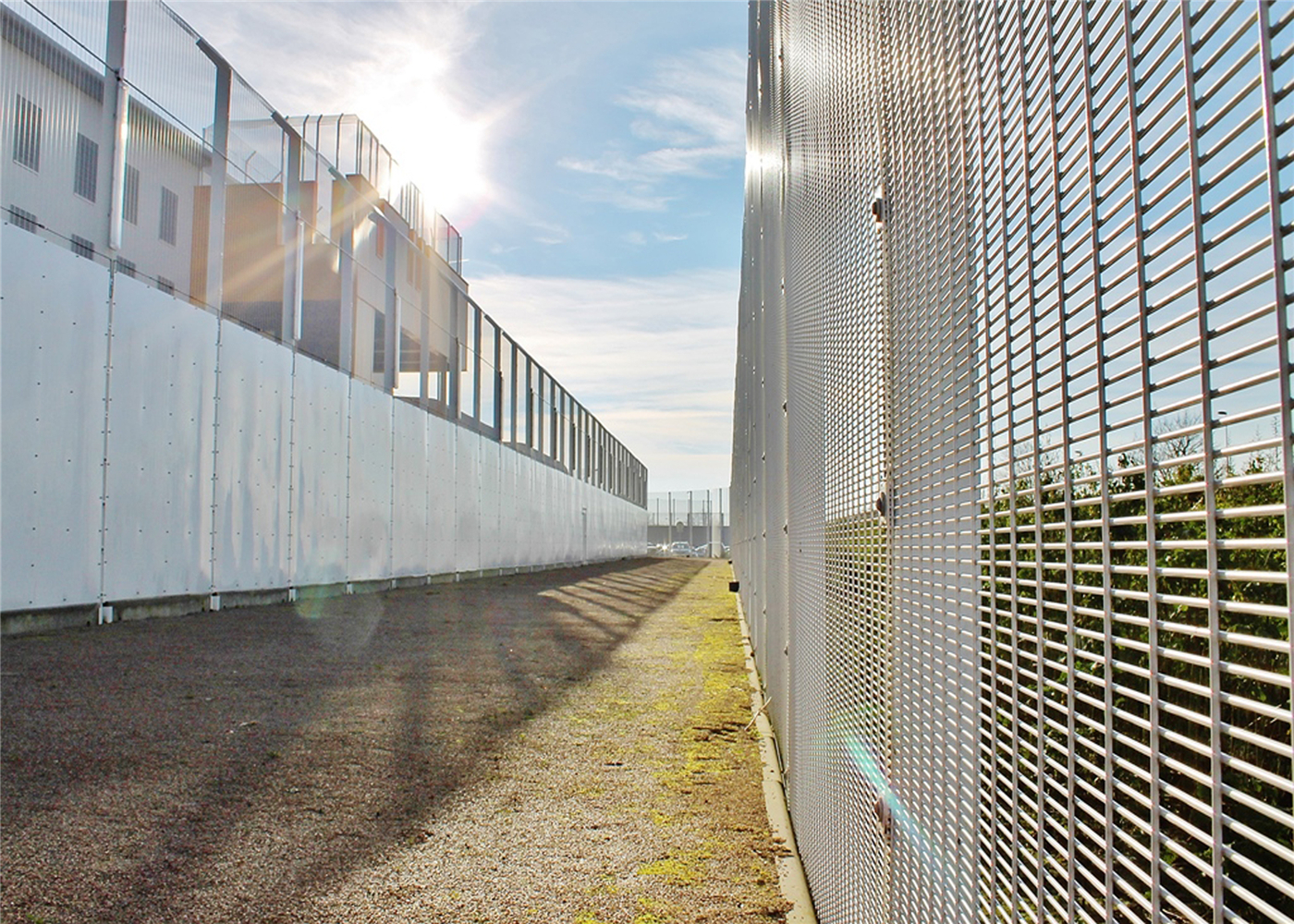
Table 1: Panel & Post Series
| Fence Height (mm) | Panel Size W × H (mm) | Mesh Aperture (mm) | Wire Diameter (mm) | Post Size (mm) | Post Wall (mm) | Post Length (mm) | Clamp Bar | Finish Option | Typical Use Snapshot |
|---|---|---|---|---|---|---|---|---|---|
| 2000 | 2518.6×2010.6 | 12.7×76.2 | 4.0 | 140×115 | 3.0 | 2600 | Flat bar + anti-tamper bolts | HDG + powder | Sub-station perimeter |
| 2400 | 2518.6×2417.0 | 12.7×76.2 | 4.0 | 140×115 | 3.0 | 3100 | Flat bar + anti-tamper bolts | HDG + powder | Port security fencing |
| 3000 | 2518.6×3001.2 | 12.7×76.2 | 4.0 | 140×115 | 3.0 | 3700 | Flat bar + anti-tamper bolts | HDG | Prison perimeter |
| 3650 | 2518.6×3674.3 | 12.7×76.2 | 4.0 | 140×115 | 3.0 | 4450 | Flat bar + anti-tamper bolts | HDG | Airport restricted zones |
| 4000 | 2518.6×4004.5 | 12.7×76.2 | 4.0 | 140×115 | 3.0 | 4800 | Flat bar + anti-tamper bolts | HDG + powder | High-security compounds |
| 5300 | 2518.6×5325.3 | 12.7×76.2 | 4.0 | 140×115 | 3.0 | 5390 | Flat bar + anti-tamper bolts | HDG | High-risk perimeter |
| 6000 | 2518.6×6011.1 | 12.7×76.2 | 4.0 | 140×115 | 3.0 | 6050 | Flat bar + anti-tamper bolts | HDG | Critical infrastructure |
| 2000 | 2518.6×2010.6 | 12.7×76.2 | 3.6 | 100×100 | 2.5 | 2600 | Flat bar | HDG + powder | Walkway security |
| 2400 | 2518.6×2417.0 | 12.7×76.2 | 4.0 | 120×120 | 3.0 | 3100 | Flat bar | HDG | Gas pipeline security |
| 3000 | 2518.6×3001.2 | 12.7×76.2 | 4.5 | 140×115 | 4.0 | 3700 | Flat bar + heavy anti-tamper | HDG + powder | Sensor-ready fencing |
Table 2: Wire & Aperture Options (10 Detailed Configurations)
| Option ID | Mesh Aperture (mm) | Wire Diameter (mm) | Panel Width (mm) | Panel Height (mm) | Welded Mesh Type | Visibility | Anti-Climb Level | Cut Resistance Level | Finish Option |
|---|---|---|---|---|---|---|---|---|---|
| 358-A | 12.7×76.2 | 4.0 | 2518.6 | 2010.6 | Flat welded mesh | Excellent | High | High | HDG |
| 358-B | 12.7×76.2 | 4.0 | 2518.6 | 2417.0 | Flat welded mesh | Excellent | High | High | HDG + powder |
| 358-C | 12.7×76.2 | 3.6 | 2518.6 | 2010.6 | Flat welded mesh | Excellent | High | Medium | HDG + powder |
| 358-D | 12.7×76.2 | 4.5 | 2518.6 | 3001.2 | Flat welded mesh | Excellent | High | Very High | HDG |
| 358-E | 12.7×76.2 | 4.0 | 2518.6 | 3674.3 | Flat welded mesh | Excellent | High | High | HDG |
| 358-F | 12.7×76.2 | 4.0 | 2518.6 | 4004.5 | Flat welded mesh | Excellent | High | High | HDG + powder |
| 358-G | 12.7×76.2 | 4.0 | 2518.6 | 5325.3 | Flat welded mesh | Excellent | High | High | HDG |
| 358-H | 12.7×76.2 | 4.0 | 2518.6 | 6011.1 | Flat welded mesh | Excellent | High | High | HDG |
| 358-I | 12.7×76.2 | 3.2 | 2518.6 | 2010.6 | Flat welded mesh | Excellent | High | Medium | Powder coated |
| 358-J | 12.7×76.2 | 5.0 | 2518.6 | 2417.0 | Flat welded mesh | Excellent | High | Very High | HDG + powder |
Table 3: Posts, Fixings & Finish Packages (10 Detailed Configurations)
| Package ID | Post Size (mm) | Post Wall (mm) | Clamp Bar Type | Fastener Type | Anti-Tamper | Finish | Sensor Ready | Typical Application | Inspection Focus |
|---|---|---|---|---|---|---|---|---|---|
| P-01 | 100×100 | 2.5 | Flat bar | SS bolts | Optional | HDG | No | Walkway fencing | Clamp alignment |
| P-02 | 120×120 | 3.0 | Flat bar | SS anti-tamper | Yes | HDG | No | Sub-station fencing | Fastener torque |
| P-03 | 140×115 | 3.0 | Flat bar | SS anti-tamper | Yes | HDG + powder | Yes | Prison security | Anti-tamper check |
| P-04 | 140×115 | 3.0 | Flat bar | SS anti-tamper | Yes | HDG | Yes | Airport security | Post straightness |
| P-05 | 100×100 | 3.0 | Clamp bar | SS anti-tamper | Yes | HDG + powder | No | Port security | Coating thickness |
| P-06 | 120×120 | 3.0 | Flat bar | SS anti-tamper | Yes | Powder coated | No | High security living | Color consistency |
| P-07 | 140×115 | 4.0 | Heavy flat bar | SS anti-tamper | Yes | HDG + powder | Yes | Sensor security systems | Hardware completeness |
| P-08 | 80×80 | 2.5 | Flat bar | SS bolts | Optional | HDG | No | Machine guards | Weld check |
| P-09 | 100×100 | 2.0 | Flat bar | SS bolts | Optional | Powder coated | No | Private field fence | Dimension check |
| P-10 | 120×120 | 3.0 | Flat bar | SS anti-tamper | Yes | HDG | Yes | Psychiatric hospital | Acceptance checklist |
Applications of 358 High Security Wire Fence
358 High Security Wire Fence is used for bridge anti-climb guarding and safety screening, psychiatric hospital security fencing, prison security fencing, factory machine guards, walkway security fencing, airport security fencing, shipping port security fencing, electrical sub-station fencing, gas pipeline security fence lines, and high-security living areas and private fields where maximum anti-climb protection is required—especially on complex infrastructure sites that also evaluate high-performance mesh systems such as
helipad x-tend mesh signals.
Benefits
POLYMETAL 358 High Security Wire Fence provides strong anti-climb behavior, resistance to cut-through, an increased delay factor, excellent visibility, vandal resistance, and versatile installation options. When the system is specified correctly, the fence line stays straight, clamps remain tight, corrosion is controlled, and the site avoids the hidden losses of rework and rejected bundles.
Packing
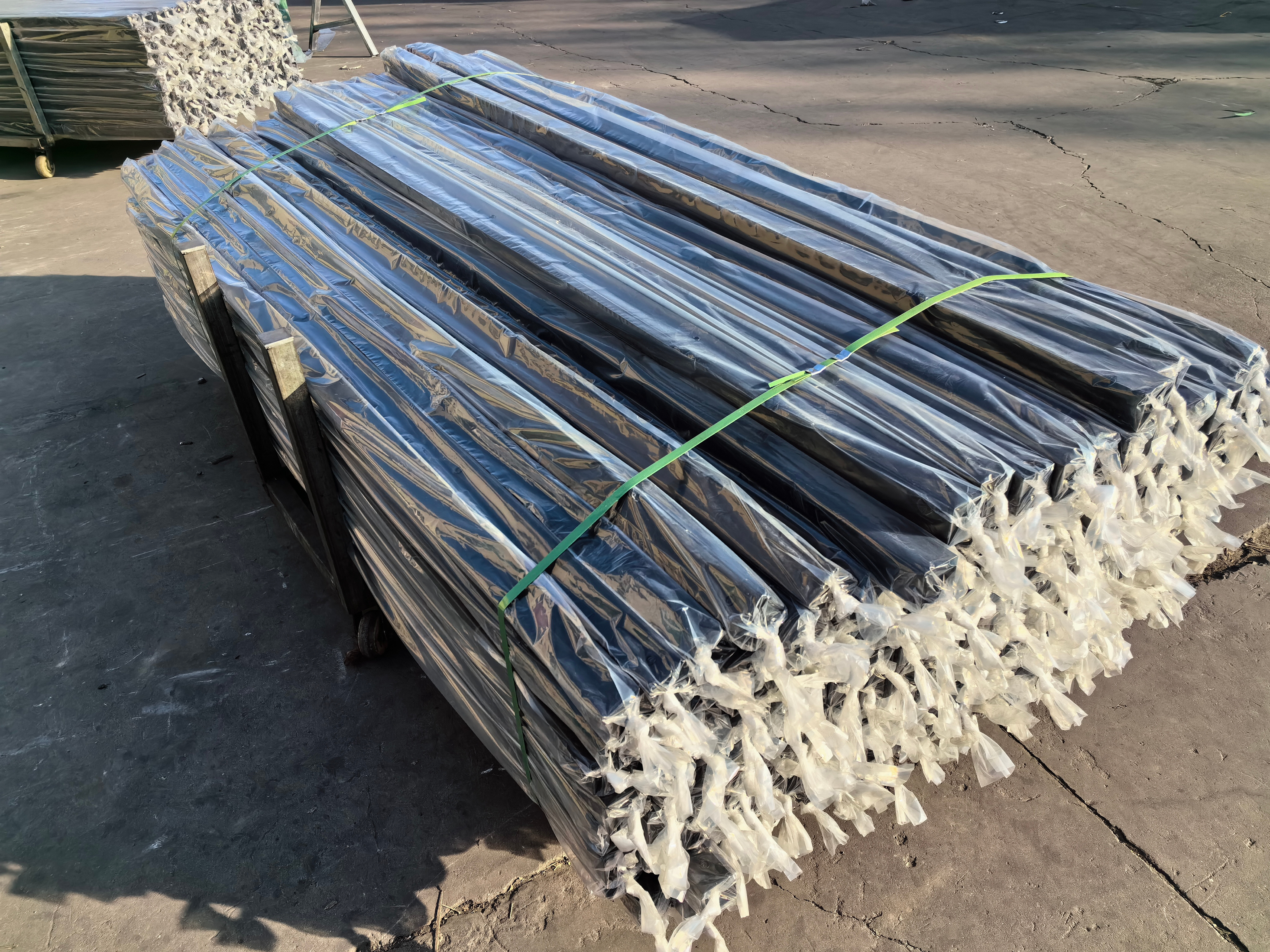
358 High Security Wire Fence panels are packed in controlled stacks with protective separators to reduce mesh-to-mesh abrasion and corner damage. Posts and clamp bars are bundled separately, and fasteners are boxed by SKU with clear count labels to speed up receiving and prevent missing hardware. Pallet or stillage packing options protect panel flatness through container loading, sea freight, unloading, and site staging.
Standard and FAQS
358 High Security Wire Fence can be produced to meet commercial-class security expectations when the purchase order locks mesh aperture, wire diameter, panel dimensions, post size and length, clamp bar and fastener specification, finish method, and inspection criteria. Disciplined checks at welding, coating, packing, and hardware completeness help ensure delivered panels match the approved standard—especially for buyers comparing corrosion options and reviewing pre-galvanized guidance.
FAQ 1: Are you factory/manufacturer or trader?
POLYMETAL is a direct factory with production lines and workshops, allowing flexible configurations and consistent quality control without middle-man mark-ups.
FAQ 2: Which countries do you export to?
POLYMETAL exports 358 High Security Wire Fence to Australia, the UK, the USA, Germany, Thailand, South Korea, and other markets requiring high-security perimeter systems.
FAQ 3: Can I get free samples?
If the sample is available, it can be supplied. If unavailable, customized samples can be produced based on confirmed specifications.
FAQ 4: What is your minimum order quantity?
There is no fixed MOQ, but order quantities can be planned to optimize packing efficiency and landed cost.
FAQ 5: Can you do customized Logo or Packing?
Yes, customized logo plates, labels, and packing marks are supported for project identification and receiving efficiency.
FAQ 6: Which payment method you can accept?
Common payment terms include T/T and L/C, and other payment methods can be arranged depending on project requirements.
FAQ 7: How long can the goods be delivered if order is placed?
If production is required, typical lead time is around 20 working days. If stock is available, dispatch can be arranged within 3 working days.
“`