Your One-Stop Wire Mesh Fence Supplier | POLYMETAL





A 358 mesh fence is built for maximum perimeter protection, using a tight welded wire pattern that is extremely difficult to climb, extremely difficult to cut with conventional hand tools, and still offers high visibility for patrols, CCTV, and detection systems. The problem is simple: many 358 mesh fence installs look identical on day one, but real security depends on the details buyers often ignore—mesh aperture, wire diameter, weld quality, post section strength, clamp-bar design, overlap discipline, and fixing count. Get one of these wrong and the fence doesn’t “collapse”—it slowly develops movement, leverage points, coating damage, and repeat repair costs.
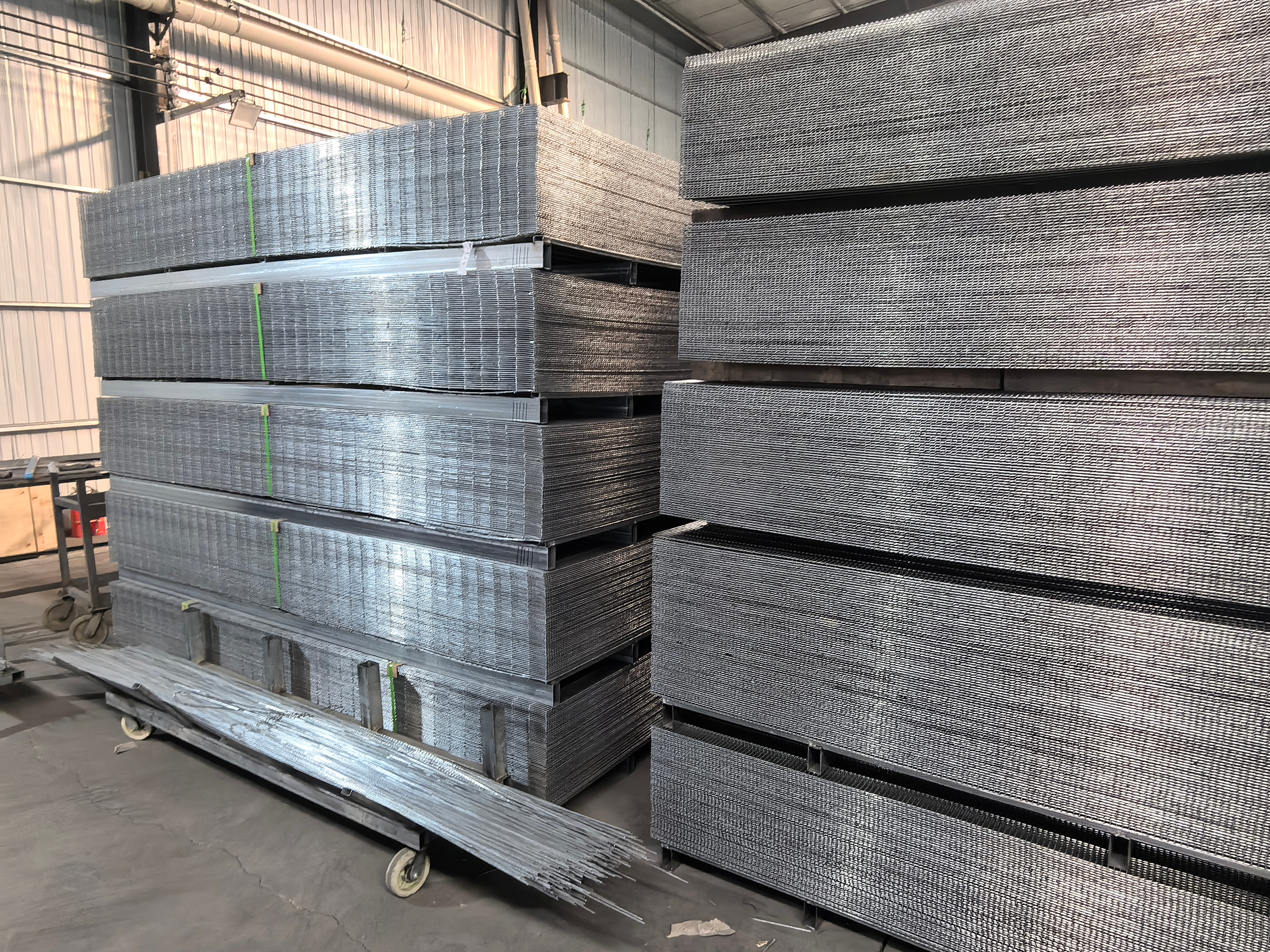
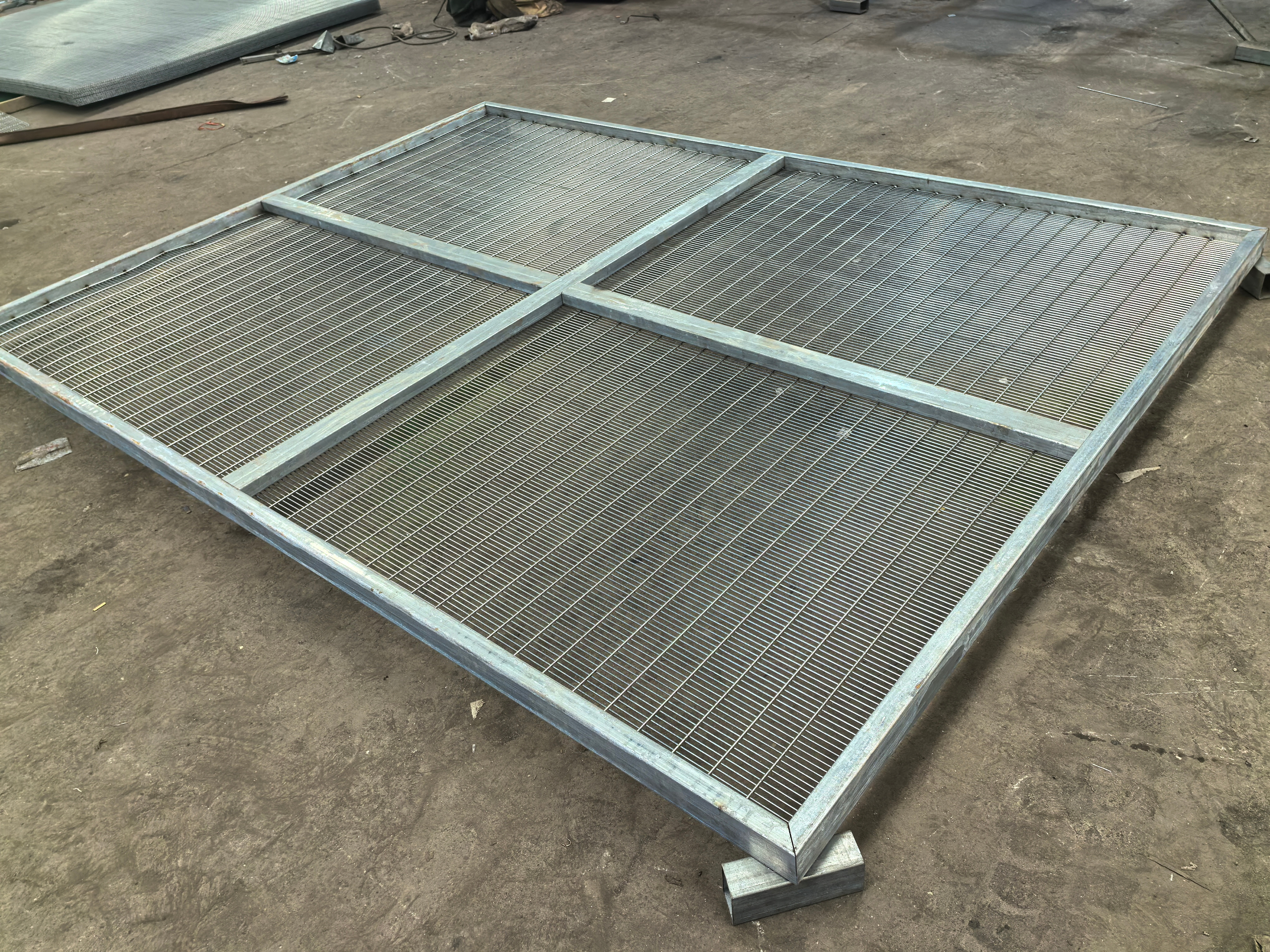
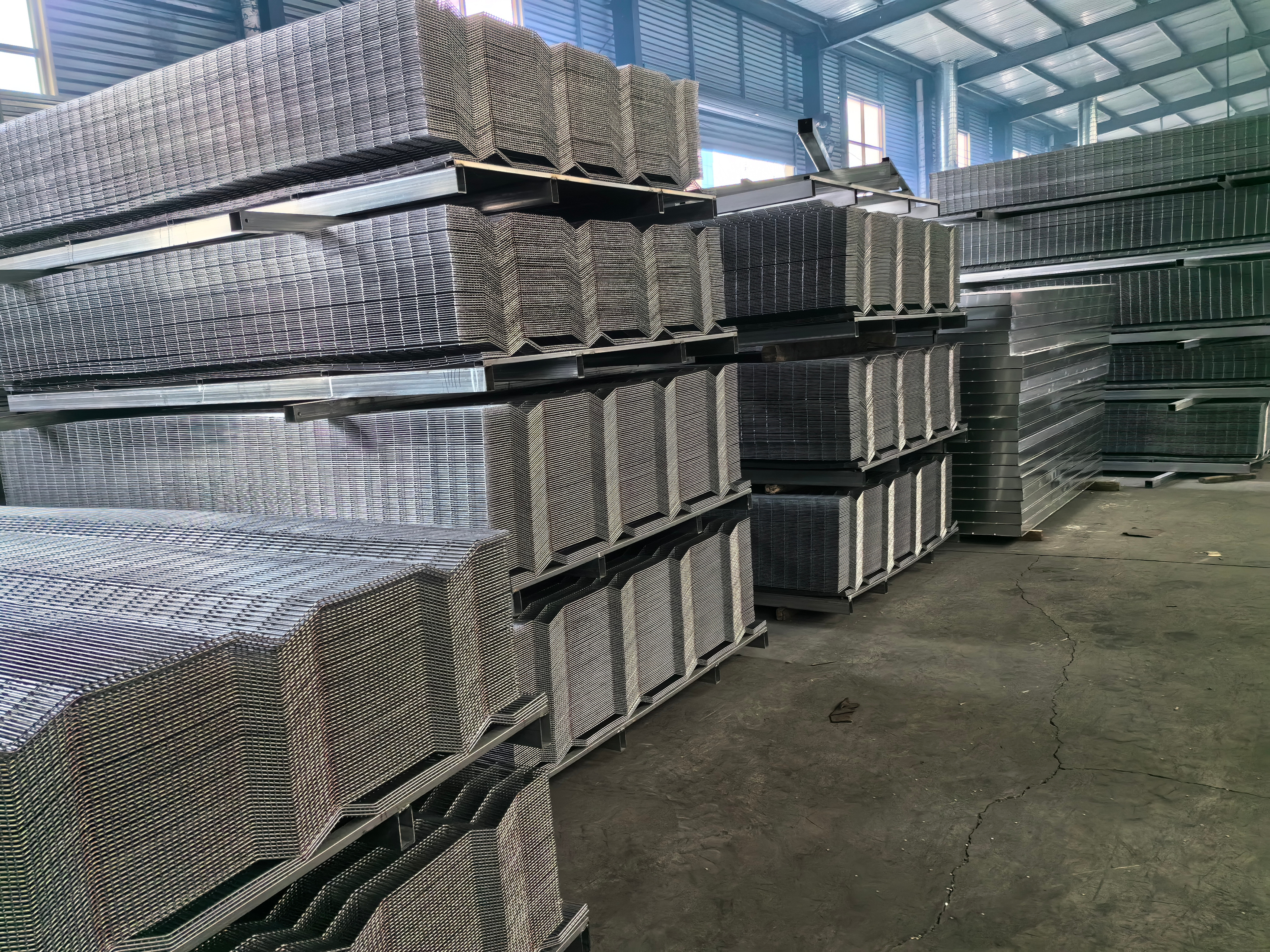
POLYMETAL 358 Mesh Fence Product Description
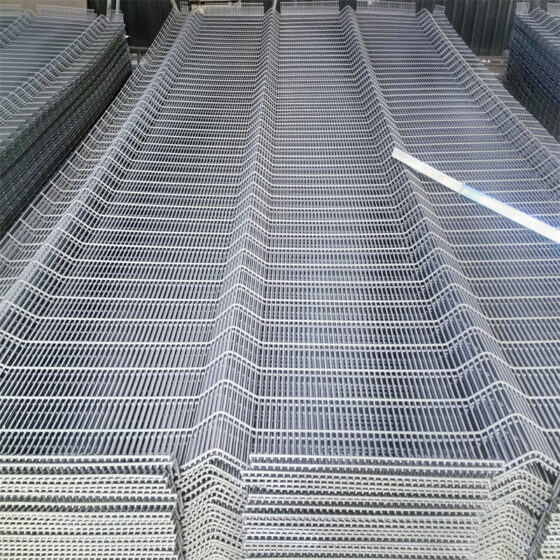
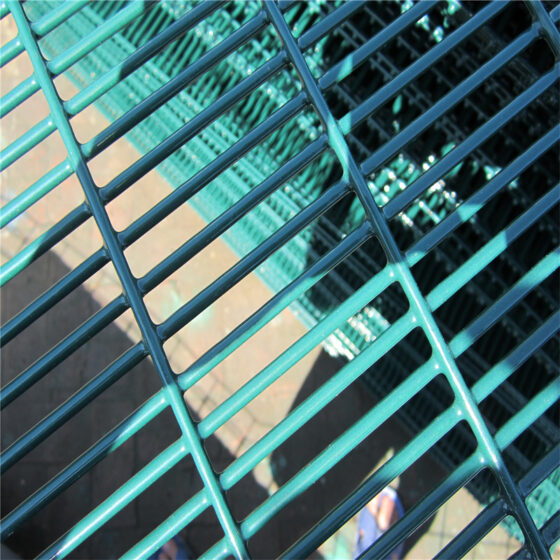
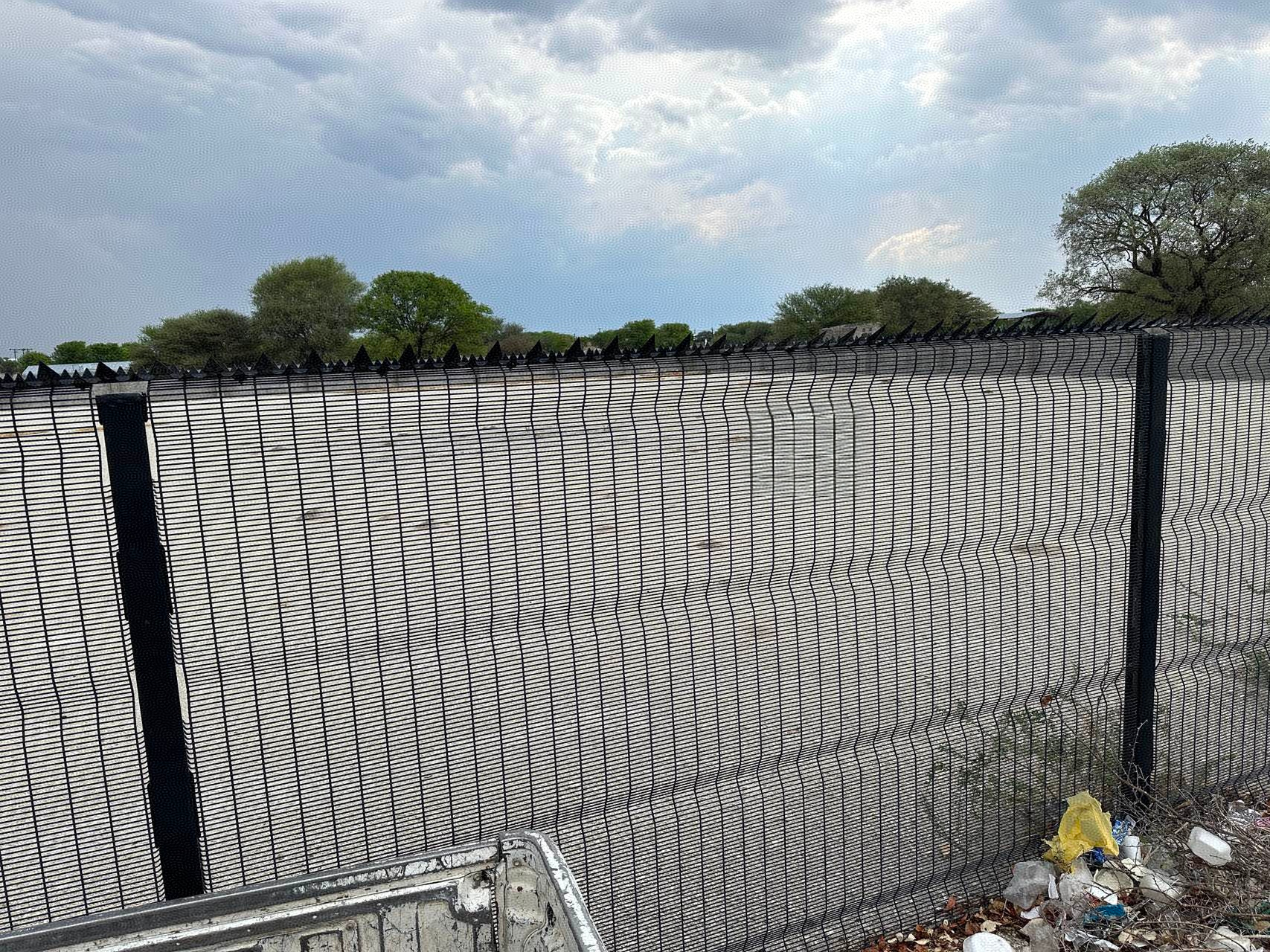
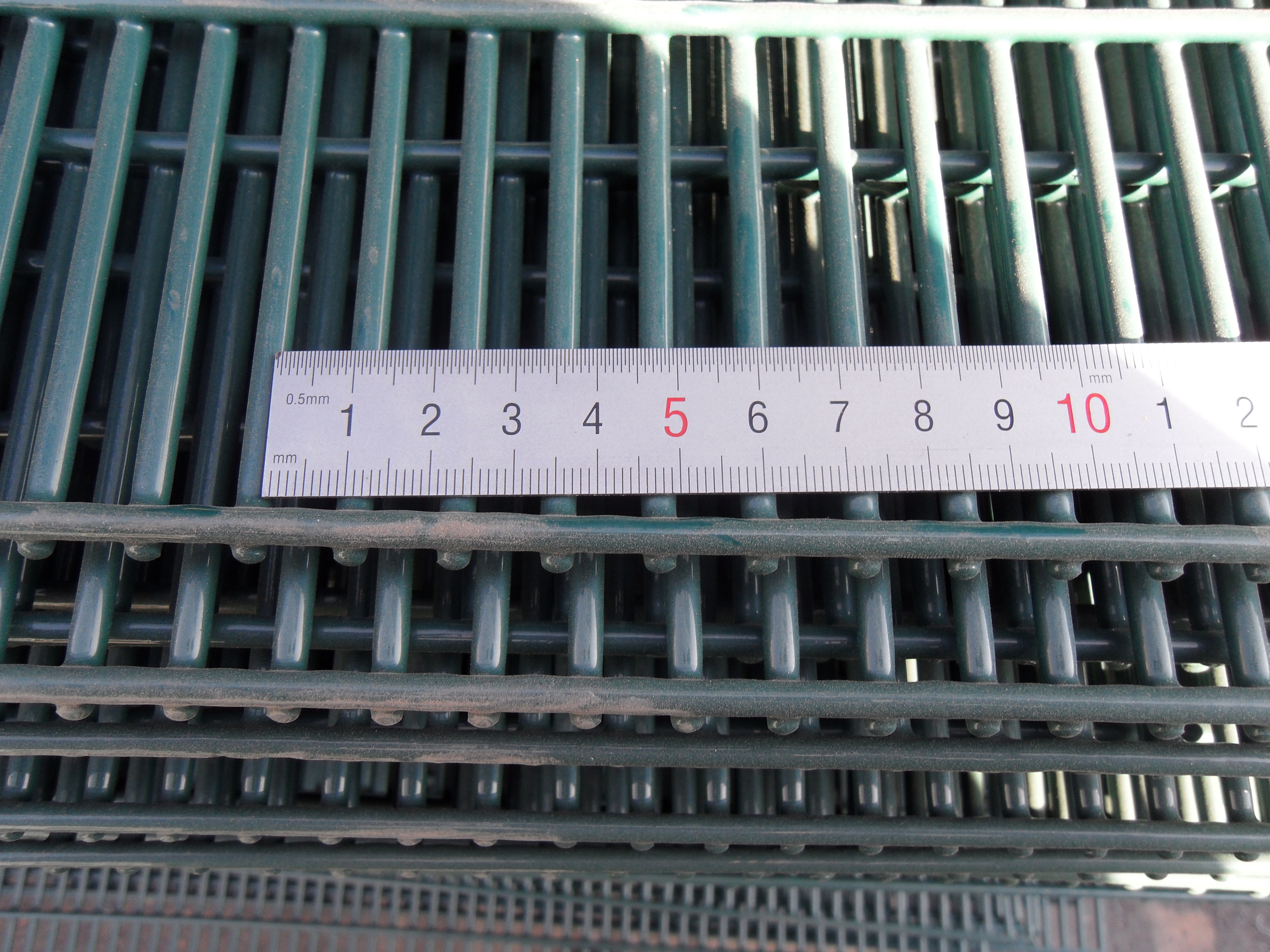
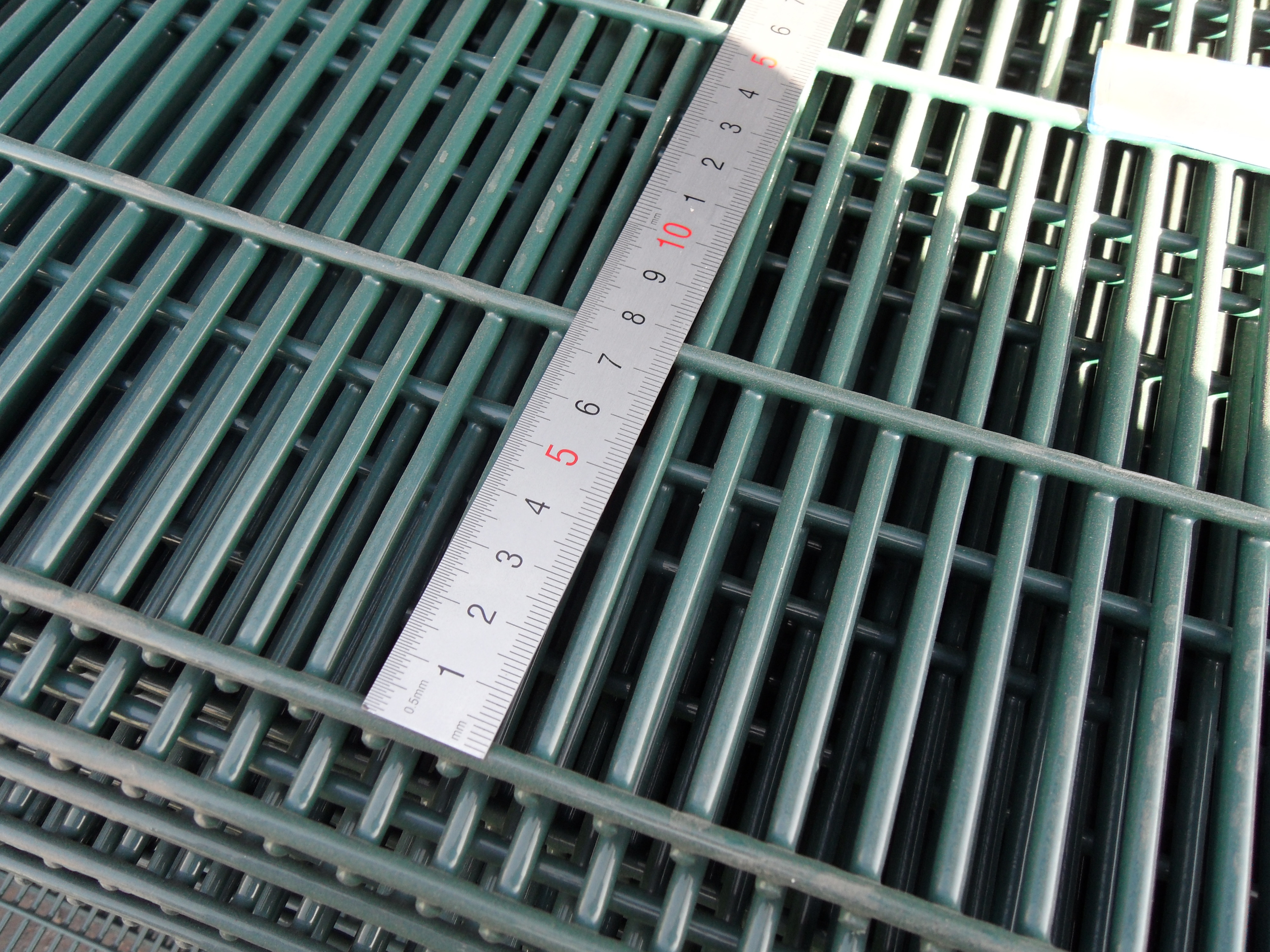
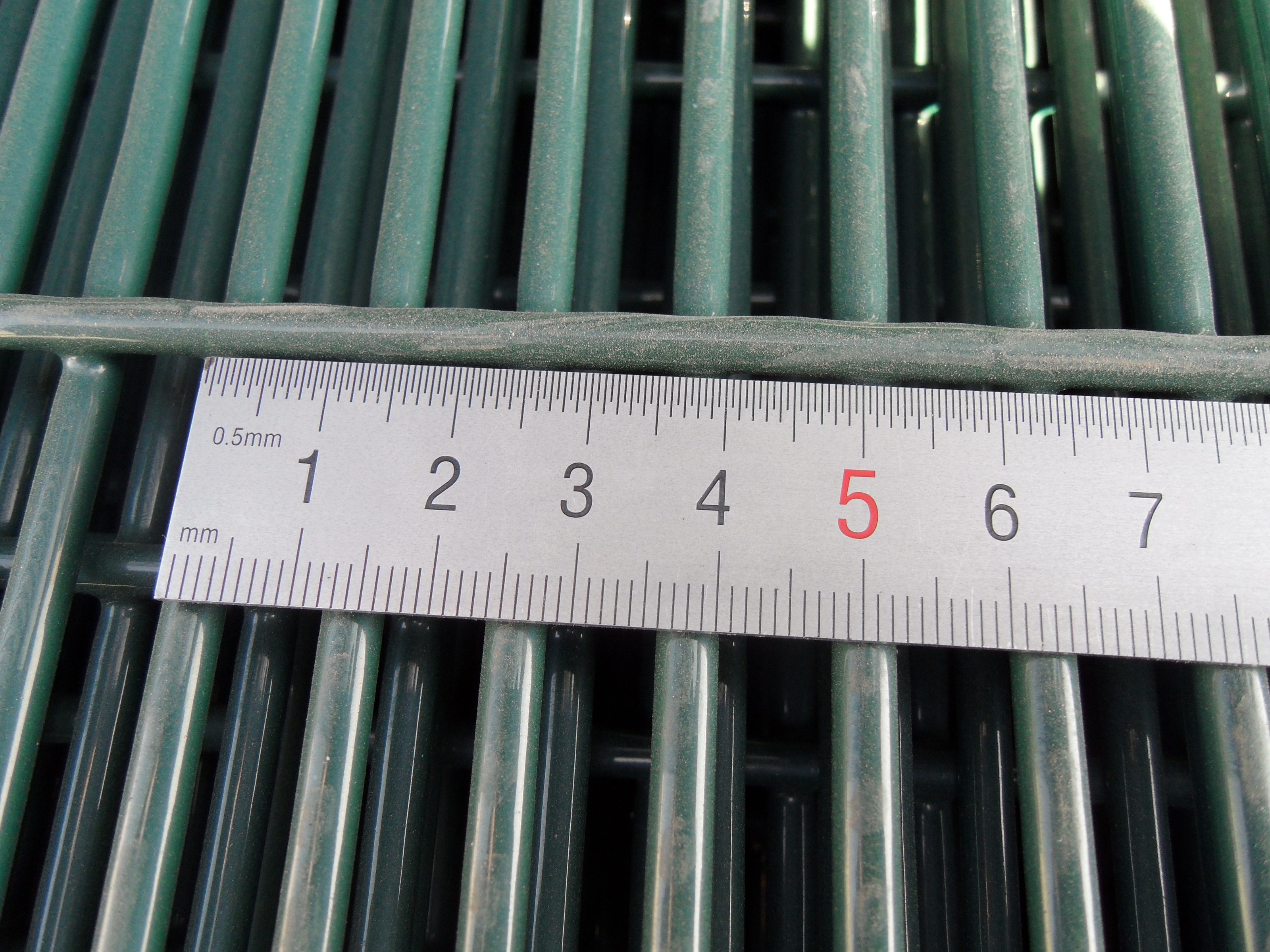
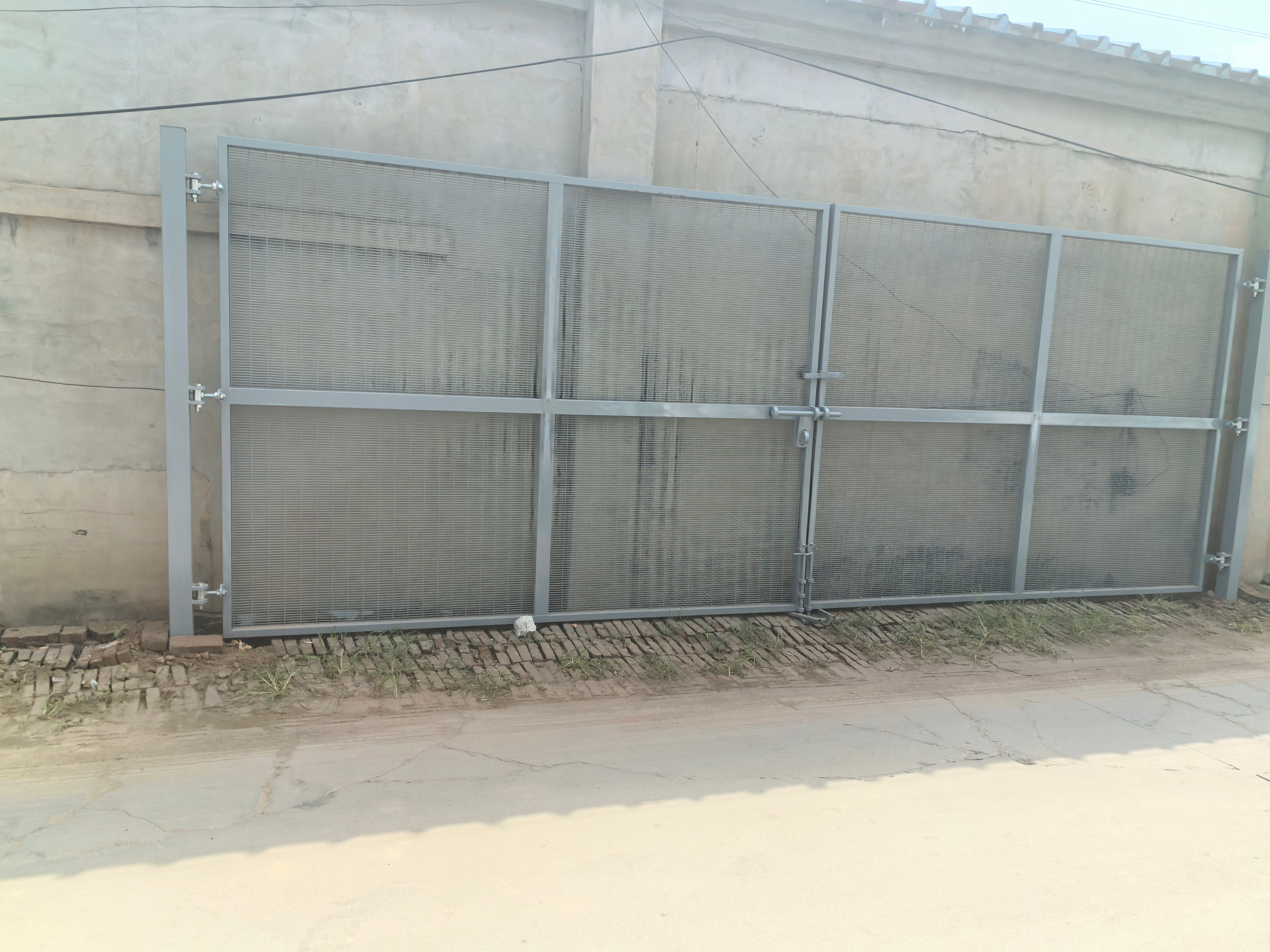
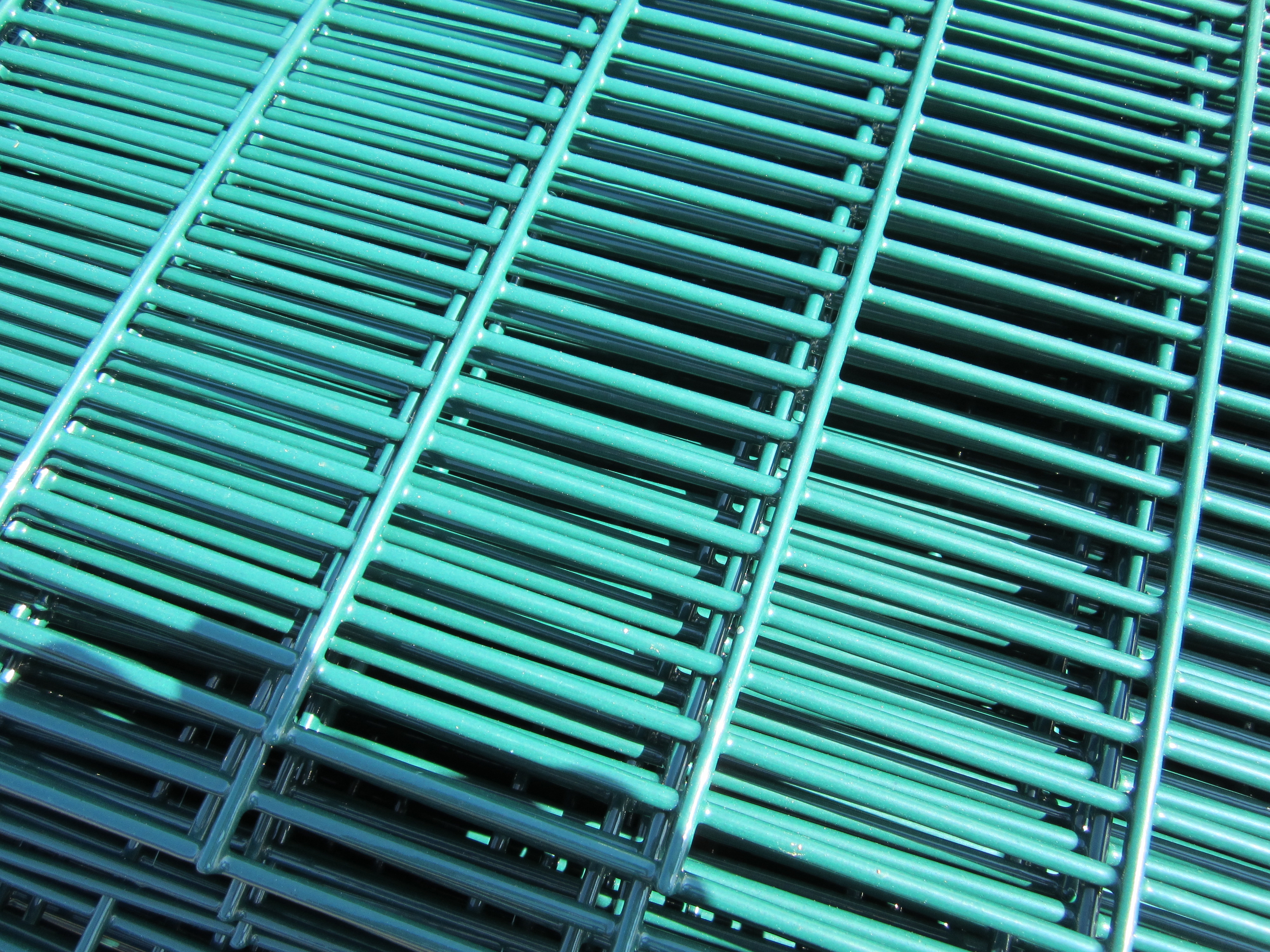
POLYMETAL 358 mesh fence is manufactured from a high-security welded panel with small openings designed to eliminate toe holds and finger holds while resisting cutting attempts. The name “358” comes from the classic mesh opening 3″ × 0.5″ in 8 gauge, approximately 76.2 mm × 12.7 mm with a common wire diameter around 4.0 mm. This configuration creates a barrier that is extremely difficult to penetrate by conventional means, while maintaining the visibility that high-security sites require.
The panel structure relies on strong welds at every intersection to hold shape under load, vibration, and repeated impact. For long service life, POLYMETAL 358 mesh fence panels are typically produced from galfan wire and then protected with polymer powder coating, commonly a minimum of 100 micron, to reduce corrosion and preserve appearance under harsh outdoor exposure. Standard colors frequently include Green RAL 6005 and Black RAL 9005 for clean, professional perimeter presentation.
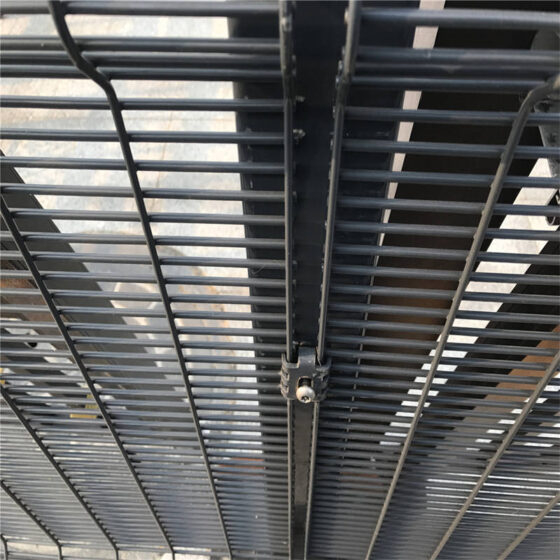
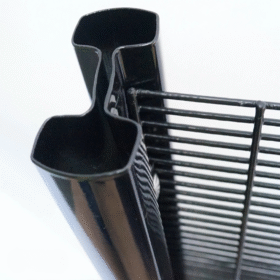
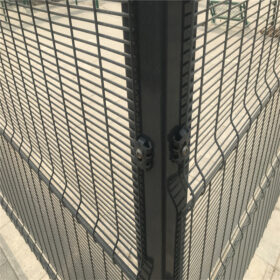
Installation is engineered as a system, not a loose collection of parts. A typical set-out includes a minimum 75 mm overlap at each post, secured with slotted clamp bars and M8 bolts. This overlap-and-clamp approach matters because security failures often start at the post line: once movement begins at the fixing line, attackers gain leverage and the “high security” panel becomes easier to distort.
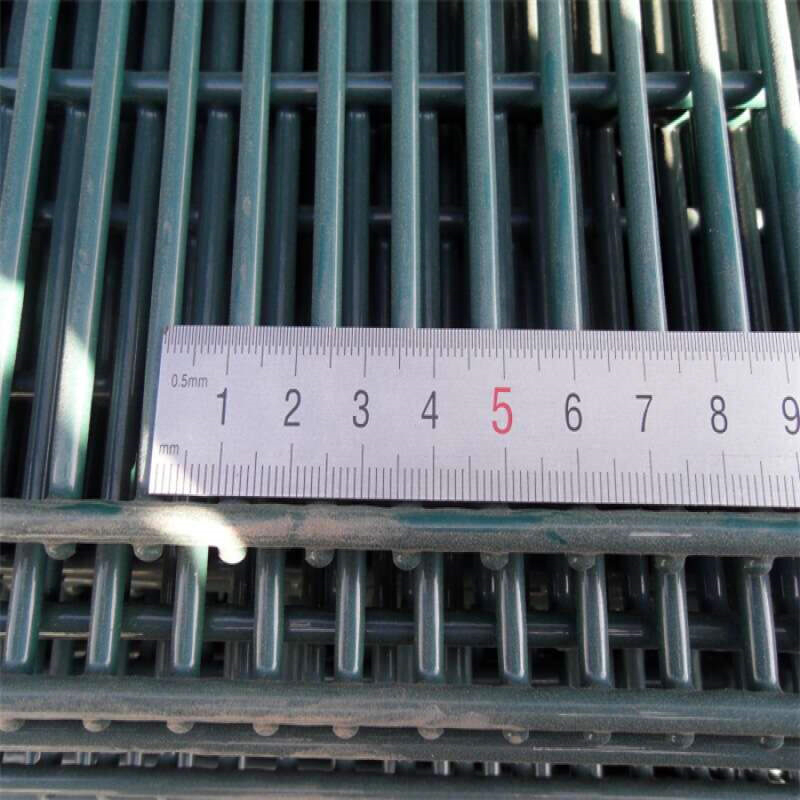

Key Features of 358 Mesh Fence That Make It Hard to Defeat
A 358 mesh fence denies climbing because the small apertures remove reliable footholds and finger purchase. It resists cutting because tight spacing limits tool angles and access, and the welded intersections keep the panel rigid. It maintains visibility, which is why the design is often chosen for electronic detection systems, emergency response zones, and surveillance-heavy perimeters. Long-life performance comes from the combined coating system (galfan plus powder coating) and from controlling damage during handling, transport, and installation so weld areas and edges remain protected. For gate returns, corners, and high-load sections, garrison fencing brackets are often referenced as a useful benchmark for secure, vibration-resistant fixing design.
Applications of 358 Mesh Fence
358 mesh fence is commonly specified for prisons, military sites, airports, industrial and commercial properties, warehouses, power plants, laboratories, secure hospitals, schools, parks, and recreation areas—especially where visibility must remain high while physical delay and deterrence stay strong. In many specifications, 3.60 m height is widely used for schools, parks, and leisure zones, while 5.20 m height is often selected for prison and military environments where threat level is higher.
Benefits of POLYMETAL 358 Mesh Fence
The biggest advantage is real-world climb resistance without blocking visibility, which supports lighting, surveillance, and detection coverage. The tight aperture design reduces object passing and forces attackers toward louder, higher-risk cutting methods. Strong welds at each intersection help the panel resist distortion under impact and vibration. Coating systems designed for outdoor exposure reduce corrosion risk and help maintain a professional perimeter appearance over long service cycles.
Top 12 Traps That Decide Whether You Stay Secure—or Suffer Losses
Trap #1 Risk: “358 mesh fence” by name, but the wrong aperture in reality
If the opening is larger than the true 76.2 × 12.7 mm pattern, you’ve just purchased footholds and tool access dressed up as high security.
Trap #2 Mistake: Wire diameter cut to save cost
A thinner wire looks fine in photos, but distortion under load rises fast, and cutting resistance drops where it matters most.
Trap #3 Problem: Weak weld consistency at intersections
The panel’s security is the weld grid. Once intersections fail, the panel becomes a deformable sheet that can be “worked” open.
Trap #4 Pitfall: Choosing “high security” panels but undersizing posts
Panels don’t fail first—posts move first. Post flex turns every clamp into a loosening cycle.
Trap #5 Cost: Skipping true clamp-bar strength
A weak clamp bar becomes the easiest leverage line. Once prying starts at the post line, the rest follows.
Trap #6 Warning: Ignoring 75 mm overlap discipline at posts
If overlap is inconsistent, you create uneven stress points that rattle under vibration and open micro-gaps over time.
Trap #7 Danger: Cutting fixing count like it’s “just hardware”
When fixing count is reduced, panels begin to move under wind load and vibration—then movement becomes leverage. Clamps loosen, the face rattles, and the post line becomes a peel point. This is the budget killer because it doesn’t cause one repair—it triggers repeat tightening, re-alignment, and replacement across the run.
Trap #8 Defect: Treating “galvanized” as a single finish
If weld areas, edges, and damage points aren’t protected properly, rust starts where strength is concentrated.
Trap #9 Oversight: Coating thickness too light for handling reality
Transport rub, site stacking, and installation knocks can destroy thin coatings quickly, exposing metal at the worst time—before the perimeter is even stable.
Trap #10 Flaw: No plan for corners, ends, and terminations
Corners multiply forces. Underbuilt corners shift first and make straight runs look like failures.
Trap #11 Loss: Installing without tension and line control
A “tight-looking” line can still be stressed into misalignment. Stress becomes distortion, then distortion becomes loosening.
Trap #12 Threat: Mixing specs across one perimeter
Soft sections become attack sections. Once the weakest bay is found, the entire perimeter reputation collapses.
2D, 3D Options for Strength and Appearance
2D Security Fencing
2D security fencing increases stiffness using a 6 mm vertical wire and additional 4 mm double horizontal wires, creating a more rigid panel while maintaining the same 12.7 × 76.2 mm style security pattern. It is widely used for schools, industrial sites, infrastructure, and higher-security areas where impact and line stability are priorities.
| Fence height (m) | Panel Size (H × W) (mm) | Number of Beams | O/A Length (mm) | Middle Post Material | Middle Clamps (No.) | Corner Post Material | Corner Clamps (No.) | Mesh Opening (mm) | Wire Diameter (mm) |
|---|---|---|---|---|---|---|---|---|---|
| 2.0 | 2000 × 2515 | 2 | 2700 | 80 × 60 × 2.0 RHS | 6 | 80 × 80 × 2.5 SHS | 12 | 12.70 × 76.20 | 3.00 / 4.00 |
| 2.4 | 2400 × 2515 | 3 | 3100 | 80 × 60 × 2.0 RHS | 7 | 80 × 80 × 2.5 SHS | 14 | 12.70 × 76.20 | 3.00 / 4.00 |
| 3.0 | 3000 × 2515 | 3 | 3800 | 80 × 80 × 2.5 SHS | 10 | 80 × 80 × 2.5 SHS | 20 | 12.70 × 76.20 | 3.00 / 4.00 |
3D Security Fence
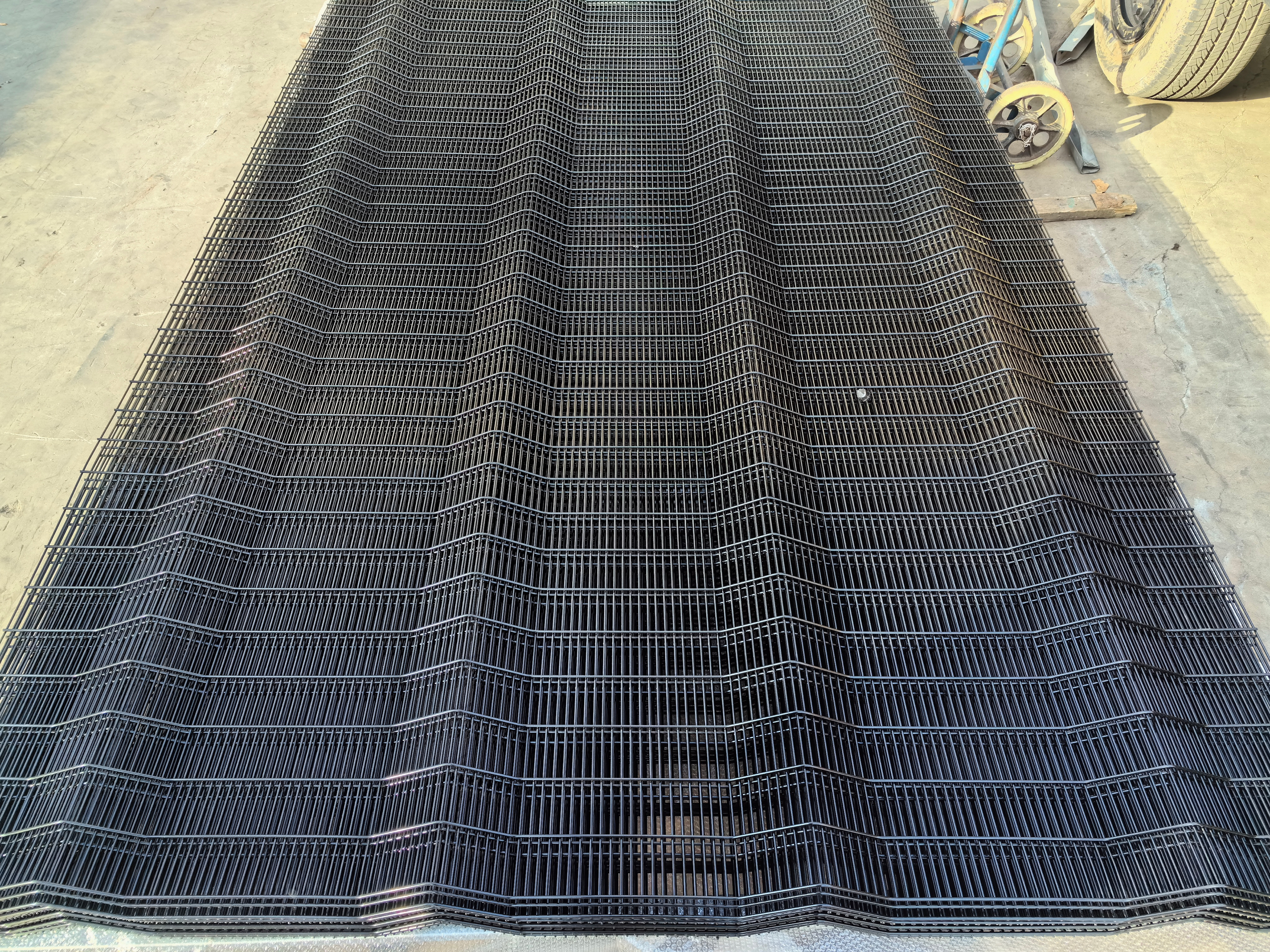
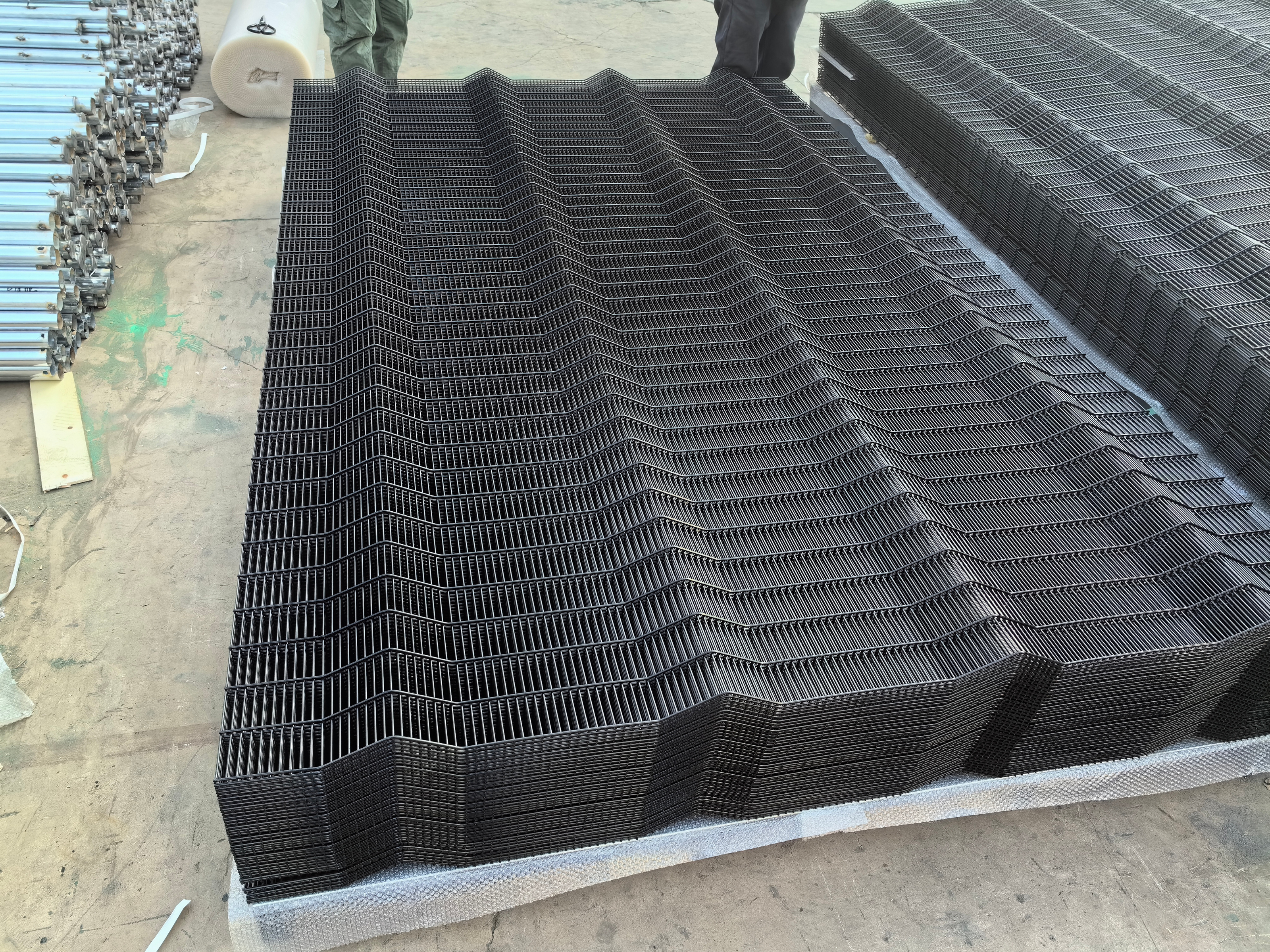
3D security fence uses pressed horizontal “V” beams to improve rigidity and appearance, making it a popular choice for schools, recreational areas, hospitals, railways, ports, airports, warehouses, industrial facilities, and commercial sites that require a balance of safety and presentation.
| Fence height (m) | Panel size (H × W) (mm) | Fence Post (H × Size × Thick) (mm) | Clamp Bar (H × W × Thick) (mm) | Middle/Corner Clamp No. (pcs) | Mesh Opening (mm) | Wire Diameter (mm) |
|---|---|---|---|---|---|---|
| 2.0 | 2000 × 2515 | 2700 × 60 × 60 × 2.5 | 2000 × 60 × 5.00 | 7 or 14 | 12.70 × 76.20 | 3.00 / 4.00 |
| 2.4 | 2400 × 2515 | 3100 × 60 × 60 × 2.5 | 2400 × 60 × 5.00 | 9 or 18 | 12.70 × 76.20 | 3.00 / 4.00 |
| 3.0 | 3000 × 2515 | 3800 × 80 × 80 × 2.5 | 3000 × 80 × 6.00 | 11 or 22 | 12.70 × 76.20 | 3.00 / 4.00 |
| 3.3 | 3300 × 2515 | 4200 × 80 × 80 × 2.5 | 3300 × 80 × 6.00 | 12 or 24 | 12.70 × 76.20 | 3.00 / 4.00 |
| 3.6 | 3600 × 2515 | 4500 × 100 × 100 × 3.0 | 3600 × 100 × 7.00 | 13 or 26 | 12.70 × 76.20 | 3.00 / 4.00 |
| 4.2 | 4200 × 2515 | 5200 × 100 × 100 × 4.0 | 4200 × 100 × 8.00 | 15 or 30 | 12.70 × 76.20 | 3.00 / 4.00 |
| 4.5 | 4500 × 2515 | 5500 × 100 × 100 × 5.0 | 4500 × 100 × 8.00 | 16 or 32 | 12.70 × 76.20 | 3.00 / 4.00 |
| 5.2 | 5200 × 2515 | 6200 × 120 × 120 × 5.0 | 5200 × 100 × 8.00 | 18 or 36 | 12.70 × 76.20 | 3.00 / 4.00 |
Packing
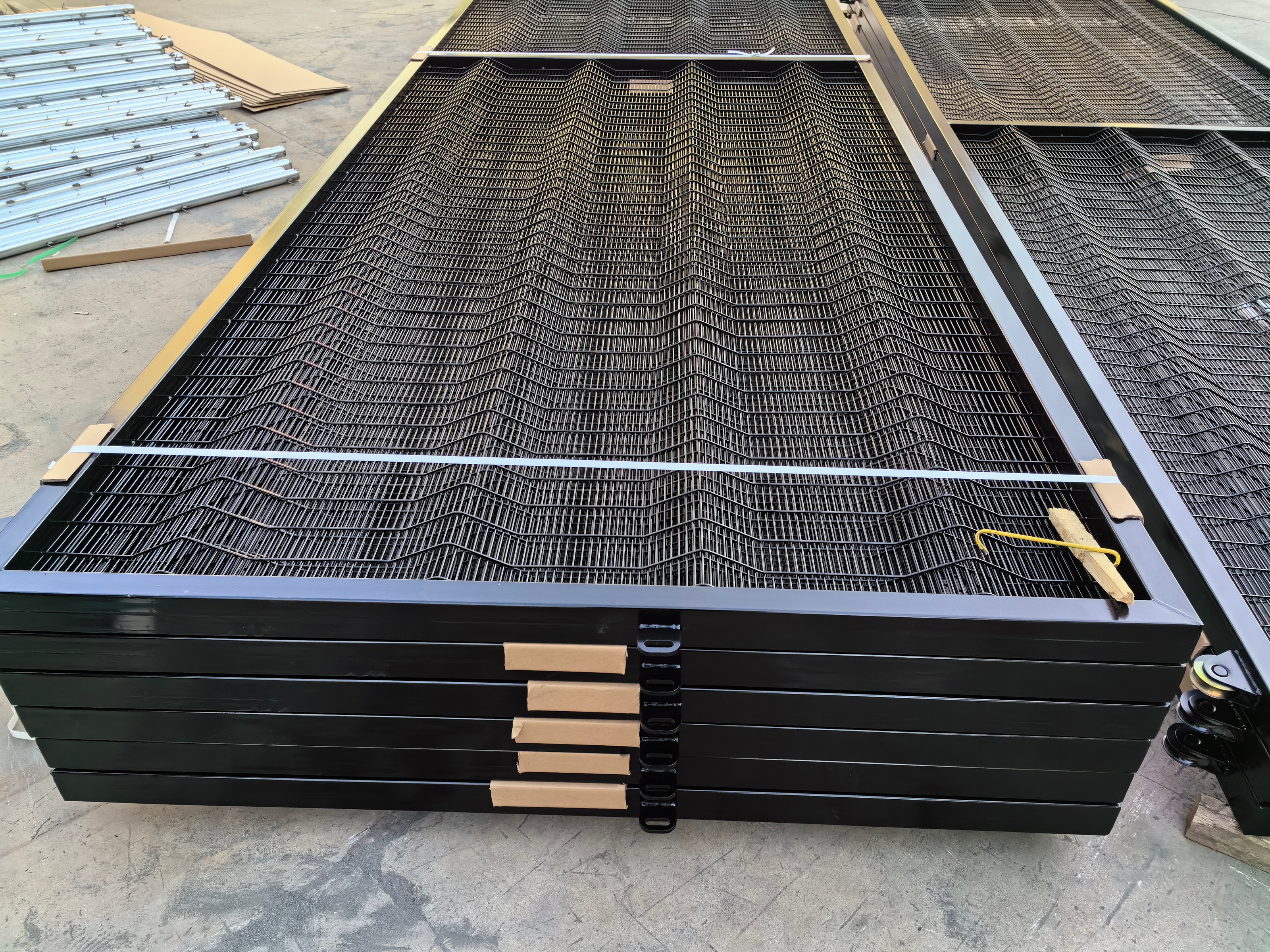
358 high security fences are packaged in plastic film and transported on wooden pallets. Each package is firmly attached to the pallet with strapping to reduce shifting and coating damage. For better surface protection, plastic film can be placed between panels to reduce rub marks, and corner protection can be added to keep panel stacks stable in transit. Posts are typically packed with plastic film and palletized, while accessories are commonly bagged and boxed for fast site counting.
Standard and Quality Control
You can format it like this (natural in-text link):
POLYMETAL production focuses on weld consistency, panel flatness, coating adhesion, and packing control to reduce transit damage. Typical quality control checkpoints include inspection after welding, inspection after powder coating, and inspection before packing. Dimensional controls commonly target tight tolerances for wire diameter, mesh opening, panel length/width, and diagonal alignment so panels install cleaner and security performance stays consistent across long runs. For projects that also require precision filtration or high-grade industrial screening, stainless steel welded wire mesh is a practical comparison point for stability-focused applications.
FAQs
What does “358” mean in 358 mesh fence?
It refers to the common aperture format: 3″ × 0.5″ mesh opening, typically approximated to 76.2 mm × 12.7 mm, often with around 4.0 mm wire.
Why is 358 mesh fence used where visibility matters?
Because the panel is a physical delay barrier that still allows clear sightlines for CCTV, patrols, lighting, and electronic detection systems.
What is the most common reason a 358 mesh fence “fails” early?
Movement at the post line—usually from undersized posts, weak clamp bars, poor overlap discipline, or reduced fixing counts that allow panels to work loose under wind load and vibration.
Is higher always better?
Height helps, but true performance comes from the full system: correct mesh pattern, wire diameter, weld integrity, post strength, clamp-bar design, and fixing discipline—especially at corners and terminations.