Your One-Stop Wire Mesh Fence Supplier | POLYMETAL
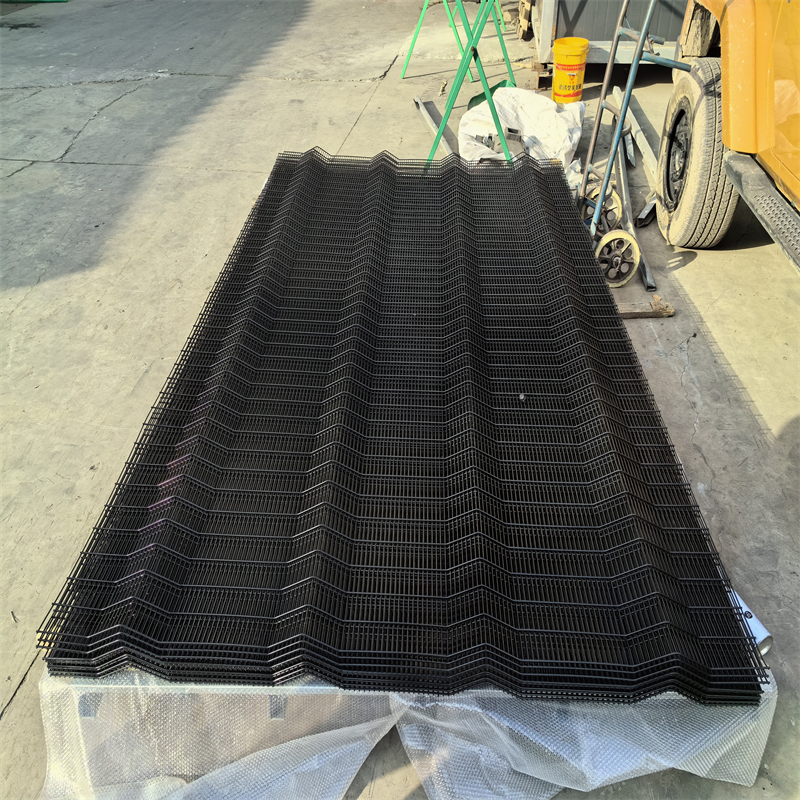


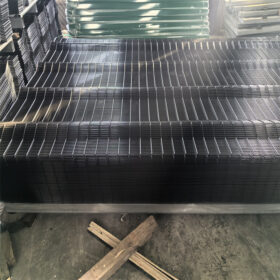
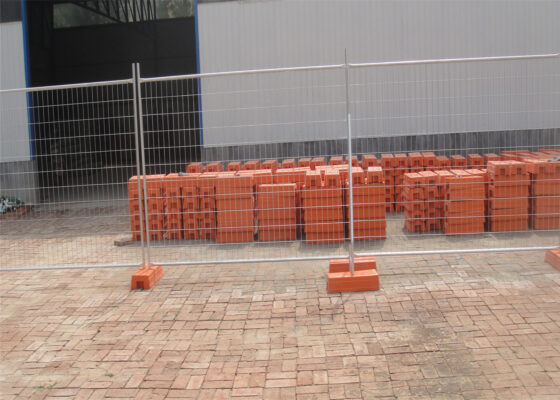
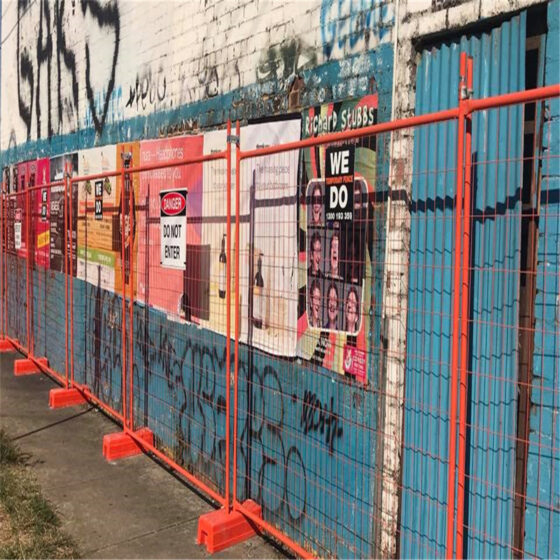
POLYMETAL 358 no climb fence panels are chosen when a site must stay secure, look professional, and remain rigid in long runs—airports, prisons, substations, ports, rail corridors, industrial compounds, and public-facing infrastructure. The expensive problem is that many suppliers sell 358 no climb fence panels as a photo, not as controlled inputs. That is why “same-looking” panels can arrive with inconsistent mesh tension, weak post selection, poor bracket spacing, coating damage, or incorrect panel widths—turning one purchase into delays, complaints, rework, and replacement costs, especially on projects that also require fast-deploy perimeter control such as crowd control barriers hire in Melbourne.
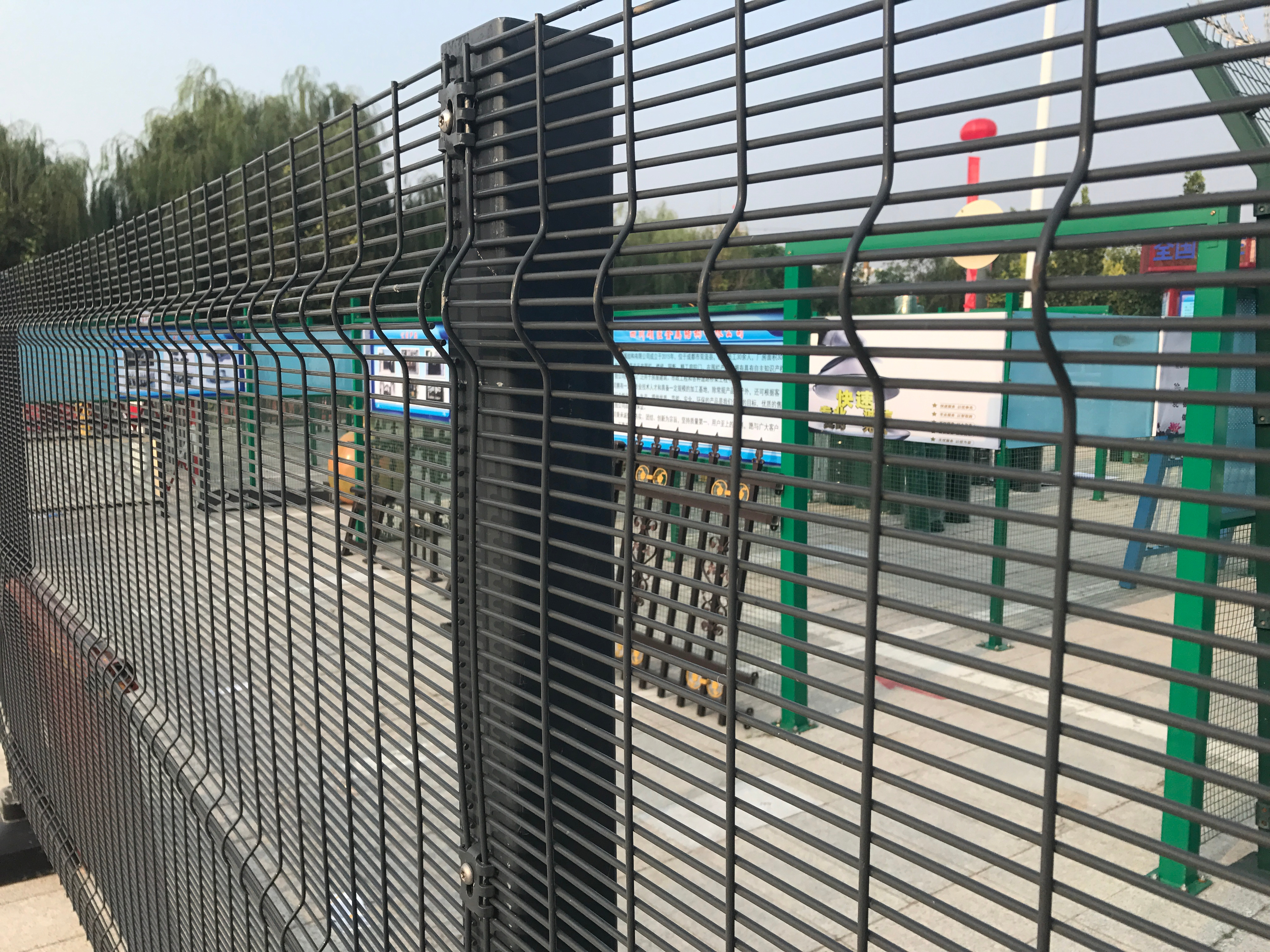

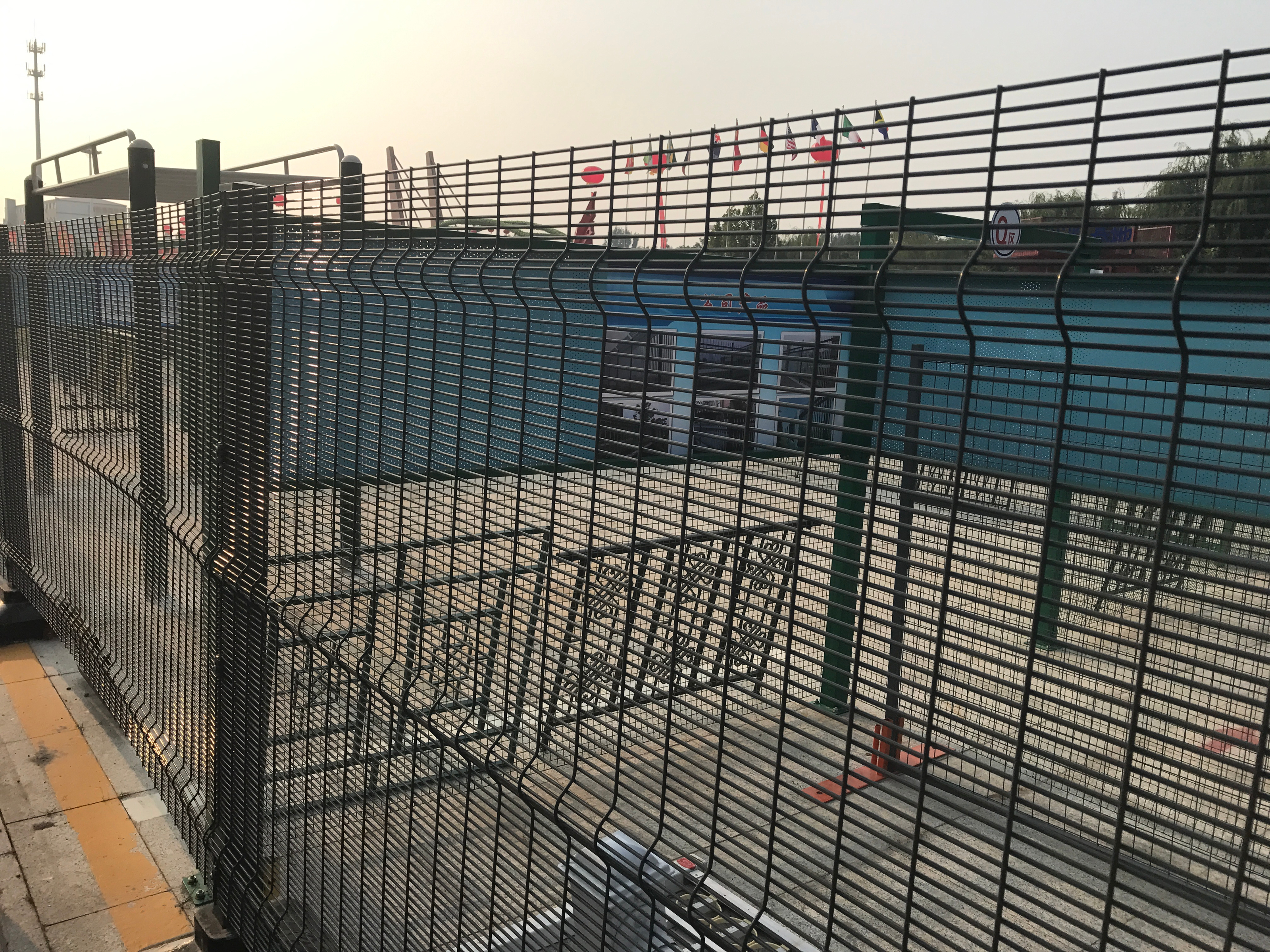
What “358 no climb fence panels” Means in Real Site Terms
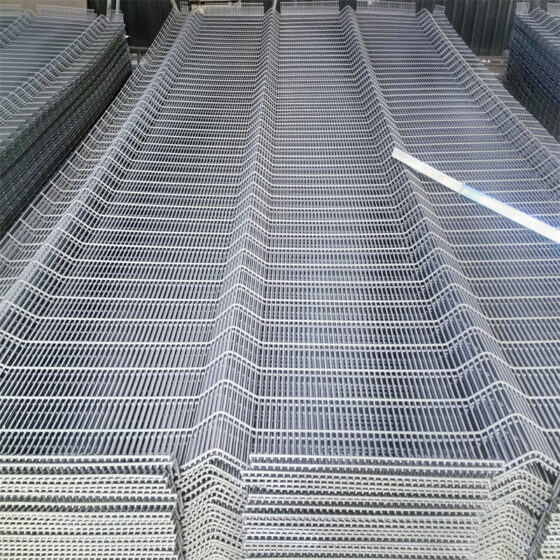
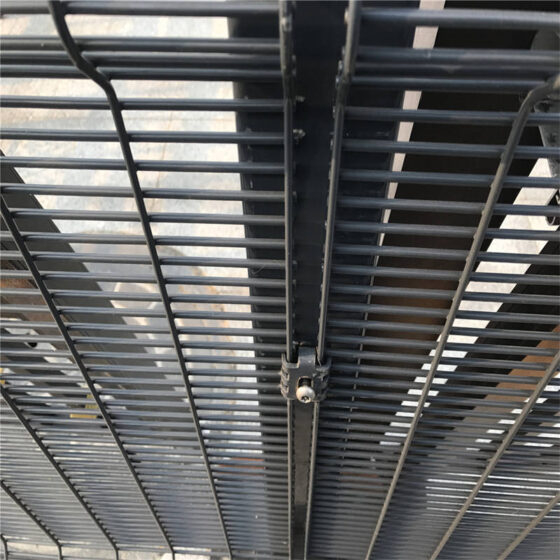
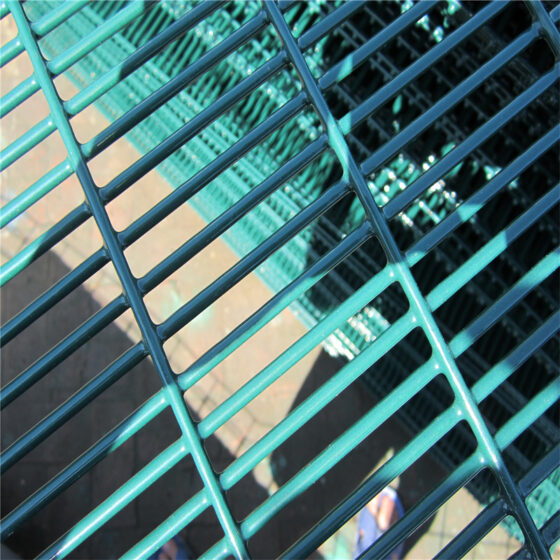
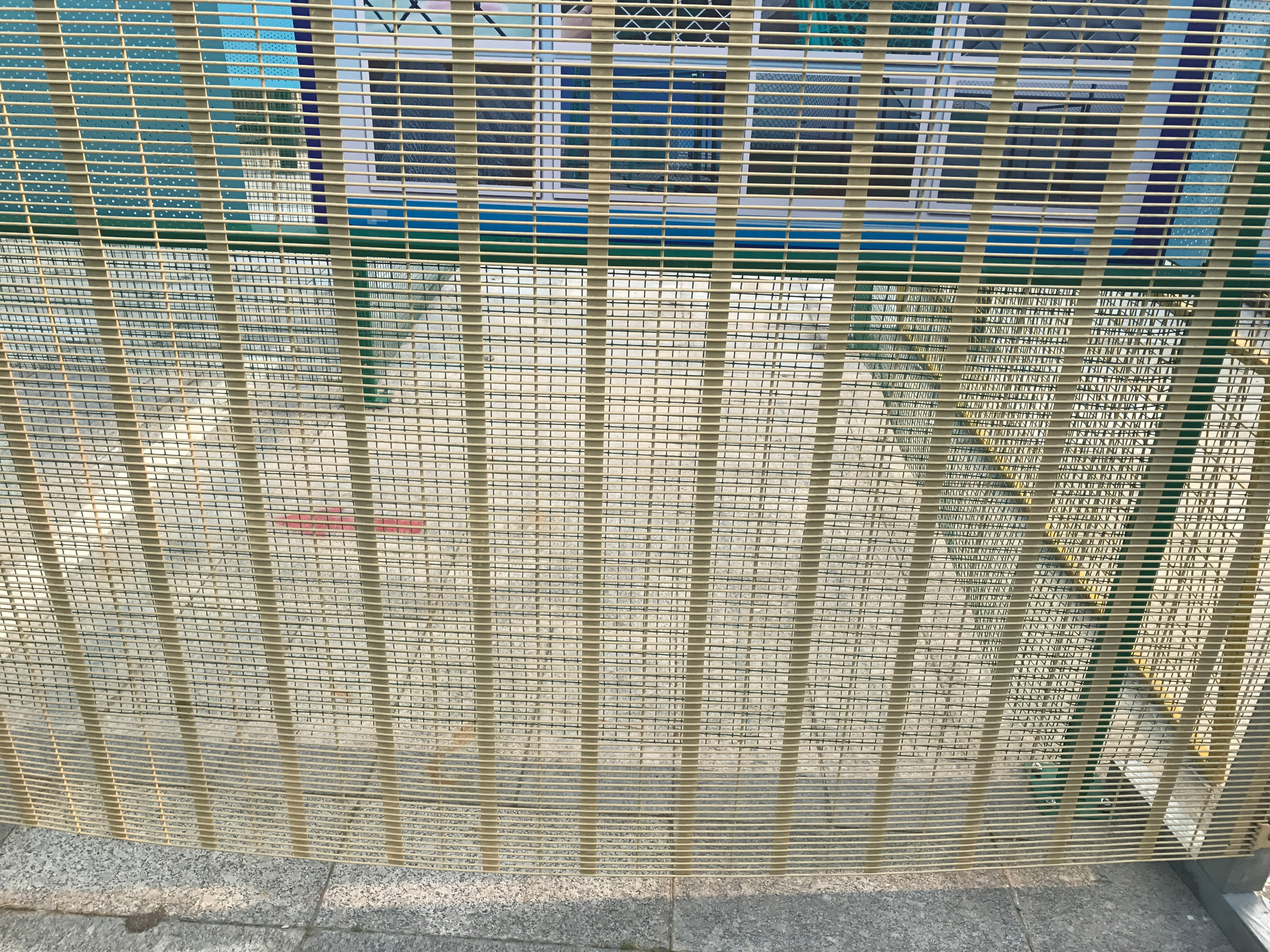
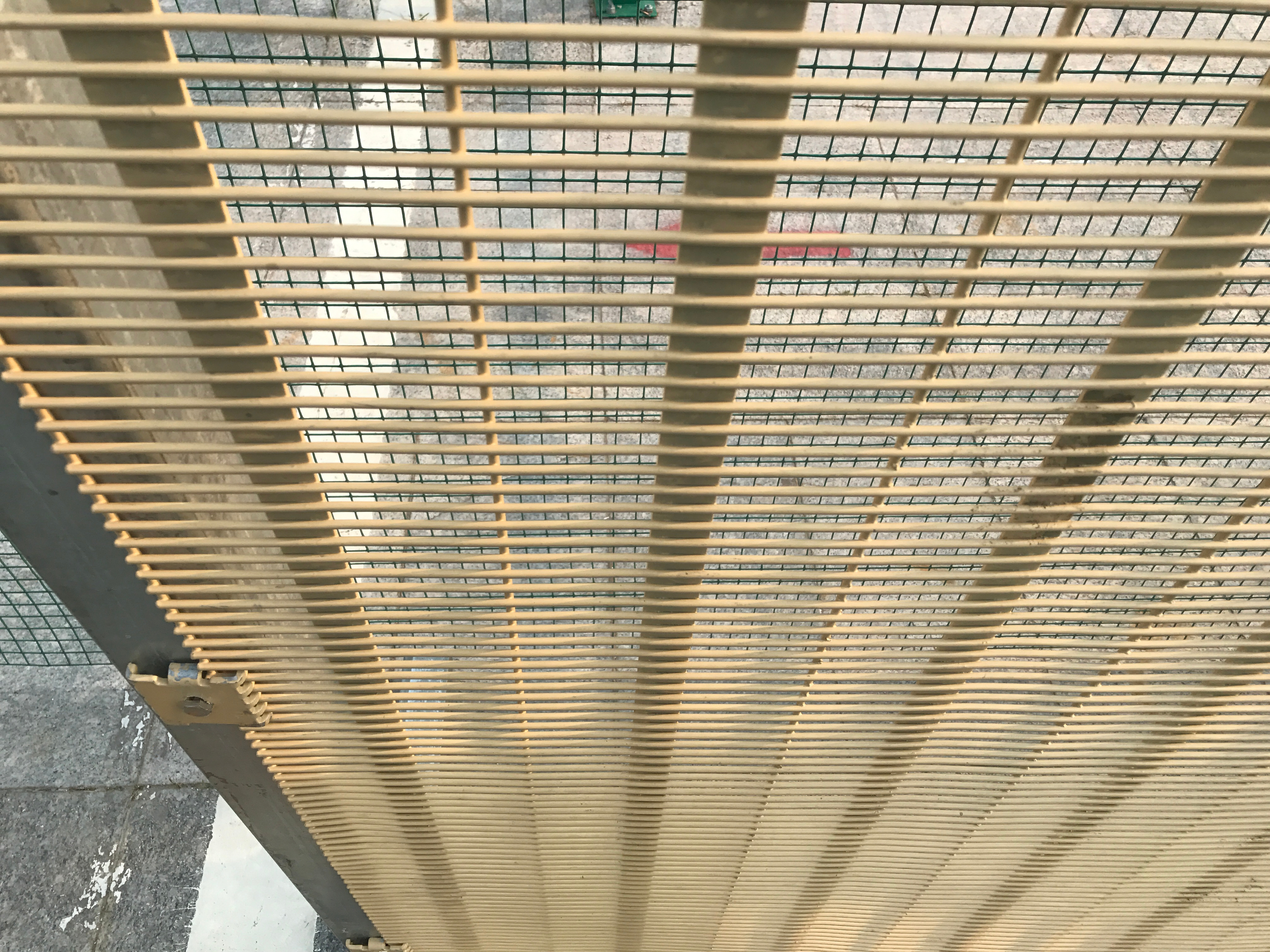
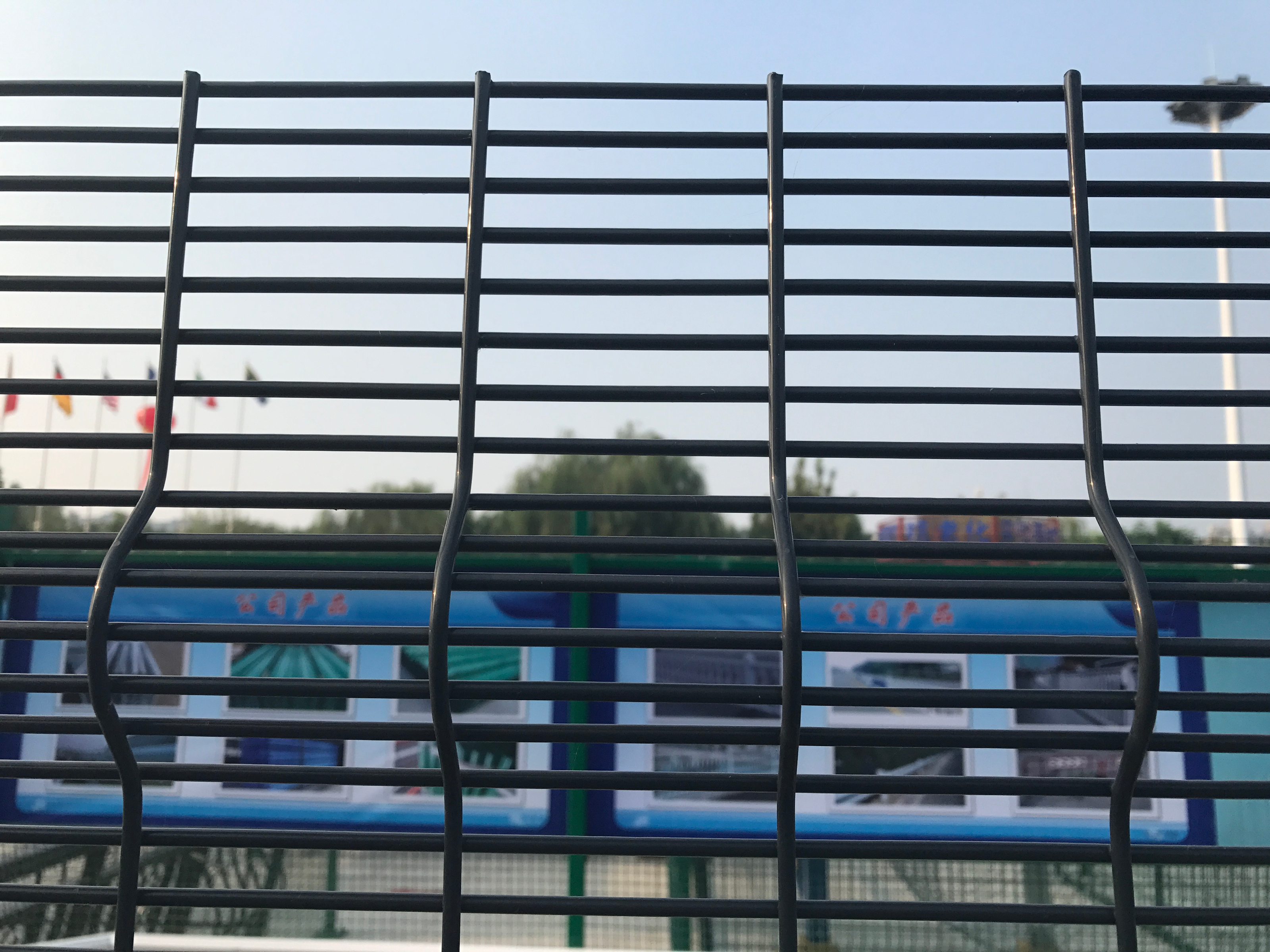
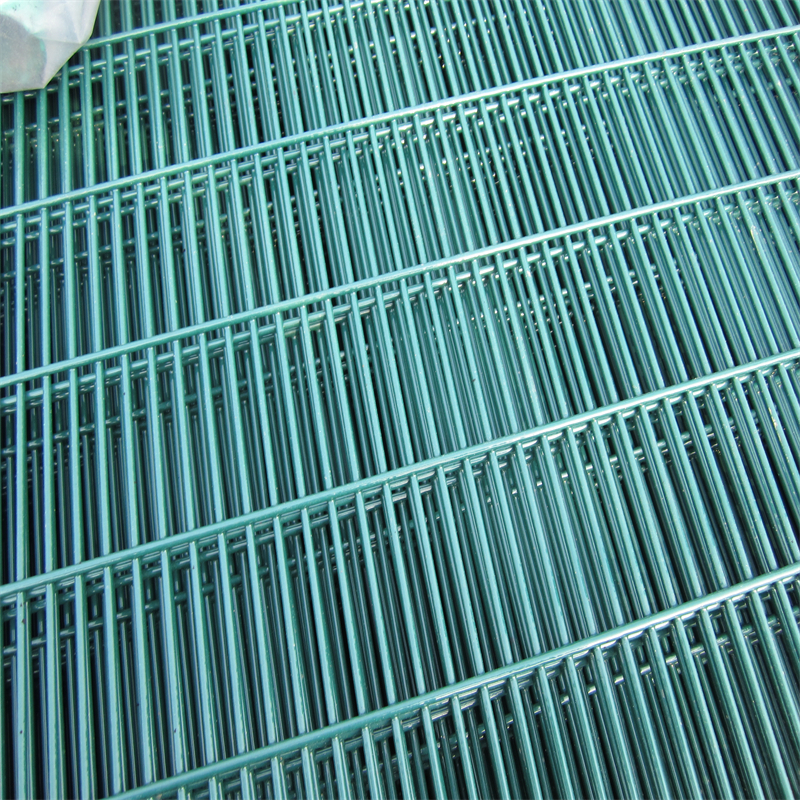
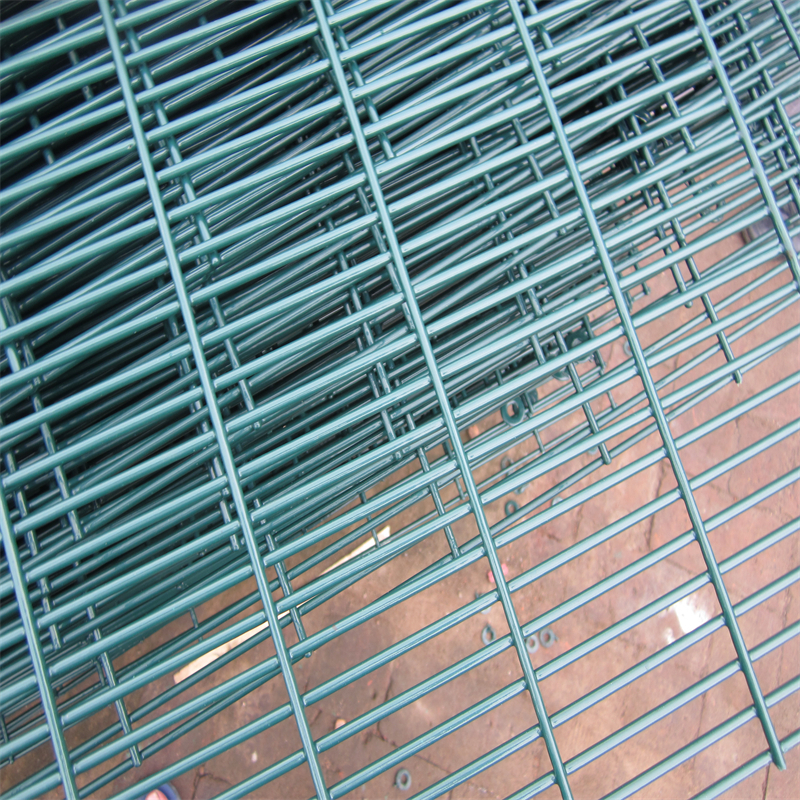
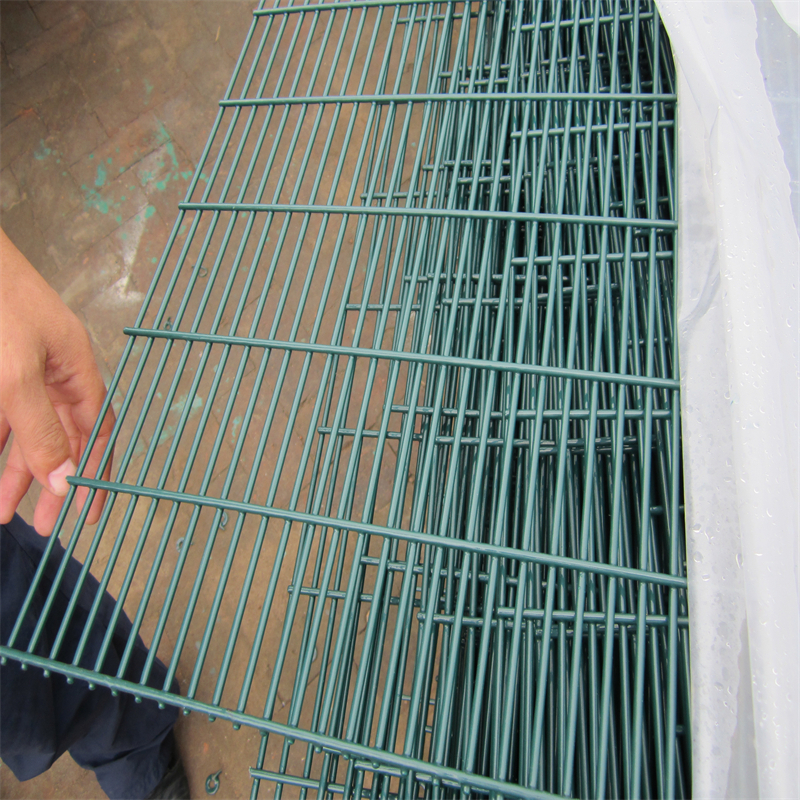
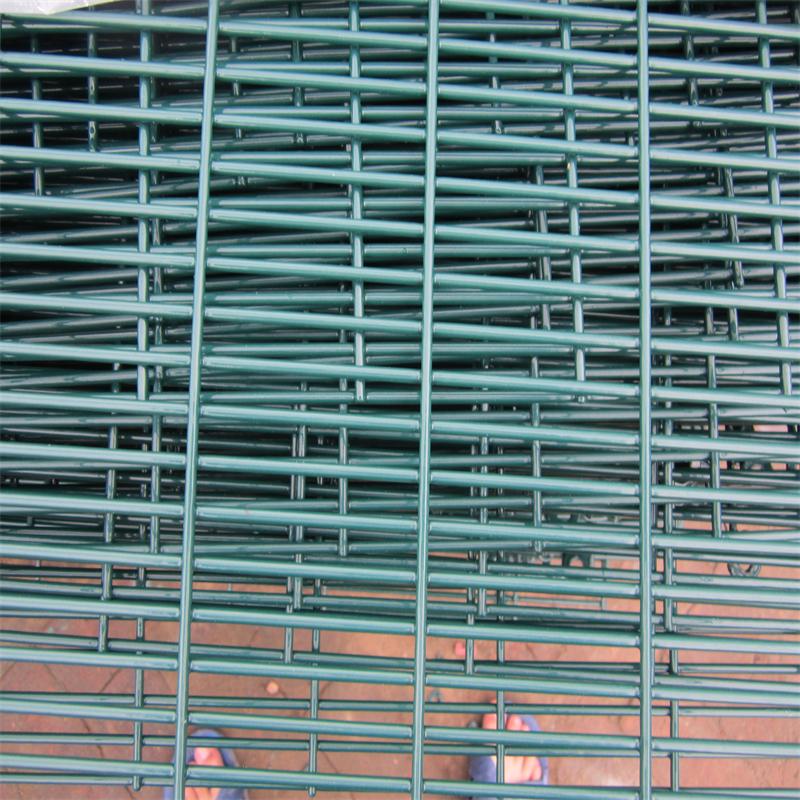
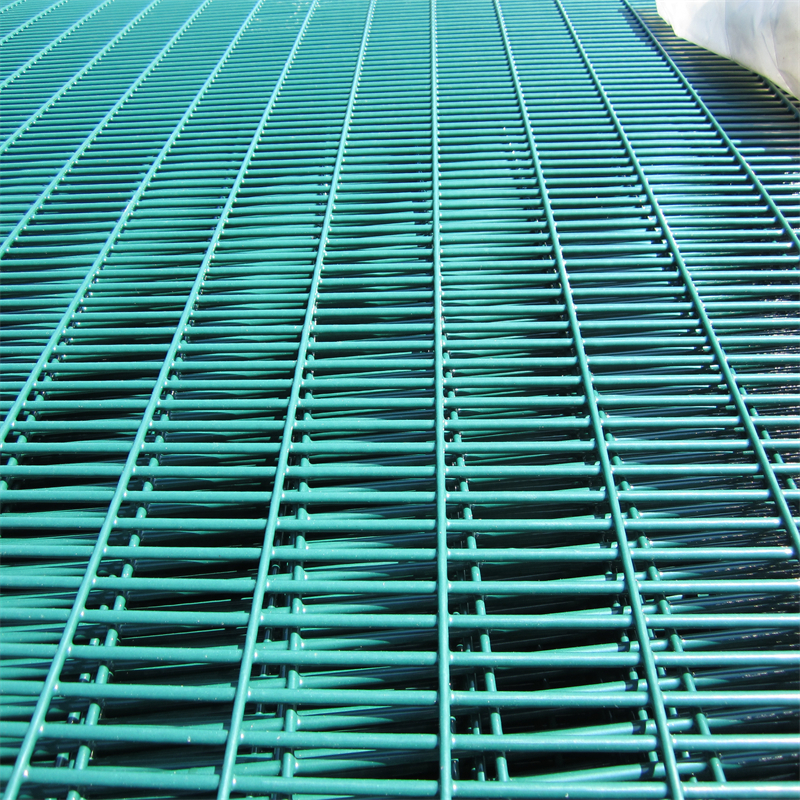
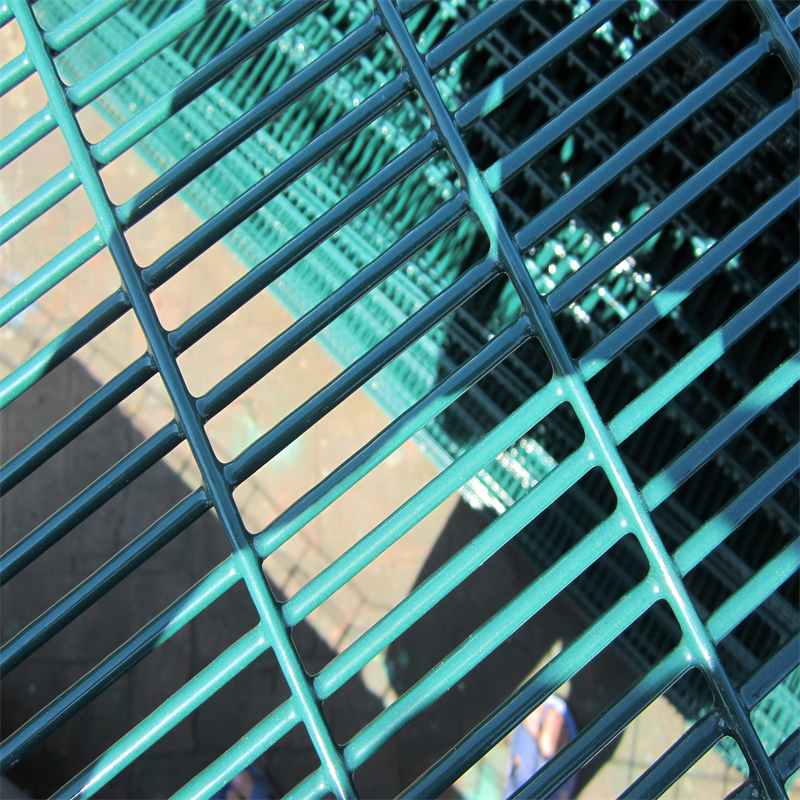
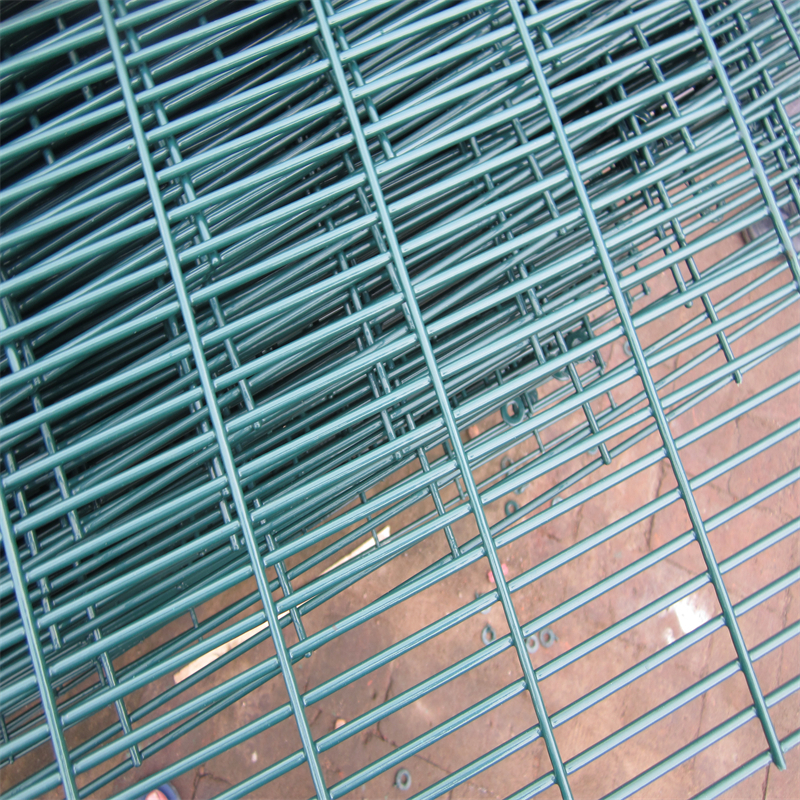
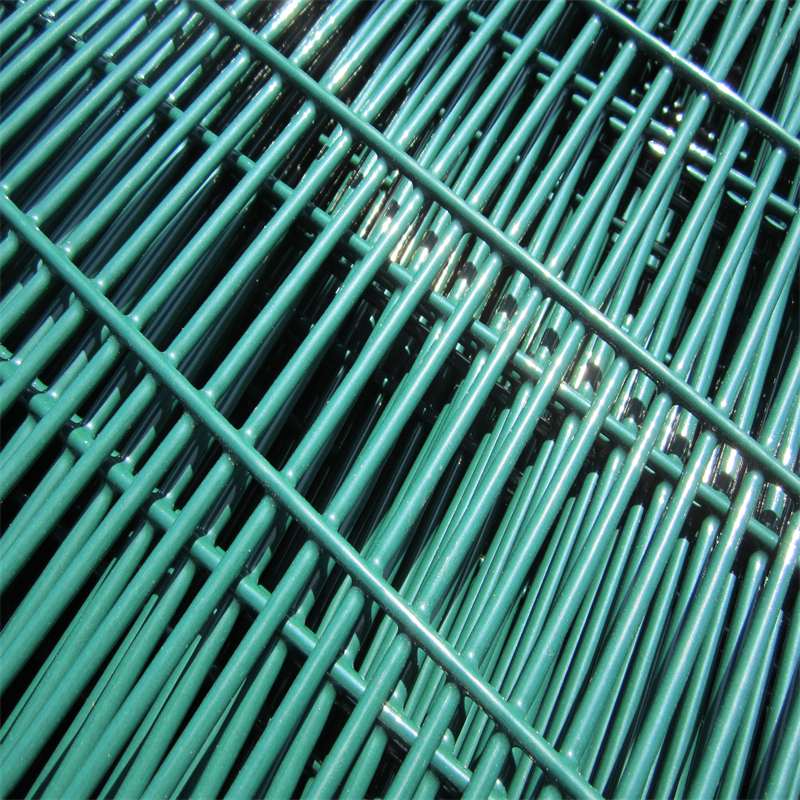
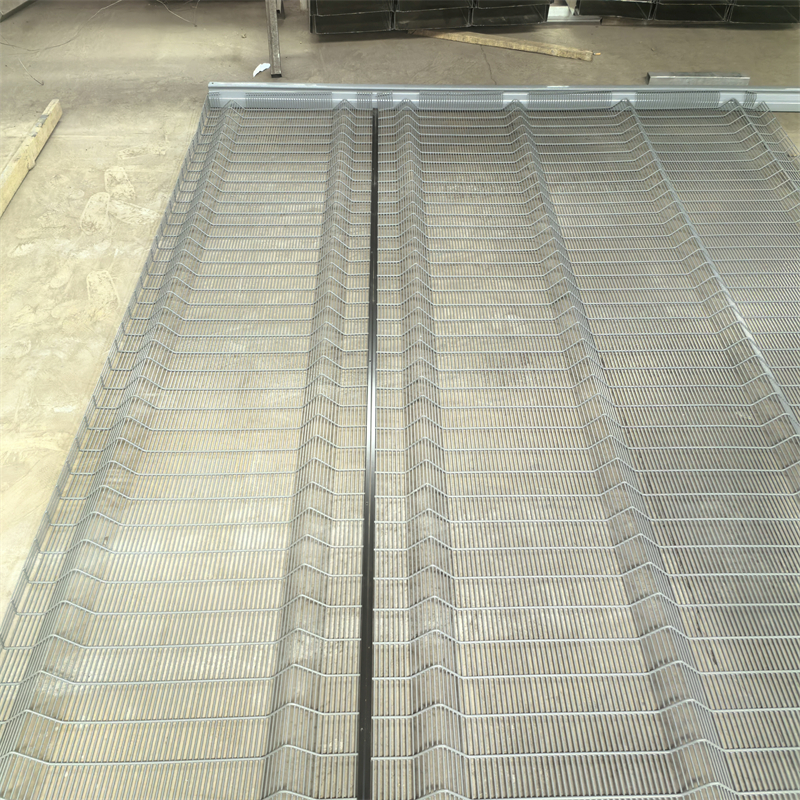
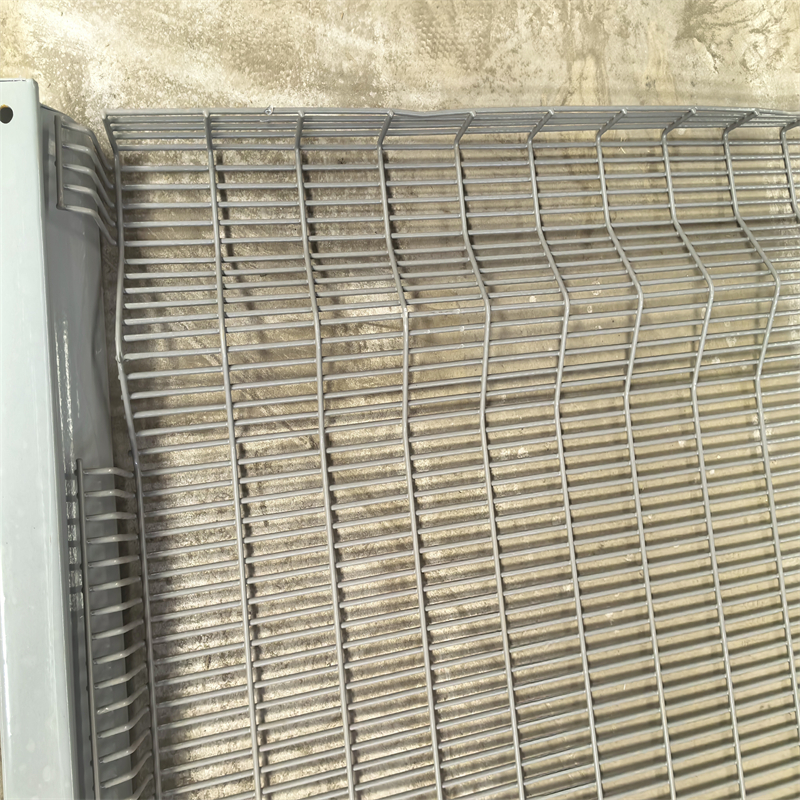
A true 358 no climb fence panels is a dense welded mesh system designed to resist cutting and climbing. The small aperture—commonly 76.2 mm × 12.7 mm (also written 3″ × 0.5″)—reduces tool access so bolt cutters struggle to bite the wire properly, and fingers/toes cannot gain stable purchase for climbing. But the “anti-climb” claim only holds when the supplier controls wire diameter, weld quality, mesh flatness, panel width accuracy, post stiffness, bracket spacing, and the full corrosion protection schedule.
Product Description
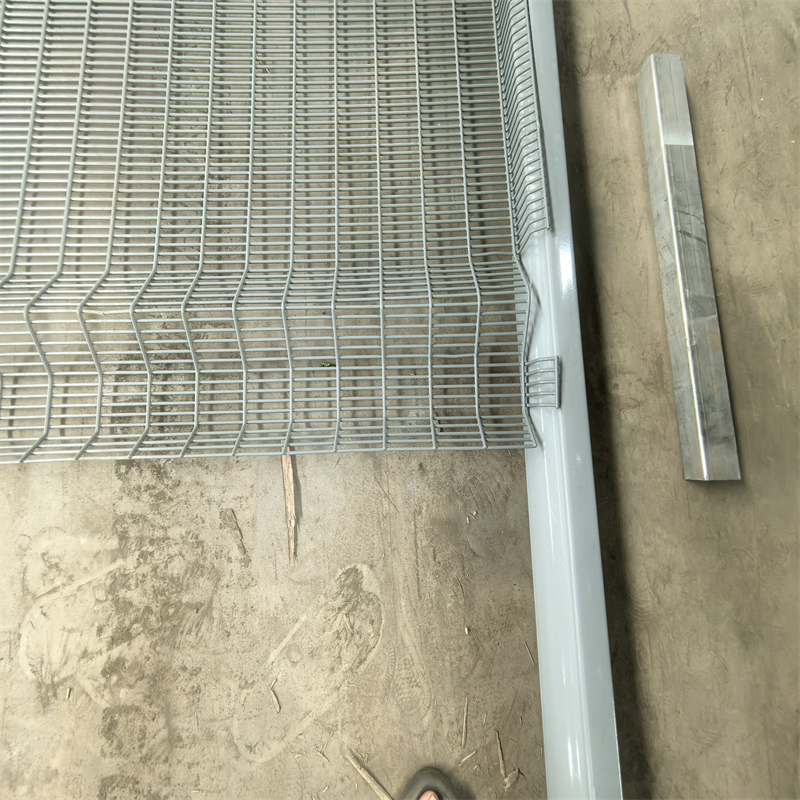
POLYMETAL 358 no climb fence panels is manufactured as a measurable security system rather than a generic welded mesh panel. The fence combines high-quality welded wire mesh with matched posts and security fixings so the installed line stays straight, the brackets align cleanly, and the finish survives transport, handling, and years of outdoor exposure. Panels can be produced from low carbon steel wire, galvanized wire, or stainless steel wire, with surface options including hot dipped galvanizing, electro-galvanizing, powder coating, PVC coating, or hot dip galvanizing followed by PVC coating. When your project requires a specific inspection standard or corrosion class, provide it at RFQ stage so mesh wire selection, coating build, and post schedule align with compliance expectations.


Top Cost Drivers and Failure Patterns
Trap #1: The “358” Name Used Without a Locked Aperture
The market often calls many dense meshes “358,” but the real 358 no climb fence panels identity begins with a locked opening size. If you do not confirm aperture (commonly 76.2 × 12.7 mm) and tolerance, you can receive panels that look similar but create more climb purchase and reduce security perception.
Warning #2: Wire Diameter Swaps That Reduce Anti-Cut Performance
Wire diameter shifts change cut resistance dramatically. A small downgrade may still “meet the quote wording” while turning a strong 358 no climb fence panels into a fence that can be compromised with common tools. Lock your line wire and cross wire diameters before production.
Risk #3: Weld Quality That Looks Fine Until Impact or Vibration
Weak welds may pass casual visual checks but fail during transport rubbing, site impact, or wind vibration. A real 358 no climb fence panels must have consistent weld fusion and flatness so the mesh does not dish, wave, or crack at the weld nodes.
Problem #4: Panel Width Variations That Break Your Bay Rhythm
In long runs, panel width mismatch forces installers to “fight the line.” If one batch is 2500 mm and another is 2750 mm without planning, bracket spacing, corner solutions, and gate alignment become expensive. Lock your 358 no climb fence panels panel width at RFQ stage.
Cost #5: Post Thickness Under-Specified for Real Loads
Posts do the heavy lifting. If square or round posts are downgraded in thickness, the fence line will lean over time—especially on uneven ground, high wind corridors, or high-contact perimeters. A strong 358 no climb fence panels is only as stable as its post schedule.
Hazard #6: Bracket Counts That Don’t Match Fence Height
Higher fences require more brackets and correct spacing. If bracket count is reduced, panels can flex and rattle, creating noise, finish wear, and reduced security confidence. Lock bracket quantity per height for every 358 no climb fence panels bay.
Defect #7: Galvanizing Type Confusion (Before vs After Welding)
Electro-galvanized before welded, hot dipped after welded, or hot dip then PVC coated are not equal. If the wrong option is supplied, corrosion starts at weld zones first. For outdoor infrastructure, choose a galvanizing schedule that protects weld points for your 358 no climb fence panels.
Downside #8: Powder Coating Done Without the Right Base Protection
Powder coating can look beautiful on day one but fail early if the zinc base, pretreatment, and coating thickness are not controlled. A durable 358 no climb fence panels uses a finish schedule designed for UV and corrosion exposure, not just showroom looks.
Mistake #9: PVC Coating Thickness Not Controlled
PVC coating adds corrosion buffer and appearance consistency, but only if thickness and adhesion are controlled. Poor PVC adhesion can peel under impact or edge rub, turning 358 no climb fence panels into a maintenance headache.
Failure #10: Wrong Fixing Side for Anti-Climb Strategy
For many high-security sites, fixings must be installed on the secure side to prevent tampering. If your supplier sets the bracket system incorrectly, intruders can attack fixings rather than the mesh. Confirm your 358 no climb fence panels fixing orientation.
Gap #11: No Defined Packing Discipline for Flatness and Finish
Many “site failures” begin in the container. If panels are not separated, edge protected, and strapped correctly, the finish rubs off and the mesh warps before arrival. Packing must be specified as part of your 358 no climb fence panels order.
Loss #12: The “Cheap” Quote That Ignores Accessories and Real Install Cost
The most expensive 358 no climb fence panels is the cheapest one that arrives with missing brackets, mismatched bolts, incorrect post caps, or non-standard clamp spacing—because your crew then spends days improvising. Confirm a complete system supply list before production.
Checklist #13: The Straight-Line Test for Long Runs
If your project requires long straight runs, require a factory straightness and flatness control method. A true 358 no climb fence panels should install bay-to-bay without “waving” caused by inconsistent tension or weak posts.
Insight #14: “Prison Fence” Claims Without Site-Specific Add-Ons
Some sites require razor wire arms, anti-ram foundations, CCTV integration, or double fence corridors. Do not accept generic “prison fence” marketing; define your real security package around your 358 no climb fence panels.
Tip #15: Color Selection That Matches Security Psychology
RAL6005 green and RAL9005 black are common because they look authoritative and reduce visual clutter. If your site needs brand alignment or public-facing aesthetics, specify the exact RAL color so every batch of 358 no climb fence panels matches.
Manual #16: Site Hardware Compatibility
Gate frames, corner posts, and existing clamps must match panel thickness and width. If you skip compatibility checks, you will pay for rework. Treat 358 no climb fence panels as a system, not isolated panels.
Overview #17: Why “Same Drawing” Can Still Produce Different Batches
Different raw wire supply, weld parameter drift, and coating line variation can change outcomes. Require batch QC checkpoints so your 358 no climb fence panels stays consistent across containers.


Specifications
| Item | Common Options | Notes |
|---|---|---|
| Fence Type | 358 no climb fence panels (welded mesh) | Also called airport fence / prison fence / anti-climb fence |
| Material | Low carbon steel wire / galvanized wire / stainless steel wire | Project-driven selection |
| Wire Diameter | 3.0–6.0 mm | Common: 3.0×4.0, 4.0×4.0, 4.0×6.0 (line × cross) |
| Mesh Opening (Aperture) | 76.2 × 12.7 mm | Classic 358 aperture |
| Panel Height | 0.5–2.1 m (light duty) / 2100–4000 mm (high security) | Choose by risk level and site visibility |
| Panel Width | 2200 / 2300 / 2500 / 2750 / 3000 mm | Lock width for bay rhythm and corner planning |
| Panel Length (Alternate) | 2.0 / 2.5 / 3.0 m | Custom sizes available |
| Post Types | Square / Round / Peach / C post / anti-thief post | Match to installation and anti-tamper needs |
| Square Post Sizes | 60×60 / 70×70 / 80×80 mm | Common high-security range |
| Round Post O/D | 60 / 70 / 80 / 90 / 113 mm | Choose by wind and impact loads |
| Post Thickness | 2.0–3.0 mm | Higher fences require stronger posts |
| Post Diameter (Single Option) | 70 mm | Common round post size |
| Surface Options | Electro-galv (before/after weld) / Hot dip (before/after weld) / HDG + PVC / Powder coat / PVC coat | Pick based on corrosion and appearance needs |
| Color Options | RAL6005 Green / RAL9005 Black / Blue / Grey / Brown / Yellow | Full RAL range available |
Specification Matrix for 358 no climb fence panels Panels
| Mesh Size (Aperture) | Height (mm) | Width (mm) | Line Wire × Cross Wire (mm) | Post Length (mm) | No. of Brackets |
|---|---|---|---|---|---|
| 76.2 × 12.7 | 2100 | 2500 / 2750 / 3000 | 3.0 × 4.0 | 2700 | 7 |
| 76.2 × 12.7 | 2200 | 2500 / 2750 / 3000 | 4.0 × 4.0 | 2800 | 8 |
| 76.2 × 12.7 | 2400 | 2500 / 2750 / 3000 | 4.0 × 6.0 | 3000 | 9 |
| 76.2 × 12.7 | 2700 | 2200 / 2300 | 3.0 × 4.0 | 3700 | 10 |
| 76.2 × 12.7 | 3000 | 2200 / 2300 | 4.0 × 4.0 | 4000 | 11 |
| 76.2 × 12.7 | 3600 | 2200 / 2300 | 4.0 × 6.0 | 4800 | 12 |
| 76.2 × 12.7 | 4000 | 2200 / 2300 | 4.0 × 6.0 | 5200 | 14 |
Post Options for 358 no climb fence panels
| Post Type | Size | Thickness (mm) | Surface Treatment | Typical Heights | Rain Hat |
|---|---|---|---|---|---|
| Square Post | 60×60 mm | 2.0 / 2.5 / 3.0 | Galvanized + polyester powder coat / Hot dipped galvanized | 2.5m / 2.8m / 3.0m / 3.7m | Plastic or Metal |
| Square Post | 80×80 mm | 2.0 / 2.5 / 3.0 | Galvanized + polyester powder coat / Hot dipped galvanized | 2.5m / 2.8m / 3.0m / 3.7m | Plastic or Metal |
| Rectangle Post (C Post) | 60×80 mm | 2.0 / 2.5 / 3.0 | Galvanized + polyester powder coat / Hot dipped galvanized | 2.5m / 2.8m / 3.0m / 3.7m | Plastic or Metal |
Applications
358 no climb fence panels is widely used for airport and shipping port security, prisons and detention facilities, psychiatric hospitals, military bases, electrical substations, gas pipelines, bridges and screening zones, factories and walkways, rail corridors, highways and roadside boundaries, public buildings and government facilities, sports arenas, schools, parks, playgrounds, and high-security residential areas where anti-cut and anti-climb performance is required without building a solid wall.
Benefits
POLYMETAL 358 no climb fence panels delivers true deterrence because the aperture reduces tool access and the welded structure resists deformation under repeated contact. The fence increases perceived security without blocking visibility, supporting CCTV monitoring and perimeter patrol. When the post schedule, bracket count, and surface treatment are locked, 358 no climb fence panels reduces maintenance cycles, avoids early corrosion at weld zones, and helps contractors install long straight runs without fighting panel mismatch.
Packing
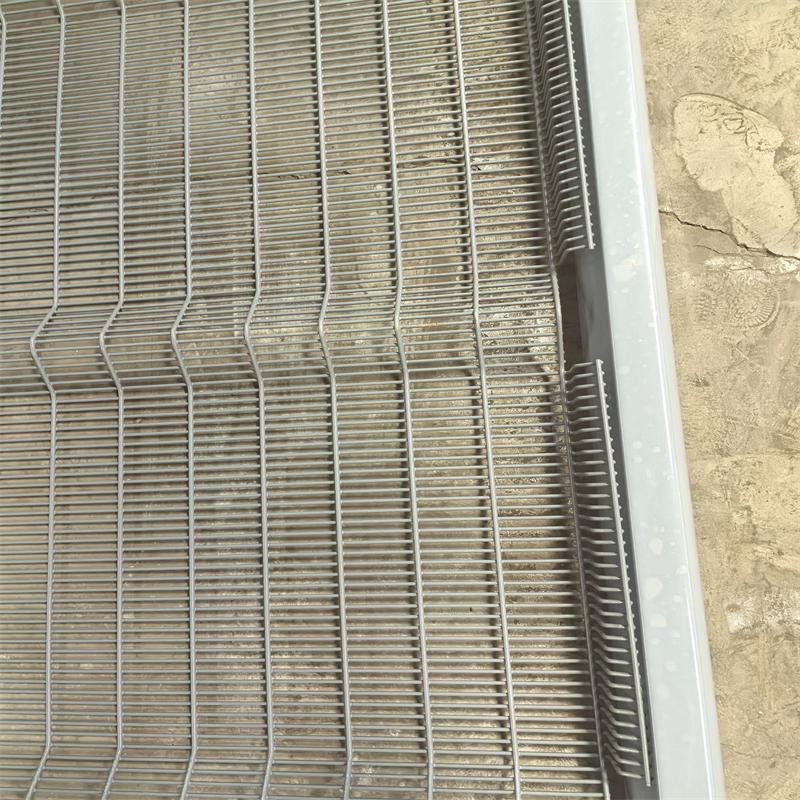
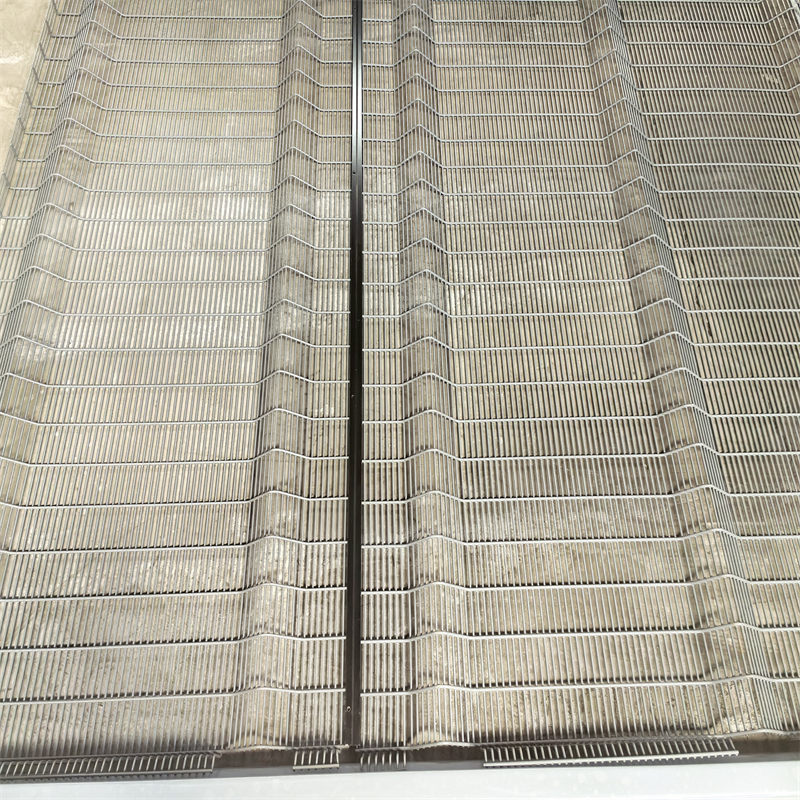
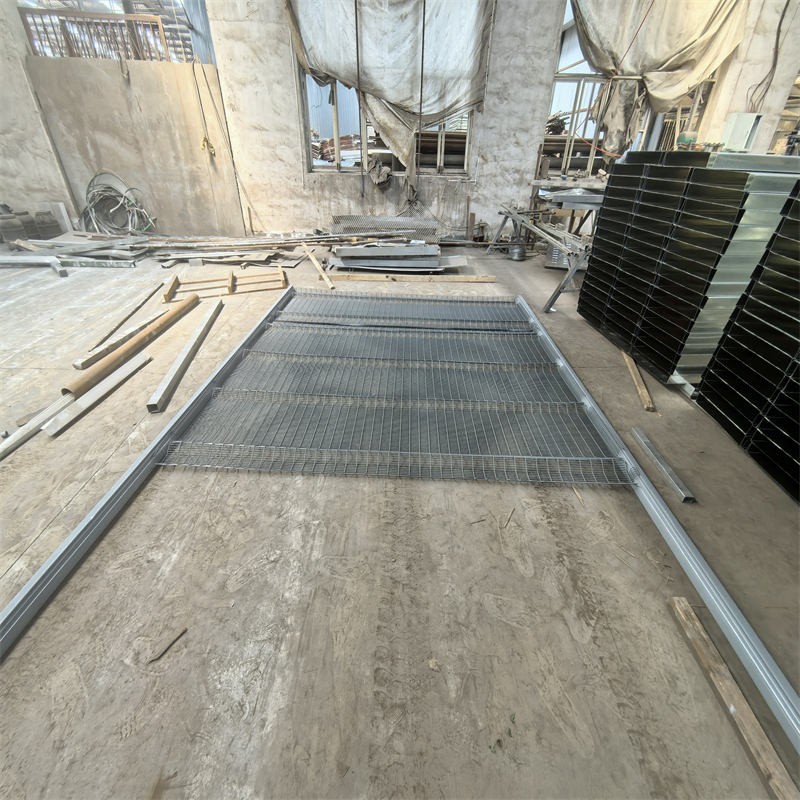
358 no climb fence panels panels can be packed with moisture-proof paper inside and wrapped with plastic film outside to protect the finish during transit. Pallet packing and wooden box options can be used where site receiving requires forklift-friendly handling. For container efficiency and reduced rubbing damage, panels are typically stacked on pallets or steel pallets with corner protection, straps, and labeled bundles; clamps and brackets are packed in cartons and fixed to pallets to prevent loss.
Surface Treatment Options
POLYMETAL 358 no climb fence panels can be supplied as hot dipped galvanized, electro-galvanized (before or after welding), powder coated, PVC coated, or hot dip galvanized followed by PVC coating. Selection should match corrosion exposure such as coastal salt, industrial chemicals, or high-UV sunlight. For public-facing sites that require a clean architectural finish, RAL6005 green and RAL9005 black are popular color choices.
Standards
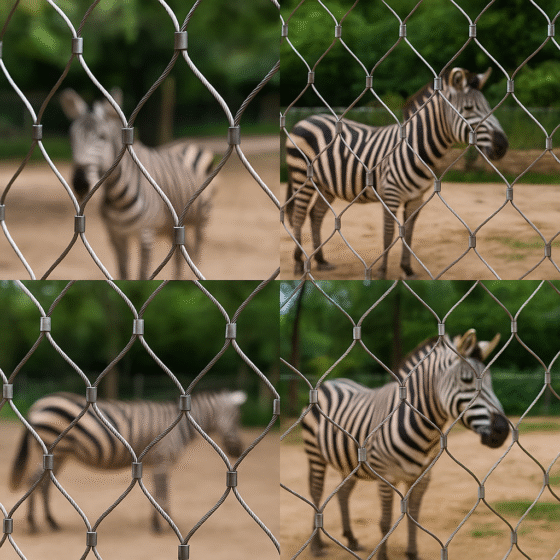
POLYMETAL 358 no climb fence panels can be manufactured to meet commonly requested project requirements covering dimensional tolerances, welding quality, and protective coatings. If your project references a local standard, provide it at RFQ stage so wire selection, post stiffness, bracket schedule, and finish build align with inspection criteria and compliance expectations—especially when the same security package also includes complementary anti-intrusion systems such as stainless steel wire rope mesh for façade, enclosure, or high-risk barrier applications.
FAQs
What should I lock first when buying 358 no climb fence panels?
Lock the mesh aperture, wire diameter (line and cross), panel width and height, post type and thickness, bracket count per height, surface treatment schedule, and packing method. These inputs decide whether 358 no climb fence panels installs straight and performs as an anti-climb, anti-cut perimeter system.
Can I customize sizes and posts?
Yes. 358 no climb fence panels can be customized in height, width, wire schedule, post type, and coating options so long as changes are confirmed and controlled before production starts.
Why does corrosion start near weld zones on some fences?
Corrosion usually starts where zinc protection is weakest or where surface preparation is poor. A controlled galvanizing choice and disciplined coating build protects weld nodes and edges so your 358 no climb fence panels lasts longer outdoors.
How do I compare quotes fairly?
Convert every quote into the same measurable spec: aperture, wire diameter, weld quality expectation, panel width/height, post thickness, bracket schedule, surface treatment type, coating thickness, and packing. If a “cheap” quote hides these details, it is usually expensive later for your 358 no climb fence panels.
Checklist Summary
Before you approve 358 no climb fence panels, confirm aperture and wire diameter, panel sizes, post schedule, bracket count, surface treatment build, and packing protection. That is how POLYMETAL turns a “358-looking fence” into a controlled high-security perimeter system you can install fast and trust for years.