Your One-Stop Wire Mesh Fence Supplier | POLYMETAL
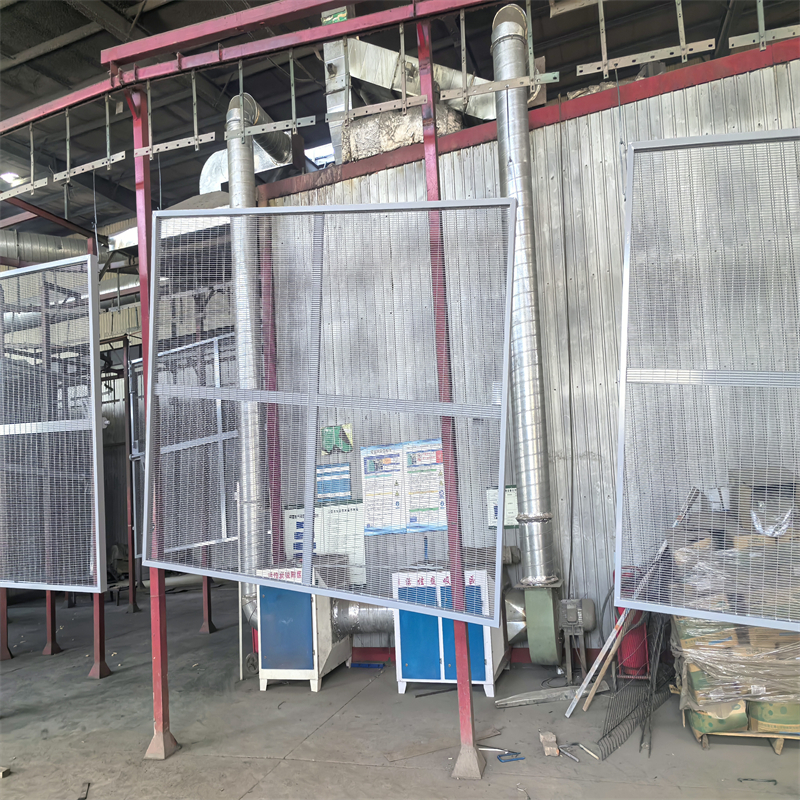
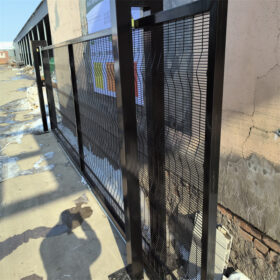
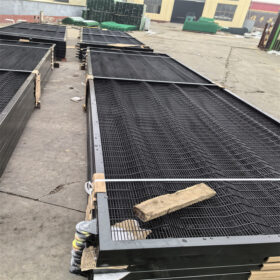
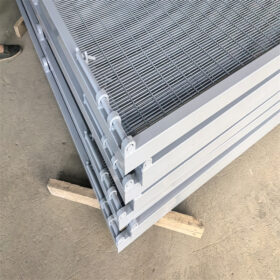
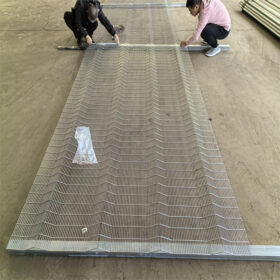
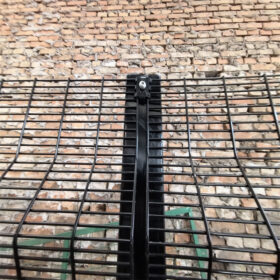
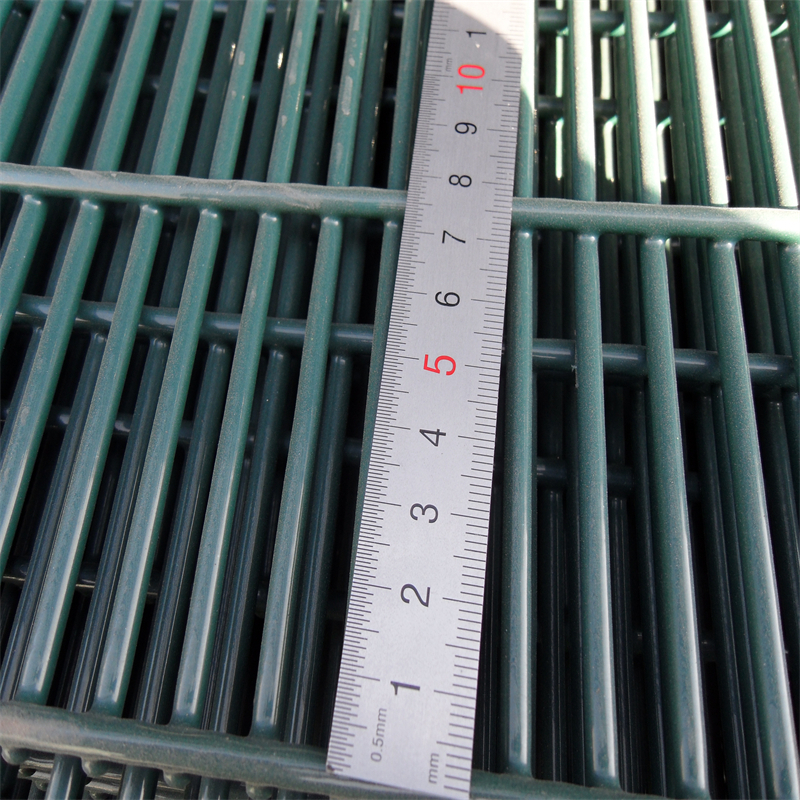
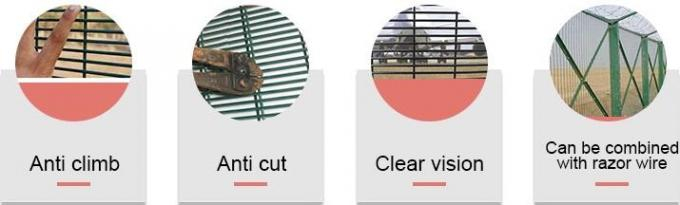
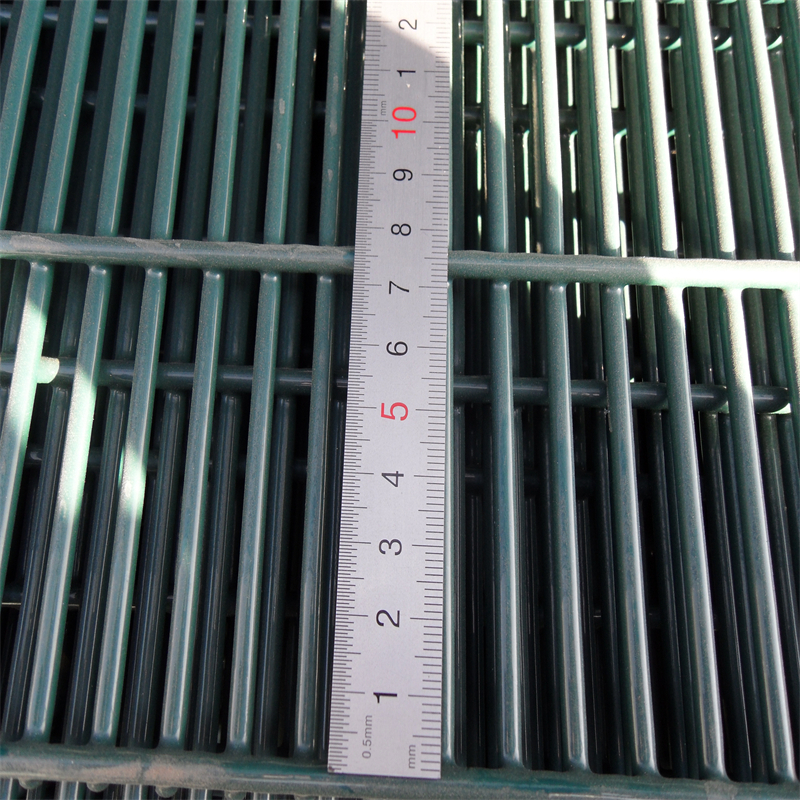
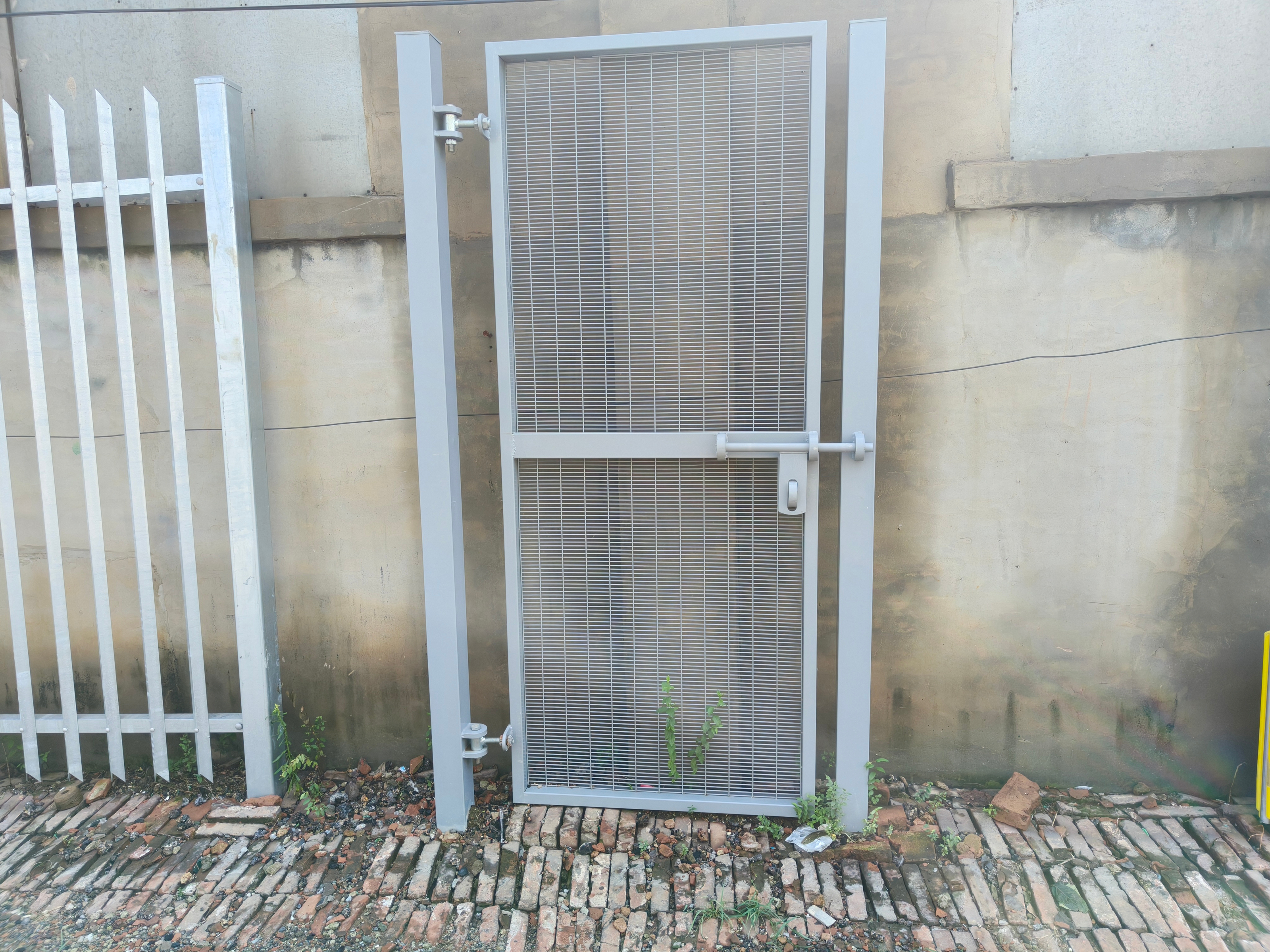
A 358 security anti climb fence (also called anti climb fence) is a heavy-duty welded mesh panel system designed for maximum security with clear see-through visibility. The “toe and finger proof” profile comes from its small mesh aperture—commonly around 76.2mm × 12.7mm (also listed as 75mm × 12.5mm)—making it extremely difficult to get fingers or toes through for climbing leverage. The panel also resists cutting because robust wire and welded joints make conventional hand-tool attacks far harder than standard mesh fencing.
The hidden problem is not the name “358”—it’s the purchase order. Many 358 panels look identical in photos, yet behave differently once installed. If one key detail is missed, you can get misaligned panels, loose fixings, post movement, coating damage during handling, and jobsite rejection when the schedule is already locked. POLYMETAL builds 358 security anti climb fence systems as repeatable modules so panel dimensions, post matching, clamp-bar fit, and finish protection are consistent across the whole perimeter—especially when foundations are specified correctly, because post stability ultimately depends on concrete strength (for example, what is MPA 42.5 concrete) as much as it depends on the steelwork.
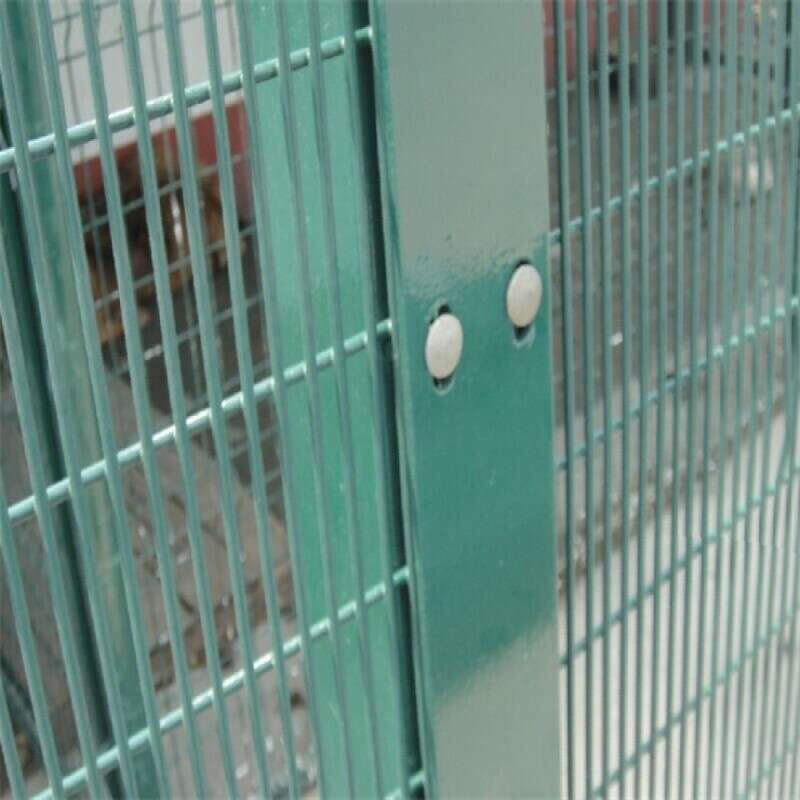
Top 10 TRAPS You Can’t See in Photos (Especially #7)
Trap #1: Treating “358” as a Brand Instead of a Measurable Geometry
“358” comes from 3″ × 0.5″ × 8 gauge, which is approximately 76.2mm × 12.7mm × 4.0mm in metric. If you order “358 fence” without locking mesh size and wire diameter, you can receive a panel that looks similar but is not truly finger-proof or as stiff as expected.
Trap #2: Mixing Mesh Size Standards (76.2×12.7 vs 75×12.5) Without Checking Clamps
Both 76.2×12.7mm and 75×12.5mm exist in the market. If you do not standardize one mesh geometry across the order, clamp-bar slot alignment, fixings quantity, and panel-to-post alignment can become inconsistent—creating visible mismatch and slower installation.
Trap #3: Wire Diameter Downshifts That Reduce Cut Resistance
A common “classic” 358 panel uses 4.0mm wires, but many projects choose variants such as 3.2mm, 3.5mm, or mixed wire sets (different horizontal/vertical sizes). A small diameter reduction can reduce stiffness and cut resistance. If your fence must resist attack, wire diameter must be specified and controlled.
Trap #4: Not Separating “Panel Height” from “Fence Height”
Some specifications list both panel height and fence height. The difference comes from ground clearance, base detail, and cap/rail positions. If you only specify “overall height,” your delivered panels may not match the site’s required clearances or gate line levels.
Trap #5: Post Section Size Under-Specified for Tall Panels
As panels get taller, post selection must change. A post that works at 2000–2400mm may be insufficient at 3000–5200mm. Typical choices include 60×60, 80×80, 100×60, 100×100, and even 120×120 for very tall anti-climb systems. If posts are too light, you get movement at the line, clamp-bar stress, and visible lean.
Trap #6: Post Thickness Not Matched to Wind Load and Fixings Count
Post thickness values like 1.5mm, 2.0mm, 2.5mm, and 3.0–5.0mm appear across different tables. Thin posts can deform under clamp-bar tightening, or shift under wind and impact. For high-security sites, post thickness is not a cosmetic choice—it controls stability and anti-tamper reliability.
Trap #7 (Biggest Loss): Ordering Panel + Post Length Without Embedded Depth Planning
The biggest cost trap happens when post length is not engineered for the actual installation method—especially embedment depth and ground conditions. Tall 358 panels require post lengths that leave enough extra for stable embedment, alignment control, and long-term wind resistance. If posts are short, installers compromise embedment depth, the fence drifts out of plumb, and the only fix is re-setting posts and foundations—this is where schedules break and budgets bleed.
Trap #8: Clamp Bar Spec Ignored (Slotting + Thickness) Leading to Loose Fit
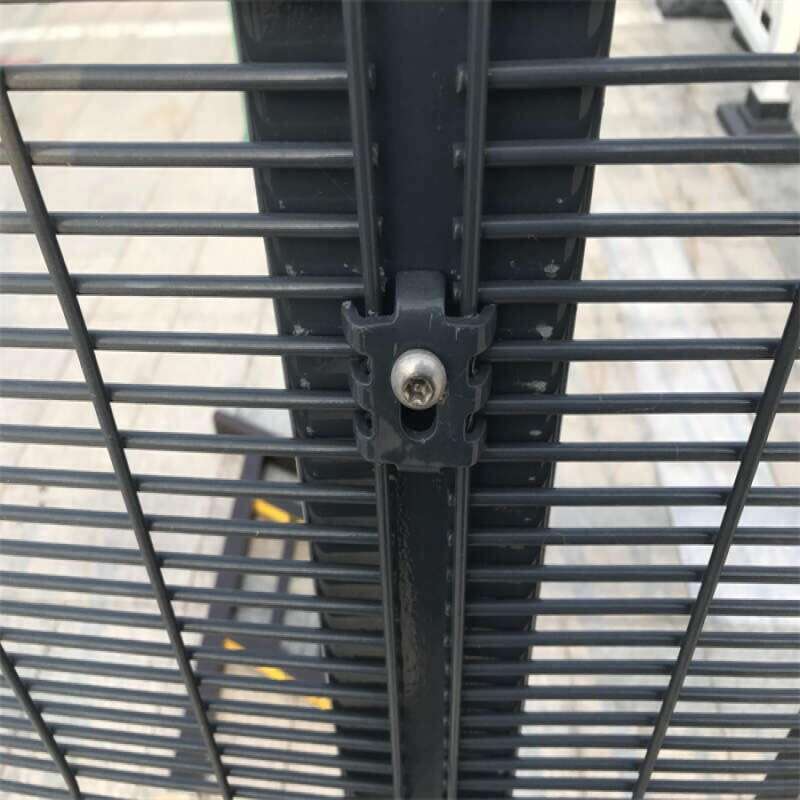
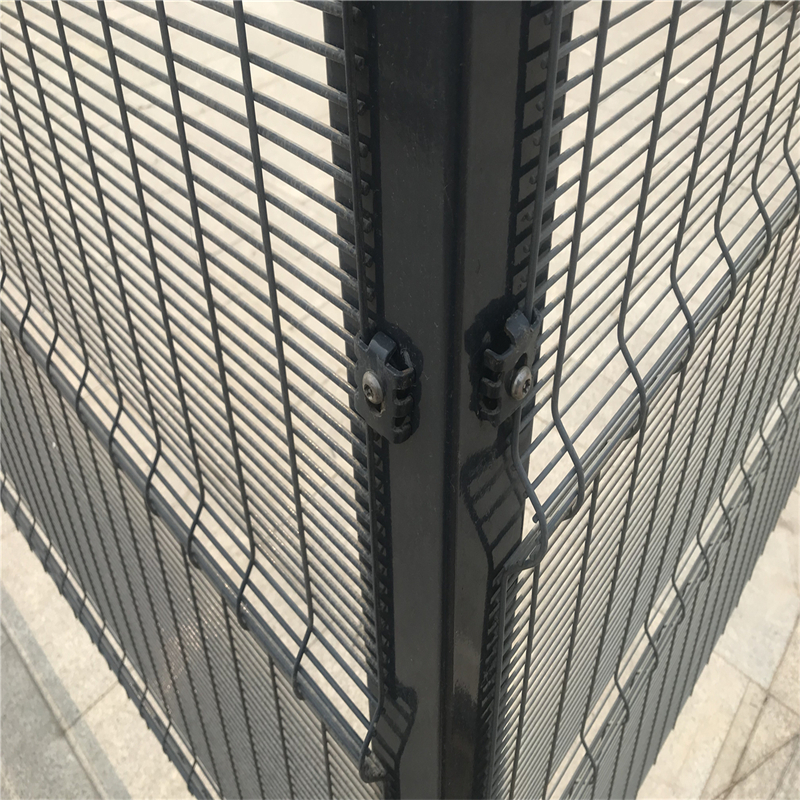
Clamp bars (often listed as slotted bars such as 40×6) control how tightly panels are captured. If the clamp bar is too light, wrongly slotted, or mismatched to posts, the panel can rattle, screws can loosen, and anti-tamper performance drops. Clamp bars are a security component, not a “small accessory.”
Trap #9: Fixings Spec Too Weak for “Permanent” Security
Fixings like security nuts and bolt sets matter. If the order does not specify anti-tamper nuts, bolt grade, washer type, and quantity per panel, you can receive standard hardware that is easier to remove, and installation consistency suffers across bays.
Trap #10: Finish System Chosen Without Packing Protection (Coating Damage Starts at Loading)
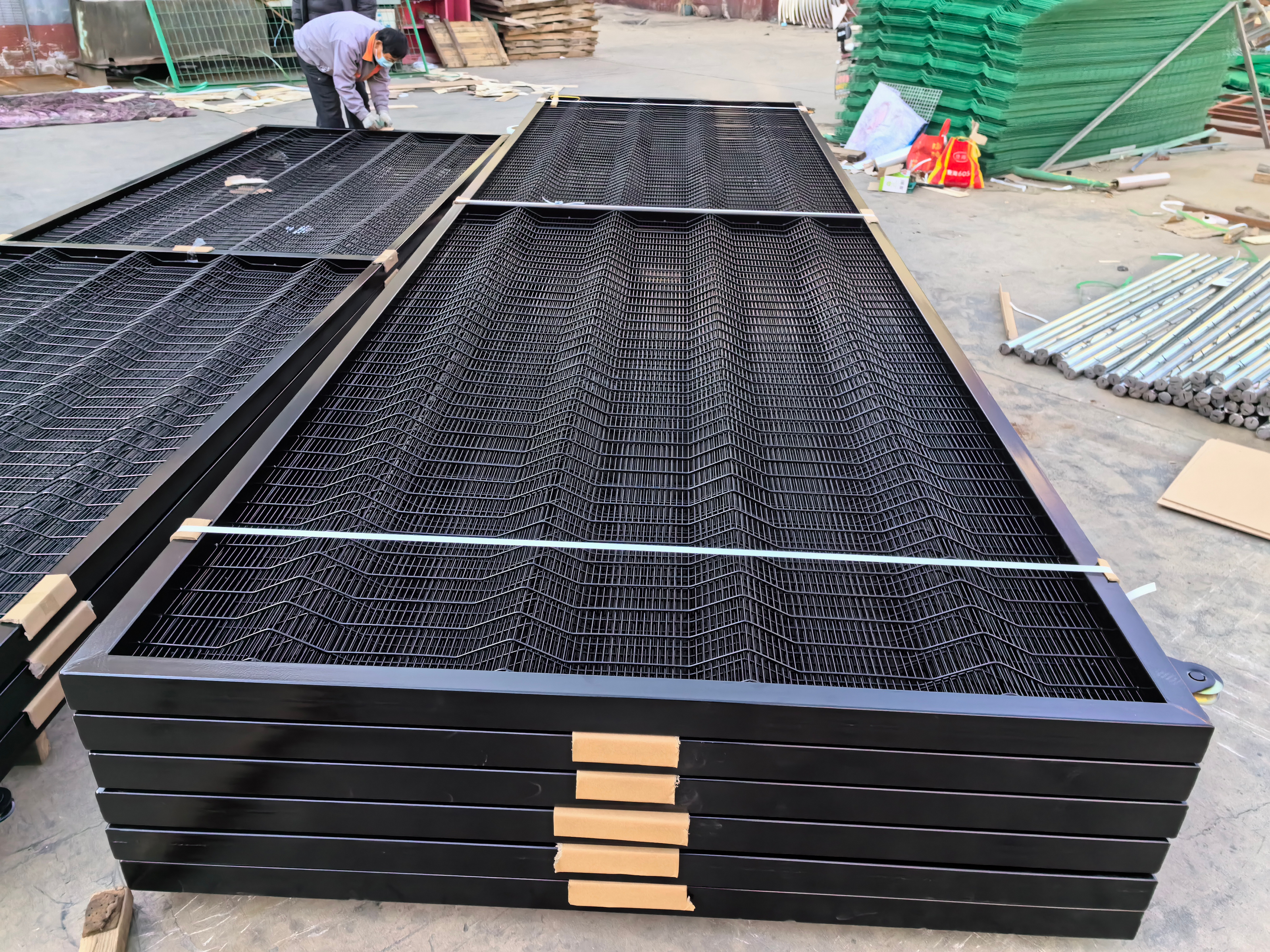
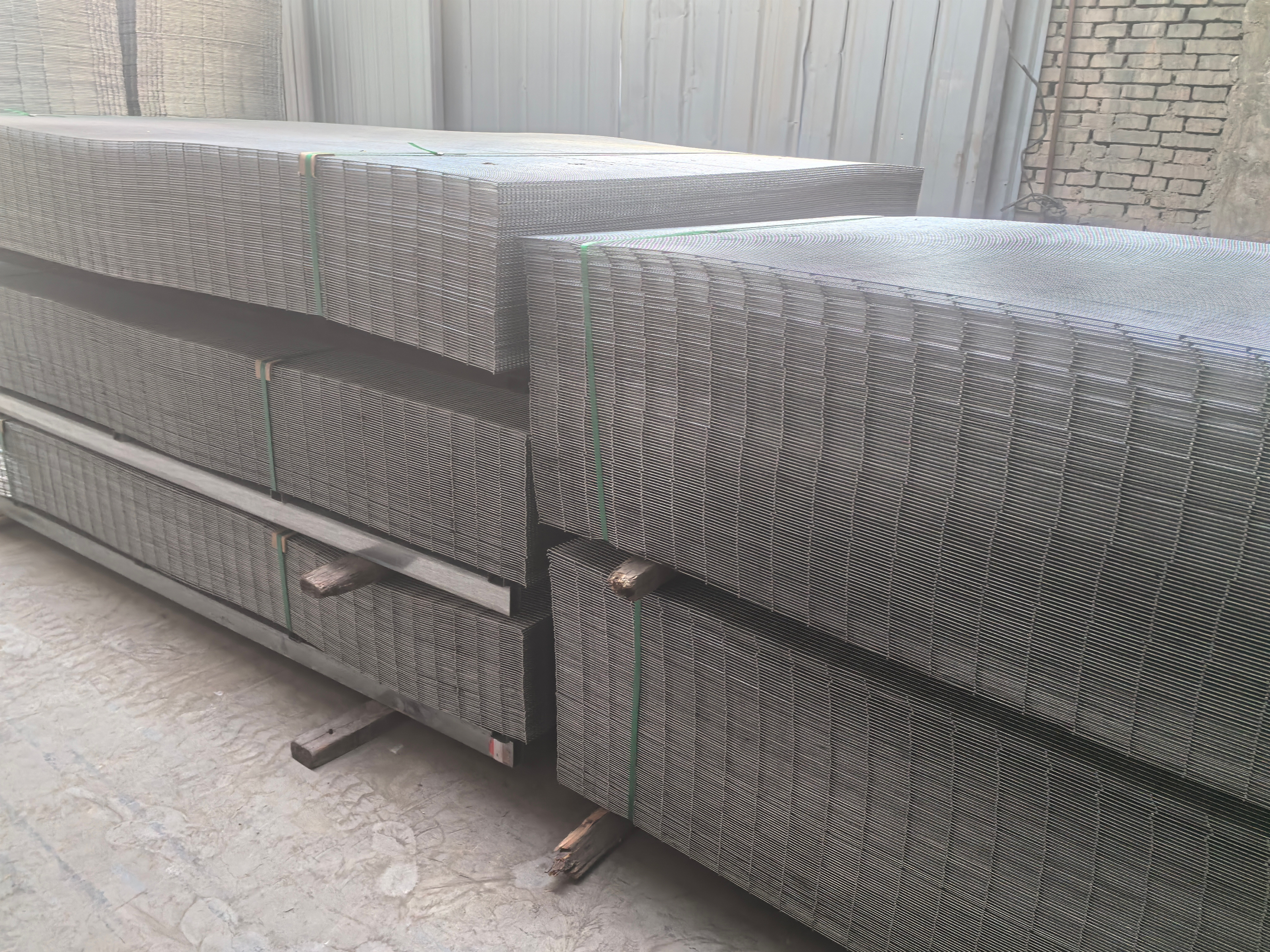
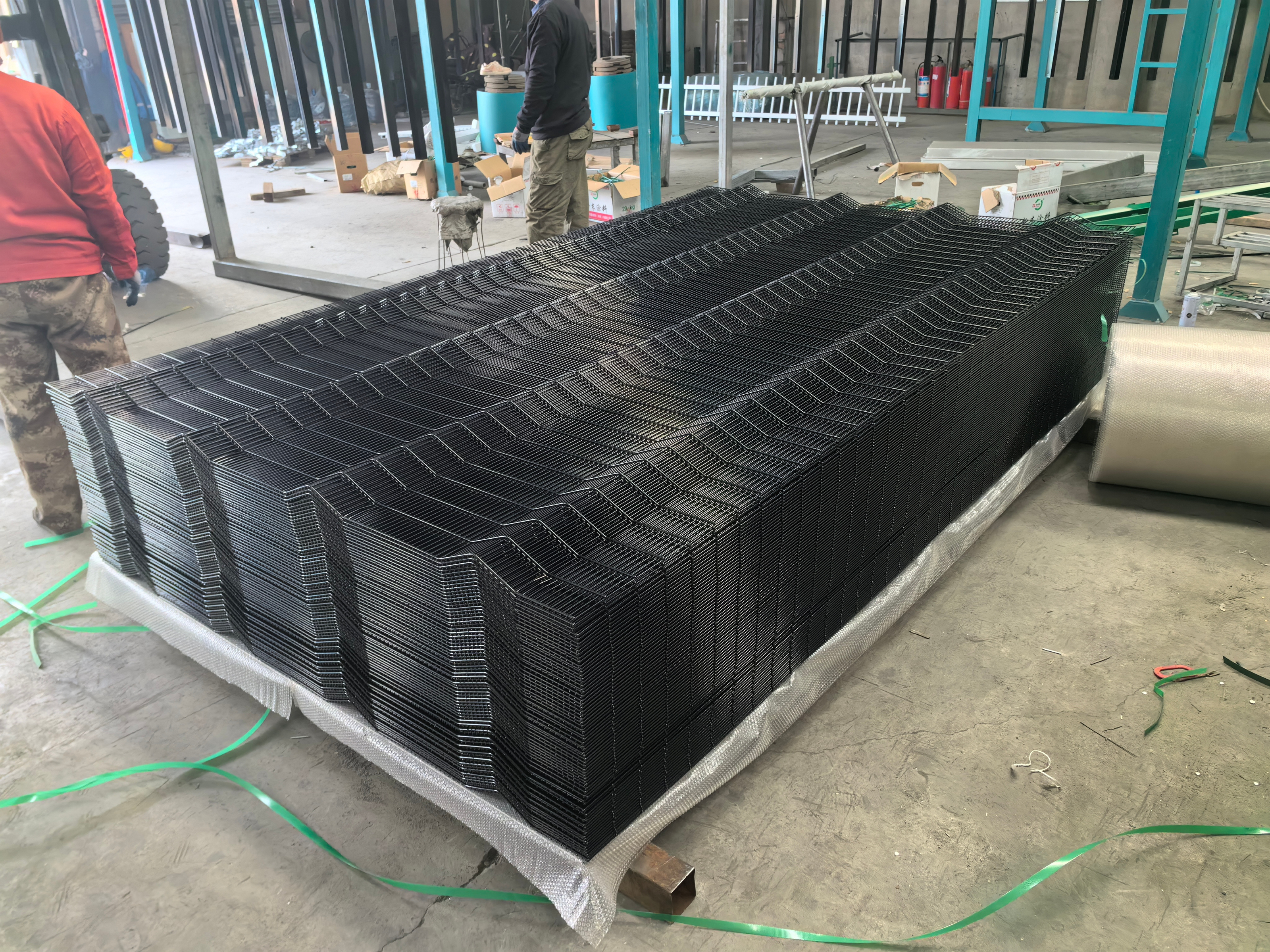
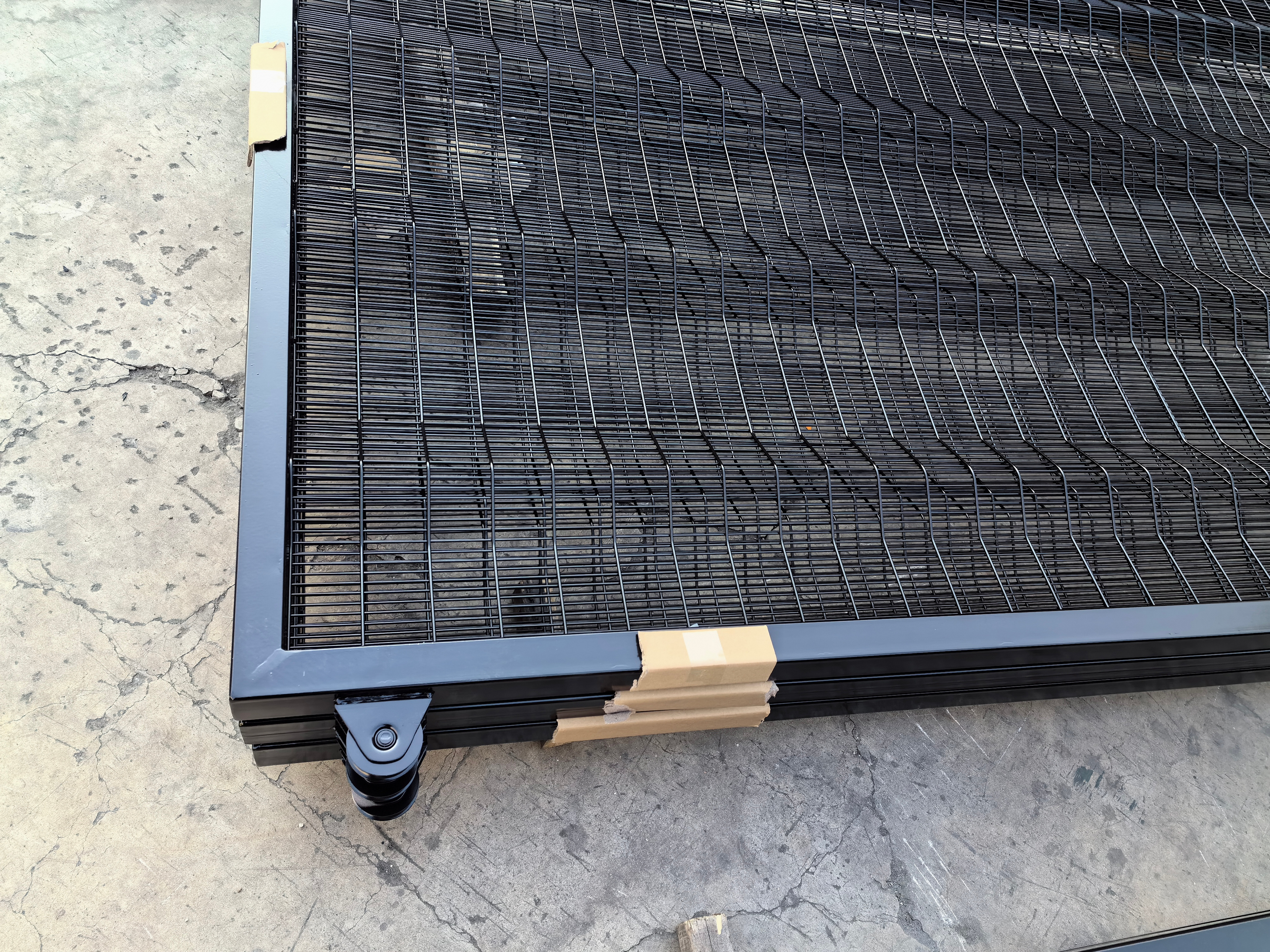
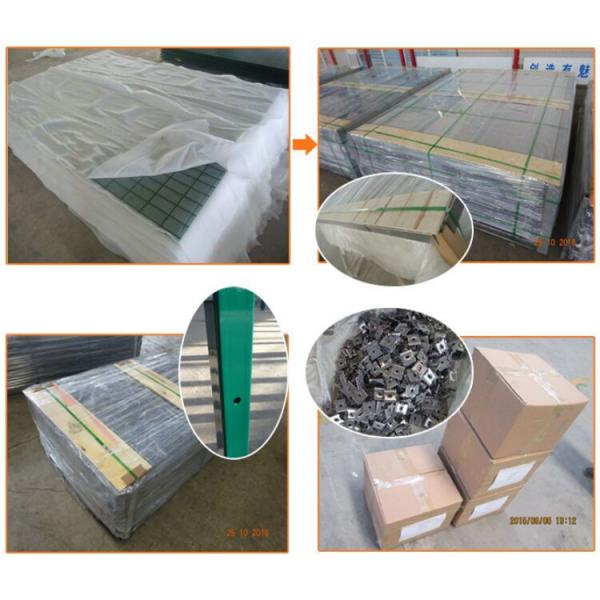
Galvanized + powder coated and hot-dip galvanized are common options. The finish can still fail if packing is weak: metal-on-metal rubbing, pallet edge impacts, and forklift scratches become corrosion start points. The coating system must be paired with protective packing so the fence arrives site-ready—not repair-ready.
Product Description (POLYMETAL 358 security anti climb fence)
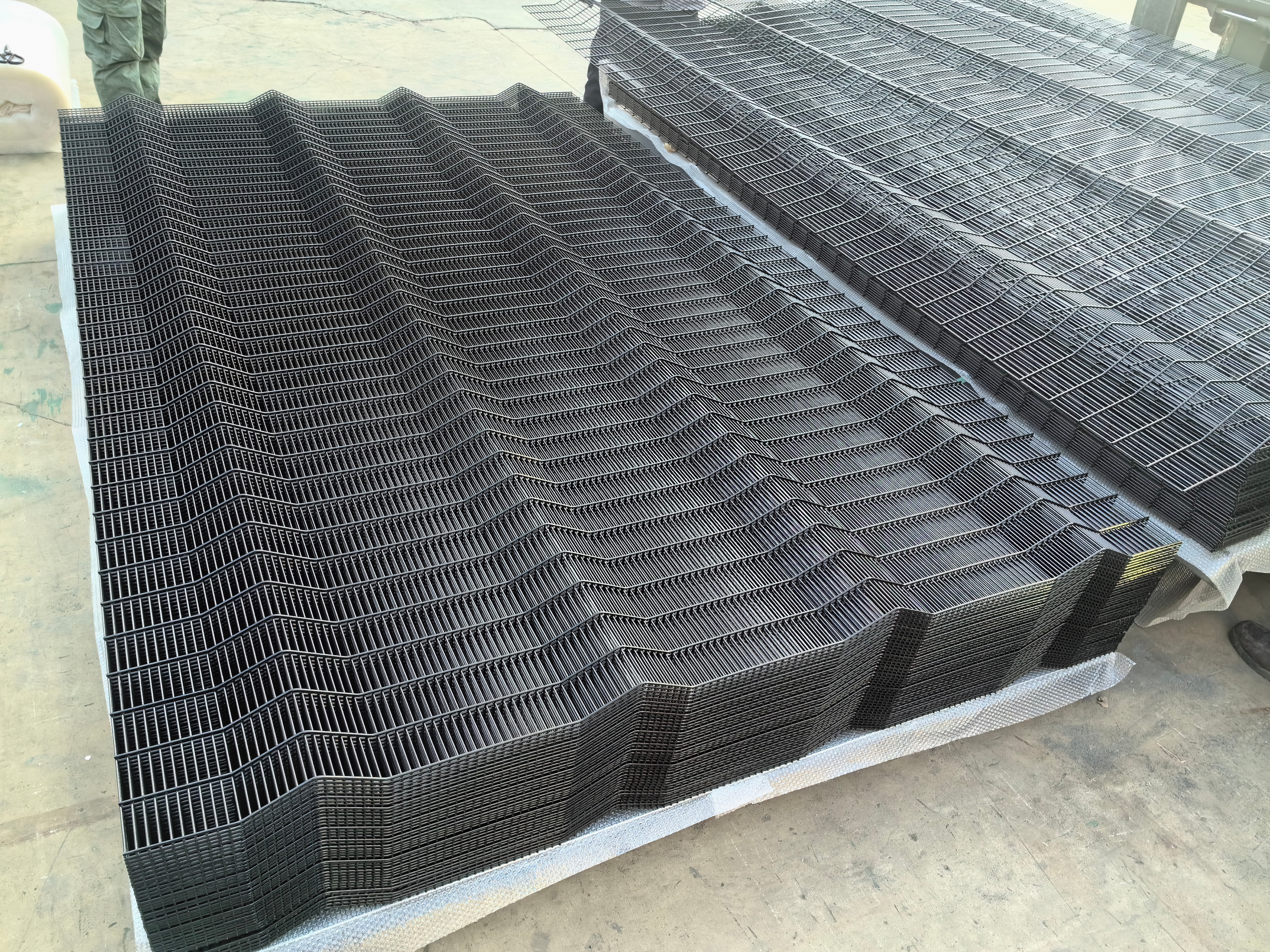
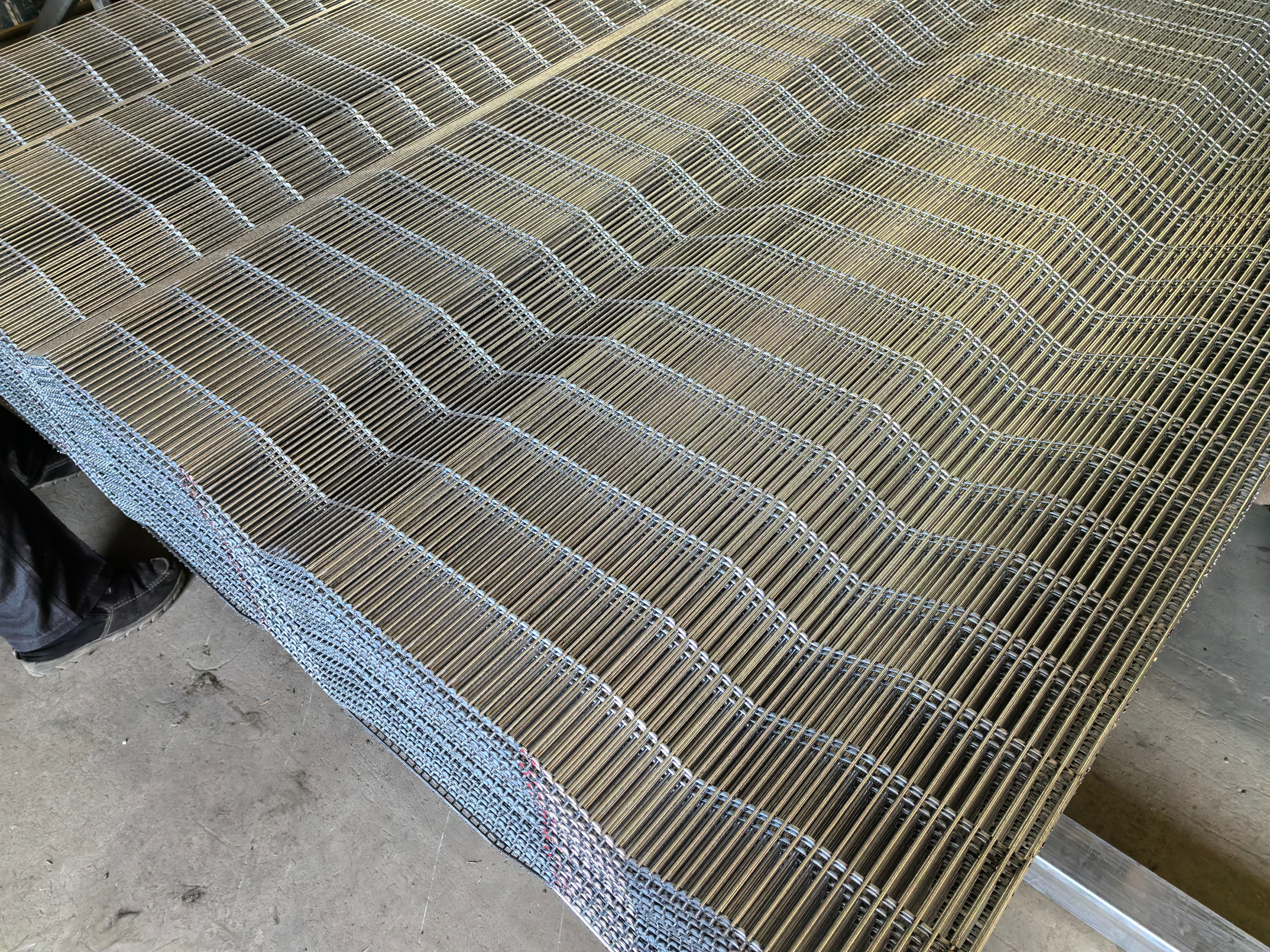
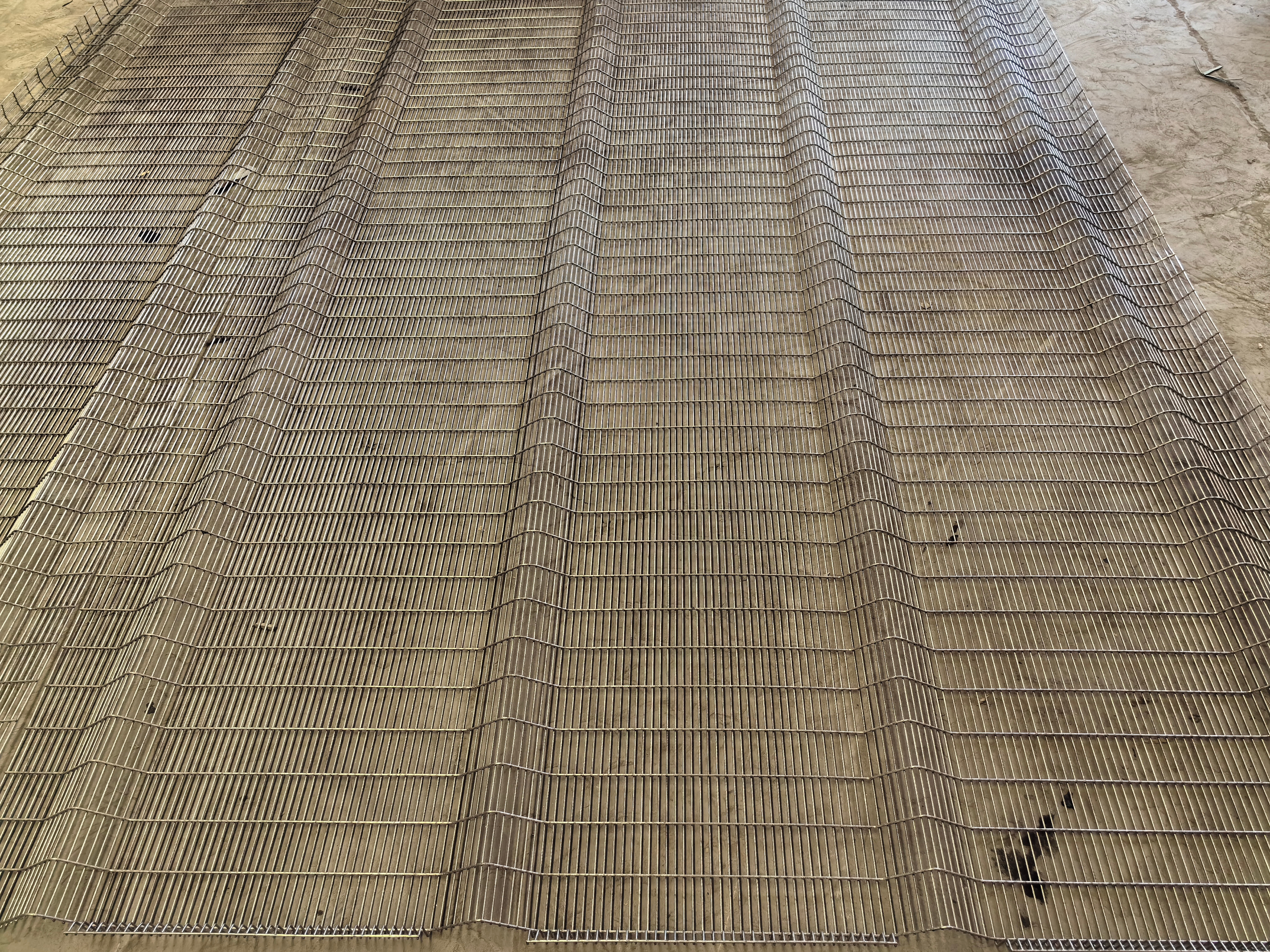
POLYMETAL 358 security anti climb fence panels are manufactured as welded mesh security modules built to deliver maximum anti-climb resistance while maintaining high visibility for surveillance and perimeter control. The system’s security comes from its small mesh aperture that prevents toe and finger holds, combined with robust wire diameter options and high-quality welded joints that make cutting significantly more difficult than standard mesh fences. The framework is engineered to resist loosening and to remain hard to uninstall when paired with clamp bars and security fixings.
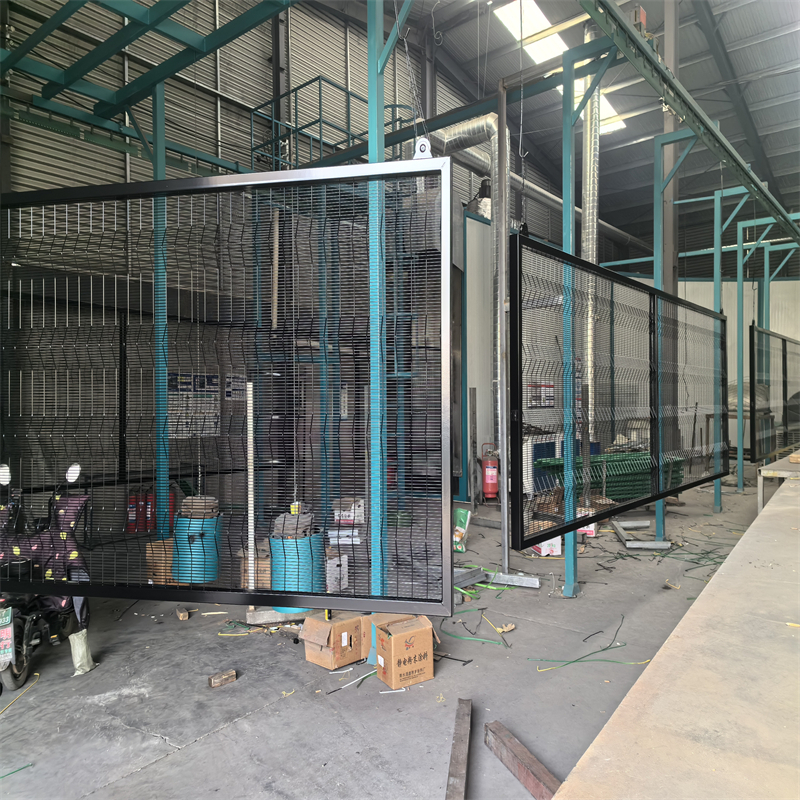
Processing commonly follows a controlled line: material selection, wire straightening and cutting, welding, galvanizing, powder coating (when specified), and protective packaging. By standardizing panel size, post matching, clamp-bar fit-up, and finish discipline, POLYMETAL helps reduce installation surprises and protects the perimeter from early rejection, rework, and schedule loss.
Specifications
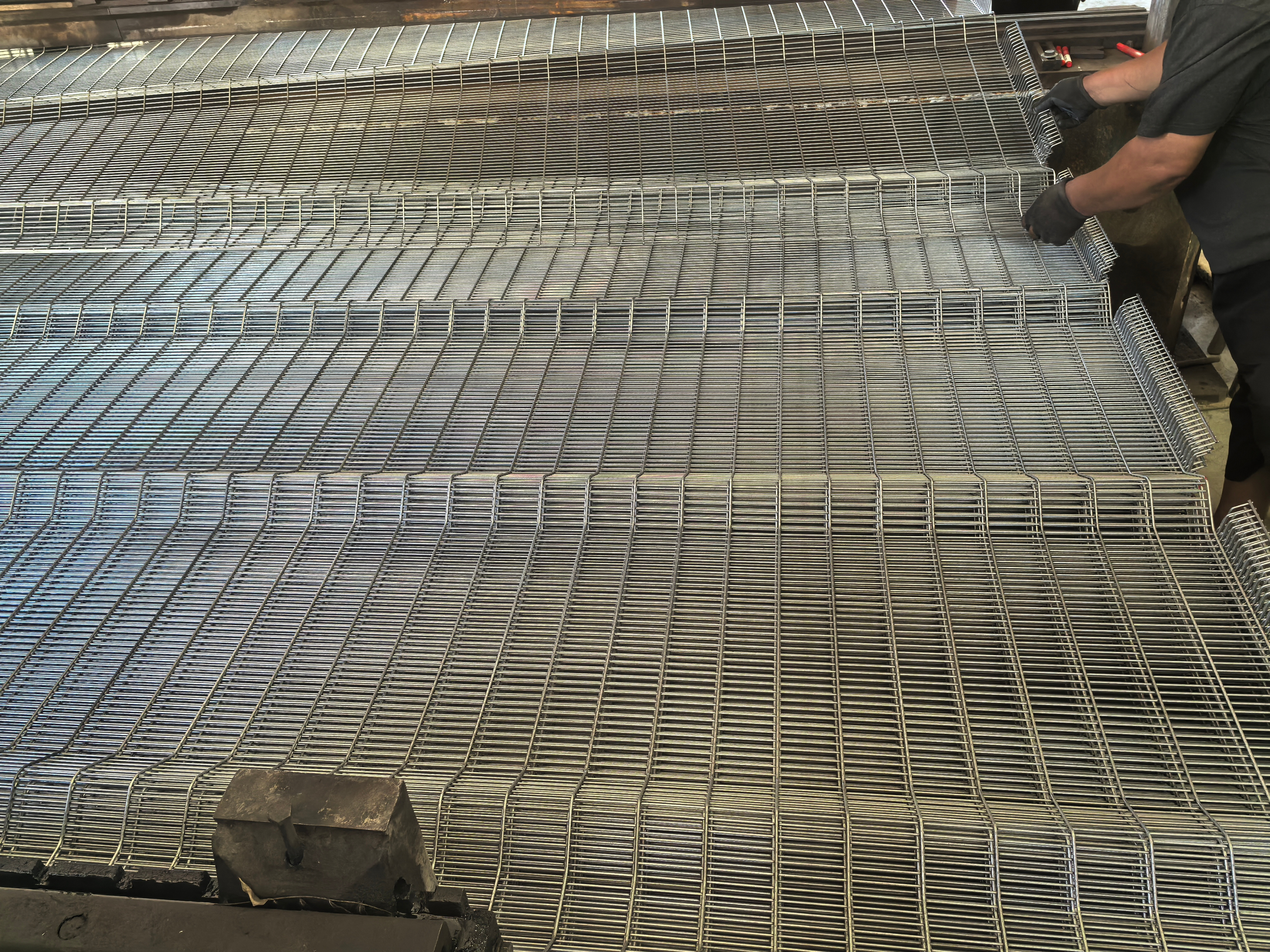
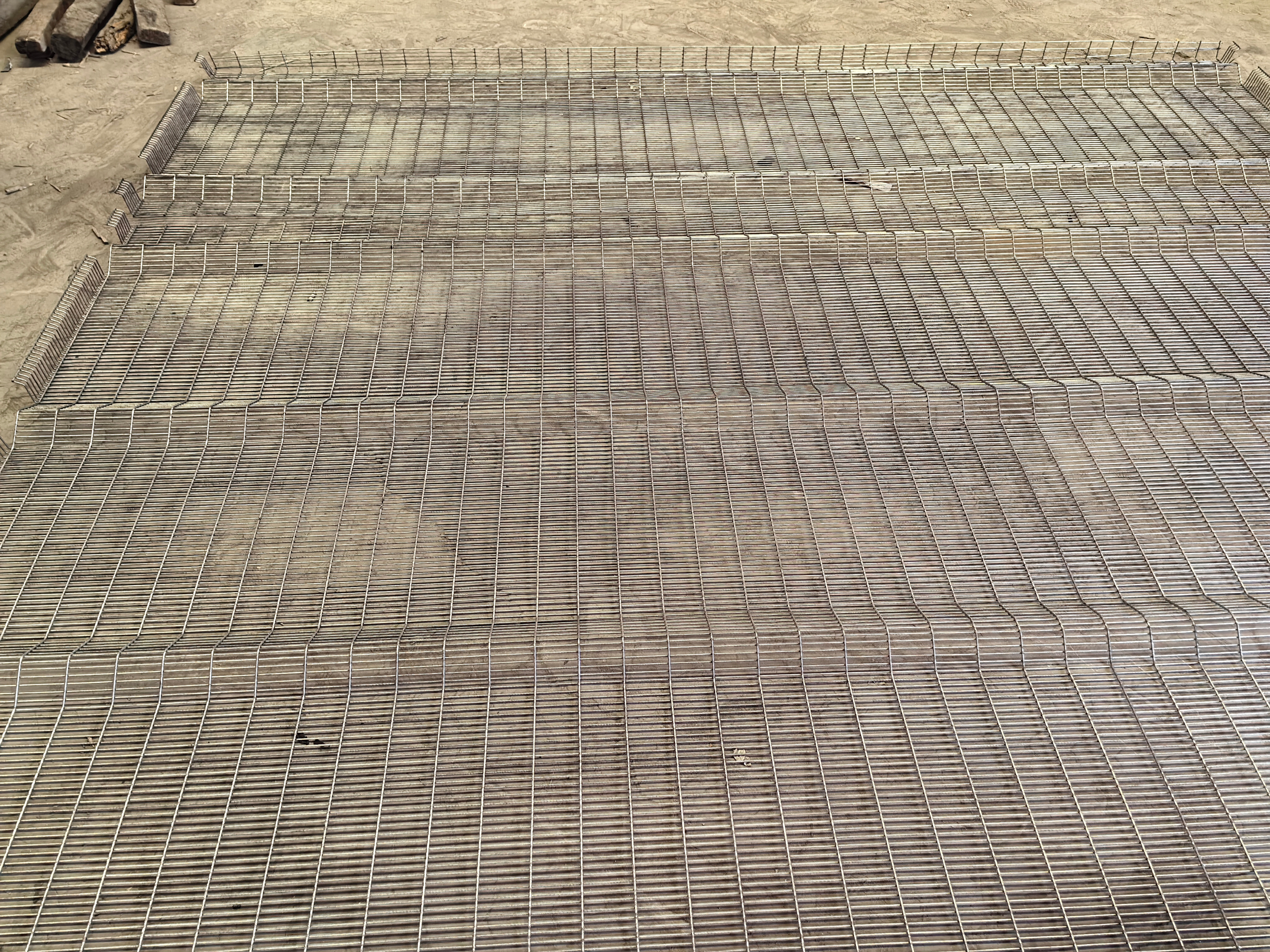
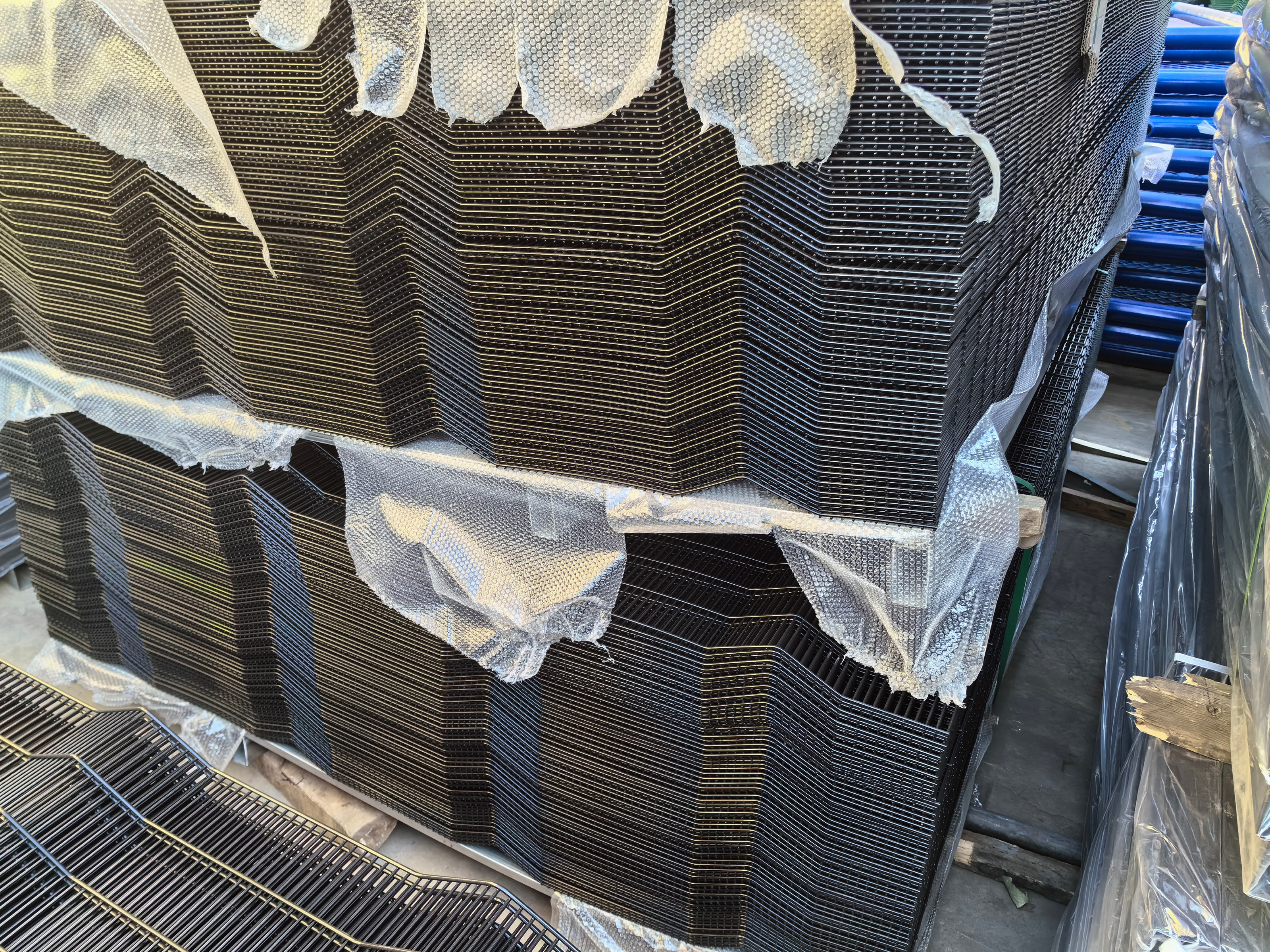
358 Security Fence (Provided Specification Table)
| 358 security fence | |||
| wire diameter | mesh size | panel height*width | post length *diameter*thickness |
| 4mm(8#) | 12.7mmx76.2mm 1/2″x3″ | 2000mm*2500mm | 2700mm*60*60*2.5mm |
| 2400mm*2500mm | 3100mm*60*60*2.5mm | ||
| 3000mm*2500mm | 3800mm*80*80*2.5mm | ||
| 3300mm*2500mm | 4200mm*80*80*2.5mm | ||
| 3600mm*2500mm | 4500mm*100*60*3.0mm | ||
| 3600mm*2500mm | 4500mm*100*100*3.0mm | ||
| 4200mm*2500mm | 5200mm*100*100*4.0mm | ||
| 5000mm*2500mm | 5200mm*100*100*5.0mm | ||
| 5200mm*2500mm | 6200mm*120*120*5.0mm | ||
ANTI CLIMB FENCE (Provided Specification Table)
| ANTI CLIMB FENCE | |||
| Panel height | 2100mm | 2400mm | 3000mm |
| Fence height | 2134mm | 2438mm | 2997mm |
| Panel width | 2515mm | 2515mm | 2515mm |
| Hole size | 12.7mm×76.2mm | 12.7mm×76.2mm | 12.7mm×76.2mm |
| Horizontal wire | 4mm | 4mm | 4mm |
| Vertical wire | 4mm | 4mm | 4mm |
| Panel weight | 50kg | 57kg | 70kg |
| Post | 60×60×2mm | 60×60×2mm | 80×80×3mm |
| Post length | 2.8m | 3.1m | 3.1m |
| Clamp bar | 40×6m slotted | 40×6m slotted | 40×6m slotted |
| Fixings | 8 gal bolt c/w permanent security nut | ||
| No. of fixings | 8 | 9 | 11 |
| Customization accepted | |||
Common Specification (Provided Summary Table)
| Specifications, Anti climb, Anti Cut 358 Fence | |||
| mesh | 76.2×12.7mm, 75.0×12.5mm | ||
| wire diameter | Horizontal wire: 3.2 / 3.5 / 4.0mm; Vertical wire: 4.0mm | ||
| panel width | 2.2m / 2.5m / 2.9m | ||
| panel height | 1800 / 2000 / 2100 / 2200 / 2400 / 2500 / 3000mm | ||
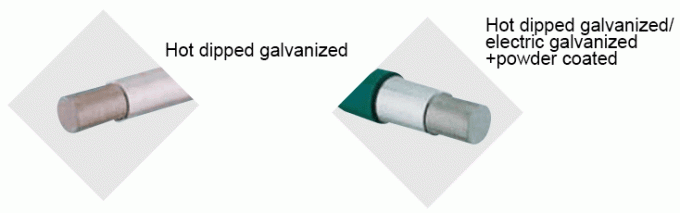
| Surface treatment | Galvanized + powder coated or hot dipped galvanized | ||
Panel / Post / Accessories (Provided Table)
| Panel size (W*H) | 2.4m*2.1m, 2.4m*2.4m, 2.4m*3m | Color | Green, black, gray, yellow, etc |
| Horizontal wire | 3.0mm, 3.15mm, 3.2mm | Accessories | Clamps + screw + nut |
| Vertical wire | 3.0mm, 4.0mm, 5.0mm | Surface treatment | Powder painted, hot-dipped |
| Square post | 60×60mm, 80×80mm | Panel style | Straight, bending |
| Post thickness | 1.5mm, 2.0mm, 2.5mm | Post style | Square, H style, flange plate |
| Features | Prevents climbing, prevents cutting, prevents destruction, etc. | ||
Surface Treatment 358 security anti climb fence
Features
Anti-climb with small openings and no toe or finger holds. Anti-cut performance is improved by robust wire and welded joints, making cutting very difficult. Visibility stays high because the profile is flat and two-dimensional, often easier to see through than chain link. The security performance depends on the exact mesh aperture, wire diameter, post size, clamp bar specification, and the quality of the welded joints.
Applications
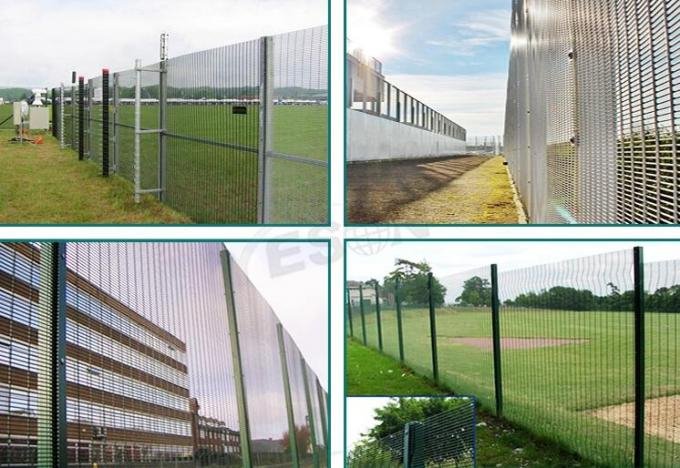
Bridge anti-climb guarding and guard safety screening; sub-station security fencing; psychiatric hospital security fencing; factory machine guards; walkway security fencing; airport security fencing; shipping port security fencing; electrical sub-station fencing; water treatment works; gas security window grilles; balustrades security fence; and high-security perimeters for prisons, rail corridors, and other critical infrastructure where climbing and cutting resistance are required.
Overview: Why “358” Is Hard to Climb and Hard to Attack
The small mesh aperture is effectively finger-proof, which removes climbing leverage. At the same time, welded joints and robust wire diameter make panels harder to cut using conventional tools. In real projects, the fence performs best when the panel and post system is treated as one engineered unit: mesh + wire diameter + panel stiffness + post stiffness + clamp bar + anti-tamper fixings + coating protection + correct installation depth.
Installation
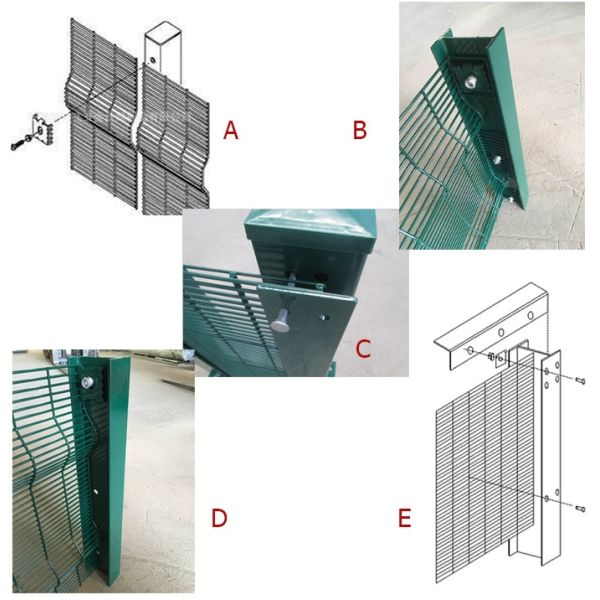
Correct installation is what turns a 358 security anti climb fence from “looks secure” into “stays secure.” Post alignment, embedment depth, clamp-bar torque, and consistent bay spacing determine whether the fence remains straight and tight under wind load and repeated vibration. When posts are under-sized, clamp bars are weak, or fixings are inconsistent, panels can loosen and the security line starts to look repaired.
Quality Control
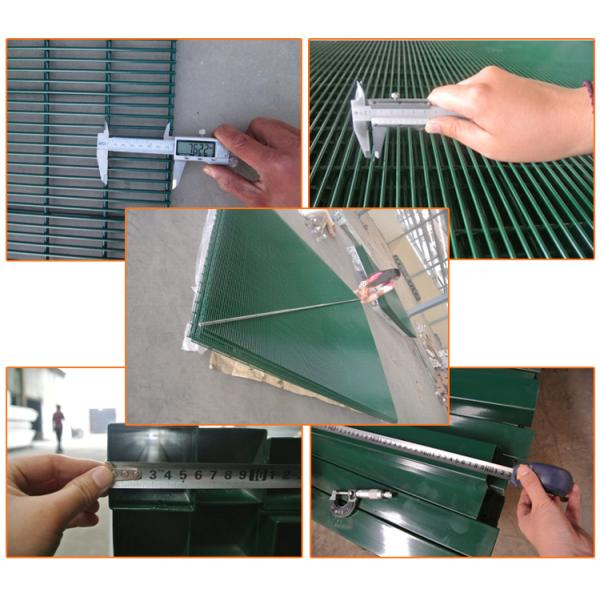
POLYMETAL quality control focuses on weld consistency, panel dimensions, coating inspection, and packing checks so panels arrive site-ready. After finishing the 358 security anti climb fence, QC photos can be recorded for each batch to keep specifications consistent across shipments and reduce installation surprises. For buyers who also compare weld uniformity standards across other rigid panel products, our stainless steel welded wire mesh panels page is a useful reference point for understanding how consistent welding and dimensional discipline reduce rework risk on site.
Packing
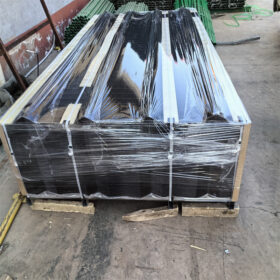
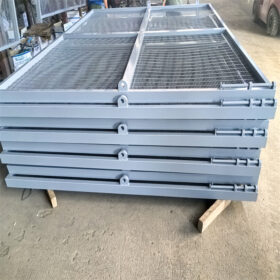
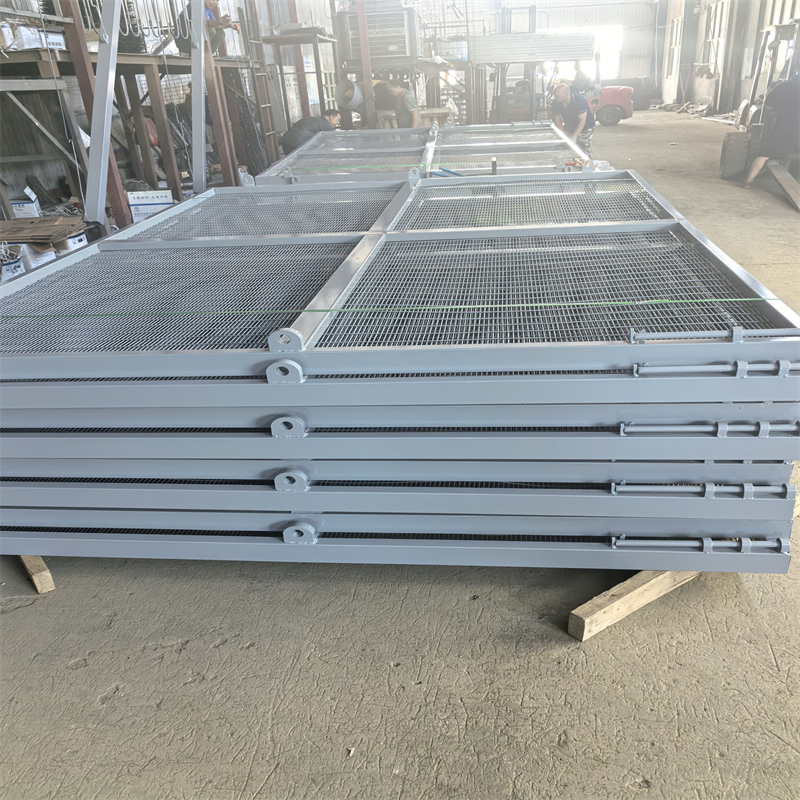
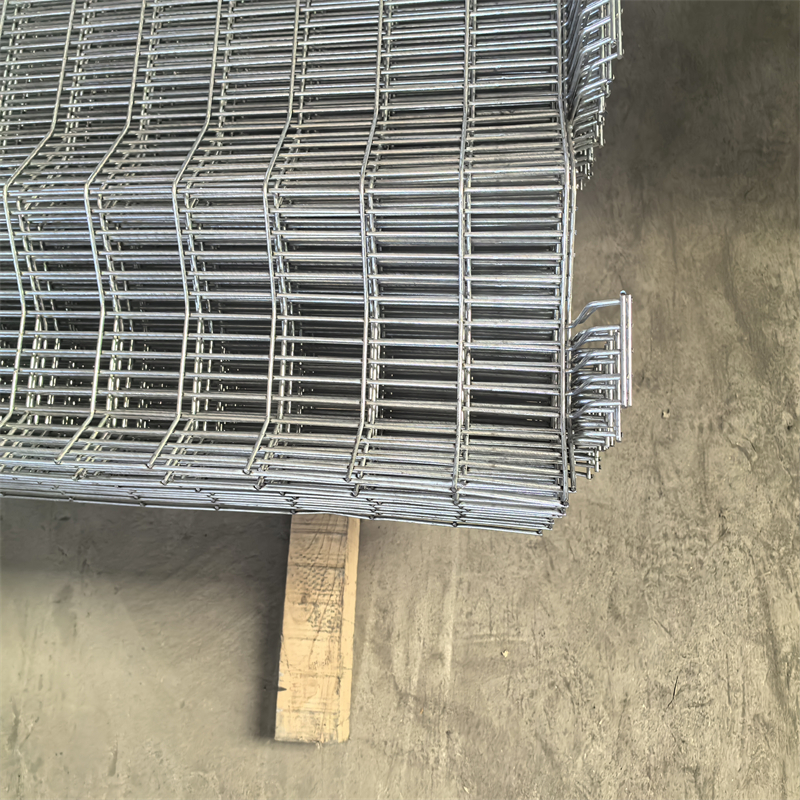
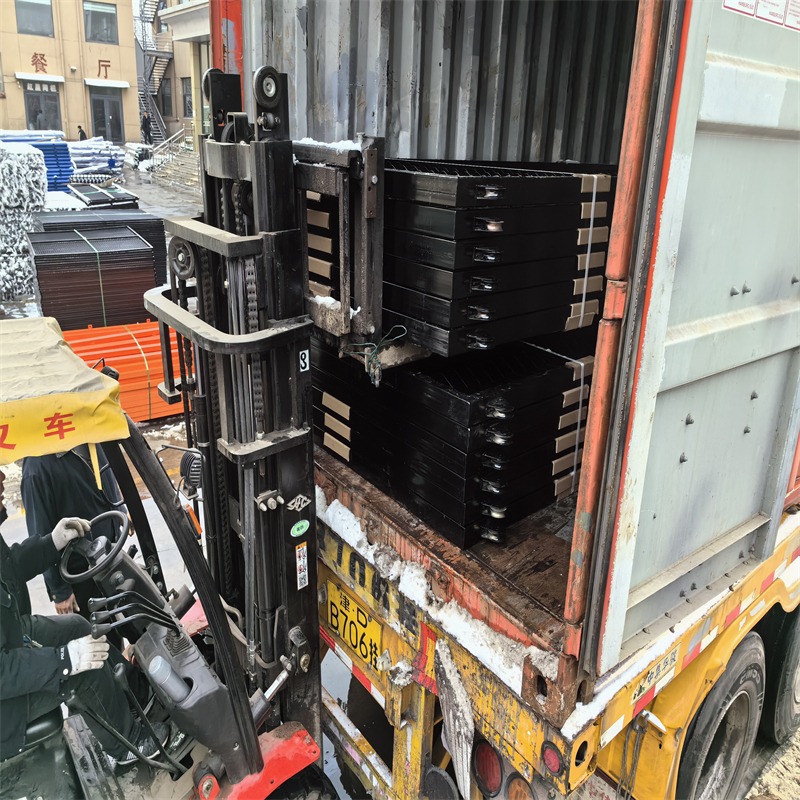
Good packing prevents the first failure: coating damage. Panels should be protected from pallet abrasion, edge impacts, and rubbing during transport. A proven method uses plastic film, metal pallets fixed at panel corners, metal gaskets to protect edges, and wood panels to protect the last panel from pallet contact. When packing is weak, powder coat chips become corrosion starting points, and “brand-new” fence arrives looking used.
Benefits 358 security anti climb fence
- Anti-climb by geometry: small aperture removes toe and finger holds
- Anti-cut by structure: robust wire + welded joints reduce cutting success
- High visibility: flat panel profile supports surveillance and monitoring
- Hard to uninstall: clamp bars and security fixings resist tampering
- Repeatable security: consistent panels, posts, and packing reduce site rework
Standards 358 security anti climb fence
A 358 security anti climb fence can be produced to meet project specifications and regional requirements when those requirements are written clearly into the purchase order. Define mesh aperture, wire diameter, panel sizes, post sizes, clamp bar type, fixing type, coating system, and packing method so the delivered fence matches the security risk level and site exposure.
FAQs 358 security anti climb fence
Why is it called “358” security fence?
Because it is commonly linked to 3″ × 0.5″ mesh with 8-gauge wire, which aligns to approximately 76.2mm × 12.7mm with around 4.0mm wire diameter. The key is locking these numbers in the order.
Which mesh size should I choose: 76.2×12.7 or 75×12.5?
Choose one standard and keep it consistent across the order so clamp bars and posts match perfectly. Mixing standards increases installation problems and visible mismatch risk.
Which wire diameter is best for high security?
Higher wire diameter increases stiffness and cut resistance, but also increases weight and cost. Security-critical sites commonly standardize around 4.0mm for classic 358 performance, then select posts and clamp bars to match.
What is the biggest mistake buyers make?
Ordering panels without engineering post length and installation depth together. If posts are too short for the real embedment requirement, the fence will drift, lean, and require corrective work after installation.
What packing prevents coating damage best?
Use plastic film separation, corner-fixed metal pallets, metal edge gaskets, and wood boards to protect both the first and last panels from pallet abrasion during transport and unloading.
Final Buying Checklist (Use This Before You Approve Production)
- Lock mesh aperture: 76.2×12.7mm or 75×12.5mm (do not mix)
- Lock wire diameter (horizontal/vertical): 3.2/3.5/4.0mm or full 4.0mm
- Lock panel width and height (and confirm fence height vs panel height)
- Choose post section and thickness to match panel height and exposure
- Engineer post length to match embedment depth and ground conditions
- Specify clamp bar (slotted) size and security fixings quantity
- Choose surface treatment and enforce protective packing method