Your One-Stop Wire Mesh Fence Supplier | POLYMETAL
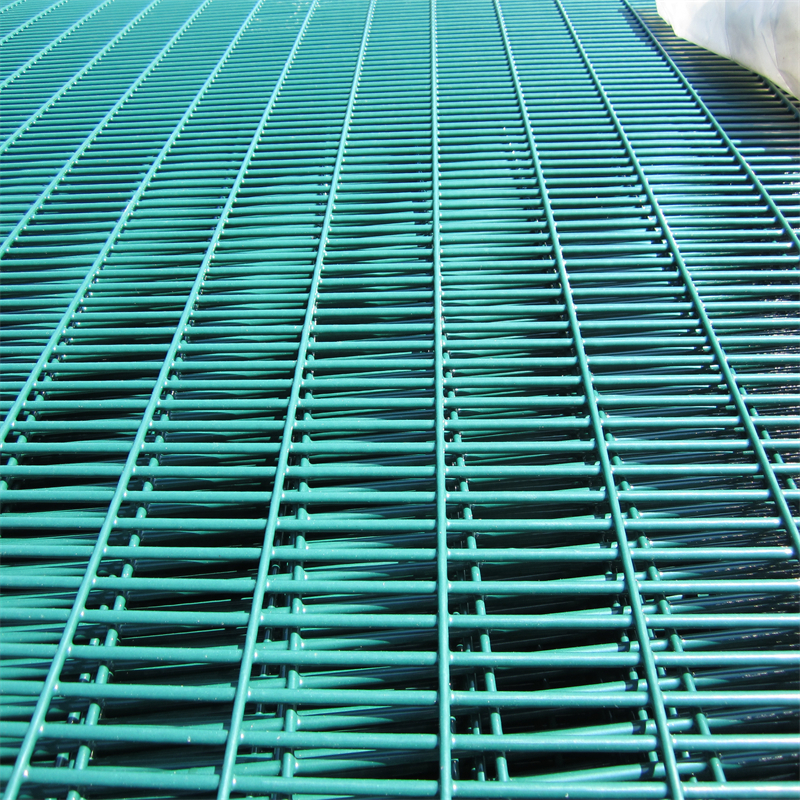


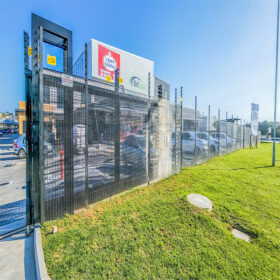
358 security fence prison mesh is selected when a site cannot afford guesswork. The costly surprise is that many failures do not show up on day one: a panel looks flat, a coating looks clean, and the clamps look “standard.” The failure shows later—when vibration loosens fixings, wind loads test post rigidity, cutting attacks find weak welds, and the fence line is judged by real intrusion resistance rather than a brochure photo.

What Buyers Really Pay For
“Cheap” 358 security fence prison mesh becomes expensive when the measurable controls are missing. Serious buyers pay for data: mesh aperture (finger/toe-proof behavior), wire diameter (cut resistance), weld integrity (panel strength), post type and stiffness (line stability), coating system (service life), and installation behavior (clamp fit, alignment, anti-tamper detail). These controls decide whether the fence line remains intrusion-resistant or becomes a maintenance and risk problem. For projects specifying zinc protection from day one, reference the pre-galvanized complete guide to align coating selection and corrosion expectations with your purchase order.

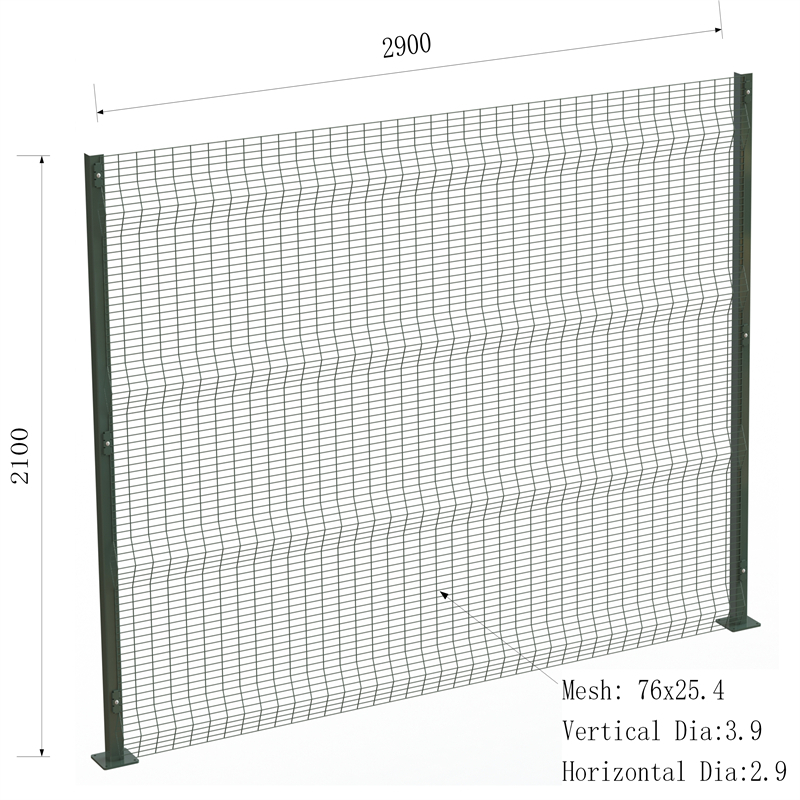
Product Description (POLYMETAL 358 Security Fence Prison Mesh)
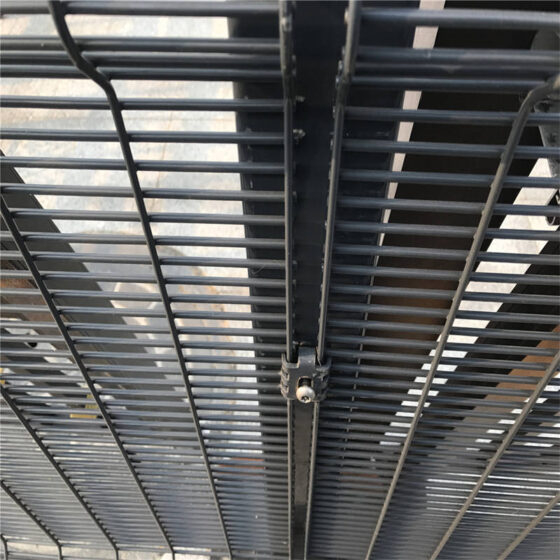
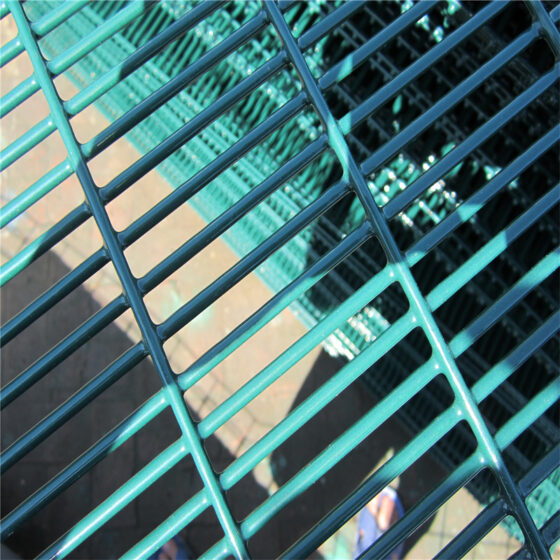
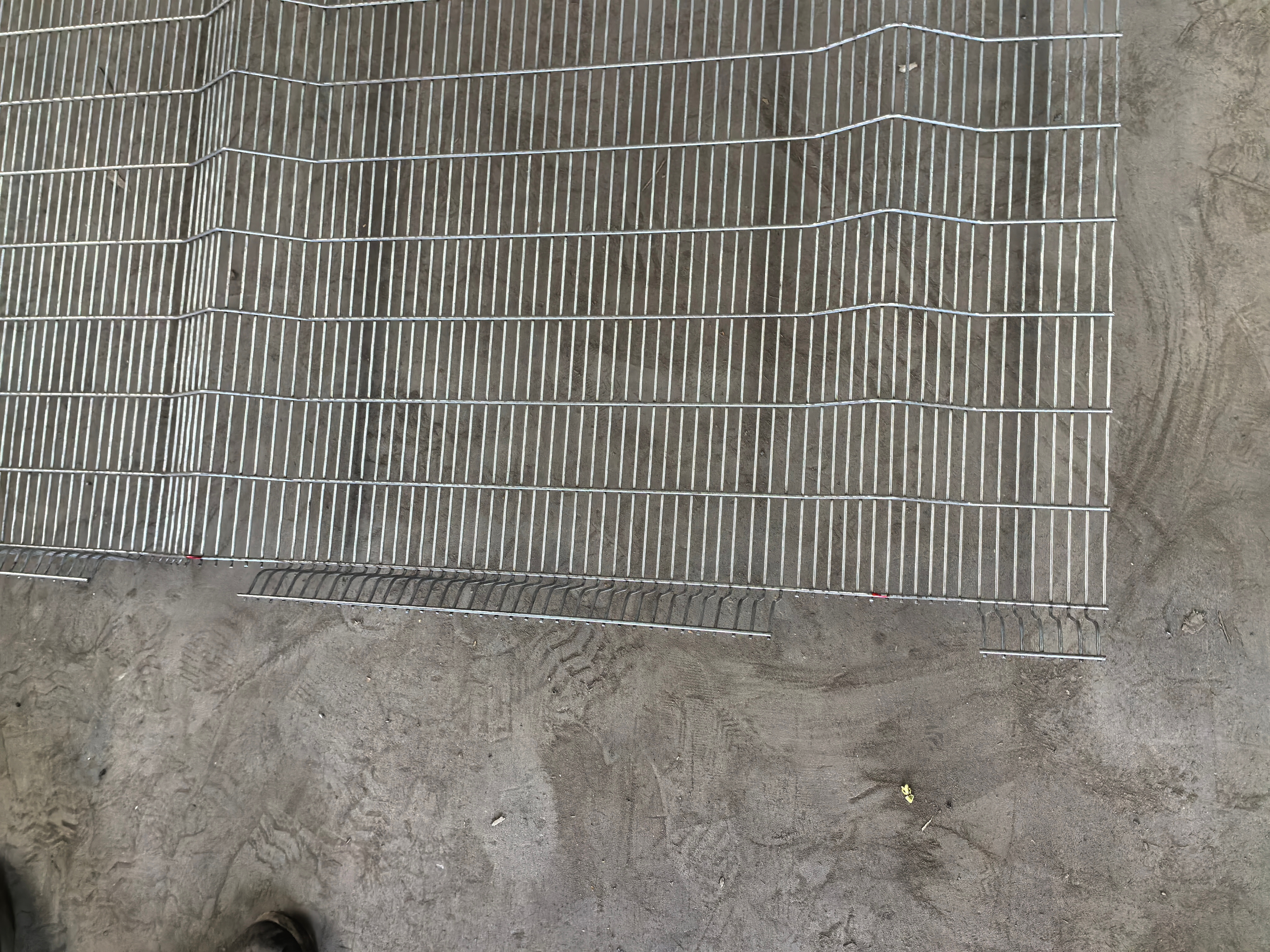
358 High Security Fence, also called 358 anti-climb clear fence, is a highly attractive yet seriously secure fencing solution. It is popular across a wide range of applications thanks to its excellent strength, erection simplicity, and intrusion resistant anti-climb properties. Proven in prison environments, 358 security fence prison mesh is designed to be virtually impossible to climb or break through because the tight aperture limits finger and toe holds while welded construction resists deformation.
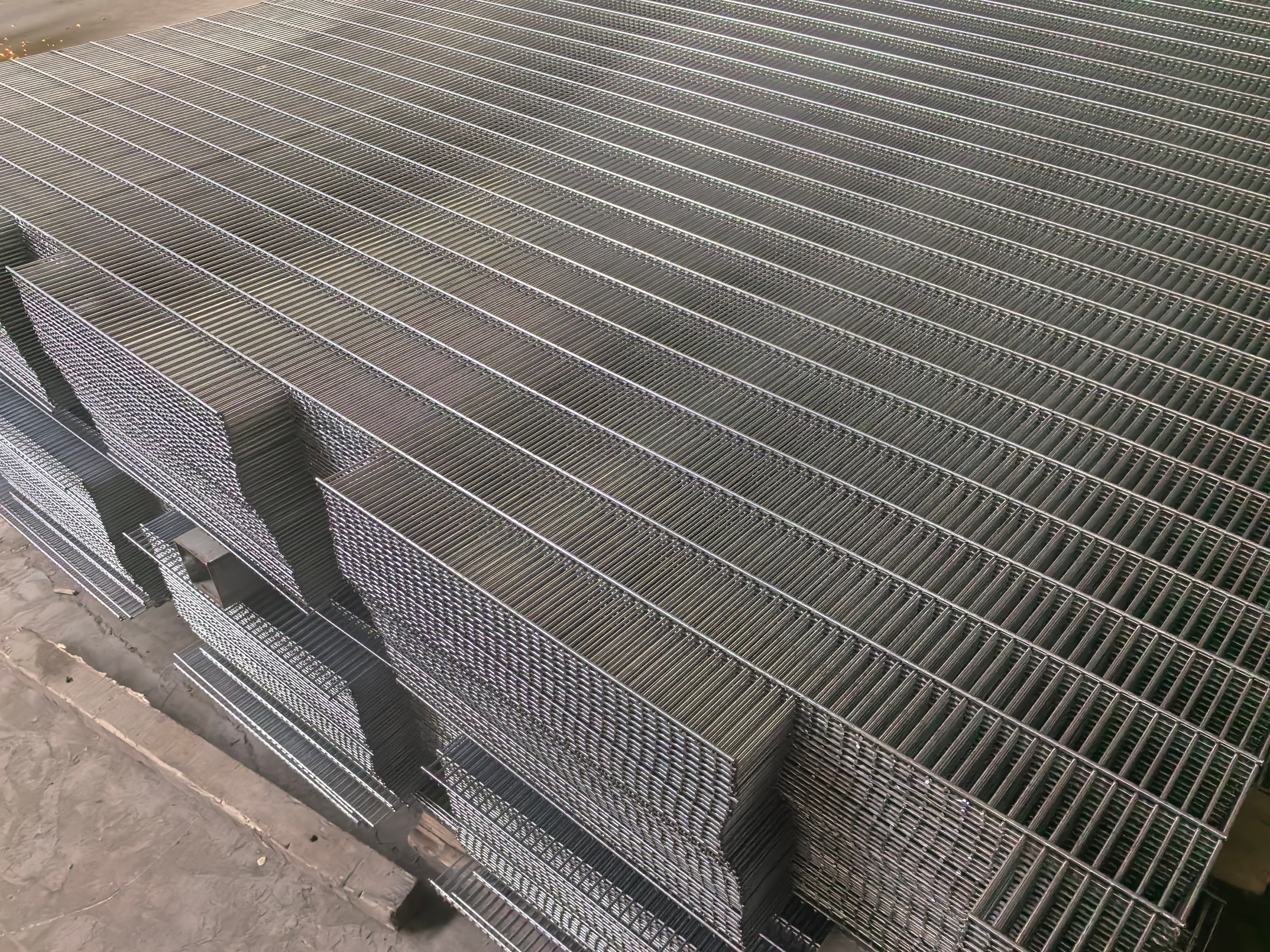
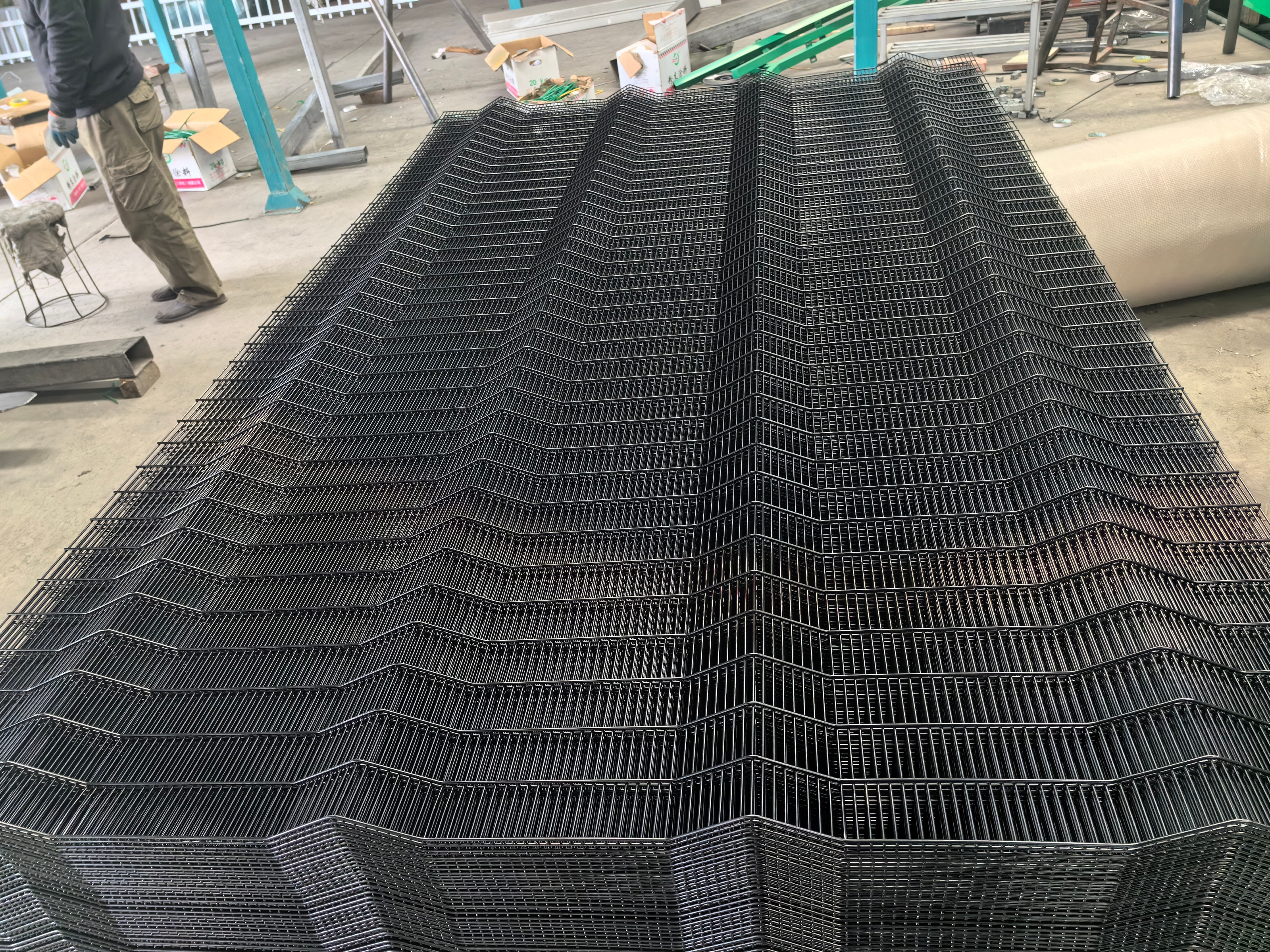
POLYMETAL manufactures 358 security fence prison mesh using full-automatic welding technology to keep panel surfaces flat with high tensile strength after welding. Powder coating options enhance appearance and can extend outdoor service life for long-term projects where corrosion exposure and handling damage are real risks.
Process (How POLYMETAL Controls Consistency)
The production process focuses on repeatability and measurable quality. Panels are welded on full-automatic welding machines to maintain flatness and consistent weld intersections. After welding, the panel is inspected for surface alignment and strength. Surface treatment options such as electric galvanizing, hot dipped galvanizing, and powder painting are selected based on service life expectations and exposure risk.
Specifications (Data-First Control for Procurement)
358 security fence prison mesh performance is controlled by specification, not promises. Lock the panel size, wire diameter, mesh aperture, post type, post size, accessory type, and coating system—then you control both intrusion resistance and line stability.
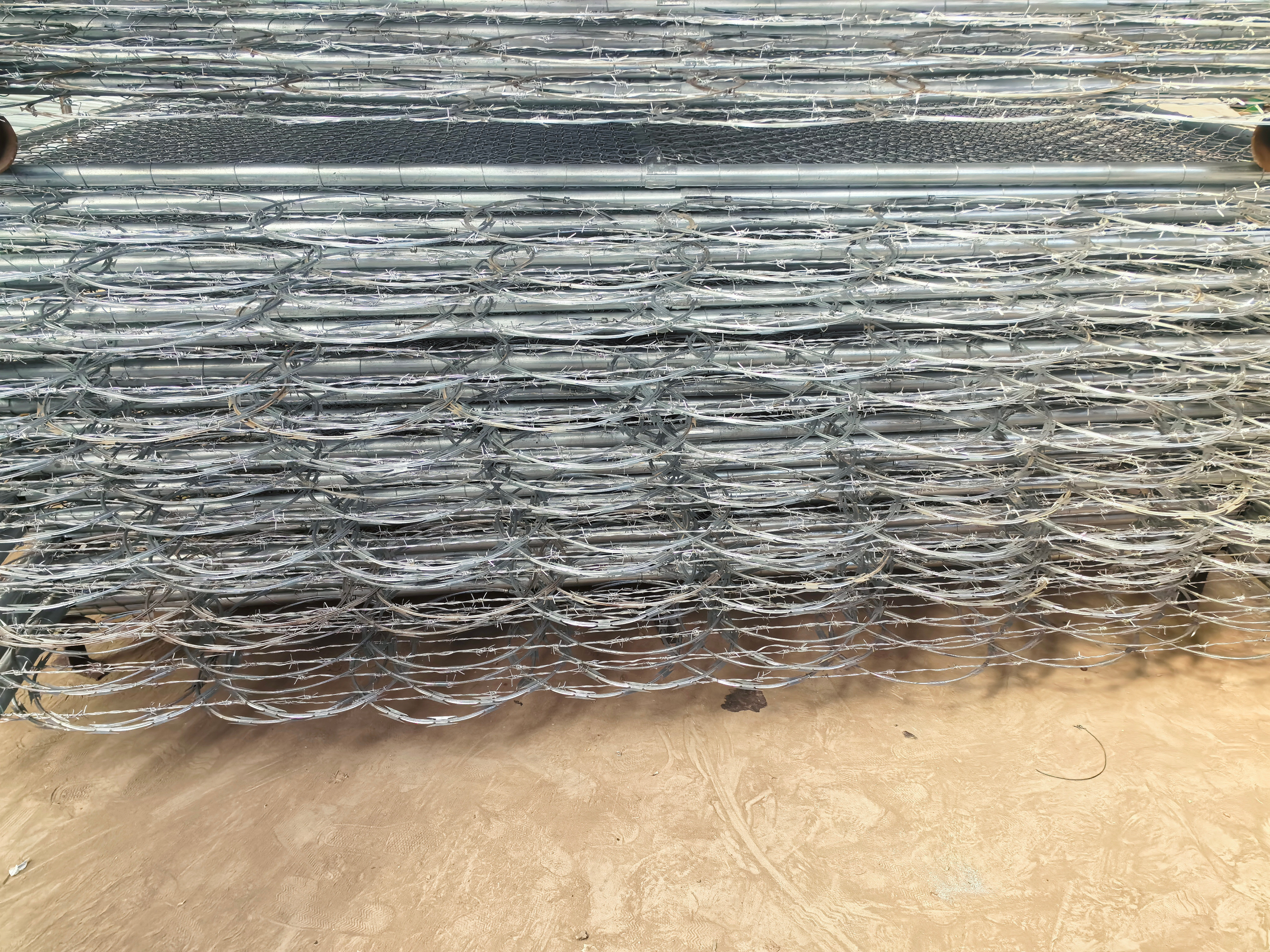
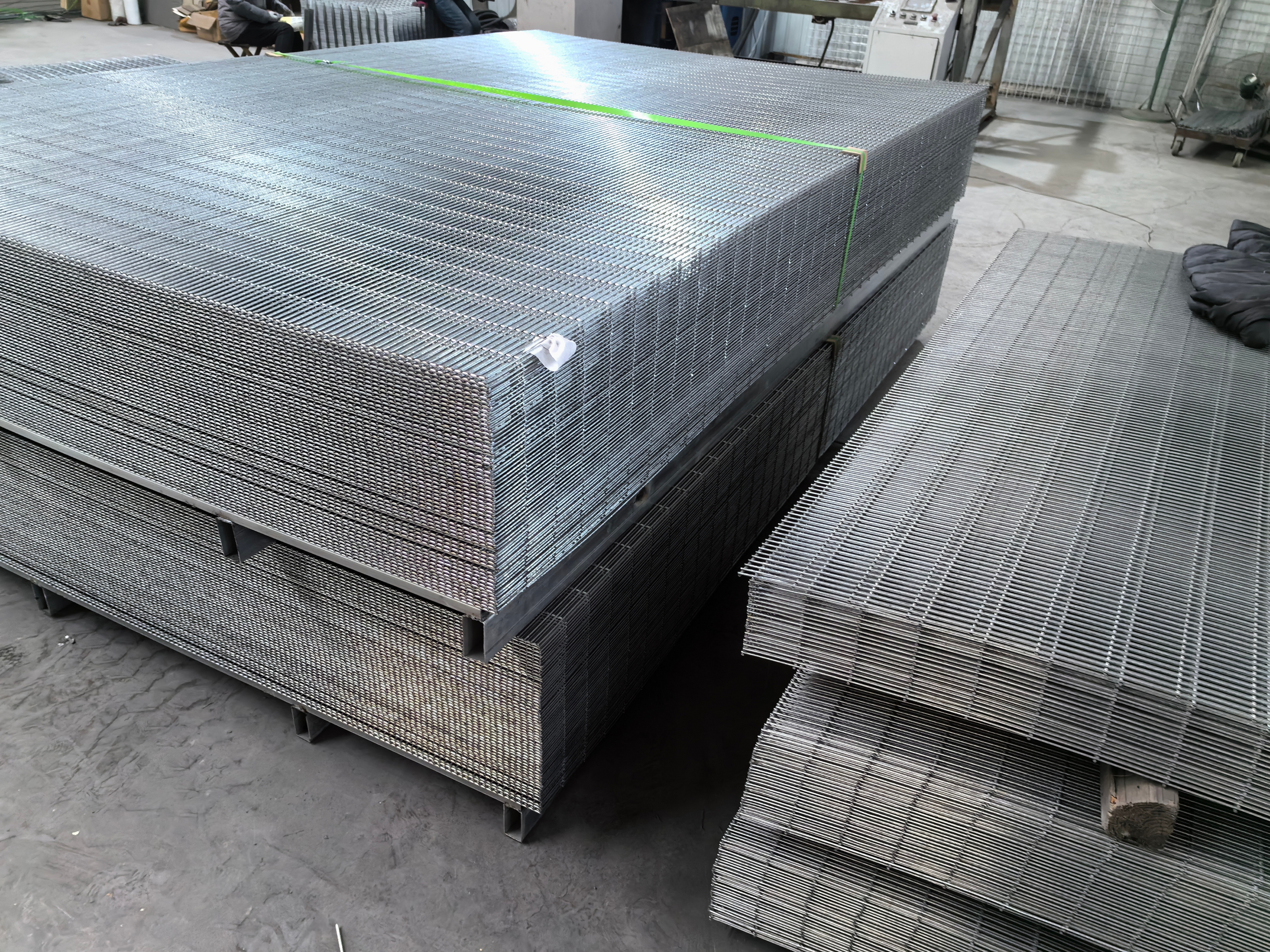

Table 1 — Standard Specification Snapshot (Panels, Posts, Finish)
| Materials | Q195 / Q235 | |
| Panel Size | 2.4 × 2.1(H)m / 2.4 × 2.4(H)m / 2.4 × 3.0(H)m | |
| Wire Diameter | 3.2mm / 4.0mm / 5.0mm | |
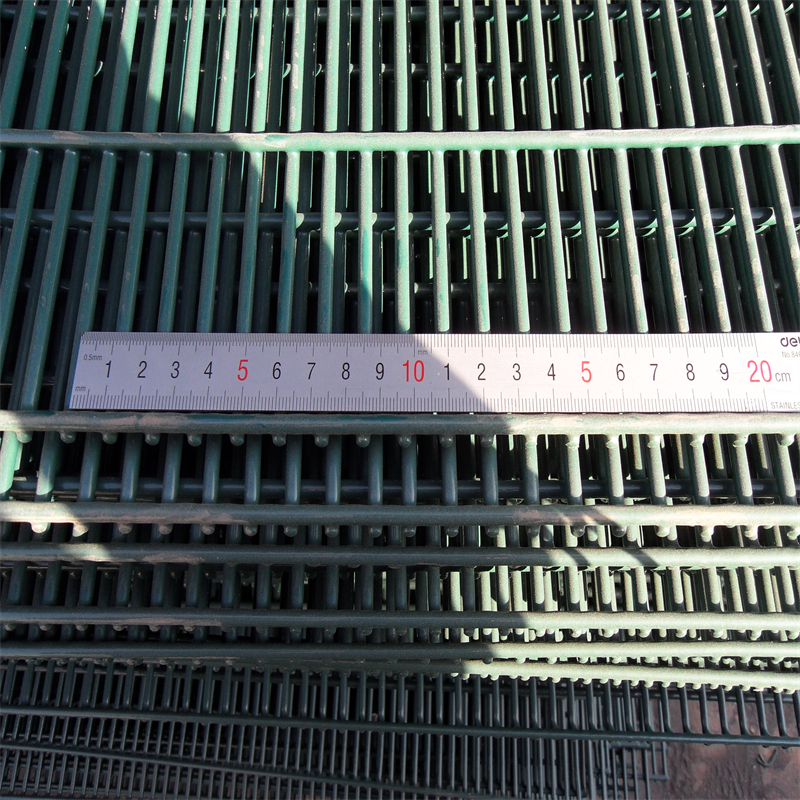
| Mesh Aperture | 76.2 × 12.7mm / 76 × 25mm / 76 × 50mm / 50.8 × 12.7mm | |
| Post | H-type | 100 × 100 × 50 × 4mm |
| Square steel tube | 60 × 60 × 2mm / 80 × 80 × 2mm | |
| Accessories | Bolt & Nut: M8 | |
| Razor wire or barbed wire (option) | ||
| Surface Treatment | Electric galvanized + powder painted | |
| Hot dipped galvanized + powder painted | ||
| Hot dipped galvanized | ||
Table 2 — Procurement Control Checklist (What to Lock in the PO)
| Specification Item | POLYMETAL Options | Why It Matters (Outcome Control) |
|---|---|---|
| Mesh aperture | 76.2×12.7 / 50.8×12.7 / 76×25 / 76×50 | Controls anti-climb profile and finger/toe access risk |
| Wire diameter | 3.2mm / 4.0mm / 5.0mm | Controls cut resistance and panel stiffness under impact |
| Panel size | 2.4×2.1H / 2.4×2.4H / 2.4×3.0H | Controls post spacing, clamp layout, and overall stability |
| Post type | H-type or square tube | Controls wind behavior and fence line straightness over long runs |
| Post size | 100×100×50×4 / 60×60×2 / 80×80×2 | Controls foundation load path and anti-rattle performance |
| Accessories | M8 bolt & nut; razor/barbed option | Controls anti-tamper integrity and top-line deterrence |
| Surface system | EG+Powder / HDG+Powder / HDG only | Controls service life, corrosion risk, and handling damage sensitivity |
| Weld & flatness control | Automatic welding + inspection checks | Controls panel rigidity and prevents “wave” appearance after install |
Specifications
| Specification | Detail |
|---|---|
| Mesh Size | 76.2 mm x 12.7 mm (3” x 0.5”) |
| Wire Diameter | 4 mm (Gauge 8) for 358; 3 mm (Gauge 10) for 3510 |
| Surface Treatment | Galvanized and Electrostatic polyester coated or Hot dipped galvanized |
| Panel Width | 2.50 m or 2.20 m |
| Panel Height Options | 1800 mm, 2000 mm, 2100 mm, 2200 mm, 2400 mm, 2500 mm, 3000 mm |
| Fence Height | Ranges from 1.27 m to 5.2 m |
| Mesh Weight (Per Height) | Varies from 29.1 kg for 1.27 m height to 120.4 kg for 5.2 m height |
| Post Types | C post (62 mm x 83 mm x 3 mm), Round post (Outside diameter: 80 mm x 3 mm), Rectangular post (60 mm x 80 mm x 3 mm, 60 mm x 120 mm x 3 mm) |
| Post Length | On request (normal 2.3 m – 4 m) |
| Material | Square steel pipe, round steel pipe, C type steel |
| Finish | Hot dipped galvanized, PVC coated, Polyester painting |
| Color | Any RAL color (commonly dark green, black, etc.) |
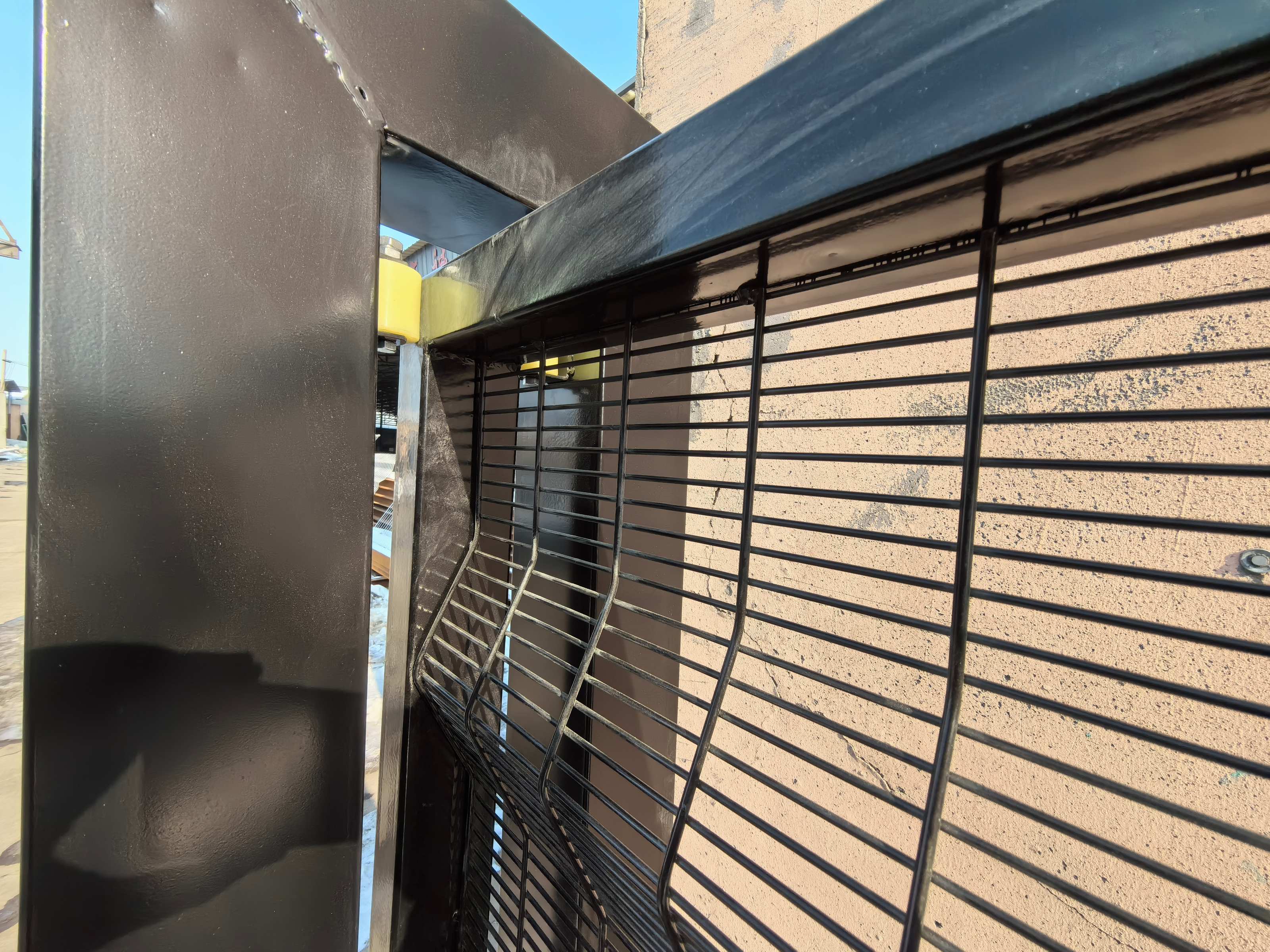
| Installation | Overlapped 75 mm minimum at each post for securing with slotted clamp bars and M8 diameter bolts |
| Post Description | High-grade steel for maximum strength and rigidity; Post section sizes: 60×60 mm, 80×60 mm, 80×80 mm, or 120×60 mm; Post plate thickness: 2.5 mm or 3.0 mm |
| Finish | Inside and outside galvanized (Min. 275 g/m2), covered with a polymer powder (Min. 60 microns) |
| Colors for Posts | Green RAL 6005, or Black RAL 9005 |
| Post Cap | Metal caps for 80×60 mm and 120×60 mm posts, plastic cap for 80×80 mm post |
| Clips and Clamps | Hot dip galvanized then powder coating in green or black color |
Applications
358 security fence prison mesh is used where intrusion risk is high and visibility is required. Typical deployments include prisons and correctional facilities, military sites, airports, rail corridors, utilities, substations, critical infrastructure, industrial perimeters, warehouses, logistics compounds, government sites, and public-facing assets that require anti-climb performance without blocking sight lines.


Benefits
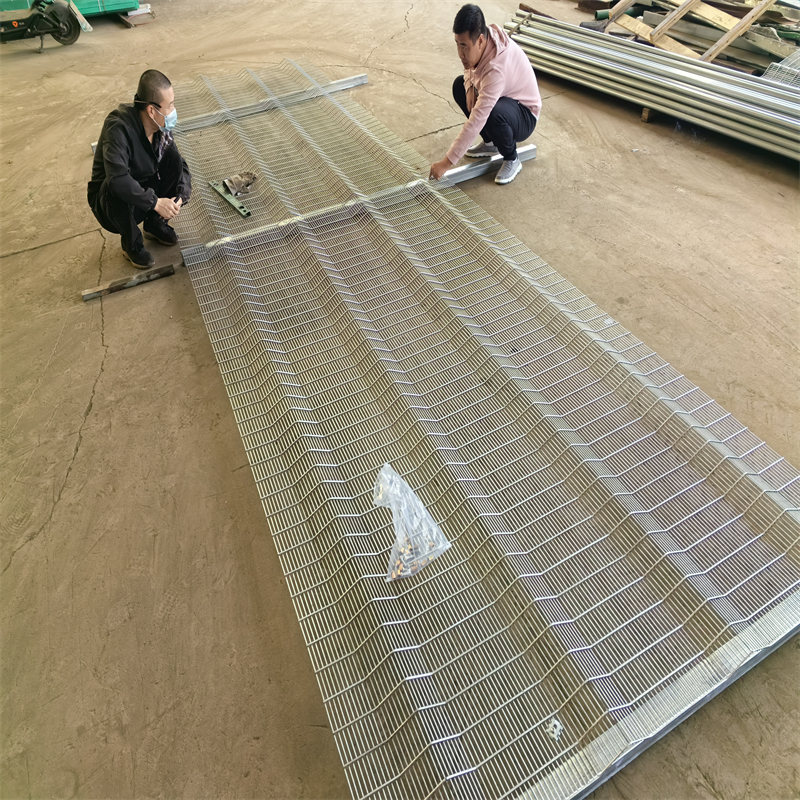
The primary benefit of 358 security fence prison mesh is controlled security performance under real conditions: tight aperture anti-climb behavior, strong welded panel strength, and stable post systems that resist movement. When the system is specified correctly, buyers reduce the risk of weak points, reduce rework cost, and achieve long service life with corrosion-resistant surface treatment options.
Top 10 Procurement Traps for 358 Security Fence Prison Mesh (Especially #7)
The fastest way to lose money is to buy 358 security fence prison mesh by “looks” only. The following Top 10 traps are practical failure patterns that trigger risk, damage, and long-term cost.
Trap #1 — Risk: Buying “358” by name without locking the mesh aperture
Many panels are marketed as 358 but arrive with different apertures. If the mesh aperture is not locked in the PO, the anti-climb profile becomes a fantasy for any 358 security fence prison mesh project.
Trap #2 — Problem: Choosing wire diameter too light for cut resistance
Thin wire reduces stiffness and cut resistance. When wire diameter is under-specified, the 358 security fence prison mesh panel becomes easier to attack and easier to deform.
Trap #3 — Warning: Ignoring weld integrity and panel flatness control
A panel can look flat in photos but behave poorly under load if welds are weak. Weld integrity is a measurable quality control point, not a marketing line, especially on 358 security fence prison mesh installations.
Trap #4 — Pitfall: Selecting posts by habit instead of wind-load and height
Post type and size control the entire fence line. Wrong post selection triggers vibration, rattle, clamp loosen, and alignment drift across long runs in 358 security fence prison mesh perimeters.
Trap #5 — Defect: Treating accessories as “generic”
Bolts, nuts, and clamp systems define anti-tamper behavior. If accessories are low-grade, corrosion and loosening appear early, turning 358 security fence prison mesh into a maintenance loop.
Trap #6 — Damage: Choosing the wrong coating system for the exposure
Electric galvanizing and hot dipped galvanizing do not perform the same. If coating selection is wrong, corrosion risk rises and service life drops—especially at cut points and welds on 358 security fence prison mesh panels.
Trap #7 — Crisis: Not writing measurable acceptance rules into the purchase order
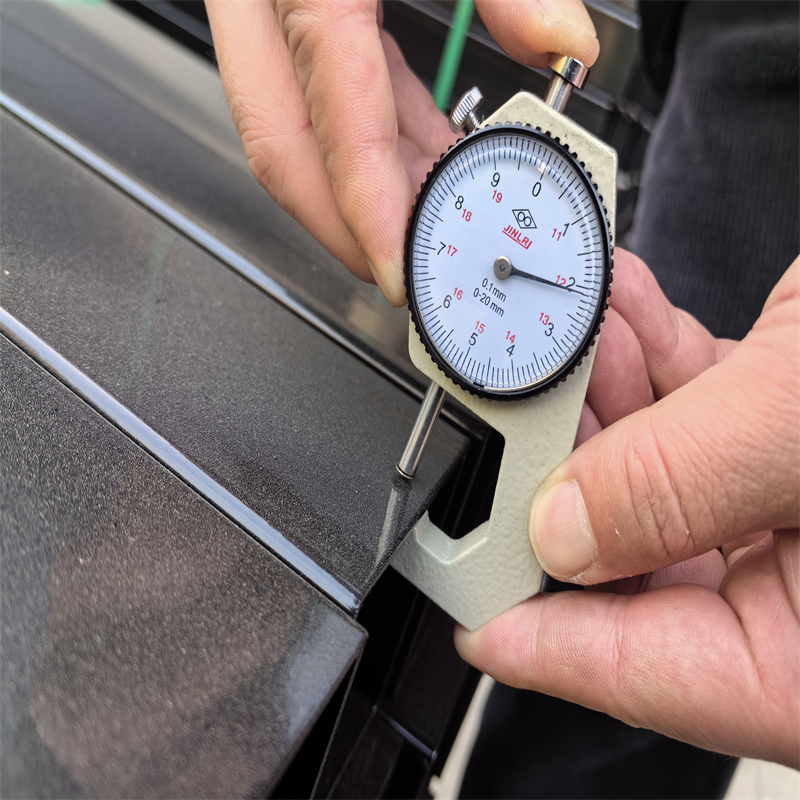
This is where buyers lose money. If the PO does not lock measurable acceptance rules—mesh aperture, wire diameter, panel size tolerance, post type and size, coating system, weld inspection rules, and a receiving inspection checklist—358 security fence prison mesh can arrive “close enough” but fail under real stress. That triggers replacement panels, extra labour, and the most expensive outcome: schedule loss under security pressure.
Trap #8 — Oversight: Skipping 100% pre-delivery testing and inspection records
Without inspection records, hidden defects pass through. Professional supply requires production checks and strict inspection before shipping for 358 security fence prison mesh orders.
Trap #9 — Mistake: Ordering large panels without planning erection simplicity
Erection simplicity depends on panel size, post spacing, clamp positioning, and handling behavior. If the install plan is ignored, site labour cost spikes on 358 security fence prison mesh projects.
Trap #10 — Loss: Treating packing as “logistics” instead of coating protection
Poor packing causes coating damage and panel distortion. Packing is a performance control point because handling damage becomes corrosion risk for 358 security fence prison mesh shipments.
Packing
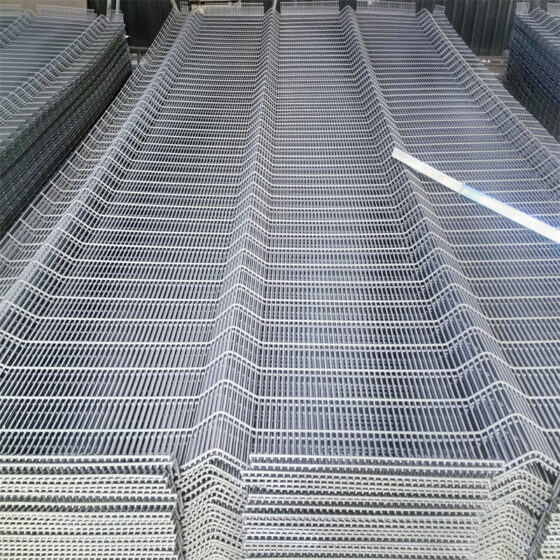
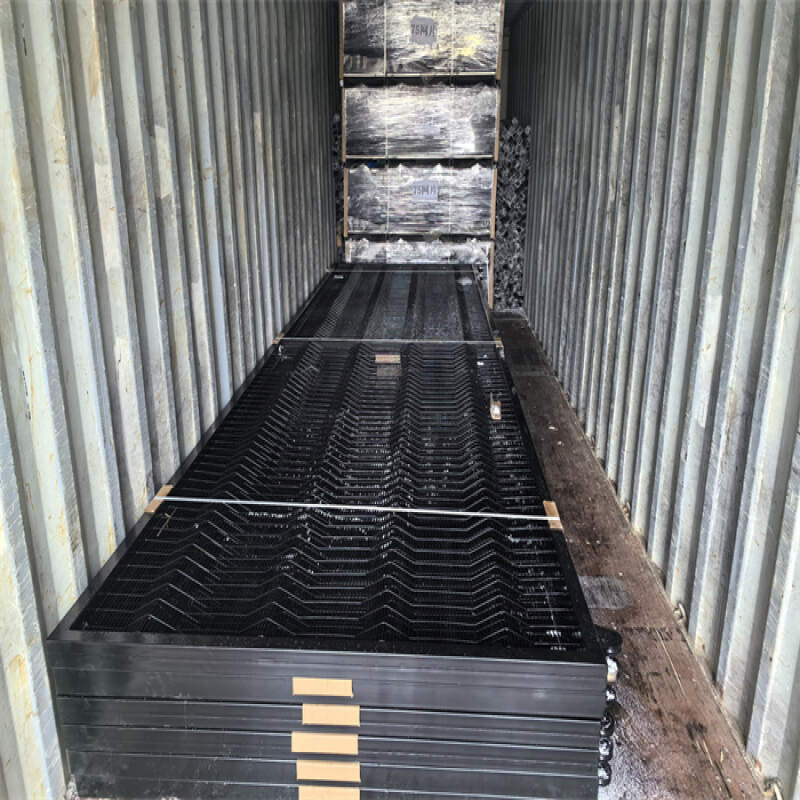
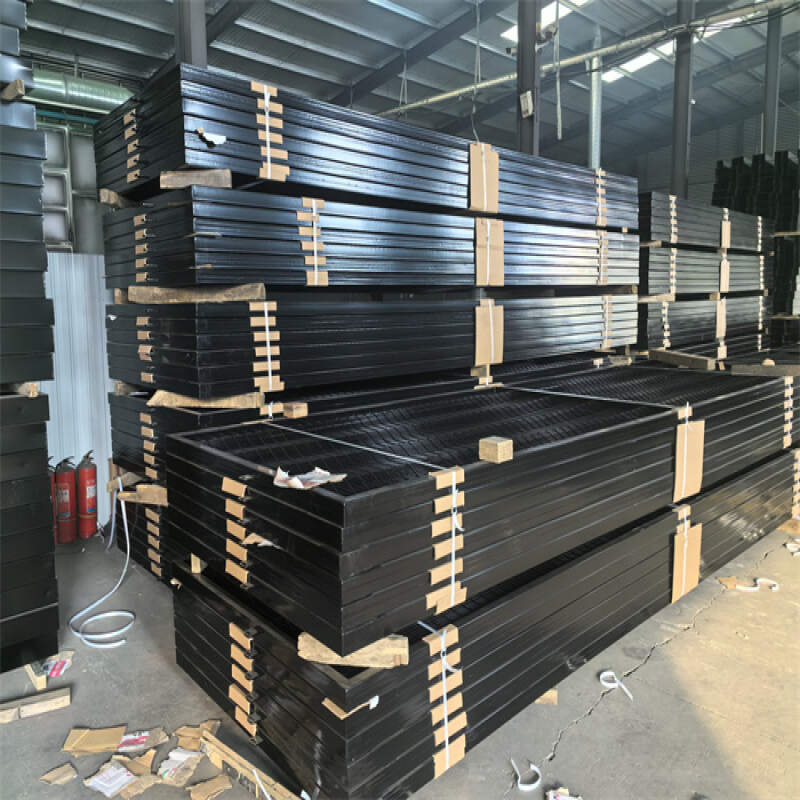
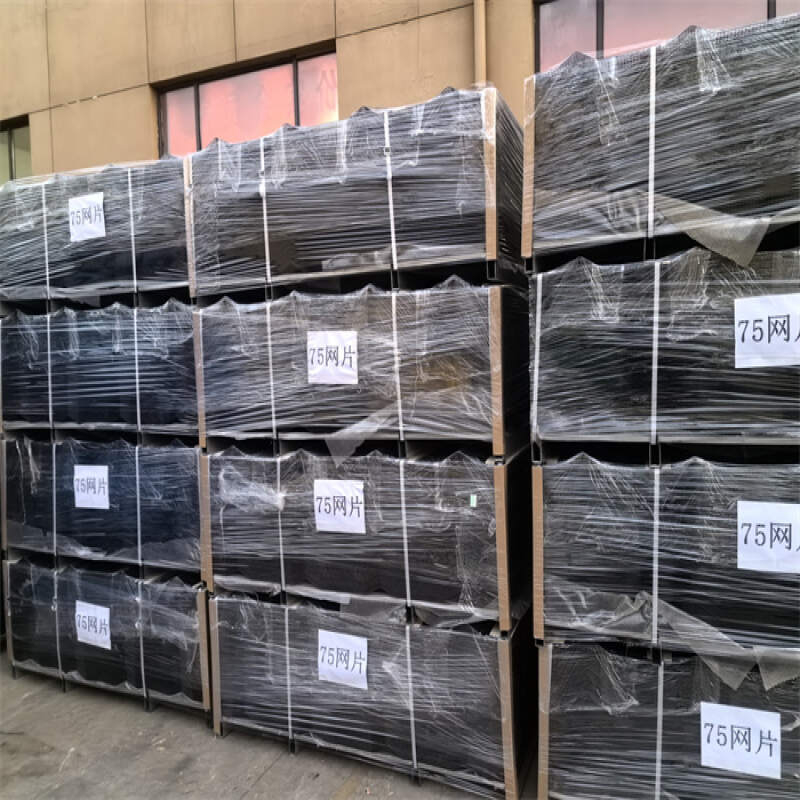
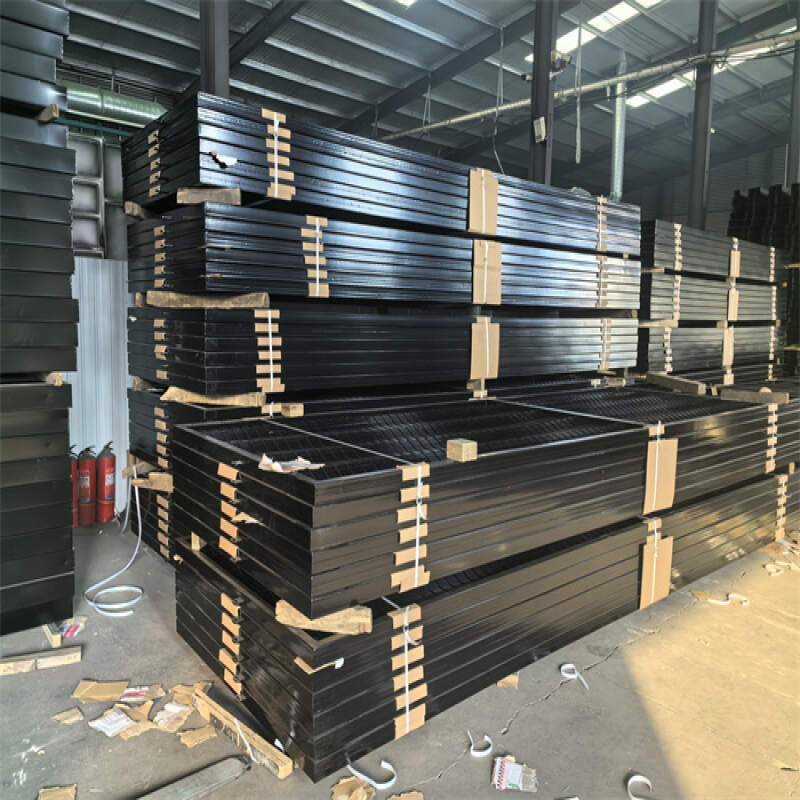
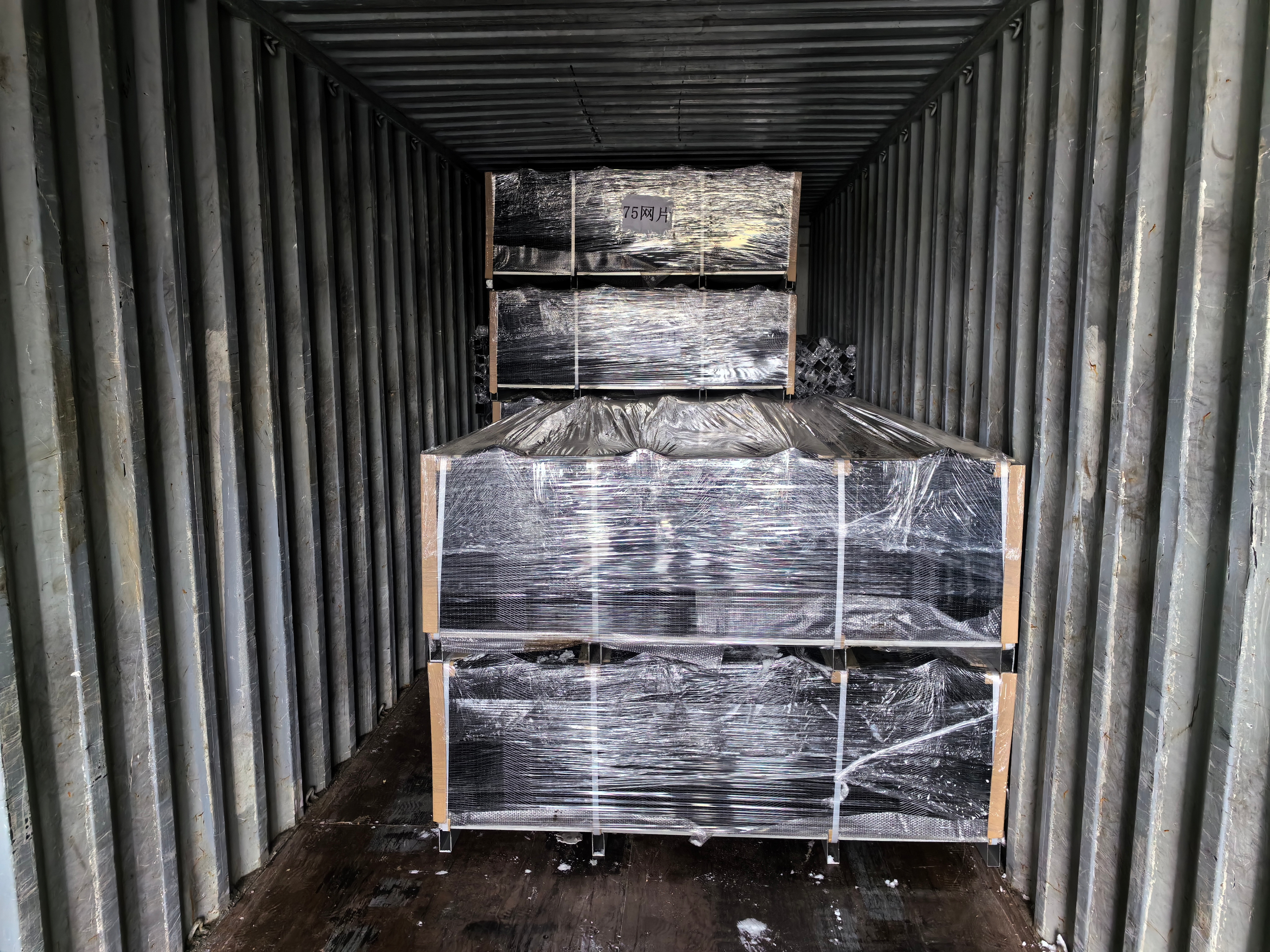
POLYMETAL packs 358 security fence prison mesh to reduce transit damage and site handling loss. Panels are wrapped with waterproof paper and shipped on metal or wood pallets. Standard packing uses pallet + plastic film, and customized packing is welcomed for higher-risk projects. This packing approach protects coating, keeps panels flat, and reduces rework during receiving and erection. For related panel options and matching configurations, see 358 anti climb wire mesh.
Standards
358 security fence prison mesh procurement commonly references measurable acceptance rules for aperture size, wire diameter tolerance, post section compliance, and surface treatment performance. For public or high-risk sites, buyers often specify additional deterrence such as razor wire or barbed wire. The most reliable rule is simple: write project compliance requirements directly into the PO as measurable acceptance checkpoints, then inspect against them at receiving.

FAQs
Do you test all your goods before delivery?
Yes, 100% test before delivery with strict inspection before products go out.
What’s your terms of packaging?
Wrapped with waterproof paper, with metal or wood pallet; standard packing is pallet and plastic film, or according to customer requirements.
Can you produce according to samples or drawings?
Yes, production can follow samples or technical drawings. Molds and fixtures can be built if required.
How do you handle after-sales issues?
POLYMETAL tracks cargo transportation, builds customer files for follow-up, provides replacement for damaged products, and handles dissatisfaction and complaints with structured support.
Can special specifications be produced?
Yes, special specifications for 358 security fence prison mesh can be produced as required.