Your One-Stop Wire Mesh Fence Supplier | POLYMETAL
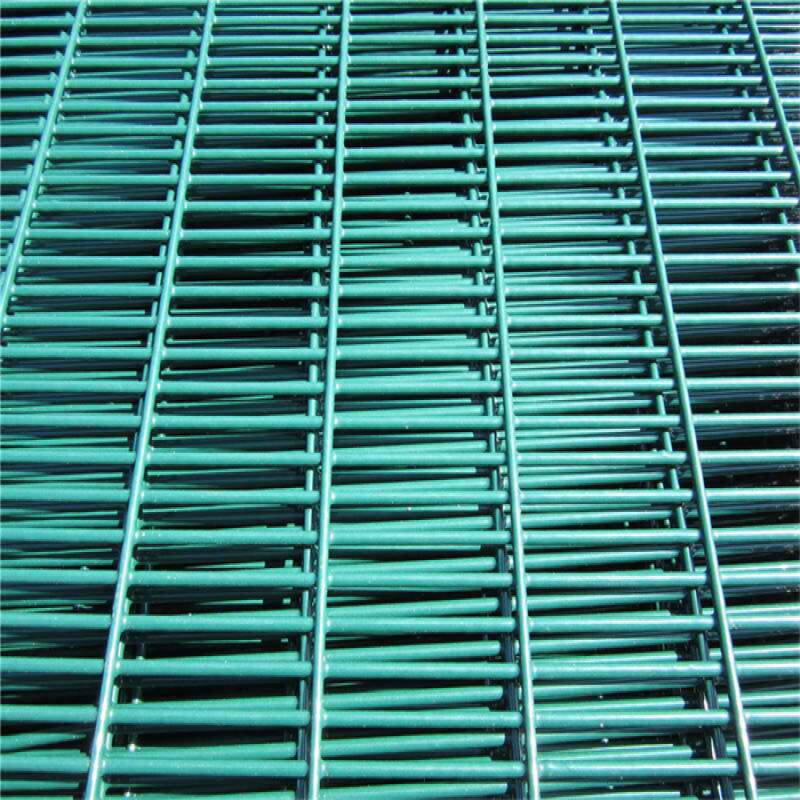
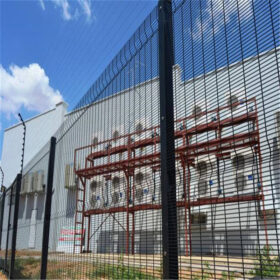
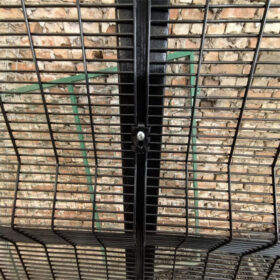
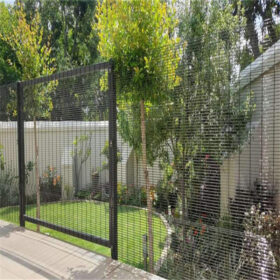
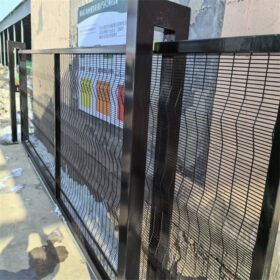
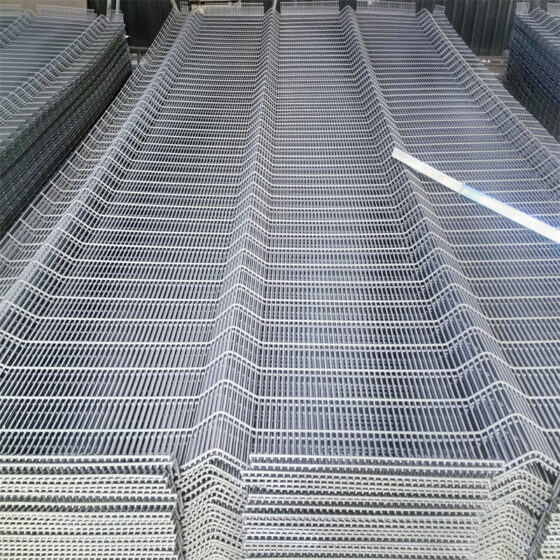
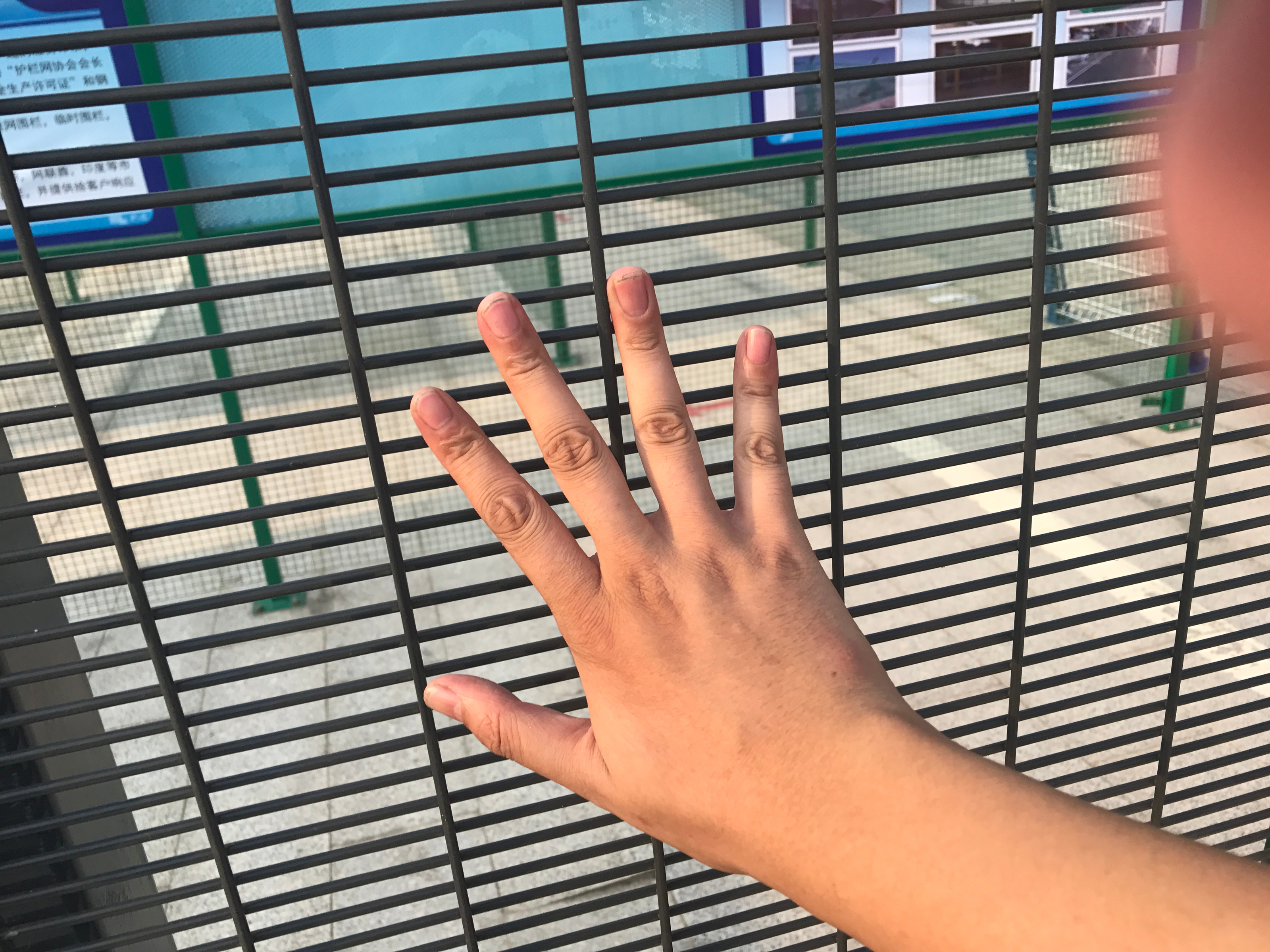
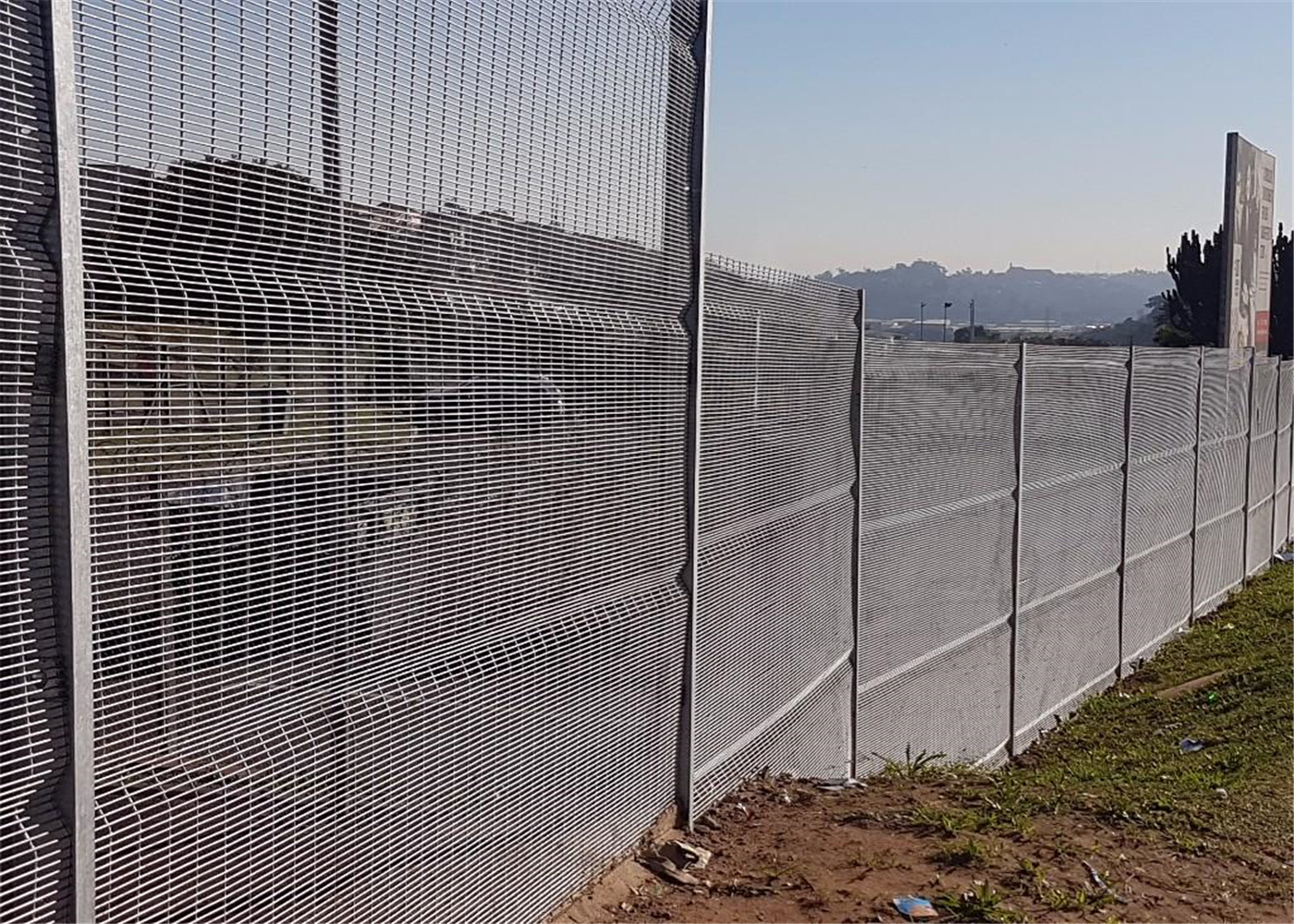
358 weld mesh security fencing is the definitive mesh fencing system for perimeter protection, featuring a finger and foothold-proof wire configuration that creates a barrier which is virtually impossible to climb, penetrate, or cut by conventional means—while delivering maximum security and strong anti-corrosion performance. The “358” format is widely chosen when you need high security without sacrificing visibility, making it a common specification for prisons, airports, utilities, logistics yards, rail corridors, and any perimeter where surveillance lines must stay clear.
POLYMETAL 358 Weld Mesh Security Fencing Product Description
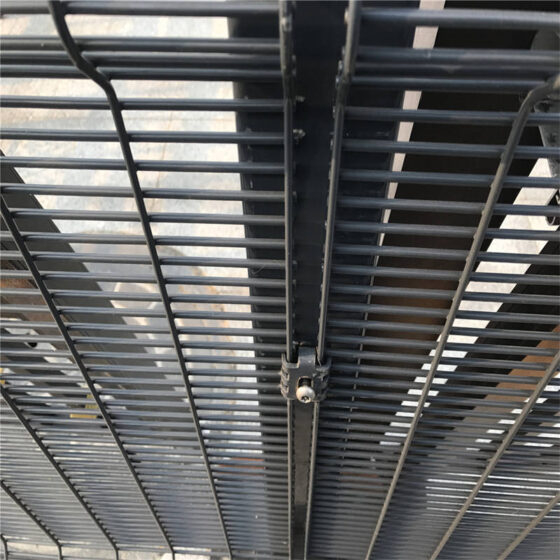
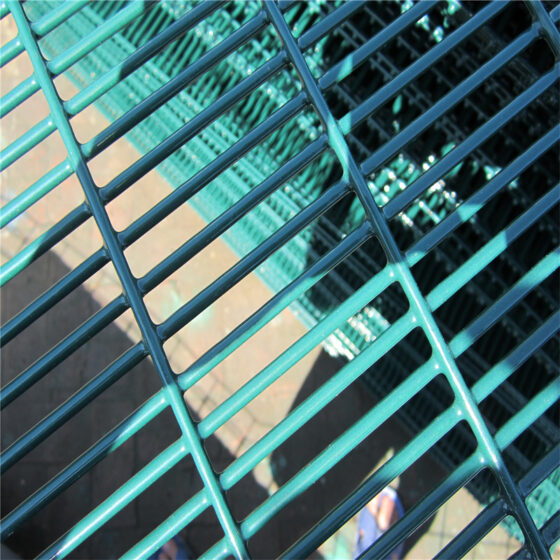
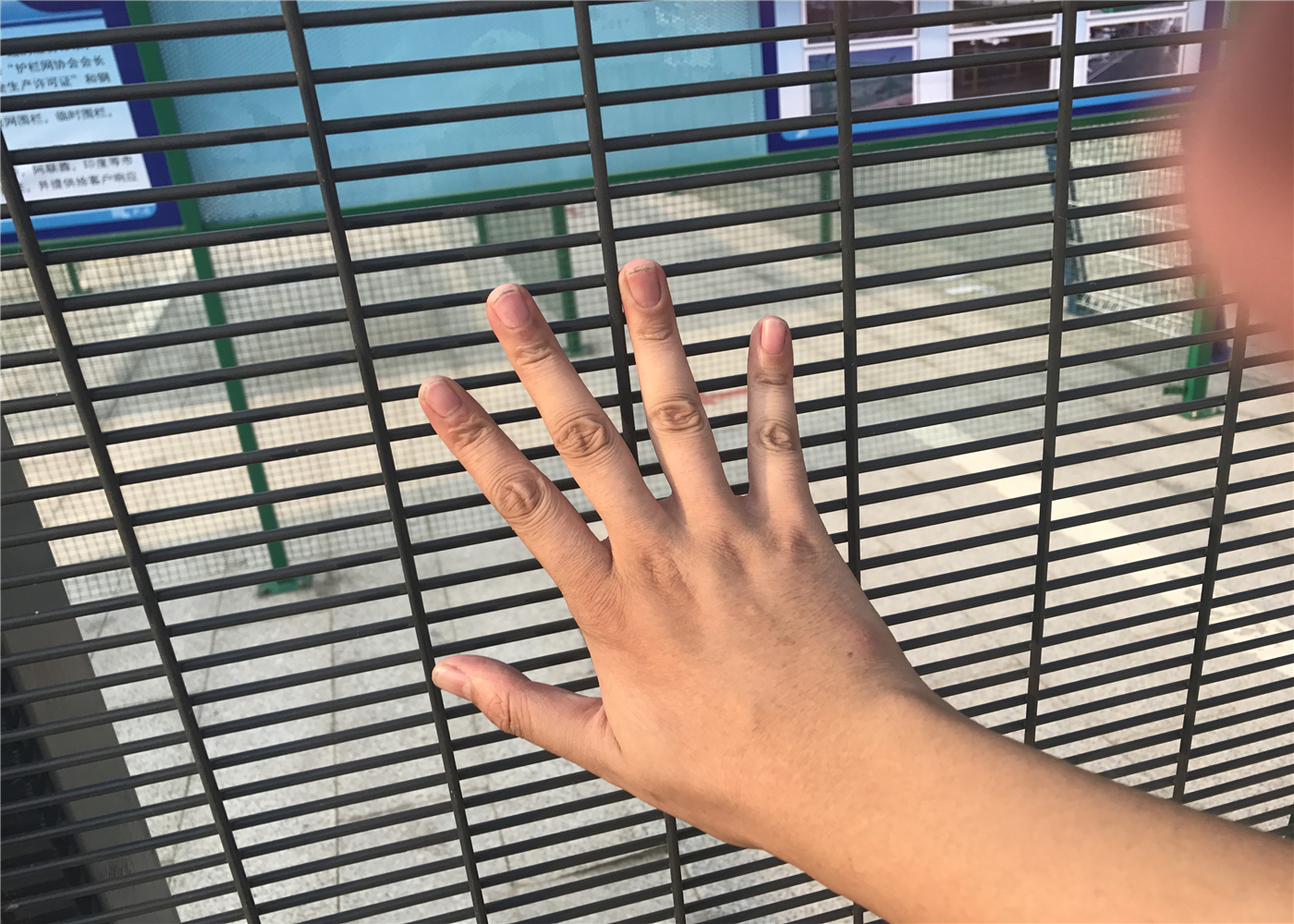
POLYMETAL 358 weld mesh security fencing is engineered to perform as a complete perimeter system, not just a panel. The tight mesh pattern eliminates reliable footholds and finger holds, making climbing attempts fail early. Welds at each intersection lock the face rigidly so the panel resists distortion under repeated impact and vibration, while the small apertures reduce the ability to pass objects through the fence line—without turning the perimeter into a visual wall.
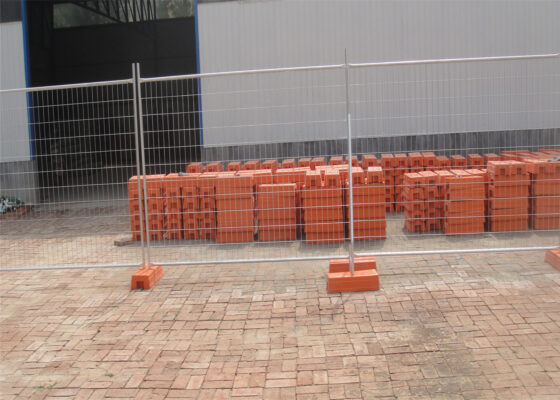
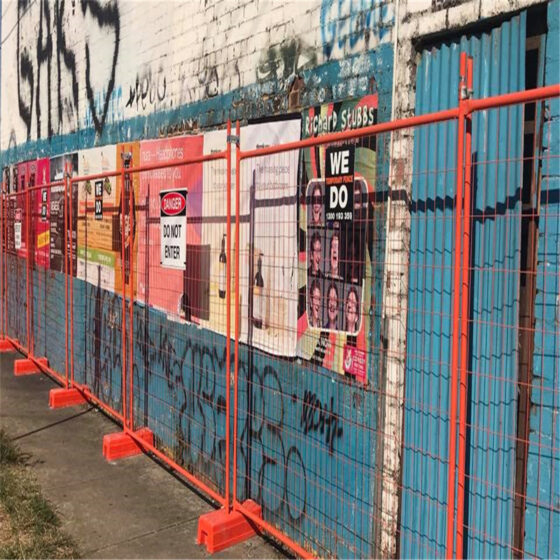
This is why POLYMETAL 358 weld mesh security fencing is specified where security is paramount and where good visibility must be maintained. The design does not just make it one of the most secure welded mesh options—it creates a formidable perimeter solution that stays effective under real, daily stress: wind load, traffic vibration, handling impacts, and long-run line tension. For staged works, shutdowns, or quick site control, it also pairs naturally with temporary security fence panels to keep coverage consistent from day one.
Application of 358 Weld Mesh Security Fencing
358 weld mesh security fencing provides an ideal solution for a wide variety of high-security perimeter and access control applications. The climb resistant mesh—with its small apertures and welded intersections—eliminates foot and finger holds, prevents objects being passed through, and is particularly effective against conventional hand cutting tools. This makes it a practical choice for environments that demand deterrence, delay, and control rather than “decorative security.”
Key Features That Make 358 Weld Mesh Security Fencing So Hard to Defeat
Anti-Climb Geometry
The close mesh is designed to deny leverage: no reliable toe holds, no easy finger purchase, and no comfortable climbing rhythm. Most “climb attempts” fail because the body cannot find stable contact points.
Anti-Cut Reality
Tight apertures reduce tool access and cutting angles. In real intrusions, this often forces attackers toward noisy power tools, increasing detection risk and time-to-breach.
Continuous Clamp-Bar Security
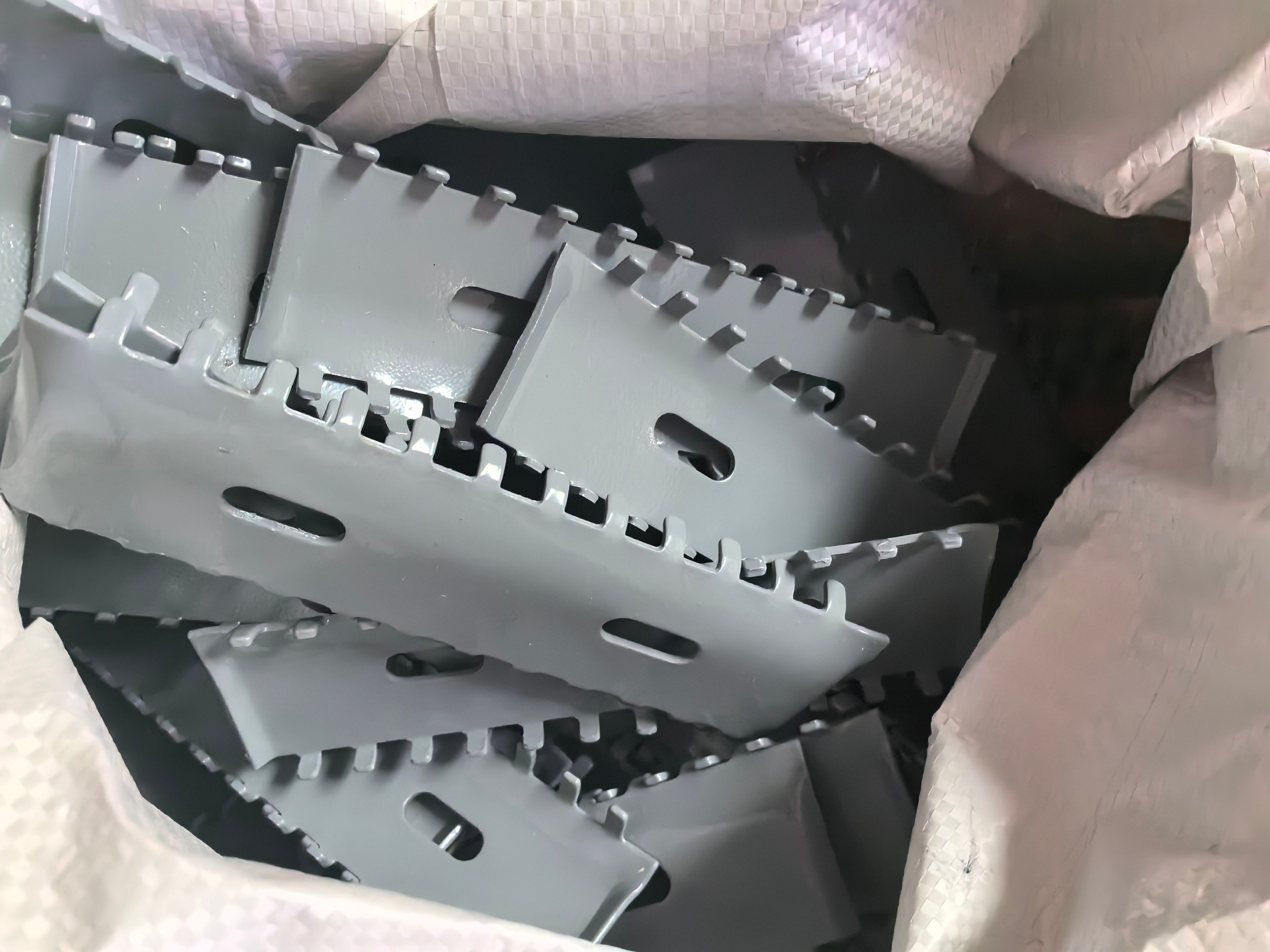
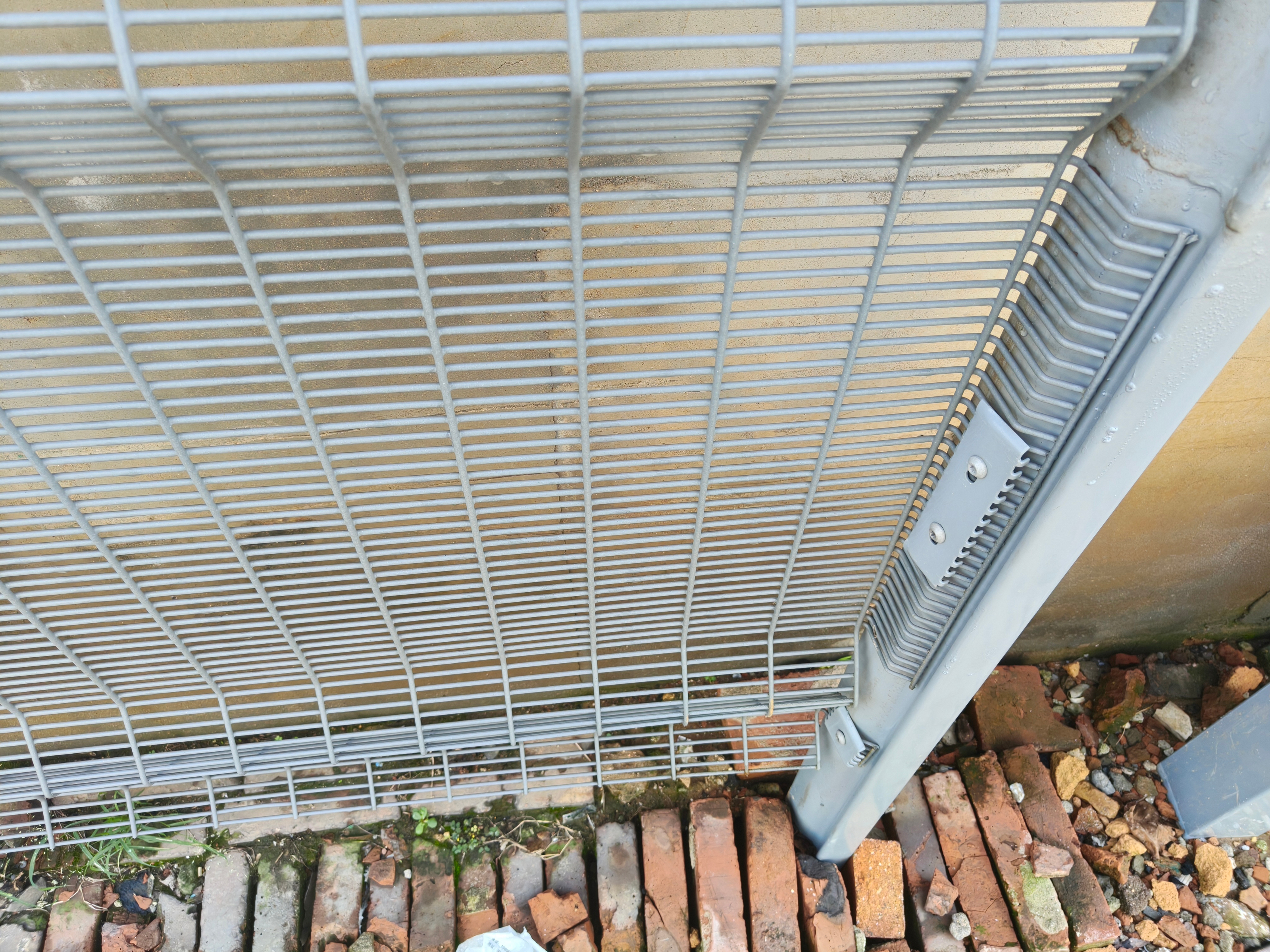
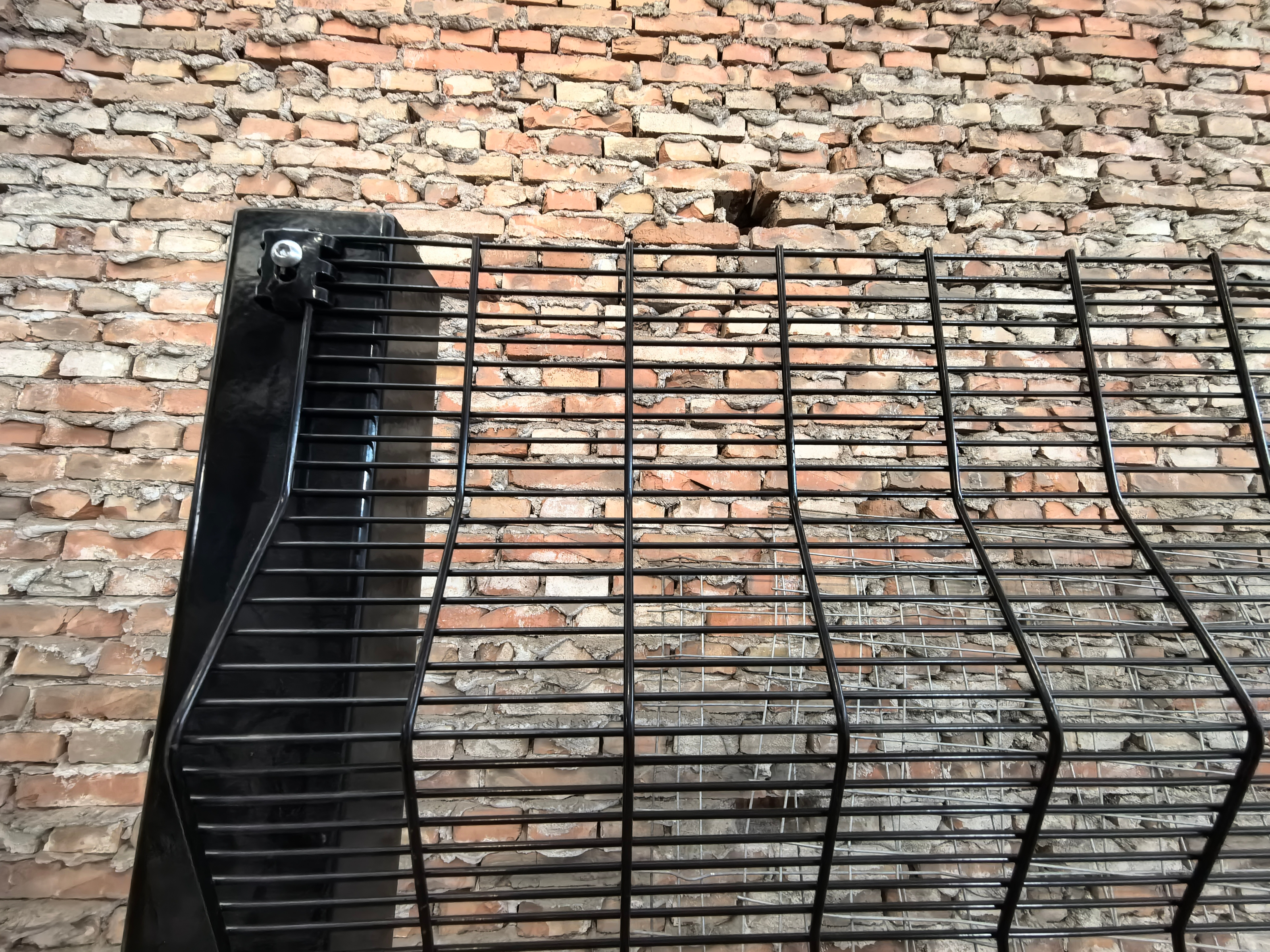
A continuous heavy-weight clamp bar can remove prying opportunities and reduce the weak-point behavior you see with cheap, spaced fixings. Done correctly, it becomes a structural and security upgrade—not a cosmetic add-on.
No “Easy Removal” Fixings
When the system is built without removable fixings, the panel cannot be quickly stripped from posts by opportunistic intruders. This blocks a common shortcut attack: “remove, don’t cut.”
Buying Priorities for High-Security Perimeters
Security
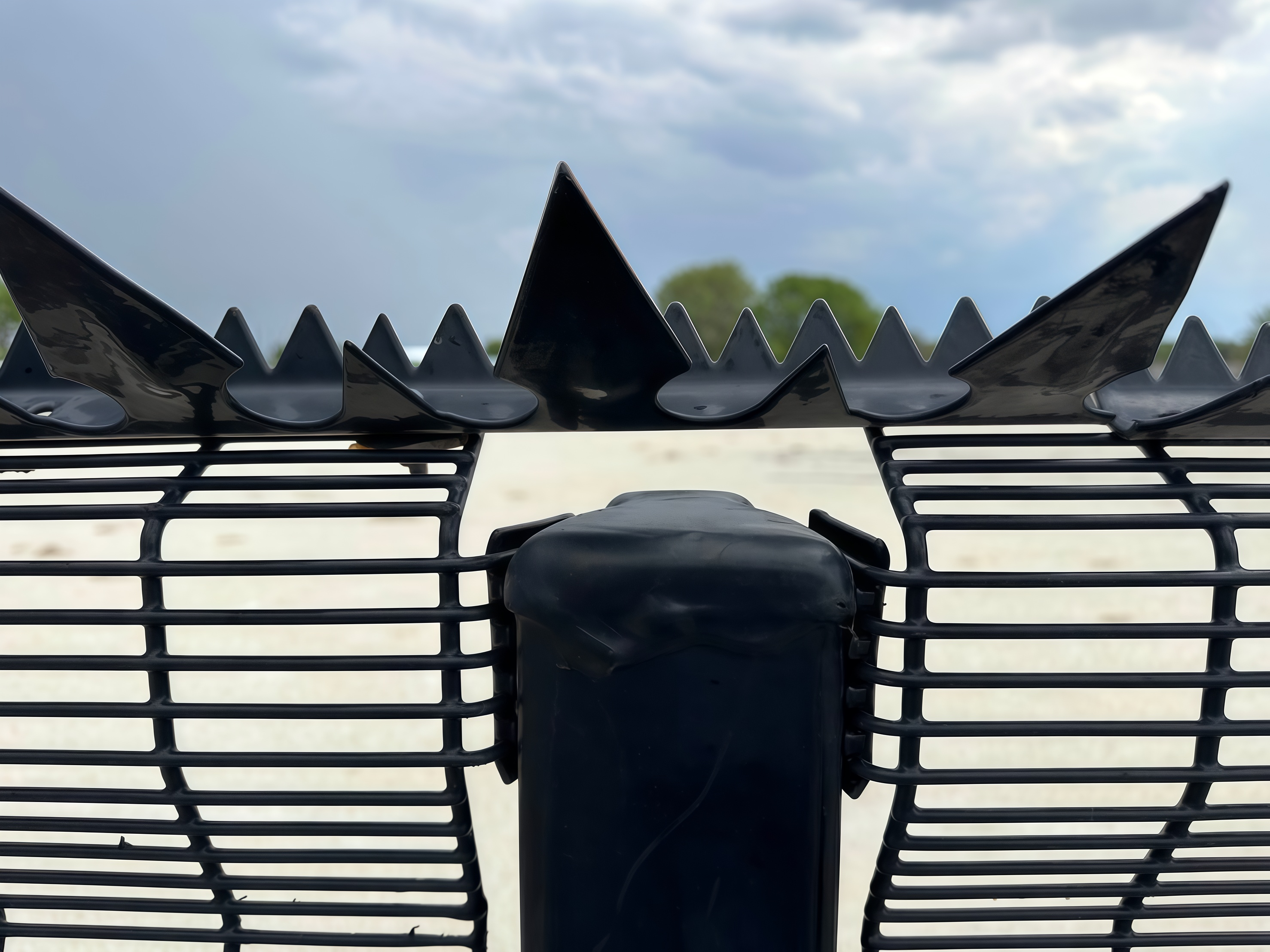
Security is decided by the full system: panel stiffness + post strength + fixing method + correct set-out and embedment. One weak link becomes the first failure point.
Visibility
358 is chosen because you can maintain surveillance sightlines and lighting coverage while still creating a hard-to-defeat physical barrier.
Durability
Long-run performance depends on corrosion control and joint integrity. If the coating fails at welds, or fixings loosen under vibration, you don’t just “repair a spot”—you start a repeating maintenance cycle.
The Top 17 Buying Traps That Decide Whether You Stay Secure—or Pay Twice
- Buying by photo instead of verifying mesh aperture, wire diameter, and weld quality.
- Choosing panel height for appearance instead of real risk and climb exposure.
- Specifying strong panels but undersizing posts, then watching the line drift.
- Ignoring post wall thickness so posts flex, fatigue, and loosen fixings over time.
- Using the wrong fixing method for the threat level (spaced clips instead of a continuous clamp-bar).
- Under-counting fixings per panel height, creating “peel points” under attack or wind load.
- Skipping corner reinforcement, where movement multiplies and alignment fails first.
- Assuming “galvanized” is enough, then corrosion starts at welds and cut ends.
- Choosing a coating that can’t survive handling intensity, transport abrasion, or coastal exposure.
- Poor set-out (post centers) that forces panel stress and warped alignment on install day.
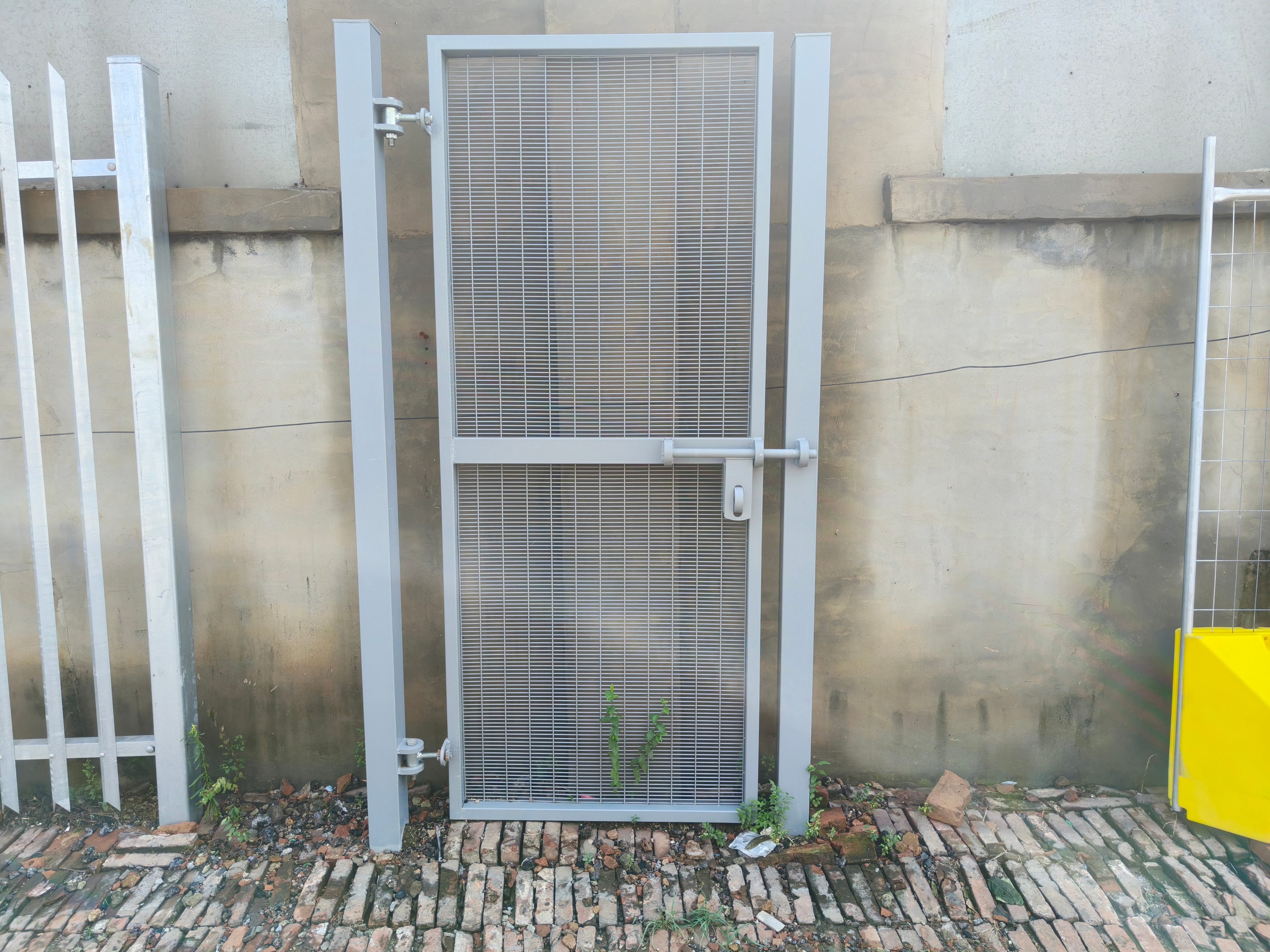
- Not planning gates, returns, and terminations as load-bearing points.
Trap #12 Danger: The fixing-count shortcut that turns “high security” into an easy failure line
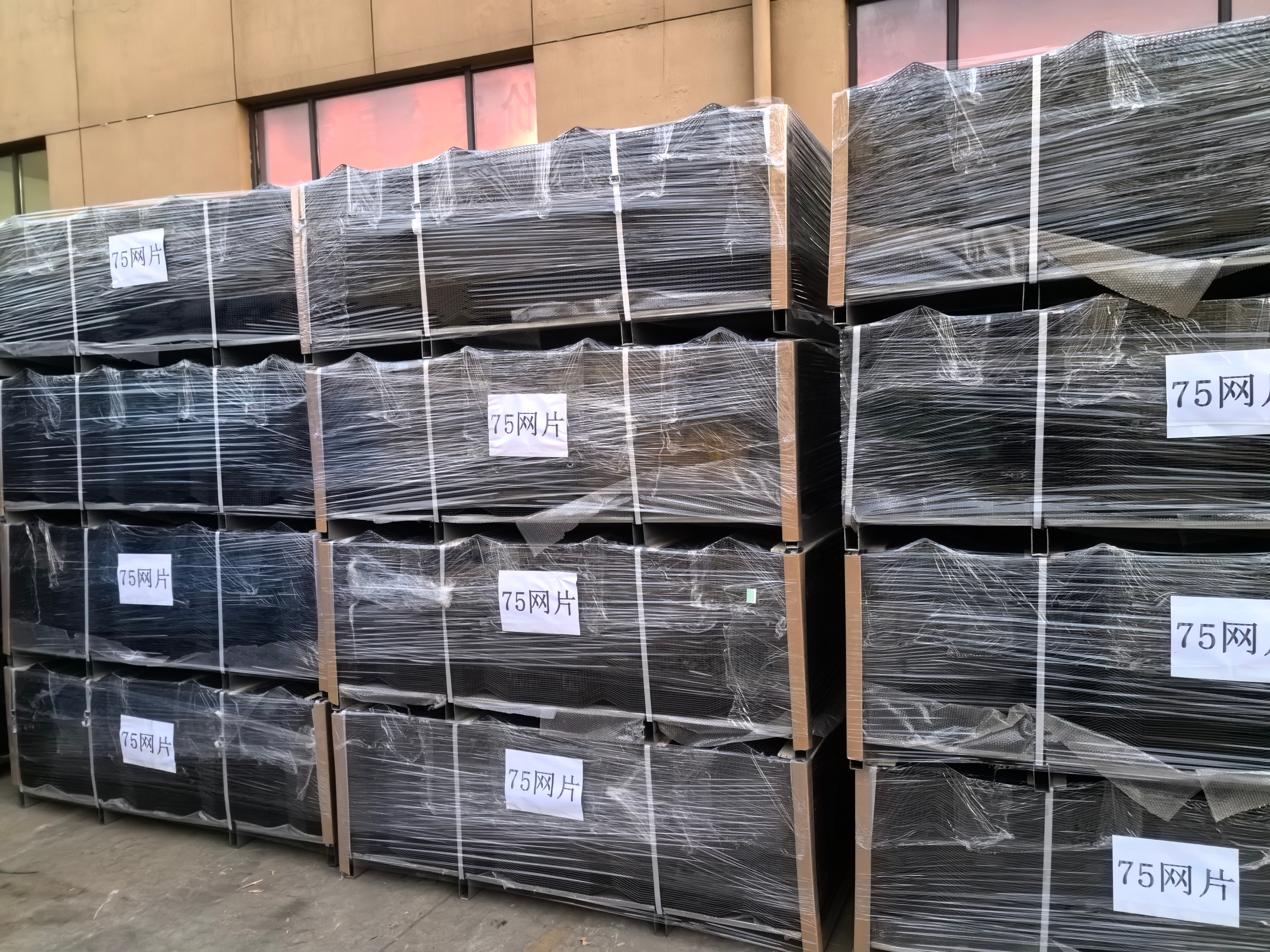
If you treat fixings as a cost to cut instead of a security-critical control point, the panel can begin to move under wind load and vibration—then the movement becomes leverage. Once the panel “works” against the post, clamps loosen, the face starts rattling, and the fence line becomes easier to pry, peel, or distort. This is the budget killer because it doesn’t create one repair—it creates repeat tightening, re-alignment, and replacement labor across the run, which is exactly why many buyers compare solutions like Corromesh high-security fencing when specifying clamp bars and fixing counts.
- Mixing specifications across one perimeter and creating soft sections that fail first.
- Choosing posts that are strong mid-run but weak at corners and gate returns.
- Ignoring soil conditions and embedment depth until posts lean under seasonal movement.
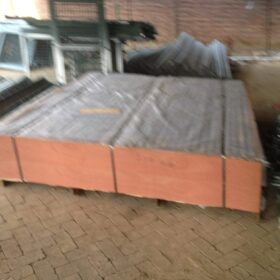
- Poor stacking/transport that bends panels before installation even starts.
- Chasing the lowest unit price instead of the lowest lifetime security-and-maintenance cost.
Specifications in Tables
| Panels | Post | ||||
|---|---|---|---|---|---|
| Fence Height | Panel Size (H × W) | Post Size | Post Height | Total Fixings (Inters – 1 clamp) | Total Fixings (Corners – 2 clamp) |
| m | mm | mm | mm | ||
| 2.0 | 2007 × 2515 | 60×60×2.5mm | 2700 | 7 | 14 |
| 2.4 | 2400 × 2515 | 60×60×2.5mm | 3100 | 9 | 18 |
| 3.0 | 2997 × 2515 | 80×80×2.5mm | 3800 | 11 | 22 |
| 3.3 | 3302 × 2515 | 80×80×2.5mm | 4200 | 12 | 24 |
| 3.6 | 3607 × 2515 | 100×60×3mm | 4500 | 13 | 26 |
| 3.6 | 3607 × 2515 | 100×100×3mm | 4500 | 13 | 26 |
| 4.2 | 4204 × 2515 | 100×100×4mm | 5200 | 15 | 30 |
| 4.5 | 4496 × 2515 | 100×100×5mm | 5500 | 16 | 32 |
| 5.2 | 5207 × 2515 | 120×120×5mm | 6200 | 18 | 36 |
Conclusion
POLYMETAL 358 weld mesh security fencing becomes a real security asset only when the panel, posts, and fixing method are specified as one matched system. Avoid the Top 17 traps—especially Trap #12 Danger—and you reduce loosening, corrosion blowouts, alignment drift, and the repeating repair cycle that quietly destroys budgets on “high-security” projects.