Your One-Stop Wire Mesh Fence Supplier | POLYMETAL
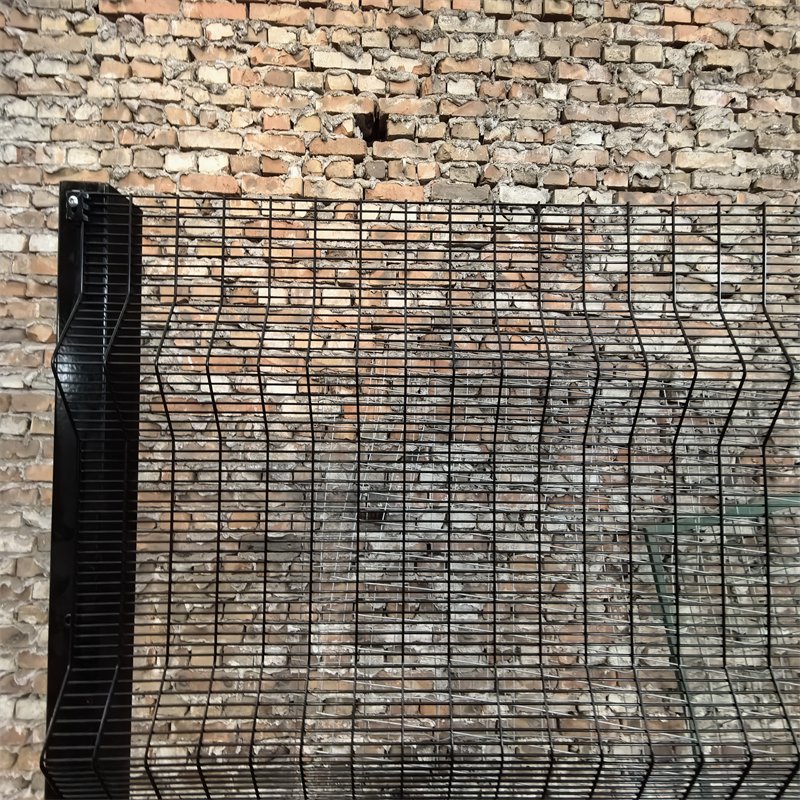
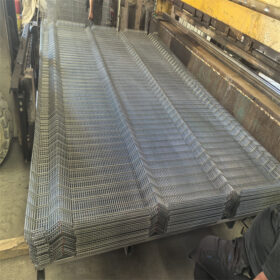
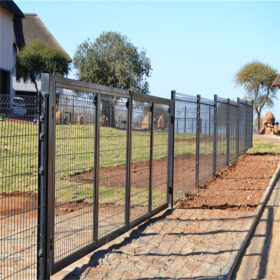
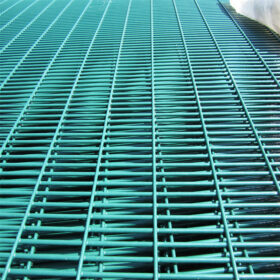
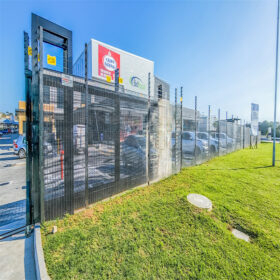
358 welded mesh fencing is also called 358 fence (3″ × 0.5″ × 8 gauge) and is widely known as “prison mesh” or anti-climb fence. It is engineered for high-security perimeters where the priority is to stop climbing, resist cutting, and keep the fence line looking clean over years of exposure.
The “358” naming comes from its core measurement: 3″ × 0.5″ × 8 gauge, which is approximately 76.2mm × 12.7mm × 4.0mm in metric.
POLYMETAL produces 358 fence panels as a professional security solution for sites that cannot tolerate weak welds, sloppy coatings, or mis-matched posts and clamp bars.
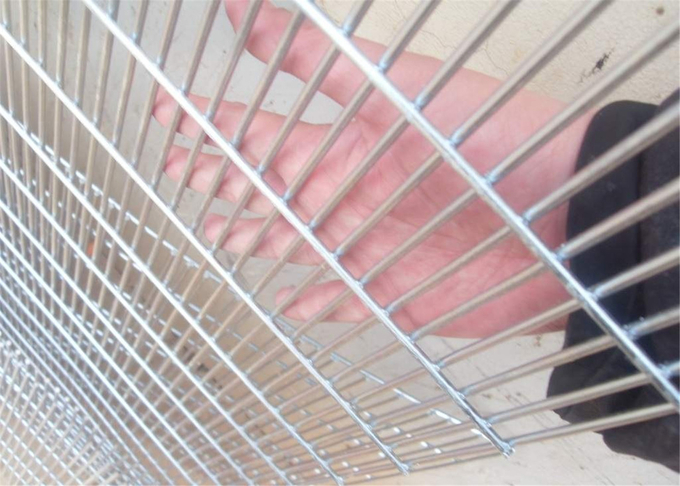
The tight mesh aperture makes it extremely difficult for intruders to gain toe-holds or finger-holds, while the strong welded wire structure reduces the chance of fast cutting attacks.
This fence is commonly specified for critical assets such as airports, power systems, shipping ports, rail corridors, correctional facilities, industrial plants, sensitive government areas, and any project that needs “security first” performance without sacrificing appearance.
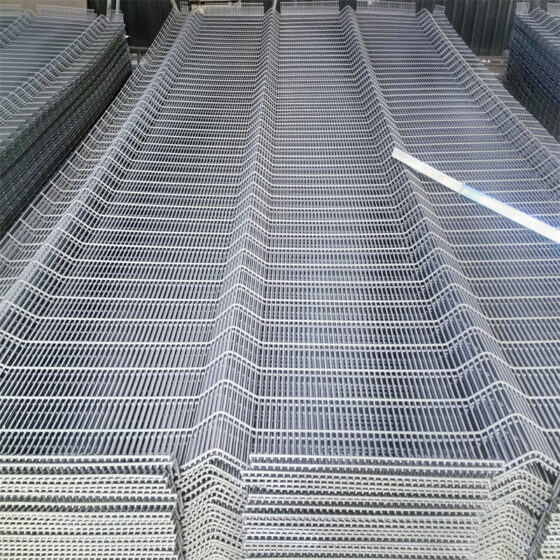
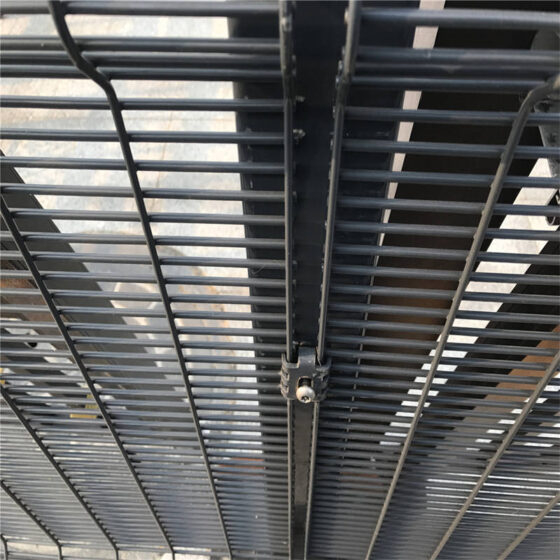
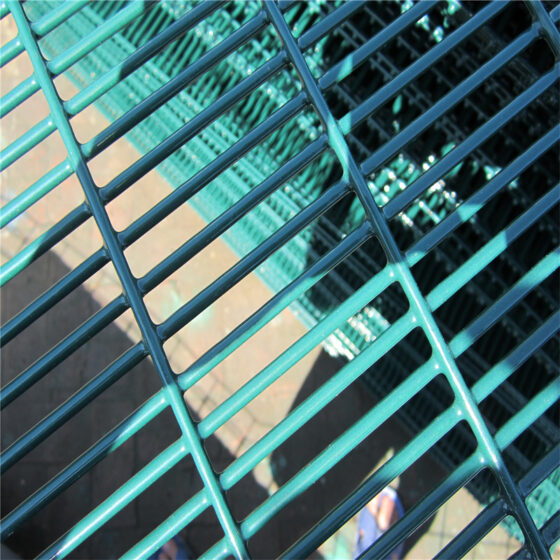
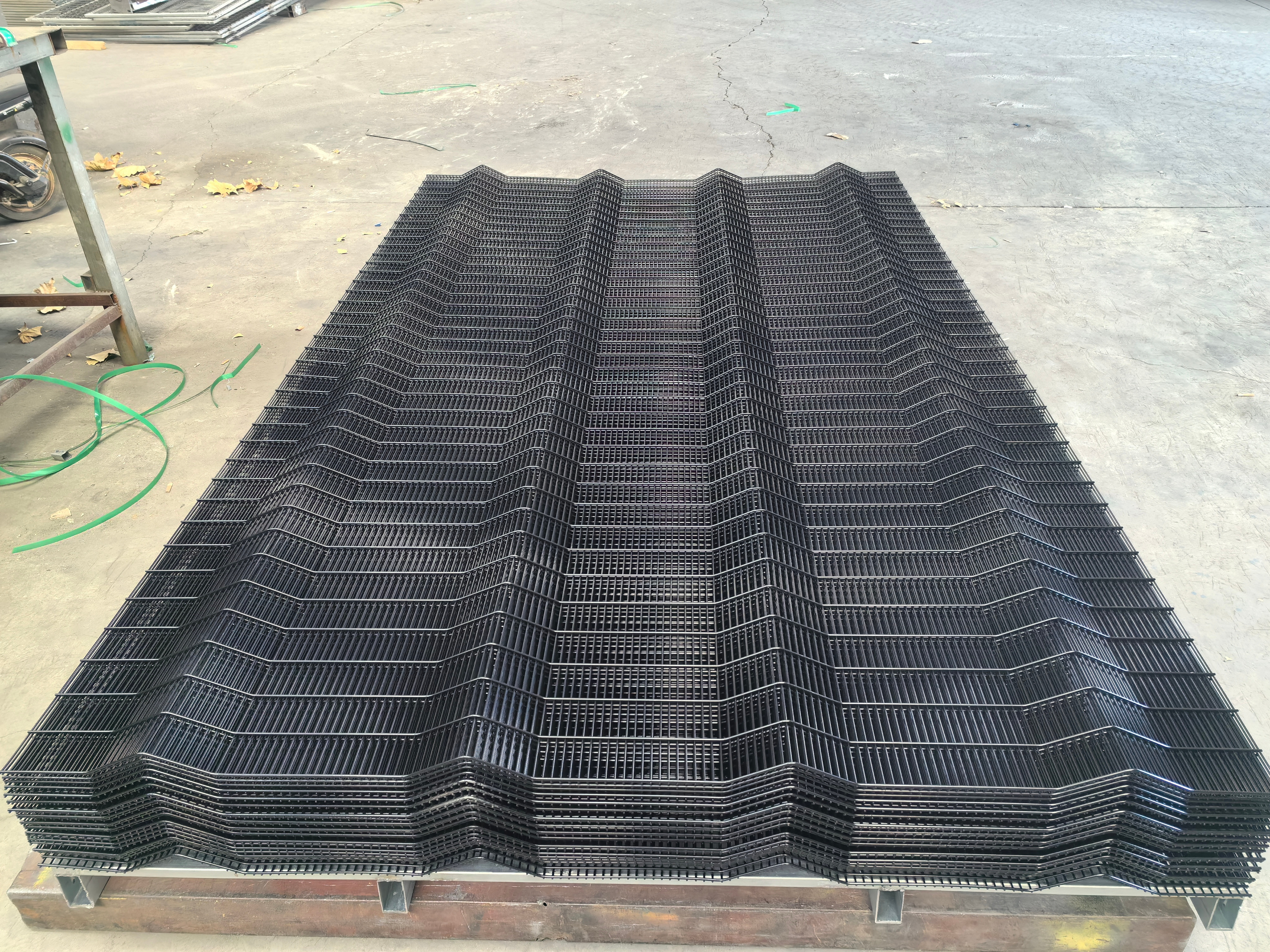
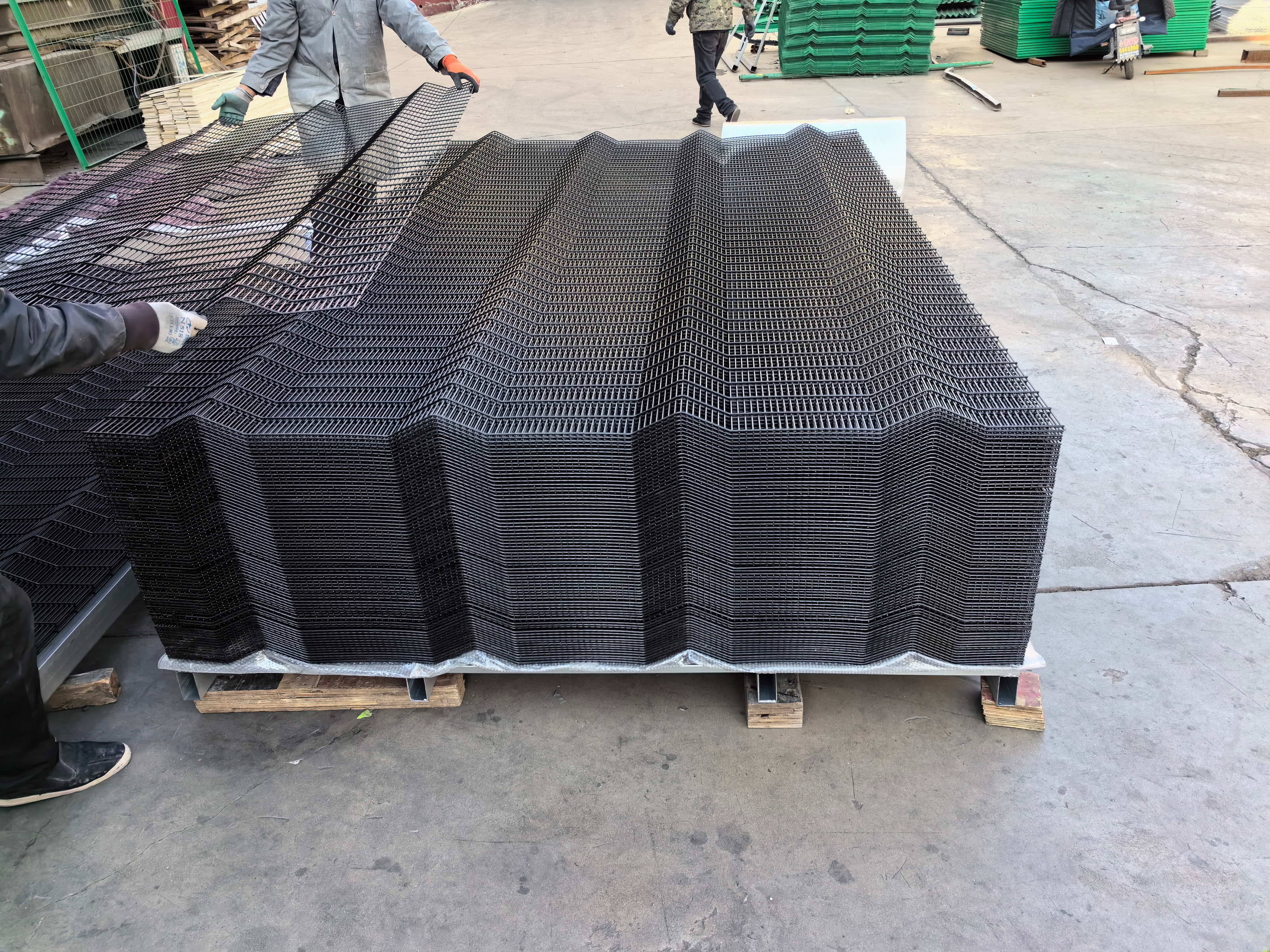
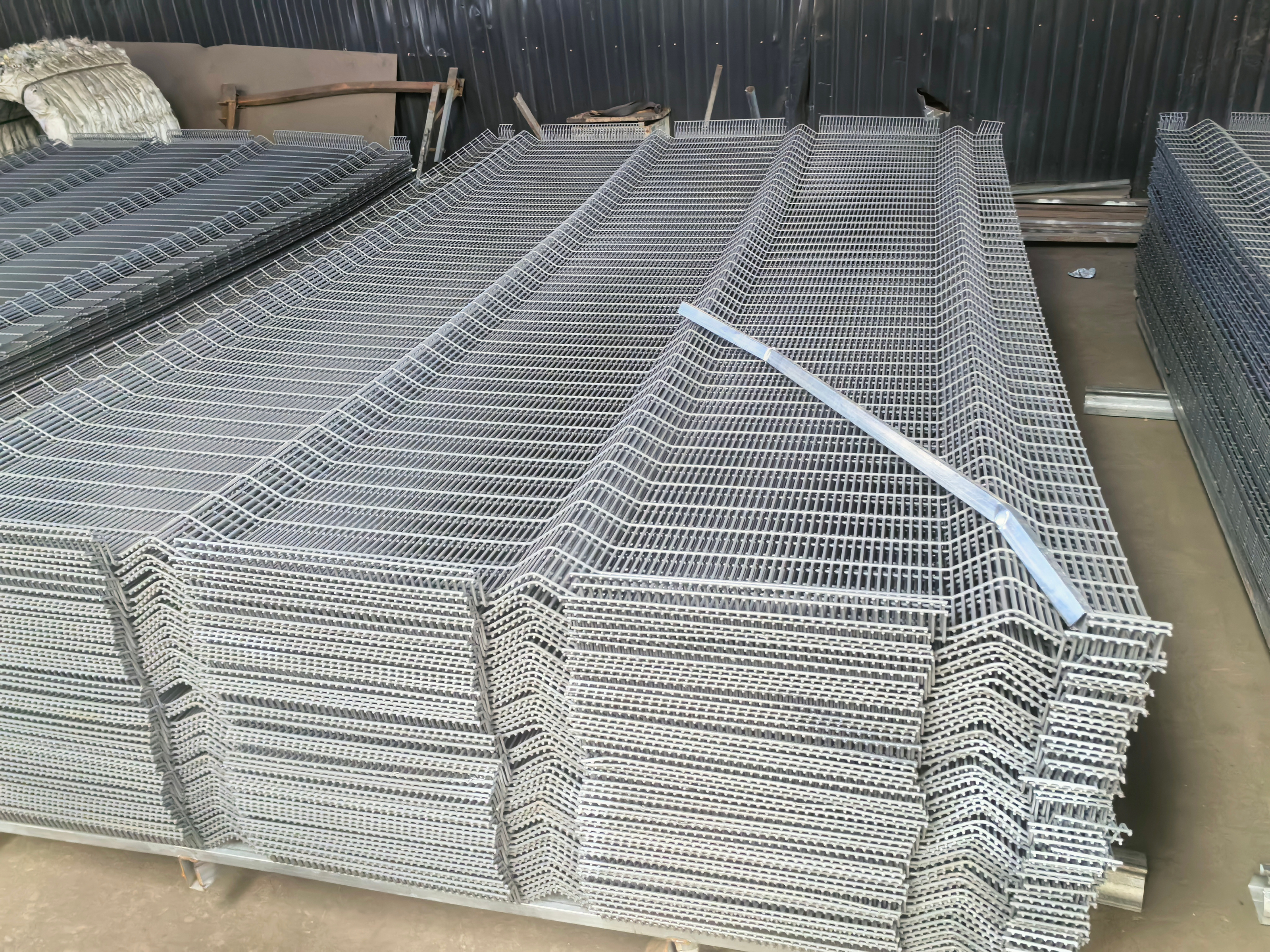
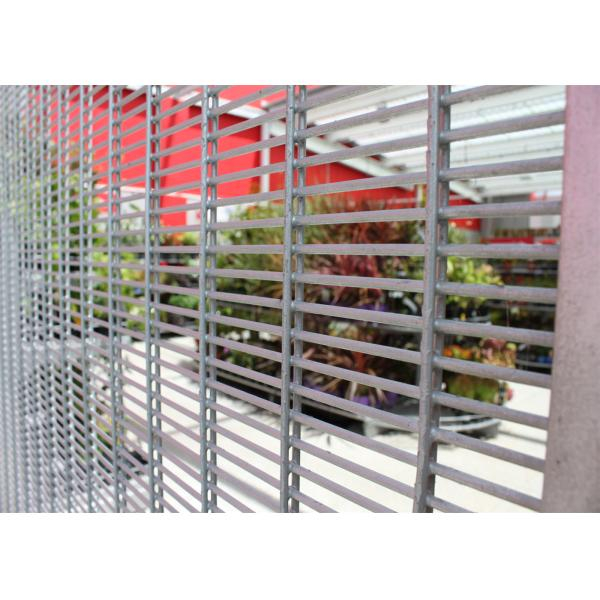
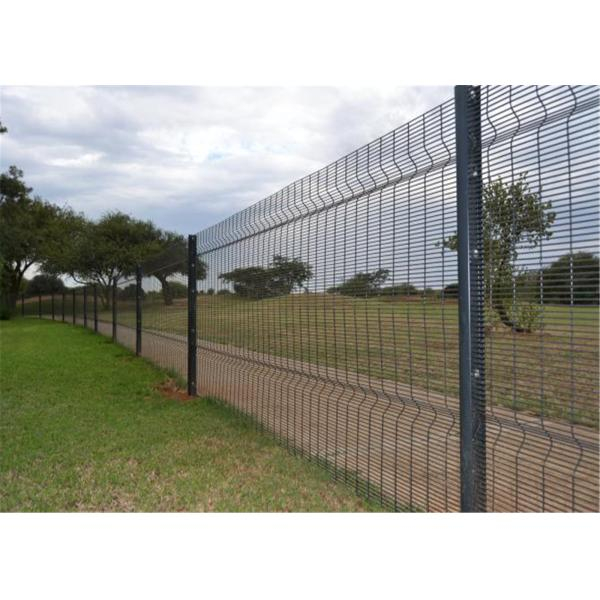
Visual Reference: 358 welded mesh fencing Panels
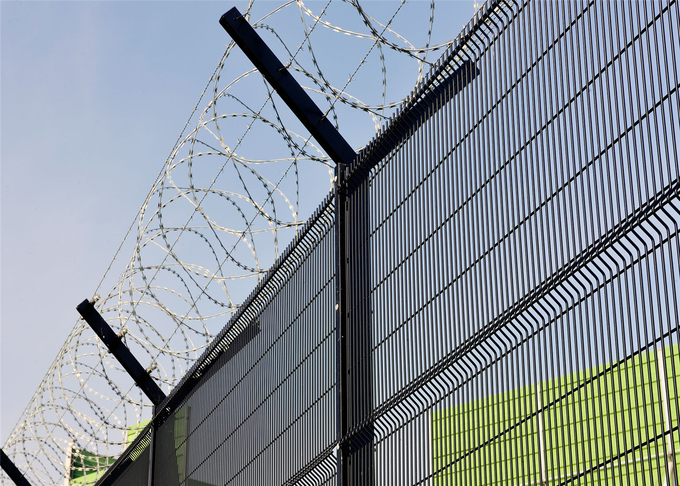 | 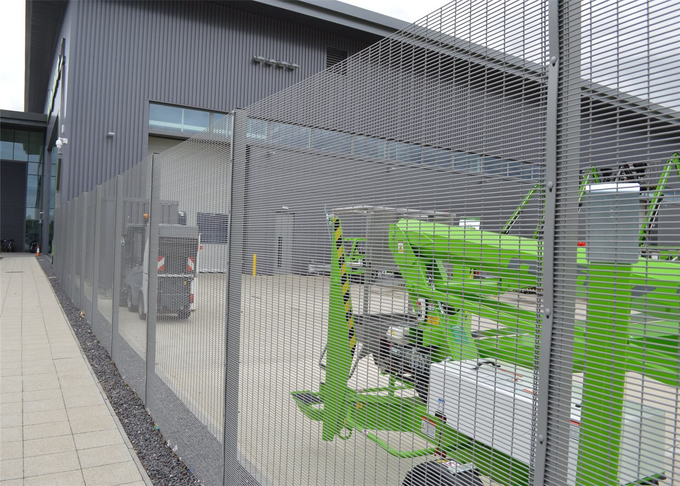 |
Product Description (POLYMETAL 358 welded mesh fencing Panels)
POLYMETAL 358 welded mesh fencing panels are manufactured with a high-density welded mesh designed to block climbing and resist cutting while maintaining a strong, modern perimeter appearance.
The signature small rectangular openings (typically 76.2mm × 12.7mm) prevent hands, fingers, and tools from gaining leverage, which dramatically reduces climb attempts and slows down intrusion.
The panel is supported by a matched post-and-clamp-bar system, where post size, thickness, and clamp bar dimensions are selected to suit fence height, wind demand, and the security level required by the project.
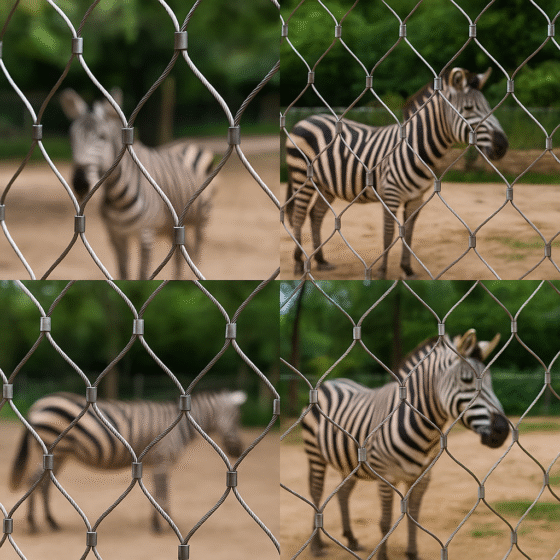
Surface protection is commonly supplied as hot dipped galvanized, or galvanized plus electrostatic polyester powder coating to improve corrosion resistance and visual finish over time. When specified correctly as a system—panel, posts, clamp bars, and clamps—POLYMETAL 358 fence delivers durable security performance in high-risk environments while keeping installation alignment clean and repeatable. If you also need guidance on mesh selection for specialized containment or animal-area perimeters, you can refer to 2 types of zoo aviary mesh for comparison ideas that help when projects combine security fencing with protected enclosures.
Specifications (5 Tables)
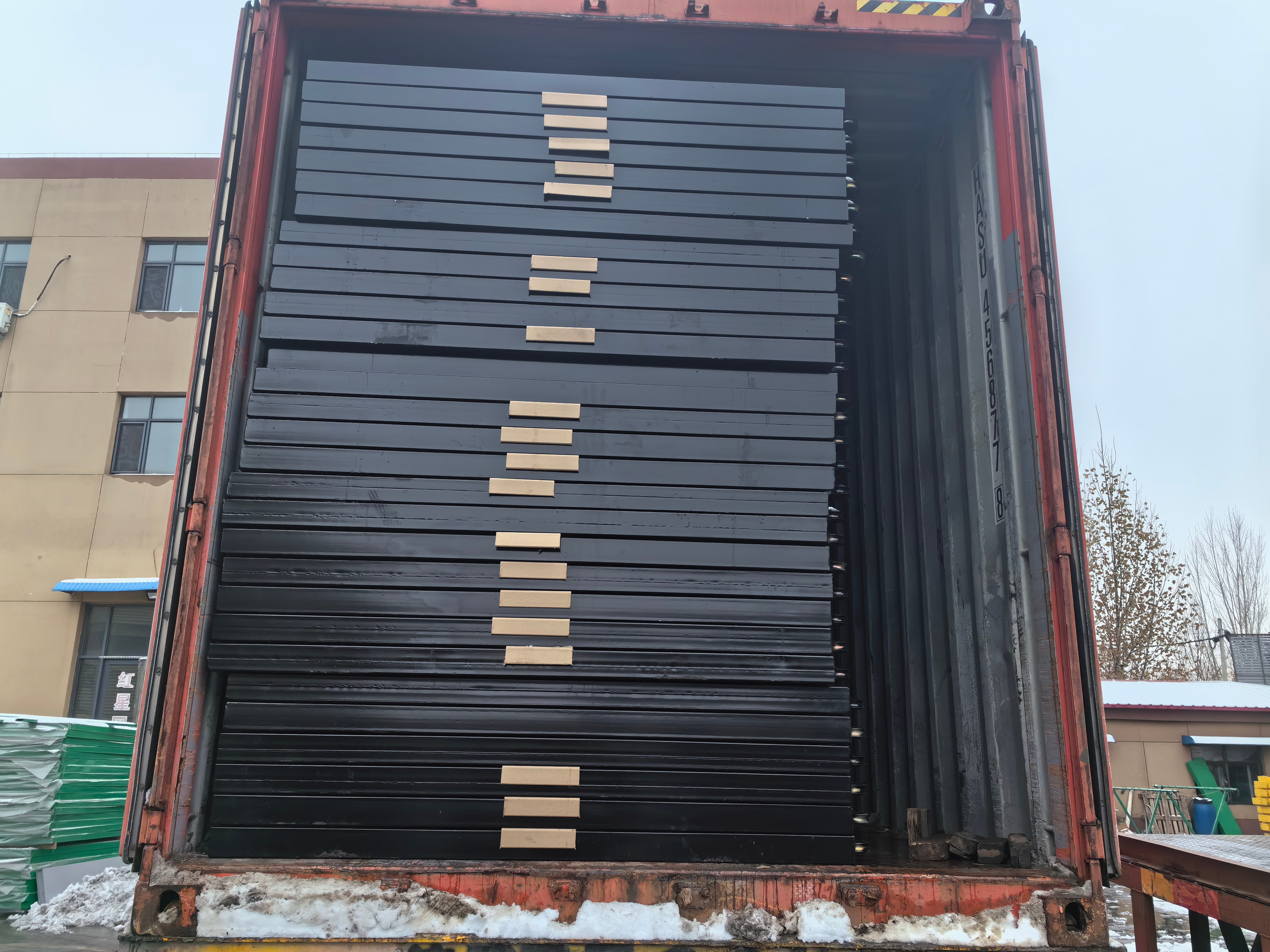
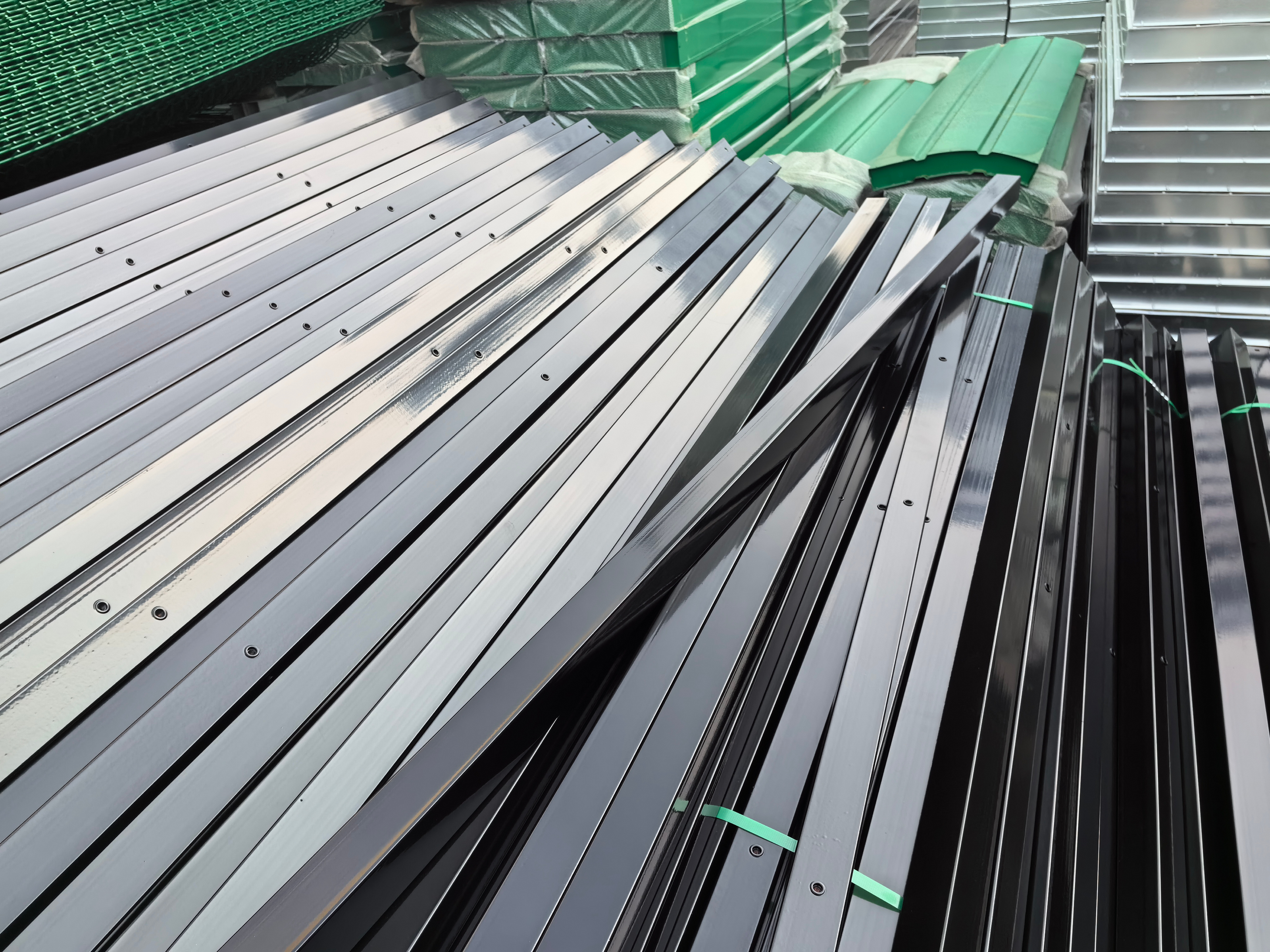
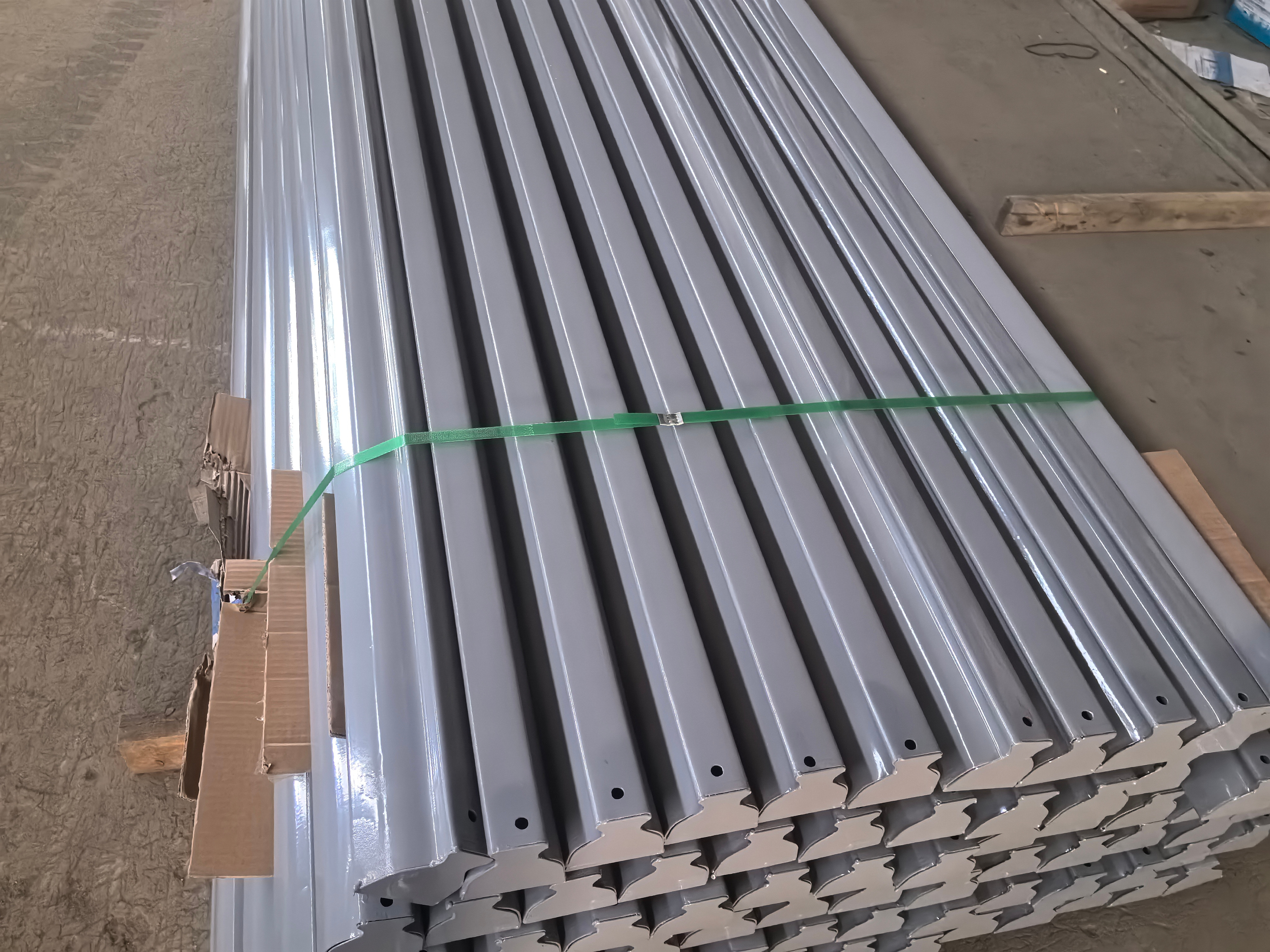
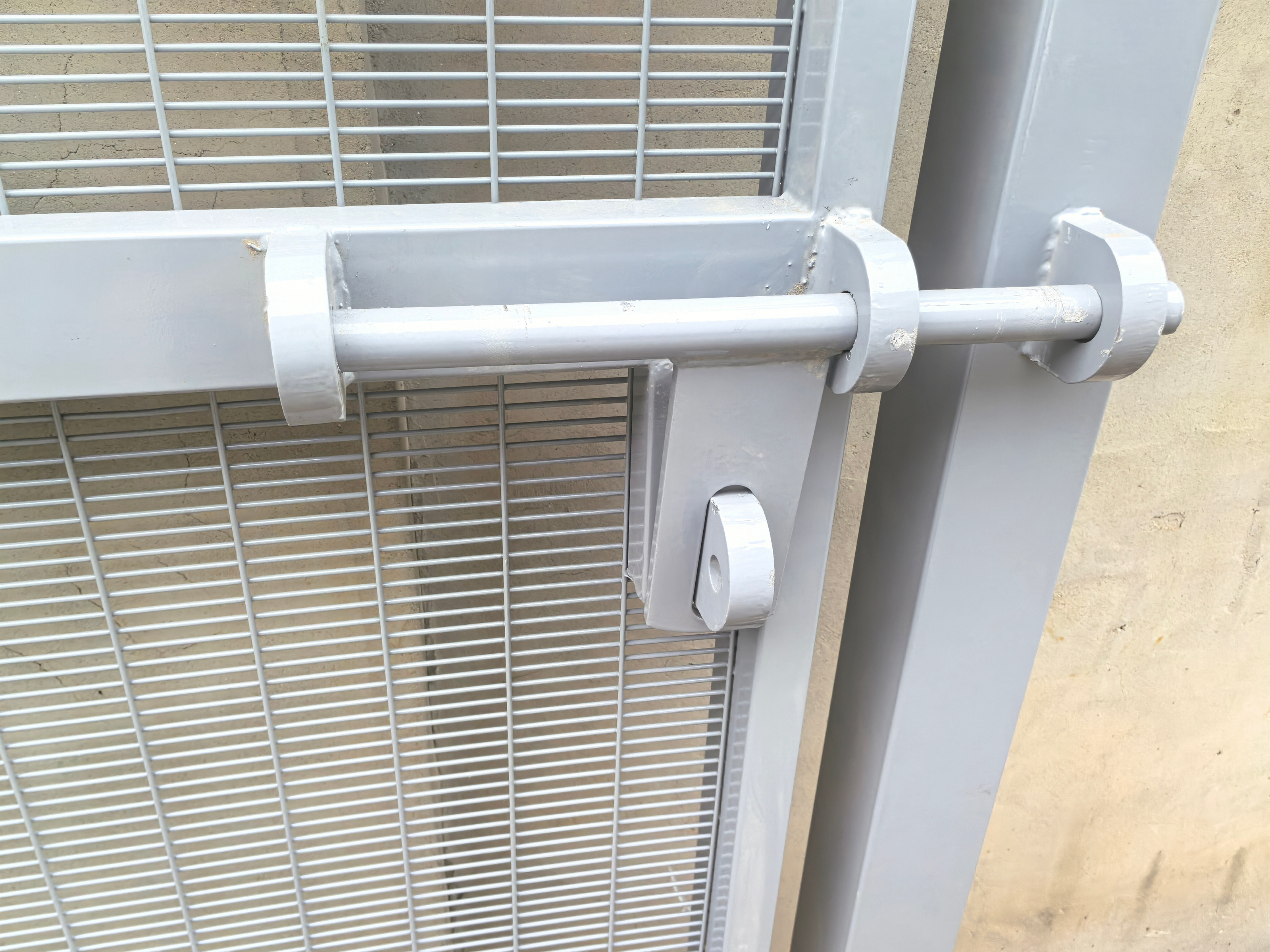
Table 1: POLYMETAL 358 Fence Panel System Sizes (Height × Width) with Post & Clamp Bar Matching
| Panel Size (H × W) | Fence Post (H × Size × Thickness) | Clamp Bar (H × Width × Thickness) | Inter / Corner Clamp No. (pcs) | Mesh (mm) | Wire Dia | Surface Treatment |
|---|---|---|---|---|---|---|
| 1830mm × 2515mm | 2450mm × 60×60 × 2.5mm | 1830mm × 60mm × 5.0mm | 6 or 12 | 76.2×12.7 | 4.0mm | HDG / HDG+Powder |
| 2007mm × 2515mm | 2700mm × 60×60 × 2.5mm | 2007mm × 60mm × 5.0mm | 7 or 14 | 76.2×12.7 | 4.0mm | HDG / HDG+Powder |
| 2400mm × 2515mm | 3100mm × 60×60 × 2.5mm | 2400mm × 60mm × 5.0mm | 9 or 18 | 76.2×12.7 | 4.0mm | HDG / HDG+Powder |
| 2997mm × 2515mm | 3800mm × 80×80 × 2.5mm | 2997mm × 80mm × 6.0mm | 11 or 22 | 76.2×12.7 | 4.0mm | HDG / HDG+Powder |
| 3302mm × 2515mm | 4200mm × 80×80 × 2.5mm | 3302mm × 80mm × 6.0mm | 12 or 24 | 76.2×12.7 | 4.0mm | HDG / HDG+Powder |
| 3607mm × 2515mm | 4500mm × 100×60 × 3.0mm | 3607mm × 100mm × 7.0mm | 13 or 26 | 76.2×12.7 | 4.0mm | HDG / HDG+Powder |
| 3607mm × 2515mm | 4500mm × 100×100 × 3.0mm | 3607mm × 100mm × 7.0mm | 13 or 26 | 76.2×12.7 | 4.0mm | HDG / HDG+Powder |
| 4204mm × 2515mm | 5200mm × 100×100 × 4.0mm | 4204mm × 100mm × 8.0mm | 15 or 30 | 76.2×12.7 | 4.0mm | HDG / HDG+Powder |
| 4496mm × 2515mm | 5500mm × 100×100 × 5.0mm | 4496mm × 100mm × 8.0mm | 16 or 32 | 76.2×12.7 | 4.0mm | HDG / HDG+Powder |
| 5207mm × 2515mm | 6200mm × 120×120 × 5.0mm | 5207mm × 100mm × 8.0mm | 18 or 36 | 76.2×12.7 | 4.0mm | HDG / HDG+Powder |
Table 2: 358 Mesh & Wire Options (Security Performance Specification Map)
| Mesh Size (mm) | Metric Equivalent | Wire Dia | Typical Security Level | Fence Height Range | Fence Width Range | Weld Type | Anti-Climb Behavior | Anti-Cut Behavior | Best Fit Sites |
|---|---|---|---|---|---|---|---|---|---|
| 76.2×12.7 | 3″×0.5″ | 4.0mm | High | 1500–5207mm | 1000–3000mm | Full welded | Excellent | Strong | Airports, prisons |
| 76.2×12.7 | 3″×0.5″ | 3.5mm | High | 1500–3607mm | 1000–3000mm | Full welded | Excellent | Good | Ports, utilities |
| 76.2×12.7 | 3″×0.5″ | 4.5mm | Very High | 1800–4204mm | 1500–3000mm | Full welded | Excellent | Very strong | Substations |
| 75×12.5 | Close to 358 | 4.0mm | High | 1500–3600mm | 1000–3000mm | Full welded | Excellent | Strong | Factories |
| 76.2×12.7 | 3″×0.5″ | 5.0mm | Extreme | 2400–5207mm | 2000–3000mm | Full welded | Excellent | Extreme | Critical assets |
| 76.2×25.4 | 3″×1″ | 4.0mm | Medium | 1500–3000mm | 1000–3000mm | Full welded | Good | Strong | General security |
| 50×12.7 | 2″×0.5″ | 4.0mm | High | 1500–3600mm | 1000–3000mm | Full welded | Excellent | Strong | Schools, rail |
| 76.2×12.7 | 3″×0.5″ | 4.0mm | High | 1800–3607mm | 2515mm | Full welded | Excellent | Strong | Perimeter lines |
| 76.2×12.7 | 3″×0.5″ | 4.0mm | High | 2007–3302mm | 2515mm | Full welded | Excellent | Strong | Warehouses |
| 76.2×12.7 | 3″×0.5″ | 4.0mm | High | 3302–5207mm | 2515mm | Full welded | Excellent | Strong | High-threat zones |
Table 3: Post Types, Sizes, and Structural Pairing (Where Stability Is Won or Lost)
| Fence Height | Fence Width | Post Type | Post Size | Post Thickness | Post Height | Clamp Bar Width | Clamp Bar Thickness | Clamp Count (Typical) | Best Fit Use |
|---|---|---|---|---|---|---|---|---|---|
| 1500mm | 2515mm | Square Post | 60×60 | 2.5mm | 2100mm | 60mm | 5.0mm | 6–8 | General secure sites |
| 1800mm | 2515mm | Square Post | 60×60 | 2.5mm | 2450mm | 60mm | 5.0mm | 6–8 | Commercial perimeter |
| 2007mm | 2515mm | Square Post | 60×60 | 2.5mm | 2700mm | 60mm | 5.0mm | 7–9 | Utilities |
| 2400mm | 2515mm | Square Post | 60×60 | 2.5mm | 3100mm | 60mm | 5.0mm | 9–10 | Airports (medium) |
| 2997mm | 2515mm | Square Post | 80×80 | 2.5mm | 3800mm | 80mm | 6.0mm | 11–12 | Substations |
| 3302mm | 2515mm | Square Post | 80×80 | 2.5mm | 4200mm | 80mm | 6.0mm | 12–13 | High wind zones |
| 3607mm | 2515mm | Square Post | 100×60 | 3.0mm | 4500mm | 100mm | 7.0mm | 13–14 | Critical assets |
| 3607mm | 2515mm | Square Post | 100×100 | 3.0mm | 4500mm | 100mm | 7.0mm | 13–14 | Prison mesh lines |
| 4204mm | 2515mm | Square Post | 100×100 | 4.0mm | 5200mm | 100mm | 8.0mm | 15–16 | Highest security |
| 5207mm | 2515mm | Square Post | 120×120 | 5.0mm | 6200mm | 100mm | 8.0mm | 18–20 | Extreme height lines |
Table 4: Surface Treatment & Corrosion Protection Choices (Match to Environment)
| Finish Option | Process | Typical Look | Corrosion Resistance | Scratch Tolerance | Best Environment | Maintenance | Best Fit Sites | Common Colors | What You Avoid |
|---|---|---|---|---|---|---|---|---|---|
| Hot Dipped Galvanized (HDG) | Galvanized after welding | Silver zinc | High | Good | Outdoor general | Low | Ports, utilities | Silver | Early rust spots |
| HDG + Powder Coated | HDG then polyester powder | Clean color finish | Very High | Better | Coastal / harsh | Very low | Airports | Black/Green | Chalking/ugly look |
| Pre-Galv + Powder | Pre-galv wire then coating | Uniform | High | Medium | Controlled sites | Low | Factories | Black | Rapid oxidation |
| HDG Heavy Duty | Thicker zinc protection | Heavier zinc build | Very High | Good | Coastal wind | Low | Shipping ports | Silver | Coating breakdown |
| Powder Only | Coating on clean metal | Nice but risky | Medium | Medium | Indoor / low exposure | Higher | Temporary zones | Black | Under-film rust |
| HDG + Anti-Graffiti Topcoat | HDG + powder + topcoat | Premium finish | Very High | High | Public areas | Very low | Stations | Black/Green | Cleaning damage |
| HDG + Texture Powder | Textured powder system | Matte texture | Very High | High | High touch | Low | Schools | Black | Visible scuffs |
| HDG + High UV Powder | UV-stable powder | Color stable | Very High | Better | Strong UV | Low | Remote sites | Green/Black | Fade complaints |
| HDG + Marine Powder | Salt-spray focused | Marine grade | Very High | Better | Sea air | Low | Ports | Green | Fast corrosion |
| HDG + Custom Color | Color to project | Brand matching | Very High | Better | Any | Low | Gov projects | Custom | Mismatch look |
Table 5: Packing, Shipping & Delivery (Protect Your Panels Before They Hit the Ground)
| Item | Packing Method | Protection Target | Common Add-On | Suitable For | Loading Style | Damage Risk Reduced | Handling Benefit | Export Readiness | Notes |
|---|---|---|---|---|---|---|---|---|---|
| 358 Panels | Plastic film + pallet | Coating scratch | Corner protectors | Most exports | Forklift | High | Fast unloading | Yes | Stack aligned |
| 358 Panels | Steel pallet + straps | Impact control | Edge guards | Long ocean | Crane/fork | High | Stable stacks | Yes | Heavy duty |
| Posts | Bundled + pallet | Bending | Cap protection | High posts | Forklift | Medium | Easy count | Yes | Keep straight |
| Clamp Bars | Bundled + straps | Scratching | Film wrap | All heights | Forklift | Medium | Fast install | Yes | Match labels |
| Clamps | Carton + inner bags | Loss prevention | Labeling | Projects | Manual | High | Site control | Yes | Counted sets |
| Accessories | Small bags + carton | Mixing errors | Pack list | Projects | Manual | High | Fewer delays | Yes | Line-ready |
| Mixed Container | Separated zones | Rubbing damage | Dividers | Full system | Container | High | Fast unloading | Yes | System packing |
| Forklift Handling | Bottom skids | Drop damage | Extra skids | Warehouses | Forklift | Medium | Safer move | Yes | Stable base |
| Project Delivery | Pallet ID tags | Wrong items | QR label | Large sites | Any | High | Fast check | Yes | Easy audit |
| Shipping | Sea freight | Transit stress | Moisture film | Export | Container | Medium | Stable route | Yes | Protected finish |
Applications of 358 welded mesh fencing
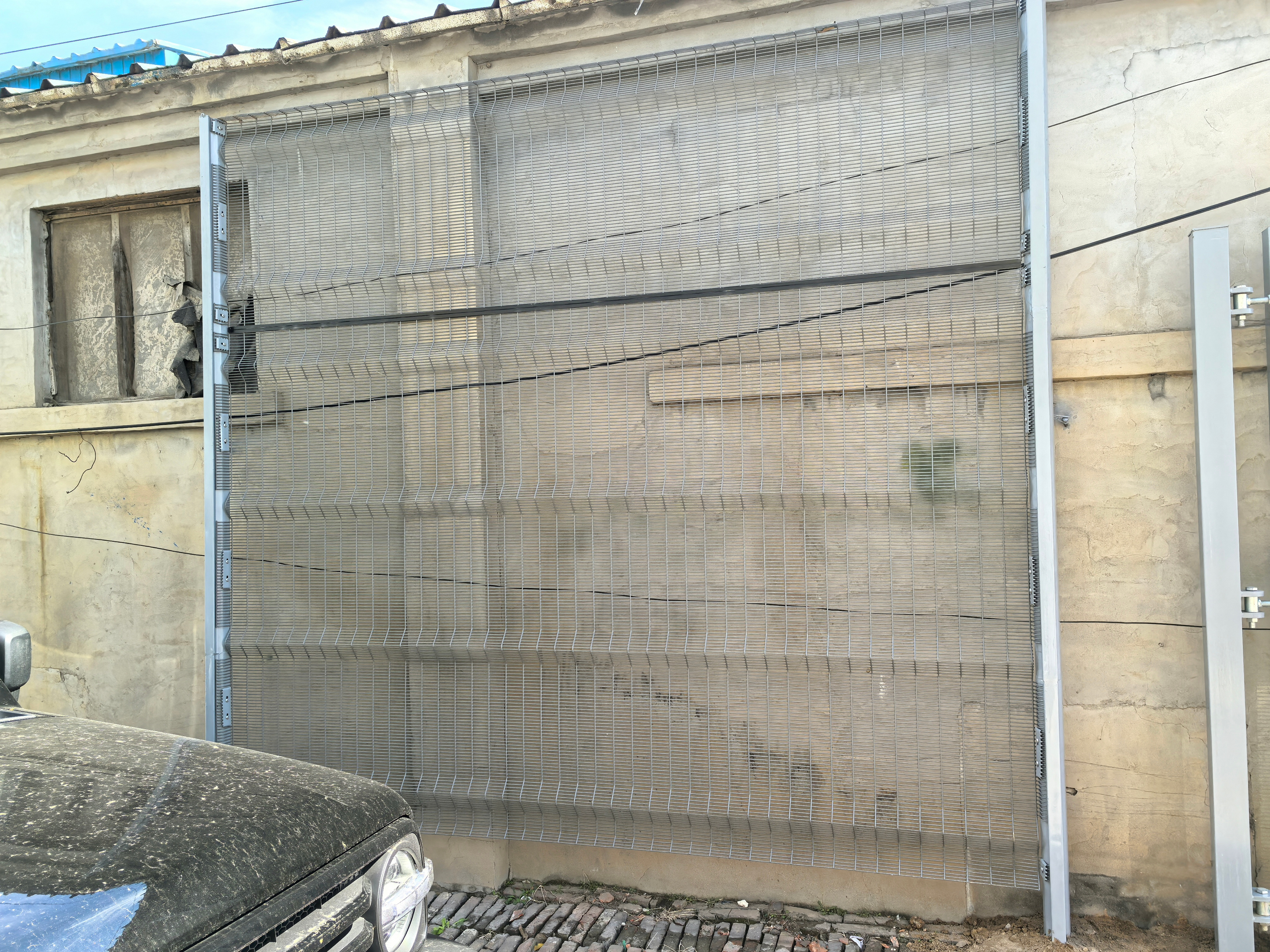
POLYMETAL 358 welded mesh fencing panels are widely used for perimeter security in airports, power systems, electrical substations, shipping ports, rail corridors, water treatment works, industrial plants, military zones, correctional facilities, psychiatric hospitals, bridge anti-climb guarding, factory machine guards, walkway security fencing, and other commercial or industrial sites where security and durability must be engineered into the fence line.
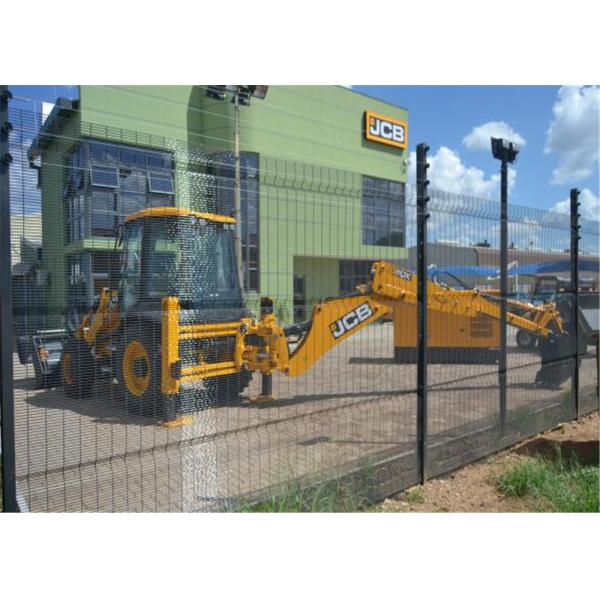
Image Reference: Security Perimeter Installation Example
Benefits of 358 welded mesh fencing
The primary advantage of 358 welded mesh fencing is its anti-climb behavior created by the small aperture and dense welded wires, which prevents meaningful grip and leverage.
The strong welded mesh structure also improves resistance to cutting and bending compared with larger-aperture welded mesh.
When paired with the correct posts, clamp bars, and clamp quantity, the fence line becomes rigid and stable across long runs.
In addition, modern surface treatment options such as hot dipped galvanizing and powder coating protect against corrosion and help the fence maintain a clean, professional appearance.
Packing and Shipping
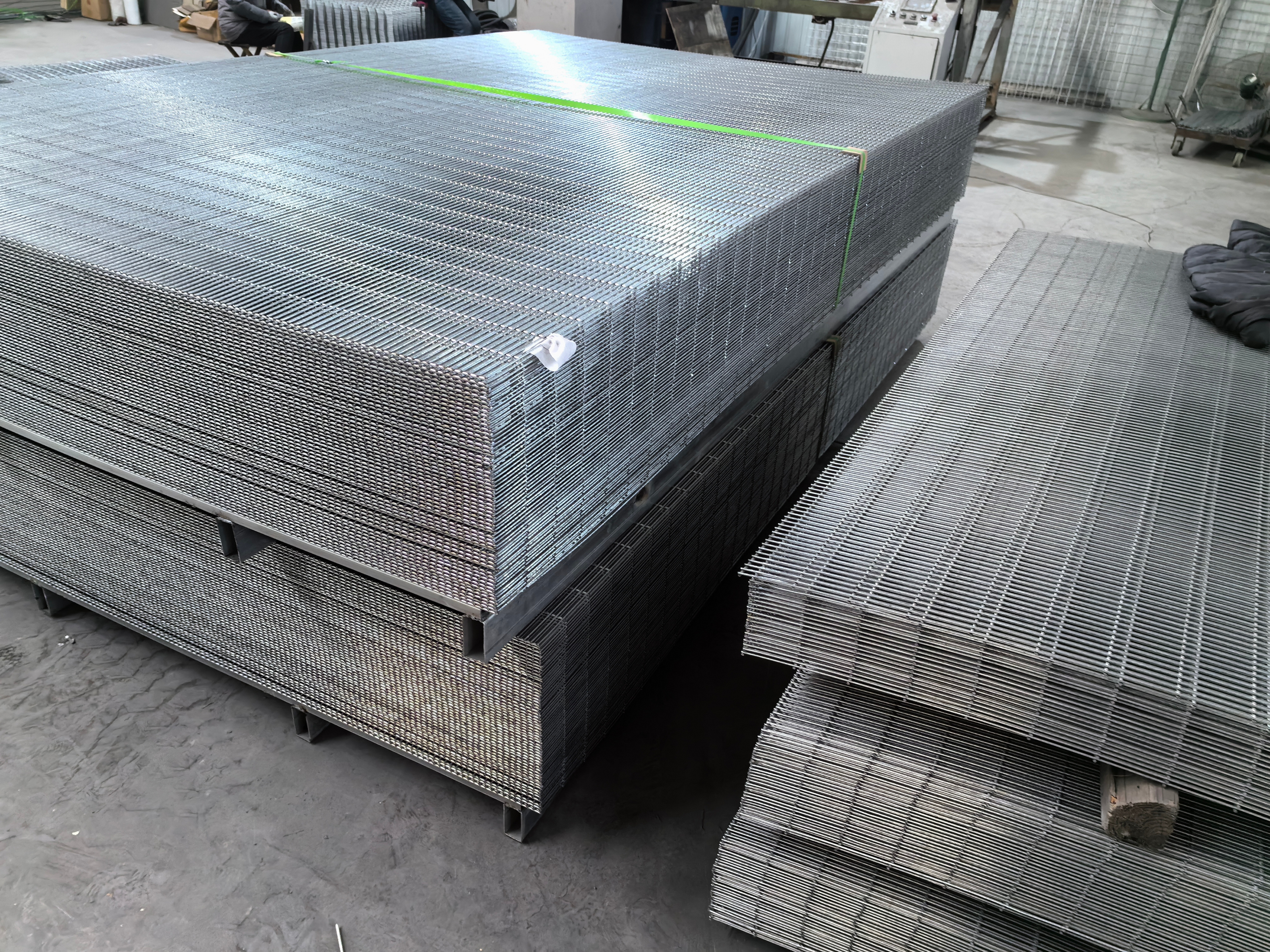
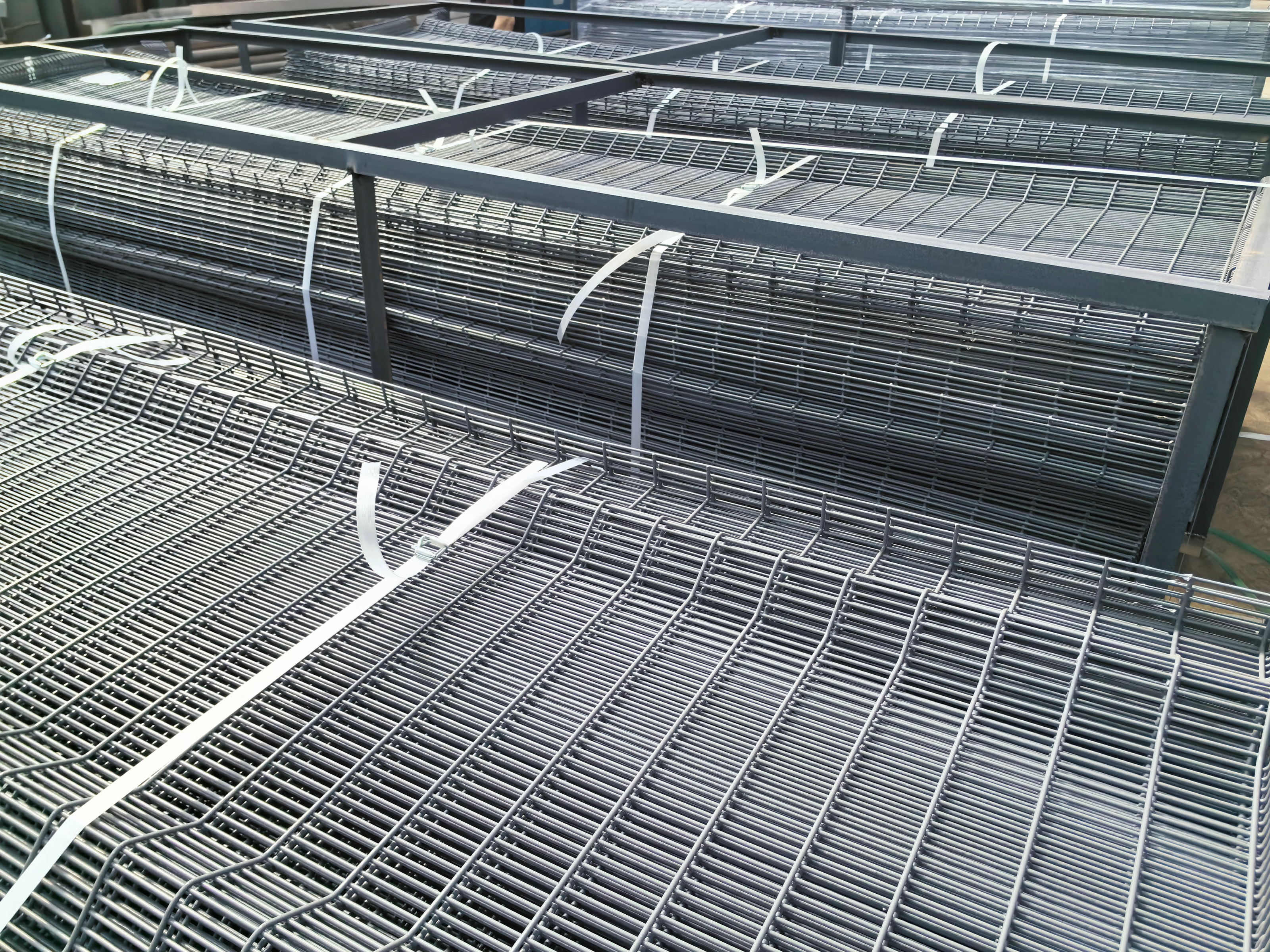
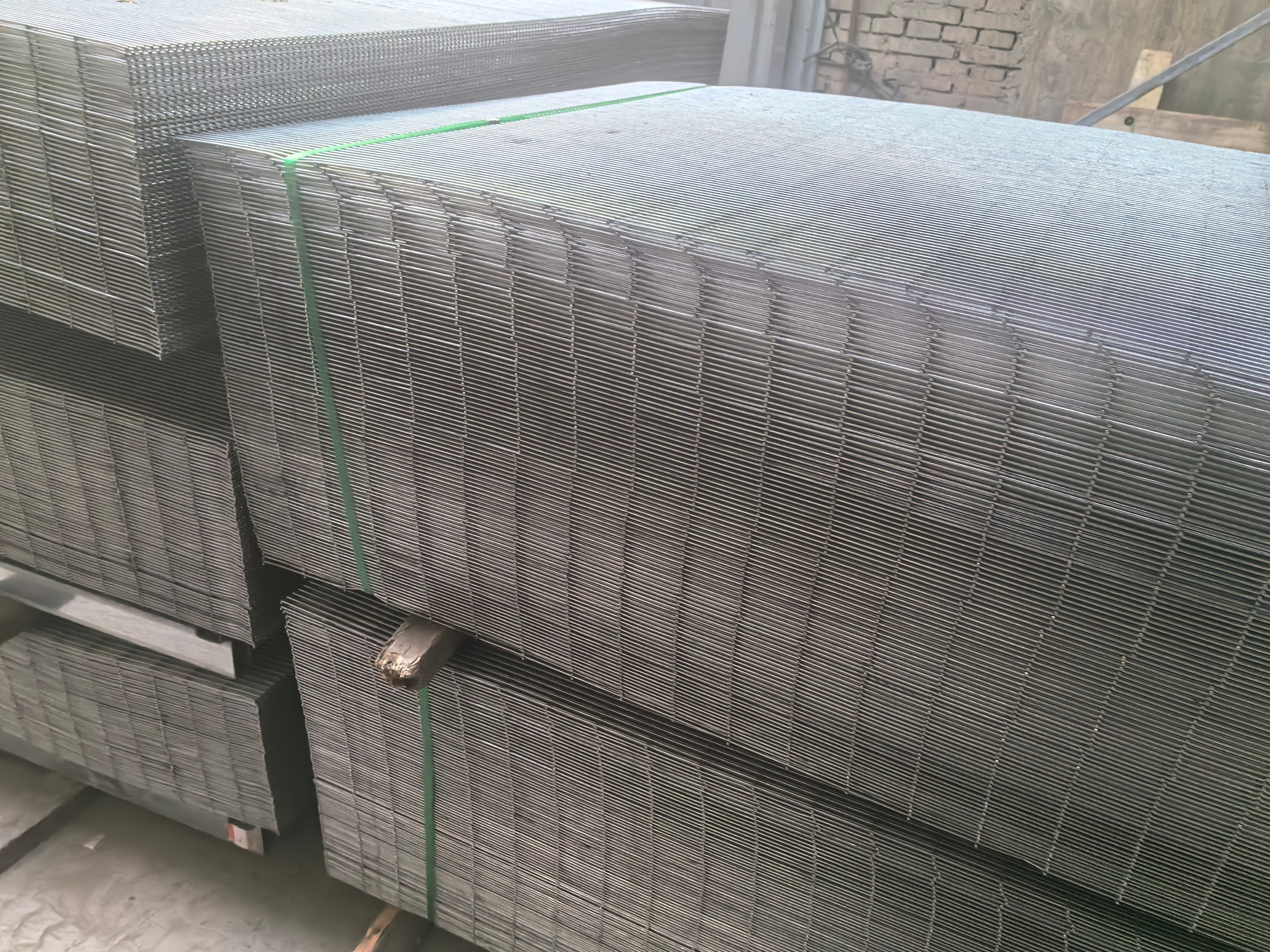
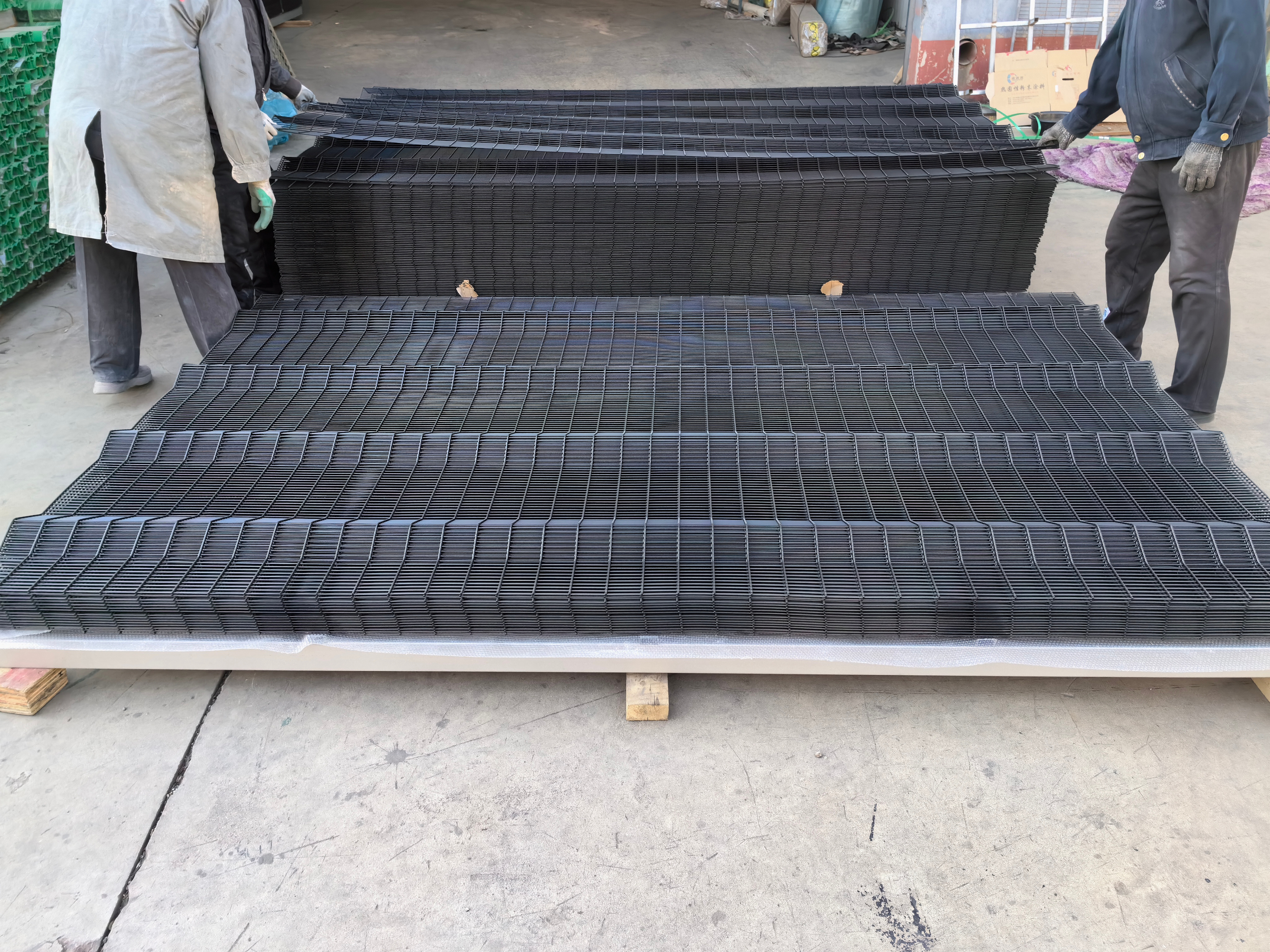
POLYMETAL packs 358 fence panels securely on pallets, using plastic film wrapping, metal strapping, and structured stacking to protect the coating and reduce transit damage.
Posts, clamp bars, and clamps are packed as a matched system so installation crews can deploy the perimeter quickly on arrival. Packaging can also be arranged as carton, wooden case, or customized pallet solutions according to project requirements.
Standard and Documentation 358 welded mesh fencing
POLYMETAL supplies 358 welded mesh fencing as a complete system with panels, posts, clamp bars, and clamp quantities specified to suit the fence height and project risk level.
Documentation packages can be arranged to match project expectations, including packing lists, commercial invoice, bill of lading drafts/copies for release, and project-specific specification sheets for panel geometry, coating type, and post pairing. For gate integration ideas commonly used with high-security mesh systems, you can also review ClearVu gates and adapt the gate concept to your project’s access-control layout.
What You Risk If You Buy the Wrong 358 Fence
A 358 fence that is “almost right” is the most expensive kind. The visible panel may look correct, but the hidden losses come from wrong post thickness, weak clamp bars, missing clamp quantity, poor coating choices, and careless packing that damages the finish before installation.
This is where security projects bleed money: rework, delayed openings, failed inspections, and perimeter gaps that create real threats.
Top 18 Trap Headings You Must Check Before You Buy 358 welded mesh fencing (Especially #15)
Trap #1: Buying “358” Without Confirming the Real Mesh Size
Some panels are marketed as 358 but do not match the true 76.2×12.7mm aperture, weakening anti-climb performance.
Trap #2: Treating Wire Diameter Like a Decoration
8 gauge is the core identity of 358 (about 4.0mm). If wire is thinner than expected, cutting resistance and rigidity drop fast.
Trap #3: Ignoring Weld Fusion Quality
Weak welds do not fail in the factory—they fail after transport vibration and first-season loading.
Trap #4: Selecting Fence Height Without Upgrading Posts
Taller panels demand stronger posts and thicker clamp bars. If the post is under-specified, the line will move and loosen.
Trap #5: Under-Specifying Post Wall Thickness
High fences on thin posts invite lean and instability. The post is the backbone of the security line.
Trap #6: Using the Wrong Clamp Bar Width
Clamp bar width should match post size and fence height. Wrong width reduces contact, lowers rigidity, and increases movement.
Trap #7: Cutting Clamp Quantity to Save Small Money
Fewer clamps means less holding strength. It saves little and costs a lot when panels vibrate and shift.
Trap #8: Choosing Coating Only by Price
A cheap finish in a harsh environment turns into early rust, ugly appearance, and replacement schedules that crush budgets.
Trap #9: Forgetting That Coastal Sites Punish Weak Coating Systems
Sea air and salt spray are relentless. If the finish is not matched to the environment, corrosion shows up early.
Trap #10: Assuming Any “Powder Coated” Claim Means Long Life
Without the right base layer and preparation, powder coating can peel and trap corrosion underneath.
Trap #11: Ordering Panels Without a Matched Post System
Mismatched posts force “on-site improvisation,” and improvisation is where security fences become weak.
Trap #12: Overlooking Corner & End Post Planning
Corners and ends carry higher loads. If 358 welded mesh fencing are not upgraded, the fence line becomes unstable at the most visible points.
Trap #13: Ignoring Packing Damage That Ruins Finish Before Installation
Scraped coatings and bent edges often happen during poor palletizing, creating instant quality complaints on-site.
Trap #14: Specifying “High Security” But Buying Medium Security Hardware
If the clamp system and post choice do not match the panel height and site risk, the perimeter becomes the weak link.
Trap #15: The Downtime Loss—When a “Looks Right” Fence Fails Inspection or Security Review
This is where budgets collapse. A 358 fence can look perfect from a distance, yet fail because the post thickness, clamp quantity, clamp bar sizing, or coating system does not match the project’s security scope.
The result is rework, delayed handover, emergency replacement parts, and downtime that costs far more than the original order.
If you want to win with 358 welded mesh fencing, build the system specification correctly the first time—panel, posts, clamp bars, clamps, and finish must all match the fence height and threat level.
Trap #16: Choosing Panel Width Without Considering Site Geometry
The wrong width increases joints, posts, and alignment risk, creating more points where movement and failure can occur.
Trap #17: Forgetting Gates and Access Control Integration
A strong fence with a weak gate plan is still a weak perimeter. The system must integrate access properly.
Trap #18: Buying Without Spare Parts Strategy
Clamps and fixings are high-cycle items. Without spares, small damage becomes long delays and expensive urgent purchases.
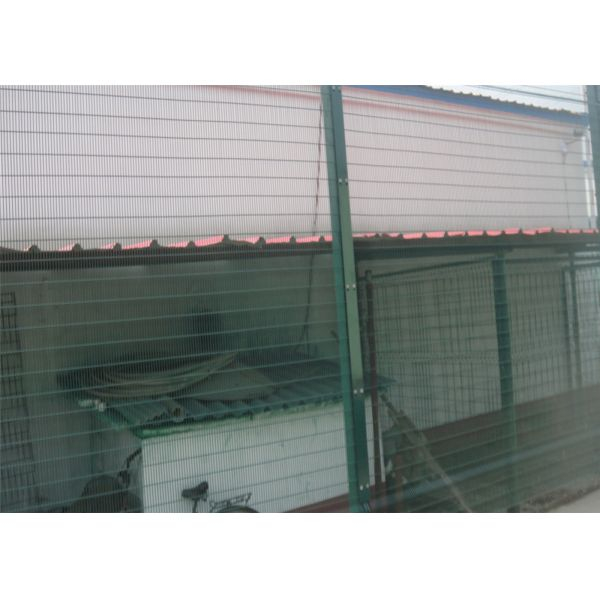
More Packing Photos (Pallet / Bundle / Protection)
 |  |  |  |
FAQs 358 welded mesh fencing
FAQ 1: Why is it called 358 welded mesh fencing?
The name comes from 3″ × 0.5″ × 8 gauge, which converts to about 76.2mm × 12.7mm × 4.0mm in metric.
FAQ 2: What materials are used for 358 panels?
Panels are commonly made from low carbon iron wire or galvanized wire, welded into a high-density mesh structure.
FAQ 3: What surface treatments are available?
Common options include hot dipped galvanized, and galvanized plus electrostatic polyester powder coating for enhanced corrosion resistance.
FAQ 4: Where is 358 fence typically installed?
Typical applications include airports, prisons, military areas, substations, shipping ports, water treatment works, industrial plants, and other high-security perimeters.
FAQ 5: How do I choose the correct post size?
Post size and thickness should be matched to fence height and site risk level. Taller fences typically require stronger posts and thicker clamp bars to keep the line rigid.
FAQ 6: What packing options are available?
Packing is commonly arranged with plastic film and metal packing belt, carton, wooden case, or pallet solutions, and can be customized according to the project.
FAQ 7: Can POLYMETAL supply a complete system including posts and clamp bars?
Yes. Supplying a complete matched system (panels, posts, clamp bars, clamps) improves alignment, stability, and installation speed while reducing failure risks.
FAQ 8: Why does clamp quantity matter so much?
Clamp quantity controls holding strength. Under-clamping allows panel vibration and movement that can cause loosening, noise, and alignment failure over time.