Your One-Stop Wire Mesh Fence Supplier | POLYMETAL
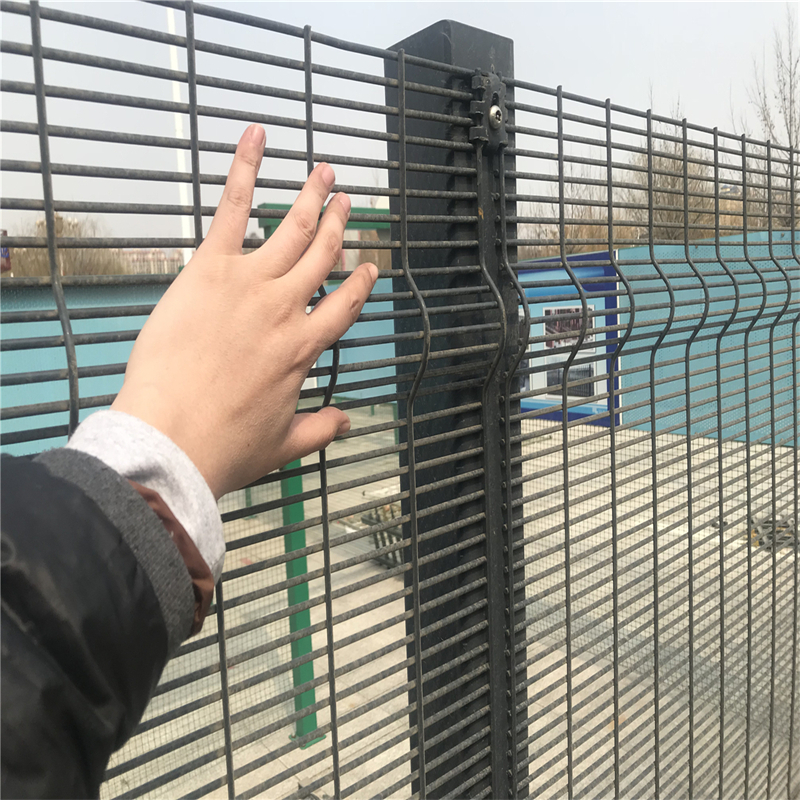
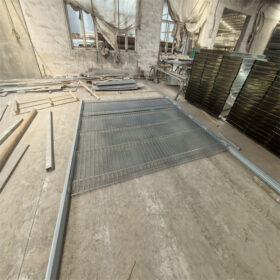
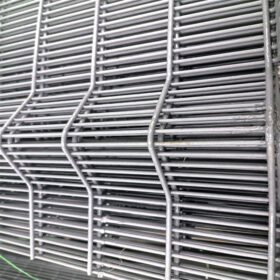
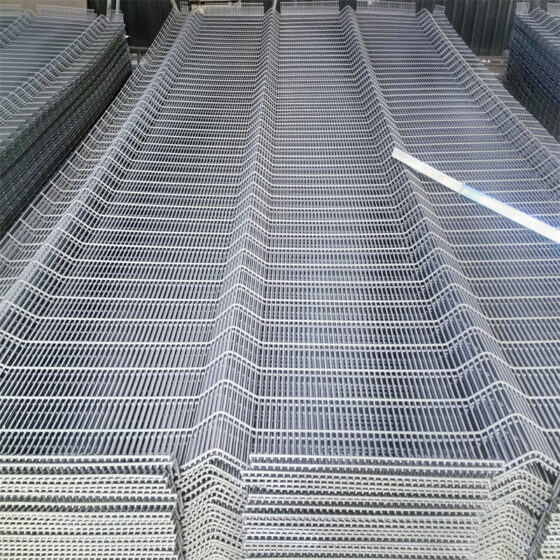
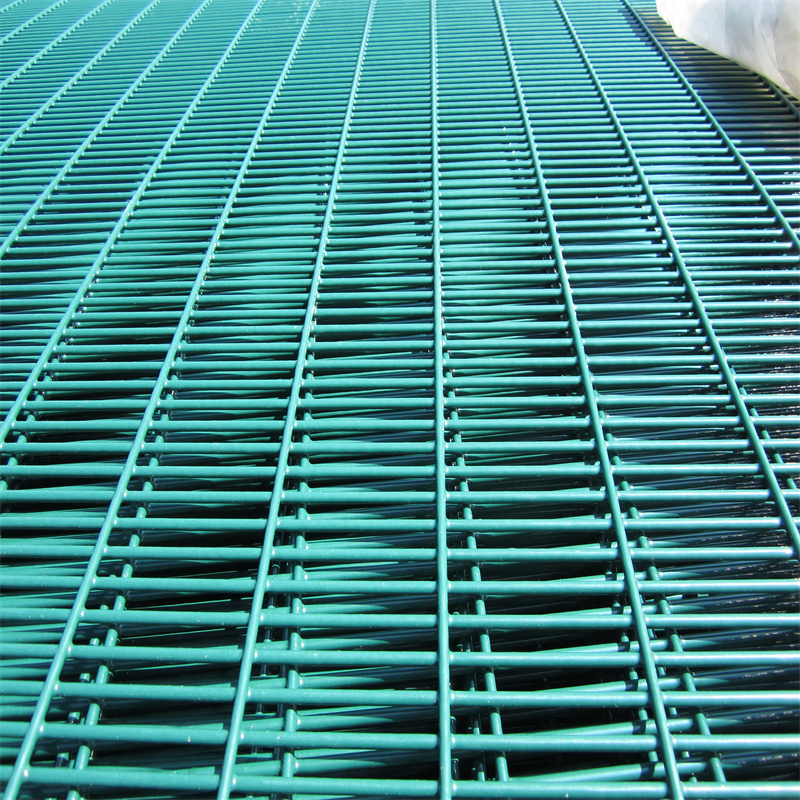
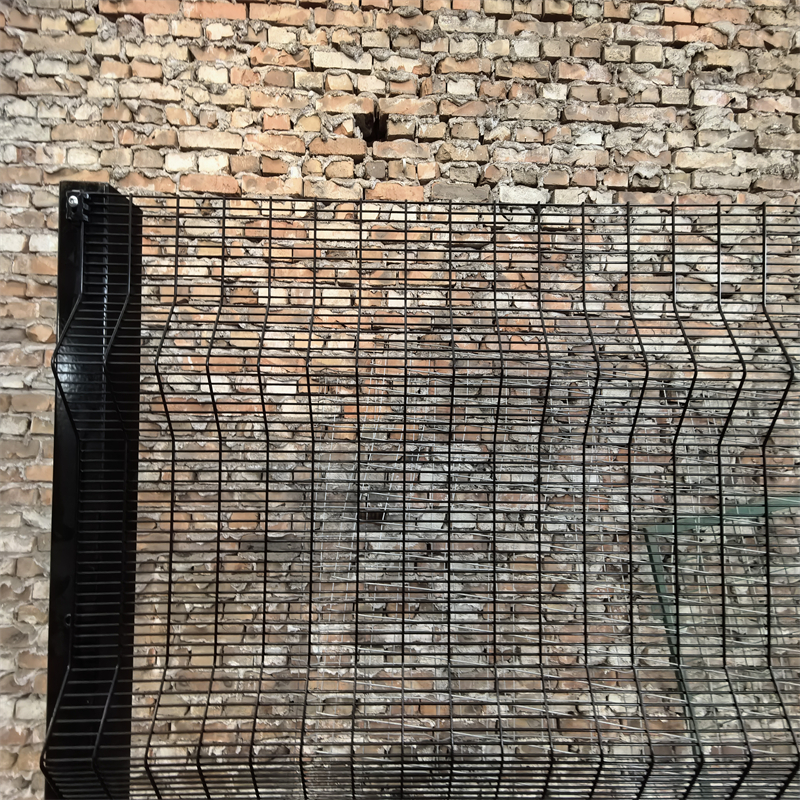
358 welded mesh security fencing is built for high-risk environments where a “normal fence” fails fast: prisons, airports, substations, ports, industrial plants, psychiatric facilities, bridges, and high-security residential boundaries. The system is known for tight apertures that reduce toe and finger holds, welded intersections that increase rigidity, and coating options that fight corrosion when specified correctly.
The hidden problem is that many 358 panels look similar in photos, yet behave very differently after installation. A small downgrade in wire, weld quality, coating discipline, post rigidity, or anti-tamper fixings can turn a high-security perimeter into a liability that creates gaps, movement, rust bleed, and expensive site rework.
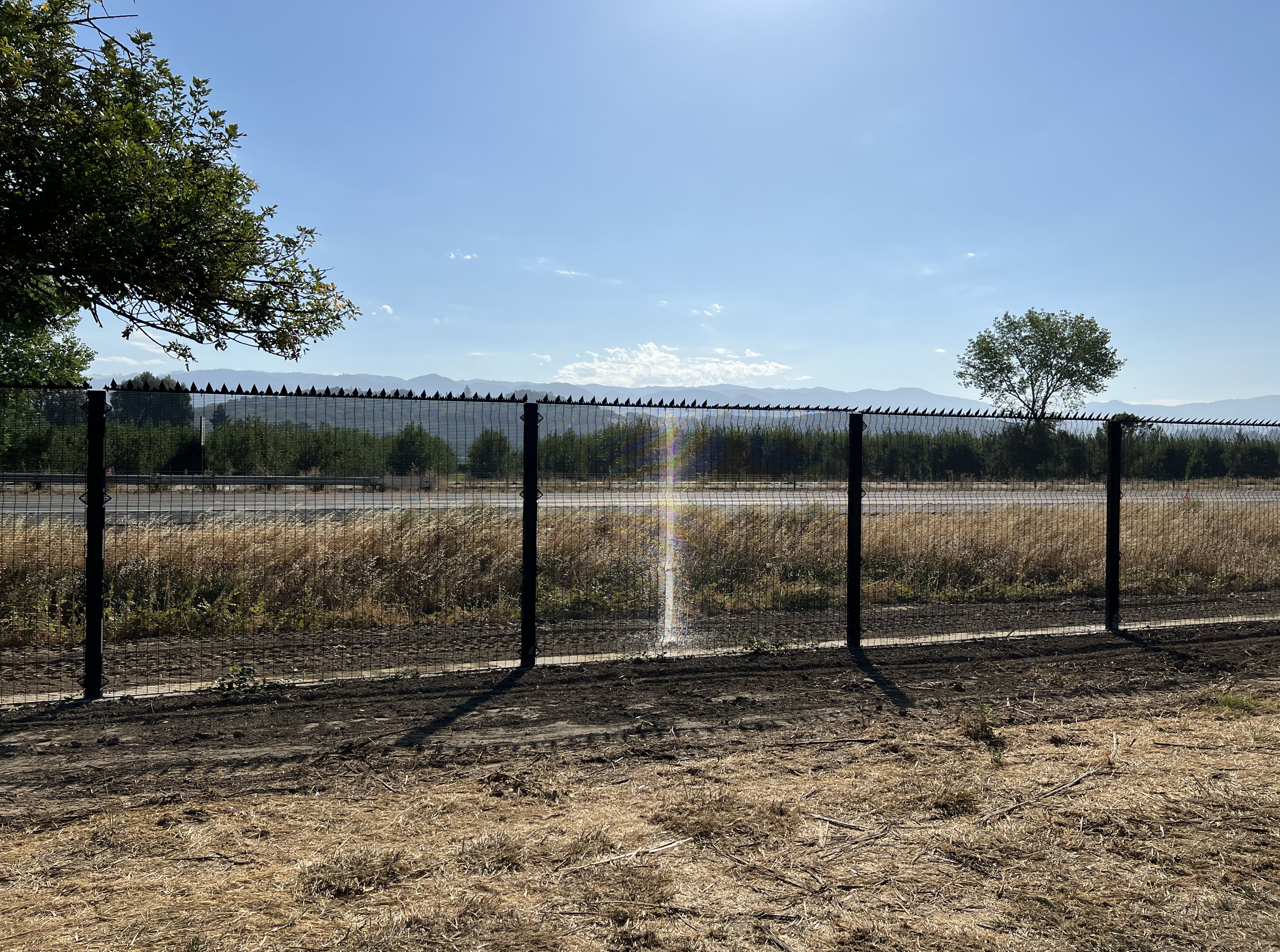
High Security ClearVu Mesh Fence Panels / 358 Anti Climb Fence / Prison Fence
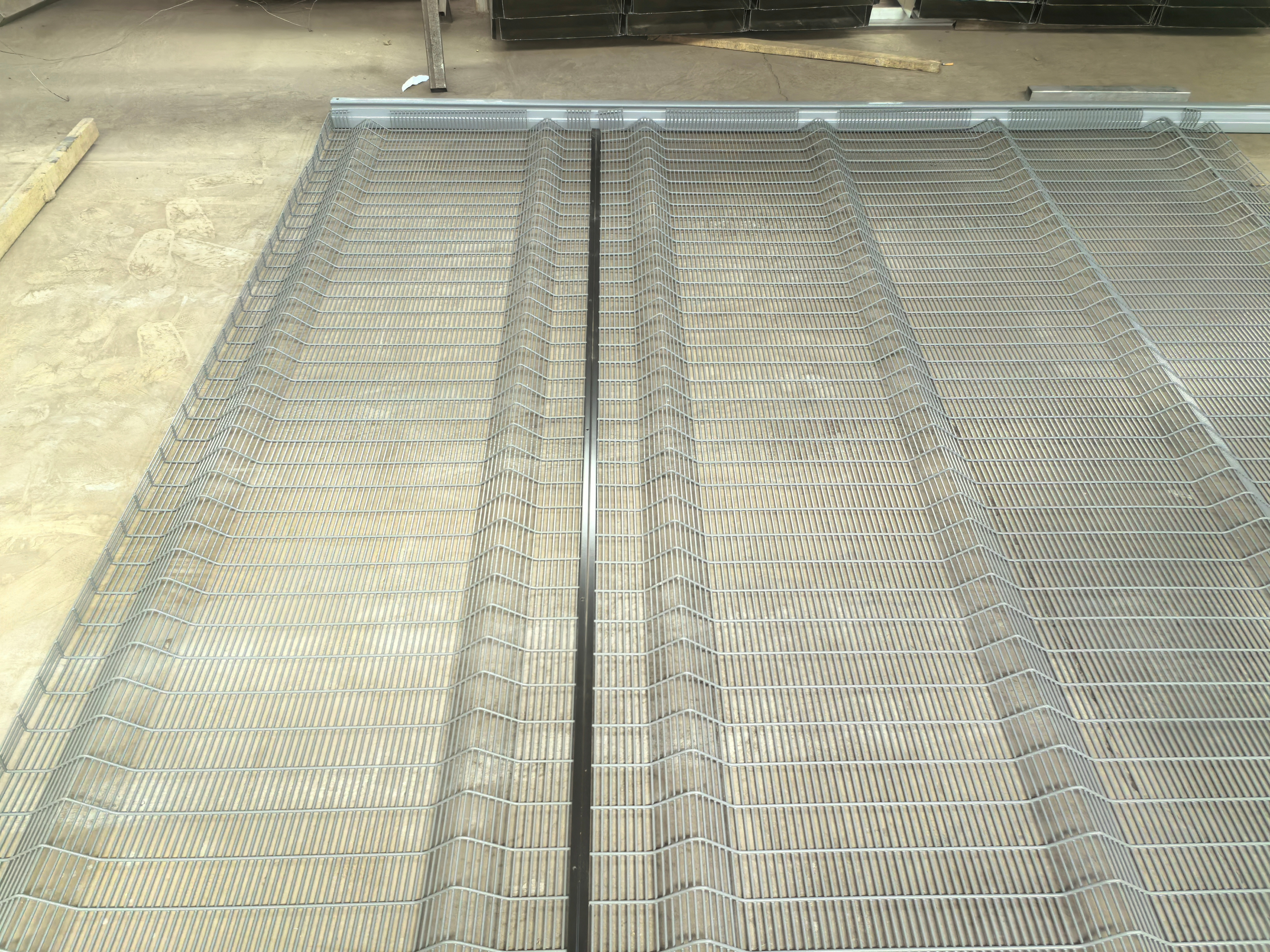
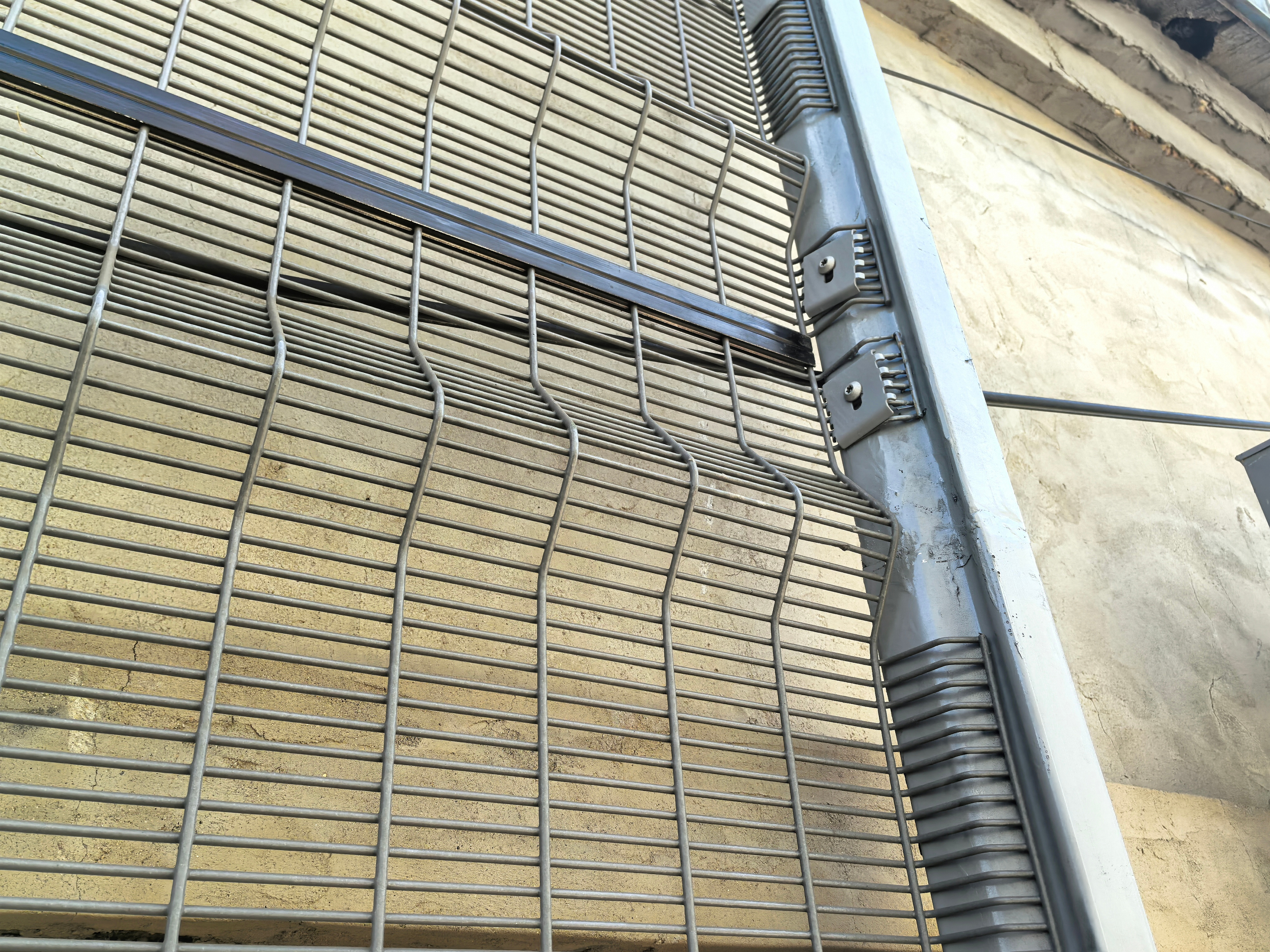
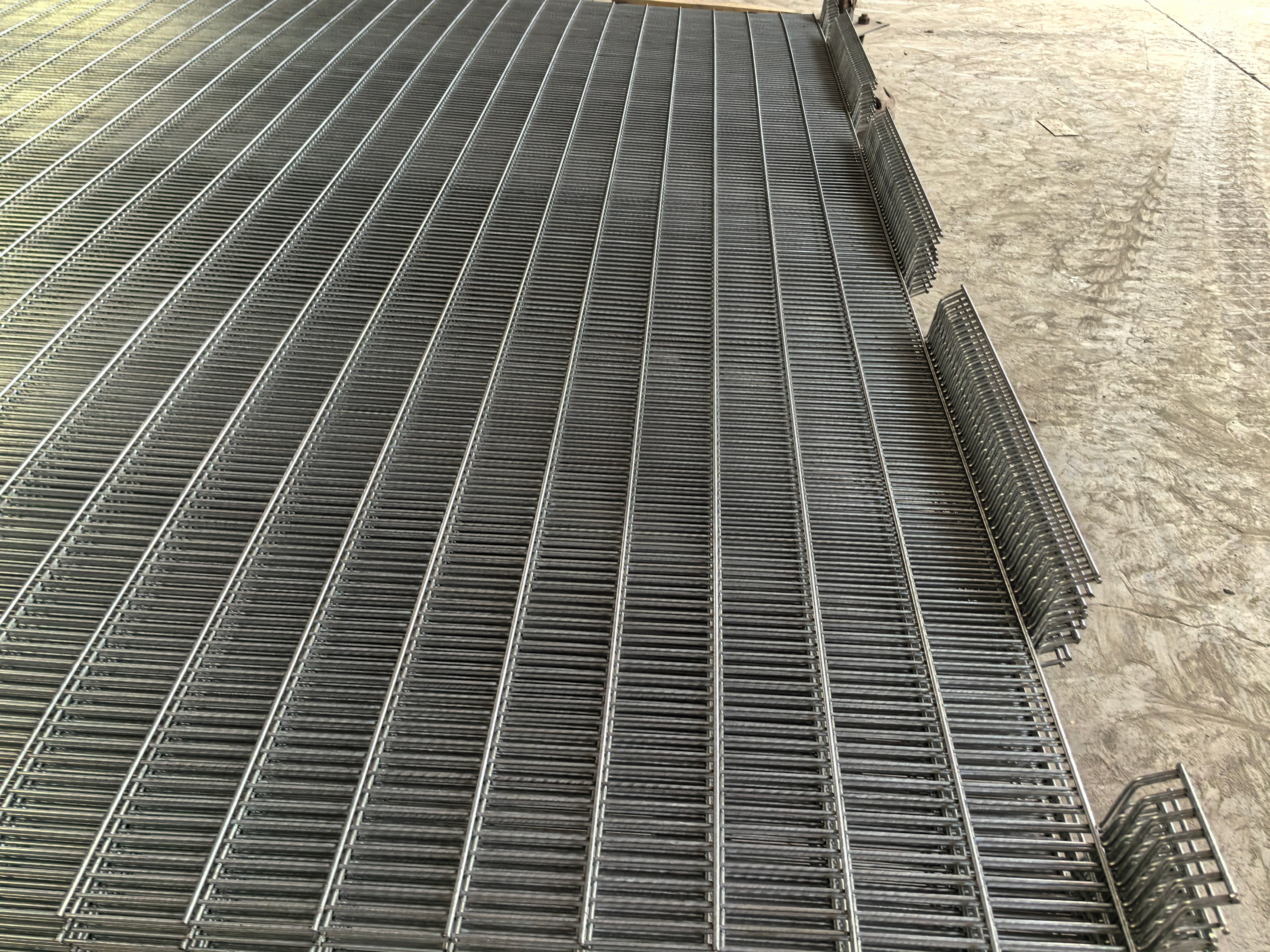
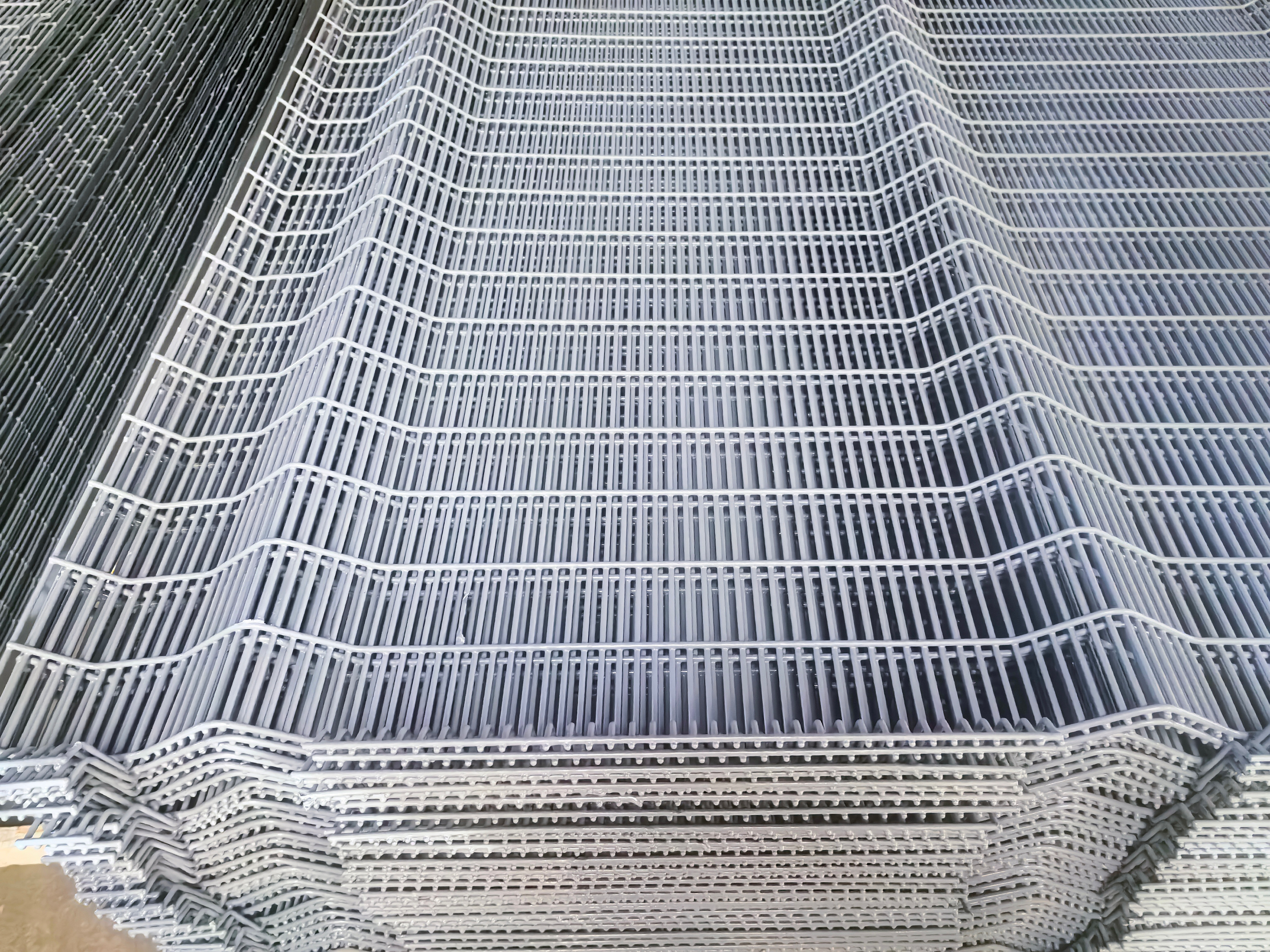
What “358” Means and Why It Works
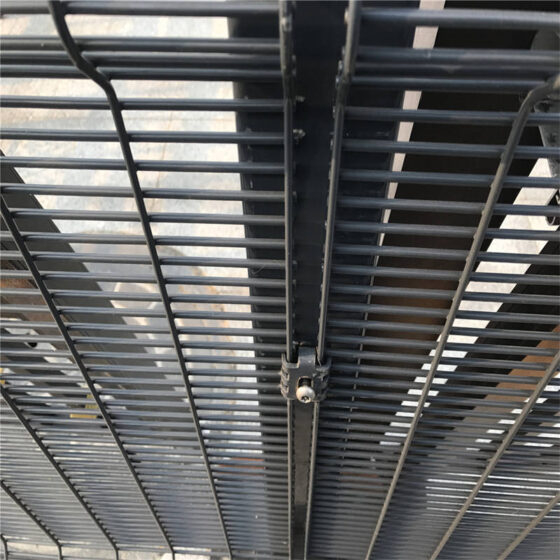
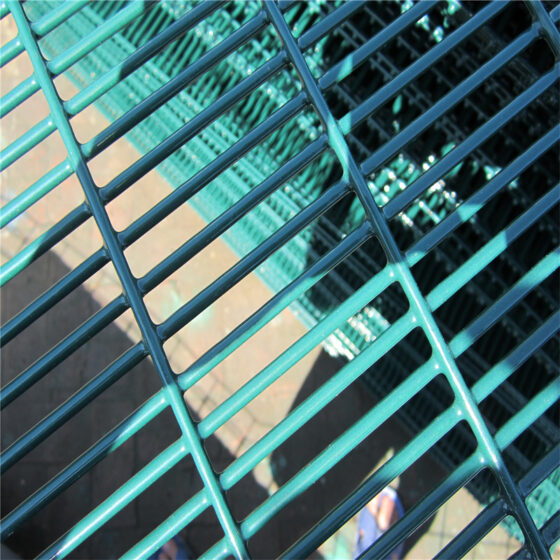
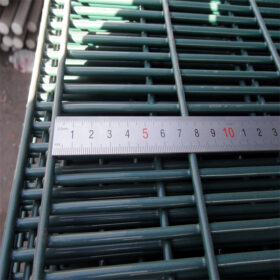
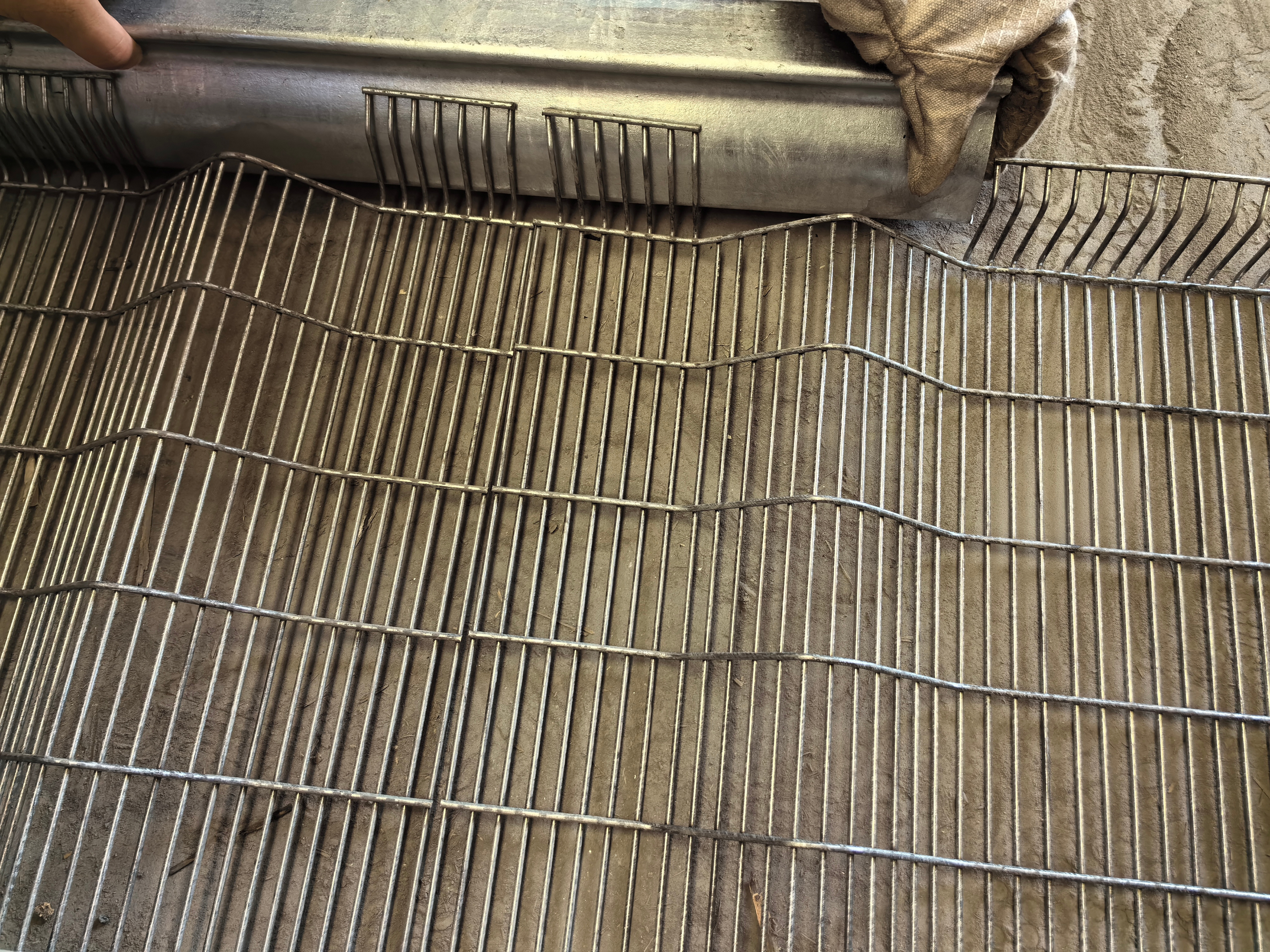
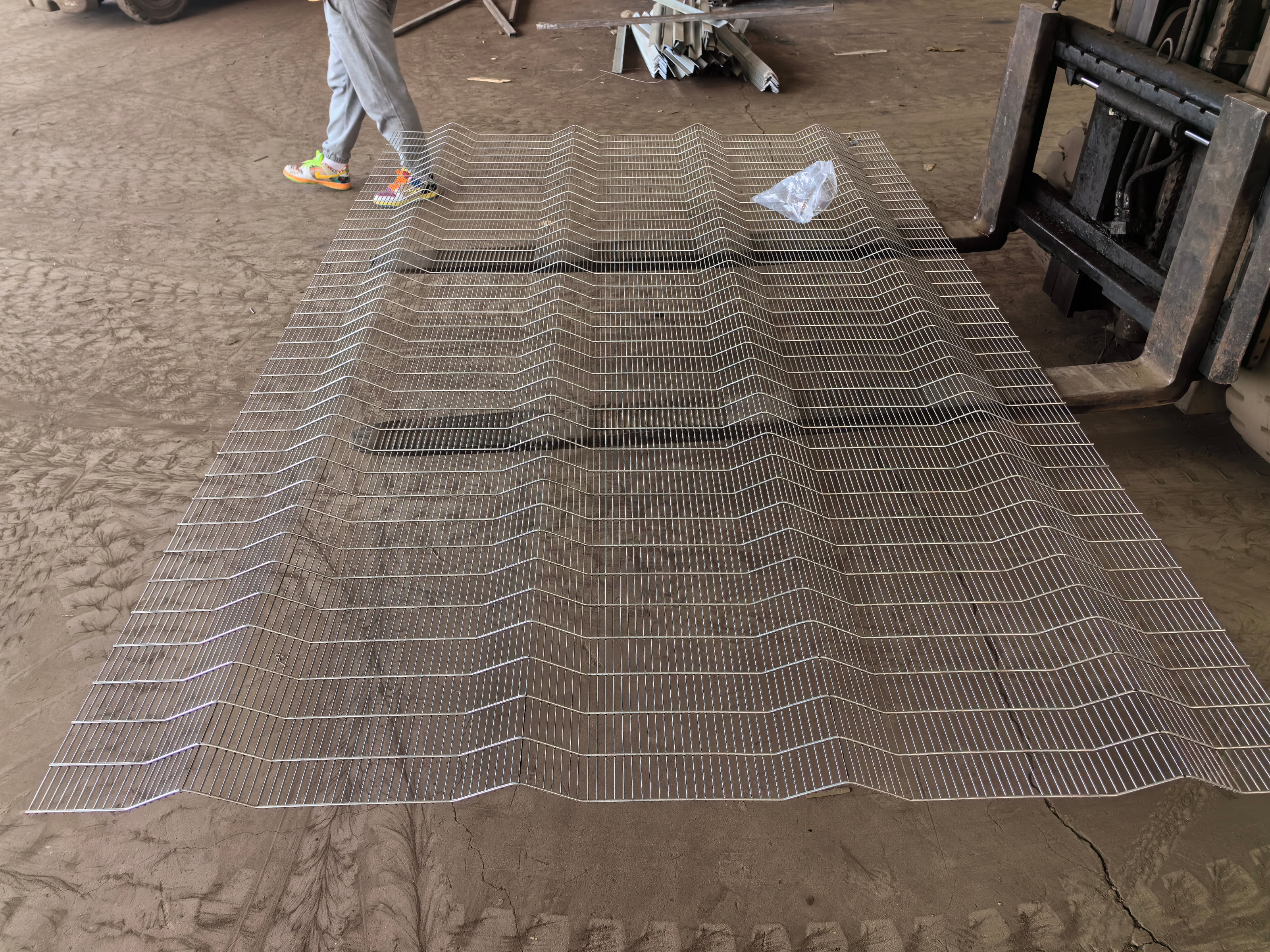
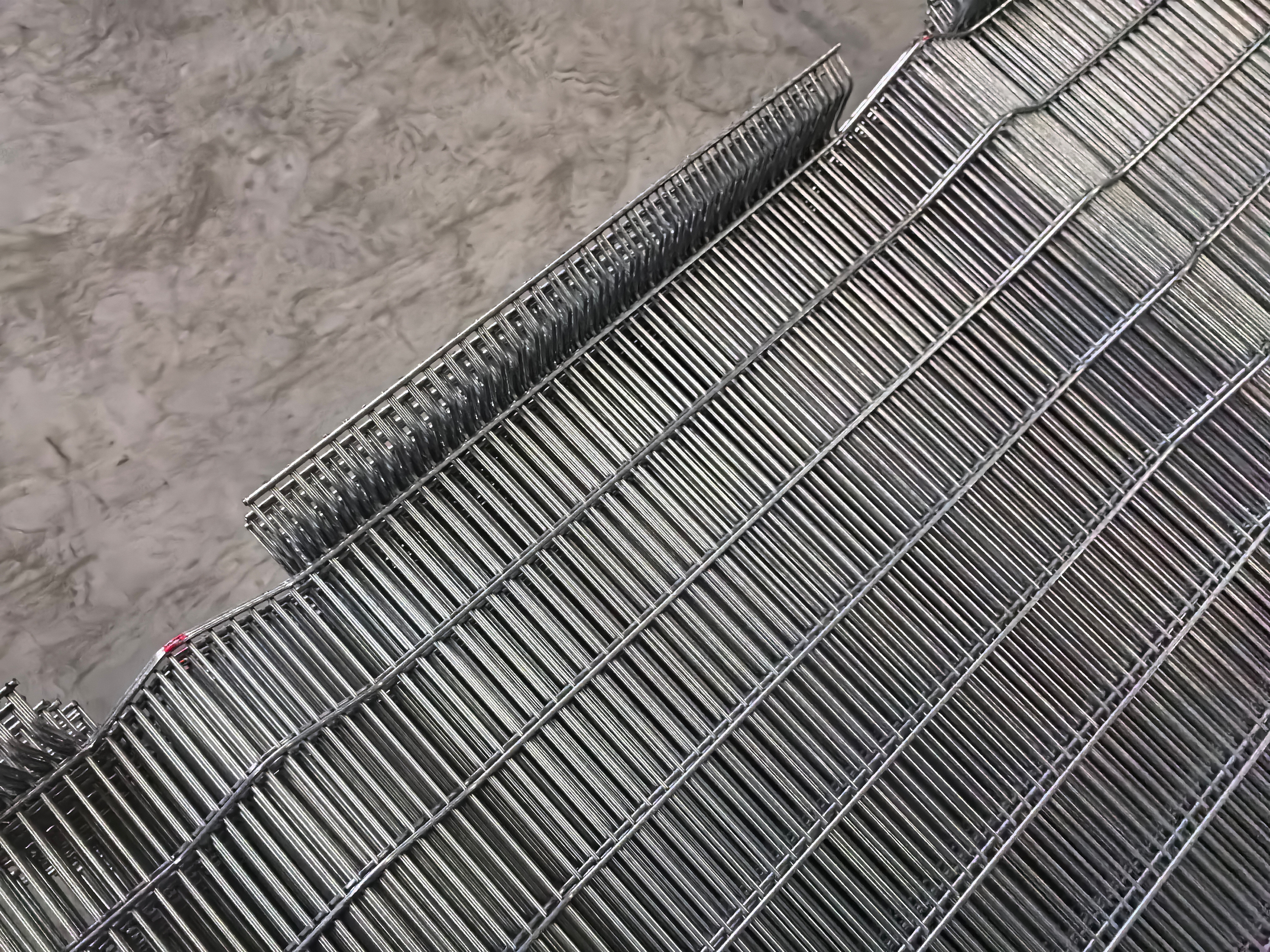
358 is commonly referenced as 3″ × 0.5″ × 8 gauge, which equates to approximately 76.2mm × 12.7mm × 4mm. The small opening reduces climb holds, while the welded construction and wire diameter increase resistance to attack and deformation. In real security design, the goal is time-delay: the fence should slow an intruder long enough for detection and response.
A true 358 welded mesh security fencing system is not just a panel; it is a complete assembly of mesh, posts, fixings, foundations, layout discipline, and a corrosion protection plan that matches the site environment.
Processing Flow
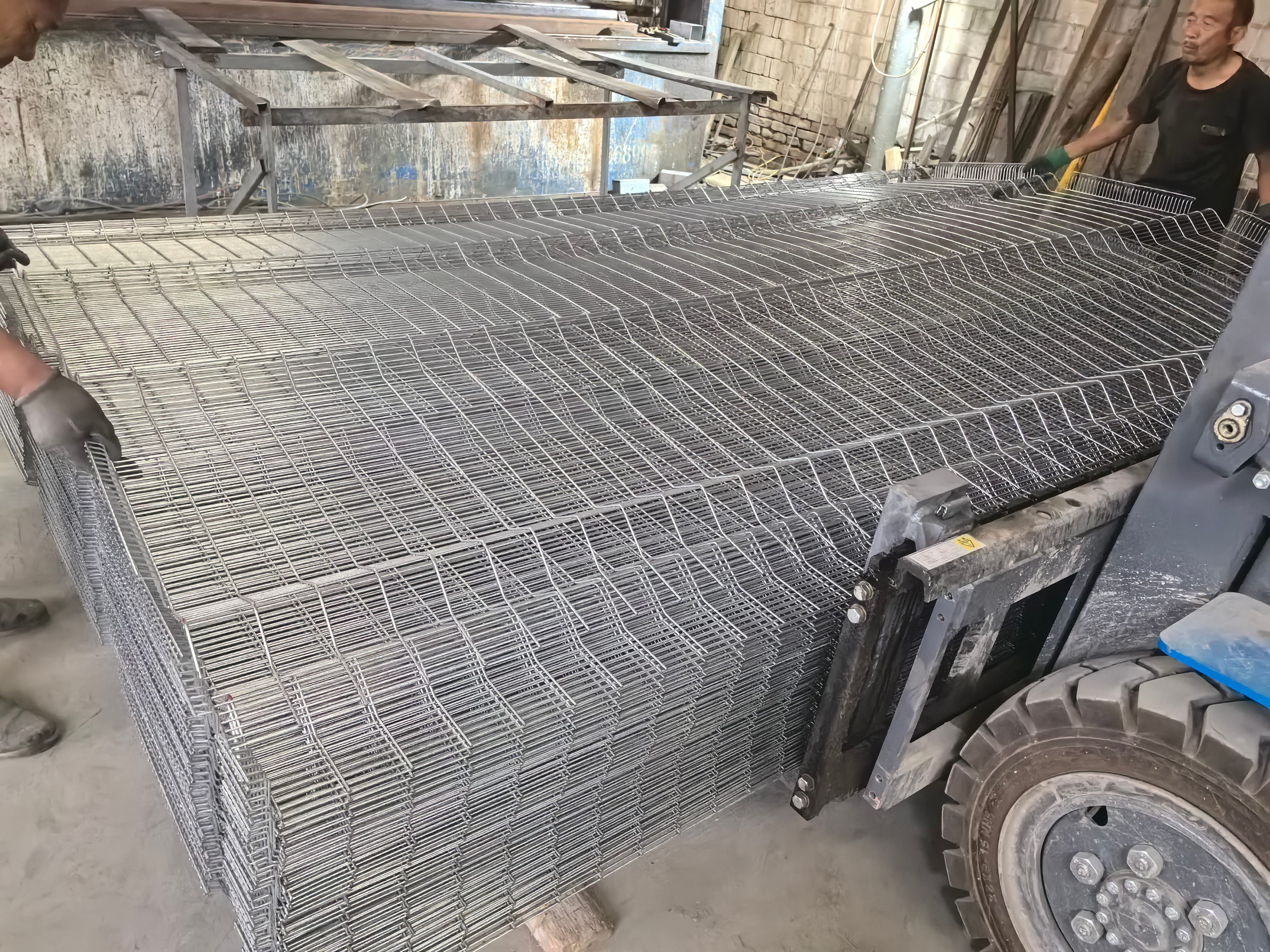
Material → Straightening & cut wire → Welding → Galvanizing → Powder coating (optional) → Packaging → Container loading
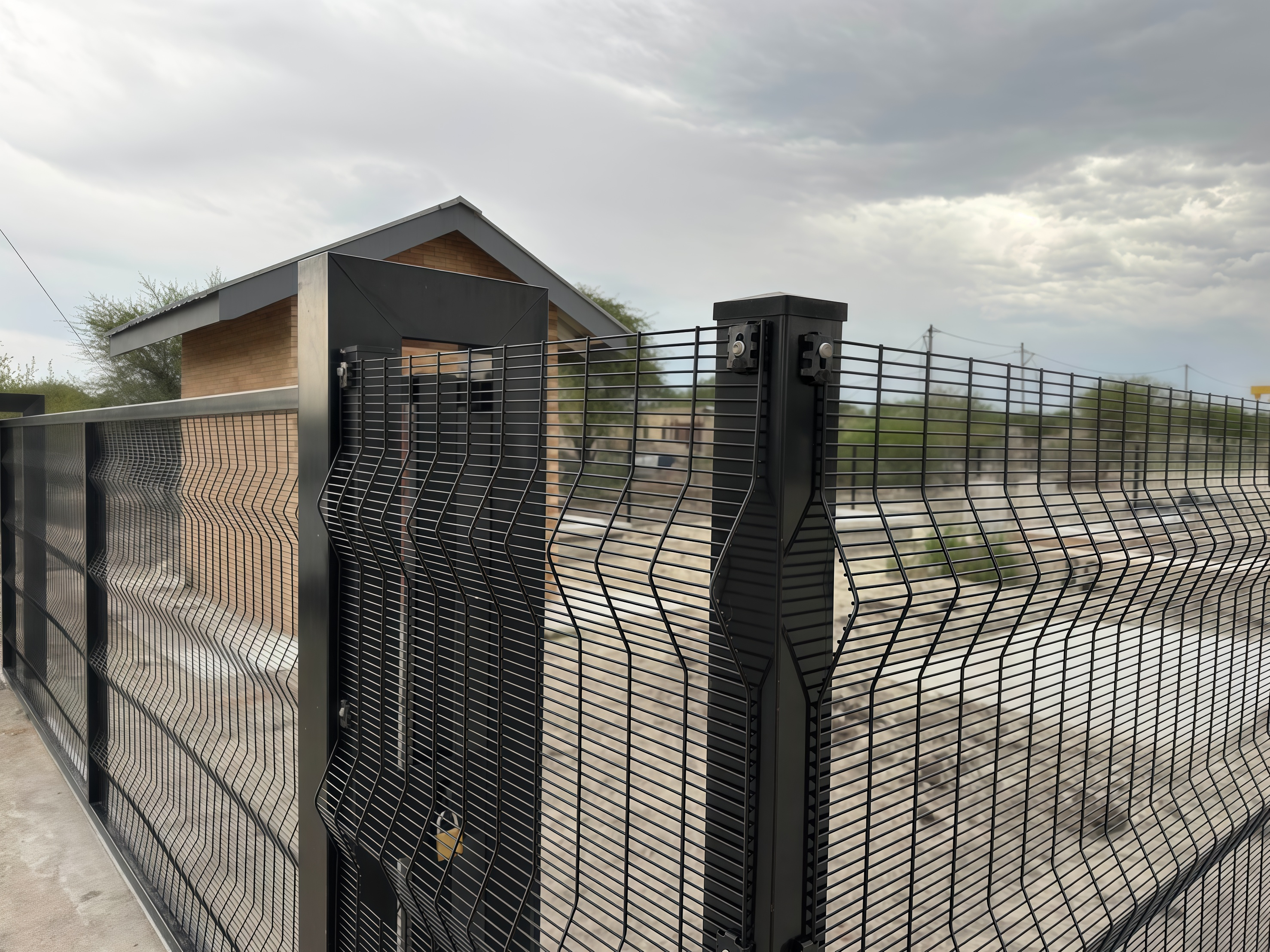
Top 10 High-Risk Items Buyers Miss in 358 Welded Mesh Security Fencing
These are the issues that trigger disputes, delays, and losses on real projects. The biggest financial hit usually happens when one mistake forces rework after posts are already set—especially item #7.
Trap #1: The “Photo-Match” Illusion
Panels can look identical online while using weaker wire tolerances, inconsistent apertures, or lower weld strength. The fence still “stands,” but it loses time-delay performance and becomes easier to deform, cut, or loosen over repeated impact and vibration.
Danger #2: Wire Diameter Spec That Quietly Drops
Security buyers often assume wire diameter is fixed, but suppliers may offer multiple options. If the wire is thinner than expected, cut resistance drops and the panel can flex more under load, which amplifies fixing stress and long-run alignment problems.
Risk #3: Weld Quality That Fails Under Real Abuse
Welds must hold under repeated attack and vibration; inconsistent weld energy or poor process control can cause weld fractures or progressive loosening. A fence can pass a quick visual check yet fail under harsh site conditions months later.
Pitfall #4: Corrosion Plan Not Matched to the Environment
Coastal air, industrial fallout, and humid zones punish weak corrosion protection. If galvanizing weight, pretreatment, or coating thickness is not defined and verified, early rust can appear at weld zones, edges, and handling points, turning “security” into a maintenance crisis.
Warning #5: Powder Coating Without Adhesion Discipline
Powder coating is only durable when surface preparation, pretreatment chemistry, curing, and film thickness are controlled. If these are weak, coating chips and edge impacts become rust starters that spread under the film, especially when panels rub in transit.
Defect #6: Posts That Are Too Light for the Fence Height
Many projects fail at the post, not the mesh. If post profile, wall thickness, spacing, or footing depth is under-specified, the fence line will rack, shake, and transfer stress into fixings, which can lead to panel movement, visual wave-lines, and gate alignment failures.
Loss #7: Ground Reality Ignored (Slope, Gaps, and Underdig Rework)
This is where most buyers lose the most money. If you order standard panel heights without planning slope transitions, stepped sections, underdig extensions, retaining edges, or allowable ground clearance, installers must improvise on site; the result is gaps under panels, posts re-set, panels cut, coating damaged, and expensive rework that can delay handover.
Mistake #8: Anti-Tamper Fixings Treated as “Optional”
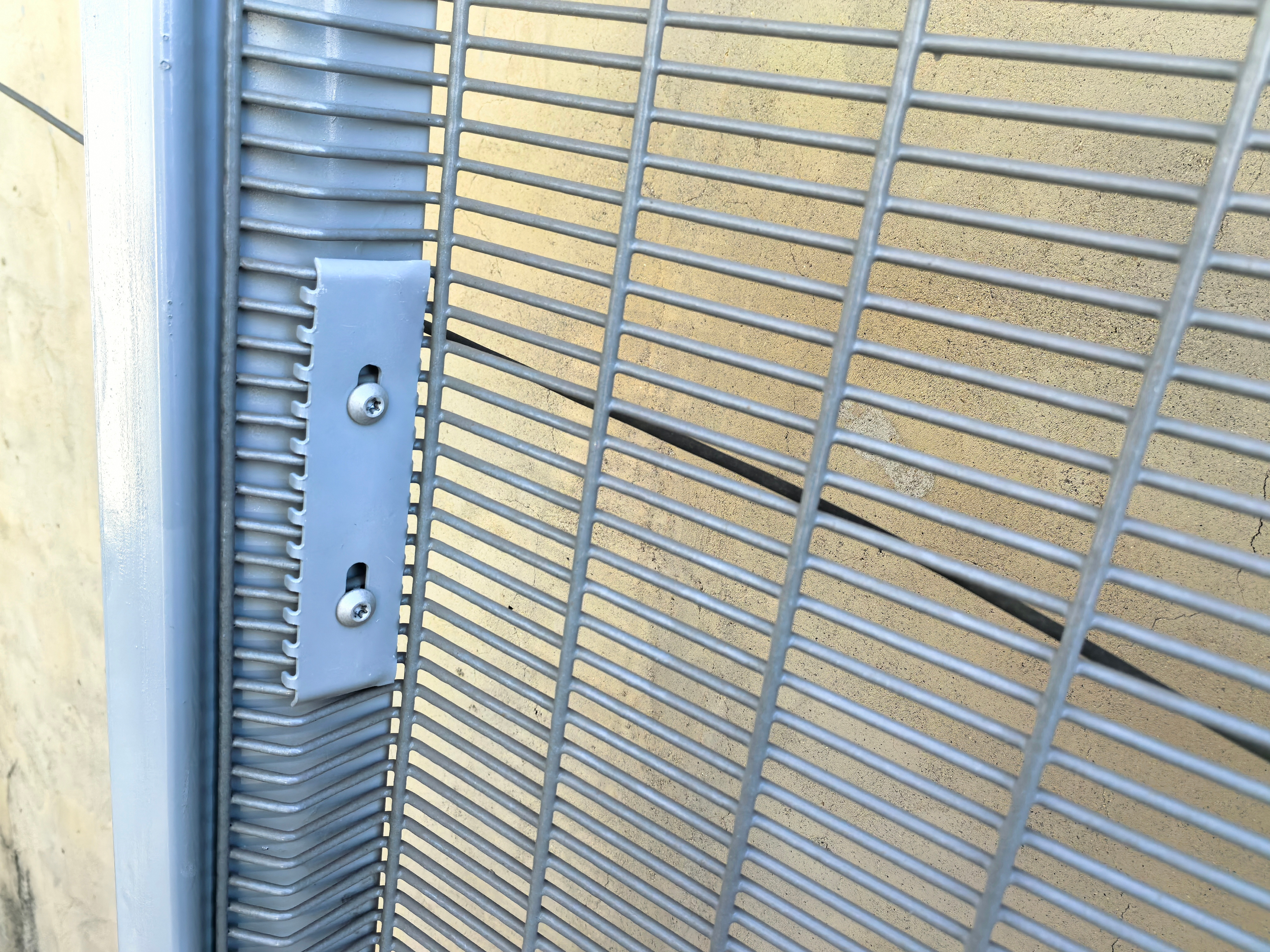
A high-security mesh panel is wasted if it can be removed with common tools. If your threat model includes quiet dismantling, specify one-way bolts, security clips, cover plates, and a fixing method that resists tampering and spreads load without creating weak points.
Loophole #9: CCTV Sightlines Not Considered in Layout
358 mesh can provide strong visibility for surveillance, but only if the fence line is straight, consistent, and camera planning is done early. Poor layout can create blind angles, cluttered backgrounds, and a false sense of coverage even with good cameras.
Crisis #10: Packing and Loading That Damages the Finish
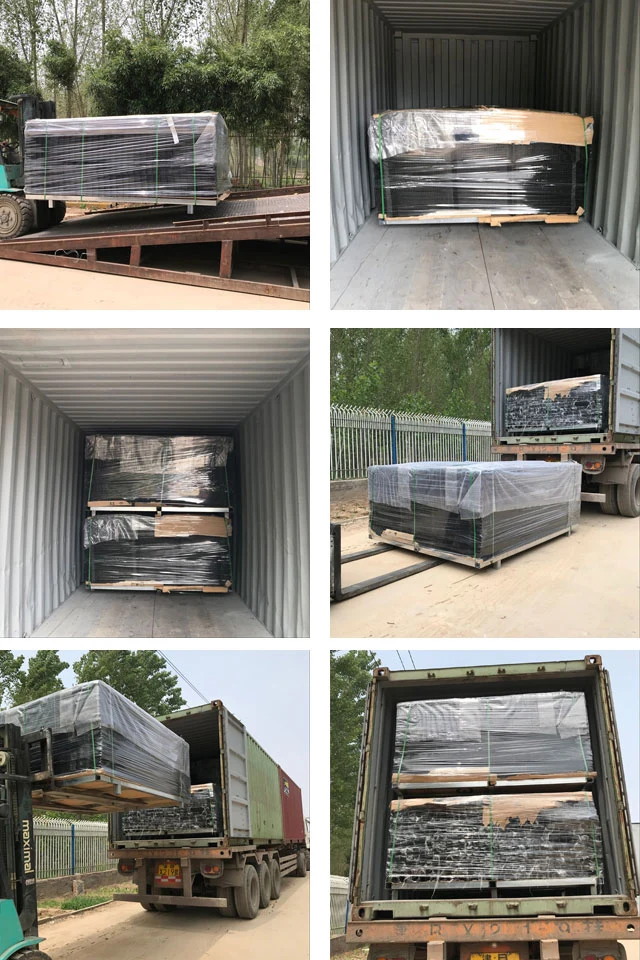
Many coating complaints start in shipping—rubbing, edge impacts, mixed bundles, and unprotected contact points. If panels arrive with chipped coating or abrasion, rust starts early and warranty disputes begin; disciplined packing, separation protection, and clear labeling (paired with correct on-site handling and fitting practices like those in these garrison fence installation instructions) prevent avoidable damage.
Product Description
POLYMETAL 358 welded mesh security fencing is engineered for high-security boundaries that demand anti-climb intent, strong rigidity, and long-term durability. The tight aperture is designed to reduce footholds and handholds, while welded intersections improve stiffness and time-delay performance under abuse.
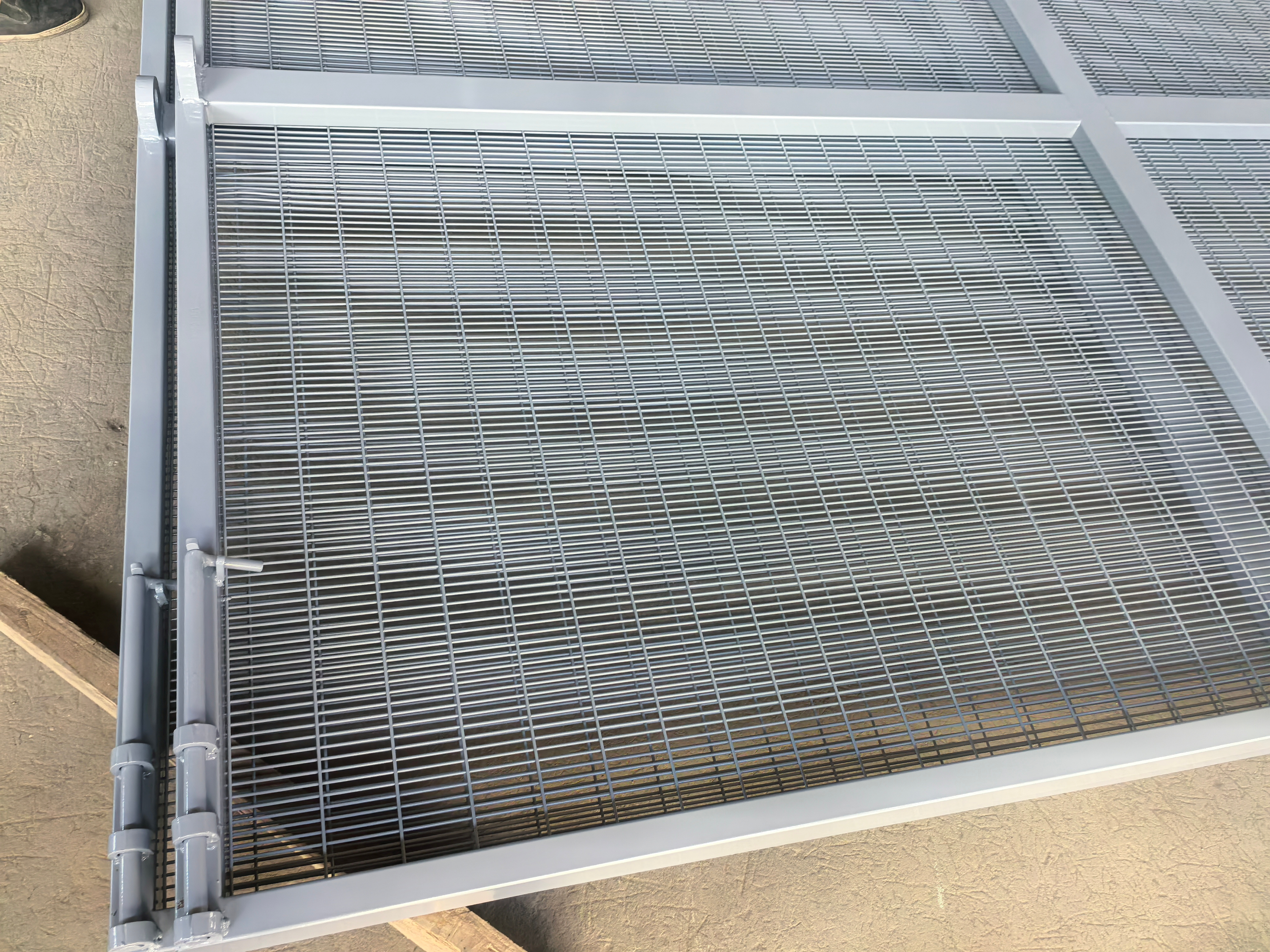
The system can be supplied as welded mesh panels for direct post mounting or integrated into a broader perimeter configuration with project-specific posts and anti-tamper fixings. Coating options can be configured for corrosion exposure, including galvanized finishes and galvanized plus polyester powder coating in RAL colors.
Because security performance is a system outcome, POLYMETAL focuses on consistent manufacturing control, repeatable dimensions, and packing protection so panels install cleanly and remain stable across seasons, traffic vibration, and aggressive site conditions.
Specifications of 358 Welded Mesh Security Fencing
| Brand | POLYMETAL |
| Material | Galvanized wire; optional powder coating; optional PVC by request |
| Common Mesh Aperture | 76.2mm × 12.7mm (other security apertures available by request) |
| Wire Diameter | 4.0mm typical (3.0mm or other options available by request) |
| Panel Width | Commonly 2518.6mm (regional formats available) |
| Panel Heights | 2000mm / 2400mm / 3000mm / 4000mm / 6000mm (project dependent) |
| Colors | Green, Blue, Yellow, White, Black, Anthracite, and other RAL colors on request |
| Fixing Options | Security clips, cover plates, one-way bolts, anti-tamper fasteners (project dependent) |
| Packaging | Bare packing or pallet packing or as your requirement |
| OEM Accepted | Yes |
| Sample Time | Commonly 3–4 days for sample preparation (freight time not included) |
| Production Capacity | Project dependent; scalable for large perimeter programs |
| Payment | T/T; L/C at sight; other terms by agreement |
European Market Specifications (358 Welded Mesh Security Fencing)
| Nominal Fence Height (mm) | Panel Dimensions (L × H, mm) |
|---|---|
| 2000 | 2518.6 × 2010.6 |
| 2400 | 2518.6 × 2417.0 |
| 3000 | 2518.6 × 3001.2 |
| 4000 | 2518.6 × 4004.5 |
| 6000 | 2518.6 × 6011.1 |
Installation guide: available on request.
South Africa Market Specifications (358 Welded Mesh Security Fencing)
| Nominal Fence Height (mm) | Panel Width × Height (mm) | Angle Iron Post | Angle Iron Bottom Rail |
|---|---|---|---|
| Length (mm) | Measurements (mm) | ||
| Wire thickness = 4 mm (3 mm wire thickness available on request) | |||
| 2400 | 2375 × 3050 | 3000 | 2996 × 40 × 40 × 3 |
| 3000 | 2985 × 3050 | 3600 | 2996 × 40 × 40 × 3 |
Applications 358 welded mesh security fencing
- Bridge anti-climb guarding & guard safety screening
- Psychiatric hospital security fencing
- Prison and detention security fencing
- Factory machine guards
- Walkway and corridor security fencing
- Airport security fencing
- Shipping port security fencing
- Electrical sub-station fencing
- Gas pipeline security fence lines
- High-security residential areas and private fields
Benefits
- Secure and discreet: A strong security presence with a clean visual line that supports modern perimeter design.
- Vandal-resistant intent: Small apertures reduce climbing holds and welded construction improves rigidity against attack.
- Good viewing visibility: A flat profile can support clear CCTV monitoring when layout and alignment are controlled.
- Durability: With the right corrosion system and protected packing, service life increases and maintenance reduces.
- Specification flexibility: Posts, fixings, coating, and heights can be configured to match threat level and site conditions.
Packing 358 welded mesh security fencing
Packaging & Shipping
- Mesh panels: typically on pallets with separation protection to reduce rubbing damage.
- Posts: packed in plastic bag, then wrapped by protective film (or equivalent) to reduce scratches and mix-ups.
- Fixings: boxed and labeled by line item for fast site counting and fewer missing components.
- Custom packing: available as your requirement to match container loading and unloading method.
Standards 358 welded mesh security fencing
For high-security projects, the safest approach is to procure by measurable specification, not by photos or generic labels. Define mesh aperture, wire diameter, panel dimensions, coating system and target thickness, post profile and thickness, fixing method (anti-tamper), foundation depth, allowable ground clearance, and slope/stepping/underdig requirements to prevent the #7 loss scenario.
Our Recommended Posts
358 fencing post choice determines straightness, rigidity, and long-term fixing stability—so before you request a POLYMETAL quotation, it’s smart to confirm your post profile, wall thickness, hole pattern, fixing architecture, and anti-tamper requirements, and also review common enclosure-grade mesh considerations in our guide on 2 types of zoo aviary mesh to avoid specification gaps that trigger rework.
UniLox
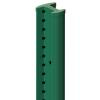
Universal post concepts can reduce site mistakes when panel seating, fixing points, and alignment tolerance are consistent across the perimeter.
Bekafix Ultra
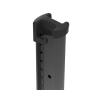
Medium to high-security designs often rely on rigid posts and lateral fixing systems; the critical detail is the anti-tamper fixing set and verified post thickness.
Securifor Post
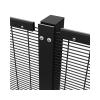
Heavy-duty posts with insert-based fixings or full-length cover plates can improve tamper resistance and reduce point-load stress on the panel line.
Bekasecure
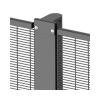
High-security perimeters often use continuous cover plates and security bolts; this approach reduces dismantling opportunities and can improve rigidity for tall fence heights.
FAQs 358 welded mesh security fencing
Q1: Can you offer a free sample?
A: Samples may be available; customers typically cover freight unless otherwise agreed.
Q2: Are you a manufacturer?
A: Yes. POLYMETAL supports project-based supply and can produce to specification and OEM requirements.
Q3: What information should I provide to get the lowest quotation?
A: Provide fence height, panel width, mesh aperture, wire diameter, finish (galvanized/powder), post profile and thickness, fixing method, quantity, delivery port, and slope/underdig requirements to avoid rework.
Q4: Can I customize the products?
A: Yes. Provide specifications or drawings; if needed, POLYMETAL can help convert site intent into a buildable specification.
Q5: What is the quality warranty?
A: Warranty depends on coating system, environment, and project conditions; confirm warranty terms in the quotation.
Q6: How about the delivery time?
A: Standard lead time is commonly 20–30 days; customized orders may take longer depending on specification and quantity.
Q7: What are the payment terms?
A: Common terms include T/T and L/C at sight; other terms can be discussed based on order scope.
Final Checklist for Buyers
If you want 358 welded mesh security fencing to perform like a true high-security barrier, lock the specification before production: define wire diameter and tolerances, verify weld quality expectations, choose a corrosion system matched to the environment, specify post rigidity and foundation depth, require anti-tamper fixings, and plan slope/stepping/underdig requirements early to prevent the #7 costly loss.