Your One-Stop Wire Mesh Fence Supplier | POLYMETAL
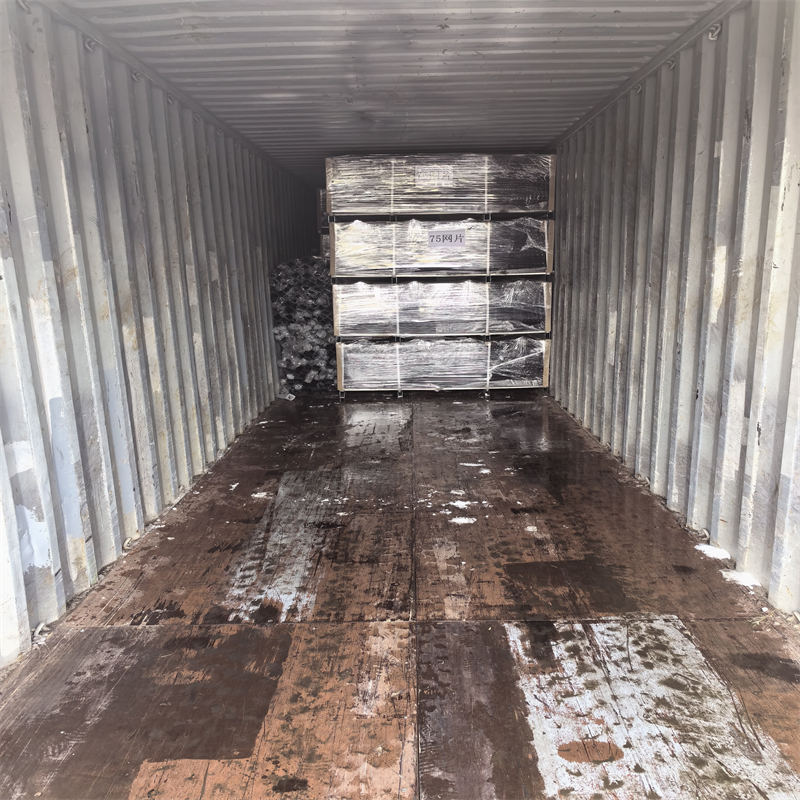
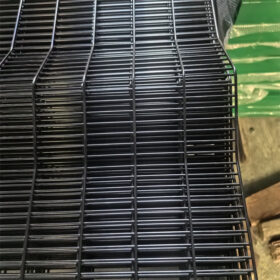
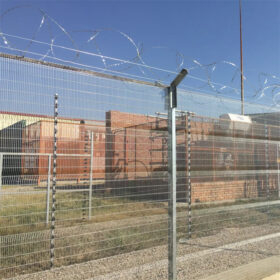
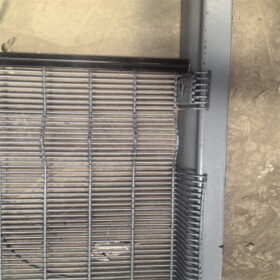
358 wire fencing panels are bought for one reason: to stop access where other fencing gets defeated. But many projects still end up with panels that can be cut faster than expected, posts that move under load, clamps that loosen, or coating that fails early—making the perimeter look tired and easy to challenge. The uncomfortable truth is that small choices (wire diameter, mesh pattern accuracy, panel rigidity, post section strength, fastening method, and finish system) decide whether you get a real security fence or a very expensive illusion.
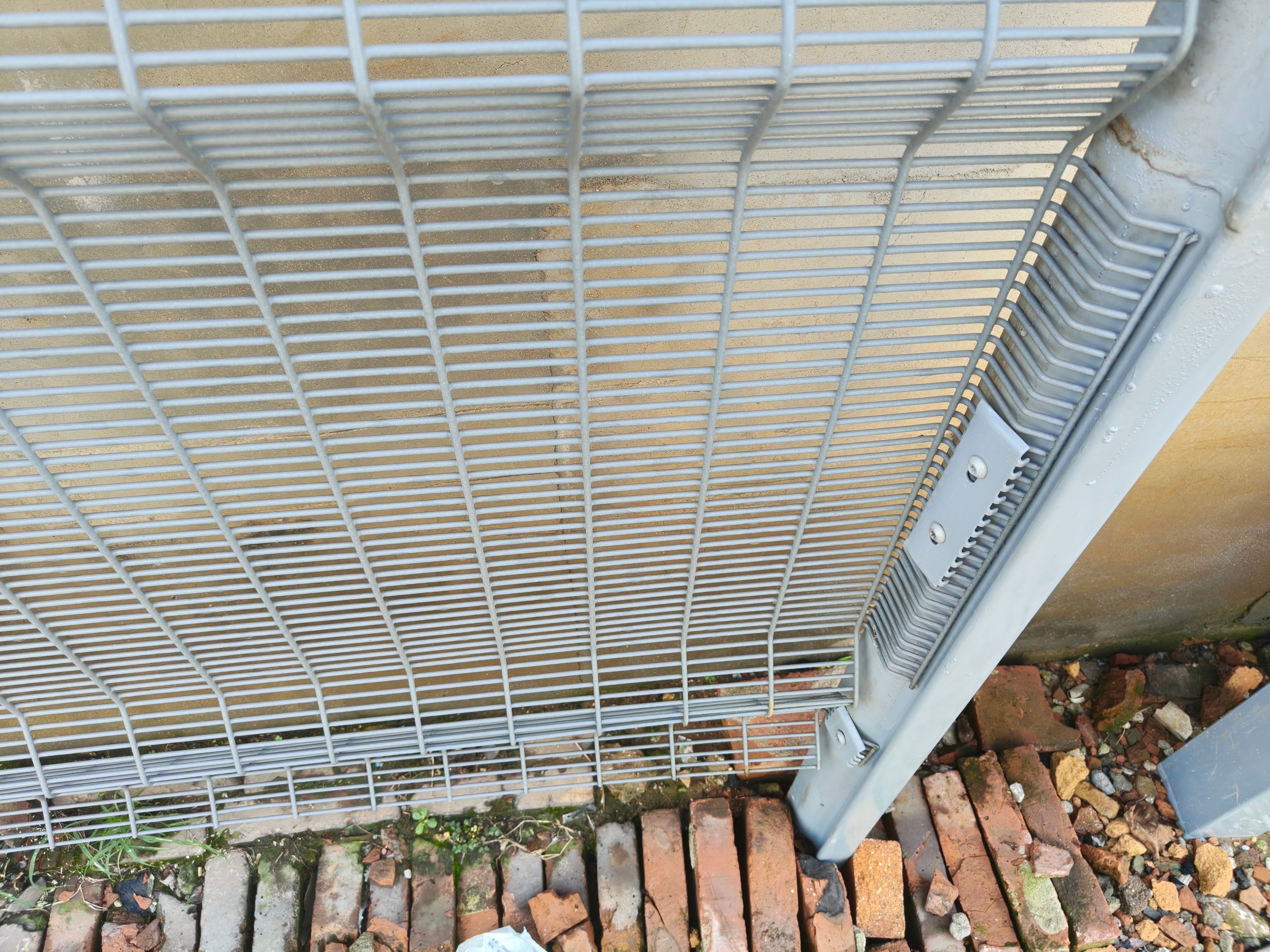
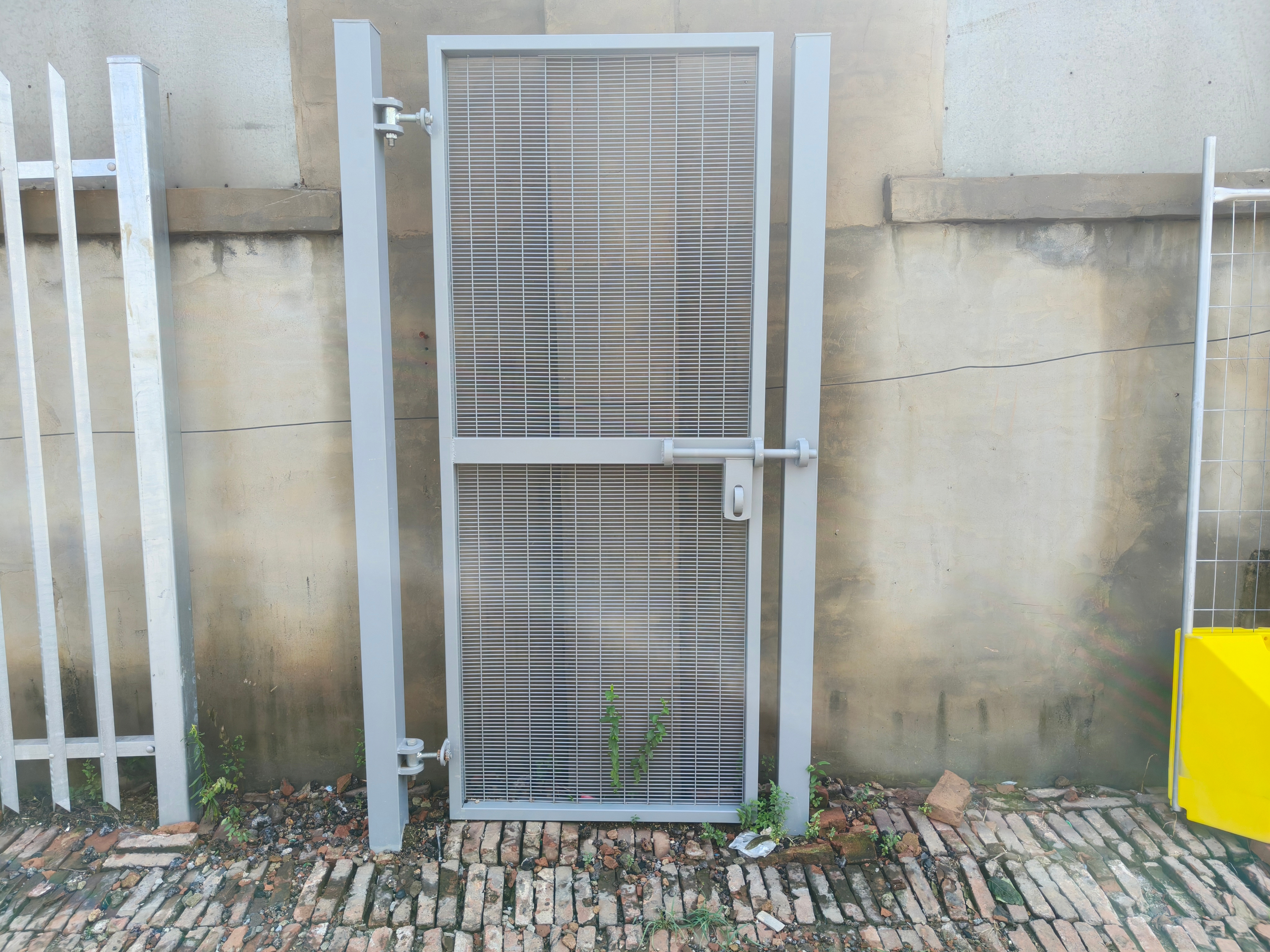
POLYMETAL 358 Wire Fencing Panels Overview
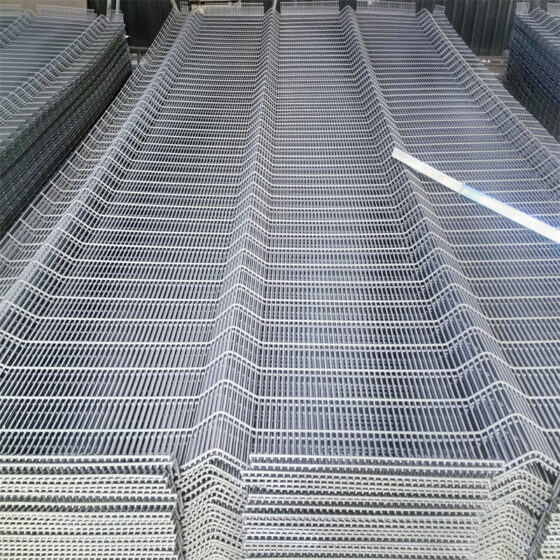
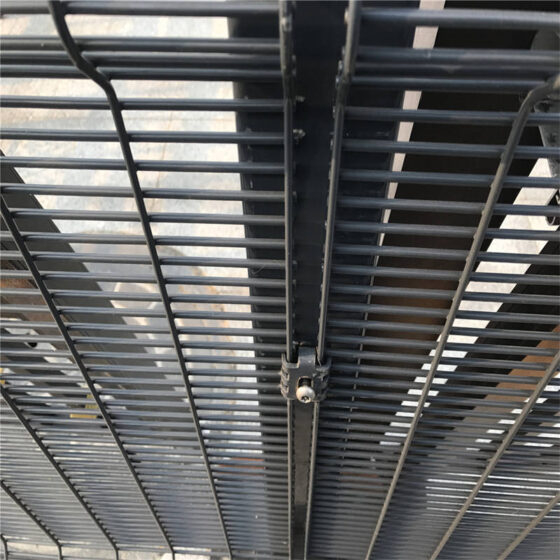
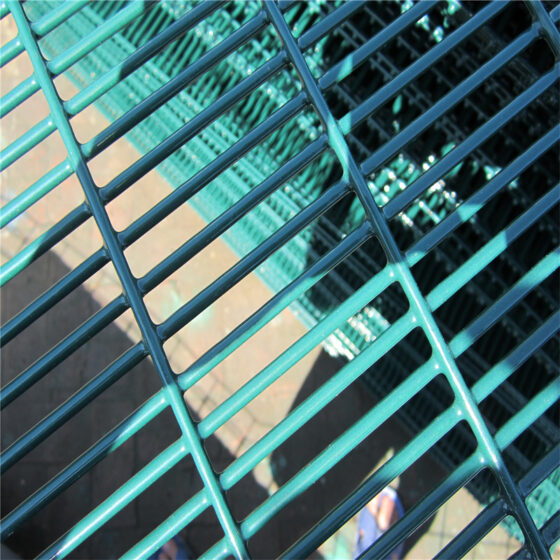
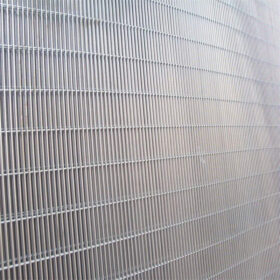
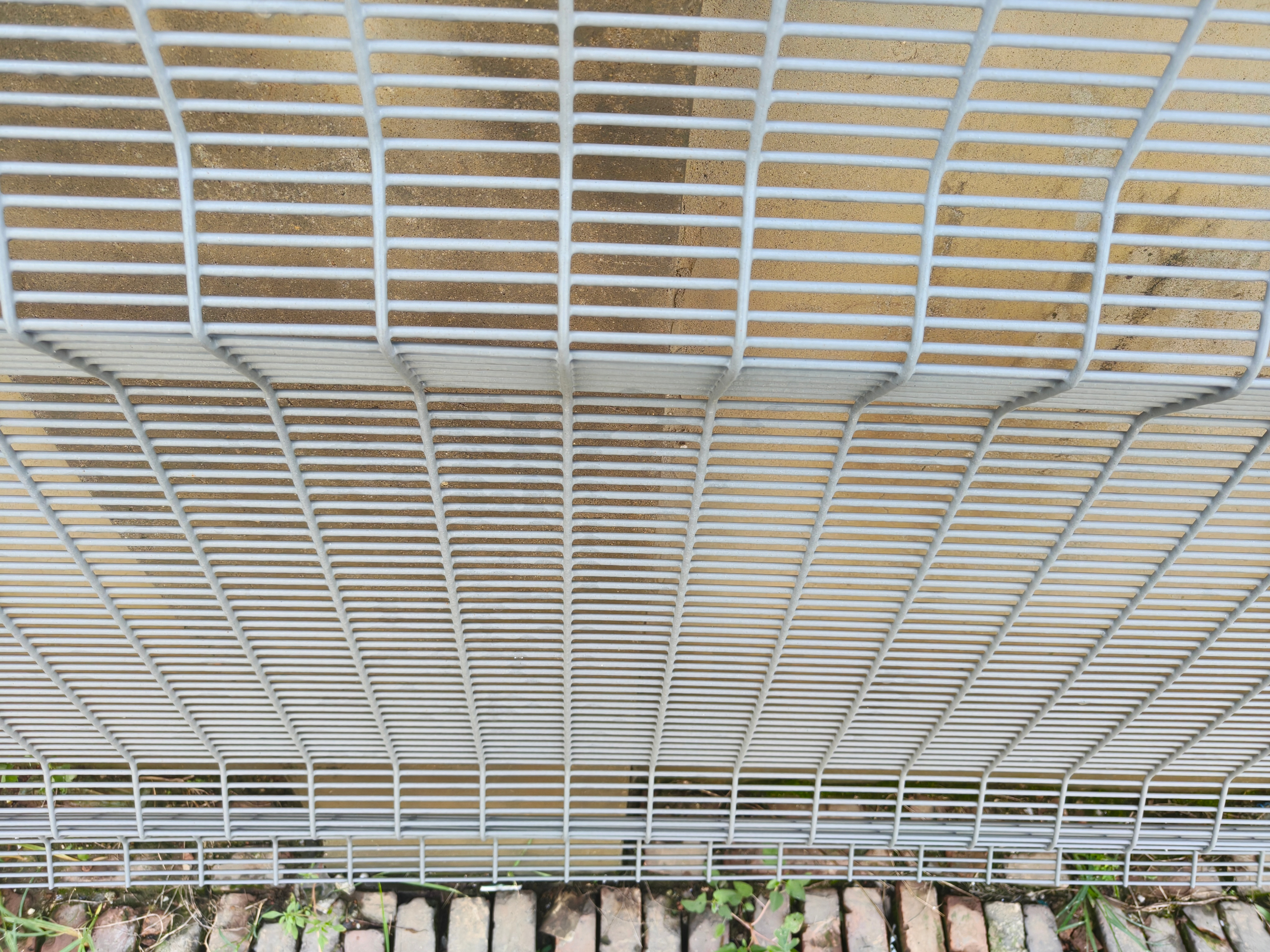
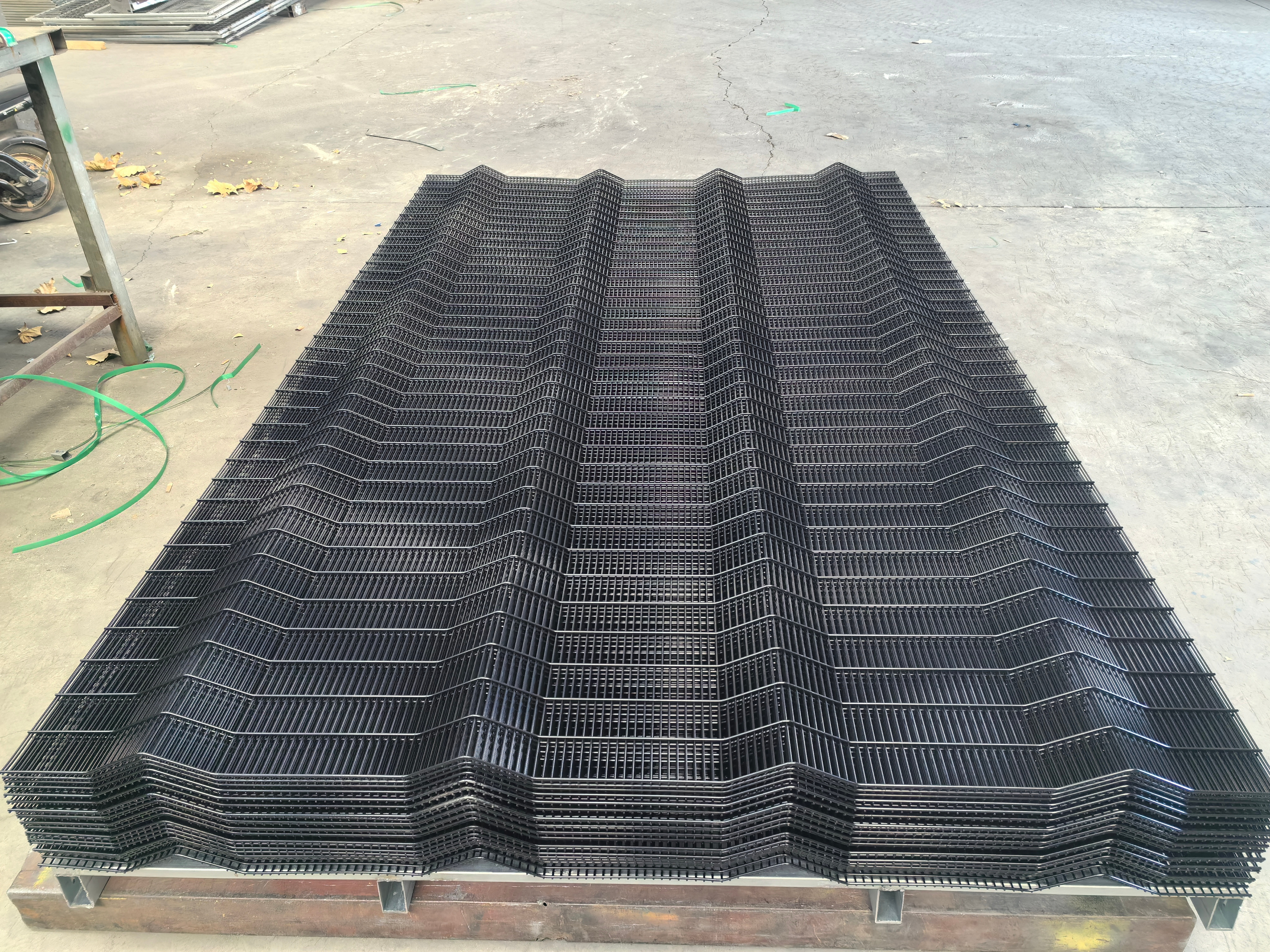
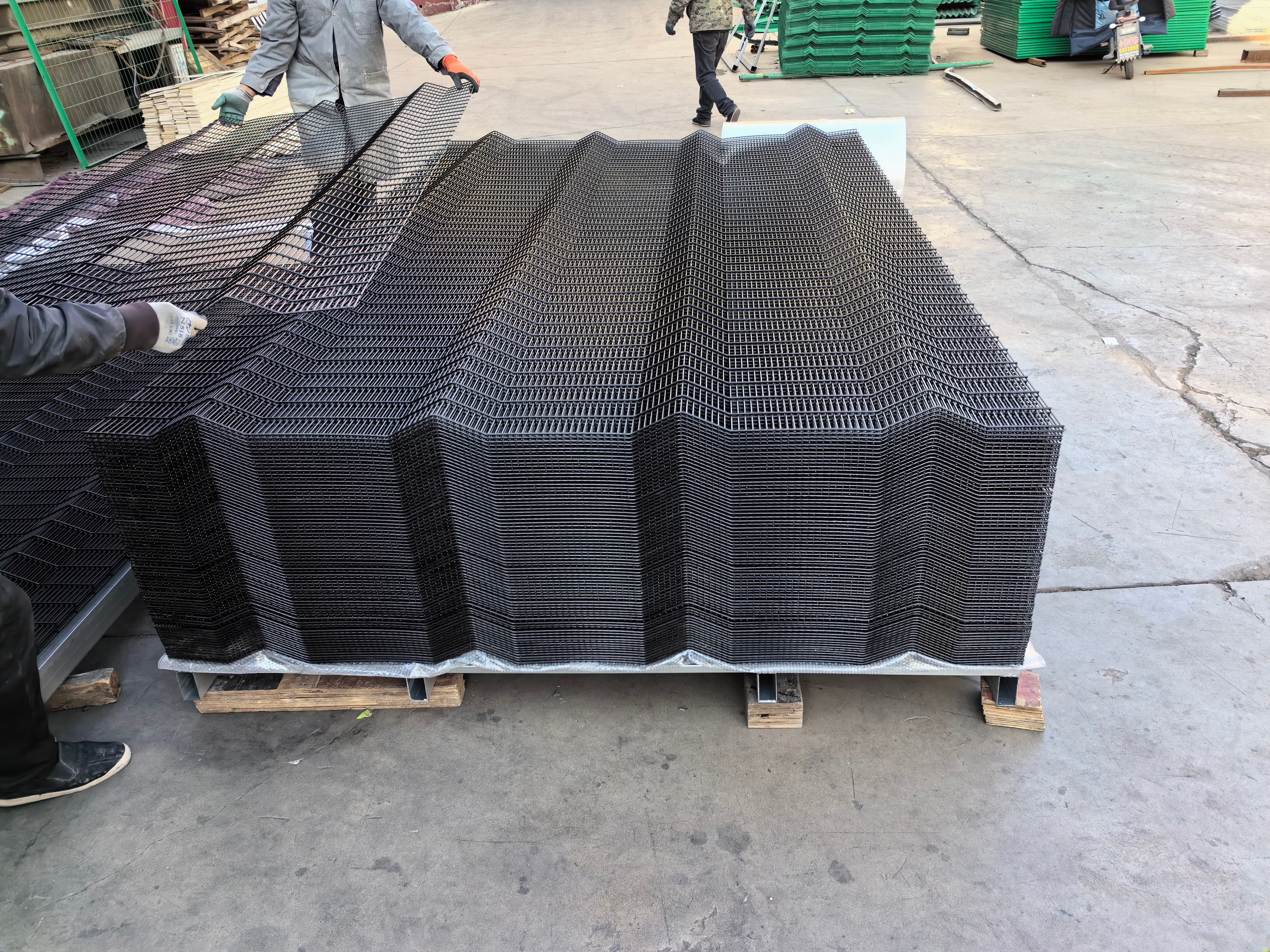
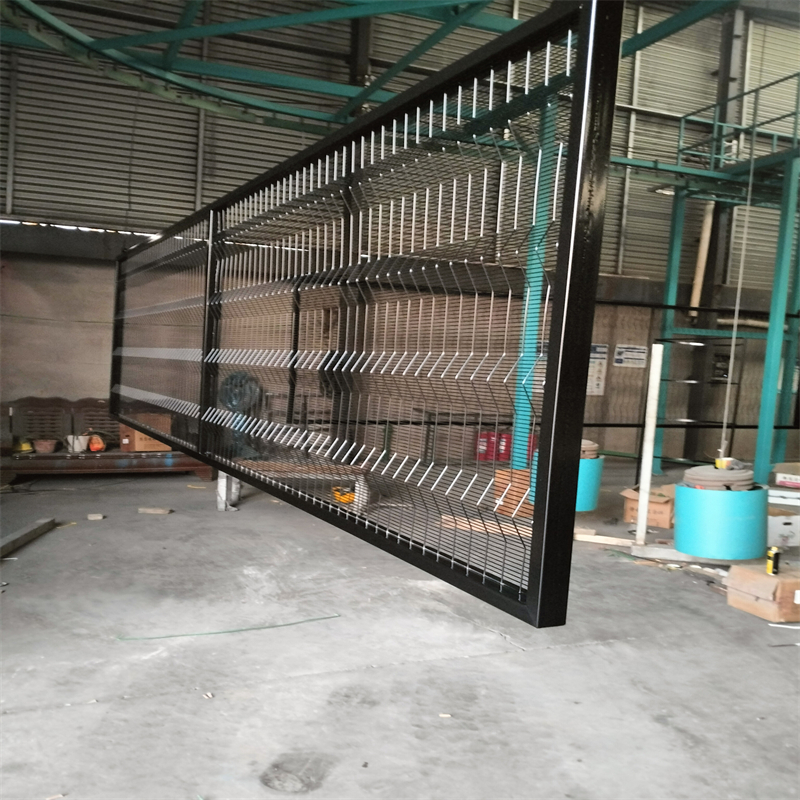
POLYMETAL 358 wire fencing panels use a high-security welded mesh pattern commonly known as “358” (3 inch × 0.5 inch mesh with 8 gauge wire). This tight aperture is designed to reduce finger holds, tool access, and climbing leverage. Typical panel widths are built around 2515mm, while heights are selected to match site risk, visibility, and required deterrence. Core specification variables include mesh aperture (commonly 76.2mm × 12.7mm), wire diameter options (often 3.0mm, 4.0mm, or 5.0mm for higher rigidity), and post-and-clamp systems that lock panels down without creating weak points. Finish systems are selected based on exposure and service life targets, commonly including hot dip galvanizing and optional powder coating for corrosion resistance and appearance control. If you want a quick side-by-side reference for the same security style, this 358 anti-climb wire fence for sale overview is a helpful comparison point.
Product Description
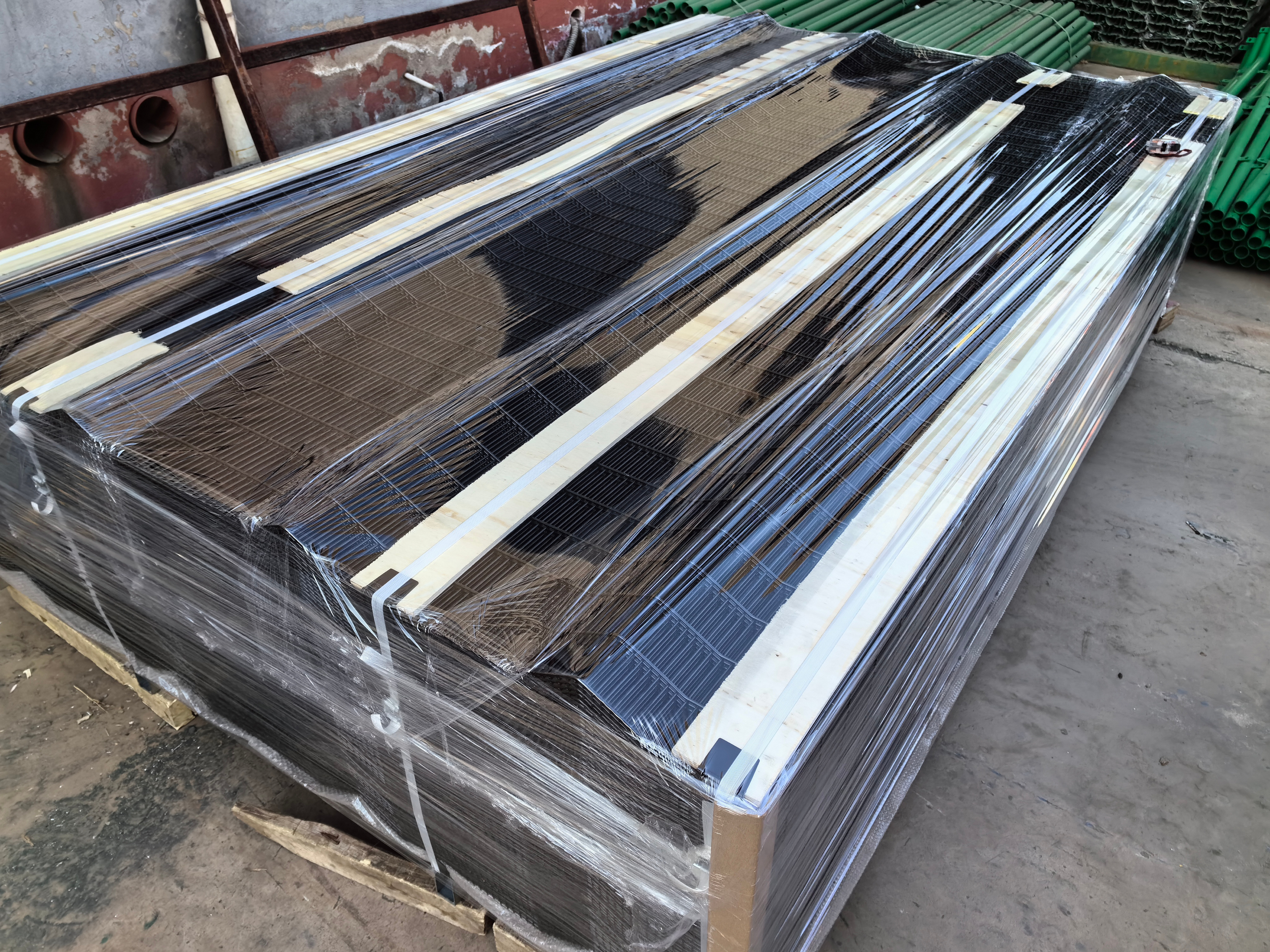
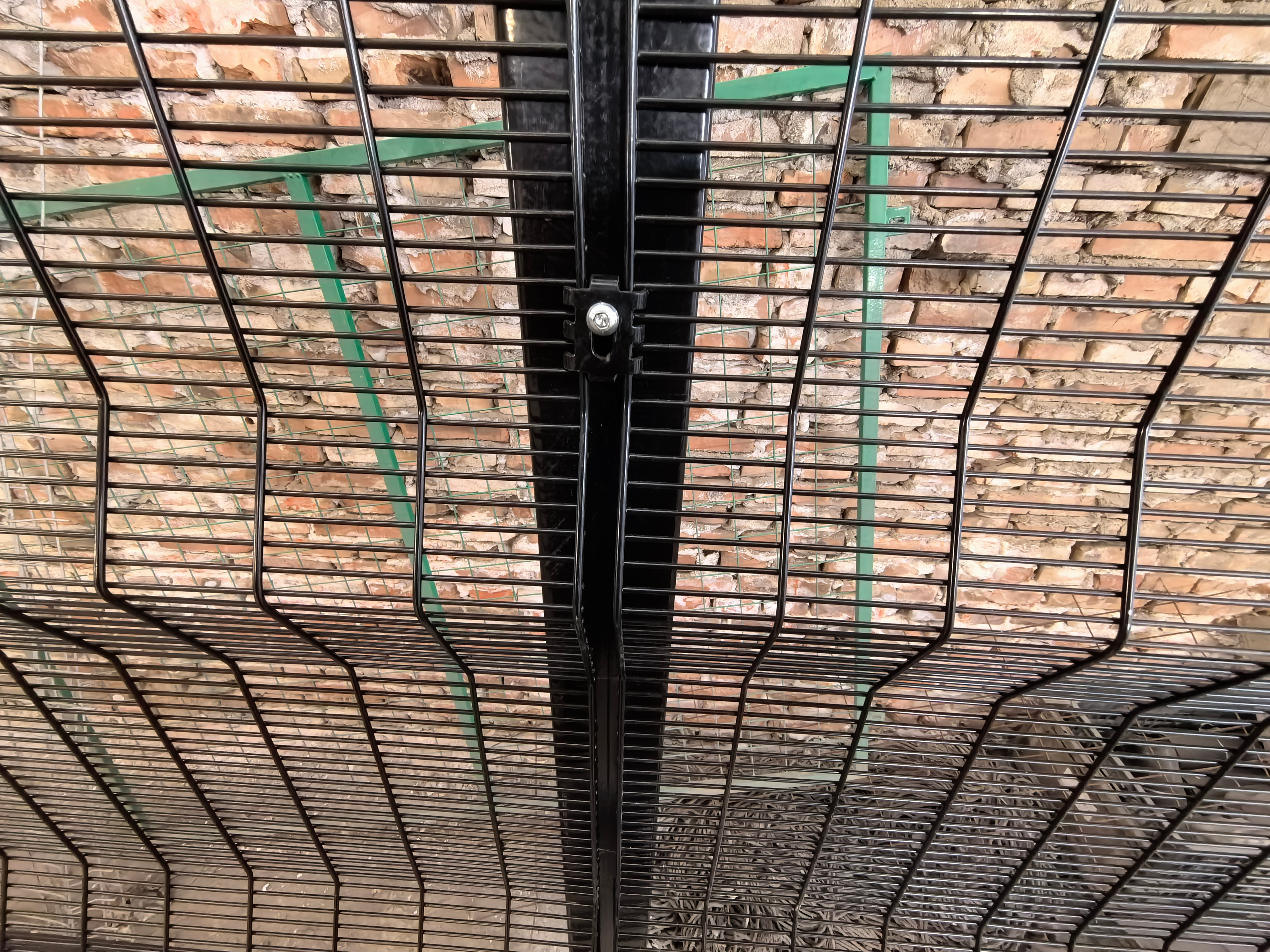
POLYMETAL 358 wire fencing panels are engineered as a high-security welded mesh perimeter system designed to reduce climbing leverage and limit tool access through a tight-aperture mesh layout. The system is supplied as modular panels matched with purpose-selected posts and clamp or bar fastening methods to maintain a straight, rigid fence line across long runs. Panel height selections support different deterrence requirements, while wire diameter options allow the stiffness and impact resistance of the barrier to be tuned to site pressure and abuse levels. With corrosion-protection finish systems selected to suit outdoor exposure, the fencing is built to keep its security presence and alignment over time rather than loosening into an easy-to-test boundary.
Specifications
Table 1: Standard 358 Wire Fencing Panels
| Model Code | Panel Height (mm) | Panel Width (mm) | Mesh Aperture (mm) | Wire Diameter (mm) | Weld Type | Finish | Post Centres (mm) | Post Section (RHS, mm) | Fixing Style |
|---|---|---|---|---|---|---|---|---|---|
| POLY-358-STD-01 | 1830 | 2515 | 76.2×12.7 | 4.0 | Welded | HDG | 2520 | 60×60 | Clamp bar |
| POLY-358-STD-02 | 2000 | 2515 | 76.2×12.7 | 4.0 | Welded | HDG | 2520 | 60×60 | Clamp bar |
| POLY-358-STD-03 | 2100 | 2515 | 76.2×12.7 | 4.0 | Welded | HDG | 2520 | 60×60 | Clamp bar |
| POLY-358-STD-04 | 2400 | 2515 | 76.2×12.7 | 4.0 | Welded | HDG | 2520 | 80×60 | Clamp bar |
| POLY-358-STD-05 | 3000 | 2515 | 76.2×12.7 | 4.0 | Welded | HDG | 2520 | 80×60 | Clamp bar |
| POLY-358-STD-06 | 1800 | 2515 | 76.2×12.7 | 3.0 | Welded | HDG | 2520 | 60×60 | Clamp bar |
| POLY-358-STD-07 | 2100 | 2515 | 76.2×12.7 | 3.0 | Welded | HDG+Powder | 2520 | 60×60 | Clamp bar |
| POLY-358-STD-08 | 2400 | 2515 | 76.2×12.7 | 4.0 | Welded | HDG+Powder | 2520 | 80×60 | Clamp bar |
| POLY-358-STD-09 | 3000 | 2515 | 76.2×12.7 | 4.0 | Welded | HDG+Powder | 2520 | 80×60 | Clamp bar |
| POLY-358-STD-10 | 2000 | 2515 | 76.2×12.7 | 4.0 | Welded | HDG+Powder | 2520 | 60×60 | Security clamp |
Table 2: Heavy-Duty 358 wire fencing panel
| Model Code | Panel Height (mm) | Panel Width (mm) | Mesh Aperture (mm) | Wire Diameter (mm) | Reinforcement | Finish | Post Centres (mm) | Post Section (RHS, mm) | Fixing Style |
|---|---|---|---|---|---|---|---|---|---|
| POLY-358-HDY-01 | 2400 | 2515 | 76.2×12.7 | 5.0 | Extra stiff | HDG | 2520 | 80×80 | Clamp bar |
| POLY-358-HDY-02 | 3000 | 2515 | 76.2×12.7 | 5.0 | Extra stiff | HDG | 2520 | 100×60 | Clamp bar |
| POLY-358-HDY-03 | 3600 | 2515 | 76.2×12.7 | 5.0 | Extra stiff | HDG | 2520 | 100×60 | Clamp bar |
| POLY-358-HDY-04 | 4200 | 2515 | 76.2×12.7 | 5.0 | Extra stiff | HDG | 2520 | 120×80 | Clamp bar |
| POLY-358-HDY-05 | 2400 | 2515 | 76.2×12.7 | 4.0 | Heavy spec | HDG+Powder | 2520 | 80×80 | Clamp bar |
| POLY-358-HDY-06 | 3000 | 2515 | 76.2×12.7 | 4.0 | Heavy spec | HDG+Powder | 2520 | 100×60 | Clamp bar |
| POLY-358-HDY-07 | 3600 | 2515 | 76.2×12.7 | 4.0 | Heavy spec | HDG+Powder | 2520 | 100×60 | Anti-tamper clamp |
| POLY-358-HDY-08 | 4200 | 2515 | 76.2×12.7 | 5.0 | Extra stiff | HDG+Powder | 2520 | 120×80 | Anti-tamper clamp |
| POLY-358-HDY-09 | 3000 | 2515 | 76.2×12.7 | 5.0 | Extra stiff | HDG | 2520 | 100×100 | Anti-tamper clamp |
| POLY-358-HDY-10 | 2400 | 2515 | 76.2×12.7 | 5.0 | Extra stiff | HDG | 2520 | 80×80 | Anti-tamper clamp |
Table 3: Height Sets and Matching Post Length 358 wire fencing panel
| Set Code | Fence Height (m) | Panel Size H×W (mm) | Wire Diameter (mm) | Clamp Bar (mm) | Post Centres (mm) | Post Section (RHS, mm) | Post Wall Thickness (mm) | Post Length (mm) | Typical Perimeter Risk |
|---|---|---|---|---|---|---|---|---|---|
| POLY-358-SET-01 | 1.8 | 1800×2515 | 4.0 | 40×5 | 2480–2520 | 80×40 | 1.6–2.0 | 2400 | Medium |
| POLY-358-SET-02 | 2.0 | 2000×2515 | 4.0 | 40×5 | 2480–2520 | 80×40 | 1.6–2.0 | 2600 | Medium+ |
| POLY-358-SET-03 | 2.4 | 2400×2515 | 4.0 | 40×5 | 2480–2520 | 80×40 | 1.6–2.0 | 3000 | High |
| POLY-358-SET-04 | 2.7 | 2700×2515 | 4.0 | 40×5 | 2480–2520 | 80×40 | 1.6–2.0 | 3300 | High |
| POLY-358-SET-05 | 3.0 | 3000×2515 | 4.0 | 40×5 | 2480–2520 | 80×40 | 1.6–2.0 | 3600 | High+ |
| POLY-358-SET-06 | 4.0 | 4000×2515 | 4.0 | 40×5 | 2480–2520 | 100×60 | 1.6–2.0 | 4600 | Very high |
| POLY-358-SET-07 | 5.2 | 5200×2515 | 4.0 | 40×5 | 2480–2520 | 120×80 | 1.6–2.0 | 5800 | Extreme |
| POLY-358-SET-08 | 2.4 | 2400×2515 | 5.0 | 40×5 | 2480–2520 | 80×60 | 2.0–2.5 | 3000 | High (stiffness focus) |
| POLY-358-SET-09 | 3.0 | 3000×2515 | 5.0 | 40×5 | 2480–2520 | 100×60 | 2.0–2.5 | 3600 | Very high (attack resistance) |
| POLY-358-SET-10 | 4.0 | 4000×2515 | 5.0 | 40×5 | 2480–2520 | 120×80 | 2.0–2.5 | 4600 | Extreme (foundation-first) |
Where 358 Wire Fencing Panels Get Used
Critical infrastructure and high-value compounds
Substations, utilities, data-related sites, transport assets, and restricted yards use 358 panels because casual climbing becomes far harder.
Industrial sites and logistics boundaries
High-traffic areas need a fence line that stays straight and respected, not a barrier that loosens and rattles over time.
Commercial sites that require visibility and control
358 panels allow CCTV sightlines while still creating a hard-to-grip boundary.
Schools, public facilities, and controlled-access zones
When a perimeter must look serious and reduce opportunistic entry, 358 is often chosen over wider-aperture mesh.
Benefits That Matter on Real Sites 358 wire fencing panel
Anti-climb pressure resistance
The tight mesh pattern reduces safe handholds and limits toe placement compared with wider mesh designs.
Reduced tool access
Small apertures make it harder to get cutters into ideal positions, increasing the time and effort required to breach.
Cleaner, straighter security appearance
A well-specified post, clamp, and panel thickness package holds alignment longer and keeps the perimeter looking controlled.
Modular maintenance
Damaged sections can be replaced panel-by-panel when the system is standardized across the run.
The Top 12 Dangers When Buying 358 Wire Fencing Panels
1) Assuming “358” automatically means high security
The 358 wire fencing panel mesh pattern helps, but real performance depends on wire diameter, weld quality, and the post-and-fixing system.
2) Buying thin wire and expecting rigid panels
A panel can have the right aperture but still flex too much if wire diameter and panel framing strategy are too light.
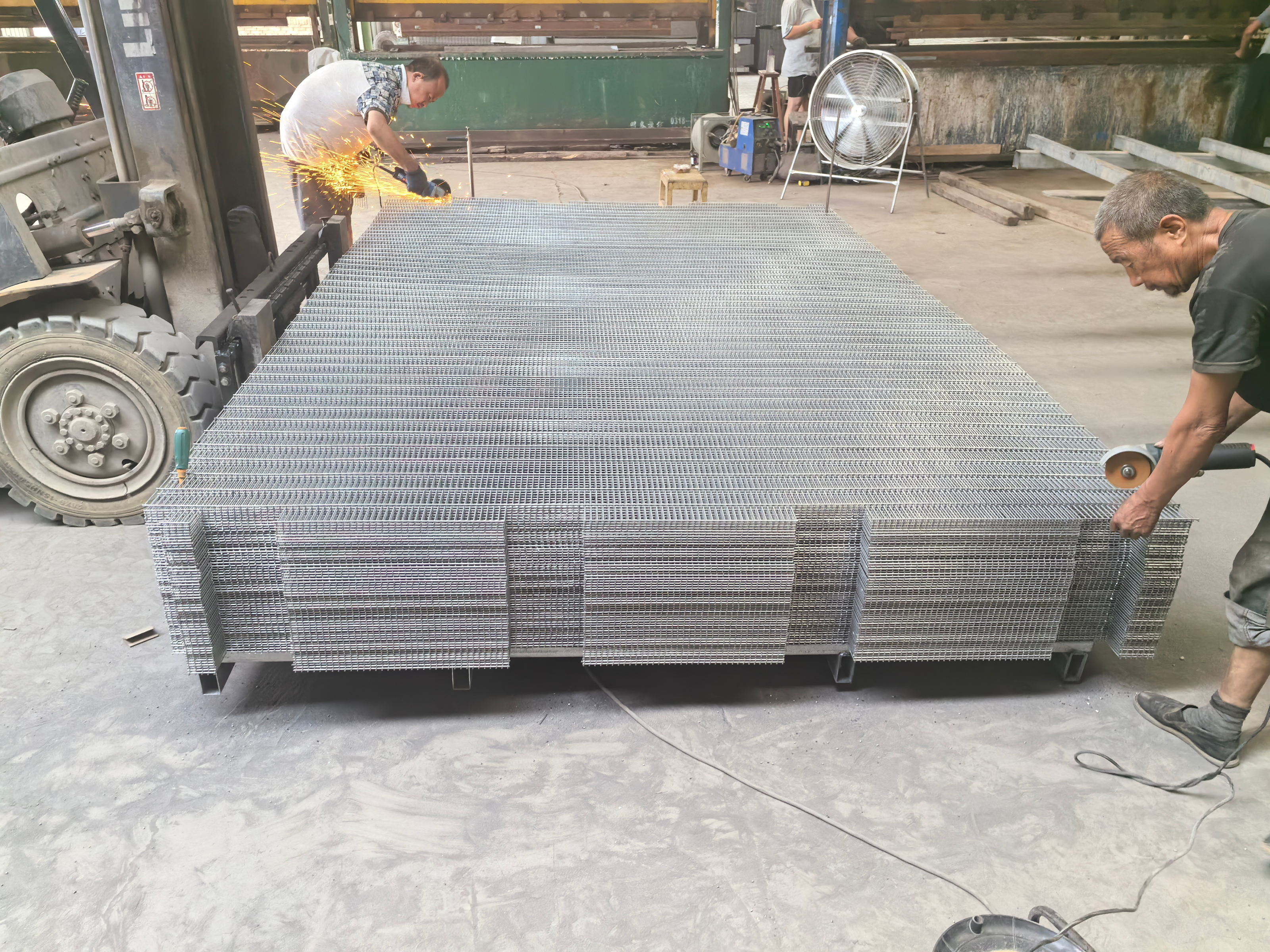
3) Ignoring weld consistency
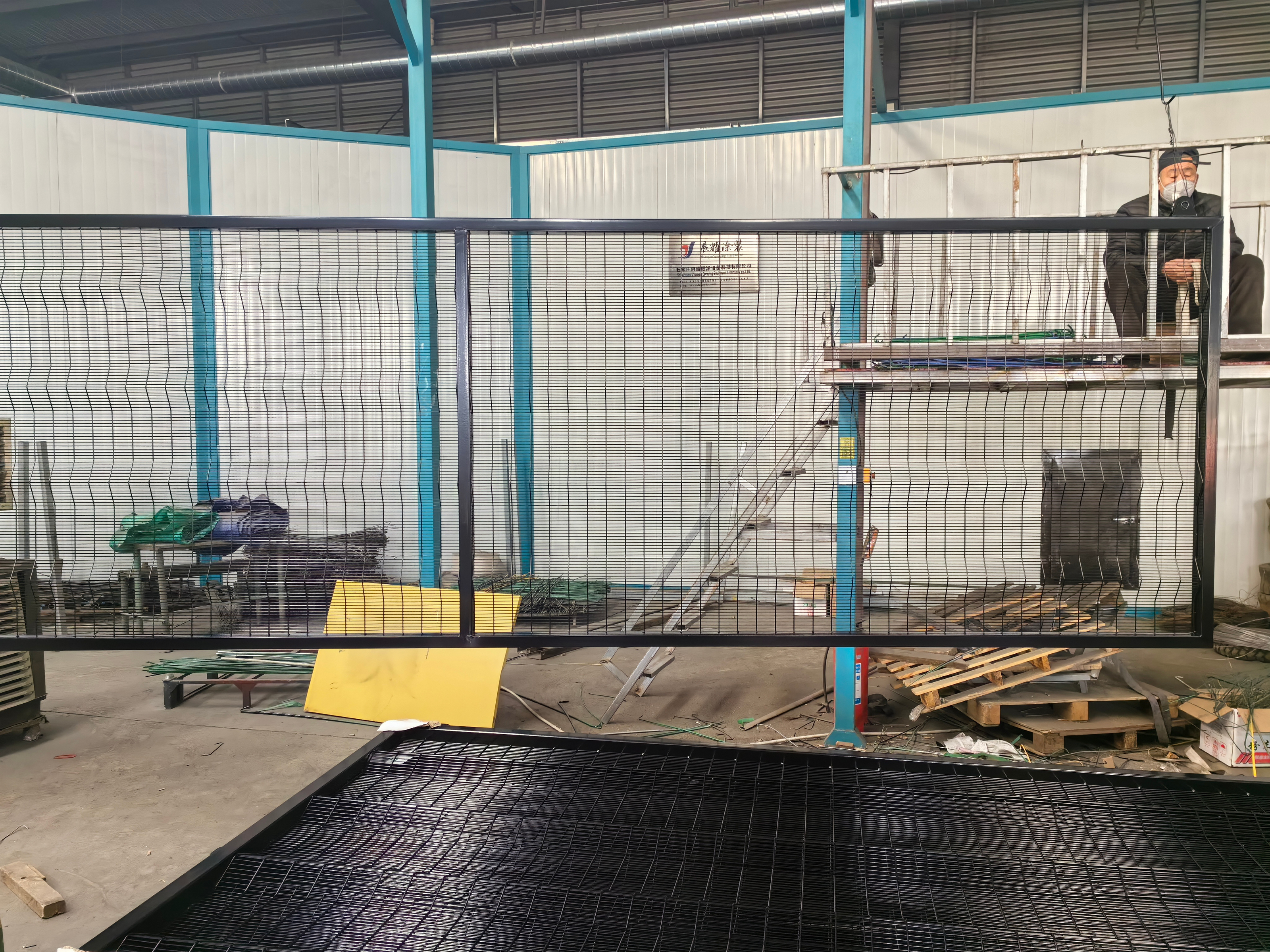
Weak welds don’t announce themselves at delivery. They show up after vibration, handling, and pressure testing.
4) Treating finish as a label instead of a durability system
If the coating system is wrong for the environment, corrosion begins at cut edges, clamps, and contact points first.
5) Under-sizing posts to save cost
Posts are the foundation. If posts move, your “security fence” becomes a leaning fence with visible weak zones.
6) Choosing clamp style without thinking about attack and maintenance
Some clamp layouts are easier to tamper with, while others can be stronger but slower to service.
7) The brutal cost trap: weak posts and cheap fixings on a high-pressure perimeter
This is where budgets collapse. A fence that loosens, shifts, or needs constant tightening costs more than upgrading the post and fixing package from day one.
8) Forgetting that corners and ends are the first tested points
358 wire fencing panel Corners need matched post strength and correct bracket layout, or the line becomes easy to pry and deform.
9) Using the same spec for every zone
A site perimeter is not uniform. Gates, public-facing areas, and hidden runs face different risks and abuse.
10) Buying panels without planning installation geometry
If post centres and panel widths are not coordinated, installers start “making it fit,” which creates gaps and stress points.
11) Overlooking transport and handling damage
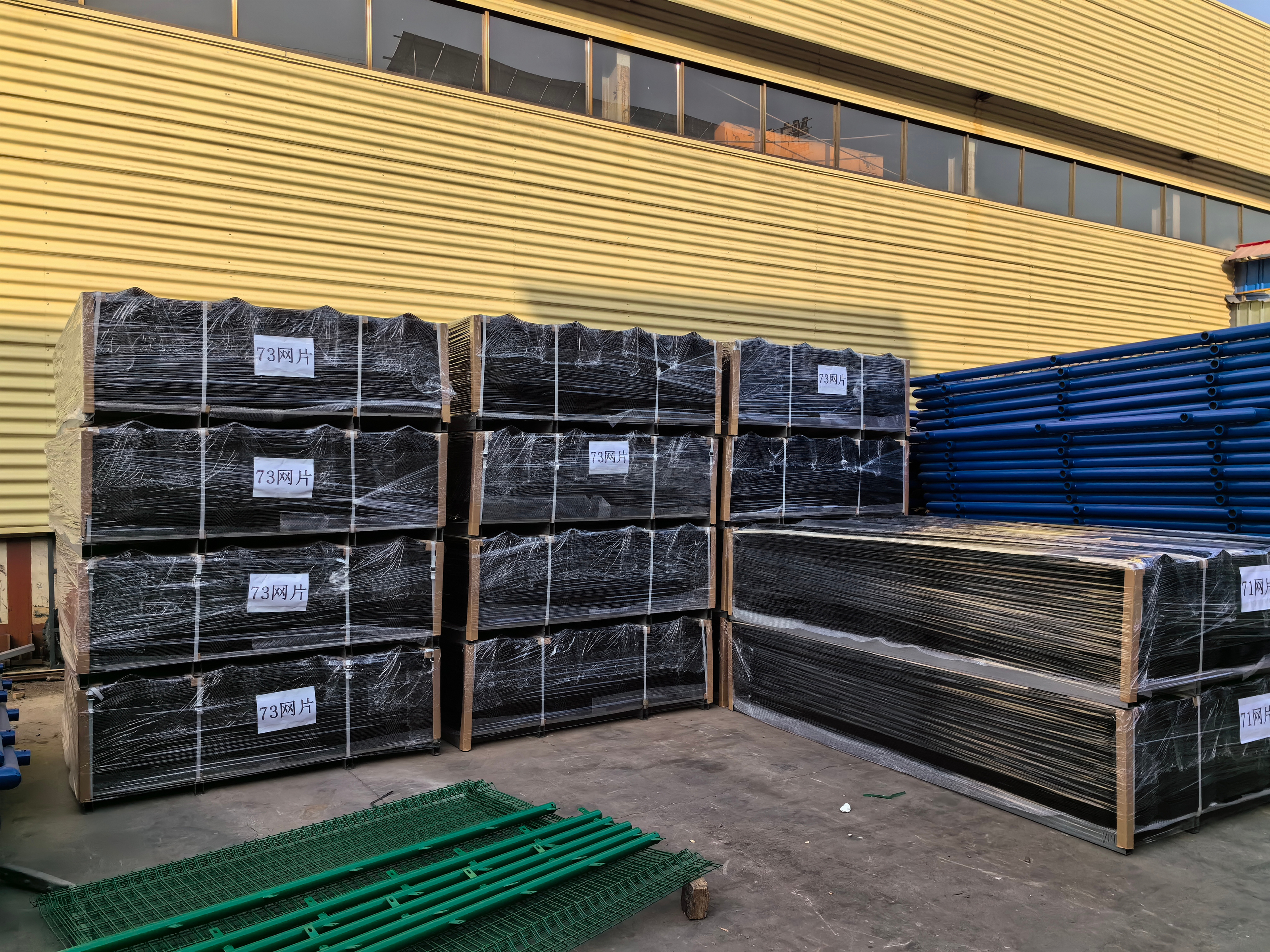
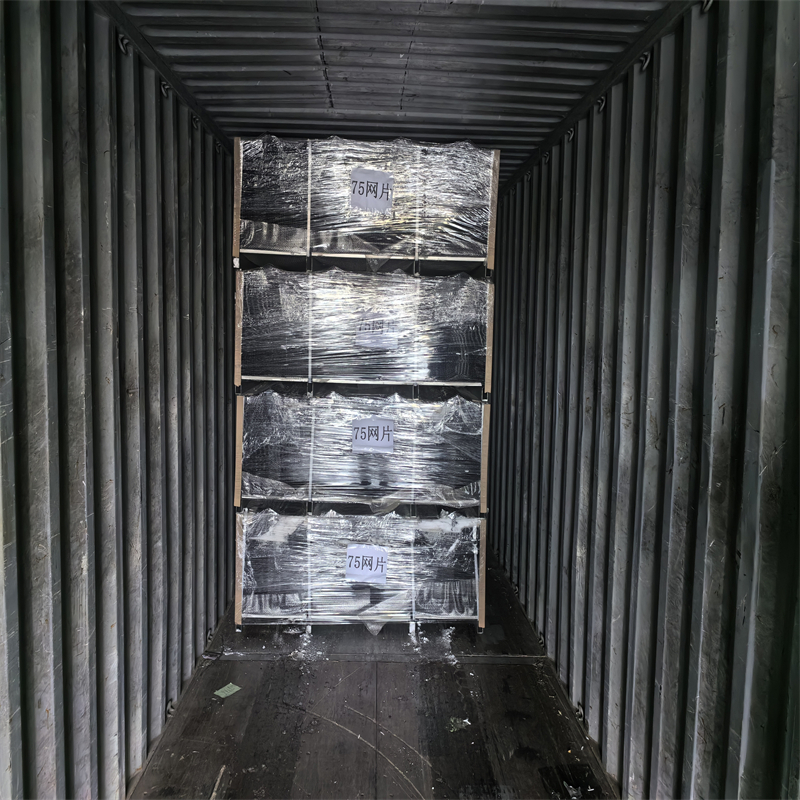
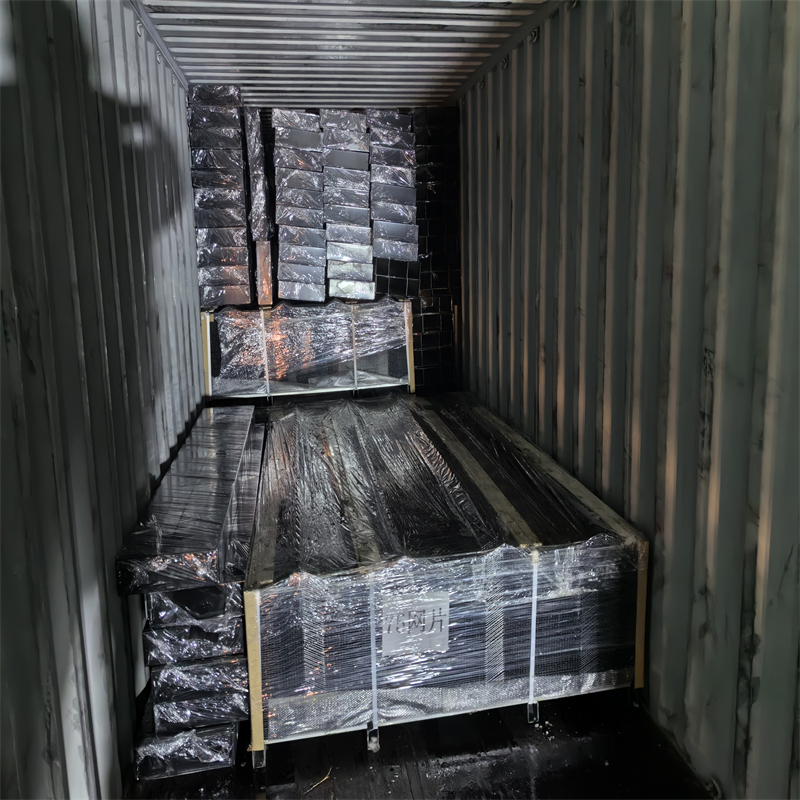
Bent panels, chipped coating, and twisted posts reduce both performance and the “do not test” message.
12) Treating the fence as panels only
358 wire fencing panel Security comes from the system: panels, posts, fasteners, corners, clearvu sliding gate integration, and finish protection working together.
How to Choose a POLYMETAL Configuration Without Regret
Start with the site’s risk level and what “failure” would cost: intrusion risk, liability exposure, replacement labor, downtime, or reputational damage. For higher-pressure boundaries, prioritize stronger posts, higher wire diameter, and robust fixing methods. For harsh exposure, prioritize finish thickness and abrasion resistance where clamps and stacking contact occur. The goal is simple: stop the 358 wire fencing panels from becoming a “looks secure” boundary that performs weak under pressure.