Your One-Stop Wire Mesh Fence Supplier | POLYMETAL
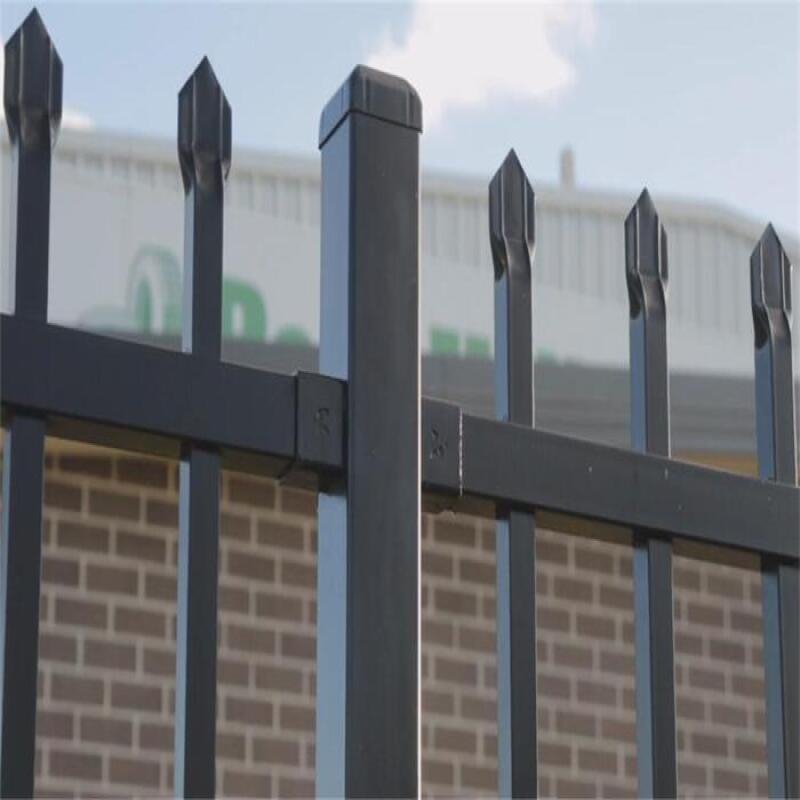
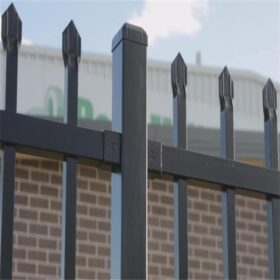
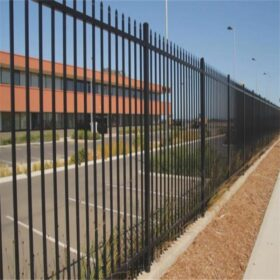
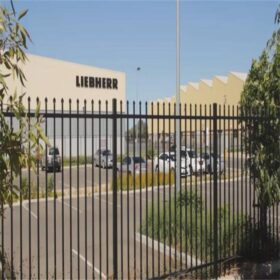
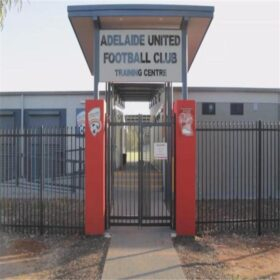
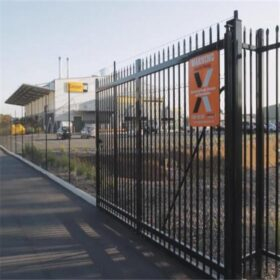
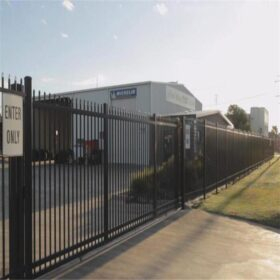
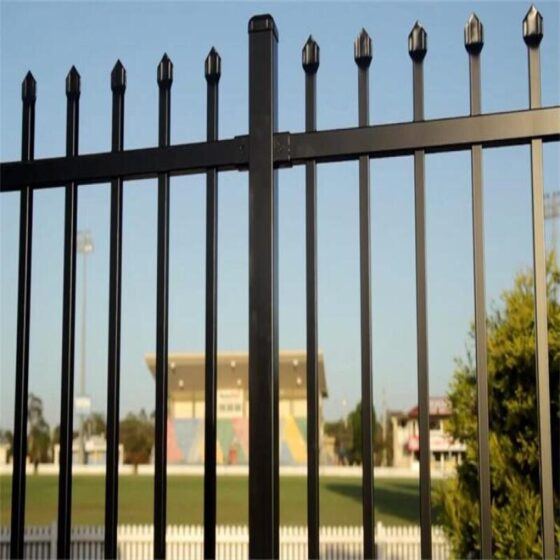
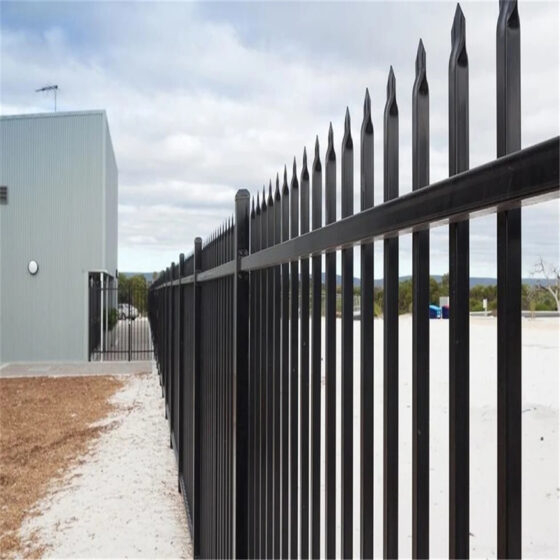
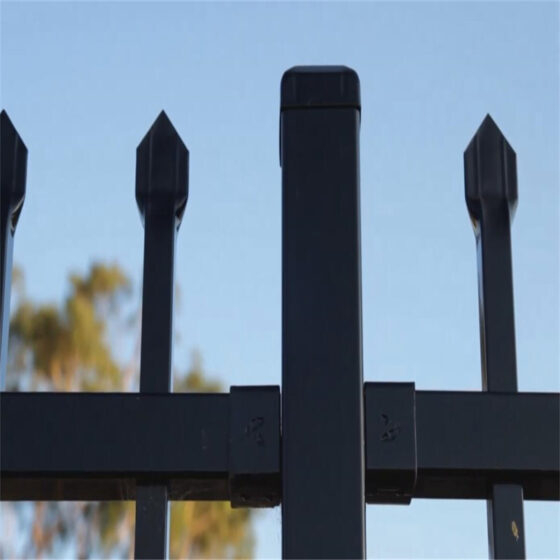
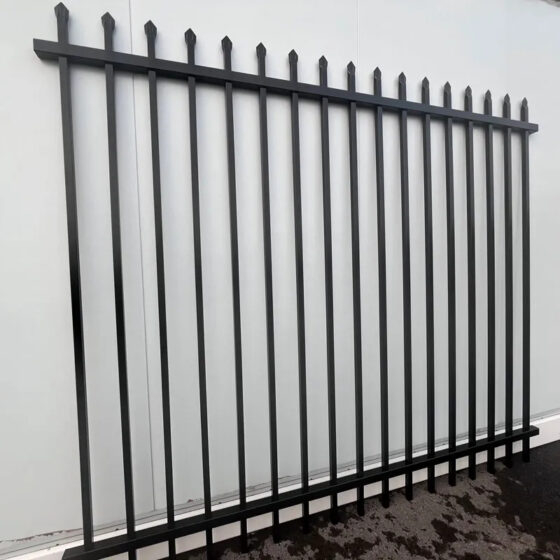
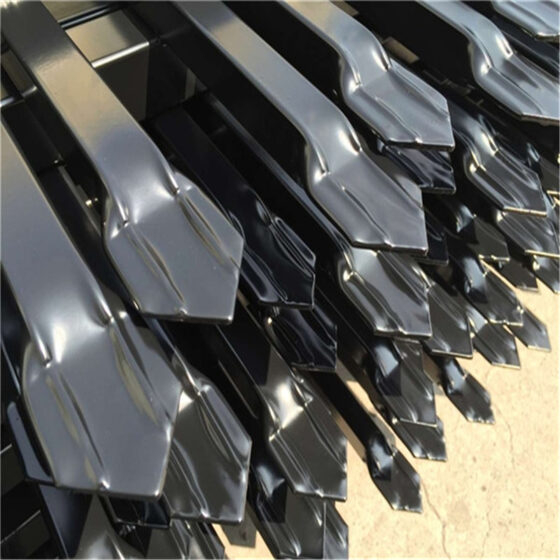
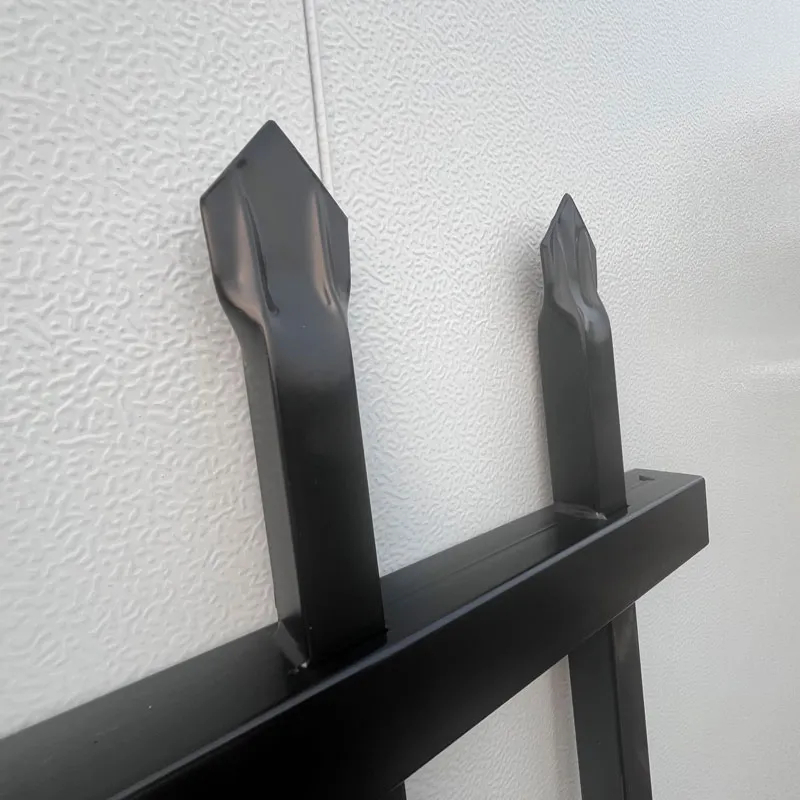
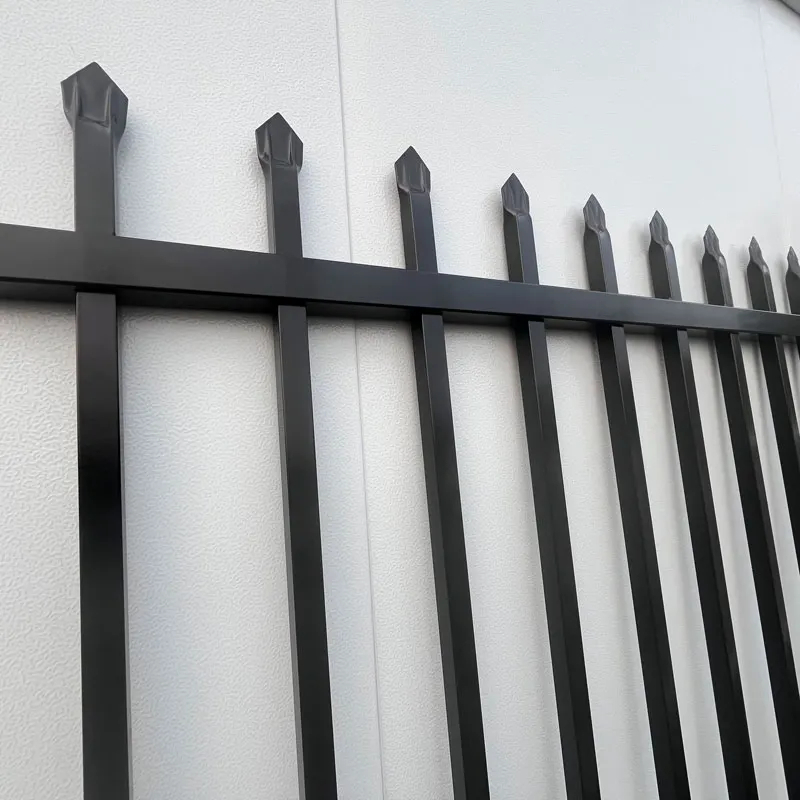
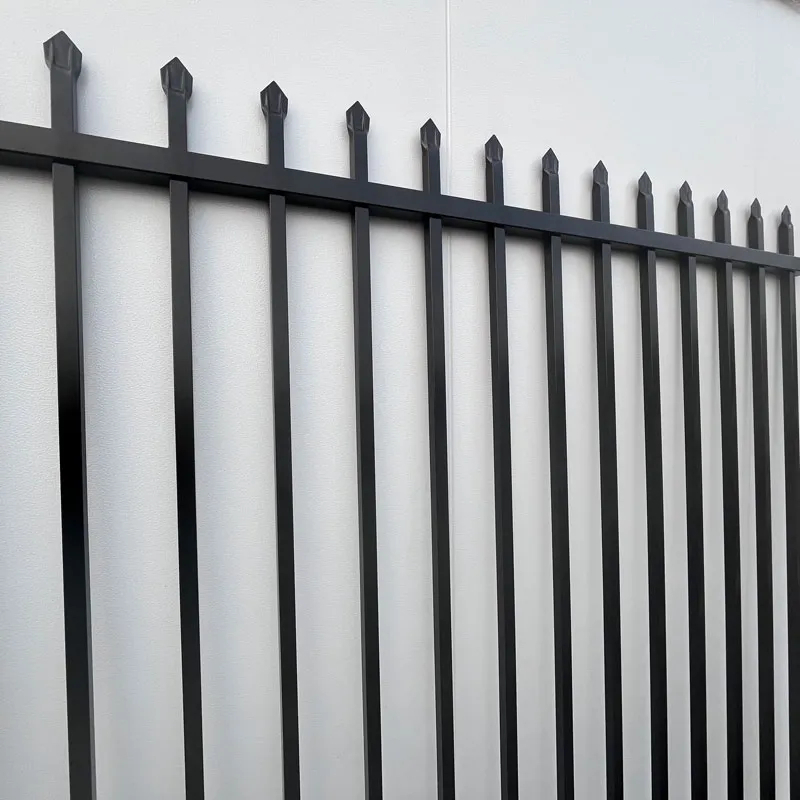
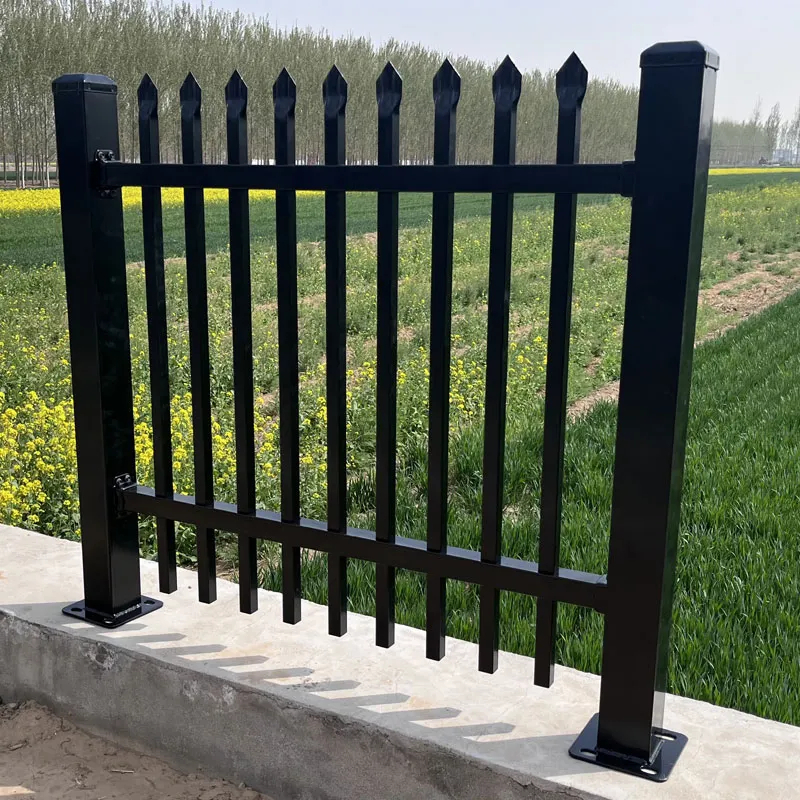
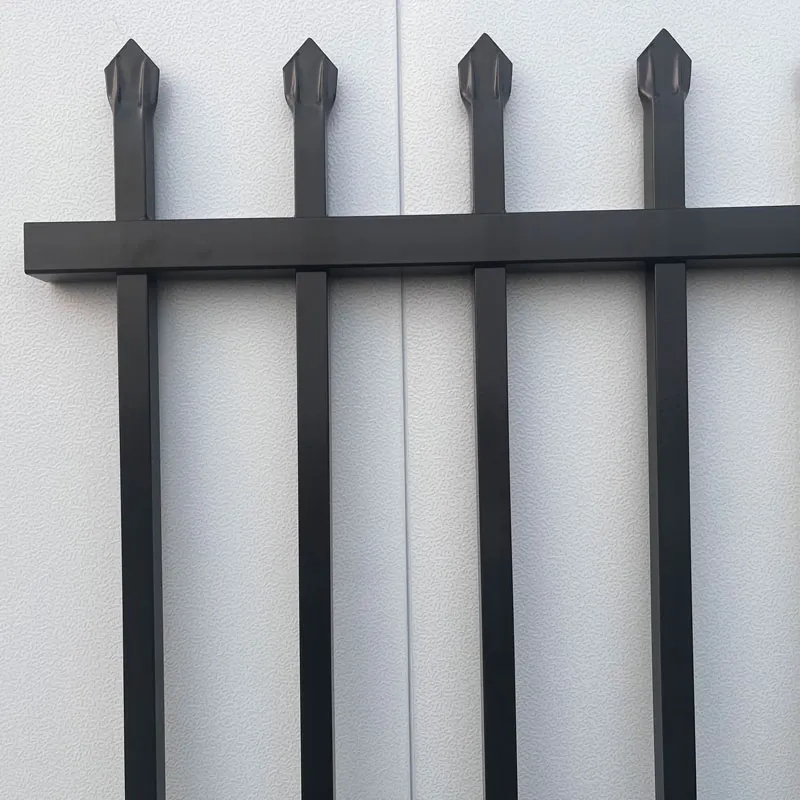
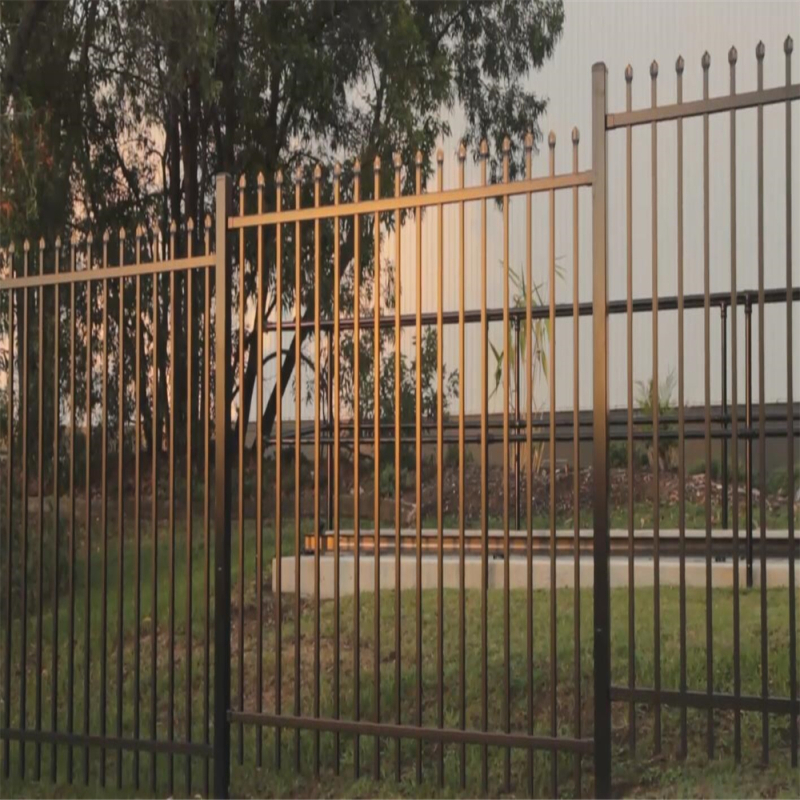
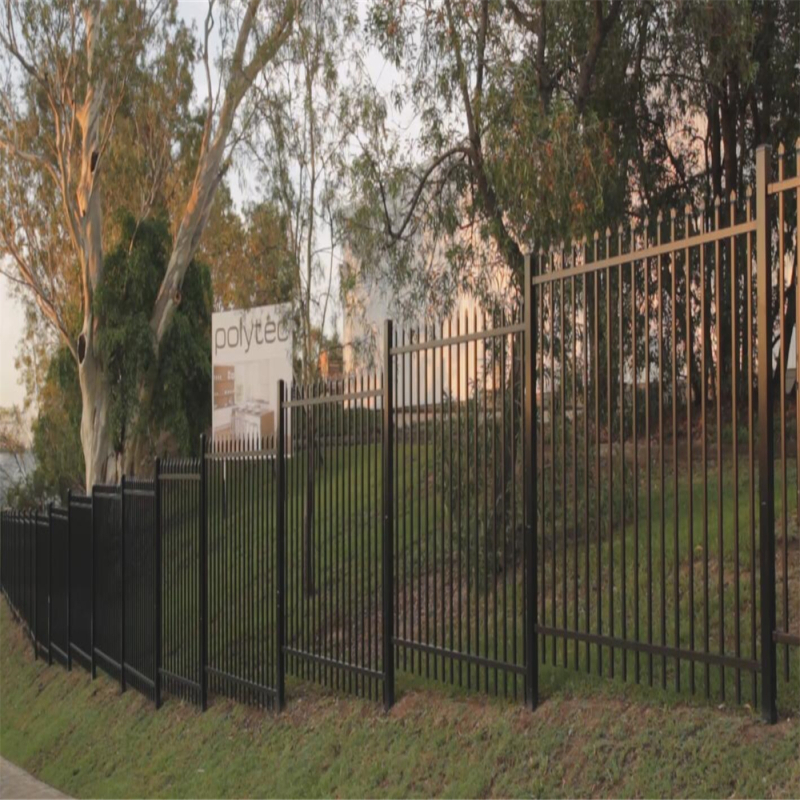
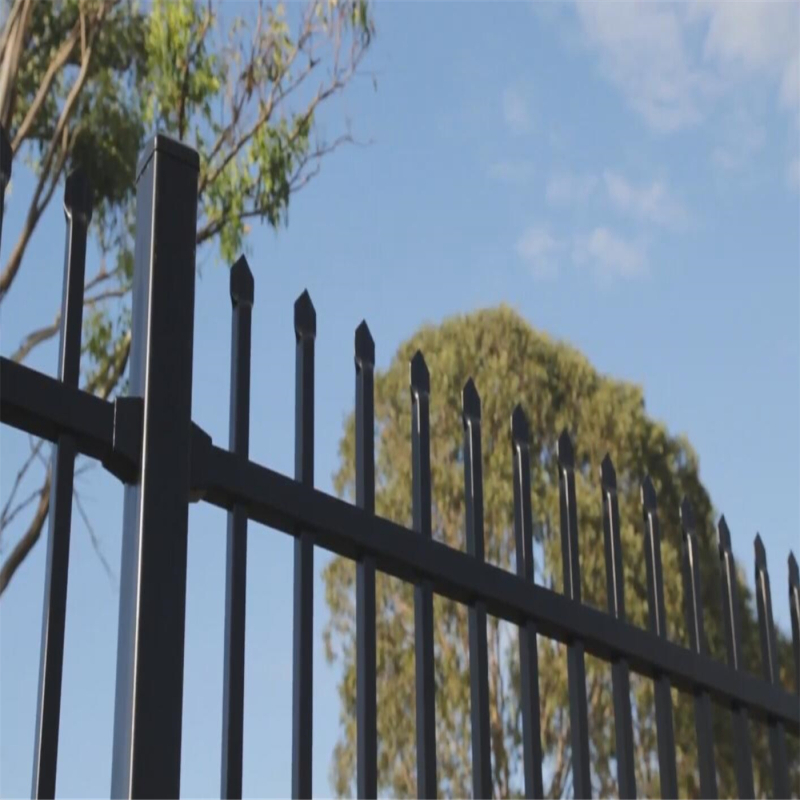
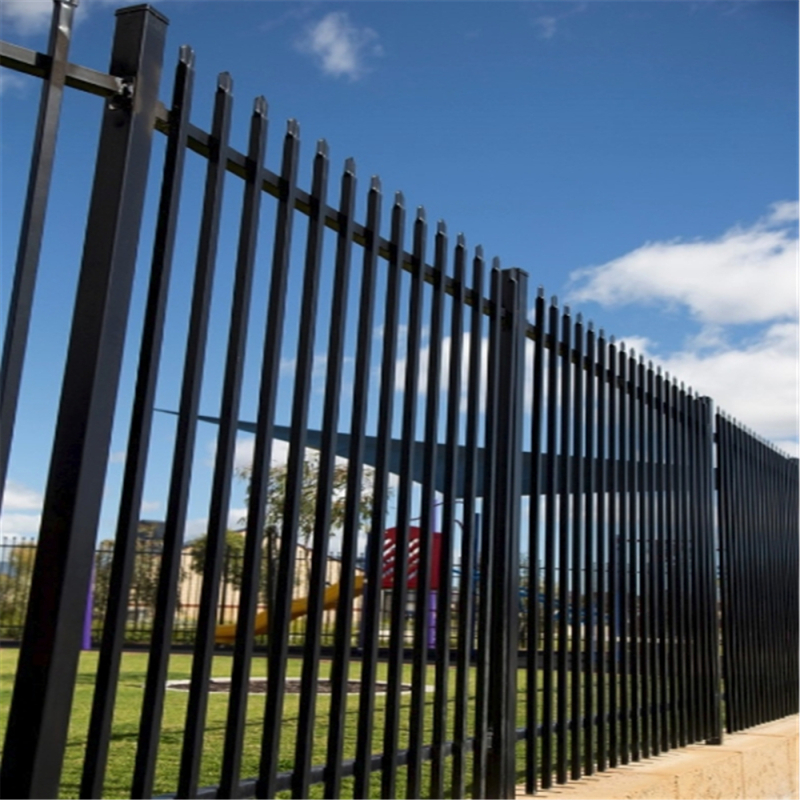
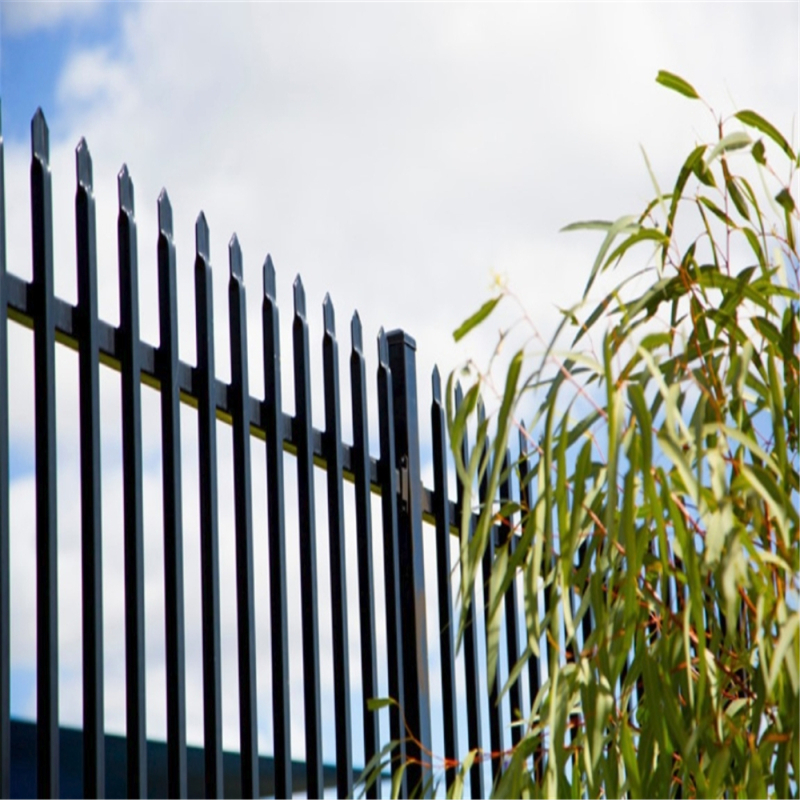
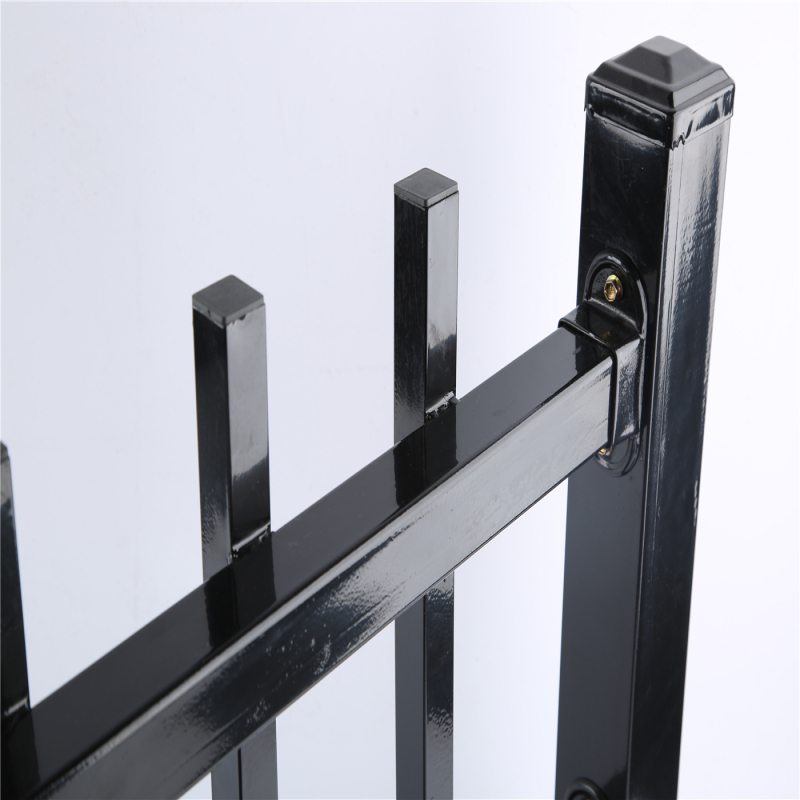
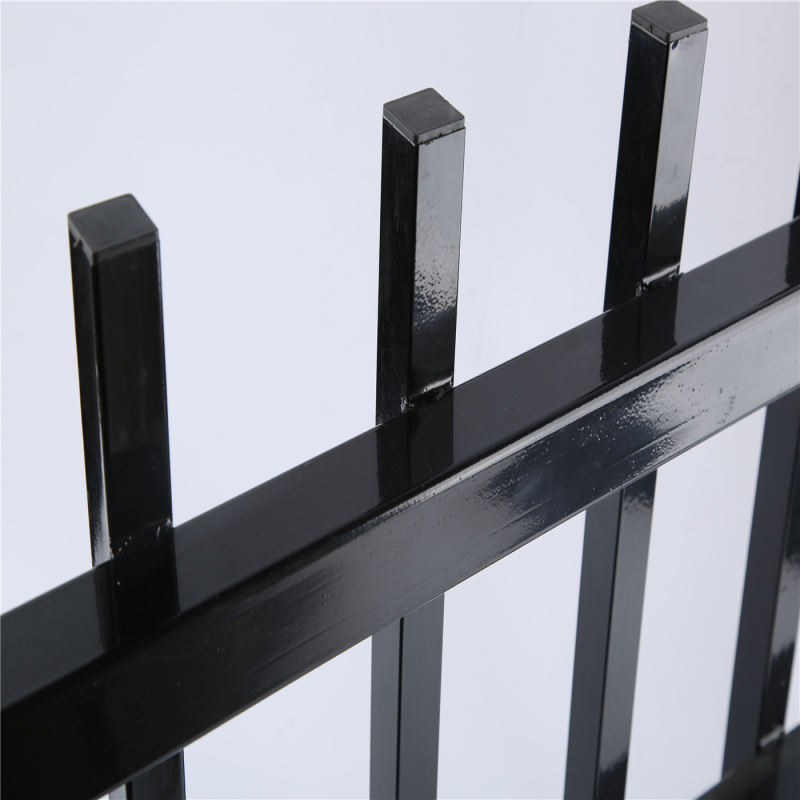
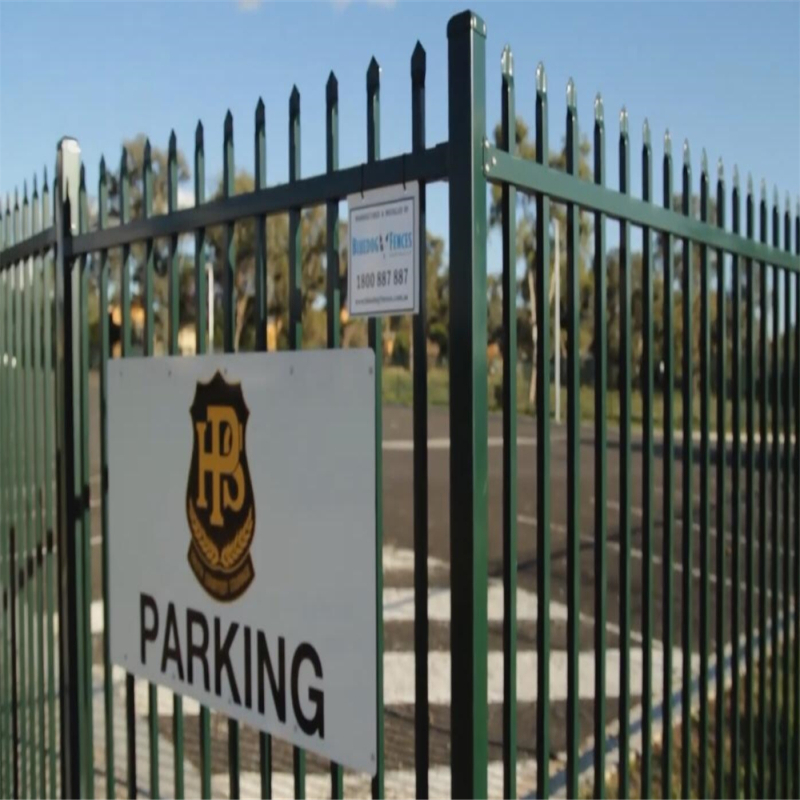
Aluminium Hercules Fence Panels are built to look intimidating and perform like a long-term security barrier. The signature “Hercules” style uses square pickets punched through robust rails, then welded for a rigid, anti-climb profile, often finished with a pressed spear top for visible deterrence. POLYMETAL supplies this style in powder coated aluminium for corrosion resistance and a clean architectural finish, while galvanised + powder coated steel options are often specified where extremely high impact tolerance or particular project requirements call for it.
Product Description
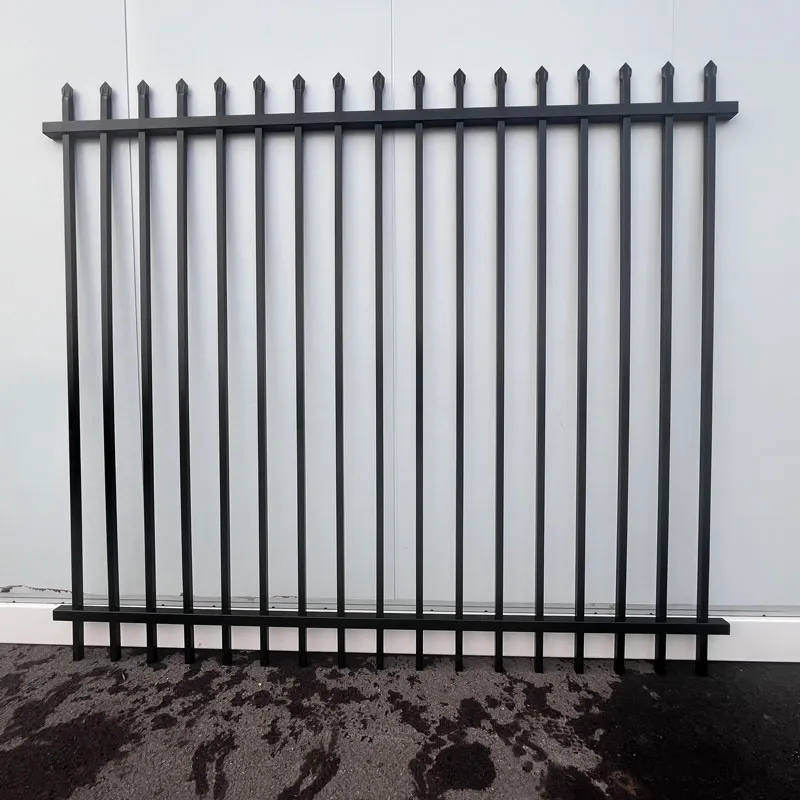
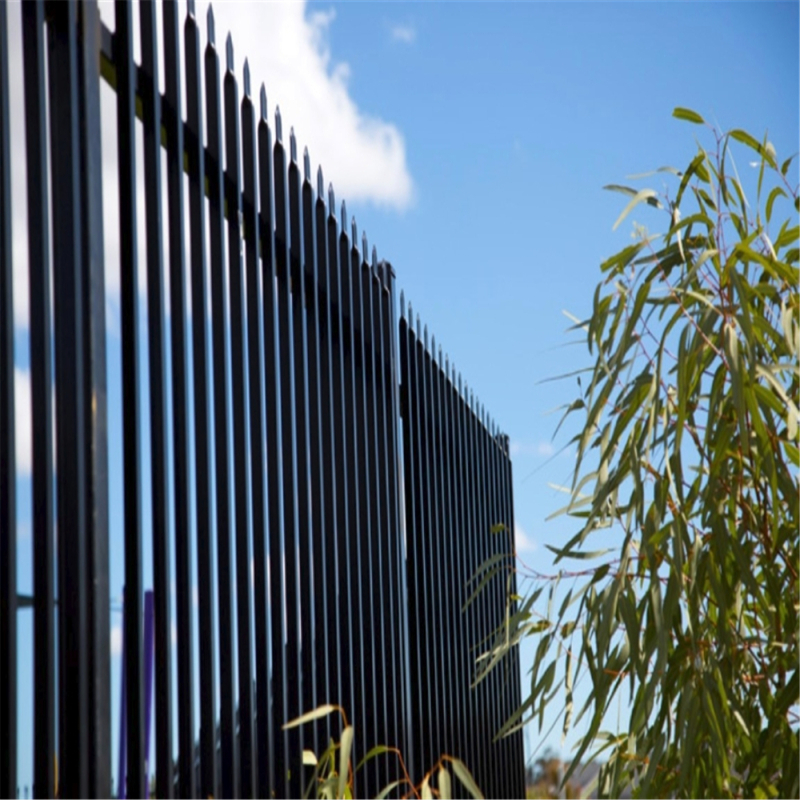
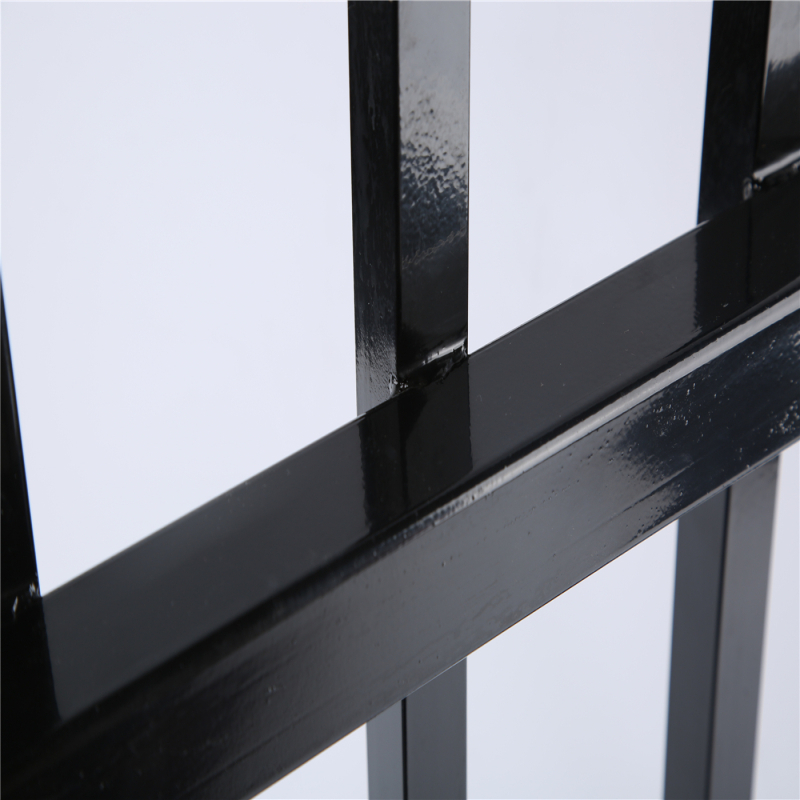
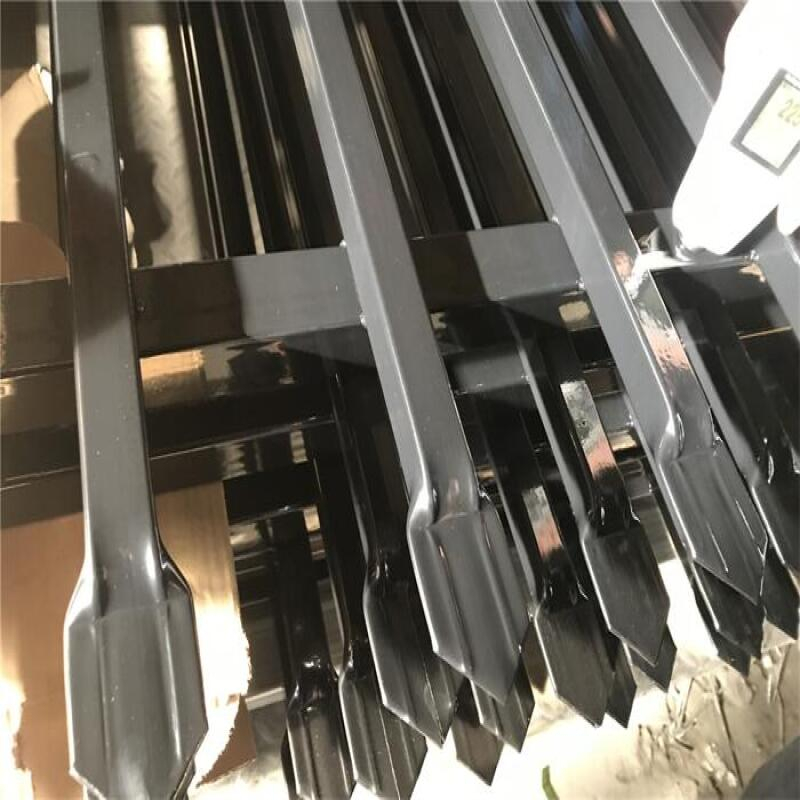
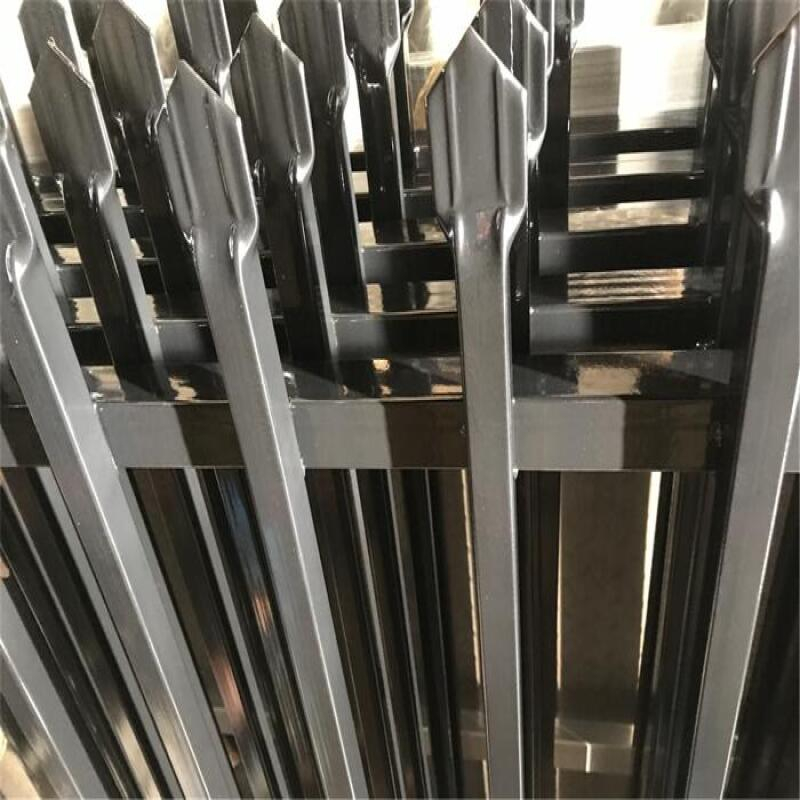
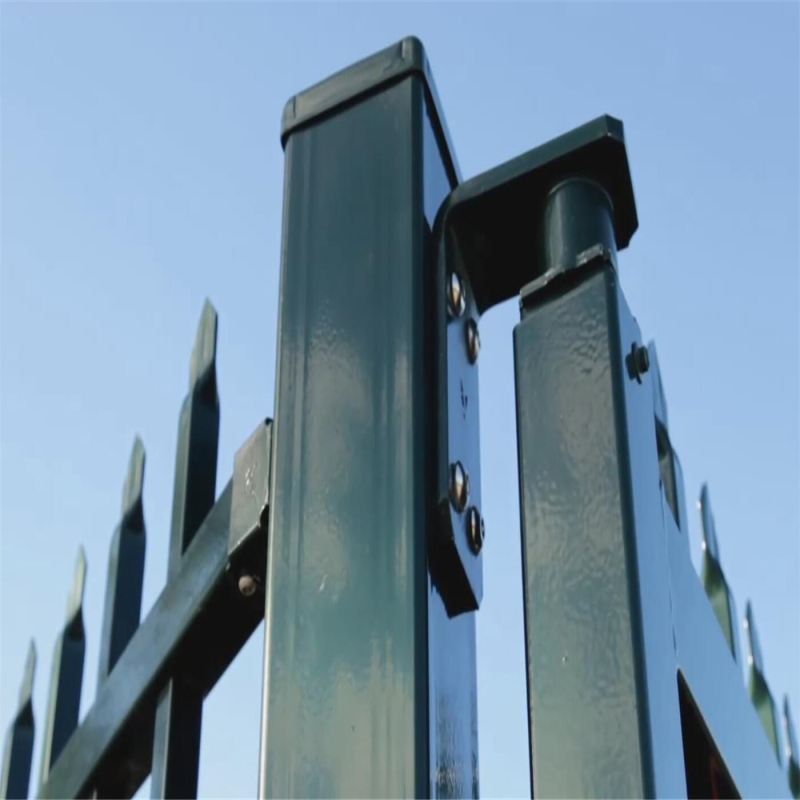
Nothing communicates “serious security” like Aluminium Hercules Fence Panels, because the design is engineered to look difficult to climb and even harder to compromise. POLYMETAL panels are manufactured with strong square rails (commonly 40mm x 40mm, with optional larger frames for higher loads), and square pickets that pass through the rail line for a locked-in structure. Each picket is welded to reduce movement and rattling, and the pressed spear finish adds a strong deterrent signal for schools, commercial sites, and boundary lines where “visible security” matters.
These panels are widely used on projects that demand consistent spacing, clean sight lines, and repeatable installation. They can be supplied off-the-shelf in common widths like 2400mm and popular heights such as 1800mm and 2100mm, or produced in custom formats to suit sloping sites, stepped boundaries, and security upgrades. Aluminium versions are especially popular for low-maintenance performance in coastal or humid environments—many buyers also choose 6063-T6 aluminium for its balance of strength and corrosion resistance
Product Range You Can Specify with the Same System Look
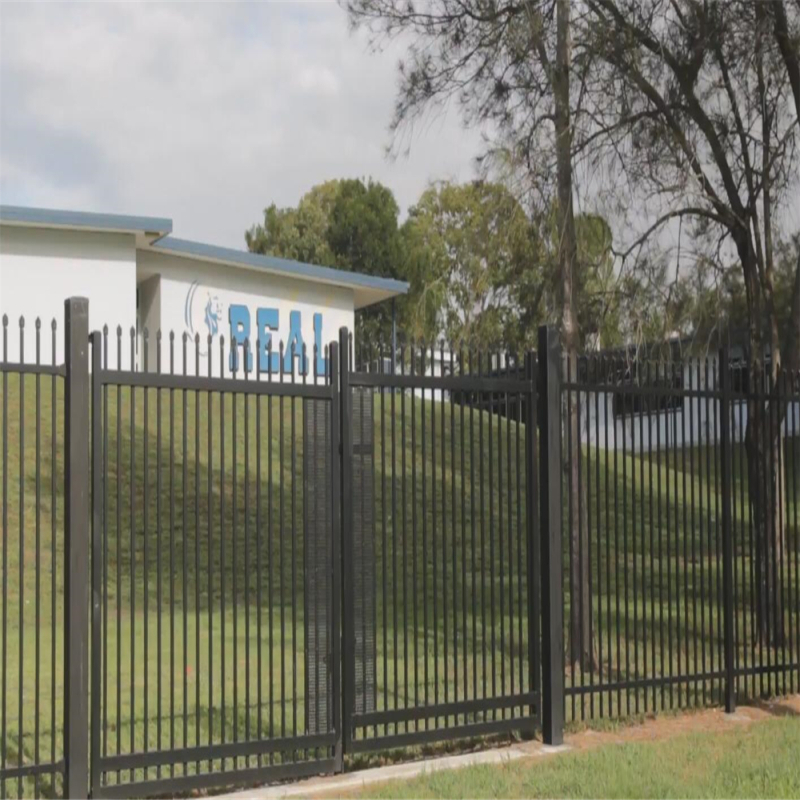
POLYMETAL can support matching components so the fence line stays consistent and professional from end to end. Common requests include Aluminium Hercules Fence Panels in 2400 x 1800mm and 2400 x 2100mm, swing gates and sliding gates made to size, and post options such as 65 x 65mm in lengths that suit standard embedment and panel heights. Matching fittings and brackets are typically selected to suit the rail frame size (often 40 x 40mm), and gate hardware can be selected to meet the expected gate weight and usage frequency.
The 22 “Traps” People Miss When Buying Aluminium Hercules Fence Panels
Why this matters
Most fencing cost blowouts are not caused by the panel itself—they come from mismatched posts, wrong thickness choices, incorrect spacing assumptions, hardware that doesn’t match the rail size, and installation decisions that force rework. The following 22 traps are written to prevent expensive surprises.
Trap #1: Ordering panel height without accounting for ground clearance and site slope
A flat-site assumption on a sloped site turns into gaps, awkward stepping, and extra cutting. Confirm how you will step panels before locking heights.
Trap #2: Treating “2400mm wide” as a universal truth
Some projects need 2450mm modules for specific bays or to align with existing structures. If you do not verify bay centers, you may end up with uneven panel spacing or custom infills.
Trap #3: Choosing the rail frame size too lightly
40×40mm is common, but higher wind load areas, longer spans, or heavier gate integration can justify 45×45mm or 50×50mm frames.
Trap #4: Ignoring rail thickness as a “small number”
Rail thickness changes stiffness dramatically. If you under-spec it, the fence can flex, rattle, and feel cheap even if the design looks strong.
Trap #5: Selecting picket size for looks instead of function
25×25mm and 30×30mm pickets signal strength and resist bending better than smaller sections, while 16×16mm may be chosen for a specific visual or cost target—match it to risk level.
Trap #6: Forgetting the picket thickness is a security variable
0.80mm can be suitable for lighter duty boundaries, but higher-risk locations often move to 1.20mm or 2.00mm for stronger resistance.
Trap #7: Assuming “100mm spacing” always equals the same picket count
Picket count and spacing vary by layout. Common sets include 16 pcs (~115mm), 17 pcs (~108mm), and 18 pcs (~100mm). If you do not specify it, you might not get the look or security level you expected.
Trap #8: Not aligning bracket choice with the rail size
A bracket for 40×40mm rails is not automatically correct for 45×45mm or 50×50mm systems. This becomes a painful site delay when installers arrive.
Trap #9: Treating gate hardware as an afterthought
Swing gates and sliding gates need hardware rated for the actual gate weight and usage cycles, not “close enough.”
Trap #10: Picking the post size without checking wind load and fence height
60×60mm can be fine for lower heights, but 75×75mm, 80×80mm, or 100×100mm becomes sensible as height, wind exposure, or security demand increases.
Trap #11: Ignoring post wall thickness until it’s too late
Post wall thickness (1.6mm / 2.0mm / 2.5mm) directly affects rigidity and anchoring reliability—especially around gates and corners.
Trap #12: Forgetting corner and end posts are not “standard posts”
Corners, ends, and gate posts often need thicker wall and larger size than line posts. If you miss this, your fence line can move over time.
Trap #13: Expecting steel and aluminium to behave the same
Aluminium resists corrosion exceptionally well, but system stiffness depends on profiles and thickness choices. Spec it properly and it performs brilliantly.
Trap #14: Underestimating powder coat specification and prep
Finish longevity depends on correct surface preparation and correct coating selection, not just “any powder coat.”
Trap #15: Not defining colour, gloss level, and batch consistency early
If you add panels later, colour matching can become a headache. Confirm colour standards up front.
Trap #16: Ordering posts in the same height as the panel
If your embedment or baseplate design needs extra length, a “panel-height post” forces site improvisation and structural weakness.
Trap #17: The post-height mistake that causes the most expensive rework
If your fence post height is not at least 600mm greater than the fence panel height (to support embedment and stability on typical installs), you can end up re-ordering posts, re-drilling baseplates, or rebuilding footings. This is the trap that quietly destroys budgets because it’s discovered late—often after installation has started.
Trap #18: Skipping a clear installation method (in-ground vs baseplate)
Your post length, thickness, and even bracket selection depend on how the fence is fixed. Decide the method before confirming posts.
Trap #19: Forgetting drainage and corrosion environment details
Coastal, industrial, or constantly wet environments change material priorities fast. Aluminium often wins in corrosion resistance when specified correctly.
Trap #20: Not planning for access control and future upgrades
If you will add card readers, cameras, or anti-ram elements later, plan post and gate structures now.
Trap #21: Failing to specify consistent module layout for a clean look
If spacing and picket count vary randomly, the fence line looks patched even when the product is premium.
Trap #22: Buying “cheap now” instead of “stable for years”
The most expensive fence is the one that needs repairs, repainting, or replacement early. A correct specification pays back quickly.
Specifications (5 Tables, Each 10+ Configurations)
Table 1:Aluminium Hercules Fence Panels 1200mm Height Series (Post Height = 1800mm)
| Spec | Fence Height (mm) | Fence Width (mm) | Rail Frame | Rail Thickness (mm) | Upright (Picket) Size | Upright Thickness (mm) | Upright No. | Upright Spacing (mm) | Post Option (mm) | Post Wall Thickness (mm) | Post Height (mm) |
|---|---|---|---|---|---|---|---|---|---|---|---|
| 1 | 1200 | 2400 | 40×40 | 1.60 | 25×25 | 0.80 | 18 | 100 | 60×60 | 1.60 | 1800 |
| 2 | 1200 | 2400 | 40×40 | 2.00 | 25×25 | 1.00 | 18 | 100 | 65×65 | 1.60 | 1800 |
| 3 | 1200 | 2400 | 40×40 | 2.50 | 30×30 | 1.00 | 17 | 108 | 65×65 | 2.00 | 1800 |
| 4 | 1200 | 2400 | 45×45 | 2.00 | 30×30 | 1.20 | 18 | 100 | 75×75 | 2.00 | 1800 |
| 5 | 1200 | 2400 | 45×45 | 2.50 | 25×25 | 1.20 | 16 | 115 | 75×75 | 2.50 | 1800 |
| 6 | 1200 | 2450 | 40×40 | 1.60 | 16×16 | 0.80 | 18 | 100 | 60×60 | 2.00 | 1800 |
| 7 | 1200 | 2450 | 45×45 | 2.00 | 25×25 | 1.00 | 17 | 108 | 65×65 | 2.50 | 1800 |
| 8 | 1200 | 2400 | 50×50 | 2.50 | 30×30 | 1.20 | 18 | 100 | 80×80 | 2.00 | 1800 |
| 9 | 1200 | 2450 | 50×50 | 3.00 | 30×30 | 2.00 | 17 | 108 | 80×80 | 2.50 | 1800 |
| 10 | 1200 | 2400 | 50×50 | 3.00 | 25×25 | 2.00 | 18 | 100 | 100×100 | 2.50 | 1800 |
Table 2:Aluminium Hercules Fence Panels 1500mm Height Series (Post Height = 2100mm)
| Spec | Fence Height (mm) | Fence Width (mm) | Rail Frame | Rail Thickness (mm) | Upright (Picket) Size | Upright Thickness (mm) | Upright No. | Upright Spacing (mm) | Post Option (mm) | Post Wall Thickness (mm) | Post Height (mm) |
|---|---|---|---|---|---|---|---|---|---|---|---|
| 1 | 1500 | 2400 | 40×40 | 1.60 | 25×25 | 0.80 | 18 | 100 | 65×65 | 1.60 | 2100 |
| 2 | 1500 | 2400 | 40×40 | 2.00 | 25×25 | 1.00 | 18 | 100 | 65×65 | 2.00 | 2100 |
| 3 | 1500 | 2400 | 45×45 | 2.00 | 30×30 | 1.00 | 17 | 108 | 75×75 | 2.00 | 2100 |
| 4 | 1500 | 2400 | 45×45 | 2.50 | 30×30 | 1.20 | 18 | 100 | 75×75 | 2.50 | 2100 |
| 5 | 1500 | 2400 | 50×50 | 2.50 | 25×25 | 1.20 | 16 | 115 | 80×80 | 2.00 | 2100 |
| 6 | 1500 | 2450 | 40×40 | 1.60 | 16×16 | 0.80 | 18 | 100 | 65×65 | 2.50 | 2100 |
| 7 | 1500 | 2450 | 45×45 | 2.00 | 25×25 | 1.00 | 17 | 108 | 75×75 | 1.60 | 2100 |
| 8 | 1500 | 2400 | 50×50 | 2.50 | 30×30 | 1.20 | 18 | 100 | 80×80 | 2.50 | 2100 |
| 9 | 1500 | 2450 | 50×50 | 3.00 | 30×30 | 2.00 | 18 | 100 | 100×100 | 2.00 | 2100 |
| 10 | 1500 | 2400 | 45×45 | 3.00 | 25×25 | 2.00 | 17 | 108 | 100×100 | 2.50 | 2100 |
Table 3:Aluminium Hercules Fence Panels 1800mm Height Series (Post Height = 2400mm)
| Spec | Fence Height (mm) | Fence Width (mm) | Rail Frame | Rail Thickness (mm) | Upright (Picket) Size | Upright Thickness (mm) | Upright No. | Upright Spacing (mm) | Post Option (mm) | Post Wall Thickness (mm) | Post Height (mm) |
|---|---|---|---|---|---|---|---|---|---|---|---|
| 1 | 1800 | 2400 | 40×40 | 1.60 | 25×25 | 0.80 | 18 | 100 | 65×65 | 1.60 | 2400 |
| 2 | 1800 | 2400 | 40×40 | 2.00 | 25×25 | 1.00 | 18 | 100 | 65×65 | 2.00 | 2400 |
| 3 | 1800 | 2400 | 45×45 | 2.00 | 30×30 | 1.00 | 17 | 108 | 75×75 | 2.00 | 2400 |
| 4 | 1800 | 2400 | 45×45 | 2.50 | 30×30 | 1.20 | 18 | 100 | 75×75 | 2.50 | 2400 |
| 5 | 1800 | 2400 | 50×50 | 2.50 | 25×25 | 1.20 | 16 | 115 | 80×80 | 2.00 | 2400 |
| 6 | 1800 | 2450 | 40×40 | 1.60 | 16×16 | 0.80 | 18 | 100 | 65×65 | 2.50 | 2400 |
| 7 | 1800 | 2450 | 45×45 | 2.00 | 25×25 | 1.00 | 17 | 108 | 80×80 | 1.60 | 2400 |
| 8 | 1800 | 2400 | 50×50 | 2.50 | 30×30 | 1.20 | 18 | 100 | 80×80 | 2.50 | 2400 |
| 9 | 1800 | 2450 | 50×50 | 3.00 | 30×30 | 2.00 | 18 | 100 | 100×100 | 2.00 | 2400 |
| 10 | 1800 | 2400 | 45×45 | 3.00 | 25×25 | 2.00 | 17 | 108 | 100×100 | 2.50 | 2400 |
Table 4:Aluminium Hercules Fence Panels 2100mm Height Series (Post Height = 2700mm)
| Spec | Fence Height (mm) | Fence Width (mm) | Rail Frame | Rail Thickness (mm) | Upright (Picket) Size | Upright Thickness (mm) | Upright No. | Upright Spacing (mm) | Post Option (mm) | Post Wall Thickness (mm) | Post Height (mm) |
|---|---|---|---|---|---|---|---|---|---|---|---|
| 1 | 2100 | 2400 | 40×40 | 1.60 | 25×25 | 0.80 | 18 | 100 | 65×65 | 2.00 | 2700 |
| 2 | 2100 | 2400 | 40×40 | 2.00 | 25×25 | 1.00 | 18 | 100 | 65×65 | 2.50 | 2700 |
| 3 | 2100 | 2400 | 45×45 | 2.00 | 30×30 | 1.00 | 17 | 108 | 75×75 | 2.00 | 2700 |
| 4 | 2100 | 2400 | 45×45 | 2.50 | 30×30 | 1.20 | 18 | 100 | 80×80 | 2.00 | 2700 |
| 5 | 2100 | 2400 | 50×50 | 2.50 | 25×25 | 1.20 | 16 | 115 | 80×80 | 2.50 | 2700 |
| 6 | 2100 | 2450 | 45×45 | 2.00 | 16×16 | 1.00 | 18 | 100 | 75×75 | 2.50 | 2700 |
| 7 | 2100 | 2450 | 50×50 | 2.50 | 25×25 | 1.20 | 17 | 108 | 80×80 | 1.60 | 2700 |
| 8 | 2100 | 2400 | 50×50 | 3.00 | 30×30 | 1.20 | 18 | 100 | 100×100 | 2.00 | 2700 |
| 9 | 2100 | 2450 | 50×50 | 3.00 | 30×30 | 2.00 | 18 | 100 | 100×100 | 2.50 | 2700 |
| 10 | 2100 | 2400 | 45×45 | 3.00 | 25×25 | 2.00 | 17 | 108 | 100×100 | 2.50 | 2700 |
Table 5:Aluminium Hercules Fence Panels 2400mm Height Series (Post Height = 3000mm)
| Spec | Fence Height (mm) | Fence Width (mm) | Rail Frame | Rail Thickness (mm) | Upright (Picket) Size | Upright Thickness (mm) | Upright No. | Upright Spacing (mm) | Post Option (mm) | Post Wall Thickness (mm) | Post Height (mm) |
|---|---|---|---|---|---|---|---|---|---|---|---|
| 1 | 2400 | 2400 | 40×40 | 2.00 | 25×25 | 1.00 | 18 | 100 | 75×75 | 2.00 | 3000 |
| 2 | 2400 | 2400 | 45×45 | 2.00 | 25×25 | 1.20 | 18 | 100 | 80×80 | 2.00 | 3000 |
| 3 | 2400 | 2400 | 45×45 | 2.50 | 30×30 | 1.20 | 17 | 108 | 80×80 | 2.50 | 3000 |
| 4 | 2400 | 2400 | 50×50 | 2.50 | 30×30 | 1.20 | 18 | 100 | 100×100 | 2.00 | 3000 |
| 5 | 2400 | 2400 | 50×50 | 3.00 | 30×30 | 2.00 | 18 | 100 | 100×100 | 2.50 | 3000 |
| 6 | 2400 | 2450 | 45×45 | 2.00 | 16×16 | 1.00 | 18 | 100 | 80×80 | 2.50 | 3000 |
| 7 | 2400 | 2450 | 50×50 | 2.50 | 25×25 | 1.20 | 17 | 108 | 100×100 | 2.00 | 3000 |
| 8 | 2400 | 2450 | 50×50 | 3.00 | 25×25 | 2.00 | 16 | 115 | 100×100 | 2.50 | 3000 |
| 9 | 2400 | 2400 | 45×45 | 3.00 | 30×30 | 2.00 | 18 | 100 | 100×100 | 2.50 | 3000 |
| 10 | 2400 | 2400 | 40×40 | 2.50 | 25×25 | 2.00 | 17 | 108 | 100×100 | 2.50 | 3000 |
Applications of Aluminium Hercules Fence Panels
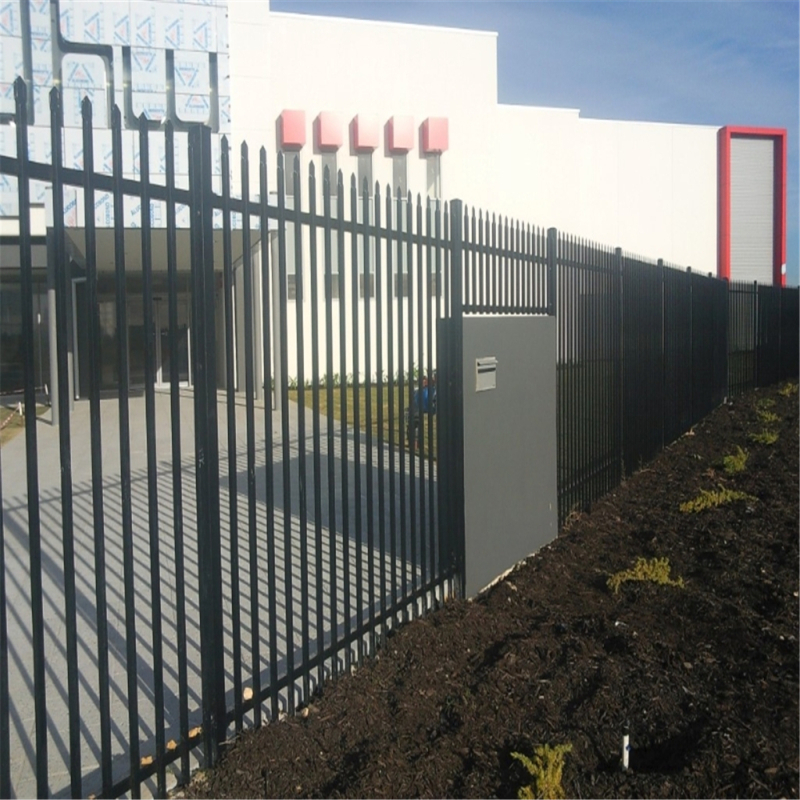
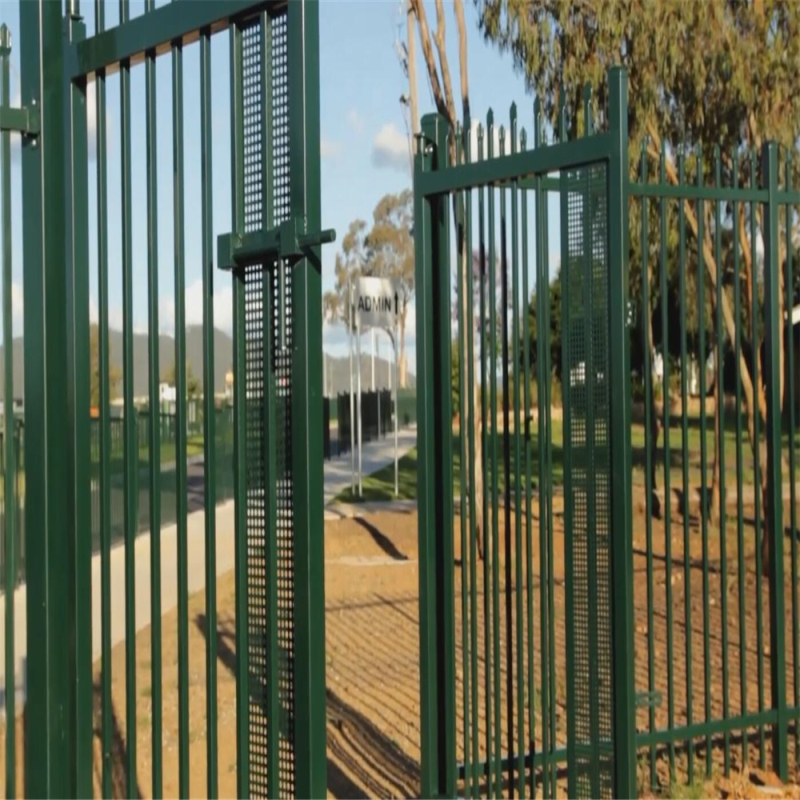
Aluminium Hercules Fence Panels are commonly specified for school perimeters where an anti-climb visual profile is preferred, commercial sites where boundary control must look professional, and government or infrastructure facilities where consistent security presentation supports access management. They also suit domestic boundaries when owners want a premium, low-maintenance fence line that still signals deterrence. Matching swing or sliding gates are frequently added for vehicle access points, loading zones, and controlled pedestrian entries.
Benefits (Why POLYMETAL Aluminium Makes Sense)
Aluminium Hercules Fence Panels help reduce lifetime maintenance because aluminium naturally resists rust, and a correctly specified powder coated finish supports long-term appearance. The welded-through-rail structure increases rigidity and reduces movement, improving perceived strength and real-world stability. Modular widths and repeatable hole patterns support faster installations on straight runs, while custom panels and gates can be produced for special openings, stepped sites, and higher-security segments. When the specification is correct—especially posts, thicknesses, and hardware—the fence line stays tight, quiet, and visually consistent for years.
Packing (Practical Notes for Shipping and Site Handling)
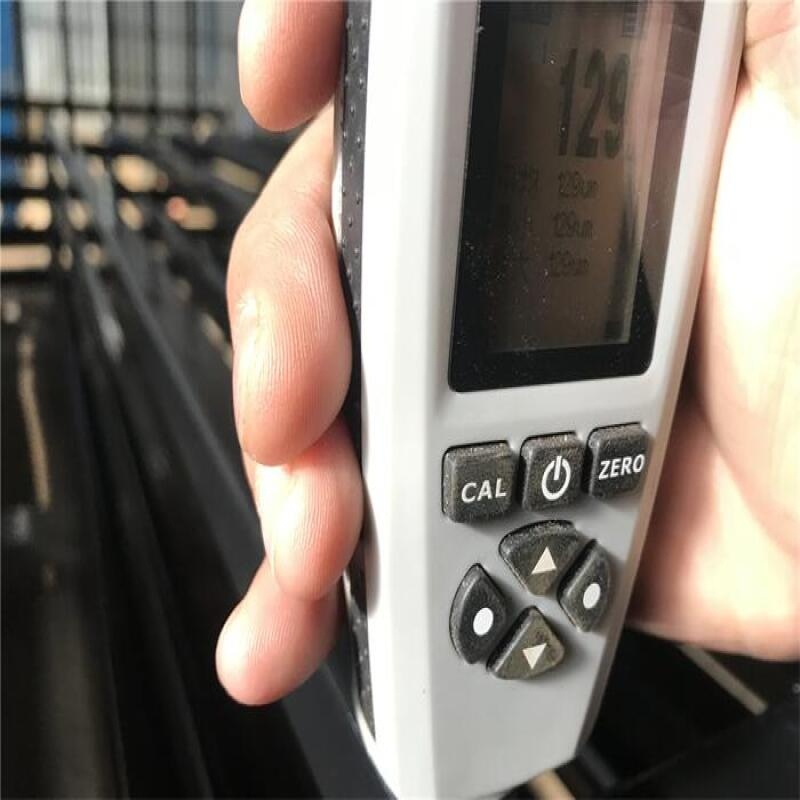
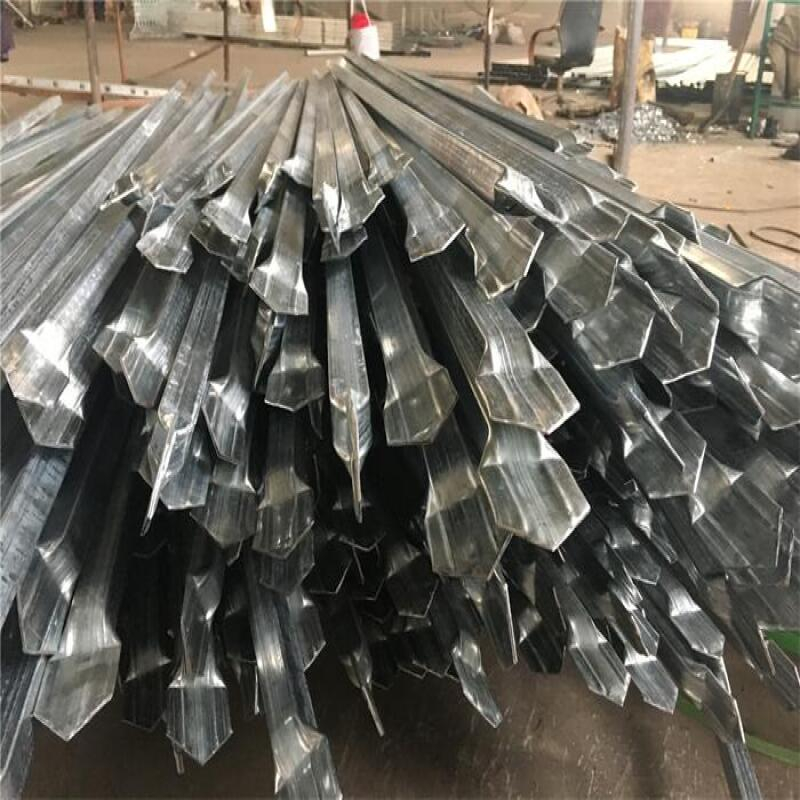
POLYMETAL typically packs Aluminium Hercules Fence Panels with added protection to preserve the powder-coated finish during transport and unloading. Panels are usually stacked with protective separators (such as foam, corner guards, or film) to prevent rubbing and surface damage, then palletized for safe forklift handling and more stable loading.
Posts are commonly bundled and secured to reduce the risk of bending in transit, while brackets, fixings, and small fittings are packed separately so installers can quickly count and verify components on site. For projects that include multiple fence heights or mixed configurations, clear labeling by run and elevation is strongly recommended—this helps crews place the correct posts and panels in the correct locations and avoids the common “wrong post in the wrong place” issue.
This approach is especially important for 358 high security fence projects, where panels are heavier, specifications are more exact, and installation tolerances are tighter. Proper separation, palletizing, and clear labeling reduce installation errors, speed up site work, and help ensure the finished fence looks clean and professional.
Standard and Quality Notes
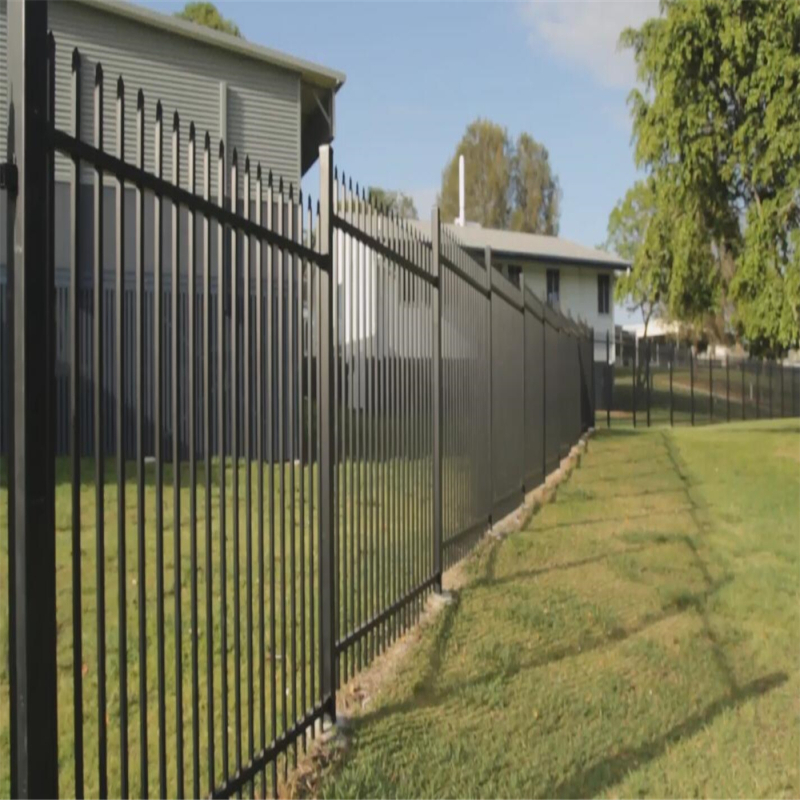
Aluminium Hercules Fence Panels are often specified to meet project requirements for security presentation and durability, including consistent picket spacing, robust welded joints, and a powder coated finish suited to exterior exposure. Where projects reference D.E.T.A-style specification requirements, the fence system is commonly chosen because it provides a recognizable high-security look and a repeatable structural format that can be supplied off-the-shelf or customized. For high-traffic gates, select hardware rated for the real gate weight and usage cycle to avoid sagging, latch failure, and early replacements.
FAQs Aluminium Hercules Fence Panels
What are the most common panel sizes for Aluminium Hercules Fence Panels?
Many projects use 2400mm wide panels, with popular heights including 1800mm and 2100mm. Custom widths such as 2450mm can be used when bay centers or site constraints demand it.
Aluminium or steel—what should I choose?
Aluminium is excellent when corrosion resistance and low maintenance matter most, especially in humid or coastal environments. Steel can be chosen where certain impact or site conditions call for it, often with galvanising and powder coating for protection.
Why do you insist the post height must be 600mm higher than the panel height?
Because typical installations need extra post length for embedment or mounting design. If posts are too short, stability suffers and rework becomes likely. This is the fastest way to turn a “simple fence job” into a budget blowout.
What spacing and picket counts should I specify?
If you want a tighter, more security-focused look, 18 pickets with about 100mm spacing is common. If you specify 16 or 17 pickets, spacing changes, and the visual density changes too—always write it into the order.
Can I match gates to the same Hercules look?
Yes. Swing and sliding gates can be made to size with matching rails, pickets, and finish so the entrance does not look like an “add-on.”
Closing Recommendation
If you want Aluminium Hercules Fence Panels to perform like a true security asset, lock the specification early: choose the rail frame size, thicknesses, picket size and count, and—most importantly—ensure posts are at least 600mm taller than the panels. POLYMETAL can then deliver a fence line that looks intimidating, installs smoothly, and stays stable long after cheaper systems have started to loosen, fade, or fail.