Your One-Stop Wire Mesh Fence Supplier | POLYMETAL
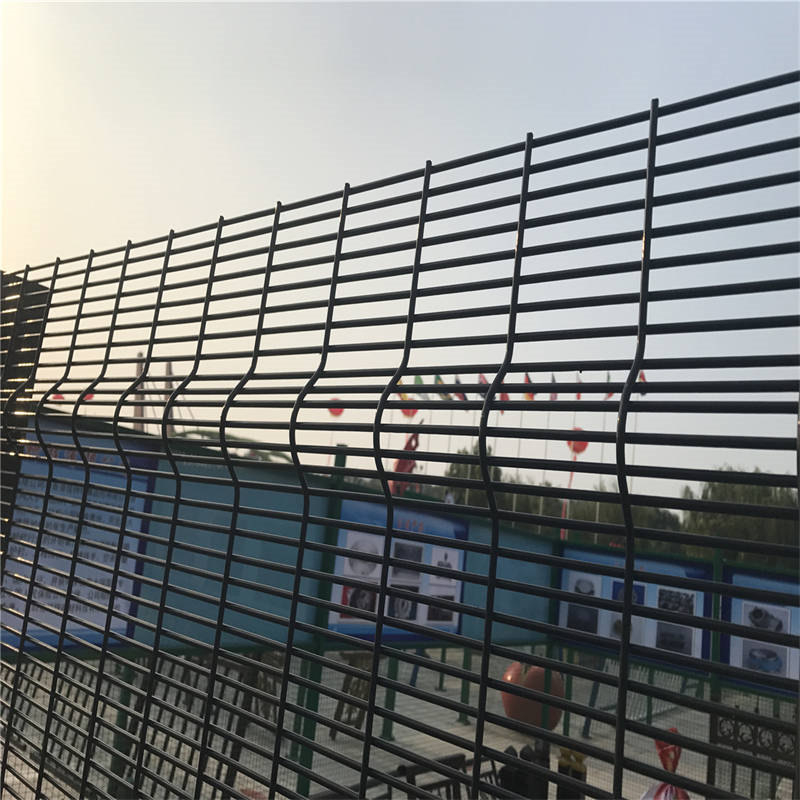
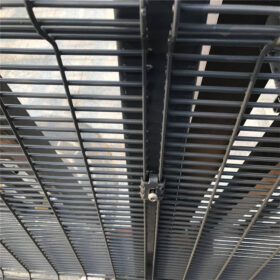
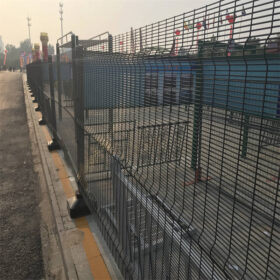
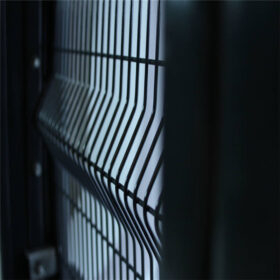
When buyers search for an Anti climb prison fence, they are not looking for a “mesh panel with posts.” They are buying a controlled high-security system where mesh aperture, wire gauge, weld strength, post stiffness, coating build, and panel geometry must work together. The costly surprise is that many quotes match the photo but miss the measurable controls, so problems appear after installation: climbing purchase points, panels that flex at impact zones, coating chips at welds, and post lines that drift.
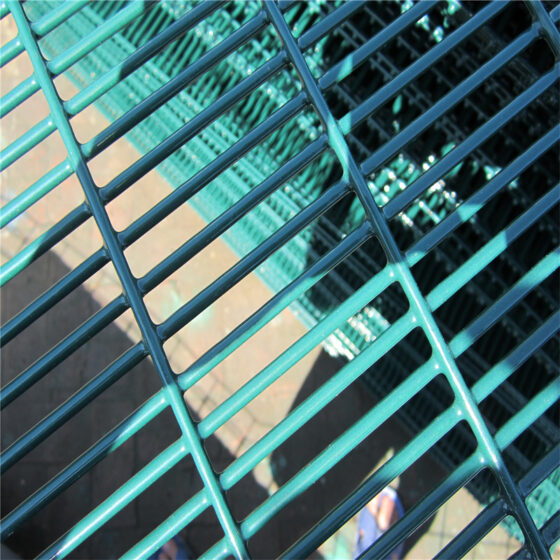
An Anti climb prison fence is commonly known as a 358 fence (3″ × 0.5″ × 8 gauge), also called “prison mesh” or anti-climb mesh fencing. “358” comes from its classic imperial measurements of 3″ × 0.5″ with an 8 gauge wire, which is approximately 76.2mm × 12.7mm with a wire diameter around 4.0mm in metric. This tight aperture is designed to reduce footholds and handholds, making climbing and cutting significantly more difficult compared with larger-aperture mesh panels, and if your site also needs controlled queue and perimeter crowd guidance during works or security operations, you can reference used crowd control barriers for sale as a related internal option.
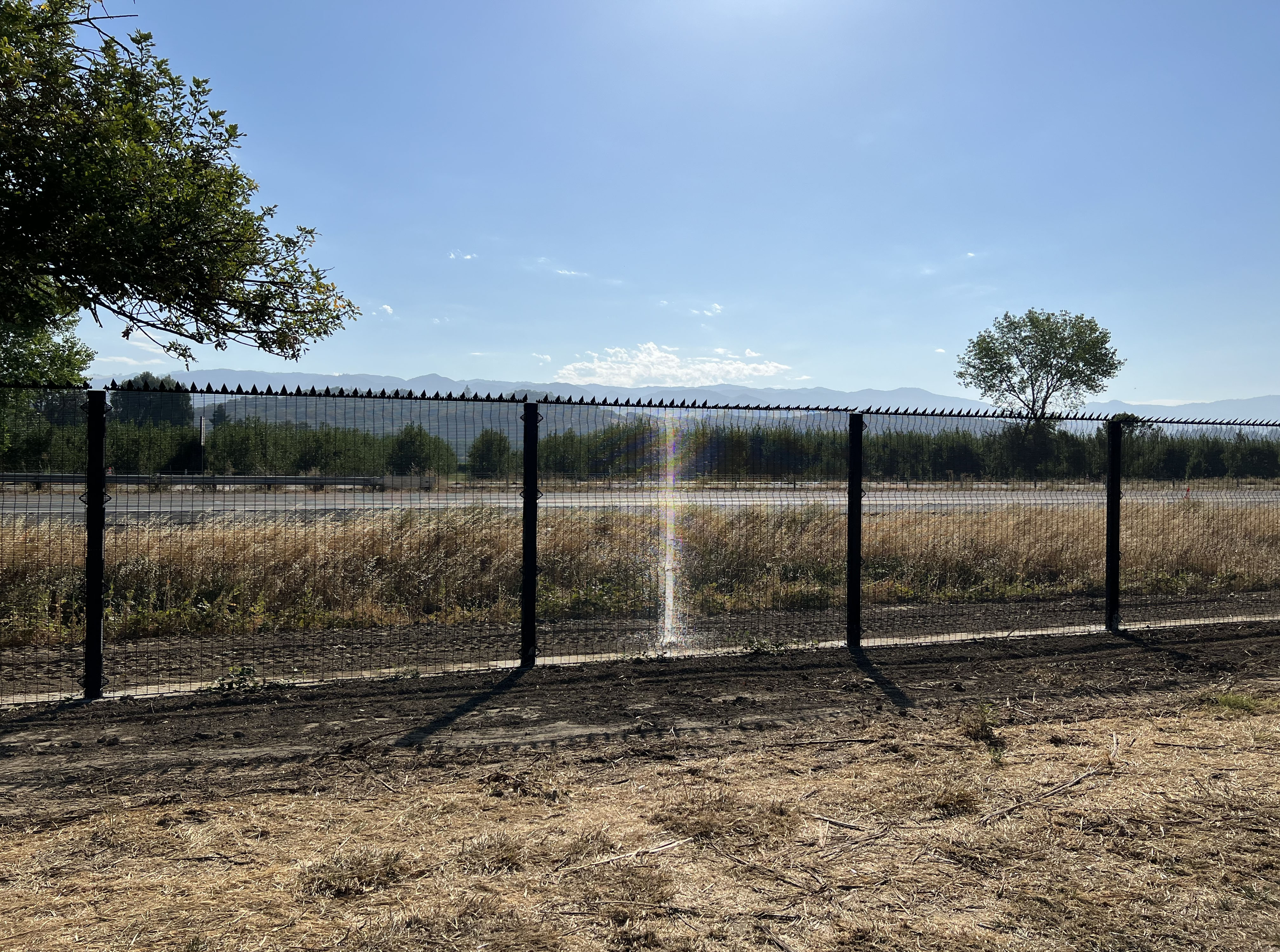
What makes an Anti climb prison fence different from normal mesh fencing
A standard perimeter mesh may look similar from a distance, but an Anti climb prison fence is engineered for high-security environments: the small aperture reduces climbing purchase, the heavier wire improves cut resistance, the welded intersections improve rigidity, and the steel framework (posts + fixings) is selected to keep the line straight under real-world loading. When the system is finished with heavy zinc protection and/or RAL powder coating, the fence maintains both security performance and long-term appearance.
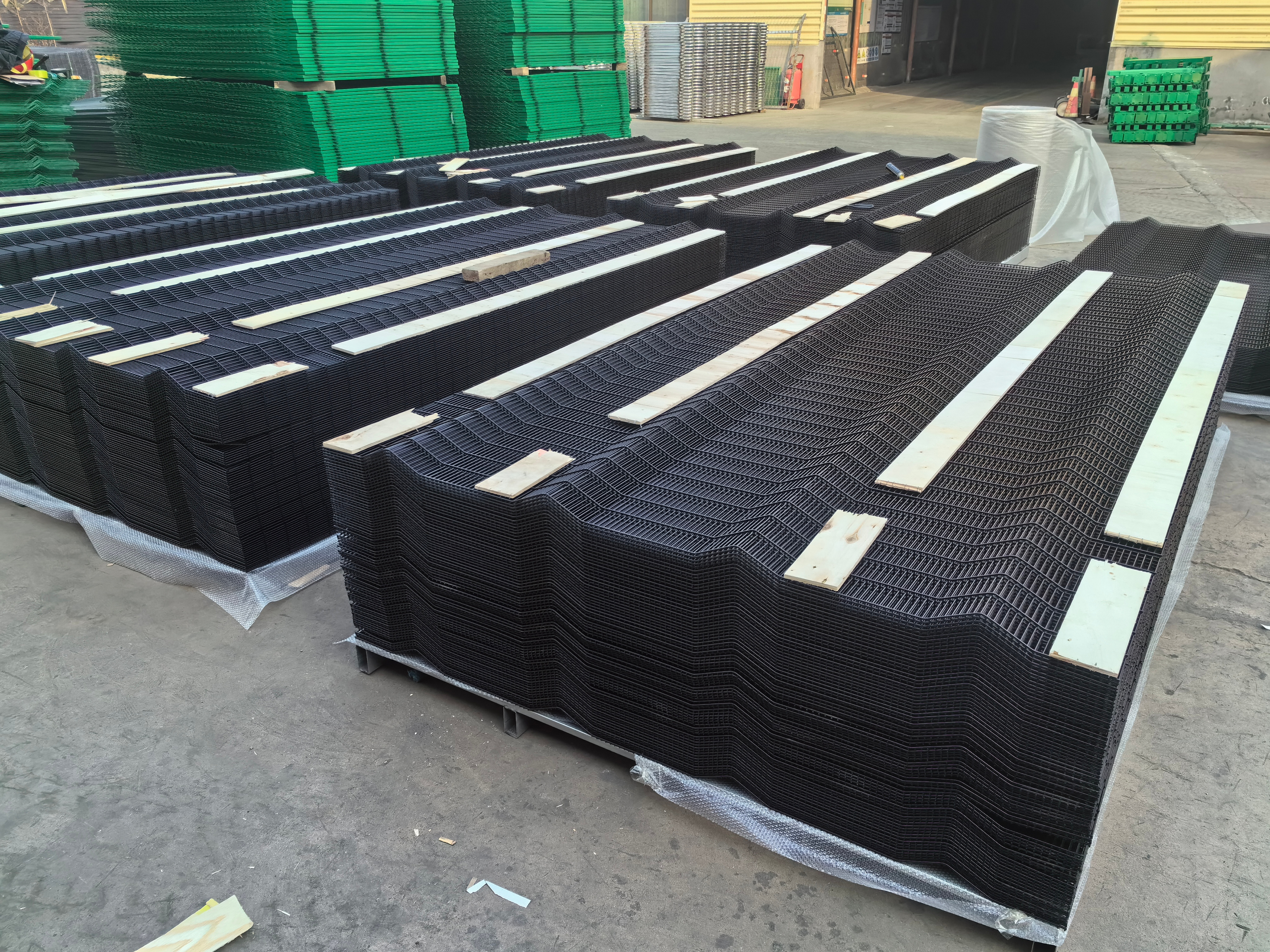
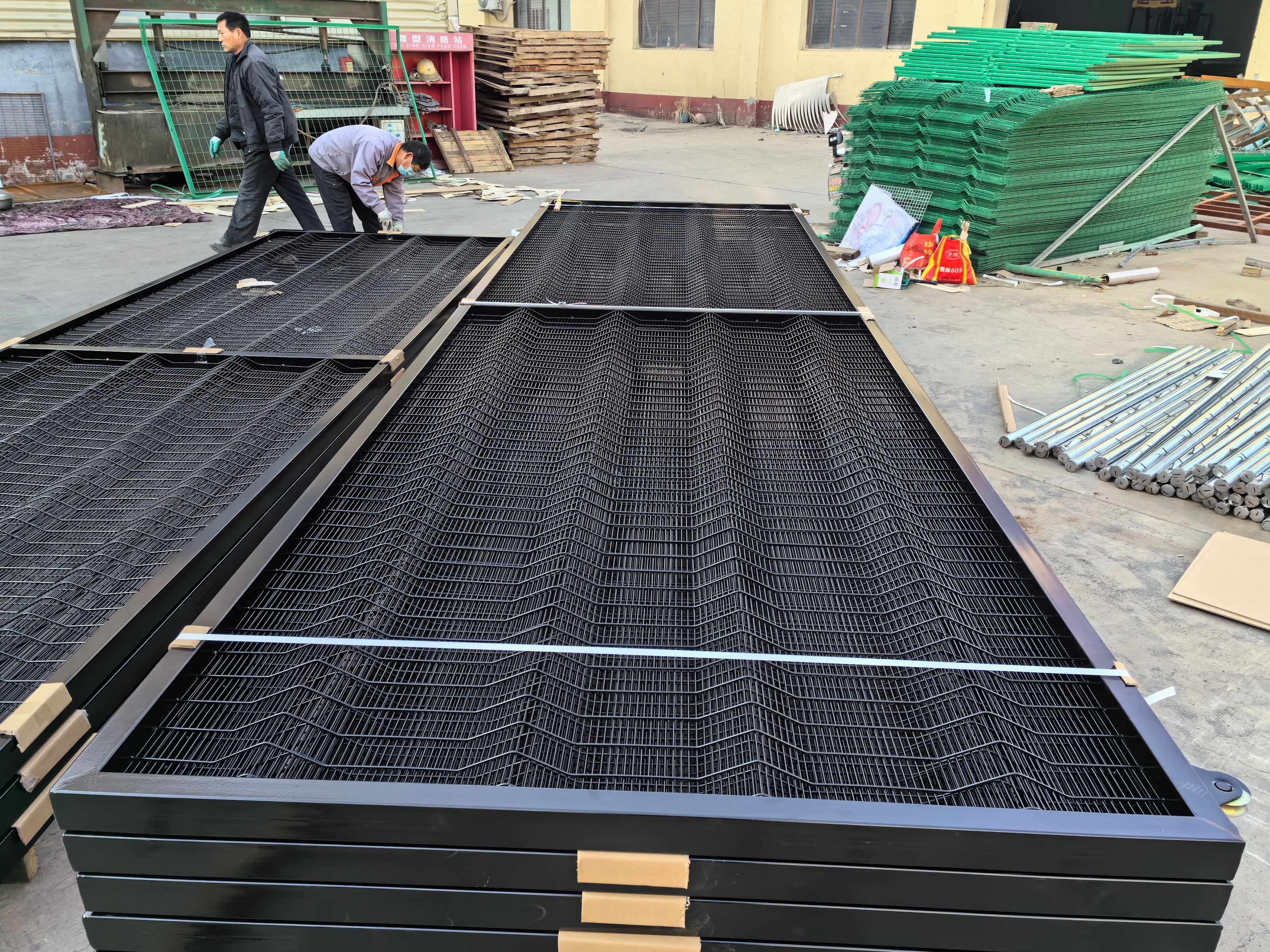
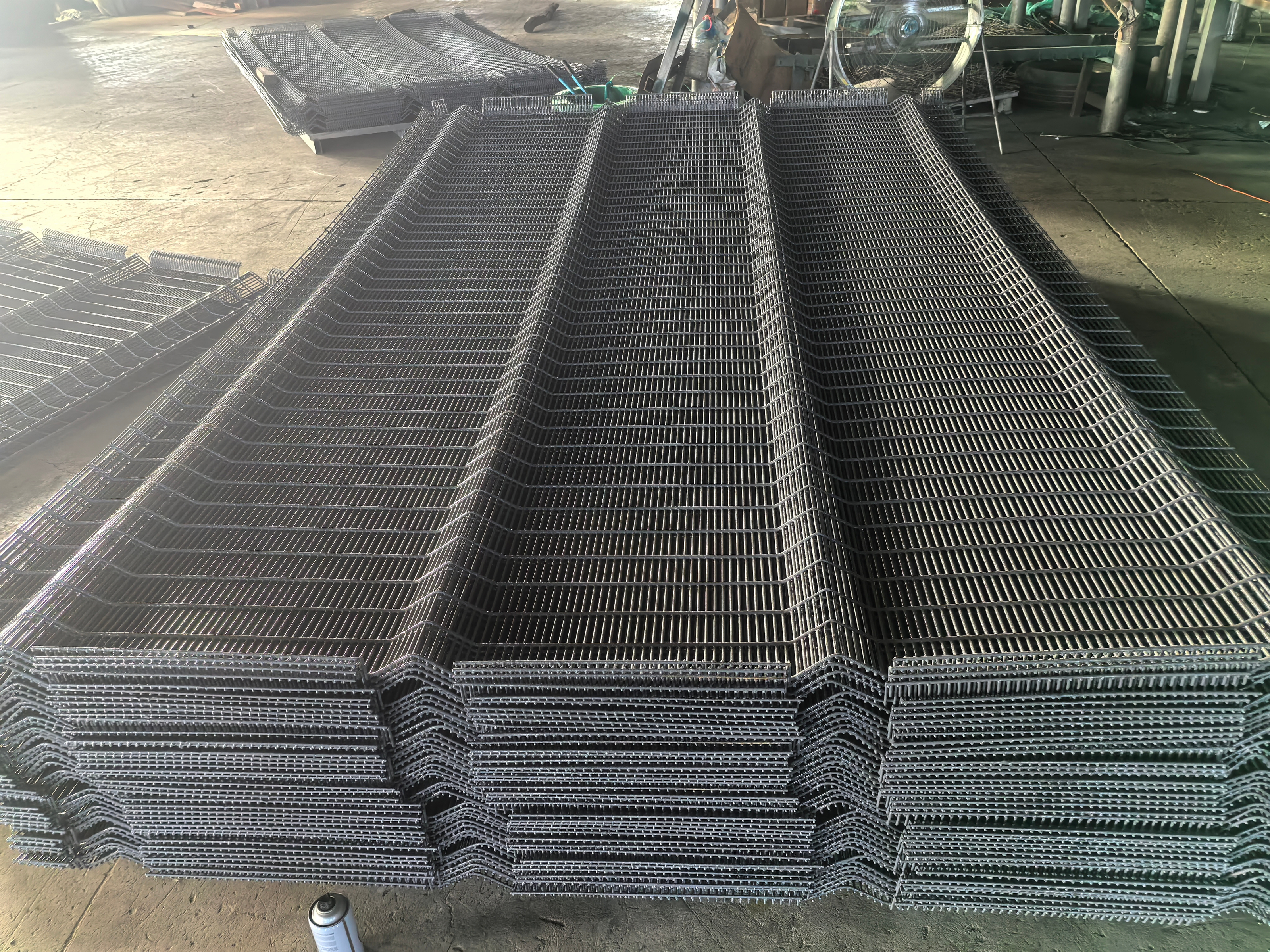
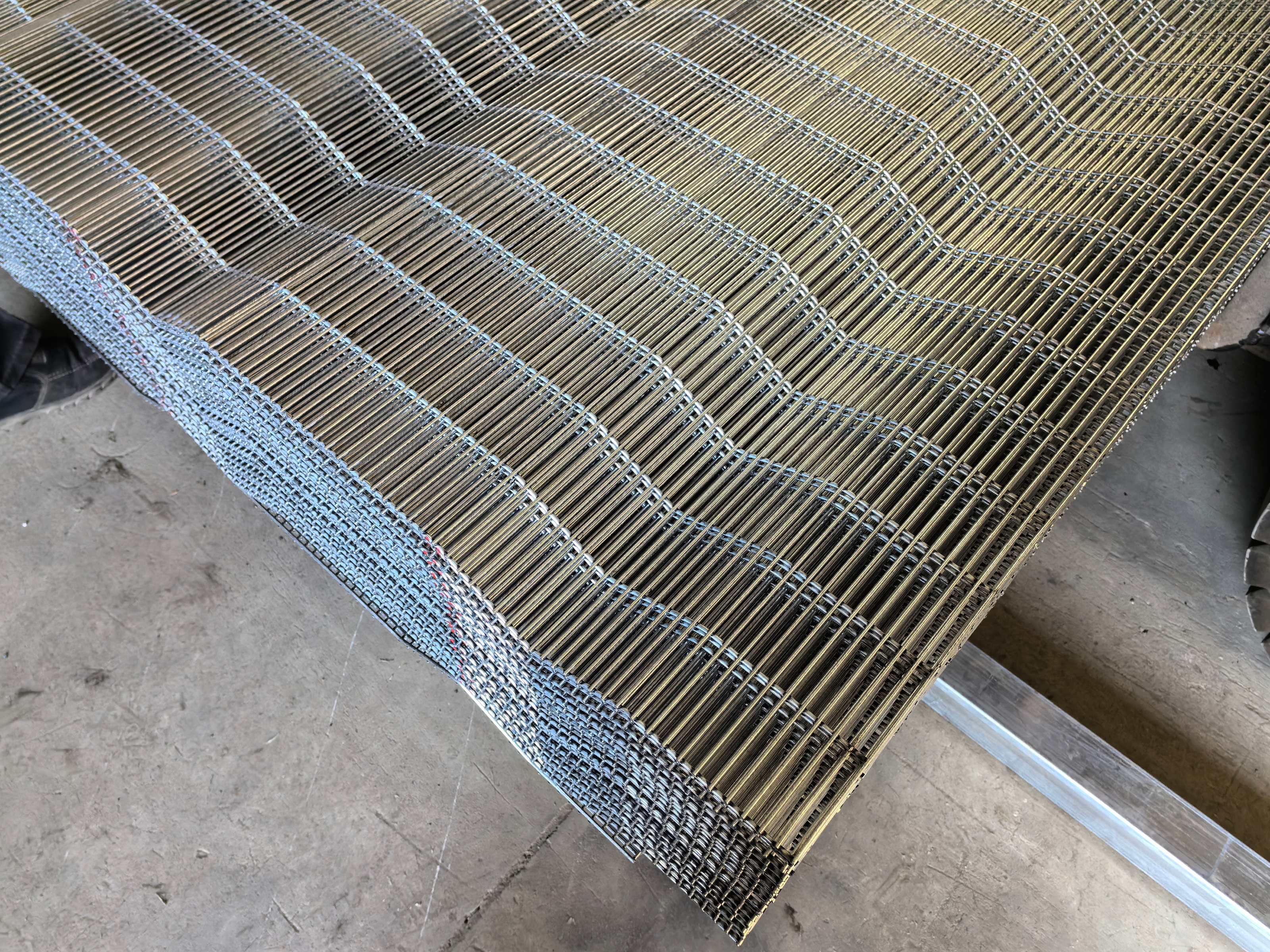
Processing of Anti climb prison fence
POLYMETAL processing flow for Anti climb prison fence production follows a repeatable sequence: Material → Straightening & cut wire → Welding → Galvanizing → Powder coating → Packaging. This structure matters because anti-climb performance is not only about the mesh size; it is also about welding discipline, coating coverage at welds, and packaging protection to prevent damage before installation.

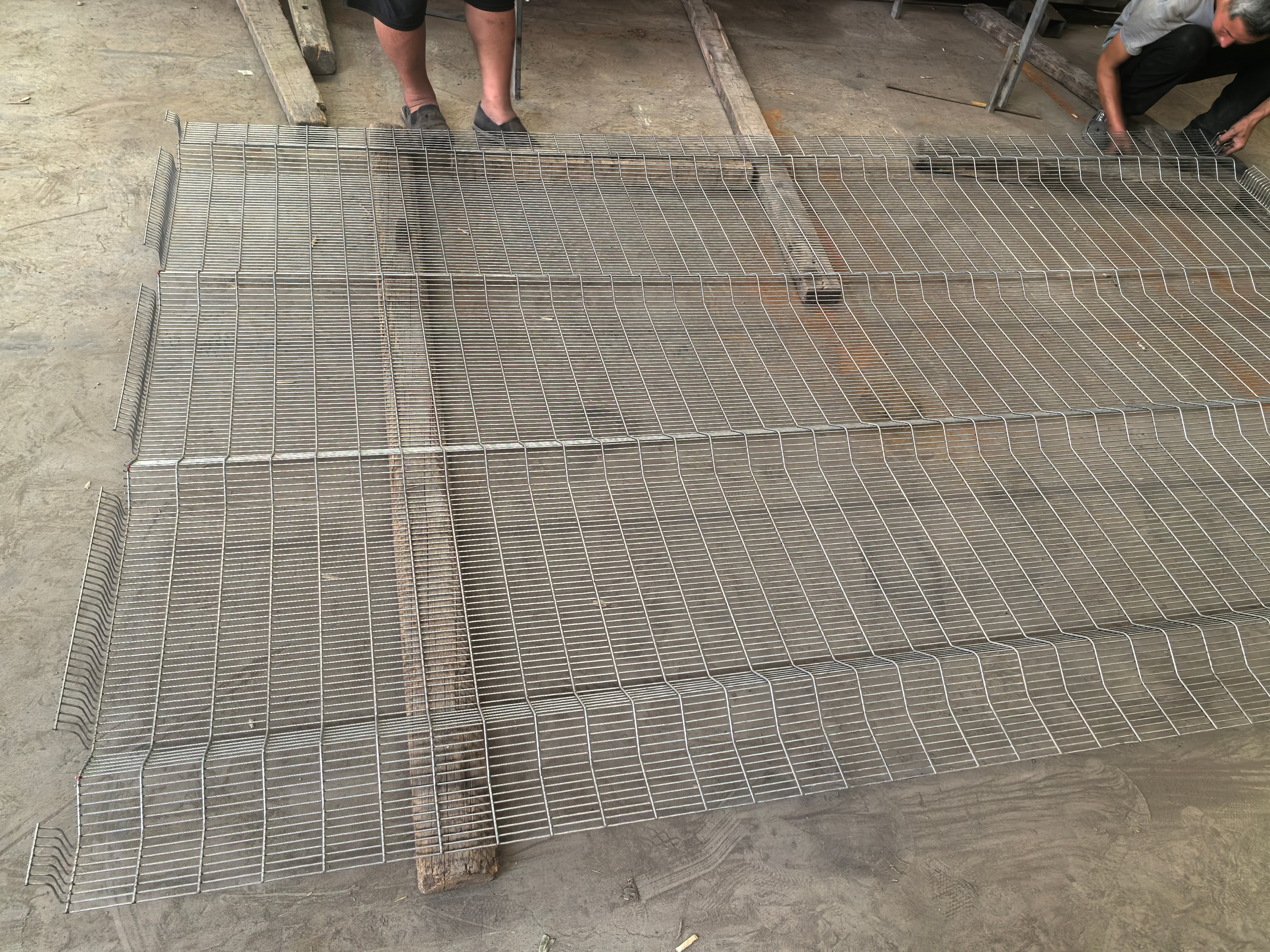

Product description
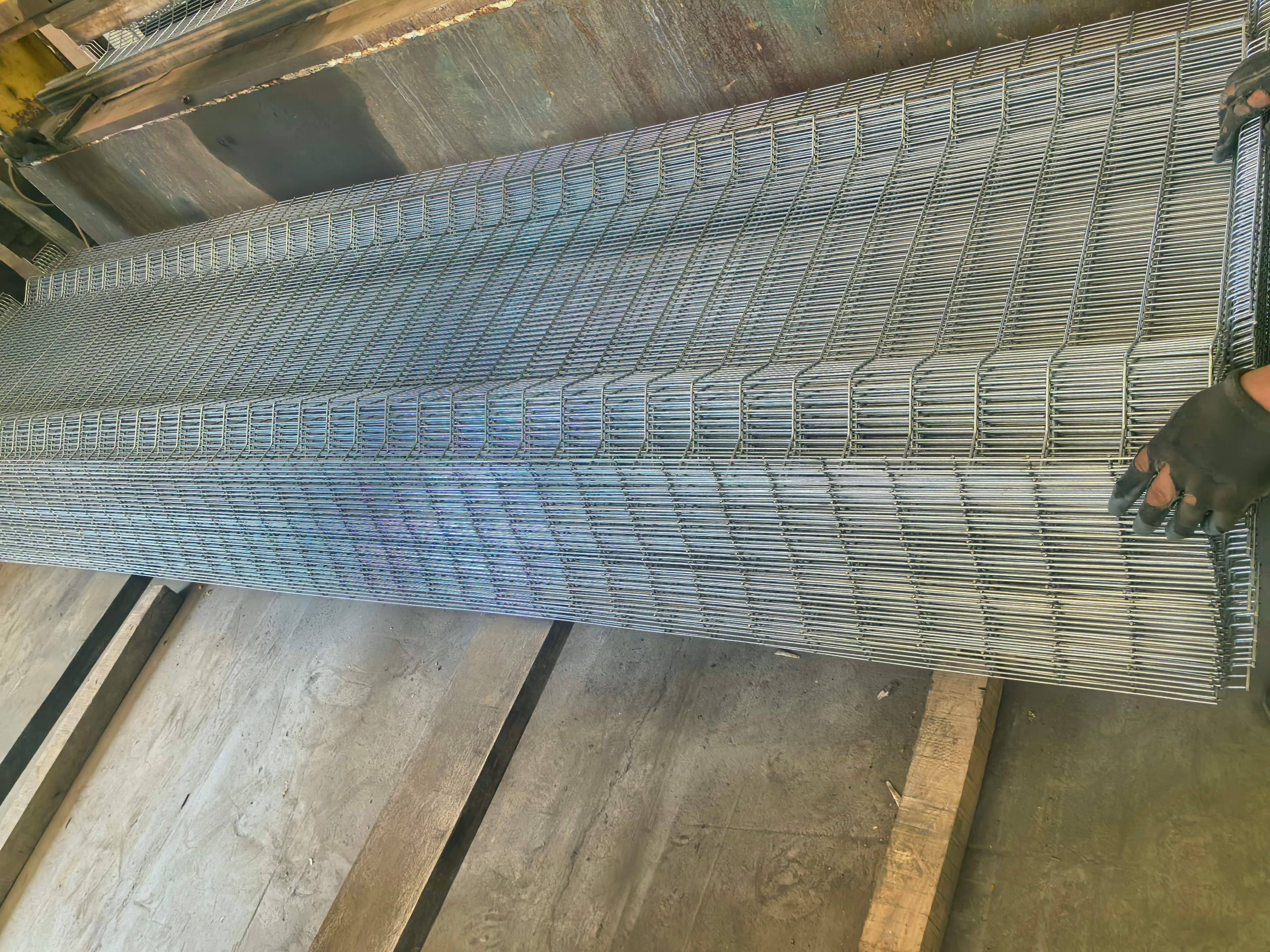
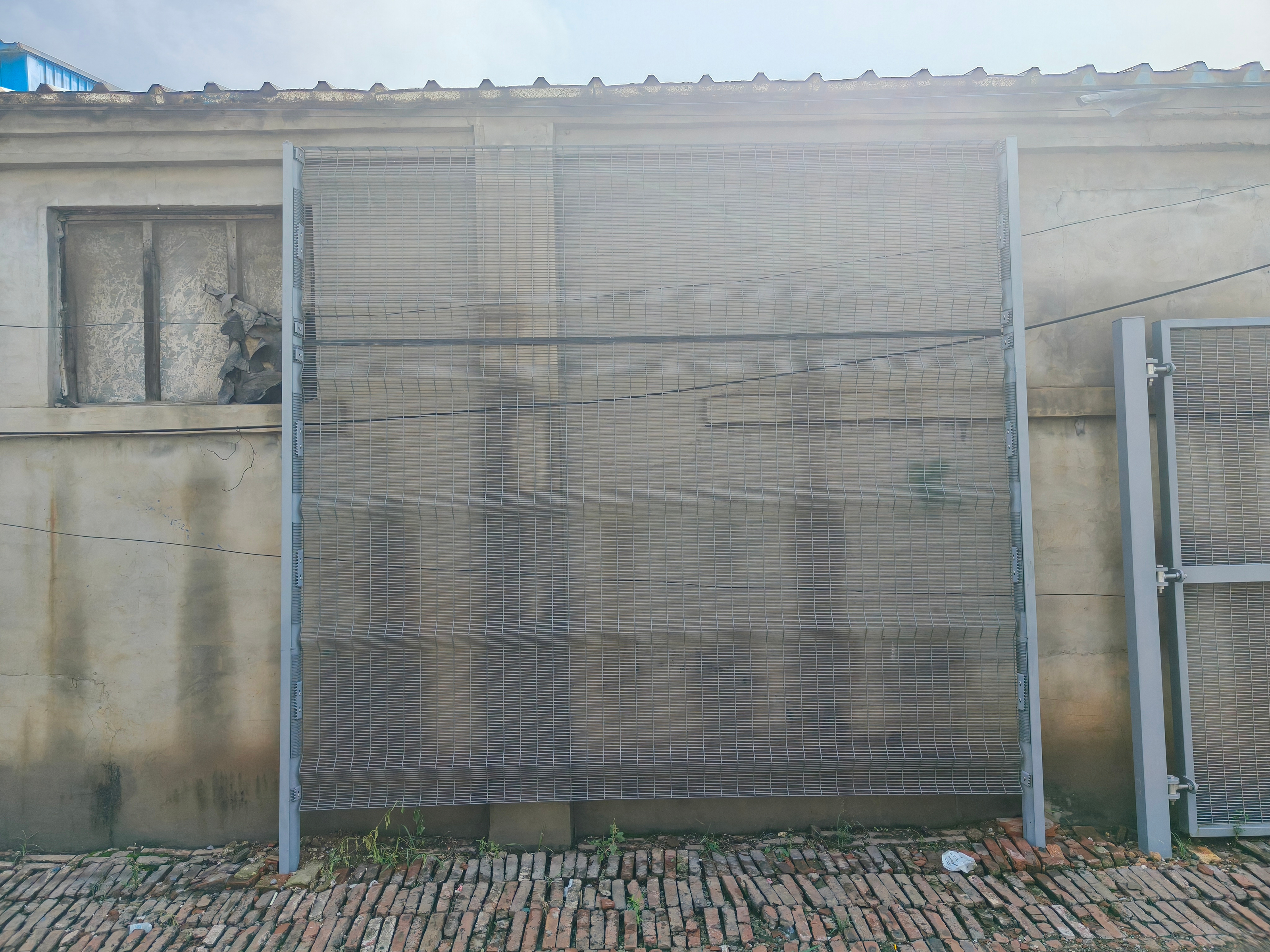
POLYMETAL manufactures Anti climb prison fence panels (358 prison mesh) for high-security sites where anti-climb performance, durability, and appearance must remain consistent across the entire fence line. The panel is a professional welded wire mesh structure combined with steel posts and secure fixing interfaces, then protected by heavy zinc or RAL colour powder coating. The classic 358 aperture (76.2×12.7mm) is selected to reduce climbing purchase points while maintaining visibility for surveillance and perimeter control.
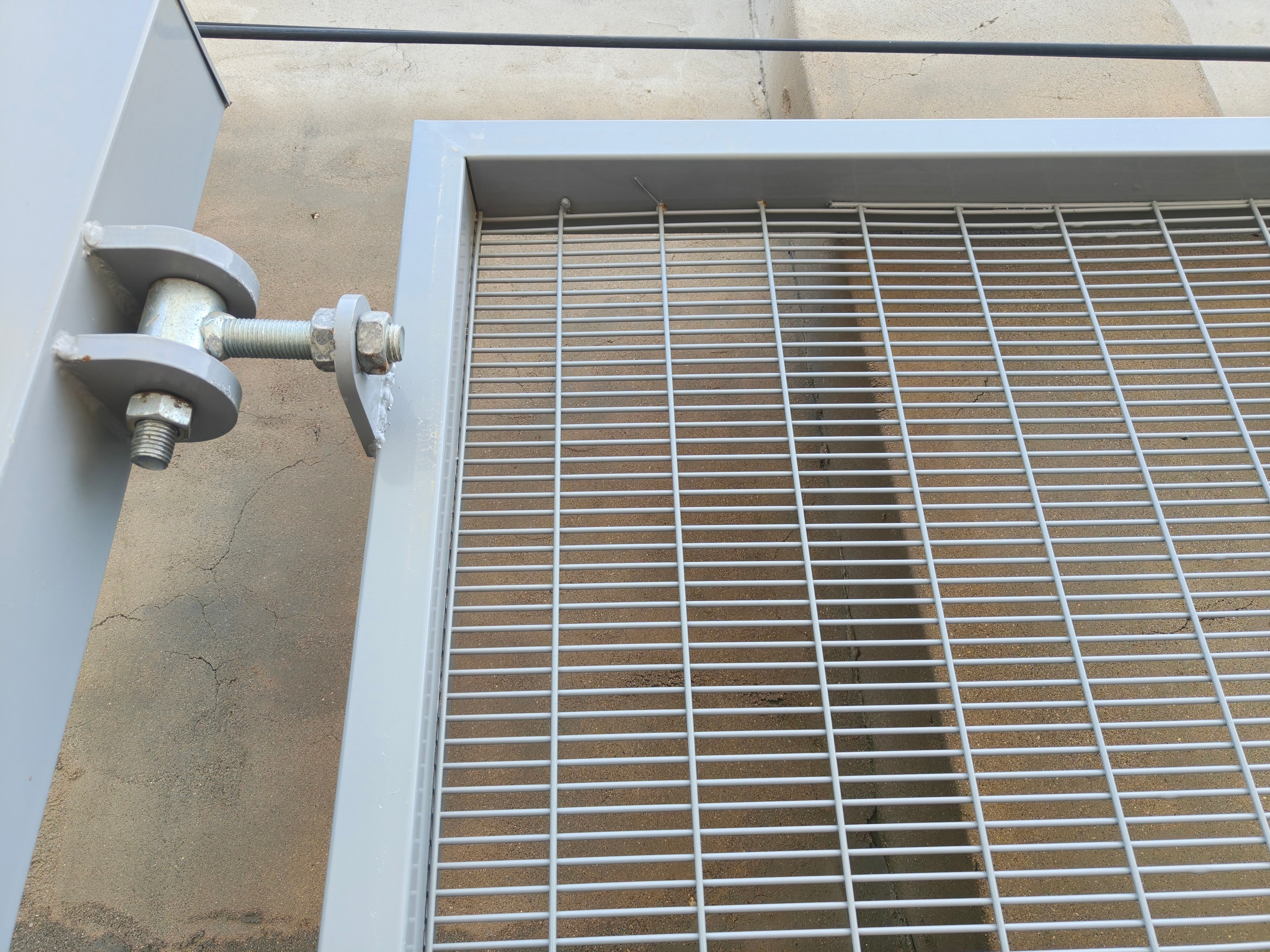
For corrosion protection, the Anti climb prison fence system is commonly supplied as galvanized with electrostatic polyester powder coating, or hot dipped galvanized, depending on project requirements. For stiffness and straightness across long runs, panel width options (2.50m or 2.20m) and post profiles (80×60mm or 83×64mm) are matched to the panel height so the installed line stays aligned and resistant to deflection.
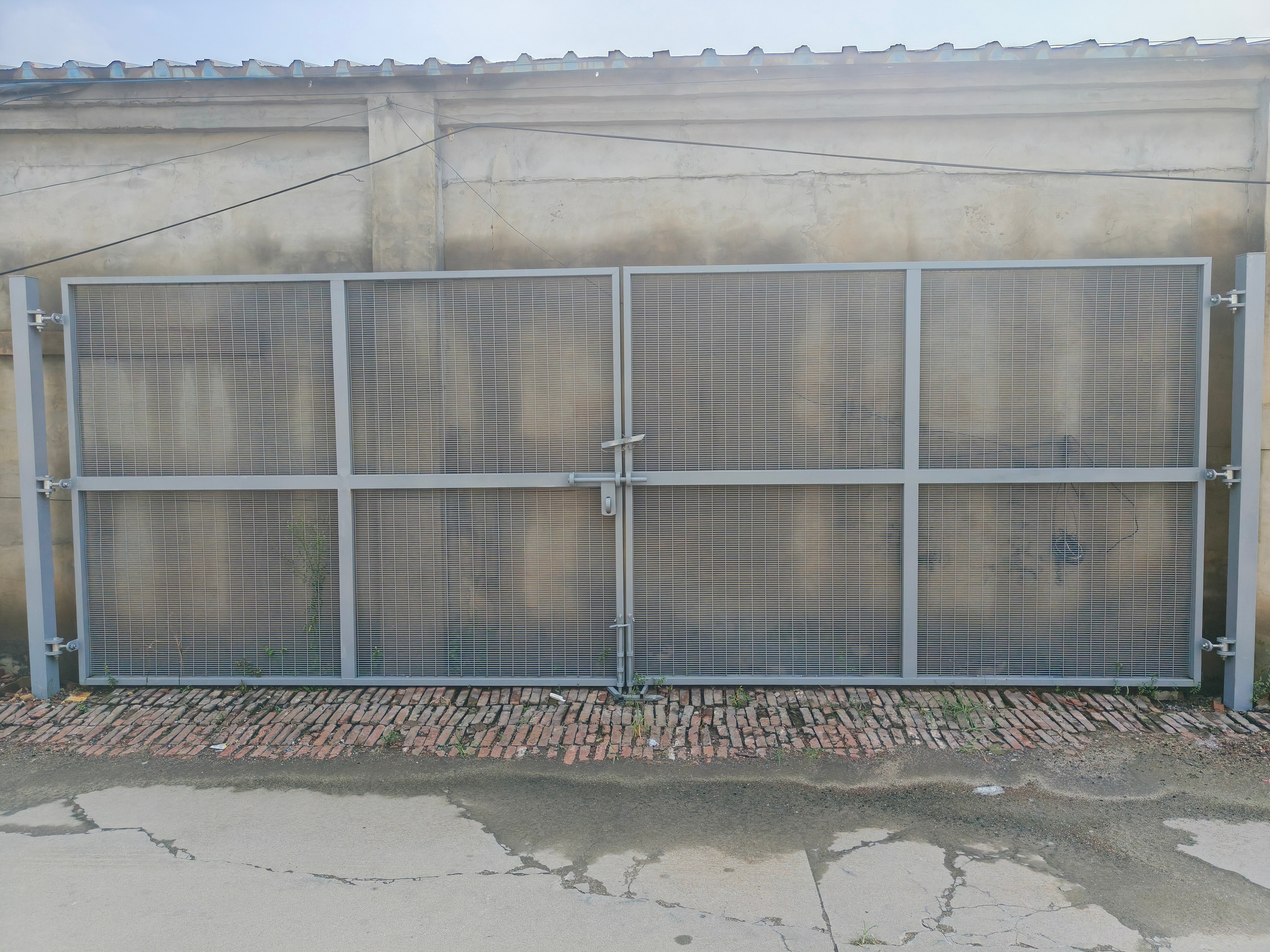
Top 17 Trap checks for Anti climb prison fence (Especially #11)
These Trap checks help buyers avoid the most common losses on Anti climb prison fence projects: rework, early corrosion, poor alignment, and performance gaps that only appear after delivery.
- Trap #1: Treating “358” as a label, not a measurable build. Lock the mesh aperture and wire diameter, not just “358 fence.”
- Trap #2: Choosing panel height without risk logic. A taller Anti climb prison fence may need a stronger post profile to stay straight.
- Trap #3: Ignoring panel width planning. Mixing 2.50m and 2.20m widths without a line plan creates awkward bays and wasted labor.
- Trap #4: Under-specifying horizontal wire. Small aperture needs consistent horizontal wire size to keep rigidity stable.
- Trap #5: Treating weld strength as “assumed.” Welding discipline is where anti-climb mesh either holds or fails under stress.
- Trap #6: Skipping fold count (folds NOS) where needed. Folds can add stiffness, but only when matched to height and loading.
- Trap #7: Assuming any powder coat is equal. Coating performance depends on prep, coverage at welds, and build consistency.
- Trap #8: Not defining post wall thickness. Post stiffness controls line straightness more than most buyers expect.
- Trap #9: Weak fixing interfaces. A strong panel with weak fixings becomes a system weakness.
- Trap #10: Wrong post length rule. Posts must match panel height and ground condition, not guesswork.
- Trap #11 (big loss): Buying “galvanized + powder” without locking the zinc base and the coating process sequence. If weld zones are not protected correctly, an Anti climb prison fence can show early rust bleed and coating chips at edges, causing visible damage and expensive touch-ups.
- Trap #12: No rain-hat decision. Water entry at posts accelerates internal corrosion if caps are not controlled.
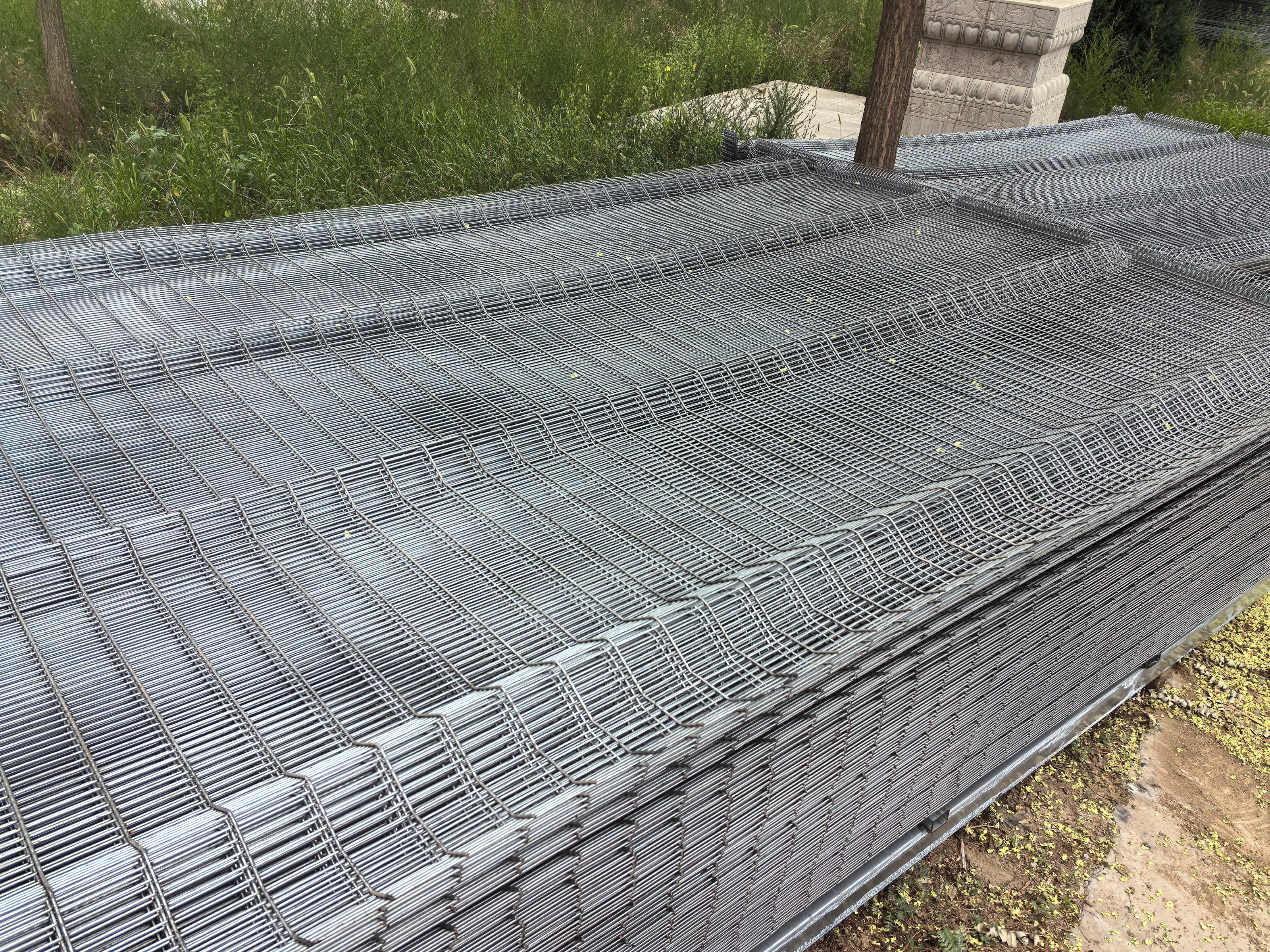
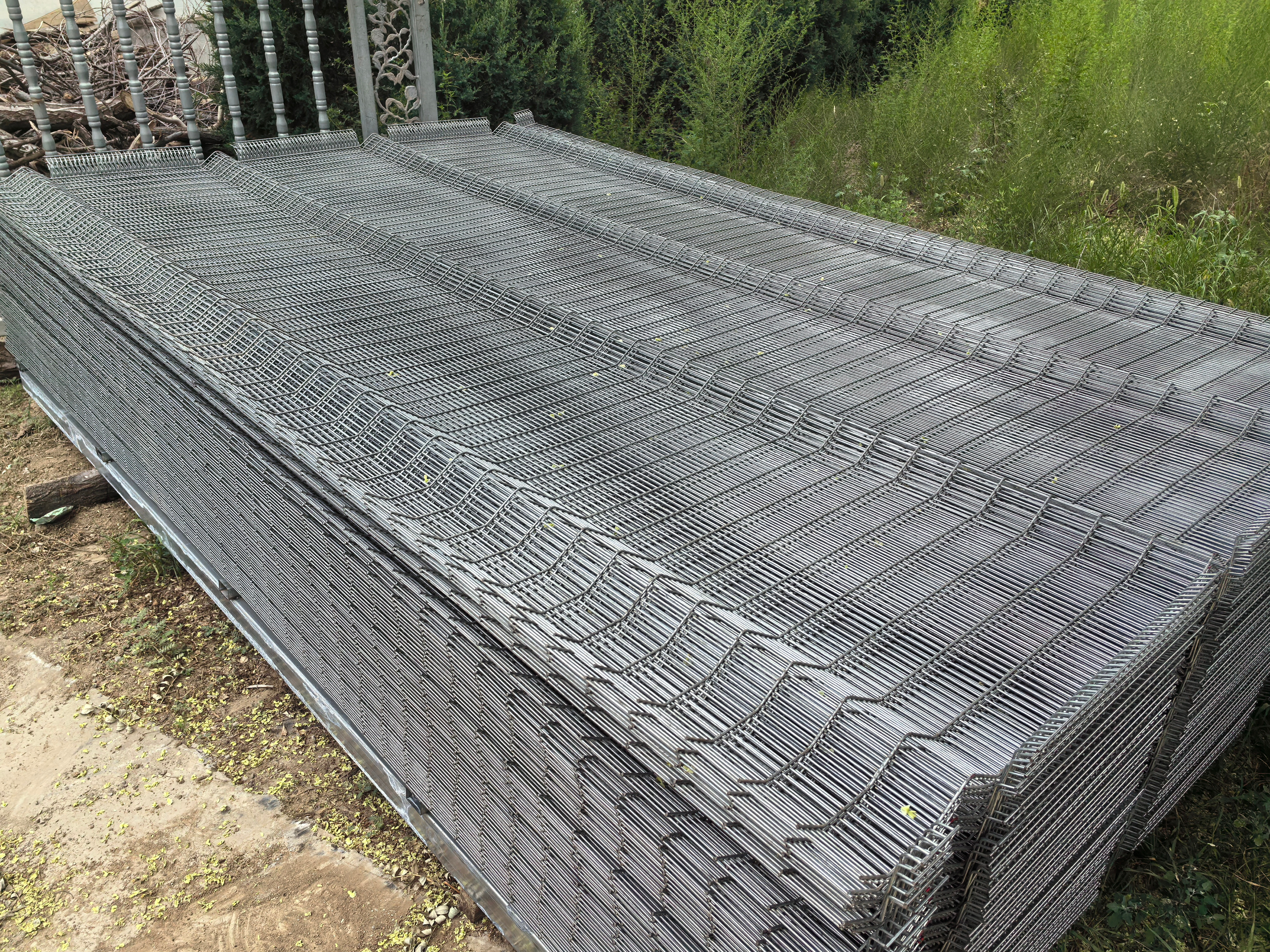
- Trap #13: Skipping transport protection. Panel-to-panel rubbing damages coating before installation.
- Trap #14: No lot consistency. Mixed wire batches create inconsistent tension behavior and appearance differences.
- Trap #15: Forgetting site-specific zones (corners, gates, transitions). Those bays often need stronger posts or tighter controls.
- Trap #16: Overlooking visibility vs privacy needs. The Anti climb prison fence is visually open; if privacy is needed, plan screens intentionally.
- Trap #17: Not matching specs to the real threat model. Anti-climb and anti-cut priorities must be aligned with site risk.
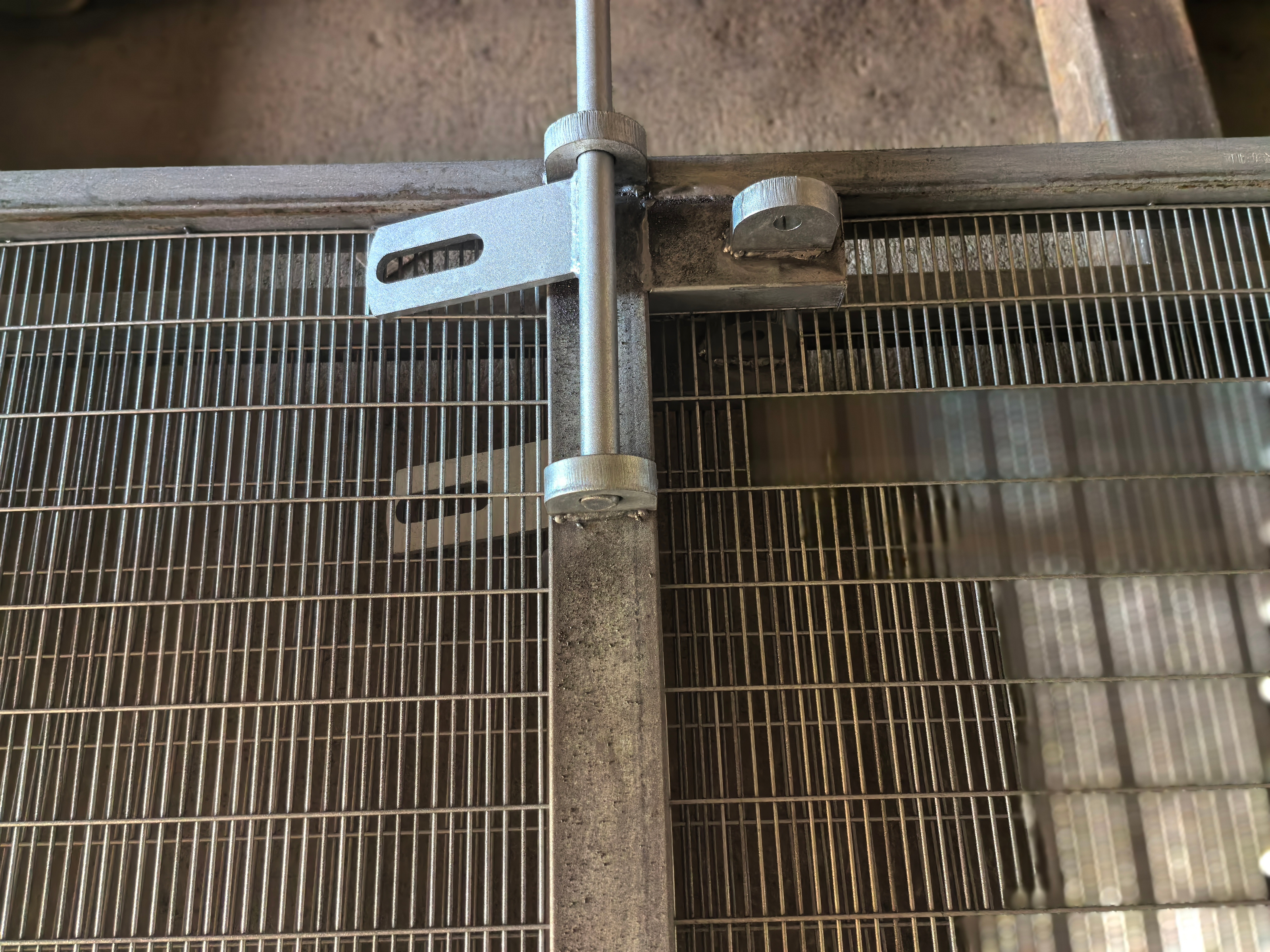
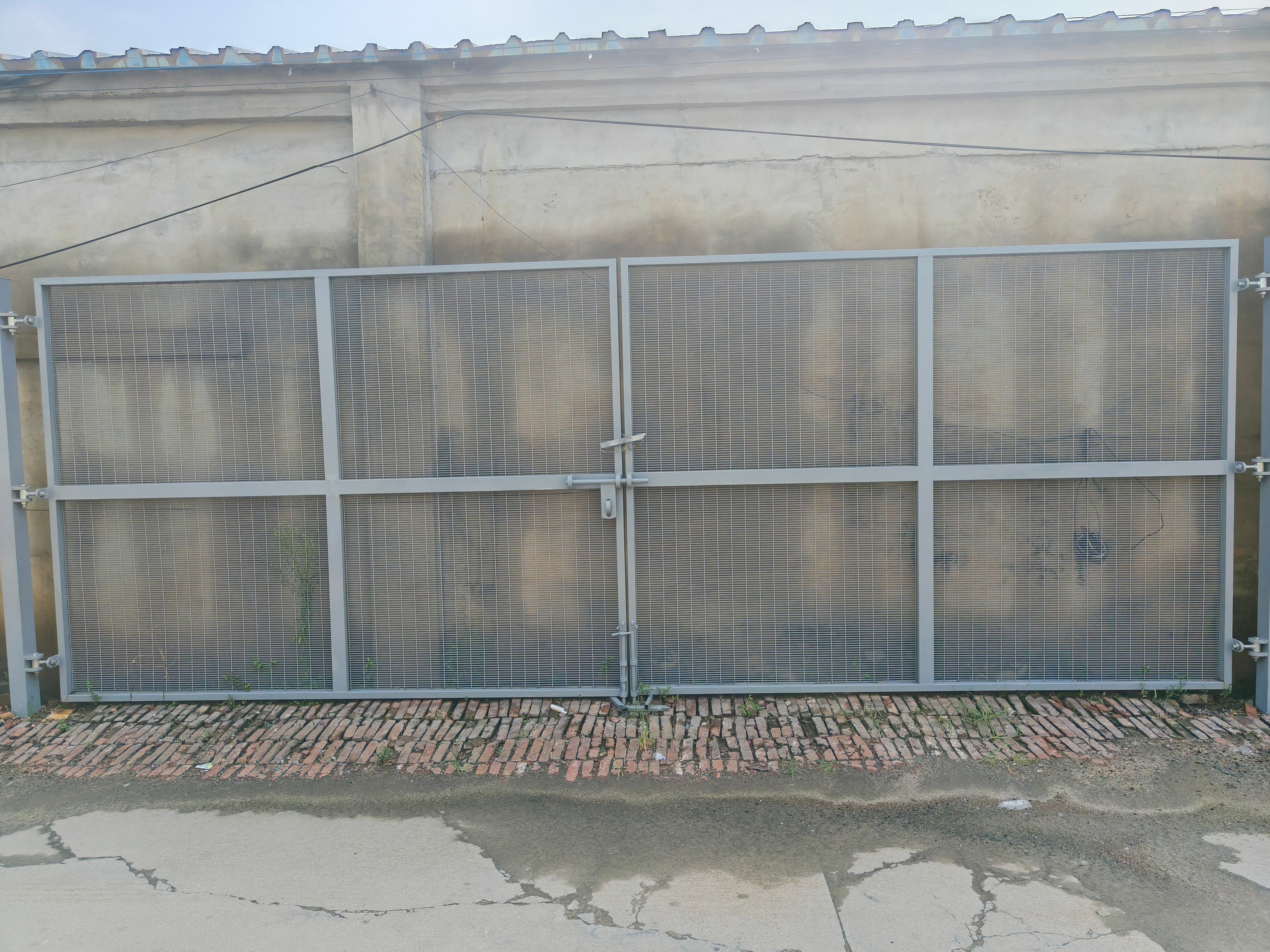
Specification
Panel – Type A (2D view)
| Mesh | Wire Thickness | Surface Treatment | Panel Width | Height | |
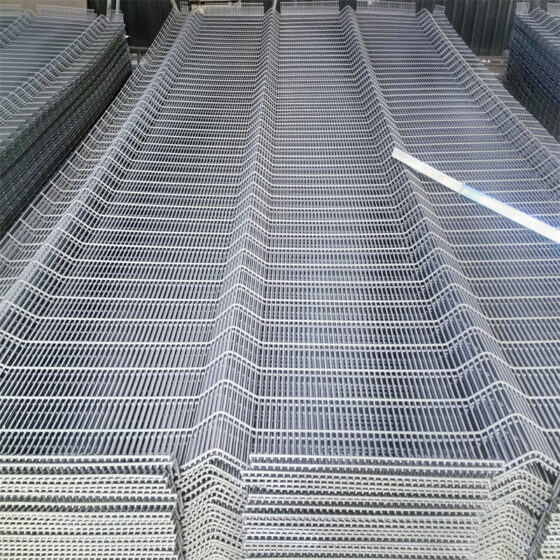
| 76.2×12.7mm | Horizontal wire: 3.0, 3.5, 4.0mm Vertical wire: 4.0mm | Galvanized and electrostatic polyester powder coated or hot dipped galvanized | 2.50m or 2.20m | 1800mm | |
| 2000mm | |||||
| 2100mm | |||||
| 2200mm | |||||
| 2400mm | |||||
| 2500mm | |||||
| 3000mm | |||||
*Weld strength: 75% of the minimum tensile strength of the wire, Tensile range 540-690 N/m2 (as specified).
| Mesh | Wire Thickness | Surface Treatment | Folds NOS | Panel Width | Height |
| 76.2×12.7mm | Horizontal wire: 3.0, 3.5, 4.0mm Vertical wire: 4.0mm | Galvanized and electrostatic polyester powder coated or hot dipped galvanized | 3 | 2.50m or 2.20m | 1800mm |
| 3 | 2000mm | ||||
| 4 | 2100mm | ||||
| 4 | 2200mm | ||||
| 4 | 2400mm | ||||
| 5 | 2500mm | ||||
| 6 | 3000mm |
*Weld strength: 75% of the minimum tensile strength of the wire, Tensile range 540-690 N/m2 (as specified).
| Mesh | Wire Thickness | Surface Treatment | Panel Width | Height |
| 100x15mm | Horizontal wire: 3.5mm Vertical wire: 5.5mm | Galvanized and electrostatic polyester powder coated or hot dipped galvanized | 2.50m or 2.20m | 1800mm |
| 2000mm | ||||
| 2100mm | ||||
| 2200mm | ||||
| 2400mm | ||||
| 2500mm | ||||
| 3000mm |
*With additional horizontal wire of 3.5mm at 18cm intervals (as specified).
*Weld strength: 75% of the minimum tensile strength of the wire, Tensile range 540-690 N/m2 (as specified).
Post options for Anti climb prison fence
| Profile | Wall Thickness | Surface Treatment | Length | Rain hat |
| 80x60mm | 3.00mm | Galvanized and electrostatic polyester powder coated or hot dipped galvanized | On the basis of panel height | Plastic or Metal |
| Profile | Wall Thickness | Surface Treatment | Length | Rain hat |
| 83x64mm | 3.00mm | Galvanized and electrostatic polyester powder coated or hot dipped galvanized | On the basis of panel height | Plastic or Metal |
Applications of Anti climb prison fence
The Anti climb prison fence (358 high-security prison mesh) is widely used where anti-climb performance, visibility, and perimeter control are required, including bridge anti-climb guarding and guard safety screening, psychiatric hospital security fencing, prison security fencing, factory machine guards, walkway security fencing, airport security fencing, shipping port security fencing, electrical sub-station fencing, gas pipeline security fencing, and high-security living areas and private field fencing.
Benefits
An Anti climb prison fence delivers anti-climb performance through small aperture geometry, improved cut resistance through heavier wire selection, and improved rigidity through welded intersections and optional folds. With galvanized and powder coated or hot dipped galvanized finishing options, the system is built for outdoor durability and consistent appearance. The visual openness supports surveillance lines, while the steel framework supports straight runs and controlled alignment.
Packing
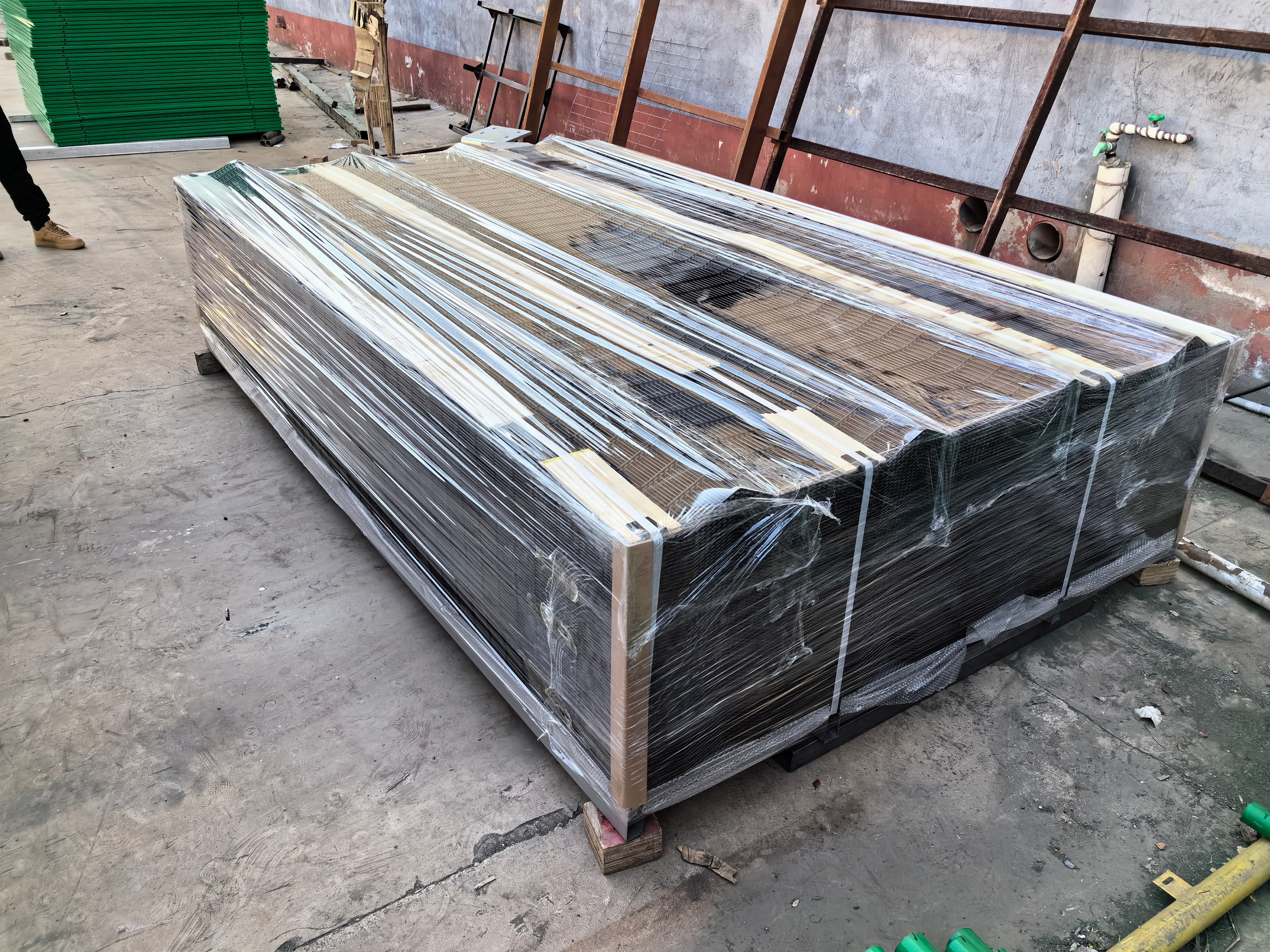
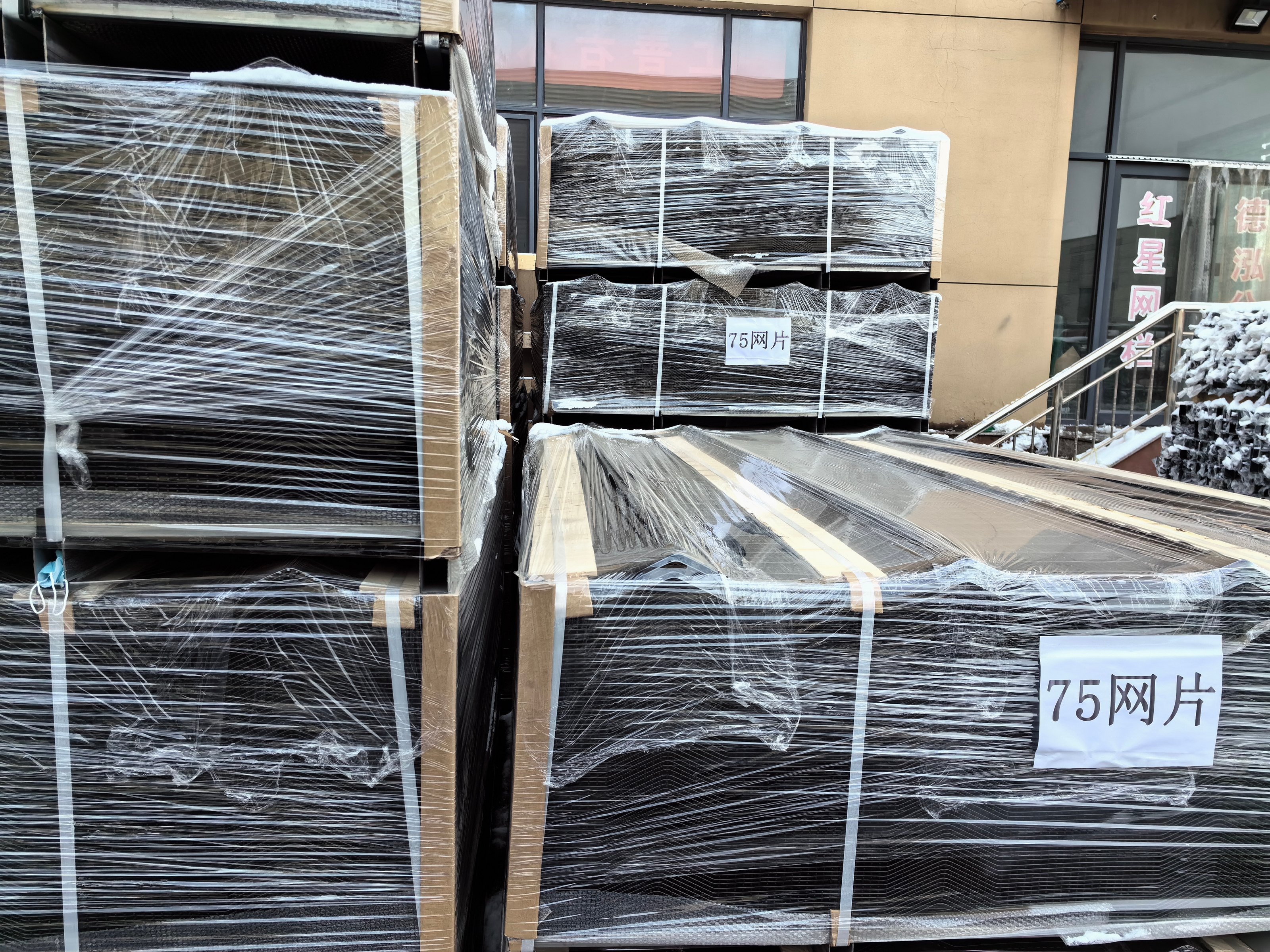
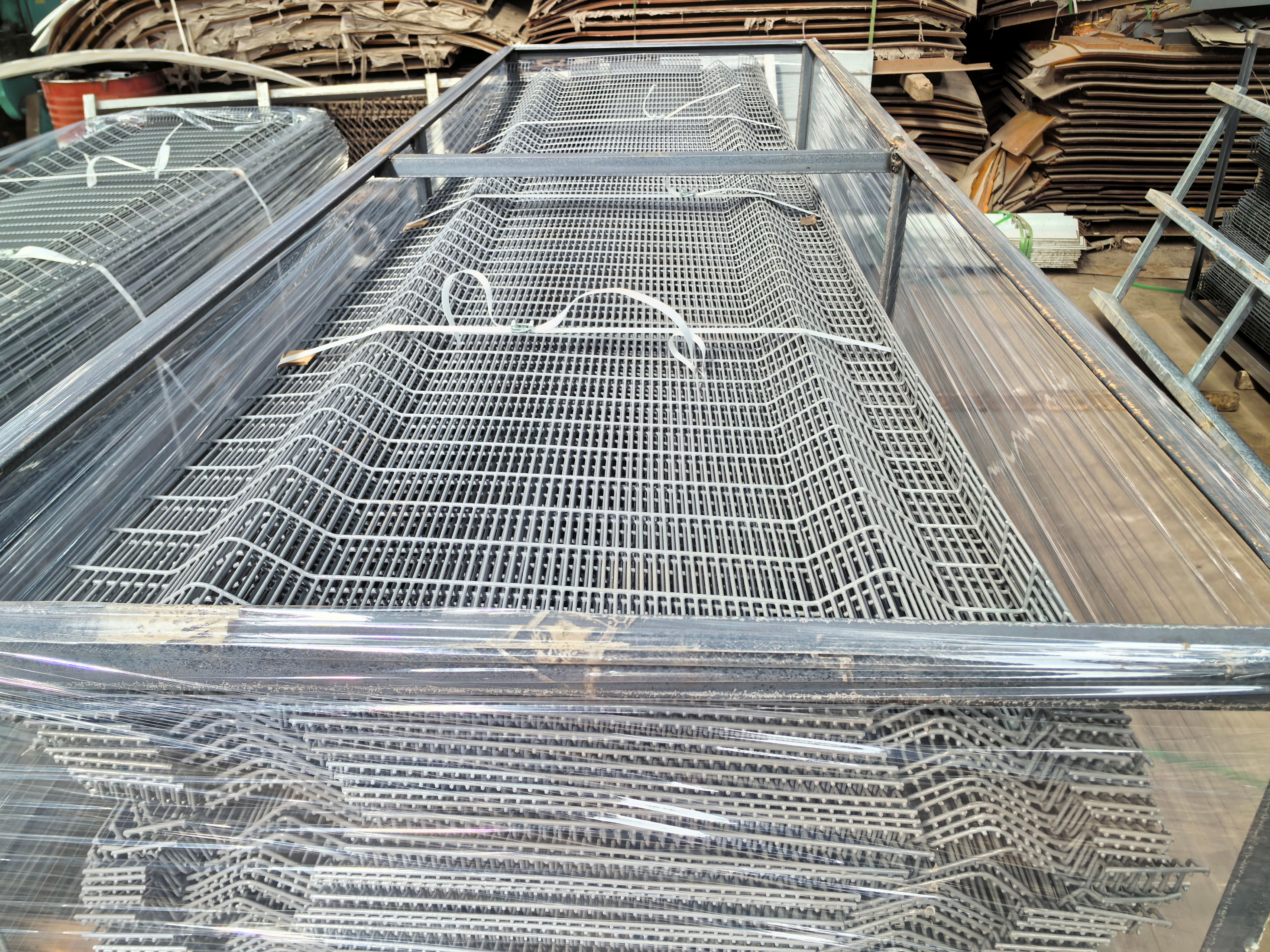
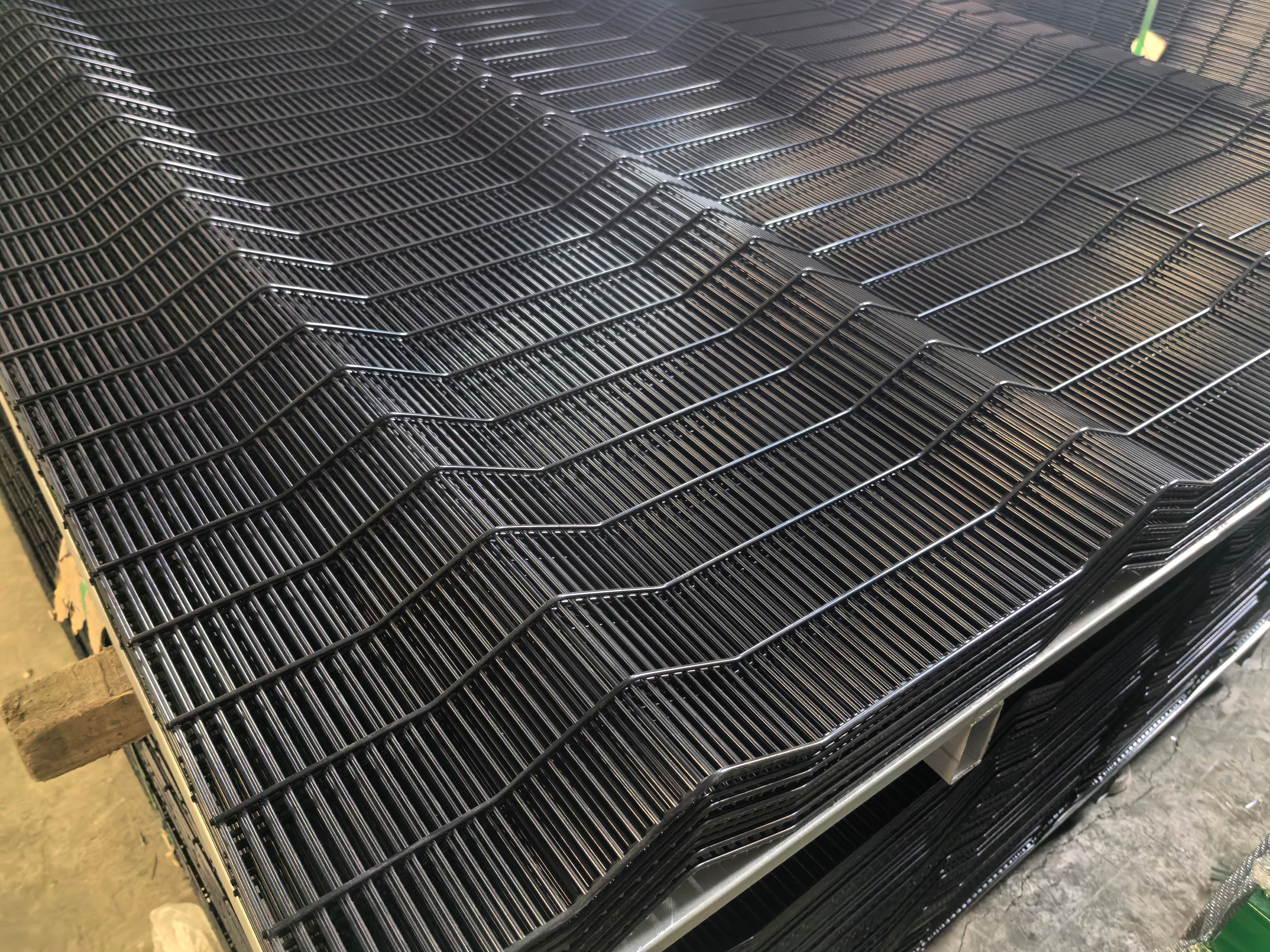
Packaging is part of performance because coating damage often happens before installation. POLYMETAL packing for Anti climb prison fence commonly follows these controls: fence panels are wrapped in plastic film and placed on wood pallets; fence posts are packed with a plastic bag, one end covered by a plastic cap, and supplied on steel pallets. This approach reduces rubbing damage, protects edges, and keeps lots organized for fast site deployment.
Standard
High-security mesh systems like Anti climb prison fence typically control outcomes through measurable requirements: mesh size and wire diameter, weld quality expectations, coating process definition (galvanized + powder coated or hot dipped galvanized), and post stiffness selection matched to panel height. Many projects also align internal QA to consistent manufacturing documentation (material traceability, dimensional checks, coating checks, packing checks) so delivered lots remain repeatable, and for a practical reference on how disciplined specifications and packing controls prevent site losses, see our crowd control barrier specifications, applications, and packing guide.
FAQs
1) What does “358” mean for Anti climb prison fence?
“358” refers to the classic 3″ × 0.5″ aperture and 8 gauge wire, commonly expressed as approximately 76.2mm × 12.7mm with a heavy wire diameter in metric. This tight mesh is chosen to reduce climbing purchase points on an Anti climb prison fence.
2) Which surface treatment is better: galvanized + powder coated or hot dipped galvanized?
Both are used on Anti climb prison fence projects. Galvanized + powder coating adds color and appearance control (RAL options), while hot dipped galvanized focuses on robust zinc protection. The key is defining the process clearly so weld zones and edges are protected consistently.
3) Why do folds matter?
Folds can improve stiffness on an Anti climb prison fence panel, especially at taller heights and in higher-risk zones. The fold count should be matched to panel height and site loading.
4) What panel widths are available?
Common panel widths for Anti climb prison fence include 2.50m and 2.20m. A clean line plan helps reduce odd bays and installation waste.
5) How do I choose post profiles?
Post stiffness supports line straightness. Options like 80×60mm and 83×64mm with 3.00mm wall thickness are used, with post length selected on the basis of panel height and site conditions for a stable Anti climb prison fence.
6) What is the delivery detail shown in the specification?
Delivery detail provided: within 15 days after receiving L/C opening (as listed). Actual lead time can vary by quantity, coating option, and production schedule.
Closing
A high-security Anti climb prison fence should behave consistently after delivery: straight runs, rigid panels, controlled weld quality, and a finish that survives outdoor exposure without early chipping at welds. POLYMETAL’s approach is to control the measurable inputs—mesh geometry, wire diameter, folds, post stiffness, surface treatment, and packaging—so the real cost does not appear after installation.