Your One-Stop Wire Mesh Fence Supplier | POLYMETAL
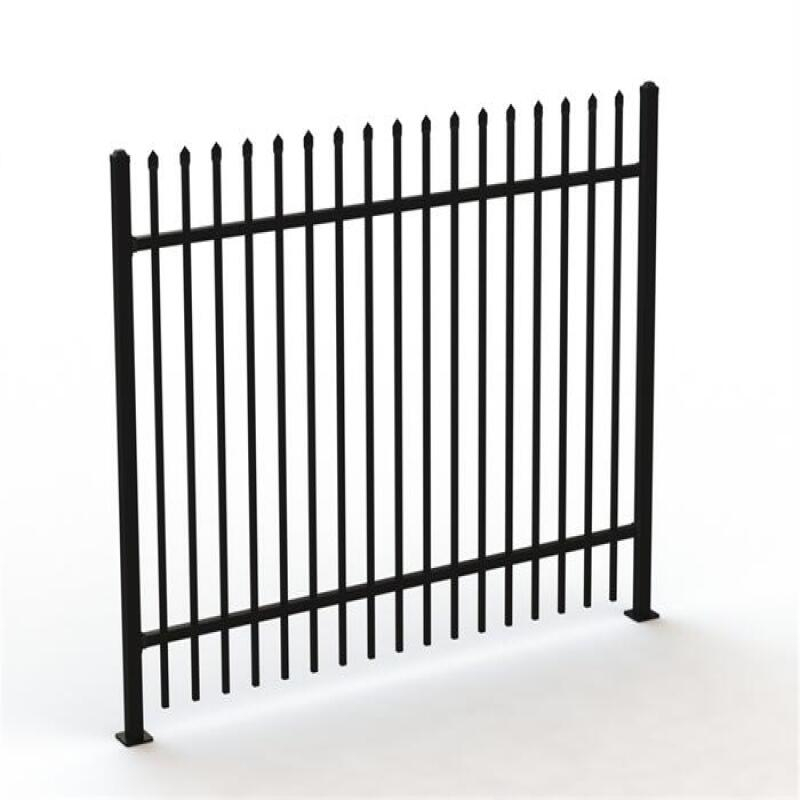
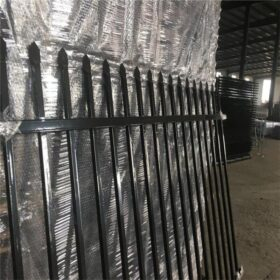
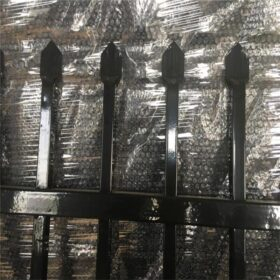
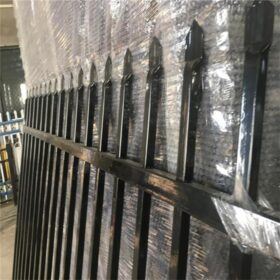
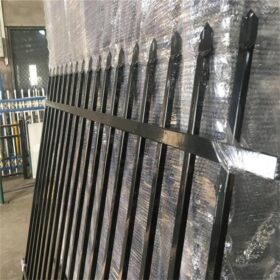
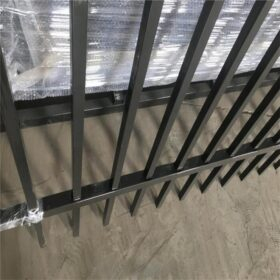
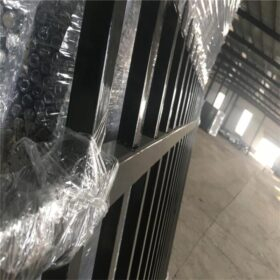
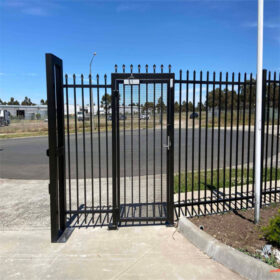
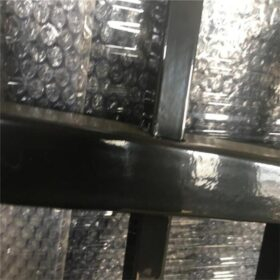
Black garrison fencing is chosen because it looks architectural, feels secure, and visually “disappears” compared with bright zinc finishes. But the expensive surprise is that many suppliers sell black garrison fencing as a look, not a controlled system.
When buyers do not lock the measurable inputs—rail frame size, upright size, spacing, wall thickness, weld discipline, coating build, and post selection—performance differences only appear after delivery: panels twist, spear lines drift, posts feel under-sized, powder coat chips at welds, and installers start fighting alignment bay-by-bay.
To prevent that kind of hidden downgrade, many procurement teams start by confirming the exact steel grade and tubing consistency (for example, understanding what Q235 steel means in real supply terms) before they finalize the black garrison fencing schedule and coating requirements: Q235 steel guide.
A controlled black garrison fencing specification reduces site rework and warranty headaches by forcing consistency from raw tube through welding, galvanizing, powder coating, packing, and container loading.
POLYMETAL builds black garrison fencing as a repeatable module: rail frame + uprights + spacing + posts + finish are treated as one system, not separate parts that “should fit.”
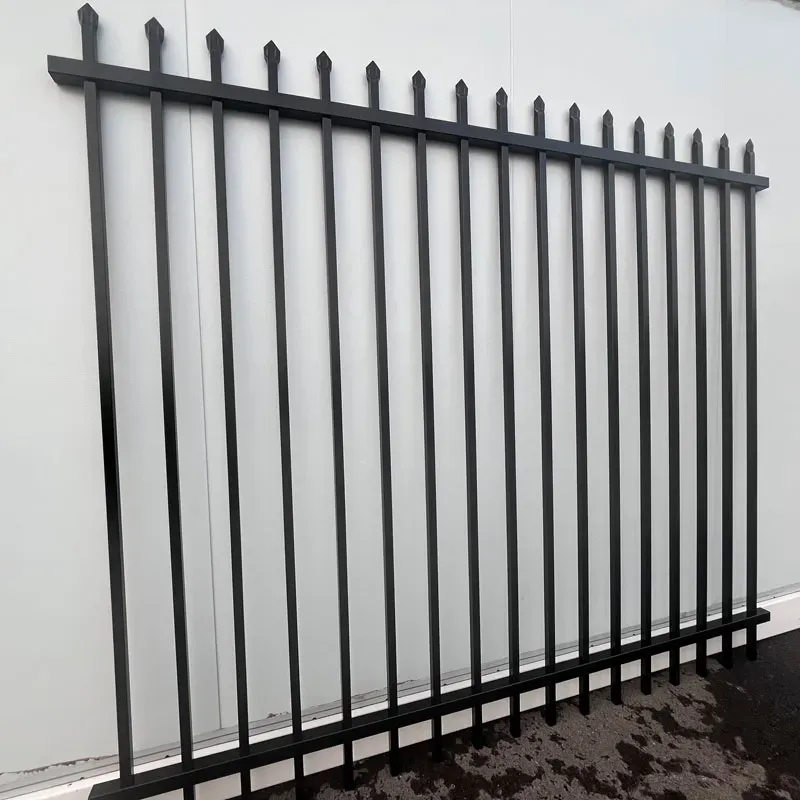
What black garrison fencing actually means on real projects
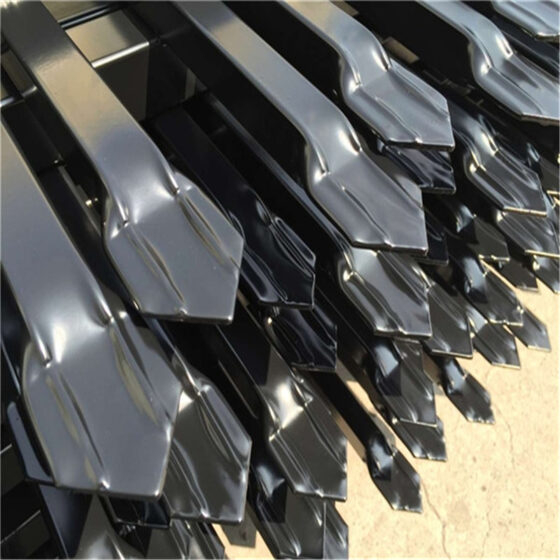
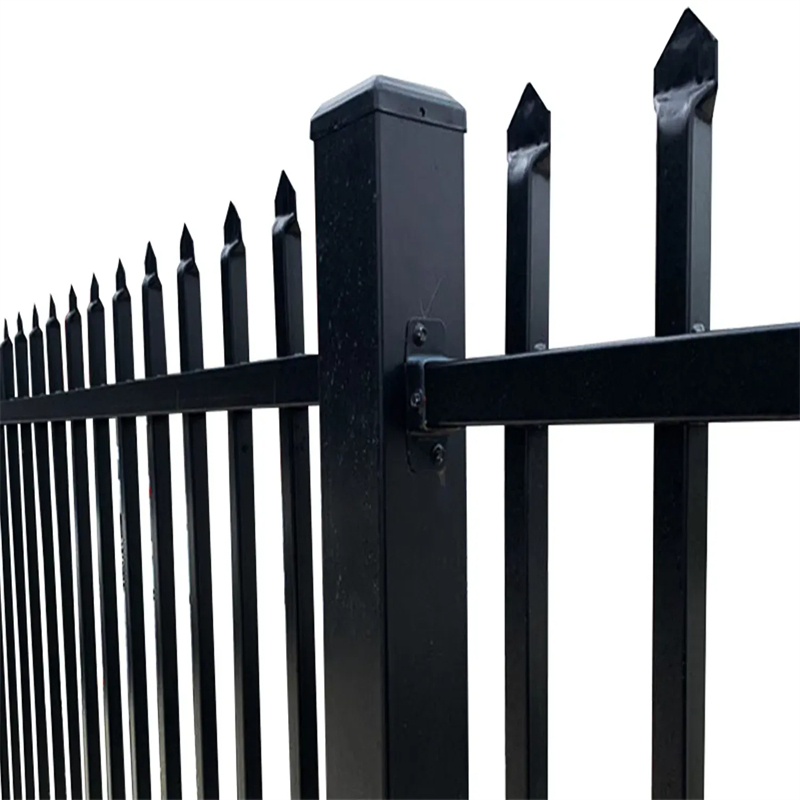
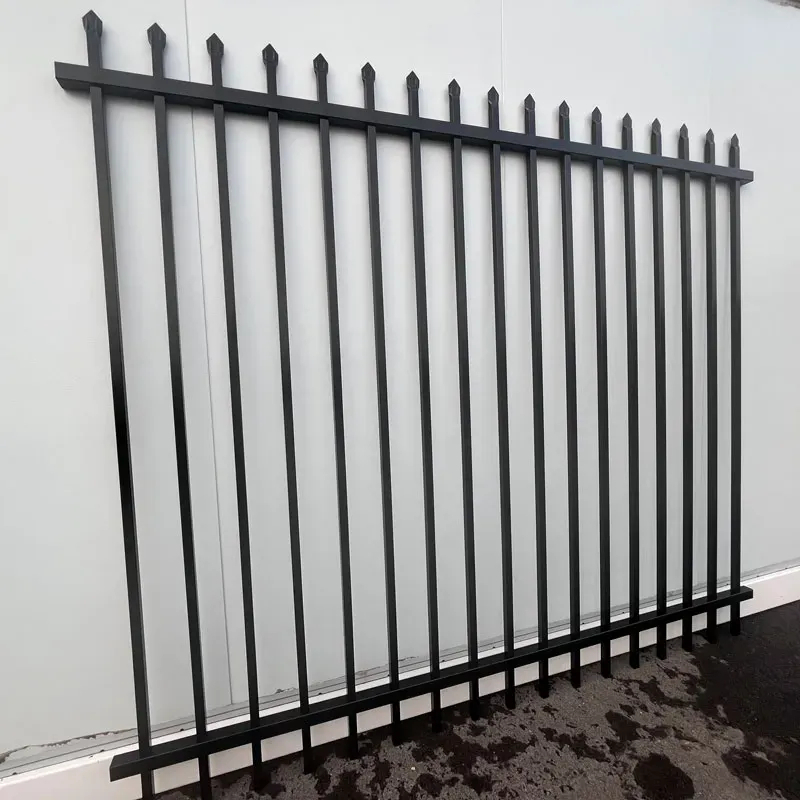
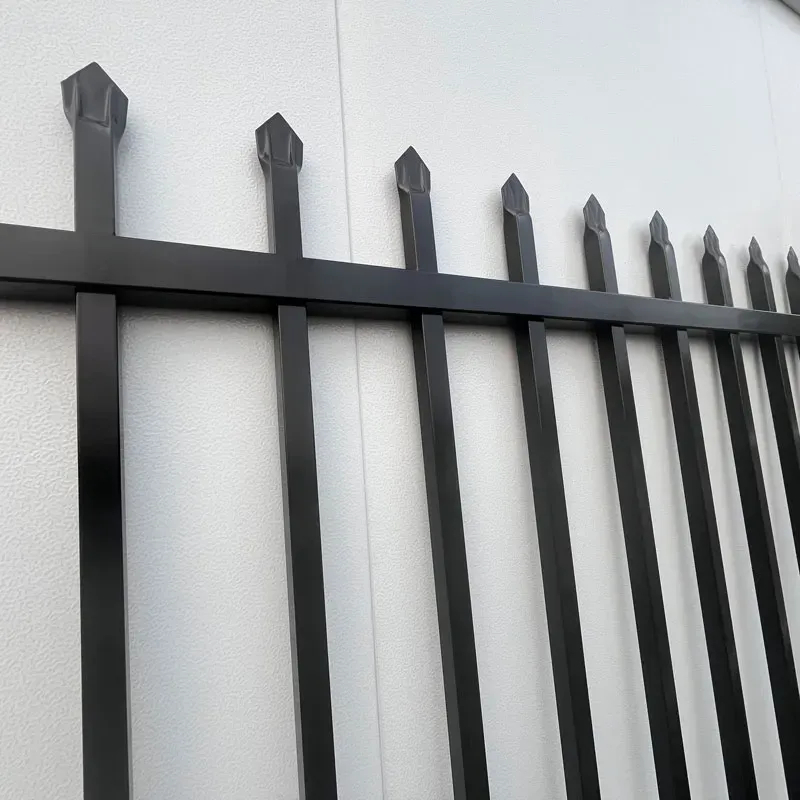
In practice, black garrison fencing is a welded steel picket panel system with crimped spear tops, mounted between posts using brackets and tamper-resistant fixings. The black appearance is typically achieved by powder coating (often satin/matte black) over galvanized steel. Because the black finish highlights straightness and line discipline, small manufacturing deviations become very visible on long runs—especially at corners, slopes, and gate interfaces. That is why black garrison fencing must be specified as a dimensional schedule, not a keyword. The same “spec-first” mindset also applies when buyers source other welded steel products where geometry and coating consistency decide whether the item performs as promised—see our collapsing steel mesh fireplace example for how controlled dimensions and build quality reduce real-world complaints.
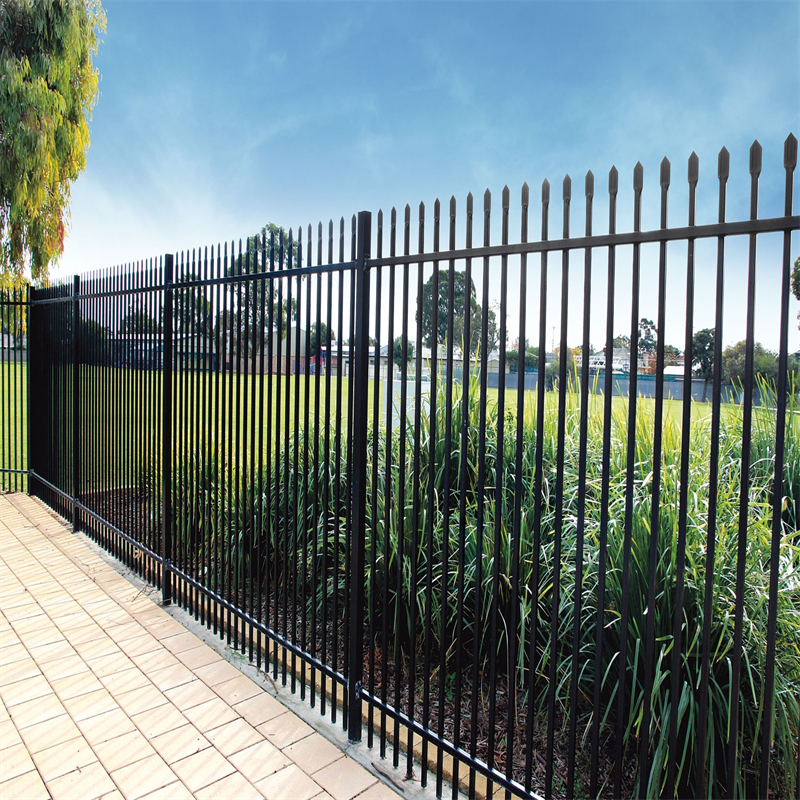
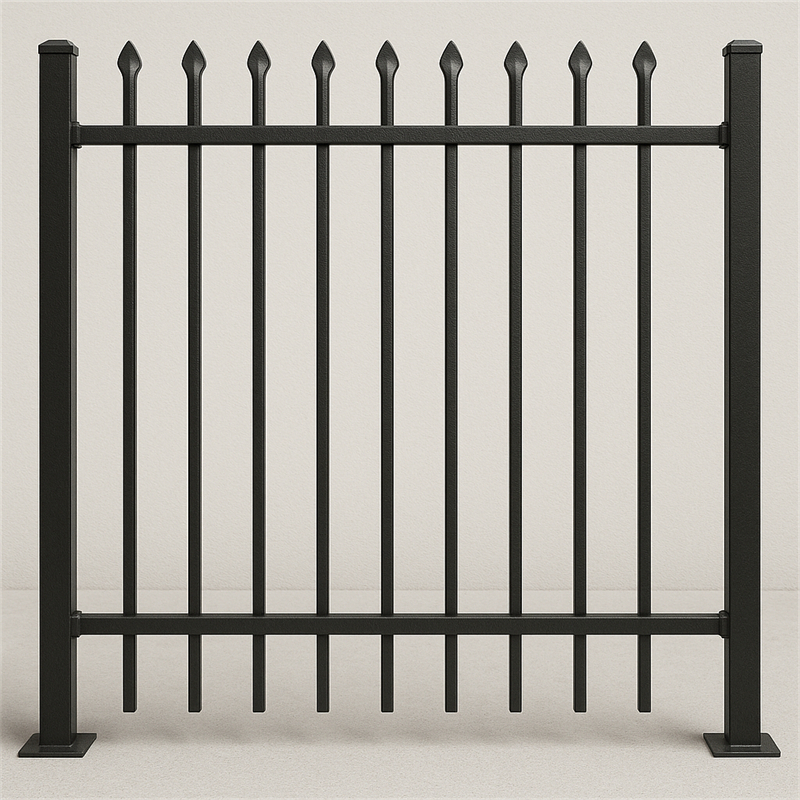
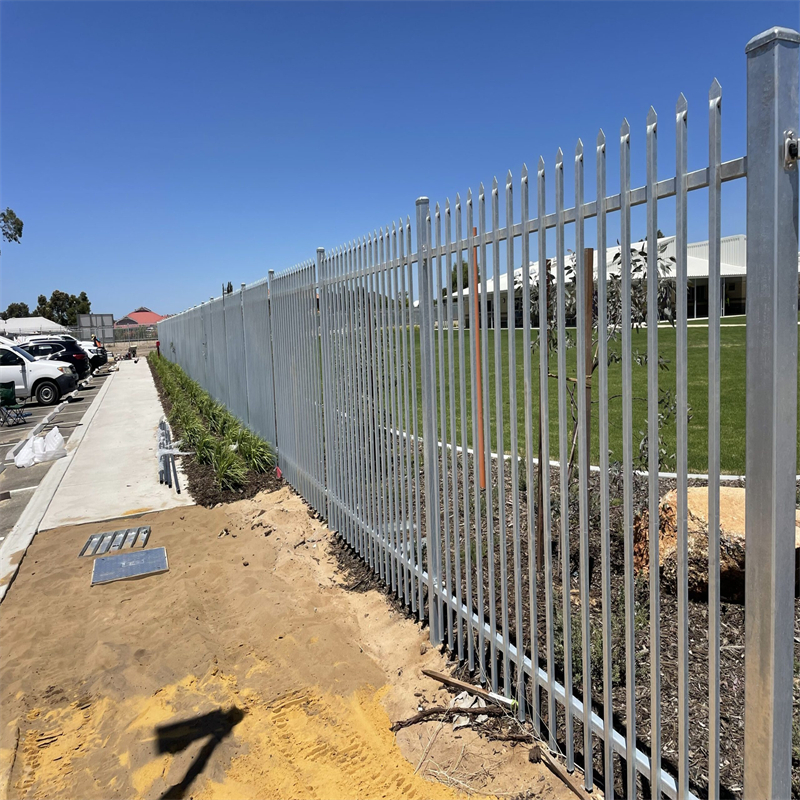
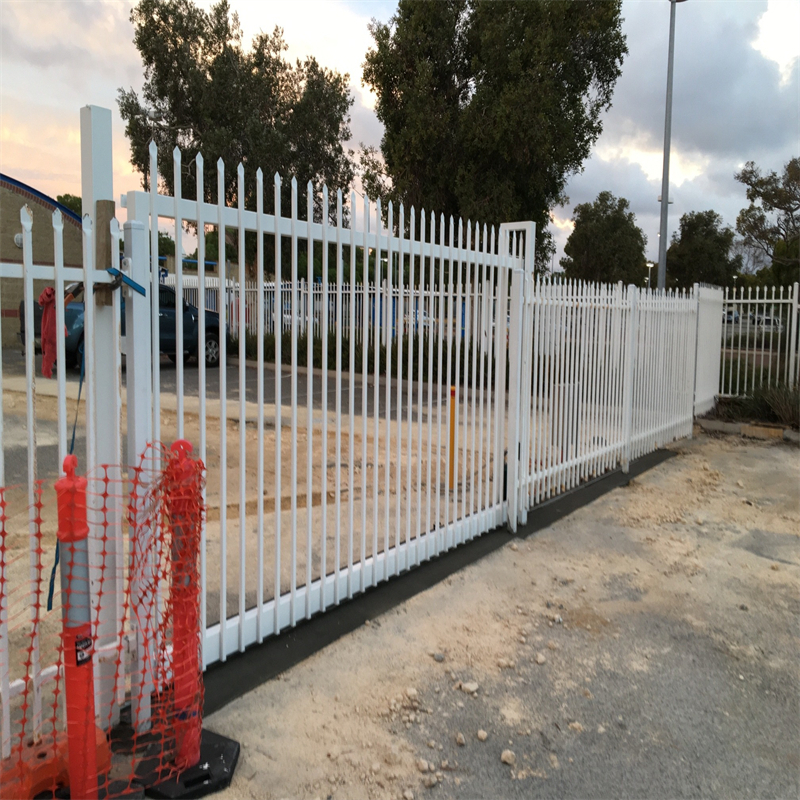
Top 15 brutal procurement traps for black garrison fencing (Especially #15)
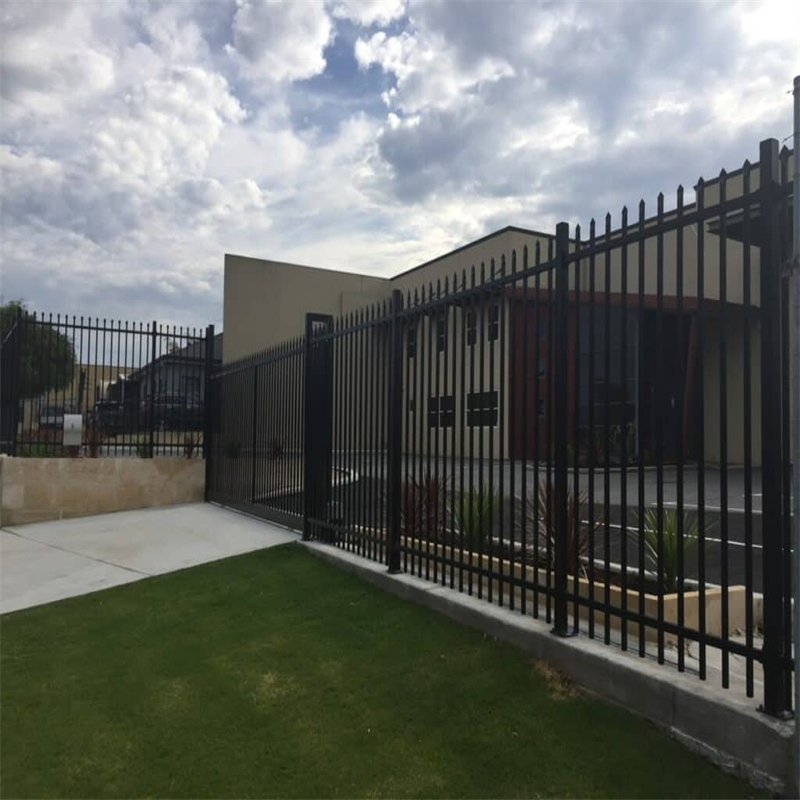
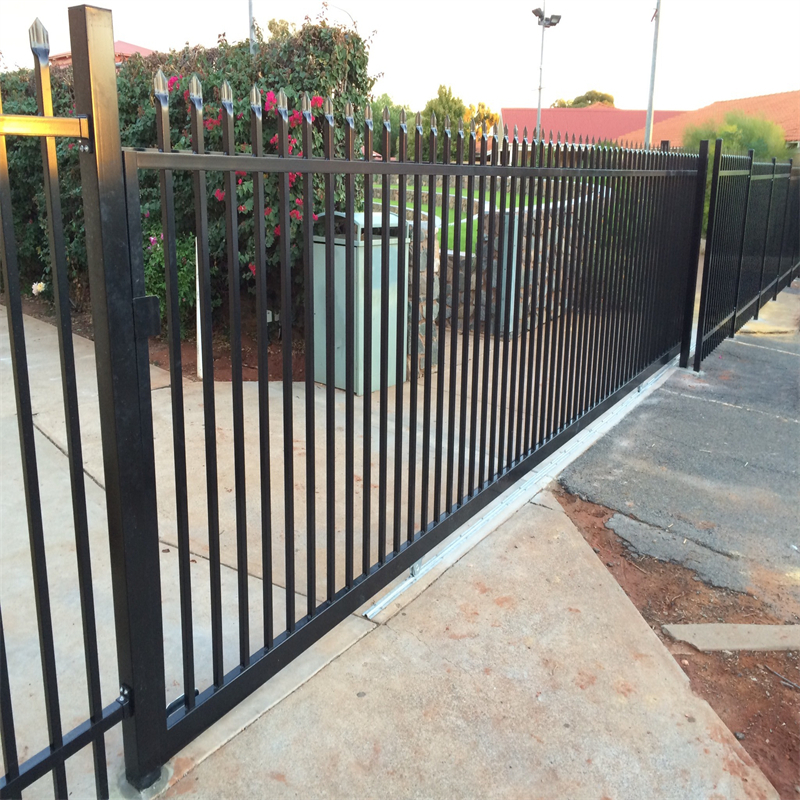
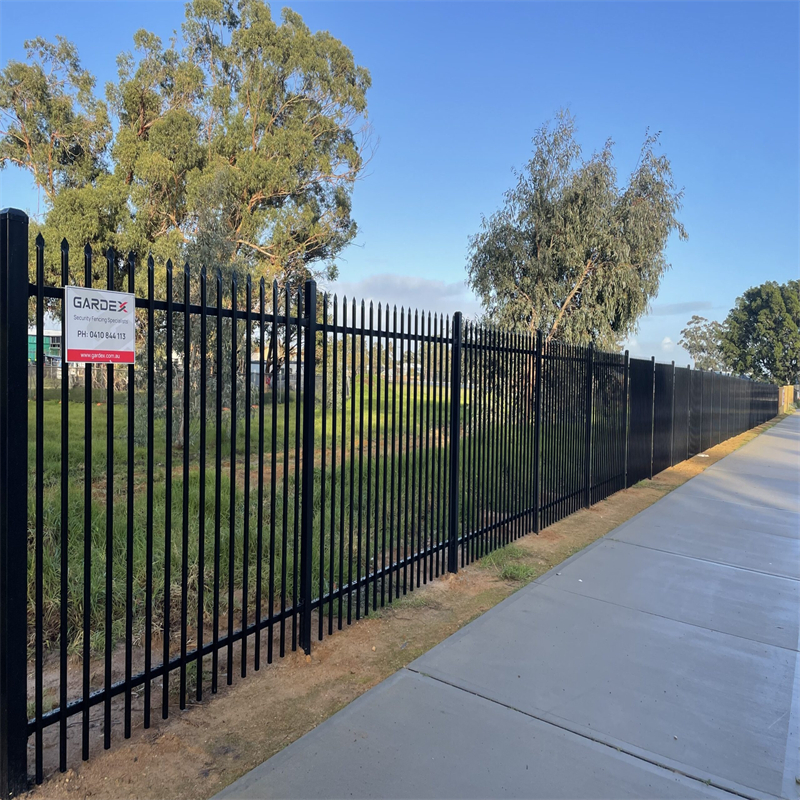

Trap #1: The “black finish” illusion
Black garrison fencing can look premium even when the steel structure is under-built. If buyers focus on color instead of rail frame size, upright thickness, and post options, they may receive panels that look correct on the pallet but behave poorly under handling, wind load, and installation forces.
Trap #2: Buying by panel height only (ignoring post selection)
Two projects can both specify “2400 mm fencing,” yet require totally different post choices due to wind exposure, ground conditions, bracket style, and gate loads. Without a locked post option schedule, suppliers may default to the cheapest post that still “stands up.”
Trap #3: Rail frame size chosen by habit, not by stiffness
Rail frame size changes stiffness dramatically. A black garrison fencing line that must stay straight across long runs needs a rail frame that resists twist during lifting, transport, and fixing. If rail size is not controlled, buyers often discover “breathing panels” during installation.
Trap #4: Upright tube size mismatch hidden by spacing
Some suppliers reduce upright tube size and compensate visually by tightening spacing. The fence can still “look dense,” but impact resistance and weld robustness can suffer, especially at spear tops and rail intersections.
Trap #5: Upright thickness quietly downgraded
Black garrison fencing buyers often compare only the outside tube dimensions. But wall thickness drives dent resistance, welding tolerance, and long-term rigidity. If thickness is not written into the PO, you may get a lighter wall than expected.
Trap #6: Rail thickness not aligned to weld heat and handling
Rails that are too thin may warp during welding or bend during forklift handling. This is a common hidden failure mode: the panel arrives “straight enough,” but once hung between posts, the line reveals waves and offsets.
Trap #7: Spacing defined loosely (“around 100 mm”) instead of as a controlled count
For black garrison fencing, spacing discipline is everything. If you specify only “about 100 mm,” suppliers can shift spacing across a batch. A better control is to lock the upright count and the target spacing relationship so every panel repeats the same geometry.
Trap #8: Spear profile treated as decoration, not as a safety and uniformity control
Crimped spear tops must be consistent in height and alignment. If spear forming varies, the top line looks “messy” and buyers may face complaints on high-visibility sites.
Trap #9: Brackets and fixings selected after the panel design
Panels, posts, brackets, and tamper-resistant fixings must be designed as a set. If bracket hole patterns and offset clearances are not locked early, installers may drill on site or force misalignment, risking coating damage and corrosion initiation points.
Trap #10: Galvanizing assumptions (pre-galv vs hot dip) not stated clearly
Different galvanizing approaches produce different edge behaviors and repair requirements at cut points and welds. If the finish system is not explicitly defined (including how weld zones are protected), black garrison fencing can fail visually first at the most visible locations.
Trap #11: Powder coat thickness stated but not tied to preparation discipline
A coating thickness number alone is not enough. Surface preparation, cleaning, pretreatment, cure control, and touch-up method determine whether the black finish remains uniform or starts showing early wear and edge breakdown.
Trap #12: Corner posts and gate posts treated as “same as line posts”
Corners and gates concentrate load and installation stress. If corner posts are not upgraded appropriately, the entire run can look correct until the first heavy gate cycle starts pulling the geometry out of line.
Trap #13: Packing that protects zinc but destroys black powder
Black powder coated surfaces show rub marks and contact bruising much more than bright zinc. If your packing is not designed to prevent metal-on-metal abrasion, your “premium black finish” arrives with cosmetic damage that becomes a dispute.
Trap #14: Container loading assumptions not aligned with stillage design
When stillages are not engineered for panel geometry and gate components, suppliers may over-stack, bend corners, or create pressure points that chip powder coat at the most visible edges.
Trap #15: The final oversight—buying black garrison fencing without a measurable schedule
The biggest loss happens when buyers do not force a single controlled schedule that includes rail frame options, upright options, spacing counts, wall thickness ranges, post options, post heights, and finish build. Without that schedule, any quote is just a photo promise—and every “small assumption” becomes a cost multiplier during installation.
Product description (POLYMETAL)
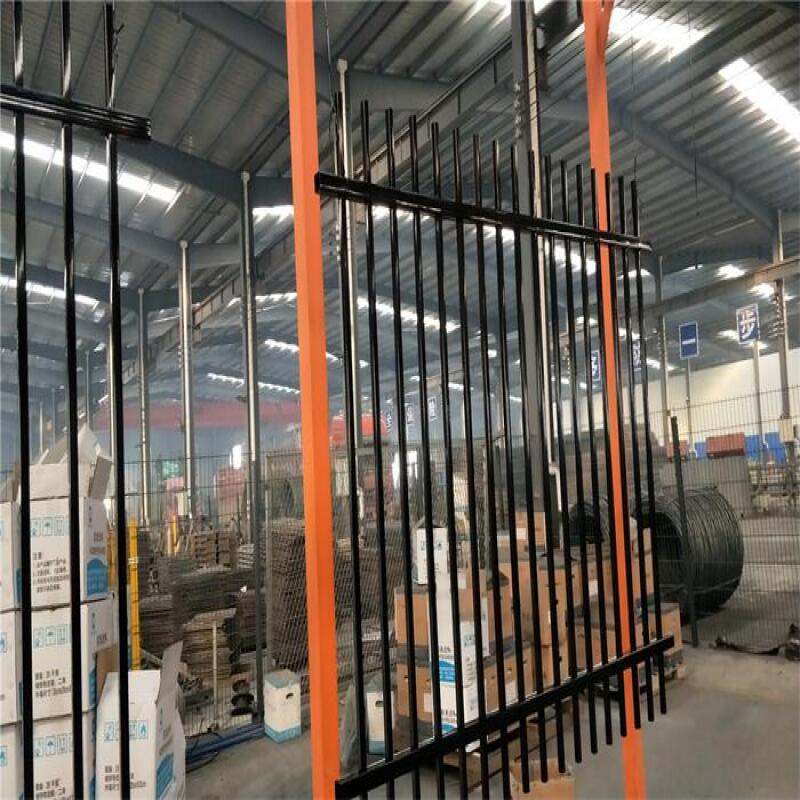
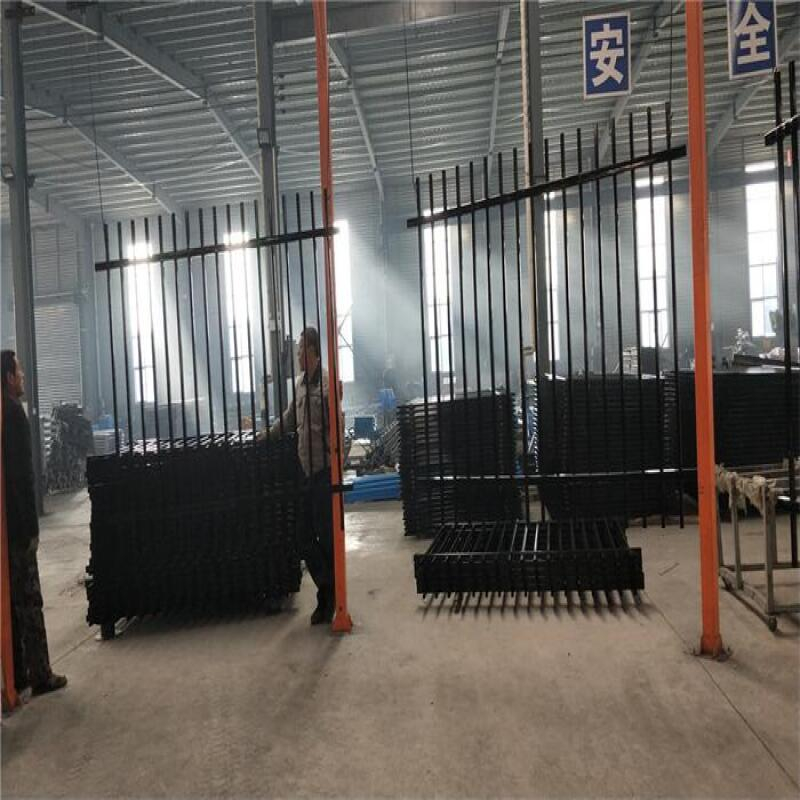
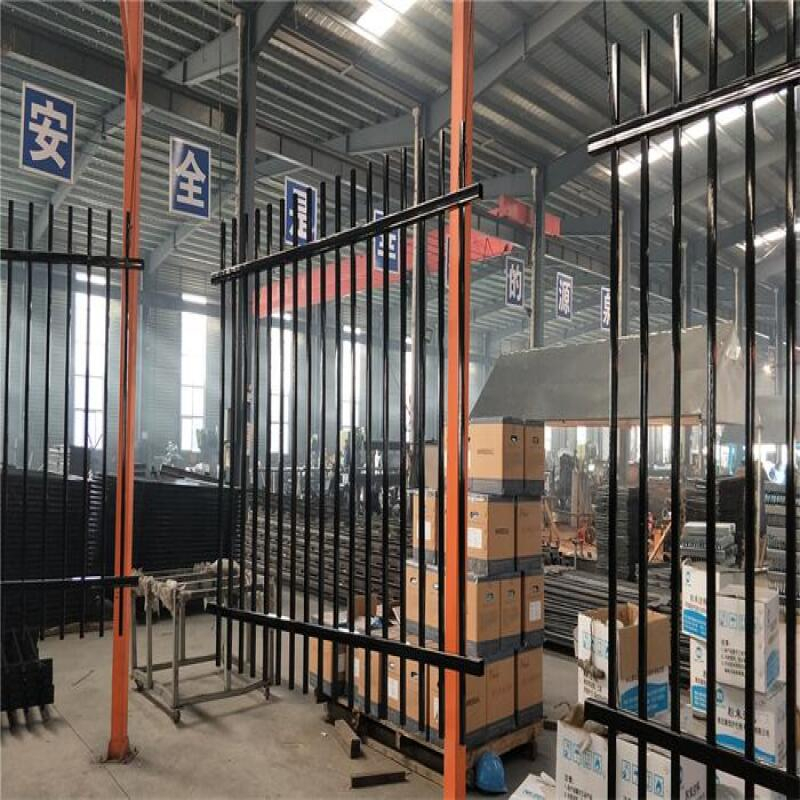
POLYMETAL black garrison fencing is a welded steel spear-top panel system engineered for clean architectural lines, repeatable installation, and consistent batch-to-batch geometry.
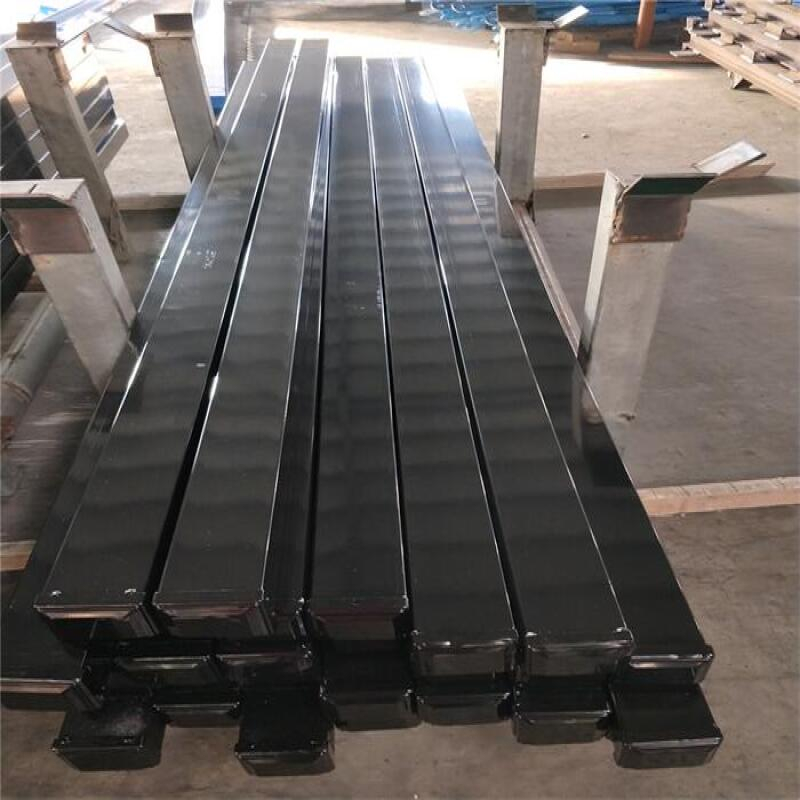
Each panel is produced from controlled rail frames and uprights, welded into a rigid module designed to stay straight across long runs.
The black appearance is achieved through a defined coating build over galvanized steel so the fence delivers both corrosion resistance and a stable, uniform satin black finish. By treating panels, posts, brackets, and finish as one integrated system, POLYMETAL black garrison fencing reduces site rework, improves alignment consistency, and minimizes cosmetic damage risk during handling, transport, and installation.
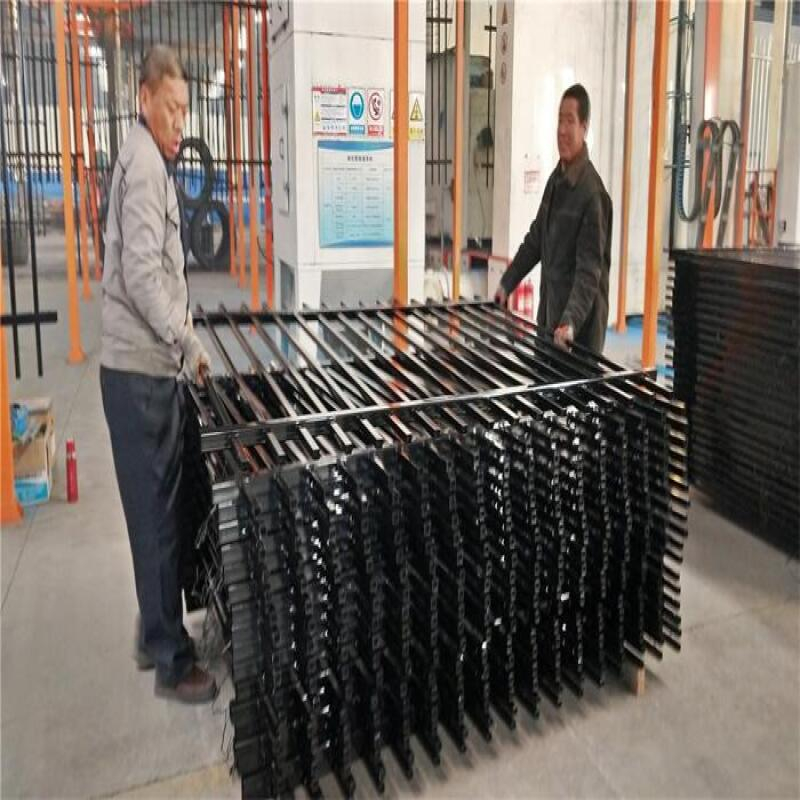
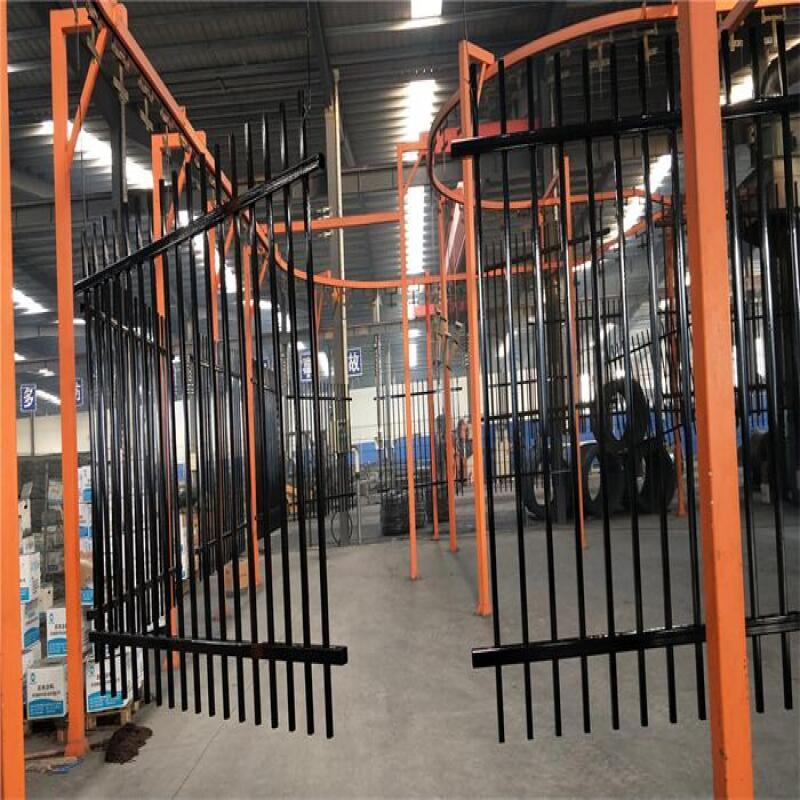
Specifications (black garrison fencing) – POLYMETAL schedule
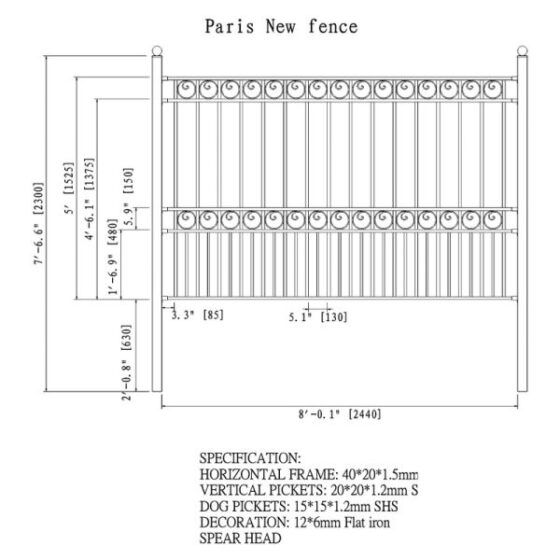
| Fence Height (mm) | Fence Width (mm) | Rail Frame (mm) | Rail Thickness (mm) | Upright (mm) | Upright Thickness (mm) | Upright Spacing (mm) | Upright Qty (pcs) | Fence Post Option (mm) | Post Wall Thickness (mm) | Fence Post Height (mm) | Finish |
|---|---|---|---|---|---|---|---|---|---|---|---|
| 1200 | 2400 | 40×40 | 1.60 | 25×25 | 0.80 | 115 | 16 | 60×60 | 1.60 | 1800 | Pre-galv 100g/m² + satin black powder ≥80μm |
| 1200 | 2450 | 45×45 | 2.00 | 30×30 | 1.00 | 108 | 17 | 65×65 | 2.00 | 1800 | Pre-galv 100g/m² + satin black powder ≥80μm |
| 1200 | 2400 | 50×50 | 2.50 | 16×16 | 1.20 | 100 | 18 | 75×75 | 2.50 | 1800 | Pre-galv 100g/m² + satin black powder ≥80μm |
| 1500 | 2400 | 40×40 | 2.00 | 25×25 | 1.00 | 115 | 16 | 65×65 | 1.60 | 2100 | Pre-galv 100g/m² + satin black powder ≥80μm |
| 1500 | 2450 | 45×45 | 2.50 | 30×30 | 1.20 | 108 | 17 | 75×75 | 2.00 | 2100 | Pre-galv 100g/m² + satin black powder ≥80μm |
| 1500 | 2400 | 50×50 | 3.00 | 16×16 | 2.00 | 100 | 18 | 80×80 | 2.50 | 2100 | Pre-galv 100g/m² + satin black powder ≥80μm |
| 1800 | 2400 | 40×40 | 2.00 | 25×25 | 1.00 | 115 | 16 | 75×75 | 2.00 | 2400 | Pre-galv 100g/m² + satin black powder ≥80μm |
| 1800 | 2450 | 45×45 | 2.50 | 30×30 | 1.20 | 108 | 17 | 80×80 | 2.50 | 2400 | Pre-galv 100g/m² + satin black powder ≥80μm |
| 1800 | 2400 | 50×50 | 3.00 | 16×16 | 2.00 | 100 | 18 | 100×100 | 2.50 | 2400 | Pre-galv 100g/m² + satin black powder ≥80μm |
| 2100 | 2400 | 40×40 | 2.50 | 25×25 | 1.20 | 115 | 16 | 80×80 | 2.00 | 2700 | Pre-galv 100g/m² + satin black powder ≥80μm |
| 2100 | 2450 | 45×45 | 2.50 | 30×30 | 2.00 | 108 | 17 | 100×100 | 2.50 | 2700 | Pre-galv 100g/m² + satin black powder ≥80μm |
| 2100 | 2400 | 50×50 | 3.00 | 16×16 | 2.00 | 100 | 18 | 75×75 | 2.50 | 2700 | Pre-galv 100g/m² + satin black powder ≥80μm |
| 2400 | 2400 | 40×40 | 2.50 | 25×25 | 2.00 | 115 | 16 | 100×100 | 2.50 | 3000 | Pre-galv 100g/m² + satin black powder ≥80μm |
| 2400 | 2450 | 45×45 | 3.00 | 30×30 | 2.00 | 108 | 17 | 80×80 | 2.50 | 3000 | Pre-galv 100g/m² + satin black powder ≥80μm |
| 2400 | 2400 | 50×50 | 3.00 | 16×16 | 2.00 | 100 | 18 | 75×75 | 2.50 | 3000 | Pre-galv 100g/m² + satin black powder ≥80μm |
Applications of black garrison fencing
Black garrison fencing is commonly used for industrial facilities, substations, logistics yards, warehouses, critical infrastructure corridors, public-facing security boundaries, schools and institutional perimeters, and commercial estates where a clean architectural appearance is required without sacrificing security signaling. It is also specified for internal secure zones, equipment compounds, and high-visibility frontage where straightness and uniform spear lines matter.
Benefits of black garrison fencing
A well-specified black garrison fencing system delivers predictable alignment, consistent panel geometry, and stronger visual discipline across long runs. The controlled rail frame and upright schedule improves stiffness during lifting and installation. The defined finish build improves corrosion resistance and reduces early cosmetic breakdown at common failure points. When posts, brackets, and panels are treated as one system, black garrison fencing installs faster, stays straighter, and reduces rework risk.
Packing
POLYMETAL packs black garrison fencing panels in metal stillages with separation and protective wrapping to reduce contact abrasion on the black powder coated surface. Gate kits and brackets are packed in reinforced cartons or bundled within stillage compartments to prevent rubbing, edge bruising, and transit deformation. Clear labeling by height, width, and post option supports faster unloading, staging, and on-site control.
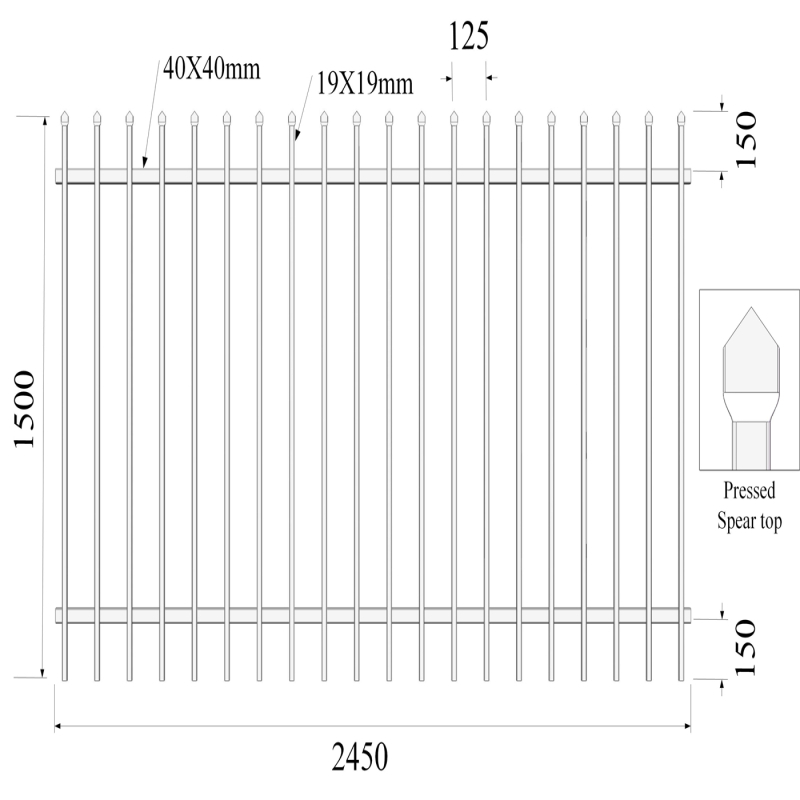
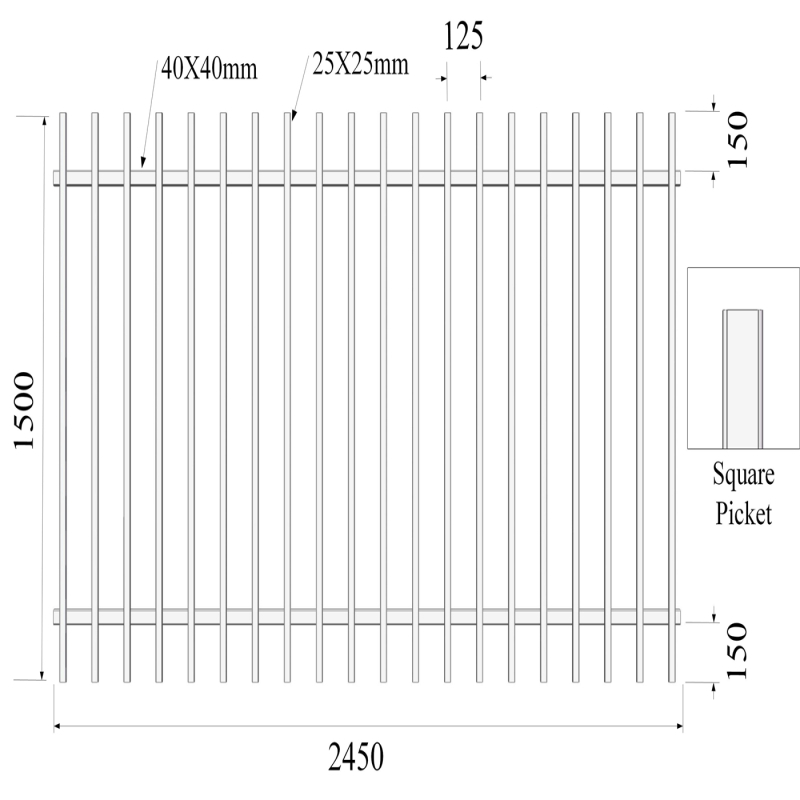
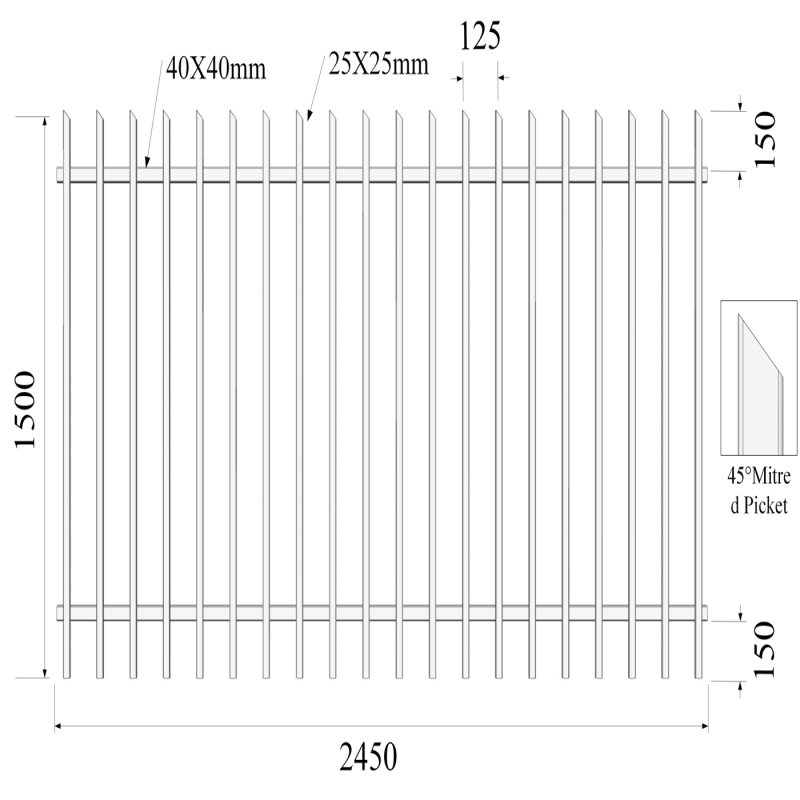
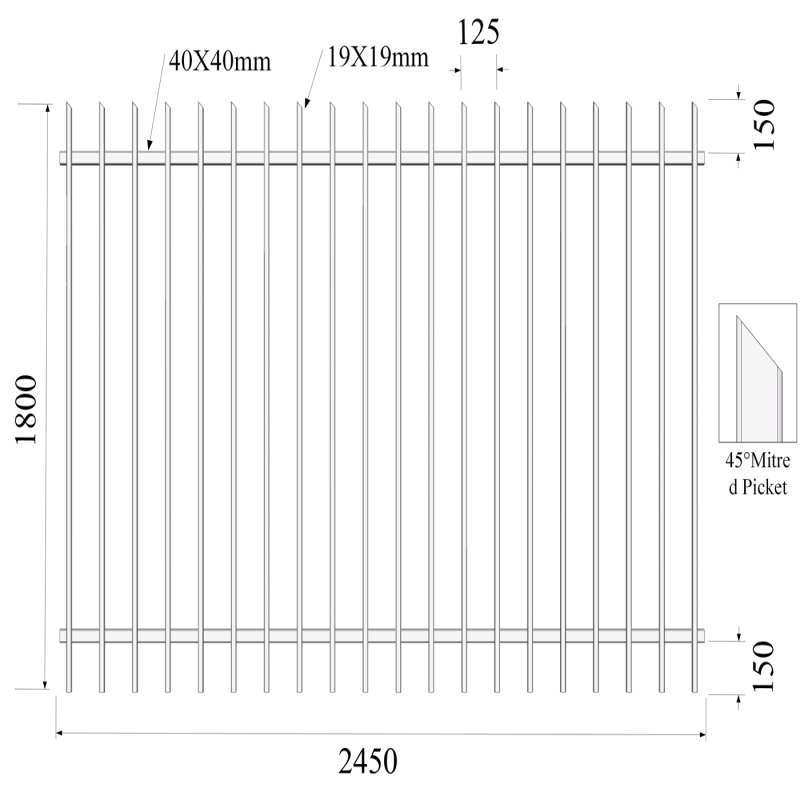
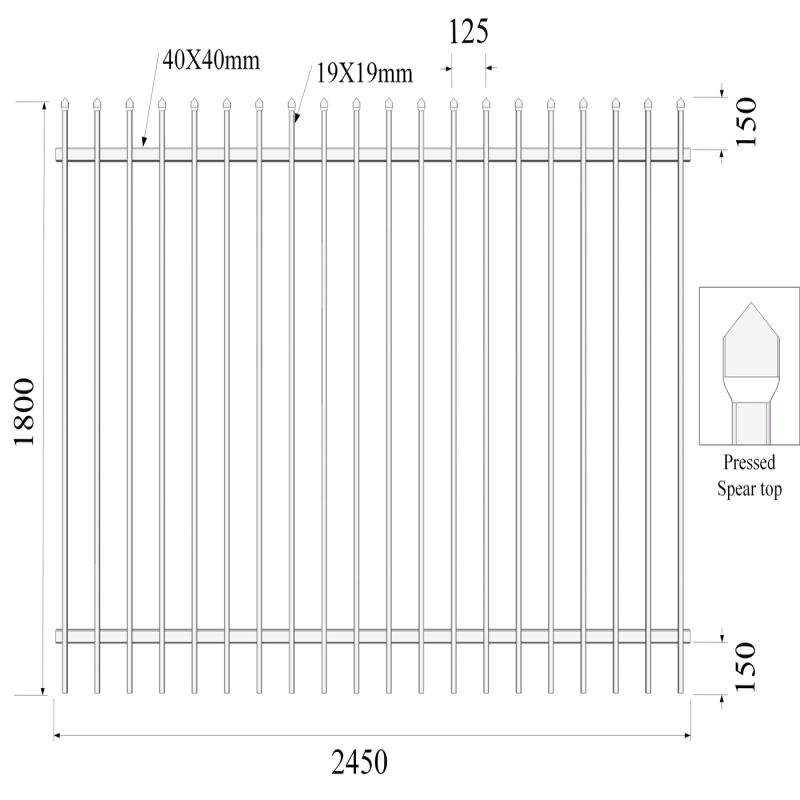
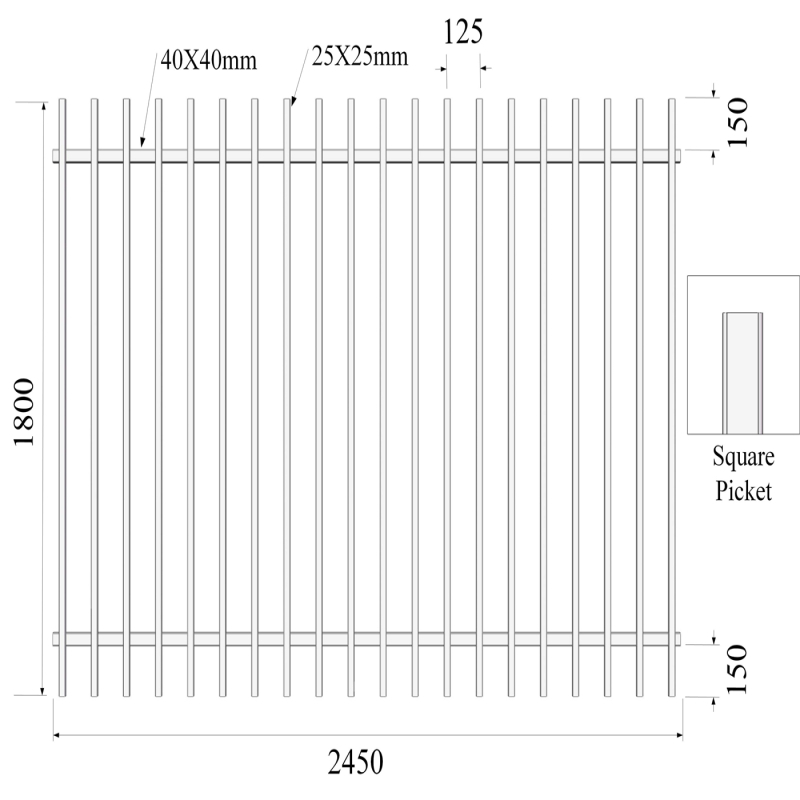
Standards
Black garrison fencing projects commonly reference steel and fabrication controls, as well as galvanizing and powder coating standards.
Where required by project documentation, buyers may align material and fabrication with relevant Australian standards and specify coating performance with recognized galvanizing and powder coating requirements.
To reduce disputes, the standard references should be written directly into the purchase order together with the measurable schedule used to manufacture the panels, posts, and gates.
FAQs
What is the most important control when purchasing black garrison fencing?
The most important control is a measurable schedule that locks rail frame size and thickness, upright size and thickness, upright count and spacing, post options and wall thickness, and finish build. Without that schedule, “black garrison fencing” becomes a photo promise instead of a controlled product.
How do I avoid visible waves and misalignment on long runs?
Use a consistent rail frame selection with appropriate thickness, lock upright count, and match post options to site conditions. Also ensure packing prevents panel twist and coating abrasion during transport.
Why do black fences show damage more than galvanized fences?
Black powder coating reveals rub marks and edge bruising more clearly than zinc finishes. Proper stillage packing, separation, and touch-up discipline reduce cosmetic damage risk.
Can I mix 2400mm and 2450mm panel widths in one project?
Yes, but only if the post center schedule and gate transitions are planned. Mixing widths without a layout plan can create bay misfits, bracket conflicts, and uneven visual rhythm.
What should I check before confirming production?
Confirm the final schedule for panel height and width, rail and upright sizes, spacing counts, post options and post heights, finish build, bracket style, packing method, and container loading assumptions.