Your One-Stop Wire Mesh Fence Supplier | POLYMETAL
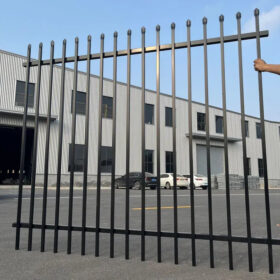
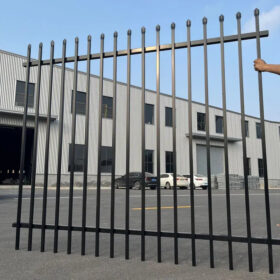
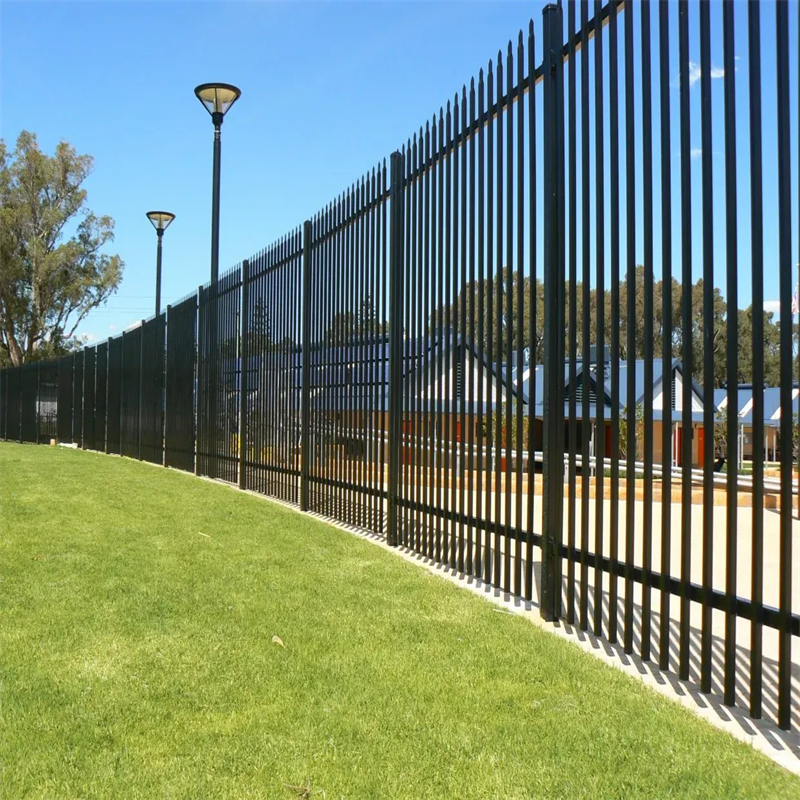
Black tubular steel fencing is chosen for clean architectural lines, strong perimeter control, and a professional “security feel” without the harsh look of chainwire. The hidden risk is that many systems look identical in photos, yet arrive with under-sized rail frames, thin wall thickness, inconsistent upright/picket density, weak weld fusion, or powder coating that scratches and chalks during normal handling. One wrong specification can turn a straight boundary into a wavy, noisy run that attracts complaints, triggers rejection, and forces rework when schedules are already tight. If you want a real-world reference point for the garrison-style market positioning and typical supply format, you can see this example of garrison fencing Australia for sale.

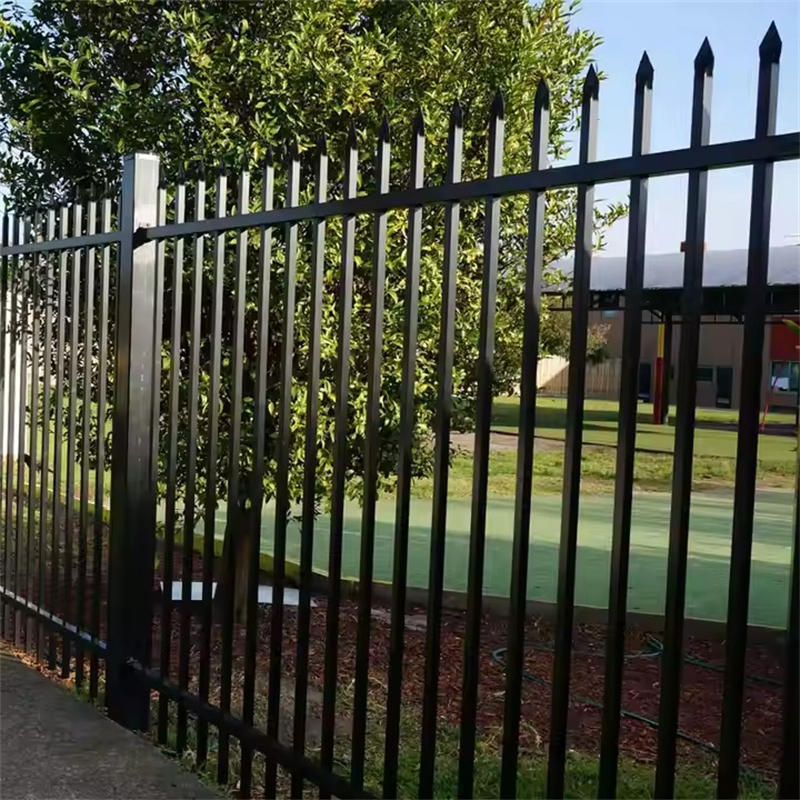
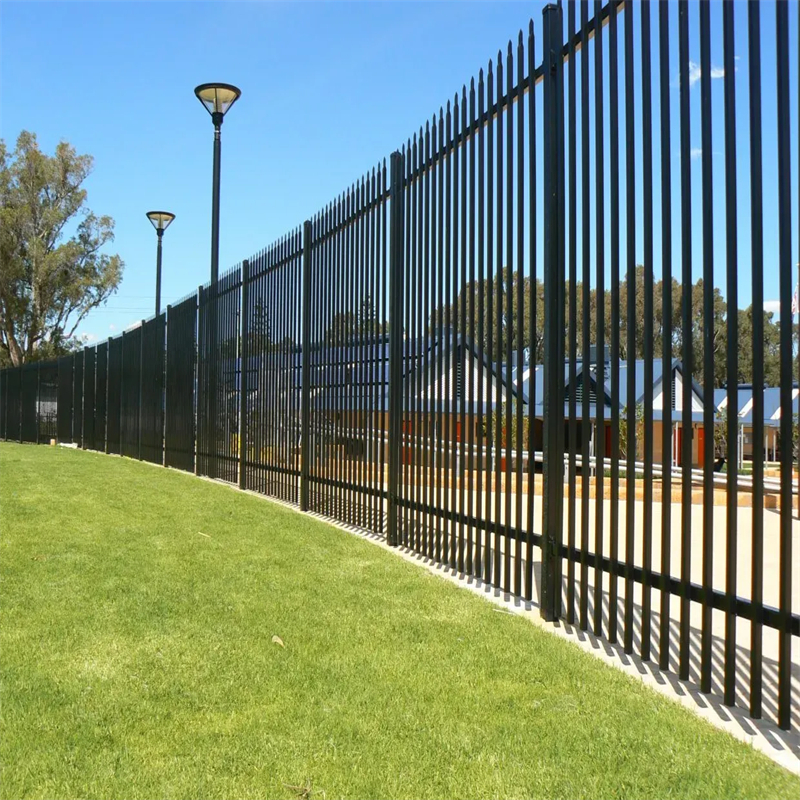

Brand Overview: POLYMETAL
POLYMETAL supplies black tubular steel fencing as a matched perimeter system—panel geometry, rail frame, upright profile, upright spacing plan, post pairing, and finish performance are controlled as one package. Instead of selling “panels only,” POLYMETAL locks the details that decide real-world outcomes: straight-line presentation, quiet joints, stable posts, consistent coating, and repeatable installation across long runs.
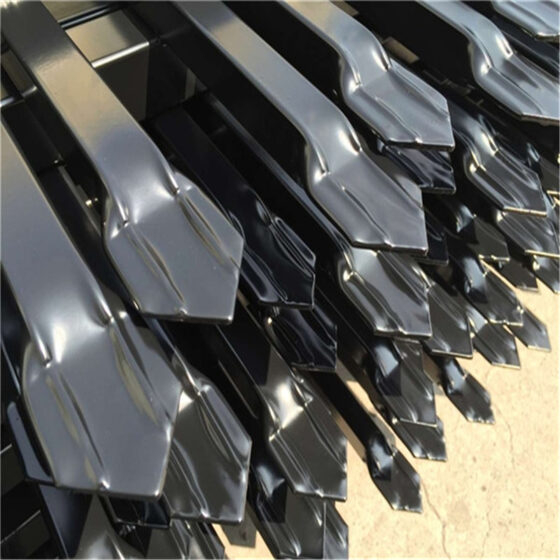
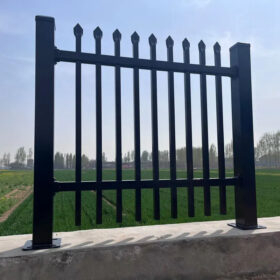
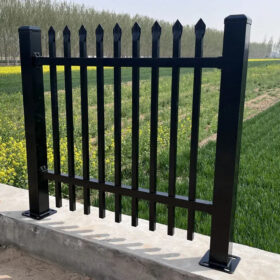
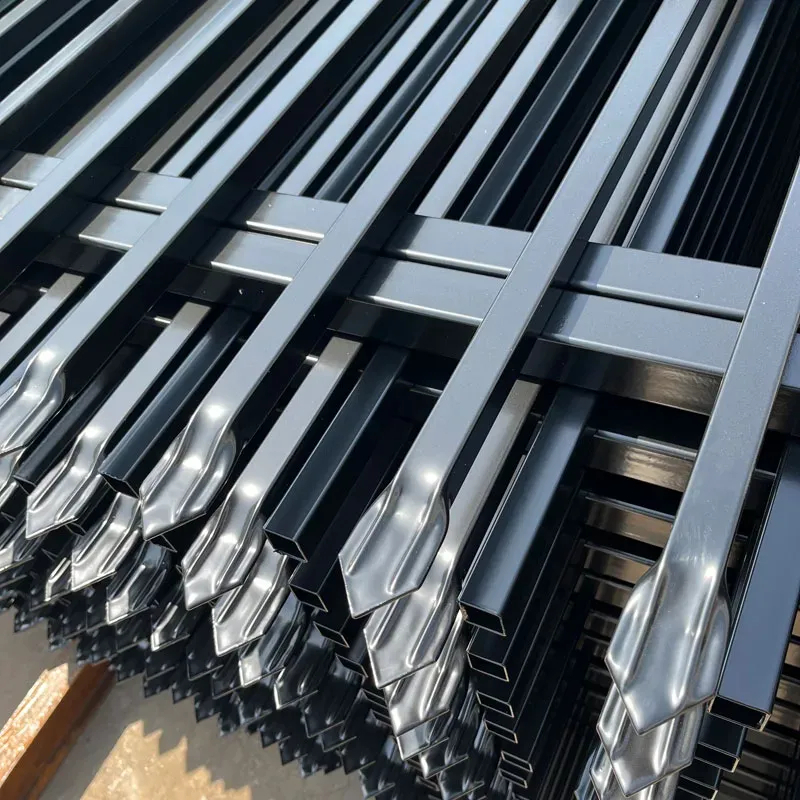
Visual Reference: Black Tubular Steel Fencing

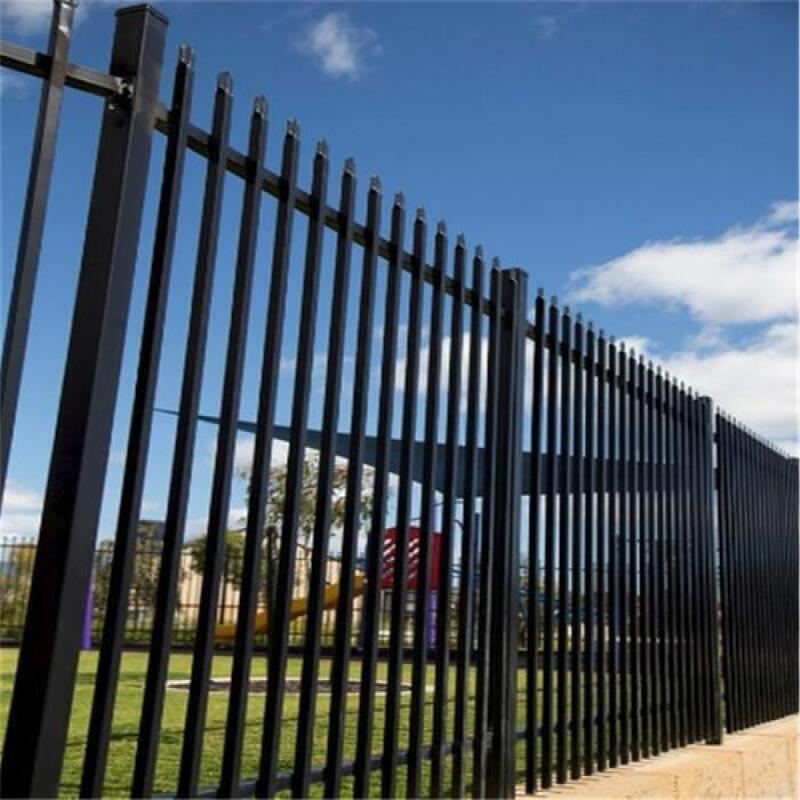
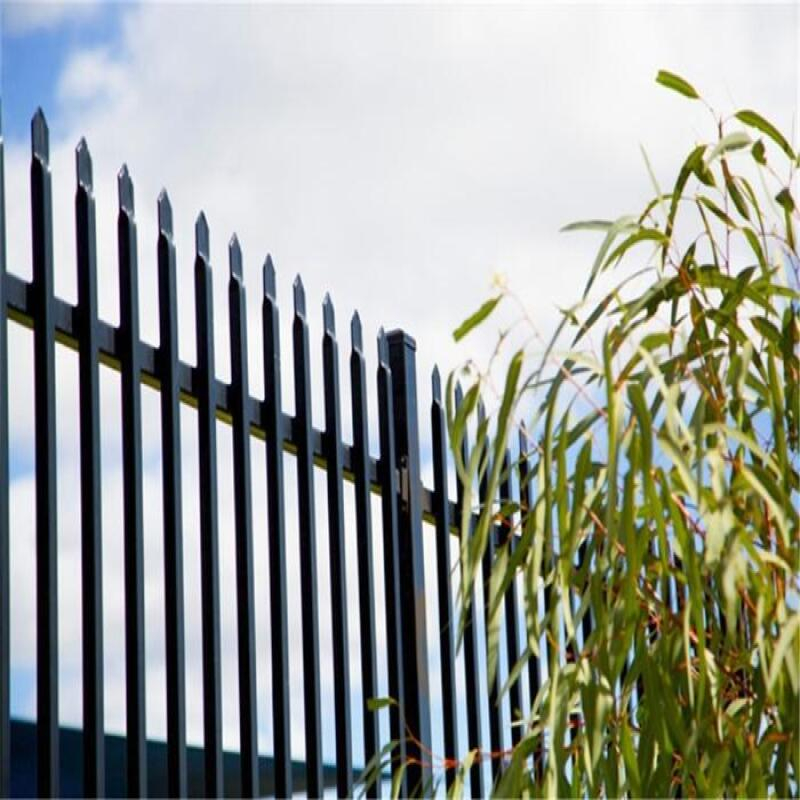
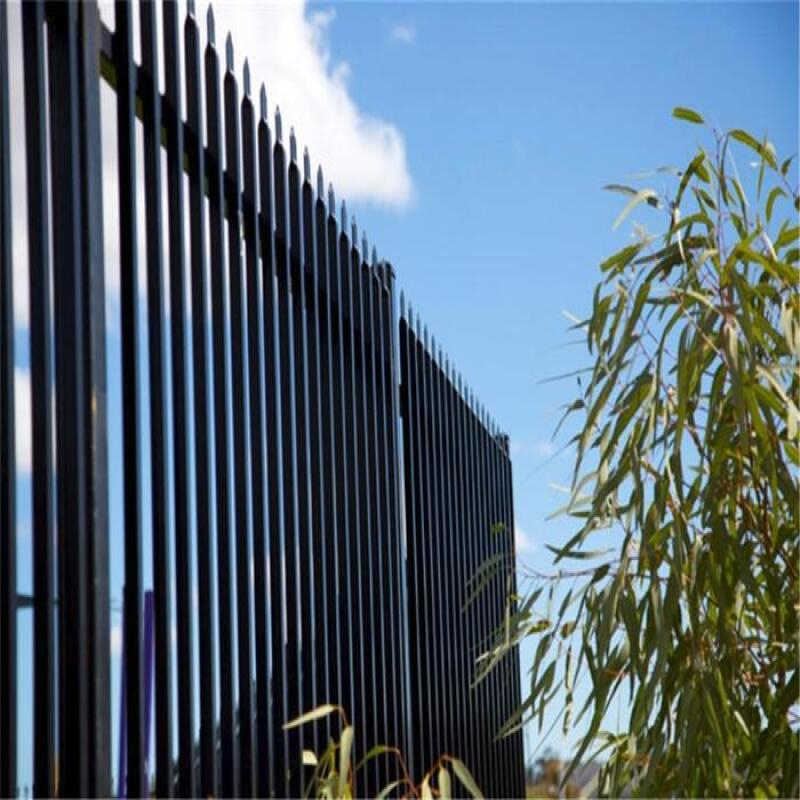
Product Description: POLYMETAL Black Tubular Steel Fencing
POLYMETAL black tubular steel fencing is designed for public-facing and higher-traffic boundaries such as villas, schools, parks, commercial properties, warehouses, industrial sites, and estate perimeters that require both security and presentation.
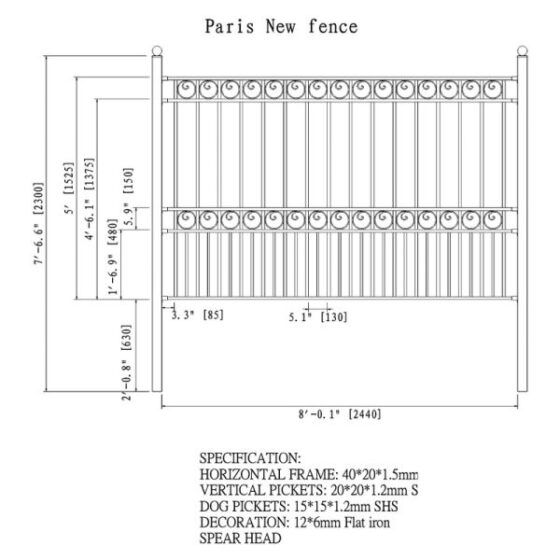
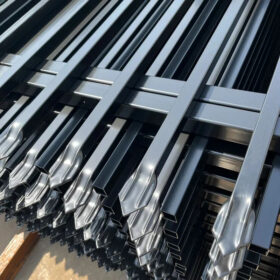
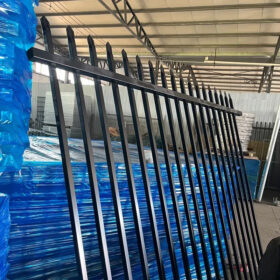
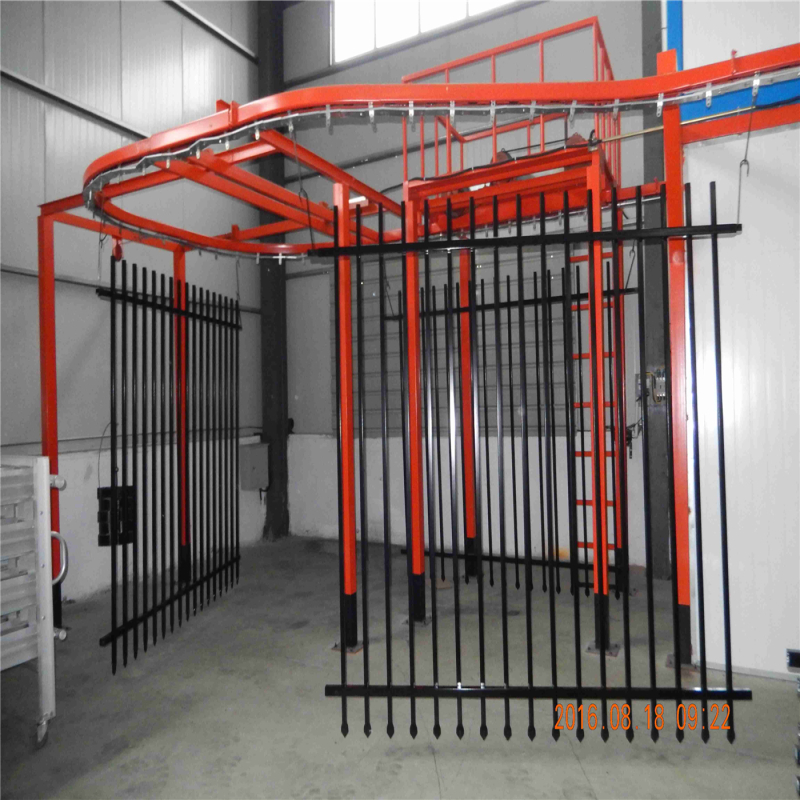
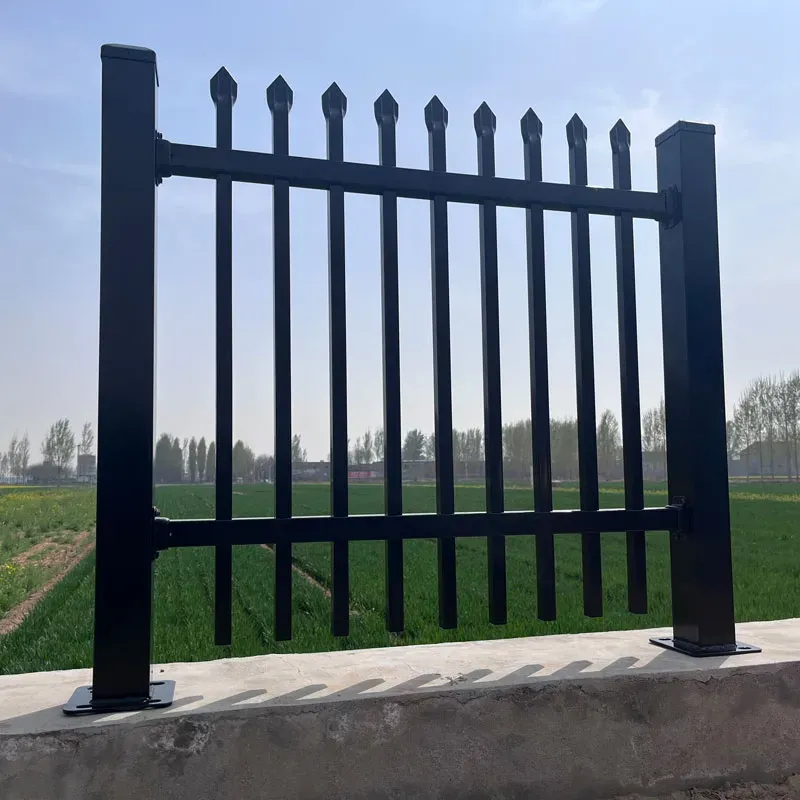
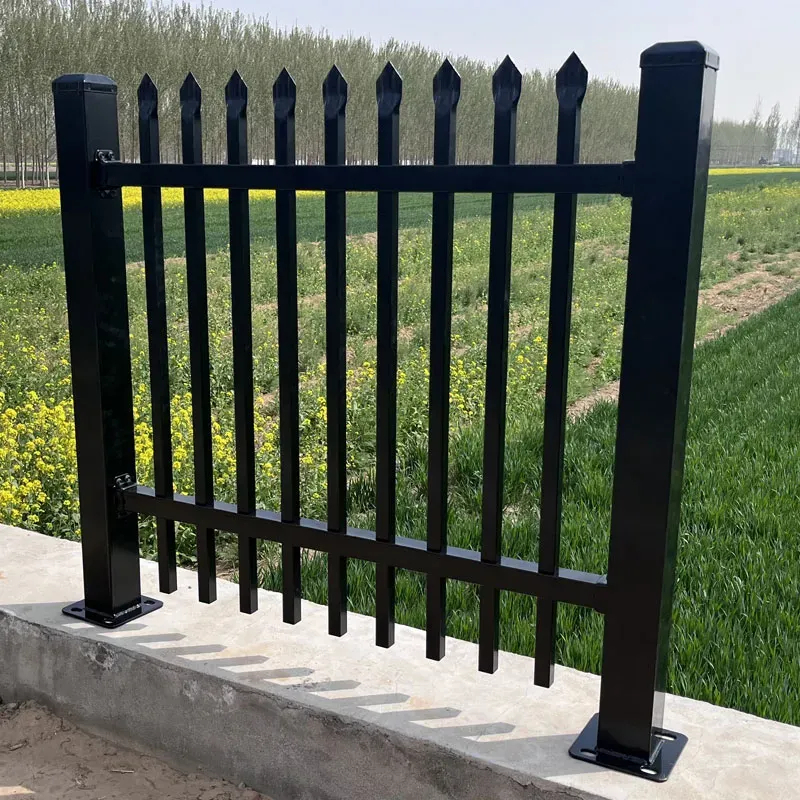
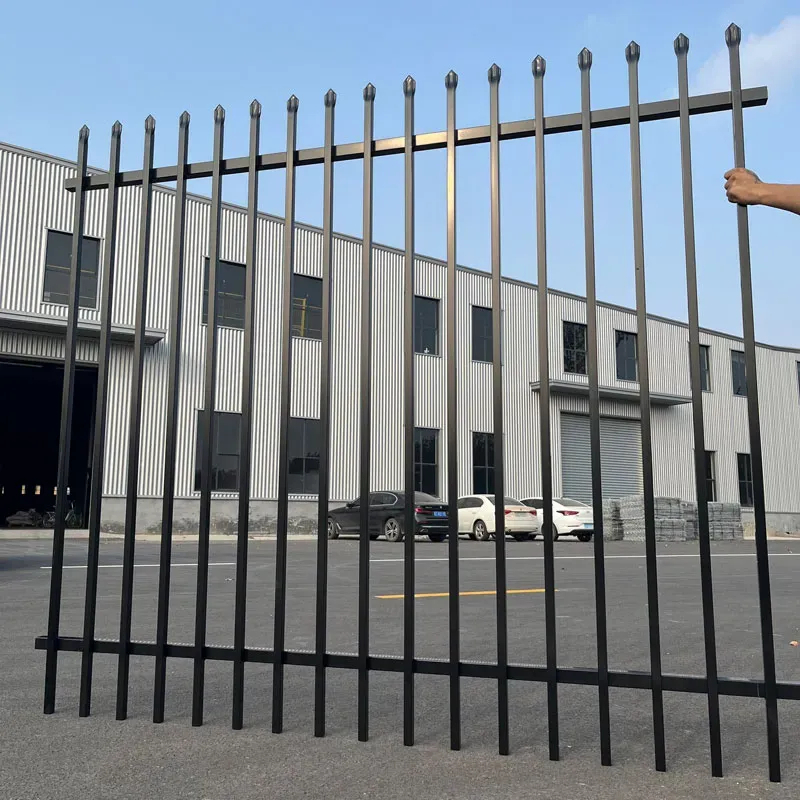
Panels are built from welded tubular rails and uprights to create a rigid, clean-lined fence face, then finished in black powder coating for long-term appearance retention and lower maintenance. The system is commonly supplied in 2400mm or 2450mm widths with fence heights of 1200mm, 1500mm, 1800mm, 2100mm, and 2400mm. Rail frames are selected to match the site’s abuse level and straight-line expectations—typically 40×40mm for lighter boundaries, 45×45mm for balanced performance, and 50×50mm for higher rigidity and reduced vibration.
Uprights are commonly configured as 16×16mm, 25×25mm, or 30×30mm profiles, and the fence’s “tightness” is controlled by upright count and spacing discipline. For stable installation, post options include 60×60mm, 65×65mm, 75×75mm, 80×80mm, and 100×100mm sections with 1.6mm, 2.0mm, or 2.5mm wall thickness, and posts are sized using the practical rule: post height equals panel height plus 600mm to support embedment and reduce leaning over time.

Specifications: Black Tubular Steel Fencing
Table 1: Core System Configurations (2400mm / 2450mm) — Common Project Builds
| Fence Height | Fence Width | Rail Frame | Rail Thickness | Upright | Upright Thickness | Upright No. | Spacing Target | Post Option | Post Wall | Post Height (Panel+600) |
|---|---|---|---|---|---|---|---|---|---|---|
| 1200mm | 2400mm | 40×40mm | 1.60mm | 16×16mm | 0.80mm | 16 pcs (~115mm) | 100mm | 60×60mm | 1.6mm | 1800mm |
| 1200mm | 2450mm | 45×45mm | 2.00mm | 25×25mm | 1.00mm | 17 pcs (~108mm) | 100mm | 65×65mm | 2.0mm | 1800mm |
| 1500mm | 2400mm | 40×40mm | 2.00mm | 25×25mm | 1.00mm | 18 pcs (~100mm) | 100mm | 65×65mm | 2.0mm | 2100mm |
| 1500mm | 2450mm | 45×45mm | 2.50mm | 25×25mm | 1.20mm | 18 pcs (~100mm) | 100mm | 75×75mm | 2.0mm | 2100mm |
| 1800mm | 2400mm | 45×45mm | 2.00mm | 25×25mm | 1.20mm | 17 pcs (~108mm) | 100mm | 75×75mm | 2.0mm | 2400mm |
| 1800mm | 2450mm | 45×45mm | 2.50mm | 25×25mm | 1.20mm | 18 pcs (~100mm) | 100mm | 80×80mm | 2.0mm | 2400mm |
| 1800mm | 2450mm | 50×50mm | 2.50mm | 30×30mm | 2.00mm | 18 pcs (~100mm) | 100mm | 80×80mm | 2.5mm | 2400mm |
| 2100mm | 2400mm | 45×45mm | 2.50mm | 25×25mm | 1.20mm | 18 pcs (~100mm) | 100mm | 80×80mm | 2.0mm | 2700mm |
| 2100mm | 2450mm | 50×50mm | 2.50mm | 30×30mm | 2.00mm | 18 pcs (~100mm) | 100mm | 100×100mm | 2.0mm | 2700mm |
| 2400mm | 2450mm | 50×50mm | 3.00mm | 30×30mm | 2.00mm | 18 pcs (~100mm) | 100mm | 100×100mm | 2.5mm | 3000mm |
Table 2: Rail Frame & Thickness Black Tubular Steel Fencing
| Fence Height | Fence Width | Rail Frame | Rail Thickness | Upright | Upright Thickness | Upright No. | Spacing Target | Post Option | Post Wall | Post Height (Panel+600) |
|---|---|---|---|---|---|---|---|---|---|---|
| 1200mm | 2400mm | 40×40mm | 1.60mm | 16×16mm | 1.00mm | 18 pcs (~100mm) | 100mm | 60×60mm | 1.6mm | 1800mm |
| 1200mm | 2450mm | 45×45mm | 2.00mm | 25×25mm | 1.00mm | 18 pcs (~100mm) | 100mm | 65×65mm | 2.0mm | 1800mm |
| 1500mm | 2400mm | 40×40mm | 2.00mm | 25×25mm | 1.20mm | 17 pcs (~108mm) | 100mm | 65×65mm | 2.0mm | 2100mm |
| 1500mm | 2450mm | 45×45mm | 2.50mm | 25×25mm | 1.20mm | 17 pcs (~108mm) | 100mm | 75×75mm | 2.0mm | 2100mm |
| 1800mm | 2400mm | 45×45mm | 2.00mm | 25×25mm | 1.20mm | 16 pcs (~115mm) | 100mm | 75×75mm | 2.0mm | 2400mm |
| 1800mm | 2450mm | 45×45mm | 2.50mm | 25×25mm | 1.20mm | 18 pcs (~100mm) | 100mm | 80×80mm | 2.0mm | 2400mm |
| 1800mm | 2450mm | 50×50mm | 2.50mm | 30×30mm | 2.00mm | 18 pcs (~100mm) | 100mm | 80×80mm | 2.5mm | 2400mm |
| 2100mm | 2400mm | 50×50mm | 2.50mm | 30×30mm | 2.00mm | 18 pcs (~100mm) | 100mm | 100×100mm | 2.0mm | 2700mm |
| 2100mm | 2450mm | 50×50mm | 3.00mm | 30×30mm | 2.00mm | 18 pcs (~100mm) | 100mm | 100×100mm | 2.5mm | 2700mm |
| 2400mm | 2450mm | 50×50mm | 3.00mm | 30×30mm | 2.00mm | 18 pcs (~100mm) | 100mm | 100×100mm | 2.5mm | 3000mm |
Table 3: Upright Density Control (16 / 17 / 18) — Look, Gap Discipline, and “Security Feel”
| Fence Height | Fence Width | Rail Frame | Rail Thickness | Upright | Upright Thickness | Upright No. | Spacing Target | Post Option | Post Wall | Post Height (Panel+600) |
|---|---|---|---|---|---|---|---|---|---|---|
| 1200mm | 2400mm | 40×40mm | 1.60mm | 16×16mm | 0.80mm | 16 pcs (~115mm) | 100mm | 60×60mm | 1.6mm | 1800mm |
| 1200mm | 2450mm | 45×45mm | 2.00mm | 16×16mm | 1.00mm | 17 pcs (~108mm) | 100mm | 65×65mm | 2.0mm | 1800mm |
| 1200mm | 2450mm | 45×45mm | 2.00mm | 25×25mm | 1.00mm | 18 pcs (~100mm) | 100mm | 65×65mm | 2.0mm | 1800mm |
| 1500mm | 2400mm | 40×40mm | 2.00mm | 25×25mm | 1.00mm | 16 pcs (~115mm) | 100mm | 65×65mm | 2.0mm | 2100mm |
| 1500mm | 2450mm | 45×45mm | 2.50mm | 25×25mm | 1.20mm | 17 pcs (~108mm) | 100mm | 75×75mm | 2.0mm | 2100mm |
| 1500mm | 2450mm | 45×45mm | 2.50mm | 25×25mm | 1.20mm | 18 pcs (~100mm) | 100mm | 80×80mm | 2.0mm | 2100mm |
| 1800mm | 2400mm | 45×45mm | 2.00mm | 25×25mm | 1.20mm | 16 pcs (~115mm) | 100mm | 75×75mm | 2.0mm | 2400mm |
| 1800mm | 2450mm | 45×45mm | 2.50mm | 25×25mm | 1.20mm | 17 pcs (~108mm) | 100mm | 80×80mm | 2.0mm | 2400mm |
| 1800mm | 2450mm | 50×50mm | 2.50mm | 30×30mm | 2.00mm | 18 pcs (~100mm) | 100mm | 80×80mm | 2.5mm | 2400mm |
| 2100mm | 2450mm | 50×50mm | 2.50mm | 30×30mm | 2.00mm | 18 pcs (~100mm) | 100mm | 100×100mm | 2.0mm | 2700mm |
Table 4: Post Pairing Map Black Tubular Steel Fencing
| Fence Height | Fence Width | Rail Frame | Rail Thickness | Upright | Upright Thickness | Upright No. | Spacing Target | Post Option | Post Wall | Post Height (Panel+600) |
|---|---|---|---|---|---|---|---|---|---|---|
| 1200mm | 2400mm | 40×40mm | 1.60mm | 16×16mm | 0.80mm | 16 pcs (~115mm) | 100mm | 60×60mm | 1.6mm | 1800mm |
| 1200mm | 2450mm | 45×45mm | 2.00mm | 25×25mm | 1.00mm | 17 pcs (~108mm) | 100mm | 65×65mm | 2.0mm | 1800mm |
| 1500mm | 2400mm | 40×40mm | 2.00mm | 25×25mm | 1.00mm | 18 pcs (~100mm) | 100mm | 65×65mm | 2.0mm | 2100mm |
| 1500mm | 2450mm | 45×45mm | 2.50mm | 25×25mm | 1.20mm | 18 pcs (~100mm) | 100mm | 75×75mm | 2.0mm | 2100mm |
| 1800mm | 2400mm | 45×45mm | 2.00mm | 25×25mm | 1.20mm | 17 pcs (~108mm) | 100mm | 75×75mm | 2.0mm | 2400mm |
| 1800mm | 2450mm | 45×45mm | 2.50mm | 25×25mm | 1.20mm | 18 pcs (~100mm) | 100mm | 80×80mm | 2.0mm | 2400mm |
| 1800mm | 2450mm | 50×50mm | 2.50mm | 30×30mm | 2.00mm | 18 pcs (~100mm) | 100mm | 80×80mm | 2.5mm | 2400mm |
| 2100mm | 2400mm | 45×45mm | 2.50mm | 25×25mm | 1.20mm | 18 pcs (~100mm) | 100mm | 80×80mm | 2.0mm | 2700mm |
| 2100mm | 2450mm | 50×50mm | 2.50mm | 30×30mm | 2.00mm | 18 pcs (~100mm) | 100mm | 100×100mm | 2.0mm | 2700mm |
| 2400mm | 2450mm | 50×50mm | 3.00mm | 30×30mm | 2.00mm | 18 pcs (~100mm) | 100mm | 100×100mm | 2.5mm | 3000mm |
Table 5: Black Finish & Delivery Control Black Tubular Steel Fencing
| Fence Height | Fence Width | Rail Frame | Rail Thickness | Upright | Upright Thickness | Upright No. | Spacing Target | Post Option | Post Wall | Post Height (Panel+600) | Finish | Powder Thickness Target |
|---|---|---|---|---|---|---|---|---|---|---|---|---|
| 1200mm | 2400mm | 40×40mm | 1.60mm | 16×16mm | 0.80mm | 16 pcs (~115mm) | 100mm | 60×60mm | 1.6mm | 1800mm | Galv + Black Powder | ≥80µm |
| 1200mm | 2450mm | 45×45mm | 2.00mm | 25×25mm | 1.00mm | 17 pcs (~108mm) | 100mm | 65×65mm | 2.0mm | 1800mm | Galv + Black Powder | ≥80µm |
| 1500mm | 2400mm | 40×40mm | 2.00mm | 25×25mm | 1.00mm | 18 pcs (~100mm) | 100mm | 65×65mm | 2.0mm | 2100mm | Galv + Black Powder | ≥80µm |
| 1500mm | 2450mm | 45×45mm | 2.50mm | 25×25mm | 1.20mm | 18 pcs (~100mm) | 100mm | 75×75mm | 2.0mm | 2100mm | Galv + Black Powder | ≥80µm |
| 1800mm | 2400mm | 45×45mm | 2.00mm | 25×25mm | 1.20mm | 17 pcs (~108mm) | 100mm | 75×75mm | 2.0mm | 2400mm | Galv + Black Powder | ≥80µm |
| 1800mm | 2450mm | 45×45mm | 2.50mm | 25×25mm | 1.20mm | 18 pcs (~100mm) | 100mm | 80×80mm | 2.0mm | 2400mm | Galv + Black Powder | ≥80µm |
| 1800mm | 2450mm | 50×50mm | 2.50mm | 30×30mm | 2.00mm | 18 pcs (~100mm) | 100mm | 80×80mm | 2.5mm | 2400mm | Galv + Black Powder | ≥80µm |
| 2100mm | 2400mm | 45×45mm | 2.50mm | 25×25mm | 1.20mm | 18 pcs (~100mm) | 100mm | 80×80mm | 2.0mm | 2700mm | Galv + Black Powder | ≥80µm |
| 2100mm | 2450mm | 50×50mm | 2.50mm | 30×30mm | 2.00mm | 18 pcs (~100mm) | 100mm | 100×100mm | 2.0mm | 2700mm | Galv + Black Powder | ≥80µm |
| 2400mm | 2450mm | 50×50mm | 3.00mm | 30×30mm | 2.00mm | 18 pcs (~100mm) | 100mm | 100×100mm | 2.5mm | 3000mm | Galv + Black Powder | ≥80µm |
Applications Black Tubular Steel Fencing
Black tubular steel fencing is commonly specified for villas, schools, parks, commercial frontages, warehouses, industrial properties, public facilities, and estate boundaries where appearance must remain clean while perimeter control stays firm.
It is also widely used where an “architectural black” finish is required for visual consistency across gates, posts, and panels.
Benefits Black Tubular Steel Fencing
- Straighter long runs: Correct rail frame and post pairing reduce “wave lines” over distance.
- Quieter joints: Stiffer rails and stable posts reduce rattle at fixing points.
- Better acceptance outcomes: Consistent upright spacing and flatness improve project presentation.
- Lower maintenance: Galvanizing plus black powder coating helps resist corrosion and visible aging.
- Security feel without hostility: Tubular design looks professional while discouraging intrusion.
Packing Black Tubular Steel Fencing
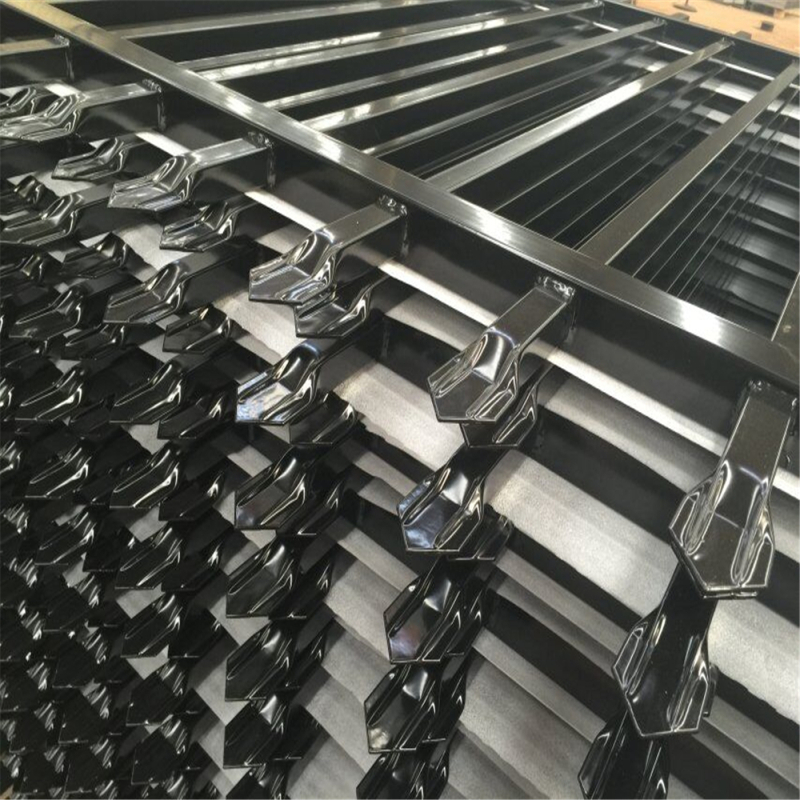
POLYMETAL packing is designed to protect finish quality and prevent transport damage that silently destroys fence appearance before installation. Panels are separated and wrapped to reduce rubbing, corner scuffing, and coating scratches.
Posts are bundled and protected to prevent impact dents, and accessories are packed as complete sets so installers do not lose time improvising missing parts on site—one of the fastest ways to create weak points and crooked lines.

Standard and Documents Black Tubular Steel Fencing
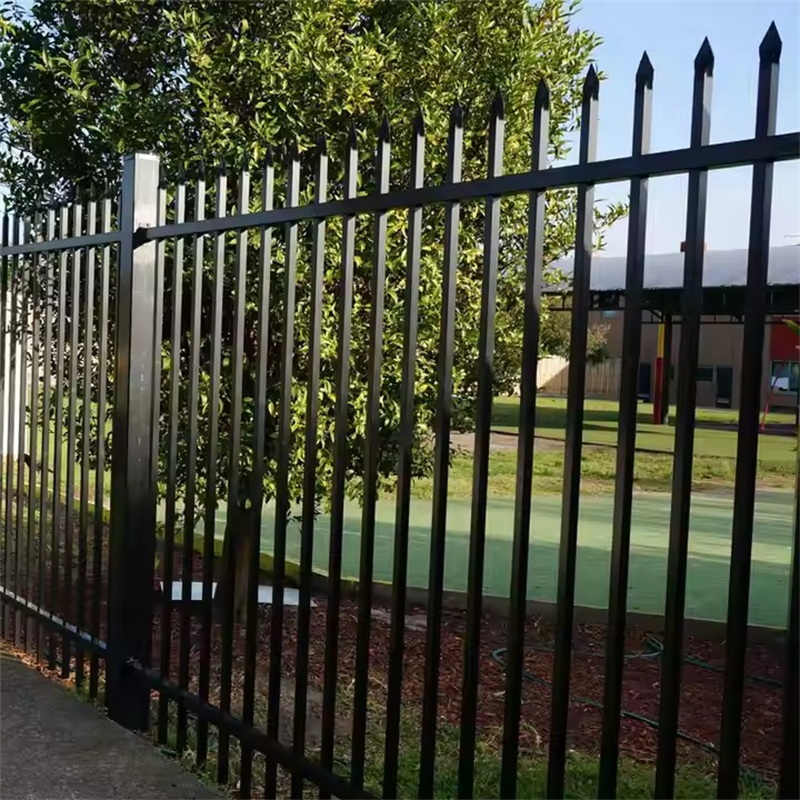
Finish performance is typically controlled through galvanized protection and powder coating aligned to project requirements, with a practical powder thickness target (commonly ≥80 microns) to improve scratch resistance and appearance retention.
After shipment, export documents can be supplied including packing list, commercial invoice, and bill of lading copy/draft (including telex release workflow where required).
For Australia deliveries, PKD (Packing Declaration 2016) and Certificate of Origin can be provided within 7 days after vessel departure.
Top 28 Pitfalls for Black Tubular Steel Fencing (Especially #21)
- Buying by “photo look” and ignoring rail thickness.
- Choosing 40×40 rails where 45×45 or 50×50 is required.
- Treating rail thickness as a “tiny detail” (it decides rigidity).
- Under-specifying upright thickness and getting permanent bends.
- Mixing 16×16, 25×25, and 30×30 uprights across one project.
- Calling it “100mm spacing” without locking upright count.
- Mixing 16/17/18 upright layouts and creating visible inconsistency.
- Ignoring panel squareness and creating a fence that never lines up.
- Buying posts as an afterthought and inviting drift.
- Using small posts on taller panels and getting rotation under load.
- Skipping post wall thickness control (thin walls twist at fixings).
- Ignoring the post height rule (panel height + 600mm) and causing leaning.
- Choosing 2400 vs 2450 widths without a set-out plan.
- Forgetting corners/end posts are load points.
- Ignoring weld stability because “it looks fine on the pallet.”
- Letting coating quality vary across batches and causing patchy black lines.
- Not controlling powder thickness and getting easy scratches.
- Skipping pretreatment and getting peeling at edges and welds.
- Allowing poor packaging that rubs the coating before install.
- Using weak fasteners that loosen and rattle over time.
- #21 The brutal loss: the fence arrives “beautiful,” then scratches/chalks during handling, fails presentation acceptance, and forces repainting or replacement—downtime, labour burn, and reputation damage follow fast.
- No spare parts pack—small missing items become stop-work events.
- Under-building gates and access points (the first failure zone).
- Ignoring ground variation and forcing panels into misalignment.
- Accepting “approx sizes” instead of controlled tolerances.
- Mixing post sizes in one run and creating a “snake line.”
- Buying panels only instead of a complete system plan.
- Chasing the lowest quote and paying the highest cost-per-year.
FAQs Black Tubular Steel Fencing
What sizes are common for black tubular steel fencing?
Common heights include 1200mm, 1500mm, 1800mm, 2100mm, and 2400mm, with typical widths of 2400mm or 2450mm.
Which rail frames are typically used?
40×40mm, 45×45mm, and 50×50mm are common; larger frames reduce flex and keep long runs straighter.
What upright counts are common?
16 pcs (~115mm), 17 pcs (~108mm), and 18 pcs (~100mm) are typical layouts depending on appearance and gap discipline targets.
What is the post height rule used in the tables?
Post height is commonly set as panel height + 600mm to support embedment depth and reduce leaning risk.
Why does “black finish control” matter so much?
Black shows scuffs, rub marks, and chalking faster than many colours; coating thickness, pretreatment, and packing decide whether the fence stays “acceptance-ready.”