Your One-Stop Wire Mesh Fence Supplier | POLYMETAL
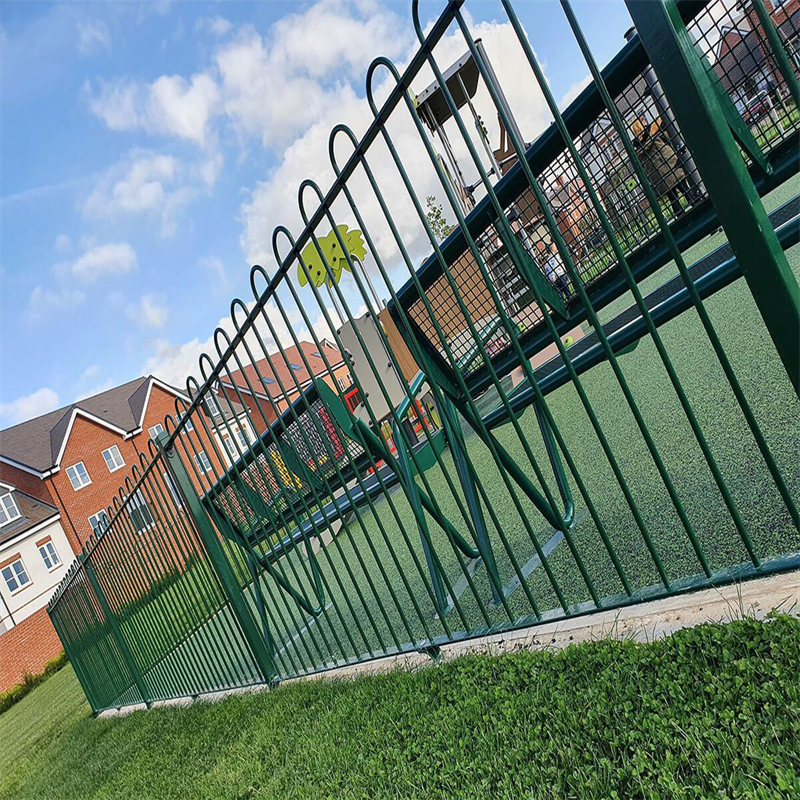
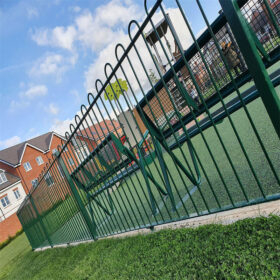
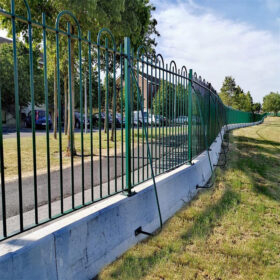
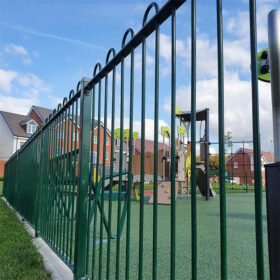
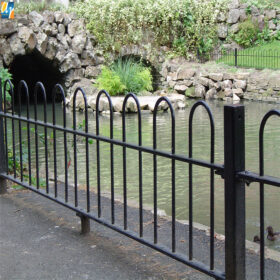
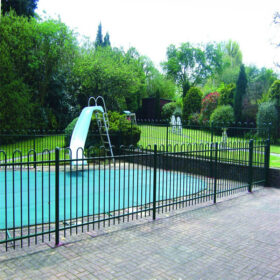
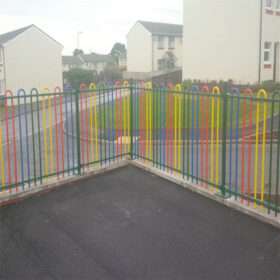
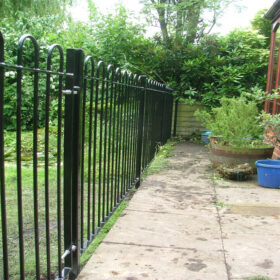
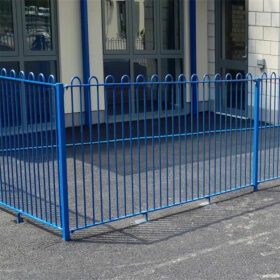
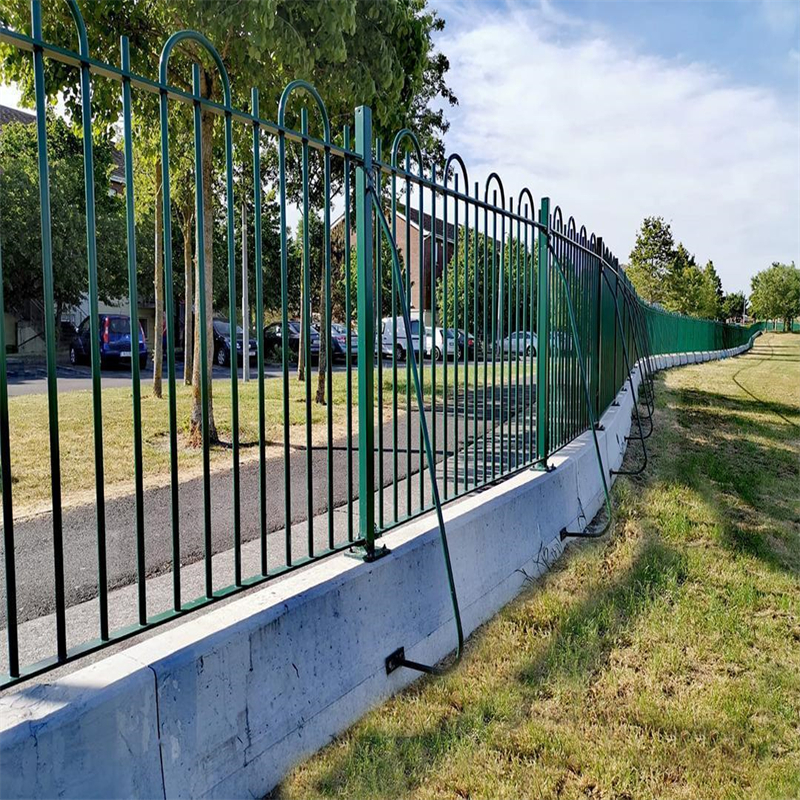
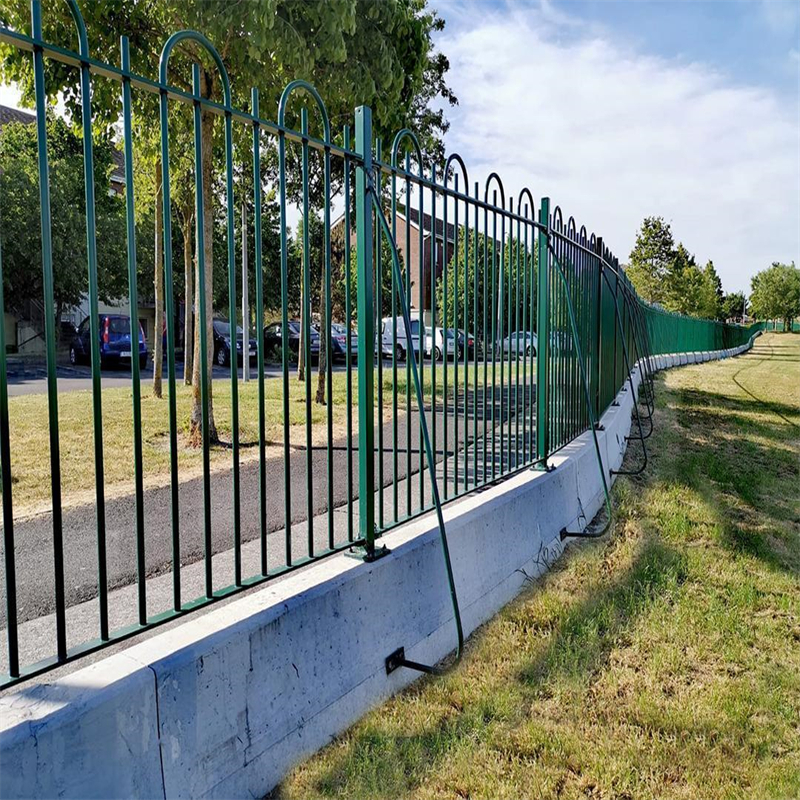
On real community and housing sites, Bow Top Steel Fencing is judged after delivery: straightness across long runs, whether the hoops line up bay-to-bay, how rigid the rails feel when panels are lifted and pinned, and whether coating damage shows first at welds, cut points, and fixing interfaces.
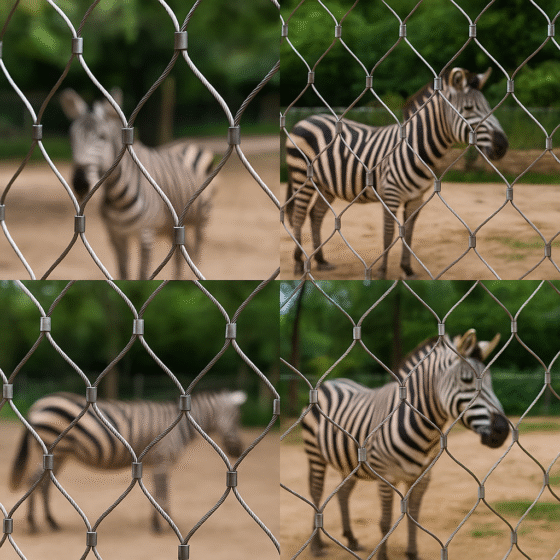
The costly surprise is that many suppliers sell Bow Top Steel Fencing as a “look,” not a controlled system—so the difference only shows up when installers chase wavy lines, tamper-proof fixings won’t seat cleanly, or corrosion begins where the public sees it first; for projects that also require a transparent, high-strength benchmark in adjacent safety zones, you can reference our stainless wire rope mesh specification to lock measurable build controls and eliminate “photo-only” procurement risk.
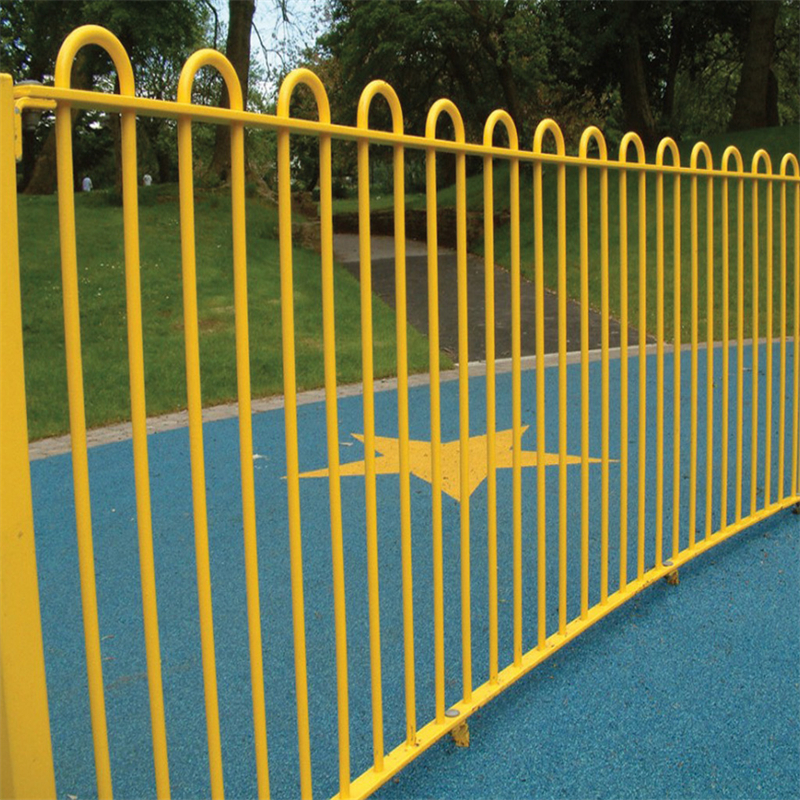
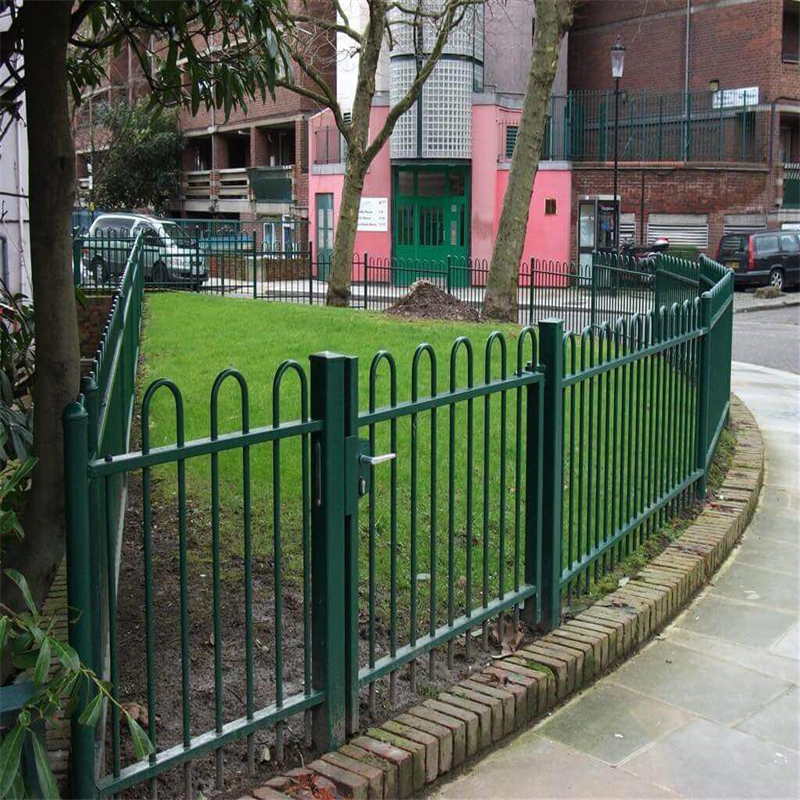
What Bow Top Steel Fencing is designed to do
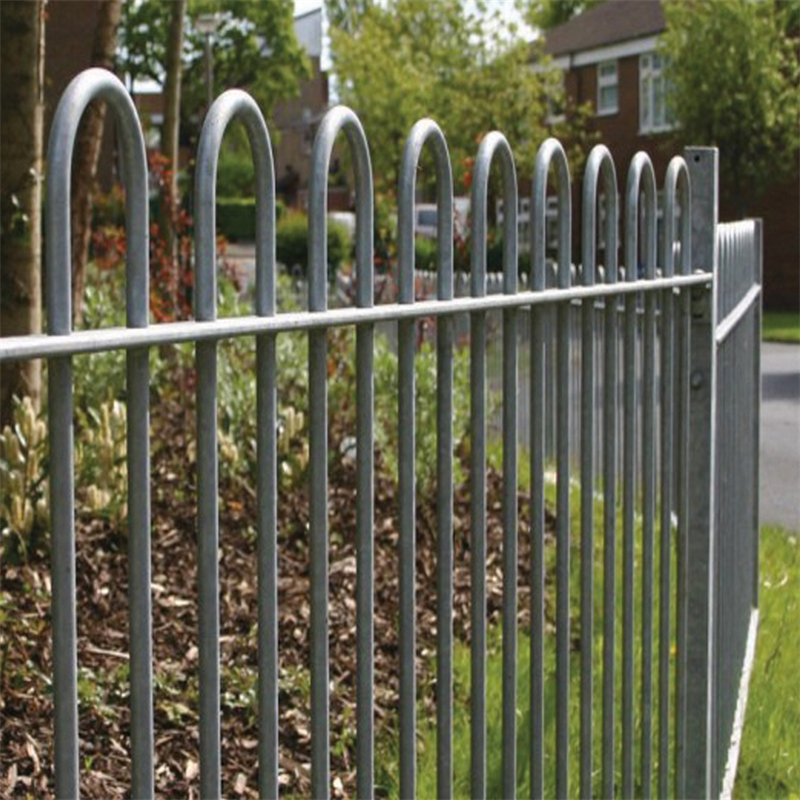
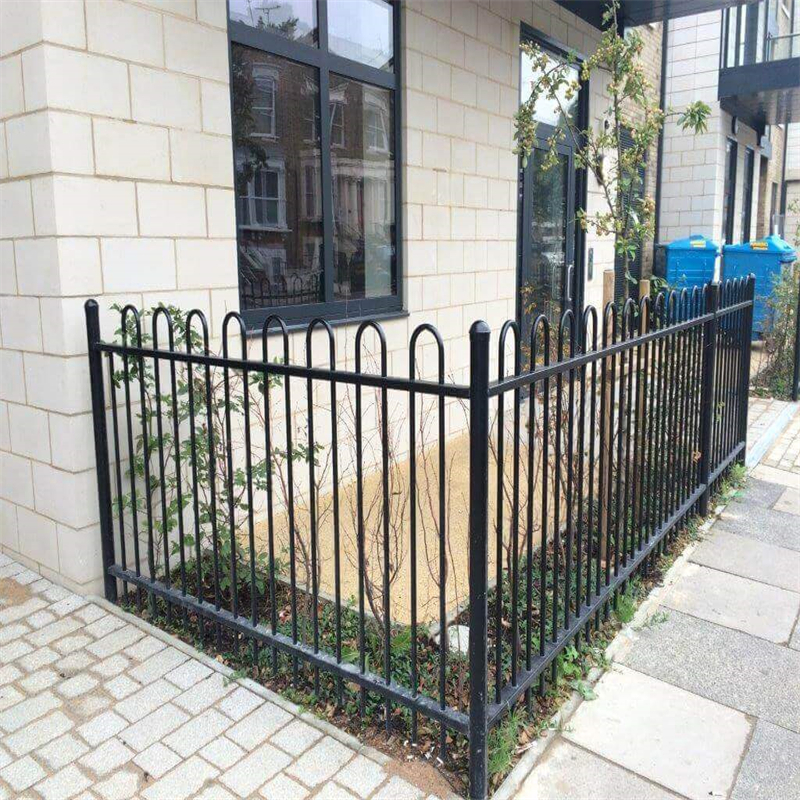
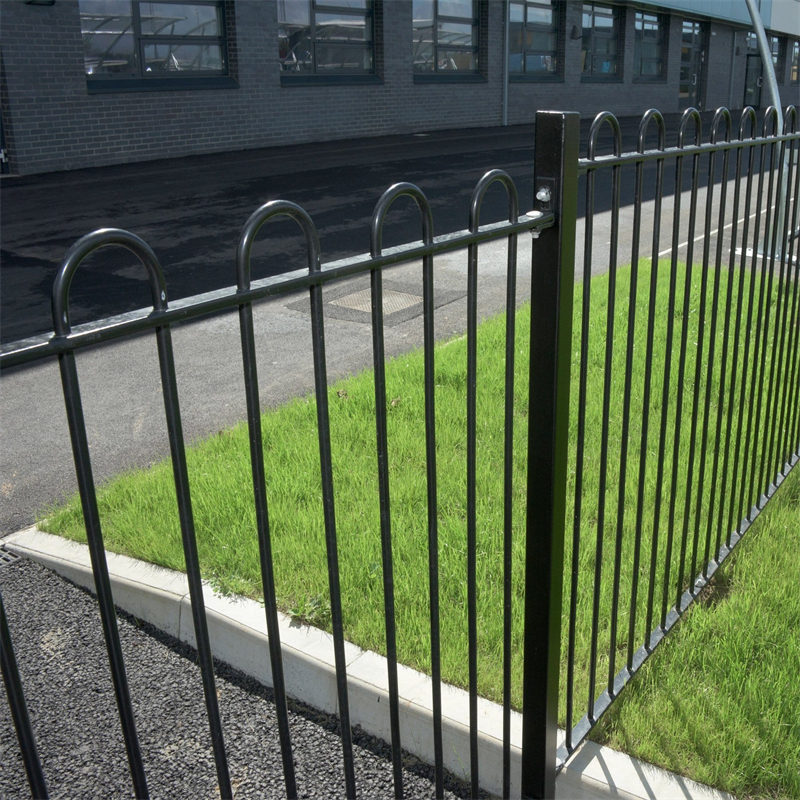
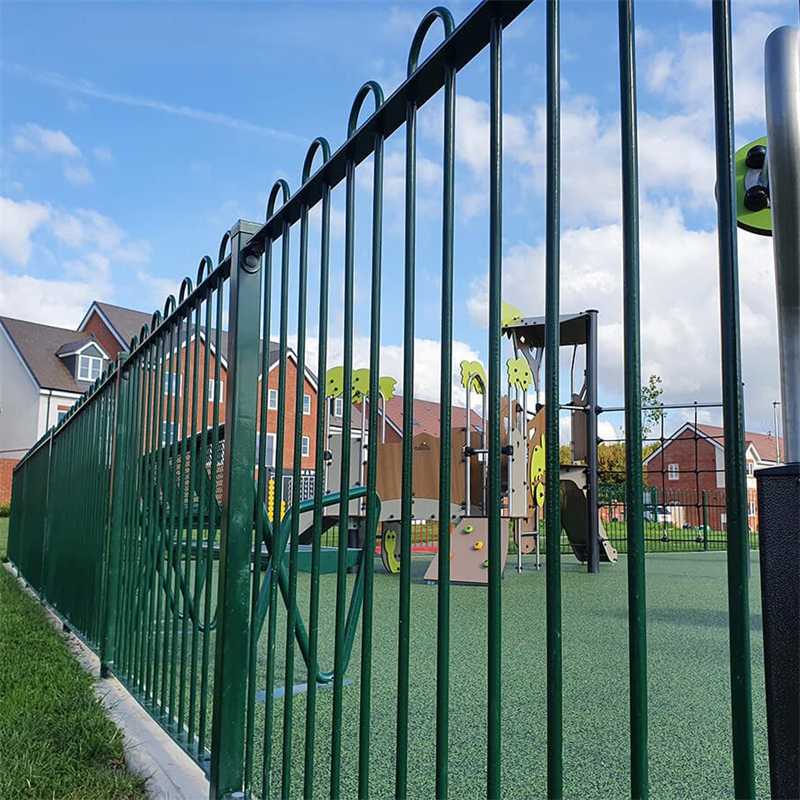
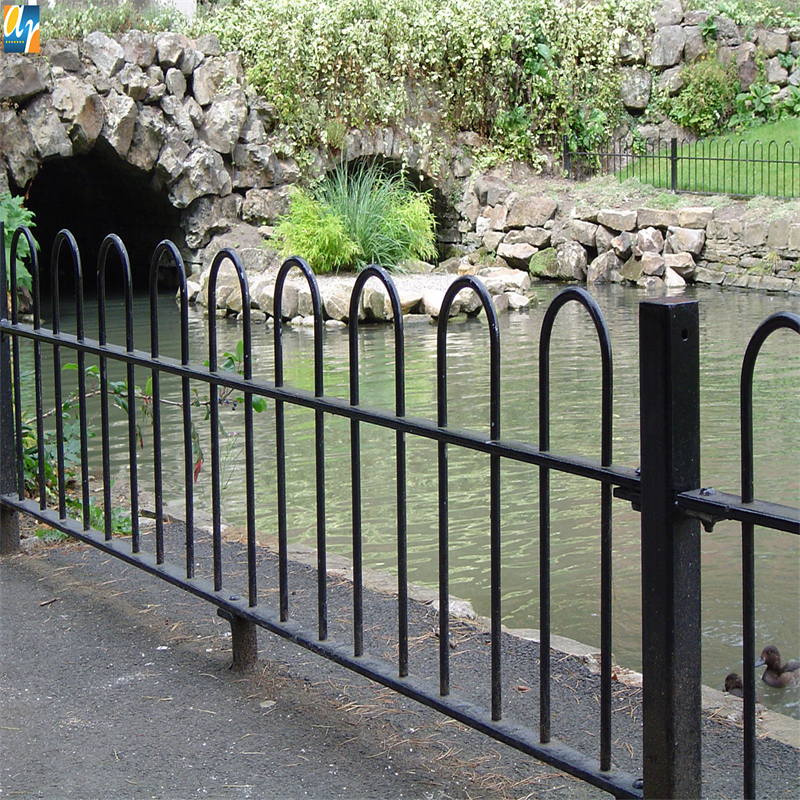
Bow Top Steel Fencing (also known as hoop top railings) is developed as an alternative to vertical bar fencing for minimum to moderate security boundaries where appearance matters.
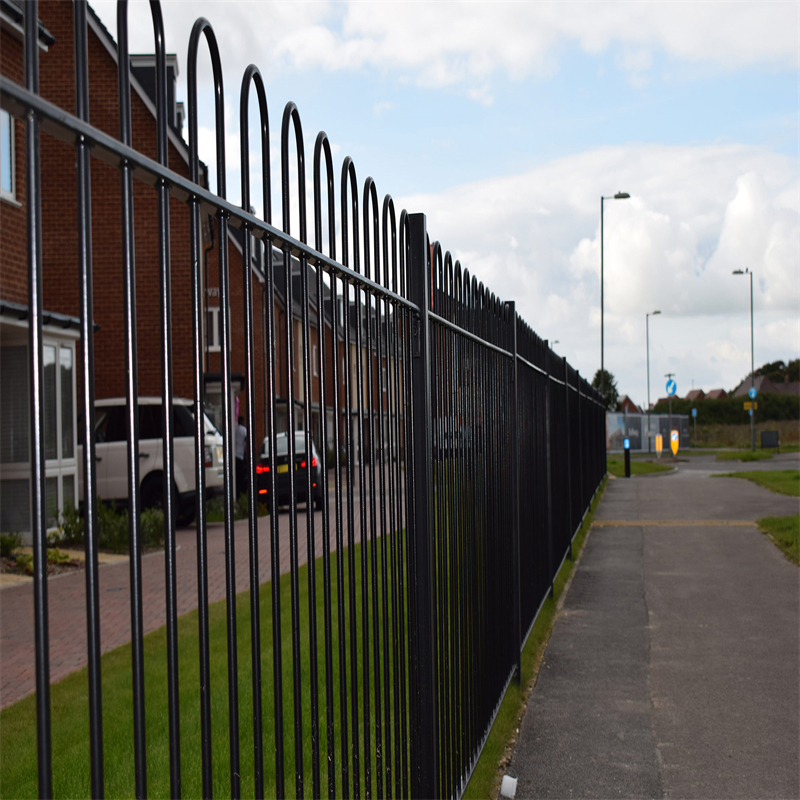
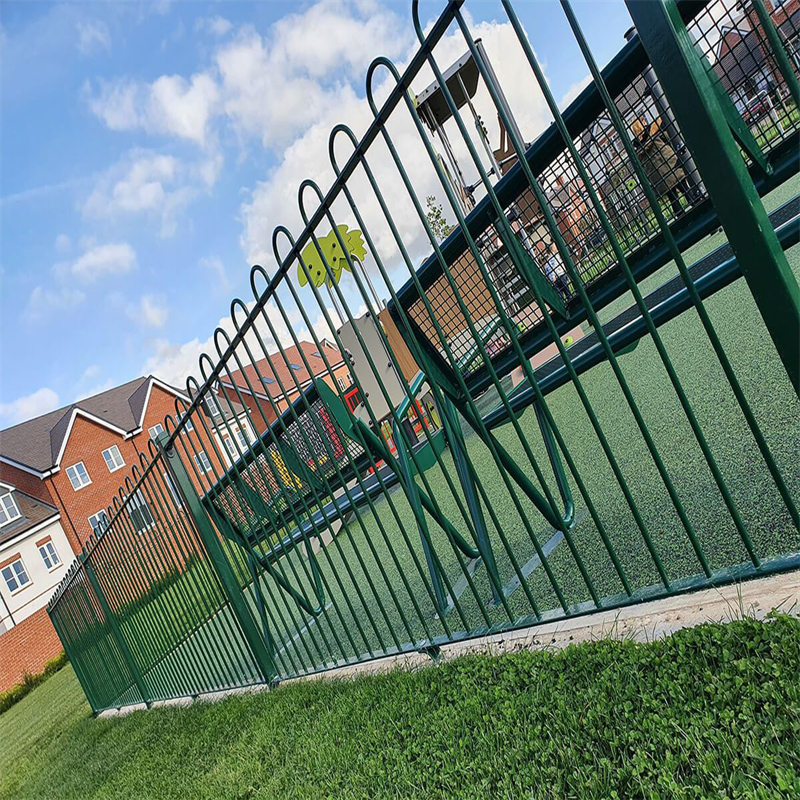
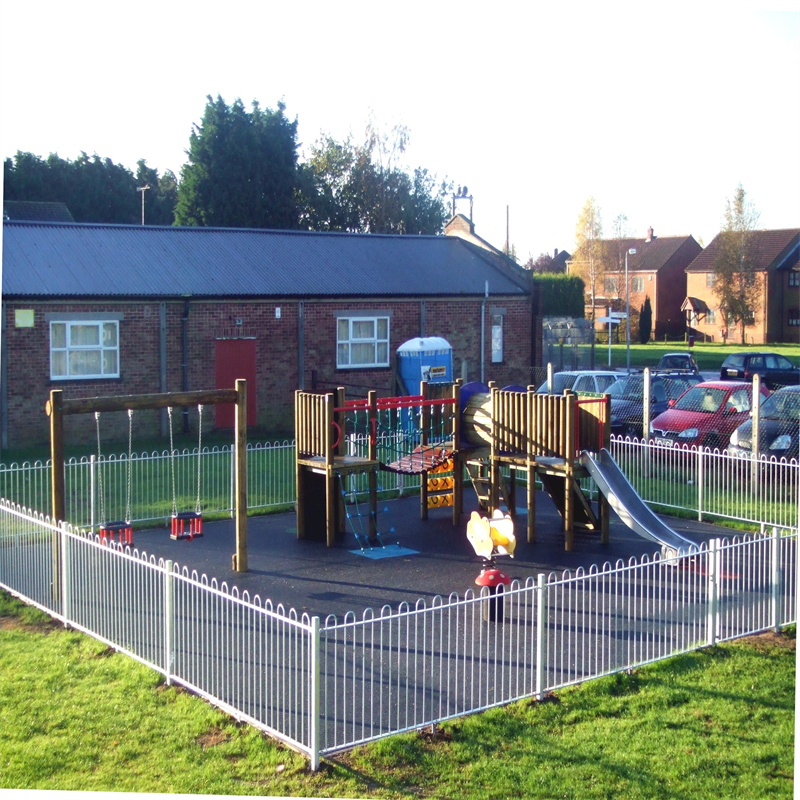
It is commonly selected to define perimeters, deter pedestrians, and create safe, visually clean segregation lines for schools, parks, play areas, housing schemes, gardens, and public car parks. Larger heights are popular for perimeter definition where aesthetics are high priority, while lower heights are used to separate children’s play zones or keep areas free of animals.
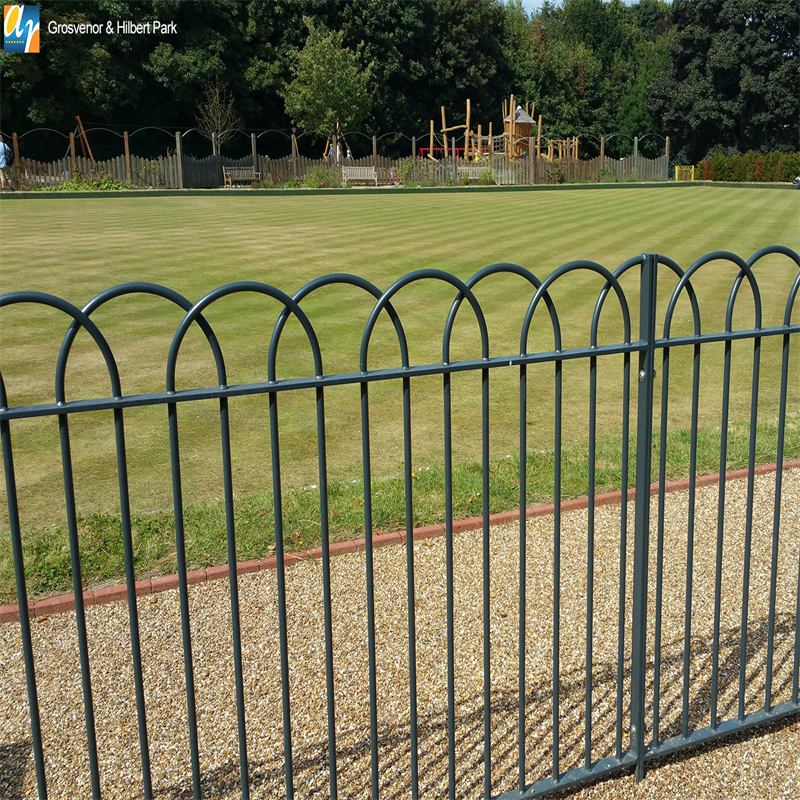
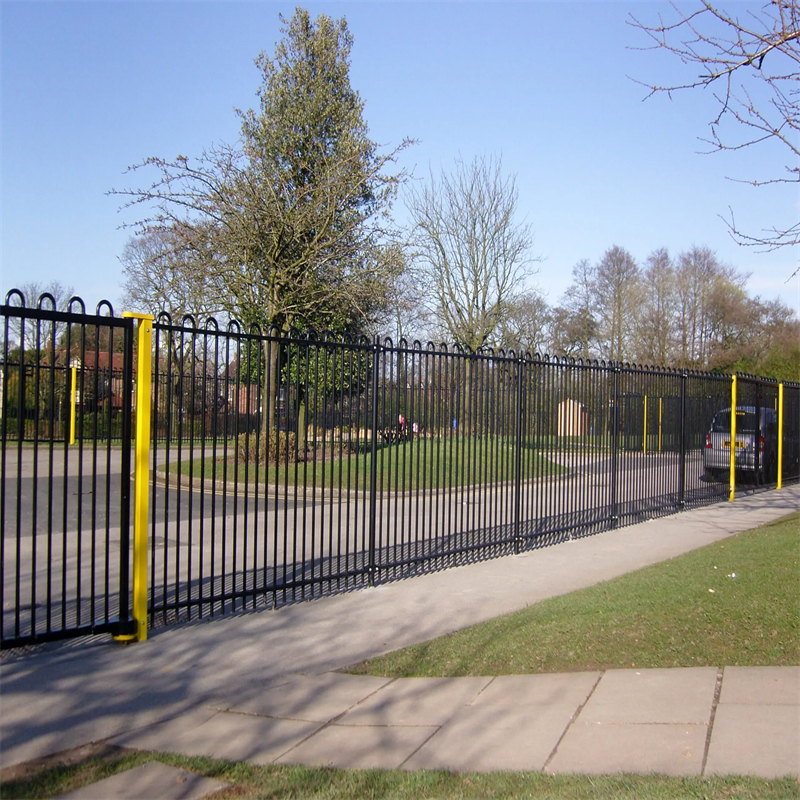
Top 10 brutal procurement traps for Bow Top Steel Fencing (Especially #7)
Trap #1 (problem): Buying Bow Top Steel Fencing as a style, not a locked specification
Many quotes highlight “powder coated bow top” and a color but do not lock the measurable controls: rail profile and thickness, pale/rod diameter, hoop spacing center-to-center, post type, fixing method, and finish route. When these are not fixed, two “same-looking” Bow Top Steel Fencing lines behave differently in rigidity, tamper resistance, and long-term appearance.
Trap #2 (detail): Choosing rail sections that look fine but twist during handling
Bow top panels rely on rail stiffness to keep hoops aligned and to prevent the fence line from visually “snaking.” If rails are under-specified (wrong section, too thin, inconsistent weld control), panels twist during lifting and clamping, and the line never settles straight—even when posts are plumb.
Trap #3 (fact): Not locking hoop/pale spacing, then paying for gate and corner mismatch
Spacing is not just a visual preference. If hoop/rod spacing shifts from the approved design, gate infill, latch locations, corner transitions, and “anti-trap” requirements can be compromised. For Bow Top Steel Fencing, spacing must be consistent across every bay or the fence reads like mixed batches.
Trap #4 (warning): Overlooking tamper-resistant pin/fixing geometry until installation stalls
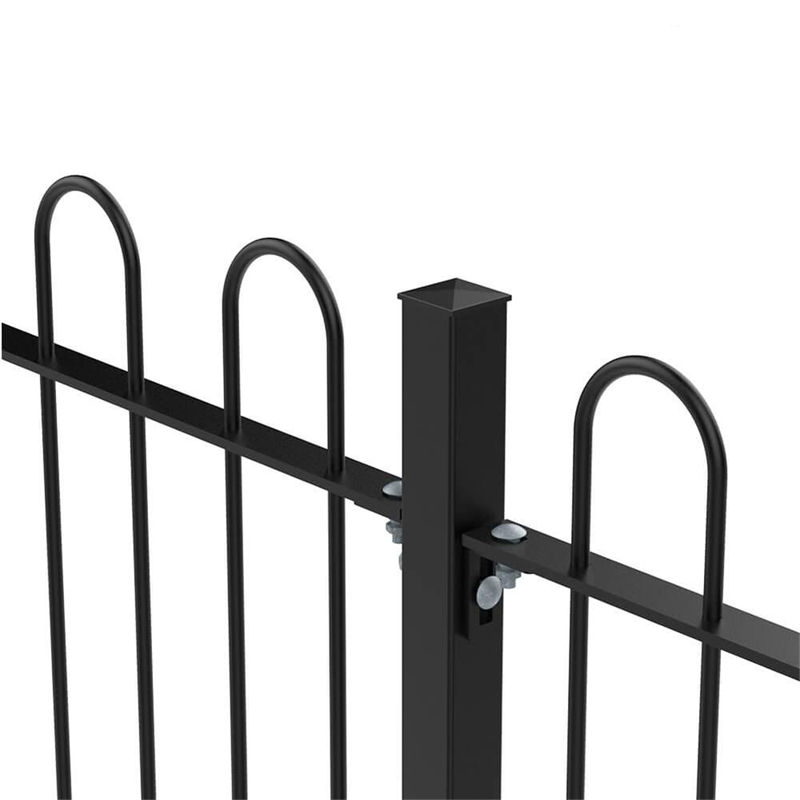
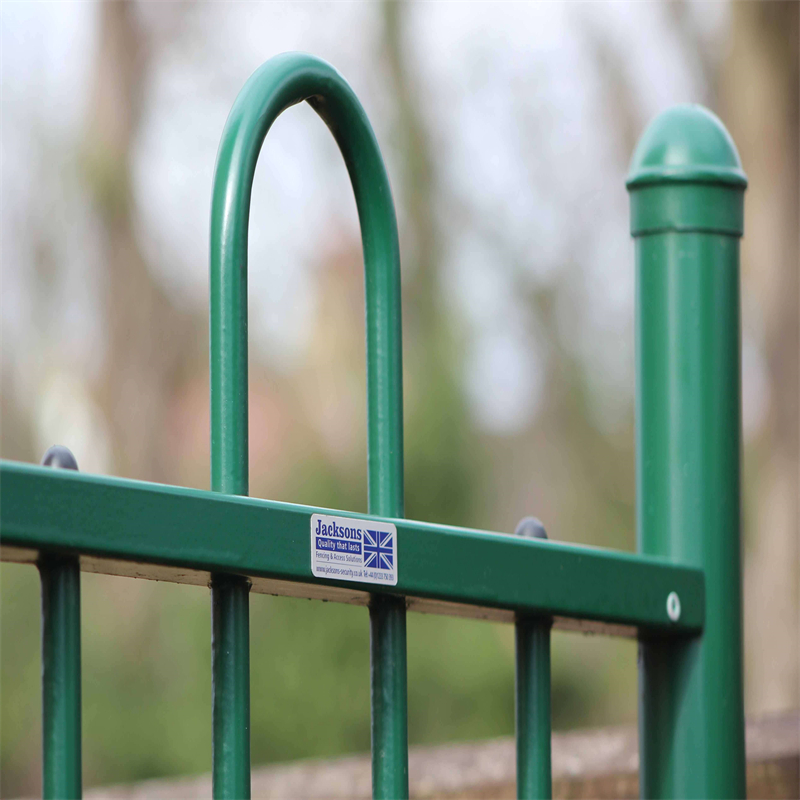
Many Bow Top systems secure panels to posts using tamper-resistant pins or hidden connectors to reduce interference and vandalism. If hole alignment, pin tolerances, and bracket interfaces are not controlled, installers waste time forcing fit-up, damaging coating, and creating loose fixings that rattle later.
Trap #5 (risk): Picking posts for price instead of load path and crowd contact
Posts are the spine of Bow Top Steel Fencing. If post diameter/section or embed depth is under-selected, the fence racks under push loads, crowd pressure, and wind exposure. The public sees wobble immediately, and the project pays twice: rework plus reputation cost.
Trap #6 (oversight): Treating “powder coated” as one finish (it isn’t)
Powder coating performance depends on surface preparation, zinc/galvanizing route, cure control, film build, and edge/weld cleanup. If the finish route is not defined, the first failures show where the eye goes: weld seams, hoop transitions, rail edges, and fixing contact points on Bow Top Steel Fencing.
Trap #7 (loss): Hidden corrosion starts at joins, cut ends, and fixing interfaces
This is the silent money-loss item. Even when the fence looks superb after installation, corrosion can start at cut ends, weld zones, and pin/connector contact points—exactly where moisture sits and where coating is easiest to damage during fit-up. Once staining appears on Bow Top Steel Fencing, the true cost is access and touch-up labor across long runs, not just paint.
Trap #8 (pitfall): Ordering “any width/height” without controlling panel geometry and radius consistency
Non-standard length, raked, or radiused panels can look excellent—if geometry and manufacturing controls are consistent. If radius, hoop symmetry, and rail alignment vary between bays, the fence line looks uneven even when installed correctly.
Trap #9 (myth): Assuming “no visible fixings” automatically means “more secure”
Hidden pale-through-rail construction and concealed fixings can be very strong, but only when weld quality and termination details are controlled. If weld penetration and layout are inconsistent, hidden construction can still fail under abuse or vibration.
Trap #10 (checklist): Under-packing that creates scratches, rub marks, and bent hoops before the job starts
Bow Top Steel Fencing is often chosen because appearance matters. If packing allows metal-to-metal rubbing, bent hoops, or chipped corners, the project begins with on-site touch-up and mismatch—destroying the “premium community finish” the fence was purchased to deliver.
Product Description (POLYMETAL Bow Top Steel Fencing)
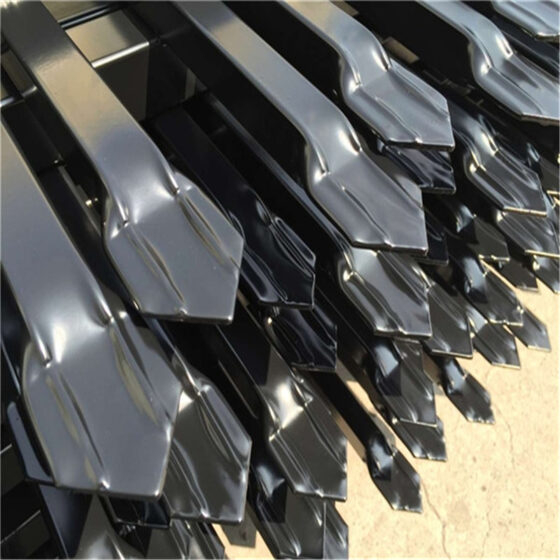
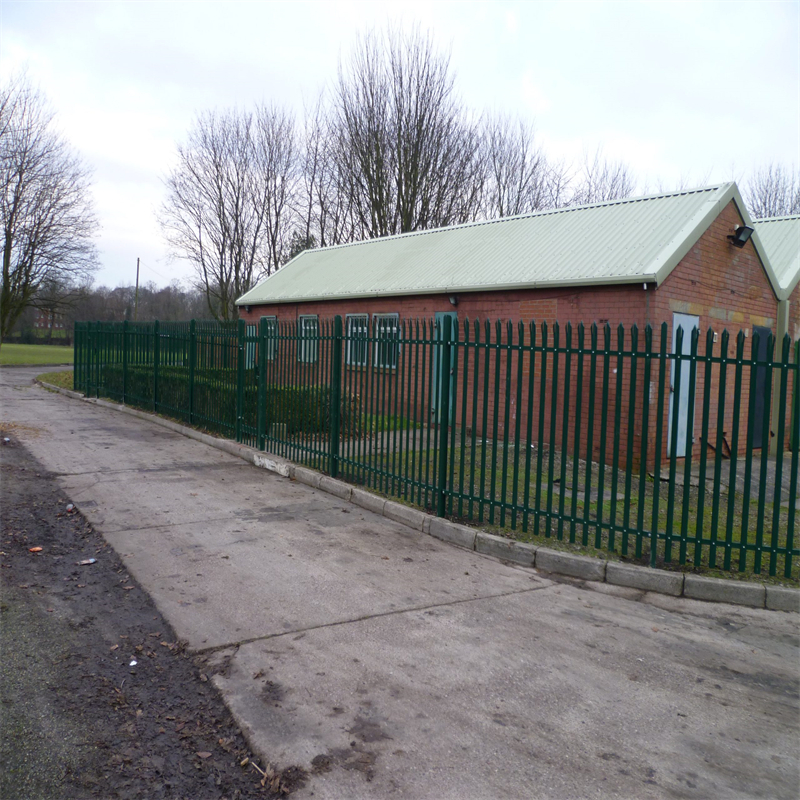
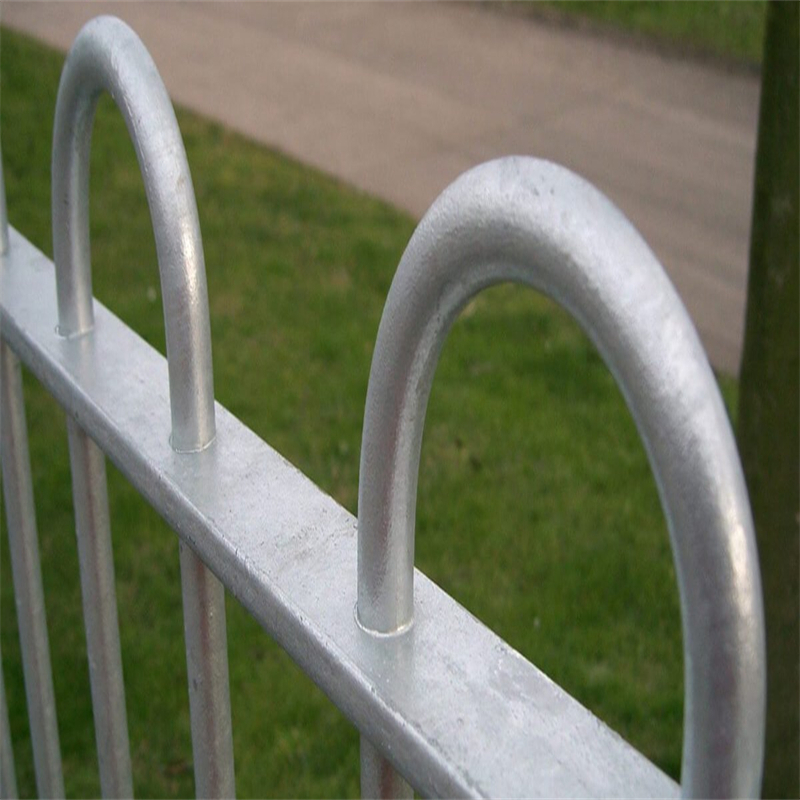
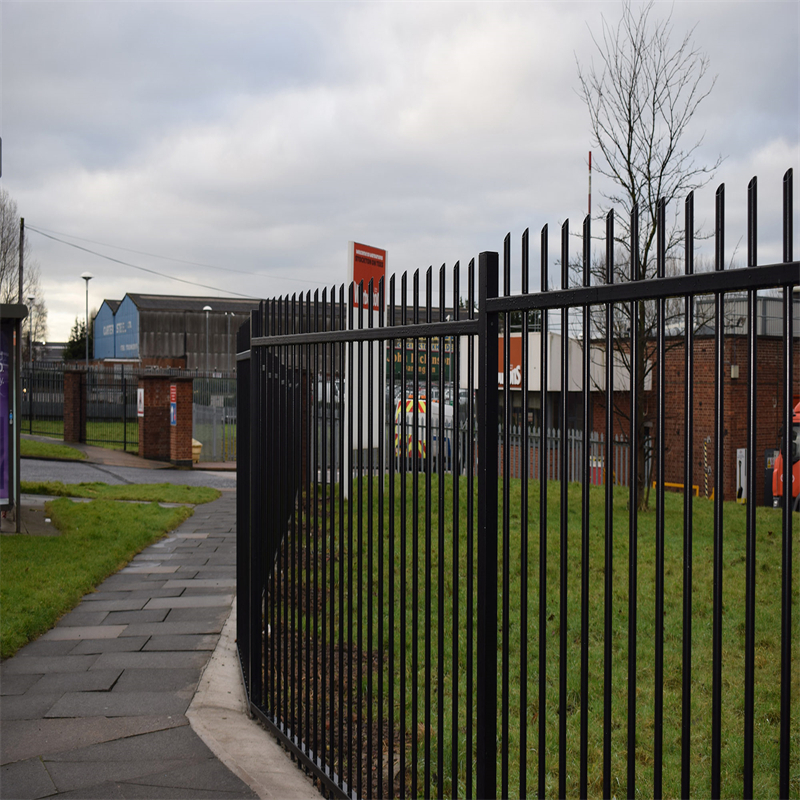
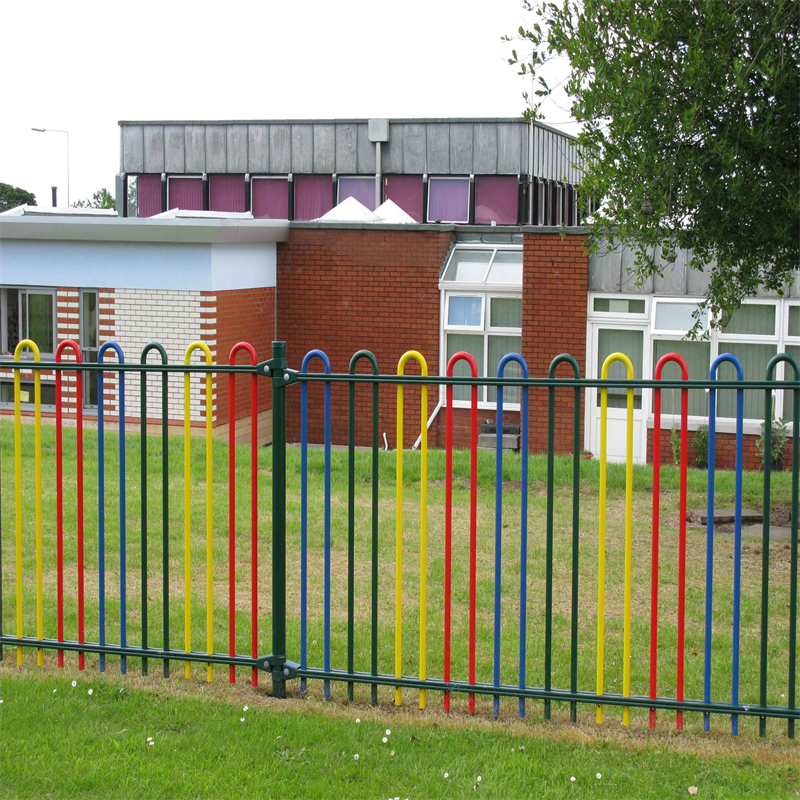
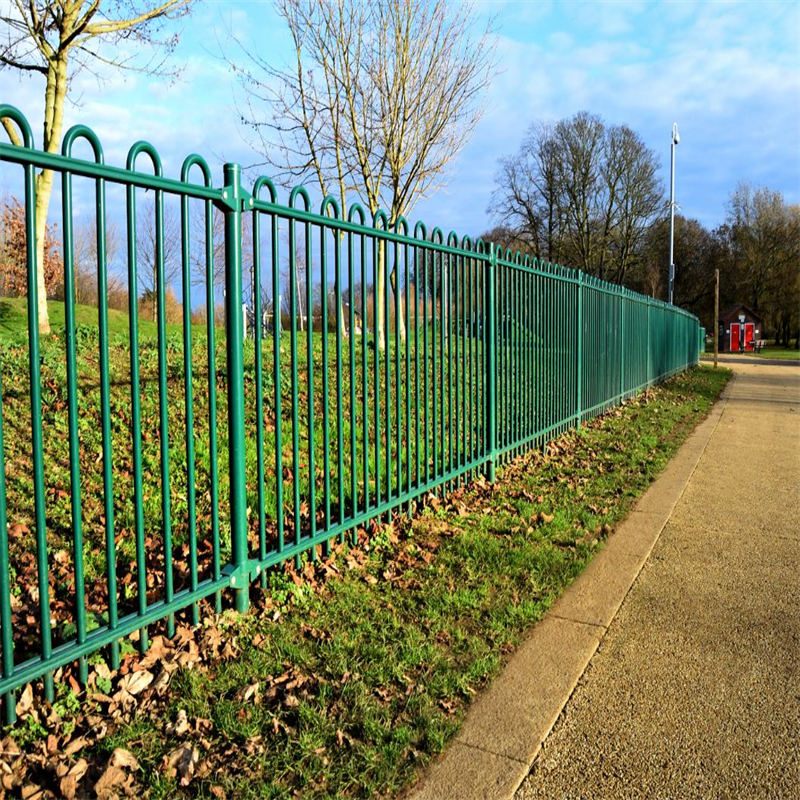
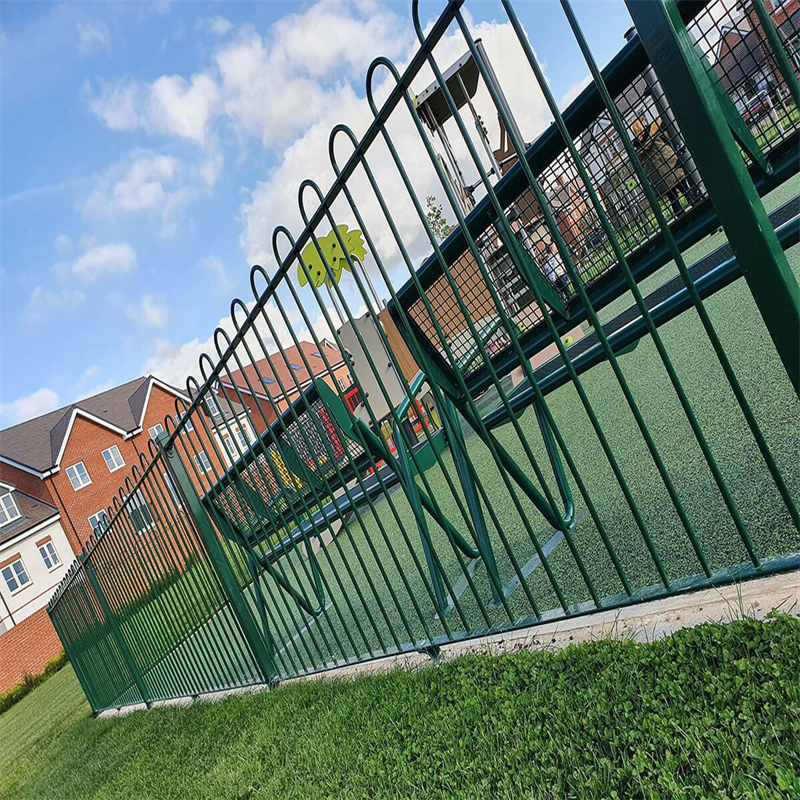
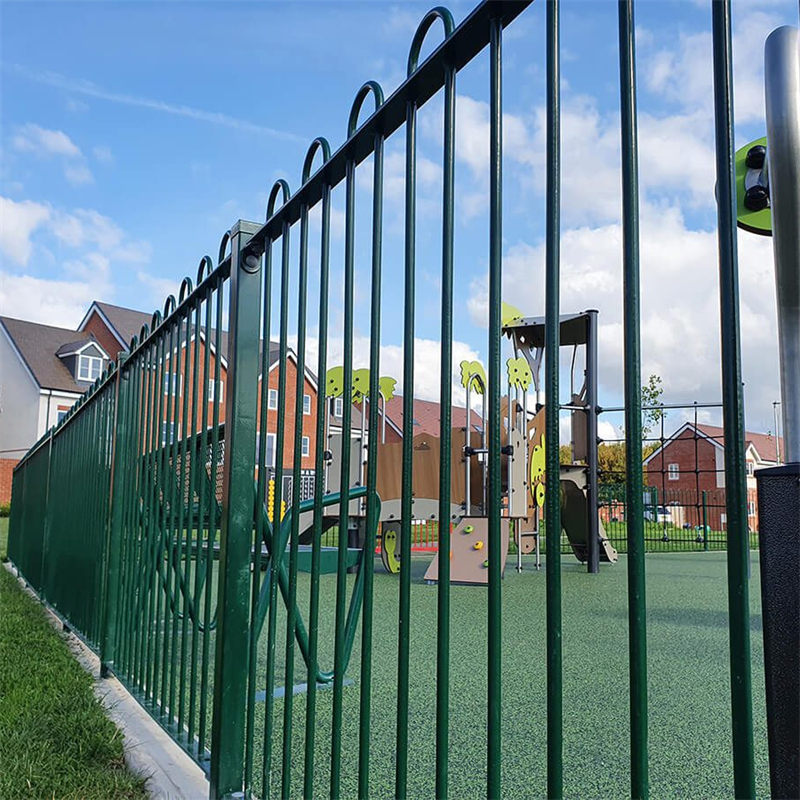
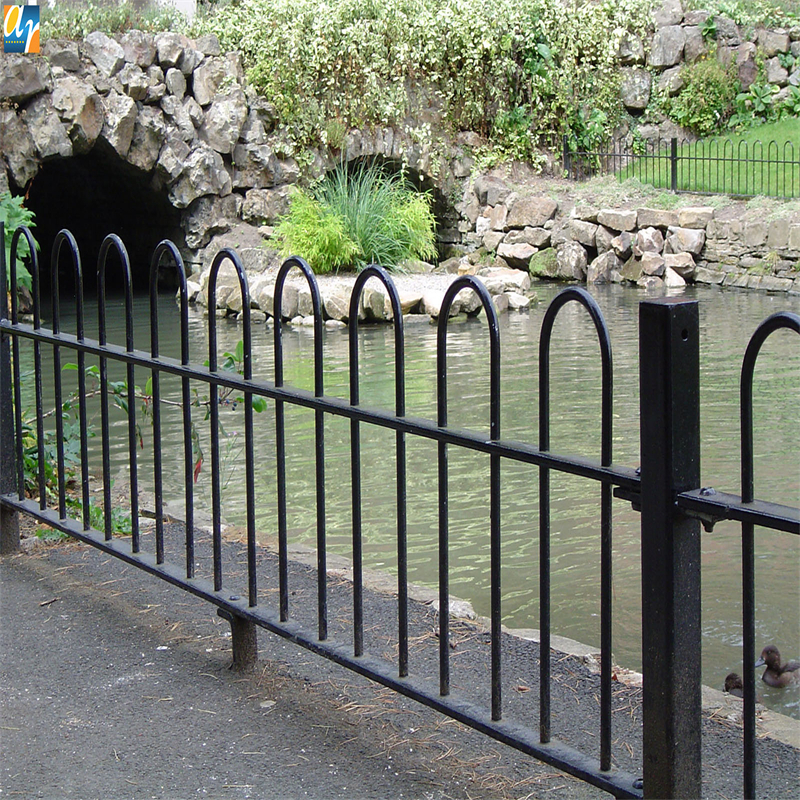
POLYMETAL Bow Top Steel Fencing is a tubular or bar-and-rail fence system designed for minimum to moderate security boundaries where a friendly architectural look is required. The bow/hoop top profile reduces sharp edges and creates a clean perimeter line for public-facing projects. Panels are manufactured to deliver strength, rigidity, and durability in one configuration, and can be secured to posts using tamper resistant pins or concealed connectors to reduce interference and vandalism along the fence line. When powder coated in an appropriate colour to match the surroundings, the finished installation looks superb while maintaining consistent long-run alignment and a disciplined bay-to-bay appearance.
Specifications (Tables)
| Item | Standard / Option |
|---|---|
| Product name | Powder coated zinc steel tubular fence (Bow Top / Hoop Top) |
| Fence style | Bow/hoop top profile; decorative finials optional |
| Surface treatment | Galvanized + Powder Coated (architectural colour options) |
| Panel height | 1200–2000 mm (common: 1200 / 1400 / 1800 / 2000 / 2300 mm) |
| Panel width | 2000–3000 mm (common: 2750 / 3000 mm) |
| Technology | Assembled or welded pale-through-rail construction |
| Gates to match | Single swing / double swing; sliding gates; electric sliding gates |
| Service | OEM / ODM |
| Construction Option | Rails | Pales / Rods | Typical Spacing | Notes |
|---|---|---|---|---|
| Option 1 (bar rail + bow rods) | 50×10 mm steel bar, 2.75–3.0 m long, 2 rails per bay | 10 mm / 12 mm steel rod | 112 mm centers (bow rod spacing) | Popular for community boundaries where clean bars are preferred |
| Option 2 (tubular rail + pale-through-rail) | 50×25 mm tubular rails (2 rails per panel) | 19 mm round hollow section pales passed through rails | 119 mm centers (typical pale spacing) | No visible joins/fixings; strong visual line; fast install rhythm |
| Post material | Square tube posts, circular hollow section posts, or H-beams (project dependent) | |||
| Fence Height (mm) | Post Centres (mm) | Post Dimensions | Overall Post Length (mm) | Post Options |
|---|---|---|---|---|
| 1000 | 3014 | 60.3 Ø | 1500 | Overlength set in concrete / Baseplated bolt-down / Cranked for wall mount |
| 1200 | 3014 | 60.3 Ø | 1800 | Overlength set in concrete / Baseplated bolt-down / Cranked for wall mount |
| 1500 | 3014 | 60.3 Ø | 2100 | Overlength set in concrete / Baseplated bolt-down / Cranked for wall mount |
| 1800 | 3014 | 60.3 Ø | 2500 | Overlength set in concrete / Baseplated bolt-down / Cranked for wall mount |
| 2000 | 3014 | 60.3 Ø | 2800 | Overlength set in concrete / Baseplated bolt-down / Cranked for wall mount |
| Standard Colours | Standard Finishes | Extra Options |
|---|---|---|
| Black RAL 9005; Green RAL 6005; Grey RAL 7012; Blue RAL 5010; Red RAL 3020; Yellow RAL 1018; Brown RAL 8017; White RAL 9010 | Hot dip galvanised to BS EN 1461; galvanised + powder coated to BS EN 13438 | Non-standard RAL/BS colours; marine coating for near sea water applications |
Applications
Bow Top Steel Fencing is commonly specified for schools, parks, clifftop boundaries, children’s play areas, garden and housing developments, public car parks, residential properties, and light commercial sites where a safe-looking boundary must still deliver disciplined perimeter control. It is also used to guide pedestrian flow, reduce trespass through soft boundaries, and define “no-animal” zones without harsh visual impact.
Benefits
Bow Top Steel Fencing offers an attractive decorative profile with strong tubular or bar-and-rail construction. The hoop design reduces sharp edges and visually softens the fence line for community projects. Tamper resistant fixings make unauthorised removal difficult, while hot dip galvanizing and powder coating options support a clean long-term appearance. Multiple variants—interlaced bow top, bow-in-bow, bar-in-bow, feature posts with finials, and radiused/raked panels—allow designers to match the environment without sacrificing installation discipline.
Packing
Bow Top Steel Fencing packing is designed to protect appearance and geometry. Panels are stacked with separators to prevent rub marks on hoops and rails, corners are protected to reduce coating damage, and strapping is controlled to prevent shifting. Posts are bundled by section and length, and fixings/pins are boxed and labelled for fast site picking and clean installation flow across long runs.
Standard
Bow Top Steel Fencing projects commonly reference hot dip galvanizing and powder coating standards (such as BS EN 1461 and BS EN 13438) to lock corrosion performance and finish expectations; where fencing is installed around children’s play areas, safety-focused design considerations aligned with BS EN 1176.1 are often used to support safer spacing decisions and reduce entrapment hazards while keeping the bow top aesthetic consistent, and for matching access points you can integrate garrison fencing & gates to keep the perimeter look and finish uniform.
FAQS
Q: Why is Bow Top Steel Fencing popular for schools and parks?
A: It delivers a friendly, architectural boundary that still defines perimeters clearly, deters casual climbing, and maintains an attractive streetscape finish.
Q: What are the most common heights and widths?
A: Common heights include 1200, 1400, 1800, 2000, and 2300 mm. Common widths include 2750 and 3000 mm, with custom panels available.
Q: What spacing should I lock in the order?
A: Lock the hoop/pale centres (commonly 112 mm or 119 mm depending on construction option) so bays match each other and match gates and corners.
Q: Which finish is best for long service life?
A: Hot dip galvanised to BS EN 1461, with the option of powder coating to BS EN 13438 for colour and extra barrier protection, is widely used for long-term outdoor appearance.
Q: Can you supply matching gates?
A: Yes. Matching single swing, double swing, and sliding gates (manual or electric) can be supplied to match the Bow Top Steel Fencing line.
Q: What should I lock before ordering to avoid the expensive #7 corrosion problem?
A: Lock the finish route, edge/cut-end treatment approach, fixing/pin interface details, and packing method so weld zones and contact points stay protected from day one through installation.