Your One-Stop Wire Mesh Fence Supplier | POLYMETAL

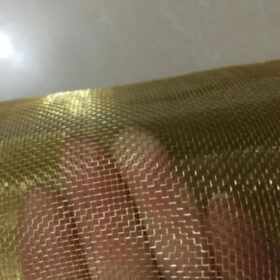
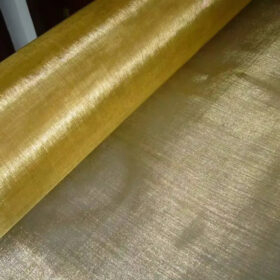
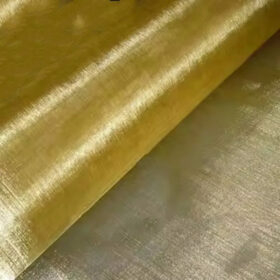
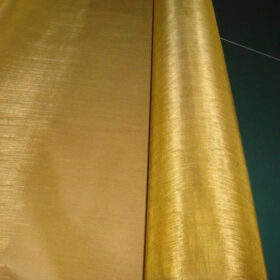
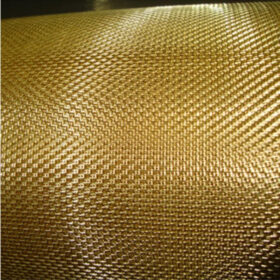
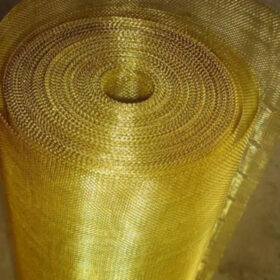
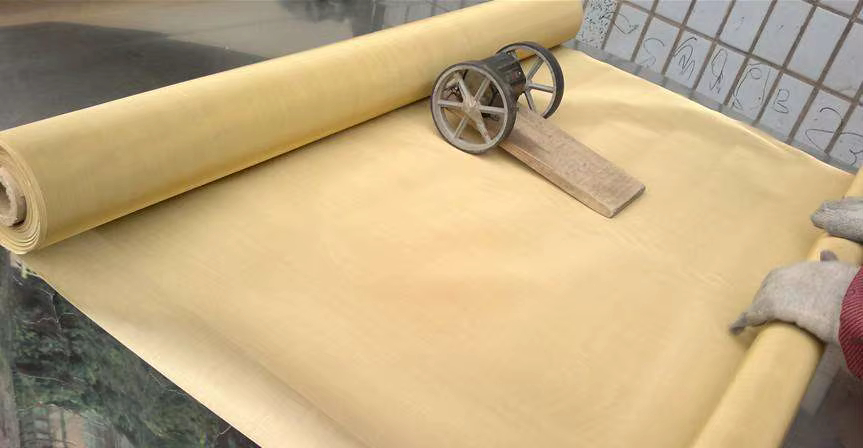
Brass wire mesh cloth (yellow copper screen) is a woven wire fabric made from copper-zinc alloys. It combines clean, stable filtration with electrical conductivity, non-sparking safety, and a premium gold appearance. Common raw-material families include:
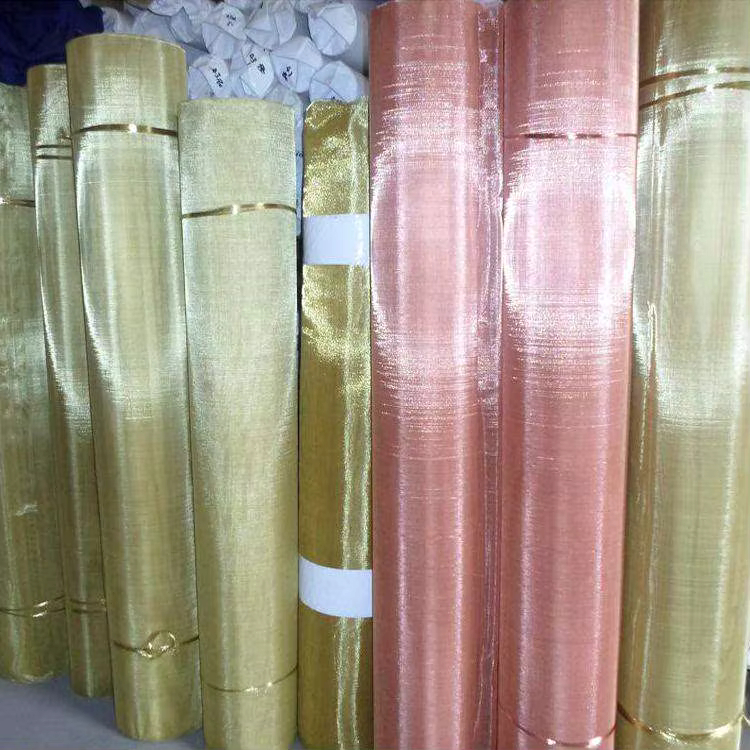
- Brass (Cu–Zn alloy) — e.g., 65 brass (~65% Cu / 35% Zn) and 80 brass (~80% Cu / 20% Zn).
- Pure copper meshes (for maximum conductivity and EMI/RFI shielding).
- Bronze meshes (Cu–Sn) where extra wear and corrosion performance are needed.
Brass mesh is supplied in plain and twill weaves for screening/structural uses, and in Dutch/plain-Dutch/twill-Dutch for tighter microns. Decorative variants (often called “human” weave and bamboo weave) are also available.
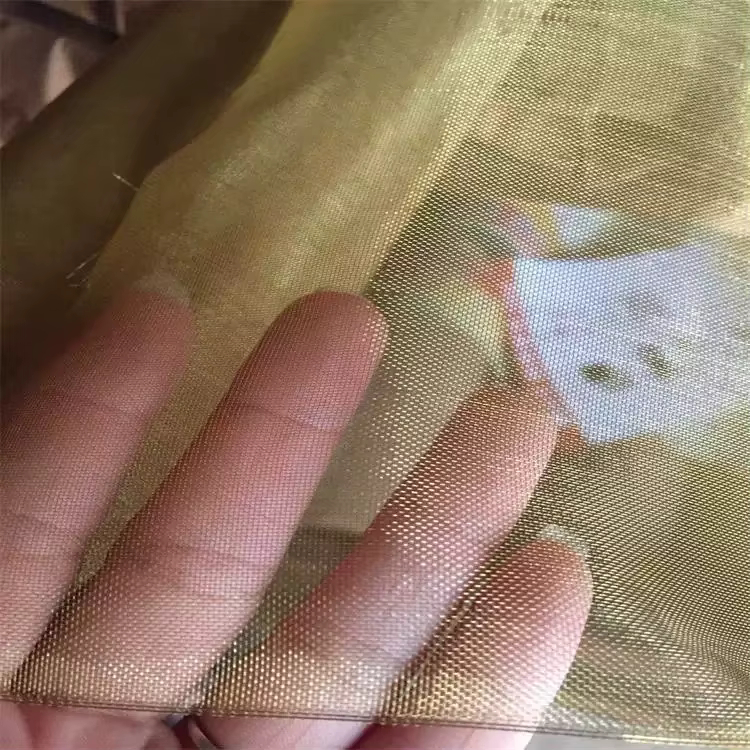
Features:non-magnetic, wear-resistant, and good ductility
Specification:3 mesh / inch—200 mesh / inch
Weaving:plain weave, twill weave
Uses:Screen all kinds of particles, powder, porcelain clay, glass, porcelain printing, filter liquids and gases
Phosphorus copper mesh
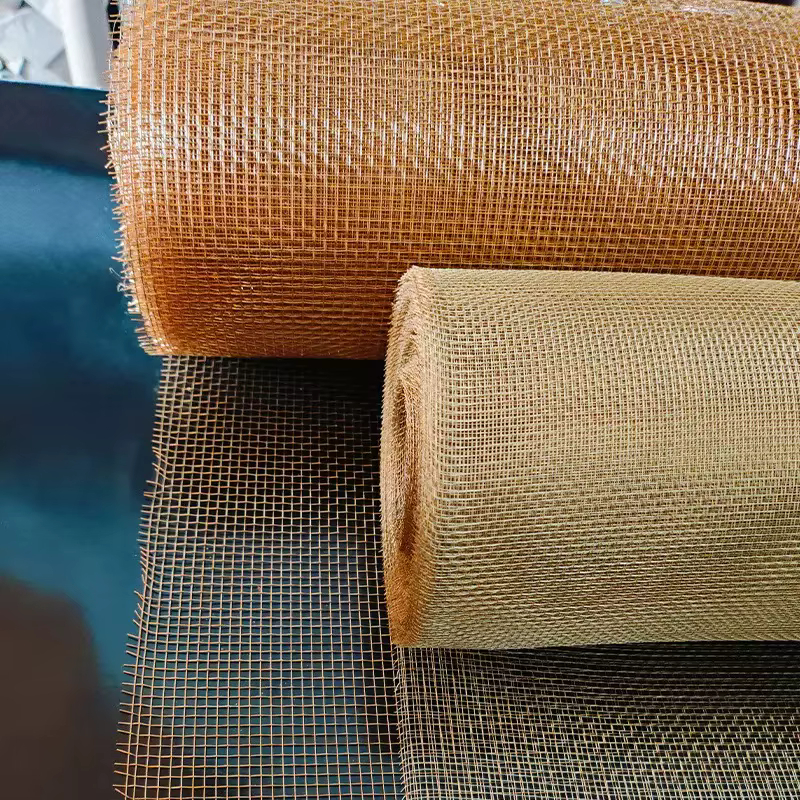
Features:non-magnetic, wear-resistant, acid and alkali resistant, and good ductility
Specification:8 mesh / inch–400 mesh / inch
Weaving:plain weave, twill weave
Uses:Screen all kinds of particles, powder, porcelain clay, glass, porcelain printing, filter liquids and gases
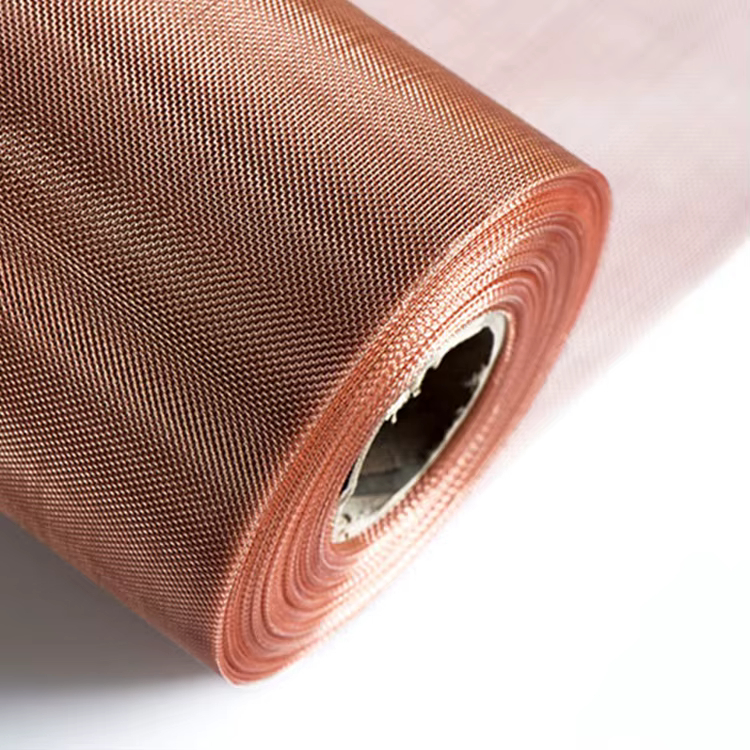
Red copper mesh

Features:non-magnetic, wear-resistant, good sound insulation, and filtered electron beam
Specification:5 mesh / inch-100 mesh / inch
Weaving:plain weave
Uses:wall sound insulation, electronic display, etc
Applications
- Filtration & sieving: powders, porcelain clay, glass frits, inks, and process liquids/gases.
- EMI/RFI shielding: screens for enclosures, vents, and instrumentation; shielding effectiveness depends on mesh count × wire diameter × thickness.
- Screens & guards: insect screens, intake guards, protective covers.
- Printing & ceramics: porcelain printing and paste deposition control.
- Architectural & interiors: cabinet doors, radiator covers, panels, lighting, restoration work.
Benefits (Key Characteristics)
- Non-magnetic & non-sparking — suitable around sensitive electronics and combustible atmospheres.
- Good wear resistance with excellent ductility — easy to cut, fold, frame, solder, or braze.
- Acid/alkali tolerance (moderate) — suitable for many neutral/weak media (avoid strong ammoniacal solutions; evaluate chlorides).
- High thermal & electrical conductivity — useful for heat spreading and electromagnetic control.
- Premium aesthetics — warm gold tone; can be lacquered to retain color or left to patinate.
Standards & Options (How to Specify)
Include the following in your PO/specification:
- Alloy/grade: 65 brass, 80 brass, pure copper, or bronze as required.
- Weave: plain, twill, plain-Dutch, twill-Dutch, reverse-Dutch; decorative “human/bamboo” on request.
- Mesh × wire diameter (both directions for Dutch weaves).
- Aperture/nominal micron (target cut size).
- Dimensions: roll width/length or part size (discs, rings, panels).
- Temper: soft/annealed (standard) or work-hardened.
- Finish: degreased, lacquered/clear-coated (anti-tarnish), rim-welded discs, framed panels.
- QA docs: material certificates (e.g., EN 10204 3.1), aperture/mesh verification.
Production Range (as supplied)
- Wire diameter: 0.04–1.00 mm
- Mesh counts: 3–200 mesh
- Common roll widths: 1.0 m, 1.2 m, 1.5 m, 1.8 m, 2.0 m
- Common roll lengths: 30 m, 50 m, 100 m
- Weave systems: plain, twill, plain-Dutch, twill-Dutch
Brass Wire Mesh Cloth Specification Sheet
Note: Data below is organized from your source. Where a dash appears (—), the aperture was not provided. One line (100 mesh) contained an mm/inch mismatch in the source; the inch value suggests ~0.102 mm wire (0.004″). Keep your preferred unit consistent at order time.
| Mesh No. | SWG | Wire Ø (mm) | Wire Ø (inch) | Aperture (mm) |
|---|---|---|---|---|
| 6 | 22 | 0.711 | 0.028 | 3.522 |
| 8 | 23 | 0.610 | 0.024 | 2.565 |
| 10 | 25 | 0.508 | 0.020 | 2.032 |
| 12 | 26 | 0.457 | 0.018 | 1.660 |
| 14 | 27 | 0.417 | 0.016 | 1.397 |
| 16 | 29 | 0.345 | 0.014 | 1.243 |
| 18 | 30 | 0.315 | 0.012 | 1.096 |
| 20 | 30 | 0.315 | 0.0124 | 0.955 |
| 22 | 30 | 0.315 | 0.0124 | 0.840 |
| 24 | 30 | 0.315 | 0.0124 | 0.743 |
| 26 | 31 | 0.295 | 0.0116 | 0.682 |
| 28 | 31 | 0.295 | 0.0116 | 0.612 |
| 30 | 32 | 0.247 | 0.0110 | 0.573 |
| 32 | 33 | 0.254 | 0.0100 | 0.540 |
| 34 | 34 | 0.234 | 0.0092 | 0.513 |
| 36 | 34 | 0.234 | 0.0092 | 0.472 |
| 38 | 35 | 0.213 | 0.0084 | 0.455 |
| 40 | 36 | 0.193 | 0.0076 | 0.442 |
| 42 | 36 | 0.193 | 0.0076 | 0.412 |
| 44 | 37 | 0.173 | 0.0068 | 0.404 |
| 46 | 37 | 0.173 | 0.0068 | 0.379 |
| 48 | 37 | 0.173 | 0.0068 | 0.356 |
| 50 | 37 | 0.173 | 0.0068 | 0.335 |
| 60×50 | 36 | 0.193 | 0.0076 | — |
| 60×50 | 37 | 0.173 | 0.0068 | — |
| 60 | 37 | 0.173 | 0.0068 | 0.250 |
| 70 | 39 | 0.132 | 0.0052 | 0.231 |
| 80 | 40 | 0.122 | 0.0048 | 0.196 |
| 90 | 41 | 0.112 | 0.0044 | 0.170 |
| 100 | 42 | ≈0.102 | 0.0040 | 0.152 |
| 120×108 | 43 | 0.091 | 0.0036 | — |
| 120 | 44 | 0.081 | 0.0032 | 0.131 |
| 140 | 46 | 0.061 | 0.0024 | 0.120 |
| 150 | 46 | 0.061 | 0.0024 | 0.108 |
| 160 | 46 | 0.061 | 0.0024 | 0.098 |
| 180 | 47 | 0.051 | 0.0020 | 0.090 |
| 200 | 47 | 0.051 | 0.0020 | 0.076 |
Weave styles available: plain, twill, plain-Dutch, twill-Dutch, reverse-Dutch (plus decorative “human” and “bamboo” weaves on request).
Packing & Delivery Brass Wire Mesh Cloth
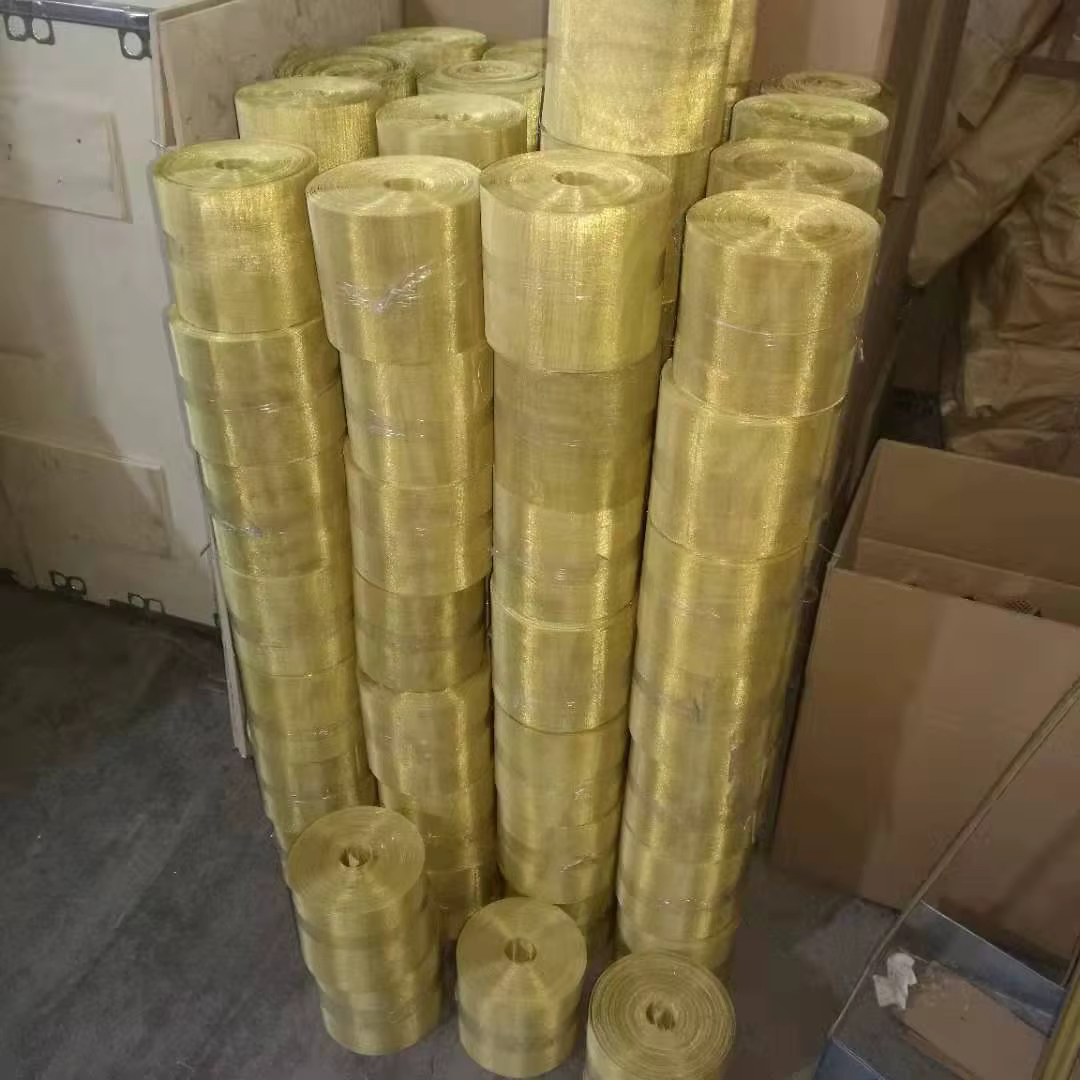
- Small orders: courier service; sealed polybag, anti-tarnish/VCI wrap, rigid core for rolls.
- Bulk orders: air or sea freight; palletized or wooden-case crating with edge guards and desiccant.
- Tracking: numbers emailed immediately after dispatch.
- China-based forwarder: shipment to your nominated forwarder can be arranged at no extra charge.
- Labeling: alloy/grade, weave, mesh × wire, aperture/micron, width/length (or piece count), lot/heat number, PO.
- Choose upload/download installation based on access, ensure tight fit in frames to avoid bypass.
- Clean by air blow-off, solvent wash, or ultrasonic; avoid prolonged exposure to strong ammoniacal media.
- For outdoor/marine aesthetics, consider clear lacquer to slow tarnish; for aggressive chlorides, evaluate bronze or stainless alternatives.
FAQs: Brass Wire Mesh Cloth
What is brass wire mesh cloth?
Brass wire mesh (also called brass cloth or brass screen) is a woven wire fabric made from copper–zinc alloys, typically C260 (~70% Cu / 30% Zn) or C270 (~65% Cu / 35% Zn). It offers clean filtration, conductivity, and a gold appearance.
How does brass mesh differ from copper or bronze mesh?
Brass is harder and more wear-resistant than pure copper while remaining conductive. Bronze (Cu–Sn) is chosen when extra corrosion and abrasion resistance are required.
What weave styles are available?
Standard weaves are plain and twill. For fine filtration, Dutch weaves are used: plain-Dutch, twill-Dutch, and reverse-Dutch. Decorative options (e.g., “human” and “bamboo” weaves) are also available.
What mesh counts and wire diameters are typical?
General stock spans about 3–200 mesh with wire diameters roughly 0.04–1.0 mm for screening grades. Finer Dutch weaves use smaller wires and higher counts for micronic filtration.
What are common roll sizes?
Typical widths: 1.0 m, 1.2 m, 1.5 m, 1.8 m, 2.0 m (others on request). Common lengths: 30 m, 50 m, 100 m. Cut-to-size discs, rings, and panels are standard.
Is brass wire mesh conductive and non-sparking?
Yes. Brass conducts electricity and is non-sparking, making it suitable for EMI/RFI shielding and use near sensitive or combustible environments.
What applications use brass mesh?
Filtration and sieving (powders, liquids, gases), EMI/RFI shielding screens, insect and vent screens, printing/ceramics, instrument filters, and architectural panels (cabinet doors, radiator covers, façades).
How effective is brass mesh for EMI/RFI shielding?
Brass Wire Mesh Cloth Effectiveness depends on mesh count, wire diameter, thickness, and enclosure design. Finer meshes with smaller apertures generally provide higher attenuation.
How does brass resist corrosion?
Brass performs well in many neutral environments and develops a protective patina. It is not ideal for strong ammoniacal solutions or long-term, aggressive chloride exposure without protection.
Can Brass Wire Mesh Cloth be used outdoors?
Yes. Expect natural patination (darkening). For a bright finish, specify clear lacquer or protective coatings; for coastal sites, evaluate alloy choice and coating durability.
What standards should I reference?
For woven wire cloth: ASTM E2016. For woven wire filter cloth (Dutch weaves): ASTM E2814. For terminology, tolerances, and test methods across metals: ISO 9044.
What tolerances matter most when ordering?
Specify mesh × wire, nominal aperture/micron, thickness (if critical), width/length, flatness, and acceptable variance per the governing standard. Include lot/material certificates when required.
How is brass mesh fabricated?
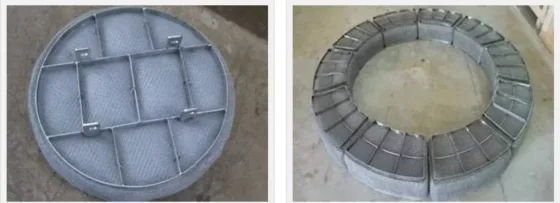
It can be cut, sheared, punched, folded, framed, soldered, and brazed. For discs, rim-welding or edging helps maintain shape and prevent fray.
What’s the difference between plain, twill, and Dutch weaves?
Plain: one-over, one-under; good strength and flow.
Twill: two-over, two-under; higher density and dP capability.
Dutch (plain/twill/reverse): dissimilar warp/weft counts/diameters to form tiny pore channels for micronic retention.
What micron levels can Dutch brass weaves achieve?
Depending on exact construction, Dutch weaves can reach tens of microns and below for liquid/gas polishing. Always quote the required nominal or absolute micron target.
How do I choose between brass, phosphor bronze, and stainless steel?
Choose brass for conductivity, non-sparking behavior, easy forming, and aesthetics; phosphor bronze for added wear/corrosion resistance; stainless for aggressive corrosion, high strength, or elevated temperatures.
How should brass mesh be packed for shipment?
Rolls: rigid cores, edge guards, anti-tarnish/VCI inner wrap, moisture-barrier outer wrap, carton or wooden case.
Cut parts: nested with interleaves, polybagged, foam-lined cartons or crates, labeled by alloy, mesh × wire, aperture/micron, and lot number.
What maintenance is recommended?
Clean with air blow-off, mild solvent, or ultrasonic methods. Avoid prolonged exposure to strong ammonia. For appearance, use non-abrasive cleaners and consider protective coatings.
What information should I provide for a quote?
Alloy/grade, weave type, mesh × wire (both directions for Dutch), target aperture/micron, size/quantity, temper, finish/coating, standards (ASTM/ISO), and packing preferences.
Can you supply custom shapes and multi-layer packs?
Yes. Common customs include discs, rings, cones, cylinders, and multi-layer laminates (including sintered packs) built to drawing, with optional frames and welding.