Your One-Stop Wire Mesh Fence Supplier | POLYMETAL
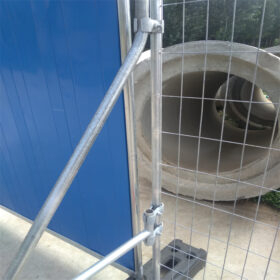
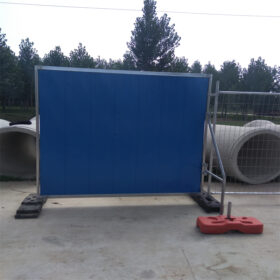
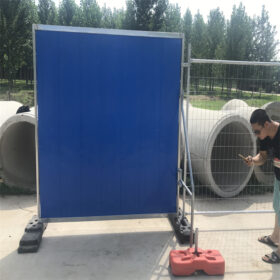
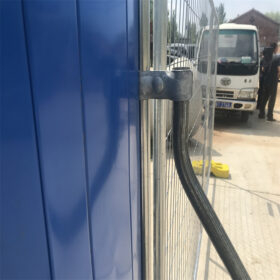
If you are sourcing builders temporary fence panels for construction boundaries, housing sites, council works, roadworks, or event safety zones, the biggest risk is rarely the upfront price. The real danger is the “looks-the-same” panel that arrives with the wrong tube OD, under-sized wall thickness, weak weld fusion, thin zinc protection, or mismatched base and clamp centres. One wrong specification can turn a neat straight fence run into a wavy, noisy line that triggers complaints, rework, and site delays.
Brand Overview: POLYMETAL
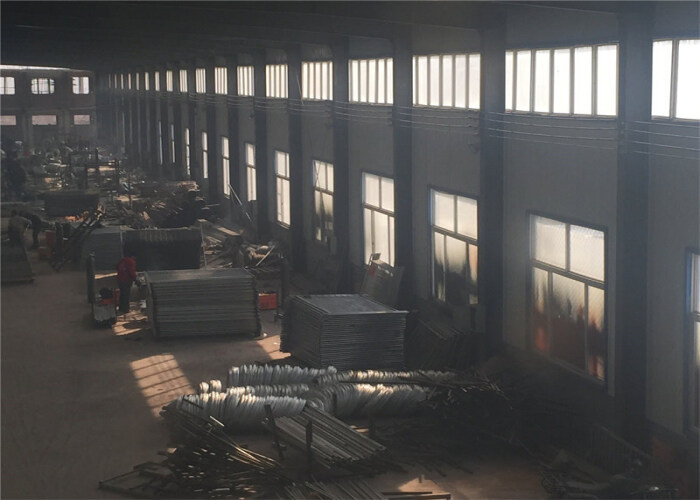
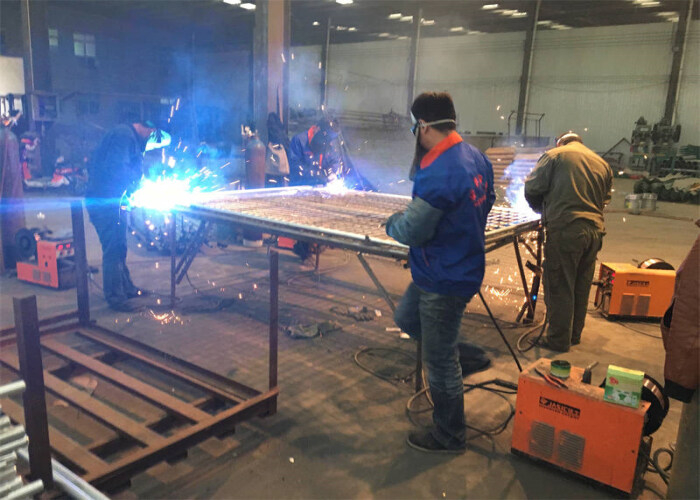
POLYMETAL manufactures builders temporary fence panels as a repeatable system—panel geometry, mesh specification, finish level, base compatibility, and clamp/clip geometry are controlled so long runs build straight, stay stable, and remain easy to reposition as the site changes. This “system-first” approach is what prevents the common jobsite failure pattern: panels that technically fit, but never line up cleanly in real conditions.
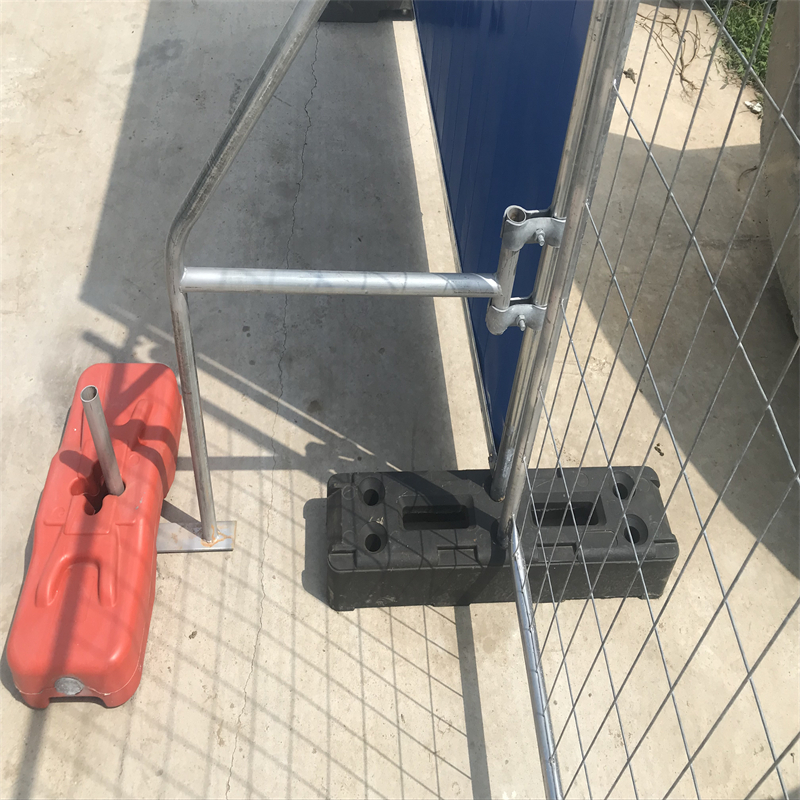
Visual Reference: builders temporary fence panels
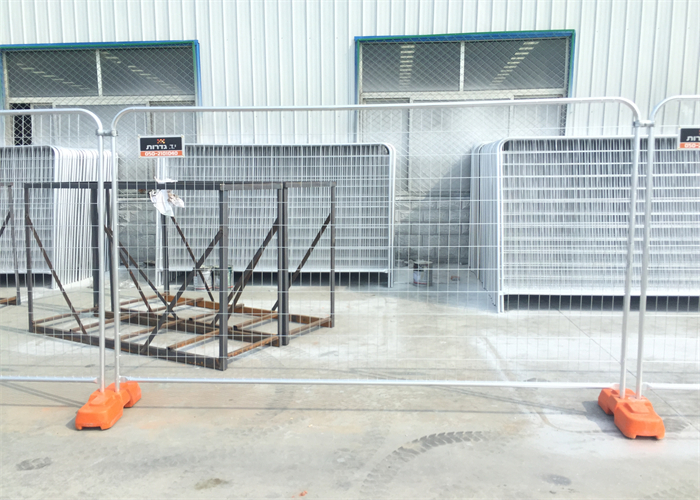
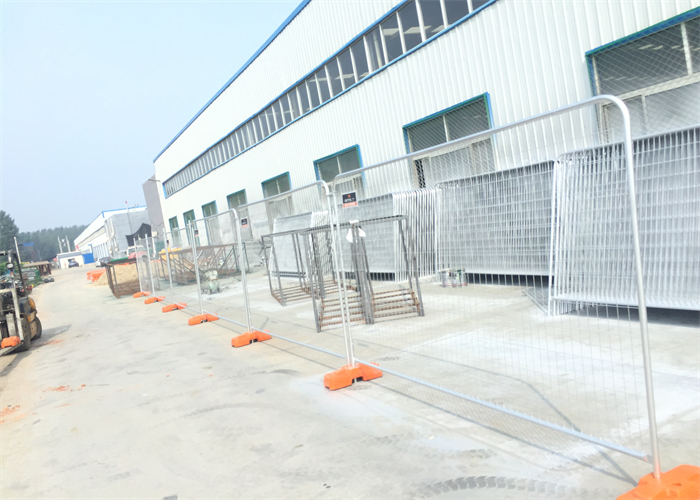
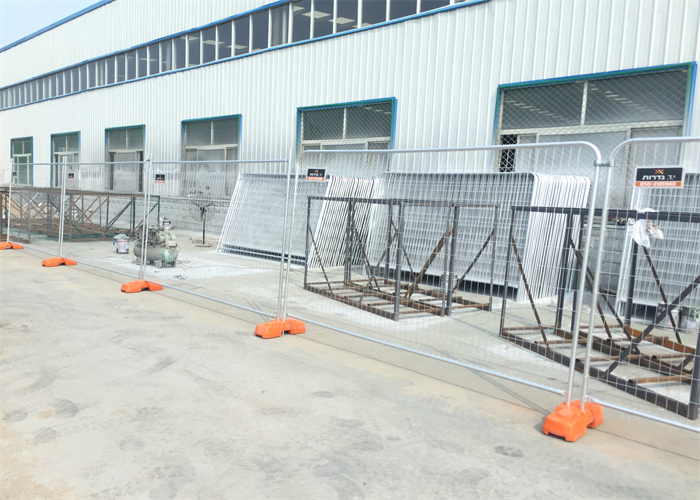
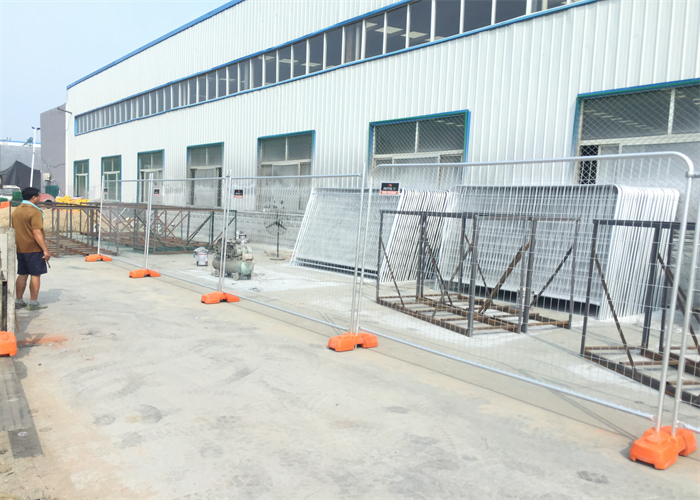
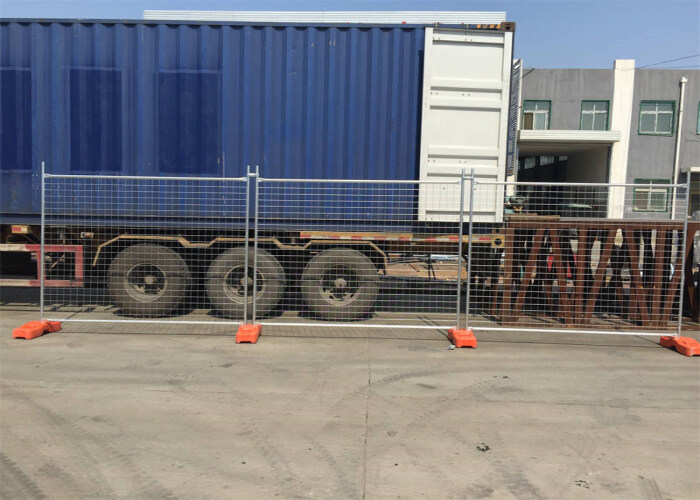
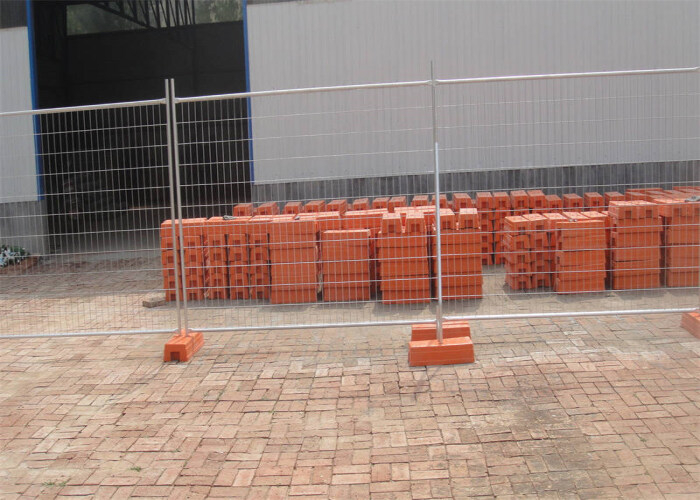
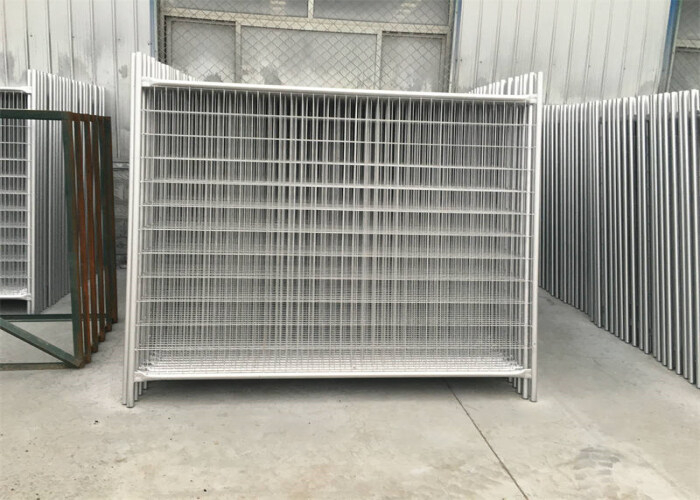
POLYMETAL builders temporary fence panels (2100mm Height System)
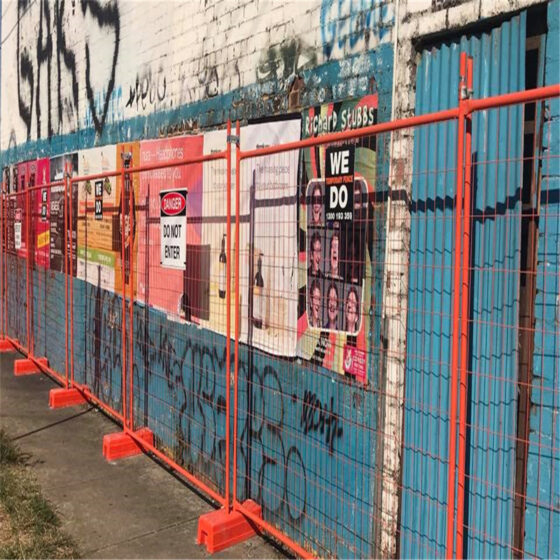
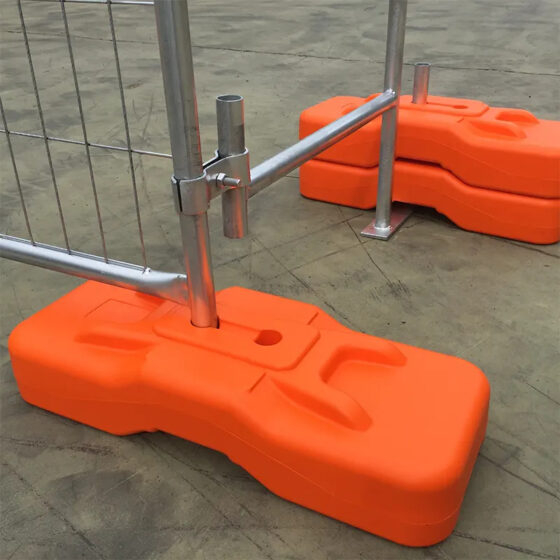
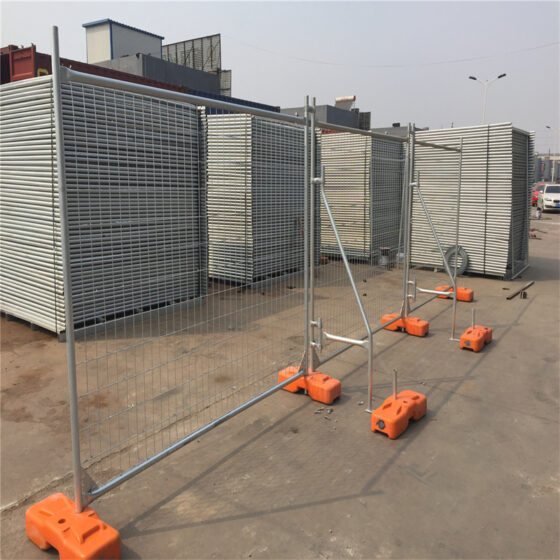
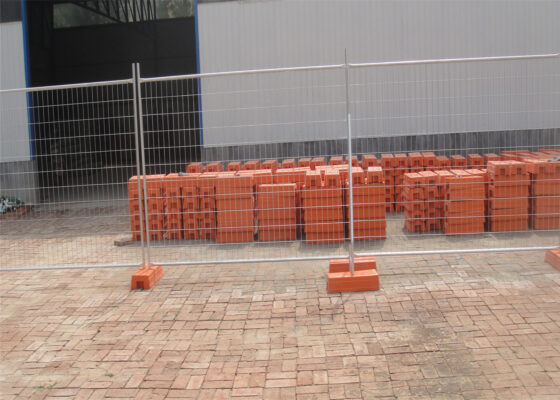
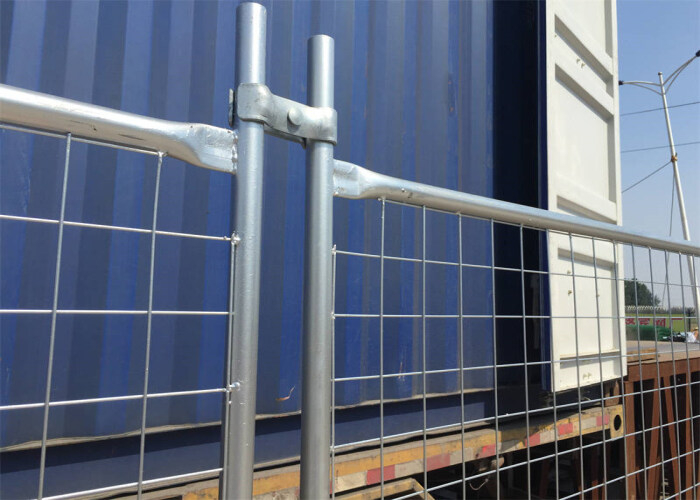
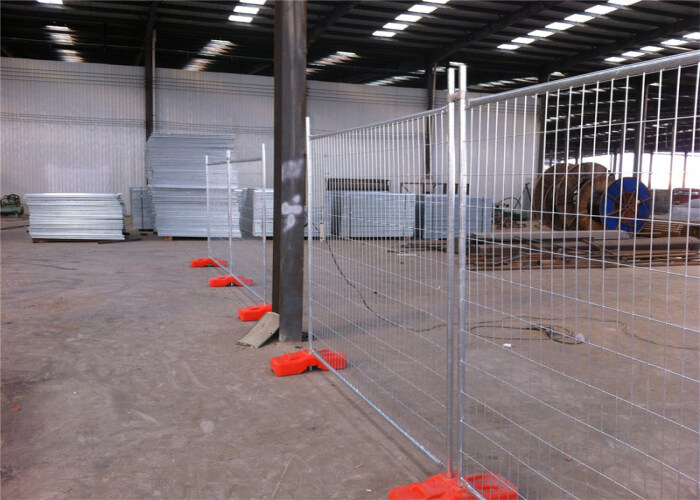
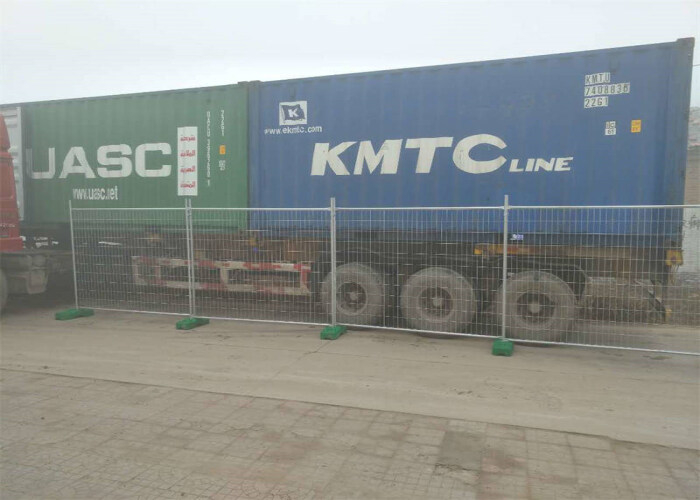
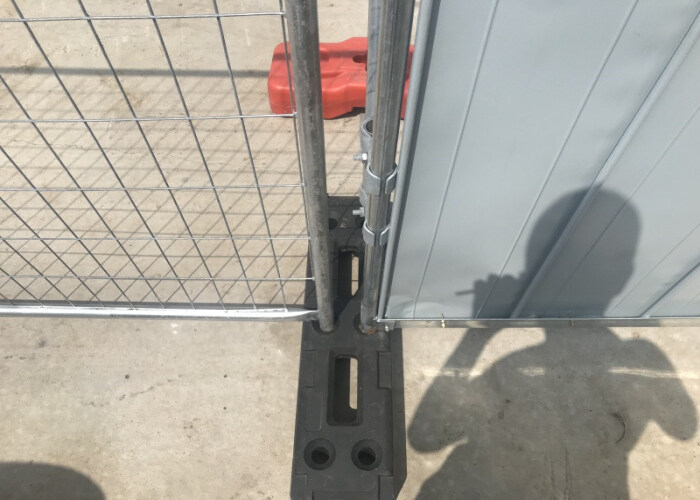
POLYMETAL builders temporary fence panels are designed for fast installation and repeatable perimeter control without disturbing the surface by digging holes or laying foundations. Panels are anchored into sturdy bases and connected at the top with metal clips, allowing crews to build long, stable runs quickly and reposition them as work zones change.
The system is built around a classic 2100mm height with popular widths of 2400mm, 3300mm, and 3500mm (with a middle brace available on wider formats to reduce flex and improve wind-line stability). Frame tube options include OD32mm, OD38mm, OD40mm, and OD41mm, with wall thickness selections of 1.0mm, 1.2mm, 1.4mm, 1.5mm, and 2.00mm to match handling cycles and site abuse.
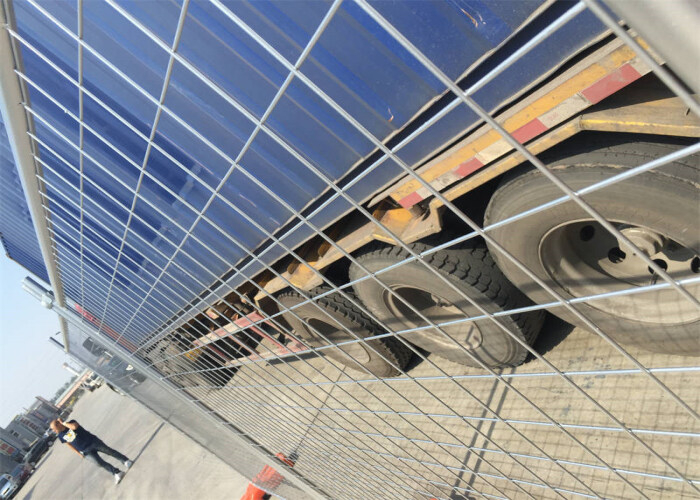
The infill mesh uses the widely adopted 60mm × 150mm opening, paired with wire diameters of 2.70mm, 3.00mm, or 4.00mm to balance visibility and rigidity. Finish options include 14 microns zinc protection for value-grade needs, 42 microns hot dipped galvanized for strong outdoor protection, and 100 microns heavy-duty galvanizing for harsh exposure and longer reuse cycles.
When specified as a complete system—panel, base, clip centre, and bracing—POLYMETAL builders temporary fence panels support stable, professional site control aligned to AS4687-2022 expectations.
Specifications: builders temporary fence panels
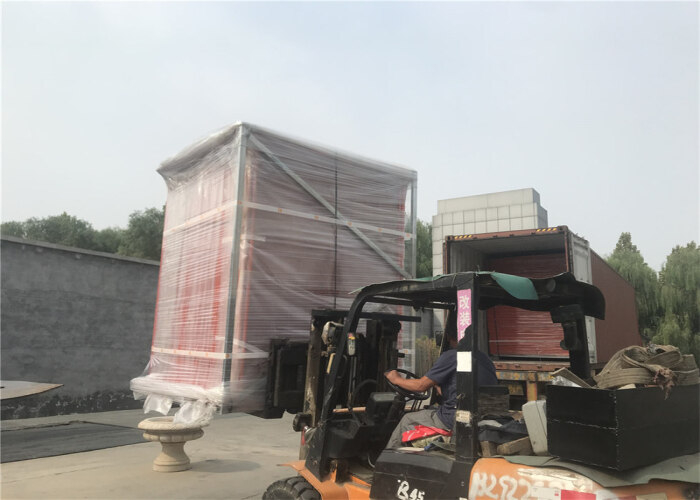
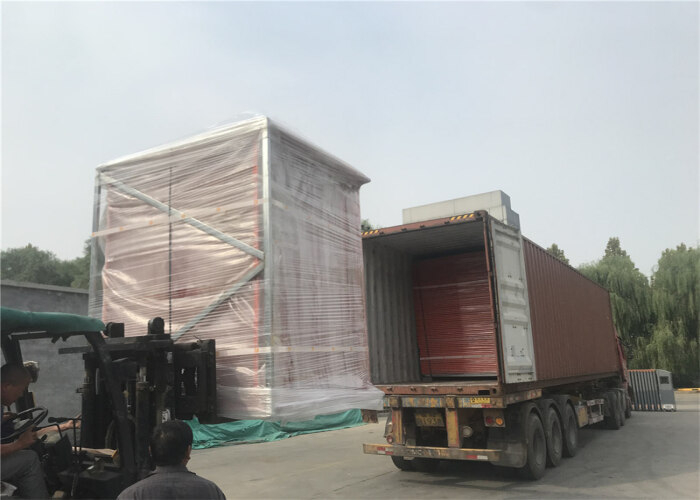
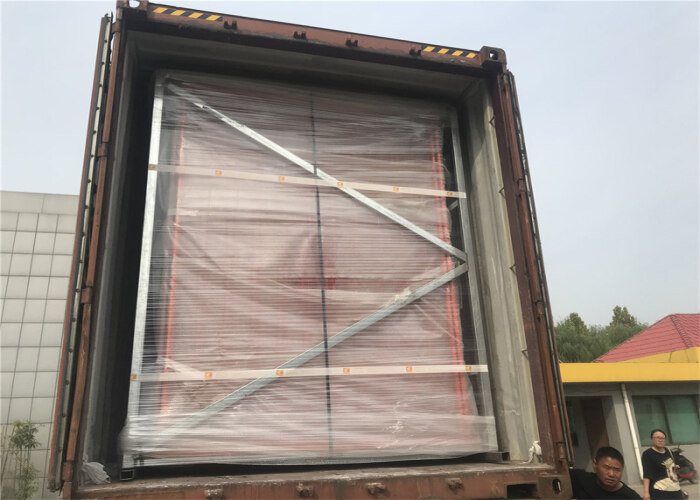
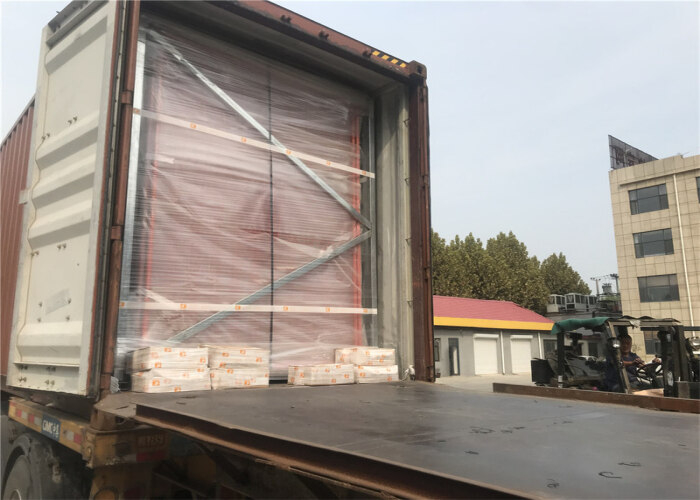
Table 1: Panel Formats + Wire Count + Finish (2100mm Height System)
| Panel Size (H×W) | Middle Brace | Frame Tube OD | Frame Wall | Mesh Opening | Wire Dia | Vertical Wires | Horizontal Wires | Finish | Build Target |
|---|---|---|---|---|---|---|---|---|---|
| 2100×2400mm | No | OD32 | 1.0mm | 60×150mm | 2.70mm | 12 pcs | 38 pcs | 14 microns HDG | Fast install, value fleet |
| 2100×2400mm | No | OD32 | 1.2mm | 60×150mm | 3.00mm | 12 pcs | 38 pcs | 14 microns HDG | Housing sites |
| 2100×2400mm | No | OD38 | 1.4mm | 60×150mm | 3.00mm | 12 pcs | 38 pcs | 42 microns HDG | Higher handling cycles |
| 2100×2400mm | No | OD38 | 1.5mm | 60×150mm | 4.00mm | 12 pcs | 38 pcs | 42 microns HDG | High-contact edges |
| 2100×2400mm | No | OD40 | 2.00mm | 60×150mm | 4.00mm | 12 pcs | 38 pcs | 100 microns HDG | Harsh exposure, long-life |
| 2100×3300mm | Yes | OD32 | 1.2mm | 60×150mm | 3.00mm | 12 pcs | 53 pcs | 14 microns HDG | Coverage-focused runs |
| 2100×3300mm | Yes | OD38 | 1.4mm | 60×150mm | 3.00mm | 12 pcs | 53 pcs | 42 microns HDG | Rental yard standard |
| 2100×3300mm | Yes | OD40 | 1.5mm | 60×150mm | 4.00mm | 12 pcs | 53 pcs | 42 microns HDG | Wind-line stability |
| 2100×3500mm | Yes | OD40 | 1.5mm | 60×150mm | 3.00mm | 12 pcs | 56 pcs | 42 microns HDG | Long straight runs |
| 2100×3500mm | Yes | OD41 | 2.00mm | 60×150mm | 4.00mm | 12 pcs | 56 pcs | 100 microns HDG | Maximum rigidity + reuse |
Table 2: Frame Tube OD + Wall Thickness (Rigidity Control Map)
| Frame Tube OD | Wall Thickness | Best Width | Middle Brace | Best Wire Dia | Rigidity Level | Dent Resistance | Handling Cycle Fit | Recommended Finish | Typical Use |
|---|---|---|---|---|---|---|---|---|---|
| OD32 | 1.0mm | 2400mm | Optional | 2.70–3.00 | Medium | Medium | Moderate | 14 microns | Short-term boundaries |
| OD32 | 1.2mm | 2400mm | Optional | 3.00 | Medium+ | Medium | High | 14 / 42 | Housing sites |
| OD32 | 1.4mm | 2400–3300 | Recommended | 3.00–4.00 | High | High | High | 42 | General fleets |
| OD38 | 1.2mm | 2400–3300 | Recommended | 3.00 | High | High | Very High | 42 | Busy work zones |
| OD38 | 1.4mm | 2400–3500 | Yes (wide) | 3.00–4.00 | Very High | High | Very High | 42 | Rental + roadworks |
| OD38 | 1.5mm | 2400–3500 | Yes (wide) | 4.00 | Very High | Very High | Extreme | 42 / 100 | Wind-exposed lines |
| OD40 | 1.4mm | 3300–3500 | Yes | 3.00–4.00 | Very High | Very High | Extreme | 42 | Long run stability |
| OD40 | 1.5mm | 3500 | Yes | 4.00 | Extreme | Very High | Extreme | 42 / 100 | High abuse sites |
| OD40 | 2.00mm | 2400–3500 | Yes (wide) | 4.00 | Extreme+ | Extreme | Extreme | 100 | Harsh exposure programs |
| OD41 | 2.00mm | 3500 | Yes | 4.00 | Extreme+ | Extreme | Extreme | 100 | No-compromise fleets |
Table 3: builders temporary fence panels Mesh Opening + Wire Diameter (Performance Tuning)
| Mesh Opening | Wire Dia | Panel Width | Vertical Wires | Horizontal Wires | Face Rigidity | Anti-Push Behavior | Best Frame OD | Recommended Wall | Best-Fit Sites |
|---|---|---|---|---|---|---|---|---|---|
| 60×150mm | 2.70mm | 2400mm | 12 pcs | 38 pcs | Medium | Medium | OD32 | 1.0–1.2 | Light boundaries |
| 60×150mm | 3.00mm | 2400mm | 12 pcs | 38 pcs | Medium+ | High | OD32–OD38 | 1.2–1.4 | Housing sites |
| 60×150mm | 4.00mm | 2400mm | 12 pcs | 38 pcs | High | Very High | OD38–OD40 | 1.5–2.0 | High-contact edges |
| 60×150mm | 2.70mm | 3300mm | 12 pcs | 53 pcs | Medium | Medium+ | OD32 | 1.2–1.4 | Coverage runs |
| 60×150mm | 3.00mm | 3300mm | 12 pcs | 53 pcs | Medium+ | High | OD38 | 1.4–1.5 | Construction perimeters |
| 60×150mm | 4.00mm | 3300mm | 12 pcs | 53 pcs | High | Very High | OD40 | 1.5–2.0 | Wind-exposed zones |
| 60×150mm | 2.70mm | 3500mm | 12 pcs | 56 pcs | Medium | Medium+ | OD32–OD38 | 1.4 | Fast coverage lines |
| 60×150mm | 3.00mm | 3500mm | 12 pcs | 56 pcs | Medium+ | High | OD40 | 1.5 | Busy site boundaries |
| 60×150mm | 4.00mm | 3500mm | 12 pcs | 56 pcs | High | Very High | OD40–OD41 | 2.0 | Critical exclusion zones |
| 60×150mm | 4.00mm | 2400–3500 | 12 pcs | 38–56 pcs | High | Very High | OD38–OD41 | 1.5–2.0 | Rental fleets (high reuse) |
Table 4: builders temporary fence panels Finish Options (Zinc Protection Level vs Exposure)
| Finish Type | Zinc Level | Finish Description | Corrosion Resistance | Best Environment | Handling Cycle Fit | Appearance Retention | Best Match Wire | Best Match Frame | What It Prevents |
|---|---|---|---|---|---|---|---|---|---|
| Value galvanized | 14 microns | Economy zinc protection | Good | Short-term / controlled | Moderate | Good | 2.70–3.00 | OD32 (1.0–1.2) | Basic early staining |
| Outdoor standard | 42 microns | Hot dipped galvanized | Very High | Outdoor exposure | High | Very Good | 3.00–4.00 | OD32–OD40 (1.2–1.5) | Fast rust complaints |
| Heavy duty | 100 microns | Thicker HDG protection | Extreme | Coastal / harsh | Extreme | Very Good | 4.00 | OD40–OD41 (2.0) | Premature replacement |
| 14 microns + better packing | 14 microns | Value finish with abrasion control | Good+ | Mixed indoor/outdoor | High | Good | 3.00 | OD32 (1.2–1.4) | Transport rub damage |
| 42 microns + reuse focus | 42 microns | Fleet-grade HDG | Very High | AU/NZ common | Very High | Very Good | 3.00–4.00 | OD38–OD40 (1.4–1.5) | Weld-zone corrosion |
| 100 microns + harsh storage | 100 microns | High zinc for outdoor yards | Extreme | Coastal yards | Extreme | Very Good | 4.00 | OD40–OD41 (2.0) | Rust at high-contact points |
| 42 microns + optional color system | 42 microns | HDG base with optional coating | Very High | Public visibility sites | Very High | Excellent | 3.00–4.00 | OD38–OD40 (1.5) | Visual fatigue on hire fleets |
| 14 microns (fast coverage) | 14 microns | Budget coverage panels | Good | Short build cycles | Moderate | Good | 2.70 | OD32 (1.0) | Over-spending on short jobs |
| 42 microns (balanced) | 42 microns | Best cost-per-use choice | Very High | General outdoor | High | Very Good | 3.00 | OD32–OD38 (1.2–1.4) | Early repaint cycles |
| 100 microns (no-fail) | 100 microns | Highest protection target | Extreme | High-risk assets | Extreme | Very Good | 4.00 | OD40–OD41 (2.0) | Downtime from corrosion |
Table 5:builders temporary fence panels Bases, Clips, and Fastening Centres (System Compatibility Control)
| Base Type | Base Size | Fastening Centre | Clip/Clamp Type | Best Frame OD | Best Width | Stability Level | Best Environment | Recommended Add-On | Risk Controlled |
|---|---|---|---|---|---|---|---|---|---|
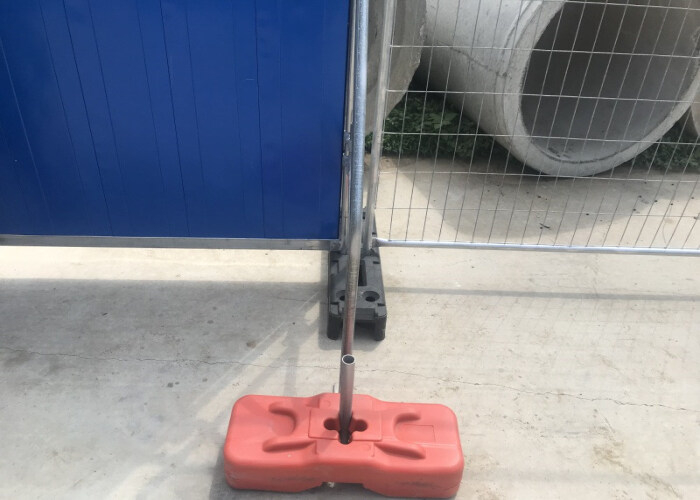
| Blow-mold plastic feet | 600×220×150mm | 75mm | Galv metal clip | OD32–OD41 | 2400–3500 | High | General outdoor | Brace for wind | Rocking and drift |
| Blow-mold plastic feet | 600×220×150mm | 80mm | Galv metal clip | OD32–OD41 | 2400–3500 | High | General outdoor | Corner stays | Misalignment at joins |
| Blow-mold plastic feet | 600×220×150mm | 90mm | Galv metal clip | OD32–OD41 | 2400–3500 | High | General outdoor | Sandbags in gusts | Gap opening |
| Injection-mold plastic feet | 560×240×150mm | 75mm | Galv metal clip | OD32–OD41 | 2400–3500 | High | Hard surfaces | Anti-slip pads | Sliding on asphalt |
| Injection-mold plastic feet | 560×240×150mm | 80mm | Galv metal clip | OD32–OD41 | 2400–3500 | High | Hard surfaces | Brace points | Twist under load |
| Injection-mold plastic feet | 560×240×150mm | 90mm | Galv metal clip | OD32–OD41 | 2400–3500 | High | Hard surfaces | Corner reinforcement | Corner wave effect |
| Steel base (heavy) | Project spec | 80mm | Heavy-duty clamp | OD38–OD41 | 2400–3500 | Very High | Wind zones | Anti-lift clamp | Topple risk |
| Steel base (heavy) | Project spec | 90mm | Heavy-duty clamp | OD38–OD41 | 3300–3500 | Very High | Wind zones | Middle brace | Progressive collapse |
| Filled plastic feet | 600×220×150mm | 80mm | Galv metal clip | OD32–OD41 | 2400–3500 | Very High | High traffic | Extra straps | Line drift |
| Filled plastic feet | 560×240×150mm | 90mm | Galv metal clip | OD32–OD41 | 2400–3500 | Very High | High traffic | Corner stays | Rattle and wobble |
Applications
POLYMETAL builders temporary fence panels are used for commercial construction sites, domestic housing sites, pool construction zones, sporting events, special events, concerts and parades, local council work sites, pedestrian diversion and roadworks boundaries, and general crowd control or safety exclusion lines where fast setup and repeatable alignment matter.
Benefits builders temporary fence panels
Builders temporary fence panels deliver real value when they install fast, stay straight, and survive repeated handling. POLYMETAL panels are engineered around stable geometry, controlled mesh specification, and finish options matched to outdoor exposure. Correct frame tube OD and wall thickness improves dent resistance, while the 60×150 mesh opening supports visibility and practical stiffness. When bases, clamp centres, and middle brace choices are matched to the run length and wind demand, fence lines remain clean, quiet, and professional—reducing complaints and rework.
Packing builders temporary fence panels
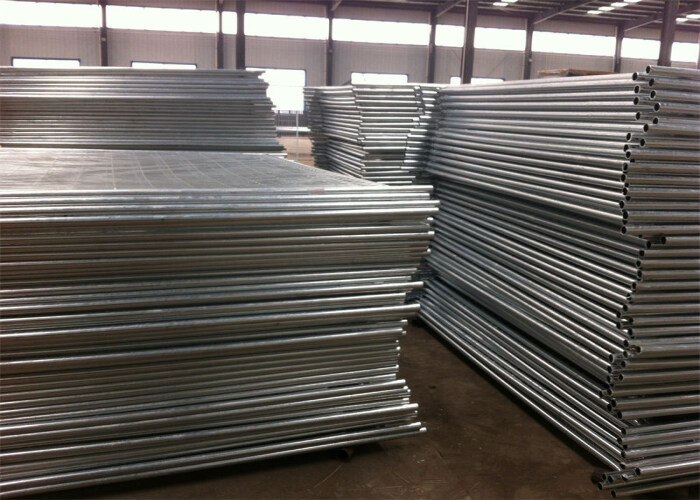
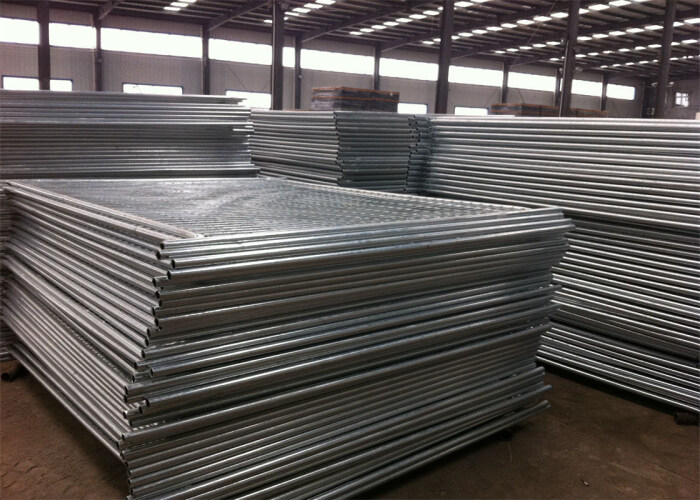
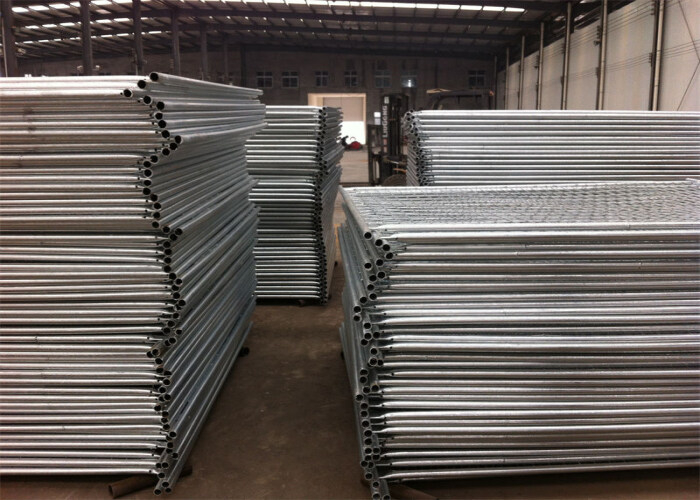
Panels are commonly stacked and secured on metal pallets and wrapped with protective film to reduce rubbing and coating damage during loading and transport. Bases and clamps are packed as organized sets so crews avoid missing-part delays at site. Good packing prevents a painful hidden loss: bent corners, damaged zinc, or distorted panels before the first install.
Standard: AS4687-2022 Compliance Build Logic
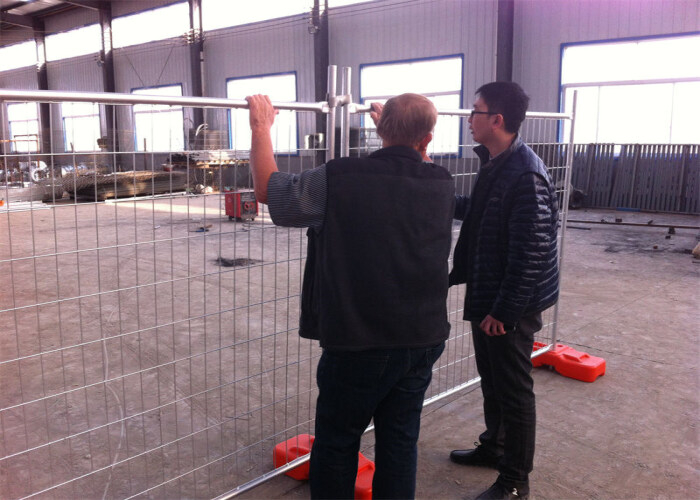
POLYMETAL can supply builders temporary fence panels configured to comply with AS4687-2022 by controlling the specified system geometry (panel dimensions and bracing), frame tube OD and wall thickness, mesh opening and wire diameter, finish level (zinc protection target), and system compatibility (bases, clamp centres, clips, and braces). Compliance-focused outcomes are achieved by ordering and delivering the complete system specification so the installed fence line matches the project expectation and remains stable under real site conditions.
Top 28 Buying Warnings for builders temporary fence panels (Especially #21)
Trap #1: Buying “2100×2400” without confirming the real tube OD.
Two panels can share the same height and width but perform very differently if one is OD32 and the other is OD38/OD40. Smaller OD frames dent faster and flex more under handling, which turns a straight line into a wavy line after a few moves. Lock OD in writing so every batch matches.
Trap #2: Treating frame wall thickness like a small detail.
1.0mm and 2.00mm walls do not behave the same. Thin walls oval at clamp points, loosen at corners, and deform during stacking. If you need repeatable reuse, thicker walls are the cheapest insurance you can buy.
Trap #3: Ordering 3300/3500 wide panels without a middle brace plan.
Wide panels cover ground fast, but they also amplify flex. Without a middle brace, the panel face can bow and the top line can sag, especially in wind or high-traffic areas. A brace turns “wide coverage” into “wide stability.”
Trap #4: Assuming the mesh opening alone guarantees performance.
60×150 is popular, but wire diameter and weld quality decide stiffness and push resistance. A “correct opening” with thin wire becomes a flexible screen. Match mesh opening with the correct wire diameter for the job.
Trap #5: Under-specifying wire diameter to chase a cheaper line item.
2.70mm, 3.00mm, and 4.00mm are three different products in real life. Thinner wire can deform during transport and lose visual straightness. Higher wire diameter improves rigidity and reduces “panel face wobble.”
Trap #6: Ignoring weld fusion because the panel “looks fine.”
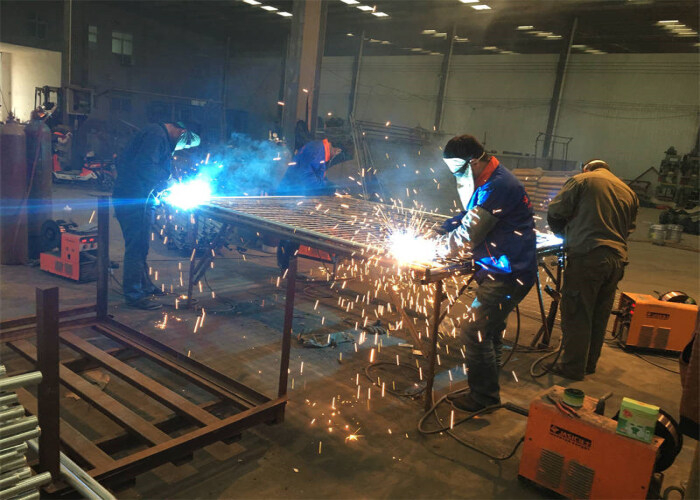
Weak welds rarely fail on the pallet. They fail after vibration, temperature cycling, and repeated lifting. Once welds crack, the panel becomes noisy, loose, and unacceptable on professional sites.
Trap #7: Choosing 14 microns for harsh outdoor exposure.
14 microns is value-grade zinc protection. In tough storage yards, coastal air, or long outdoor runs, thin protection becomes fast staining, then corrosion points. Matching zinc level to exposure stops replacement cycles.
Trap #8: Buying 42 microns but losing it to transport abrasion.
Even strong galvanizing can be damaged by poor pallet stacking and rubbing. If corners scrape and rails grind together, the “good finish” gets destroyed before installation. Packing discipline is part of the specification.
Trap #9: Using the wrong clamp centre (75/80/90mm) and forcing “make it fit” installs.
When base slot centres and clip centres don’t match, panels twist, alignment becomes slow, and the line never sits true. That misfit becomes a stability problem across long runs. Standardize centre distance across the job.
Trap #10: Buying bases that slide on hard surfaces.
Panels can be strong and still fail if bases drift on asphalt or concrete. Sliding bases open gaps and create sudden weak points. Choose base footprint and mass to match the ground and traffic pattern.
Trap #11: Skipping corner stability planning.
Corners act like load points. If corners aren’t braced or weighted, the run “walks” and the entire line can drift off alignment. Strong corners protect the whole fence.
Trap #12: Assuming every supplier’s “OD32” is the same.
Tube OD might match, but wall thickness tolerances and manufacturing consistency can differ. Inconsistent tubes produce inconsistent clamp tightness and visible line waviness. Consistency is what creates professional appearance.
Trap #13: Forgetting that wind turns temporary fencing into a system test.
Wind exposes every weakness: thin frames, missing braces, weak clamps, sliding bases. If your run is exposed, upgrade the frame, finish, and bracing strategy before you pay the downtime bill.
Trap #14: Choosing the widest panels to reduce count, then creating more instability.
3500mm reduces panel count, but it increases leverage and flex. Without the right OD/wall/brace/base combination, “fewer panels” becomes “more problems.” Wide panels must be treated as heavier-duty builds.
Trap #15: Buying the wrong horizontal wire count for the width.
2.1×2.4m panels typically use 38 horizontal wires; 2.1×3.3m use 53; 2.1×3.5m use 56. Wrong wire-count patterns change stiffness and the way the face behaves under pressure. Lock the correct pattern to avoid weak panels.
Trap #16: Ignoring gate and access compatibility until the last minute.
A fence line is only as strong as its access points. If gates, stays, and braces don’t match the system geometry, installers improvise and create weak points. Plan access hardware with the panel spec.
Trap #17: Underestimating stacking damage in rental fleets.
Rental fleets live and die by handling cycles. Thin frames dent, thin wire bends, and poor packing scratches galvanizing. The result is early retirement of panels and poor return on investment.
Trap #18: Buying mixed batches with tiny geometry differences.
Small differences in rail length, mesh positioning, or clamp points cause visible mismatches and installation fighting. On long runs, this becomes a “zig-zag line” problem. Standardize drawings and lock tolerances for every batch.
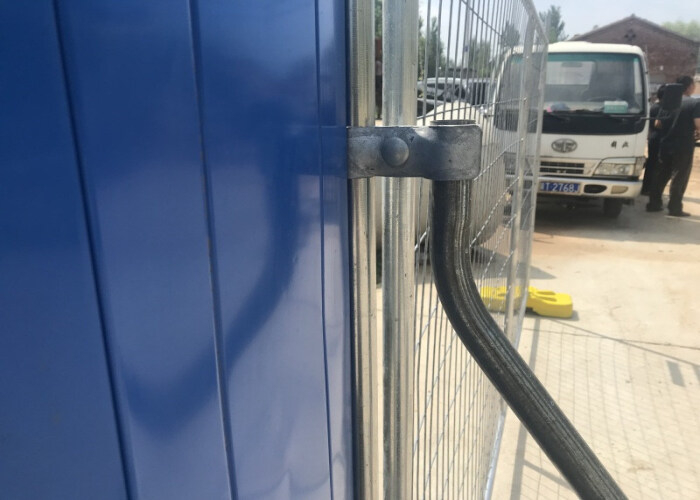
Trap #19: Treating clips as “small parts” that don’t matter.
Clips control alignment. Weak or inconsistent clips spread, loosen, and create rattle points. When clips fail, the entire run looks unprofessional and becomes less secure.
Trap #20: Ignoring UV and appearance logic for bases and visibility items.
High-visibility site control depends on items staying bright and readable. UV-stabilized materials keep colors attractive and reduce the “old, tired site” look that triggers complaints and safety concerns.
Trap #21: The Downtime Loss—when a “looks-right” fence fails AS4687-2022 outcomes under real conditions.
This is the trap that destroys budgets. A fence run may look fine during setup, then fail when conditions change: bases slide, clamps loosen, wide panels flex, and sections collapse or open gaps. The result is emergency rework, delayed site operations, safety incidents, and downtime that costs more than the entire order. Prevent it by locking the complete system specification early: correct OD and wall thickness, correct wire diameter, correct finish level, correct clamp centre, correct base type, and a real brace plan for wind zones.
Trap #22: Choosing OD32 for high-abuse zones that need OD38/OD40.
OD32 is efficient, but high-abuse areas punish lighter frames. If the perimeter is frequently bumped, leaned on, or relocated, OD38/OD40 reduces dents and keeps the fence line straighter over time.
Trap #23: Selecting 14 microns for jobs that demand long reuse life.
When reuse is the business model, corrosion resistance becomes profit. Thinner zinc protection can age faster in outdoor yards and frequent handling. Choose finish level based on reuse expectation, not the cheapest quote.
Trap #24: Forgetting to standardize clamp centres across the entire project.
Mixing 75mm, 80mm, and 90mm centre systems creates slow installs and twisted alignment. Standardizing one centre distance keeps crews fast and prevents “fighting the fence” every morning.
Trap #25: Skipping spares and creating stop-work moments.
Clips, bases, and braces are high-cycle items. Missing spares turns small damage into big delays. A small spare pack keeps installs moving and prevents ugly improvisation.
Trap #26: Overlooking site-specific needs like pedestrian flow, deliveries, and staging changes.
Temporary fencing moves as the project moves. If the fence isn’t designed for repeated repositioning, it becomes a constant labor drain. Choose a system built for repeated handling and quick realignment.
Trap #27: Chasing the lowest price and paying the highest cost-per-use.
The cheapest panel often becomes the most expensive once dents, corrosion, and rework appear. Cost-per-use is won by durability, consistency, and system compatibility—not by the cheapest line item.
Trap #28: Buying a panel-only solution instead of a complete system.
Panels alone don’t create stability. Bases, clamp centres, clips, corner strategies, and bracing are what hold the line straight. System buying prevents “make it fit” installs and protects AS4687-2022 outcomes.
FAQs builders temporary fence panels
FAQ 1: What is the most common size for builders temporary fence panels?
2100mm (H) × 2400mm (W) is the classic format for fast coverage and easy handling, with 3300mm and 3500mm widths used to reduce panel count when paired with middle braces and stable bases.
FAQ 2: What mesh opening is most commonly used?
60mm × 150mm is widely selected because it balances visibility, stiffness, and market familiarity in AU/NZ resale and hire environments.
FAQ 3: Which wire diameter should I choose?
2.70mm suits lighter duty boundaries, 3.00mm is a balanced all-round choice, and 4.00mm is preferred for higher push risk, stronger rigidity, and high reuse fleets.
FAQ 4: Which frame tube OD should I choose?
OD32mm works well for standard jobs, while OD38mm/OD40mm/OD41mm are chosen for higher handling cycles, wider panels, wind-exposed runs, and tougher site abuse.
FAQ 5: Which finish should I pick: 14, 42, or 100 microns?
14 microns targets value-driven jobs, 42 microns is the strongest cost-per-use choice for common outdoor exposure, and 100 microns is heavy-duty protection for harsh environments and long-life reuse programs.
FAQ 6: What bases are commonly used?
Common options include blow-mold plastic feet (600×220×150mm) and injection-mold plastic feet (560×240×150mm), plus heavier steel bases for higher stability targets and wind zones.
FAQ 7: What fastening centre distances are used?
Fastening centres commonly include 75mm, 80mm, and 90mm. The correct centre must match the base slot geometry and clip design to keep runs straight and repeatable.
FAQ 8: Can POLYMETAL supply systems aligned to AS4687-2022?
Yes. Builders temporary fence panels can be supplied as a controlled system (panel, base, clip centre, and bracing strategy) aligned to AS4687-2022 expectations so the installed fence line remains stable, professional, and acceptance-ready.