Your One-Stop Wire Mesh Fence Supplier | POLYMETAL
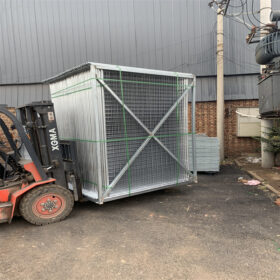
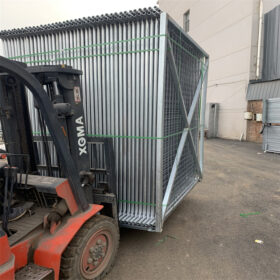
If you are planning to buy temporary fencing panels for construction sites, events, roadworks, or industrial projects, the biggest risk is not the upfront price.
The real danger is buying panels that look “similar” but fail where it matters: weld integrity, coating thickness, wind stability, and compliance. POLYMETAL focuses on practical, site-proven configurations that match Australia and New Zealand market expectations, including the widely used 60mm × 150mm mesh spacing and robust frame options built for repeated handling.
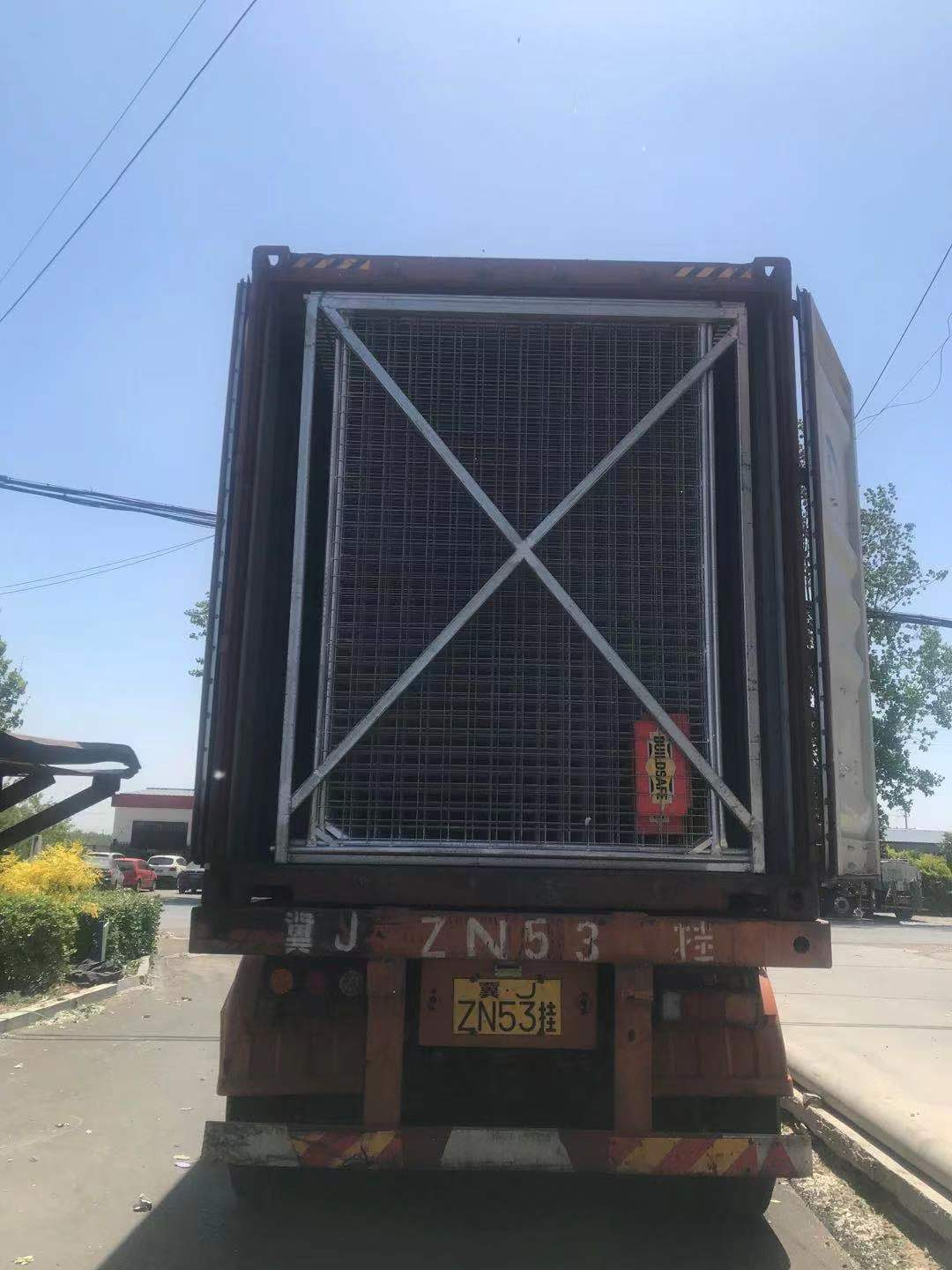
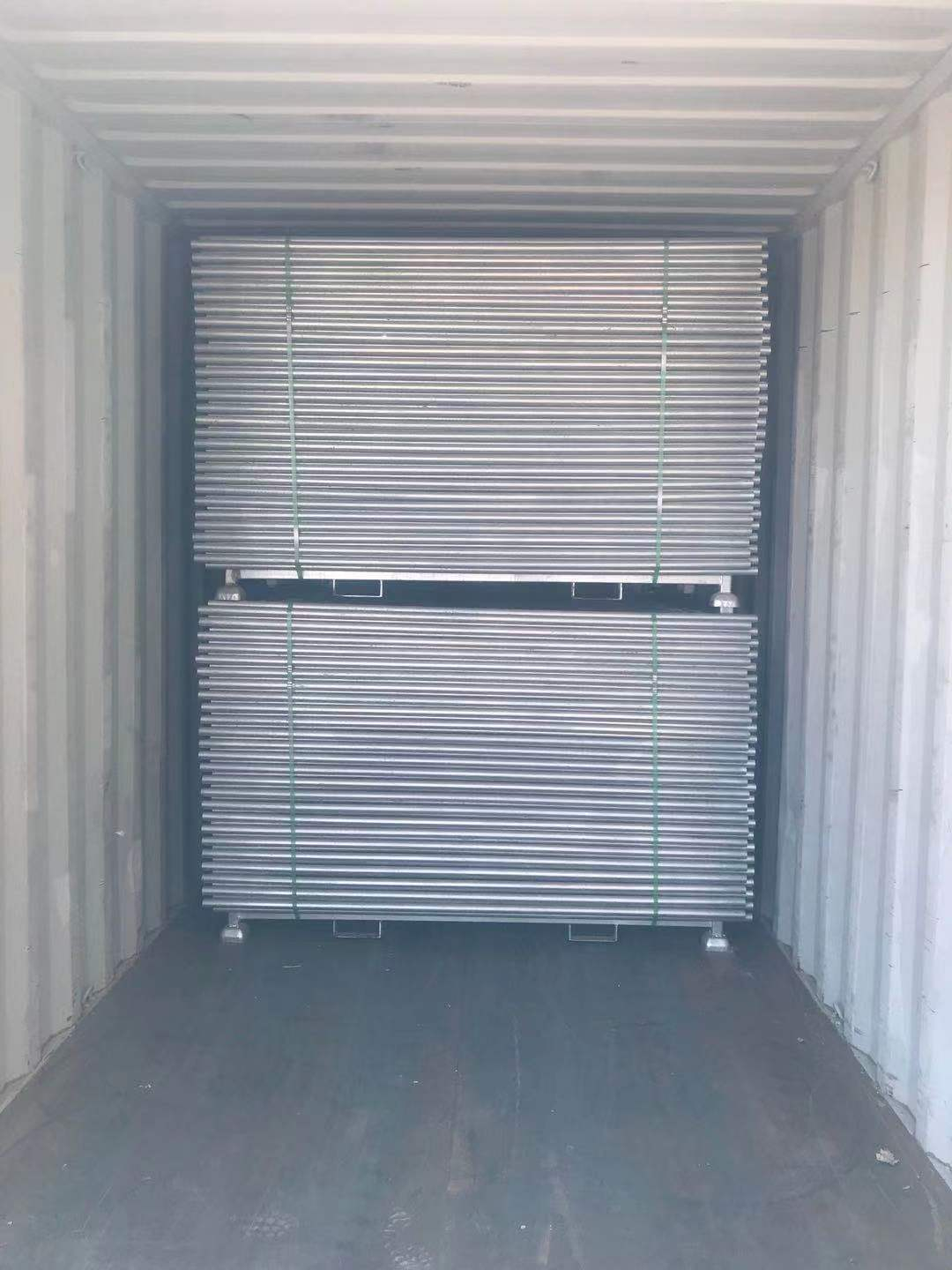
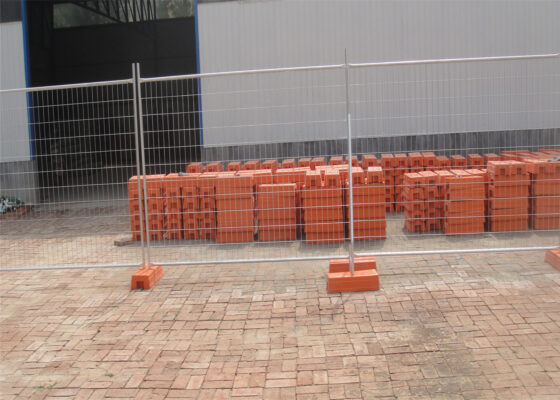
Product Description (POLYMETAL 2100mm × 2400mm, 14 Microns Zinc Layer)
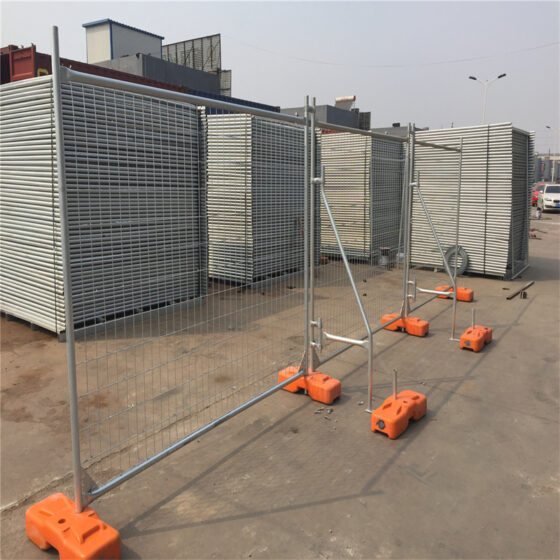
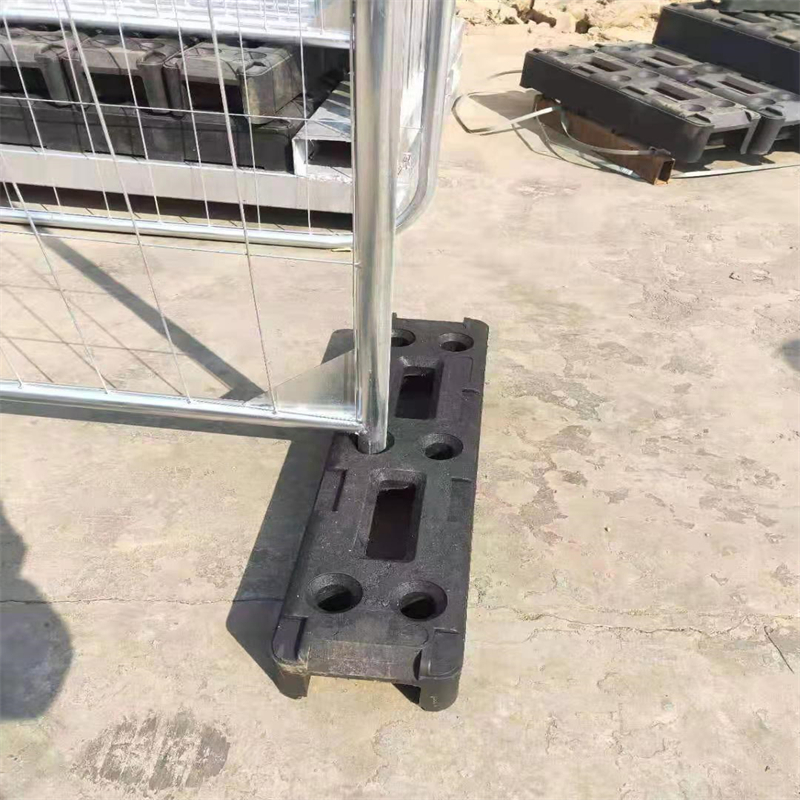
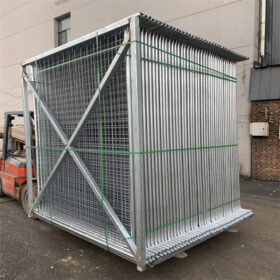
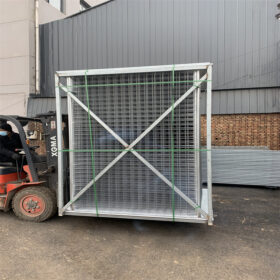
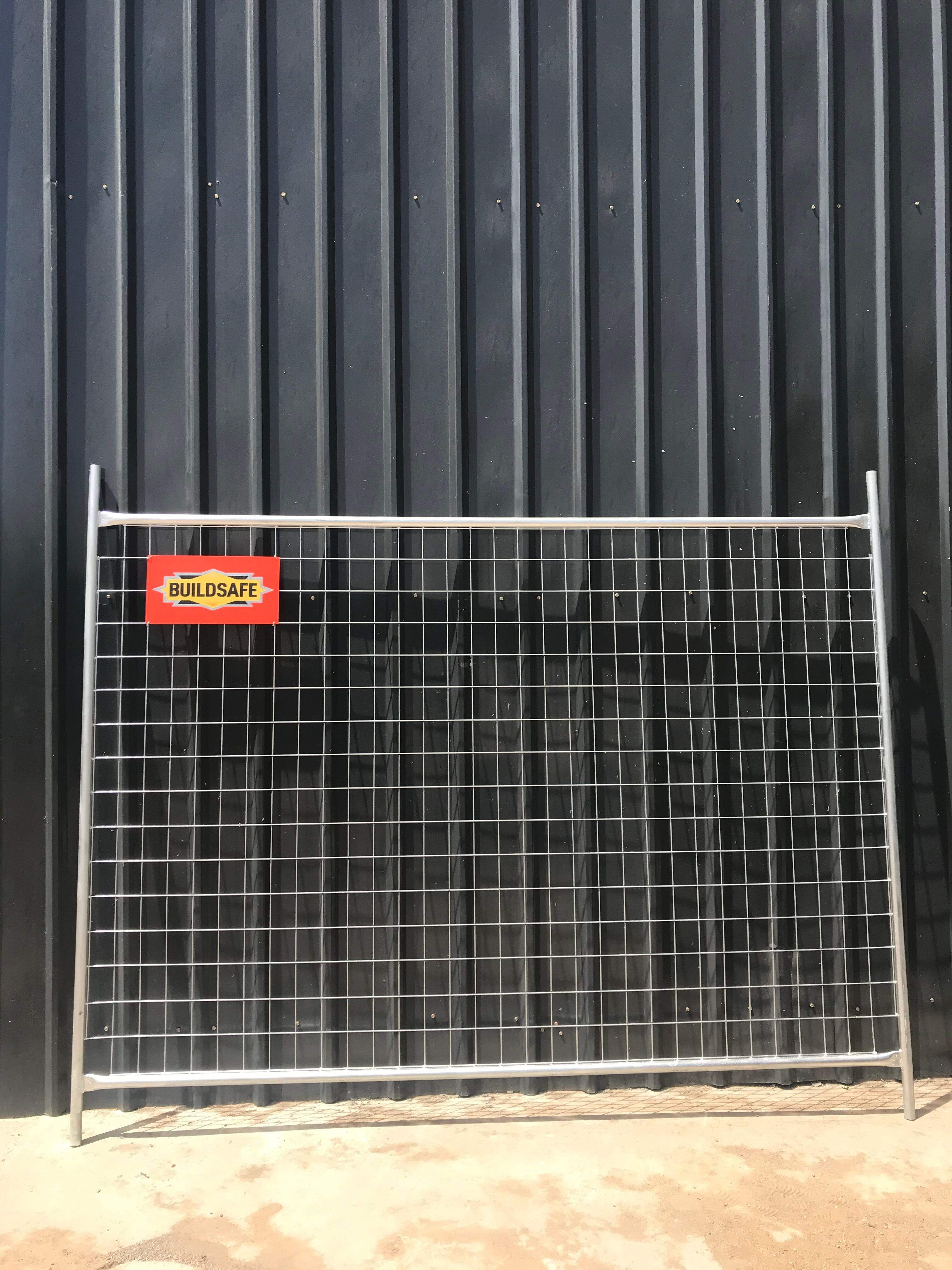
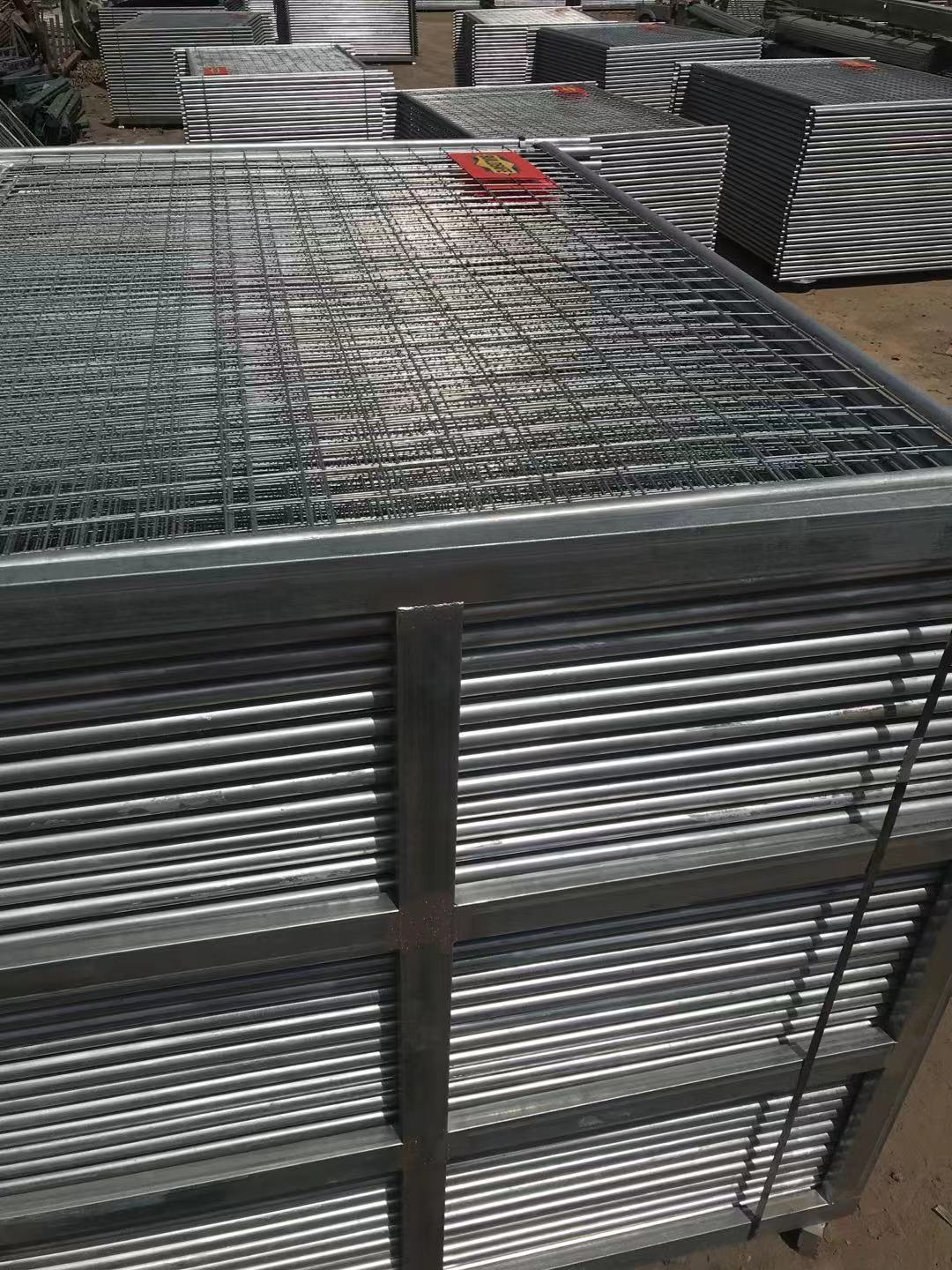
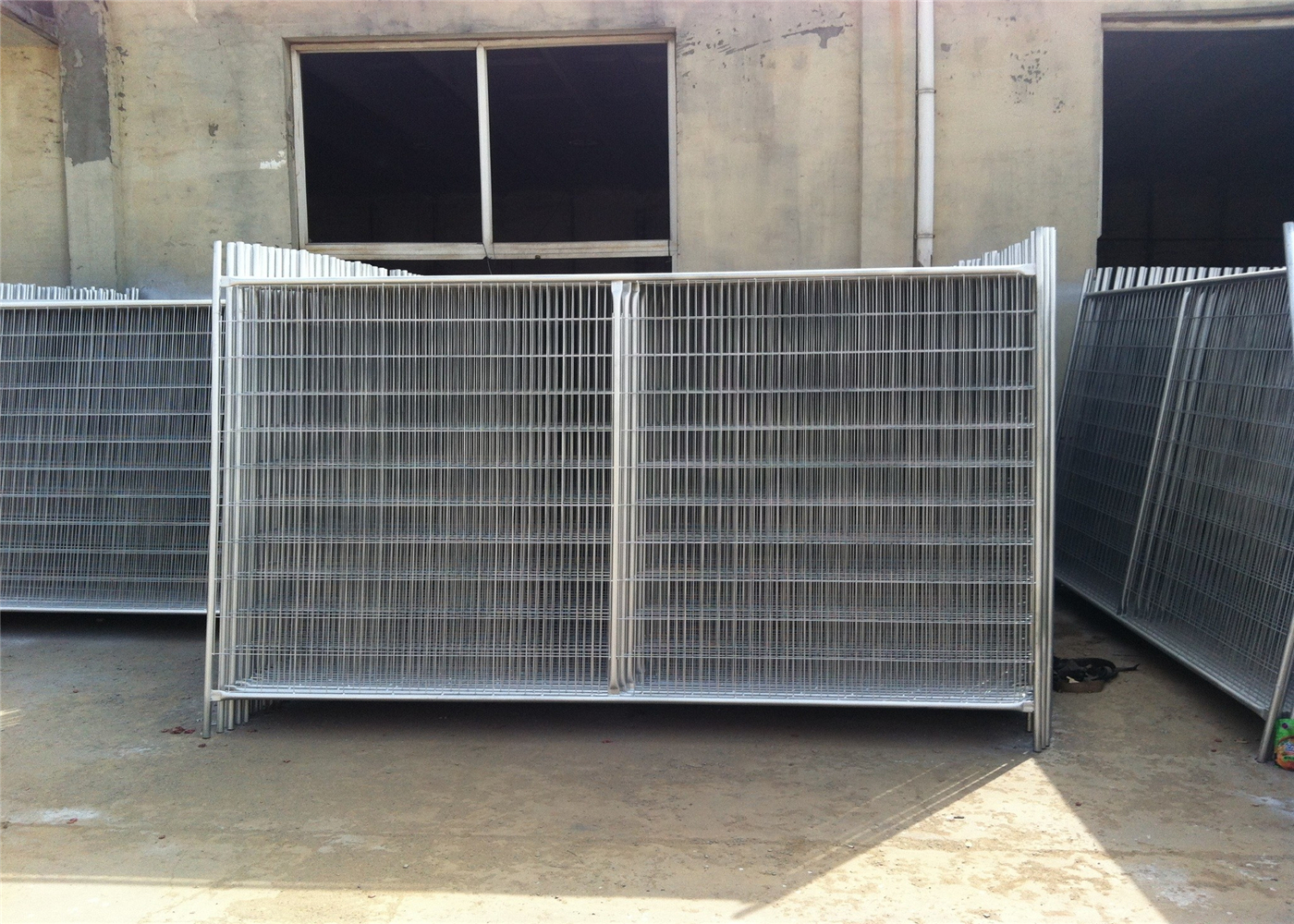
POLYMETAL stocks standard temporary fencing panels in the popular 2100mm (H) × 2400mm (W) size with a 14 microns zinc layer finish, ideal for cost-effective projects where buyers want to buy temporary fencing panels without sacrificing safe handling or stable perimeter control. The panel frame uses round tubing options such as OD 32mm and can be produced in heavier diameters (OD 38mm, OD 40mm, OD 41mm) depending on your wind zone and reuse cycle.
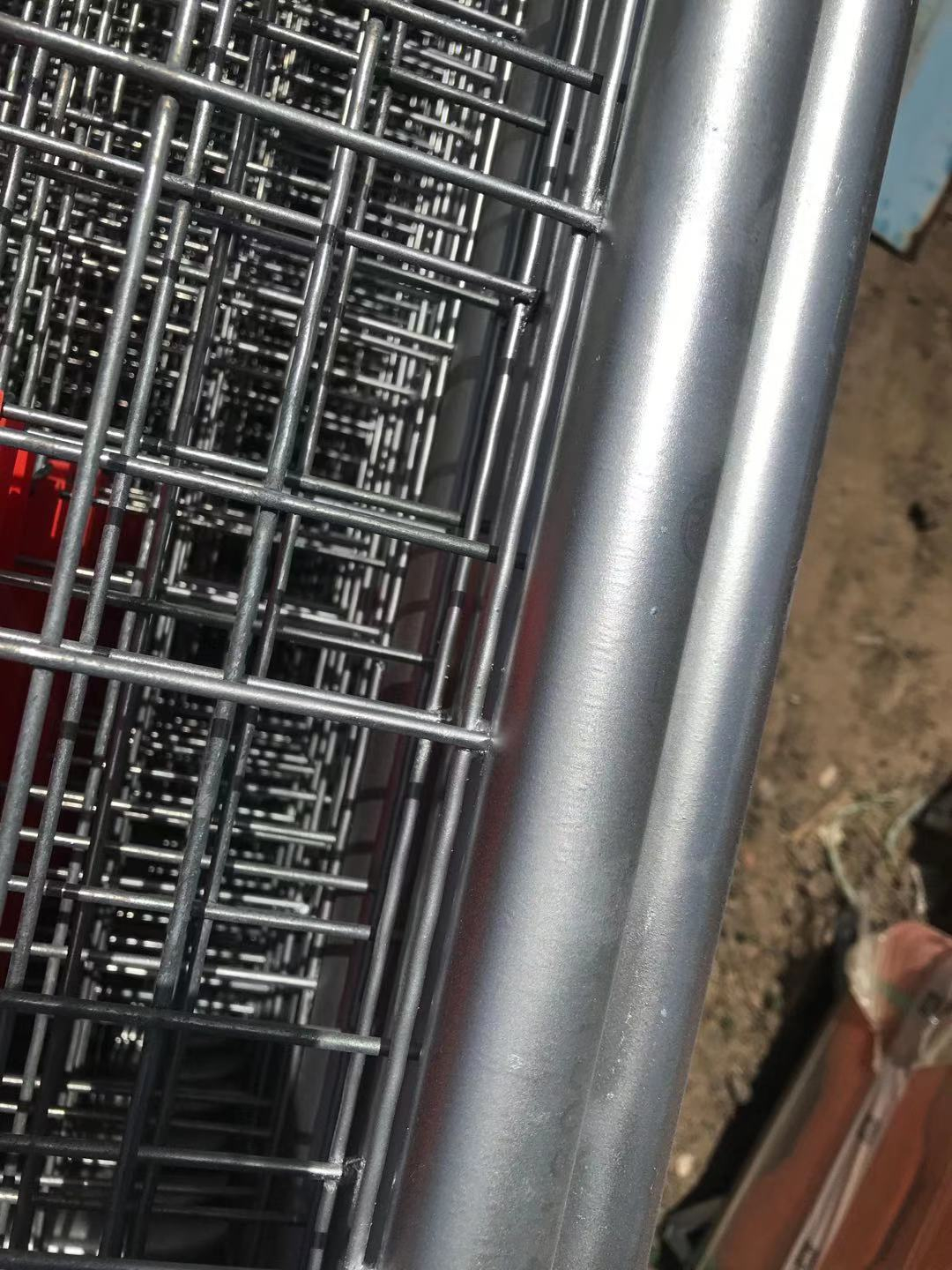
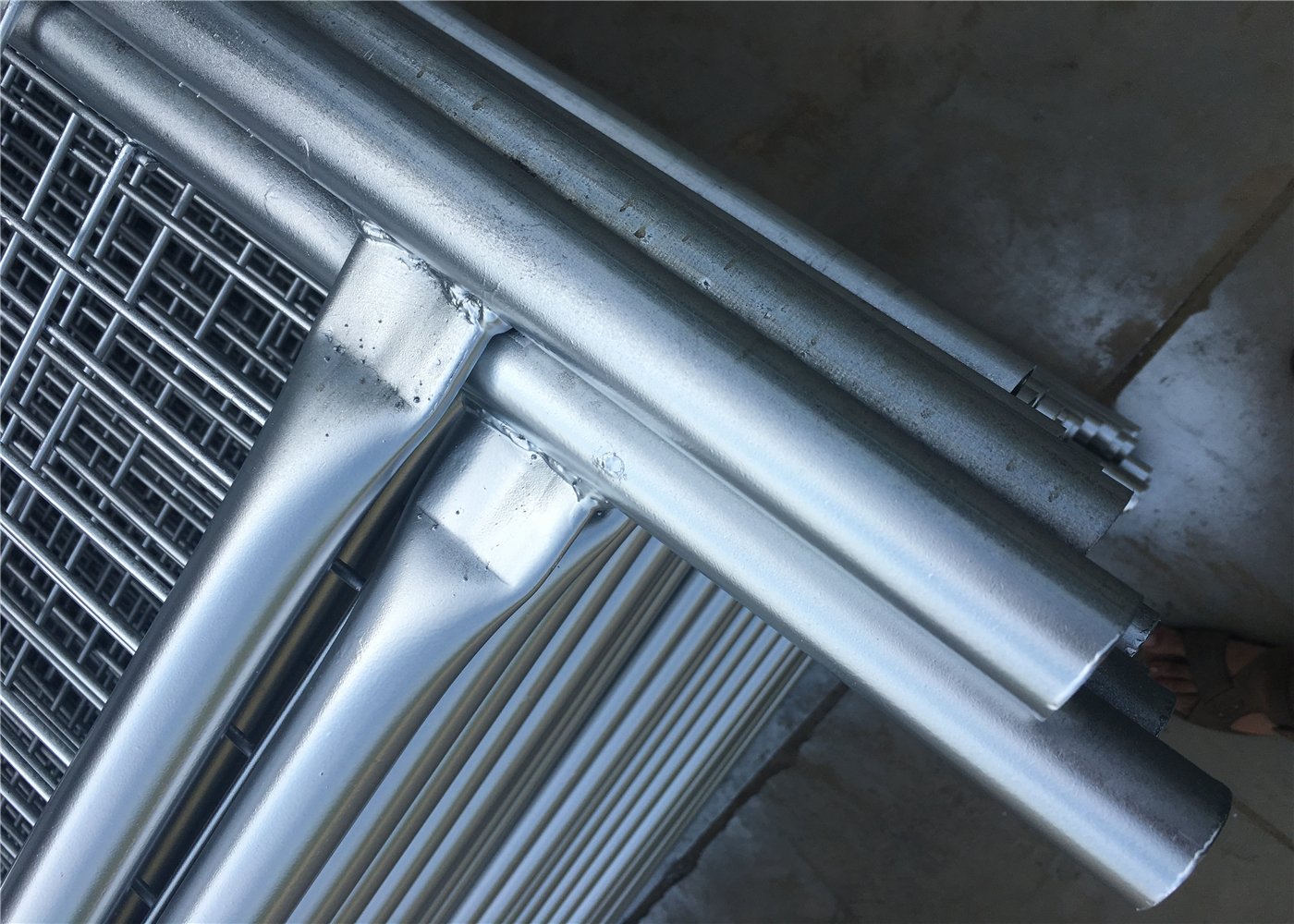
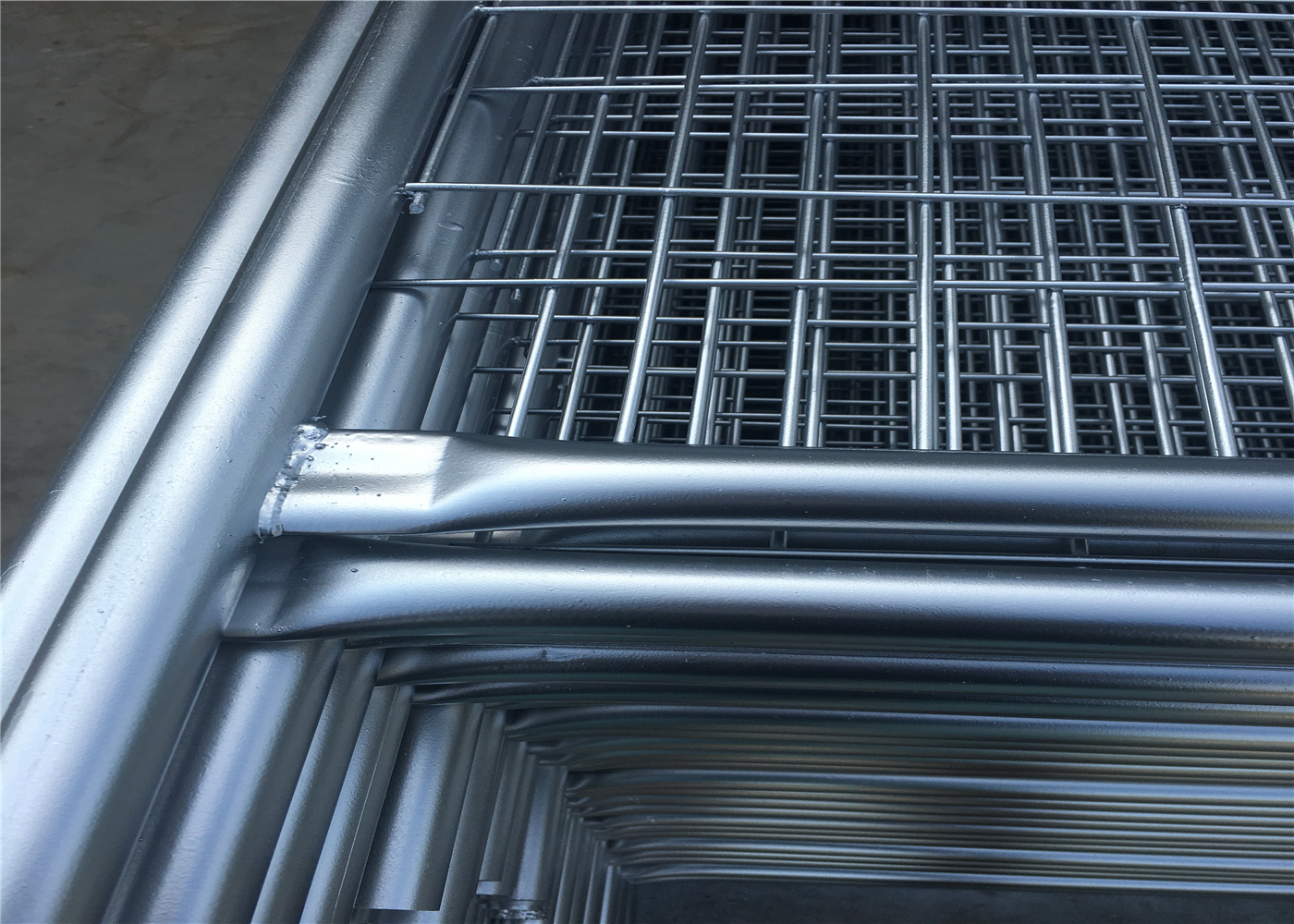
The infill mesh is welded using proven steel grades (commonly Q235) and the market-standard 60mm × 150mm mesh opening that supports consistent rigidity across the panel face. To reduce site injury risks, POLYMETAL emphasizes clean tube cutting, smooth edges, and controlled finishing so installers are less exposed to burrs and sharp bite marks during fast-paced setup.
For buyers who need longer service life or harsher coastal exposure resistance when they buy temporary fencing panels, POLYMETAL offers thicker zinc coating options, including 42 microns hot dipped galvanized and 100 microns hot dipped galvanized finishes, while keeping the same system compatibility with bases, clamps, gates, and braces.
All recommended configurations can be supplied to align with AS4687-2022 expectations for temporary fencing systems when specified accordingly.
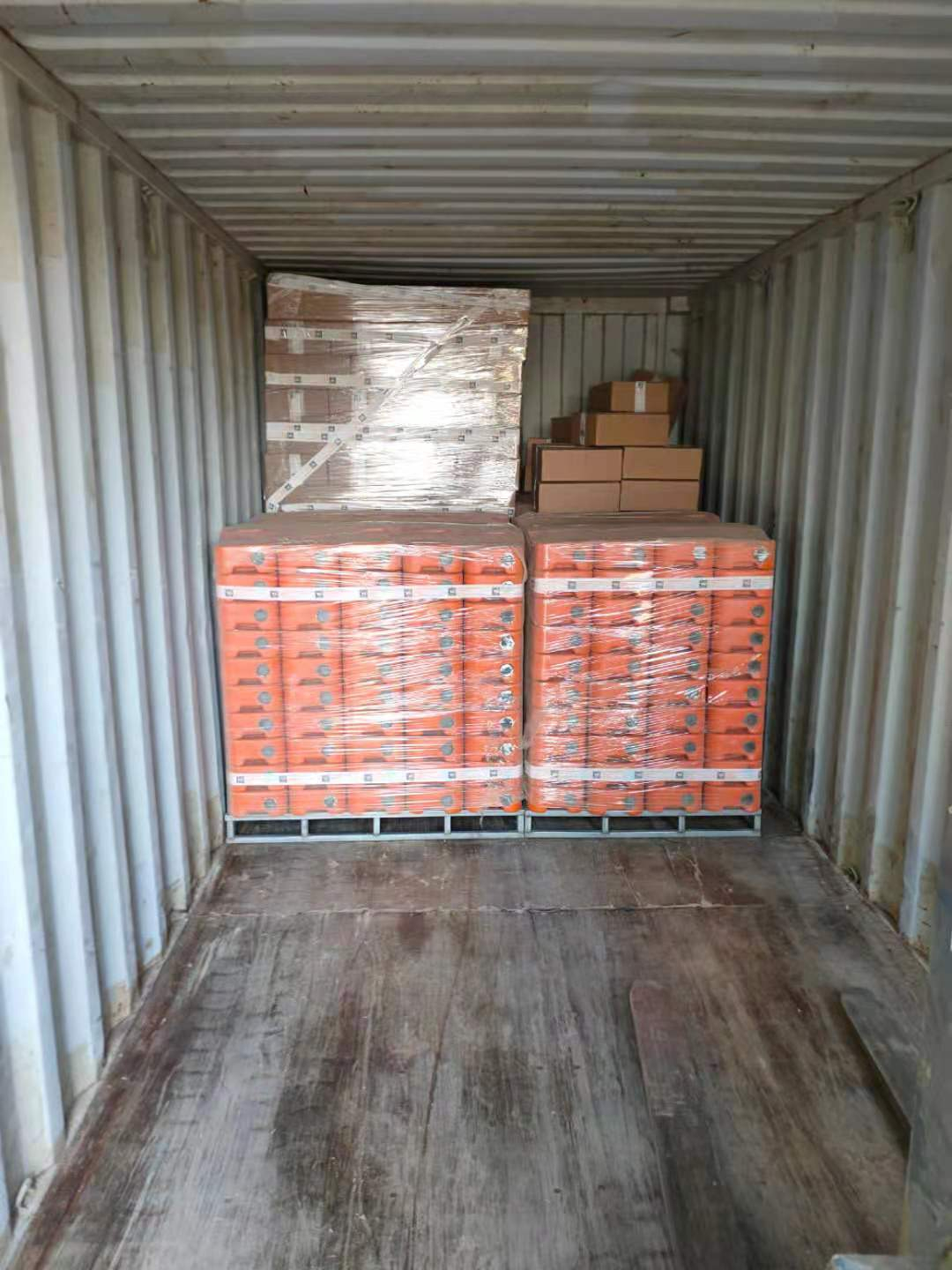
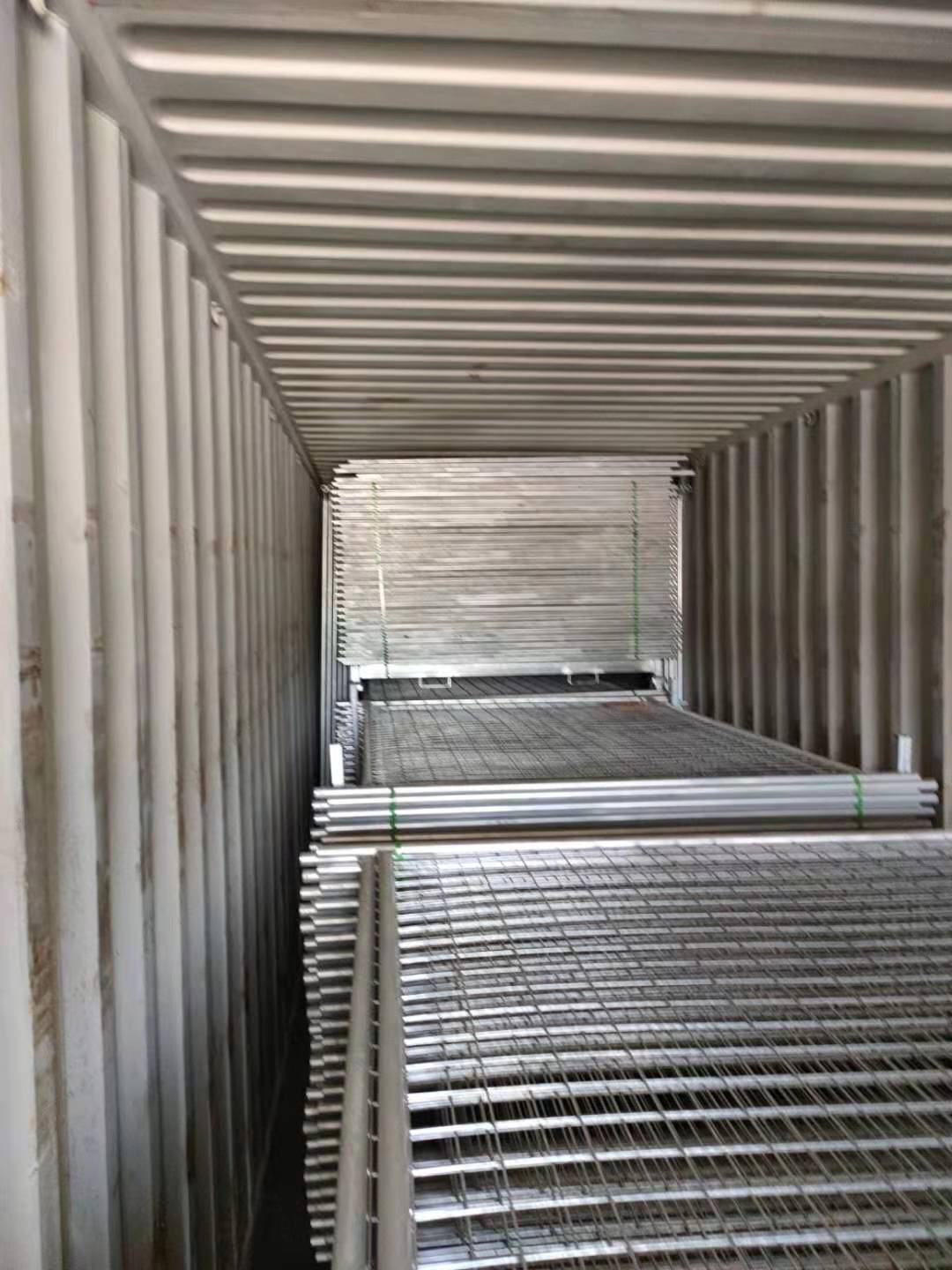
SpecificationsBuy temporary fencing panels
Table 1: POLYMETAL 14 Microns buy temporary fencing panels — Technical Sheet (2.1m × 2.4m)
| POLYMETAL 14 Microns Temporary Fence Panel Technical Data | |
| Panel Dimensions | 2100mm (H) × 2400mm (W) |
| Infill Mesh Opening | 60mm × 150mm |
| Infill Mesh Diameter | 4.00mm (standard for this stocked item) |
| Steel Grade (Typical) | Q235 (commonly used for stable welding performance) |
| Frame Tube Outside Diameter | OD 32mm (stocked) | OD 38mm / OD 40mm / OD 41mm (optional) |
| Frame Wall Thickness | 2.00mm (stocked example) | 1.0mm / 1.2mm / 1.4mm / 1.5mm / 2.00mm (available) |
| Infill Mesh Size (Typical) | Approx. 1736mm × 2336mm (varies by frame spec) |
| Vertical Wires (2.1m × 2.4m) | 12 pcs (system format) |
| Horizontal Wires (2.1m × 2.4m) | 38 pcs (system format) |
| Finish (Zinc Layer Options) | 14 microns (stocked) | 42 microns HDG | 100 microns HDG |
| Edge Safety (Handling) | Clean cuts and controlled finishing to reduce burr risk |
| Stability Note | 2400mm width supports stable standing when paired with correct bases and clamps |
| Service Life Guidance | 14 microns is typically selected for value projects; thicker coatings recommended for harsh coastal zones |
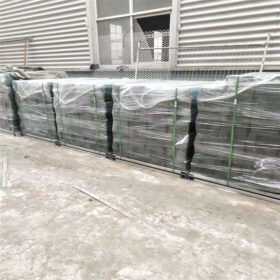
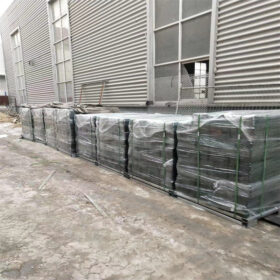
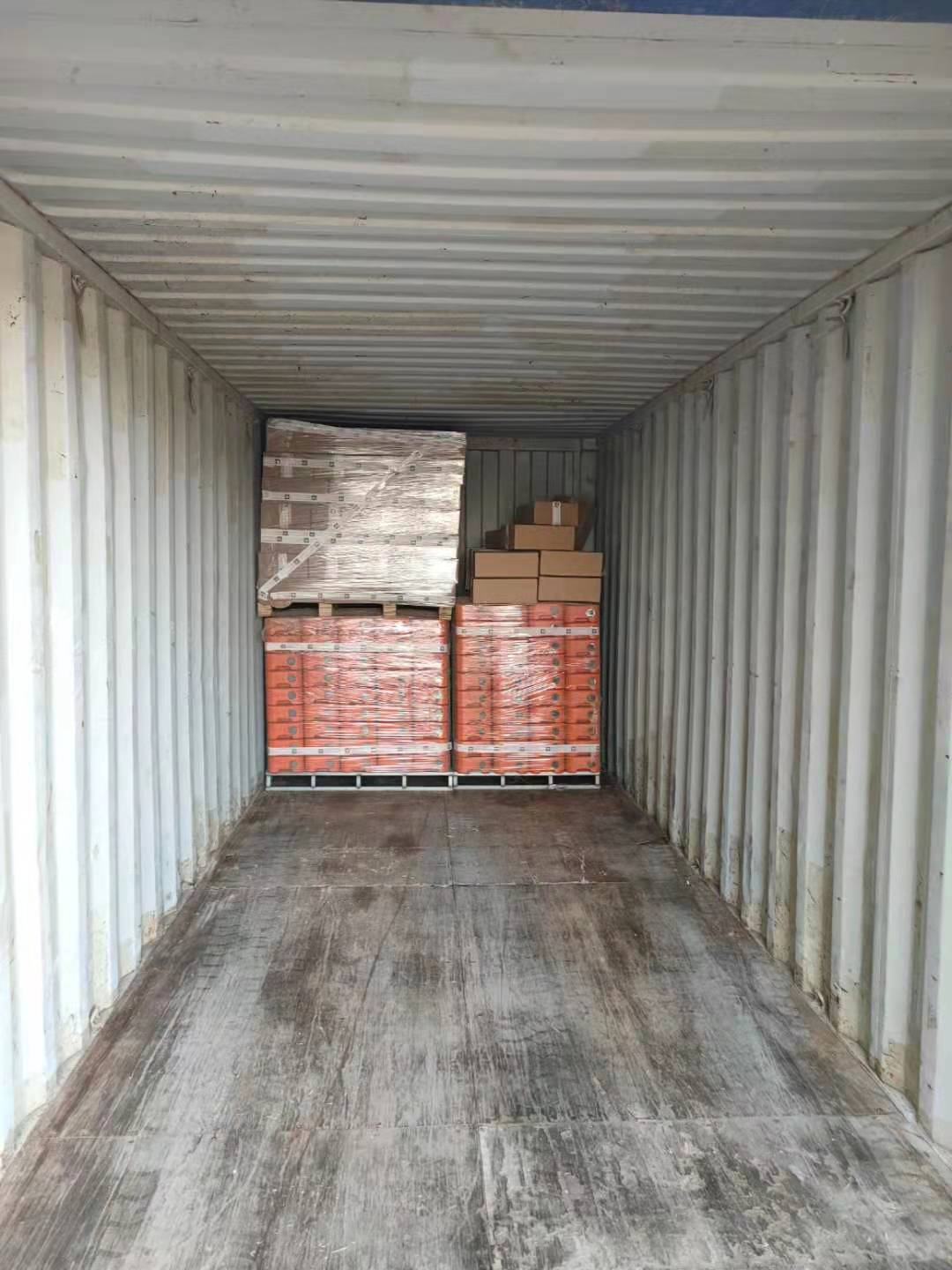
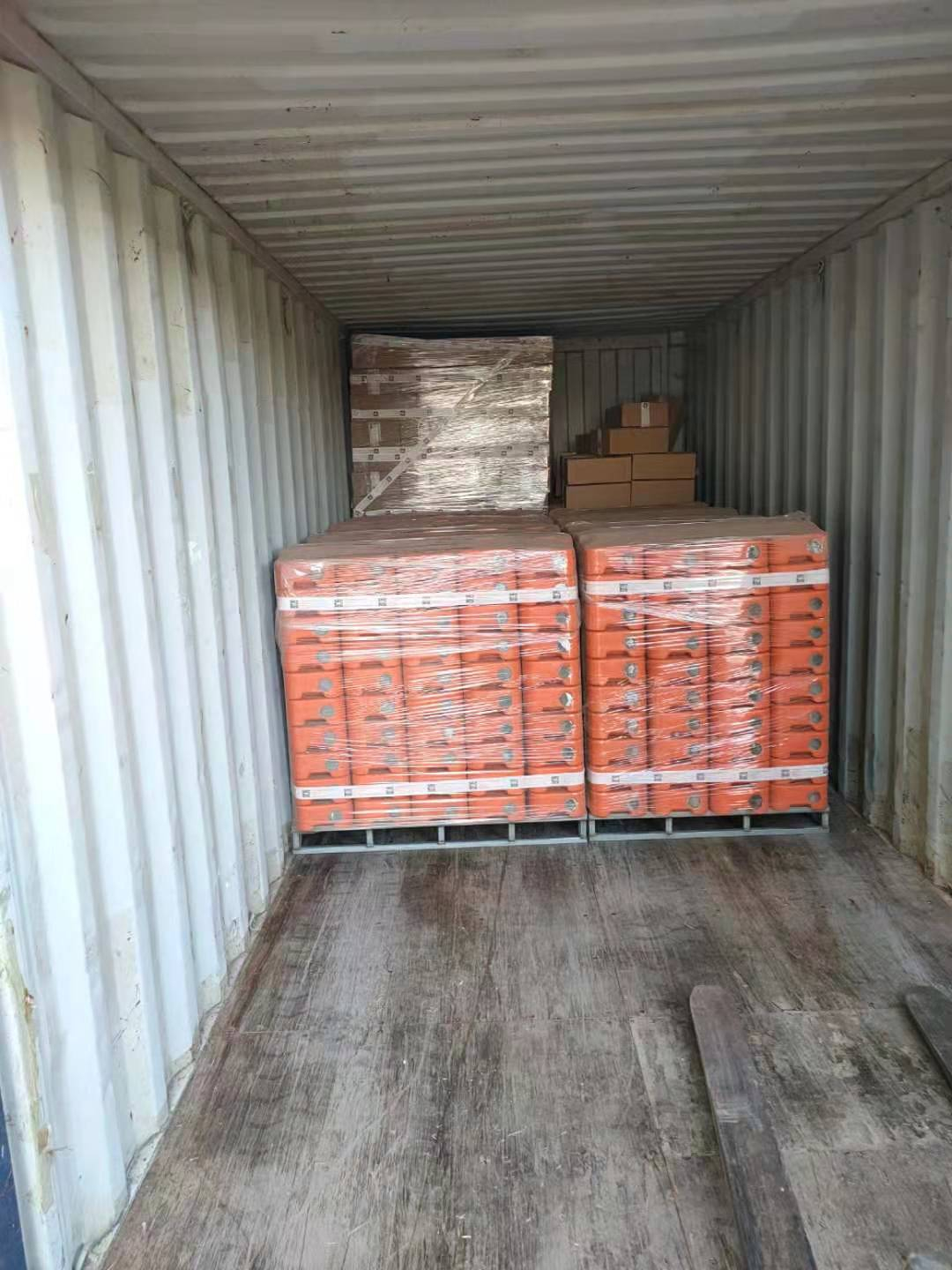
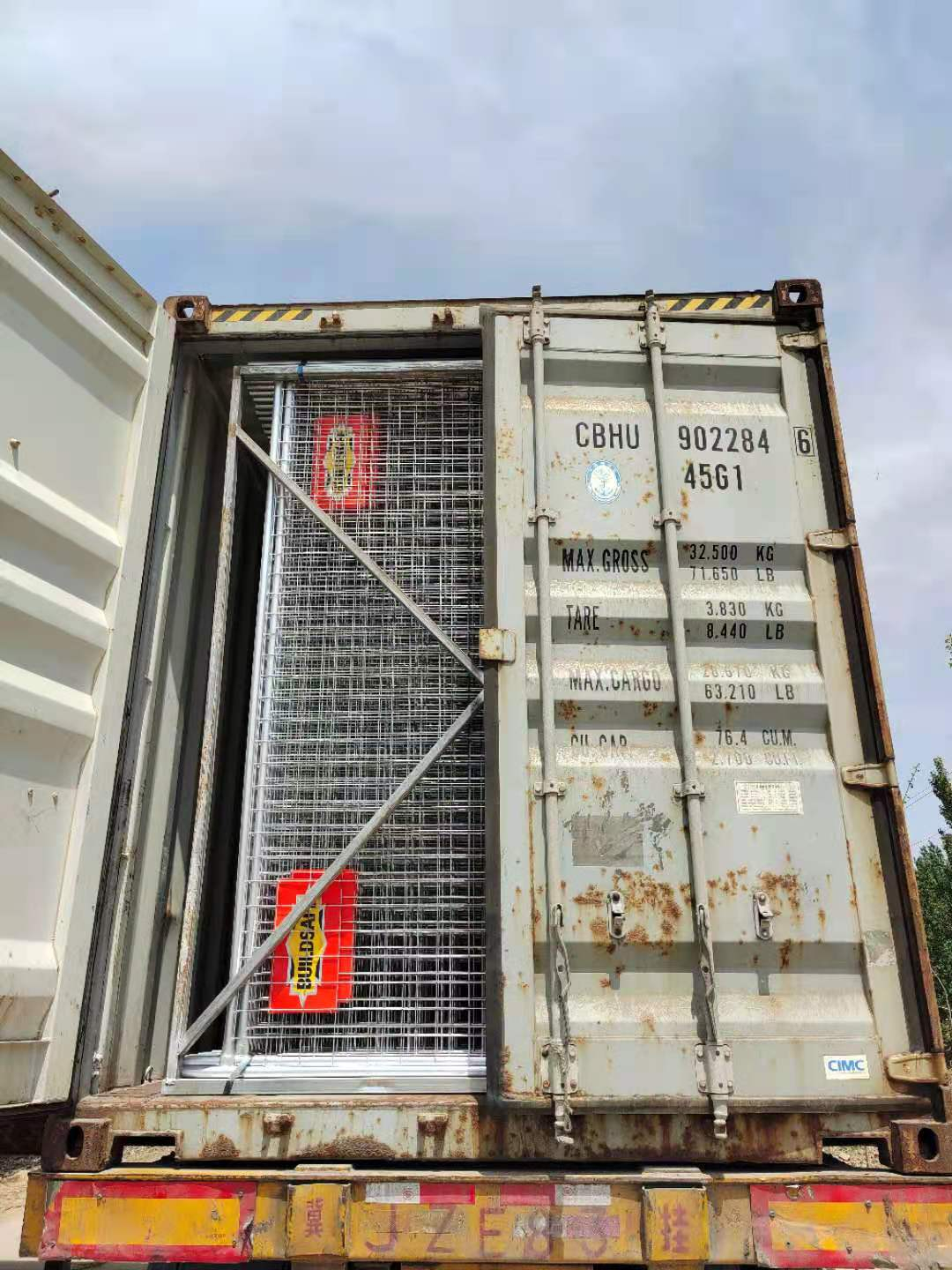
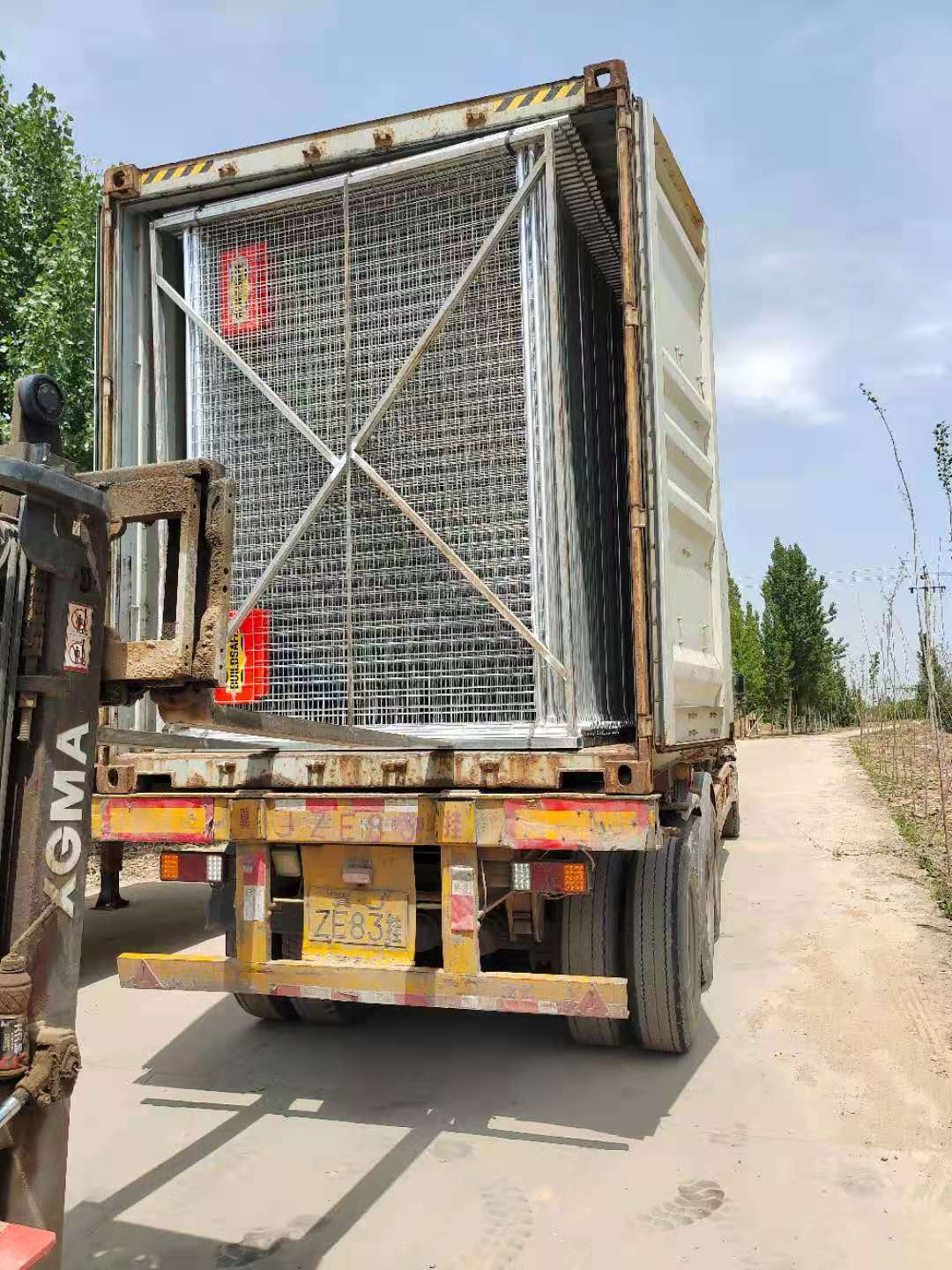
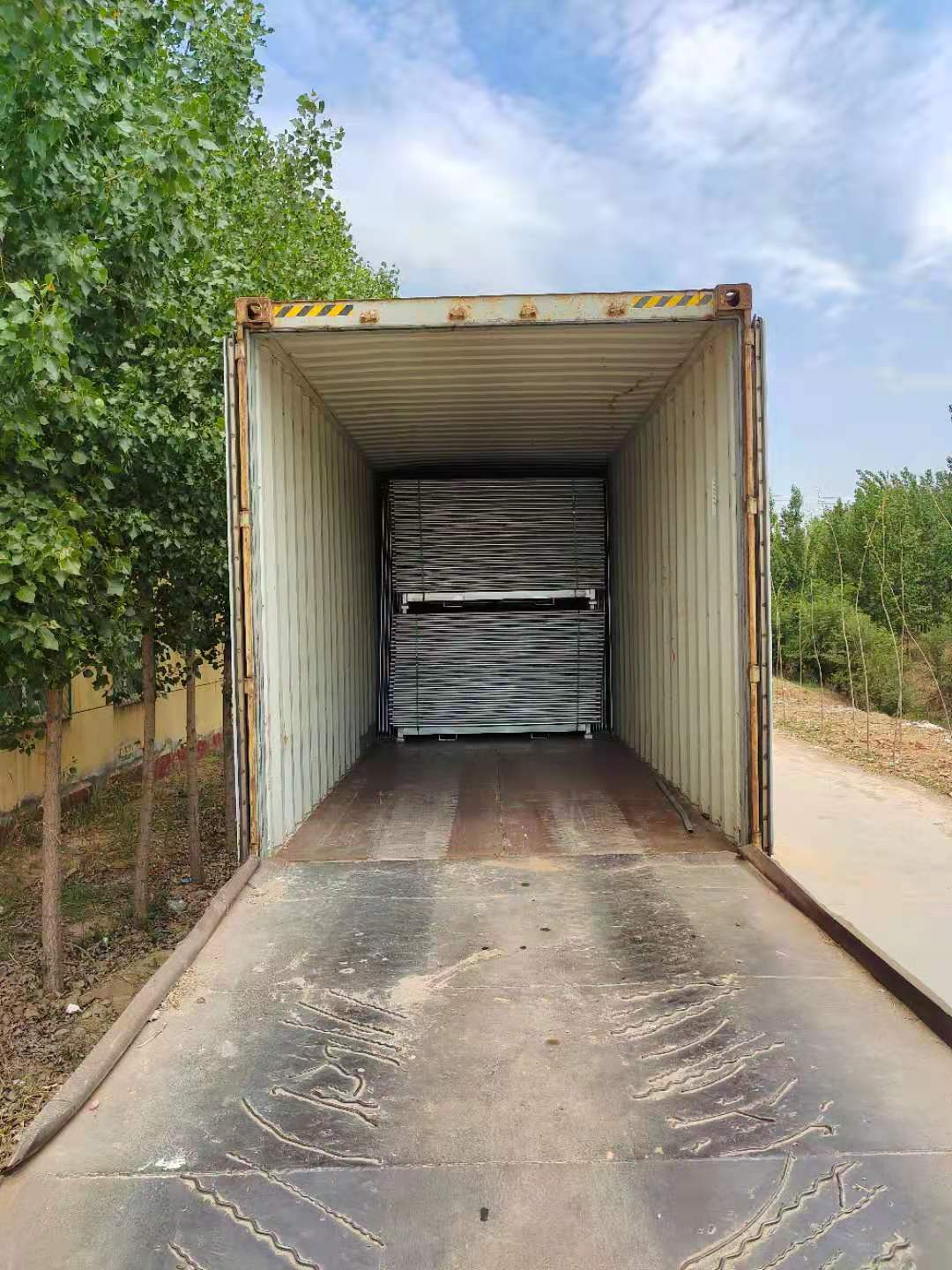
| Packing Method | Metal pallet wrapped with protective film (typical export packing) |
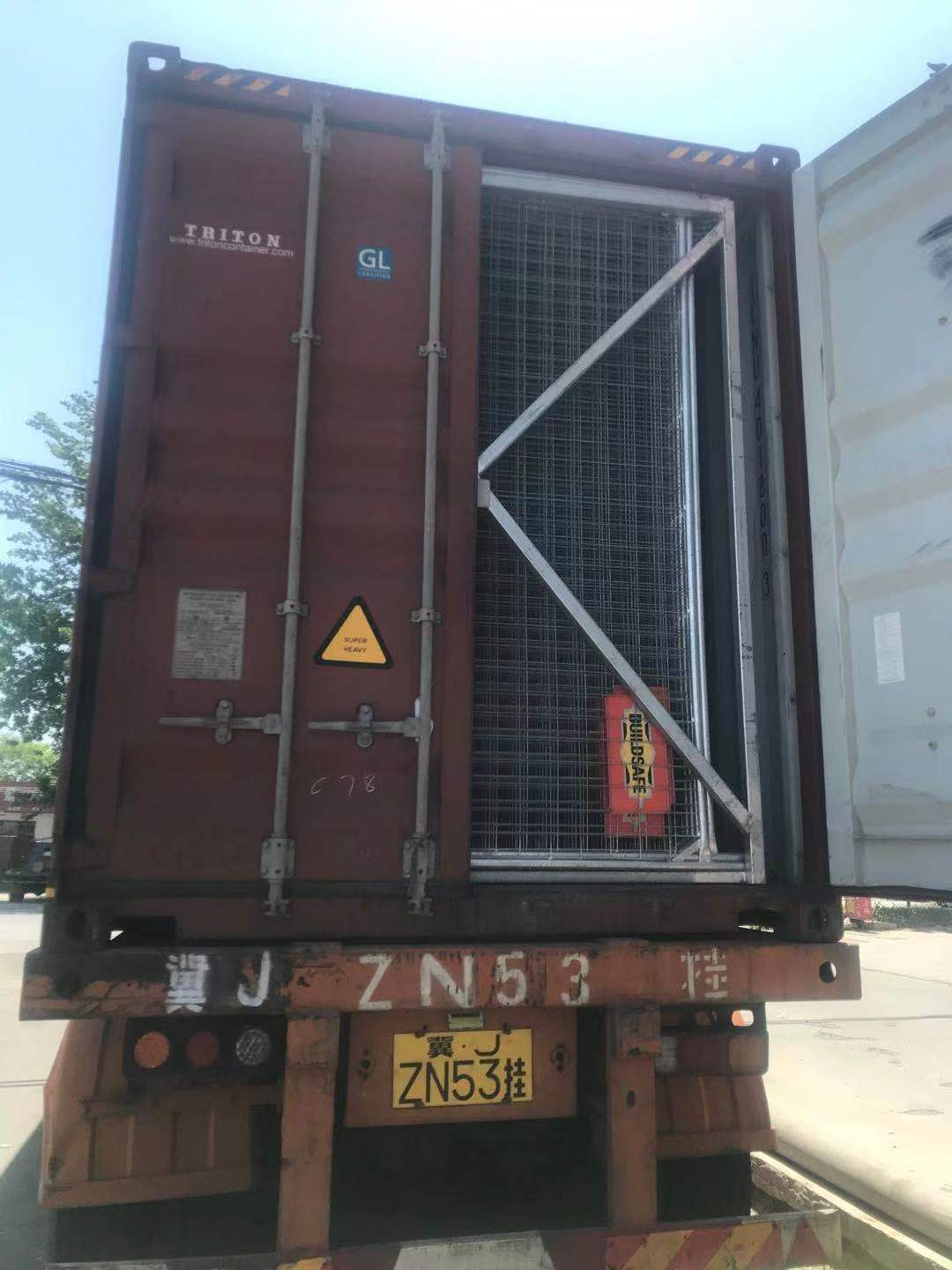
| Container Loading (Reference) | Up to ~560 panels in a 40HC when packaged with compatible clamps and bases (depends on packing plan) |
| Standard Reference | Specified to comply with AS4687-2022 when ordered to the standard’s requirements |
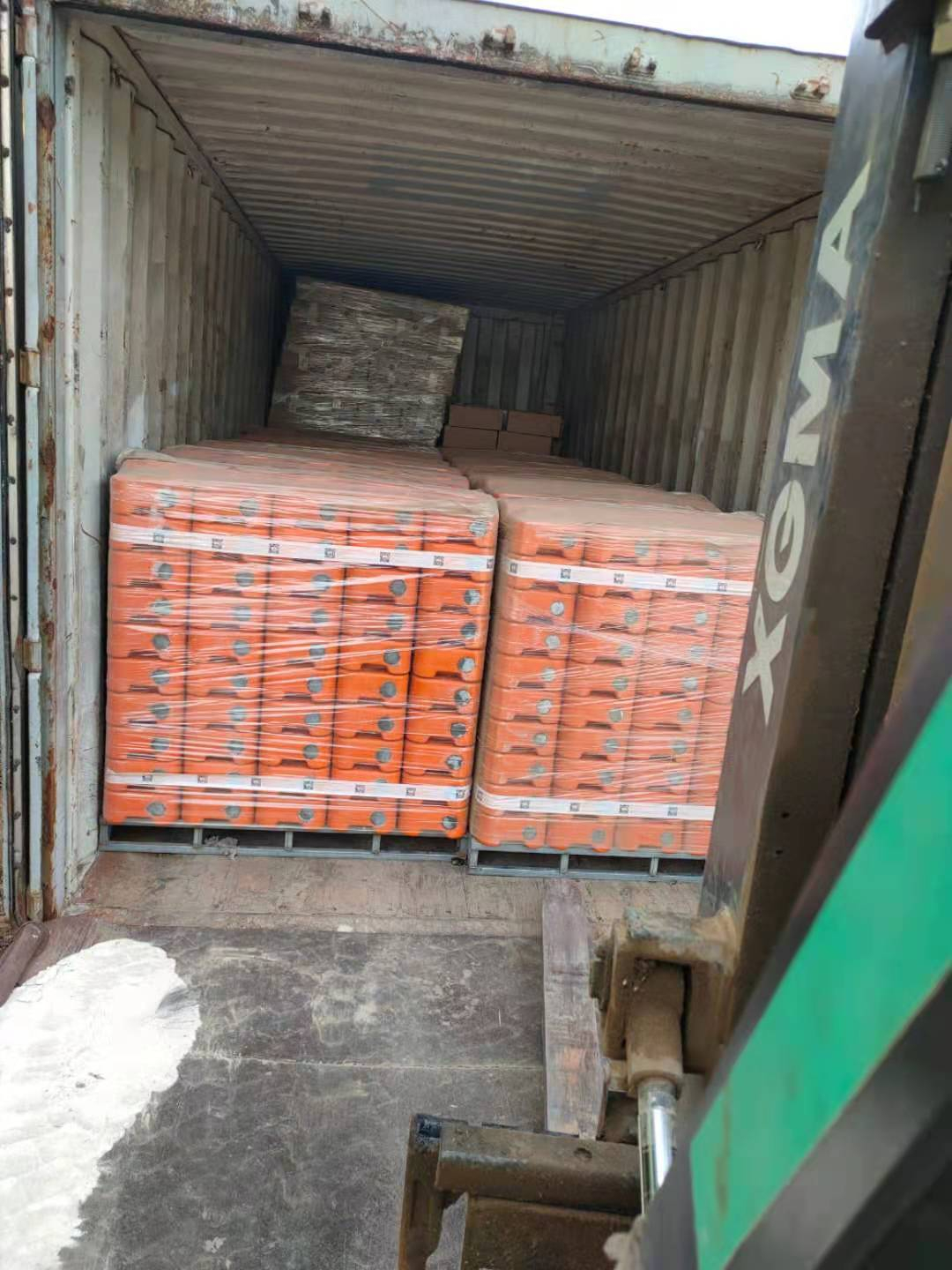
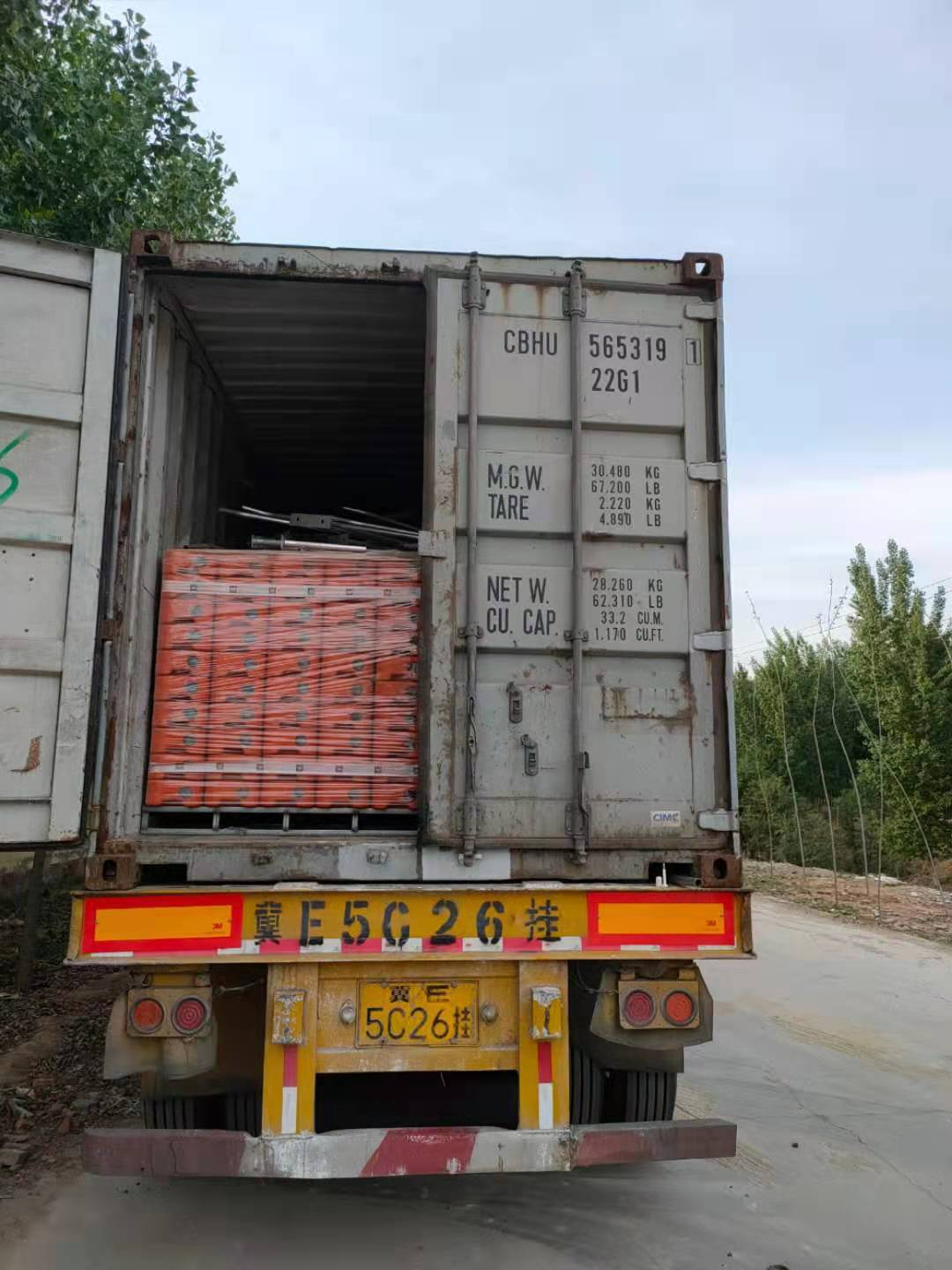
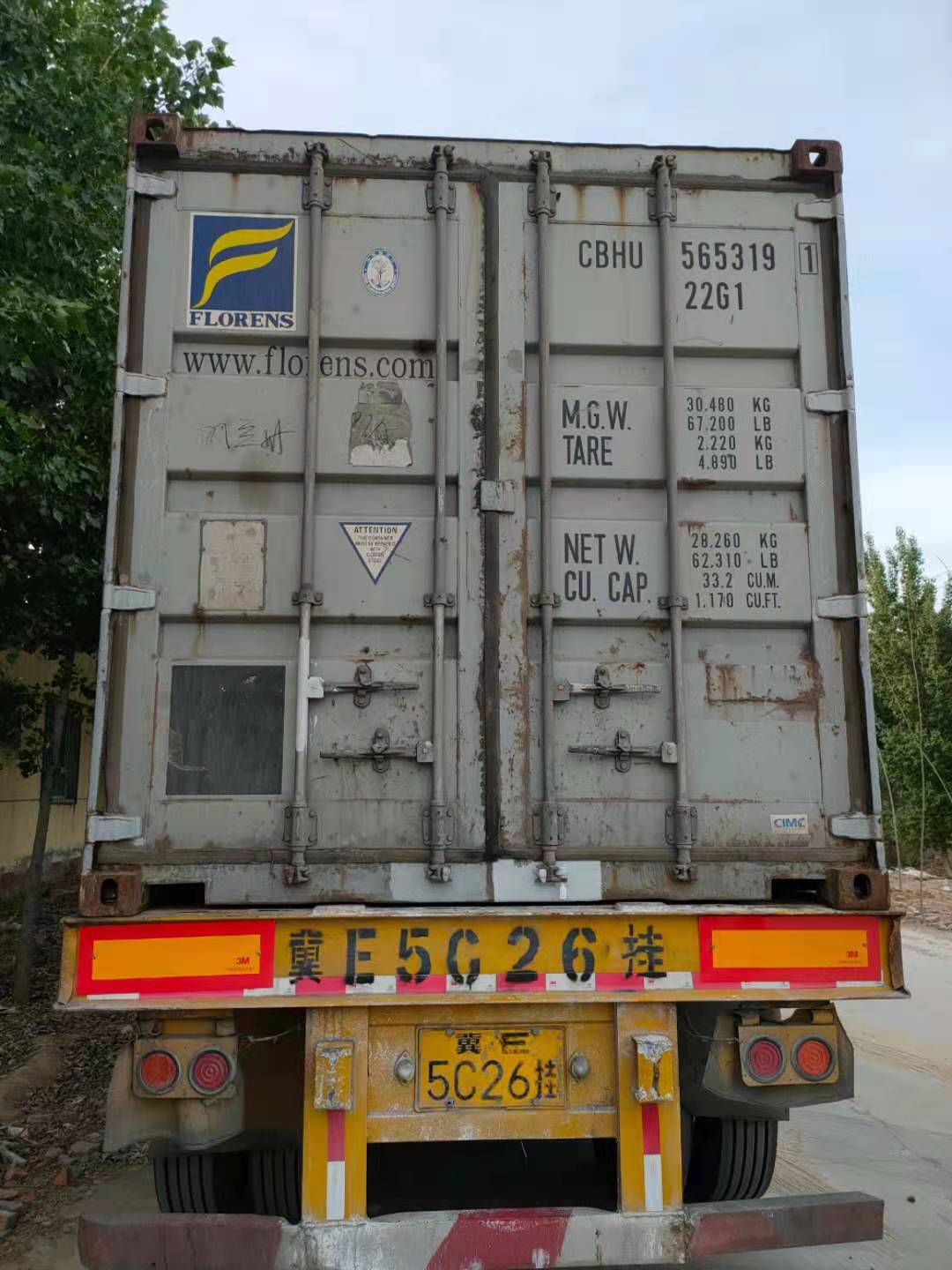
Table 2: buy temporary fencing panels Size Options (With Middle Brace) — Wire Count Formats and Typical Use
| Specification | 2.1m × 2.4m Panel | 2.1m × 3.3m Panel | 2.1m × 3.5m Panel |
| Height | 2100mm | 2100mm | 2100mm |
| Width | 2400mm | 3300mm | 3500mm |
| Middle Brace | Recommended / available | Recommended / available | Recommended / available |
| Mesh Opening | 60mm × 150mm | 60mm × 150mm | 60mm × 150mm |
| Vertical Wire Format | 12 pcs | 12 pcs | 12 pcs |
| Horizontal Wire Format | 38 pcs | 53 pcs | 56 pcs |
| Common Wire Diameters | 2.70mm / 3.00mm / 4.00mm | 2.70mm / 3.00mm / 4.00mm | 2.70mm / 3.00mm / 4.00mm |
| Common Frame Tube OD | OD 32mm / 38mm / 40mm / 41mm | OD 32mm / 38mm / 40mm / 41mm | OD 32mm / 38mm / 40mm / 41mm |
| Common Frame Thickness Range | 1.0mm–2.00mm | 1.0mm–2.00mm | 1.0mm–2.00mm |
| Finish Options | 14 / 42 / 100 microns galvanized | 14 / 42 / 100 microns galvanized | 14 / 42 / 100 microns galvanized |
| Best-fit Scenarios | General construction, short-term perimeters | Long runs, fewer posts/bases, faster coverage | Long runs, higher stability needs, windy areas (with bracing) |
Table 3: buy temporary fencing panels Frame, Mesh, and Material Build Options (What You Can Specify When You Buy)
| POLYMETAL Build Options for Buyers | |
| Frame Tube OD Options | OD 32mm, OD 38mm, OD 40mm, OD 41mm |
| Frame Wall Thickness Options | 1.0mm, 1.2mm, 1.4mm, 1.5mm, 2.00mm |
| Panel Height | 2100mm (standard requested) |
| Panel Width Options | 2400mm, 3300mm, 3500mm (middle brace available) |
| Mesh Opening | 60mm × 150mm (widely used in AU & NZ markets) |
| Wire Diameter Options | 2.70mm, 3.00mm, 4.00mm |
| Steel Grade (Typical) | Q235 for welded mesh stability (or equivalent by request) |
| Welding Focus | Consistent weld points and controlled heat input to reduce weak joints |
| Edge Safety | Smooth finishing to reduce burrs and installer injury risk |
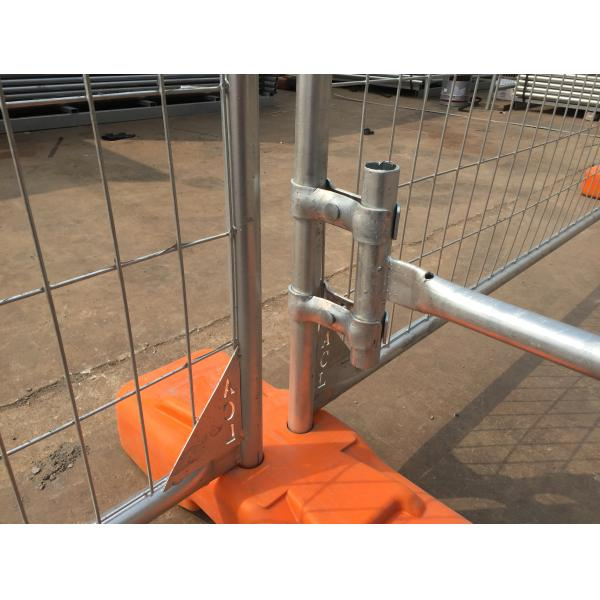
| System Compatibility | Designed to work with clamps, HDPE bases, gates, stays, and braces |
| Middle Brace (Stiffener) | Available and recommended for wider panels and higher wind zones |
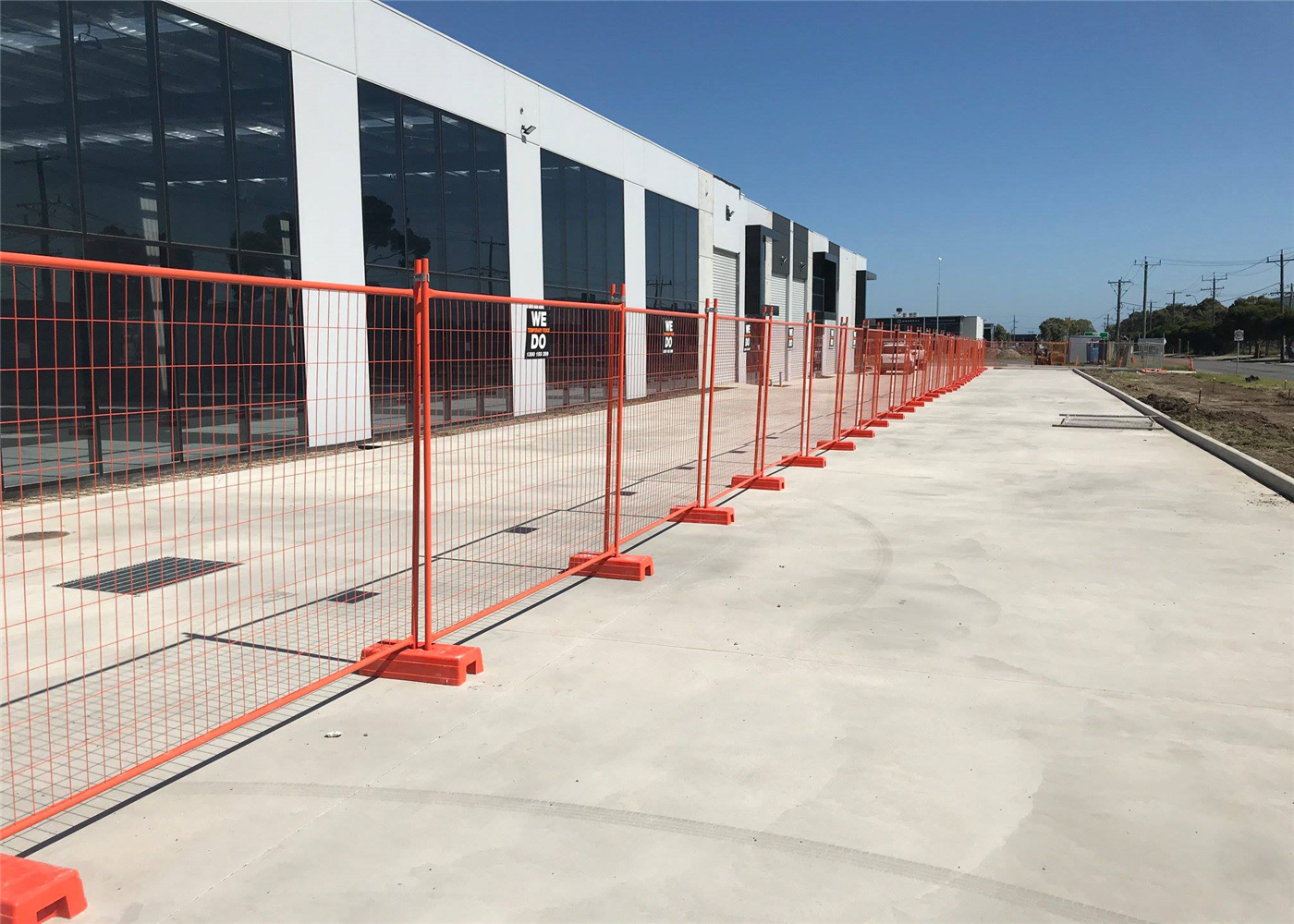
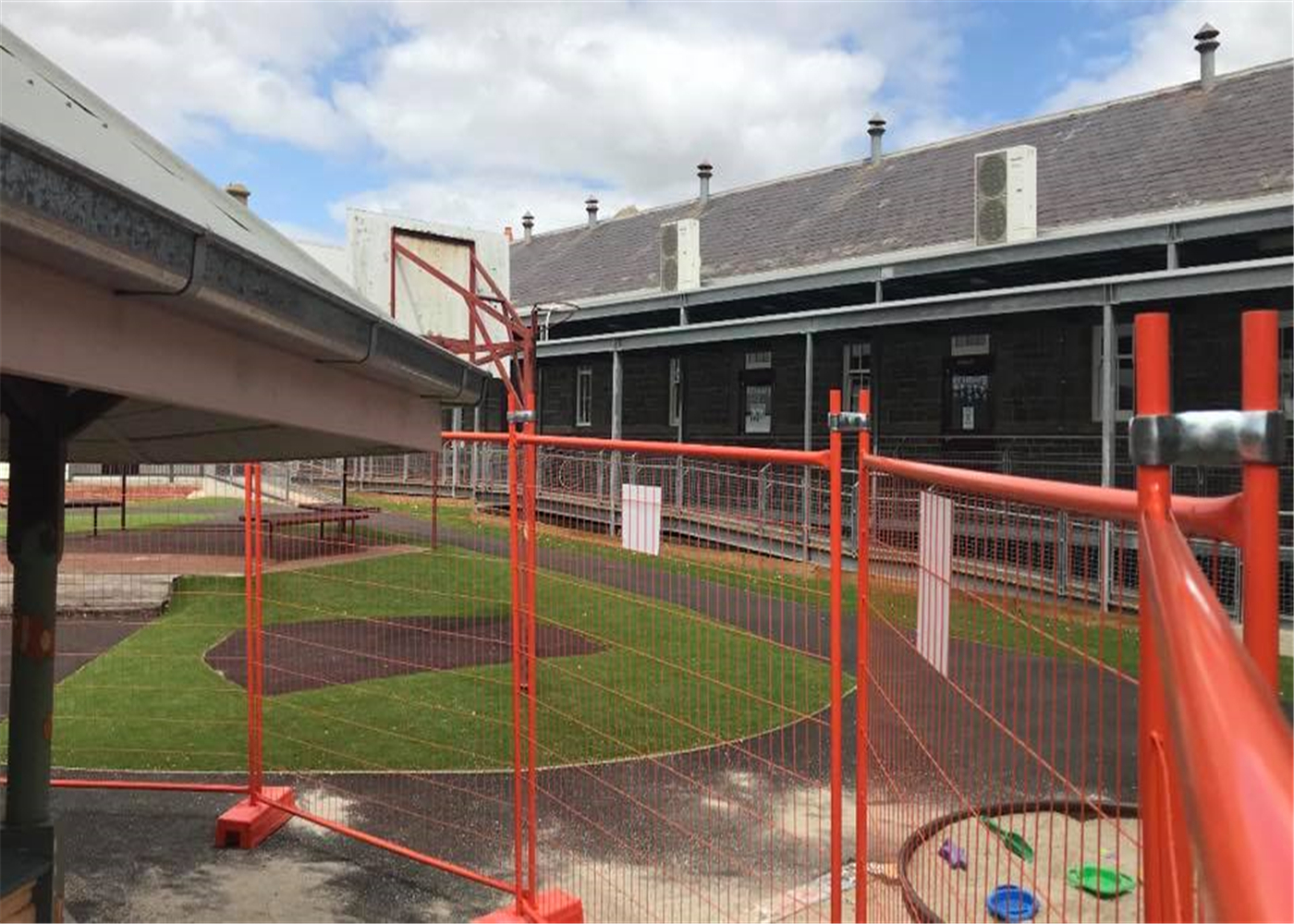
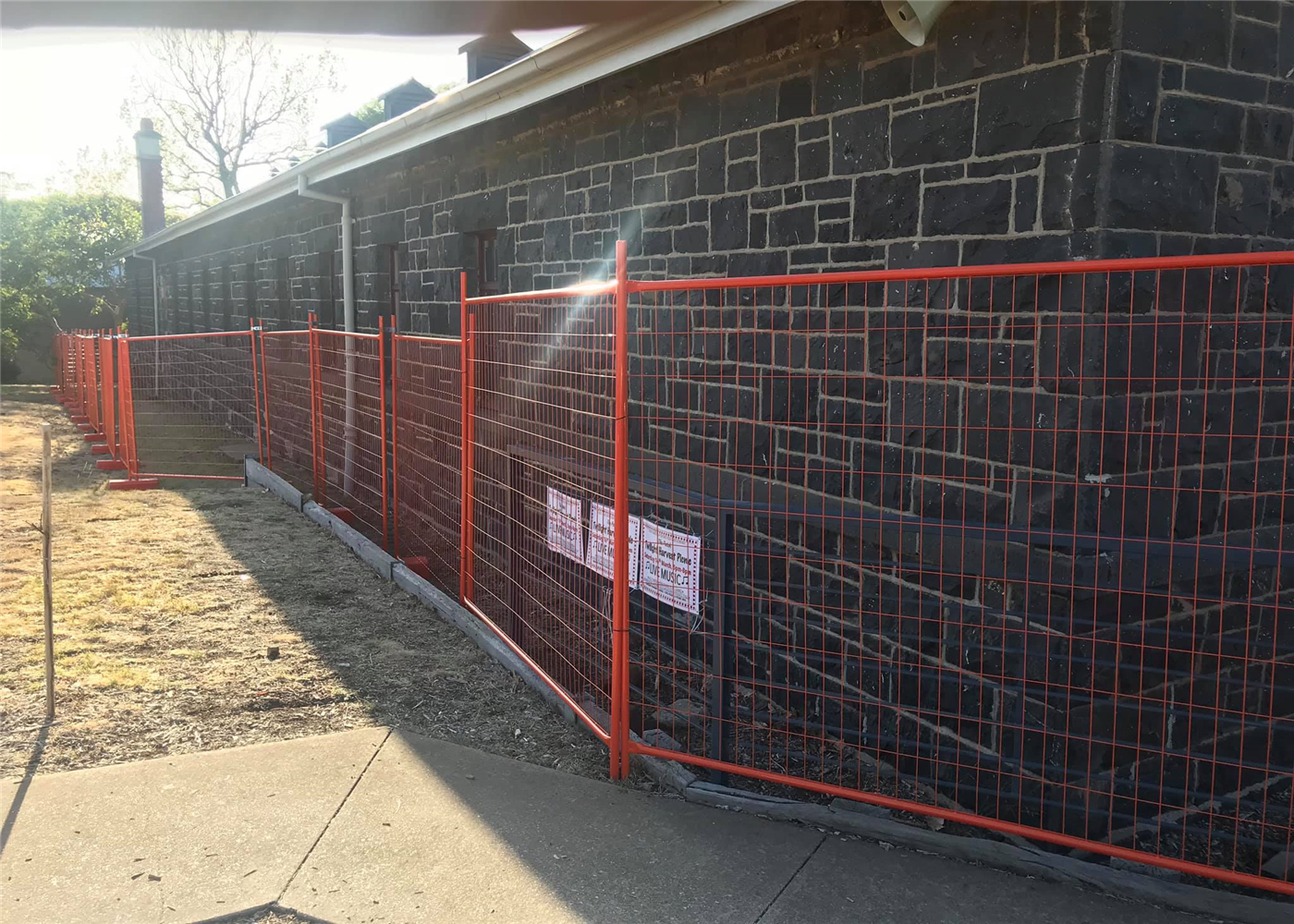
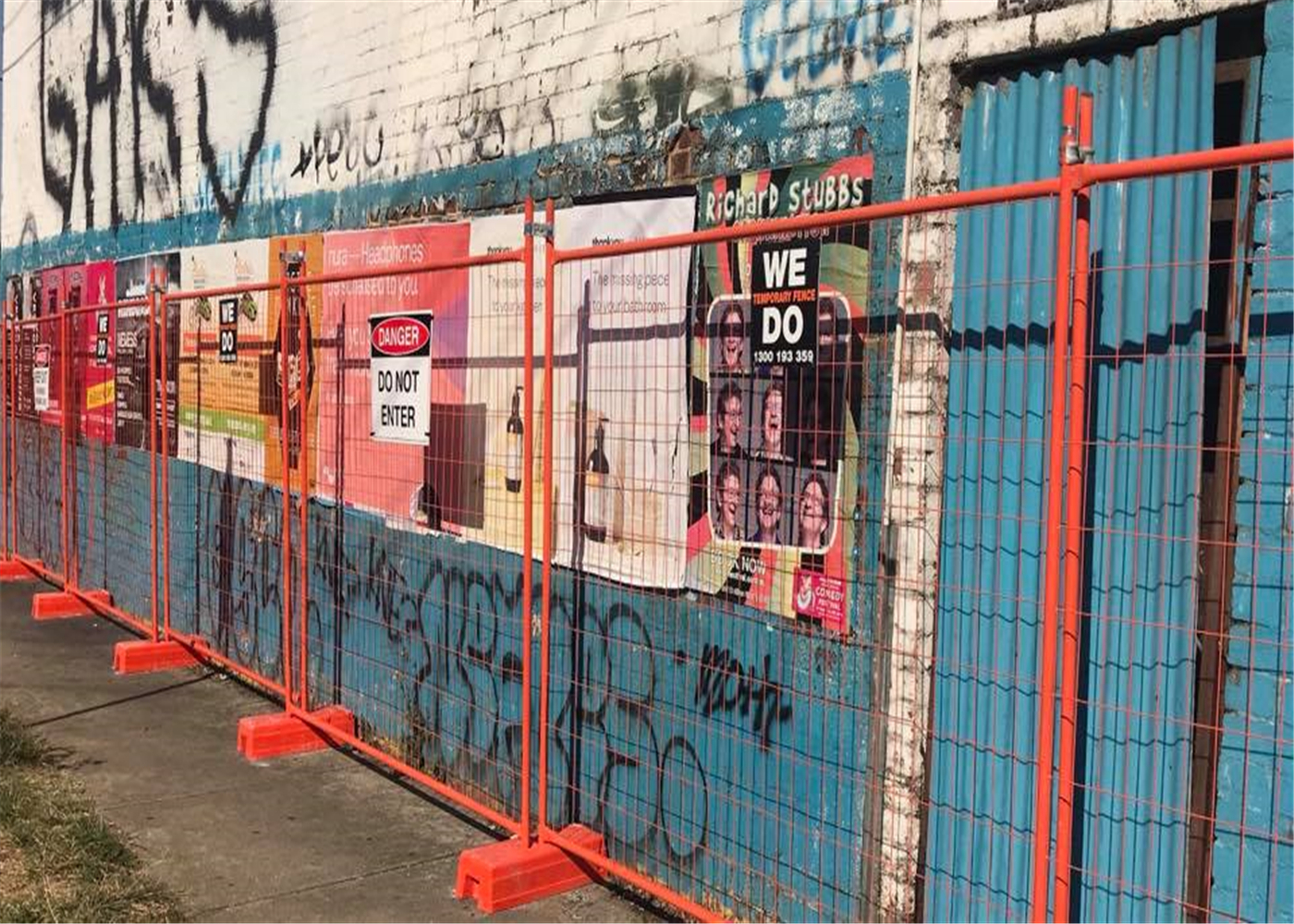
Table 4: Finish Options (Zinc Layer) — Choose the Right Protection Level
| Finish Item | 14 Microns | 42 Microns | 100 Microns |
| Coating Type | Value-grade zinc layer (commonly chosen for cost control) | Hot dipped galvanized (higher protection) | Hot dipped galvanized (heavy-duty protection) |
| Best For | Short-term projects, rental turnover with controlled storage | Medium-term projects, repeated reuse, general outdoor exposure | Harsh climates, coastal exposure, long reuse cycles |
| Visual Appearance | Cleaner, lighter zinc look (depends on process) | Typical HDG spangle / robust galvanized appearance | Heavier galvanized look with stronger barrier layer |
| Corrosion Resistance (Relative) | Good for budget needs with proper handling | Stronger resistance for outdoor storage and frequent handling | Highest resistance for tough sites and coastal winds |
| Weld Area Protection | Retreatment recommended to protect weld zones | Improved barrier; weld care still matters | Best barrier; weld care still matters |
| Cost Level (Relative) | Lowest | Mid | Highest |
| Recommended for Rental Fleets | Only if loss/damage rates are controlled | Often a practical balance | Best for long-life fleets |
| Recommended for Coastal Areas | Only if project duration is short and maintenance is planned | Recommended | Strongly recommended |
| Optional Add-on Finish | Powder coating possible (by request) | Powder coating possible (by request) | Powder coating possible (by request) |
| Buyer Decision Shortcut | If you must cut budget, control the risks in Traps #4, #9, and #15 | If you want fewer headaches, this is often the safest choice | If failure is not allowed, choose this and brace correctly |
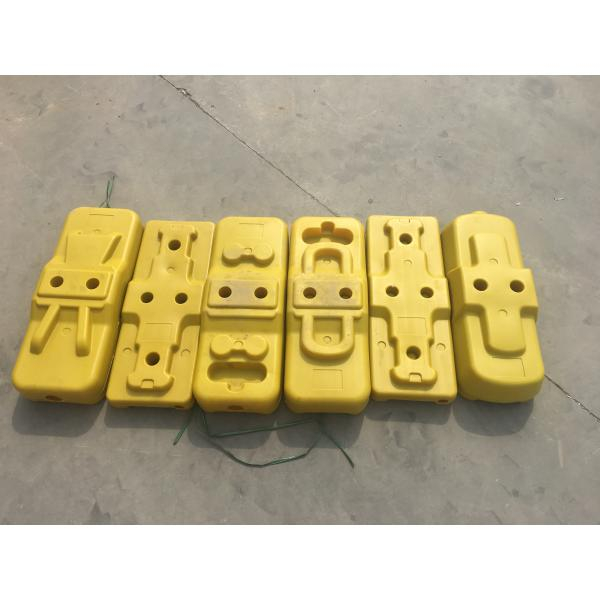
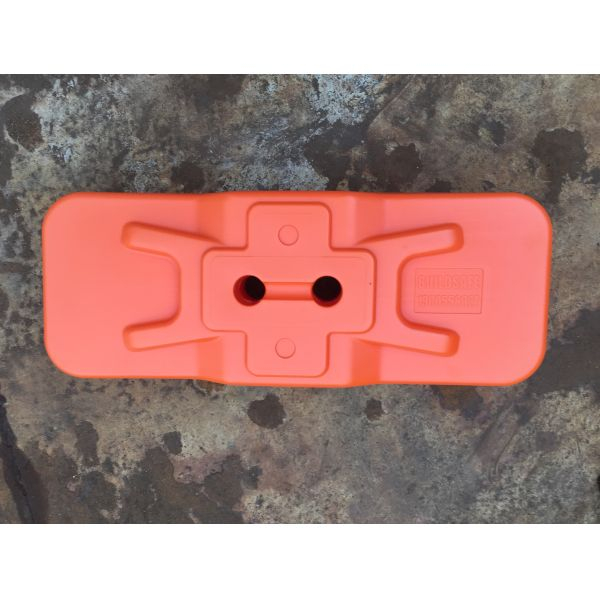
buy temporary fencing panels Blocks
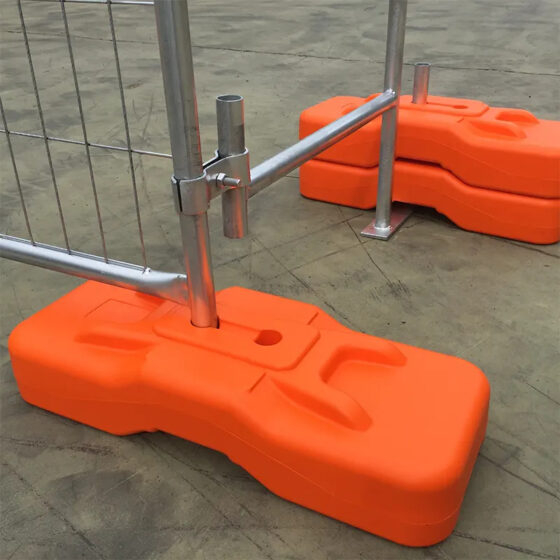
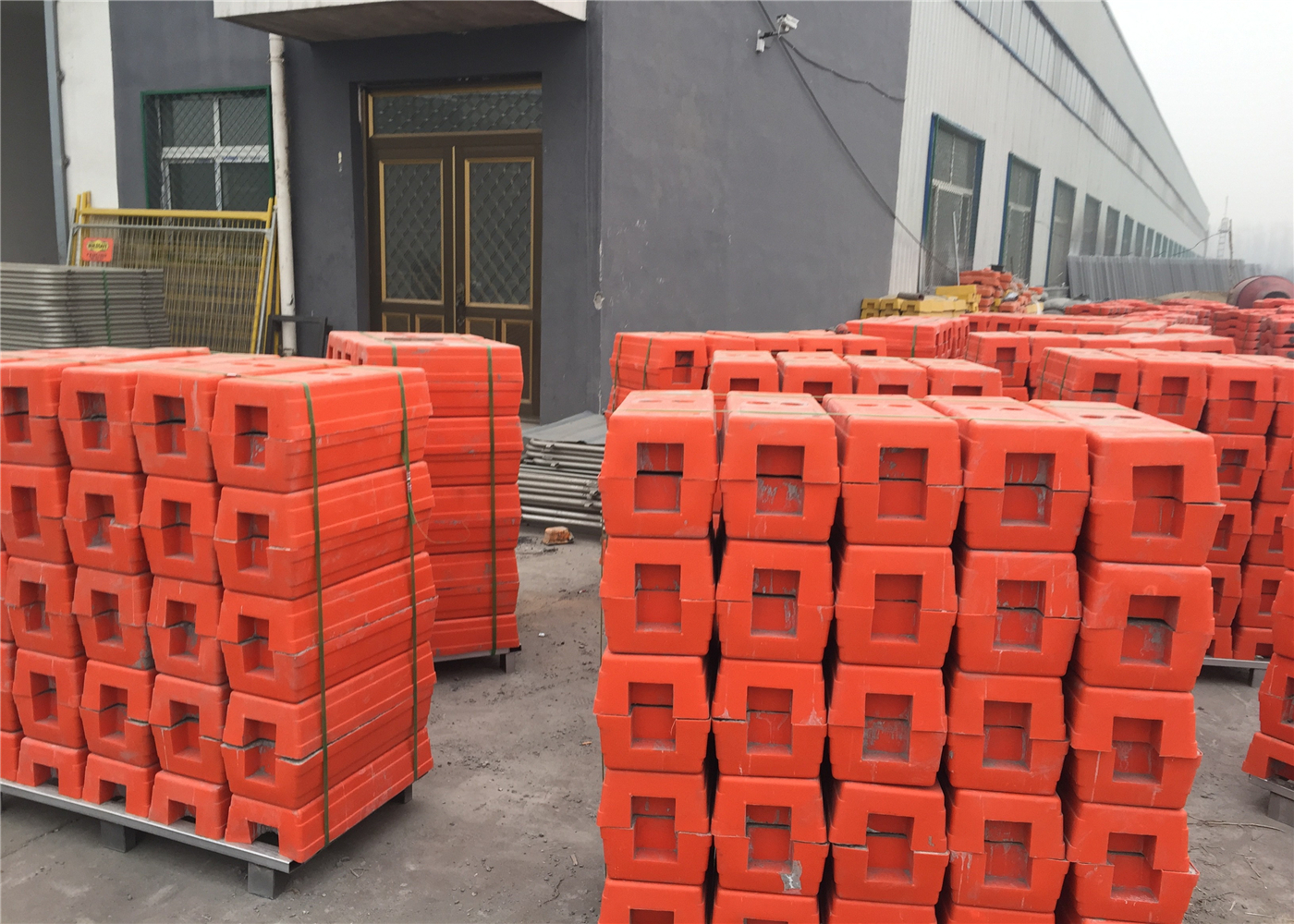
| POLYMETAL HDPE Base Versions (Blow Moulding) — Specification Sheet | ||||
|---|---|---|---|---|
| Item | Version A | Version B | Version C | Suit Pipes (OD) |
| Base Size | 600 × 228 × 150mm | 620 × 230 × 130mm | 600 × 228 × 150mm | OD 32mm OD 38mm OD 40mm OD 42mm OD 48mm |
| Material | HDPE 5502 | HDPE 5502 | HDPE 5502 | |
| UV Additive | UV 2002/531 BHT | UV 2002/531 BHT | UV 2002/531 BHT | |
| Colours | Orange, Green, Yellow etc | Orange, Green, Yellow etc | Orange, Green, Yellow etc | |
| Filled Weight (Typical) | 27kg–29kg | 27kg–28kg | 29kg | |
| Empty Base Weight | Approx. 1.20kg | Approx. 1.20kg | Approx. 1.20kg | |
| Design Reference | Australia | Australia | Australia | |
| Clamp Slot / Centre-to-centre | 100mm | 90mm | 80mm | |
| Drop Resistance | Designed to resist cracking when properly filled | Designed to resist cracking when properly filled | Designed to resist cracking when properly filled | |
| Filling Option | Concrete filled in factory by request | Concrete filled in factory by request | Concrete filled in factory by request | System-ready for fast setup |
  | ||||
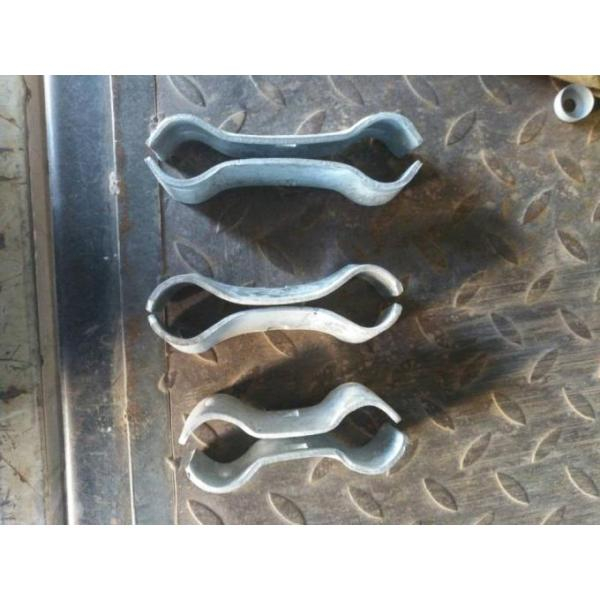
buy temporary fencing panels Clamps
| POLYMETAL Temporary Fencing Clamps — System Specification Sheet | ||||
|---|---|---|---|---|
| Item | 100 TYPE | 90 TYPE | 80 TYPE | Notes |
| Clamp Thickness | 4.00mm | 4.00mm | 4.00mm | Heavy-duty thickness for high handling cycles |
| Centre Distance | 100mm (pipes centre to centre) | 90mm (pipes centre to centre) | 80mm (pipes centre to centre) | Match with your base slot and panel tube spacing |
| Overall Length | 120mm | 110mm | 100mm | Longer length can increase contact area and stability |
| Manufacturing Method | Punched | Punched | Punched | Smooth edges preferred for installer safety |
| Material | Q195 / Q235 steel | Q195 / Q235 steel | Q195 / Q235 steel | Choose strength based on wind zone & reuse frequency |
| Treatment | 14 microns / 42 microns HDG / powder coated | 14 microns / 42 microns HDG / powder coated | 14 microns / 42 microns HDG / powder coated | Coating choice should match your panel coating target |
| Application | Secures panels, brackets, stays, gates | Secures panels, brackets, stays, gates | Secures panels, brackets, stays, gates | Weak clamps can cause a strong panel line to fail in wind |
| Typical Set Weight | 0.45kg / set (2 pairs + caps, bolts, nuts) | 0.40kg / set (2 pairs + caps, bolts, nuts) | 0.35kg / set (2 pairs + caps, bolts, nuts) | Heavier sets often indicate more steel & better rigidity |
| Installer Safety | ARC-style punched edges recommended | ARC-style punched edges recommended | ARC-style punched edges recommended | Avoid sharp edges that cut gloves and hands |
  | ||||
Top 18 Trap Headings You Must Check Before You Buy Temporary Fencing Panels
Trap #1: Buying “2100 × 2400” Panels Without Confirming the Infill Dimensions
Two panels can share the same outer size but hide a smaller infill mesh area, leaving weak margins that bend first under impact. POLYMETAL recommends confirming the infill size and corner weld layout before payment.
Trap #2: Ignoring Frame Tube OD and Assuming All Round Tubes Perform the Same
OD 32mm, OD 38mm, OD 40mm, and OD 41mm behave differently under load. If your site sees heavy handling or high wind, the wrong OD can turn “cheap” into “repeat purchase.”
Trap #3: Choosing Frame Thickness by Price Only
1.0mm and 2.00mm are not interchangeable. If clamps are over-tightened on thin frames, ovaling starts, then wobble, then failure at the worst time.
Trap #4: Thinking 14 Microns Is “Automatically Enough” for Every Climate
14 microns can be a smart value finish for controlled reuse, but coastal spray and long outdoor storage demand thicker protection. If you need fewer complaints and longer life, 42 or 100 microns is often the safer decision.
Trap #5: Overlooking Weld Consistency on the Mesh Intersection Points
Weak welds do not fail in the factory. They fail after transport vibration and the first windy weekend. Ask for weld quality control focus, not just a photo.
Trap #6: Accepting Sharp Burrs That Injure Installers and Trigger Site Safety Issues
Burrs are not “normal.” They are an injury claim waiting to happen. Clean cuts and controlled finishing are part of real value.
Trap #7: Treating Mesh Wire Diameter as a Decoration, Not a Structural Choice
2.70mm, 3.00mm, and 4.00mm create different stiffness. If you need the fence to resist pushing and repeated reuse, wire choice matters as much as the frame.
Trap #8: Forgetting That Wider Panels Need Middle Braces to Stay True
When you move from 2.4m to 3.3m or 3.5m widths, bracing becomes a stability requirement, not an accessory. Skipping it invites sag and shake.
Trap #9: Buying Panels but Using Weak Bases That Crack or Slide
If the base cracks, the system fails even if the panel is strong. A heavier HDPE base build and proper fill strategy can decide whether your line stays straight in wind.
Trap #10: Mismatching Base Slot Centres With Clamp Type
100mm, 90mm, and 80mm centre distances are not interchangeable. Wrong matching causes twisted alignment, “fighting” clamps, and unstable lines.
Trap #11: Underestimating Clamp Steel Thickness and Edge Design
A clamp that bends turns your fence into a wave. A clamp with sharp edges turns your crew against your purchase. Choose thickness and safer edge geometry.
Trap #12: Ignoring Packaging and Letting Transport Damage Your Coating Before First Use
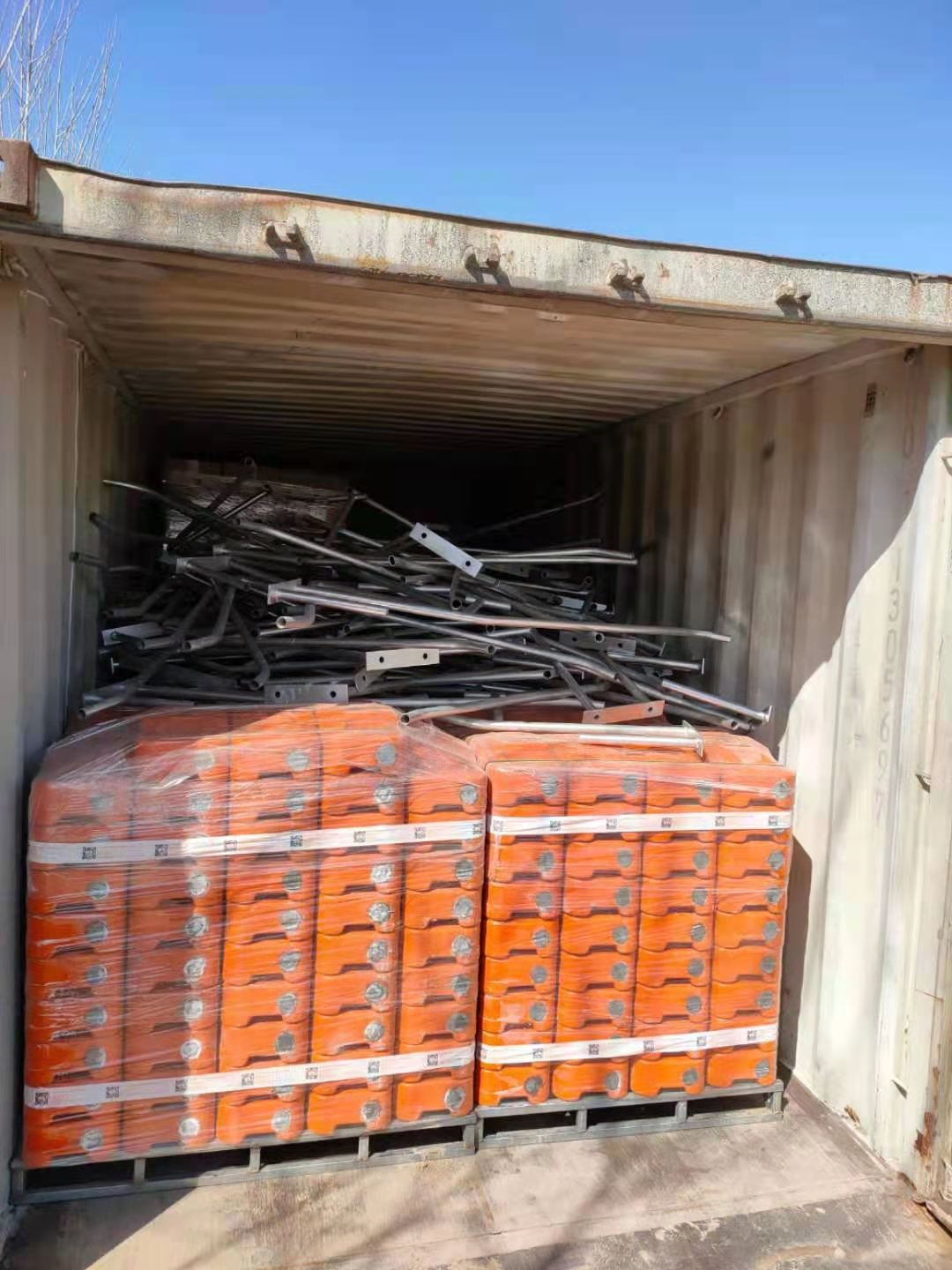
Scraped zinc and bent corners often happen during poor palletizing. Good export packing protects your money before you even open the container.
Trap #13: Ordering Without Confirming Compatibility With Gates, Stays, and Braces
Temporary fencing is a system. If you later add gates or braces and they do not fit, your “cheap order” becomes a costly retrofit.
Trap #14: Assuming “Standard” Means Compliance
Markets have habits; standards have requirements. If your jobsite or client demands AS4687-2022, the purchase must be specified and supplied to match, not guessed.
Trap #15: The Silent Loss — Buying Panels That Look Fine Until a Wind Event Forces Shutdown
This is the trap that creates real losses. When wind hits, the weak point is almost never “the panel only.” It is the combination of thin frames, insufficient bracing, weak bases, and bending clamps. The result is a fence line that collapses, triggers safety incidents, forces site shutdown, and demands urgent replacement at the highest possible cost. If you want to buy temporary fencing panels without gambling your schedule, specify the frame OD and thickness correctly, pair it with the right bases and clamp centres, and add bracing for wind zones instead of hoping the weather will be kind.
Trap #16: Failing to Plan Container Loading and Ending Up Paying More Per Panel
A smart packing plan can protect coating and optimize container counts. Poor planning increases landed cost even when unit price looks attractive.
Trap #17: Forgetting Worker Speed and Choosing Hardware That Slows Installation
If clamps are awkward or inconsistent, your crew loses time every day. Time loss is a hidden cost that quietly exceeds any “discount.”
Trap #18: Buying Once Without Planning Spare Parts
Clamps, bases, and braces wear before panels do. A small spare strategy prevents urgent local purchases at inflated prices.
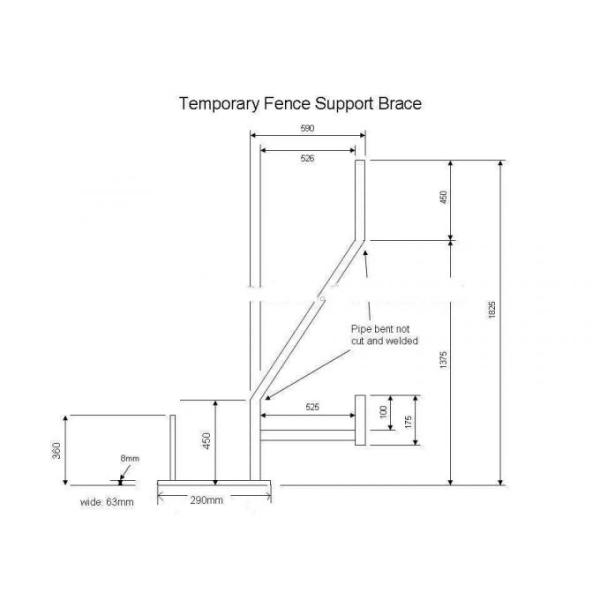
Brace Support (High Wind Stability)
In the last few years, bracing has become a priority for temporary fencing systems used in high wind areas. A properly selected brace helps keep panel lines true and reduces the risk of progressive collapse when gusts hit long runs.
Applications
POLYMETAL temporary fencing panels are used to control access and protect people on construction sites, civil works, demolition zones, and infrastructure upgrades. They are also used for event perimeters, crowd management, public safety exclusion areas, logistics yards, and temporary site boundaries where fast installation and repeated reuse matter.
For long straight runs or wind-exposed sites, wider panel options combined with braces and matched HDPE bases help maintain alignment and reduce movement.
Benefits
When you buy temporary fencing panels from a system-focused supplier like POLYMETAL, the value is not only the panel. The benefit is the predictable fit between panel, base, and clamp, which reduces on-site frustration and prevents unsafe improvisation
. Correct mesh spacing supports rigidity, correct frame options improve durability, and coherent finish choices improve corrosion resistance aligned to project reality. Cleaner finishing reduces installer injury risks, while standardized sizing improves gate integration and fast perimeter expansion.
Packing
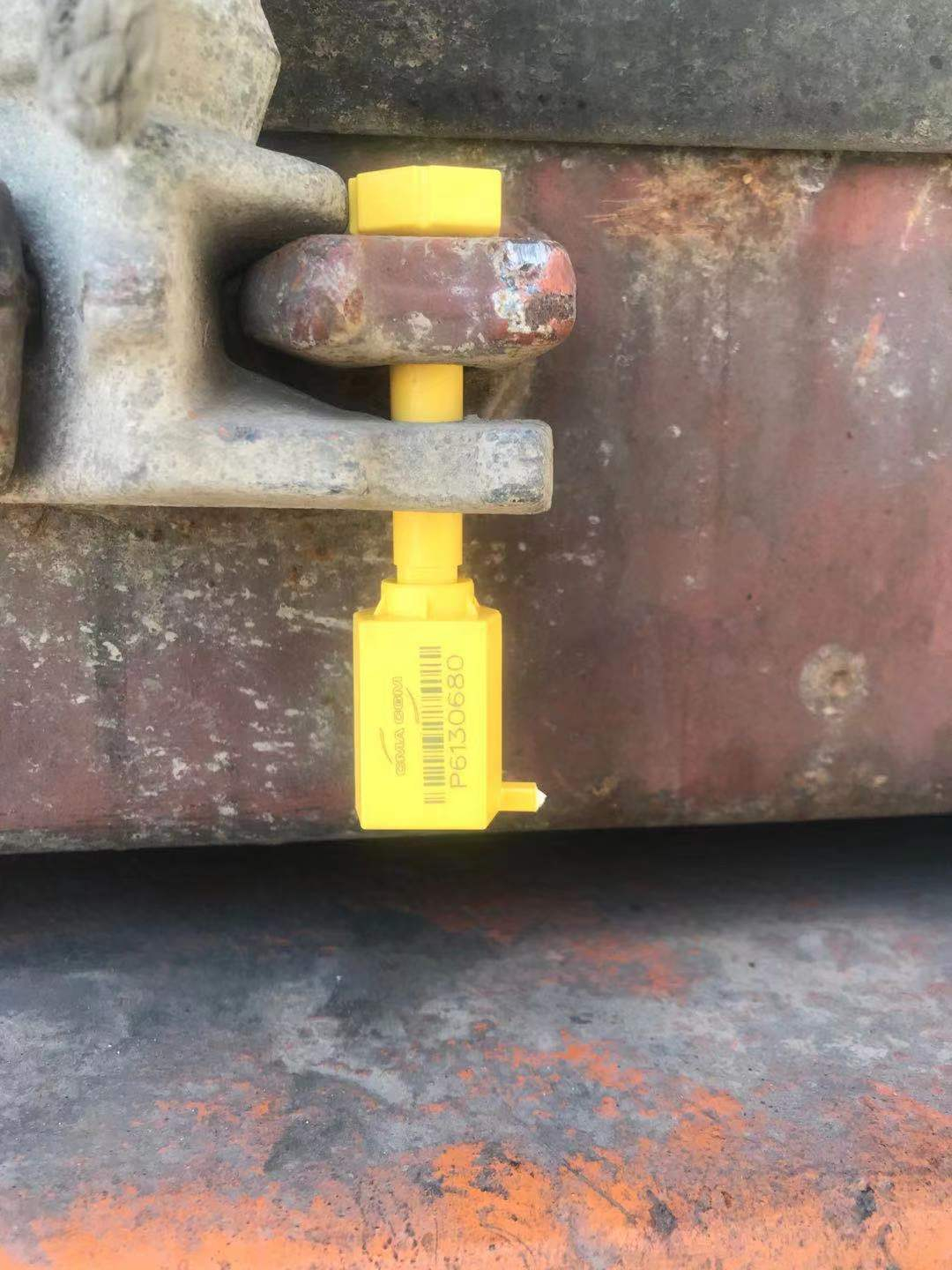
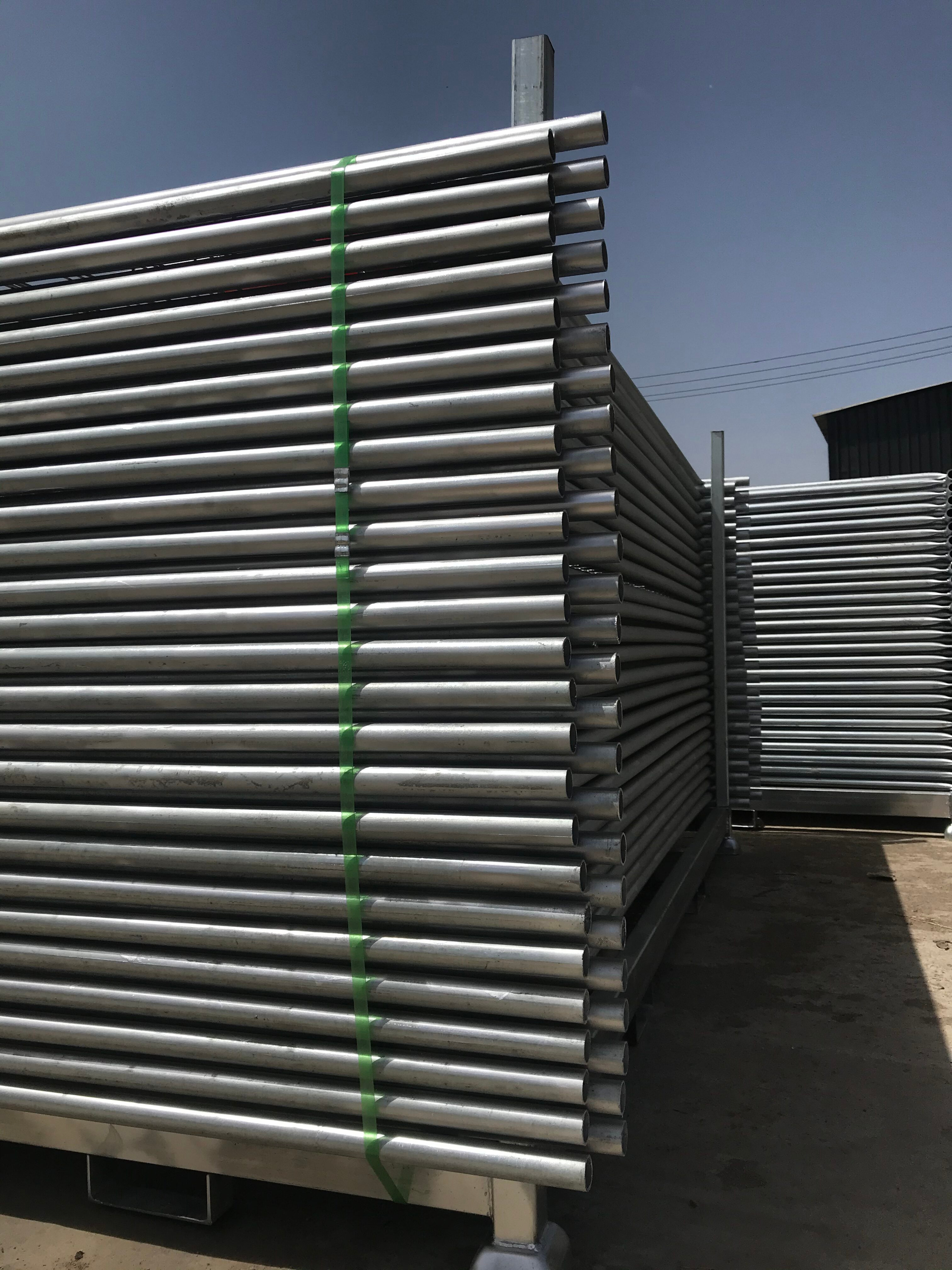
POLYMETAL export packing is designed to reduce transit damage, protect coating surfaces, and simplify unloading. Panels are commonly stacked on metal pallets and wrapped with protective film to reduce rubbing and scratching between layers.
Bases and clamps are packed to maintain set completeness so installation teams can deploy the system immediately on arrival. Container loading plans can be arranged to balance maximum quantity with minimized transport damage risk, depending on panel size and accessory mix.
Standard (AS4687-2022) and Compliance Notes
This temporary fencing system can be specified to comply with AS4687-2022. Compliance is achieved by ordering to the standard’s requirements and ensuring the supplied configuration matches what your project demands, including correct structural choices, compatible accessories, and a fit-for-purpose installation approach.
If you need a practical reference for site setups and compliance-driven applications, see this guide on temporary pool fencing.If your site is audited, what matters is not a generic claim but the correct configuration and documentation aligned to your project scope.
FAQs buy temporary fencing panels
FAQ 1: Can I use 14 microns zinc layer panels for every project?
You can use 14 microns for budget-controlled projects and shorter-term exposure when handling and storage are managed, but harsh coastal conditions or long outdoor storage usually justify upgrading to 42 or 100 microns to reduce corrosion risk and replacement costs.
FAQ 2: Which frame tube OD should I choose when I buy temporary fencing panels?
OD 32mm is commonly used for standard jobs, while OD 38mm, OD 40mm, and OD 41mm are often selected for higher wind areas, higher reuse cycles, or sites where panels are frequently moved by forklifts and crews.
FAQ 3: Does wire diameter really change stability?
Yes. Wire diameter influences stiffness and how the infill mesh resists pushing, vibration, and handling. If your site expects heavy contact or repeated reuse, thicker wire options are often safer and more economical over time.
FAQ 4: Why is 60mm × 150mm mesh spacing so common in AU & NZ?
This spacing is widely adopted because it balances visibility and rigidity for temporary fencing, supporting consistent strength across the panel and stable performance in typical jobsite conditions.
FAQ 5: What causes temporary fencing lines to fail in wind?
Most wind failures are system failures: thin frames, missing braces, weak bases, mismatched clamp centres, or bent clamps. A wind-ready setup uses correct frame choices, matched bases and clamps, and appropriate bracing.
FAQ 6: Can POLYMETAL supply bases and clamps with the panels?
Yes. It is recommended to order panels with matching bases and clamp centres so the system installs faster, aligns better, and avoids the hidden costs of compatibility problems.
FAQ 7: Do wider panels (3.3m or 3.5m) reduce installation time?
They can reduce the number of panels needed for long perimeters, but they also require proper bracing and stable bases. The time saved is real only when the stability plan is correct.
FAQ 8: What is the safest “shortcut” when buying?
The safest shortcut is not cutting a corner; it is buying a matched system. When you buy temporary fencing panels together with the correct bases, clamp centres, and braces, you remove the biggest causes of failure and rework.