Your One-Stop Wire Mesh Fence Supplier | POLYMETAL




What Crowd Control Barriers Are
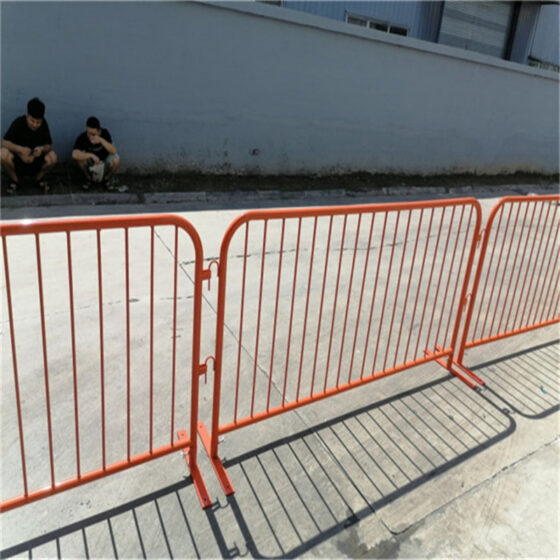
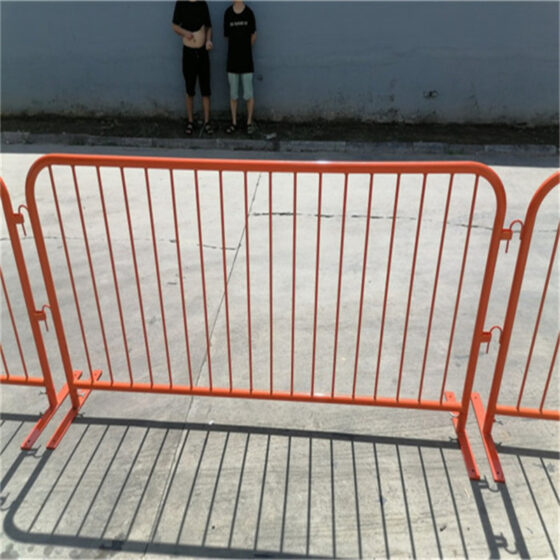
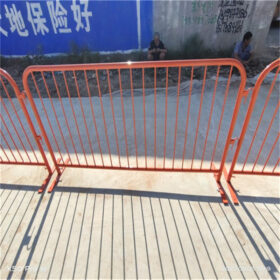
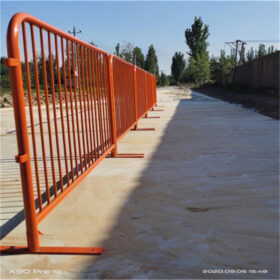
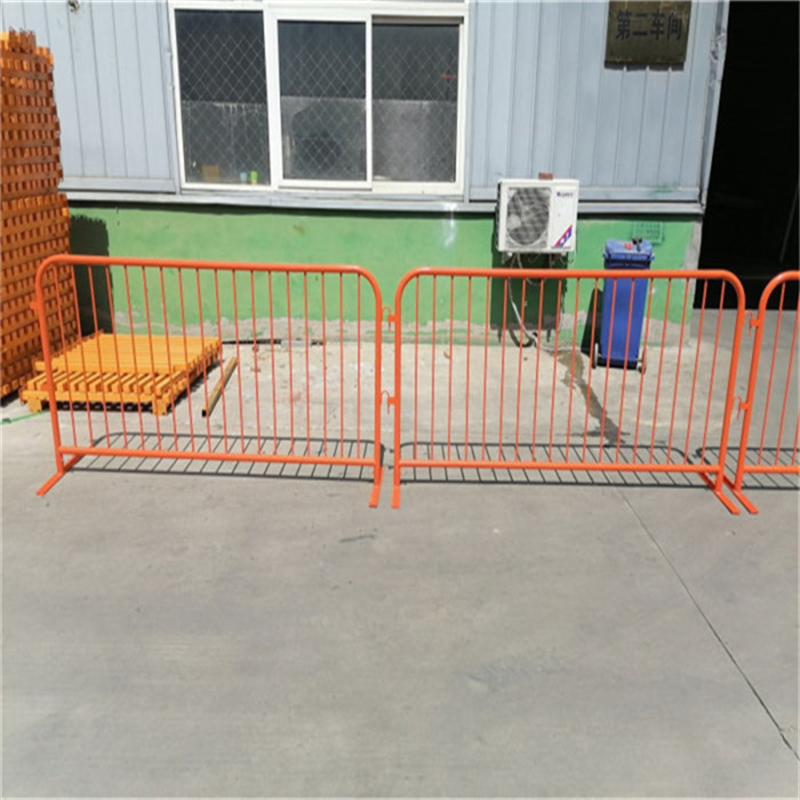
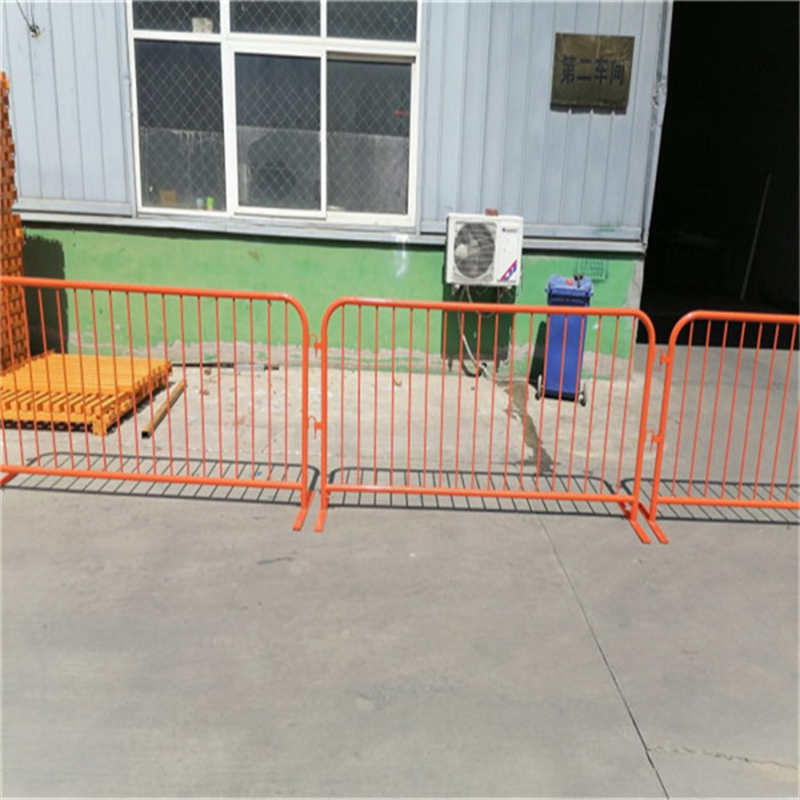
A crowd control barrier (also called a pedestrian barrier) is a welded or modular steel panel system designed to create temporary lanes, queues, and exclusion zones. It is typically built from a perimeter frame tube, vertical uprights (pickets), interlocking hooks, and a stable base structure. In real operations, the barrier is judged by measurable behavior: how straight it stays, how hooks align after stacking, how it resists rocking on uneven ground, and how well the finish survives loading cycles without exposing steel. If your project also involves specialty screening or decorative filtration, you can review a related material option here:brass wire mesh.
POLYMETAL Product Description
POLYMETAL crowd control barriers are designed for repeatable deployment at events, construction interfaces, stadiums, public works, and emergency response. The barrier modules are produced in common heights from 1.0m to 1.2m and widths from 2.0m to 2.6m, with multiple frame tube options (25mm, 32mm, 35mm, 38mm OD) and controlled wall thickness selections (1.5mm, 1.6mm, 2.0mm) to match the expected abuse level. Upright tubes are specified in 19mm OD, 16mm OD, or 12mm OD with thickness options from 0.7mm to 1.2mm, and spacing is locked (90mm, 100mm, 150mm, or 200mm) to control both visual density and rigidity.
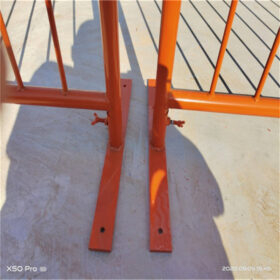
Base stability is driven by the flat steel element (580×50×10mm) and the chosen foot system. Wheel feet are available for frequent repositioning, bridge feet are used for stacking stability and clean alignment, and V feet provide strong ground contact for uneven surfaces. Finish systems can be defined to match exposure and re-use cycles, preventing early corrosion at welds and contact points that typically fail first.
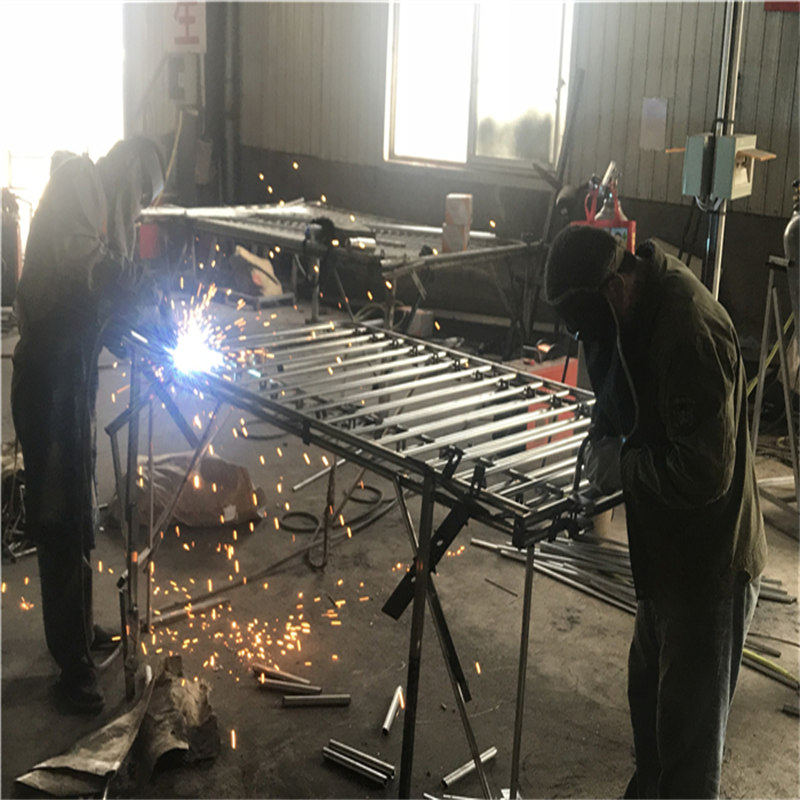
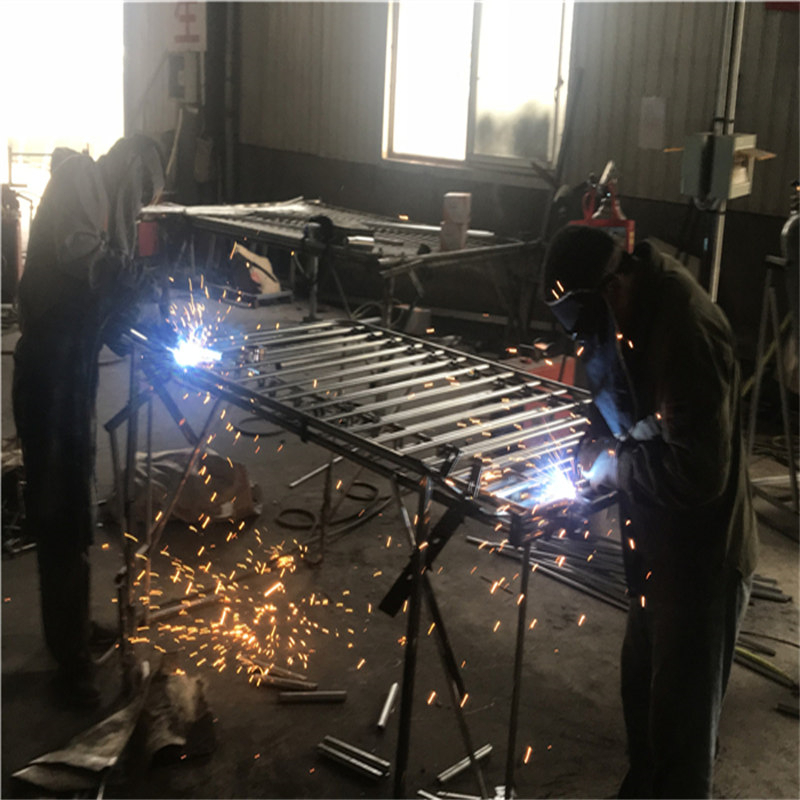


Top 20 Buying Traps That Make Crowd Control Barriers Fail (Especially #12)
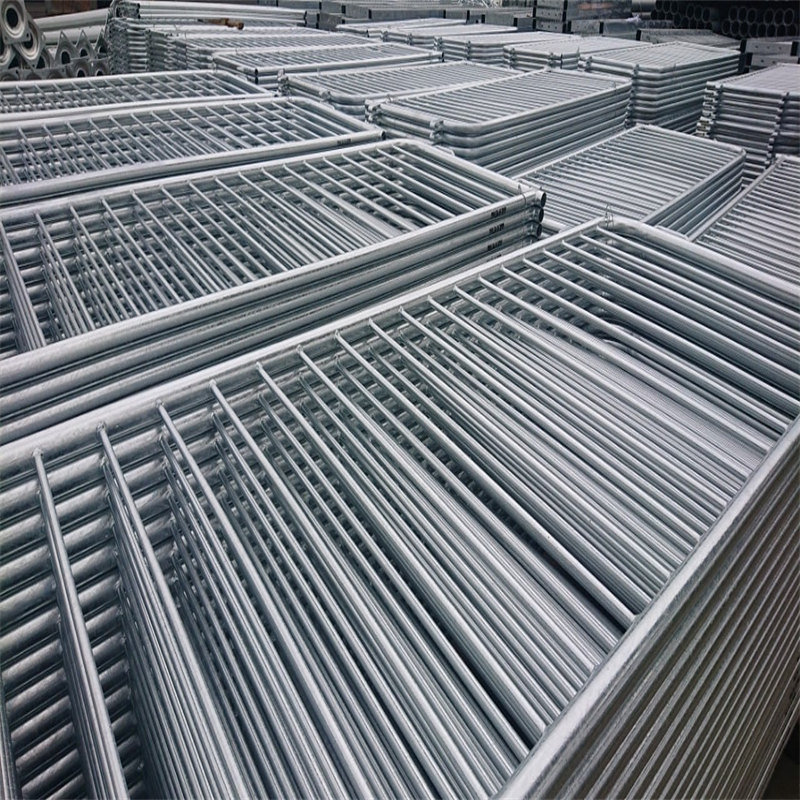
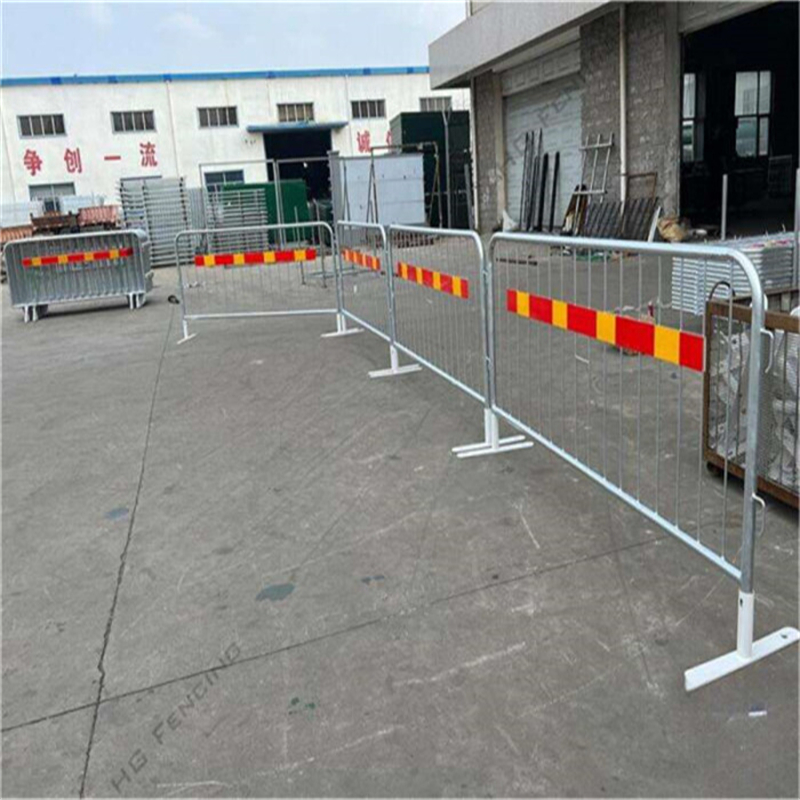
Trap #1 — The hidden detail of frame tube wall thickness when buying crowd control barriers
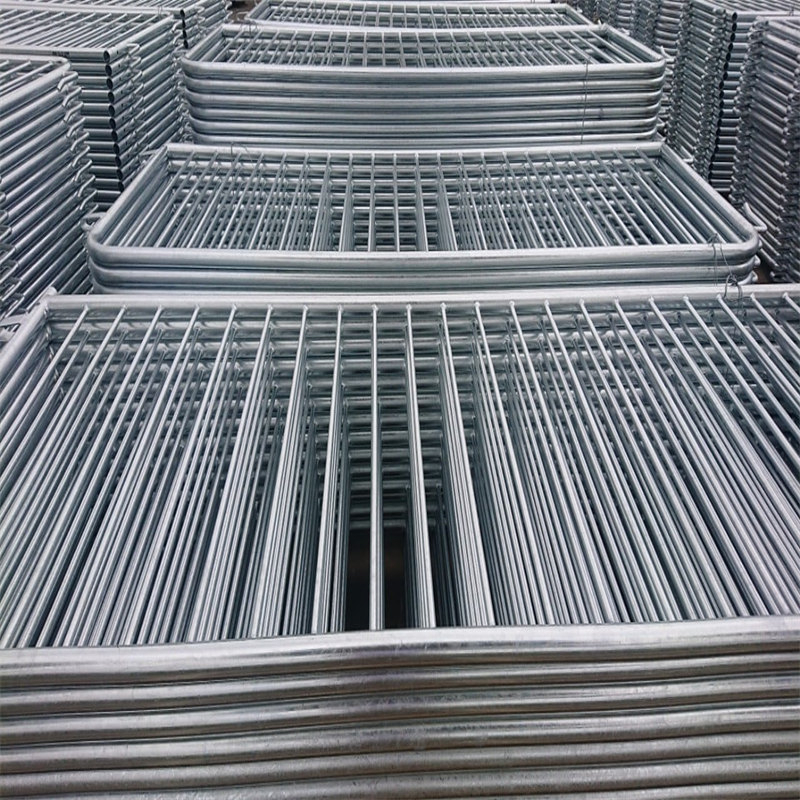
Two crowd control barriers can share the same 32mm or 38mm frame OD, yet behave differently if one uses thinner wall. For buying crowd control barriers, wall thickness controls stiffness, impact tolerance, and whether the frame returns to straight after stacking pressure. If your site also needs a higher-security perimeter solution, many buyers compare it with
Hercules fencing when setting the final specification.
Trap #2 — The fact that upright tube thickness controls denting on crowd control barriers
When buying crowd control barriers for high-traffic events, upright thickness matters. 0.7mm may suit light-duty use, but 0.8–1.2mm on crowd control barriers reduces denting and rattle after repeated handling.
Trap #3 — The truth about upright spacing on crowd control barriers
Spacing is not decoration when buying crowd control barriers. 90–100mm spacing looks more secure and tends to feel stiffer, while 150–200mm reduces weight but can make crowd control barriers feel “light” and show wave-lines in long runs.
Trap #4 — The point that upright OD changes perceived strength in buying crowd control barriers
A 19mm OD upright on crowd control barriers reads stronger and resists local bending better than 12mm. If your buyers judge by touch and movement, upright OD is a front-line decision when buying crowd control barriers.
Trap #5 — The note that base steel is the real anti-wobble component for crowd control barriers
The flat steel element (580×50×10mm) and its weld quality drive ground stability on crowd control barriers. If you are buying crowd control barriers, weak base steel or poor weld placement becomes rocking, especially on uneven surfaces.
Trap #6 — The tip to match barrier height to expected pressure when buying crowd control barriers
1.0m crowd control barriers can be enough for low-pressure guidance, while 1.1–1.2m is commonly chosen where higher perceived control is needed. Height selection is a key step in buying crowd control barriers.
Trap #7 — The hint that hook alignment failures come from poor geometry in crowd control barriers
If the frame twists during welding or stacking, the hooks on crowd control barriers stop aligning cleanly. That turns setup into a slow job—so when buying crowd control barriers, insist on controlled geometry and consistent hook location.
Trap #8 — The idea that “same spec” is meaningless without tolerance control in buying crowd control barriers
Even with the same listed sizes, loose tolerance control causes inconsistent widths, hook offsets, and foot angles on crowd control barriers. For buying crowd control barriers, tolerance control decides whether lanes build straight or fight you.
Trap #9 — The angle of corrosion starting at welds on crowd control barriers
Finish failures on crowd control barriers usually start at weld zones, hook contact points, and stacked rub areas. When buying crowd control barriers, define the coating system clearly so the barrier doesn’t look “old” after one season.
Trap #10 — The aspect of choosing the wrong width when buying crowd control barriers
2.6m crowd control barriers cover more distance per unit but change stacking density and handling. If your transport racks are fixed, wrong width becomes hidden cost—so width must be locked when buying crowd control barriers.
Trap #11 — The element of foot type deciding whether crowd control barriers stay upright
Wheel feet move easily but must be engineered to avoid instability. Bridge feet stack neatly and often feel stable on flat ground. V feet can bite uneven terrain better. When buying crowd control barriers, pick feet for your ground, not your catalog.
Trap #12 — The critical feature: buying crowd control barriers without specifying the base + feet system
This is where buyers lose money on crowd control barriers. If you only specify height and width, suppliers can swap in lighter base steel or the wrong foot type. That leads to wobble, tipping, lane drift, and constant “re-straighten” labor. Lock the base steel (580×50×10mm) and specify the required feet option (wheel, bridge, or V) directly in the purchase order when buying crowd control barriers.
Trap #13 — The trait of thin wall frames bending during stacking on crowd control barriers
Stacking is a stress test for crowd control barriers. Thin frames deform under strap pressure and repeated forklift moves, creating permanent hook misalignment and uneven barrier lines—an expensive outcome after buying crowd control barriers.
Trap #14 — The side effect of sharp edges and poor finishing on crowd control barriers
Burrs, sharp hook edges, and rough weld spatter create gloves-tearing handling issues and complaints. For buying crowd control barriers, finishing quality is operational safety and reduces replacement cycles.
Trap #15 — The view that “cheapest price” usually means missing steel in buying crowd control barriers
The most common downgrade on crowd control barriers is thinner wall thickness or reduced upright thickness. When buying crowd control barriers, compare like-for-like steel and measured thickness—not photos.
Trap #16 — The insight that too-wide spacing reduces perceived control on crowd control barriers
Even if it meets basic function, wider spacing on crowd control barriers can look less secure and feel less premium. For public-facing events, perception affects satisfaction—so spacing is a real decision in buying crowd control barriers.
Trap #17 — The finding that wheel feet need anti-wobble engineering on crowd control barriers
Wheels add convenience, but poorly designed wheel feet increase rocking. If you choose wheel feet when buying crowd control barriers, demand stability details—wheel bracket strength and base geometry—so the crowd control barriers stay planted.
Trap #18 — The discovery that coating claims are useless without measurable targets in buying crowd control barriers
“Powder coated” or “galvanized” is not enough for crowd control barriers. Define process and minimum expectations so barriers do not rust at welds after one season. Measurable coating targets protect you when buying crowd control barriers.
Trap #19 — The lesson that mixed specs inside one order create a messy crowd control barrier line
If some crowd control barriers are 1.5mm wall and others are 2.0mm wall, they behave differently and the line looks uneven. Keep one spec per deployment tier when buying crowd control barriers.
Trap #20 — The rule: buy the system—crowd control barriers + hooks + feet + finish + packing
A crowd control barrier is not just a rectangle. The interlock, base stability, finish durability, and packing protection decide whether it performs in real operations. When buying crowd control barriers, lock the whole system—not only the panel.
Specifications
Use the tables below as a purchase-order baseline for buying crowd control barriers. Each row includes height, width, frame tube OD, frame wall thickness, upright tube OD, upright thickness, upright spacing, base flat steel, feet option, and a practical finish note.
Table 1 — Economy Event Standard (Balanced Cost)
| Height | Width | Frame Tube OD | Wall Thick. | Upright OD | Upright Thick. | Spacing | Flat Steel | Feet Option | Interlock | Finish |
|---|---|---|---|---|---|---|---|---|---|---|
| 1.0m | 2.0m | 25mm | 1.5mm | 12mm | 0.7mm | 150mm | 580×50×10mm | Bridge feet | Hook & eye | Pre-galv + powder |
| 1.0m | 2.2m | 25mm | 1.6mm | 12mm | 0.8mm | 150mm | 580×50×10mm | Bridge feet | Hook & eye | Pre-galv + powder |
| 1.06m | 2.0m | 32mm | 1.5mm | 16mm | 0.8mm | 150mm | 580×50×10mm | V feet | Hook & eye | Pre-galv + powder |
| 1.06m | 2.2m | 32mm | 1.6mm | 16mm | 0.8mm | 200mm | 580×50×10mm | V feet | Hook & eye | Pre-galv + powder |
| 1.1m | 2.0m | 32mm | 1.6mm | 16mm | 1.0mm | 150mm | 580×50×10mm | Bridge feet | Hook & eye | Pre-galv + powder |
| 1.1m | 2.2m | 35mm | 1.5mm | 16mm | 1.0mm | 200mm | 580×50×10mm | Bridge feet | Hook & eye | Pre-galv + powder |
| 1.2m | 2.0m | 35mm | 1.6mm | 19mm | 0.8mm | 150mm | 580×50×10mm | V feet | Hook & eye | Pre-galv + powder |
| 1.2m | 2.2m | 35mm | 1.6mm | 19mm | 1.0mm | 200mm | 580×50×10mm | V feet | Hook & eye | Pre-galv + powder |
| 1.06m | 2.5m | 32mm | 1.6mm | 16mm | 0.8mm | 150mm | 580×50×10mm | Bridge feet | Hook & eye | Pre-galv + powder |
| 1.1m | 2.6m | 35mm | 1.6mm | 16mm | 1.0mm | 200mm | 580×50×10mm | Bridge feet | Hook & eye | Pre-galv + powder |
Table 2 — Heavy-Duty Crowd Line (Stronger Frame / Tighter Control)
| Height | Width | Frame Tube OD | Wall Thick. | Upright OD | Upright Thick. | Spacing | Flat Steel | Feet Option | Interlock | Finish |
|---|---|---|---|---|---|---|---|---|---|---|
| 1.0m | 2.0m | 32mm | 2.0mm | 16mm | 1.0mm | 100mm | 580×50×10mm | Bridge feet | Heavy hook | Hot dip galvanised |
| 1.0m | 2.2m | 35mm | 2.0mm | 16mm | 1.0mm | 100mm | 580×50×10mm | Bridge feet | Heavy hook | Hot dip galvanised |
| 1.06m | 2.0m | 35mm | 2.0mm | 19mm | 1.0mm | 100mm | 580×50×10mm | V feet | Heavy hook | Hot dip galvanised |
| 1.06m | 2.2m | 38mm | 2.0mm | 19mm | 1.0mm | 90mm | 580×50×10mm | V feet | Heavy hook | Hot dip galvanised |
| 1.1m | 2.0m | 38mm | 2.0mm | 19mm | 1.2mm | 100mm | 580×50×10mm | Bridge feet | Heavy hook | Hot dip galvanised |
| 1.1m | 2.2m | 38mm | 2.0mm | 19mm | 1.2mm | 90mm | 580×50×10mm | Bridge feet | Heavy hook | Hot dip galvanised |
| 1.2m | 2.0m | 38mm | 2.0mm | 19mm | 1.2mm | 100mm | 580×50×10mm | V feet | Heavy hook | Hot dip galvanised |
| 1.2m | 2.2m | 38mm | 2.0mm | 19mm | 1.2mm | 90mm | 580×50×10mm | V feet | Heavy hook | Hot dip galvanised |
| 1.06m | 2.5m | 38mm | 2.0mm | 19mm | 1.0mm | 100mm | 580×50×10mm | Bridge feet | Heavy hook | Hot dip galvanised |
| 1.2m | 2.6m | 38mm | 2.0mm | 19mm | 1.2mm | 100mm | 580×50×10mm | Bridge feet | Heavy hook | Hot dip galvanised |
Table 3 — Premium Operations (Wheel Feet / Fast Reposition / Clean Lines)
| Height | Width | Frame Tube OD | Wall Thick. | Upright OD | Upright Thick. | Spacing | Flat Steel | Feet Option | Interlock | Finish |
|---|---|---|---|---|---|---|---|---|---|---|
| 1.0m | 2.0m | 32mm | 1.6mm | 16mm | 0.8mm | 100mm | 580×50×10mm | Wheel feet | Hook & eye | Hot dip galvanised + powder |
| 1.0m | 2.2m | 35mm | 1.6mm | 16mm | 1.0mm | 100mm | 580×50×10mm | Wheel feet | Hook & eye | Hot dip galvanised + powder |
| 1.06m | 2.0m | 35mm | 1.6mm | 19mm | 1.0mm | 90mm | 580×50×10mm | Wheel feet | Hook & eye | Hot dip galvanised + powder |
| 1.06m | 2.2m | 38mm | 1.6mm | 19mm | 1.0mm | 90mm | 580×50×10mm | Wheel feet | Hook & eye | Hot dip galvanised + powder |
| 1.1m | 2.0m | 38mm | 1.6mm | 19mm | 1.2mm | 100mm | 580×50×10mm | Wheel feet | Heavy hook | Hot dip galvanised + powder |
| 1.1m | 2.2m | 38mm | 2.0mm | 19mm | 1.2mm | 90mm | 580×50×10mm | Wheel feet | Heavy hook | Hot dip galvanised + powder |
| 1.2m | 2.0m | 38mm | 2.0mm | 19mm | 1.2mm | 100mm | 580×50×10mm | Wheel feet | Heavy hook | Hot dip galvanised + powder |
| 1.2m | 2.2m | 38mm | 2.0mm | 19mm | 1.2mm | 90mm | 580×50×10mm | Wheel feet | Heavy hook | Hot dip galvanised + powder |
| 1.06m | 2.5m | 38mm | 2.0mm | 19mm | 1.0mm | 100mm | 580×50×10mm | Wheel feet | Hook & eye | Hot dip galvanised + powder |
| 1.1m | 2.6m | 38mm | 2.0mm | 19mm | 1.2mm | 100mm | 580×50×10mm | Wheel feet | Hook & eye | Hot dip galvanised + powder |
Specifications
Table 1 — Core Options for Buying Crowd Control Barriers (Size + Tube + Spacing + Feet)
| Use | Panel Size (L×H) | Frame Tube (OD) | Frame Wall | Infill Pickets (OD) | Picket Thick. | Spacing | Finish | Feet Style | Feet | Notes |
|---|---|---|---|---|---|---|---|---|---|---|
| Crowd Control | 2100×1100mm | 25mm | 1.5mm | 12mm | 0.7mm | 200mm | HDG / Powder | Flat feet | Removable | Light-duty queue lines |
| Crowd Control | 2100×1100mm | 32mm | 1.6mm | 14mm | 0.8mm | 190mm | HDG / Powder | Bridge feet | Removable | Cleaner stacking stability |
| Crowd Control | 2200×1100mm | 25mm | 1.6mm | 20mm | 1.0mm | 200mm | HDG 42μm | Flat feet | Removable | Matches common 2200×1100 style |
| Crowd Control | 2200×1100mm | 32mm | 1.6mm | 20mm | 1.0mm | 190mm | HDG / Powder | U feet | Removable | Good on uneven ground |
| Crowd Control | 2500×1100mm | 35mm | 1.6mm | 16mm | 1.0mm | 200mm | HDG / Powder | Bridge feet | Removable | Long-run lane building |
| Crowd Control | 2500×1100mm | 38mm | 2.0mm | 16mm | 1.2mm | 190mm | HDG / Powder | Flat feet | Removable | Heavier-duty feel |
| Temp Fence | 2100×1100mm | 42mm | 2.0mm | 20mm | 1.0mm | 100mm | HDG / Powder | U feet | Removable | Site edge separation |
| Temp Fence | 2200×1100mm | 48mm | 2.0mm | 25mm | 1.2mm | 100mm | HDG / Powder | Bridge feet | Removable | Higher impact tolerance |
| Crowd Control | 2015×1100mm | 38mm | 1.2mm | 12mm | 0.7mm | 100mm | HDG | Welded feet | Permanent | UK-type baseline build |
| Crowd Control | 2400×1200mm | 40mm | 2.0mm | 20mm | 1.0mm | 100mm | HDG 42μm | Flat feet | Detachable | AS & NZ-type baseline build |
Table 2 — UK Type Barrier + Variants (Interlock-Ready Crowd Lines)
| Type | Size (L×H) | Main Frame | Vertical Pipe | Spacing | Finish | Feet Type | Feet | Recommended Use | Key Lock-In | Notes |
|---|---|---|---|---|---|---|---|---|---|---|
| UK TYPE | 2015×1100mm | OD38×1.2mm | OD12×0.7mm | 100mm | HDG | Welded | Permanent | Events / queues | Frame 38×1.2 | Classic pedestrian barrier |
| UK TYPE (Dense) | 2015×1100mm | OD38×1.2mm | OD12×0.7mm | 90mm | HDG | Welded | Permanent | Higher control feel | 90mm spacing | Tighter visual control |
| UK TYPE (Heavy) | 2015×1100mm | OD38×1.6mm | OD12×0.8mm | 100mm | HDG | Welded | Permanent | Repeated handling | Thicker wall | More stacking tolerance |
| UK TYPE (Wide) | 2200×1100mm | OD38×1.2mm | OD12×0.7mm | 100mm | HDG | Welded | Permanent | Longer lanes | Hook alignment | Wider footprint |
| UK TYPE (Economy) | 2015×1100mm | OD32×1.2mm | OD12×0.7mm | 150mm | HDG | Welded | Permanent | Light duty | Spacing discipline | Lighter feel |
| UK TYPE (Premium) | 2015×1100mm | OD42×1.5mm | OD14×0.8mm | 100mm | HDG | Welded | Permanent | High visibility | Frame OD 42 | Stronger perimeter frame |
| UK TYPE (Fast Move) | 2015×1100mm | OD38×1.2mm | OD12×0.7mm | 100mm | HDG | Wheel feet | Removable | Frequent reposition | Wheel bracket | Mobility-first option |
| UK TYPE (Bridge Feet) | 2015×1100mm | OD38×1.2mm | OD12×0.7mm | 100mm | HDG | Bridge feet | Removable | Clean stacking | Feet style | Stable lane alignment |
| UK TYPE (U Feet) | 2015×1100mm | OD38×1.2mm | OD12×0.7mm | 100mm | HDG | U feet | Removable | Uneven ground | U foot geometry | Ground-contact stability |
| UK TYPE (Powder) | 2015×1100mm | OD38×1.2mm | OD12×0.7mm | 100mm | HDG + Powder | Welded | Permanent | Brand-color events | Coating system | Better appearance control |
Table 3 — AS & NZ Type + North Europe Type (Project-Led Regional Profiles)
| Region Type | Size (L×H) | Main Frame | Vertical Pipe | Count / Spacing | Finish | Feet Type | Feet Detail | Base Steel | Duty Level | Notes |
|---|---|---|---|---|---|---|---|---|---|---|
| AS & NZ TYPE | 2400×1200mm | OD40×2.0mm | OD20×1.0mm | 19 nos (≈100mm) | HDG 42μm | Detachable | OD35 connections | 100×650×8.0mm flat feet | Heavy duty | High stiffness + stable feet |
| AS & NZ TYPE (Powder) | 2400×1200mm | OD40×2.0mm | OD20×1.0mm | 19 nos (≈100mm) | HDG + Powder | Detachable | OD35 connections | 100×650×8.0mm flat feet | Heavy duty | Color + corrosion control |
| AS & NZ TYPE (Bridge) | 2400×1200mm | OD40×2.0mm | OD20×1.0mm | 100mm spacing | HDG 42μm | Detachable | Bridge feet | 580×50×10mm | Heavy duty | Cleaner stacking lanes |
| AS & NZ TYPE (U Feet) | 2400×1200mm | OD40×2.0mm | OD20×1.0mm | 100mm spacing | HDG 42μm | Detachable | U feet | 580×50×10mm | Heavy duty | Better uneven-ground contact |
| Flat Feet Style | 2200×1100mm | OD25mm | OD20mm | 200mm spacing | HDG 42μm | Flat feet | Removable | 580×50×10mm | Medium duty | Common economy layout |
| Flat Feet (Dense) | 2200×1100mm | OD32×1.6mm | OD20×1.0mm | 190mm spacing | HDG / Powder | Flat feet | Removable | 580×50×10mm | Medium duty | Better rigidity feel |
| North Europe Style | 2000×1500mm | OD38×2.0mm | 16mm×1.5mm | 150mm spacing | HDG / Electro-G | Detachable | Project feet option | 580×50×10mm | Heavy duty | Tall barrier profile |
| North Europe (Dense) | 2000×1500mm | OD38×2.0mm | 16mm×1.5mm | 100mm spacing | HDG | Detachable | Bridge feet | 580×50×10mm | Heavy duty | Higher control feel |
| North Europe (U Feet) | 2000×1500mm | OD42×2.0mm | 16mm×1.5mm | 150mm spacing | HDG | Detachable | U feet | 580×50×10mm | Heavy duty | Uneven-ground stability |
| North Europe (Powder) | 2000×1500mm | OD38×2.0mm | 16mm×1.5mm | 150mm spacing | HDG + Powder | Detachable | Flat feet | 580×50×10mm | Heavy duty | Premium appearance option |
How to Use This Data in Your Article (Tight Integration Tip)
Place these tables directly under the “Specifications” section. Then, inside Trap #12, explicitly reference the base/feet decision by naming the removable feet options (flat feet / bridge feet / U feet) and locking the base steel requirement (580×50×10mm) so buyers cannot be downgraded without noticing.
Applications
- Concerts, festivals, stadiums, and arenas for queue lanes and controlled entry.
- Public works and municipal zones for temporary pedestrian routing.
- Construction interfaces where people must be separated from equipment areas.
- Retail openings and crowd-heavy promotions where line discipline matters.
- Emergency response and temporary exclusion zones.
Benefits
- Fast setup for long runs with interlocking hooks.
- Measurable stability when base steel and feet system are specified correctly.
- Multiple sizes and tube options to match budget and duty level.
- Stackable logistics for efficient transport and storage.
- Finish options to reduce early corrosion at welds and contact points.
Packing
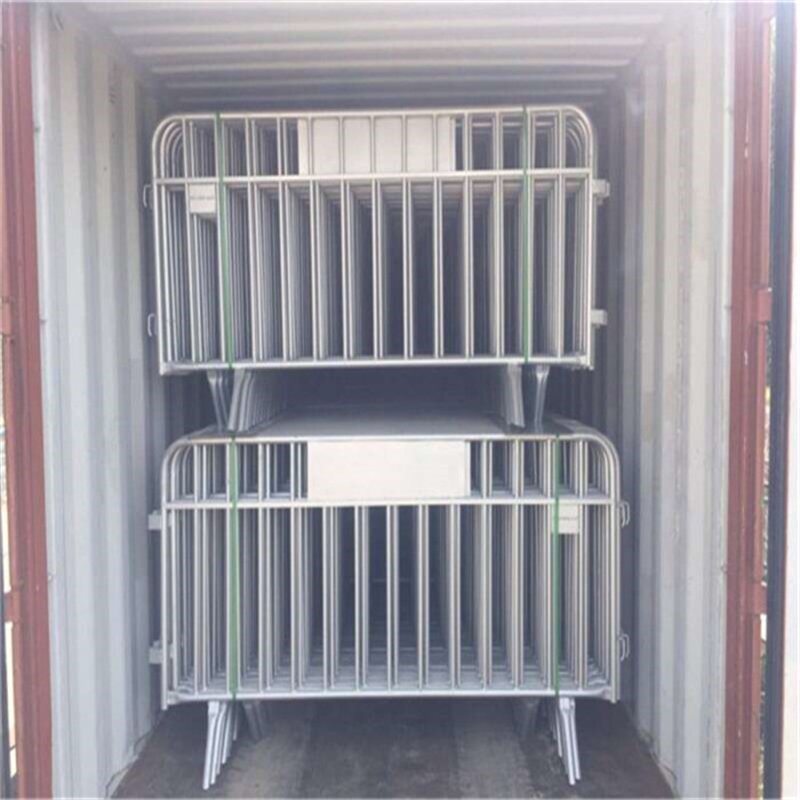
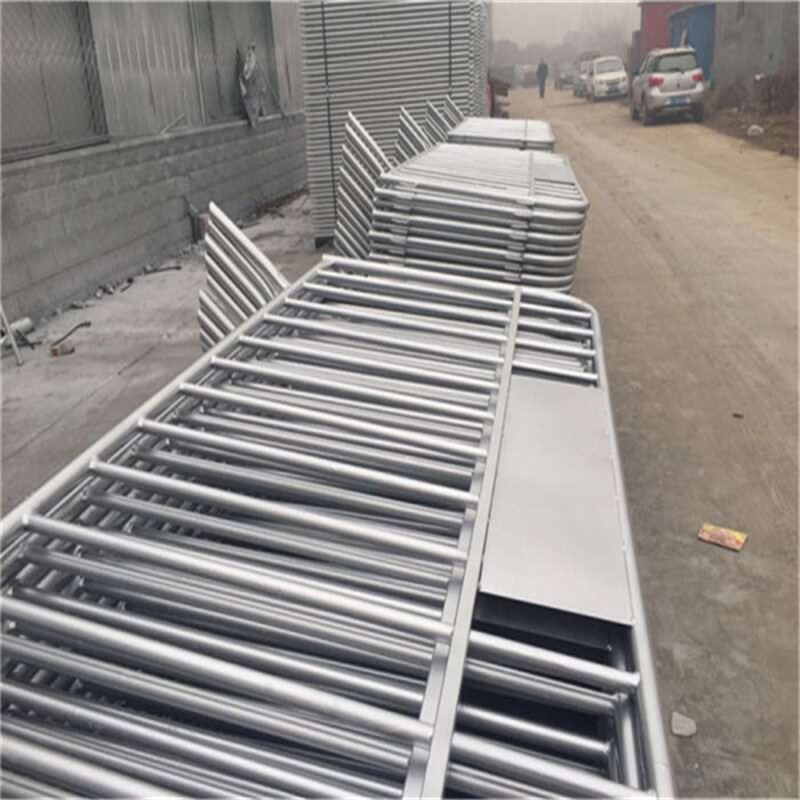
Packing is performance protection. POLYMETAL typically packs crowd control barriers in stackable bundles with separators to reduce frame-to-frame rub, protects hooks to prevent bending, and straps bundles to prevent shifting during container transport. Wheel feet assemblies (if chosen) are protected to avoid impact damage, and accessories are boxed and labeled for fast site deployment.


Standard
Crowd control barriers can be produced to project specifications and inspection requirements. The safest approach when buying crowd control barriers is to define measurable tube sizes, wall thickness, upright spacing, base steel size, feet option, and finish system as written purchase-order requirements, then verify by pre-shipment inspection.
FAQs
Which height should I choose: 1.0m, 1.06m, 1.1m, or 1.2m?
1.0m is common for guidance and light crowd routing. 1.06m–1.1m fits general event control. 1.2m is often chosen where stronger visual control and separation are required.
Which feet are best: wheel feet, bridge feet, or V feet?
Wheel feet are best for frequent repositioning and quick changes. Bridge feet are popular for stacking stability and clean lane alignment on flat ground. V feet can grip uneven ground better and reduce rocking on rough surfaces.
What spacing should I select: 90mm, 100mm, 150mm, or 200mm?
90–100mm typically looks more secure and feels stiffer. 150–200mm reduces weight and cost but can feel lighter under pressure. Choose based on duty level and appearance expectations.
How do I avoid wobble after delivery?
Lock the base steel (580×50×10mm), choose the correct feet system, specify frame wall thickness, and match upright OD/thickness to the expected abuse level. Those four items prevent most real-world failures.
Buyer Checklist (Tight, Purchase-Order Ready)
- Confirm barrier height and width for your lane plan and transport racks.
- Specify frame tube OD (25/32/35/38mm) and wall thickness (1.5/1.6/2.0mm).
- Specify upright OD (19/16/12mm), thickness (0.7–1.2mm), and spacing (90–200mm).
- Lock the base flat steel: 580×50×10mm.
- Choose feet option: wheel feet / bridge feet / V feet (write it into the PO).
- Define finish system suitable for your exposure and re-use cycles.
Integrated Barrier + Temporary Fence Panel Options (Added Data)
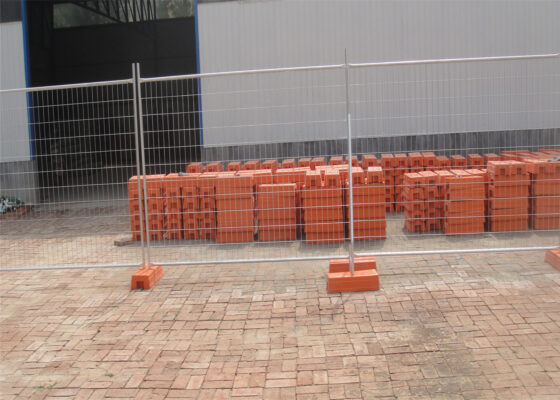
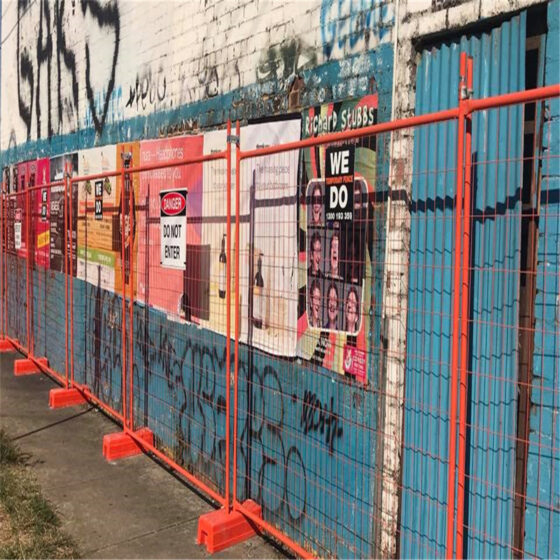
Barricade panels are designed to help control crowds for safety and security, while temporary fence panels are used to secure your site from outside injury, theft, or dumping. When buying crowd control barriers, the safest approach is to lock the panel size, frame OD, infill picket OD, spacing, finishing, and feet style in the purchase order—because those items control rigidity, lane straightness, hook alignment, and long-term corrosion resistance.
POLYMETAL can supply common panel sizes including 1100×2100mm, 1100×2200mm, and 1100×2500mm, with multiple frame tube options (20mm, 25mm, 32mm, 38mm, 42mm, 48mm O.D.) and infill pickets (12mm, 14mm, 16mm, 20mm, 25mm O.D.). Spacing options include 60mm, 100mm, 190mm, and 200mm. Finishes include hot-dipped galvanised and powder coating. Feet can be removable, with feet styles including flat feet, bridge feet, and U feet.