Your One-Stop Wire Mesh Fence Supplier | POLYMETAL

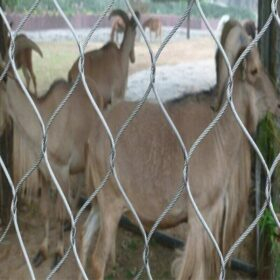
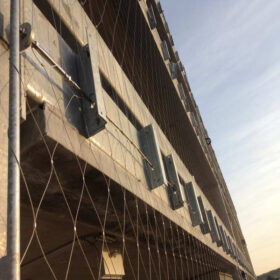
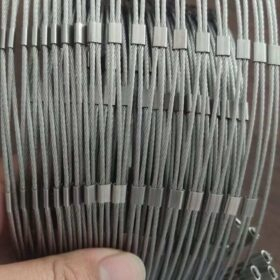
Cable mesh netting in SS304 and SS316 is not just a decorative stainless steel fabric; it is a structural safety barrier that protects people, animals and property. When cable mesh netting is selected or installed incorrectly, the result is not an abstract design issue but a direct loss: accidents, breakages, legal claims and expensive rework. This comprehensive page reveals 10 shocking risk traps and powerful advantages hidden inside cable mesh netting specifications, and ignoring crisis point #9 can turn a beautiful project into an immediate financial disaster.
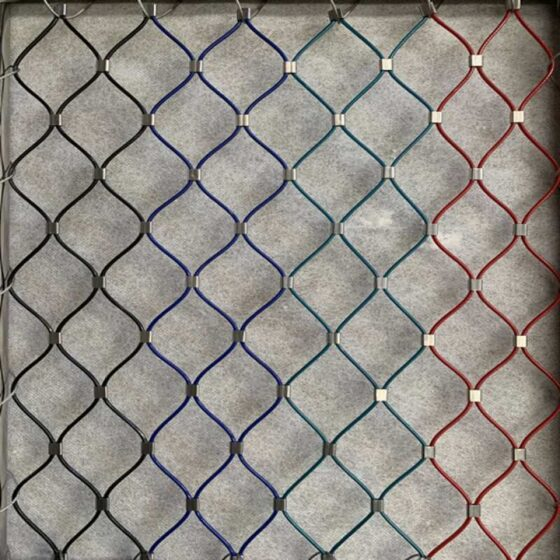
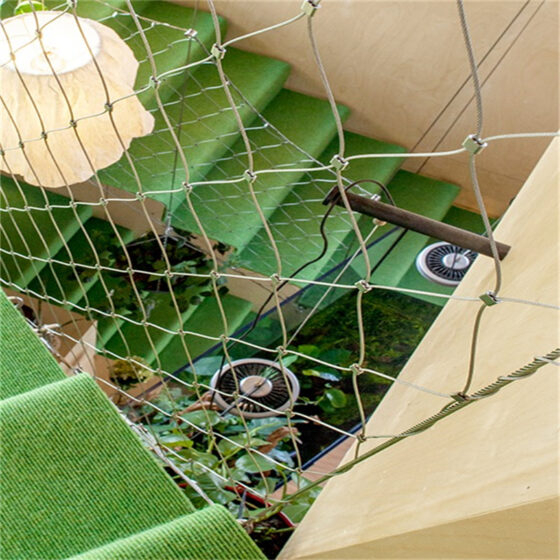
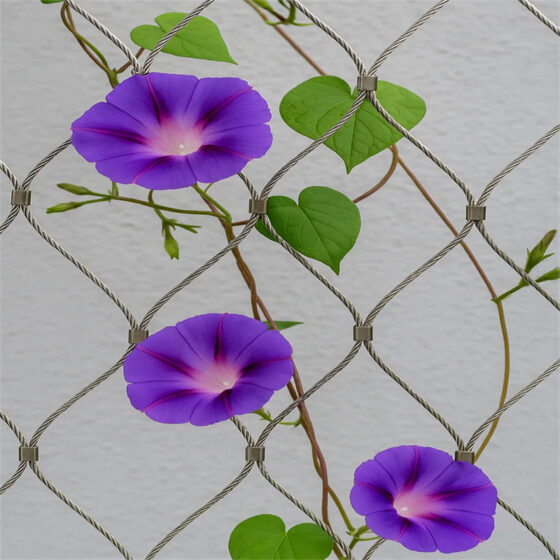
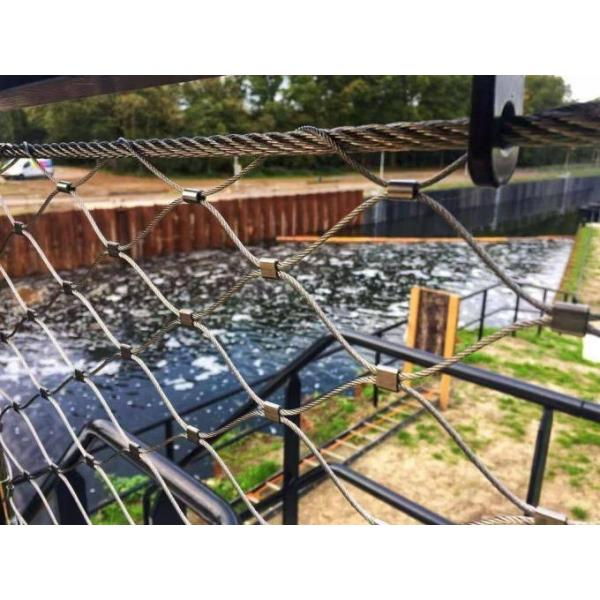
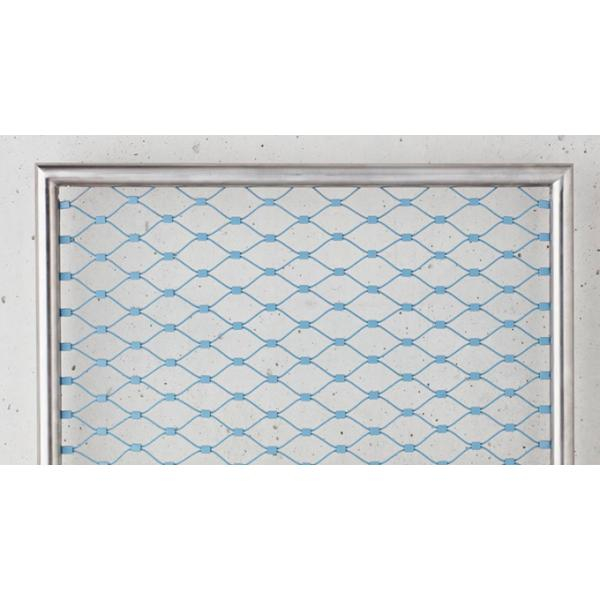
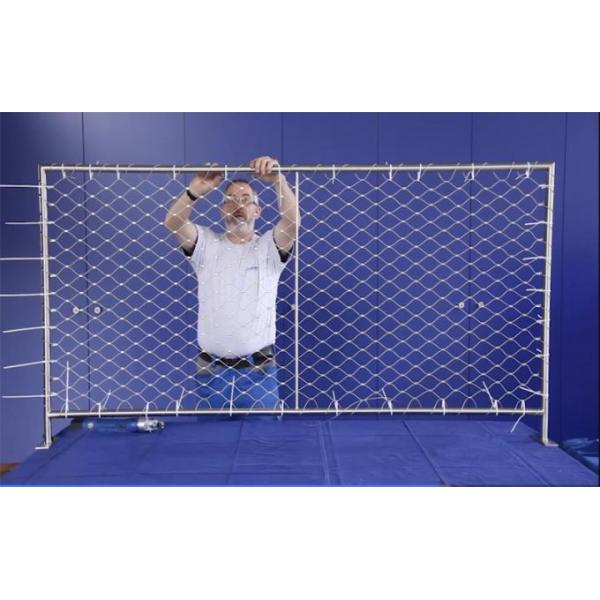
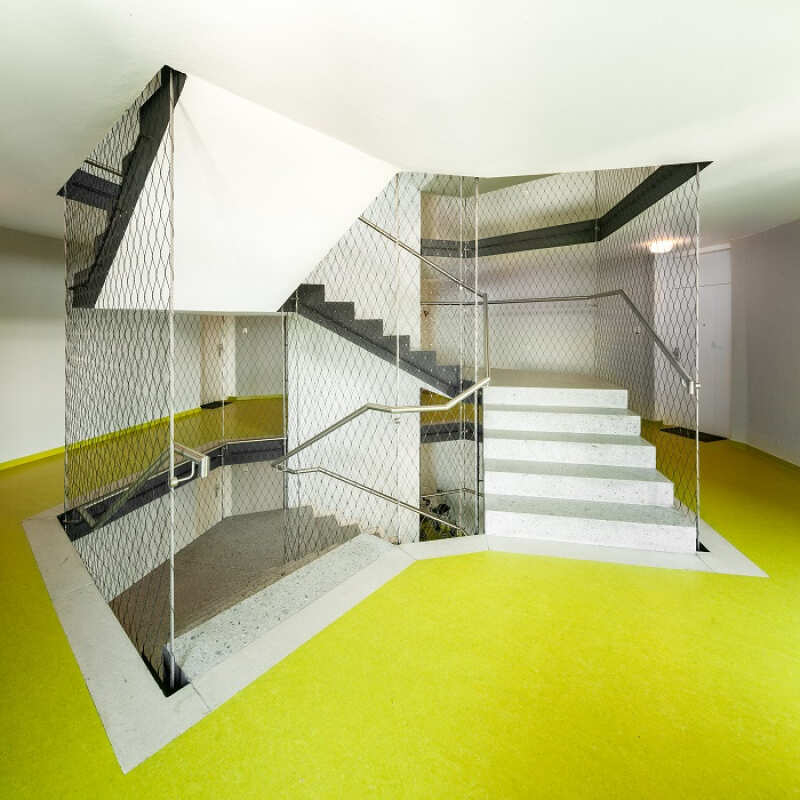
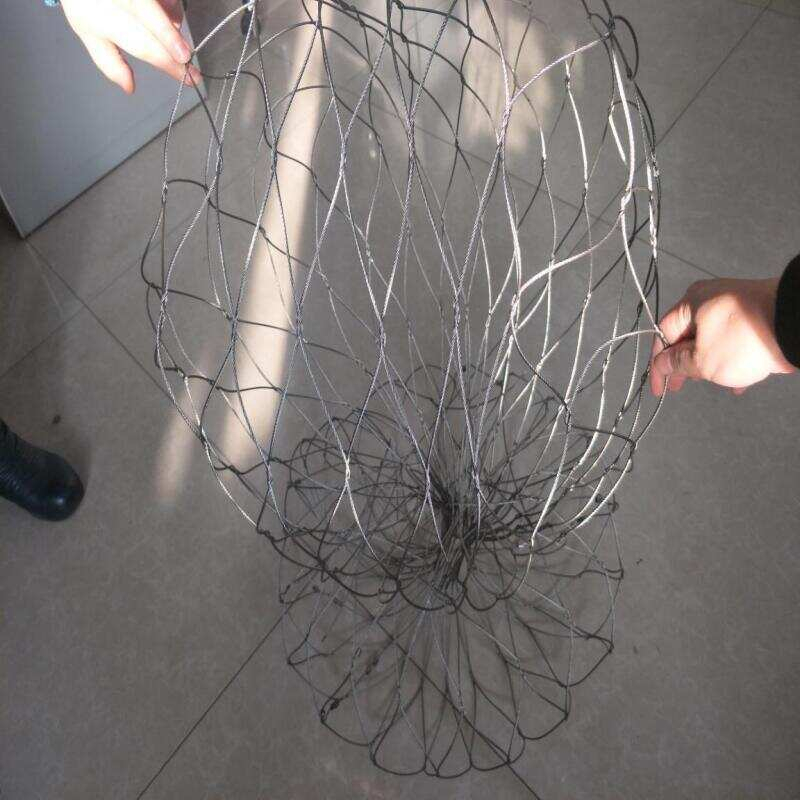
Visual Overview of Cable Mesh Netting Details
 |  |  |
What Is SS304 316 Cable Mesh Netting for Tensile Projects?
SS304 316 cable mesh netting is a high-strength stainless steel wire rope fence, specially developed for tensile projects such as bridges, skywalks, zoo enclosures, helideck mesh, green facades and anti-fall protection systems. The mesh is woven from high quality 304, 316 and 316L stainless steel wire rope, and all the raw material for producing stainless steel wire cable mesh is imported from South Korea and Japan. As a professional manufacturer, we control every step from raw wire drawing and strand compaction to mesh weaving and pre-tensioning, so every panel of cable mesh netting arrives with stable dimensions and reliable performance.
Our stainless steel wire mesh and wire cloth are produced on high-tech machines using premium stainless steel wire. The result is cable mesh netting with smooth surface, accurate mesh aperture and consistent wire rope diameter. For skywalks in zoos or gardens, our stainless steel wire rope mesh is not affected by common outdoor acids and excessive heat within normal engineering ranges. Compared with ordinary wire cable mesh, our cable mesh netting offers superior corrosion resistance, elastic recovery, impact resistance and visual transparency, making it the first-choice solution for demanding tensile architecture.

Cable Mesh Netting Secret #1: True 304/316 Grade Decides Real Service Life
The first powerful secret is that not all labels “304” or “316” are equal. Genuine SS304 and SS316 cable mesh netting, made from strictly controlled wire sourced from South Korea and Japan, delivers stable corrosion resistance and long-term strength. If the actual chemistry is weaker than the nameplate grade, pitting corrosion and stress cracking start early, which silently shortens the life of the whole tensile structure and leads directly to premature replacement costs.
Cable Mesh Netting Fact #2: Mesh Aperture Controls Safety, Liability and Comfort
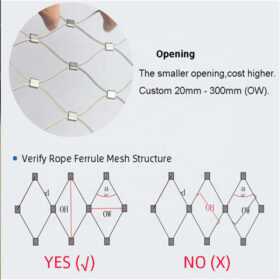
Mesh aperture in cable mesh netting cannot be chosen only for aesthetics. The diamond opening directly controls anti-fall performance, anti-climb behavior and animal containment. If the aperture is just a few millimeters too large, children can slip through, pets can escape and tools or stones can fall, all of which instantly convert into safety incidents, legal exposure and measurable financial loss.
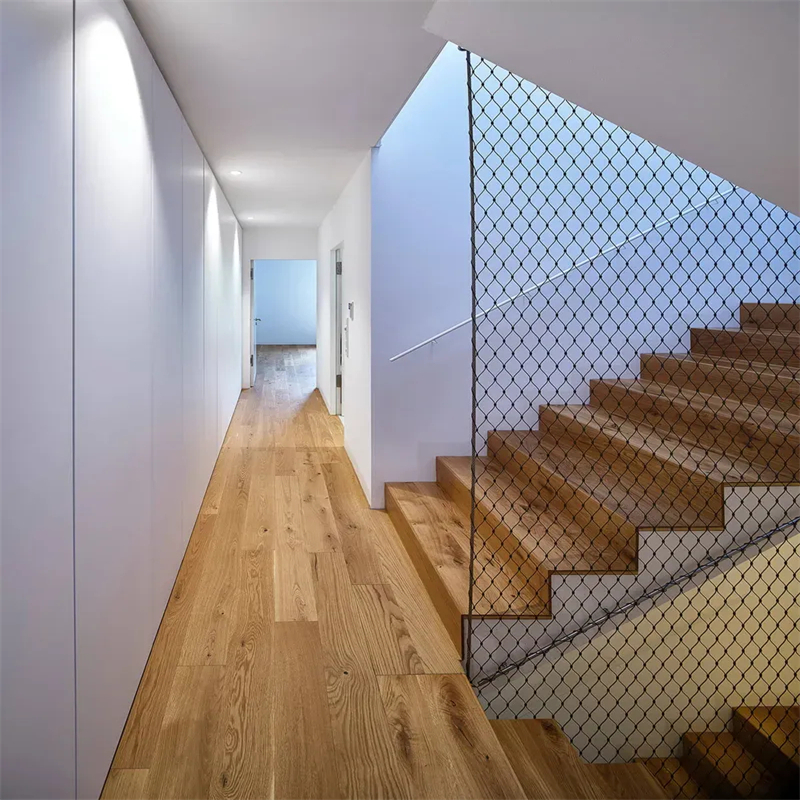
Flexible Stainless Steel Architecture Cable Mesh for Balustrade Infill
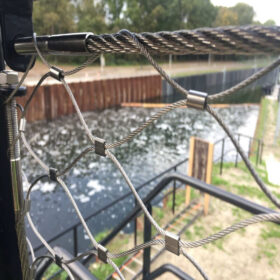
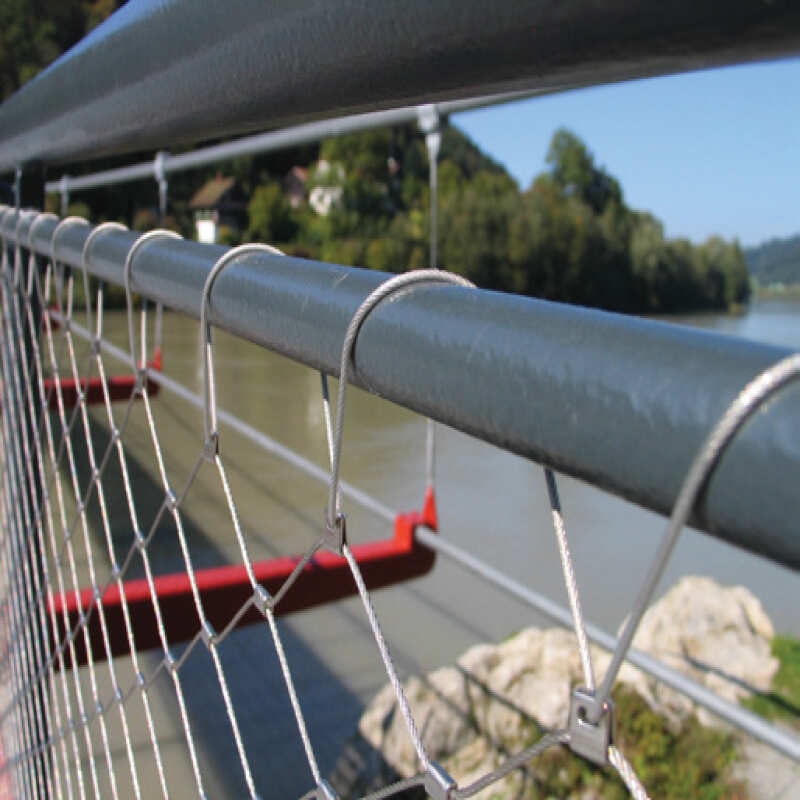
Our flexible stainless steel architecture cable mesh for balustrade infill is designed to be both elegant and extremely safe. It is widely used on bridges, balconies, stairs and viewing platforms where high transparency and strong protection must be achieved at the same time. Cable mesh netting in this area replaces bulky steel bars and solid panels, giving a modern open view while still stopping falls and thrown objects.
Material: Stainless steel 304, 304L, 316, 316L
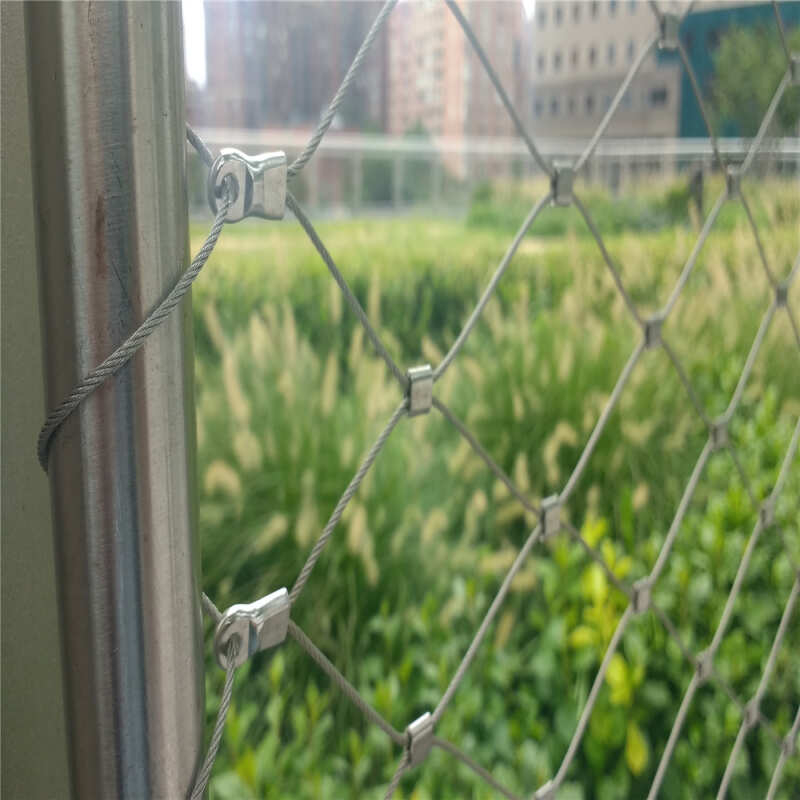
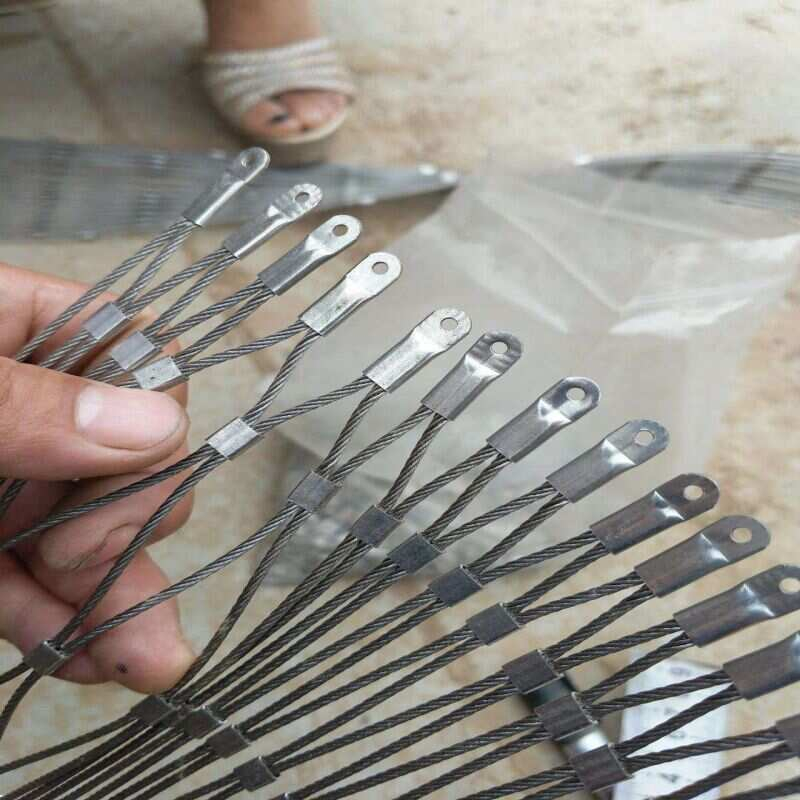
Ferrules material: Tinned copper, nickel-plated copper, stainless steel
Cable construction and diameter: 7×7 (1.2–2.5 mm), 7×19 (3.0–4.0 mm)
Cable Mesh Netting Warning #3: Wrong Angle Degree Creates a Weak Side Under Impact
The rhombus angle of cable mesh netting decides how load flows into the edge cables and anchor structure. If the angle is not aligned with the main force direction, the mesh deforms more under impact, creating a weak side that people can push out or fall against. This warning is critical: a visually beautiful balustrade can still be structurally dangerous if the angle degrees are not engineered correctly.
Cable Mesh Netting Tip #4: Match 7×7 and 7×19 Rope Structures to Span and Flexibility
Another important tip is to match rope construction to project requirements. For shorter spans and softer feel, 7×7 cable mesh netting gives a neat, flexible surface. For larger spans, higher loads and more demanding tensile projects, 7×19 cable mesh netting provides extra strength and energy absorption. Choosing the wrong rope structure wastes load capacity or introduces unnecessary stiffness and cost.
Core Features and Aspects of Flexible Stainless Steel Cable Mesh Netting
The flexible stainless steel architecture cable mesh ferrule type is a rhombus mesh with excellent flexibility. It is virtually indestructible under normal design loads, has high impact resistance and breaking strength, and offers strong resistance to rain, snow and hurricane-level winds. Because the material is stainless steel, the mesh can safely contain species on land or in the air indoors or outdoors, without UV cracking or brittle aging.
The weave opening of cable mesh netting can be infinitely customized to meet your exact specifications. No matter how large, how small or how clever your animals or project conditions are, properly engineered cable mesh netting gives complete security with a very light visual footprint.
Cable Mesh Netting Risk #5: Undersized Breaking Load Turns Every Impact into a Threat
Nominal breaking load is not just a number on a sheet; it is the safety barrier between your structure and failure. When cable mesh netting is specified with a breaking load too close to the working load, every dynamic impact, crowd push or animal strike becomes a threat. Our designs keep a clear safety edge, so the mesh retains shape and strength even under extreme conditions.
Cable Mesh Netting Trap #6: Cheap Ferrules Become the First Failure Point
Using low-grade ferrules on high-quality cable mesh netting is a hidden trap. Ferrules made from soft or corrodible material deform under load, slip along the wire or crack in outdoor exposure. We use tinned copper, nickel-plated copper or stainless steel ferrules designed to work perfectly with the rope structure so that the joint is never the weak link in the system.
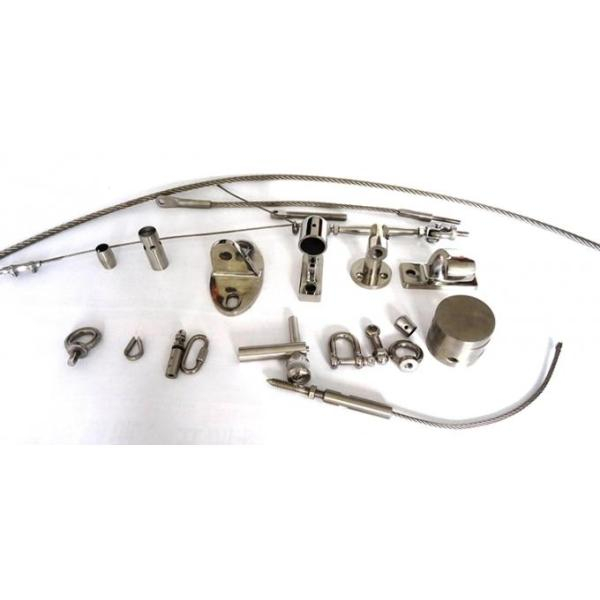
Accessories of Flexible Stainless Steel Architecture Cable Mesh
To make the system complete, we supply a full range of accessories including end fittings, tensioners, clamps, U-bolts, eye bolts, turnbuckles and customized stainless steel plates. All accessories are matched to the rope diameter and structure to ensure that the system strength is not limited by weak joints. This integrated approach transforms cable mesh netting from a simple panel into a complete, reliable protection system.
 |  |
Cable Mesh Netting Pattern #7: Light Transmittance Shows Real Visual Performance
Light transmittance is a key pattern for evaluating cable mesh netting appearance. Too low transmission makes the structure feel closed and heavy; too high transmission with oversized openings weakens safety. By carefully balancing wire rope diameter and mesh aperture, our cable mesh netting keeps high light transmittance while maintaining robust anti-fall performance, so your project looks open but stays fully protected.
Other Typical Applications of Cable Mesh Netting
Cable mesh netting is now widely specified in multiple architectural and safety scenarios:
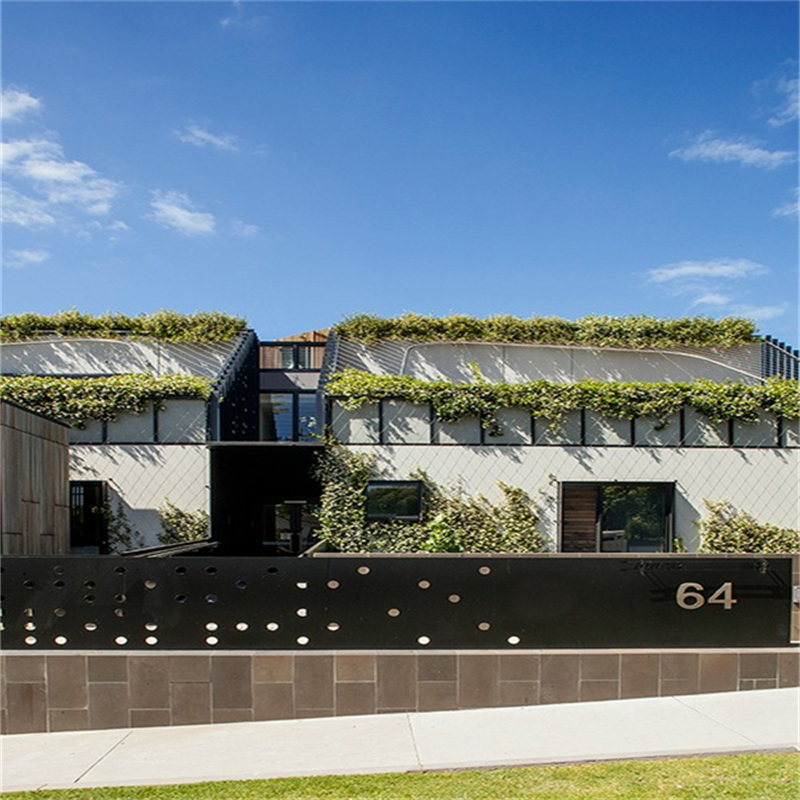
- Green facades – cable systems that firmly support most climbing plants
- Aviary netting – lightweight, durable and long-lasting roofing and wall mesh
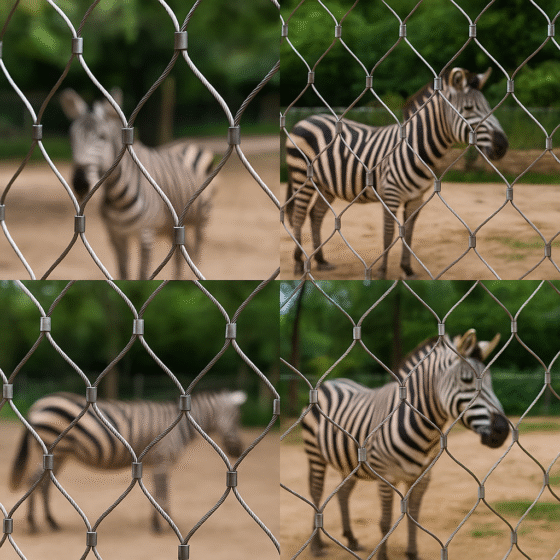
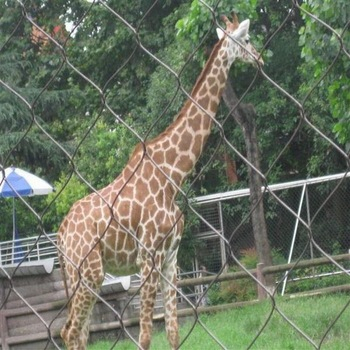
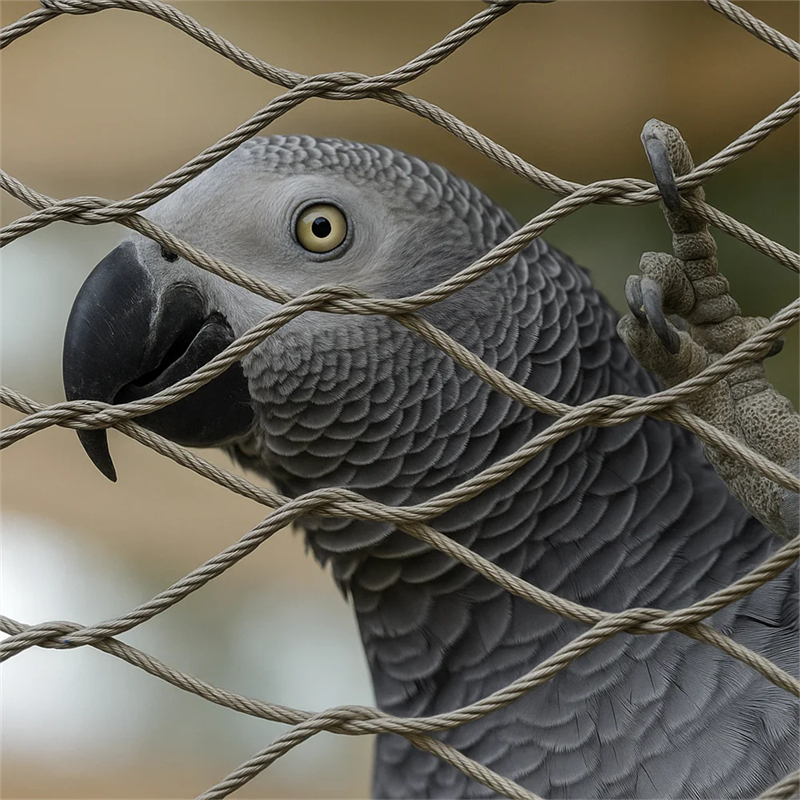
- Cable zoo mesh – safe, transparent enclosure for most animal species
- Helipad safety nets – modular heliport webbing that stops drop hazards
- Suicide-prevention safety nets – structural measure to stop jumps and falls
- Bridge and stair safety mesh – balustrades for bridges, stairs, balconies and elevated paths

Cable Mesh Netting Hazard #8: Poor Installation Creates Invisible Gaps and Loopholes
Even the best cable mesh netting can fail if installation is careless. Inadequate pre-tension, uneven edge alignment or missing clamps create small gaps and loopholes that people, objects or animals can exploit. These are not cosmetic defects; they are real hazards that can cause crisis-level incidents. Our installation guidance closes these gaps and keeps the barrier tight for the full service life.
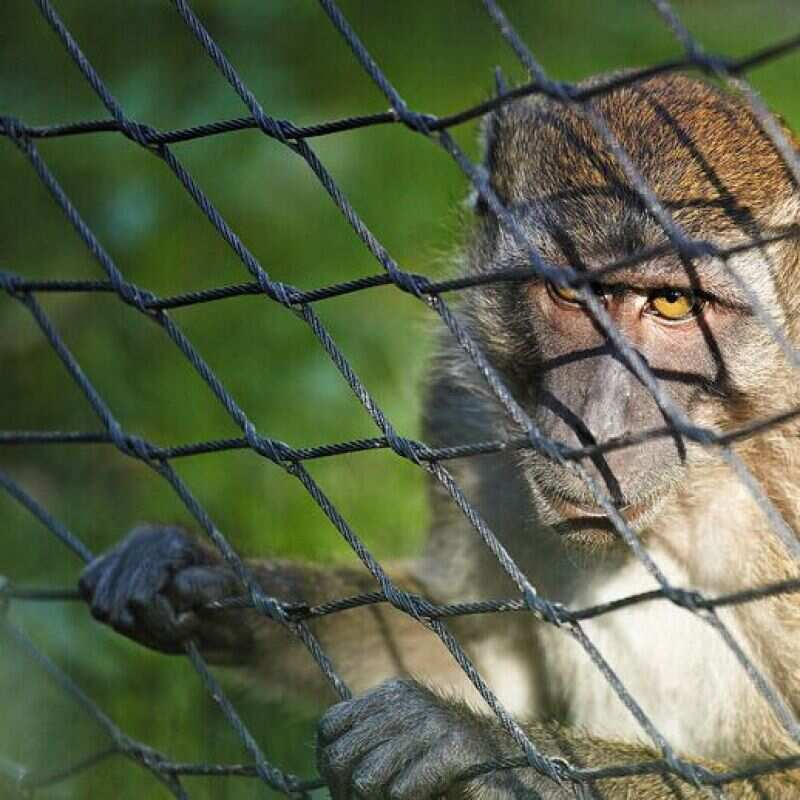
Cable Mesh Netting Crisis #9: Wrong Zoo Profile Causes Immediate Loss and Damage
This is the crisis many buyers underestimate. If cable mesh netting for big cats, primates or birds is not specified according to the true animal profile, escape, injury and enclosure damage can happen within seconds. The resulting loss includes emergency repair cost, animal replacement, compensation and negative media coverage. Skipping this crisis point is exactly how perfectly avoidable loss and damage hit a project budget without warning.
Typical Specifications of Cable Mesh Netting
Below are typical specifications of stainless steel cable mesh netting that we manufacture for different applications. These engineering-level data sets for balustrades, zoo enclosures and bridge barriers can be used directly as a confident reference in your design and purchasing work.
Cable Mesh Netting Checklist: Balustrade Infill Series Overview
The balustrade series combines medium mesh aperture with strong nominal breaking load, ensuring that people cannot fall through and that the mesh cannot be pushed out of shape under crowd pressure. These cable mesh netting specifications are optimized for staircases, balconies, ramps and viewing platforms.


| Cable Mesh Netting – Balustrade Infill Series | |||||||
| Model | Wire Rope Diameter (mm) | Mesh Aperture (mm) | Angle (degrees) | Light Transmittance (%) | Material | Nominal Breaking Load (lbs) | Wire Rope Structure |
| CMN-B01 | 1.5 | 30 × 30 | 60 | 70 | SS304 | 880 | 7×7 |
| CMN-B02 | 1.5 | 40 × 40 | 60 | 78 | SS316 | 880 | 7×7 |
| CMN-B03 | 1.6 | 50 × 50 | 70 | 82 | SS316 | 1060 | 7×7 |
| CMN-B04 | 1.6 | 60 × 60 | 70 | 86 | SS316L | 1060 | 7×7 |
| CMN-B05 | 2.0 | 50 × 50 | 60 | 80 | SS304 | 1480 | 7×7 |
| CMN-B06 | 2.0 | 60 × 60 | 60 | 88 | SS316 | 1480 | 7×7 |
| CMN-B07 | 2.0 | 70 × 70 | 70 | 90 | SS316L | 1480 | 7×7 |
| CMN-B08 | 2.5 | 50 × 50 | 60 | 78 | SS304 | 2200 | 7×19 |
| CMN-B09 | 2.5 | 60 × 60 | 60 | 84 | SS316 | 2200 | 7×19 |
| CMN-B10 | 2.5 | 80 × 80 | 70 | 92 | SS316L | 2200 | 7×19 |
| CMN-B11 | 3.0 | 80 × 80 | 60 | 90 | SS316 | 3200 | 7×19 |
| CMN-B12 | 3.0 | 90 × 90 | 70 | 93 | SS316L | 3200 | 7×19 |
| CMN-B13 | 3.0 | 100 × 100 | 70 | 95 | SS316L | 3200 | 7×19 |
| CMN-B14 | 1.5 | 25 × 25 | 60 | 65 | SS304 | 880 | 7×7 |
| CMN-B15 | 2.0 | 40 × 40 | 60 | 76 | SS316 | 1480 | 7×7 |
Cable Mesh Netting Insight: Zoo and Aviary Series Data Profile
The zoo and aviary series of cable mesh netting is tuned to bird wingspans, claw strength and bite force, as well as the jumping power of primates and big cats. Controlled mesh aperture and strong wire rope diameter stop escapes and injuries while keeping exhibits bright and natural.
| Cable Mesh Netting – Zoo and Aviary Enclosure Series | |||||||
| Model | Wire Rope Diameter (mm) | Mesh Aperture (mm) | Angle (degrees) | Light Transmittance (%) | Material | Nominal Breaking Load (lbs) | Wire Rope Structure |
| CMN-Z01 | 1.2 | 20 × 20 | 60 | 60 | SS316 | 660 | 7×7 |
| CMN-Z02 | 1.2 | 25 × 25 | 60 | 65 | SS316L | 660 | 7×7 |
| CMN-Z03 | 1.5 | 30 × 30 | 70 | 72 | SS316 | 880 | 7×7 |
| CMN-Z04 | 1.5 | 35 × 35 | 70 | 76 | SS316L | 880 | 7×7 |
| CMN-Z05 | 1.6 | 40 × 40 | 60 | 80 | SS316 | 1060 | 7×7 |
| CMN-Z06 | 1.6 | 50 × 50 | 60 | 84 | SS316L | 1060 | 7×7 |
| CMN-Z07 | 2.0 | 50 × 50 | 70 | 86 | SS316 | 1480 | 7×7 |
| CMN-Z08 | 2.0 | 60 × 60 | 70 | 90 | SS316L | 1480 | 7×7 |
| CMN-Z09 | 2.5 | 60 × 60 | 60 | 88 | SS316 | 2200 | 7×19 |
| CMN-Z10 | 2.5 | 70 × 70 | 70 | 92 | SS316L | 2200 | 7×19 |
| CMN-Z11 | 3.0 | 80 × 80 | 70 | 94 | SS316 | 3200 | 7×19 |
| CMN-Z12 | 3.0 | 90 × 90 | 70 | 95 | SS316L | 3200 | 7×19 |
| CMN-Z13 | 1.5 | 25 × 25 | 60 | 63 | SS316 | 880 | 7×7 |
| CMN-Z14 | 1.6 | 30 × 30 | 60 | 70 | SS316L | 1060 | 7×7 |
| CMN-Z15 | 2.0 | 40 × 40 | 70 | 78 | SS316 | 1480 | 7×7 |
Cable Mesh Netting Lesson: Bridge and Anti-Fall Series Outline
Bridge and anti-fall cable mesh netting uses heavier wire ropes and larger panel sizes to cover long spans without sagging. When these values are chosen correctly, the mesh becomes a powerful safety outline that stops thrown objects, accidental falls and projectiles while keeping the bridge design clean and modern.
| Cable Mesh Netting – Bridge and Anti-Fall Barrier Series | |||||||
| Model | Wire Rope Diameter (mm) | Mesh Aperture (mm) | Angle (degrees) | Light Transmittance (%) | Material | Nominal Breaking Load (lbs) | Wire Rope Structure |
| CMN-BR01 | 3.0 | 80 × 80 | 60 | 90 | SS316 | 3200 | 7×19 |
| CMN-BR02 | 3.0 | 100 × 100 | 60 | 93 | SS316L | 3200 | 7×19 |
| CMN-BR03 | 3.2 | 100 × 100 | 70 | 94 | SS316 | 3600 | 7×19 |
| CMN-BR04 | 3.2 | 120 × 120 | 70 | 95 | SS316L | 3600 | 7×19 |
| CMN-BR05 | 4.0 | 120 × 120 | 60 | 94 | SS316 | 5200 | 7×19 |
| CMN-BR06 | 4.0 | 140 × 140 | 70 | 96 | SS316L | 5200 | 7×19 |
| CMN-BR07 | 4.0 | 150 × 150 | 70 | 97 | SS316L | 5200 | 7×19 |
| CMN-BR08 | 3.2 | 80 × 80 | 60 | 92 | SS316 | 3600 | 7×19 |
| CMN-BR09 | 3.2 | 90 × 90 | 60 | 93 | SS316L | 3600 | 7×19 |
| CMN-BR10 | 3.0 | 70 × 70 | 60 | 90 | SS316 | 3200 | 7×19 |
| CMN-BR11 | 3.0 | 90 × 90 | 70 | 94 | SS316L | 3200 | 7×19 |
| CMN-BR12 | 2.5 | 80 × 80 | 60 | 88 | SS316 | 2200 | 7×19 |
| CMN-BR13 | 2.5 | 100 × 100 | 70 | 92 | SS316L | 2200 | 7×19 |
| CMN-BR14 | 2.0 | 70 × 70 | 60 | 86 | SS316 | 1480 | 7×7 |
| CMN-BR15 | 2.0 | 80 × 80 | 60 | 88 | SS316L | 1480 | 7×7 |
SS304 316 Cable Mesh Netting / Wire Rope Fence for Tensile Projects
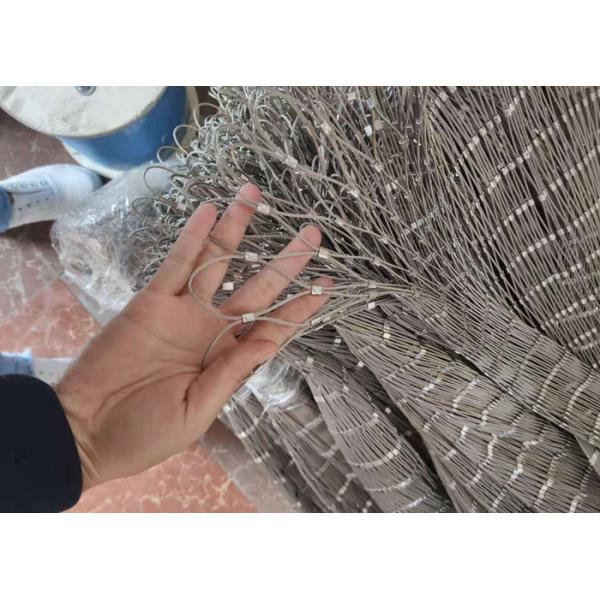
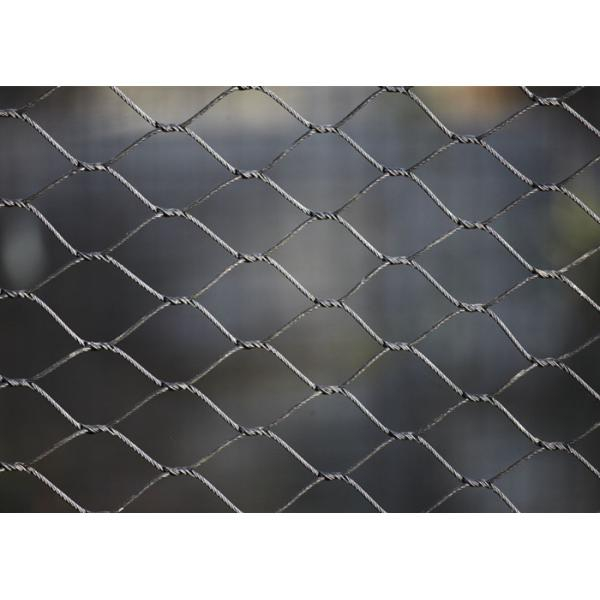
For high-end tensile projects we supply SS304 and SS316 cable mesh netting with strictly controlled raw materials from South Korea and Japan. The stainless steel rope mesh is manufactured using a unique hand-woven interlocking technique from standard 7×7 and 7×19 stainless steel cable to create diamond openings from 25 mm up to 200 mm and beyond. This process delivers stable panel dimensions, clean edges and high repeatability from batch to batch.
 |  |
Cable Mesh Netting Summary: Installation Guide and Maintenance Note
During installation, edge cables are tensioned gradually, panels of cable mesh netting are fixed from one side to the other, and final tension is checked at key points. A short maintenance note is simple but vital: periodic visual inspection for mechanical damage and cleaning with mild water or neutral detergent keeps the stainless steel surface bright and the structure working at full safety capacity for many years.
Cable Mesh Netting Benefit #10: Correct Design Delivers Profit, Payoff and Long-Term Reward
When cable mesh netting and stainless steel wire rope mesh net are specified with the right material grade, mesh aperture, angle, light transmittance, wire rope diameter and nominal breaking load, the system becomes a long-term asset instead of a hidden risk. The benefit is clear: fewer accidents, lower maintenance, higher architectural value and a strong payoff over the life of the project. In real projects this translates into solid profit, repeat orders and a durable safety reputation for every client who chooses our stainless steel wire rope mesh net and cable mesh netting.