Your One-Stop Wire Mesh Fence Supplier | POLYMETAL
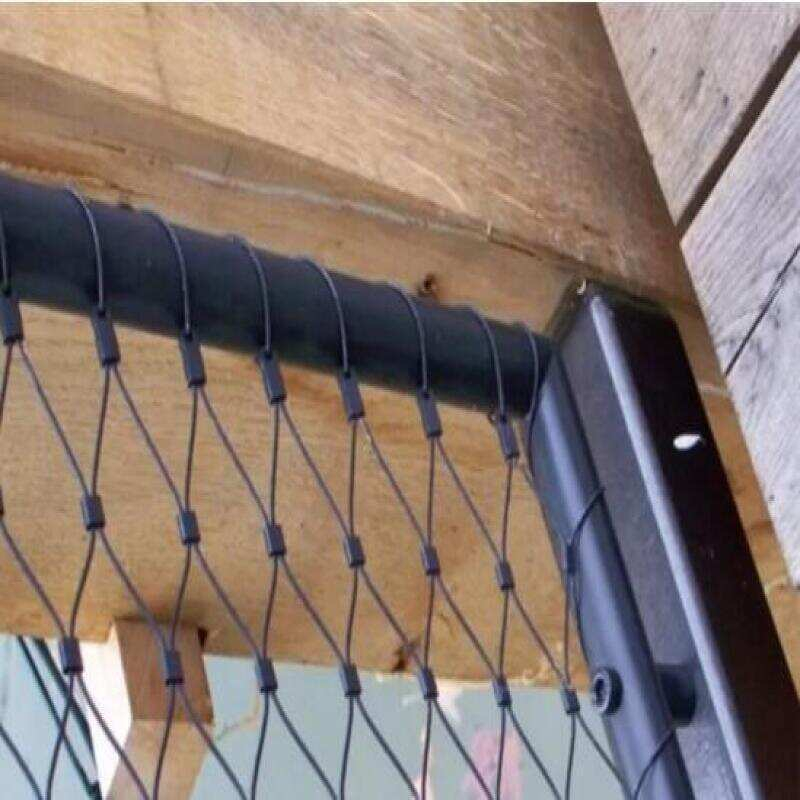
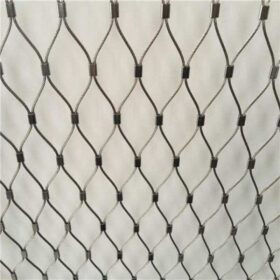
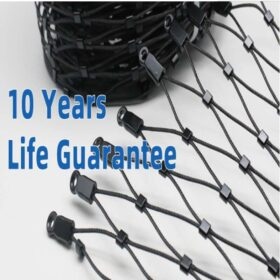
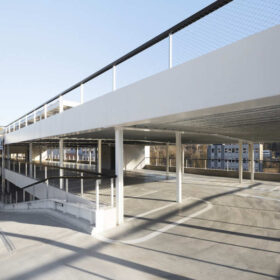
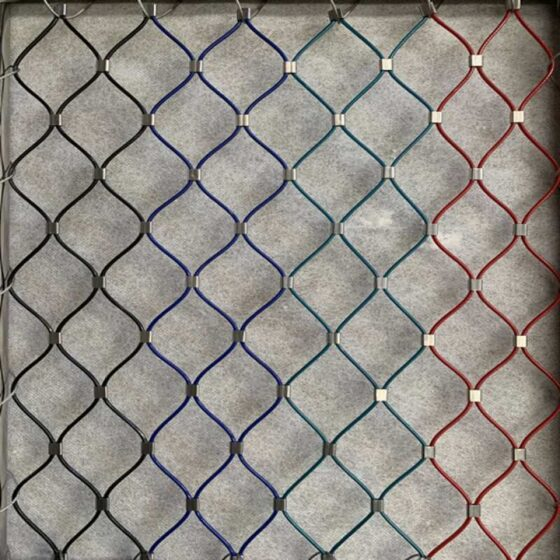
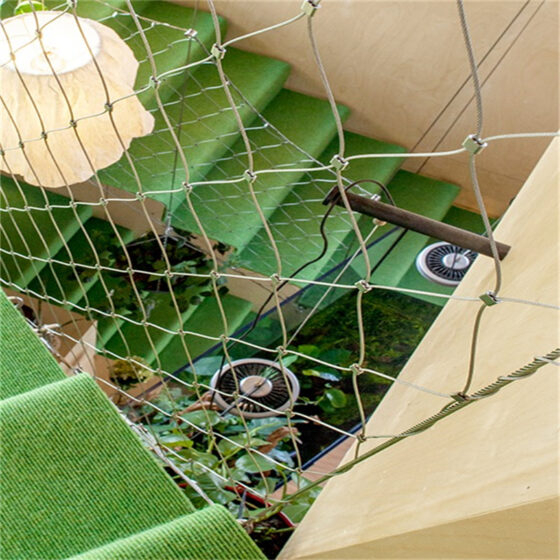
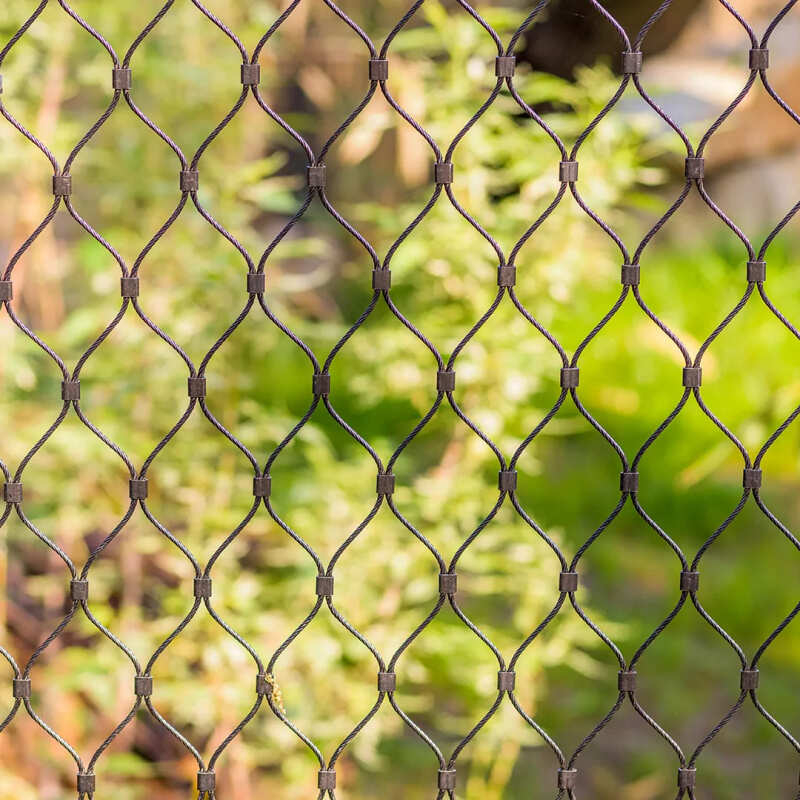
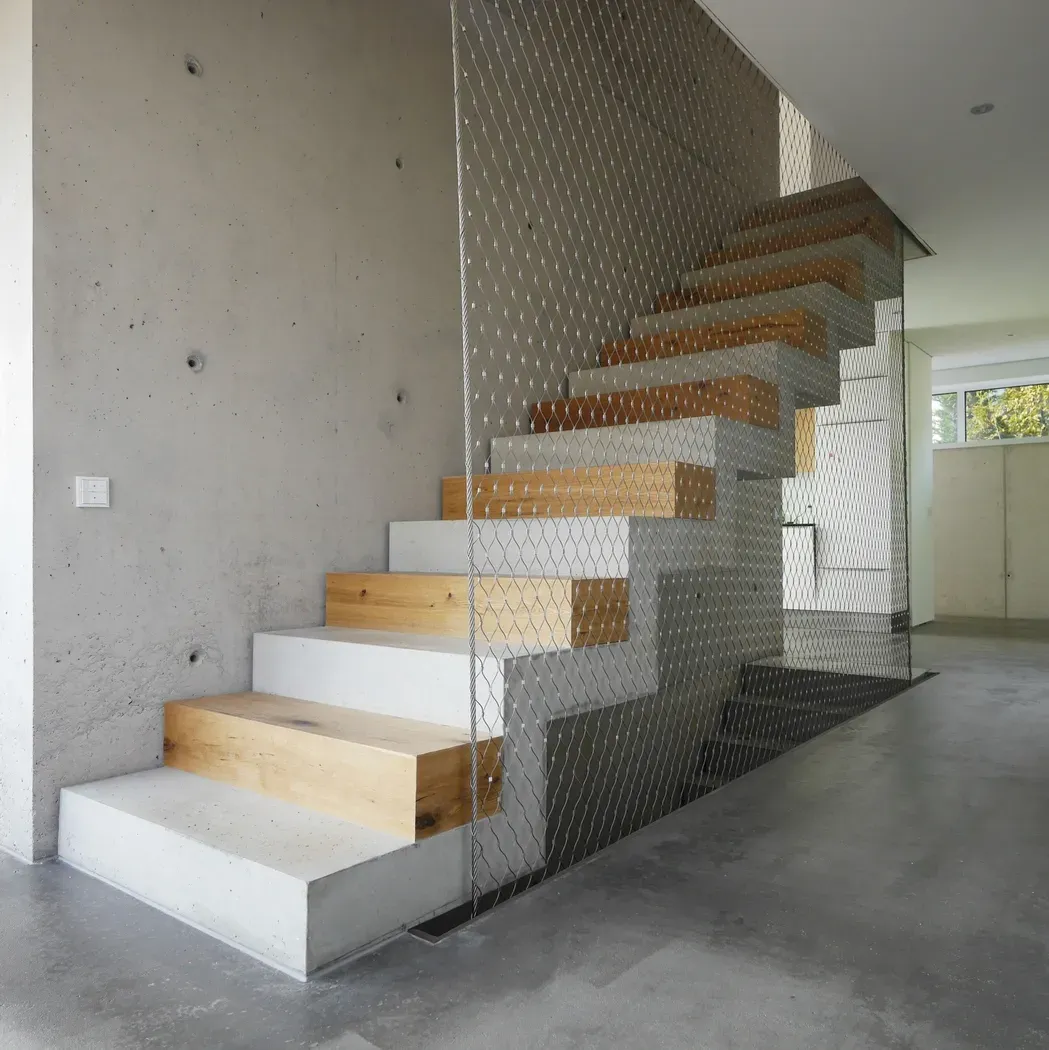
cable webnet is a flexible stainless steel cable mesh system that turns open structures into safe, transparent and elegant barriers. Instead of heavy bars or solid panels, cable webnet uses high-tensile wire ropes arranged in a diamond pattern to create slim, almost invisible protection for stairs, balconies, bridges, façades, zoo enclosures and drop safe nets under walkways and equipment. When you specify cable webnet correctly, you gain powerful safety and a clean architectural look. When you treat it like generic wire mesh, you quietly build in danger, cost and long-term damage.
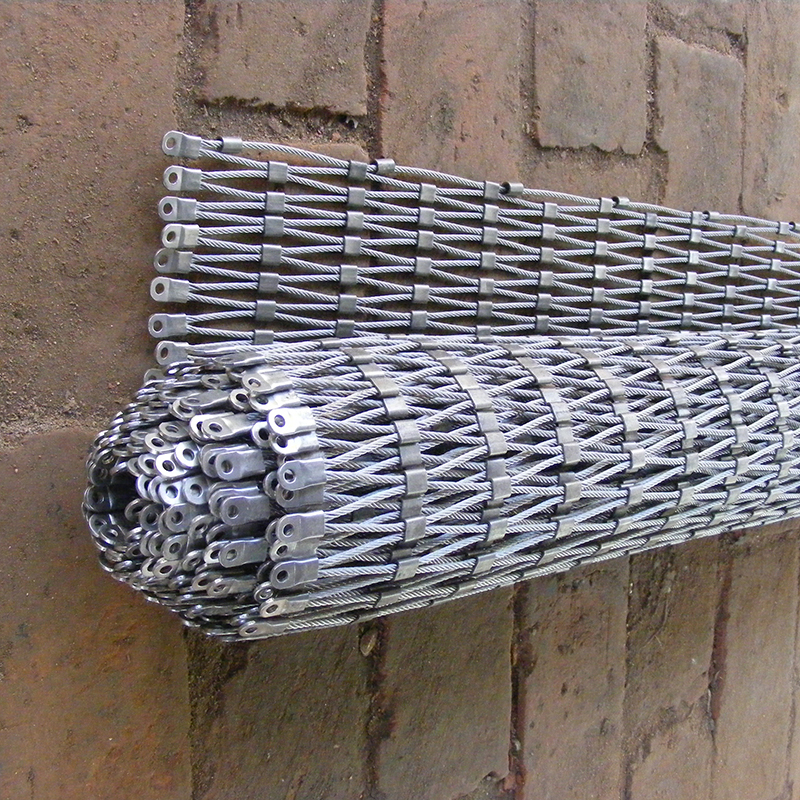
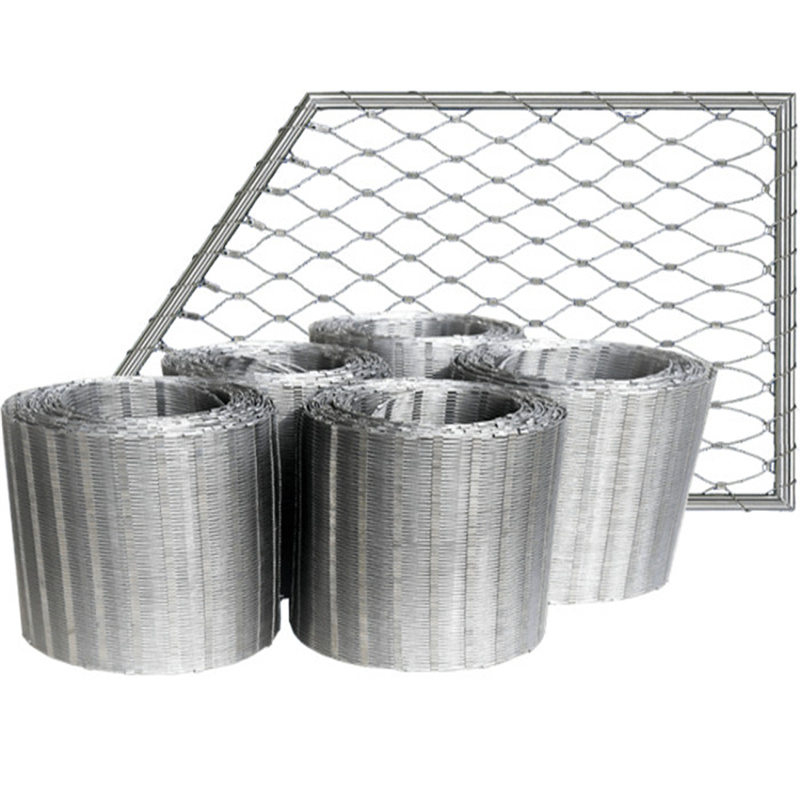
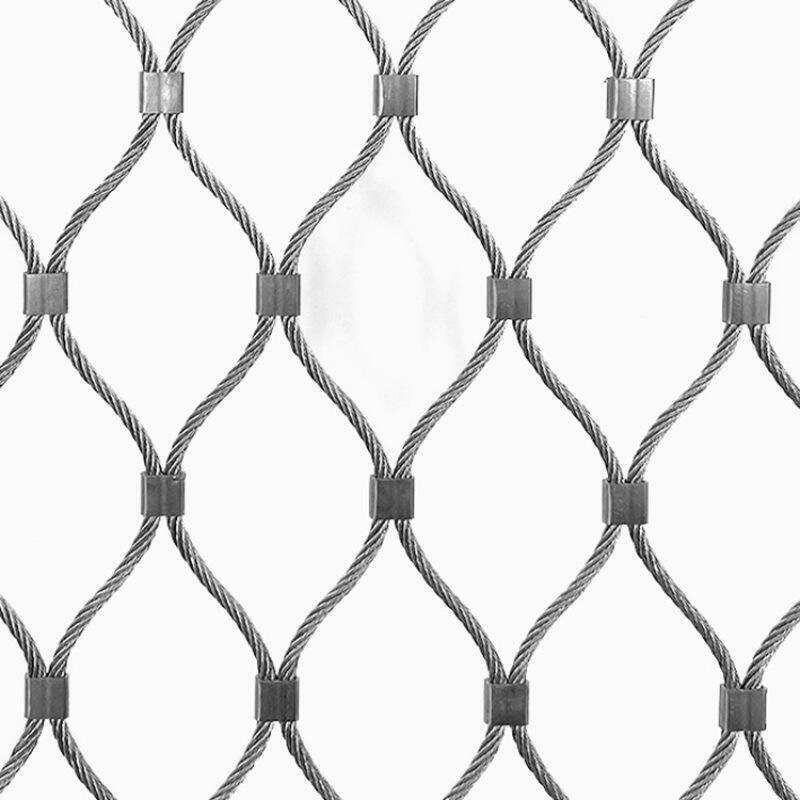
cable webnet is normally fabricated from stainless steel 304, 304L, 316 or 316L wire ropes in diameters from about 1.2 mm up to 3.0 mm. The cables are woven or ferruled together to form a continuous elastic net. The mesh aperture, rope diameter, angle degrees, light transmittance and edge detailing together decide how safe the system really is – and how convincing it looks to owners, inspectors and users.
cable webnet fact #1 – the load path truth that silently keeps people safe
Behind every cable webnet panel is a very specific structural truth: loads travel diagonally through the mesh and into the border cables and anchors. If those load paths are respected in design and installation, the system behaves as a strong, predictable membrane. If they are ignored, you create hidden weak points that only show up under crowd load, wind, or impact – exactly the moment you cannot afford a mistake.
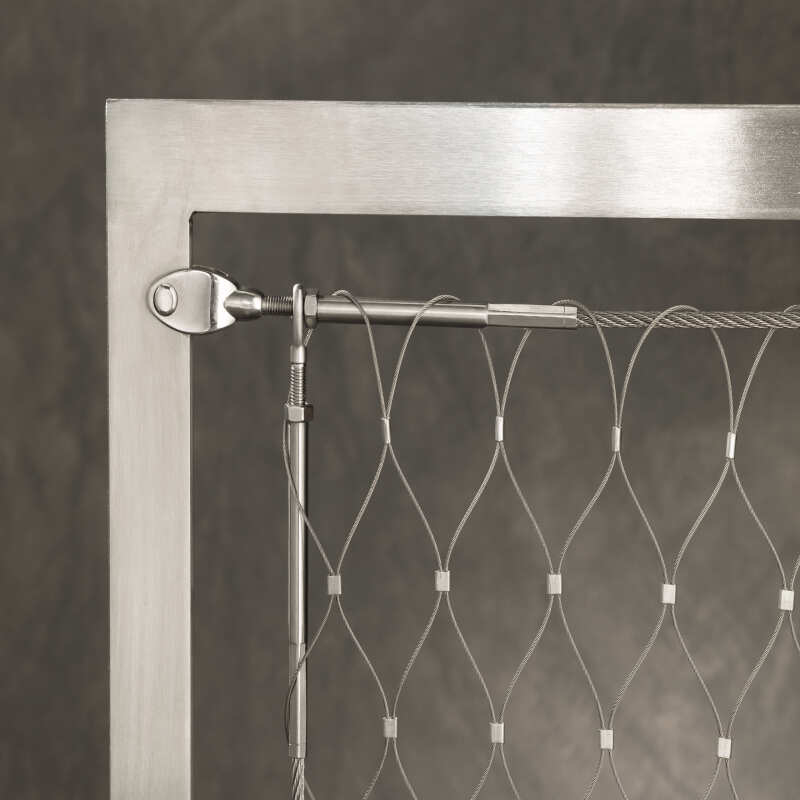


What cable webnet really is and why specifications matter
cable webnet is not just “wire in a frame”. It is an engineered stainless steel membrane that must balance strength, deflection, transparency and durability. Every change in wire rope diameter, mesh aperture, angle degrees and rope structure changes the behaviour of the entire system.
Used correctly, cable webnet delivers:
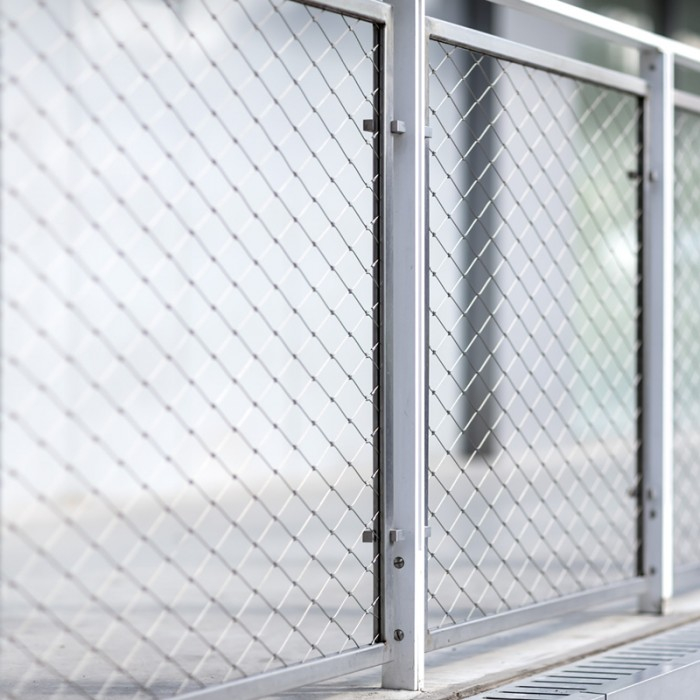
* Reliable fall protection for stairs, balconies, bridges and atria
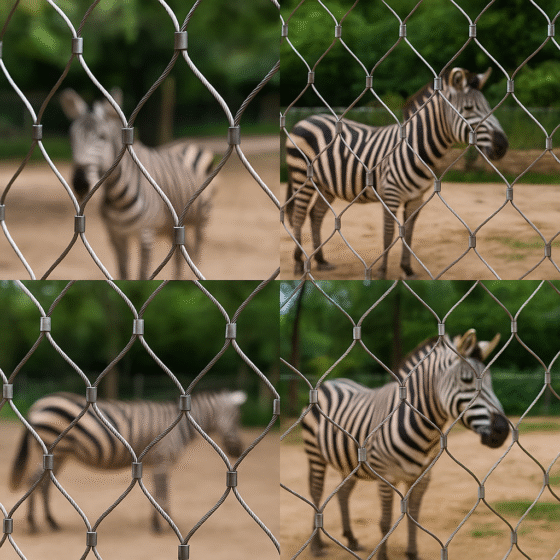
* Animal-friendly enclosures and aviaries with excellent visibility
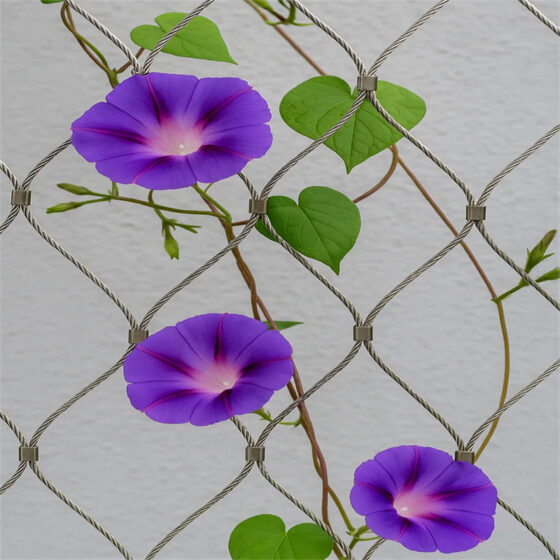
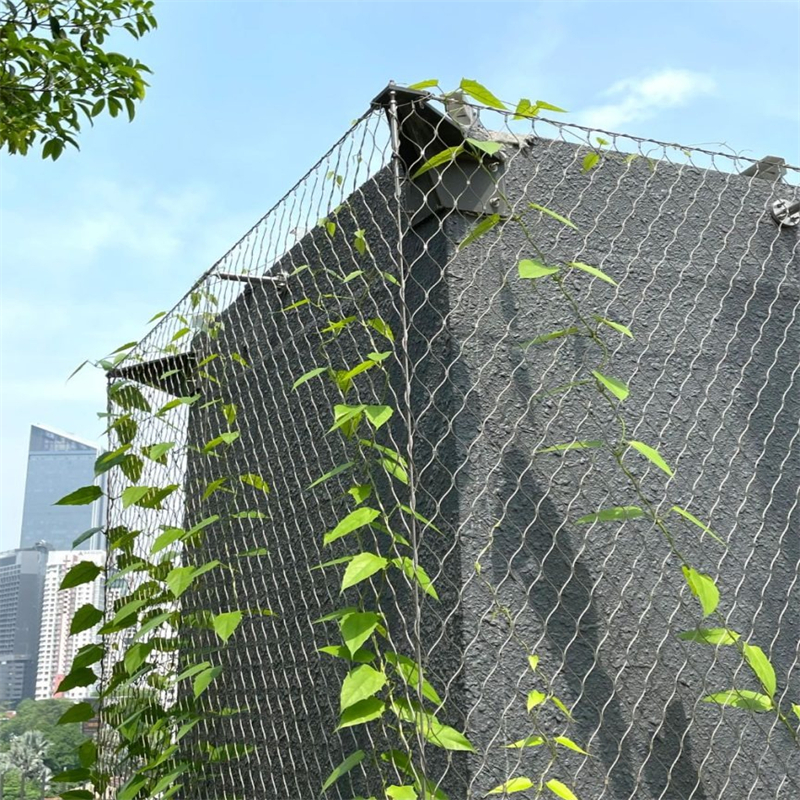
* Façade cladding and green walls with high light transmittance
* Drop safe nets to catch tools and components under platforms and overhead equipment
Used carelessly, the very same mesh can fail child-safety spacing checks, corrode too early, or deform so much that owners lose confidence in the system.
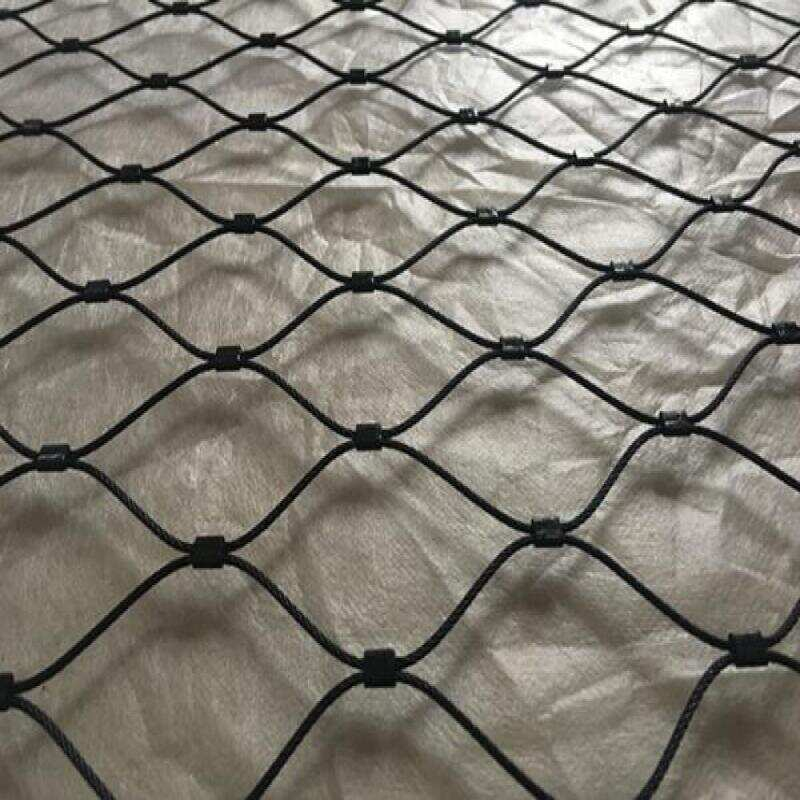

Core cable webnet parameters that control safety and cost
Wire rope diameter and mesh aperture are the first two levers that engineers adjust when designing a cable webnet system.
* Wire rope diameter defines the tensile capacity and stiffness of each cable.
* Mesh aperture defines the clear opening size and therefore controls fall-through risk, climbability and visual openness.
Typical cable webnet configurations use rope diameters from 1.5 mm to 3.0 mm and apertures from 30 mm up to 200 mm, depending on whether the focus is people, animals, or façade and drop safe nets under industrial structures.
cable webnet warning #2 – the cable diameter mistake that creates a hidden weakness
If the cable diameter is too small for the weight and risk level, the mesh will still look strong but its real breaking load will be much lower than the drawings suggest. Once overloaded, a single strand can fail and transfer shock into the remaining strands, creating a chain reaction. For systems built with stainless steel ferrule cable mesh, this kind of hidden weakness is especially dangerous because large areas are often supported by continuous panels. Correct diameter selection closes this dangerous gap and locks in reliable safety performance for every cable webnet panel and every drop safe nets installation beneath your walkways.
Angle degrees, mesh pattern and the visual / structural angle
Most cable webnet systems are installed with diamond meshes at around 60° to the horizontal, but the angle can vary. For the same mesh aperture, changing angle degrees changes both stiffness and appearance:
* A steeper diamond pattern can feel softer in one direction and stiffer in the other.
* A more square pattern changes how the eye reads the façade and how loads distribute into edges.
cable webnet tip #3 – the mesh angle pattern that avoids costly re-engineering
Copying a mesh aperture from another drawing without matching the original angle pattern is a classic trap. A panel calculated at 60° but installed closer to 90° no longer behaves like the original model. Deflection increases, edge loads change and you risk failing inspection. Locking in a clear rule for angle degrees and repeating it on every panel protects you from that expensive error.
Light transmittance, transparency and comfort
One of the biggest advantages of cable webnet is the high light transmittance. Fine stainless steel cables block very little light, which keeps interiors bright and views open while still delivering serious fall protection. For bridges and balconies, this reduces the “caged in” feeling. For green façades, plants receive the light they need to grow.
cable webnet insight #4 – the transparency advantage that becomes a selling point
With a smart combination of rope diameter and mesh aperture, you can hit both safety rules and visual comfort. Investors notice this advantage when they compare heavy bar infills to clean cable webnet installations: the structure feels lighter, more premium and more valuable. Skipping this transparency insight can turn a beautiful design into a dull, overbuilt barrier that users quietly dislike.
Materials, rope structures and corrosion resistance
High-quality cable webnet uses stainless steels like AISI 304/304L for standard environments and 316/316L for marine, coastal and polluted areas. Rope structure – for example 7×7 or 7×19 – controls flexibility, touch and fatigue resistance:
* 7×7: stiffer, good for smaller diameters and where a crisp line is needed
* 7×19: more flexible, ideal for complex geometries and panels that must wrap or fold
cable webnet risk #5 – the stainless grade myth that turns into early corrosion
Believing that “any stainless is fine” is a dangerous myth. Using a lower grade where salt or industrial chemicals are present leads to tea staining, pitting and loss of cross-section. The cable webnet still hangs there, but its real capacity is falling every year. Choosing the correct grade from the beginning removes this hazard and protects both safety and appearance.
cable webnet advantage #6 – rope structure pattern that gives you strength leverage
When you pair a 7×19 structure with the right diameter, you gain strength and flexibility without a large cost jump. This leverage lets you use slightly larger apertures or lighter support steel while keeping safety margins healthy. It is a small specification angle that can produce a big profit edge in tight projects.
Edge detailing, orientation and installation discipline
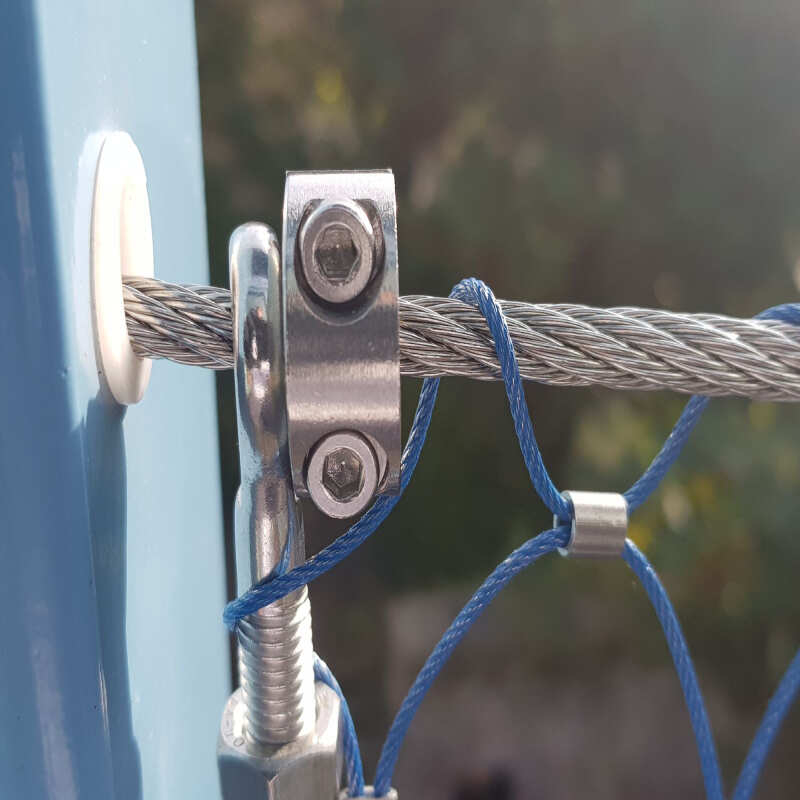
cable webnet is only as strong as its edges and anchors. Border cables, frames, clamps and lacing methods must be sized for the full system load, not just the weight of the mesh. Orientation must match the design: rotating a panel “to make it fit” changes the way it works.
cable webnet danger #7 – edge detail defect that can trigger progressive failure
If one border clamp or frame segment is under-designed, a sudden overload – a crowd surge, a fallen object into a drop safe nets zone, or an animal impact – can tear out that weak point and unzip the mesh across the panel. Correct edge detailing removes this defect and turns cable webnet into a controlled, ductile safety membrane instead of a brittle chain of weak links.
cable webnet specification tables you can use immediately
Below are three wide specification tables covering typical cable webnet applications: balustrades and railings, zoo and animal enclosures, and façades / fall protection / drop safe nets. Each table lists wire rope diameter, mesh aperture, angle degrees, light transmittance, material, nominal breaking load and wire rope structure.
Table 1 – cable webnet for balustrades and railings
| Model | Wire Rope Diameter (mm) | Mesh Aperture (mm) | Angle Degrees (°) | Light Transmittance (%) | Material | Nominal Breaking Load (lbs) | Wire Rope Structures |
|---|---|---|---|---|---|---|---|
| CBR-01 | 1.5 | 50×50 | 60 | 78 | AISI 316 | 380 | 7×7 |
| CBR-02 | 1.5 | 60×60 | 60 | 82 | AISI 316 | 380 | 7×7 |
| CBR-03 | 1.5 | 70×70 | 60 | 85 | AISI 304 | 380 | 7×7 |
| CBR-04 | 1.5 | 80×80 | 60 | 87 | AISI 316L | 380 | 7×7 |
| CBR-05 | 2.0 | 50×50 | 60 | 75 | AISI 316 | 720 | 7×19 |
| CBR-06 | 2.0 | 60×60 | 60 | 80 | AISI 316 | 720 | 7×19 |
| CBR-07 | 2.0 | 70×70 | 60 | 83 | AISI 304 | 720 | 7×19 |
| CBR-08 | 2.0 | 80×80 | 60 | 86 | AISI 316L | 720 | 7×19 |
| CBR-09 | 2.0 | 90×90 | 60 | 88 | AISI 316 | 720 | 7×7 |
| CBR-10 | 2.0 | 100×100 | 60 | 90 | AISI 316 | 720 | 7×19 |
| CBR-11 | 1.5 | 50×80 | 60 | 81 | AISI 304 | 380 | 7×7 |
| CBR-12 | 1.5 | 60×90 | 60 | 84 | AISI 316L | 380 | 7×7 |
| CBR-13 | 2.0 | 70×100 | 60 | 88 | AISI 316 | 720 | 7×19 |
| CBR-14 | 2.0 | 80×120 | 60 | 90 | AISI 316 | 720 | 7×19 |
| CBR-15 | 2.0 | 90×120 | 60 | 91 | AISI 316 | 720 | 7×7 |
Table 2 – cable webnet for zoo enclosures and safety / drop safe nets
| Model | Wire Rope Diameter (mm) | Mesh Aperture (mm) | Angle Degrees (°) | Light Transmittance (%) | Material | Nominal Breaking Load (lbs) | Wire Rope Structures |
|---|---|---|---|---|---|---|---|
| CZS-01 | 2.0 | 40×40 | 60 | 70 | AISI 316 | 720 | 7×19 |
| CZS-02 | 2.0 | 50×50 | 60 | 74 | AISI 316 | 720 | 7×19 |
| CZS-03 | 2.4 | 50×50 | 60 | 72 | AISI 316 | 980 | 7×19 |
| CZS-04 | 2.4 | 60×60 | 60 | 76 | AISI 316 | 980 | 7×19 |
| CZS-05 | 2.4 | 70×70 | 60 | 80 | AISI 316L | 980 | 7×19 |
| CZS-06 | 3.0 | 60×60 | 60 | 74 | AISI 316 | 1650 | 7×19 |
| CZS-07 | 3.0 | 70×70 | 60 | 78 | AISI 316 | 1650 | 7×19 |
| CZS-08 | 3.0 | 80×80 | 60 | 81 | AISI 316 | 1650 | 7×19 |
| CZS-09 | 3.0 | 90×90 | 60 | 84 | AISI 316L | 1650 | 7×7 |
| CZS-10 | 3.0 | 100×100 | 60 | 86 | AISI 316 | 1650 | 7×19 |
| CZS-11 | 2.0 | 30×30 | 60 | 65 | AISI 316 | 720 | 7×7 |
| CZS-12 | 2.4 | 40×70 | 60 | 77 | AISI 316 | 980 | 7×19 |
| CZS-13 | 3.0 | 60×90 | 60 | 82 | AISI 316 | 1650 | 7×19 |
| CZS-14 | 3.0 | 70×100 | 60 | 84 | AISI 316 | 1650 | 7×19 |
| CZS-15 | 3.0 | 80×120 | 60 | 87 | AISI 316 | 1650 | 7×19 |
Table 3 – cable webnet for façades, green walls and fall / drop safe nets
| Model | Wire Rope Diameter (mm) | Mesh Aperture (mm) | Angle Degrees (°) | Light Transmittance (%) | Material | Nominal Breaking Load (lbs) | Wire Rope Structures |
|---|---|---|---|---|---|---|---|
| CFA-01 | 1.2 | 60×60 | 60 | 88 | AISI 304 | 320 | 7×7 |
| CFA-02 | 1.2 | 80×80 | 60 | 90 | AISI 316 | 320 | 7×7 |
| CFA-03 | 1.5 | 80×80 | 60 | 88 | AISI 316 | 380 | 7×7 |
| CFA-04 | 1.5 | 100×100 | 60 | 91 | AISI 316L | 380 | 7×7 |
| CFA-05 | 1.5 | 120×120 | 60 | 93 | AISI 316 | 380 | 7×7 |
| CFA-06 | 2.0 | 80×80 | 60 | 86 | AISI 316 | 720 | 7×19 |
| CFA-07 | 2.0 | 100×100 | 60 | 89 | AISI 316 | 720 | 7×19 |
| CFA-08 | 2.0 | 120×120 | 60 | 92 | AISI 316 | 720 | 7×19 |
| CFA-09 | 2.0 | 150×150 | 60 | 94 | AISI 316 | 720 | 7×19 |
| CFA-10 | 2.4 | 120×120 | 60 | 90 | AISI 316 | 980 | 7×19 |
| CFA-11 | 2.4 | 150×150 | 60 | 92 | AISI 316L | 980 | 7×19 |
| CFA-12 | 2.4 | 180×180 | 60 | 94 | AISI 316 | 980 | 7×19 |
| CFA-13 | 2.4 | 200×200 | 60 | 95 | AISI 316 | 980 | 7×19 |
| CFA-14 | 2.0 | 150×200 | 60 | 95 | AISI 316 | 720 | 7×19 |
| CFA-15 | 1.5 | 120×180 | 60 | 93 | AISI 316 | 380 | 7×7 |
cable webnet payoff #8 – the weight-saving benefit that protects your profit
These tables show one powerful payoff: well-specified cable webnet can reduce the weight and mass of supporting steel compared with bar infill or glass, while still meeting safety rules. Less steel, fewer welds and faster installation add up to direct project profit, without sacrificing performance.

How to choose cable webnet step by step
To turn cable webnet into a safe and profitable solution, follow a simple but strict selection checklist:
1. Define the real risk: fall protection, anti-climb barrier, animal containment, façade or drop safe nets below equipment.
2. Fix the material grade: 304/304L for normal environments, 316/316L for coastal, marine and industrial atmospheres.
3. Choose wire rope diameter based on load, span and safety factor.
4. Select mesh aperture to satisfy regulations on opening size and to match the size of people, animals or objects you must retain.
5. Set angle degrees and keep it consistent so structural behaviour matches calculations.
6. Target a light transmittance band that achieves the design’s visual intent.
7. Define edge details and anchor hardware capable of carrying the full system load.
8. Document every model: diameter, aperture, angle, material and nominal breaking load on drawings and schedules.
cable webnet lesson #9 – the specification principle you cannot skip without loss
The final lesson is simple but unforgiving: cable webnet must be treated as a complete engineered system, not a commodity net. If you skip the specification principle above – especially for high-risk zones and drop safe nets under critical paths – you are choosing unnecessary danger, inspection problems, rework and real financial loss. Follow it, and cable webnet becomes a reliable, high-value feature that protects people, reputation and profit on every project.