Your One-Stop Wire Mesh Fence Supplier | POLYMETAL
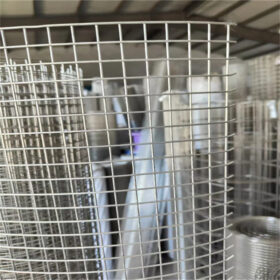
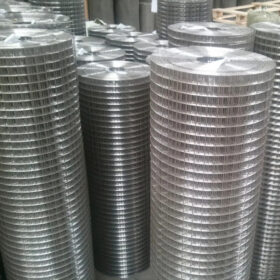
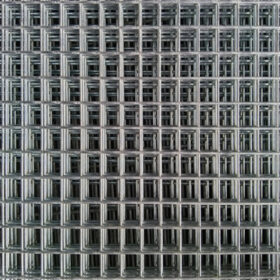
white colors are available.In the zoo, welded cage wire mesh is often used to build permanent bird cages or housing. The rectangularopening of cage wire mesh is ideal for visibility and air flow. It is usually fixed to steel or aluminumframes to form a strong, secure pen. Besides the sizes listed in the table below, custom cage wire meshsizes are also available.Cage wire mesh can also be used in gardens and farms. For example, it can be installed around flower beds and vegetable patches to protect plants from rabbits, possums and other greedy critters.
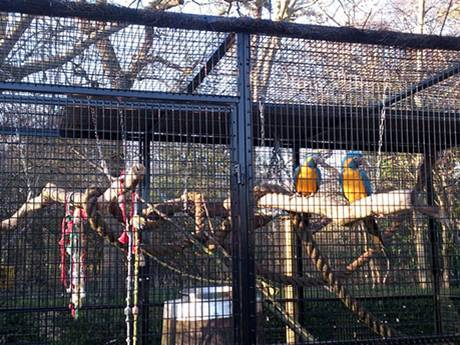
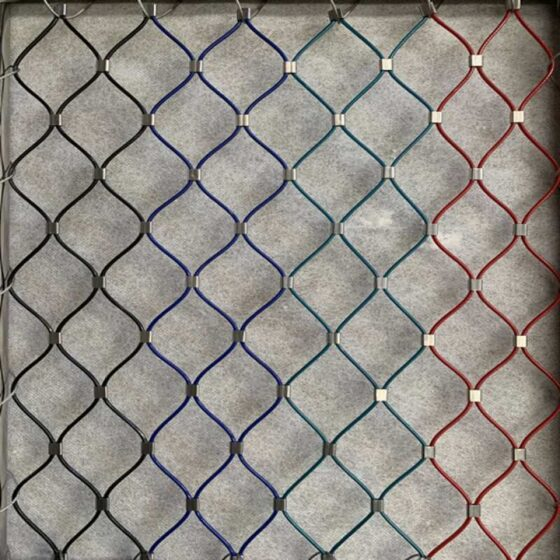
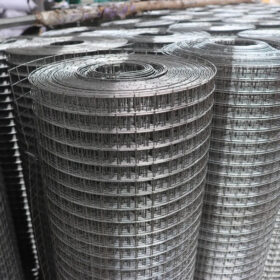
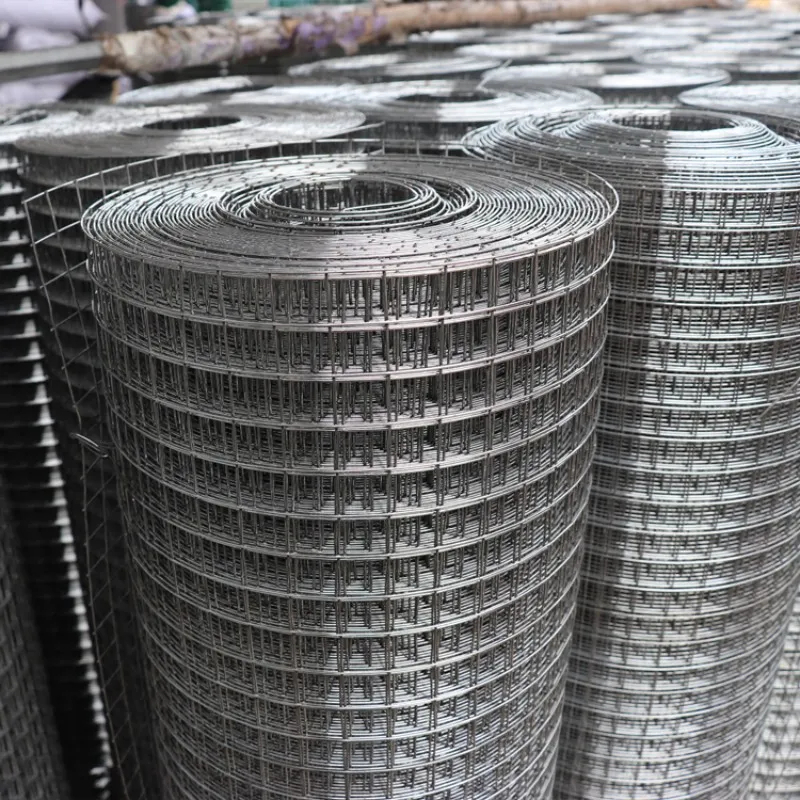
CAM-1: Black PVC coated cage wire mesh blends well with the surroundings.
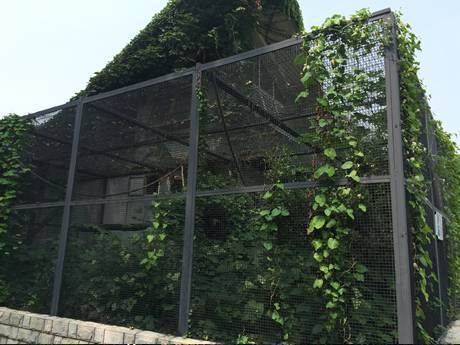
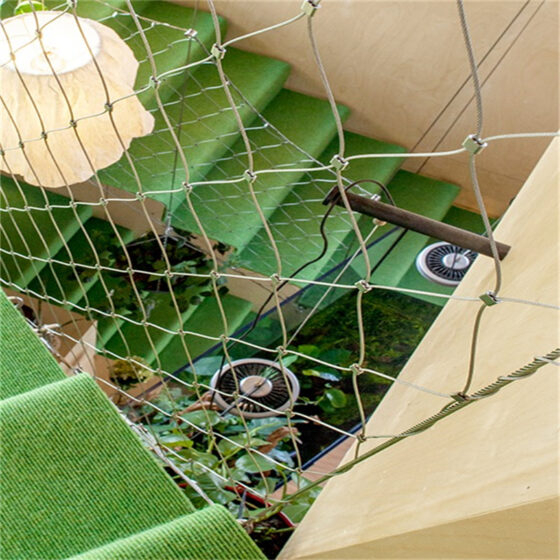
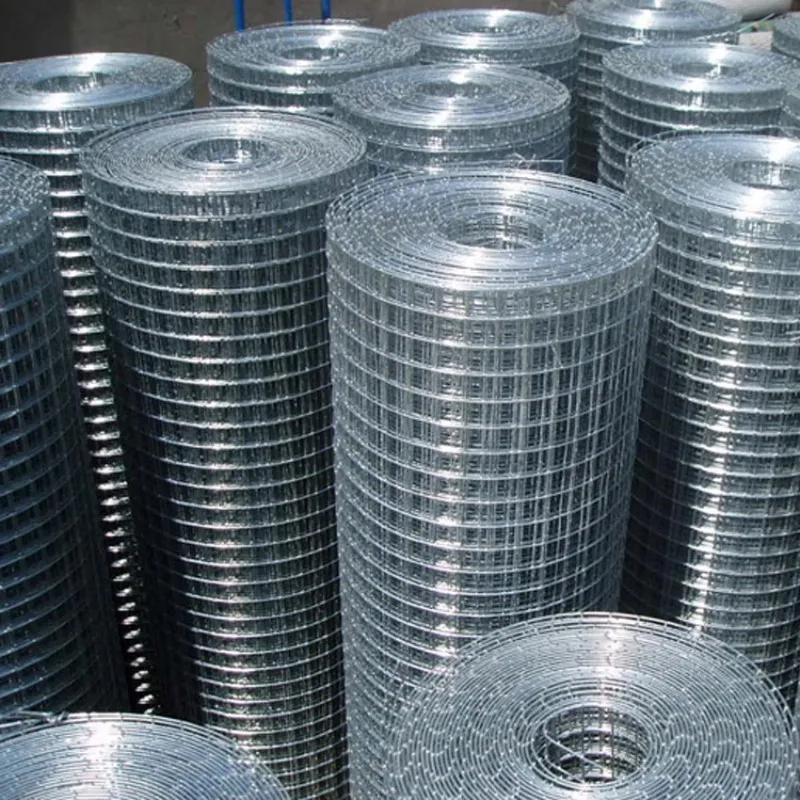
CAM-2: Welded cage wire mesh used for bird cages in the zoo.
- High durability – heavy gauge cage wire mesh provides long service life.
- Easy installation – cage wire mesh is simple to cut and fix to timber or metal frames.
- Easy cleaning and disinfection – smooth welded cage wire mesh is hygienic for animals and birds.
- Black, green and white PVC coatings available (for PVC coated cage wire mesh).
Item No. | Wire Dia. (mm) | Aperture | Height | Length | |||
|---|---|---|---|---|---|---|---|
mm | inch | mm | inch | m | ft. | ||
CM3616 | 1.24 | 25 × 25 | 1 × 1 | 914 | 36 | 5 | 16 |
CM3633 | 1.24 | 25 × 25 | 1 × 1 | 914 | 36 | 10 | 33 |
CM3698 | 1.24 | 25 × 25 | 1 × 1 | 914 | 36 | 30 | 98 |
CM4898 | 1.24 | 25 × 25 | 1 × 1 | 1220 | 48 | 30 | 98 |
CM7298 | 1.24 | 25 × 25 | 1 × 1 | 1830 | 72 | 30 | 98 |
CM7250 | 1.24 | 25 × 25 | 1 × 1 | 1830 | 72 | 15 | 50 |
CM2426 | 2.00 | 50 × 25 | 2 × 1 | 610 | 24 | 8 | 26 |
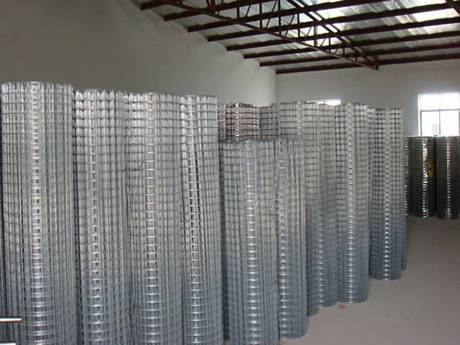
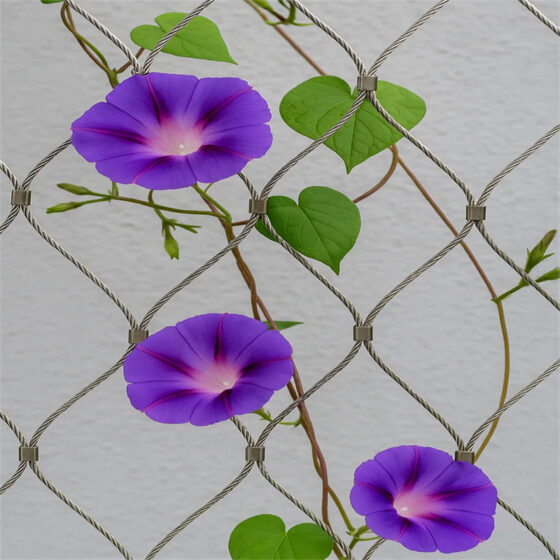
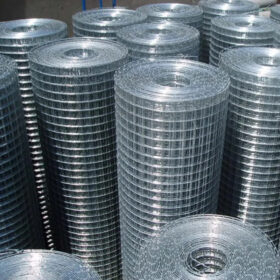
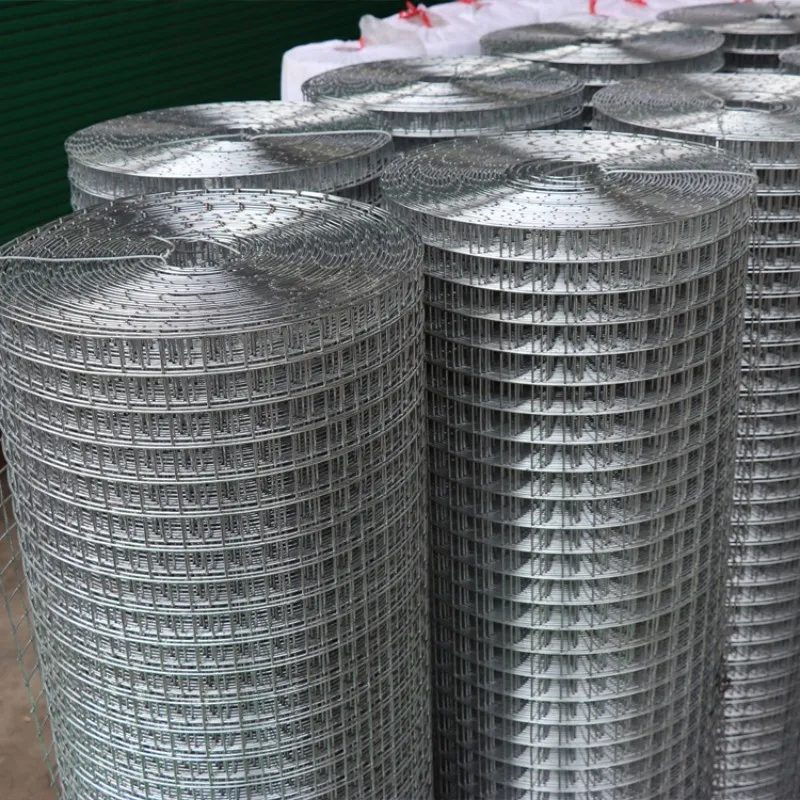
CAM-3: Galvanized cage wire mesh for strong and secure enclosures.
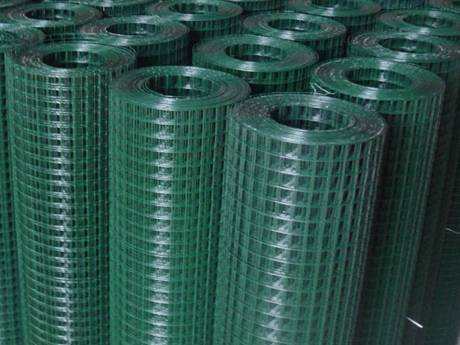
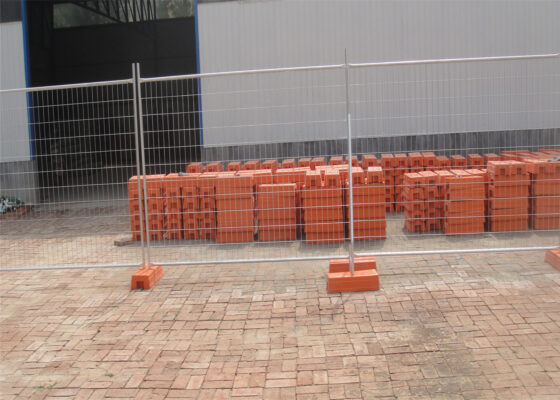
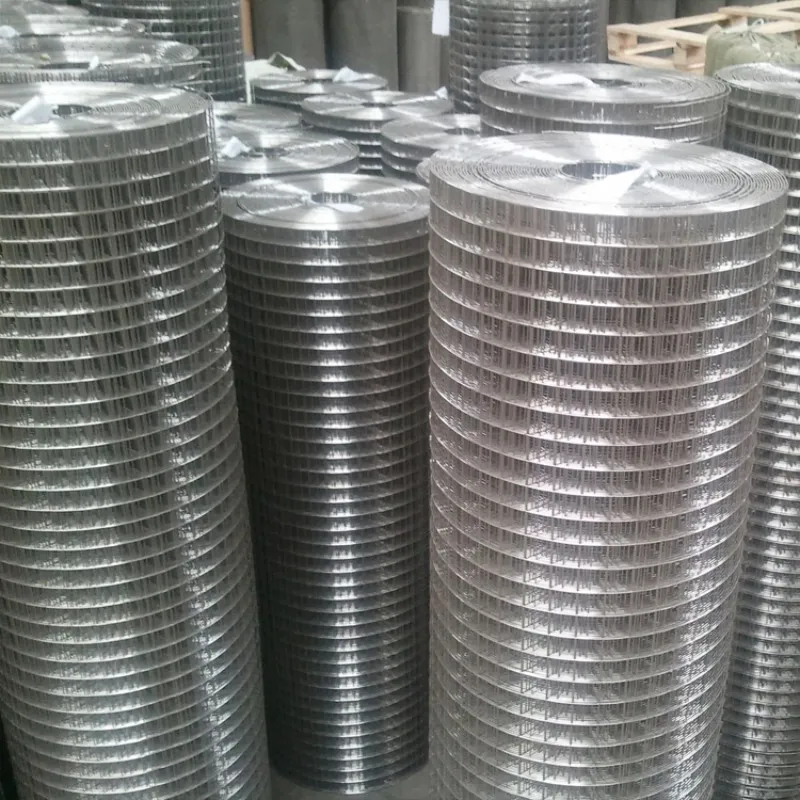
CAM-4: Green PVC coated cage wire mesh for attractive and corrosion-resistant cages.
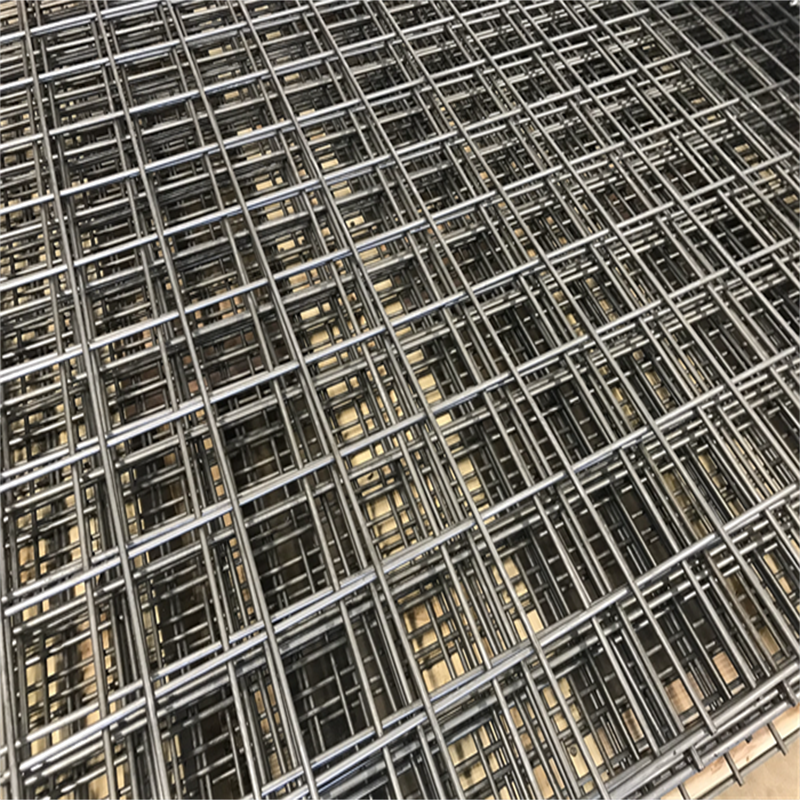
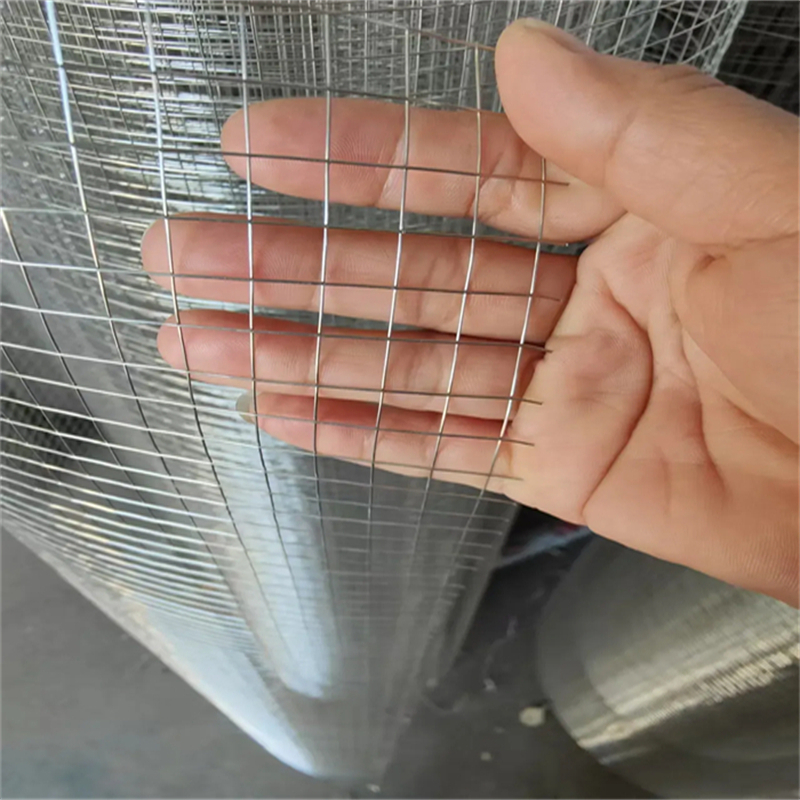
Cage mesh (also called cage wire mesh or cage welded mesh) is a strong, rigid wire mesh used to buildlong-lasting cages and protective enclosures. It is widely used for bird aviaries, animal cages, garden protection, warehouse storage cages and safety barriers. Because it combines high strength, good visibility and excellent ventilation, cage mesh has become a standard solution in both residential and industrial projects.Below is a comprehensive overview you can use directly on a product page or brochure.
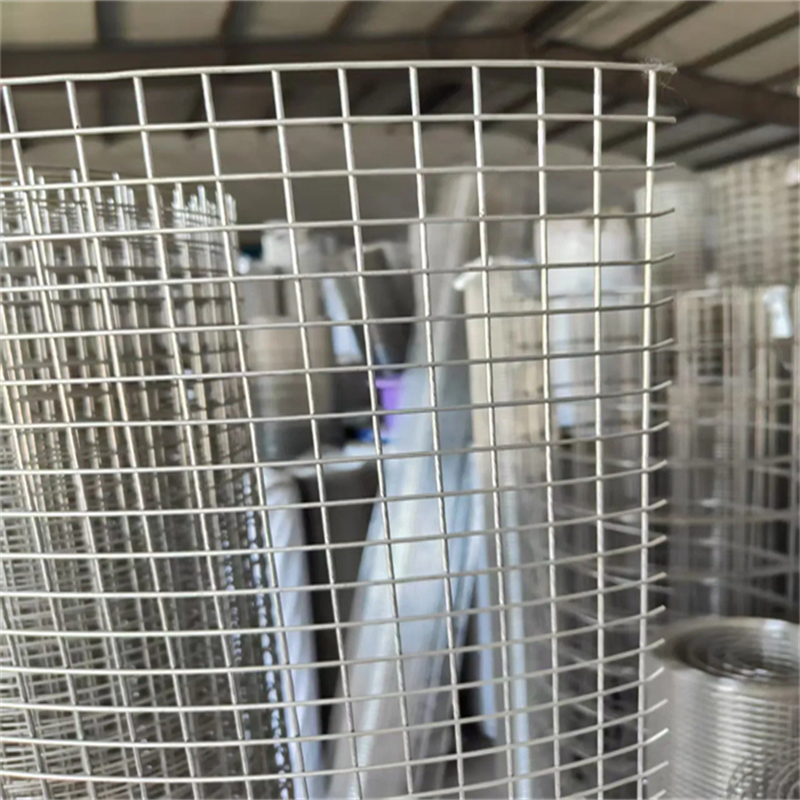

What Is Cage Mesh?
Cage mesh is a metal mesh made from wires that are welded or woven together to form square or rectangular
openings. It is normally supplied as:
- Rolls of welded wire mesh
- Flat mesh panels or sheets
- Prefabricated wire cages and storage cages
Typical base materials:
- Low-carbon steel wire (most common)
- Galvanized steel wire (zinc-coated for corrosion resistance)
- Stainless steel wire (for harsh or coastal environments)
Common surface finishes:
- Pre-galvanized welded cage mesh
- Galvanized after welding (better corrosion resistance)
- PVC-coated cage mesh in colours such as black, green and white
- Stainless steel with a self-protective passive surface
Typical mesh openings range from very small (around 6–13 mm) for small birds and rodents, up to 25–50 mm
for larger animals, storage cages and general security enclosures.
Main Types of Cage Mesh
Welded cage mesh
This is the most widely used type:
- Horizontal and vertical wires are spot-welded at every intersection
- Forms a flat, rigid, strong panel or roll
- Usually square or rectangular holes, such as 12.5 × 12.5 mm, 25 × 25 mm, 25 × 50 mm, 50 × 50 mm
- Available in different wire diameters to match the required strength
PVC-coated cage wire mesh
- Starts as galvanized welded mesh
- Then covered with a layer of PVC (plastic)
- Provides extra rust protection and a softer, smoother surface
- Common colours: black, green, white
- Blends well with gardens, zoos and landscaped areas
Stainless steel cage mesh
- Made from 304 or 316 stainless steel wire
- Excellent corrosion resistance and long service life
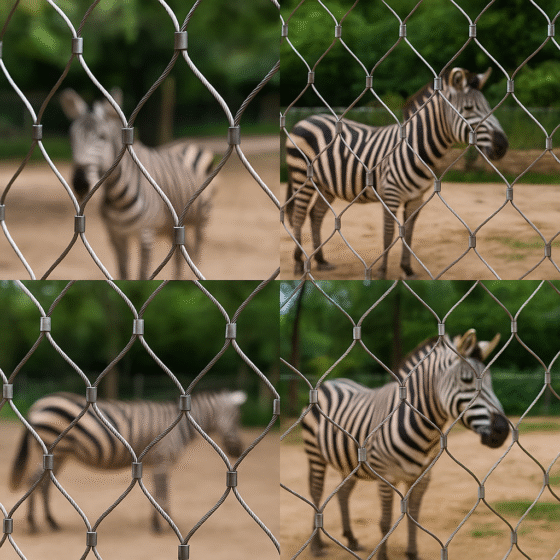
- Often used in zoos, marine environments, food processing, or high-end animal enclosures
- Can be welded mesh or flexible rope / woven mesh for large spans
Applications of Cage Mesh
Cage mesh is very versatile. Here are the main application areas:
3.1 Bird aviaries and zoo enclosures
- Small cage mesh openings are ideal for canaries, finches, budgies and other small birds
- Larger apertures are used for parrots, cockatoos, pheasants and other medium or large birds
- 316 Stainless steel or PVC-coated cage mesh provides a clean, bright appearance for public exhibits
- Used for both walls and roofs of outdoor aviaries
3.2 Pet cages and animal housing
- Chicken coops, duck pens and poultry runs
- Rabbit hutches and guinea pig cages
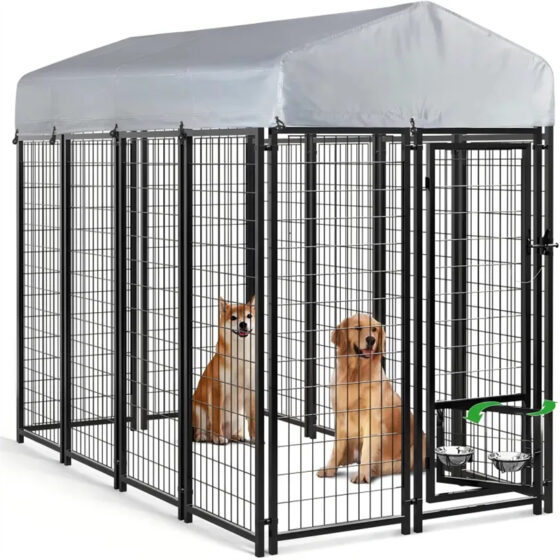
- Dog kennels and dog runs
- Cat enclosures and “catios”
- Small mammal cages for ferrets, chinchillas and similar animals
Cage mesh provides a safe barrier while allowing pets to see out and enjoy natural airflow.
3.3 Garden and farm protection
- Around vegetable gardens to keep out rabbits, possums and other pests
- Around trees and shrubs to stop animals from chewing bark
- As a barrier around ponds and flower beds
- For small livestock pens on hobby farms
3.4 Industrial storage and logistics
- Wire mesh pallet cages
- Stackable and foldable storage cages
- Warehouse security cages and tool cages
- Mesh partitions inside warehouses or factories
- Safety cages around machines and equipment
Heavy-gauge cage mesh is chosen for these uses because it can carry heavy loads and resist impact.
3.5 Security and safety barriers
- Window guards and balcony infill panels
- Safety barriers around hazardous areas
- Internal partitions in garages or storage rooms
- Protective cages around air-conditioning units and external equipment
Key Benefits of Cage Mesh
4.1 Strength and safety
- Welded joints create a rigid, load-bearing mesh
- Animals cannot easily chew or claw through the wire
- Mesh resists impacts and deformation, keeping animals and goods safely enclosed
4.2 Corrosion resistance
- Galvanized cage mesh is protected by a zinc coating
- PVC coating adds another barrier against rust and chemical attack
- Stainless steel cage mesh offers the highest resistance in harsh environments
This makes cage mesh suitable for outdoor use, damp areas and locations exposed to animal urine and droppings.
4.3 Good visibility and ventilation
- Openings allow free airflow, reducing humidity and odours inside cages
- Animals remain visible for monitoring, display and inspection
- Sunlight can reach the interior, improving comfort and hygiene
4.4 Hygiene and easy cleaning
- Metal surfaces do not absorb moisture or odours like wood
- Easy to rinse, brush and disinfect
- Helps to reduce bacteria and parasites in animal enclosures
4.5 Flexible design and easy installation
- Can be cut to size on site with bolt cutters or grinders
- Easily fixed to timber, steel or aluminium frames using clips, screws, clamps or ties
- Suitable for straight walls, doors, roofs and partitions
4.6 Cost-effective and long service life
- Long lifespan compared with timber or plastic enclosures
- Low maintenance once installed
- Good balance between strength, durability and cost
Typical Specifications for Cage Mesh
Specifications vary between manufacturers, but most cage meshes are described using the following parameters:
- Mesh opening: for example, 12.5 × 12.5 mm, 25 × 25 mm, 25 × 50 mm, 50 × 50 mm
- Wire diameter: for example, 0.7–0.8 mm for very light bird mesh, 1.0–2.5 mm for general cages and garden
protection, and 3–6 mm for heavy storage cages - Roll width: common widths include 0.9 m, 1.2 m, 1.5 m and 1.8 m
- Roll length: usually 10 m, 20 m or 30 m
- Panel size: for example, 1800 × 1200 mm, 2400 × 1200 mm, or custom sizes
- Finish: galvanized, galvanized and PVC coated, or stainless steel
- Colour (for PVC): typically black, dark green or white
When selecting specifications, mesh opening and wire diameter are usually chosen based on the animal size, required strength and security level.
Packing Standard for Cage Mesh
To protect the mesh and make handling easier, cage mesh is normally packed using the following standards:
6.1 Packing of cage mesh rolls
- Rolls are tightly wound with consistent tension to keep them neat and round
- Each roll is wrapped in plastic film or shrink wrap to protect against moisture, dust and scratches
- Additional outer packing, such as woven bags or kraft paper, can be used if needed
- Labels show product name, mesh size, wire diameter, roll size, finish and batch number
6.2 Packing of cage mesh panels
- Panels are stacked in flat bundles, often on wooden or steel pallets
- Cardboard or protective sheets can be placed between layers to prevent abrasion
- Bundles are strapped with steel or plastic bands to hold panels firmly together
- The whole pallet is usually wrapped with stretch film for stability during loading and transport
- Each bundle is labelled with specification details and quantity
6.3 Packing of prefabricated storage cages
- Foldable wire cages are usually supplied knocked down (flat packed) to save space
- All sides, doors and hardware are stacked together and strapped to pallets
- Assembly instructions and hardware kits are included as required
How to Choose the Right Cage Mesh
When choosing cage mesh, consider these main points:
Animal type and size
- Small birds and rodents: small mesh (around 6–13 mm) with fine wire
- Medium birds and small animals: mesh around 12–25 mm
- Large animals or storage uses: 25–50 mm mesh with a heavier wire diameter
Environment
- Indoors or dry: standard galvanized cage mesh is usually sufficient
- Outdoor and damp areas: galvanized after welding or PVC-coated mesh is better
- Coastal areas, zoos, high-hygiene sites: stainless steel cage mesh is recommended
Required strength and security
- Light duties (decorative, garden plant protection): lighter wire
- Pet cages or small animal housing: medium wire diameter
- Industrial storage and security cages: heavy-gauge wire and strong frames
Budget and appearance
- Galvanized cage mesh is most economical
- PVC-coated mesh offers better appearance and corrosion resistance
- Stainless steel has the highest cost but the longest service life
FAQs About Cage Mesh
Q1: What is the difference between cage mesh and ordinary welded wire mesh?
Cage mesh is a specific use of q195 steel welded wire mesh designed for cages and enclosures. Compared with general fencing mesh, cage mesh often uses tighter mesh openings, heavier wire, and better surface treatments to cope with chewing, scratching and long-term exposure to animal waste.
Q2: Is cage mesh safe for animals?
Yes, when properly specified. Welded cage mesh has smooth joints, and PVC-coated or stainless steel surfaces help prevent sharp edges and rust. It is important to cut and finish the mesh correctly and to cover any sharp ends with trims or caps.
Q3: Can cage mesh be used outdoors all year round?
Yes. Galvanized and PVC-coated cage mesh are designed for outdoor use. They resist rain, sun and temperaturechanges. For very harsh or coastal environments, stainless steel cage mesh offers the best long-term protection.
Q4: Can I cut cage mesh myself?
Most cage mesh can be cut on site using bolt cutters, tin snips or an angle grinder, depending on wire diameter. After cutting, any exposed raw steel should be painted or treated with a zinc-rich spray to maintain corrosion resistance.
Q5: How do I fix cage mesh to a frame?
Typical fixing methods include:
- U-clips or C-rings around tubular frames
- Self-drilling screws with washers for metal frames
- Staples or screws with timber battens for wooden frames
- Cable ties or clamps for temporary or light-duty installations
Q6: What mesh size should I choose for birds?
For small birds such as finches and canaries, choose a small aperture (for example, around 12.5 × 12.5 mm).For medium birds like parrots, a slightly larger mesh (for example, 19–25 mm) is often suitable, provided the bird cannot get its head stuck or escape. Always match the mesh size to the bird species.
Q7: How long does cage mesh last?
Service life depends on material and environment:
- Standard galvanized cage mesh: typically many years in normal conditions
- PVC-coated mesh: longer life and better appearance outdoors
- Stainless steel mesh: can last decades with minimal maintenance
Q8: What colours are available for PVC-coated cage mesh?
The most common colours are black and green, which blend well into gardens and natural surroundings. White and other custom colours can usually be produced on request, depending on order quantity.
Q9: What is the usual packing for export?
For export, cage mesh rolls are normally wrapped and then loaded on pallets or in bundles, while panels and cages are palletized and strapped. This ensures they stay flat, clean and undamaged during transport and
handling.
Q10: Can I order custom sizes of cage mesh?
Yes. Besides standard roll widths, lengths and panel sizes, many manufacturers can produce cage mesh in custom mesh sizes, wire diameters, panel dimensions and coatings to match specific project requirements.