Your One-Stop Wire Mesh Fence Supplier | POLYMETAL
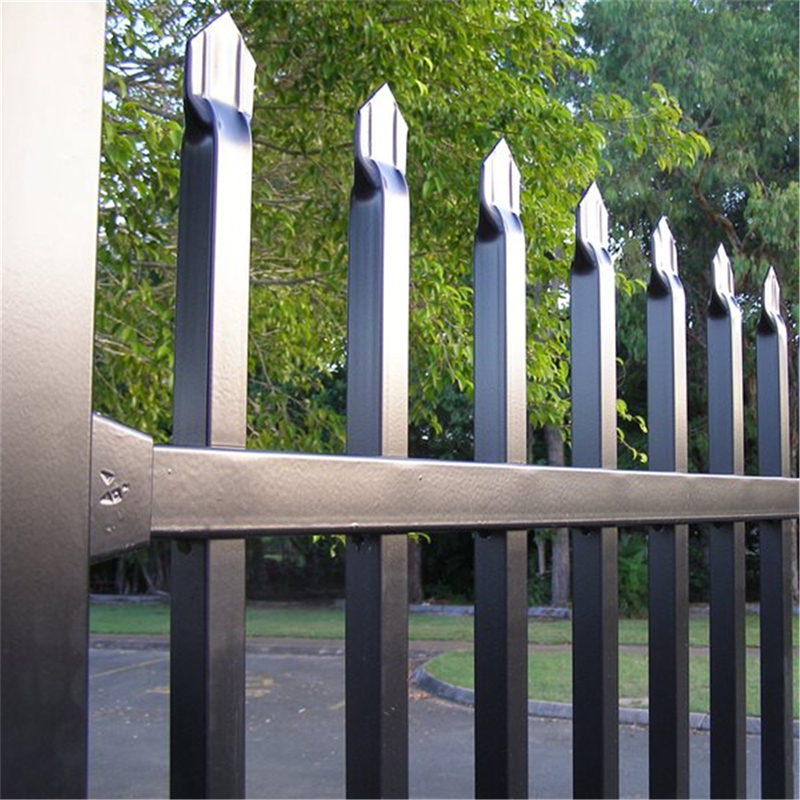
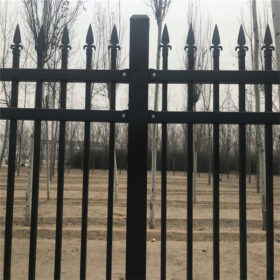
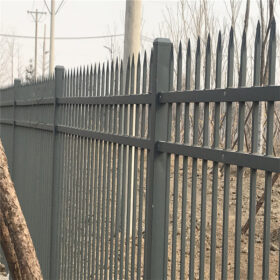
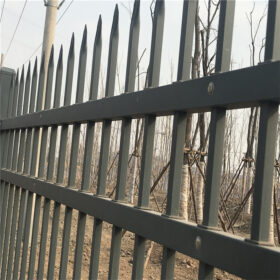
When buyers search China Garrison Fencing, they usually want a pressed-spear, square-tubular garrison panel that looks clean on frontage, installs straight, and holds its line under real conditions—wind corridors, vehicle turbulence, daily traffic, and long-run exposure. POLYMETAL garrison panels are engineered to deliver that organized, architectural boundary effect, but only when the specification is controlled as a complete system: rail frame + rail thickness + upright size + upright count/spacing + post option + post wall thickness + correct post height.
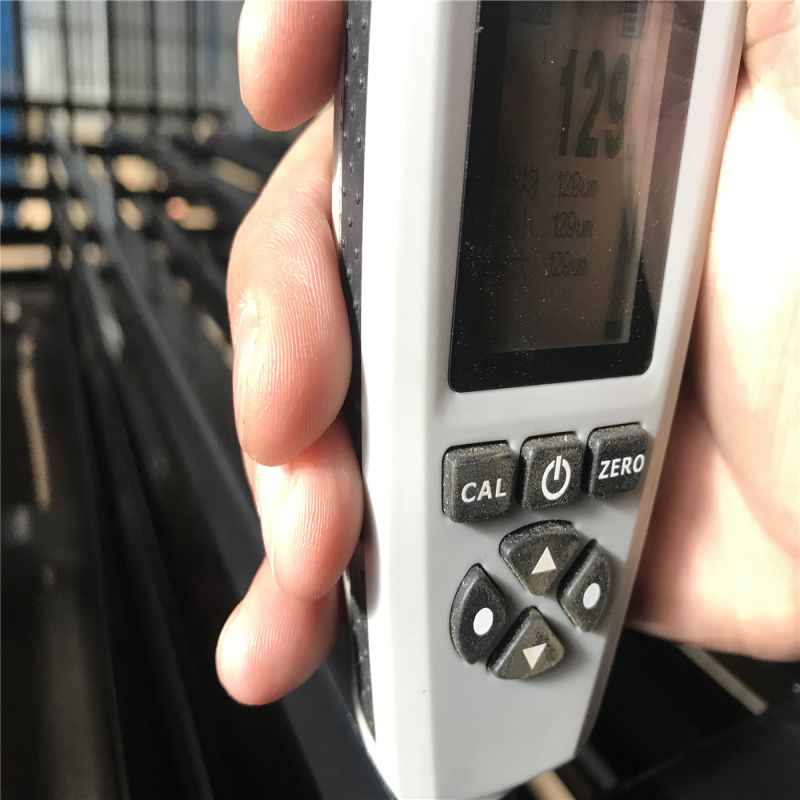
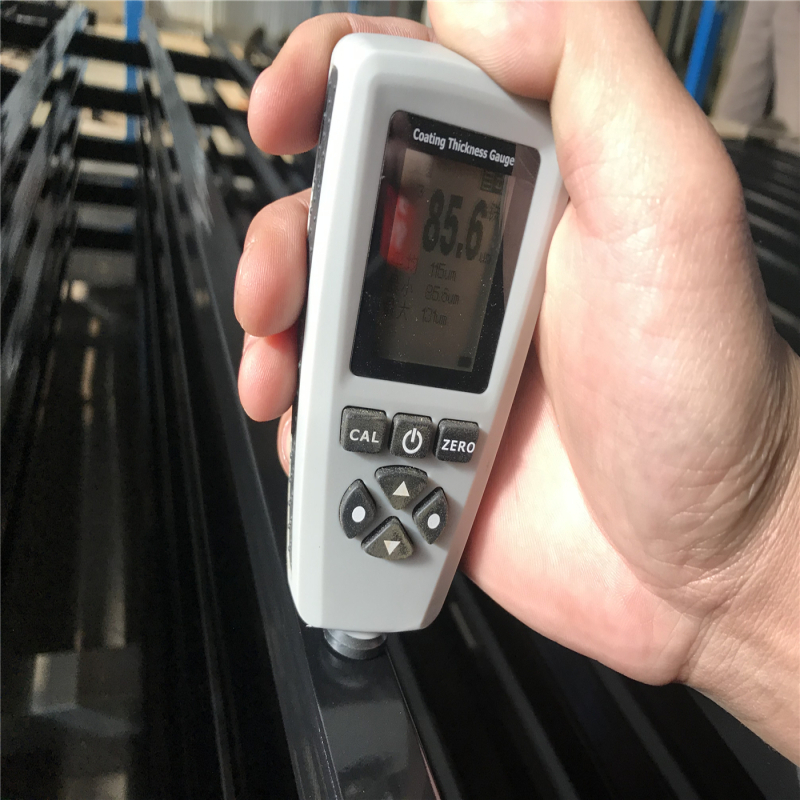
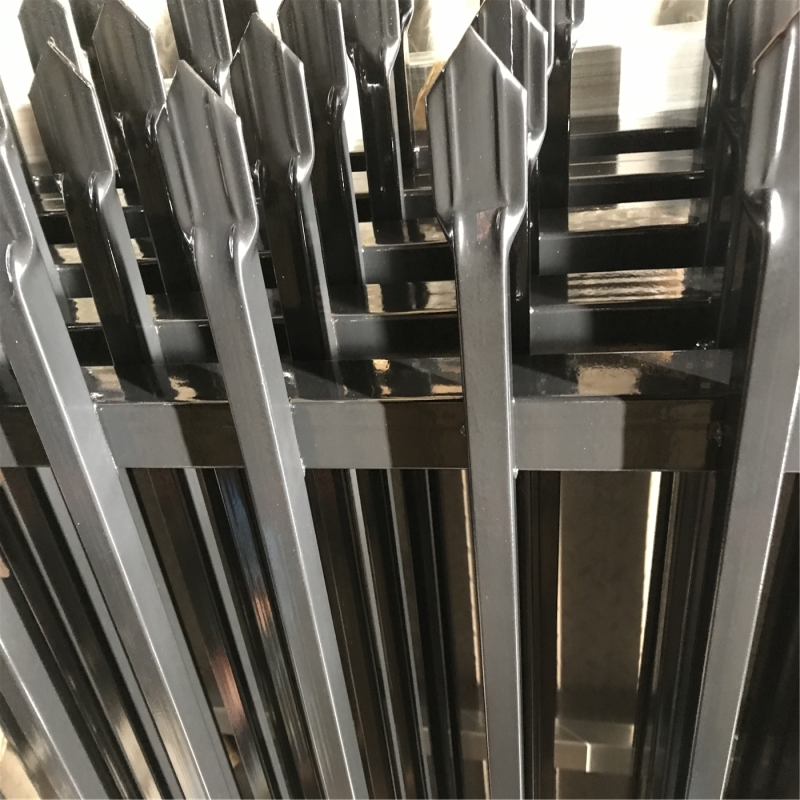
Product Description China Garrison Fencing
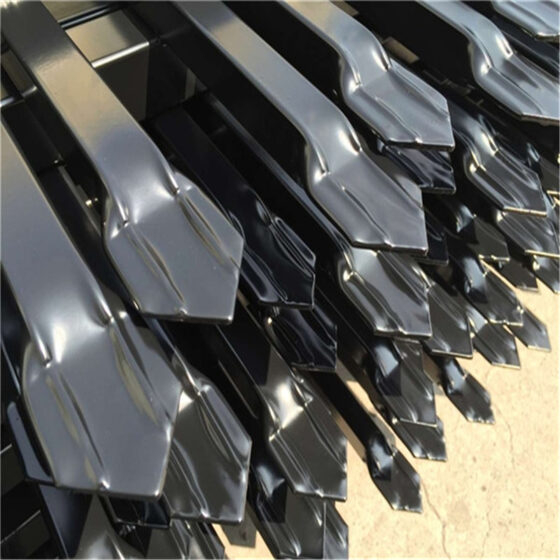
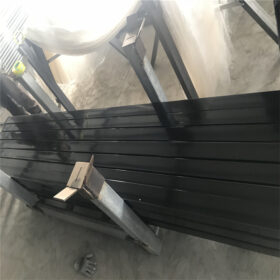
POLYMETAL China Garrison Fencing panels are manufactured from hot dipped galvanized steel sheet that is slit into strips and roll-formed into square tubes. This improves dimensional consistency, keeps tube corners crisp, and helps long runs stay visually straight once installed. After forming, the steel is treated with zinc phosphate to strengthen coating adhesion and improve corrosion resistance at the surface. A rich zinc epoxy layer is applied as a barrier coat, followed by a polyester powder-coated finish designed for UV stability, color retention, and long-term appearance—especially important where the fence is the first thing people see.
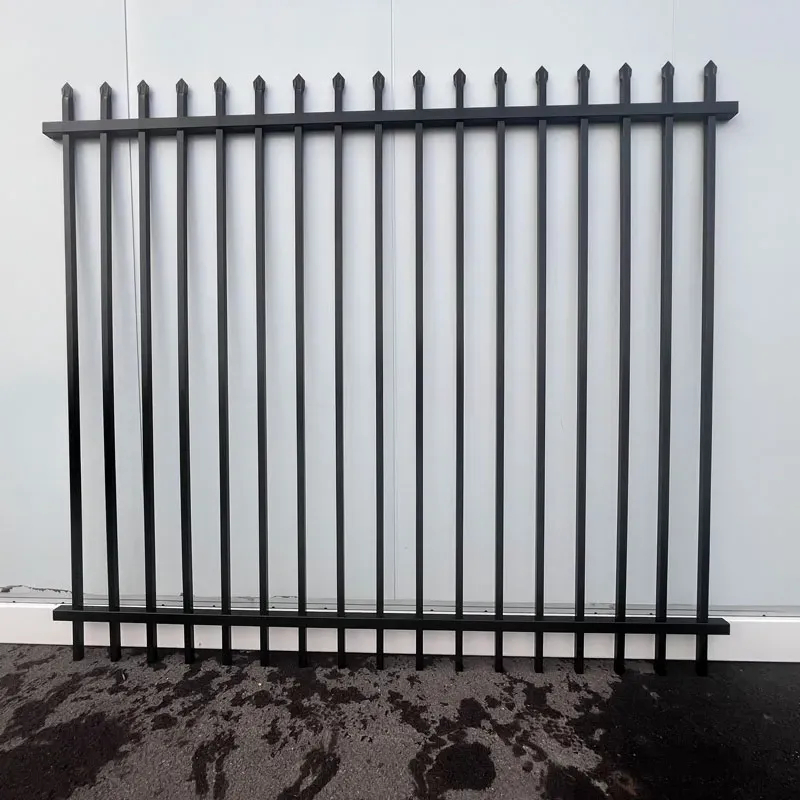
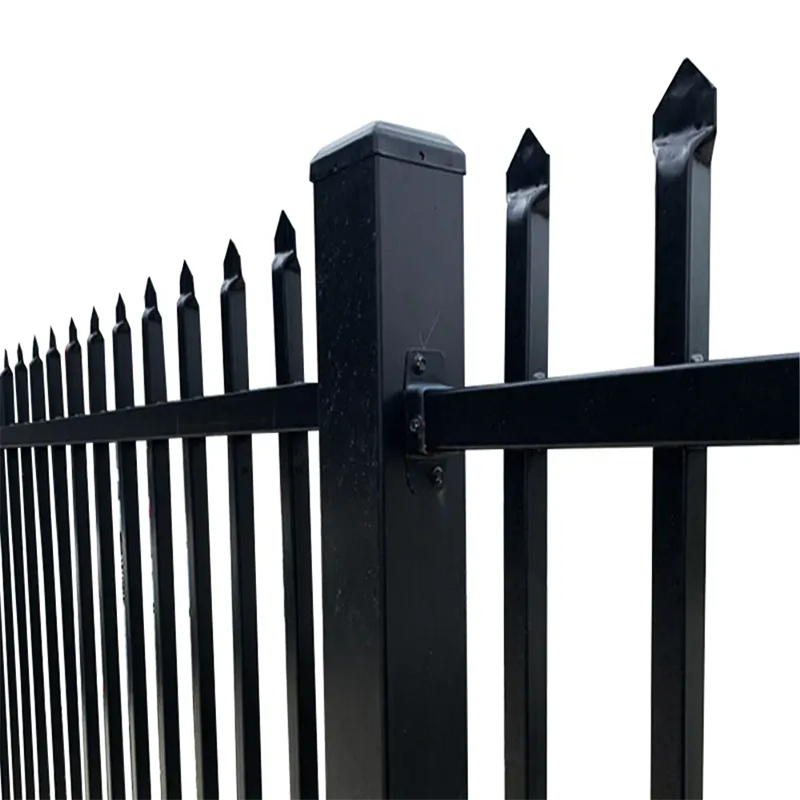
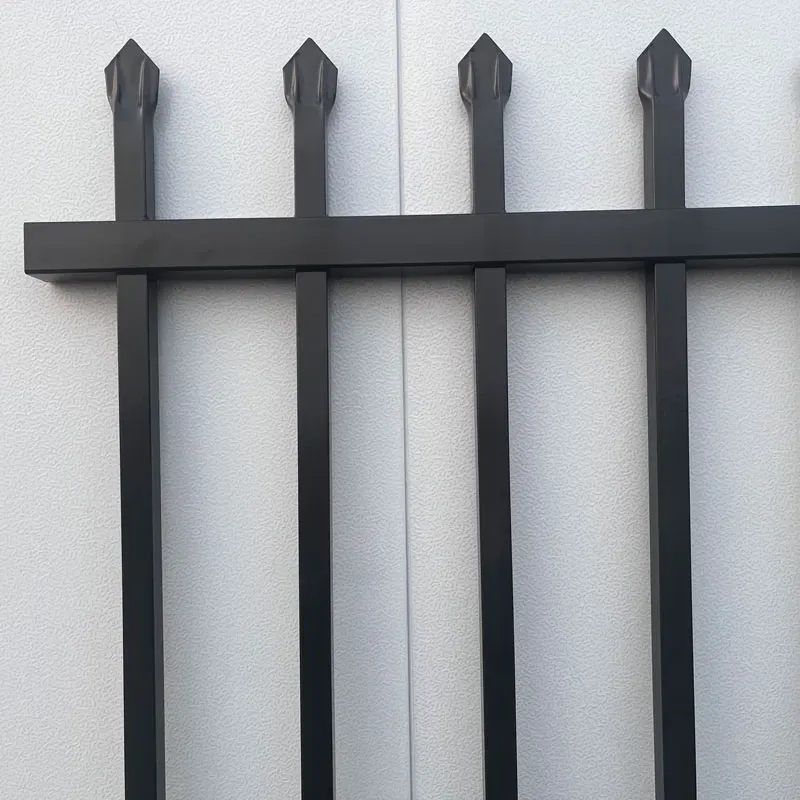
The panel structure uses square tubular rails—commonly 40×40mm, with 45×45mm and 50×50mm options—and punch-through welded square tubular uprights to keep alignment accurate. Uprights are typically 16×16mm, 25×25mm, or 30×30mm depending on the visual “weight,” site risk, and spacing rhythm required. When the rail stiffness, upright count, post size, and connection discipline are matched correctly, the fence line stays tight and quiet instead of rattling, leaning, or showing wave-like distortion—and if you want a quick material reference for the steel commonly used in welded tubular products, see Q235 steel.
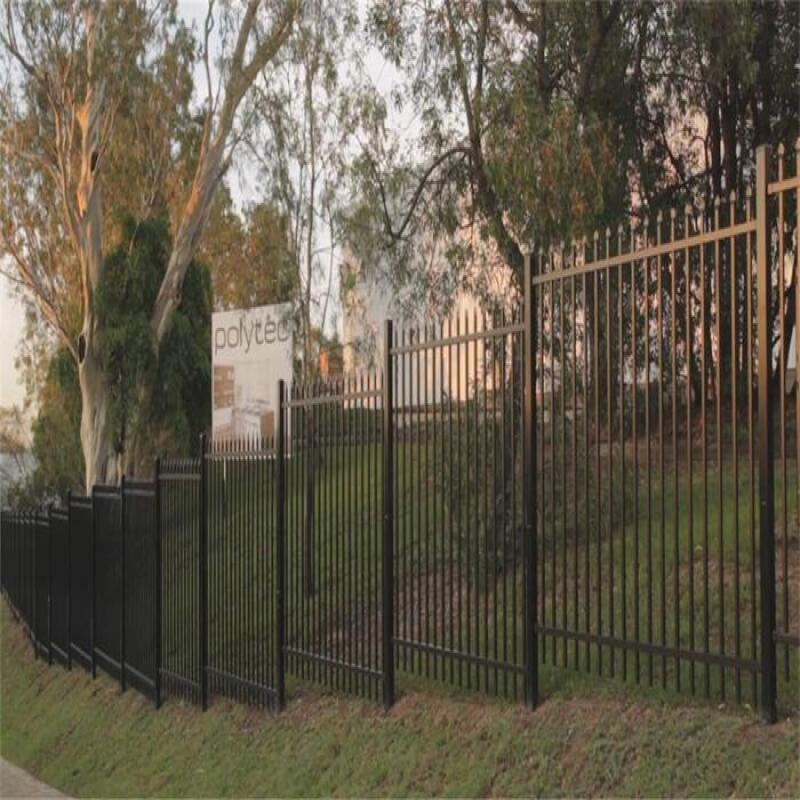
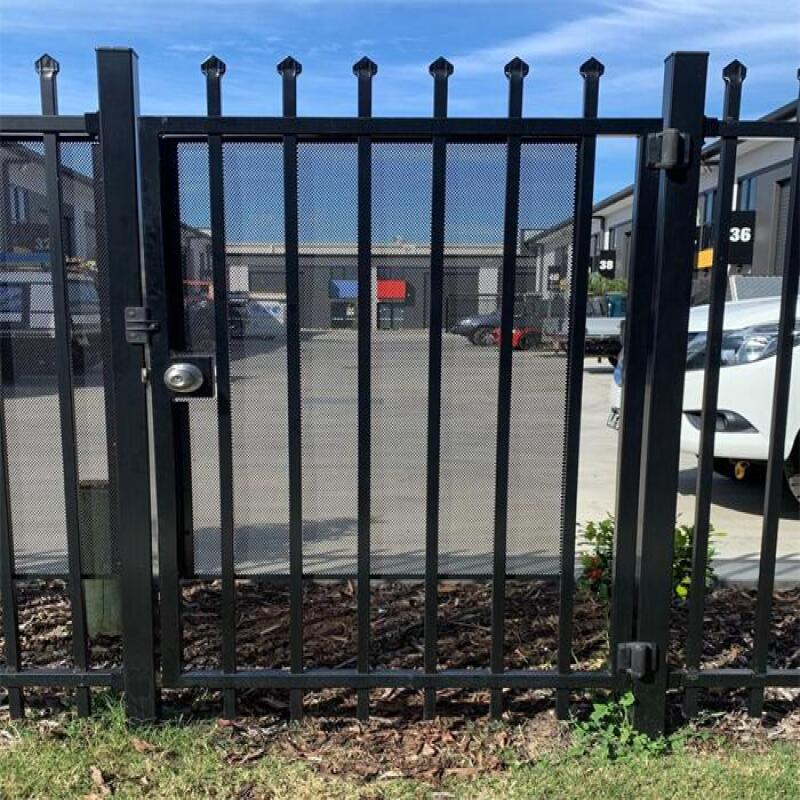
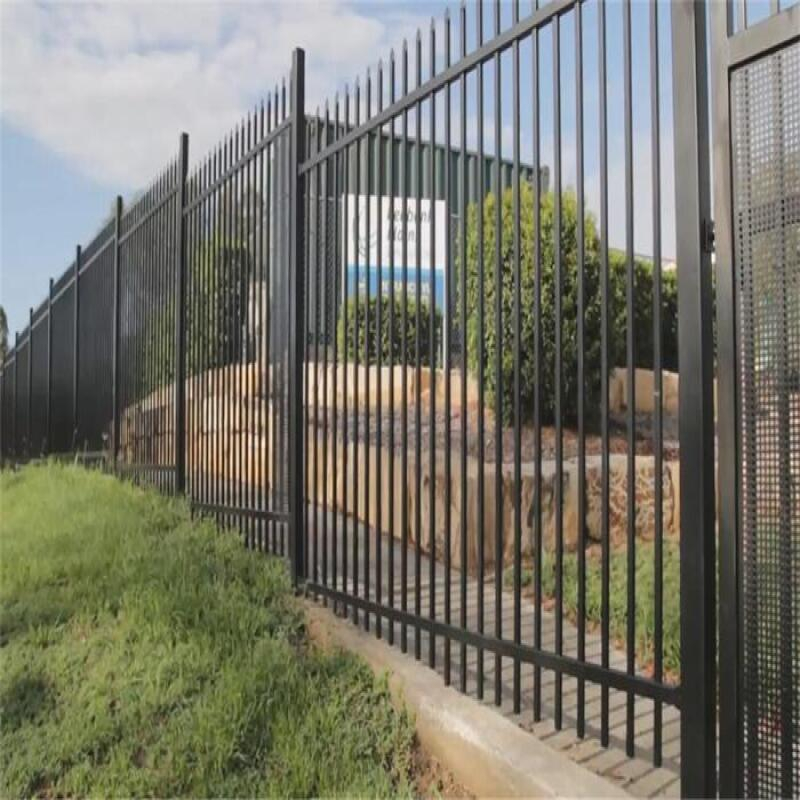
Structure and System Logic for China Garrison Fencing
A garrison fence rarely fails instantly. It fails in stages: tiny movement begins at a weak post or connection, wind cycles amplify vibration, vibration loosens joints, loosened joints create leverage, and leverage creates gaps that spread bay-by-bay. The strongest-looking panels still lose credibility if the post line is under-built, if spacing is inconsistent, or if post height is cut until the fence “works” only on calm days.
Top 18 Traps You Don’t Know About China Garrison Fencing (Especially #14)
Trap #1: Buying “garrison” by looks, not by rail thickness—thin rails dent and the line never looks straight again.
Trap #2: Choosing rail frame size incorrectly for height—tall panels with small rails flex and show wobble.
Trap #3: Picking upright size for appearance only—wrong visual weight looks cheap or bulky and wastes budget.
Trap #4: Ignoring upright count—fewer uprights create easier hand placement and weaker impact rhythm.
Trap #5: Mixing spacing patterns on one run—your eye sees it immediately and the weakest bay gets tested first.
Trap #6: Cutting upright thickness—uprights deform earlier and the fence “ages” fast.
Trap #7: Treating weld quality as cosmetic—one soft bay becomes the first failure bay.
Trap #8: Under-building corners and terminations—corners multiply force and drift first.
Trap #9: Skipping anti-tamper fixing discipline—loose fixings turn vibration into leverage.
Trap #10: Choosing posts by “what’s in stock”—post section must match exposure and height.
Trap #11: Cutting post wall thickness—posts don’t look thinner, they just move more.
Trap #12: Under-specifying coating preparation—powder fails first at edges and weld zones if pretreatment is weak.
Trap #13: Mixing batches/shades—frontage projects look patchy and “unfinished.”
Trap #14: Cutting post height (or not keeping post height ≥ panel height + 600mm)—posts flex first, flex becomes micro-movement, micro-movement becomes leverage, and leverage becomes gaps, re-tightening, repainting, and repeat call-backs.
Trap #15: No allowance for ground condition—poor footing planning turns wind into rocking motion.
Trap #16: Skipping straight-line control during install—once a line learns to lean, it keeps leaning.
Trap #17: Poor packing protection—transit rub marks become early corrosion starts.
Trap #18: Treating “premium look” as “low risk”—public-facing boundaries multiply complaint and liability cost.
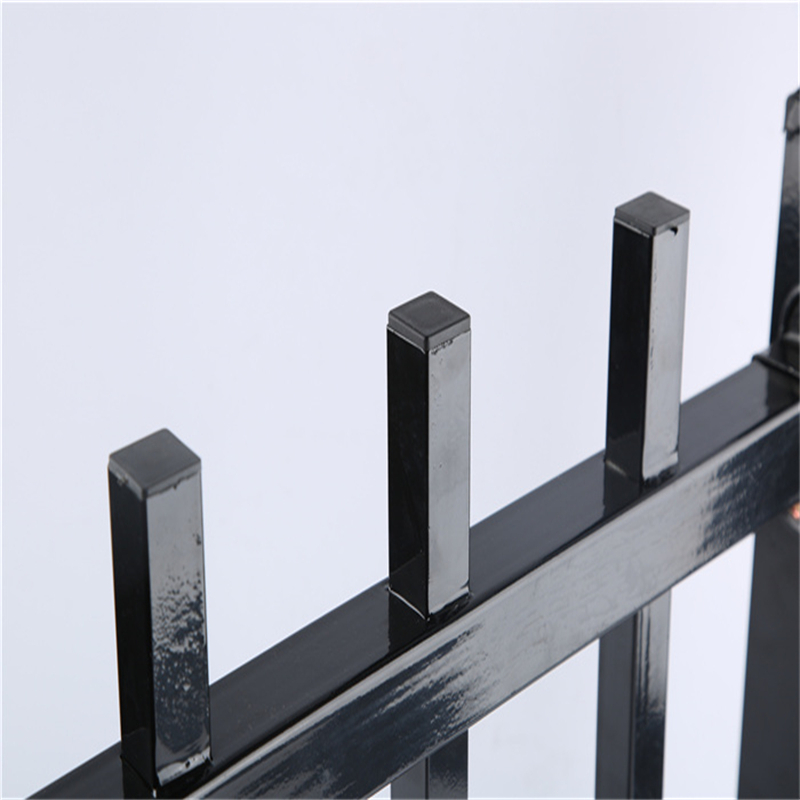
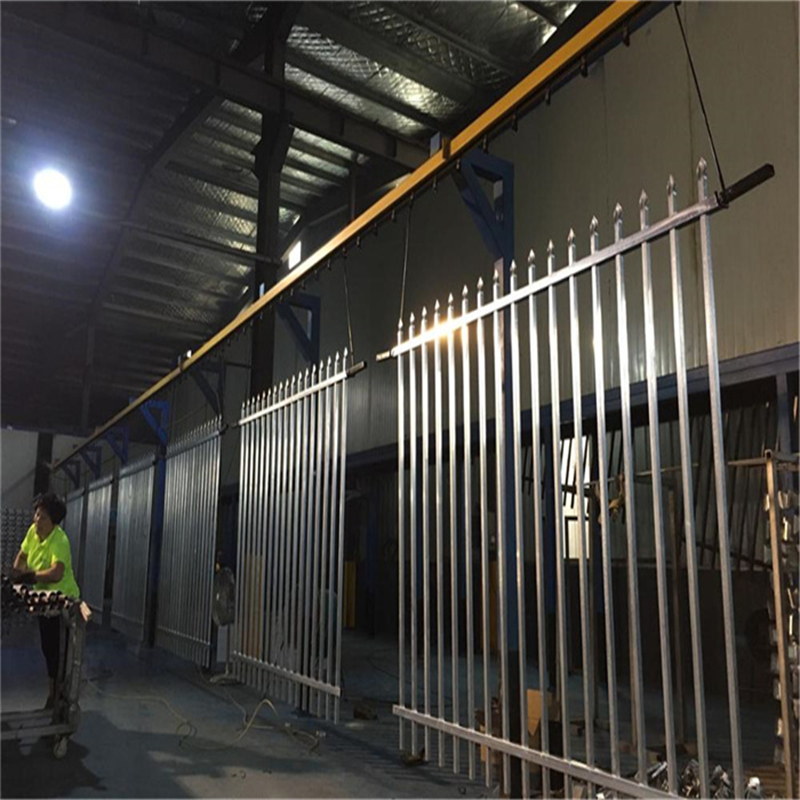
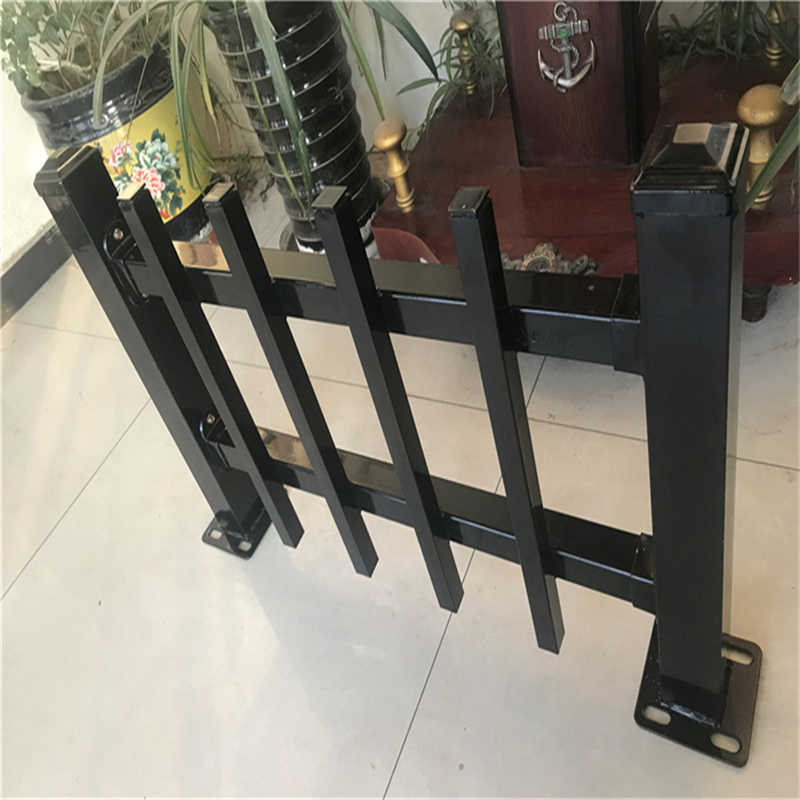
Specifications: POLYMETAL China Garrison Fencing (5 Tables, 10 Specs Each)
Table 1. Standard Export Schedule (10 Specs)
| Spec | Fence Height (mm) | Fence Width (mm) | Rail Frame (mm) | Rail Thickness (mm) | Upright (mm) | Upright Thickness (mm) | Upright No. (pcs) | Upright Spacing (mm) | Post Option (mm) | Post Wall (mm) | Post Height (mm) |
|---|---|---|---|---|---|---|---|---|---|---|---|
| CGF-01 | 1200 | 2400 | 40×40 | 1.60 | 16×16 | 0.80 | 17 | 108 | 60×60 | 1.60 | 1800 |
| CGF-02 | 1200 | 2450 | 45×45 | 2.00 | 25×25 | 1.00 | 18 | 100 | 65×65 | 2.00 | 1800 |
| CGF-03 | 1500 | 2400 | 40×40 | 2.00 | 25×25 | 1.20 | 17 | 108 | 65×65 | 2.00 | 2100 |
| CGF-04 | 1500 | 2450 | 45×45 | 2.50 | 30×30 | 2.00 | 18 | 100 | 75×75 | 2.50 | 2100 |
| CGF-05 | 1800 | 2400 | 45×45 | 2.00 | 25×25 | 1.20 | 18 | 100 | 75×75 | 2.00 | 2400 |
| CGF-06 | 1800 | 2450 | 50×50 | 2.50 | 30×30 | 2.00 | 17 | 108 | 80×80 | 2.50 | 2400 |
| CGF-07 | 2100 | 2400 | 50×50 | 3.00 | 30×30 | 2.00 | 17 | 108 | 80×80 | 2.50 | 2700 |
| CGF-08 | 2100 | 2450 | 45×45 | 2.50 | 25×25 | 1.20 | 18 | 100 | 100×100 | 2.50 | 2700 |
| CGF-09 | 2400 | 2400 | 50×50 | 3.00 | 30×30 | 2.00 | 16 | 115 | 100×100 | 2.50 | 3000 |
| CGF-10 | 2400 | 2450 | 45×45 | 2.50 | 16×16 | 1.00 | 16 | 115 | 80×80 | 2.50 | 3000 |
Table 2. Tight-Spacing 100mm “Frontage Premium” Builds (10 Specs)
| Spec | Fence Height (mm) | Fence Width (mm) | Rail Frame (mm) | Rail Thickness (mm) | Upright (mm) | Upright Thickness (mm) | Upright No. (pcs) | Upright Spacing (mm) | Post Option (mm) | Post Wall (mm) | Post Height (mm) |
|---|---|---|---|---|---|---|---|---|---|---|---|
| PRM-01 | 1200 | 2400 | 40×40 | 2.00 | 25×25 | 1.20 | 18 | 100 | 65×65 | 2.00 | 1800 |
| PRM-02 | 1200 | 2450 | 45×45 | 2.50 | 30×30 | 2.00 | 18 | 100 | 75×75 | 2.50 | 1800 |
| PRM-03 | 1500 | 2400 | 45×45 | 2.00 | 25×25 | 1.20 | 18 | 100 | 75×75 | 2.00 | 2100 |
| PRM-04 | 1500 | 2450 | 50×50 | 2.50 | 30×30 | 2.00 | 18 | 100 | 80×80 | 2.50 | 2100 |
| PRM-05 | 1800 | 2400 | 50×50 | 2.50 | 30×30 | 2.00 | 18 | 100 | 80×80 | 2.50 | 2400 |
| PRM-06 | 1800 | 2450 | 45×45 | 2.50 | 25×25 | 1.20 | 18 | 100 | 100×100 | 2.50 | 2400 |
| PRM-07 | 2100 | 2400 | 50×50 | 3.00 | 30×30 | 2.00 | 18 | 100 | 100×100 | 2.50 | 2700 |
| PRM-08 | 2100 | 2450 | 50×50 | 3.00 | 25×25 | 1.20 | 18 | 100 | 100×100 | 2.50 | 2700 |
| PRM-09 | 2400 | 2400 | 50×50 | 3.00 | 30×30 | 2.00 | 18 | 100 | 100×100 | 2.50 | 3000 |
| PRM-10 | 2400 | 2450 | 50×50 | 3.00 | 25×25 | 1.20 | 18 | 100 | 100×100 | 2.50 | 3000 |
Table 3. Balanced 108mm “Commercial Rhythm” Builds (10 Specs)
| Spec | Fence Height (mm) | Fence Width (mm) | Rail Frame (mm) | Rail Thickness (mm) | Upright (mm) | Upright Thickness (mm) | Upright No. (pcs) | Upright Spacing (mm) | Post Option (mm) | Post Wall (mm) | Post Height (mm) |
|---|---|---|---|---|---|---|---|---|---|---|---|
| COM-01 | 1200 | 2400 | 40×40 | 1.60 | 16×16 | 0.80 | 17 | 108 | 60×60 | 1.60 | 1800 |
| COM-02 | 1200 | 2450 | 45×45 | 2.00 | 25×25 | 1.00 | 17 | 108 | 65×65 | 2.00 | 1800 |
| COM-03 | 1500 | 2400 | 40×40 | 2.00 | 25×25 | 1.20 | 17 | 108 | 65×65 | 2.00 | 2100 |
| COM-04 | 1500 | 2450 | 45×45 | 2.50 | 16×16 | 1.00 | 17 | 108 | 75×75 | 2.00 | 2100 |
| COM-05 | 1800 | 2400 | 45×45 | 2.00 | 25×25 | 1.20 | 17 | 108 | 75×75 | 2.50 | 2400 |
| COM-06 | 1800 | 2450 | 50×50 | 2.50 | 30×30 | 2.00 | 17 | 108 | 80×80 | 2.50 | 2400 |
| COM-07 | 2100 | 2400 | 50×50 | 3.00 | 30×30 | 2.00 | 17 | 108 | 80×80 | 2.50 | 2700 |
| COM-08 | 2100 | 2450 | 45×45 | 2.50 | 25×25 | 1.20 | 17 | 108 | 100×100 | 2.50 | 2700 |
| COM-09 | 2400 | 2400 | 50×50 | 3.00 | 30×30 | 2.00 | 17 | 108 | 100×100 | 2.50 | 3000 |
| COM-10 | 2400 | 2450 | 45×45 | 2.50 | 16×16 | 1.00 | 17 | 108 | 80×80 | 2.50 | 3000 |
Table 4. Open-View 115mm “Economy + Visibility” Builds (10 Specs)
| Spec | Fence Height (mm) | Fence Width (mm) | Rail Frame (mm) | Rail Thickness (mm) | Upright (mm) | Upright Thickness (mm) | Upright No. (pcs) | Upright Spacing (mm) | Post Option (mm) | Post Wall (mm) | Post Height (mm) |
|---|---|---|---|---|---|---|---|---|---|---|---|
| OPN-01 | 1200 | 2400 | 40×40 | 1.60 | 16×16 | 0.80 | 16 | 115 | 60×60 | 1.60 | 1800 |
| OPN-02 | 1200 | 2450 | 45×45 | 2.00 | 16×16 | 1.00 | 16 | 115 | 65×65 | 2.00 | 1800 |
| OPN-03 | 1500 | 2400 | 40×40 | 2.00 | 25×25 | 1.00 | 16 | 115 | 65×65 | 2.00 | 2100 |
| OPN-04 | 1500 | 2450 | 45×45 | 2.00 | 16×16 | 1.00 | 16 | 115 | 75×75 | 2.00 | 2100 |
| OPN-05 | 1800 | 2400 | 45×45 | 2.00 | 25×25 | 1.20 | 16 | 115 | 75×75 | 2.00 | 2400 |
| OPN-06 | 1800 | 2450 | 45×45 | 2.50 | 25×25 | 1.20 | 16 | 115 | 80×80 | 2.50 | 2400 |
| OPN-07 | 2100 | 2400 | 50×50 | 2.50 | 30×30 | 2.00 | 16 | 115 | 80×80 | 2.50 | 2700 |
| OPN-08 | 2100 | 2450 | 45×45 | 2.50 | 25×25 | 1.20 | 16 | 115 | 100×100 | 2.50 | 2700 |
| OPN-09 | 2400 | 2400 | 50×50 | 3.00 | 30×30 | 2.00 | 16 | 115 | 100×100 | 2.50 | 3000 |
| OPN-10 | 2400 | 2450 | 50×50 | 3.00 | 25×25 | 1.20 | 16 | 115 | 100×100 | 2.50 | 3000 |
Table 5. Heavy-Duty Posts for Wind Corridors / High Traffic (10 Specs)
| Spec | Fence Height (mm) | Fence Width (mm) | Rail Frame (mm) | Rail Thickness (mm) | Upright (mm) | Upright Thickness (mm) | Upright No. (pcs) | Upright Spacing (mm) | Post Option (mm) | Post Wall (mm) | Post Height (mm) |
|---|---|---|---|---|---|---|---|---|---|---|---|
| HD-01 | 1200 | 2400 | 45×45 | 2.50 | 25×25 | 1.20 | 18 | 100 | 75×75 | 2.50 | 1800 |
| HD-02 | 1200 | 2450 | 50×50 | 3.00 | 30×30 | 2.00 | 17 | 108 | 80×80 | 2.50 | 1800 |
| HD-03 | 1500 | 2400 | 50×50 | 3.00 | 30×30 | 2.00 | 18 | 100 | 80×80 | 2.50 | 2100 |
| HD-04 | 1500 | 2450 | 45×45 | 2.50 | 25×25 | 1.20 | 17 | 108 | 100×100 | 2.50 | 2100 |
| HD-05 | 1800 | 2400 | 50×50 | 3.00 | 30×30 | 2.00 | 18 | 100 | 100×100 | 2.50 | 2400 |
| HD-06 | 1800 | 2450 | 50×50 | 3.00 | 25×25 | 1.20 | 17 | 108 | 100×100 | 2.50 | 2400 |
| HD-07 | 2100 | 2400 | 50×50 | 3.00 | 30×30 | 2.00 | 18 | 100 | 100×100 | 2.50 | 2700 |
| HD-08 | 2100 | 2450 | 50×50 | 3.00 | 30×30 | 2.00 | 16 | 115 | 100×100 | 2.50 | 2700 |
| HD-09 | 2400 | 2400 | 50×50 | 3.00 | 30×30 | 2.00 | 18 | 100 | 100×100 | 2.50 | 3000 |
| HD-10 | 2400 | 2450 | 50×50 | 3.00 | 30×30 | 2.00 | 17 | 108 | 100×100 | 2.50 | 3000 |
Applications
POLYMETAL China Garrison Fencing is commonly used for commercial frontage boundaries, factories and industrial estates, warehouses, schools, parks, sports facilities, municipal walkways, public-space separation zones, and residential estates where the boundary must look premium, remain straight, and resist everyday abuse.
Benefits
A properly specified garrison system delivers clean architectural rhythm, visible deterrence through upright geometry and spear-top profiles, high visibility for CCTV and patrol, and lower wind resistance than solid barriers. When rail thickness, upright spacing, post sizing, and post height discipline are correct, the fence line stays quieter with less rattle, less loosening, and fewer call-backs—protecting both appearance and long-term maintenance budgets.
Packing China Garrison Fencing
Panels are packed with separation layers to prevent rub marks, strapped into stable bundles, and palletized for forklift handling. Posts are bundled and wrapped to reduce scratching. Brackets and fasteners are bagged and boxed for fast counting so installation does not improvise missing hardware and create weak bays.
Standard and Quality Control
Quality control focuses on tube wall thickness consistency, punch-through alignment accuracy, weld stability, panel straightness, coating adhesion, and finish uniformity. Inspection includes dimensional checks, weld review, surface finish checks, packing verification, and accessory counting so the delivered China Garrison Fencing installation stays straight through wind cycles and day-to-day site traffic—and if you want a related example of how welded mesh systems are specified for outdoor containment, see outdoor welded wire dog kennels.
FAQs China Garrison Fencing
What is “China Garrison Fencing” in practical terms?
It usually means a square-tubular, pressed-spear (or similar) panel system that aims to look architectural while delivering real boundary strength through rail stiffness, upright rhythm, and a stable post line.
Which spec choice controls straightness the most?
The post line. Rail thickness and upright spacing matter, but posts (size + wall thickness + correct height) decide whether the fence stays tight or starts moving.
Why must post height be at least panel height + 600mm?
Because the extra embed/anchoring allowance reduces post flex. Once post flex starts, vibration becomes leverage, and leverage becomes gaps—Trap #14 is the most common “looked fine at handover” failure.
Can I mix 2400mm and 2450mm panels in one project?
You can, but the cleanest result comes from keeping one width per run (and keeping spacing/upright count consistent) so the line looks uniform and load sharing stays predictable.