Your One-Stop Wire Mesh Fence Supplier | POLYMETAL
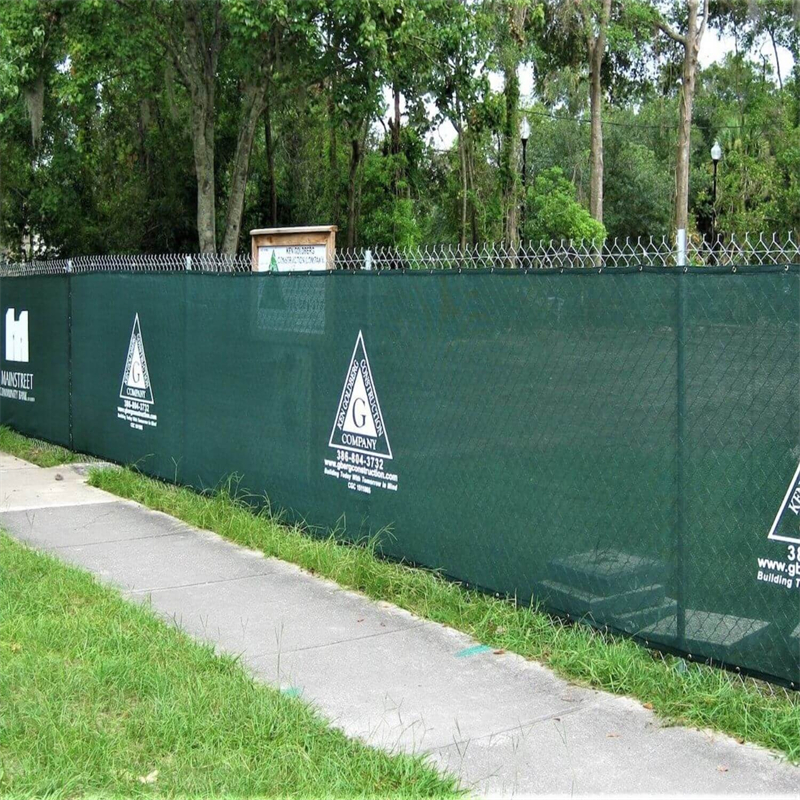
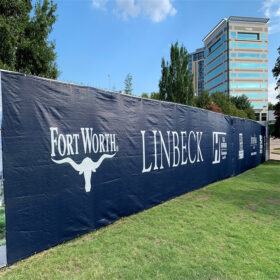
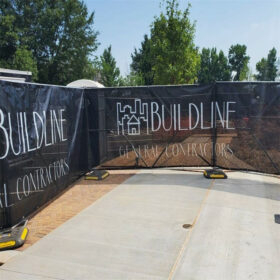
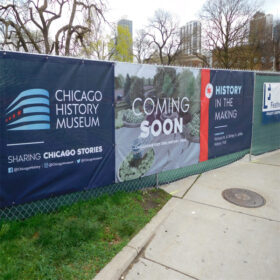
construction fence screen is usually installed under pressure because a site can’t operate smoothly when dust blows, materials are exposed, and the boundary looks unprofessional. The hard truth is that two screens can look the same on day one, but after weeks of wind, UV, tie-down tension, dragging, and stacked storage, one stays tight and clean while the other frays, fades, and tears at the eyelets.
What “construction fence screen” really means
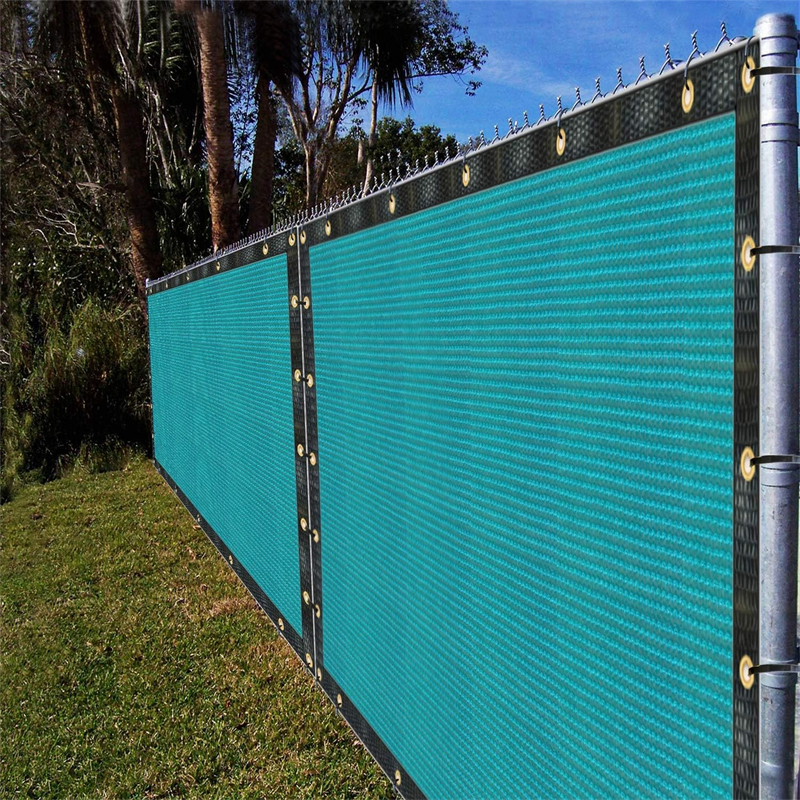
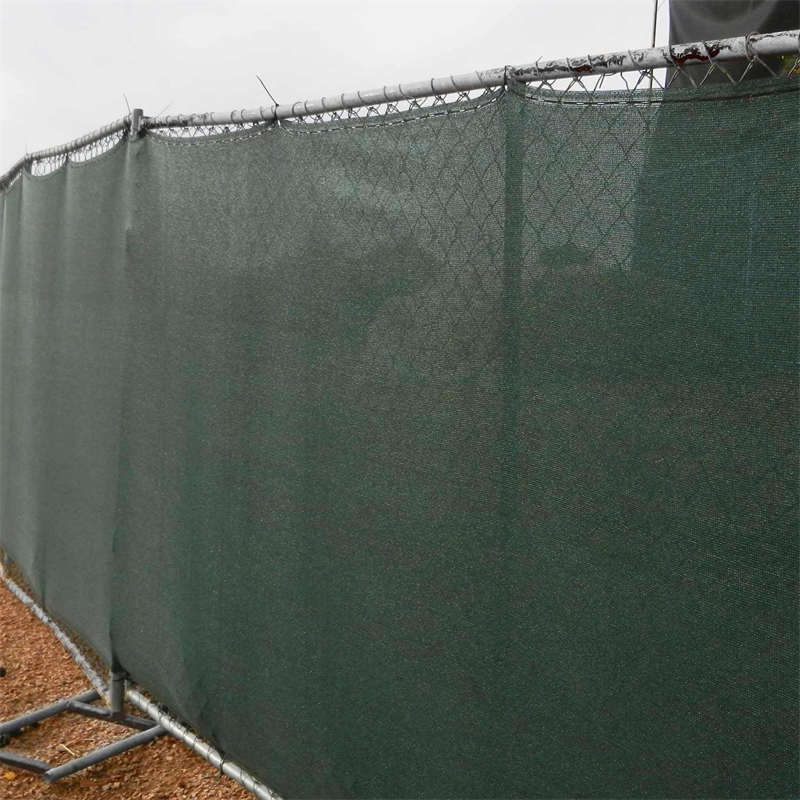
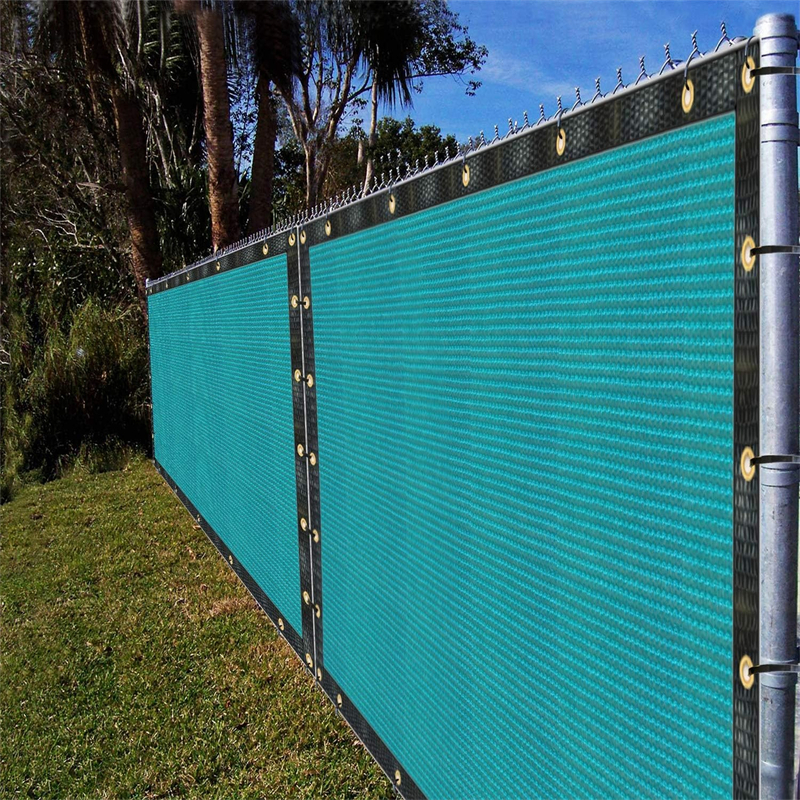
A construction fence screen is a knitted privacy and dust-control fabric designed to attach to temporary fencing, perimeter fences, and site boundaries. Real performance comes from the full system: virgin HDPE quality, knit density (block-out), GSM weight, UV stabilizers, oxidation resistance, stitching strength, and reliable grommets that don’t rip out when the wind turns the screen into a sail.
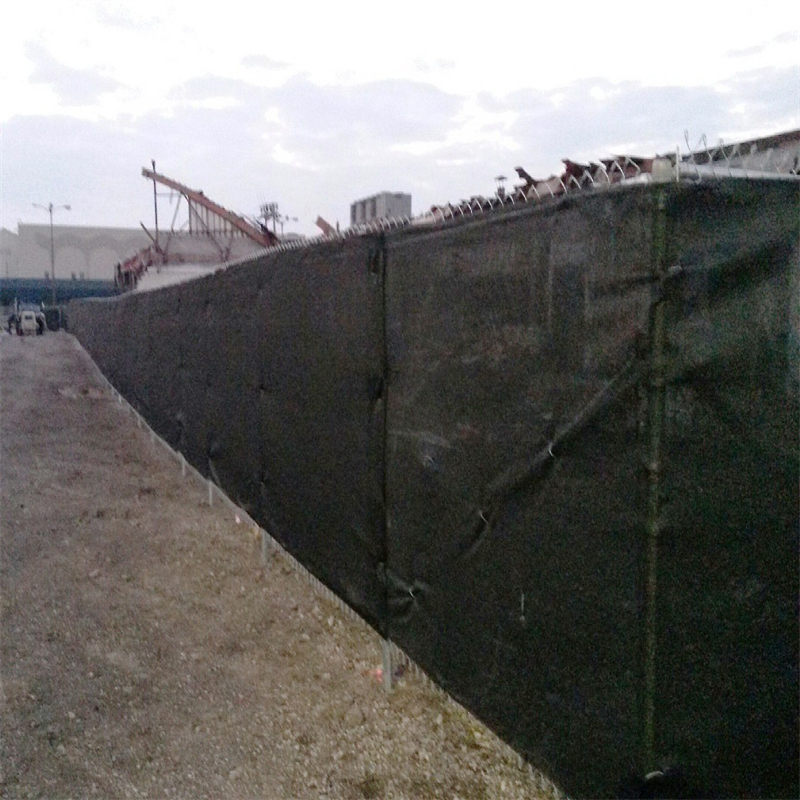
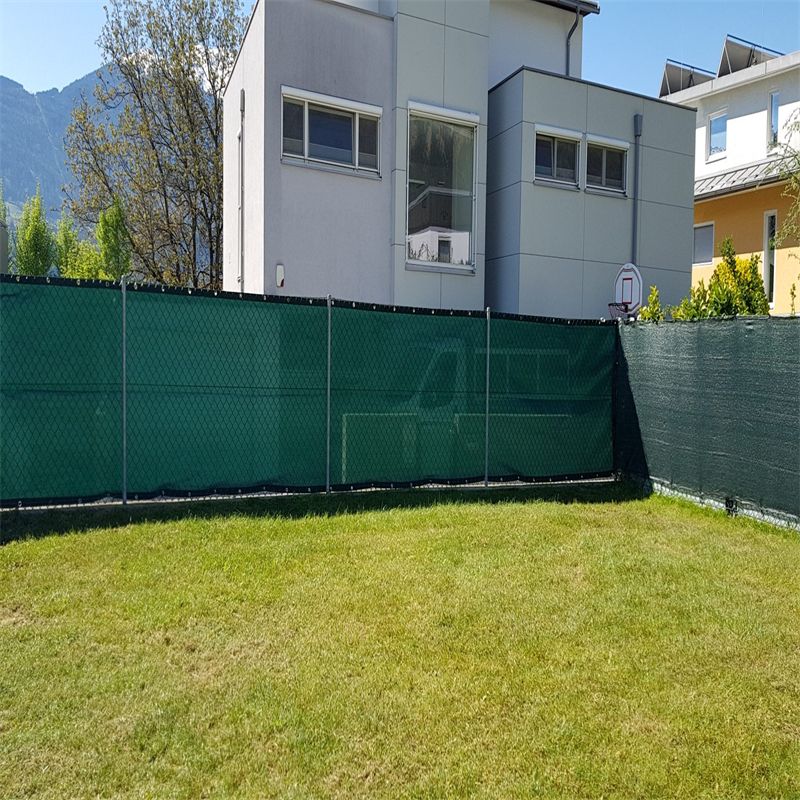
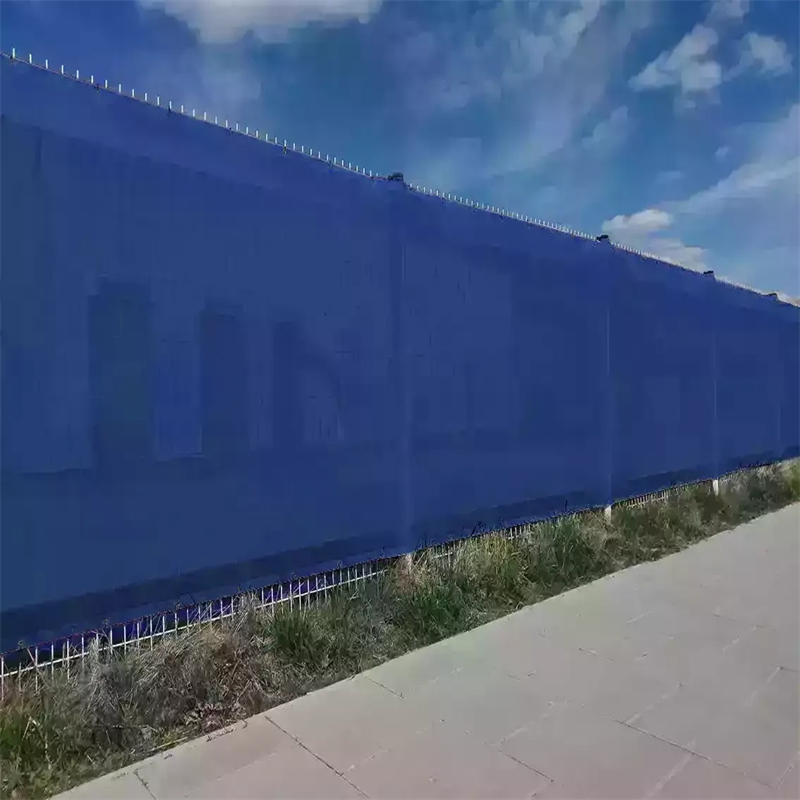
Product Description
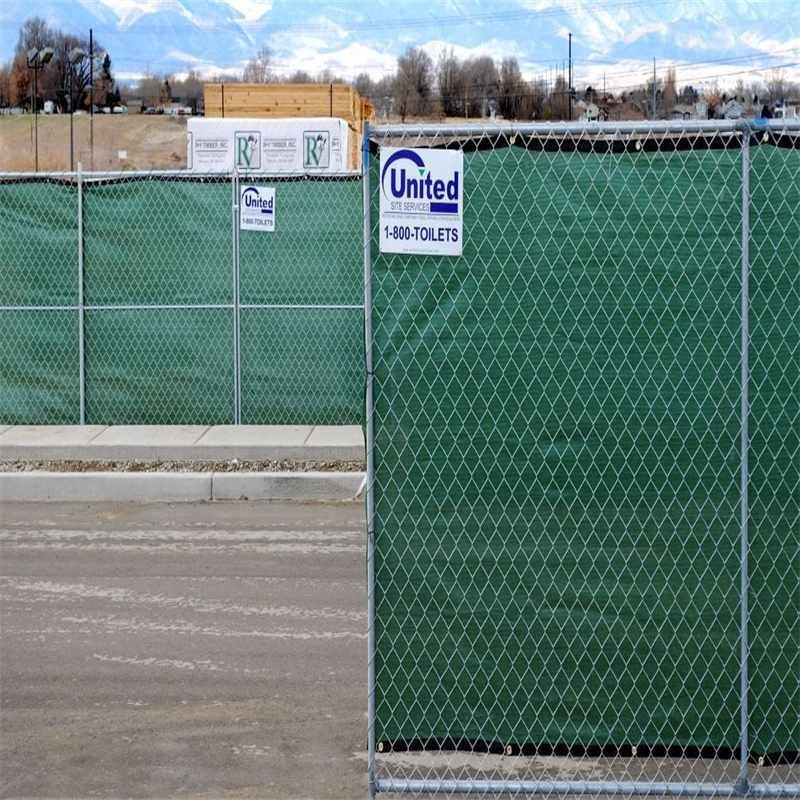
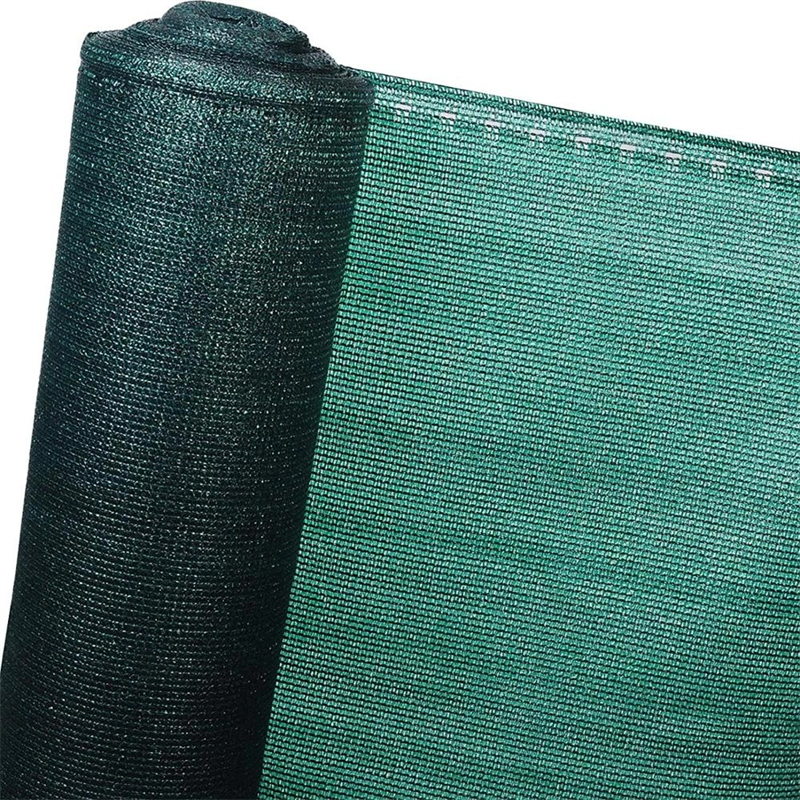
POLYMETAL construction fence screen is made from 100% new polyethylene (not recycled) with high tensile strength and heavy-duty knitted construction. UV stabilizers and oxidation treatment are integrated to improve anti-aging performance, corrosion resistance, radiation resistance, and long-term outdoor durability. Double-stitched binding reinforces the edges to reduce weave failure and extend service life, helping the screen stay flatter, stronger, and cleaner-looking over repeated use cycles.
How performance is built: block-out, airflow, and edge strength
A screen that blocks too little can’t control dust or visual clutter. A screen that blocks too much can catch wind and tear if the edges and grommets aren’t built for load. The goal is balance: enough density to reduce dust and improve privacy, but with the correct GSM, stitching, and fixing method so the fabric doesn’t stretch, ripple, and fail early.
Produce Process
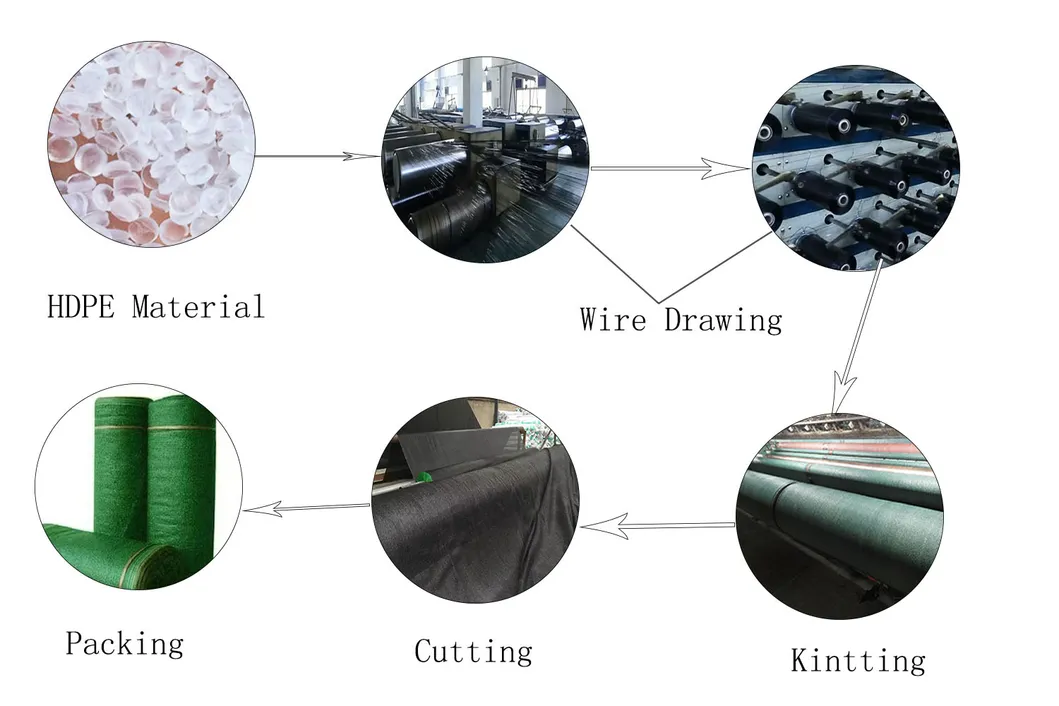
Production typically includes HDPE yarn preparation, heavy-duty raschel knitting, UV/antioxidant integration, edge binding with double stitching, brass grommet setting, inspection, roll forming, labeling, and protective packing to keep edges and eyelets from being crushed during transport.
The Top 12 TRAPS You Don’t Know About construction fence screen (Especially #11)
TRAP #1: Buying “cheap HDPE” that’s actually recycled blend
Recycled content can look fine at delivery, but it often loses strength faster under UV and tension, leading to early tearing at tie points.
TRAP #2: Choosing block-out % without matching GSM weight
Block-out is not the whole story. A high block-out screen with low GSM can stretch and flap until it rips, especially on long fence runs.
TRAP #3: Underestimating UV stabilizers and oxidation treatment
UV is the silent killer. Without proper stabilizers and oxidation resistance, the screen becomes brittle, chalky, and weak long before you expect.
TRAP #4: Weak edge binding that “unzips” under wind load
Most failures start at the edge. If the binding and stitching are light, the fabric tears from the perimeter inward.
TRAP #5: Grommets that look fine but tear out under real tension
If grommets are too sparse, poorly set, or combined with weak edging, the screen rips at the eyelets and the whole panel loosens.
TRAP #6: Installing without consistent tie spacing
Uneven tie spacing creates uneven stress. That stress concentrates at a few points, which is exactly where tears begin.
TRAP #7: Picking the wrong density for the wind zone
Very tight screens can act like windbreak sails. If your site is exposed, you need the right density plus stronger edging and fixing discipline.
TRAP #8: Ignoring fire-retardant requirements until the last minute
Some projects demand FR performance. If you don’t plan it early, you end up paying rush costs or re-ordering after the screen is already installed.
TRAP #9: Choosing color only for looks
Dark colors can show less dirt but absorb more heat; lighter colors can look cleaner at distance but show stains sooner. Color affects site appearance and replacement cycles.
TRAP #10: Expecting one screen to do “privacy + dust + branding” without planning
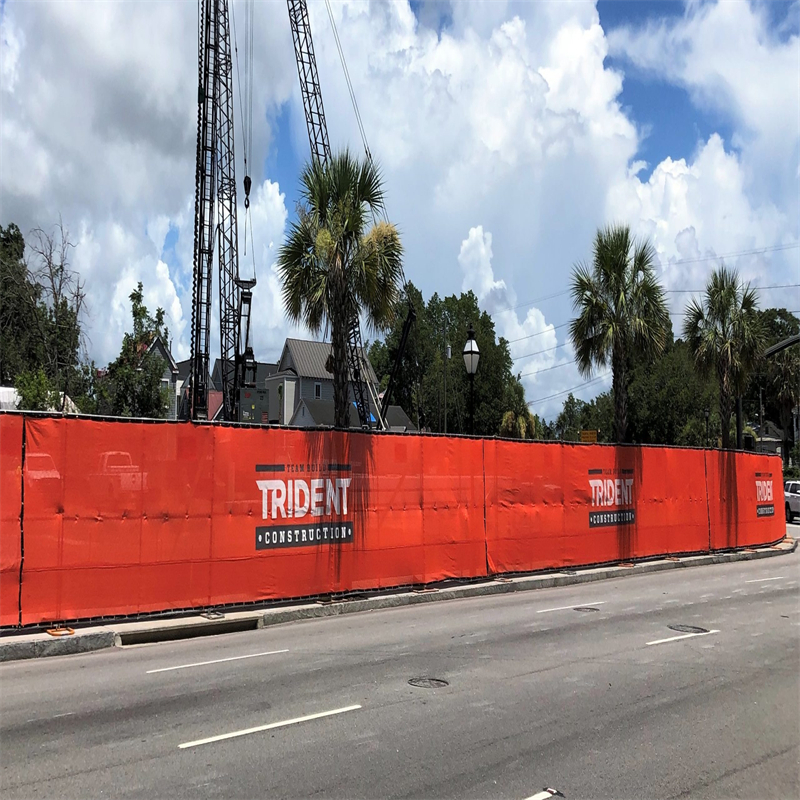
Branding, airflow, and privacy fight each other. If you want printed or high-visibility runs, you must pick the right density and surface stability.
TRAP #11: The hidden loss TRAP—wrong block-out rate creates wind damage and repeat repairs
This is where budgets get destroyed. A screen that is too open fails dust control and triggers complaints; a screen that is too tight catches wind and rips. Once ripping starts, the boundary looks broken, patch repairs multiply, and crews waste time re-tying and replacing sections—costing more than choosing the correct density and GSM from day one.
TRAP #12: Poor packing that crushes edges and scuffs grommet zones before first use
If rolls are packed badly, edge binding gets flattened and eyelets get deformed. The screen “fails early” even though the material itself was fine.
Specifications: POLYMETAL construction fence screen
| Product Name | construction fence screen / windbreak netting / windstop netting / dust control screen |
| Material | Virgin HDPE (100% new) with anti-UV additives, antioxidant; FR (fire retardant) option available |
| Construction | Heavy-duty knitted fabric, double-stitched edge binding, brass grommets (rust-resistant) |
| Wind Reducing | 35%–75% |
| Shade / Block-Out Range | 45%–85% shade options; common privacy densities include 50%, 70%, and 90% grades |
| Weight (GSM) | 60–220 g/m² (common: 80 g/m², 100 g/m²; privacy-grade often around 180 g/m²) |
| Width | 0.3–6 m (common: 0.8 m, 1.5 m, 2.0 m) |
| Roll Length | 50 m / 100 m (length can be customized) |
| Colors | Red, yellow, green, beige, white, grey, black, transparent; custom colors available |
| Accessories | Assistant rope and grommets; optional cable ties, clips, hog rings, and cutting tools for faster installation |
| MOQ | 3 tons (project orders and mixed rolls supported) |
| Delivery Time | Within 30 days after receiving the deposit |
| Warranty | 2 years |
| Remark: Custom sizes, densities, and colors can be produced to match your site boundary plan. | |
Application of construction fence screen
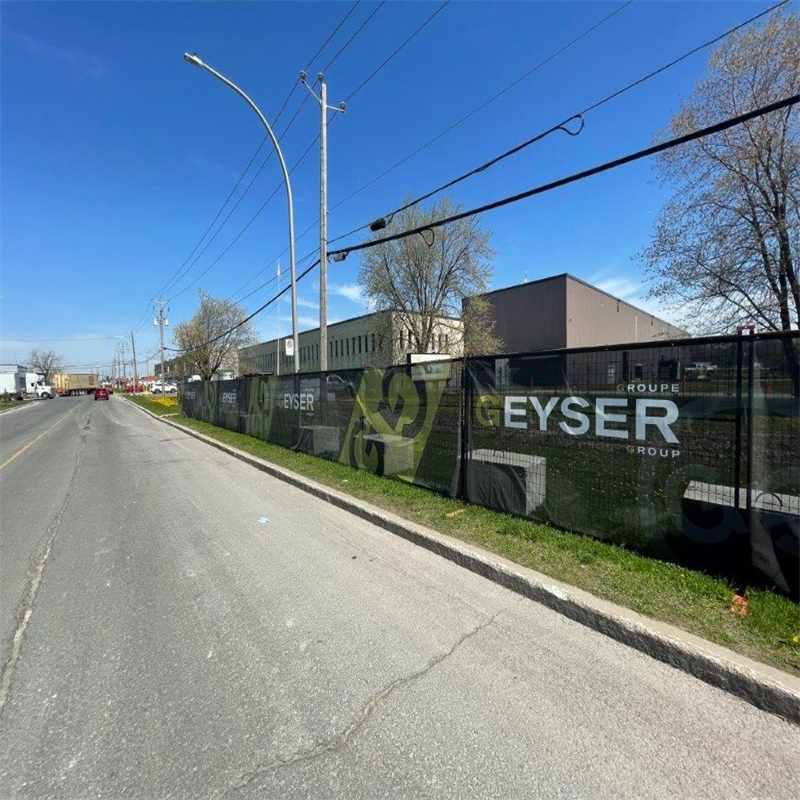
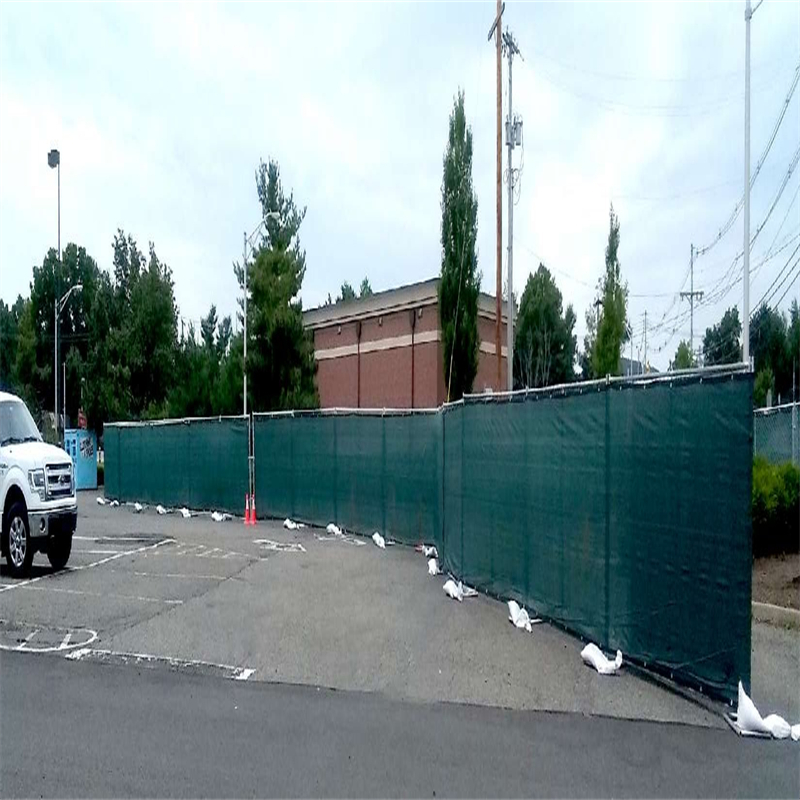
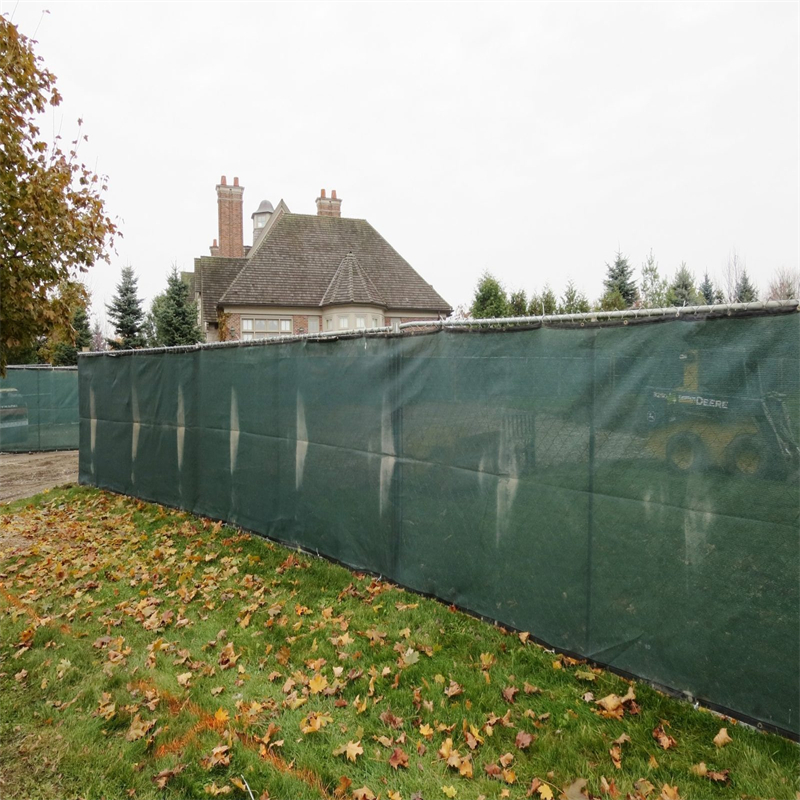
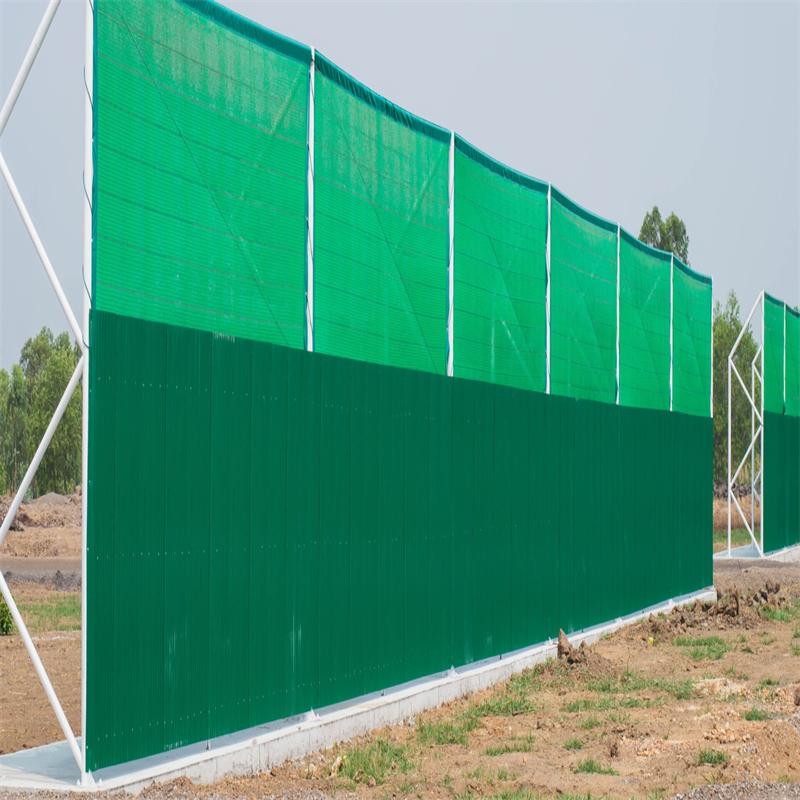
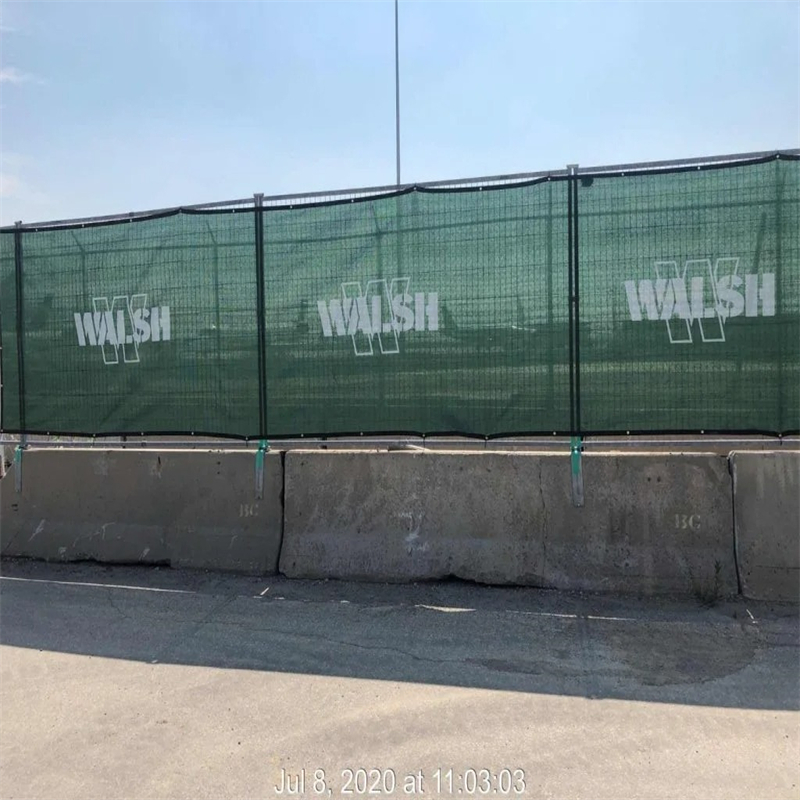
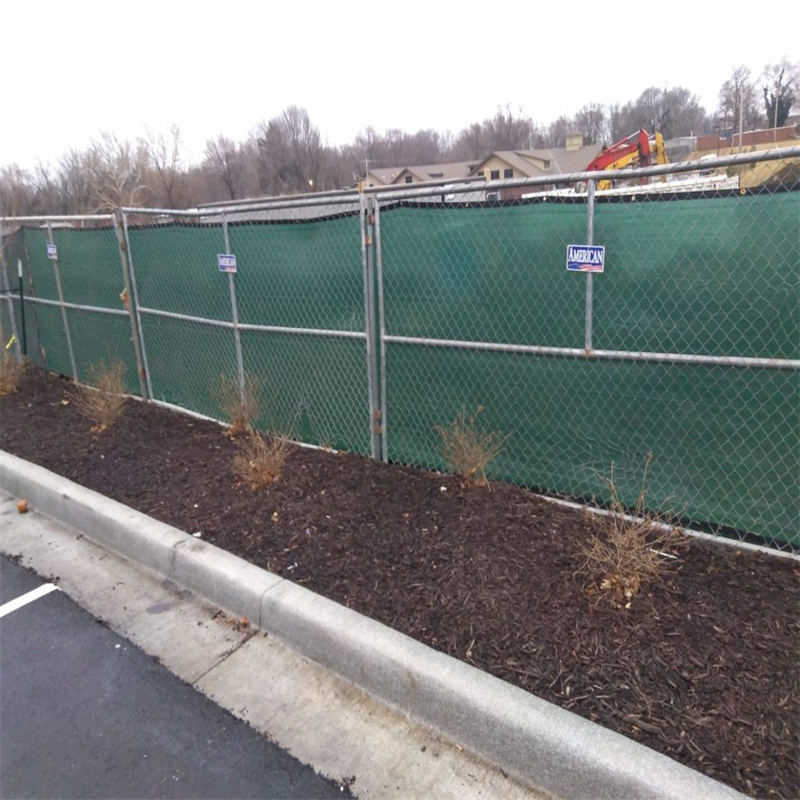
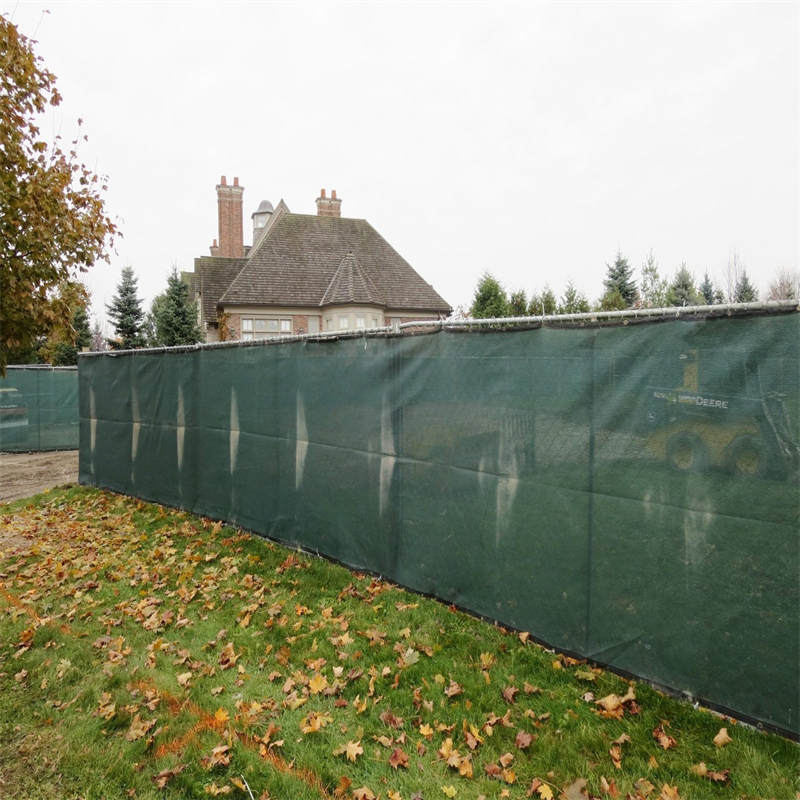
POLYMETAL construction fence screen is widely used for construction site perimeters, demolition zones, ports and logistics yards, mining compounds, expressway work areas, sandblasting containment, dust control, paint overspray control, debris and wind protection, fenceline privacy, temporary event boundaries, agricultural windbreak use, and general shading needs.
Benefits
POLYMETAL construction fence screen improves privacy and site appearance while reducing dust drift and wind-driven debris. The virgin HDPE base plus UV/antioxidant protection helps slow aging, while double-stitched edges and durable grommets help the screen stay intact under repeated tension cycles. The result is fewer tears, fewer ugly repairs, less downtime, and a boundary that keeps looking professional instead of “temporary and broken.”
Company Profile
POLYMETAL focuses on durable site-use screening products designed for real outdoor abuse: UV exposure, wind loading, repeated re-tying, and rough handling. The manufacturing approach prioritizes stable raw materials, consistent knitting, reinforced edges, reliable grommets, and packing discipline so screens arrive ready for long-run installation—not patchwork repairs.
Standard and Quality Control
Quality control checks raw material consistency (virgin HDPE 5502), knitting density stability, GSM verification, UV/antioxidant additive control, edge binding strength, grommet setting integrity, roll length/width accuracy, and finish uniformity. Inspections during knitting, after edge sewing, after grommet setting, and before packing help prevent the most expensive failure: screens that tear at the edges or eyelets shortly after installation.
FAQs
Which density should I choose: 50%, 70%, or 90%?
50% is used when airflow matters and you mainly want light dust control. 70% is a common balance for privacy and branding. 90% is used when you want strong visual block-out, but it must be paired with the correct GSM and fixing discipline to avoid wind damage.
What GSM is “safe” for long-term construction fence screen use?
Higher GSM generally improves durability against tearing and stretching. For high-abuse, long-run boundaries, mid-to-higher GSM options combined with double stitching and strong grommets hold shape longer and reduce re-tying labor.
Why do screens tear around the grommets?
Most grommet tears come from weak edge binding, poor grommet setting, or uneven tie spacing that concentrates load. A strong edge plus consistent tie spacing prevents the “rip line” that starts at one eyelet and spreads.
Can the screen help with wind as well as dust?
Yes. Depending on density, it can reduce wind impact and dust drift, but extremely tight screens should be chosen carefully on exposed sites to avoid sail-effect tearing.
What is the fastest way to avoid re-orders?
Avoid TRAP #11 by choosing the correct block-out rate for your wind exposure and dust/privacy need, then match it with the right GSM, double stitching, and disciplined fixing spacing so the screen stays tight instead of ripping loose.