Your One-Stop Wire Mesh Fence Supplier | POLYMETAL




In Canada, crowd management equipment is judged by what happens on the worst day, not the best day. A barrier line that shifts, dents, chips, or arrives missing parts can trigger delays, safety incidents, and expensive last-minute replacements. That’s why procurement teams and event operators increasingly standardize specifications instead of buying on appearance alone.
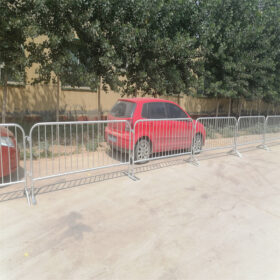
POLYMETAL Crowd Control Barriers Canada are designed for repeat deployment, predictable stability, and fast on-site counting. The system focuses on welded construction, consistent infill spacing, durable surface protection, and base options that match real Canadian venues—whether you need quick repositioning, stronger resistance to lateral pressure, or stable long runs.
For projects that demand enhanced corrosion resistance or long-term durability in harsh environments, many Canadian buyers also compare perimeter and access-control materials such as stainless steel mesh 316L for complementary security or screening applications, especially in coastal areas, industrial sites, and locations exposed to frequent moisture or chemicals.

Product Description (POLYMETAL)
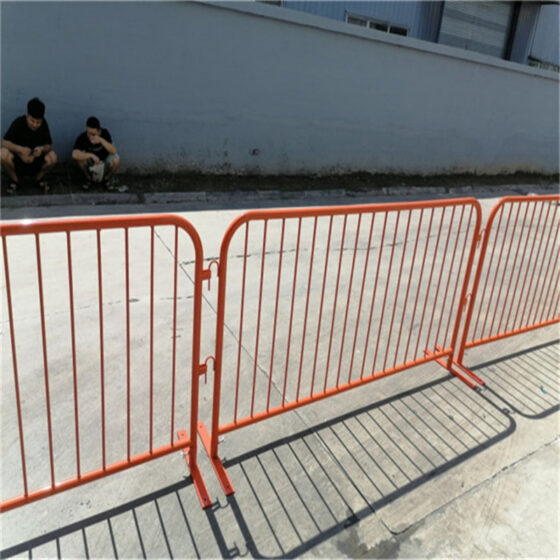
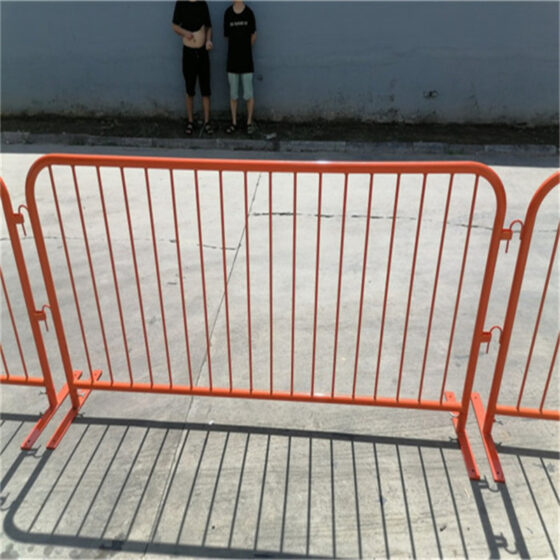
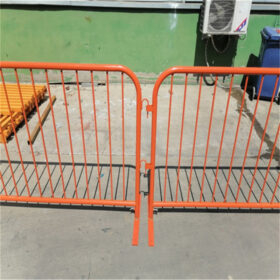
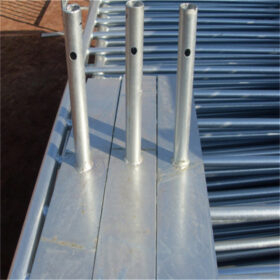
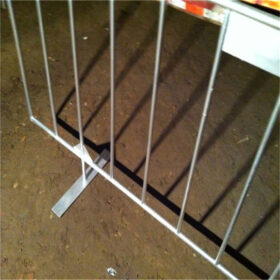
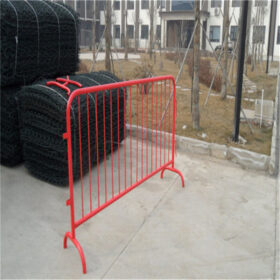
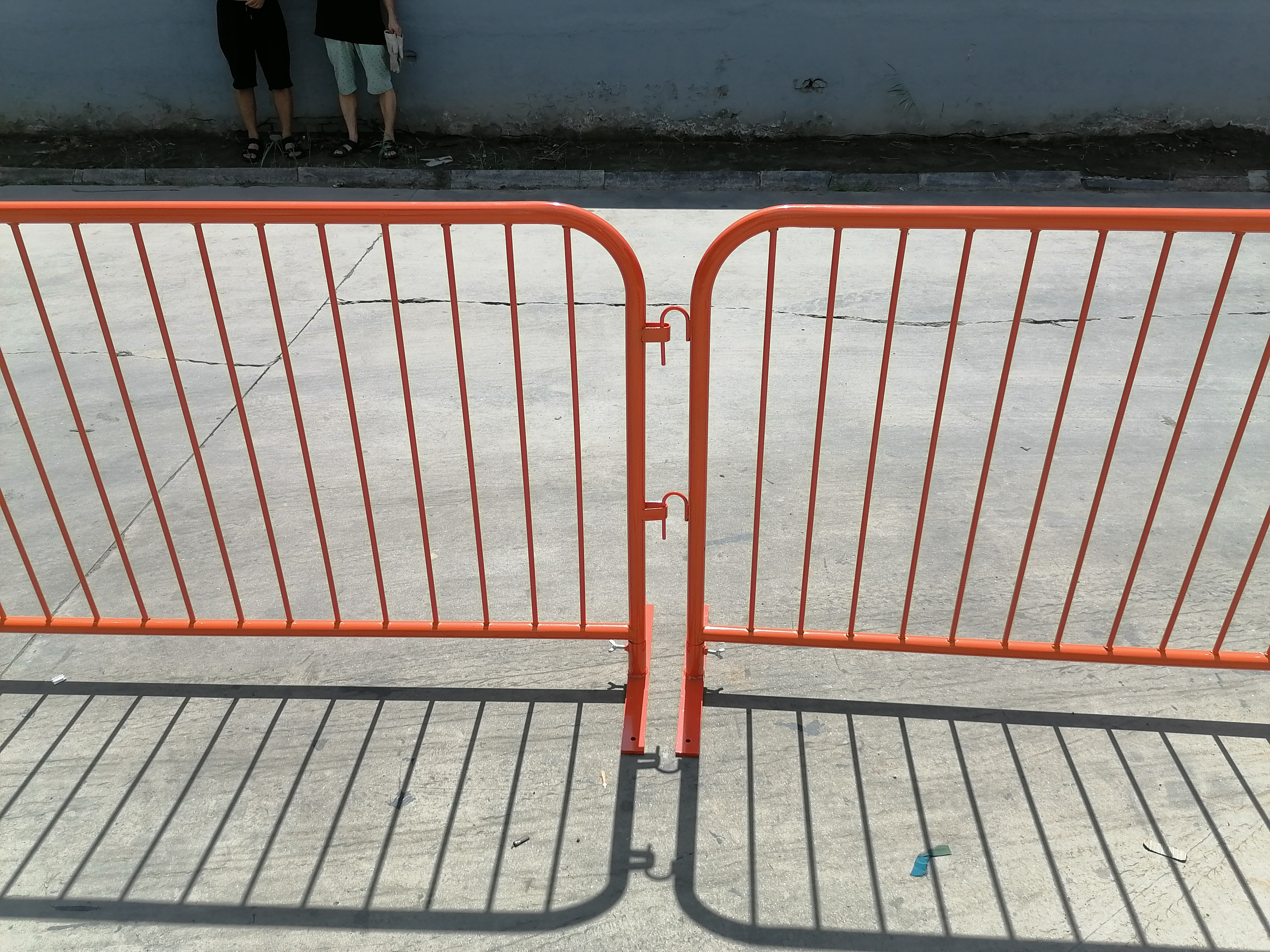
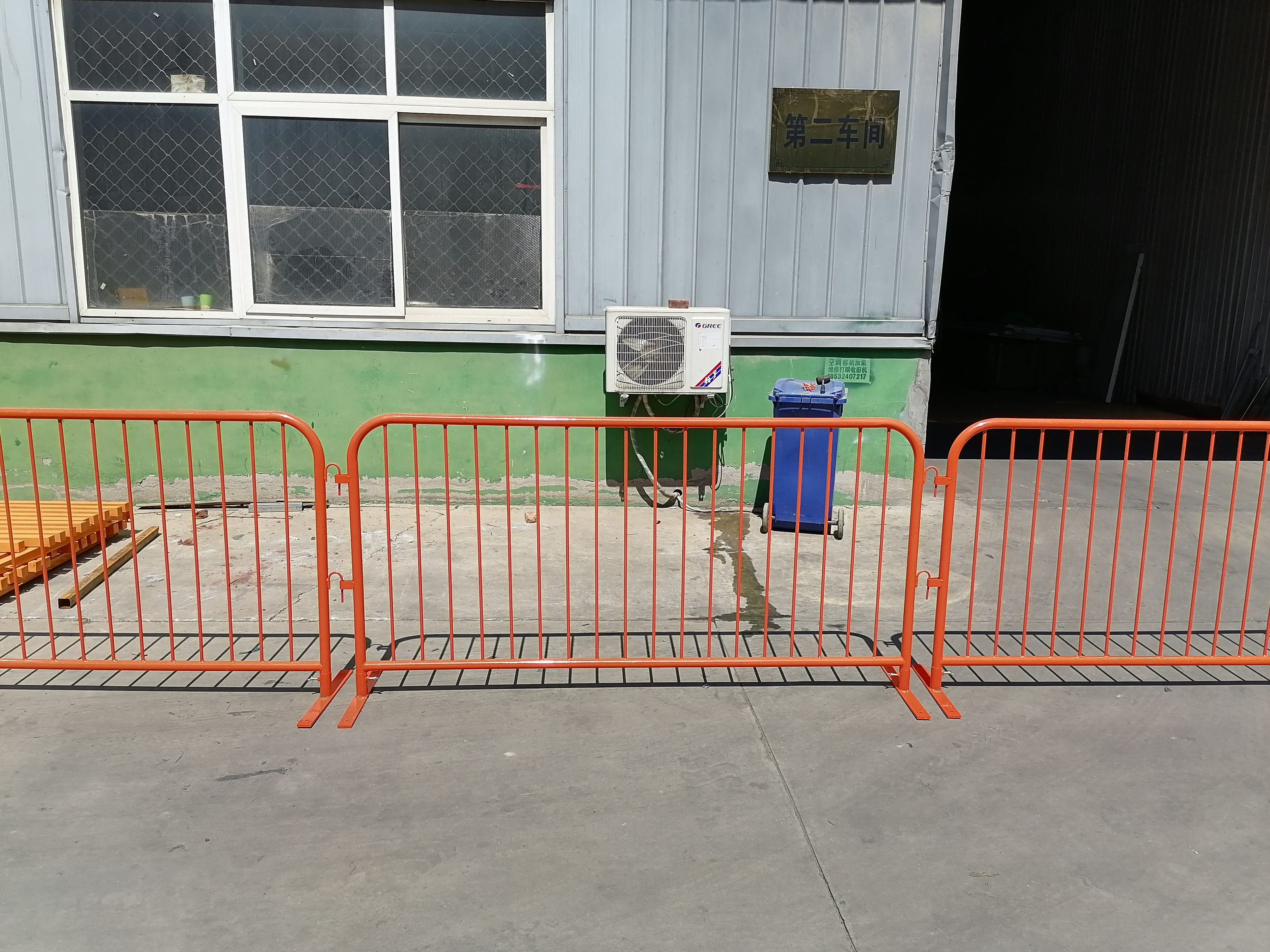
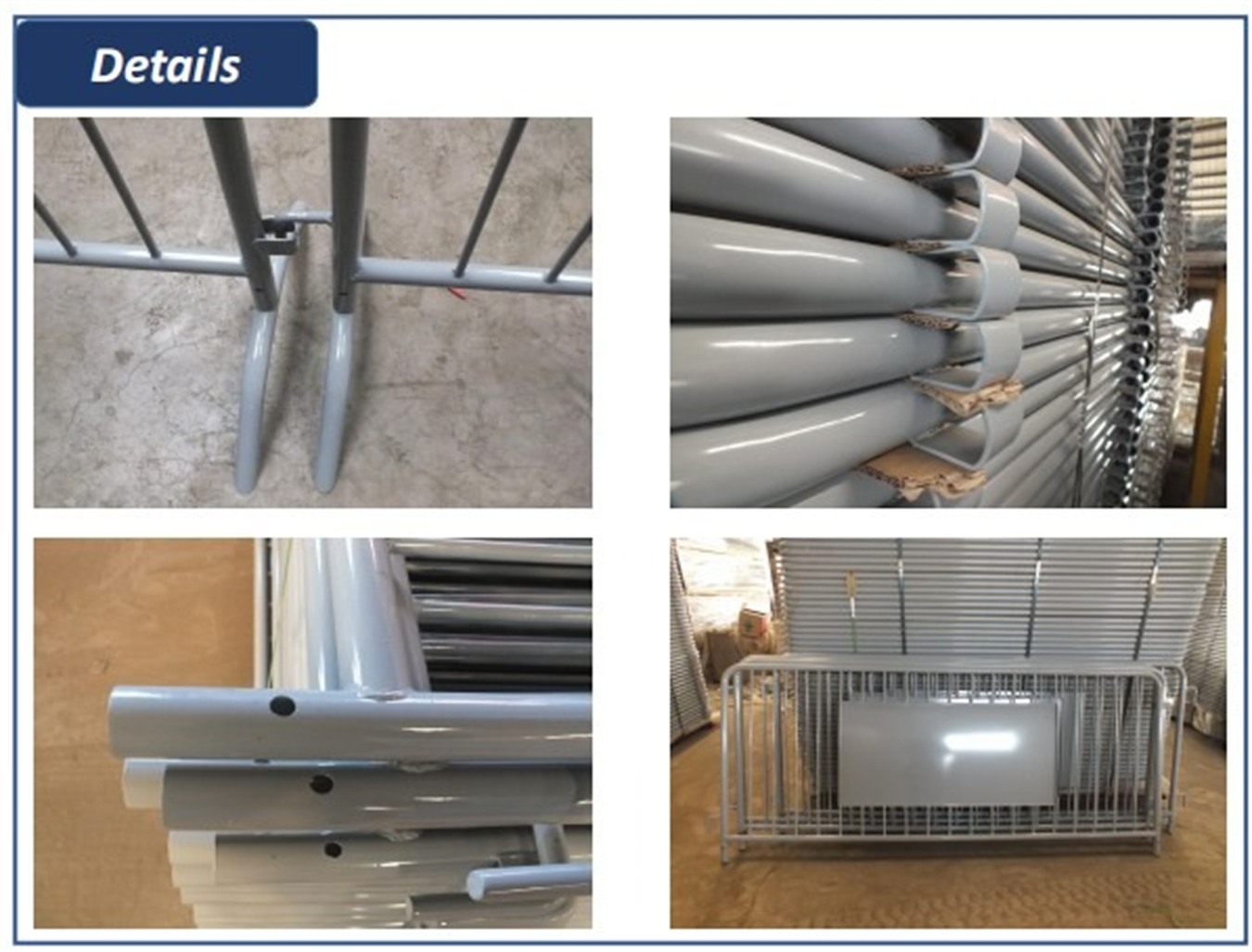
POLYMETAL Crowd Control Barriers Canada are welded metal barrier panels engineered to create clear, continuous lanes for pedestrians and controlled access points for staff and security. Each panel uses tubular frame members sized for strength and handling, paired with upright tubes arranged at consistent spacing to discourage pushing through and to keep crowd lines visually clear.
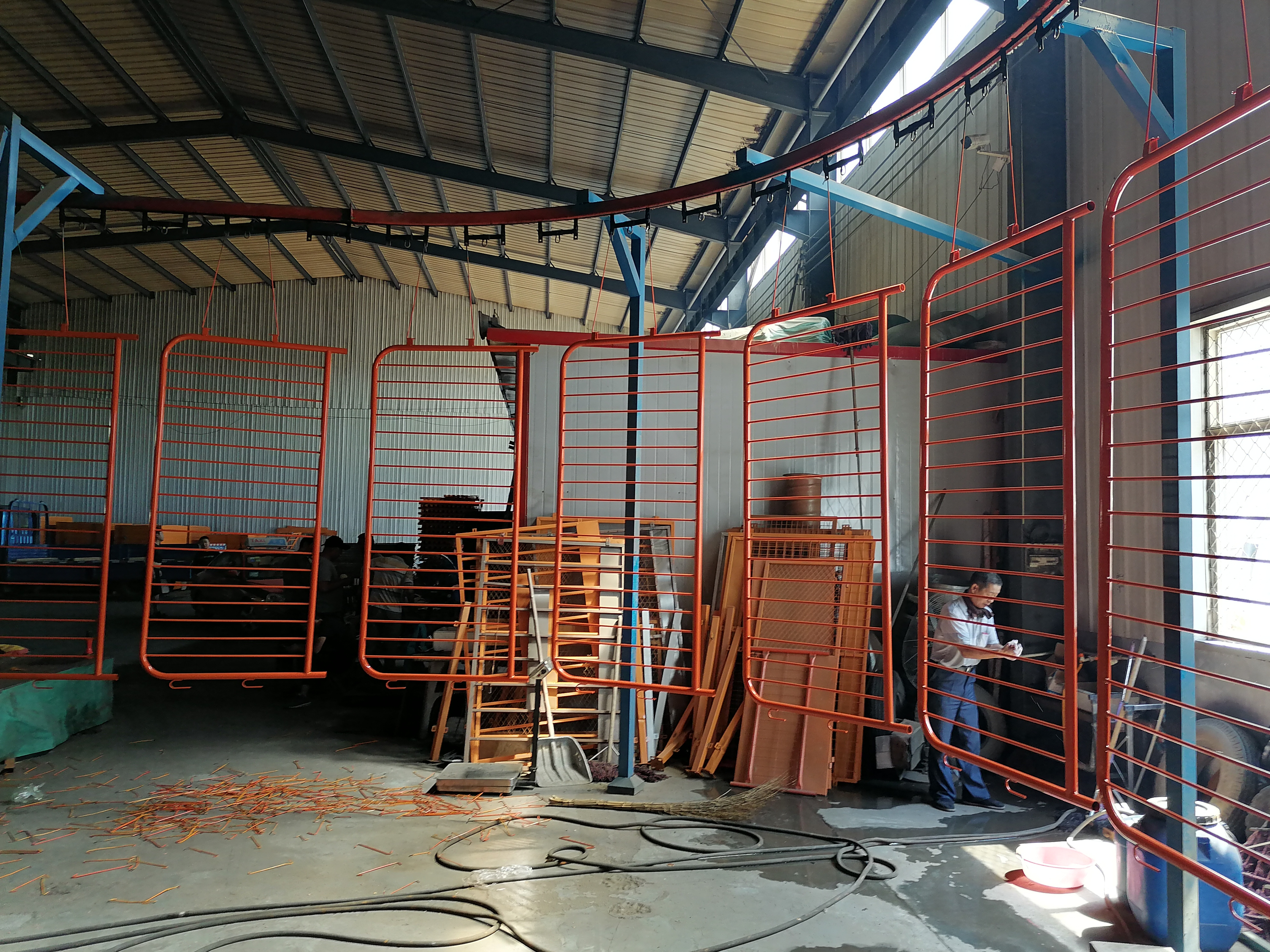
The barrier surface is protected through galvanized and/or coated finishing options, with powder coating available where a cleaner appearance or additional finish protection is required for frequent stacking and transport.
For Canadian buyers who manage multiple venues or recurring events, the system is built around practical deployment: standardized heights and widths for planning, a flat steel base option for stability, and multiple foot types—wheel feet, bridge feet, and V feet—so the same program can adapt to indoor floors, asphalt, compacted ground, or high-traffic entrances without redesigning your entire layout.
Specifications Crowd Control Barriers Canada
Table 1: POLYMETAL Galvanized Crowd Control Barriers Canada– Standard Series (10 Specs)
| Model | Height (m) | Width (m) | Frame Tube (mm) | Frame Wall (mm) | Upright Tube OD (mm) | Upright Thick (mm) | Spacing (mm) | Foot Type | Flat Steel (mm) |
|---|---|---|---|---|---|---|---|---|---|
| GCC-S01 | 1.00 | 2.00 | 25 | 1.5 | 16 | 0.8 | 150 | Bridge feet | 580×50×10 |
| GCC-S02 | 1.00 | 2.20 | 32 | 1.5 | 19 | 0.8 | 100 | V feet | 580×50×10 |
| GCC-S03 | 1.00 | 2.50 | 32 | 1.6 | 16 | 1.0 | 150 | Bridge feet | 580×50×10 |
| GCC-S04 | 1.00 | 2.60 | 35 | 1.6 | 19 | 0.7 | 200 | Wheel feet | 580×50×10 |
| GCC-S05 | 1.06 | 2.00 | 25 | 1.6 | 16 | 0.8 | 100 | V feet | 580×50×10 |
| GCC-S06 | 1.06 | 2.20 | 32 | 1.6 | 12 | 1.0 | 150 | Bridge feet | 580×50×10 |
| GCC-S07 | 1.06 | 2.50 | 35 | 1.5 | 16 | 1.0 | 90 | Bridge feet | 580×50×10 |
| GCC-S08 | 1.06 | 2.60 | 38 | 1.5 | 19 | 0.8 | 150 | Wheel feet | 580×50×10 |
| GCC-S09 | 1.10 | 2.20 | 32 | 1.6 | 16 | 0.8 | 200 | V feet | 580×50×10 |
| GCC-S10 | 1.10 | 2.50 | 35 | 1.6 | 19 | 1.0 | 150 | Bridge feet | 580×50×10 |
Table 2: POLYMETAL Galvanized Crowd Control Fence – High-Stability Series (10 Specs)
| Model | Height (m) | Width (m) | Frame Tube (mm) | Frame Wall (mm) | Upright Tube OD (mm) | Upright Thick (mm) | Spacing (mm) | Foot Type | Flat Steel (mm) |
|---|---|---|---|---|---|---|---|---|---|
| GCC-H01 | 1.10 | 2.00 | 35 | 2.0 | 19 | 1.0 | 100 | Bridge feet | 580×50×10 |
| GCC-H02 | 1.10 | 2.20 | 38 | 2.0 | 19 | 1.2 | 100 | V feet | 580×50×10 |
| GCC-H03 | 1.10 | 2.50 | 35 | 2.0 | 16 | 1.2 | 150 | Bridge feet | 580×50×10 |
| GCC-H04 | 1.10 | 2.60 | 38 | 2.0 | 16 | 1.0 | 90 | Bridge feet | 580×50×10 |
| GCC-H05 | 1.20 | 2.00 | 35 | 2.0 | 19 | 1.2 | 150 | V feet | 580×50×10 |
| GCC-H06 | 1.20 | 2.20 | 38 | 2.0 | 12 | 1.2 | 100 | Bridge feet | 580×50×10 |
| GCC-H07 | 1.20 | 2.50 | 35 | 2.0 | 16 | 1.0 | 200 | Wheel feet | 580×50×10 |
| GCC-H08 | 1.20 | 2.60 | 38 | 2.0 | 19 | 1.0 | 150 | Bridge feet | 580×50×10 |
| GCC-H09 | 1.06 | 2.20 | 35 | 2.0 | 16 | 1.2 | 100 | V feet | 580×50×10 |
| GCC-H10 | 1.06 | 2.50 | 38 | 2.0 | 19 | 1.0 | 150 | Bridge feet | 580×50×10 |
Table 3: POLYMETAL Crowd Control Barriers Canada – Heavy-Duty Series (10 Specs)
| Model | Height (m) | Width (m) | Frame Tube (mm) | Frame Wall (mm) | Upright Tube OD (mm) | Upright Thick (mm) | Spacing (mm) | Foot Type | Flat Steel (mm) |
|---|---|---|---|---|---|---|---|---|---|
| GCC-D01 | 1.00 | 2.00 | 35 | 2.0 | 19 | 1.2 | 90 | Bridge feet | 580×50×10 |
| GCC-D02 | 1.00 | 2.20 | 38 | 2.0 | 16 | 1.2 | 100 | V feet | 580×50×10 |
| GCC-D03 | 1.00 | 2.50 | 38 | 2.0 | 19 | 1.0 | 150 | Bridge feet | 580×50×10 |
| GCC-D04 | 1.00 | 2.60 | 35 | 2.0 | 16 | 1.0 | 200 | Wheel feet | 580×50×10 |
| GCC-D05 | 1.06 | 2.00 | 35 | 2.0 | 12 | 1.2 | 150 | Bridge feet | 580×50×10 |
| GCC-D06 | 1.06 | 2.20 | 38 | 2.0 | 19 | 1.0 | 100 | V feet | 580×50×10 |
| GCC-D07 | 1.06 | 2.50 | 35 | 2.0 | 16 | 1.2 | 90 | Bridge feet | 580×50×10 |
| GCC-D08 | 1.06 | 2.60 | 38 | 2.0 | 19 | 1.2 | 150 | Wheel feet | 580×50×10 |
| GCC-D09 | 1.10 | 2.20 | 35 | 2.0 | 12 | 1.0 | 200 | Bridge feet | 580×50×10 |
| GCC-D10 | 1.20 | 2.50 | 38 | 2.0 | 19 | 1.2 | 100 | V feet | 580×50×10 |
Table 4: POLYMETAL Crowd Control Barriers – Event Rapid-Deploy Series (10 Specs)
| Model | Height (m) | Width (m) | Frame Tube (mm) | Frame Wall (mm) | Upright Tube OD (mm) | Upright Thick (mm) | Spacing (mm) | Foot Type | Flat Steel (mm) |
|---|---|---|---|---|---|---|---|---|---|
| GCC-R01 | 1.00 | 2.00 | 25 | 1.5 | 12 | 0.8 | 100 | Wheel feet | 580×50×10 |
| GCC-R02 | 1.00 | 2.20 | 32 | 1.5 | 16 | 0.8 | 150 | Wheel feet | 580×50×10 |
| GCC-R03 | 1.00 | 2.50 | 32 | 1.6 | 12 | 1.0 | 200 | Wheel feet | 580×50×10 |
| GCC-R04 | 1.00 | 2.60 | 35 | 1.6 | 16 | 0.7 | 150 | Wheel feet | 580×50×10 |
| GCC-R05 | 1.06 | 2.00 | 25 | 1.6 | 16 | 0.8 | 90 | Wheel feet | 580×50×10 |
| GCC-R06 | 1.06 | 2.20 | 32 | 1.6 | 19 | 0.8 | 100 | Wheel feet | 580×50×10 |
| GCC-R07 | 1.10 | 2.20 | 32 | 1.6 | 16 | 1.0 | 150 | Wheel feet | 580×50×10 |
| GCC-R08 | 1.10 | 2.50 | 35 | 1.6 | 19 | 0.8 | 90 | Wheel feet | 580×50×10 |
| GCC-R09 | 1.20 | 2.50 | 35 | 1.6 | 16 | 1.0 | 100 | Wheel feet | 580×50×10 |
| GCC-R10 | 1.20 | 2.60 | 38 | 1.6 | 19 | 1.0 | 150 | Wheel feet | 580×50×10 |
Table 5: POLYMETAL Crowd Control Barriers Canada – Premium Finish Series (10 Specs)
| Model | Height (m) | Width (m) | Frame Tube (mm) | Frame Wall (mm) | Upright Tube OD (mm) | Upright Thick (mm) | Spacing (mm) | Foot Type | Flat Steel (mm) |
|---|---|---|---|---|---|---|---|---|---|
| GCC-P01 | 1.00 | 2.00 | 32 | 1.5 | 19 | 0.8 | 100 | Bridge feet | 580×50×10 |
| GCC-P02 | 1.00 | 2.20 | 35 | 1.6 | 16 | 1.0 | 150 | V feet | 580×50×10 |
| GCC-P03 | 1.00 | 2.50 | 38 | 1.6 | 19 | 1.0 | 90 | Bridge feet | 580×50×10 |
| GCC-P04 | 1.00 | 2.60 | 38 | 2.0 | 16 | 1.2 | 100 | Bridge feet | 580×50×10 |
| GCC-P05 | 1.06 | 2.00 | 32 | 1.6 | 16 | 0.8 | 150 | V feet | 580×50×10 |
| GCC-P06 | 1.06 | 2.20 | 35 | 1.5 | 19 | 0.8 | 200 | Bridge feet | 580×50×10 |
| GCC-P07 | 1.10 | 2.20 | 35 | 1.6 | 12 | 1.2 | 150 | V feet | 580×50×10 |
| GCC-P08 | 1.10 | 2.50 | 38 | 2.0 | 19 | 1.2 | 100 | Bridge feet | 580×50×10 |
| GCC-P09 | 1.20 | 2.50 | 35 | 2.0 | 16 | 1.0 | 90 | Bridge feet | 580×50×10 |
| GCC-P10 | 1.20 | 2.60 | 38 | 2.0 | 19 | 1.2 | 150 | V feet | 580×50×10 |
Applications in Canada
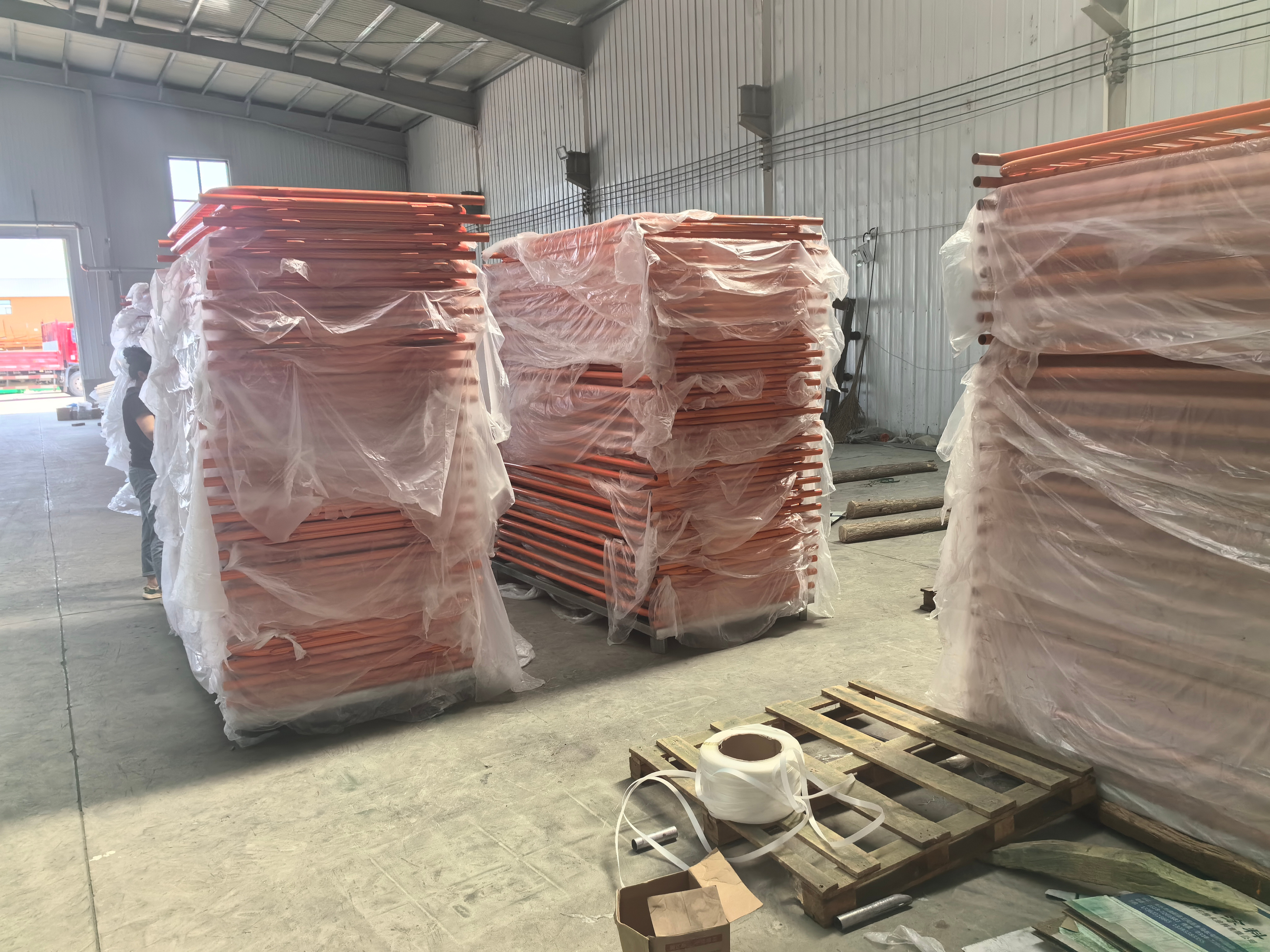
POLYMETAL crowd control barriers are widely used across Canadian venues and job sites for entry queues, controlled exits, ticketing lanes, retail line management, construction site pedestrian detours, loading bay separation, temporary restricted-access perimeters, and emergency response routing. They are also commonly deployed in stadium concourses, festivals, parades, and municipal events where clean crowd flow reduces risk and improves the visitor experience.

Benefits
POLYMETAL barriers are built to keep lines straight, deployment fast, and on-site uncertainty low. Welded construction improves rigidity under everyday pressure, while consistent tube sizing and spacing helps buyers standardize layouts across multiple locations.
The flat steel base option supports stable placement, and choosing between wheel feet, bridge feet, or V feet allows your team to match the barrier program to real surfaces and movement patterns.
Surface protection helps maintain a professional appearance across repeated stacking cycles, reducing the visible “warehouse wear” that makes many barrier programs look old too soon.

Packing Crowd Control Barriers Canada
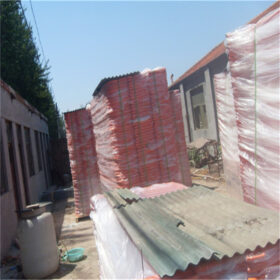
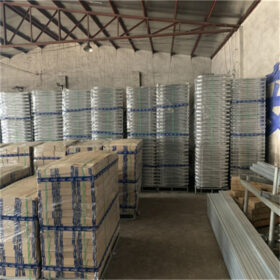
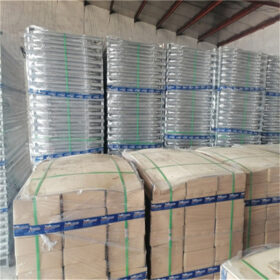
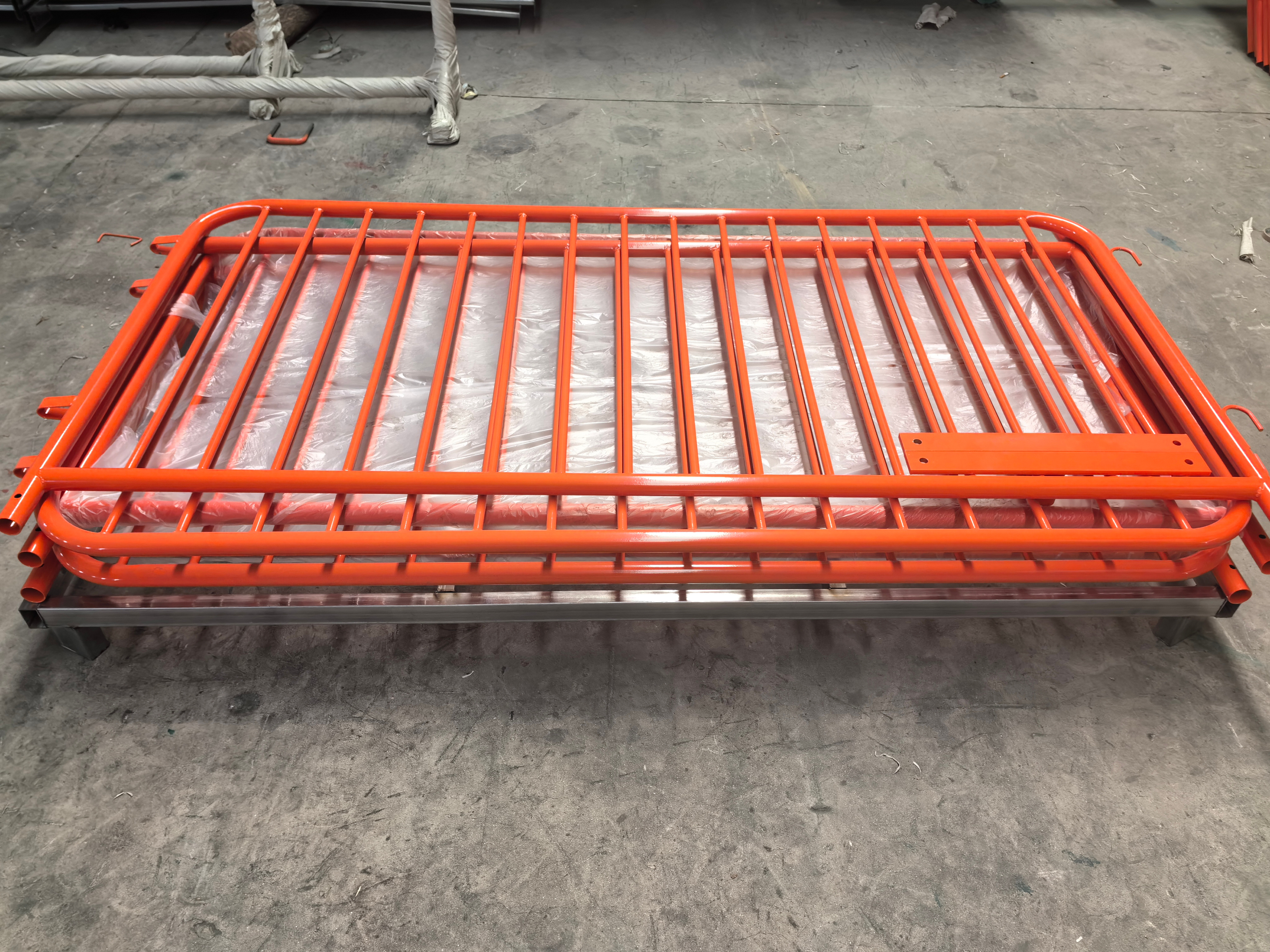
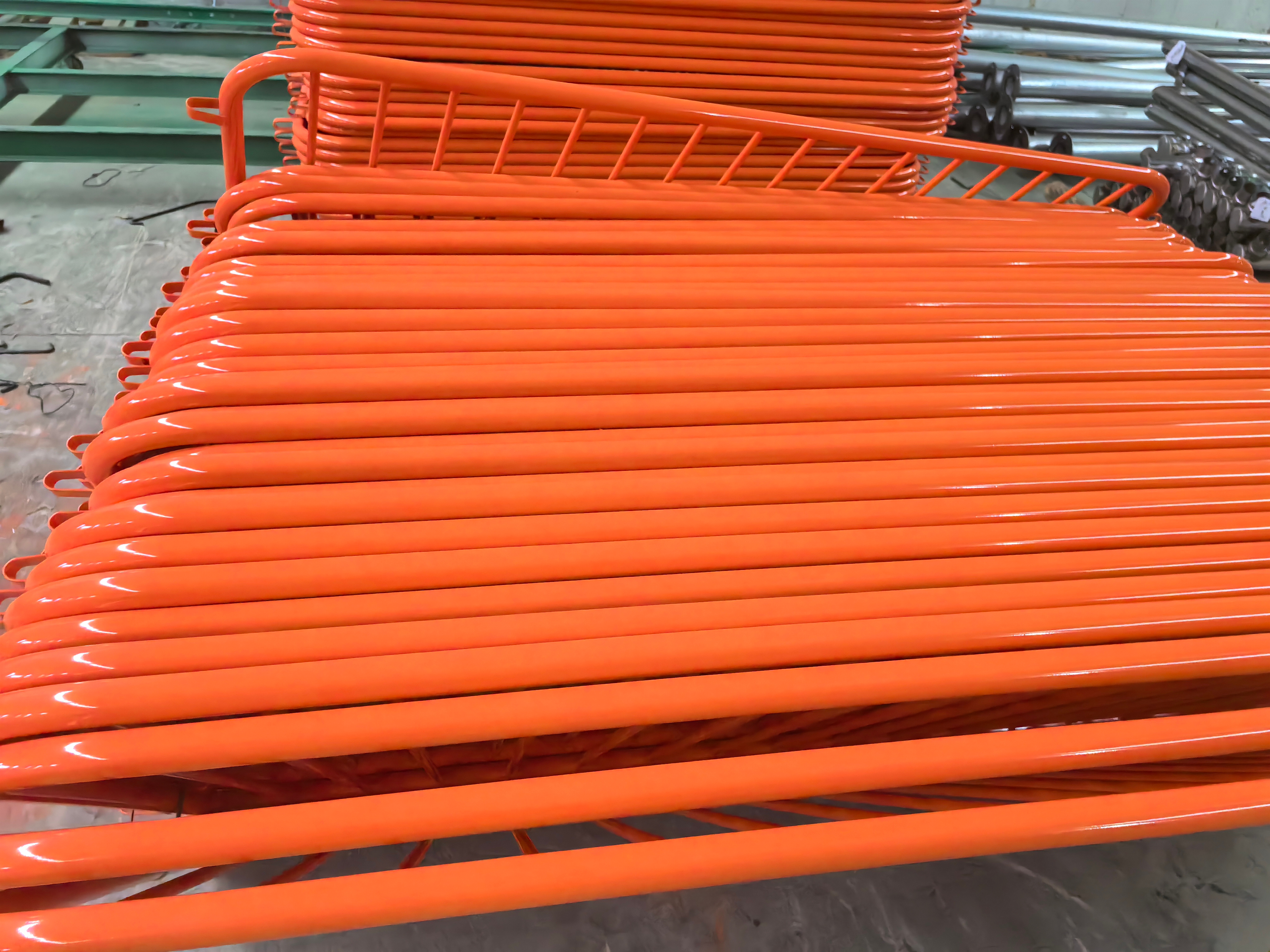
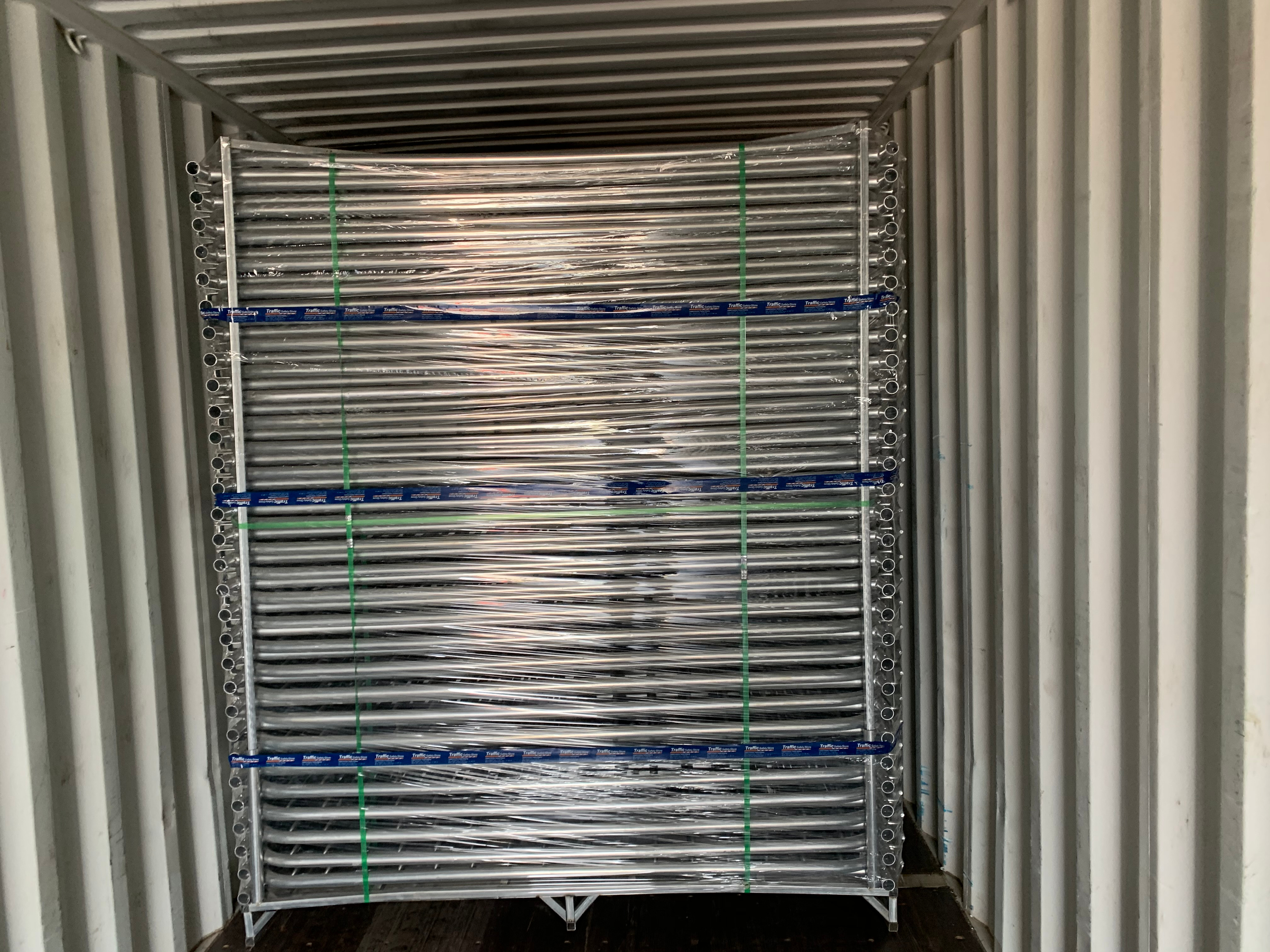
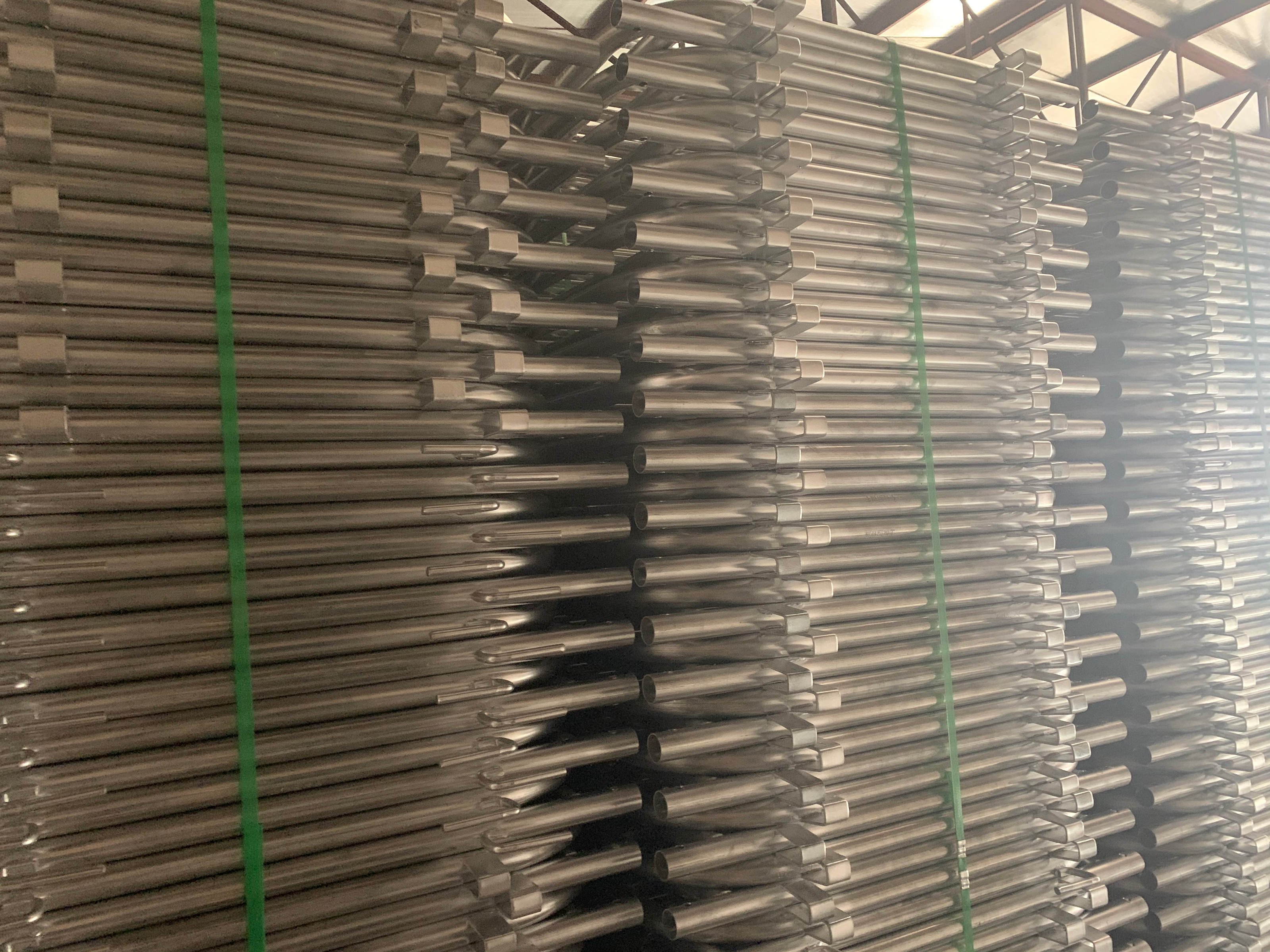
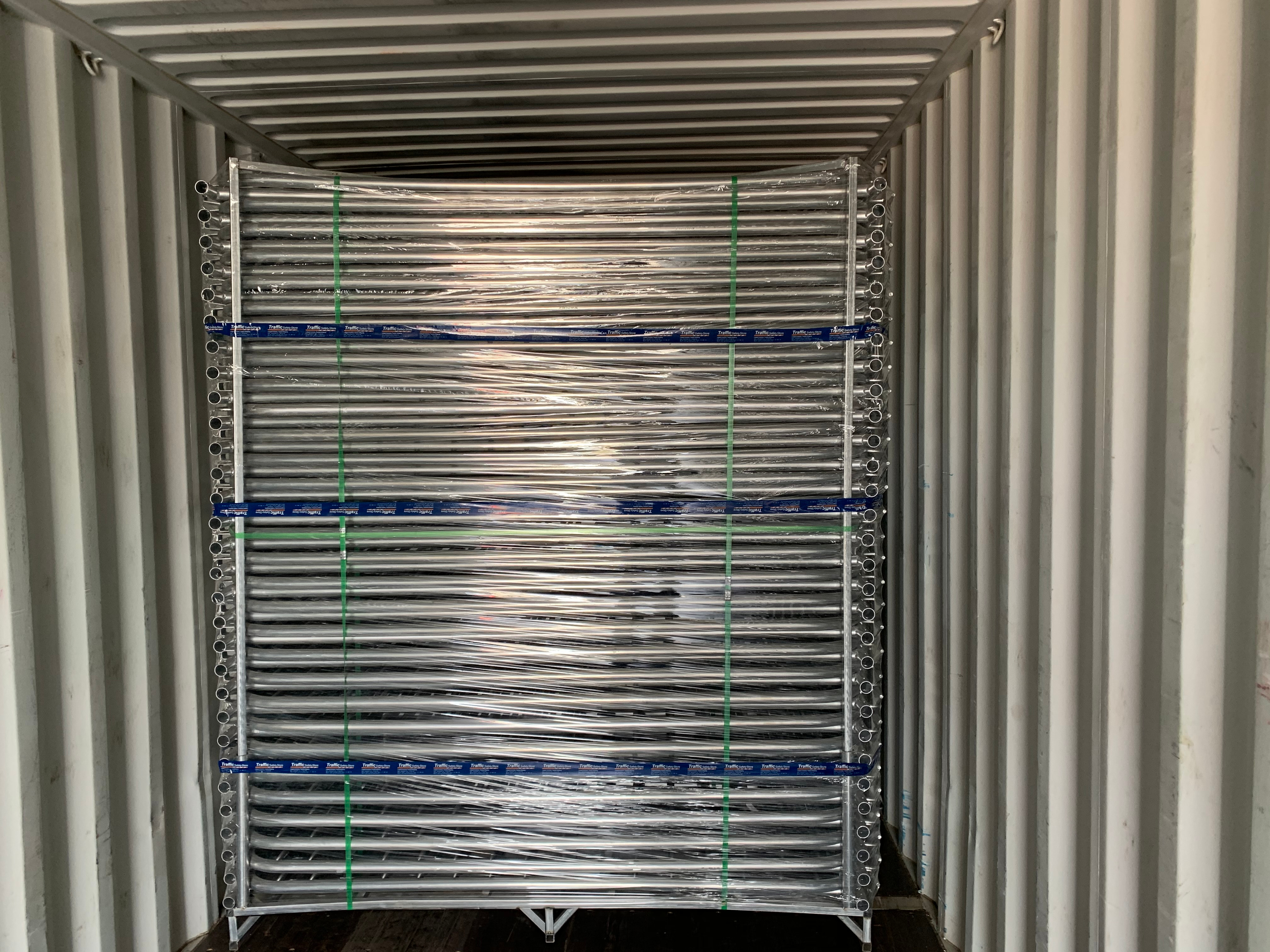
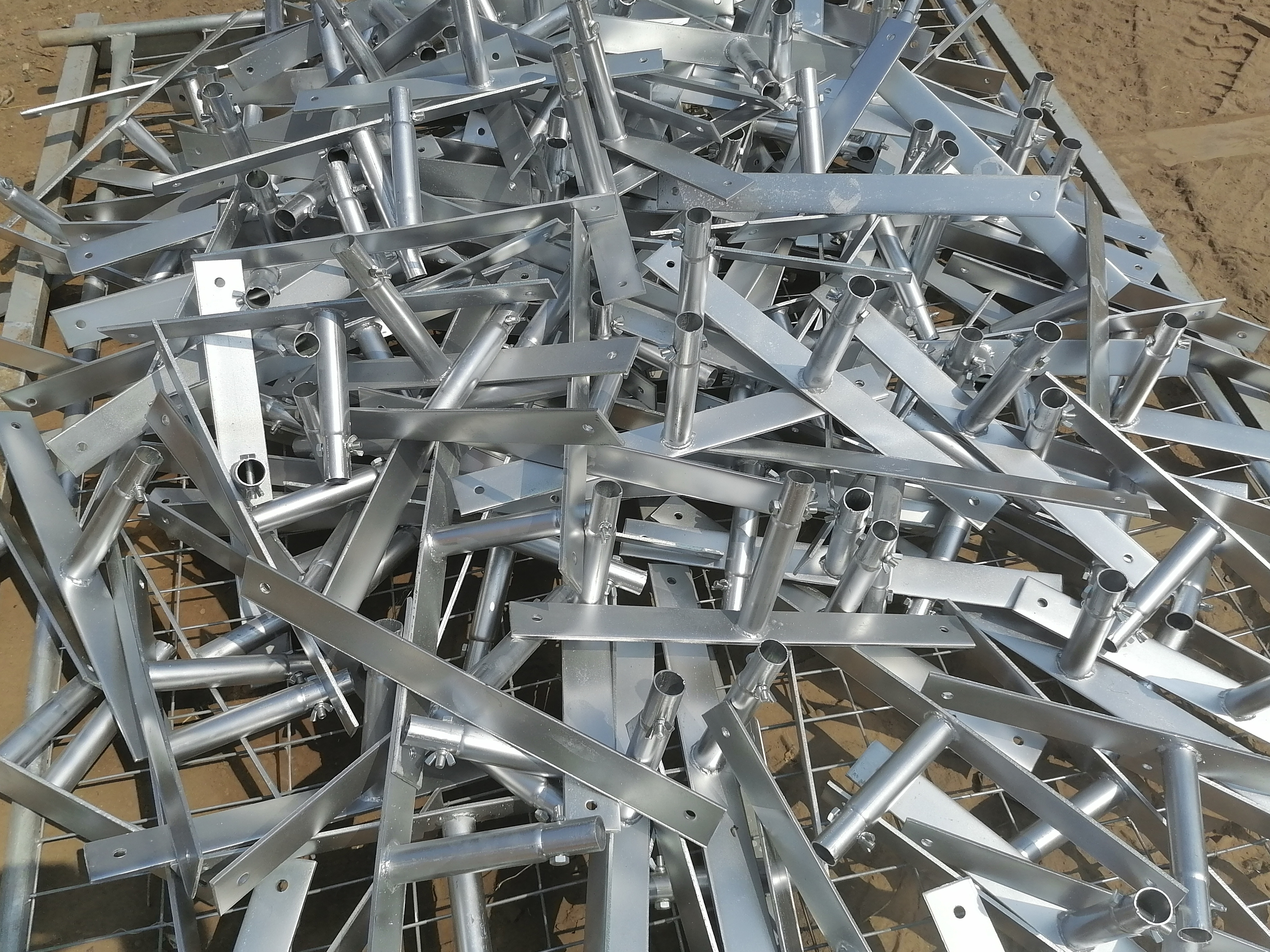
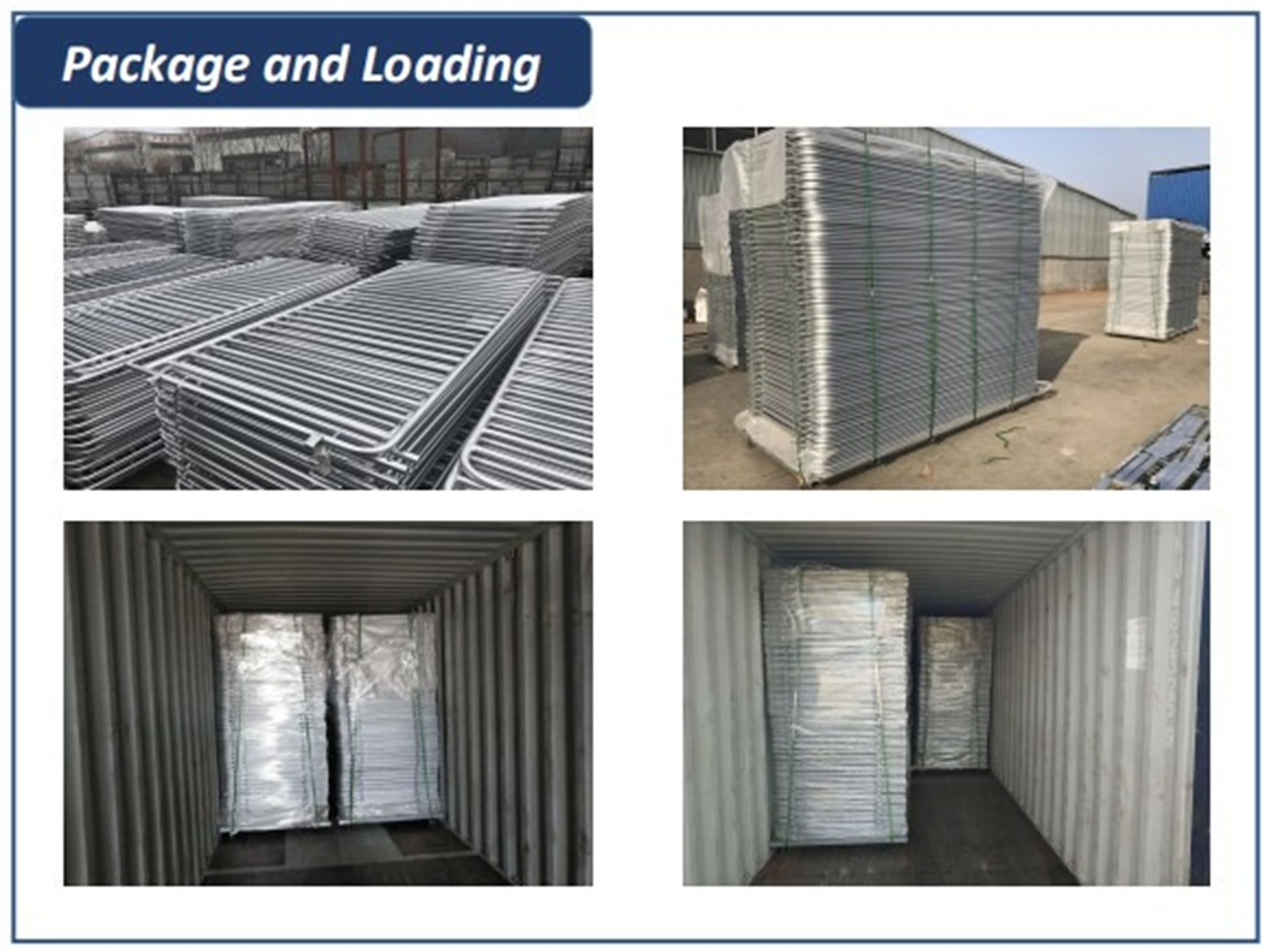
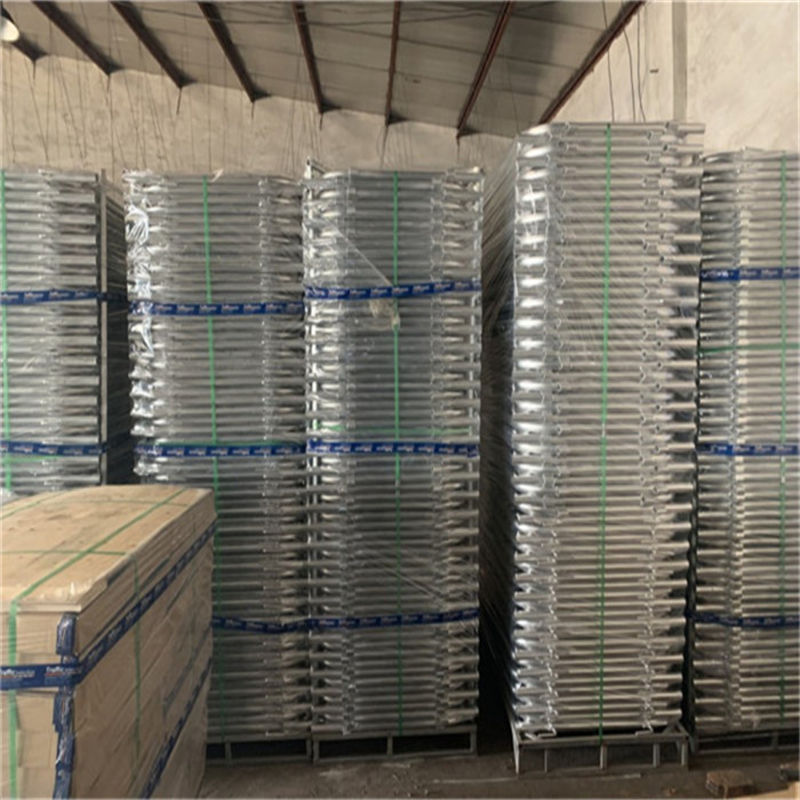
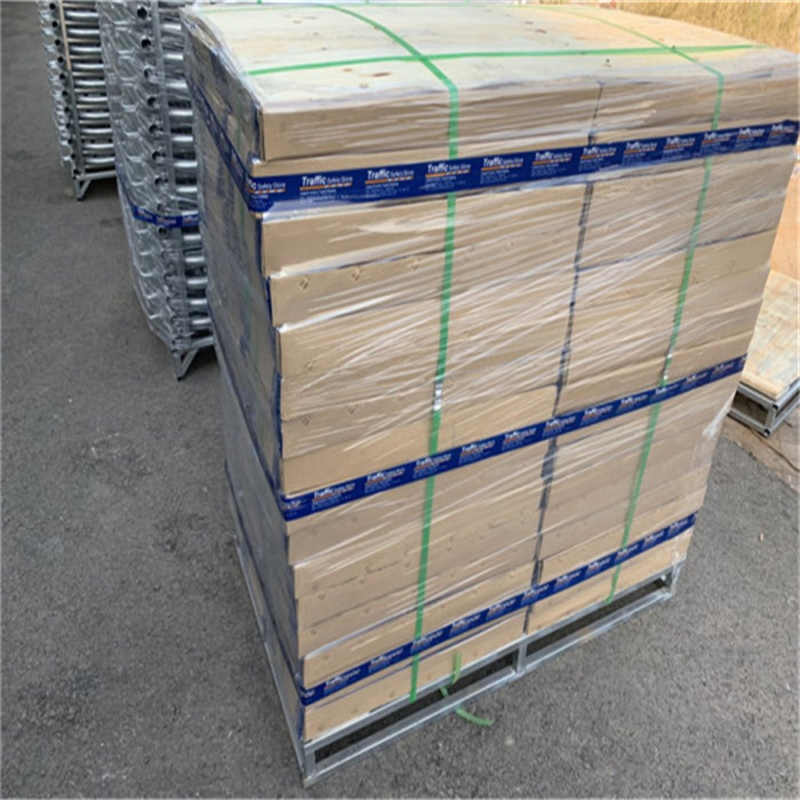
POLYMETAL typically palletizes Crowd Control Barriers Canada for forklift handling and stabilizes loads to reduce impact damage during loading and unloading. Panels are commonly stacked with protective separation so the finish is less likely to rub during transit. Feet and components can be organized to simplify on-site counting, which helps crews confirm quantities quickly and reduces costly “missing parts” stoppages on deployment day. For mixed-size orders, clear labeling by zone or run helps avoid the classic error where the wrong panel is sent to the wrong location.



Standards and Compliance
POLYMETAL supports common procurement documentation requests such as ISO9001 quality management. Where required by destination and project documentation, RoHS and CE documentation may be provided, and ASTM-related testing documentation can be discussed based on the exact configuration and tender needs. For Canada, the most important step is aligning the documentation pack with your procurement checklist before dispatch so receiving and deployment do not stall.
To support technical discussions during procurement—especially when buyers ask about base material and structural strength—POLYMETAL can also reference common steel grades used in barrier manufacturing, such as Q235 steel, so your team can align material expectations with project requirements and tender specifications.


Top 22 Pitfalls You Don’t Know About Crowd Control Barriers Canada (Especially #17)
Pitfall #1: Buying by photo instead of tube size
Two barriers can look identical online while using different frame tube diameters or wall thickness, and the weaker option shows up later as bending and repairs.
Pitfall #2: Ignoring wall thickness when you redeploy often
If your team stacks and transports barriers weekly, thin walls can dent easily and destroy straight lines.
Pitfall #3: Choosing upright OD without considering impact
Uprights take hits during handling; selecting the right OD and thickness reduces deformation and rework.
Pitfall #4: Picking spacing that doesn’t match your risk level
Wider spacing may be fine for guidance, but tighter spacing can reduce squeeze-through in higher-pressure areas.
Pitfall #5: Forgetting the flat steel requirement
If your site spec calls for 580×50×10 mm flat steel and you don’t confirm it, acceptance can fail at delivery.
Pitfall #6: Underestimating base selection
The wrong foot type creates wobble, shifting lines, and complaints even when the panel itself is strong.
Pitfall #7: Ordering one height for a multi-zone venue
Entrances, VIP lines, staff areas, and exits often need different heights for visibility and control.
Pitfall #8: Overlooking width planning
If widths don’t fit your venue geometry, you get gaps, overlaps, and chaotic choke points.
Pitfall #9: Assuming every barrier stacks cleanly
Poor stacking geometry increases scratches and accelerates cosmetic damage.
Pitfall #10: Treating coating as “just color”
Finish quality impacts rust resistance and safety; chips lead to sharp edges and ugly rust spots.
Pitfall #11: Not defining a receiving checklist
If you don’t check for bent frames and missing feet at arrival, your event day becomes the discovery moment.
Pitfall #12: Buying without a spare strategy
A small number of spare panels prevents one damaged unit from breaking an entire run.
Pitfall #13: Forgetting warehouse reality
Storage footprint and stack stability affect long-term costs and day-to-day handling speed.
Pitfall #14: Not planning for Canadian weather exposure
Moisture, grit, and freeze-thaw cycles punish low-quality finishing and poor handling protection.
Pitfall #15: Mixing specs across orders
If you reorder later with different tube sizes or spacing, compatibility and appearance become inconsistent.
Pitfall #16: Not labeling by run for mixed-size orders
When crews guess which panel goes where, you waste labor and create layout errors.
Pitfall #17: Choosing the wrong feet type—and paying for it twice
This is the one that quietly drains budgets. If you select the wrong base (wheel feet vs bridge feet vs V feet), the line can become unstable, create trip risks, and shift under pressure. That triggers damage claims, emergency fixes, and a second purchase to correct what should have been right from the start. Match feet to your surface, movement frequency, and expected lateral force, or you risk losses that don’t show up until deployment day.
Pitfall #18: Ignoring crowd pressure direction
Some sites push laterally; stability needs change when pressure hits from the side.
Pitfall #19: Overlooking connection consistency
If connection points vary between batches, setup slows down and crews fight alignment.
Pitfall #20: Not aligning finish with your brand image
A professional venue needs barriers that look clean, not scuffed; finish protection matters.
Pitfall #21: Forgetting procurement documentation timing
If ISO9001/RoHS/CE/ASTM documents are requested late, approvals delay shipping and receiving.
Pitfall #22: Missing holiday logistics planning
Shipping schedules, receiving labor, and banking delays can stack together and derail timelines.


FAQs Crowd Control Barriers Canada
Which size is most common for crowd control barriers Canada deployments?
Many Canadian buyers standardize a core set of heights (1.0 m, 1.06 m, 1.1 m, 1.2 m) and widths (2.0 m, 2.2 m, 2.5 m, 2.6 m) so layouts stay consistent across venues.
How do I choose frame tube and wall thickness?
If barriers are transported and redeployed frequently, stronger tube sizes and thicker walls help reduce bending and long-term replacement costs. The best choice depends on handling intensity and expected crowd pressure.
What spacing should I use?
Spacing options such as 90 mm, 100 mm, 150 mm, and 200 mm should match your control level and safety expectations. Tighter spacing can reduce squeeze-through attempts in higher-control zones.
Which feet type should I select?
Wheel feet support frequent repositioning; bridge feet and V feet are often preferred for stable long runs and resistance to shifting. The right answer depends on surface conditions and how often you change the layout.
How does packing help prevent damage?
Protective separation, stable palletizing, and organized components reduce finish rubbing, missing parts, and unloading damage—three of the biggest hidden cost drivers in barrier programs.