Your One-Stop Wire Mesh Fence Supplier | POLYMETAL
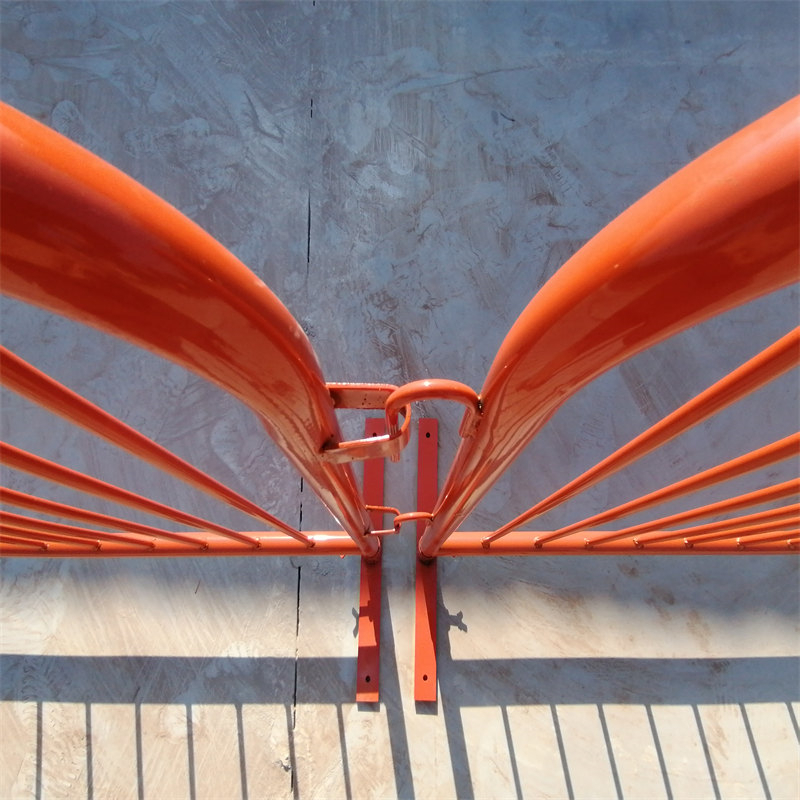
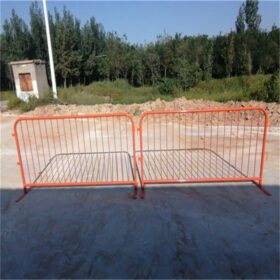
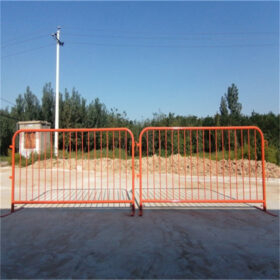
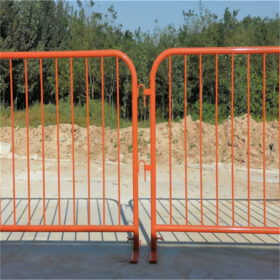
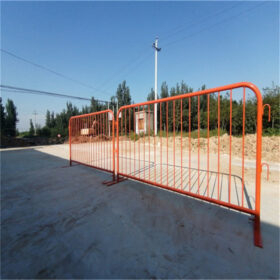
When you search for crowd control barriers for sale, the biggest danger is not the price you see on the screen, but the hidden details you don’t notice until something bends, collapses or injures a visitor. The right barrier system protects your event, brand and profit; the wrong one quietly builds up risk, repair bills and complaints.
Technical specifications for crowd control barriers for sale
Below are example specifications for three common series of Q235 steel crowd control barriers. Each specification includes height, width, upright tube OD (12, 16 or 19 mm), wall thickness, frame size OD (25, 32 or 38 mm) with thickness and upright spacing so you can match the right Q235 steel model to each project.
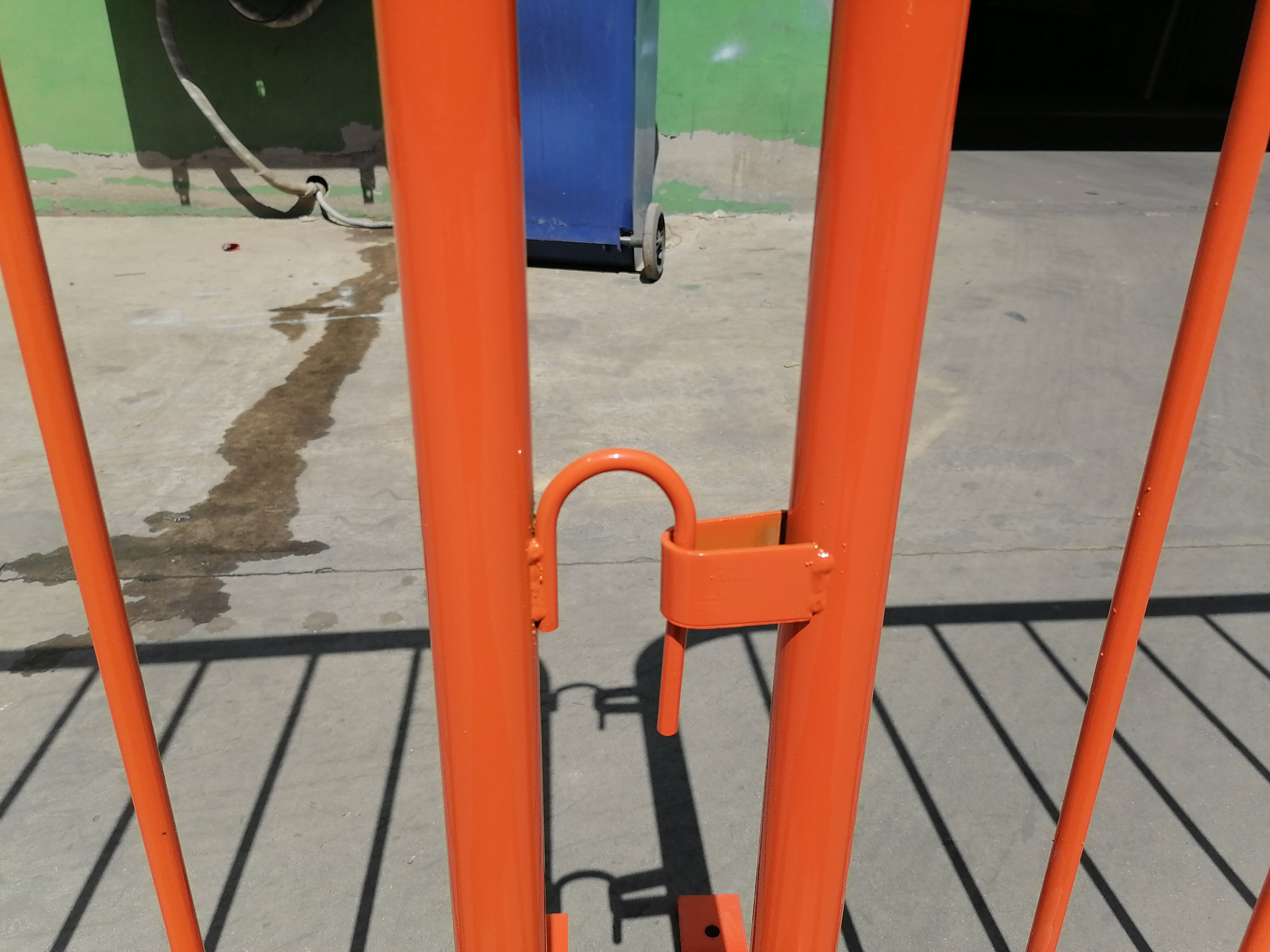
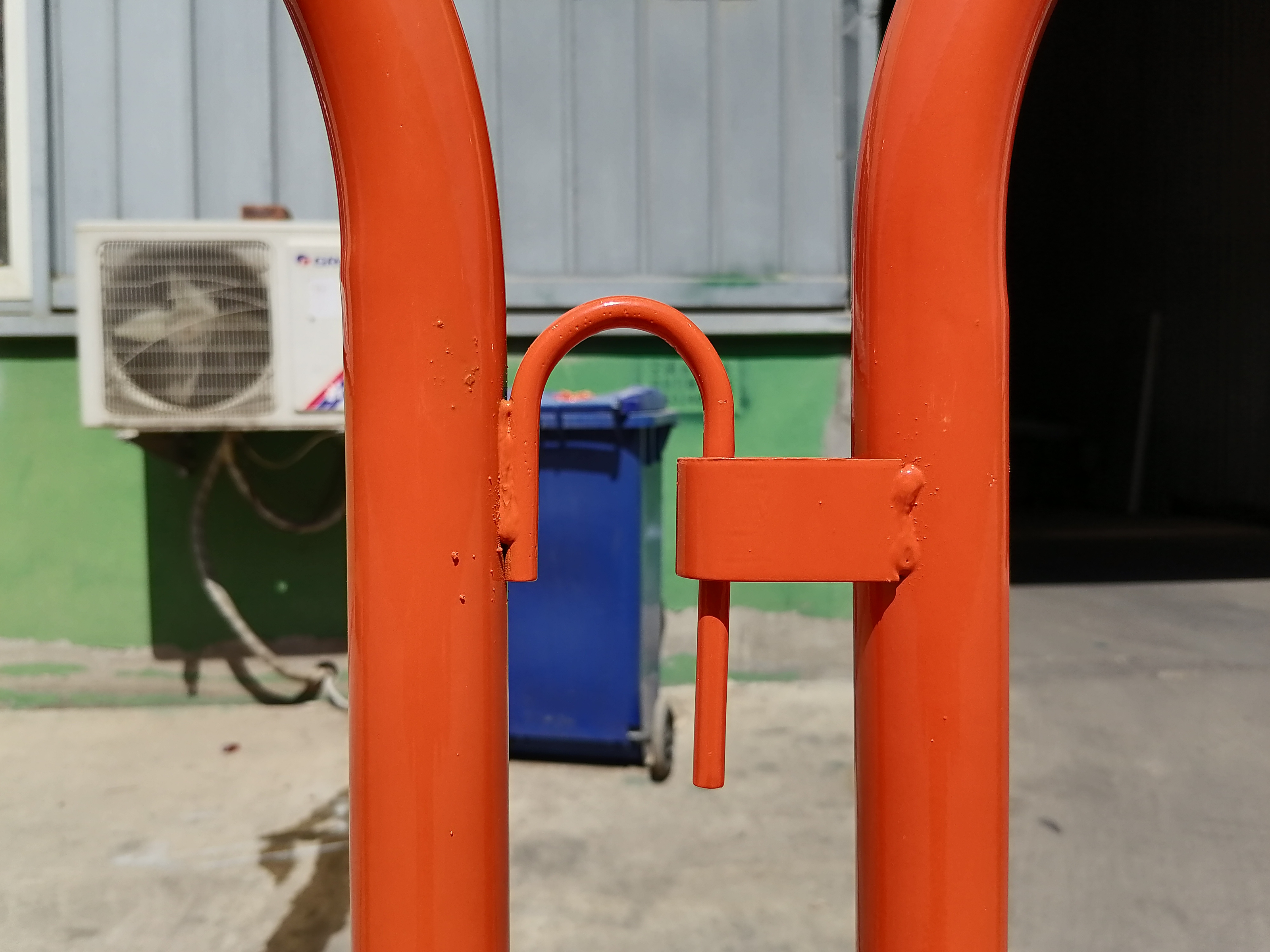
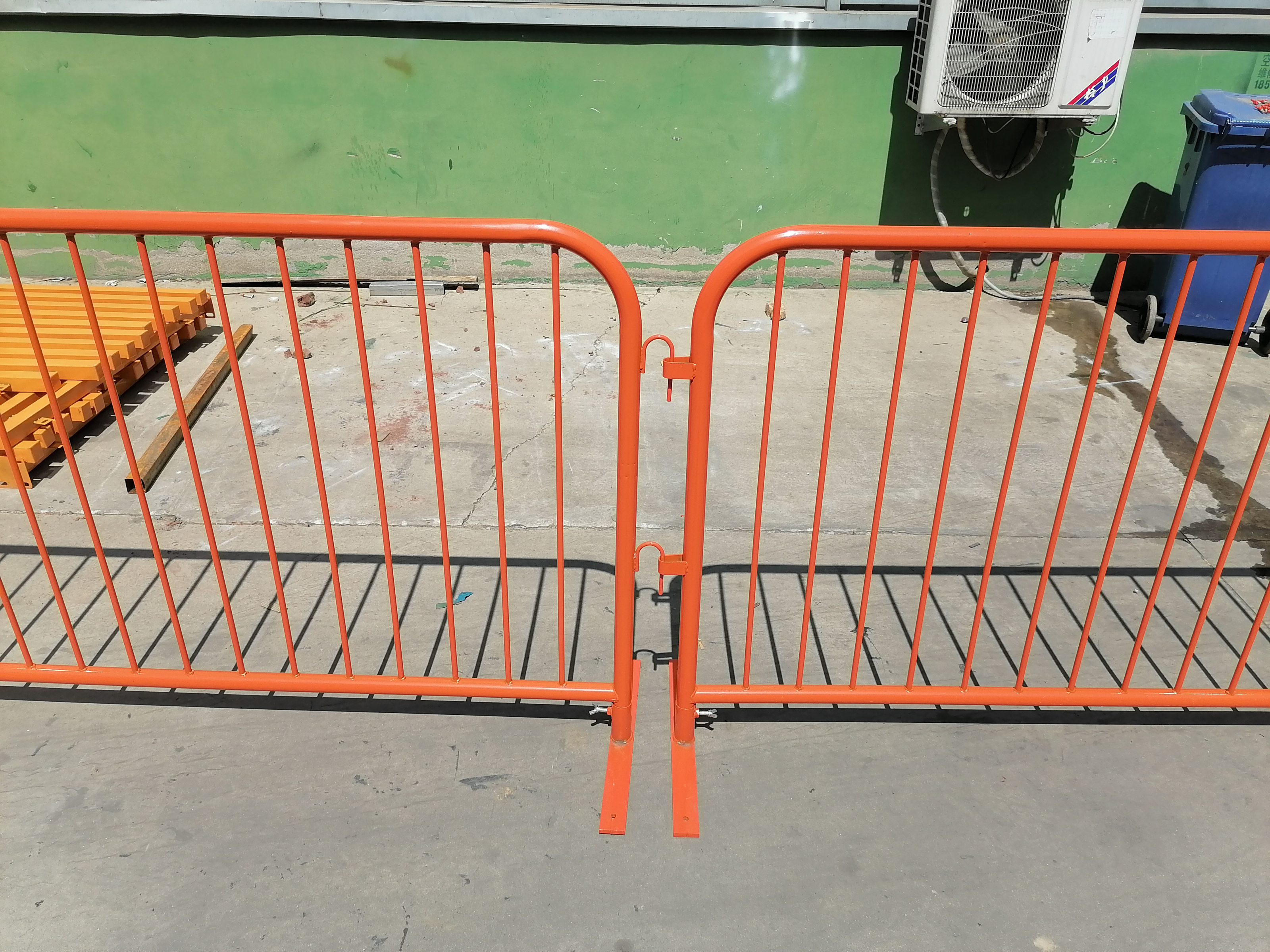
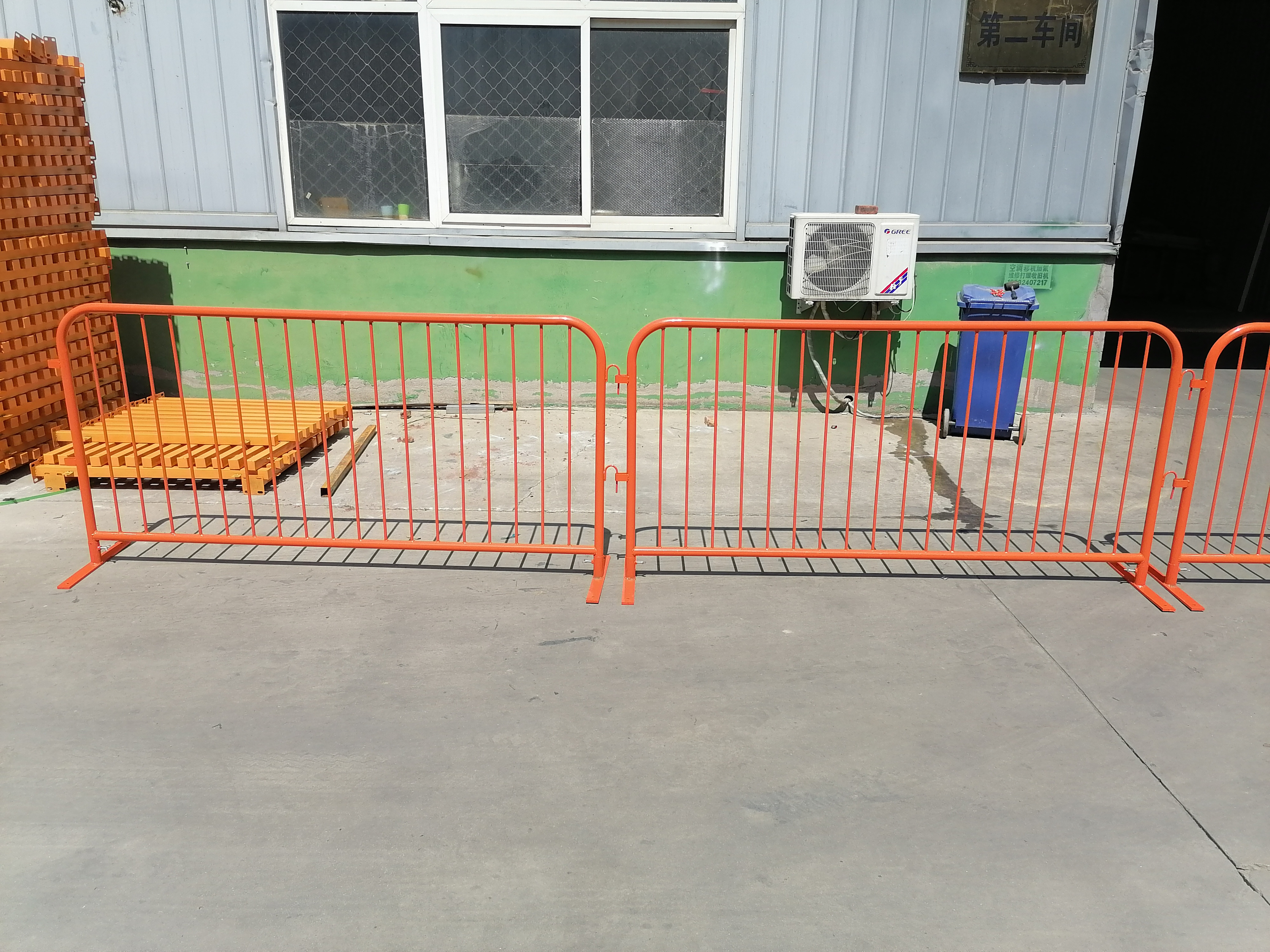
Series A – Standard crowd control barrier specifications
| Model | Height (mm) | Width (mm) | Upright tube OD (mm) | Upright wall thickness (mm) | Frame OD (mm) | Frame wall thickness (mm) | Upright spacing (mm) |
|---|---|---|---|---|---|---|---|
| CCB-A1001 | 1100 | 2000 | 16 | 1.2 | 25 | 1.5 | 110 |
| CCB-A1002 | 1100 | 2100 | 16 | 1.2 | 25 | 1.5 | 120 |
| CCB-A1003 | 1100 | 2200 | 16 | 1.2 | 25 | 1.8 | 110 |
| CCB-A1004 | 1100 | 2300 | 16 | 1.2 | 25 | 1.8 | 120 |
| CCB-A1005 | 1100 | 2400 | 16 | 1.5 | 25 | 1.8 | 100 |
| CCB-A1006 | 1100 | 2000 | 12 | 1.2 | 32 | 1.5 | 90 |
| CCB-A1007 | 1100 | 2100 | 12 | 1.2 | 32 | 1.8 | 100 |
| CCB-A1008 | 1100 | 2200 | 12 | 1.5 | 32 | 1.8 | 110 |
| CCB-A1009 | 1100 | 2300 | 16 | 1.5 | 32 | 1.8 | 120 |
| CCB-A1010 | 1100 | 2400 | 16 | 1.5 | 32 | 2.0 | 120 |
| CCB-A1011 | 1100 | 2000 | 19 | 1.2 | 25 | 1.8 | 100 |
| CCB-A1012 | 1100 | 2100 | 19 | 1.5 | 25 | 1.8 | 110 |
| CCB-A1013 | 1100 | 2200 | 19 | 1.5 | 32 | 2.0 | 100 |
| CCB-A1014 | 1100 | 2300 | 16 | 1.5 | 25 | 2.0 | 90 |
| CCB-A1015 | 1100 | 2400 | 12 | 1.2 | 25 | 1.5 | 90 |
Series B – Heavy-duty crowd control barrier specifications
| Model | Height (mm) | Width (mm) | Upright tube OD (mm) | Upright wall thickness (mm) | Frame OD (mm) | Frame wall thickness (mm) | Upright spacing (mm) |
|---|---|---|---|---|---|---|---|
| CCB-B2001 | 1200 | 2000 | 19 | 1.5 | 32 | 2.0 | 90 |
| CCB-B2002 | 1200 | 2100 | 19 | 1.5 | 32 | 2.0 | 100 |
| CCB-B2003 | 1200 | 2200 | 19 | 1.5 | 32 | 2.0 | 110 |
| CCB-B2004 | 1200 | 2300 | 19 | 1.8 | 32 | 2.0 | 100 |
| CCB-B2005 | 1200 | 2400 | 19 | 1.8 | 32 | 2.3 | 110 |
| CCB-B2006 | 1200 | 2500 | 19 | 2.0 | 38 | 2.3 | 120 |
| CCB-B2007 | 1200 | 2600 | 19 | 2.0 | 38 | 2.5 | 120 |
| CCB-B2008 | 1100 | 2200 | 16 | 1.8 | 38 | 2.3 | 100 |
| CCB-B2009 | 1100 | 2300 | 16 | 1.8 | 38 | 2.3 | 110 |
| CCB-B2010 | 1100 | 2400 | 16 | 2.0 | 38 | 2.5 | 110 |
| CCB-B2011 | 1200 | 2000 | 16 | 1.8 | 32 | 2.3 | 90 |
| CCB-B2012 | 1200 | 2100 | 16 | 1.8 | 32 | 2.3 | 100 |
| CCB-B2013 | 1200 | 2200 | 19 | 2.0 | 32 | 2.3 | 90 |
| CCB-B2014 | 1200 | 2300 | 19 | 2.0 | 38 | 2.5 | 100 |
| CCB-B2015 | 1200 | 2400 | 19 | 2.0 | 38 | 2.5 | 110 |
Series C – Compact and wide-span crowd control barrier specifications
| Model | Height (mm) | Width (mm) | Upright tube OD (mm) | Upright wall thickness (mm) | Frame OD (mm) | Frame wall thickness (mm) | Upright spacing (mm) |
|---|---|---|---|---|---|---|---|
| CCB-C3001 | 900 | 1500 | 12 | 1.2 | 25 | 1.5 | 90 |
| CCB-C3002 | 900 | 1800 | 12 | 1.2 | 25 | 1.5 | 100 |
| CCB-C3003 | 1000 | 2000 | 12 | 1.5 | 25 | 1.8 | 110 |
| CCB-C3004 | 1000 | 2200 | 12 | 1.5 | 32 | 1.8 | 120 |
| CCB-C3005 | 1000 | 2400 | 12 | 1.5 | 32 | 2.0 | 130 |
| CCB-C3006 | 1100 | 1500 | 16 | 1.2 | 25 | 1.8 | 90 |
| CCB-C3007 | 1100 | 1800 | 16 | 1.2 | 25 | 1.8 | 100 |
| CCB-C3008 | 1100 | 2000 | 16 | 1.5 | 32 | 2.0 | 110 |
| CCB-C3009 | 1100 | 2200 | 16 | 1.5 | 32 | 2.0 | 120 |
| CCB-C3010 | 1100 | 2400 | 16 | 1.8 | 32 | 2.0 | 130 |
| CCB-C3011 | 900 | 2000 | 19 | 1.2 | 25 | 1.8 | 100 |
| CCB-C3012 | 900 | 2200 | 19 | 1.2 | 25 | 1.8 | 110 |
| CCB-C3013 | 1000 | 2300 | 19 | 1.5 | 32 | 2.0 | 120 |
| CCB-C3014 | 1000 | 2500 | 19 | 1.5 | 32 | 2.0 | 130 |
| CCB-C3015 | 1100 | 2600 | 19 | 1.8 | 38 | 2.3 | 140 |
Why the right crowd control barriers for sale matter more than “cheap price”
Strong, well-designed barriers do three jobs at the same time: they guide people safely, protect restricted zones and show your organisation is professional and prepared. Poor barriers only look similar at a distance; up close, weak tubes, thin frames and bad welding turn into accidents waiting to happen.
Insight #1: A hidden overview that separates safe barriers from dangerous look-alikes
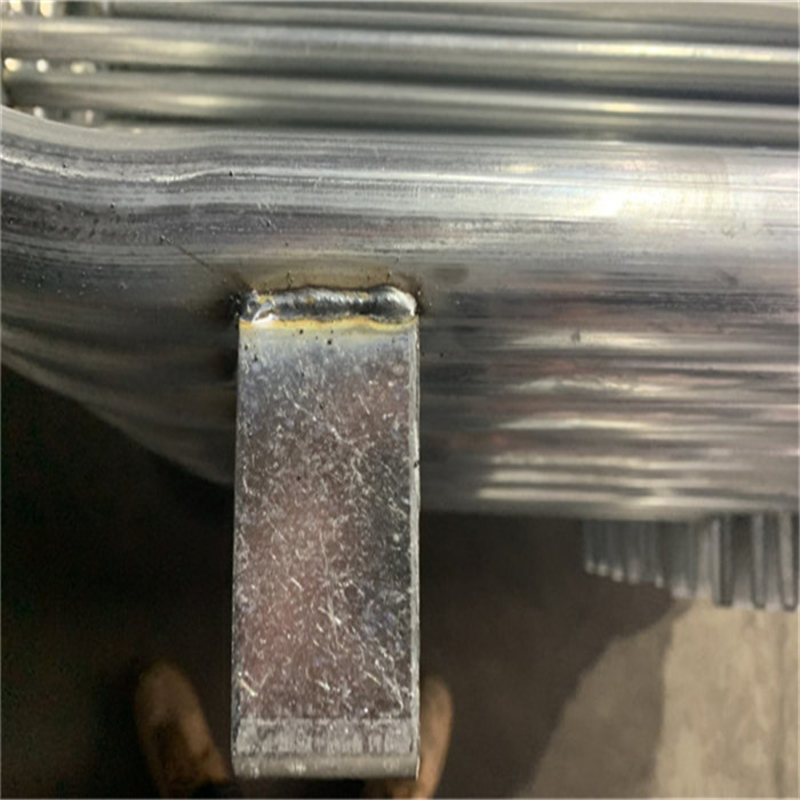
Here is the uncomfortable fact: two barriers with the same height and width can perform completely differently under pressure. The difference is in the upright tube OD, wall thickness, frame OD, welding quality and spacing between uprights. If you ignore these elements when choosing crowd control barriers for sale, you are gambling with crowd behaviour, not managing it.
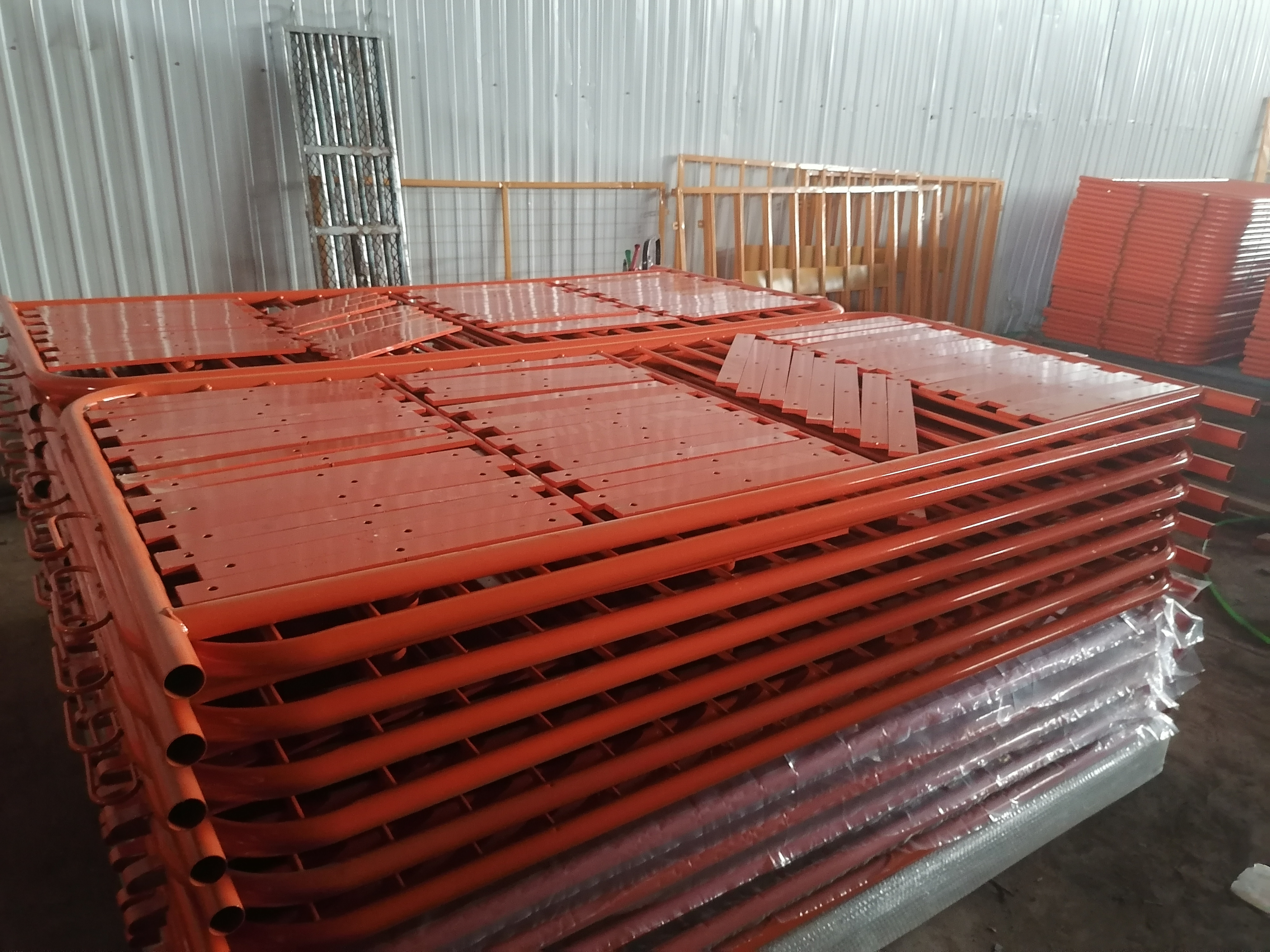
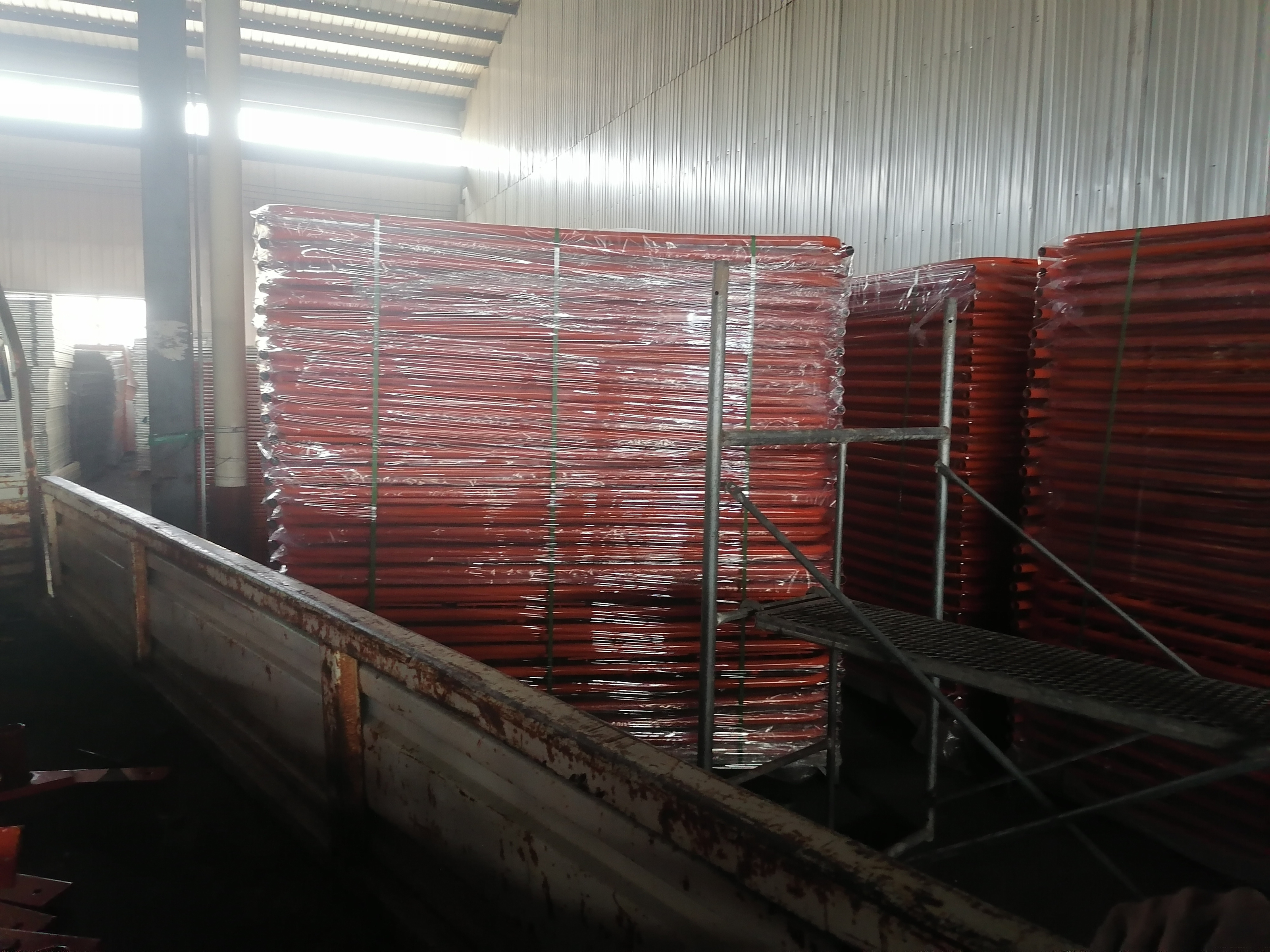
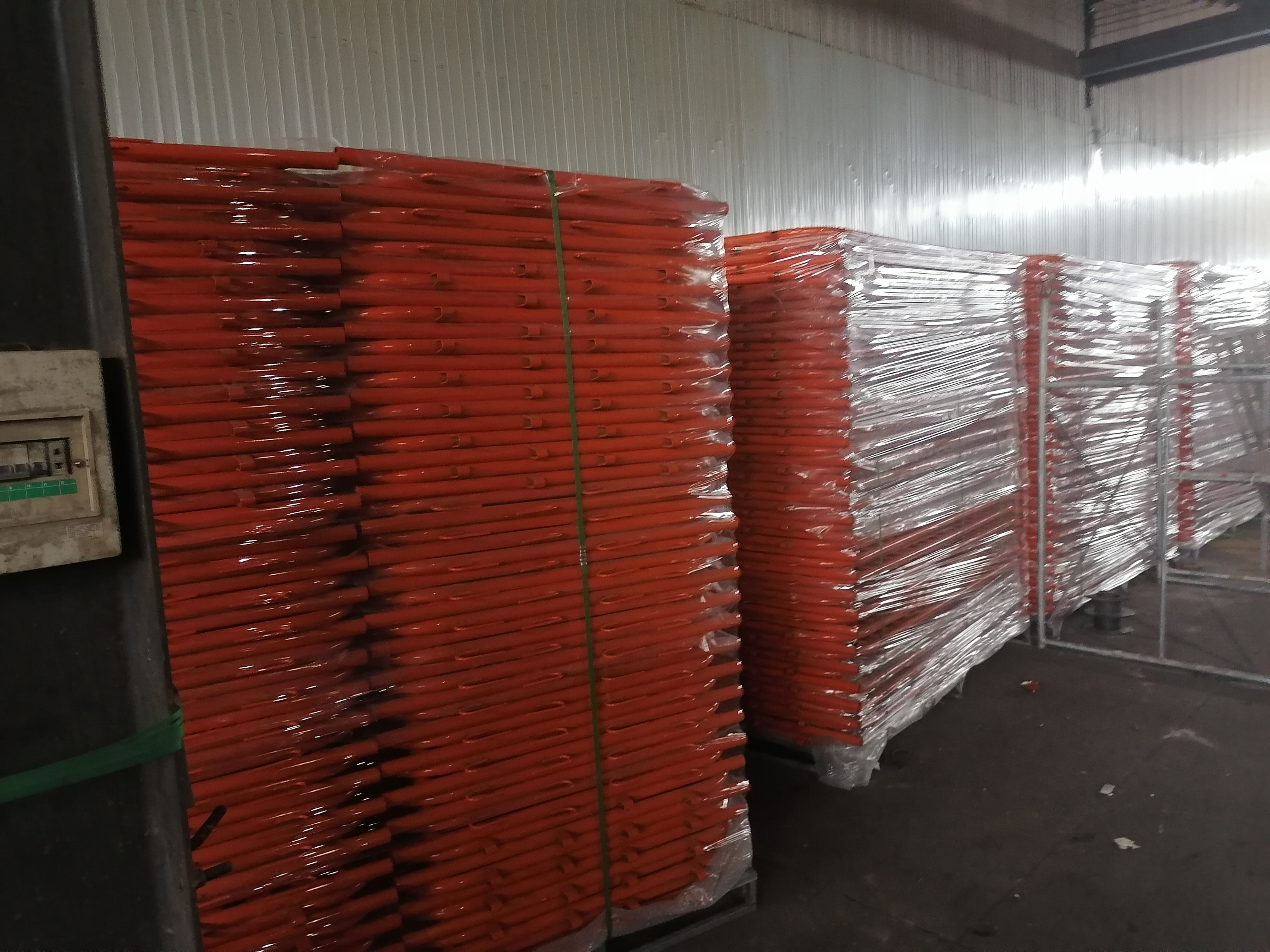
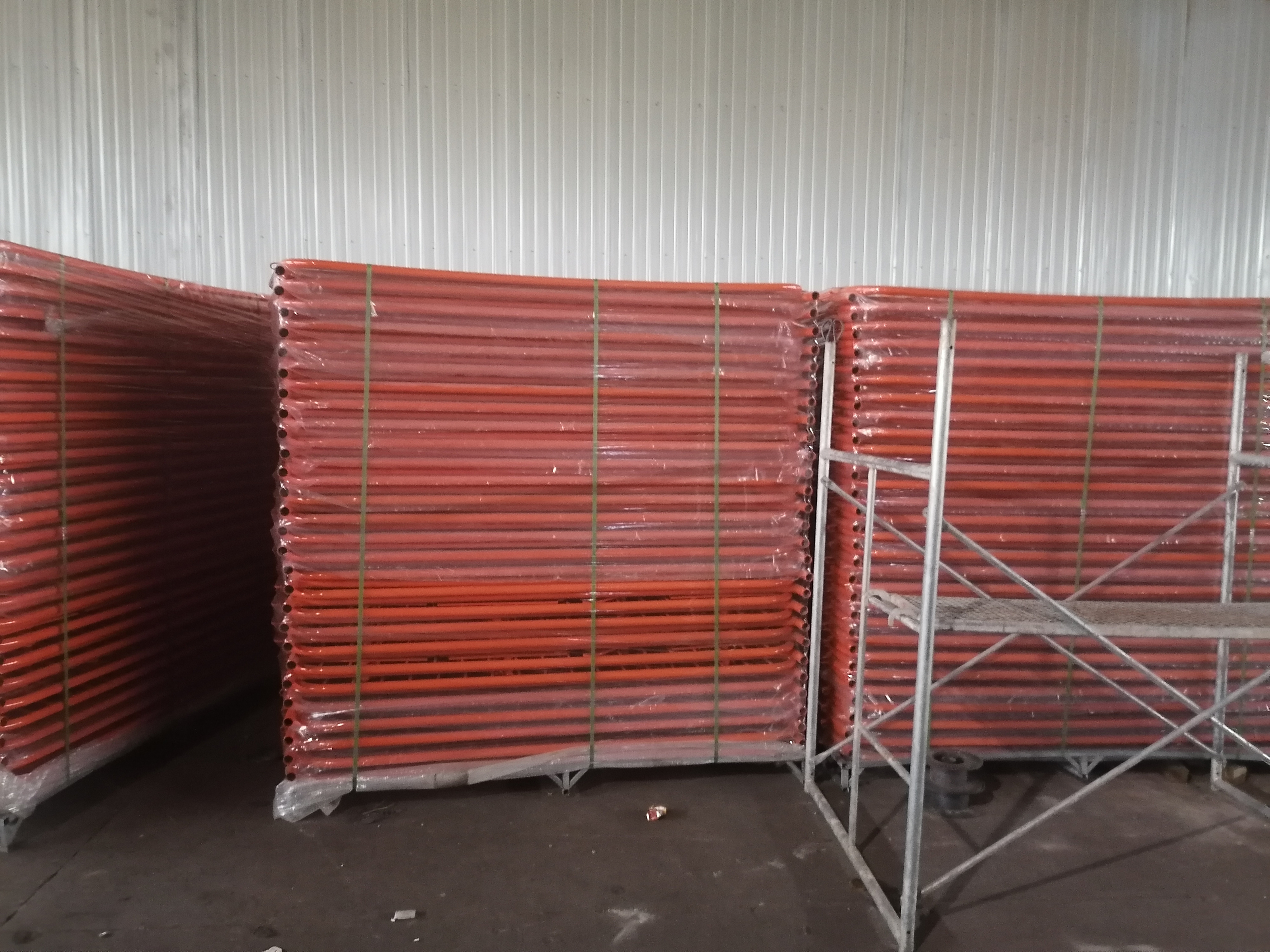
Safety and compliance as your first non-negotiable
Events, construction sites and public venues all rely on barriers to keep people away from hazards, machinery and traffic. When crowd pressure increases, barriers must transfer that load safely into the frame and ground. If the uprights are too thin, or the spacing is too wide, you create a weak line that can suddenly fold.
Risk #2: The danger of under-spec height and tube OD
One overlooked detail is height versus wall thickness. A taller barrier with light uprights (for example OD 12 with thin walls) can flex dangerously when people lean or push. For crowd control barriers for sale in high-pressure zones, combining 1100–1200 mm height with upright OD 16 or OD 19 and solid wall thickness instantly reduces the risk of collapse and legal claims.
Structural design that actually works in the field
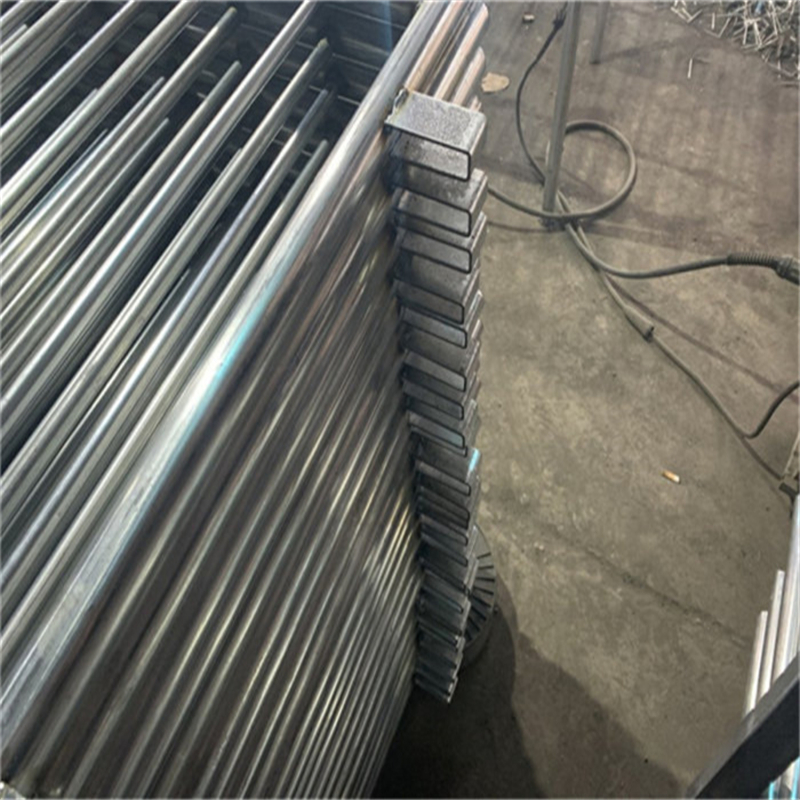
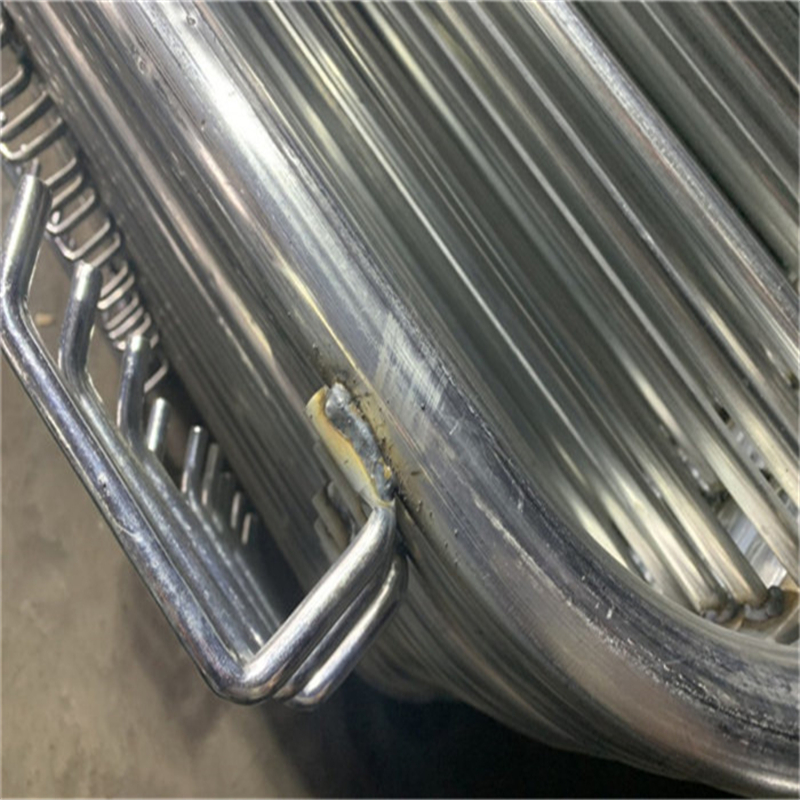
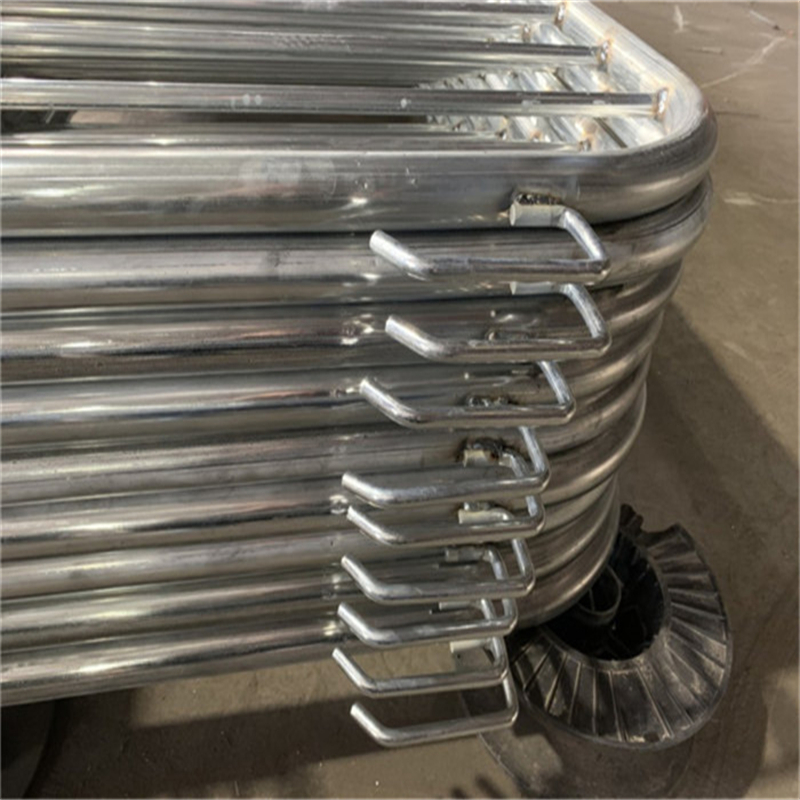
Real-world performance depends on how uprights and frames work together. Uprights carry vertical and lateral forces; frames lock them into a rigid rectangle. Quality barriers use full-circumference welds, properly prepared joints and galvanizing that covers every weld and cut edge. Cheap copies skip these steps to save a few cents per piece and leave you with rust and repairs.
Tip #3: A simple guide to upright tube OD choices you can apply immediately
A practical buying tip when comparing crowd control barriers for sale: for light, low-risk areas, OD 12 uprights can be used with tighter spacing; for busier public events, OD 16 gives a stronger backbone; for intense crowd pressure (concert fronts, stadium entries), OD 19 uprights with robust frames are the reliable choice. If you miss this point, you may pay twice—once for the barrier and again for emergency replacements.
Frames, feet and finishes that survive abuse
The frame takes direct hits from trolleys, vehicles and moving crowds. A weak frame OD or thin wall will bend at the corners, creating sharp edges and unusable panels. Feet (flat or bridge) must support the barrier without rocking and provide safe trip-free access for pedestrians.
Warning #4: The trap of weak frame tube thickness that bends under real-world impact
Many low-priced crowd control barriers for sale hide a serious problem: frames made from OD 25 with very thin walls that look fine in photos but crease quickly onsite. Once the first frame deforms, the whole run becomes unstable. Avoid this trap by insisting on true OD 25, OD 32 or OD 38 frame tubes with consistent wall thickness matched to your application. Skipping this warning can turn your barrier line into scrap metal after just a few events.
How barrier specifications influence your long-term profit
Good barriers are not just a cost; they are a long-term asset. Strong frames, correct OD and spacing reduce maintenance, minimise replacements and protect your reputation with organisers and clients. When you offer barriers for hire or as part of a full event package, solid quality becomes a direct source of extra income and repeat business.
Benefit #5: The advantage that high-spec barriers give your business image
Reliable crowd control barriers for sale give you an immediate advantage over competitors: straighter lines, cleaner finishes and fewer visible repairs. This clear benefit shows up in photos, videos and social media. Customers feel safer and more organised, which directly supports higher ticket prices and premium service fees.
Buying checklist before you commit to an order
Before signing any purchase order, work through a firm checklist: overall height, width range, upright OD and wall thickness, frame OD and thickness, spacing, feet style, surface finish and connection system (hooks, interlocking male/female). Each point reduces uncertainty and eliminates unpleasant surprises when the shipment arrives.
Checklist #6: Critical elements you must confirm with your own supplier team
Treat this checklist as an internal control tool: confirm OD and thickness from drawings, verify upright spacing on every specification sheet, and ensure the finish (hot-dip galvanised, powder coated, or both) matches the environment where barriers will be used. Missing a single element here can lead to headache-level rework and delays in your project schedule.
Advanced spacing and layout strategy (this is where many people lose money)
Even if you buy excellent barriers, the way you space them on the ground decides how they perform. Spacing between uprights within the panel, and spacing between panels in a run, both affect safety. Too wide and the barrier line becomes flexible; too tight and you waste materials and transport space.
Warning #7: A spacing flaw that can trigger massive loss if you ignore this lesson
Here is the harsh lesson: if upright spacing is too wide, small children can slip through gaps and adults can kick or push panels out of alignment. If panel spacing on the ground is inconsistent, trip hazards and weak spots appear. Many buyers of crowd control barriers for sale ignore this warning and only discover the mistake during a live event. Especially Warning #7—if you skip it, you risk heavy losses from injury claims, damaged equipment and cancelled shows.
Turning barriers into a long-term asset instead of a one-season expense
Think of your barrier stock as part of a long-term equipment strategy. When you standardise on a strong specification, you simplify storage, connection, repair and repainting. Accessories such as branded covers, signage plates and gate sections can then be reused across multiple clients and seasons, increasing your return on every barrier.
Profit Boost #8: An insight into how quality barriers deliver continuous payoff
Investing once in well-engineered crowd control barriers for sale gives you a powerful payoff: fewer replacements, lower repair cost, happier clients and smoother operations. This insight is easy to overlook when chasing the lowest unit price, but over a full year of events the profit boost from durable barriers is obvious in your accounts.
When and why to upgrade your existing barrier stock
If your current barriers show deep rust, bent frames, broken welds or inconsistent heights, your risk is already high. Mixing old and new panels can create uneven lines and weak points. Planning a structured upgrade—starting with high-risk zones such as main entries, stages and vehicle crossings—reduces sudden failures and lets you phase out unsafe equipment.
Threat #9: The hidden cost and hazard of keeping outdated barriers in use
Old, under-spec barriers don’t just look bad; they are a real threat to your operation. Each defective panel increases the chance of collapse, injury and public criticism. It’s the same logic as a Helideck Safety Net: if you would never allow a damaged or under-rated net around a helicopter landing area, you should never tolerate weak, outdated barriers around your crowd. By replacing old panels with modern, correctly specified crowd control barriers for sale, you close this gap before it turns into public damage, financial loss and serious brand harm.