Your One-Stop Wire Mesh Fence Supplier | POLYMETAL

SEO Overview: What Buyers Really Pay For in Crowd Control Barriers Manufacture
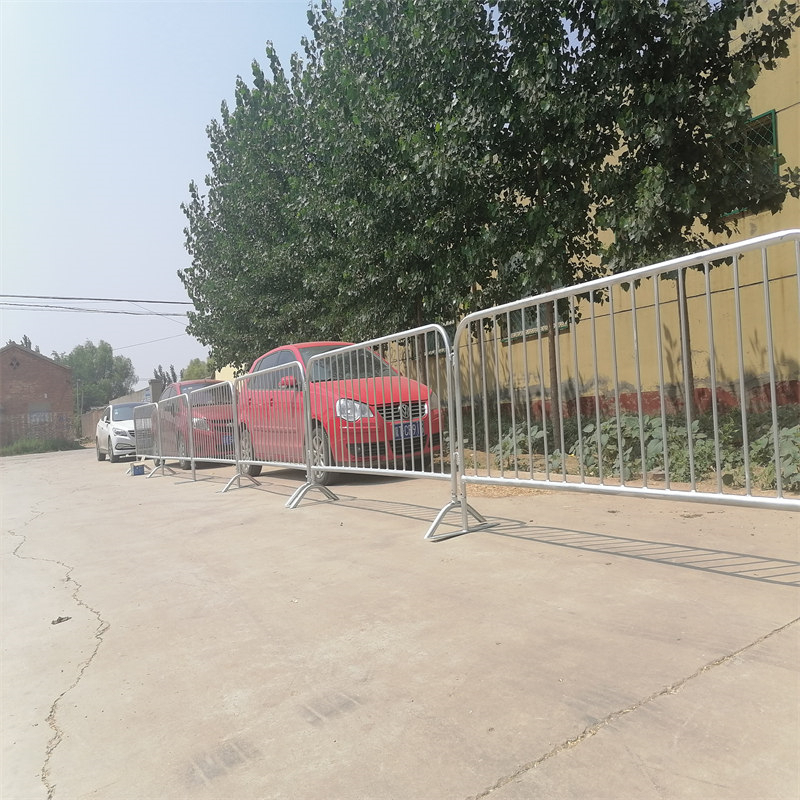
“Cheap” barriers become expensive when the interlock fails, feet deform, or welds crack after handling. Professional crowd control barriers manufacture is controlled by measurable data: panel height and width, frame tube OD and wall thickness, upright tube OD and thickness, upright spacing, foot design (flat / bridge / claw / V / wheel), and surface treatment (hot dipped galvanized after welding or powder coating).

Product Description (POLYMETAL Steel Crowd Control Barriers / Pedestrian Barricades)
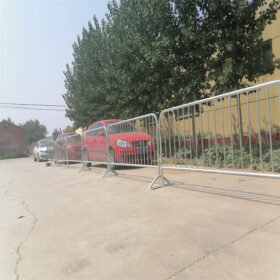
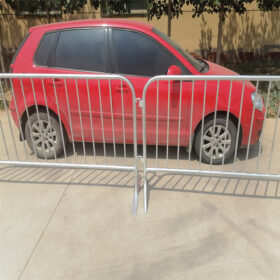
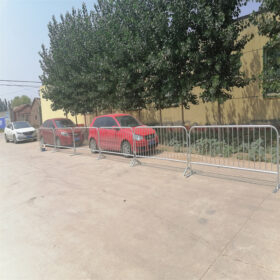
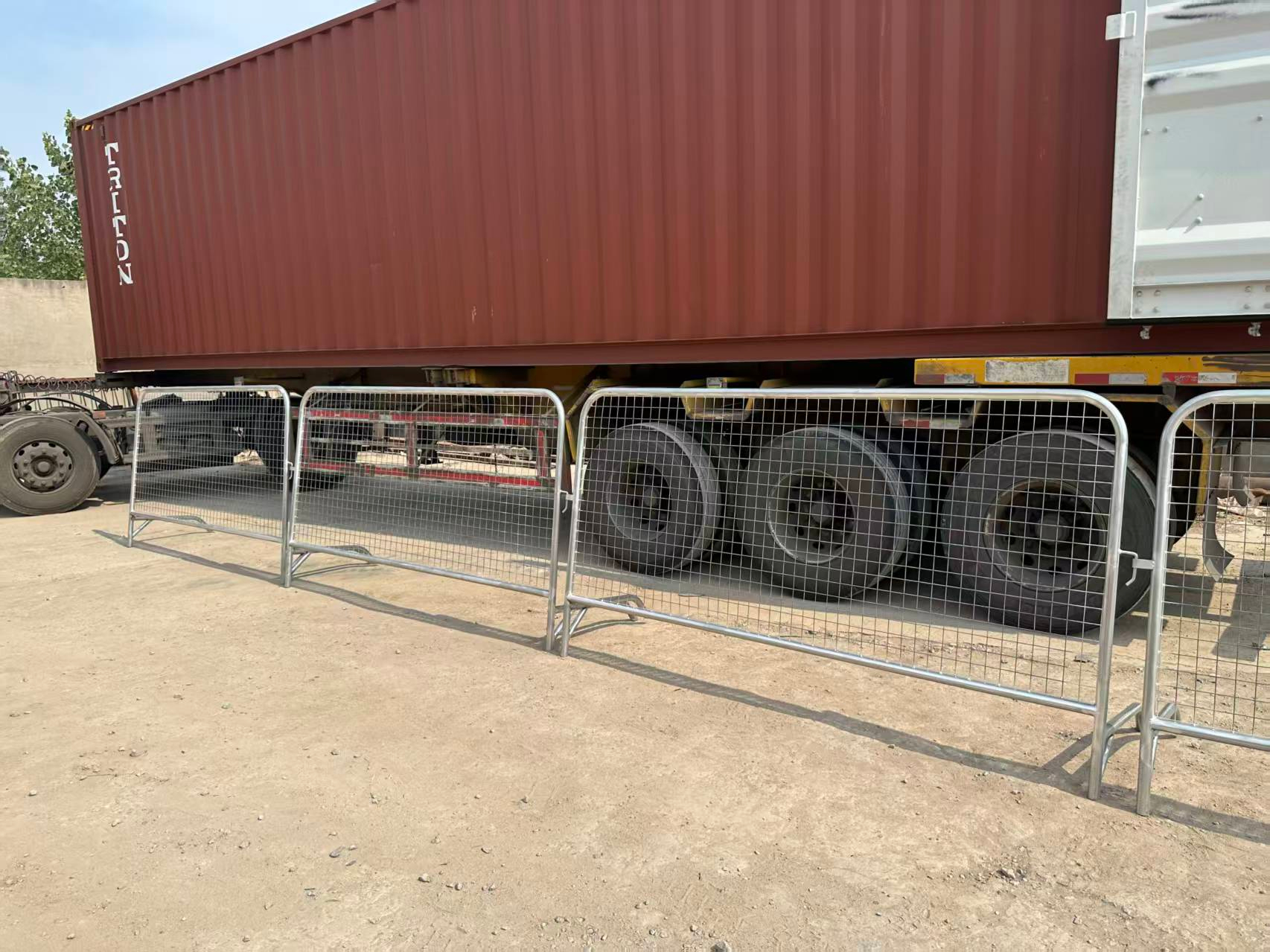
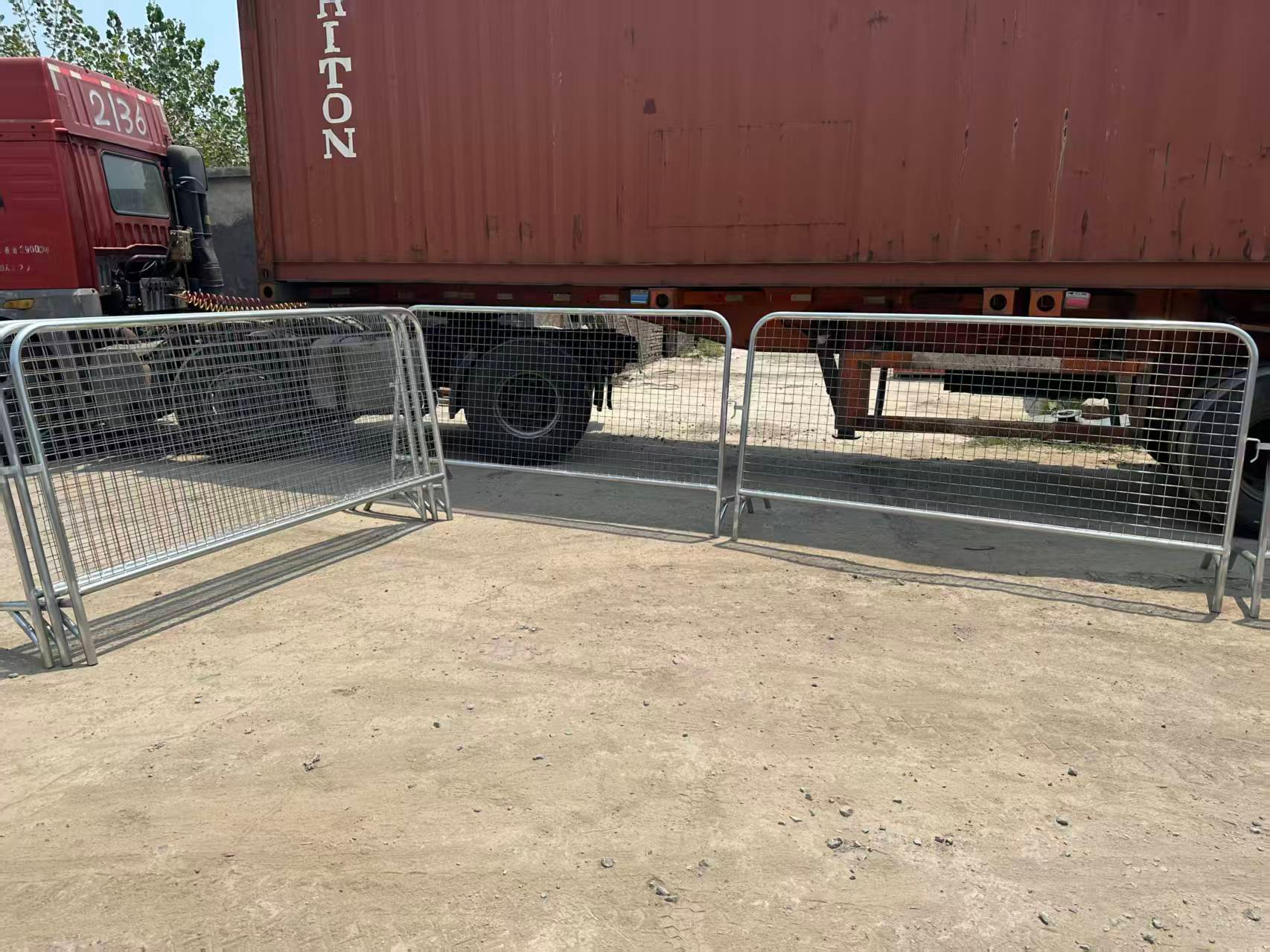
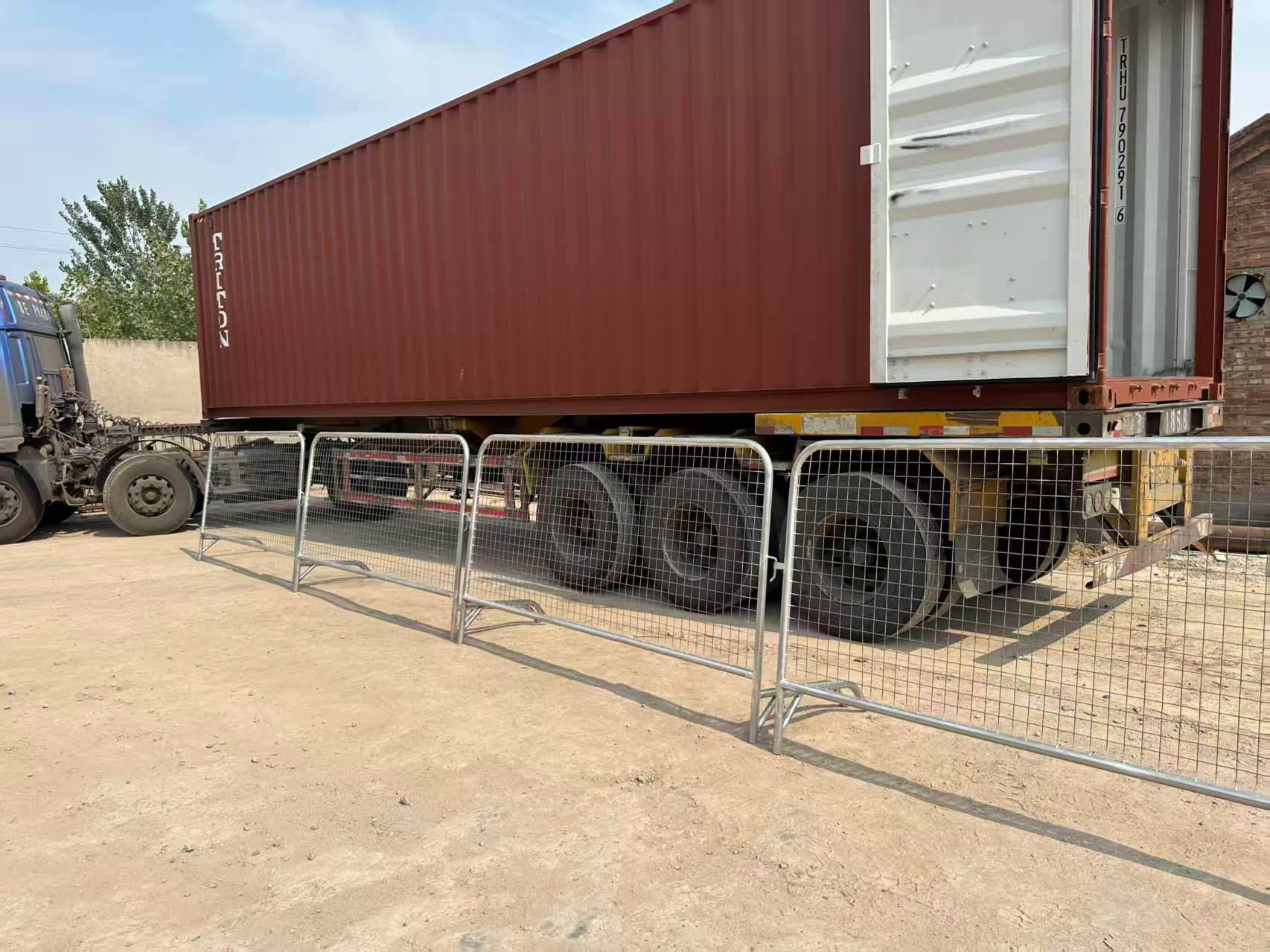
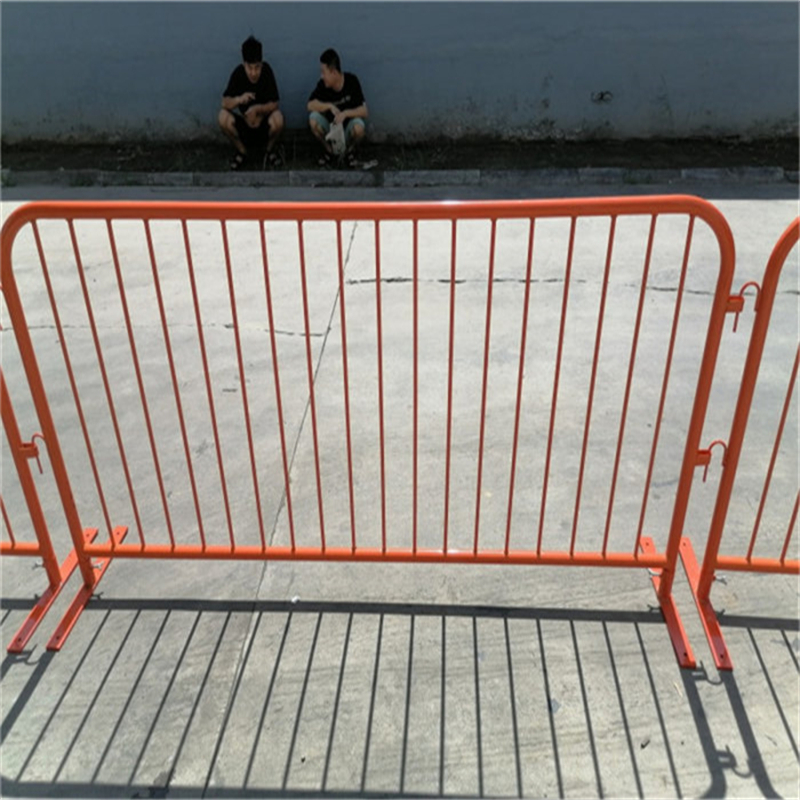
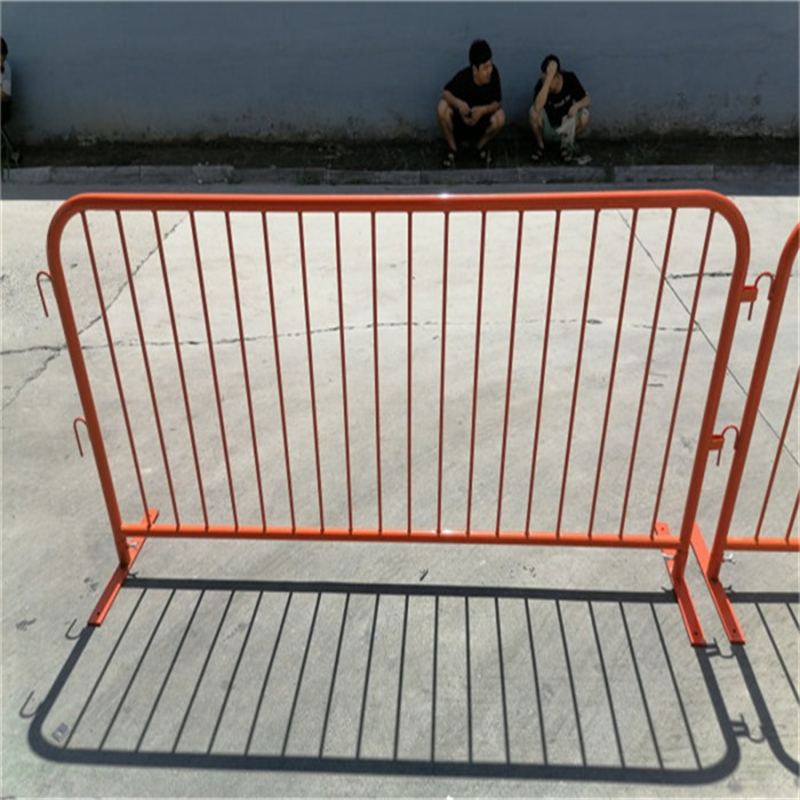
POLYMETAL crowd control barriers manufacture and supply a complete range of Steel Crowd Control Barriers / Pedestrian Barricades including Steel Flat Feet Crowd Control Barriers, Steel Claw Feet Crowd Control Barriers, and Bridge Feet Crowd Control Barriers.
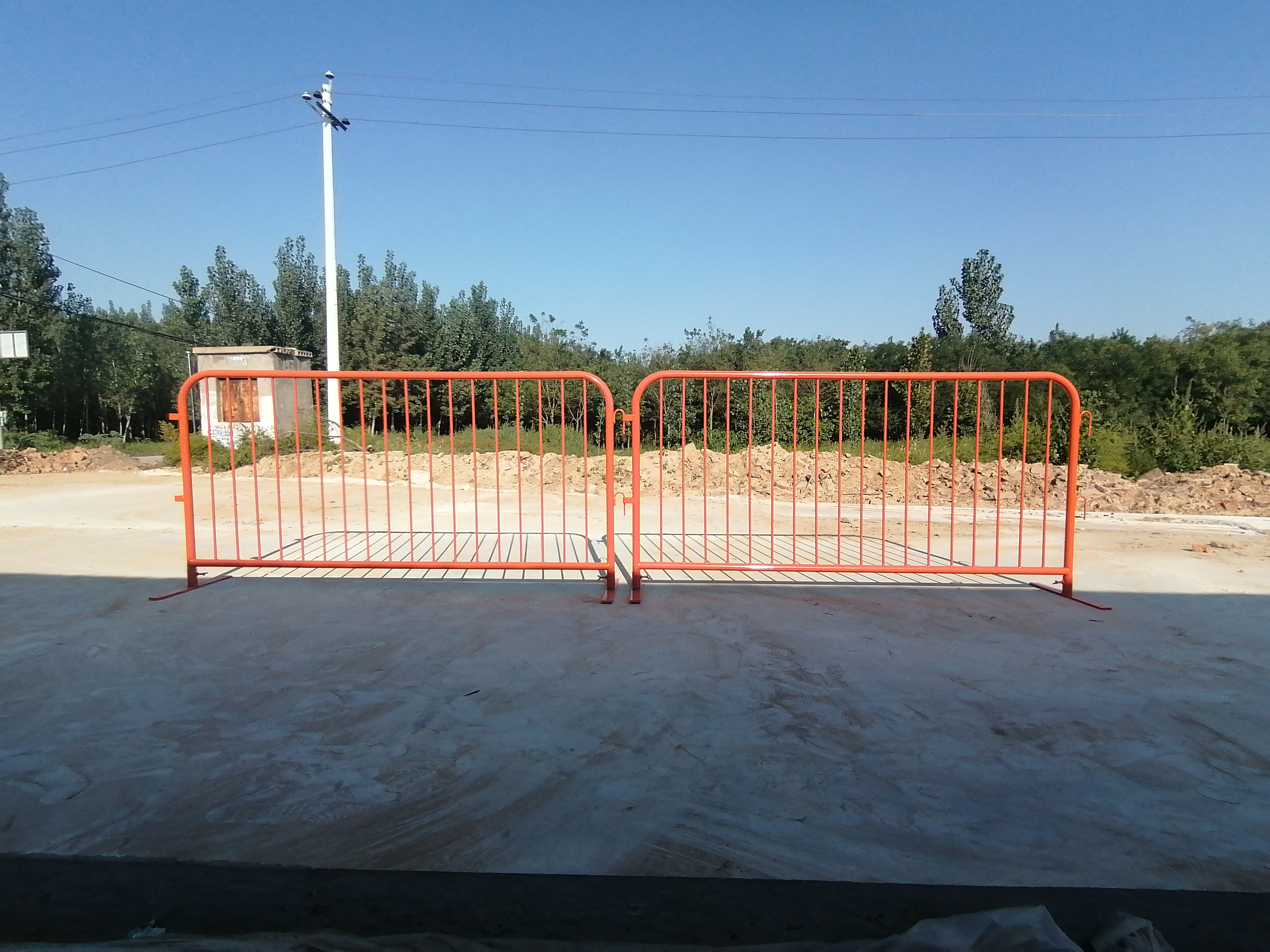
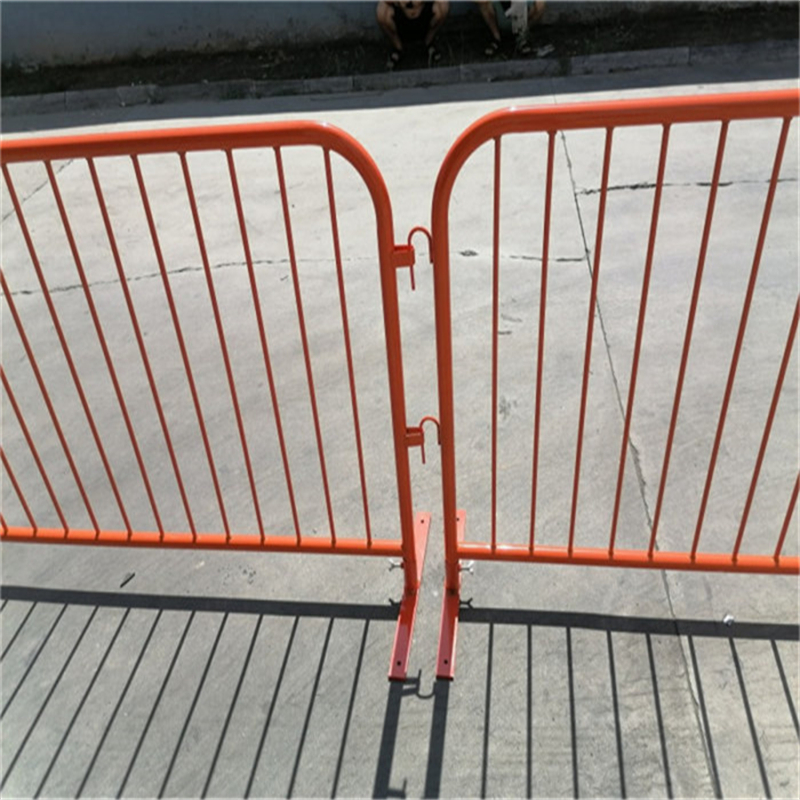
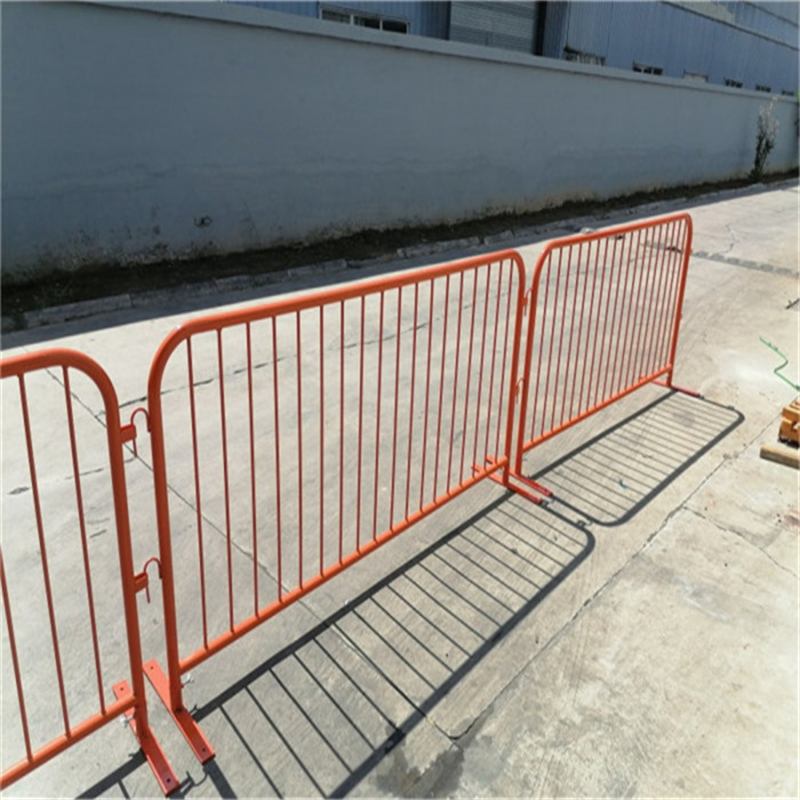
The barriers are hand-welded for strength and built around an easy interlocking system that links panels into a stable line quickly. Standard finishes include hot dipped galvanized after welding for long-life corrosion protection, and powder coating in a high-vis safety yellow for maximum visibility. POLYMETAL also manufactures custom colour powder-coated crowd control barriers when a unified brand or venue palette is required, and can supply printed shade cloth to increase branding at events or mine sites.
The system is engineered for real handling—stacking, loading, unloading, redeploying—so the barrier behaves like a durable perimeter tool rather than a disposable accessory.
Specifications
Crowd control barriers manufacture performance is controlled by specification, not promises. Lock height and width, lock frame tube OD and wall thickness, lock upright tube OD and thickness, lock spacing, lock foot style, and lock surface finish—then your barrier line arrives consistent and receiving-ready.

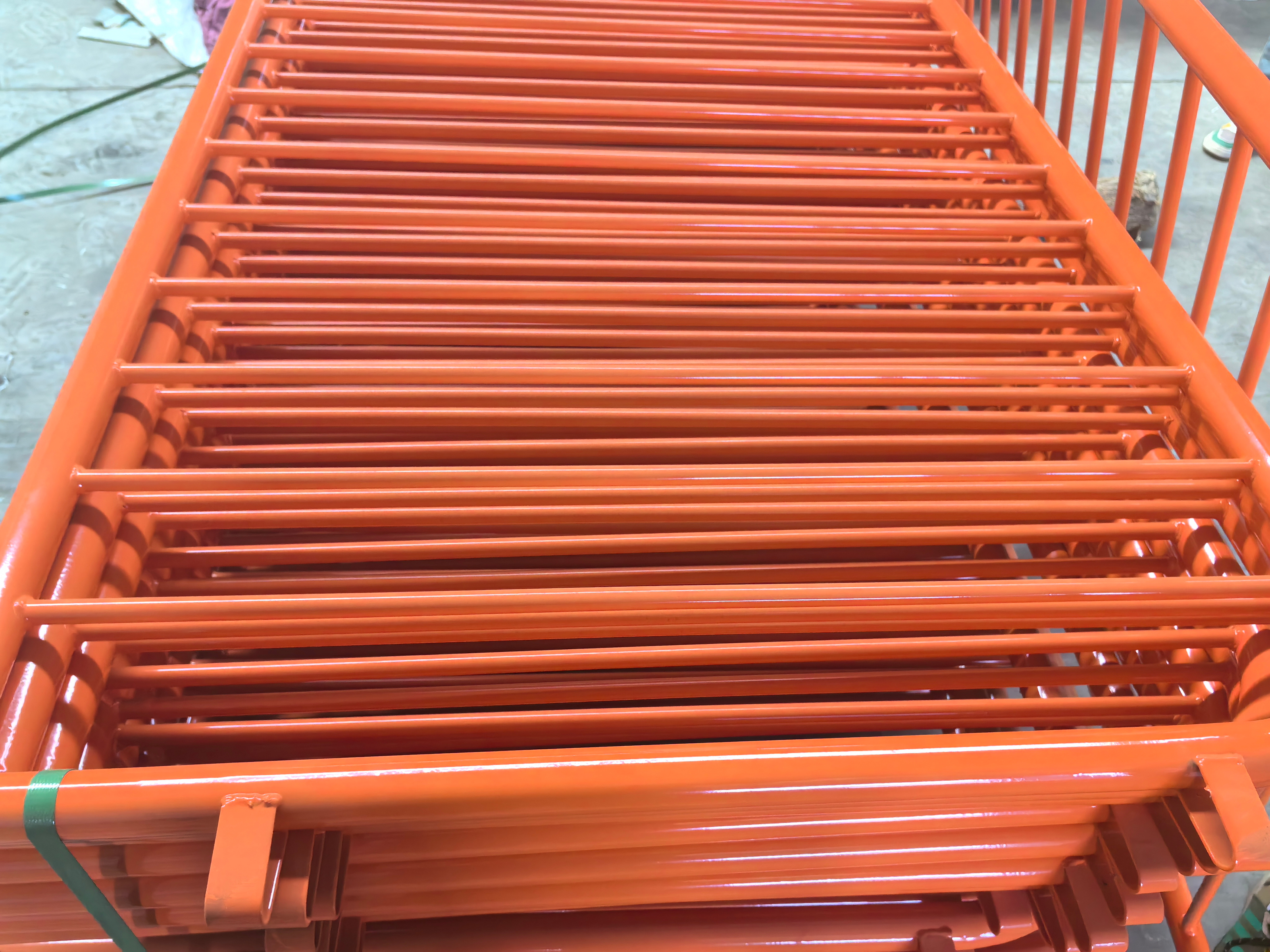
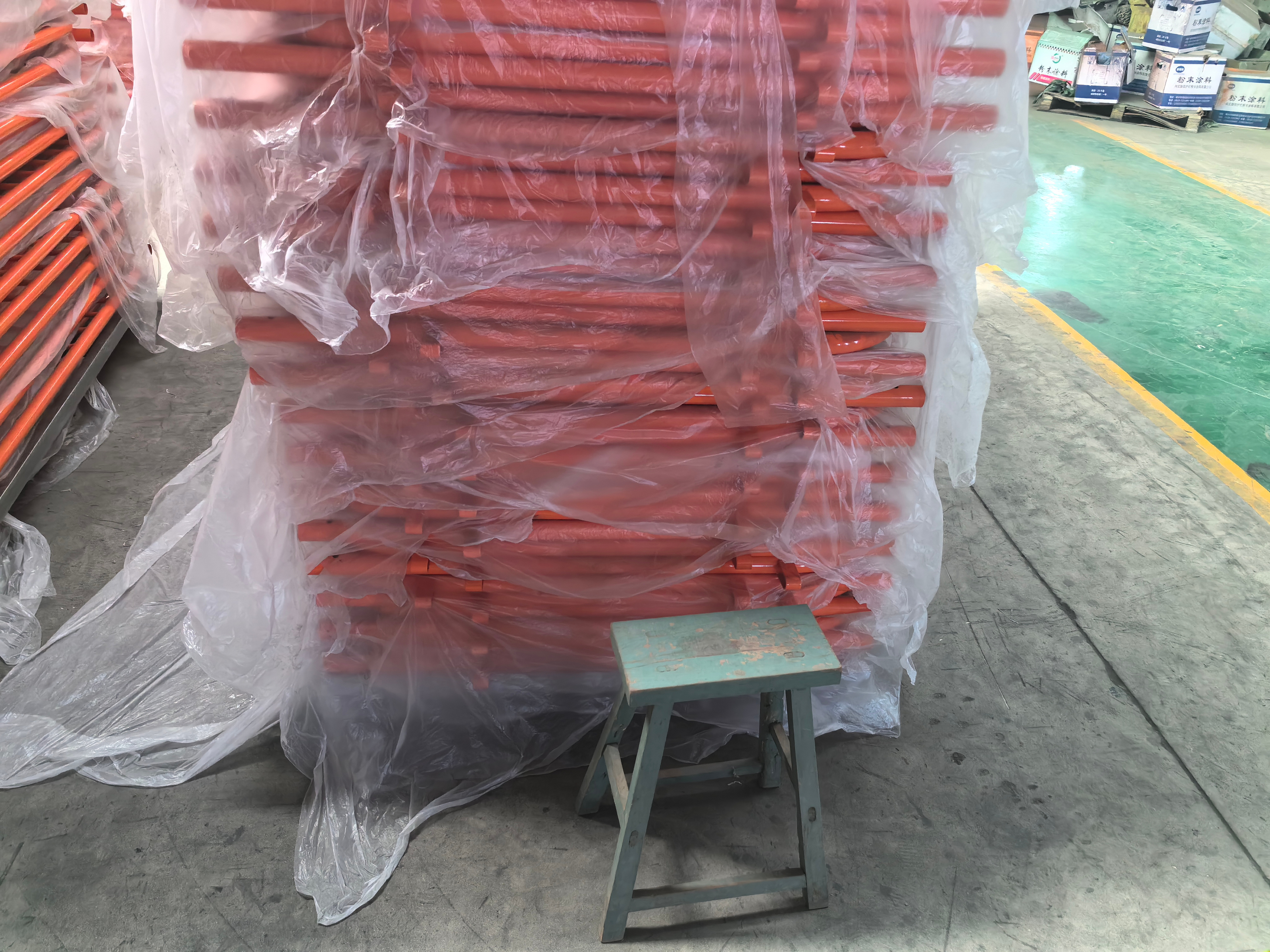
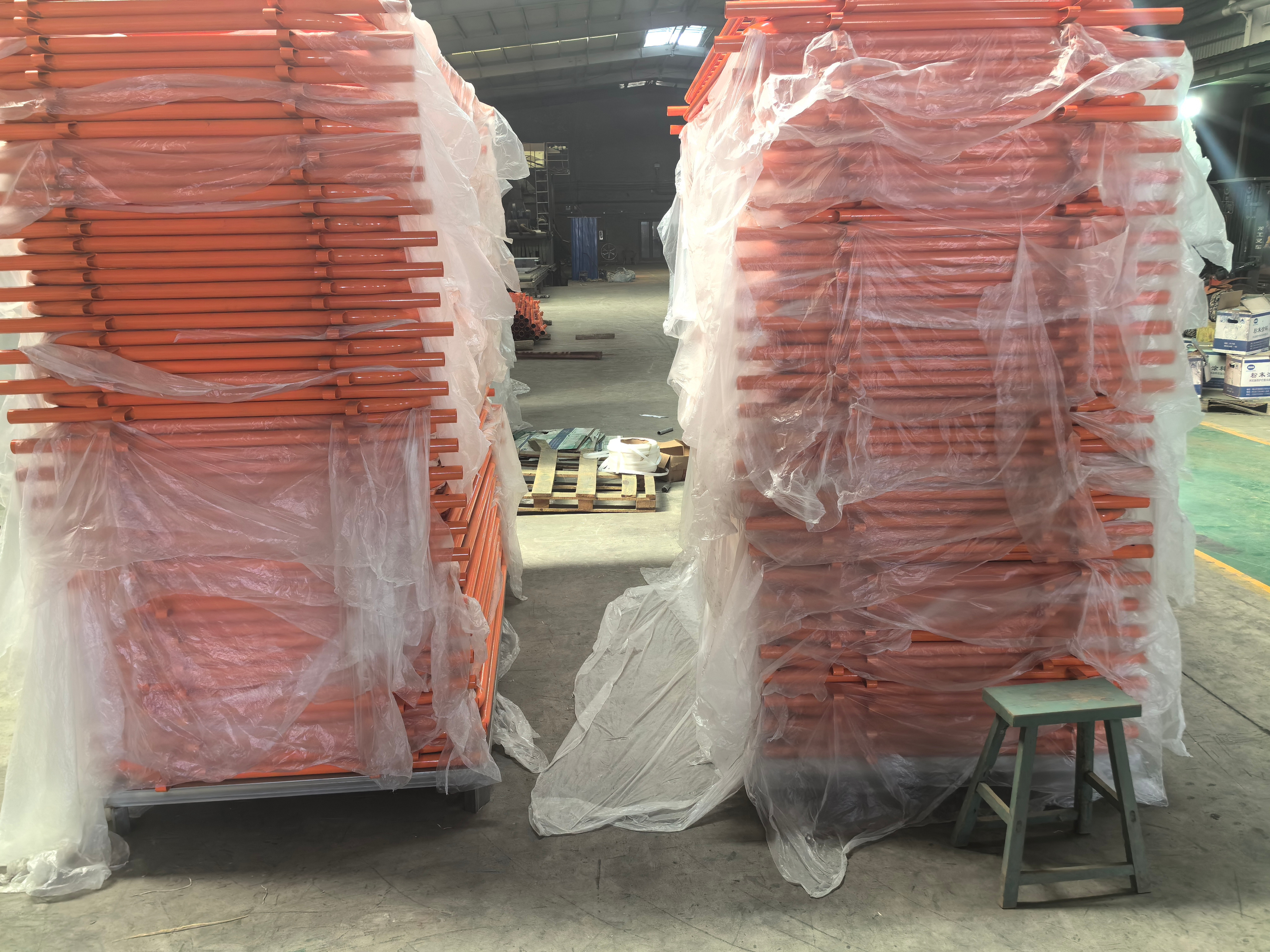
Table 1 — Panel Size & Build Matrix (10+ Common Configurations)
| Model | Height (m) | Width (m) | Frame Tube OD | Frame Wall | Upright Tube OD | Upright Wall | Spacing | Feet | Finish |
|---|---|---|---|---|---|---|---|---|---|
| PM-CCB-1000-2000 | 1.0 | 2.0 | 25mm | 1.5mm | 16mm | 0.80mm | 100mm | Flat steel (580×50×10) | HDG after welding |
| PM-CCB-1000-2200 | 1.0 | 2.2 | 32mm | 1.6mm | 19mm | 1.0mm | 150mm | Bridge feet | HDG after welding |
| PM-CCB-1000-2500 | 1.0 | 2.5 | 35mm | 2.0mm | 16mm | 1.0mm | 200mm | Claw feet | Powder coat (high-vis) |
| PM-CCB-1060-2000 | 1.06 | 2.0 | 25mm | 1.6mm | 12mm | 1.0mm | 90mm | V feet | HDG after welding |
| PM-CCB-1060-2200 | 1.06 | 2.2 | 32mm | 2.0mm | 19mm | 1.2mm | 100mm | Flat steel (580×50×10) | Powder coat (custom) |
| PM-CCB-1060-2600 | 1.06 | 2.6 | 38mm | 1.6mm | 16mm | 1.0mm | 150mm | Wheel feet | HDG after welding |
| PM-CCB-1100-2100 | 1.1 | 2.1 | 25mm | 1.5mm | 16mm | 0.70mm | 100mm | Flat steel (580×50×10) | HDG after welding |
| PM-CCB-1100-2200 | 1.1 | 2.2 | 32mm | 1.6mm | 19mm | 0.80mm | 190mm | Bridge feet | Powder coat (high-vis) |
| PM-CCB-1100-2500 | 1.1 | 2.5 | 35mm | 2.0mm | 16mm | 1.2mm | 200mm | Claw feet | HDG after welding |
| PM-CCB-1200-2000 | 1.2 | 2.0 | 38mm | 1.6mm | 19mm | 1.0mm | 100mm | V feet | HDG after welding |
| PM-CCB-1200-2200 | 1.2 | 2.2 | 35mm | 2.0mm | 16mm | 1.0mm | 150mm | Wheel feet | Powder coat (custom) |
| PM-CCB-1200-2600 | 1.2 | 2.6 | 32mm | 1.5mm | 12mm | 1.2mm | 90mm | Flat steel (580×50×10) | Powder coat (high-vis) |
Table 2 — Steel, Tube, Spacing & Interlock Data (10+ Controls)
| Specification Item | POLYMETAL Options | Why It Matters in Crowd Control Barriers Manufacture |
|---|---|---|
| Material | Carbon steel pipes Q235 | Controls weldability, strength consistency, and batch repeatability |
| Frame Tube OD | 25mm / 32mm / 35mm / 38mm | Sets stiffness under pushing loads and stacking impact |
| Frame Wall Thickness | 1.5mm / 1.6mm / 2.0mm | Prevents frame denting and “wavy line” appearance |
| Upright Tube OD | 19mm / 16mm / 12mm | Controls infill rigidity and barrier “feel” in public use |
| Upright Wall Thickness | 0.7mm / 0.80mm / 1.0mm / 1.2mm | Stops buckling and reduces vibration under crowd pressure |
| Upright Spacing | 90mm / 100mm / 150mm / 200mm | Controls safety gaps, visual density, and anti-climb behavior |
| Interlock Hook System | Positive hook + receptor plate | Prevents accidental separation and keeps lines straight |
| Hook Rod (Male) | 5/8″ steel rod | Improves strength at the highest stress connection point |
| Receptor Plate | 3/16″ × 1.5″ steel plate | Reduces deformation, improves repeatable engagement |
| Foot Plate | Flat steel (580×50×10mm) | Distributes load, reduces rocking and trip hazards |
| Anchor Holes | Two holes per foot (where required) | Allows secure fixing for wind/external loads |
Table 3 — Finish, Feet, Accessories & Export Packing Controls
| Control Item | POLYMETAL Options | Procurement Outcome |
|---|---|---|
| Surface Treatment | Hot dipped galvanized after welding / Powder coating | Defines corrosion life and public-facing appearance |
| Galvanizing Standard | ISO 1461 / ASTM A123 (project-specified) | Locks coating system expectations and inspection criteria |
| Zinc Coating Thickness | > 70 microns (HDG after welding) | Reduces early rust at welds and cut points |
| Powder Coat Colour | High-vis safety yellow / Custom colours | Improves visibility, branding, and venue compliance |
| Feet Style | Flat feet / Claw feet / Bridge feet | Controls stability, trip hazard risk, and stacking efficiency |
| Additional Feet | Wheel feet / V feet | Improves mobility or alignment in special layouts |
| Removable / Locking Feet | Available | Faster transport, easier storage, less freight volume |
| Shade Cloth | Printed shade cloth available | Branding gain + improved visual control at events |
| Anti-Rub Protection | Cardboard separators / protective layers | Stops coating scratches that become complaints on arrival |
| Export Unitization | Palletized stacks + strapping + wrap | Reduces damage, speeds receiving and counting |
| Labeling | Model / size / finish / batch | Prevents site sorting mistakes and installation delays |
Top 18 Procurement Traps in Crowd Control Barriers Manufacture (Especially #17)
The fastest way to lose money is to buy barriers as “just steel.” Crowd control barriers manufacture must be judged by measurable discipline: tube data, spacing, interlock geometry, weld coverage, finish thickness, and packing protection. These 18 items are written as a buyer’s guide for clean installs and zero rework.
Trap #1 — Insight: Buying “crowd control barriers manufacture” as a label, not a capability
Many sellers can list the product but cannot repeat the same weld sequence, same tube thickness, and same hook geometry across batches. That gap becomes misaligned lines and rejected deliveries.
Trap #2 — Warning: Choosing thin frames that dent during stacking
If the frame tube OD and wall thickness are not locked, the barrier bends in transit and the line reads “wavy.” Strong crowd control barriers manufacture starts with correct frame stiffness.
Trap #3 — Danger: Assuming all Q235 is equal
Material consistency controls weld quality and straightness. Mixed lots and uncontrolled sourcing create uneven weld appearance and variable strength at stress points.
Trap #4 — Problem: Specifying height and width without a model matrix
If the purchase order says “1100×2200” but not the full build, factories fill in guesses. Crowd control barriers manufacture must be locked with tube OD, wall thickness, spacing, and foot type.
Trap #5 — Pitfall: Ignoring upright spacing until the venue complains
Spacing changes safety perception and control. Too wide looks weak; too tight costs more and can increase weight. Write spacing as a number, not a vibe.
Trap #6 — Defect: Partial welds that crack after handling
Barriers live a rough life: loading, unloading, dragging, and impacts. Full-coverage weld discipline is what keeps the frame square over years of use.
Trap #7 — Oversight: Not locking the interlock hook geometry
If hooks vary, installation slows and lines fail under pressure. Crowd control barriers manufacture requires repeatable hook bend geometry and a strong receptor plate.
Trap #8 — Failure: Choosing the wrong feet for the ground condition
Flat feet are excellent for many public events; bridge feet can handle uneven surfaces; claw feet can bite into soft ground. Wrong feet means rocking, noise, and trip risk.
Trap #9 — Loss: Skipping removable feet for export shipping
Fixed feet waste container space and increase freight costs. Removable or locking feet improve packing density and reduce damage.
Trap #10 — Damage: Letting powder coat quality be “whatever the factory does”
Powder coat looks premium until it chips at contact points. Strong crowd control barriers manufacture uses controlled prep and protected packing to preserve the finish.
Trap #11 — Myth: “Galvanized” means “no rust ever”
Rust starts where coating is weak: welds, cut points, abrasion zones. HDG after welding with consistent zinc thickness prevents early corrosion surprises.
Trap #12 — Weakness: Underbuilding uprights to save a few dollars
Thin uprights vibrate, buckle, and look cheap in photos. Stable crowd control barriers manufacture balances upright OD and thickness with spacing and panel size.
Trap #13 — Flaw: Ordering mixed sizes without matching interlock height
Mixed height batches can cause uneven top lines and awkward hook engagement. If multiple sizes are needed, write consistent interlock datum rules.
Trap #14 — Hazard: Forgetting anchor holes for wind-exposed lines
Events and sites with wind loads require anchor-ready feet. Missing holes means improvisation and on-site drilling that damages coatings.
Trap #15 — Mistake: Not specifying flat steel foot size
Foot plate size controls stability and trip behavior. Write it (e.g., 580×50×10mm) so every pallet performs the same in real use.
Trap #16 — Cost: Buying cheap barriers that force expensive labour
If the barrier arrives bent, scratched, or inconsistent, installers waste hours sorting and correcting. The real cost becomes labour, not product price.
Trap #17 — Loophole: Not writing the “no-wobble, no-rework rule” into the PO
This is where buyers lose money in crowd control barriers manufacture. If the PO does not explicitly lock: (1) frame tube OD + wall thickness, (2) upright OD + wall thickness + spacing, (3) hook/receptor geometry, (4) HDG-after-welding zinc thickness or powder coating spec, and (5) export packing protection, you risk a delivery that looks acceptable on the pallet but fails on the ground. That failure shows up as rocking feet, hooks that don’t engage, barrier lines that drift, coating damage, public complaints, and rework when schedules are already committed.
Trap #18 — Checklist: Skipping receiving inspection before deployment
Receiving should be fast and brutal: verify height/width, confirm tube OD and wall thickness, measure spacing, test hook engagement, check feet type, inspect coating and weld zones, and confirm pallet counts. This protects every crowd control barriers manufacture order from becoming an on-site fire drill.
Hooks and Foot of Crowd Control Barriers
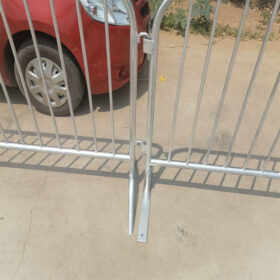
Crowd control barriers are designed to be linked by a strong hook system. A controlled hook bend creates a positive interlock that links panels reliably. The male hook is commonly made from a 5/8″ steel rod, and the receptor is commonly made from a 3/16″ by 1.5″ steel plate to hold engagement under load. In crowd control barriers manufacture, the interlock is the stress point that separates stable lines from “line creep.”
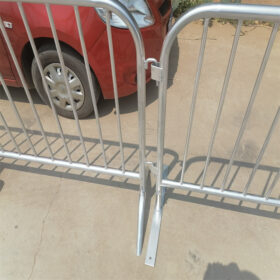
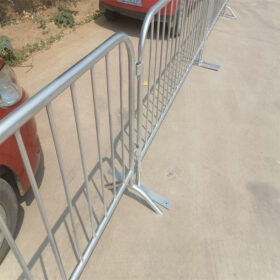
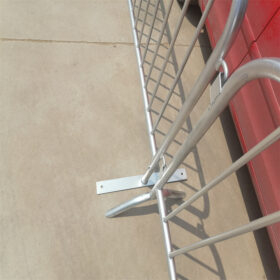
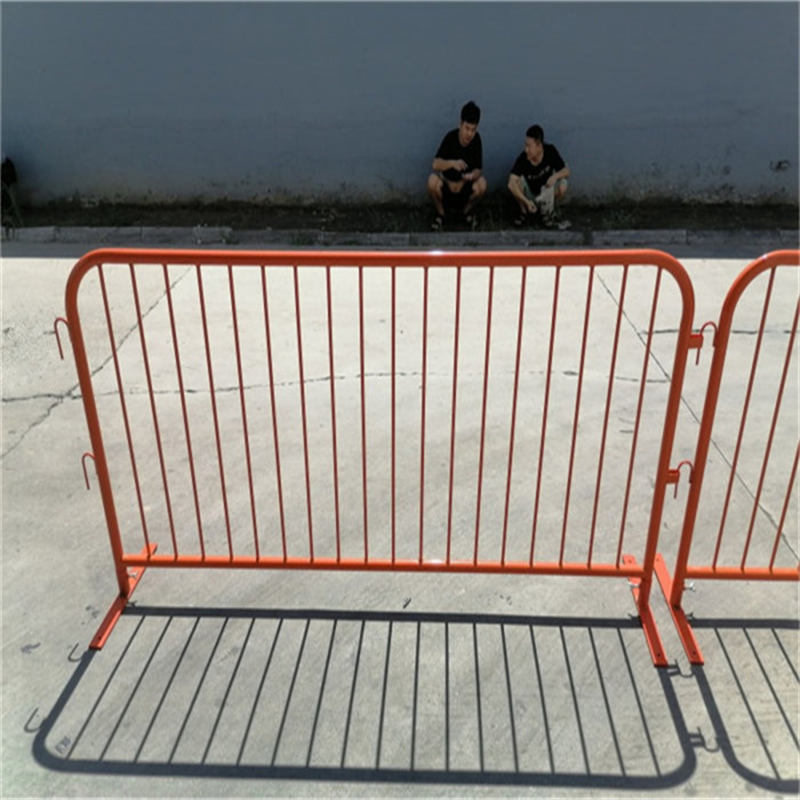
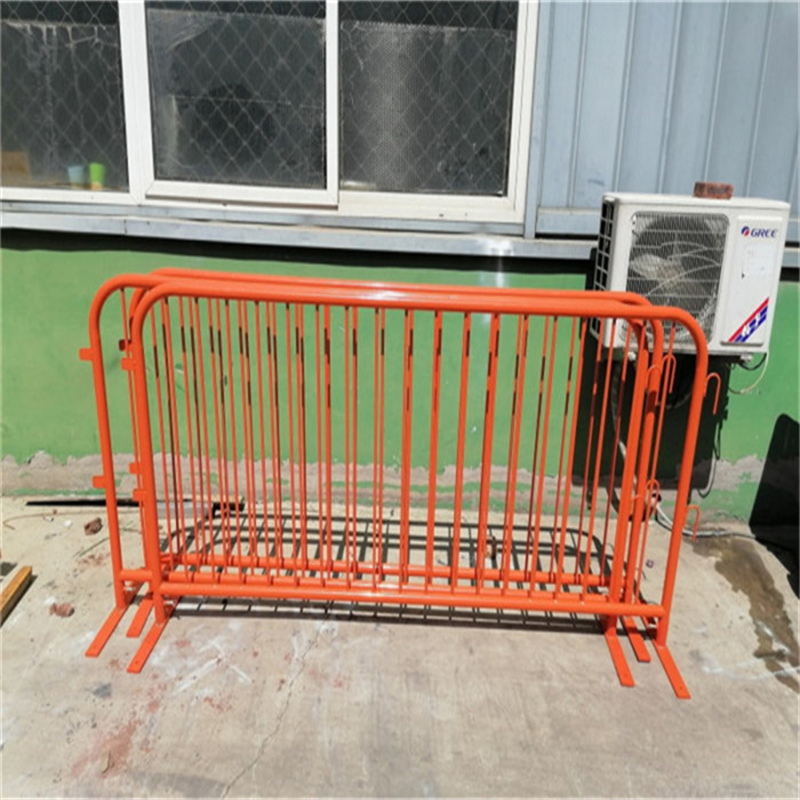
Flat feet are widely used for venues that require funnelling crowds in parallel lines. The flat-foot design reduces trip hazards, vehicle tires roll over the foot more easily without damaging the barricade, and the foot distributes weight more evenly for stability. Bridge feet and claw feet are selected where ground conditions require more stability or bite.

Manufacturing Process (Two Proven Routes)
Process A: iron tube → cut → bend → punch → polish → weld → polish → hot galvanized after welding. This route prioritizes corrosion resistance at welds and cut points.
Process B: hot galvanized tube → cut → bend → punch → polish → weld → polish → paint weld points (or full powder coat). This route prioritizes speed and colour finish, with disciplined weld protection.
Applications
POLYMETAL crowd control barriers manufacture supports pedestrian control at events, stadiums, concerts, parades, festivals, construction interfaces, mine sites, public works zones, queue lanes, VIP access control, and emergency response perimeters where fast setup and a clean barrier line matter.
Benefits
The primary benefit is controlled performance in a high-visibility environment: fast interlocking installation, stable feet behavior, durable weld integrity, and consistent finish quality. When crowd control barriers manufacture is disciplined, you reduce hidden losses—sorting time, damaged coatings, hook failures, and rework—and your site looks organized from day one. For projects that also require corrosion-resistant premium materials, you can reference our stainless steel mesh 316L as a compatible specification-grade option.
Packing
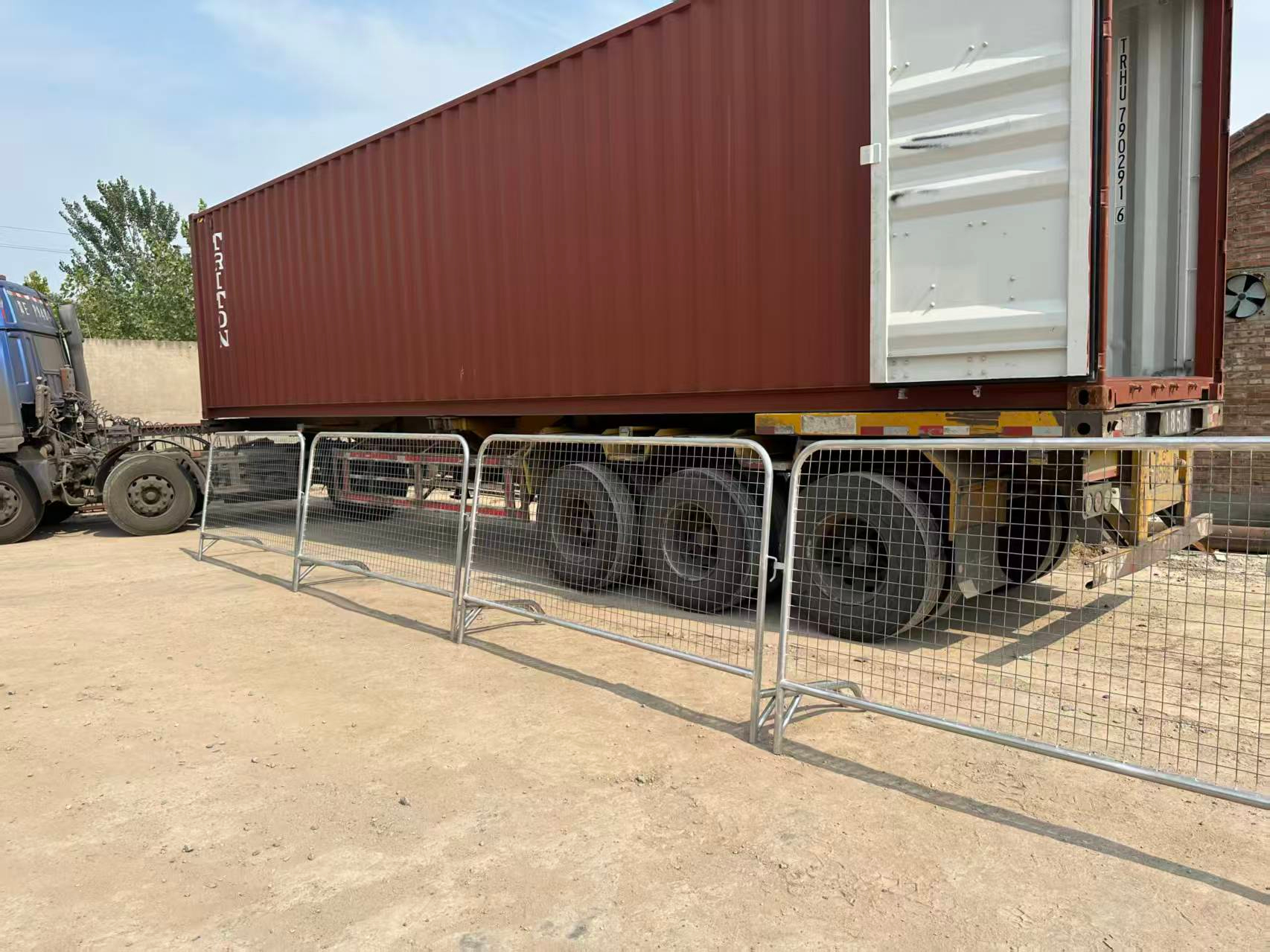
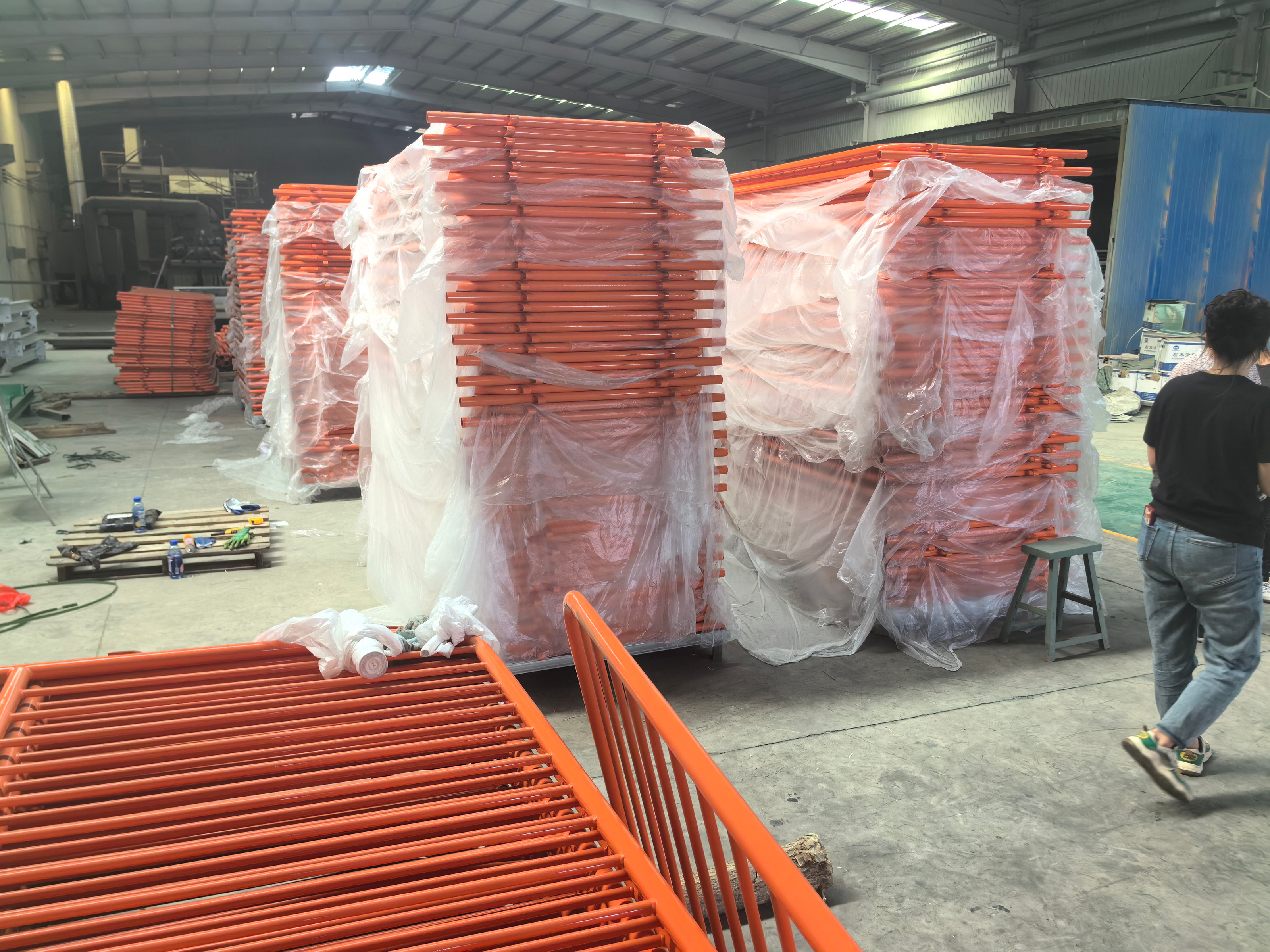
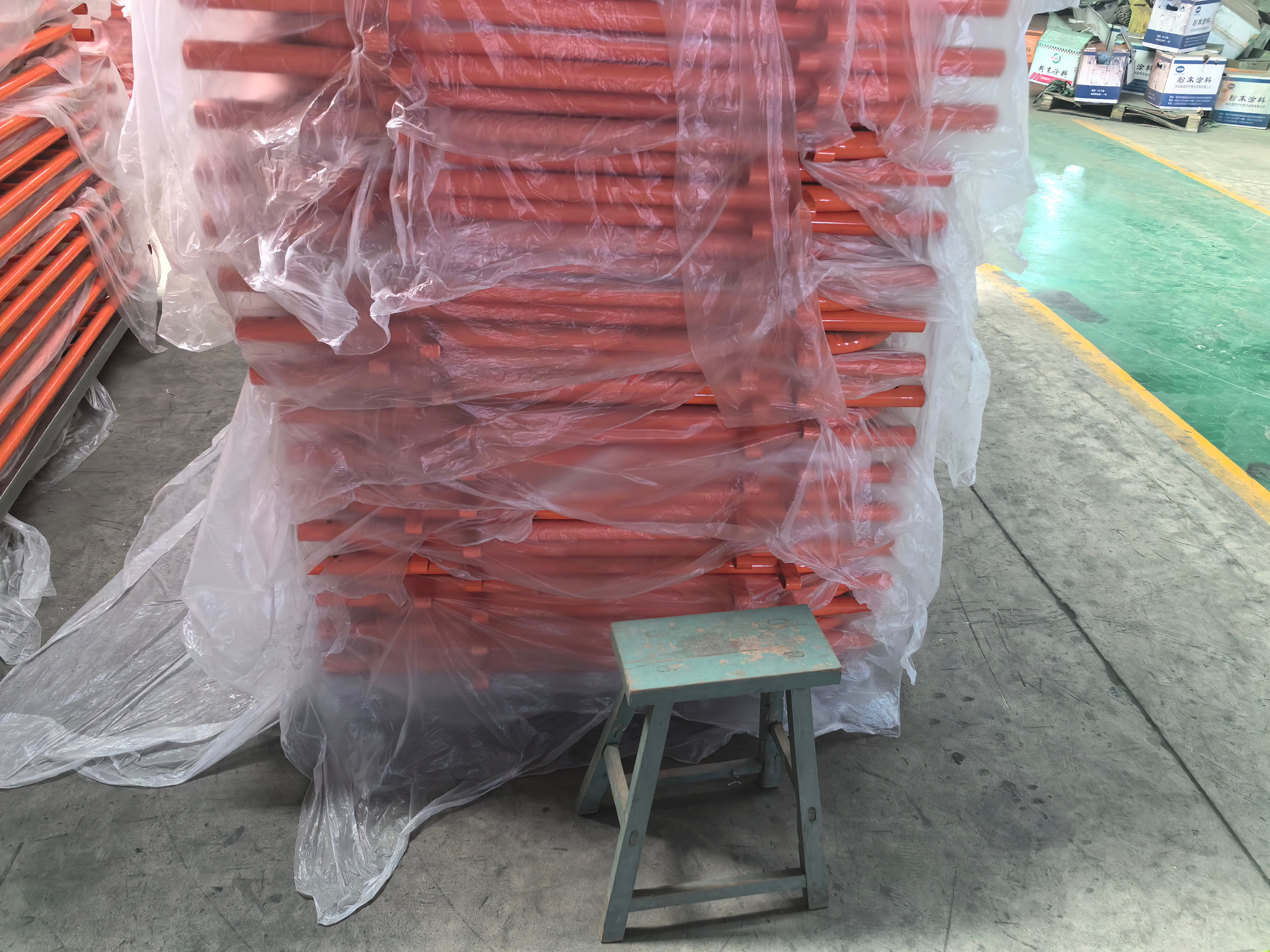
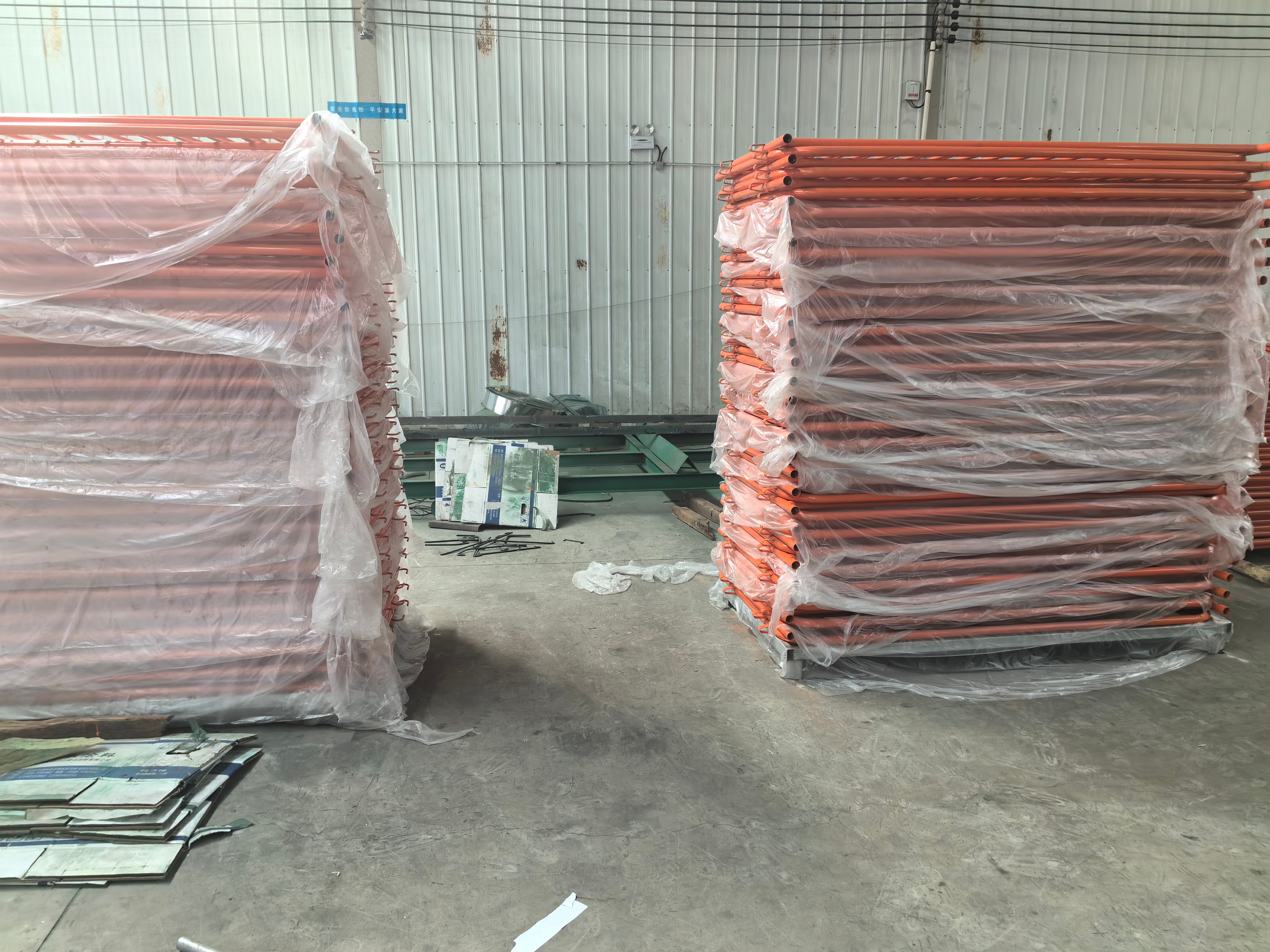
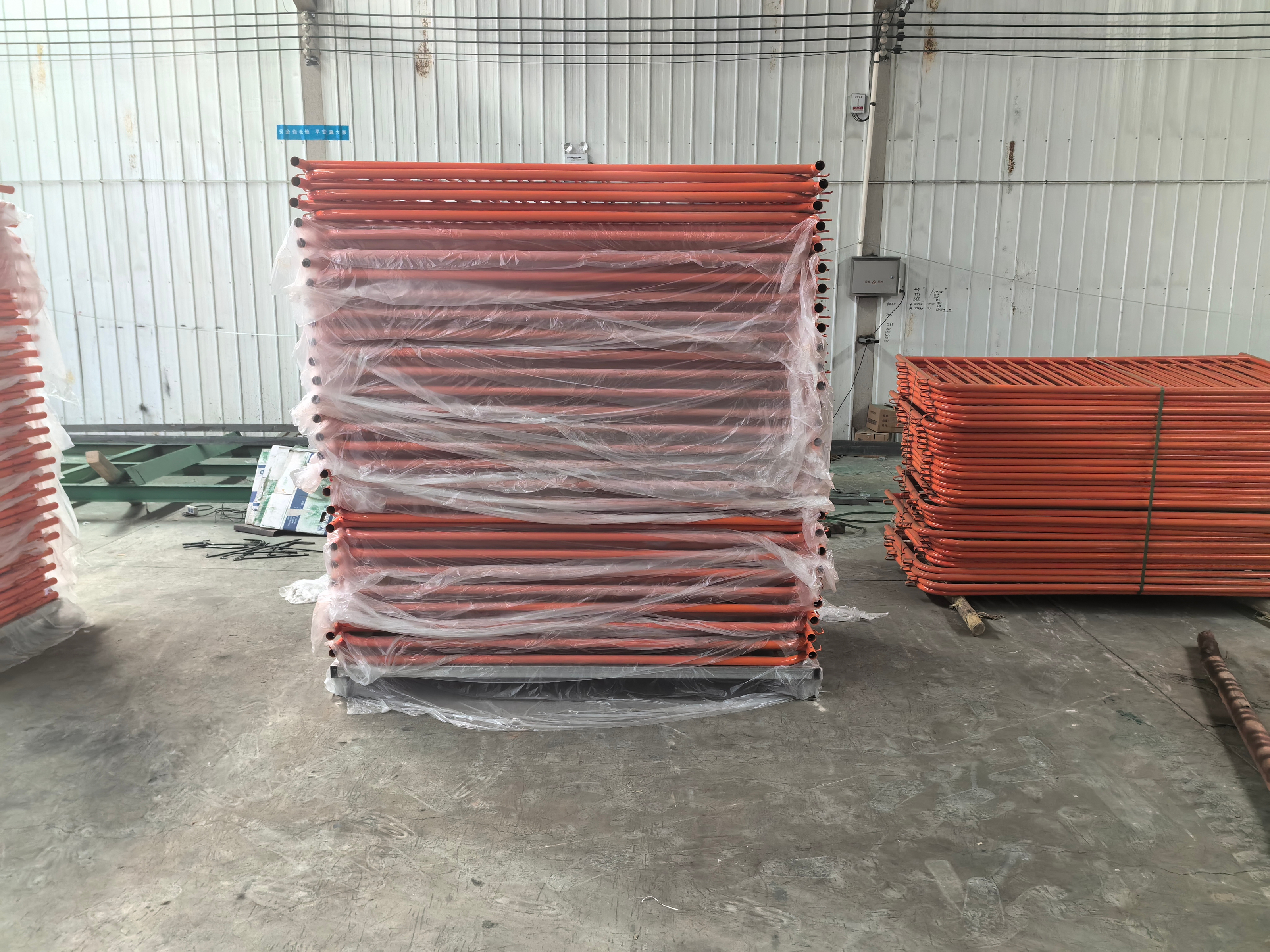
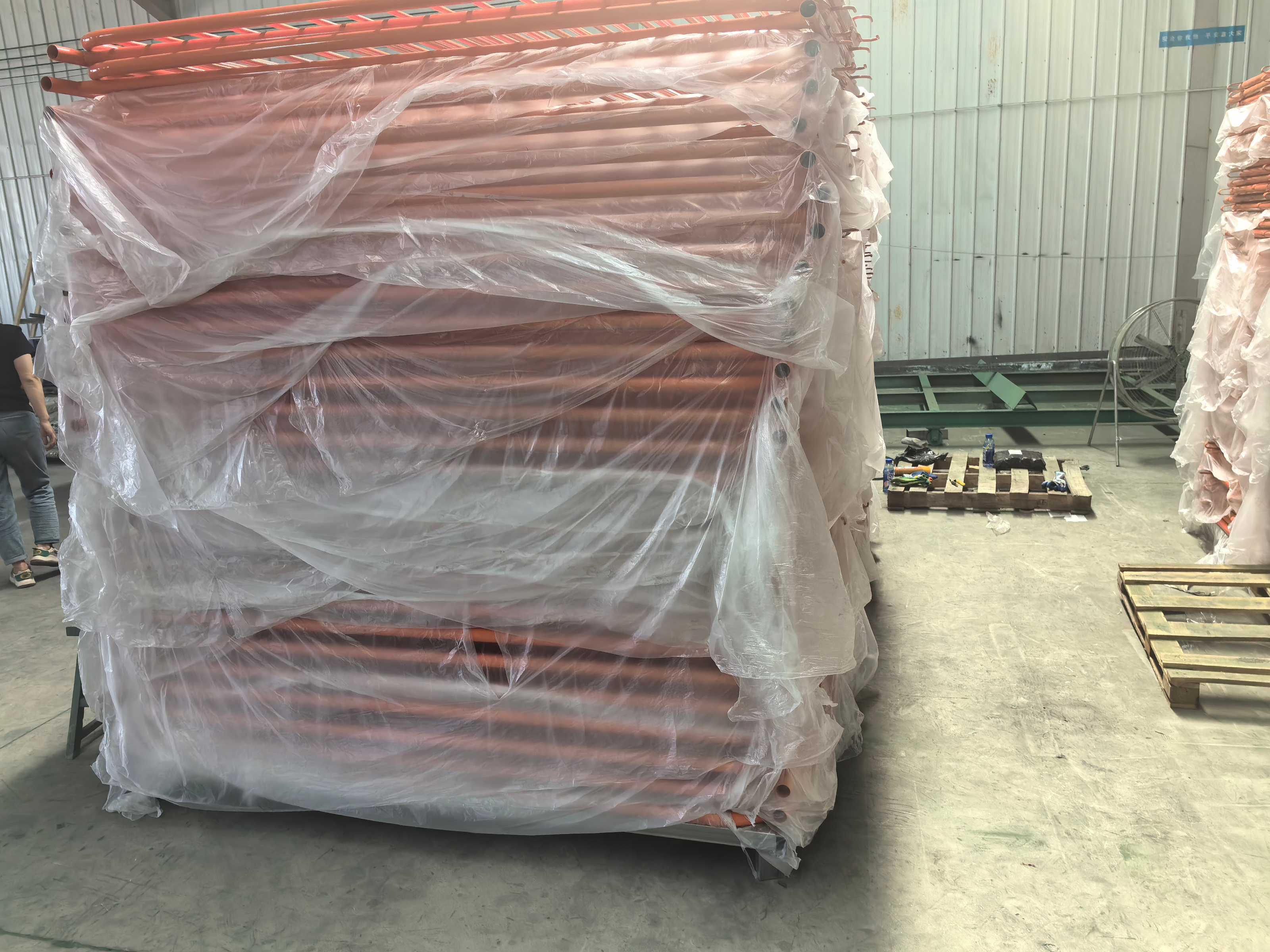
Export packing is part of product quality because barrier damage often happens during handling. POLYMETAL commonly palletizes barriers in stable stacks with protective material between panels to reduce rubbing, places cardboard under strapping to avoid strap marks, and adds bottom protection to reduce damage to the last barrier. Each pallet is labeled by model, height, width, finish, and batch so installers do not waste time sorting.
Standards
Crowd control barriers manufacture commonly references steel grade control (Q235), dimensional tolerance, weld integrity expectations, and hot dipped galvanizing or powder coating requirements. Hot dipped galvanizing after fabrication is aligned to ISO 1461 / ASTM A123 where specified, with zinc coating targets such as >70 microns to reduce early corrosion at welds and cut points.
FAQs
What sizes are most common for crowd control barriers manufacture orders?
Popular sizes include 1.1m height with widths like 2.1m, 2.2m, and 2.5m; other common heights include 1.0m, 1.06m, and 1.2m depending on venue risk and visibility needs.
Which finish should I choose: HDG after welding or powder coating?
HDG after welding is chosen for long-life corrosion resistance and outdoor durability. Powder coating is chosen for premium appearance and branding, including high-vis safety yellow and custom colours.
Which feet are best: flat feet, claw feet, bridge feet, V feet, or wheel feet?
Flat feet are common for public events and parallel queue lanes; claw and bridge feet are chosen for ground conditions and stability requirements; V feet improve alignment in certain layouts; wheel feet improve mobility for frequent repositioning.
What must be written in the purchase order to avoid rework?
Crowd control barriers manufacture must be locked with: height, width, frame tube OD + wall thickness, upright tube OD + thickness, spacing, interlock hook/receptor geometry, foot type (including flat steel size where applicable), surface finish method, and export packing protection—especially the Trap #17 no-wobble, no-rework rule.
Can you supply printed shade cloth for branding?
Yes. POLYMETAL can supply printed shade cloth to increase branding and visual control at events and industrial sites.