Your One-Stop Wire Mesh Fence Supplier | POLYMETAL
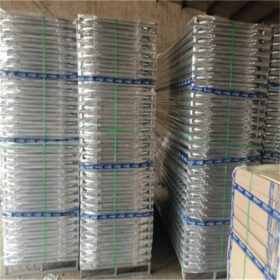
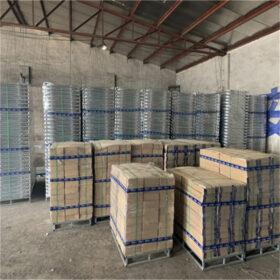
crowd control barriers used are purchased because they look like an easy cost save: the barrier already exists, the job is short, and the buyer expects “steel is steel.” The expensive failure pattern is that many sellers treat crowd control barriers used as a visual item, not a measurable system. The real difference appears after delivery and during the first install: frames arrive bent, hooks do not interlock cleanly, feet wobble, welds crack at high-stress points, and galvanizing shows early rust—turning a “cheap” purchase into damage, rework, and wasted labor. For a practical breakdown of corrosion strategies that affect real service life, see pre-galvanized: complete guide.
POLYMETAL crowd control barriers used programs are controlled like new production schedules. Buyers lock height, width, frame tube OD, frame wall thickness, infill upright tube OD, upright thickness, spacing discipline, base/feet type, and finishing discipline so the delivered batch lines up straight, stacks safely, and survives repeated deployment.
What “crowd control barriers used” Means in Practice
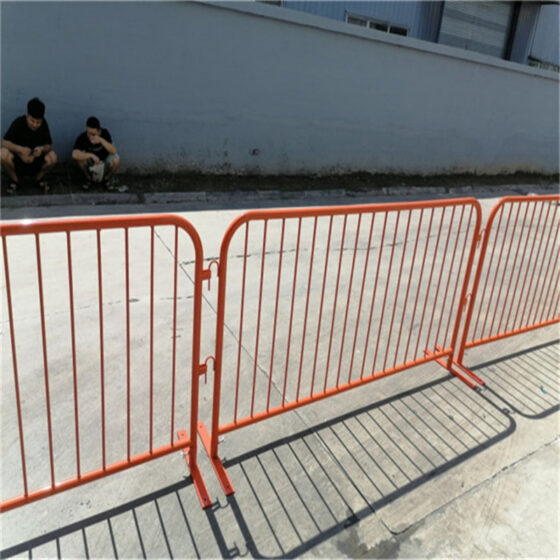
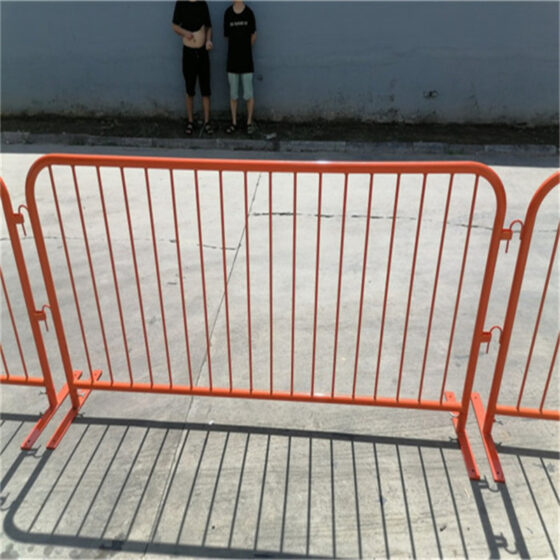
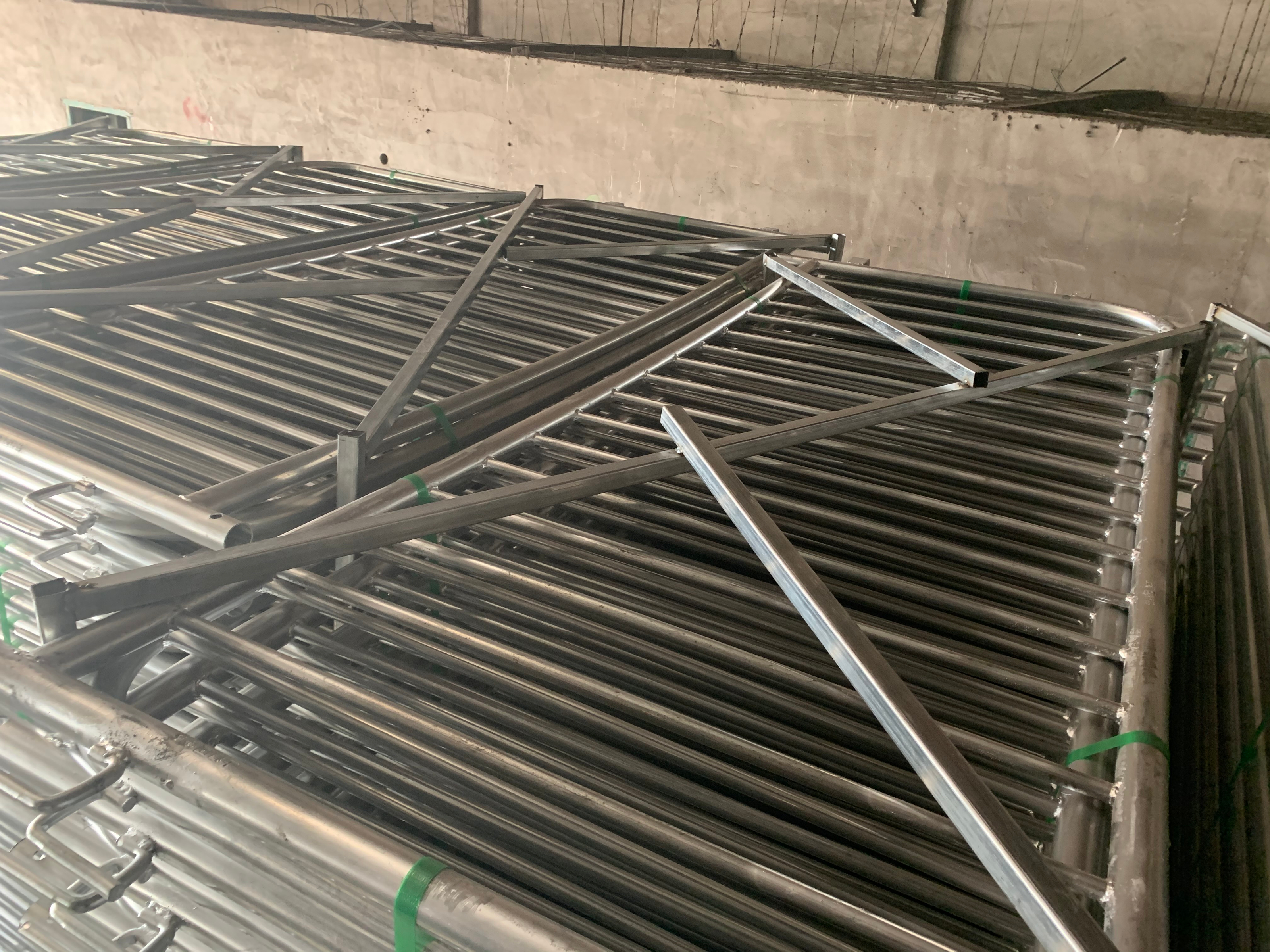
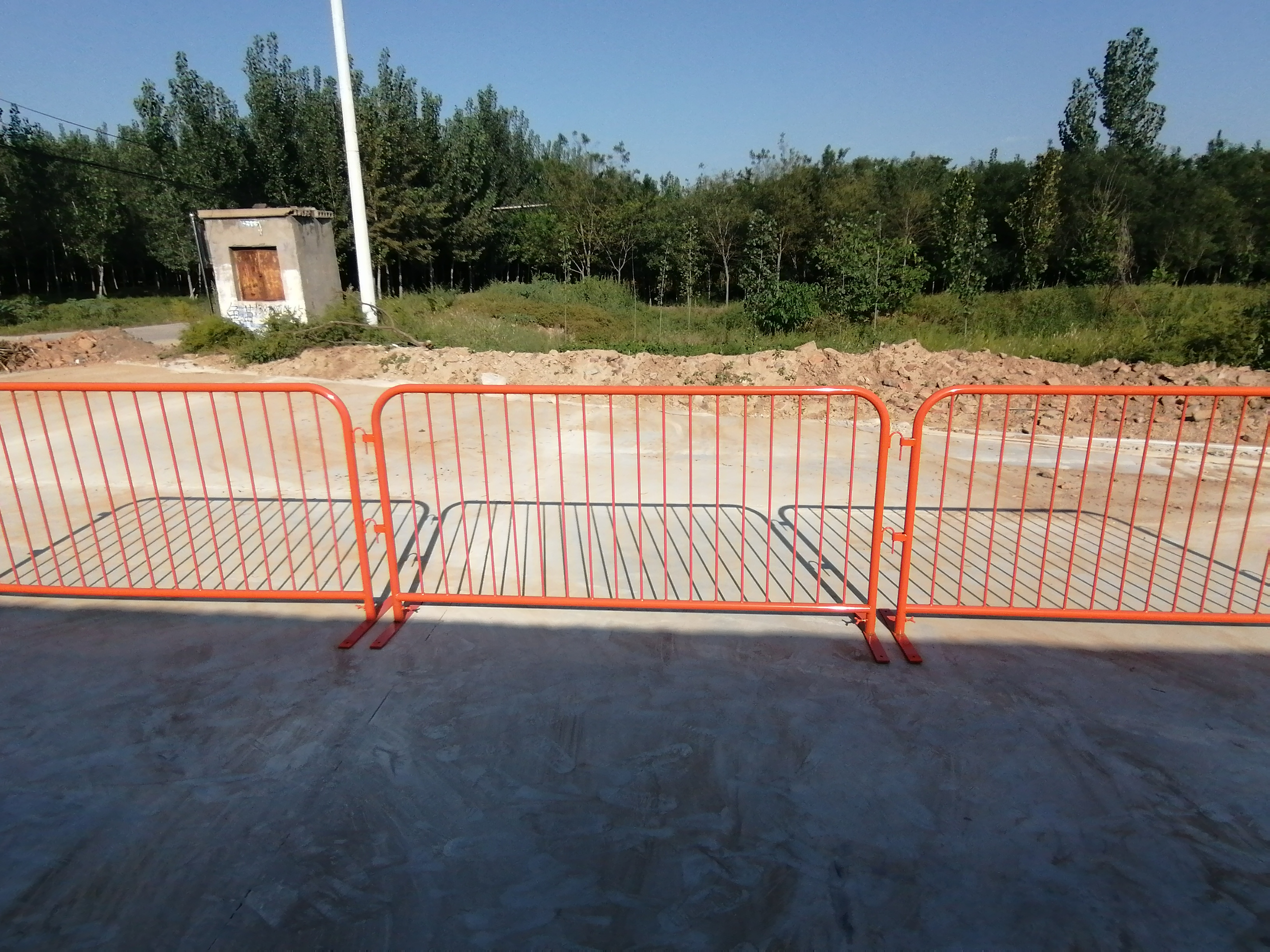
In the market, crowd control barriers used usually refer to pedestrian barriers that have been deployed at events, construction works, or temporary site control. They are commonly sold by piece-count and visual condition, but the field performance is decided by structure: whether the frame tube is stiff enough to stay straight, whether the infill uprights remain evenly spaced, whether hooks and pins still lock, whether feet stay flat on uneven ground, and whether the galvanizing still protects the weld zones and cut points where corrosion starts first.
A controlled crowd control barriers used schedule prevents the most common on-site losses: wavy lines, unstable bases, misaligned hooks, trip hazards, and early rust that destroys resale value.
Top 23 Procurement Traps for crowd control barriers used (Especially #17)
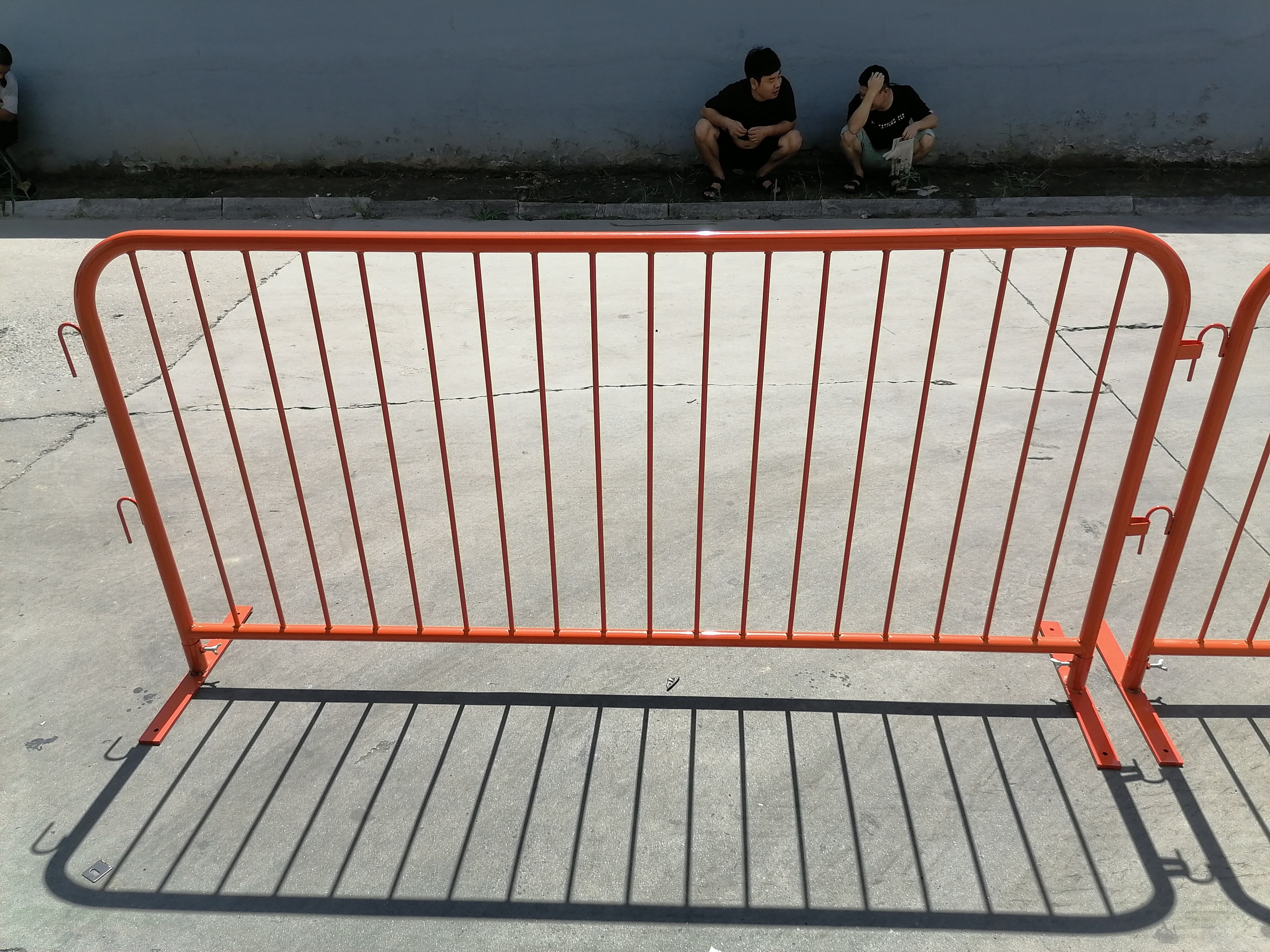
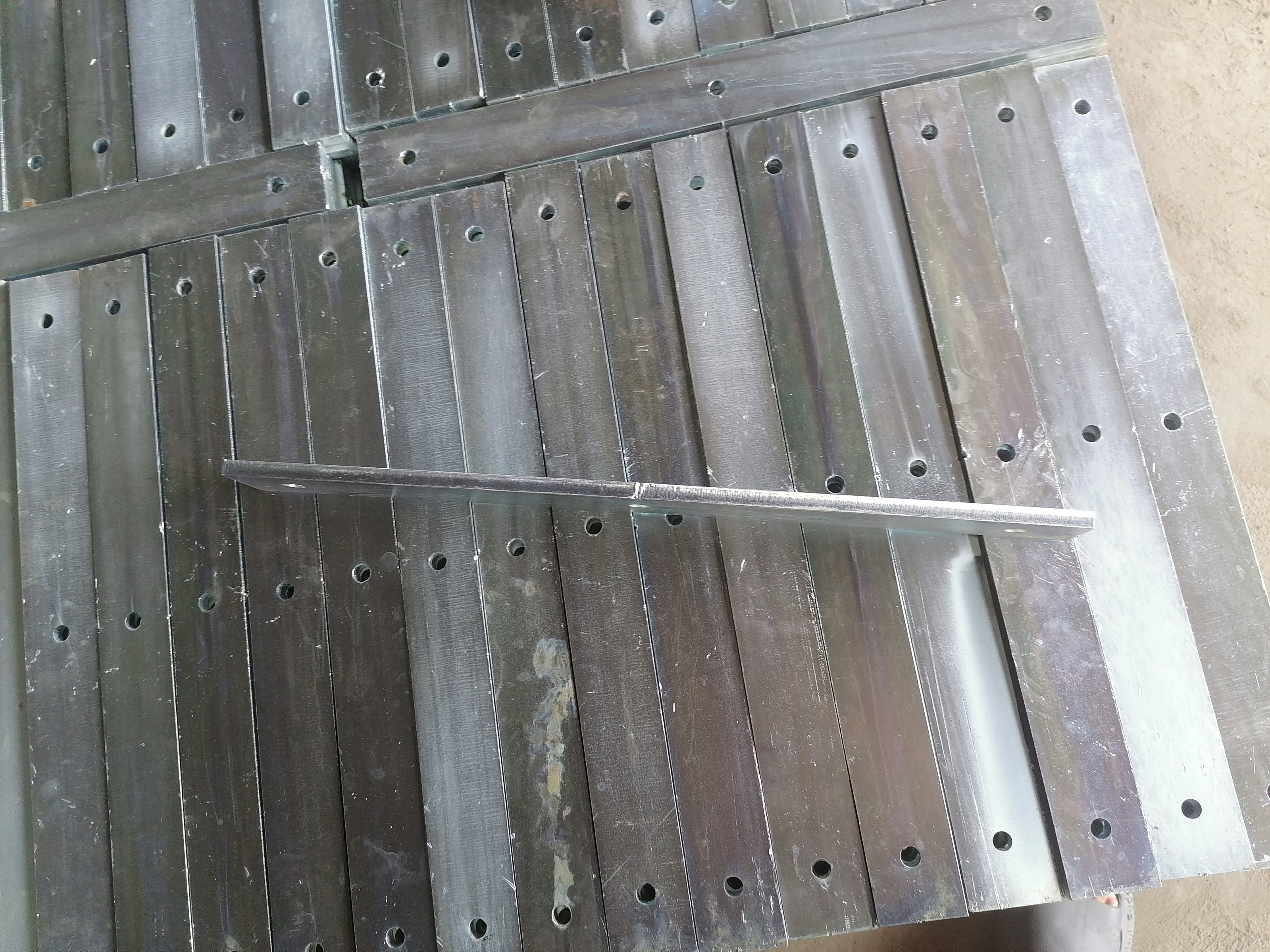
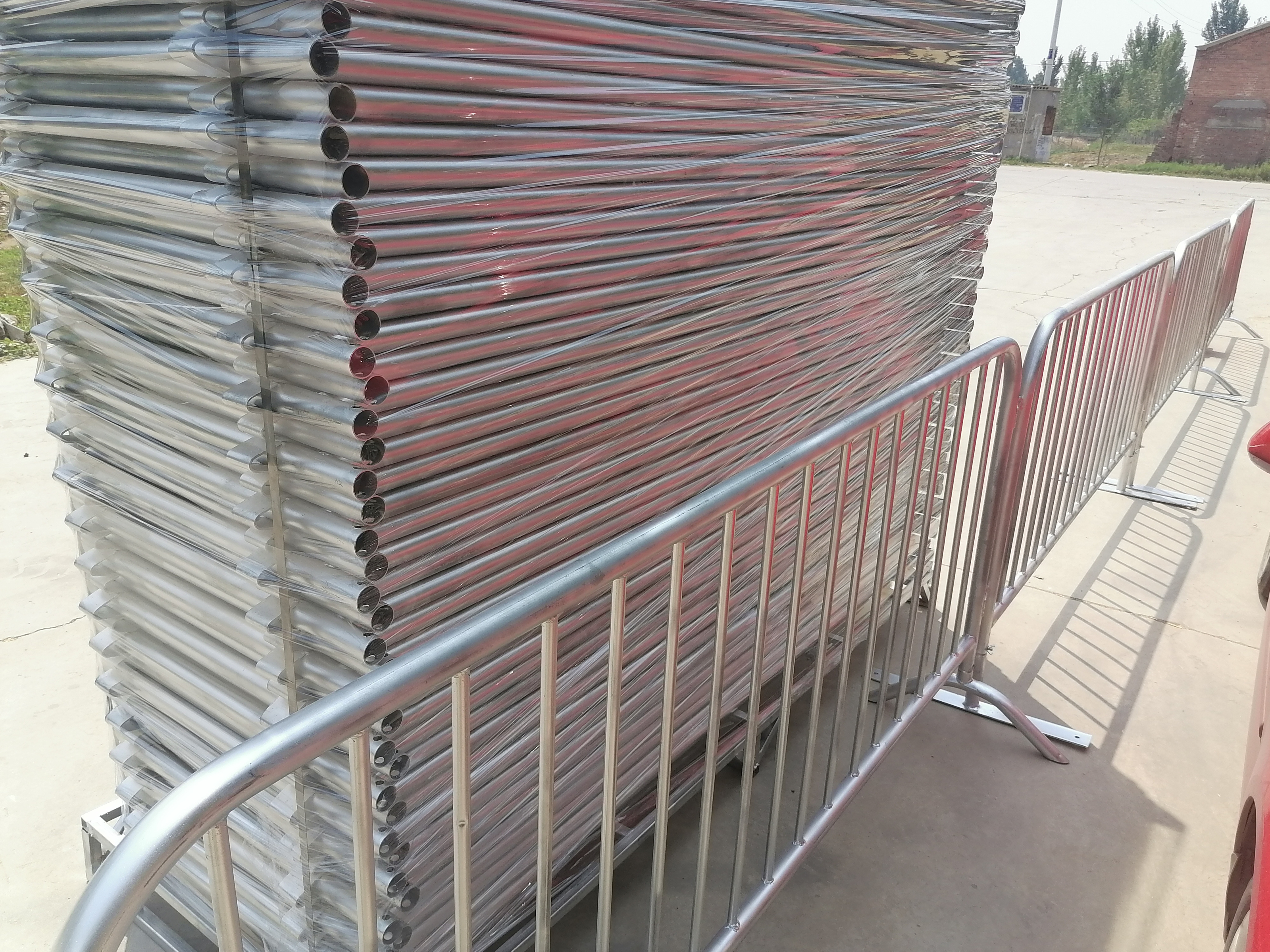
Trap #1: Buying by photo instead of checking straightness across a long run
A single barrier can look fine alone, but once 50–200 units are lined up, small bends become a visible wave. Straightness is the first discipline that separates usable crowd control barriers used from “cheap scrap.”
Trap #2: Treating “height and width” as approximate
If you mix 1.0m, 1.06m, 1.1m, and 1.2m heights without locking the job requirement, the barrier line looks inconsistent and feet spacing becomes messy. Lock height and width so every bay matches.
Trap #3: Choosing frame tube OD without stiffness planning
Frame tube OD (25mm, 32mm, 35mm, 38mm) controls handling stiffness and dent resistance. If OD is too light for repeated transport and crowd loads, crowd control barriers used become “soft” fast.
Trap #4: Letting frame wall thickness float
A 25mm frame at 1.5mm does not behave like 2.0mm. Thin wall frames dent and bend during truck loading, creating permanent waves in the barrier line.
Trap #5: Ignoring upright tube OD (the hidden strength driver)
Infill upright tube options such as 19mm OD, 16mm OD, and 12mm OD change impact resistance. Thin infill uprights are the first to bend when barriers are dragged or stacked.
Trap #6: Forgetting upright thickness is separate from OD
A 19mm OD upright at 0.7mm will not behave like 1.2mm. If upright thickness is not fixed, crowd control barriers used can arrive with weak infill that looks fine until the first deployment.
Trap #7: Treating spacing as “standard” instead of measurable
Spacing options like 90mm, 100mm, 150mm, and 200mm change visual density and finger hold risk. If spacing drifts, the job looks inconsistent and the barrier may fail compliance expectations.
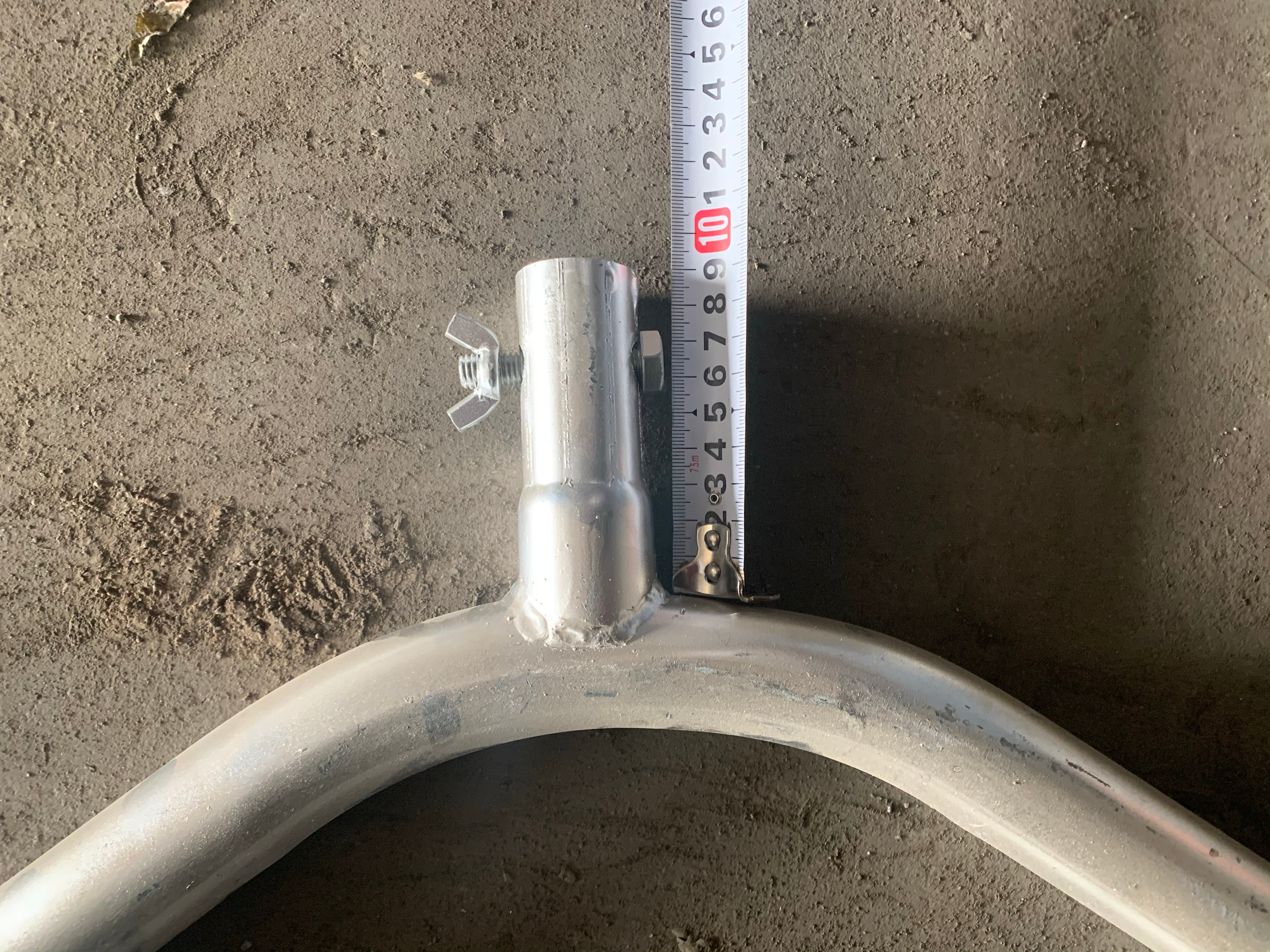
Trap #8: Missing or mismatched hooks and pins
Used barriers often lose hooks, pins, or latch geometry consistency. If hooks do not align, crews waste time forcing connections and the line becomes weak at the seam.
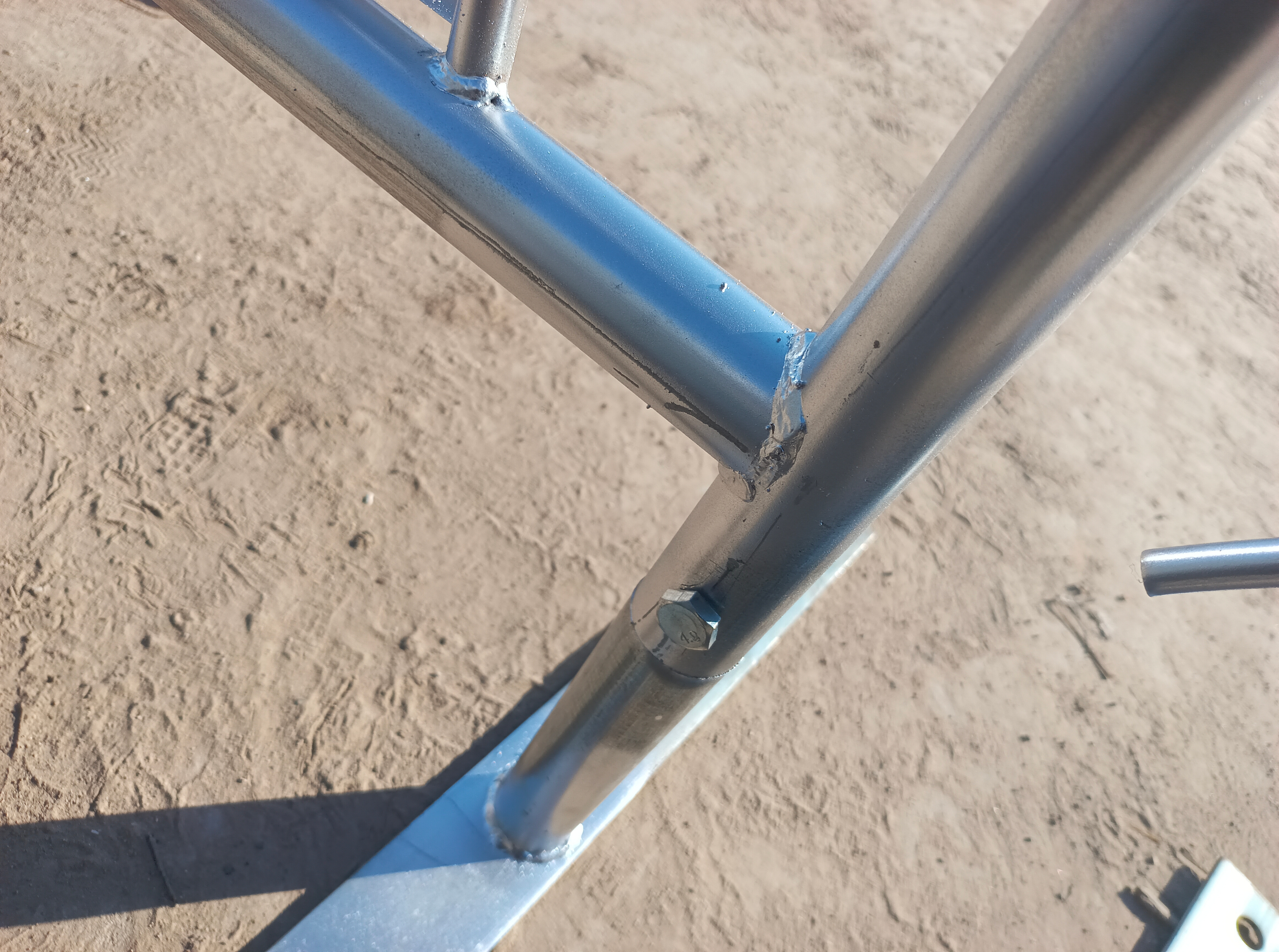
Trap #9: Ignoring weld zones (where failure starts)
Weld discipline controls strength and finish life. Hairline cracks at corners, hook points, and foot weld zones are early failure signals that turn crowd control barriers used into scrap.
Trap #10: Believing “hot dipped” without verifying full dip after welding
True hot dip galvanizing means the whole barrier is dipped after manufacture. Partial coating and spray zinc fail fast at weld zones and cut points, especially on used stock.
Trap #11: Not controlling base geometry and flatness
A barrier is only as stable as its foot. If feet are twisted, the barrier rocks and becomes a trip hazard—creating site risk and customer complaints.
Trap #12: Buying flat feet without considering job ground conditions
Flat steel feet (580×50×10mm) work well on hard surfaces, but uneven ground can require bridge feet, V feet, or wheel feet depending on staging and movement needs.
Trap #13: Ignoring stacking and pallet discipline
Used barriers often arrive stacked poorly. Without controlled stacking, frames bend during transport and the batch becomes uneven before installation even starts.
Trap #14: Mixing multiple production batches without a control plan
Even if dimensions match on paper, different factories and different years can produce different hook geometry, different tube tolerance, and different galvanizing build—making crowd control barriers used unpredictable.
Trap #15: Not checking for post-collision deformation
Event and traffic barriers can suffer vehicle impact. Slightly “diamond” shaped frames are a sign the barrier has been stressed beyond normal handling.
Trap #16: Overlooking rust at contact points and inside tubes
Surface looks can hide internal corrosion. Drain holes, tube ends, and foot contact areas reveal whether the galvanizing still protects the steel.
Trap #17 (Most Costly): Buying used barriers without a measurable acceptance checklist
If “pass” is not defined—straightness, hook fit, base flatness, weld integrity, spacing uniformity, and coating condition—the buyer absorbs every hidden loss.
Trap #18: Paying for “heavy duty” without linking it to tube OD and thickness
Heavy duty is not a label. It is a schedule: frame OD, wall thickness, upright OD, and spacing discipline. If the schedule is not locked, the label is meaningless.
Trap #19: Forgetting mixed feet create mixed stability
A line with flat feet mixed with V feet or bridge feet behaves inconsistently. When the ground changes, the barrier line starts rocking and looks unprofessional.
Trap #20: Ignoring the job’s compliance and event requirements
Some sites expect specific heights, infill spacing, and locking pins. crowd control barriers used can fail compliance expectations if the job requires a consistent schedule.
Trap #21: Underestimating labor cost created by “cheap” used barriers
If crews spend extra minutes per barrier bending hooks back, swapping feet, or fighting misalignment, labor cost destroys the savings of crowd control barriers used.
Trap #22: Buying without a spare parts plan
Used barriers often need replacement hooks, pins, or feet. If spares are not planned, one missing part can stop an entire run.
Trap #23: Not planning resale value and redeployment cycles
A batch that stays straight and resists rust keeps resale value. A batch that chips, bends, and rusts becomes a disposal cost.
Product Description (POLYMETAL)
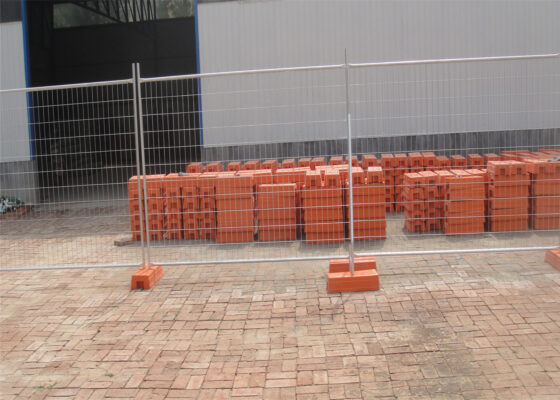
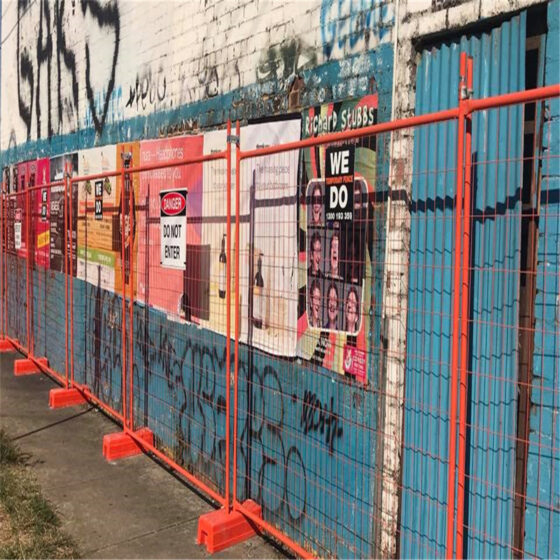
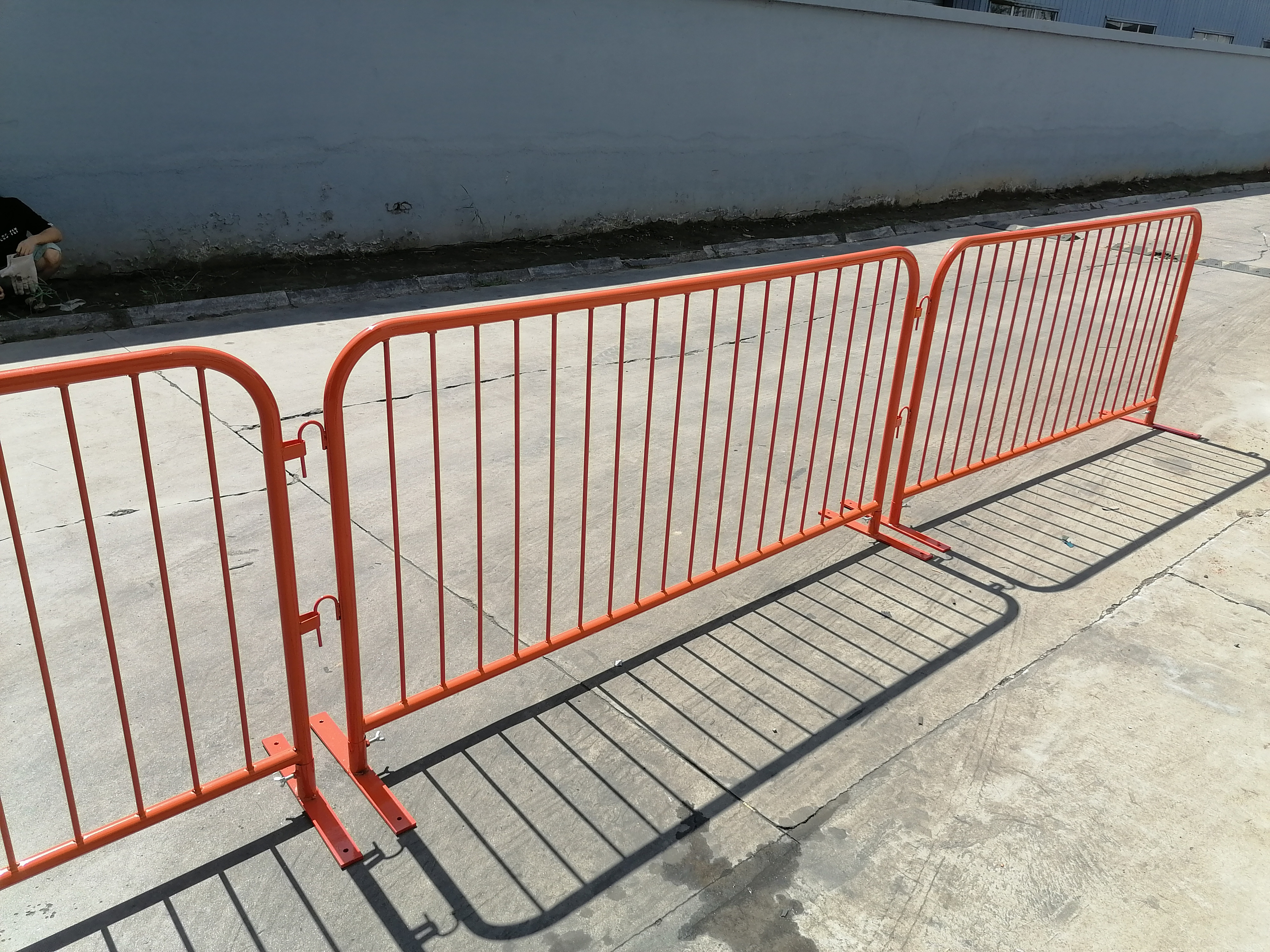
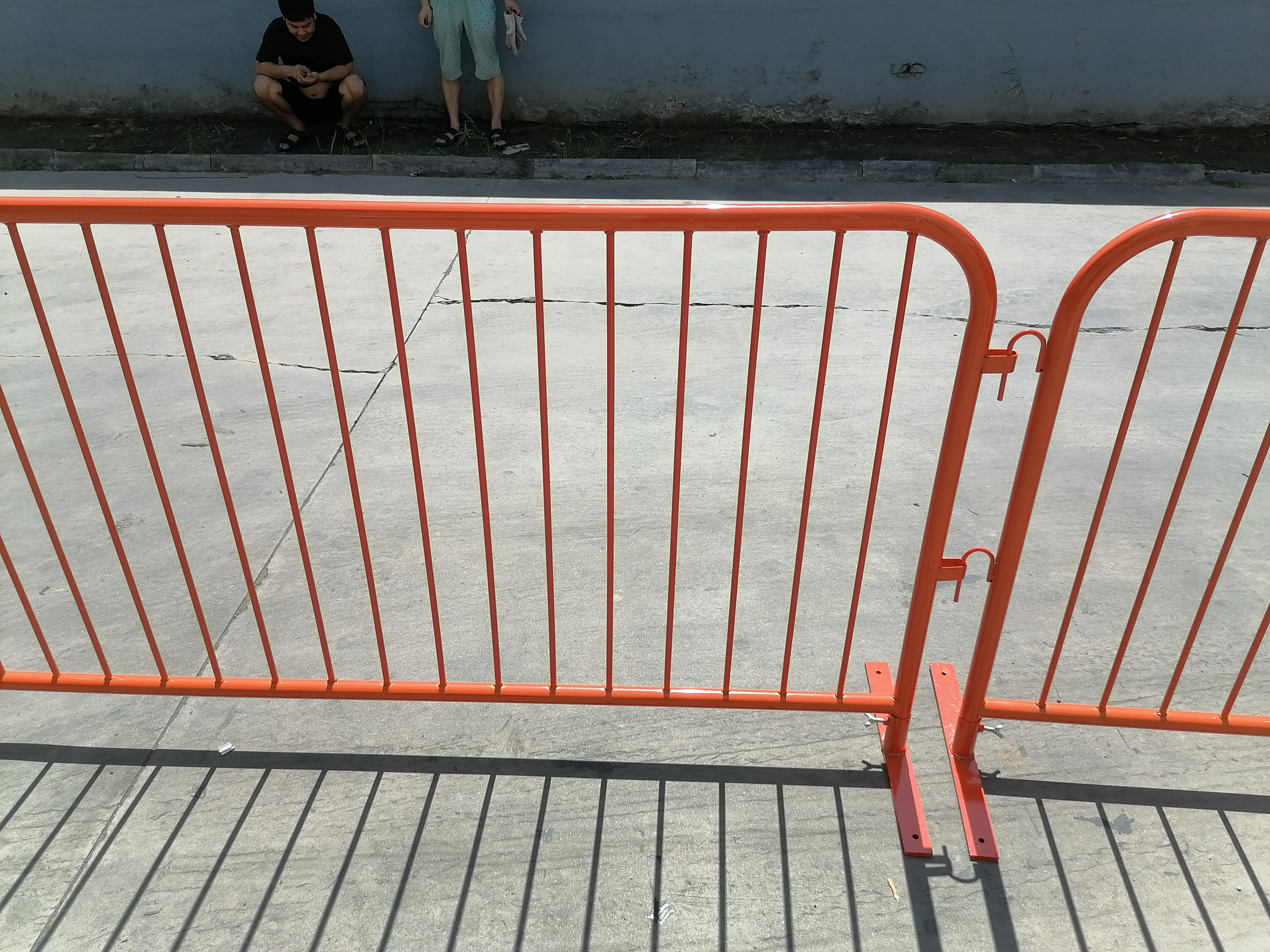
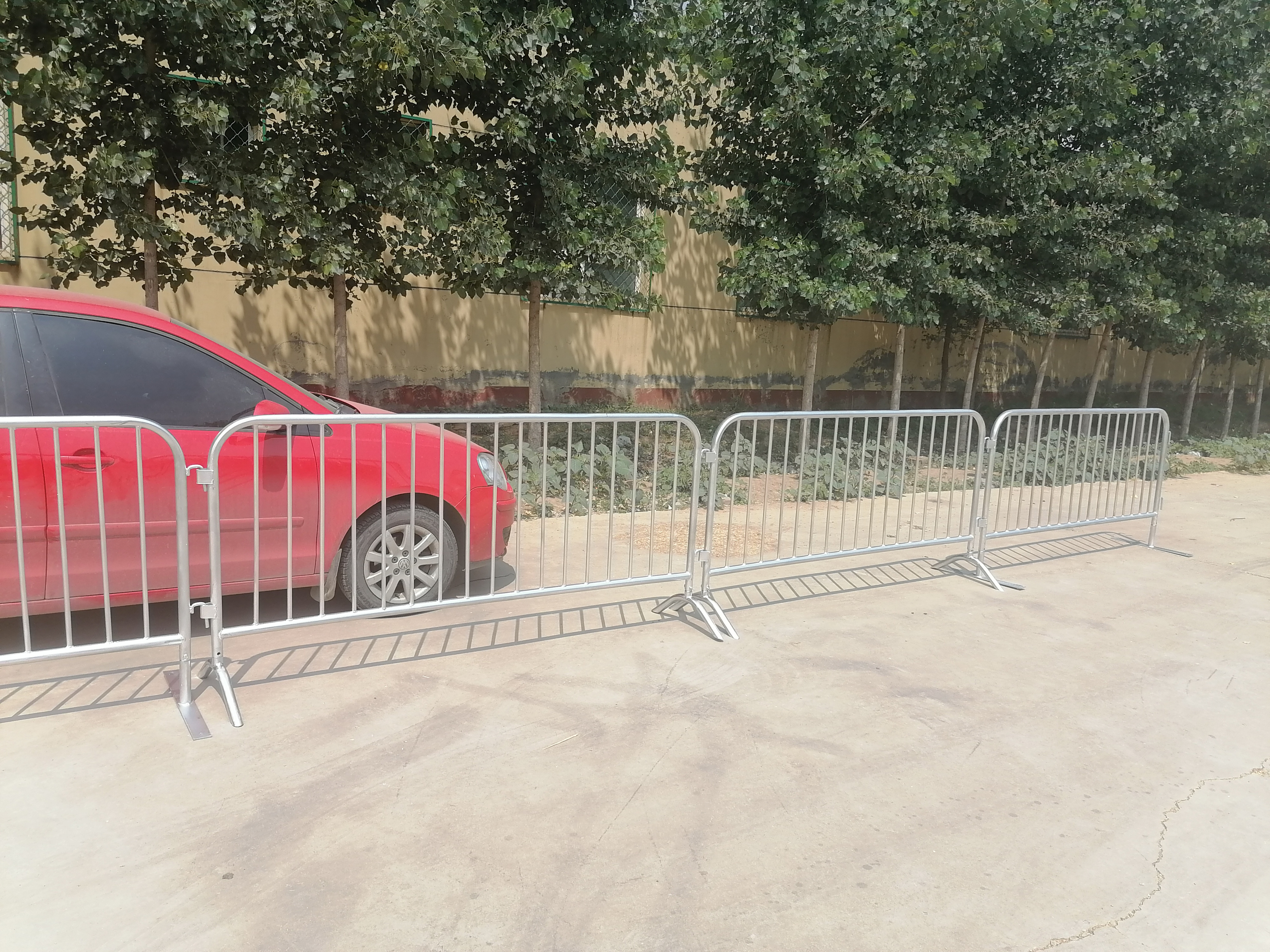
POLYMETAL crowd control barriers used programs provide controlled pedestrian barrier systems for repeated deployment in events, construction works, pool fencing, removable fence runs, and portable crowd management. The barriers are built or reconditioned around measurable geometry: locked height and width, controlled frame tube OD and wall thickness, controlled infill upright tube size and thickness, repeatable spacing discipline, and matched feet options that stabilize the line on different ground conditions.
The barriers are fully hot-dipped galvanized after welding. Each barrier is completely dipped in a galvanizing bath after manufacture, providing durable corrosion resistance for outdoor handling. With controlled hooks and pins, the line interlocks cleanly and installs faster, reducing site labor and reducing failure risk.
Specifications (POLYMETAL) — Solid Line Tables (3 Tables, 10+ Specs Each)
All schedules below include height, width, frame tube OD, frame wall thickness, upright tube OD, upright thickness, spacing, and base type. Flat foot reference: flat steel 580×50×10mm. Optional feet: wheel feet, bridge feet, V feet.
Table 1: Standard Crowd Control Barriers Used Schedule (Event + Construction)
| Spec ID | Height | Width | Frame Tube OD | Frame Wall | Upright Tube | Upright Thick | Spacing | Foot Type | Foot Size | Finish |
|---|---|---|---|---|---|---|---|---|---|---|
| U-01 | 1.00m | 2.00m | 25mm | 1.5mm | 16mm OD | 0.80mm | 150mm | Flat | 580×50×10mm | HDG |
| U-02 | 1.00m | 2.20m | 25mm | 1.6mm | 16mm OD | 1.00mm | 100mm | Flat | 580×50×10mm | HDG |
| U-03 | 1.06m | 2.20m | 32mm | 1.5mm | 19mm OD | 0.80mm | 150mm | V Feet | 580×50×10mm | HDG |
| U-04 | 1.06m | 2.50m | 32mm | 1.6mm | 19mm OD | 1.00mm | 100mm | Bridge | 580×50×10mm | HDG |
| U-05 | 1.10m | 2.10m | 35mm | 1.6mm | 16mm OD | 1.00mm | 90mm | Flat | 580×50×10mm | HDG |
| U-06 | 1.10m | 2.20m | 35mm | 2.0mm | 19mm OD | 1.20mm | 100mm | Wheel | 580×50×10mm | HDG |
| U-07 | 1.10m | 2.50m | 38mm | 1.6mm | 19mm OD | 1.00mm | 150mm | V Feet | 580×50×10mm | HDG |
| U-08 | 1.20m | 2.20m | 38mm | 2.0mm | 19mm OD | 1.20mm | 100mm | Bridge | 580×50×10mm | HDG |
| U-09 | 1.20m | 2.50m | 32mm | 2.0mm | 16mm OD | 1.00mm | 200mm | Flat | 580×50×10mm | HDG |
| U-10 | 1.06m | 2.60m | 35mm | 1.6mm | 12mm OD | 1.00mm | 190mm | Flat | 580×50×10mm | HDG |
Table 2: Heavy Duty Crowd Control Barriers Used Schedule (Higher Push Load)
| Spec ID | Height | Width | Frame Tube OD | Frame Wall | Upright Tube | Upright Thick | Spacing | Foot Type | Foot Size | Finish |
|---|---|---|---|---|---|---|---|---|---|---|
| H-01 | 1.10m | 2.10m | 38mm | 2.0mm | 19mm OD | 1.20mm | 100mm | Flat | 580×50×10mm | HDG |
| H-02 | 1.10m | 2.20m | 38mm | 2.0mm | 19mm OD | 1.20mm | 90mm | Bridge | 580×50×10mm | HDG |
| H-03 | 1.20m | 2.20m | 38mm | 2.0mm | 19mm OD | 1.20mm | 100mm | V Feet | 580×50×10mm | HDG |
| H-04 | 1.20m | 2.50m | 38mm | 2.0mm | 19mm OD | 1.20mm | 100mm | Wheel | 580×50×10mm | HDG |
| H-05 | 1.06m | 2.50m | 35mm | 2.0mm | 19mm OD | 1.20mm | 100mm | Flat | 580×50×10mm | HDG |
| H-06 | 1.06m | 2.60m | 35mm | 2.0mm | 16mm OD | 1.20mm | 150mm | Bridge | 580×50×10mm | HDG |
| H-07 | 1.10m | 2.50m | 32mm | 2.0mm | 19mm OD | 1.00mm | 100mm | V Feet | 580×50×10mm | HDG |
| H-08 | 1.20m | 2.60m | 38mm | 2.0mm | 19mm OD | 1.20mm | 100mm | Flat | 580×50×10mm | HDG |
| H-09 | 1.00m | 2.20m | 32mm | 2.0mm | 16mm OD | 1.00mm | 90mm | Wheel | 580×50×10mm | HDG |
| H-10 | 1.00m | 2.00m | 35mm | 2.0mm | 19mm OD | 1.20mm | 100mm | Bridge | 580×50×10mm | HDG |
Table 3: Portable / Removable Crowd Control Barriers Used Schedule (Fast Deployment)
| Spec ID | Height | Width | Frame Tube OD | Frame Wall | Upright Tube | Upright Thick | Spacing | Foot Type | Foot Size | Finish |
|---|---|---|---|---|---|---|---|---|---|---|
| P-01 | 1.00m | 2.00m | 25mm | 1.5mm | 12mm OD | 0.70mm | 200mm | Flat | 580×50×10mm | HDG |
| P-02 | 1.00m | 2.20m | 25mm | 1.6mm | 12mm OD | 0.80mm | 190mm | V Feet | 580×50×10mm | HDG |
| P-03 | 1.06m | 2.20m | 32mm | 1.5mm | 16mm OD | 0.80mm | 150mm | Bridge | 580×50×10mm | HDG |
| P-04 | 1.06m | 2.50m | 32mm | 1.6mm | 16mm OD | 1.00mm | 150mm | Flat | 580×50×10mm | HDG |
| P-05 | 1.10m | 2.10m | 35mm | 1.6mm | 16mm OD | 1.00mm | 100mm | Wheel | 580×50×10mm | HDG |
| P-06 | 1.10m | 2.20m | 35mm | 2.0mm | 16mm OD | 1.00mm | 90mm | V Feet | 580×50×10mm | HDG |
| P-07 | 1.10m | 2.50m | 38mm | 1.6mm | 19mm OD | 1.00mm | 150mm | Bridge | 580×50×10mm | HDG |
| P-08 | 1.20m | 2.20m | 38mm | 2.0mm | 19mm OD | 1.20mm | 100mm | Flat | 580×50×10mm | HDG |
| P-09 | 1.20m | 2.50m | 32mm | 2.0mm | 12mm OD | 1.00mm | 190mm | V Feet | 580×50×10mm | HDG |
| P-10 | 1.06m | 2.60m | 35mm | 1.6mm | 19mm OD | 1.00mm | 200mm | Wheel | 580×50×10mm | HDG |
Applications (crowd control barriers used)
crowd control barriers used are widely applied for pedestrian control at events, festivals, stadium and venue queue lines, construction works, traffic rerouting, removable fence runs, portable fence needs, pool fence control, and public-facing sites where a clean barrier line prevents complaints and improves safety perception. crowd control barriers used also support rapid site staging where temporary boundaries must be moved, reconfigured, and redeployed repeatedly.
Benefits (POLYMETAL)
The key benefit of crowd control barriers used is budget efficiency with controlled performance. When height, width, tube schedule, spacing, feet type, and galvanizing discipline are locked, the barrier installs faster, aligns straighter, and stays stable on site. Fully hot-dipped galvanizing after welding improves weather resistance and reduces early rust. With controlled hooks and matched feet options, crowd control barriers used reduce labor losses and reduce the risk of failure during repeated deployment cycles. If you also need a permanent boundary solution to pair with your temporary crowd-control line, see steel tube picket fence for sale.
Packing
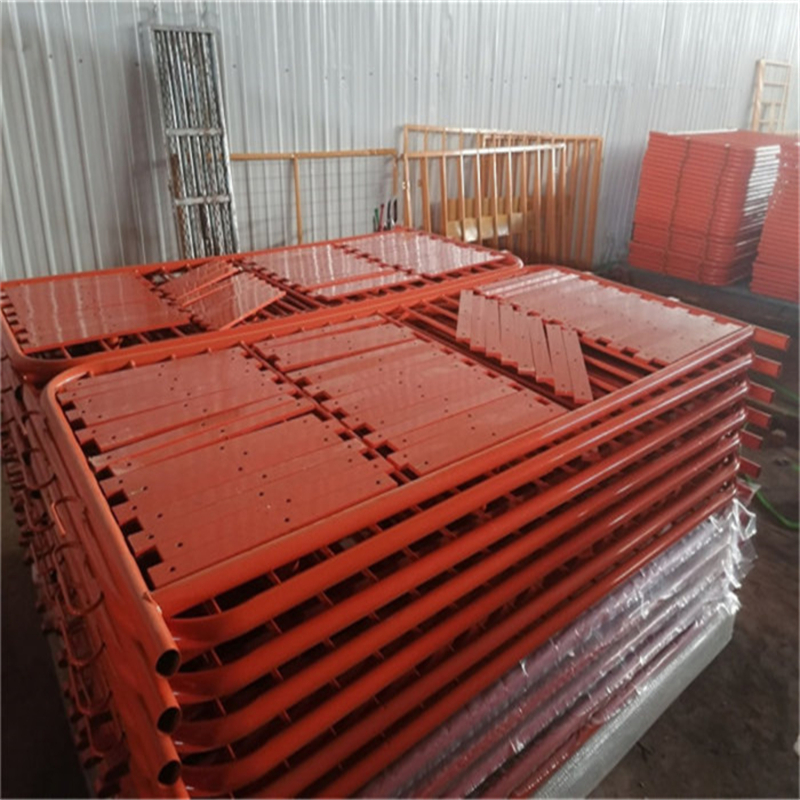
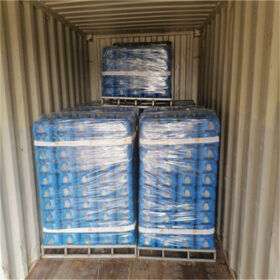
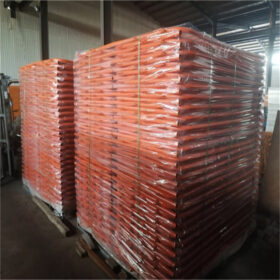
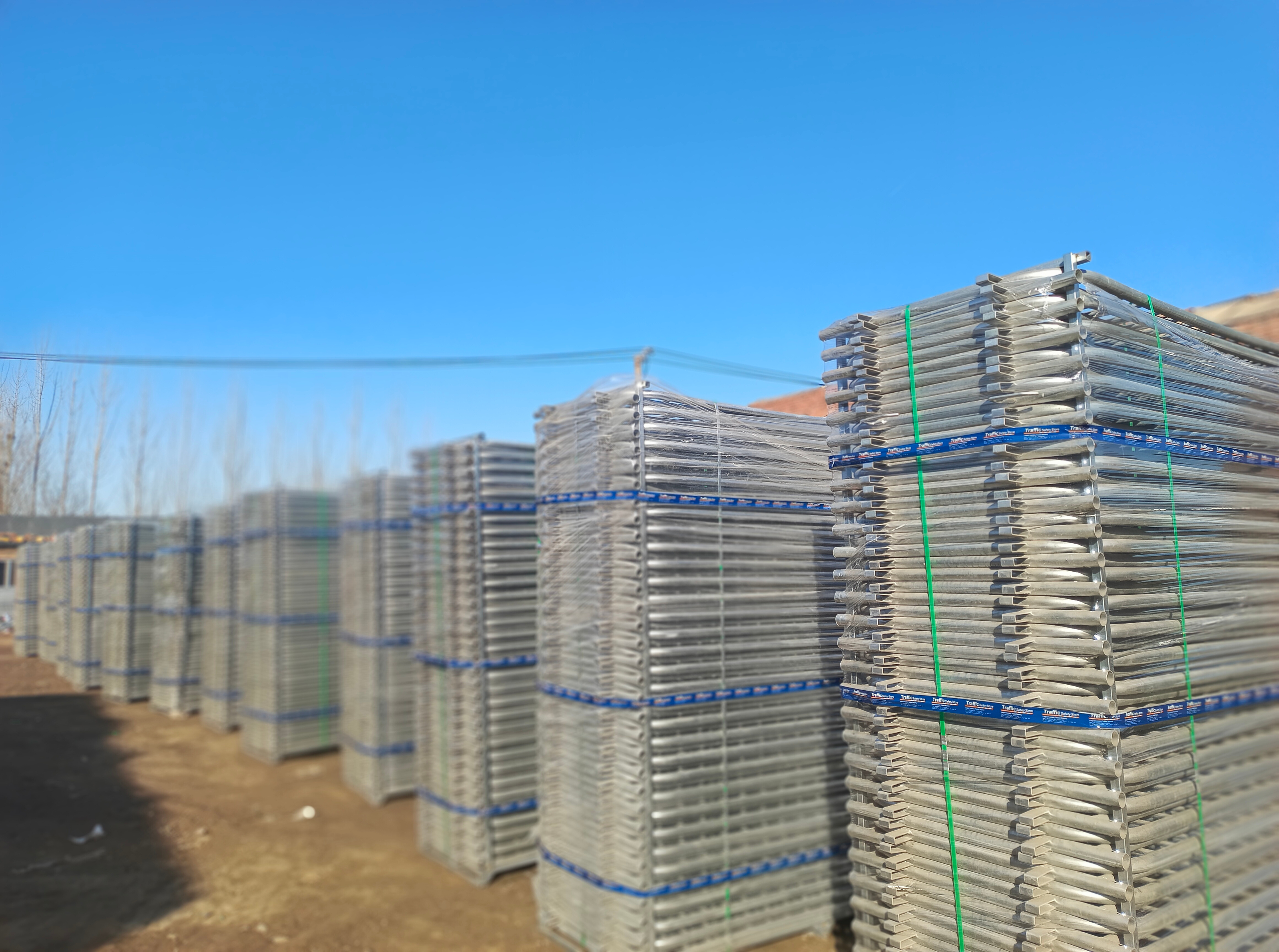
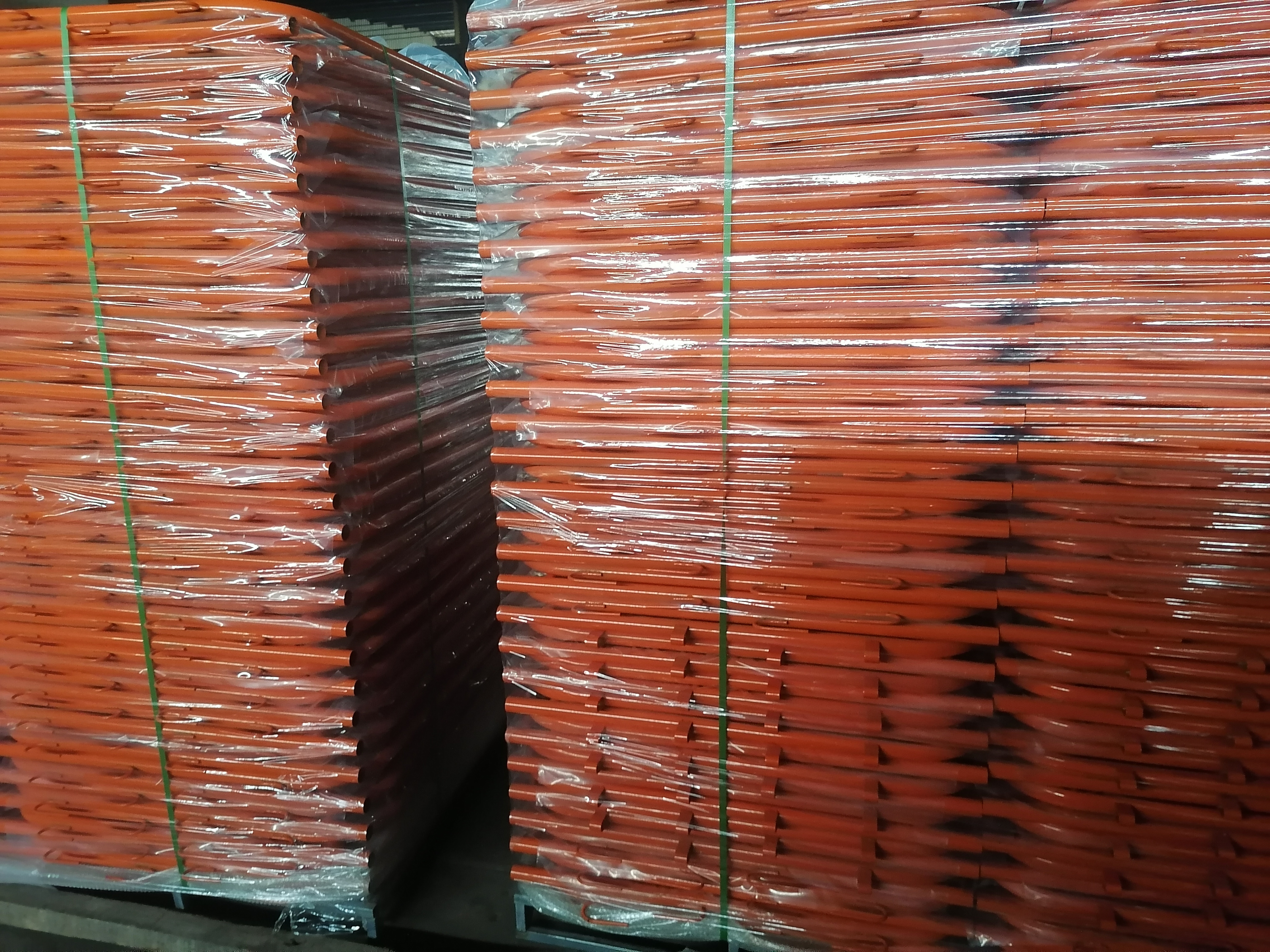
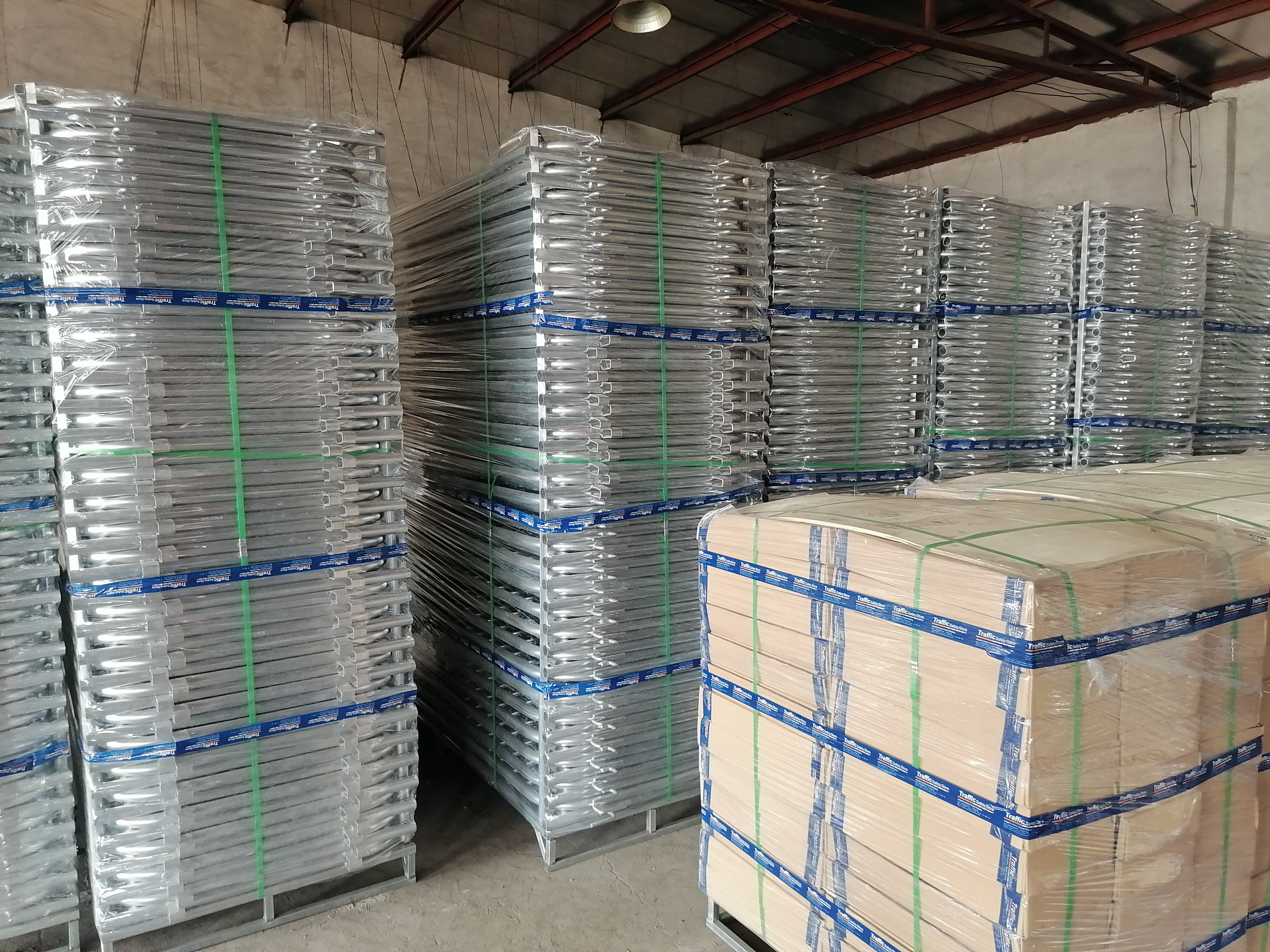
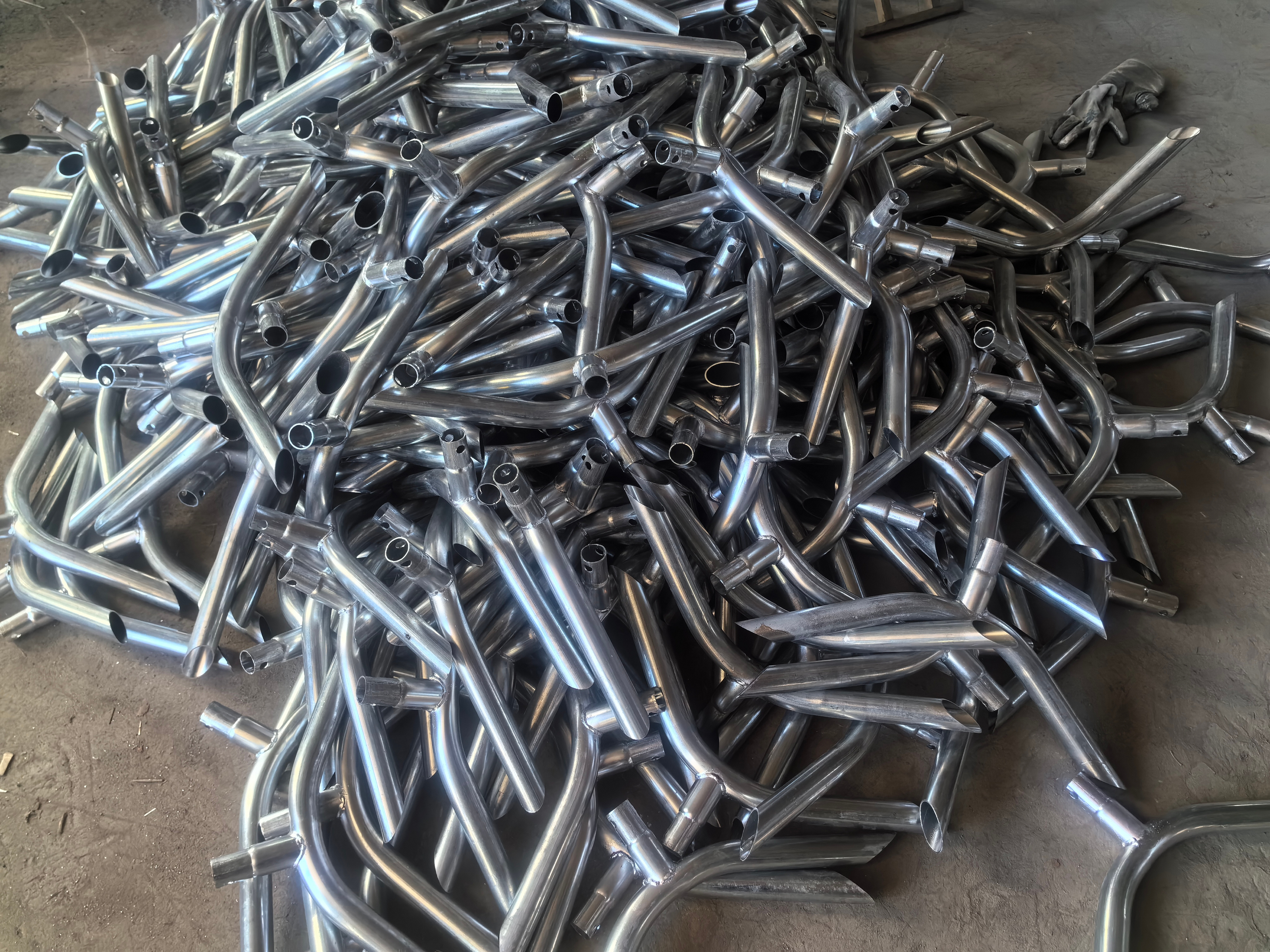
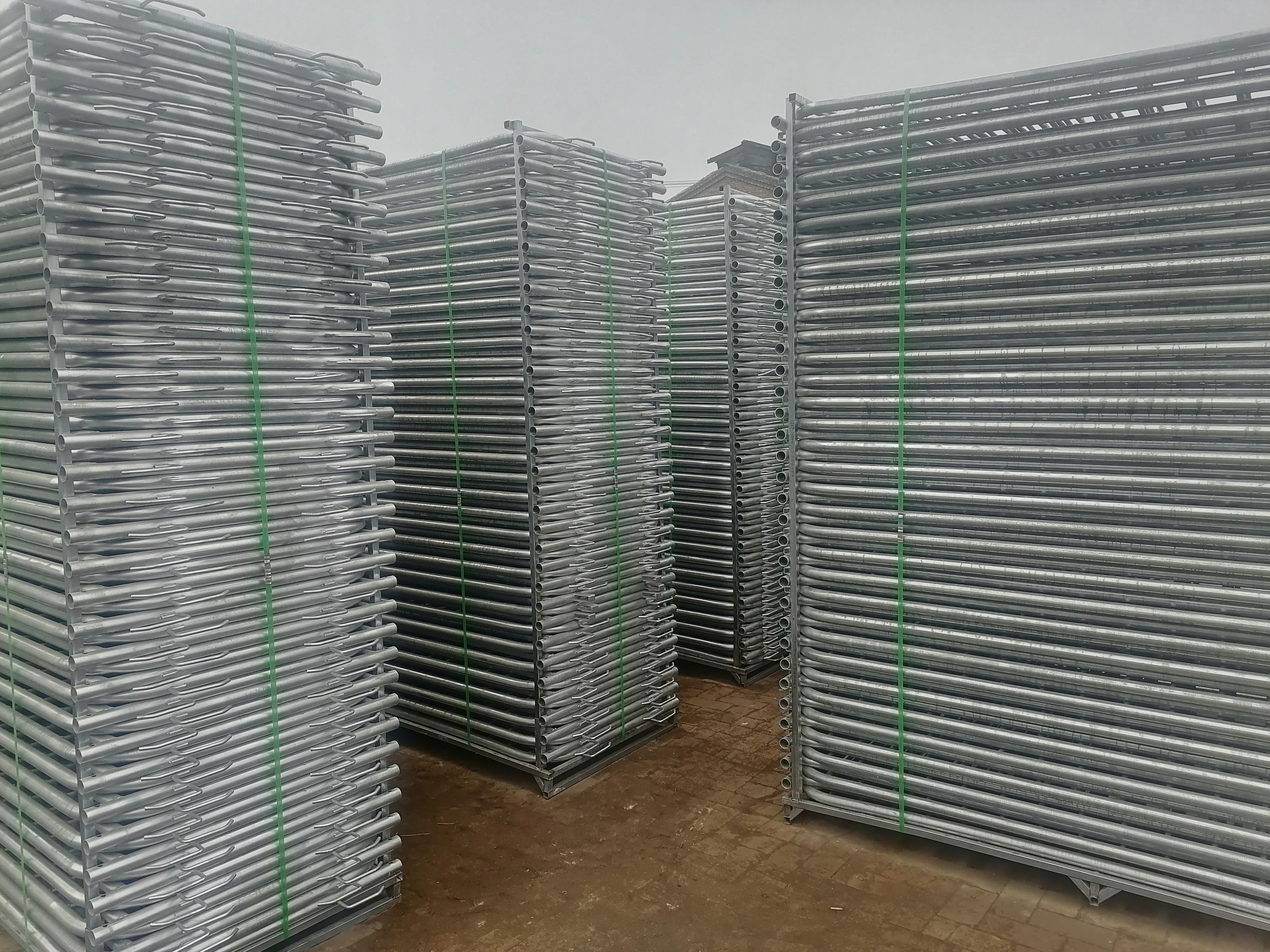
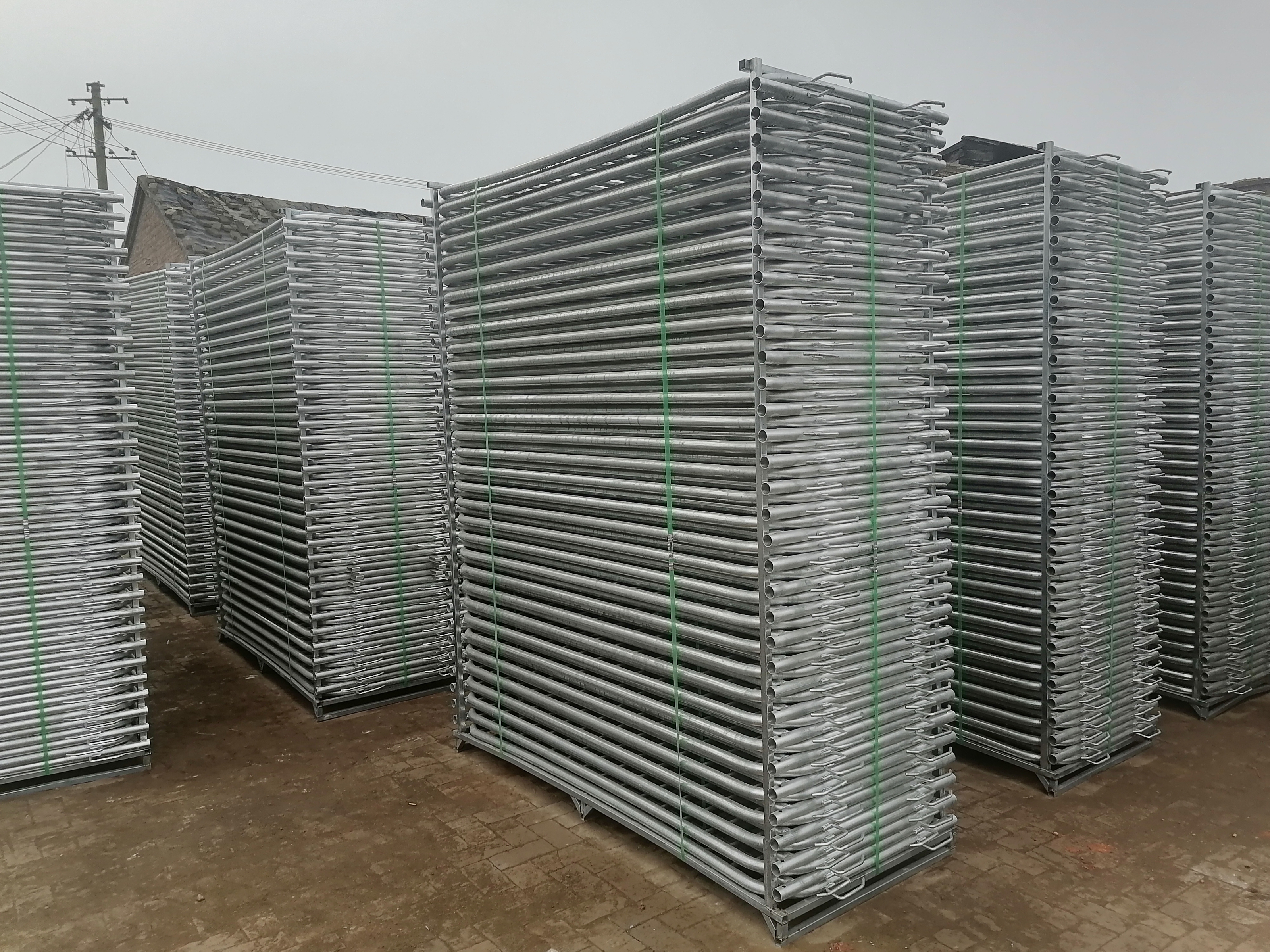
POLYMETAL packs crowd control barriers used to preserve straightness and protect the galvanized surface through loading, container transit, and unloading. Barriers are stacked in aligned bundles, separated at contact points to reduce rub marks, strapped square to prevent shifting, and loaded to avoid frame pressure points that create bends. Feet, pins, and accessories are packed by run schedule so the site can deploy without sorting losses.
Standard and FAQs
Standard (How to Control Used Barrier Quality)
crowd control barriers used programs commonly control performance by locking height and width, tube schedule (frame OD and wall thickness, upright OD and thickness), spacing discipline, foot type, and galvanizing strategy. Field performance is still decided by measurable controls: straightness, base flatness, hook alignment, weld integrity, and coating condition at high-contact zones.
FAQ 1: What is the fastest way to avoid buying bent crowd control barriers used?
Require a straightness check across long runs, lock the tube schedule, and reject barriers with twisted frames or diamond-shaped corners.
FAQ 2: Which frame tube sizes are common for crowd control barriers used?
Common frame tube OD options include 25mm, 32mm, 35mm, and 38mm, selected with wall thickness to match expected handling and crowd load.
FAQ 3: Why do feet options matter?
Feet decide stability and deployment speed. Flat feet are common on hard ground, while bridge feet, V feet, and wheel feet can reduce wobble and speed movement depending on site conditions.
FAQ 4: What finish is best for repeated outdoor deployment?
Fully hot-dipped galvanized after welded is widely chosen because each barrier is completely dipped after manufacture, delivering strong weather resistance.
FAQ 5: Can POLYMETAL supply new and refurbished crowd control barriers used schedules?
Yes. POLYMETAL can supply crowd control barriers used schedules as refurbished batches or as new production matched to used job requirements, including feet options and tube schedules.