Your One-Stop Wire Mesh Fence Supplier | POLYMETAL
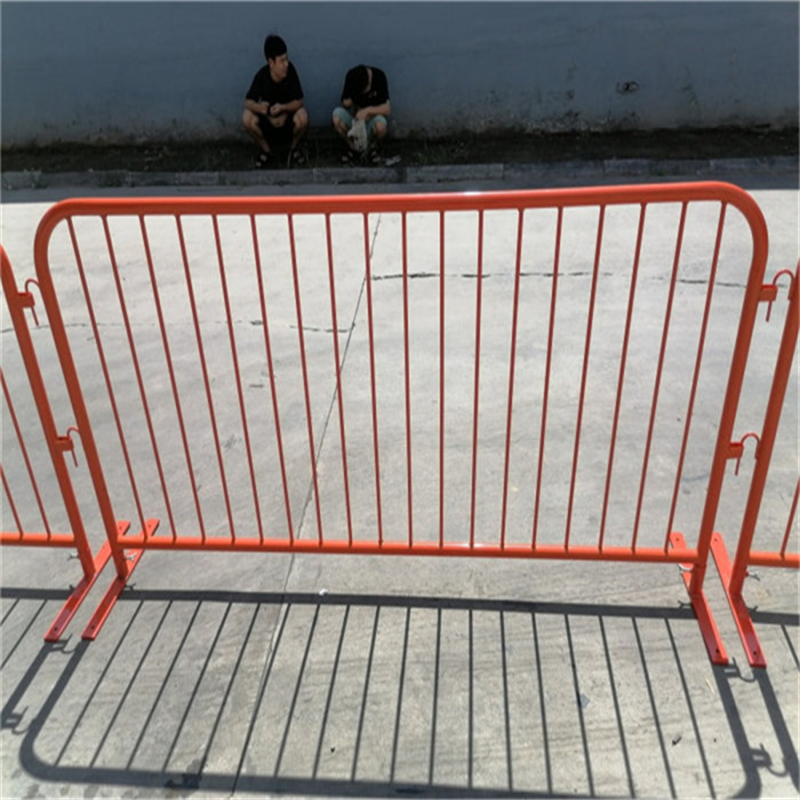
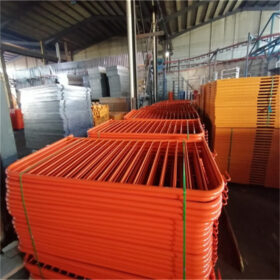
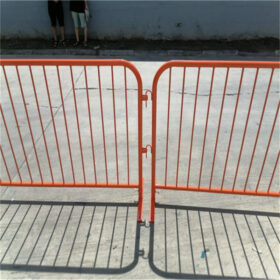
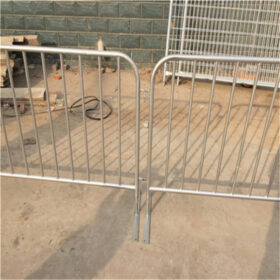
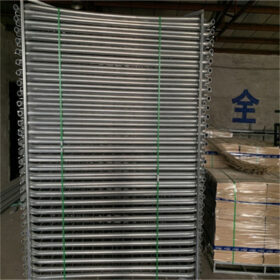
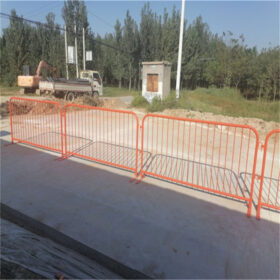
crowd control safety barriers are usually purchased under pressure—because a venue can’t open, a queue can’t form, and an event can’t run without a controlled line. The real danger is that many barriers look “the same” from a few meters away, but they do not perform the same after repeated loading, dragging, stacking, and transport knocks. That’s how a “cheap barrier” becomes the barrier that costs you the most in repairs, complaints, and re-orders.
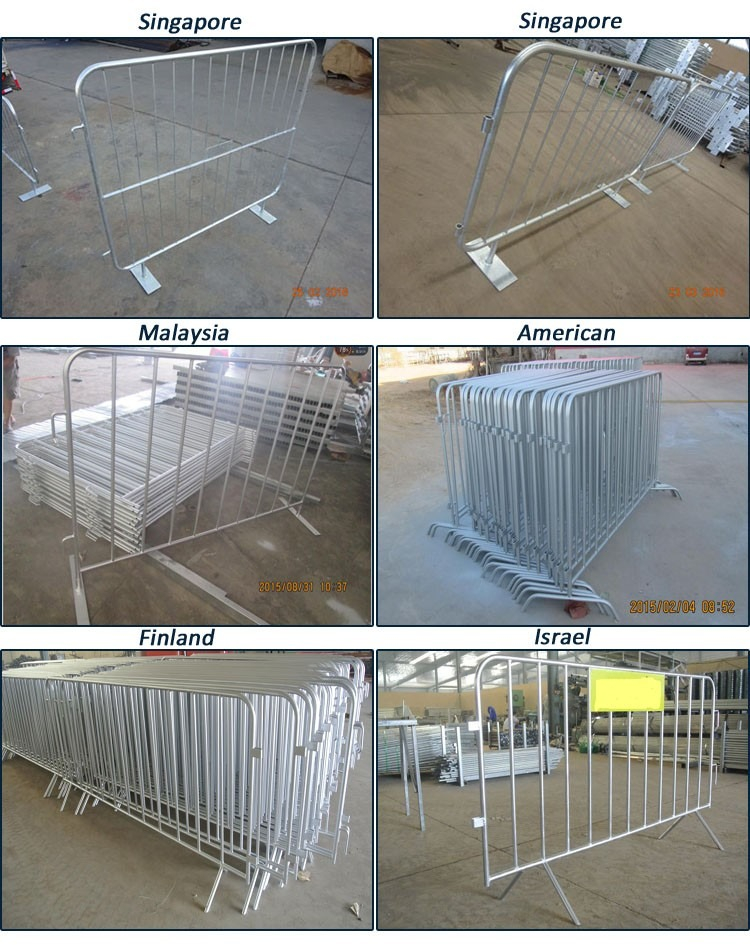
What “crowd control safety barriers” Really Mean
A crowd control barrier is a modular steel panel system designed to create guided pathways, secure perimeters, and controlled entry/exit points. Real performance comes from the system balance: the frame tube controls stiffness, the uprights control impact resistance, the spacing controls squeeze/foot-hold risk, and the feet/base control stability and trip-resistance. When one part is under-specified—especially frame wall thickness or feet choice—the whole line becomes noisy, loose, and unsafe.
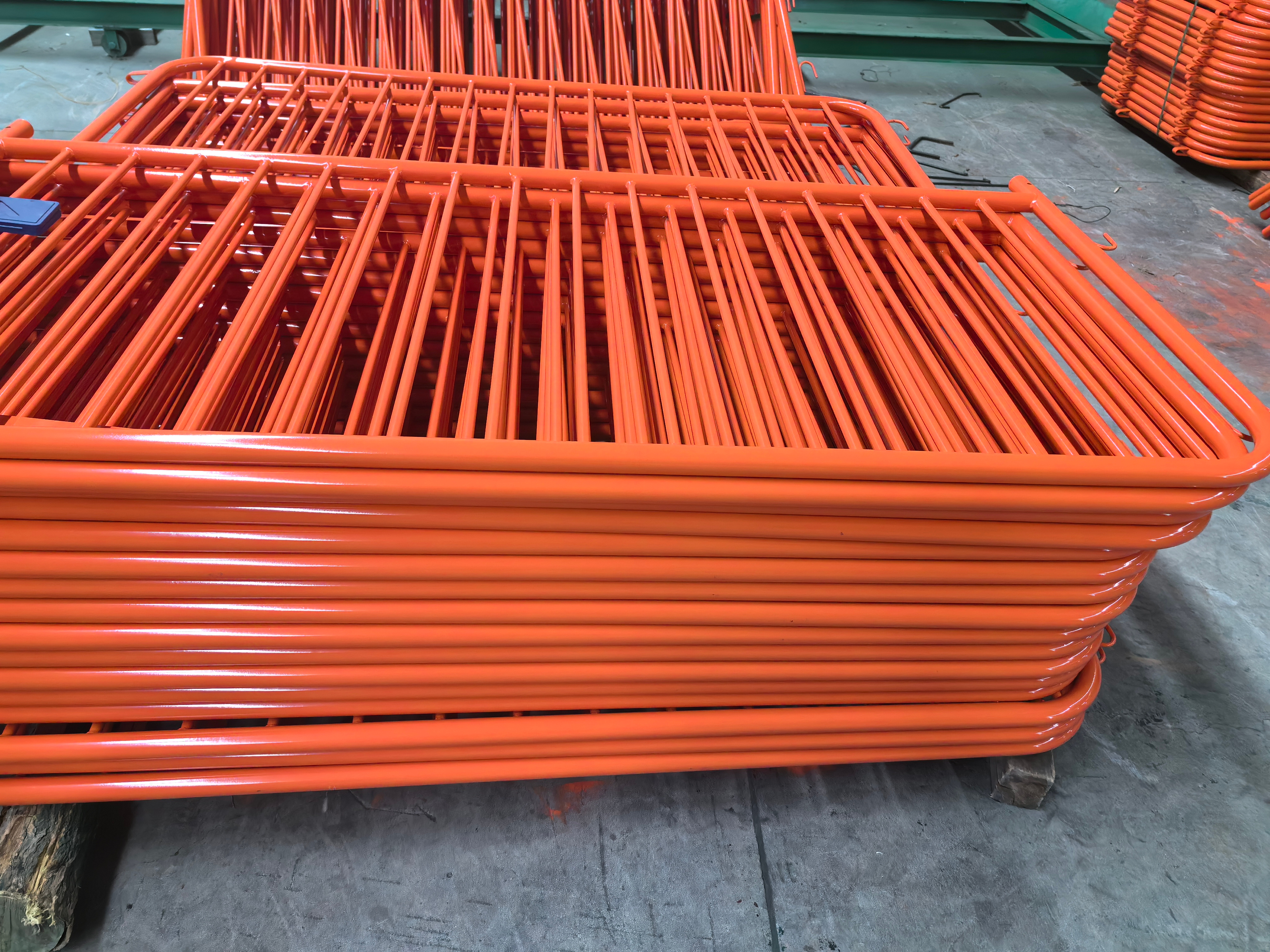
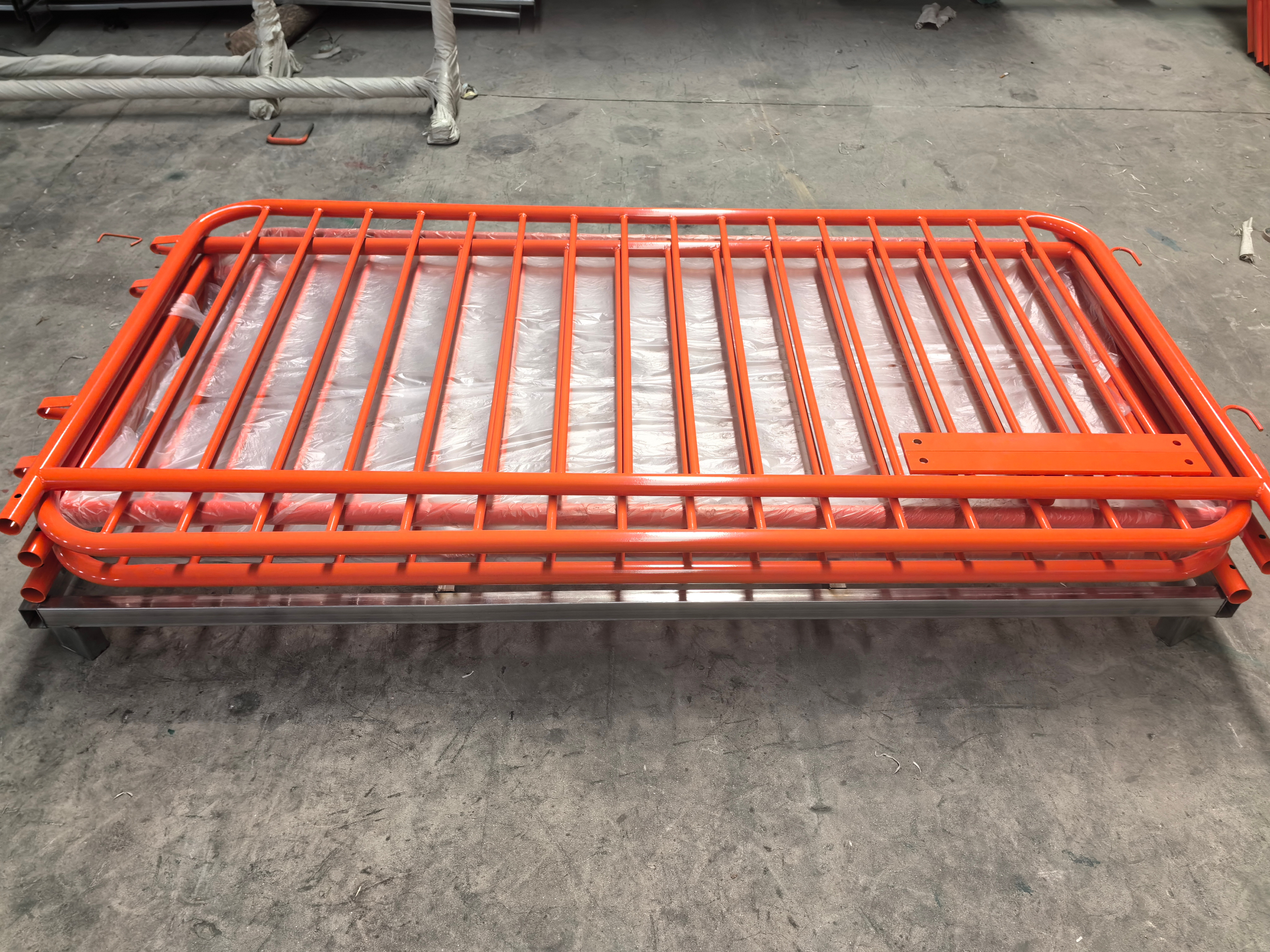
Product Description crowd control safety barriers
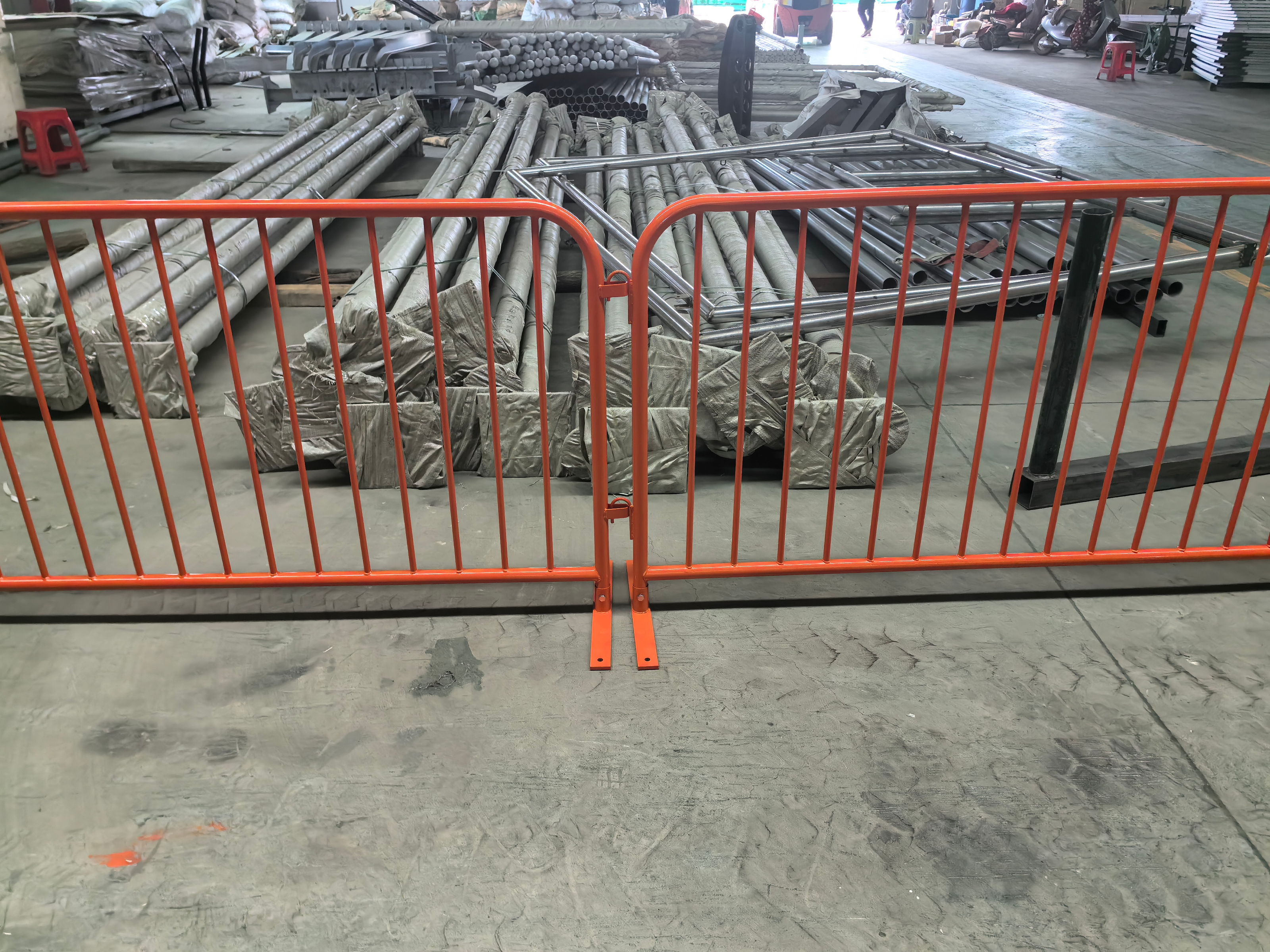
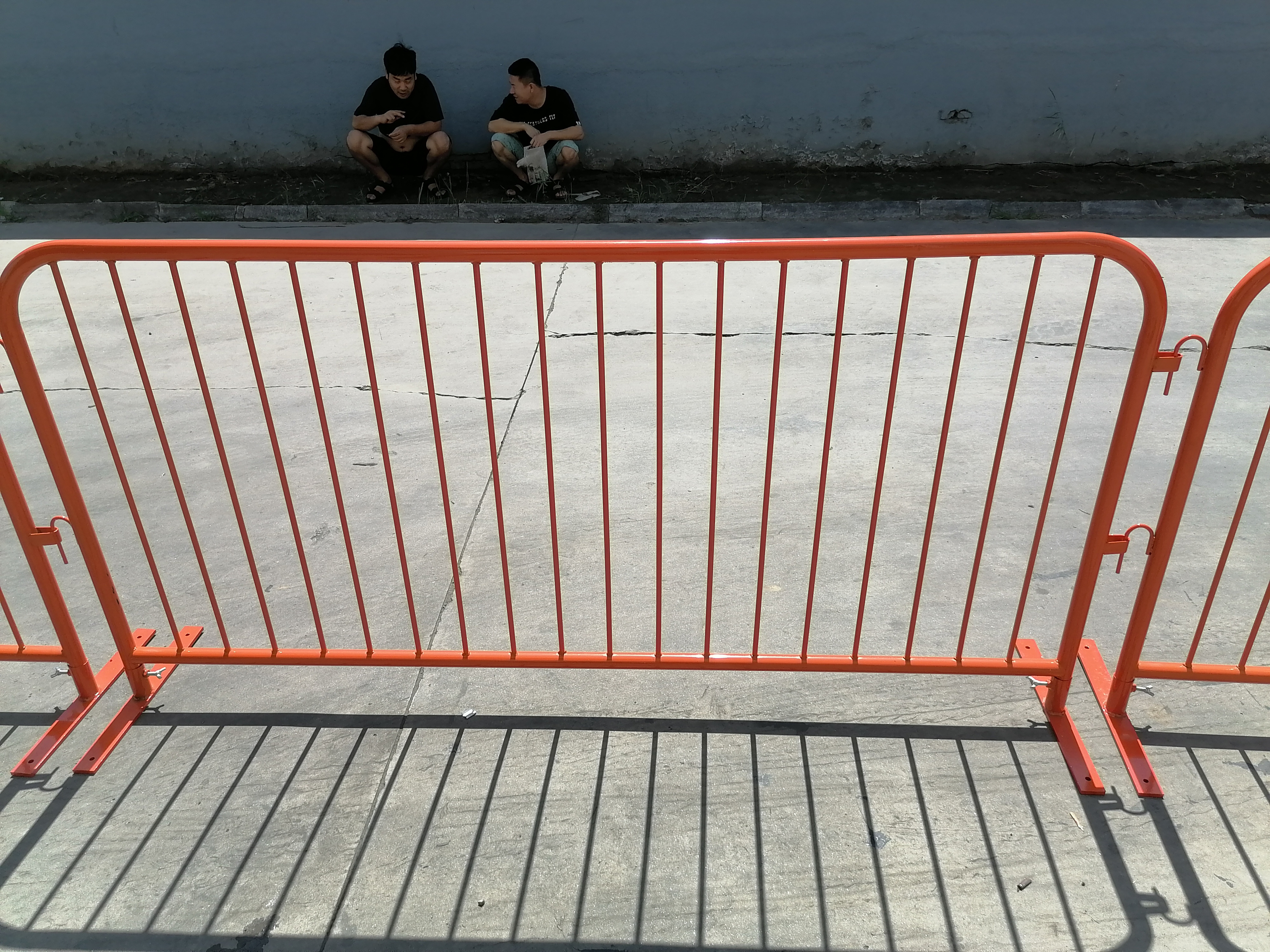
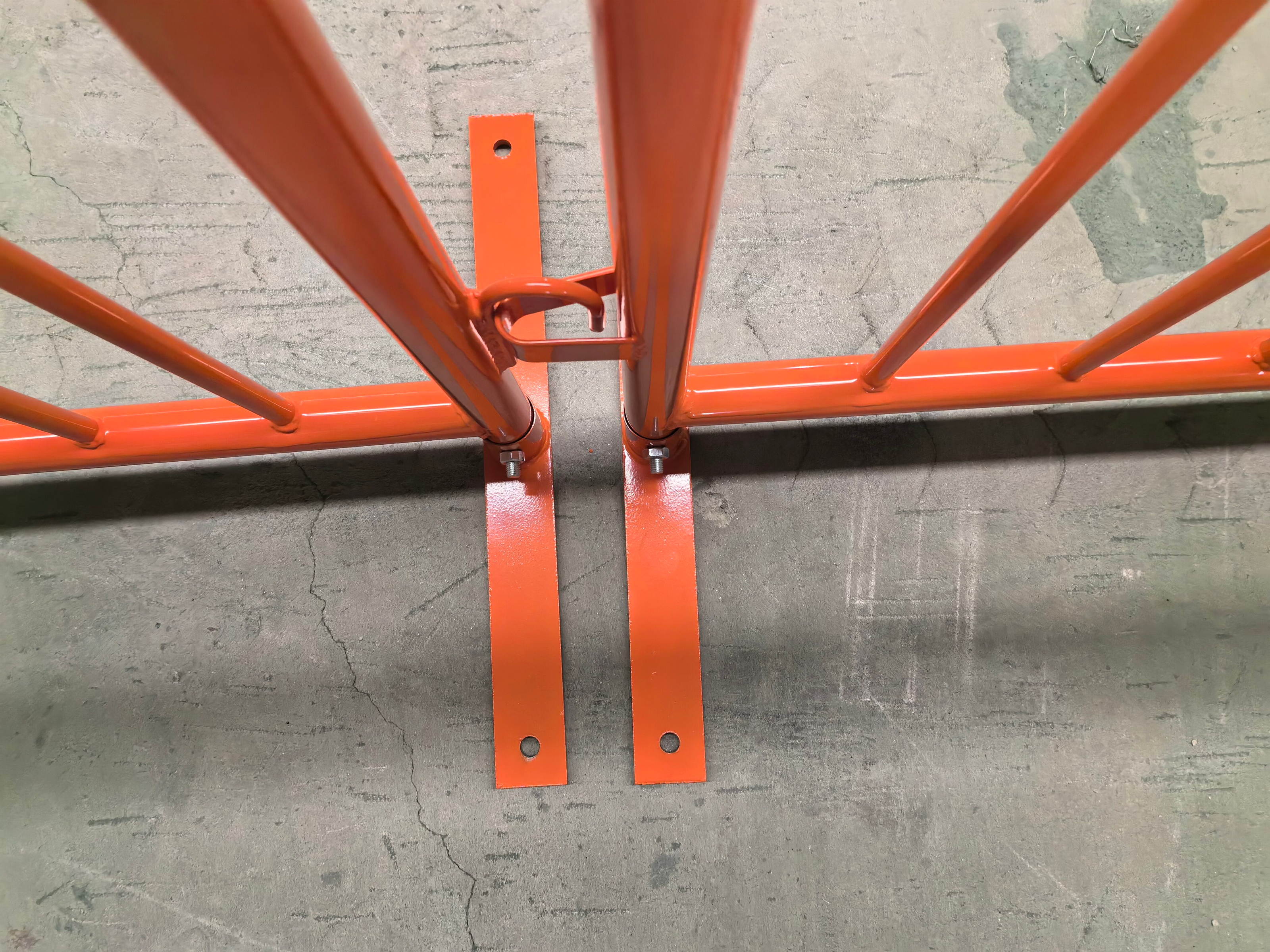
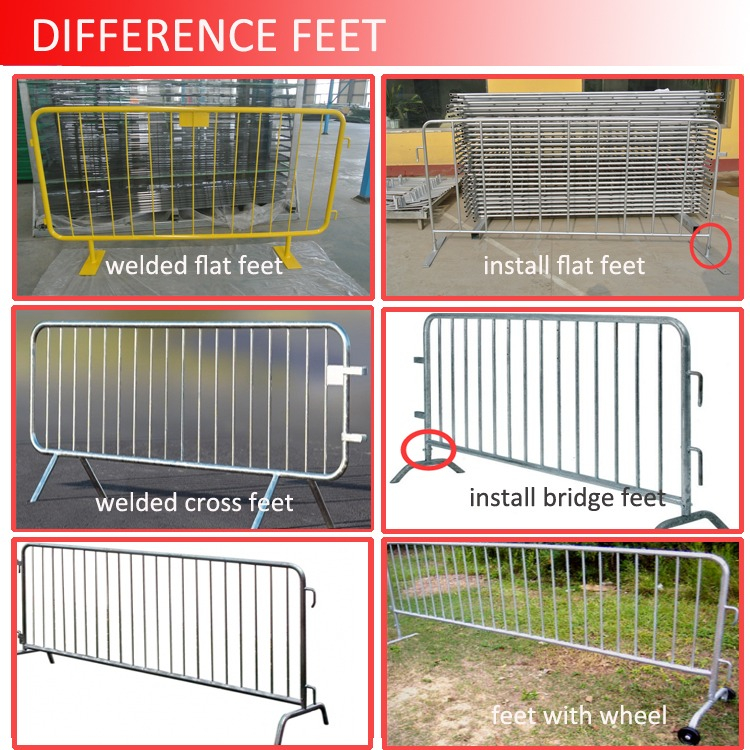
POLYMETAL crowd control safety barriers are engineered as modular steel crowd-management panels built from tubular steel frames with evenly spaced vertical uprights to form a clean, straight, professional boundary line. The structure is designed to resist bending and maintain alignment under crowd pressure, vibration, and daily handling, while upright spacing options allow projects to balance visibility, security, and anti-squeeze control. By offering multiple frame tube diameters, wall thickness ranges, upright tube options, spacing layouts, and foot styles—including flat steel feet, wheel feet, bridge feet, and V feet—POLYMETAL lets buyers match barrier stiffness, stability, and handling speed to real event and site conditions instead of relying on “one-size-fits-all” panels that loosen, deform, and create constant callbacks.
Structure Logic: Why “Rattle” Becomes “Replacement”
Most crowd control safety barriers don’t fail in one dramatic moment. The failure chain starts with movement: a light wall tube flexes, flex becomes rattle, rattle damages coating at contact points, and coating breaks invite corrosion—especially when the finish system isn’t chosen correctly, which is why many buyers review professional guidance on **powder coatings** before selecting a barrier specification. Meanwhile, unstable feet allow shifting, shifting opens gaps, and gaps trigger pushing points where the line gets punished harder. Once a few bays start loosening, the entire run looks messy and becomes difficult to control.
Top 12 WARNINGs You Don’t Know About crowd control safety barriers (Especially #11)
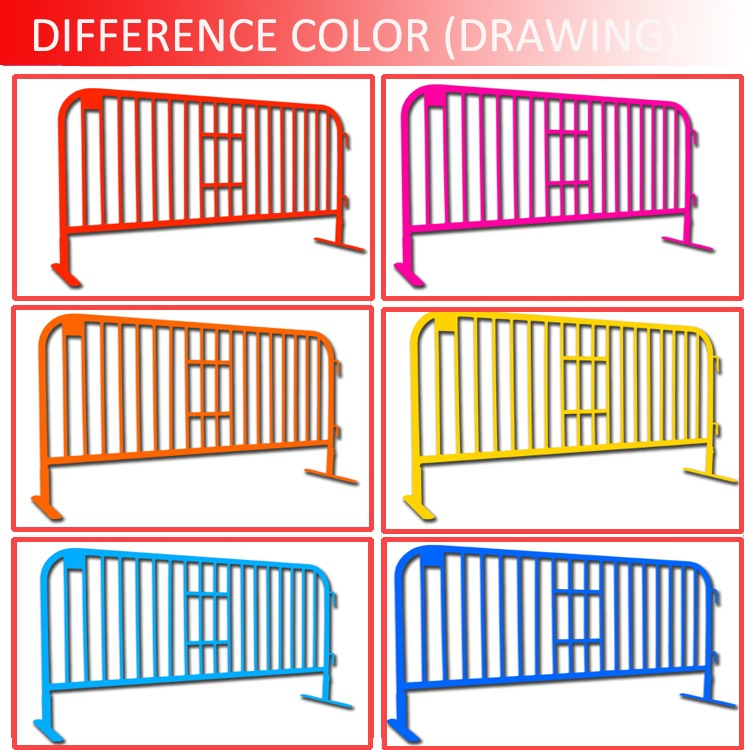
WARNING #1: Buying by height only and ignoring frame tube diameter
A 1.2 m barrier with a small frame tube can flex like a spring when crowds lean.
WARNING #2: Treating wall thickness as a “tiny detail”
The difference between 1.5 mm and 2.0 mm becomes obvious after weeks of loading, stacking, and transport knocks.
WARNING #3: Choosing upright thickness for looks instead of dent resistance
Thin uprights dent easily—dents become coating failure points and ugly visual lines.
WARNING #4: Picking spacing without understanding squeeze and foot-hold risk
Wide spacing can invite climbing and foot placement; tight spacing improves control but needs correct upright count and weld discipline.
WARNING #5: Ignoring the foot style until trip complaints start
The wrong foot type can turn a safe lane into a trip-zone, especially in low light.
WARNING #6: Using wheel feet where you need lock-in stability
Wheel feet are fast—but if they aren’t chosen for the right use zone, the line can drift under pressure.
WARNING #7: Choosing flat feet without controlling ground contact
Uneven surfaces punish flat feet; the barrier rocks, loosens, and starts the rattle cycle.
WARNING #8: Underestimating bridge feet in tight pedestrian lanes
Bridge feet reduce trip risk and improve clearance, but poor selection can reduce stability if spec is too light.
WARNING #9: Mixing specs in one run (the “ugly line” problem)
Different stiffness bays create a run that looks crooked and behaves inconsistently under crowd load.
WARNING #10: Treating coating as “decoration”
Coating is protection. Once it’s scratched from movement, corrosion begins exactly where the barrier keeps flexing.
WARNING #11: The hidden loss WARNING—feet choice that creates movement, then liability
This is where money disappears. The wrong feet style (or under-built feet) causes shifting, shifting creates gaps, gaps create sudden pushes, and pushes create incidents. After that come refunds, complaints, staffing blowouts, replacements, and reputation damage—often costing far more than upgrading the feet and wall thickness from day one.
WARNING #12: No packing discipline, so your barriers arrive damaged before first use
Bad stacking rubs corners, rubs strip coating, and “new stock” starts rusting early.
Specifications: POLYMETAL crowd control safety barriers
Table 1: Standard Event Queue Series crowd control safety barriers
| Spec ID | Height (m) | Width (m) | Frame Tube (OD) | Frame Wall (mm) | Upright Tube (OD) | Upright Wall (mm) | Upright Spacing (mm) | Foot / Base | Flat Steel |
|---|---|---|---|---|---|---|---|---|---|
| CC-ES-01 | 1.00 | 2.00 | 25mm | 1.5 | 12mm | 0.7 | 150 | Flat feet | 580×50×10 |
| CC-ES-02 | 1.06 | 2.20 | 25mm | 1.6 | 16mm | 0.8 | 100 | Flat feet | 580×50×10 |
| CC-ES-03 | 1.10 | 2.50 | 32mm | 1.5 | 16mm | 0.8 | 150 | Bridge feet | 580×50×10 |
| CC-ES-04 | 1.20 | 2.60 | 32mm | 1.6 | 19mm | 0.8 | 100 | Bridge feet | 580×50×10 |
| CC-ES-05 | 1.00 | 2.20 | 32mm | 2.0 | 16mm | 1.0 | 100 | V feet | 580×50×10 |
| CC-ES-06 | 1.06 | 2.00 | 35mm | 1.6 | 16mm | 1.0 | 90 | V feet | 580×50×10 |
| CC-ES-07 | 1.10 | 2.20 | 35mm | 2.0 | 19mm | 1.0 | 100 | Flat feet | 580×50×10 |
| CC-ES-08 | 1.20 | 2.50 | 35mm | 2.0 | 19mm | 1.2 | 90 | Bridge feet | 580×50×10 |
| CC-ES-09 | 1.10 | 2.60 | 38mm | 1.6 | 19mm | 1.0 | 100 | Flat feet | 580×50×10 |
| CC-ES-10 | 1.20 | 2.20 | 38mm | 2.0 | 19mm | 1.2 | 90 | V feet | 580×50×10 |
Table 2: Heavy-Duty Crowd Pressure Series crowd control safety barriers
| Spec ID | Height (m) | Width (m) | Frame Tube (OD) | Frame Wall (mm) | Upright Tube (OD) | Upright Wall (mm) | Upright Spacing (mm) | Foot / Base | Flat Steel |
|---|---|---|---|---|---|---|---|---|---|
| CC-HD-01 | 1.10 | 2.00 | 32mm | 2.0 | 19mm | 1.0 | 100 | Flat feet | 580×50×10 |
| CC-HD-02 | 1.20 | 2.20 | 32mm | 2.0 | 19mm | 1.2 | 90 | Bridge feet | 580×50×10 |
| CC-HD-03 | 1.10 | 2.50 | 35mm | 2.0 | 19mm | 1.2 | 100 | V feet | 580×50×10 |
| CC-HD-04 | 1.20 | 2.60 | 35mm | 2.0 | 19mm | 1.2 | 90 | V feet | 580×50×10 |
| CC-HD-05 | 1.06 | 2.20 | 35mm | 2.0 | 16mm | 1.2 | 100 | Flat feet | 580×50×10 |
| CC-HD-06 | 1.00 | 2.50 | 38mm | 1.6 | 19mm | 1.0 | 100 | Bridge feet | 580×50×10 |
| CC-HD-07 | 1.10 | 2.60 | 38mm | 2.0 | 19mm | 1.2 | 90 | Flat feet | 580×50×10 |
| CC-HD-08 | 1.20 | 2.50 | 38mm | 2.0 | 19mm | 1.2 | 100 | Bridge feet | 580×50×10 |
| CC-HD-09 | 1.06 | 2.00 | 38mm | 2.0 | 16mm | 1.0 | 100 | V feet | 580×50×10 |
| CC-HD-10 | 1.00 | 2.60 | 35mm | 2.0 | 19mm | 1.2 | 90 | Flat feet | 580×50×10 |
Table 3: Anti-Trip Walkway Series crowd control safety barriers
| Spec ID | Height (m) | Width (m) | Frame Tube (OD) | Frame Wall (mm) | Upright Tube (OD) | Upright Wall (mm) | Upright Spacing (mm) | Foot / Base | Flat Steel |
|---|---|---|---|---|---|---|---|---|---|
| CC-AT-01 | 1.00 | 2.00 | 25mm | 1.6 | 16mm | 0.8 | 150 | Bridge feet | 580×50×10 |
| CC-AT-02 | 1.06 | 2.20 | 32mm | 1.5 | 16mm | 0.8 | 150 | Bridge feet | 580×50×10 |
| CC-AT-03 | 1.10 | 2.50 | 32mm | 1.6 | 19mm | 0.8 | 150 | Bridge feet | 580×50×10 |
| CC-AT-04 | 1.20 | 2.60 | 35mm | 1.6 | 19mm | 1.0 | 150 | Bridge feet | 580×50×10 |
| CC-AT-05 | 1.00 | 2.20 | 32mm | 2.0 | 16mm | 1.0 | 200 | Bridge feet | 580×50×10 |
| CC-AT-06 | 1.06 | 2.00 | 35mm | 1.6 | 19mm | 1.0 | 150 | Bridge feet | 580×50×10 |
| CC-AT-07 | 1.10 | 2.20 | 35mm | 2.0 | 19mm | 1.2 | 150 | Bridge feet | 580×50×10 |
| CC-AT-08 | 1.20 | 2.50 | 38mm | 1.6 | 19mm | 1.0 | 150 | Bridge feet | 580×50×10 |
| CC-AT-09 | 1.10 | 2.60 | 38mm | 2.0 | 19mm | 1.2 | 150 | Bridge feet | 580×50×10 |
| CC-AT-10 | 1.06 | 2.50 | 32mm | 2.0 | 16mm | 1.2 | 150 | Bridge feet | 580×50×10 |
Table 4: Security Upgrade Series crowd control safety barriers
| Spec ID | Height (m) | Width (m) | Frame Tube (OD) | Frame Wall (mm) | Upright Tube (OD) | Upright Wall (mm) | Upright Spacing (mm) | Foot / Base | Flat Steel |
|---|---|---|---|---|---|---|---|---|---|
| CC-SU-01 | 1.10 | 2.00 | 32mm | 2.0 | 19mm | 1.2 | 90 | V feet | 580×50×10 |
| CC-SU-02 | 1.20 | 2.20 | 35mm | 2.0 | 19mm | 1.2 | 90 | V feet | 580×50×10 |
| CC-SU-03 | 1.10 | 2.50 | 35mm | 2.0 | 19mm | 1.2 | 100 | Flat feet | 580×50×10 |
| CC-SU-04 | 1.20 | 2.60 | 38mm | 2.0 | 19mm | 1.2 | 90 | Flat feet | 580×50×10 |
| CC-SU-05 | 1.06 | 2.20 | 35mm | 2.0 | 16mm | 1.2 | 100 | Bridge feet | 580×50×10 |
| CC-SU-06 | 1.00 | 2.00 | 32mm | 2.0 | 16mm | 1.0 | 90 | V feet | 580×50×10 |
| CC-SU-07 | 1.10 | 2.20 | 38mm | 2.0 | 19mm | 1.2 | 100 | Flat feet | 580×50×10 |
| CC-SU-08 | 1.20 | 2.50 | 38mm | 2.0 | 19mm | 1.2 | 90 | Bridge feet | 580×50×10 |
| CC-SU-09 | 1.06 | 2.60 | 35mm | 2.0 | 19mm | 1.0 | 90 | V feet | 580×50×10 |
| CC-SU-10 | 1.00 | 2.50 | 32mm | 2.0 | 12mm | 1.2 | 90 | Flat feet | 580×50×10 |
Table 5: Project Kit Series (Wheel Feet / Fast Deploy Options) (10 Specs)
| Spec ID | Height (m) | Width (m) | Frame Tube (OD) | Frame Wall (mm) | Upright Tube (OD) | Upright Wall (mm) | Upright Spacing (mm) | Foot / Base | Flat Steel |
|---|---|---|---|---|---|---|---|---|---|
| CC-PK-01 | 1.00 | 2.00 | 32mm | 1.6 | 16mm | 0.8 | 150 | Wheel feet | 580×50×10 |
| CC-PK-02 | 1.06 | 2.20 | 32mm | 1.6 | 19mm | 0.8 | 150 | Wheel feet | 580×50×10 |
| CC-PK-03 | 1.10 | 2.50 | 35mm | 1.6 | 19mm | 1.0 | 150 | Wheel feet | 580×50×10 |
| CC-PK-04 | 1.20 | 2.60 | 35mm | 2.0 | 19mm | 1.0 | 150 | Wheel feet | 580×50×10 |
| CC-PK-05 | 1.00 | 2.20 | 25mm | 1.6 | 12mm | 0.8 | 200 | Wheel feet | 580×50×10 |
| CC-PK-06 | 1.06 | 2.00 | 25mm | 1.5 | 12mm | 0.7 | 200 | Wheel feet | 580×50×10 |
| CC-PK-07 | 1.10 | 2.20 | 32mm | 2.0 | 16mm | 1.0 | 150 | Wheel feet | 580×50×10 |
| CC-PK-08 | 1.20 | 2.50 | 38mm | 1.6 | 19mm | 1.0 | 150 | Wheel feet | 580×50×10 |
| CC-PK-09 | 1.10 | 2.60 | 38mm | 2.0 | 19mm | 1.2 | 150 | Wheel feet | 580×50×10 |
| CC-PK-10 | 1.06 | 2.50 | 35mm | 2.0 | 19mm | 1.2 | 150 | Wheel feet | 580×50×10 |
Applications
POLYMETAL crowd control safety barriers are widely used for concerts, festivals, stadium entry lanes, queue systems, VIP routing, retail crowd days, marathons, transport hubs, street events, security perimeters, and controlled-access work zones where flow, safety, and a professional boundary line matter.
Benefits
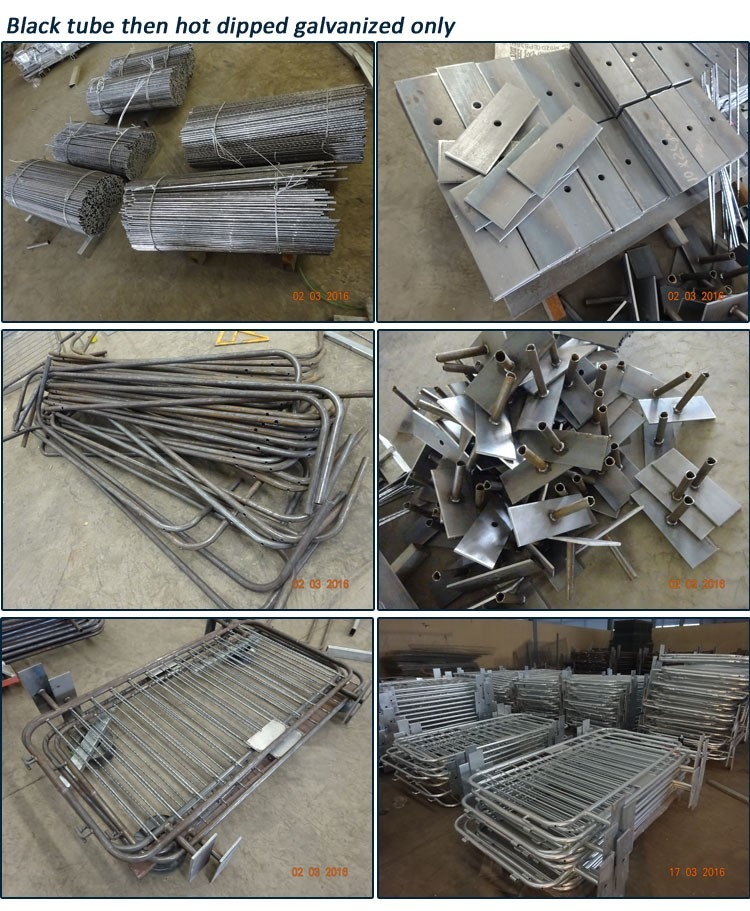
POLYMETAL crowd control safety barriers deliver faster setup with stronger line control when frame diameter, wall thickness, upright options, and feet style are matched to the real crowd load and ground condition. Consistent spacing improves lane discipline, stronger frames reduce rattle and deformation, and proper feet choices reduce shifting and trip risk—so the barrier line stays straighter, looks cleaner, and survives more reuse cycles with less maintenance.
Packing crowd control safety barriers
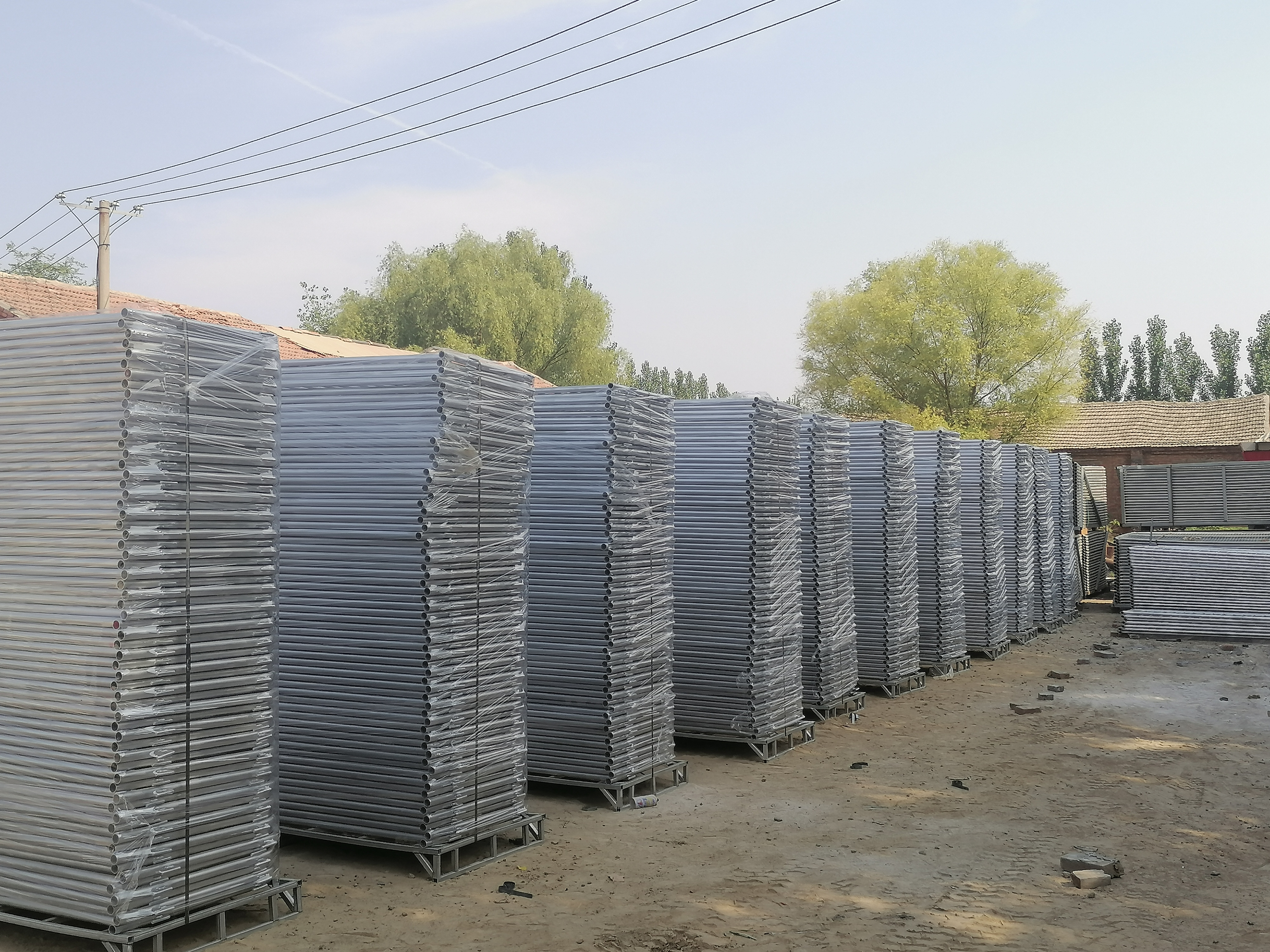
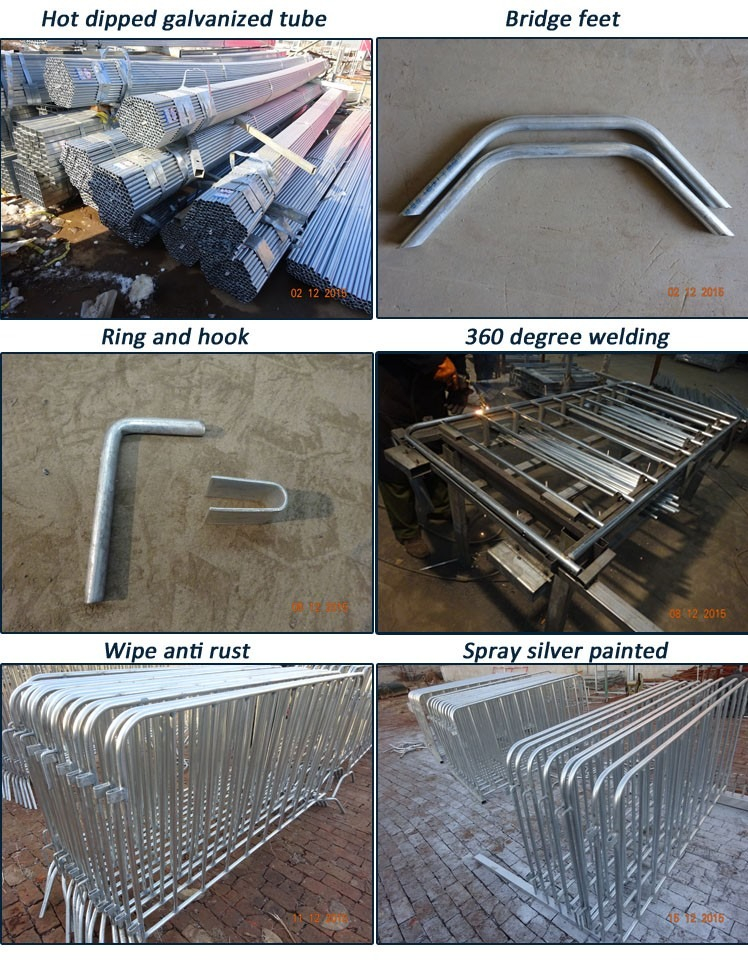
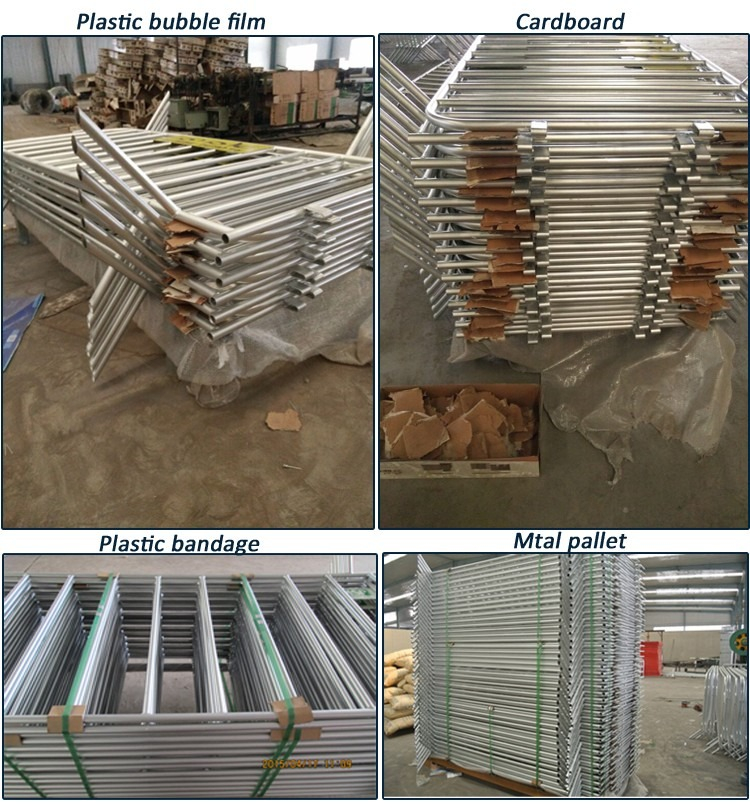
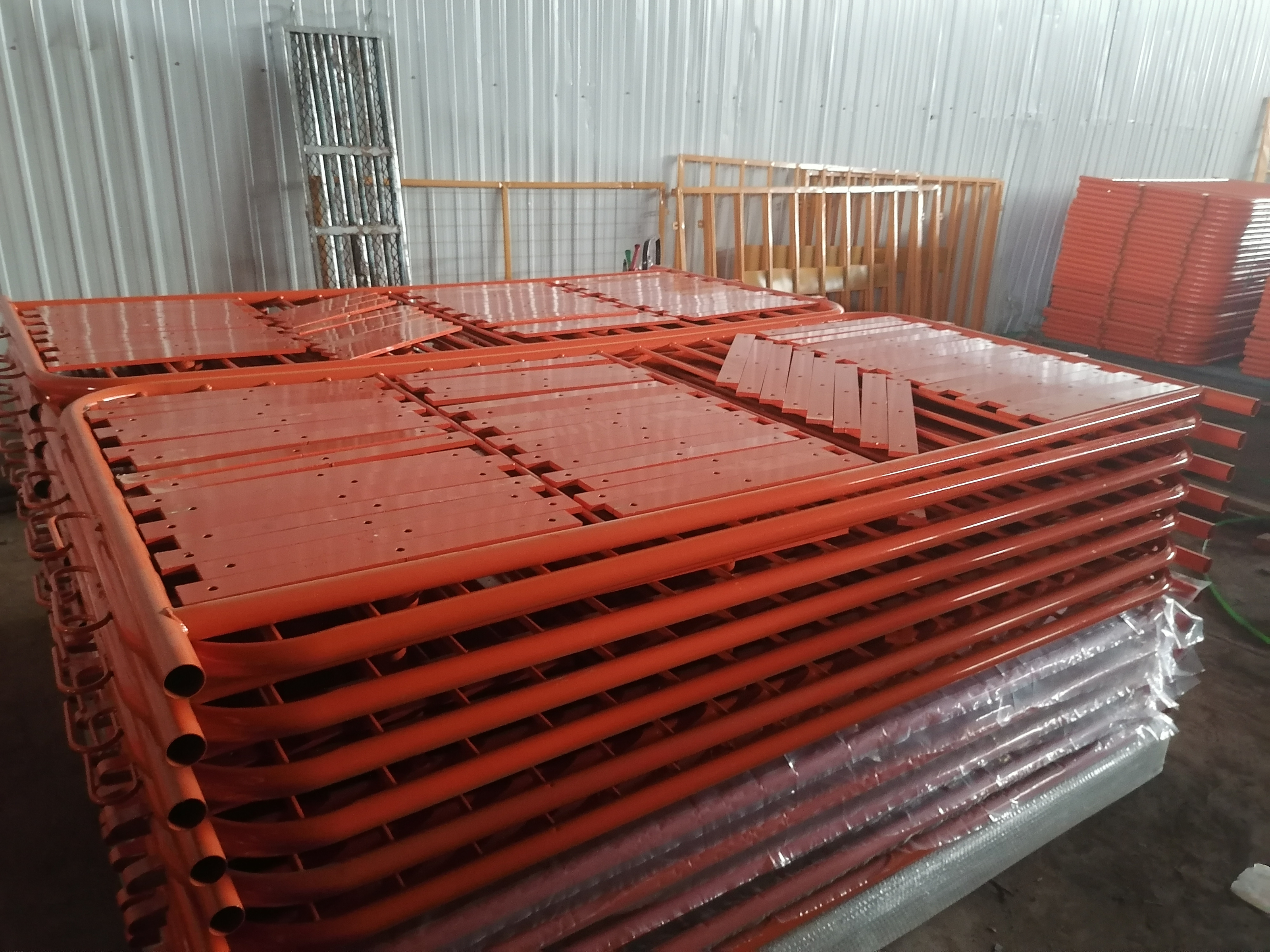
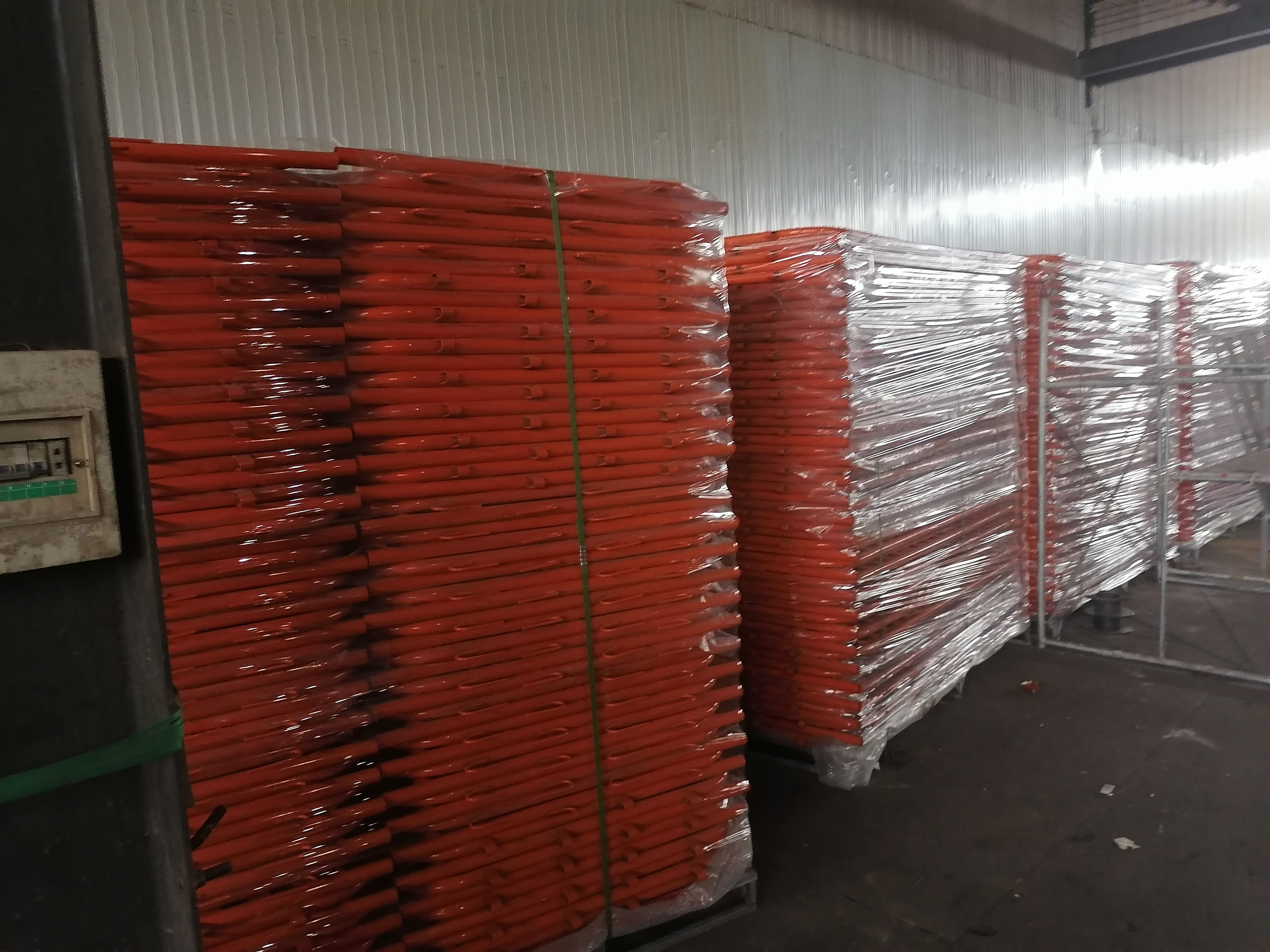
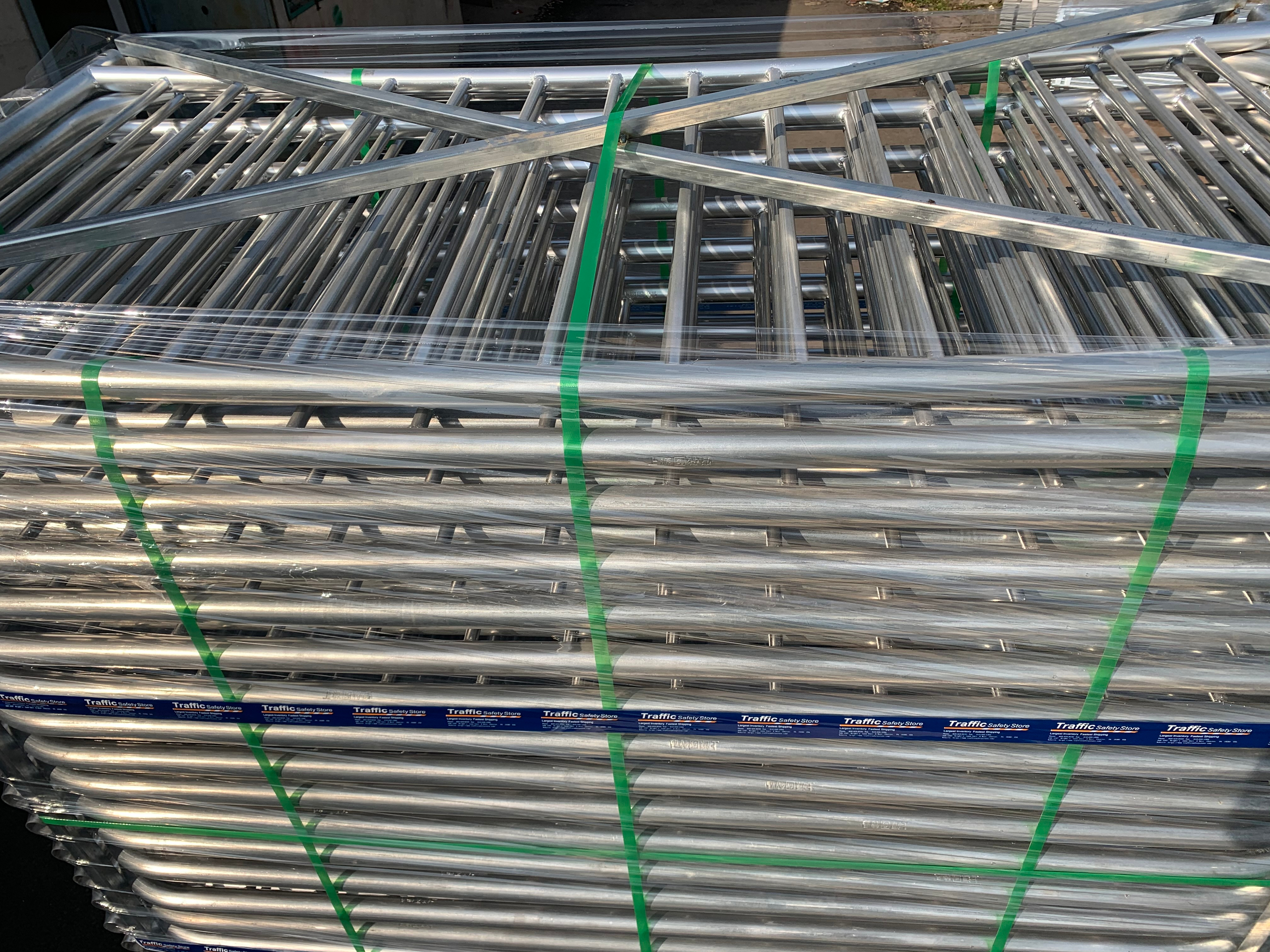
Panels are stacked in protected bundles using separators to reduce rubbing at corners and contact points, then strapped onto steel pallets for forklift handling. Feet sets are separated and protected to prevent coating scuffs at the most abused zones. Accessories and small parts (pins, clips, connectors) are bagged and boxed for count control so crews don’t “improvise” missing hardware into the line.
Standard and Quality Control crowd control safety barriers
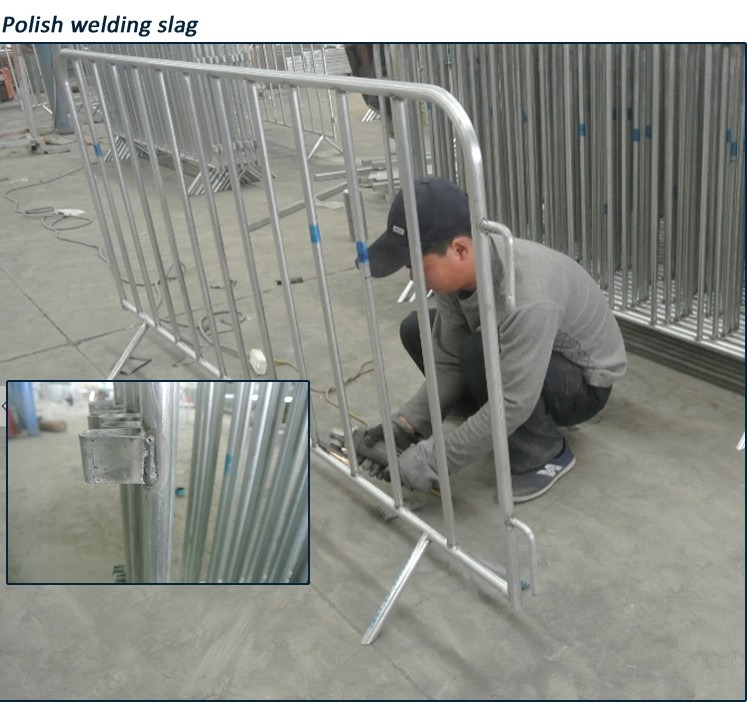
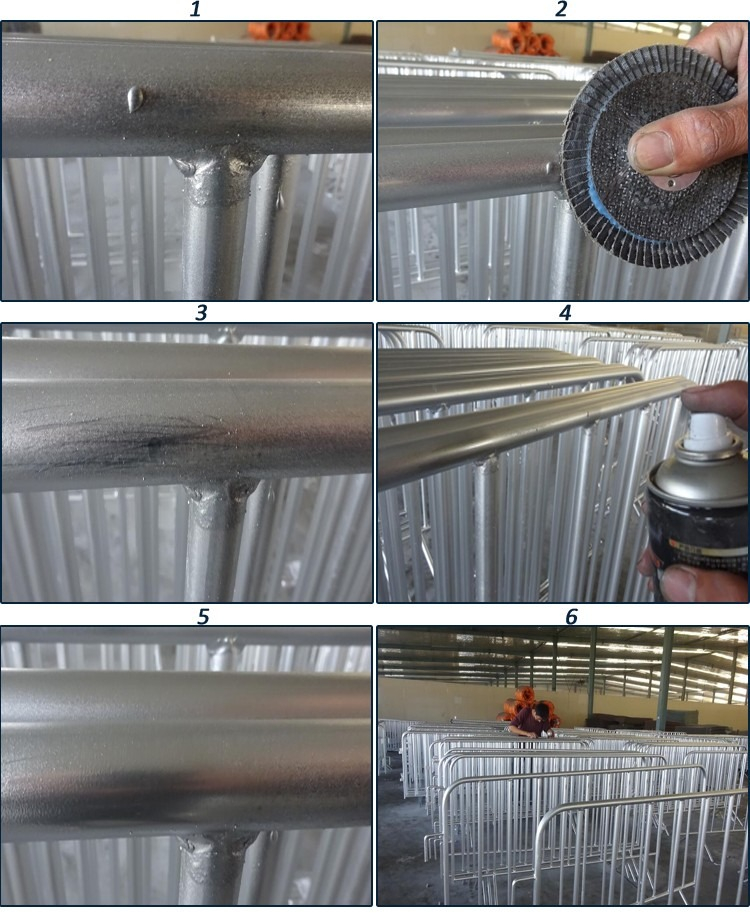
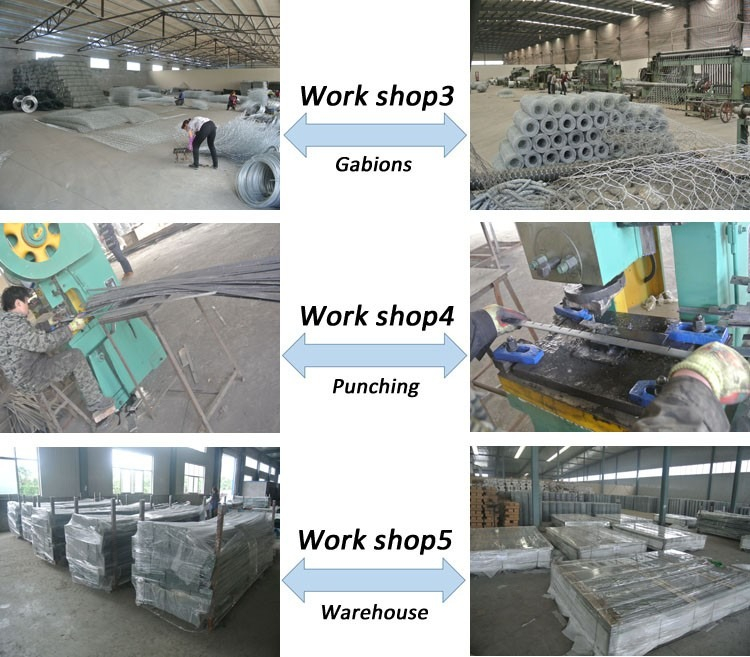
Quality control focuses on frame tube size accuracy, wall thickness consistency, upright spacing consistency, weld integrity, panel straightness, foot alignment, and coating adhesion/uniformity—because even small deviations can multiply into wobble, noise, and early coating damage once barriers are dragged, stacked, and redeployed. That’s also why many project teams cross-check component choices (especially base plates and foot materials) against practical references like **types of steel plate** before finalizing a production run. Staged checks after welding, after coating, and before packing help prevent the most expensive failure: barriers arriving on site already twisted, unstable, or cosmetically damaged.
FAQs
Which height should I choose: 1.0 m, 1.06 m, 1.1 m, or 1.2 m?
1.0–1.06 m is common for queue lines and general perimeter guidance; 1.1–1.2 m is preferred where stronger “lean resistance” and a more controlling boundary feel is needed.
Which frame tube is the safest upgrade?
Moving from 25 mm to 32/35/38 mm frame tube and upgrading wall thickness to 2.0 mm is one of the fastest ways to reduce flex, rattle, and long-run deformation.
What spacing should I use: 90, 100, 150, or 200 mm?
90–100 mm is used when you want tighter control and reduced squeeze/climb behavior; 150–200 mm is used for lighter guidance lines where visibility and airflow matter more.
Which feet type should I pick?
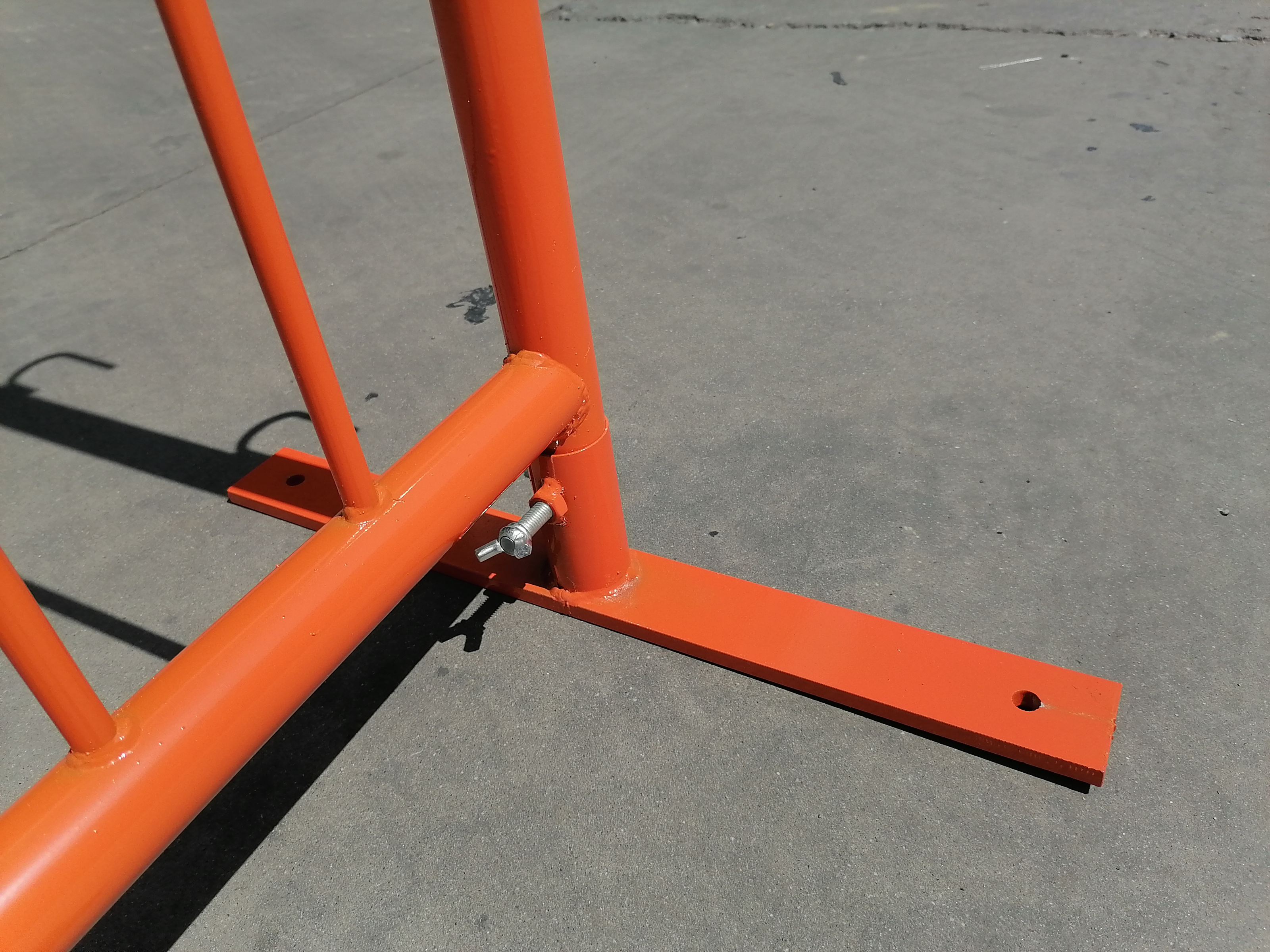
Flat feet are common on predictable flat ground, bridge feet reduce trip risk in busy pedestrian lanes, V feet improve stability in directional runs, and wheel feet maximize speed for rapid deploy/relocation zones.
What’s the biggest mistake buyers make?
WARNING #11: choosing a feet style that creates movement—because movement becomes gaps, gaps become pushing points, and pushing points become incidents and replacement costs.