Your One-Stop Wire Mesh Fence Supplier | POLYMETAL
Product Description
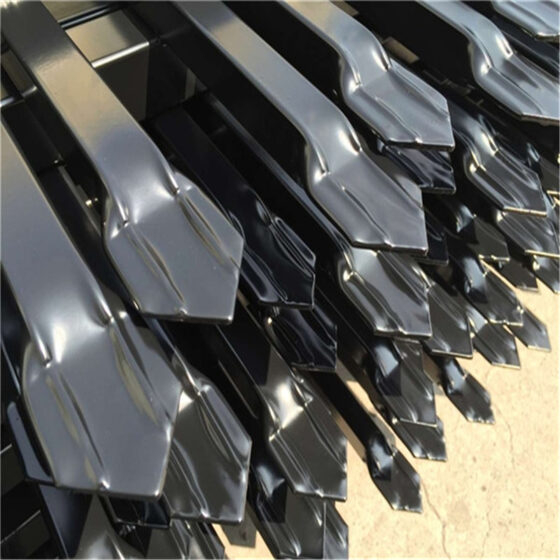
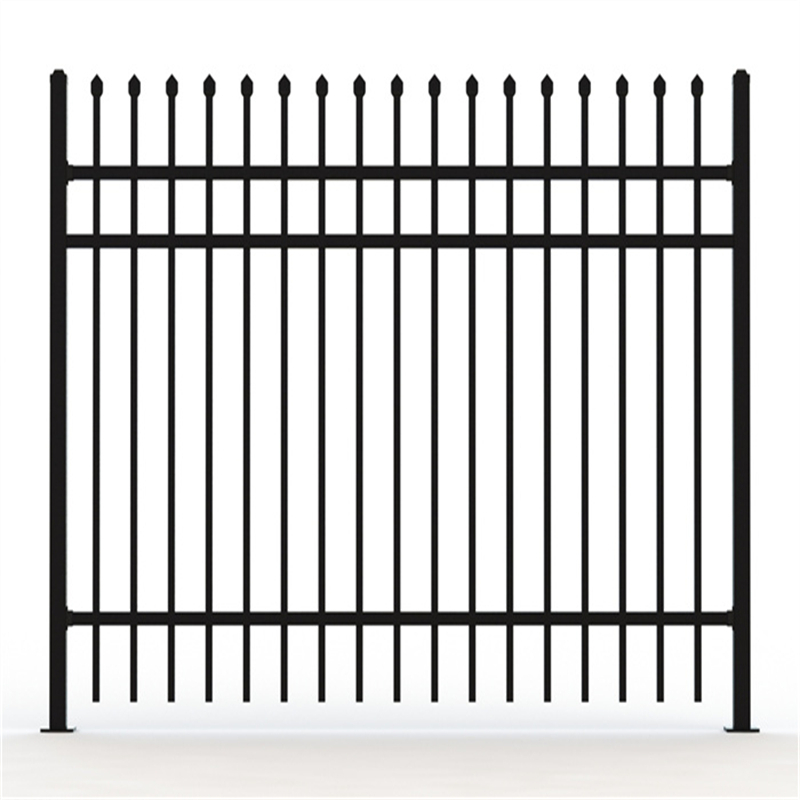
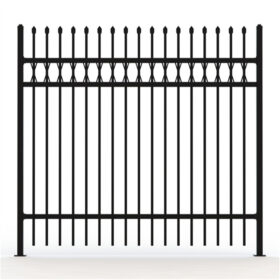
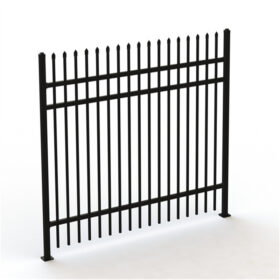
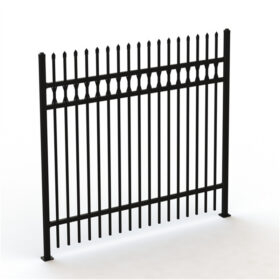
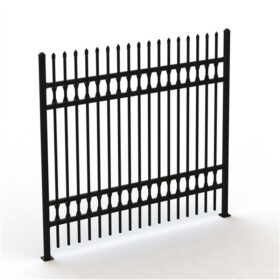
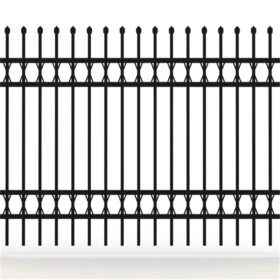
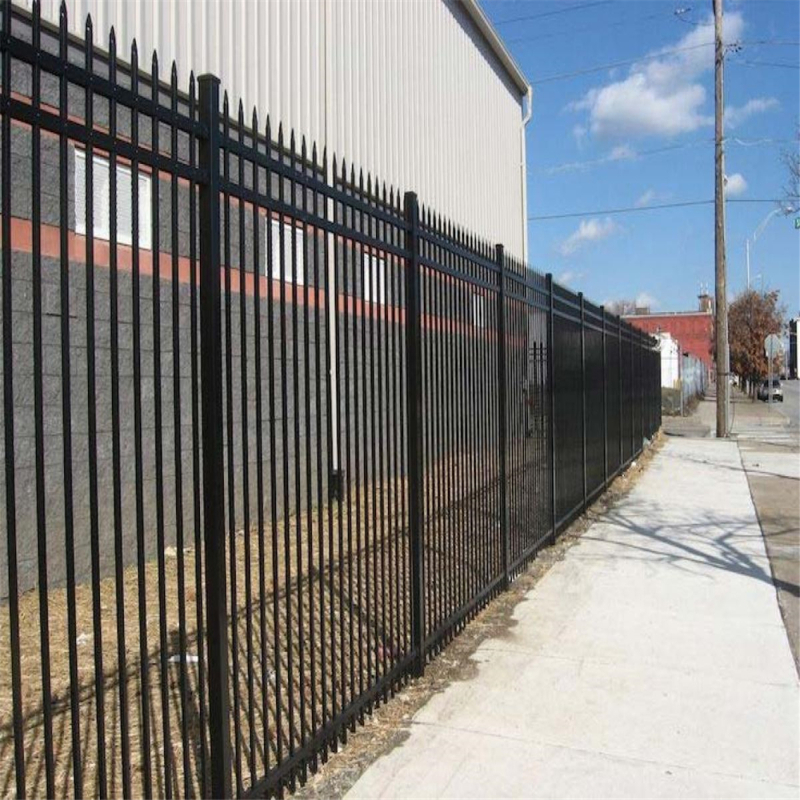
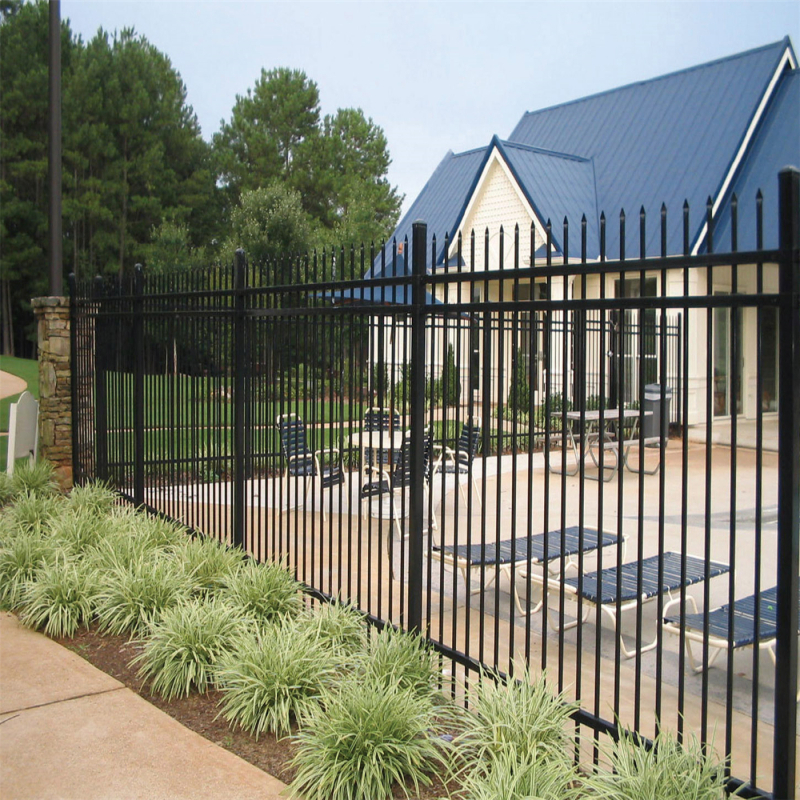
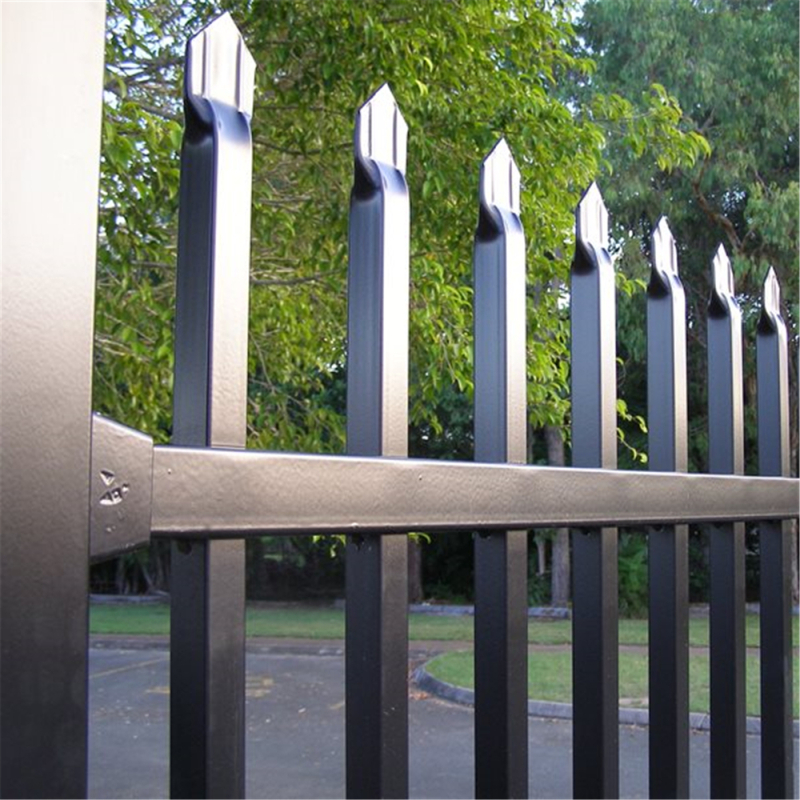
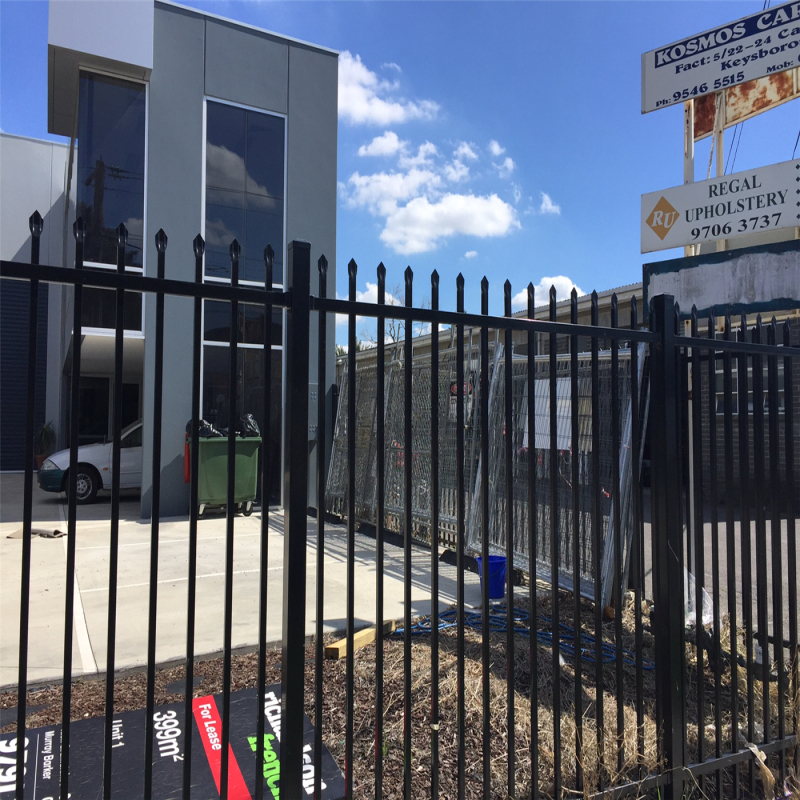
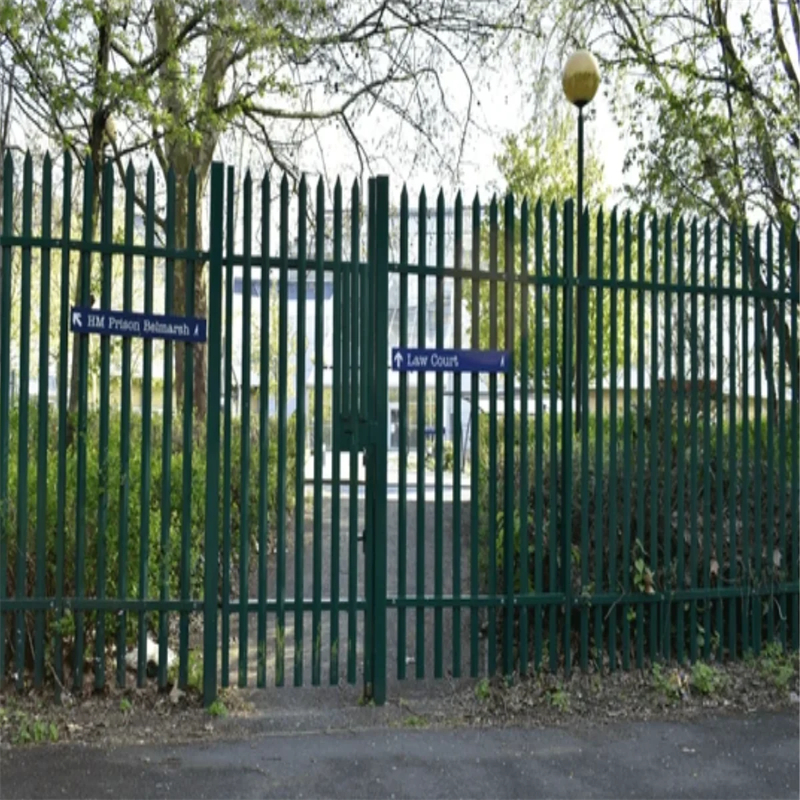
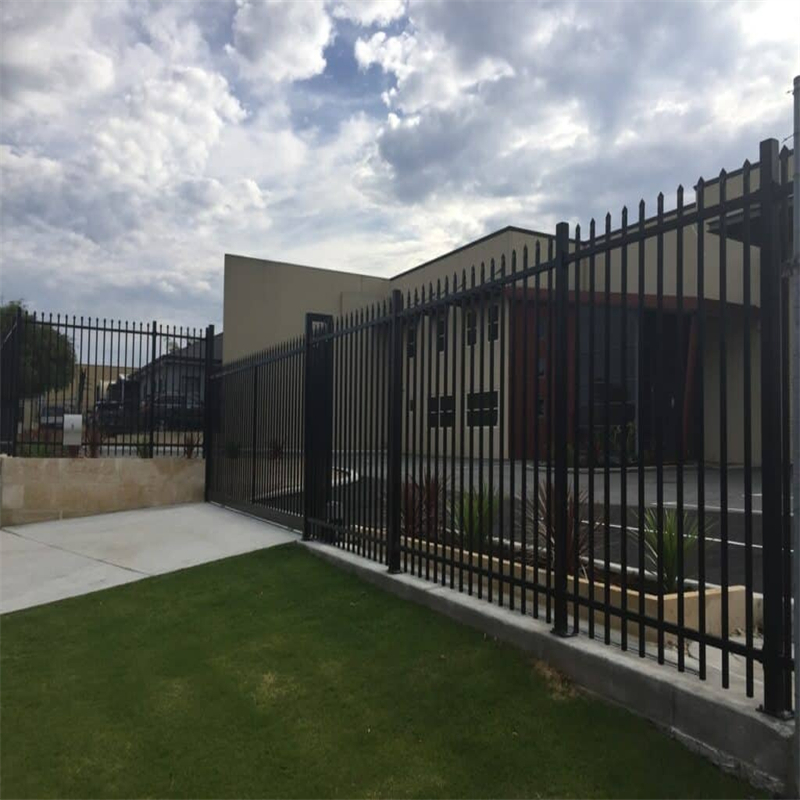
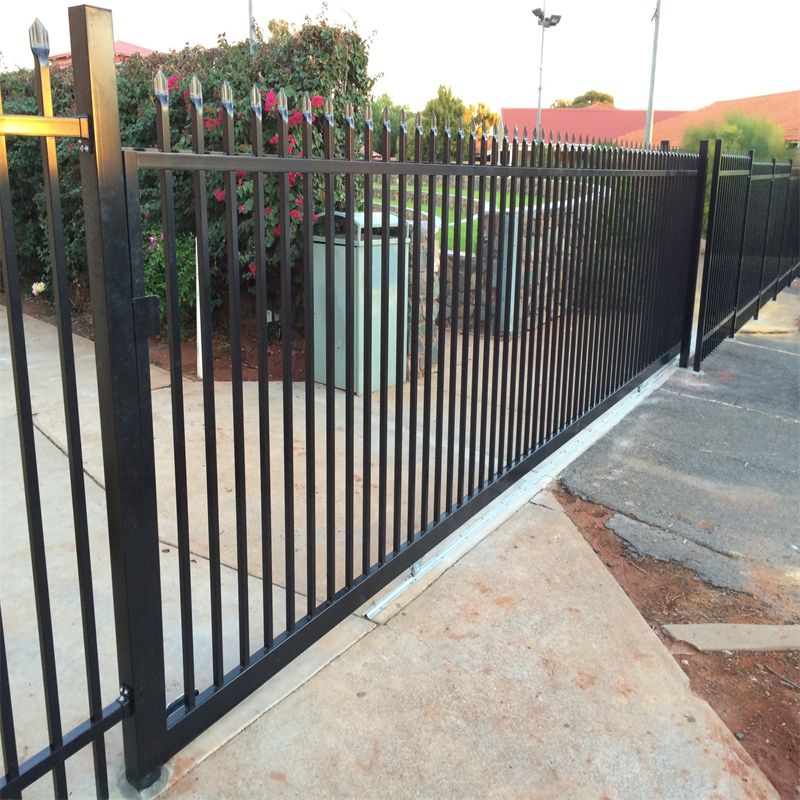
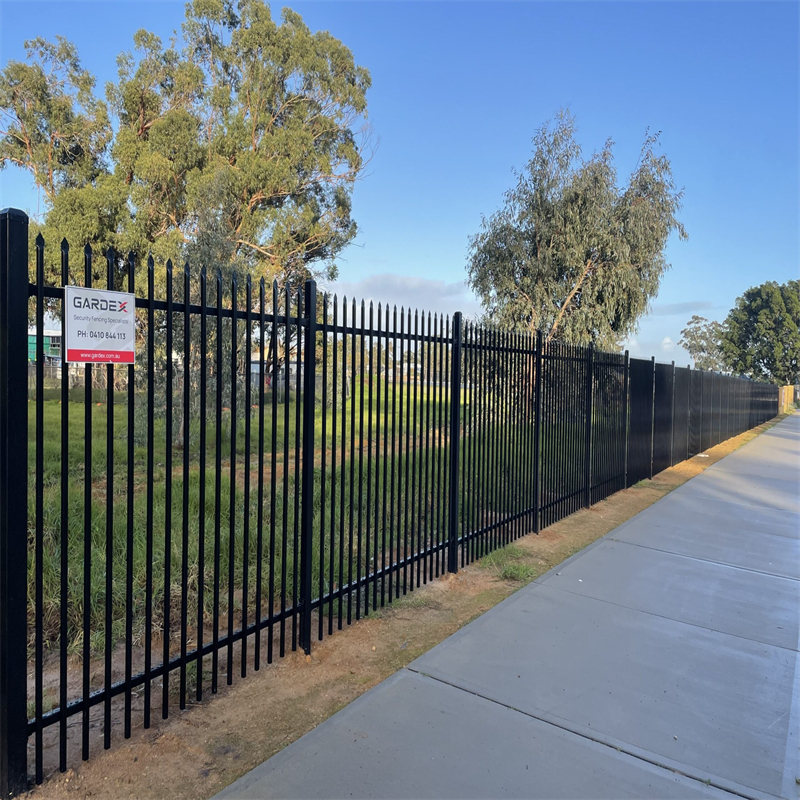
A POLYMETAL diplomat security fencing panel is a welded steel fence module designed for strong perimeter definition with a high-end security appearance. The system uses rigid rail frames and vertical uprights arranged in disciplined spacing to maintain straight lines, resist impact, and sustain a consistent “security feel” across long runs. Panels are commonly installed with steel posts and anti-tamper fixings, making the system suitable for both security-driven sites and architectural boundaries where visual uniformity matters.
The performance of diplomat security fencing is controlled by measurable specification rather than marketing names. Rail frame size, rail wall thickness, upright profile and thickness, upright quantity and spacing, post sizing, and the coating system together decide whether a fence stays tight and aligned or becomes a vibrating, rattling, wave-lined problem after normal handling and wind exposure.
Specifications
Core Specification Matrix (Typical Options)
| Fence Panel Height (mm) | Fence Panel Width (mm) | Rail Frame Options (mm) | Rail Thickness Options (mm) | Upright Profile Options (mm) | Upright Thickness Options (mm) | Upright Quantity & Spacing Options | Fence Post Options (mm) | Post Wall Thickness Options (mm) | Recommended Post Height (mm) | Alternate Post Height (mm) |
|---|---|---|---|---|---|---|---|---|---|---|
| 1200 | 2400 (custom available) | 40×40 / 45×45 / 50×50 | 1.60 / 2.00 / 2.50 / 3.00 | 16×16 / 25×25 / 30×30 | 0.80 / 1.00 / 1.20 / 2.00 | 16 pcs (115mm) / 17 pcs (108mm) / 18 pcs (100mm) | 60×60 / 65×65 / 75×75 / 80×80 / 100×100 | 1.60 / 2.00 / 2.50 | 1800 | — |
| 1500 | 2400 (custom available) | 40×40 / 45×45 / 50×50 | 1.60 / 2.00 / 2.50 / 3.00 | 16×16 / 25×25 / 30×30 | 0.80 / 1.00 / 1.20 / 2.00 | 16 pcs (115mm) / 17 pcs (108mm) / 18 pcs (100mm) | 60×60 / 65×65 / 75×75 / 80×80 / 100×100 | 1.60 / 2.00 / 2.50 | 2100 | — |
| 1800 | 2400 (custom available) | 40×40 / 45×45 / 50×50 | 1.60 / 2.00 / 2.50 / 3.00 | 16×16 / 25×25 / 30×30 | 0.80 / 1.00 / 1.20 / 2.00 | 16 pcs (115mm) / 17 pcs (108mm) / 18 pcs (100mm) | 60×60 / 65×65 / 75×75 / 80×80 / 100×100 | 1.60 / 2.00 / 2.50 | 2400 | 2450 |
| 2100 | 2400 (custom available) | 40×40 / 45×45 / 50×50 | 1.60 / 2.00 / 2.50 / 3.00 | 16×16 / 25×25 / 30×30 | 0.80 / 1.00 / 1.20 / 2.00 | 16 pcs (115mm) / 17 pcs (108mm) / 18 pcs (100mm) | 60×60 / 65×65 / 75×75 / 80×80 / 100×100 | 1.60 / 2.00 / 2.50 | 2700 | — |
| 2400 | 2400 (custom available) | 40×40 / 45×45 / 50×50 | 1.60 / 2.00 / 2.50 / 3.00 | 16×16 / 25×25 / 30×30 | 0.80 / 1.00 / 1.20 / 2.00 | 16 pcs (115mm) / 17 pcs (108mm) / 18 pcs (100mm) | 60×60 / 65×65 / 75×75 / 80×80 / 100×100 | 1.60 / 2.00 / 2.50 | 3000 | — |
Finish Options (Common Project Requirements)
| Finish System | Best Use | What It Controls |
|---|---|---|
| Pre-galvanized tube + powder coating | Cost-controlled architectural boundaries | Uniform appearance, corrosion protection on external surfaces, consistent color for long runs |
| Hot dip galvanizing | High-corrosion environments and long-life infrastructure | Deep corrosion resistance, improved durability at weld zones when process is disciplined |
| Hot dip galvanizing + powder coating | Premium projects requiring longevity and appearance | Higher durability, reduced maintenance risk, stronger long-term visual consistency |
Top 20 Traps Buyers Miss When Ordering Diplomat Security Fencing (Especially #12)
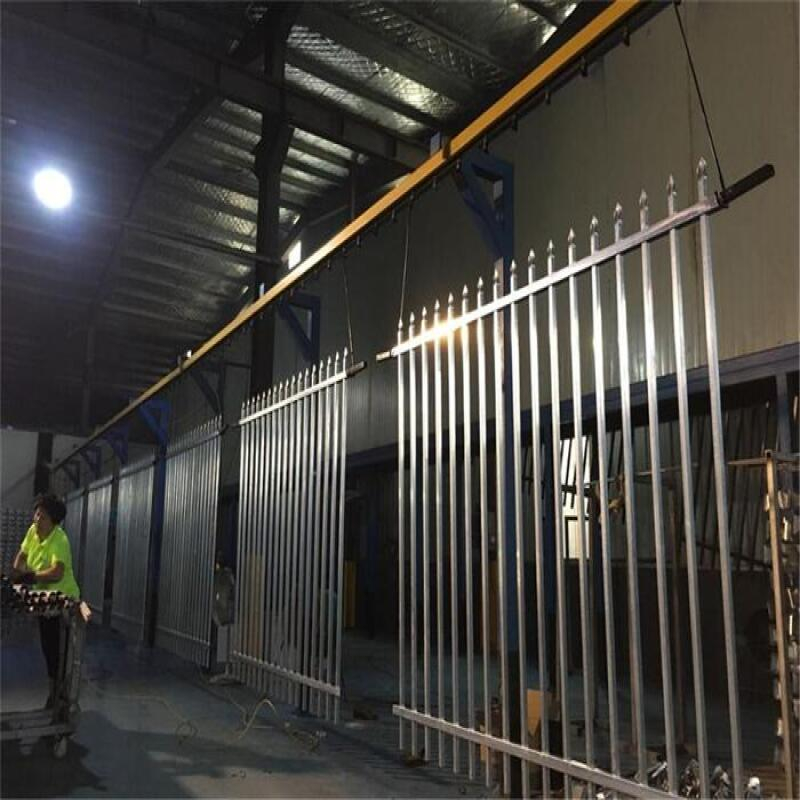
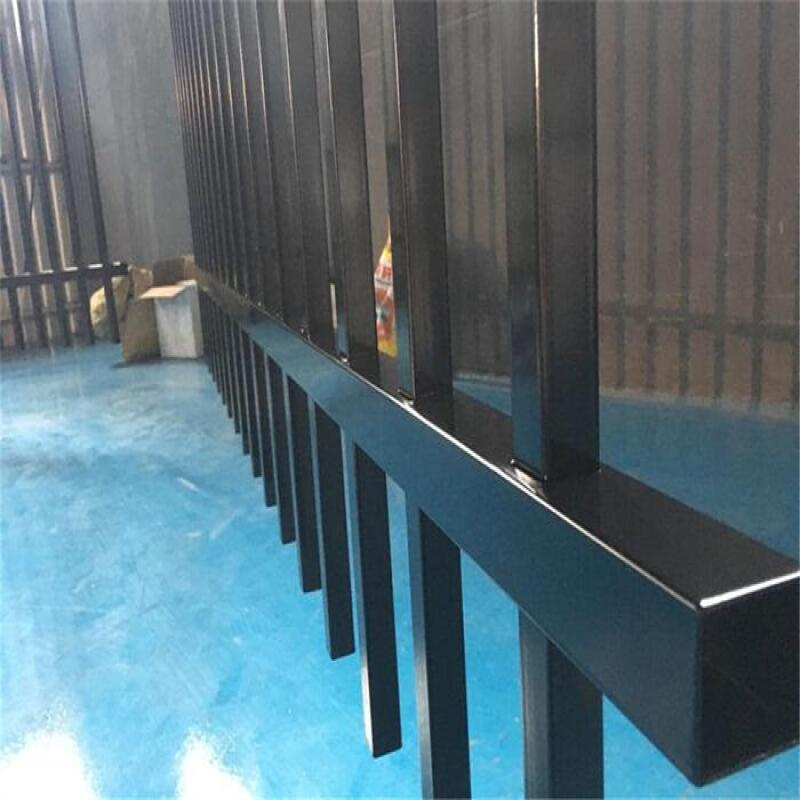
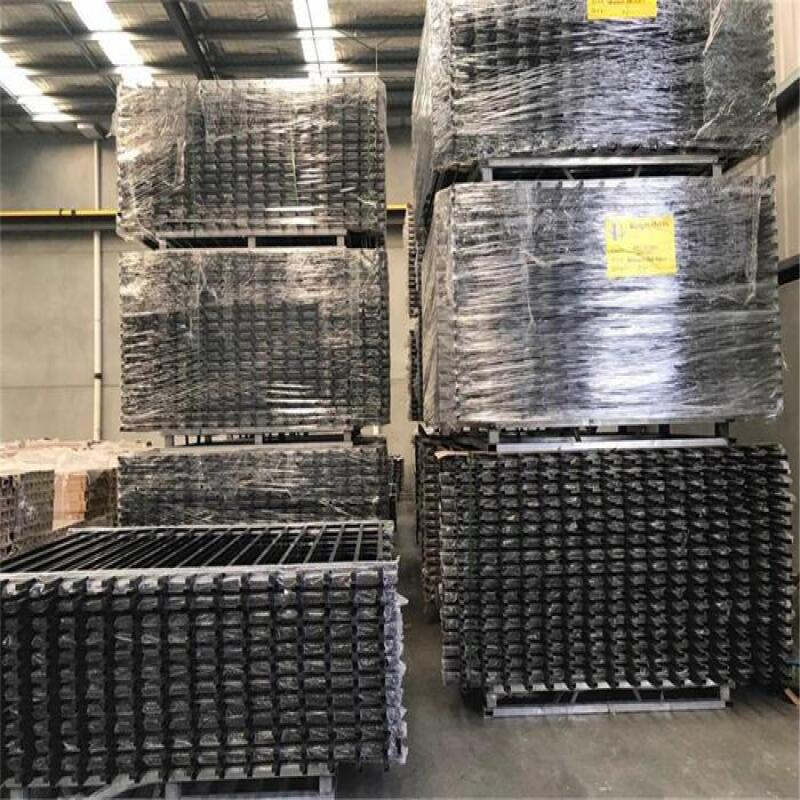
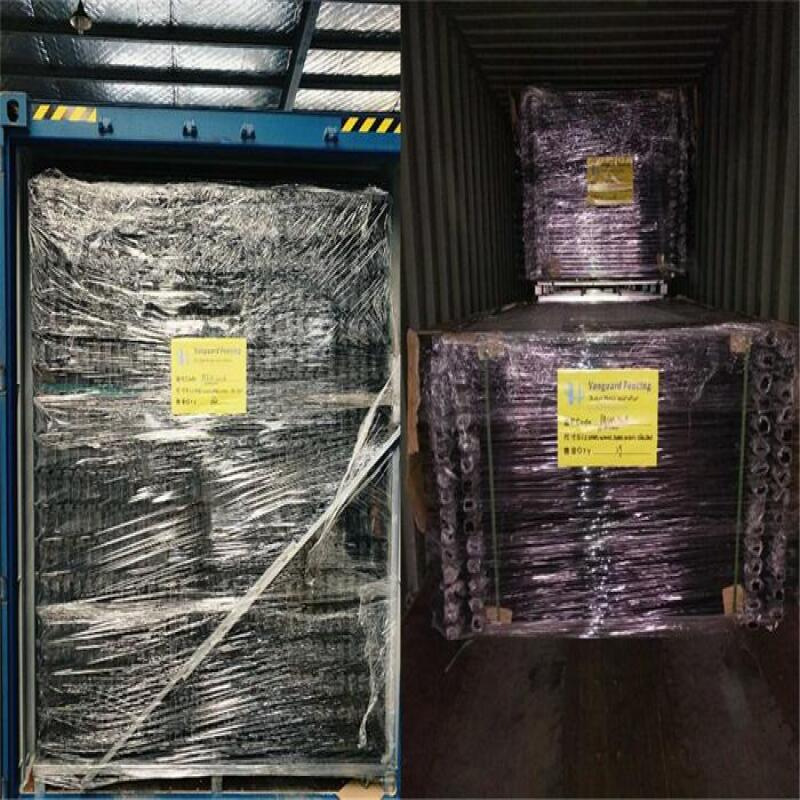
These traps are not “theoretical.” They are repeat offenders behind diplomat security fencing lines that arrive looking fine, then fail during installation, handling, or the first season of weather. If you want diplomat security fencing to install cleanly and stay straight, each trap below must be solved in the purchase order, not left to assumptions.
Trap #1: The photo-perfect diplomat fencing quote that hides geometry problems
Two panels can look identical online but behave differently if rail squareness, upright alignment, and welding discipline are inconsistent. Geometry is what keeps a diplomat security fencing line straight across long runs.
Trap #2: Diplomat fencing rail frame size selected without matching site exposure
Rail frame options exist for a reason. Under-spec can cause flex and wave-lines; over-spec can add unnecessary weight cost. The correct frame is the one that keeps diplomat security fencing stiffness stable under real handling.
Trap #3: Diplomat fencing rail wall thickness ignored until panels twist in transit
Rail thickness is a stiffness decision. Thin rails can twist during stacking and transport. Once twist begins, connections fight alignment and the diplomat security fencing line starts to look “repaired.”
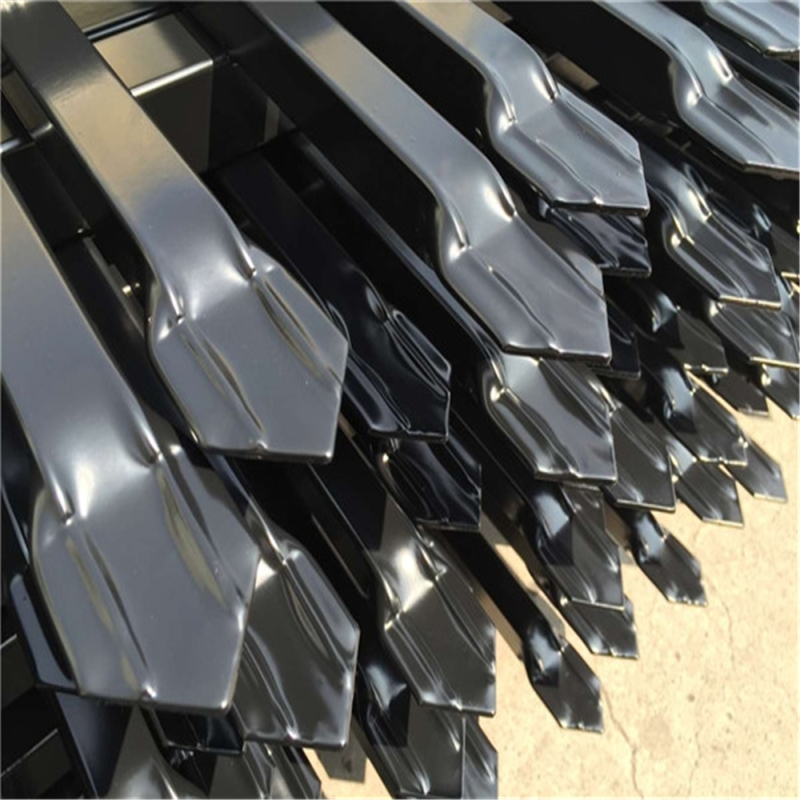
Trap #4: Diplomat security fencing upright profile mismatch that weakens the security appearance
Upright size drives both aesthetics and rigidity. If the upright profile is not matched to panel height and rail stiffness, diplomat security fencing can feel light even when it stands.
Trap #5: Diplomat security fencing upright thickness chosen too light for daily handling
Thin uprights dent during unloading and small impacts. Dents become visible defects across a long run, and they can also break coating continuity where diplomat security fencing corrosion starts first.
Trap #6: Treating diplomat security fencing spacing like decoration instead of structure
Spacing influences anti-climb behavior, perceived security, and stiffness across the panel width. Loose spacing can create weak zones that move under load and rattle at fixings on diplomat security fencing.
Trap #7: Diplomat security fencing upright quantity specified without locking the spacing option
“Uprights included” is not enough. Quantity and spacing must be written together so every panel repeats the same structure and the diplomat security fencing line looks consistent.
Trap #8: Diplomat security fencing post size minimized for cost, not matched to load path
Posts carry the fence line. When posts are under-sized, movement increases, hardware loosens faster, and straight lines become lean lines—especially on long runs of diplomat security fencing.
Trap #9: Diplomat security fencing post wall thickness overlooked until wobble appears
Post wall thickness controls rigidity. Under-spec posts amplify vibration and loosen fixings, turning diplomat security fencing into a noisy, visibly moving system.
Trap #10: Diplomat security fencing hardware and fixing quality treated as “standard”
Even strong panels fail if clamps and fixings are weak or inconsistent. Missing anti-tamper detail is how diplomat security fencing becomes a simple target.
Trap #11: Diplomat security fencing welding heat distortion not controlled across batches
Over-heated welds and inconsistent weld patterns introduce distortion that is hard to spot on a single panel but becomes obvious across dozens in a row of diplomat security fencing.
Trap #12: The “cheap” diplomat security fencing quote that quietly multiplies your total cost
This is where buyers suffer the biggest losses. Low unit prices often arrive with hidden penalties: mismatched components, inconsistent repeatability, missing hardware, finish weaknesses, or packaging damage. The result is rework, delayed installation, and disputes that cost far more than the initial “savings” on diplomat security fencing.
A safe purchase order forces clarity: rail frame and thickness, upright profile and thickness, spacing option, post sizing, finish system, hardware type, and packing method. Any “TBD” becomes your risk on diplomat security fencing projects.
Trap #13: Diplomat security fencing coating described as a label, not as a controlled system
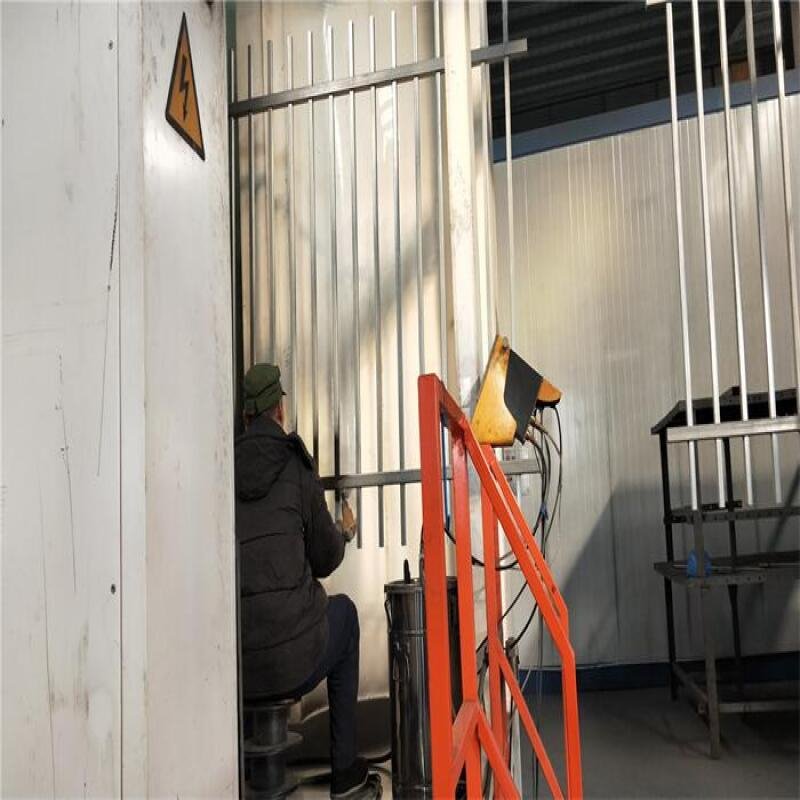
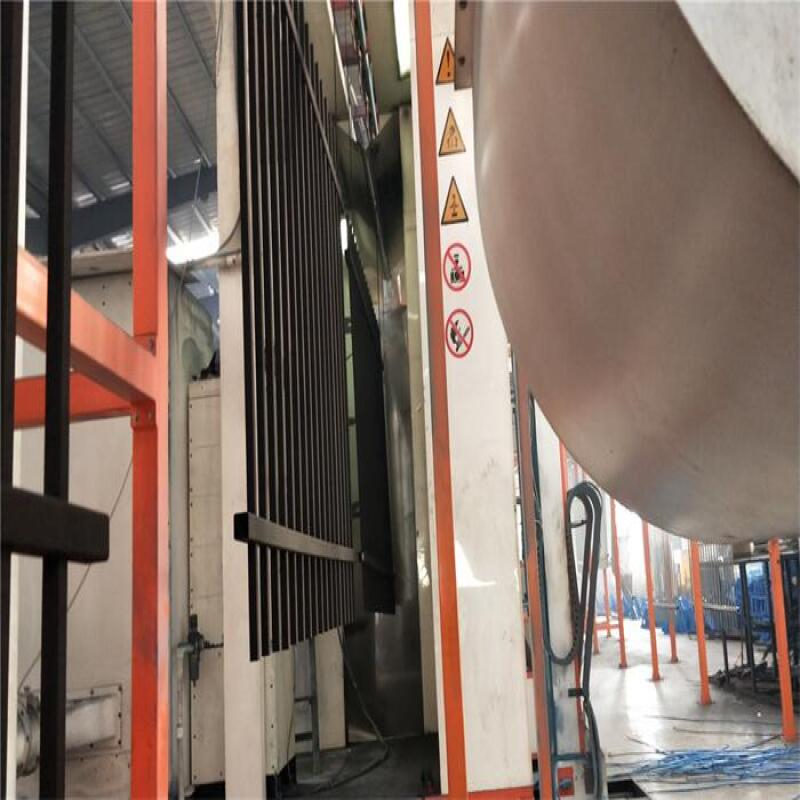
“Powder coated” can mean different pretreatment and thickness control. Without process discipline, coating chips at edges and fails at weld zones where diplomat security fencing corrosion starts first.
Trap #14: Diplomat security fencing color consistency not managed across batches
On staged projects, batch-to-batch color drift can make new panels look like a different product. Consistency planning protects diplomat security fencing visual uniformity, and it should be paired with disciplined connection hardware—because even perfect color can look wrong if joints sit at different heights or angles. For cleaner alignment across phased installs, lock the same clamp strategy from day one, including essentials like a
temporary fence top coupler when your layout needs repeatable panel engagement and line control for diplomat security fencing.
Trap #15: Diplomat security fencing packing treated as shipping, not as finish protection
The best fence can arrive damaged if stacking points and separators are not controlled. Packing is straightness insurance and coating protection for diplomat security fencing, not logistics decoration.
Trap #16: Diplomat security fencing tolerance expectations not written into the order
Panels can “meet size” but still connect poorly if tolerances are loose. Tolerance control reduces drilling, fighting joints, and visible alignment fixes on site for diplomat security fencing.
Trap #17: Assuming every diplomat security fencing supplier repeats the same panel module
Repeatability is manufacturing discipline. If the module varies, installers lose time “making it work,” and the diplomat security fencing perimeter looks inconsistent from section to section.
Trap #18: Diplomat fencing corrosion risk at edges, welds, and cut points underestimated
Early corrosion often begins at coating-weak locations: weld zones, cut ends, and handling scars. A project-ready diplomat security fencing system anticipates these points and controls finishing accordingly.
Trap #19: Diplomat security fencing installation method not matched to system design
Footing types, core drilling, surface mounts, and alignment constraints change the load path. If the system is not chosen with install method in mind, you risk redesign, delays, or compromised rigidity on diplomat security fencing.
Trap #20: No diplomat fencing receiving checklist before payment and shipment
If you do not verify key dimensions, finish, packing protection, and hardware completeness before dispatch, you accept diplomat security fencing risk that cannot be fixed after arrival. A simple checklist prevents expensive downtime.
Applications
diplomat security fencing is commonly used for schools and campuses requiring a strong boundary with a clean look, warehouses and logistics yards needing visible deterrence, infrastructure corridors demanding straight long runs, commercial compounds that need premium appearance, and public-facing sites where diplomat security fencing must look professional rather than harsh.
Benefits
A correctly specified diplomat security fencing system delivers straight fence lines that remain visually consistent, stronger resistance to vibration and movement through matched panel-and-post design, improved durability through disciplined finishing, faster installation through repeatable geometry, and higher perceived security because upright spacing and rigidity create a boundary that looks difficult to defeat.
Packing
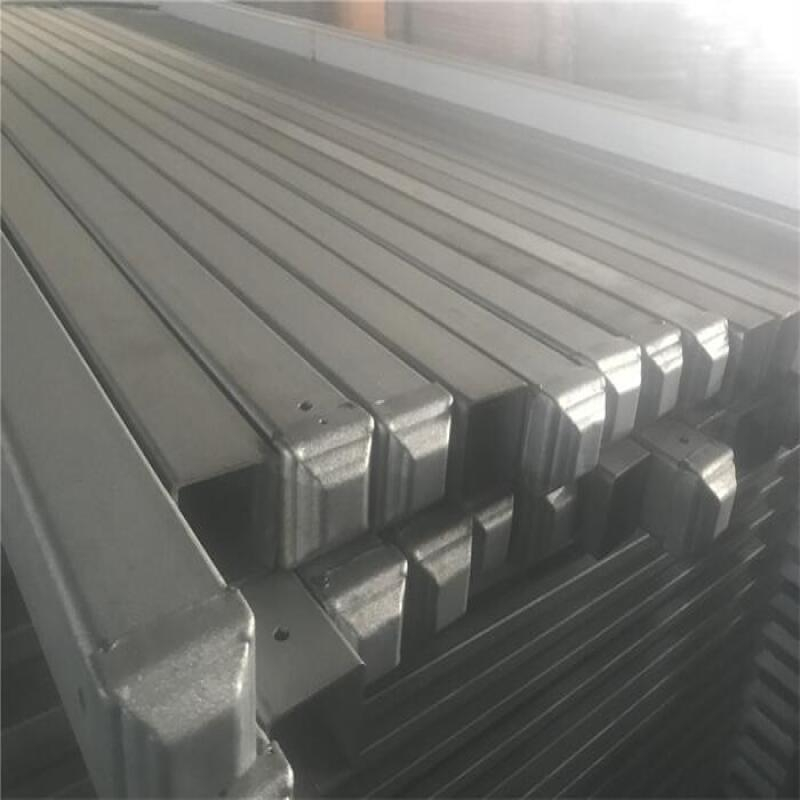
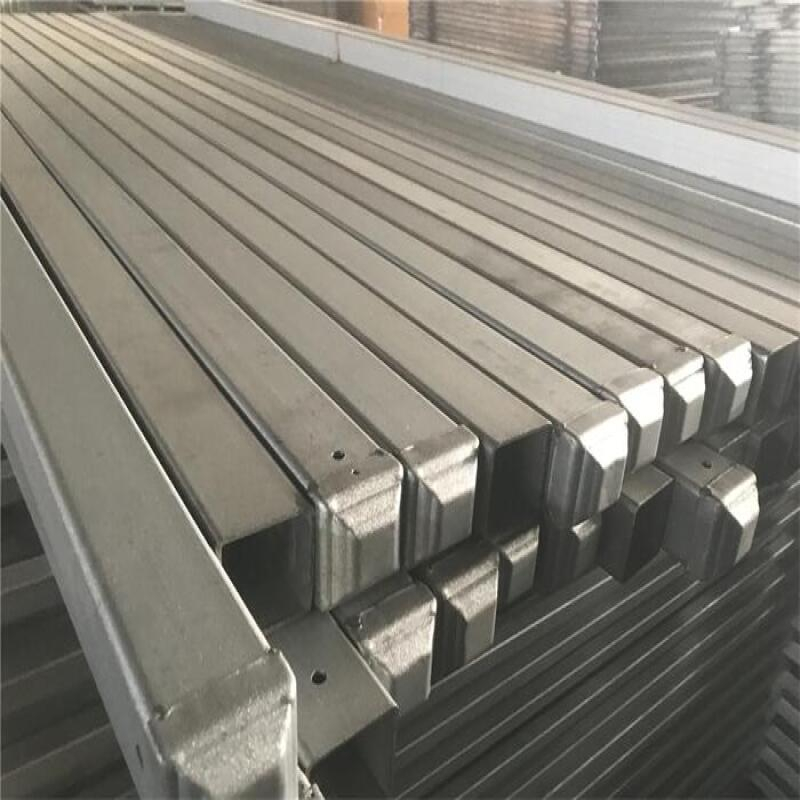
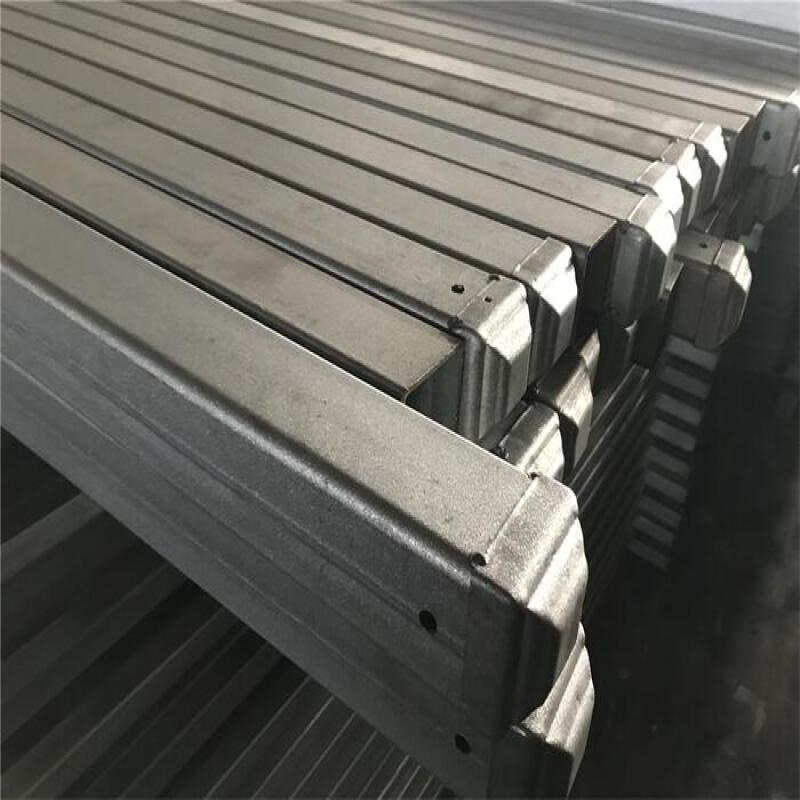
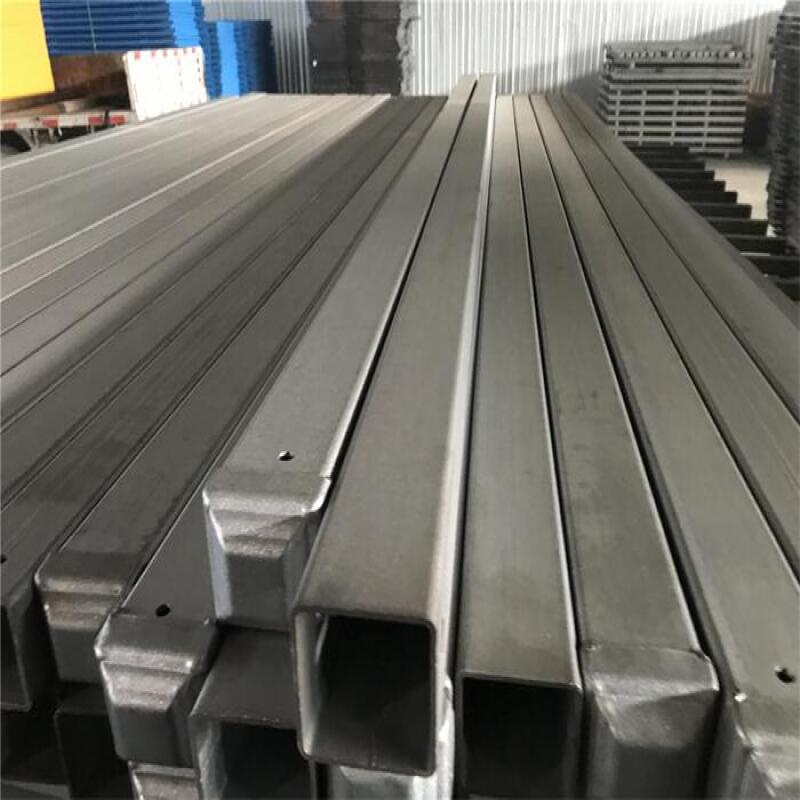
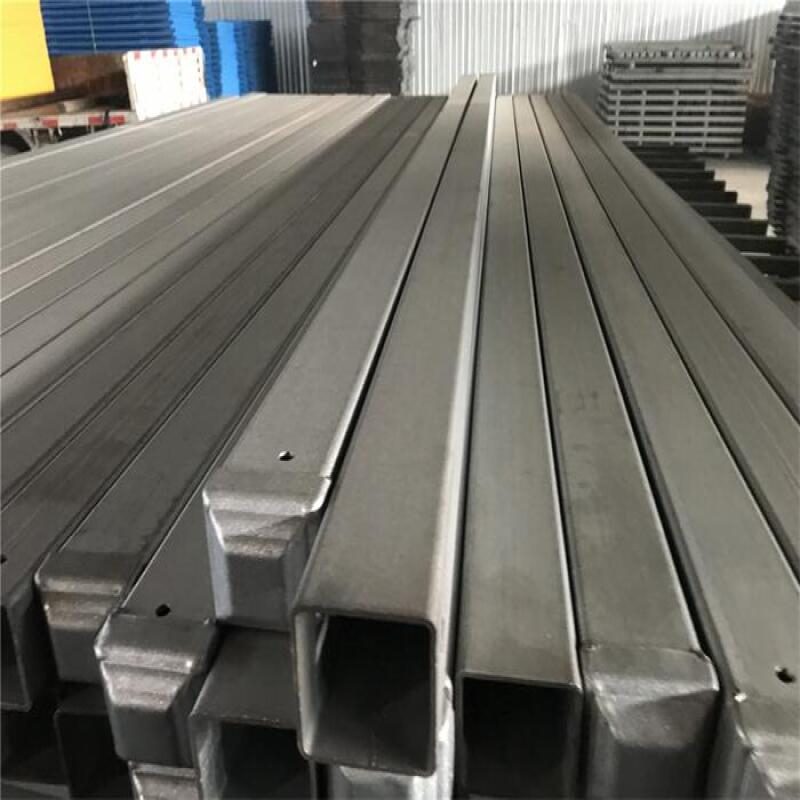
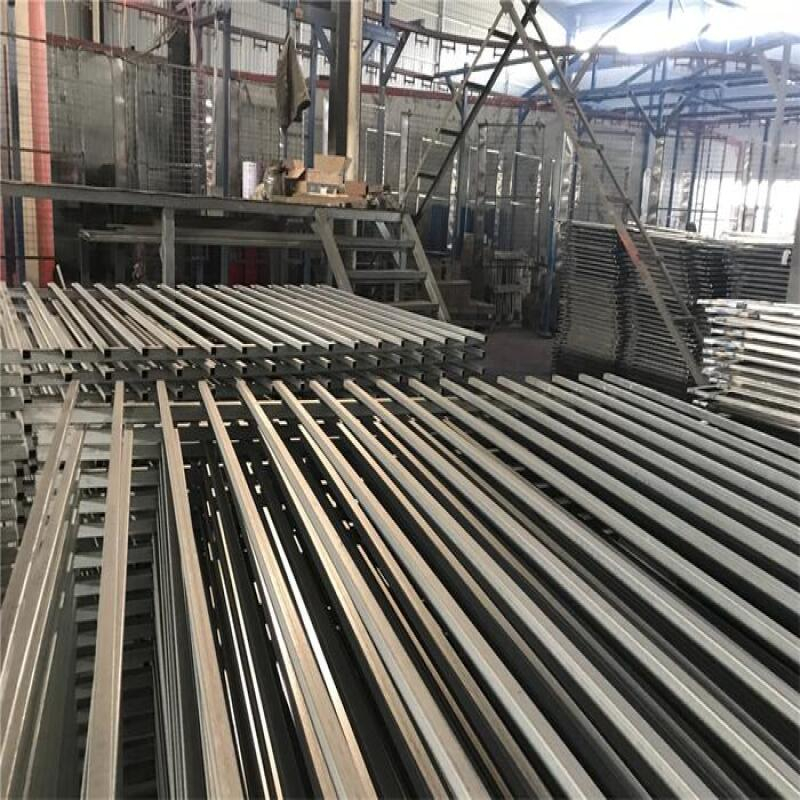
diplomat security fencing panels can be packed in protected stacks designed to reduce edge-to-edge abrasion and maintain straightness during transport. Hardware is separated and counted for receiving efficiency, and protective interfaces can be used between layers to reduce coating damage. Packing can be planned as a receiving-ready system so diplomat security fencing panels unload cleanly, count easily, and move directly to staging without re-sorting.
Standards
diplomat security fencing requirements vary by country, site exposure, and client specification. Many projects require documented material control, repeatable fabrication, and defined coating processes aligned to durability expectations. POLYMETAL can build diplomat security fencing to project drawings and procurement specifications, and provide documentation aligned to customer requirements for inspection, packing verification, and installation readiness. For sites that also manage controlled enclosure areas, the same documentation-first approach applies when specifying adjacent containment products like a
welded wire dog playpen —because traceable materials, repeatable fabrication, and durable coatings reduce maintenance, replacements, and compliance risk.
Applications
diplomat security fencing is commonly used for schools and campuses requiring a strong boundary with a clean look, warehouses and logistics yards needing visible deterrence, infrastructure corridors demanding straight long runs, commercial compounds that need premium appearance, and public-facing sites where security must look professional rather than harsh.
Benefits
A correctly specified system delivers straight fence lines that remain visually consistent, stronger resistance to vibration and movement through matched panel-and-post design, improved durability through disciplined finishing, faster installation through repeatable geometry, and higher perceived security because upright spacing and rigidity create a boundary that looks difficult to defeat.
Packing
Panels can be packed in protected stacks designed to reduce edge-to-edge abrasion and maintain straightness during transport. Hardware is separated and counted for receiving efficiency, and protective interfaces can be used between layers to reduce coating damage. Packing can be planned as a receiving-ready system so panels unload cleanly, count easily, and move directly to staging without re-sorting.
Standards
Requirements vary by country, site exposure, and client specification. Many projects require documented material control, repeatable fabrication, and defined coating processes aligned to durability expectations. POLYMETAL can build to project drawings and procurement specifications, and provide documentation aligned to customer requirements for inspection, packing verification, and installation readiness.
FAQs
How do I choose the right rail frame option?
Choose rail frame size based on panel height, expected handling, and site exposure. The right option is the one that stays straight after transport, unloading, and installation—not the one that only looks fine in a photo.
Which upright spacing should I choose?
Select spacing based on visual density, perceived security, and repeatability. The key is to lock the spacing option in the purchase order so every panel repeats the same module.
What post size is best?
Post size depends on panel height, exposure, and installation method. A stronger post reduces long-run movement and protects straightness, especially on windy or high-traffic sites.
What finish should I specify?
Choose the finish system that matches corrosion exposure and lifespan expectations. For harsh environments or long-life projects, prioritize a system with strong durability at weld zones and handling points.
What should I include in my purchase order to avoid mistakes?
Include panel height and width, rail frame and thickness, upright profile and thickness, upright quantity and spacing option, post size and wall thickness options, finish system, hardware type, packing method, and a pre-shipment checklist requirement.
How do I request a quote from POLYMETAL?
Send your target panel height, width, finish preference, and the specification options you want from the table. If you also share site exposure and installation method, POLYMETAL can align the configuration to real job conditions.
POLYMETAL Closing Checklist Before You Order
Treat diplomat security fencing as an engineered module: define rail frame and thickness, upright profile and thickness, spacing option, post sizing, finish system, hardware, and packing discipline. When these details are controlled upfront, the perimeter performs like the premium boundary it is supposed to be.