Your One-Stop Wire Mesh Fence Supplier | POLYMETAL
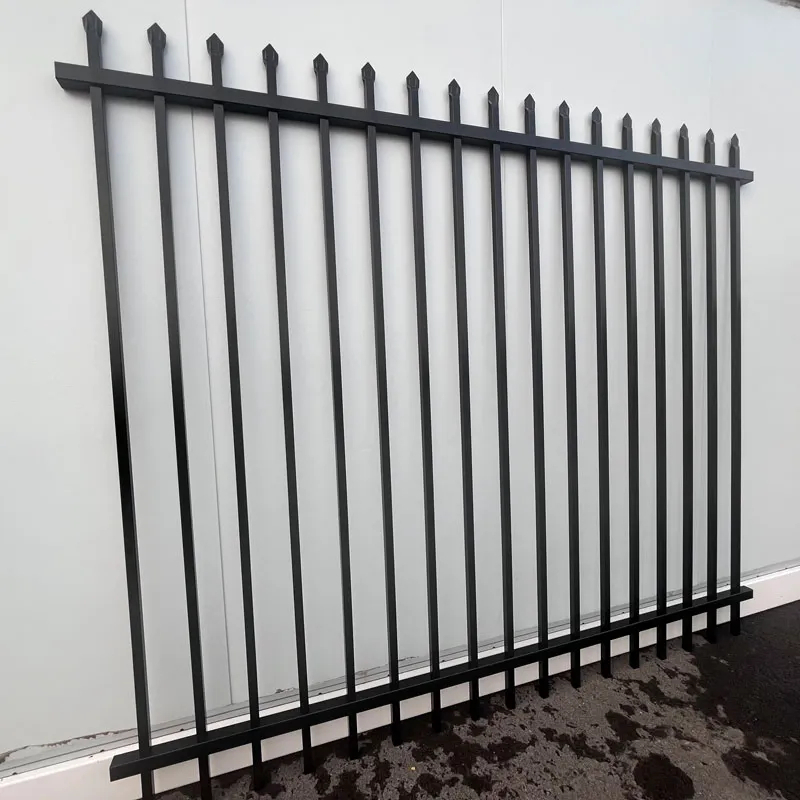
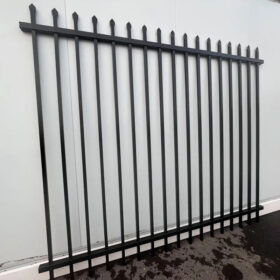
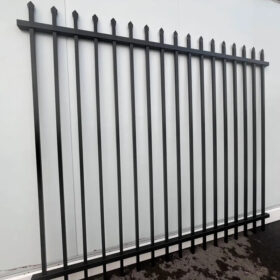
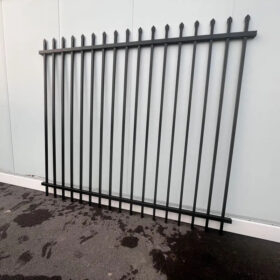
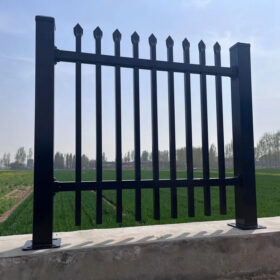
POLYMETAL diplomat style fence is not just a unit price on a quotation. It is the total of measurable inputs—fence height, fence width, rail frame size, rail thickness, upright size, upright thickness, upright schedule, post options, weld discipline, coating build, and packing protection—plus what happens after delivery. The expensive pattern is that many suppliers sell a diplomat style fence as a photo instead of a controlled specification. That is why “same-looking” panels can arrive with drifting spear lines, wavy bays, under-sized posts that lean, or finishes that chip during handling and transport—turning one purchase into delays, complaints, rework, and replacement costs.
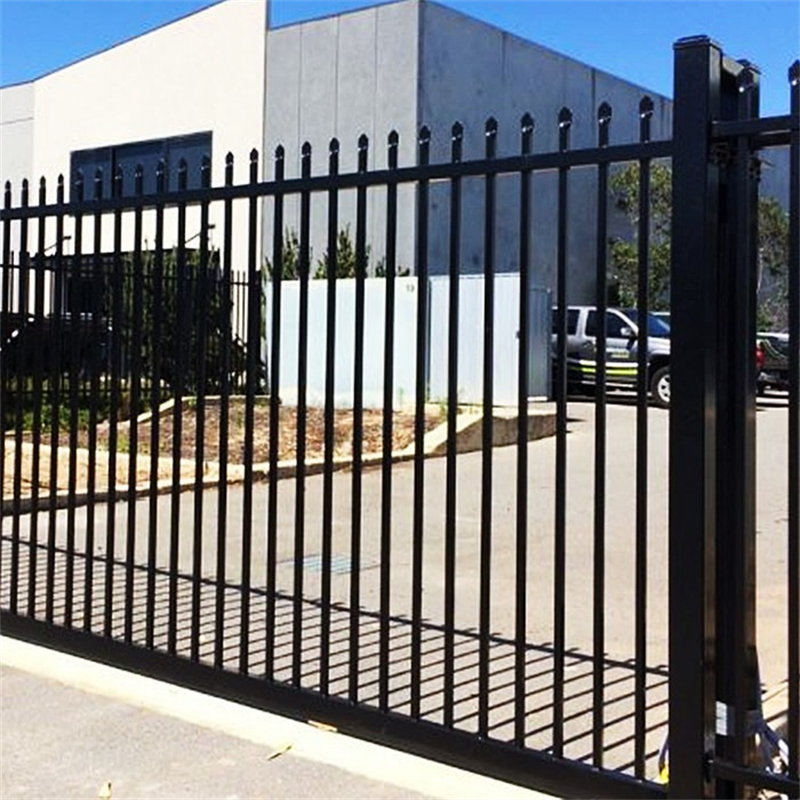
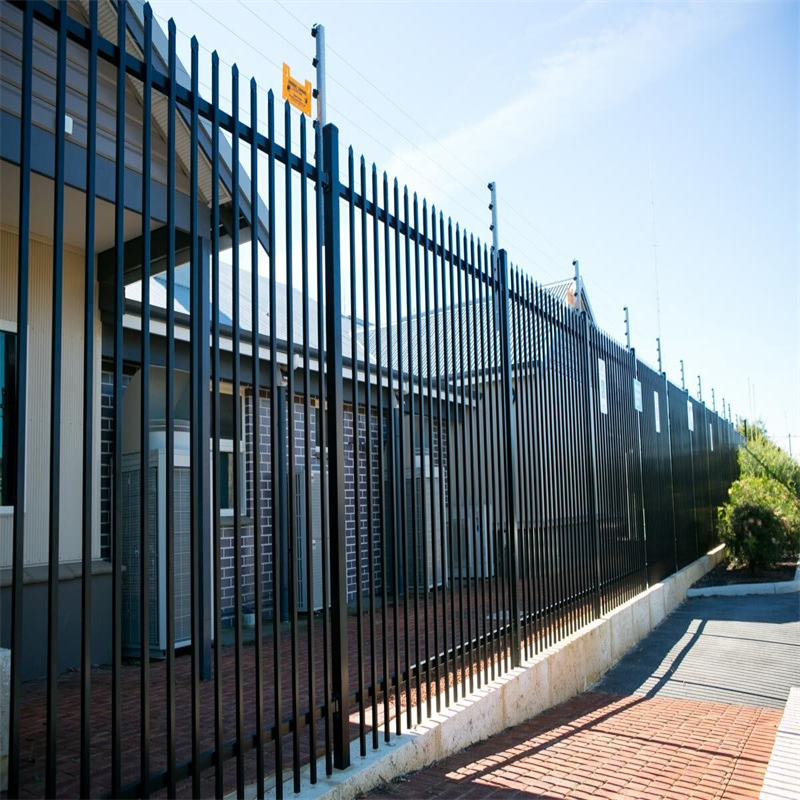
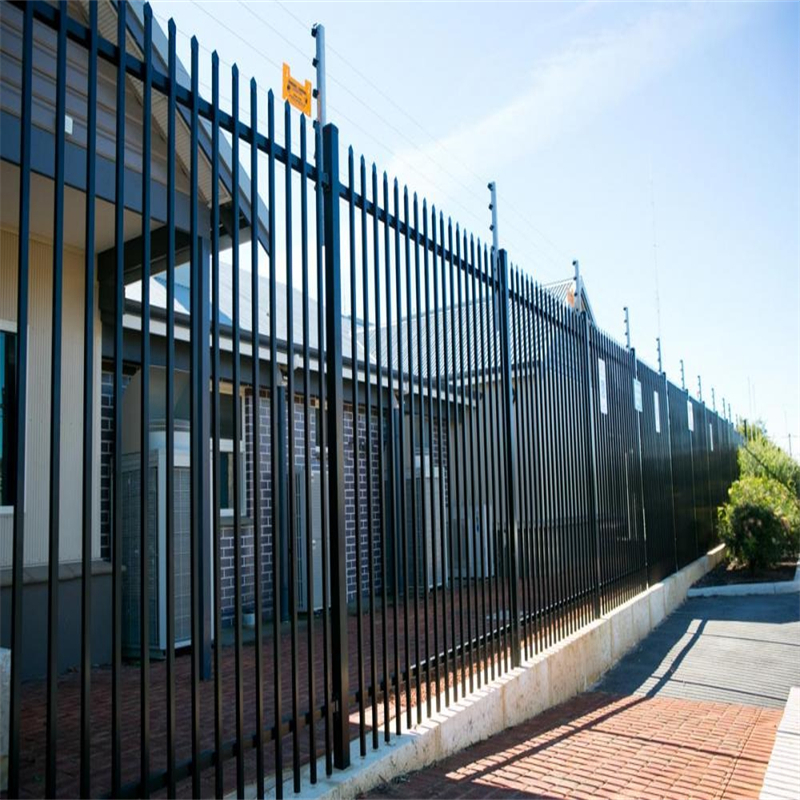
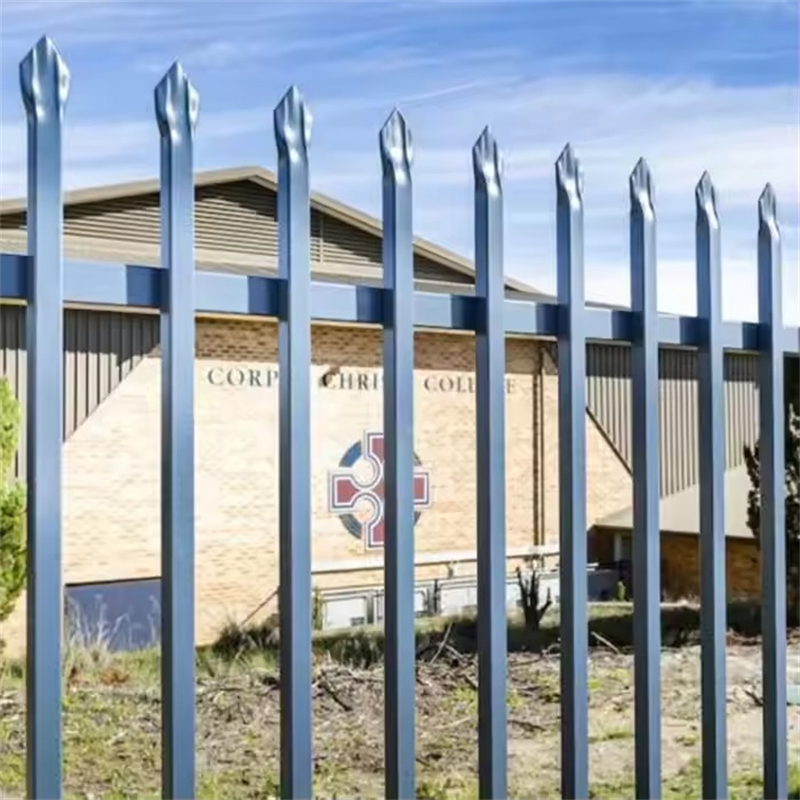
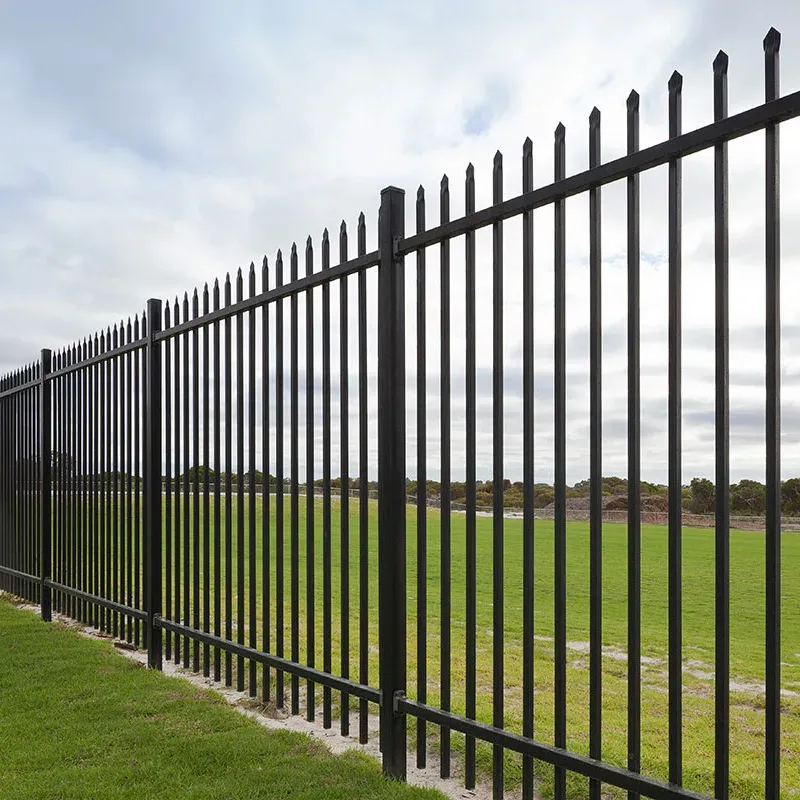
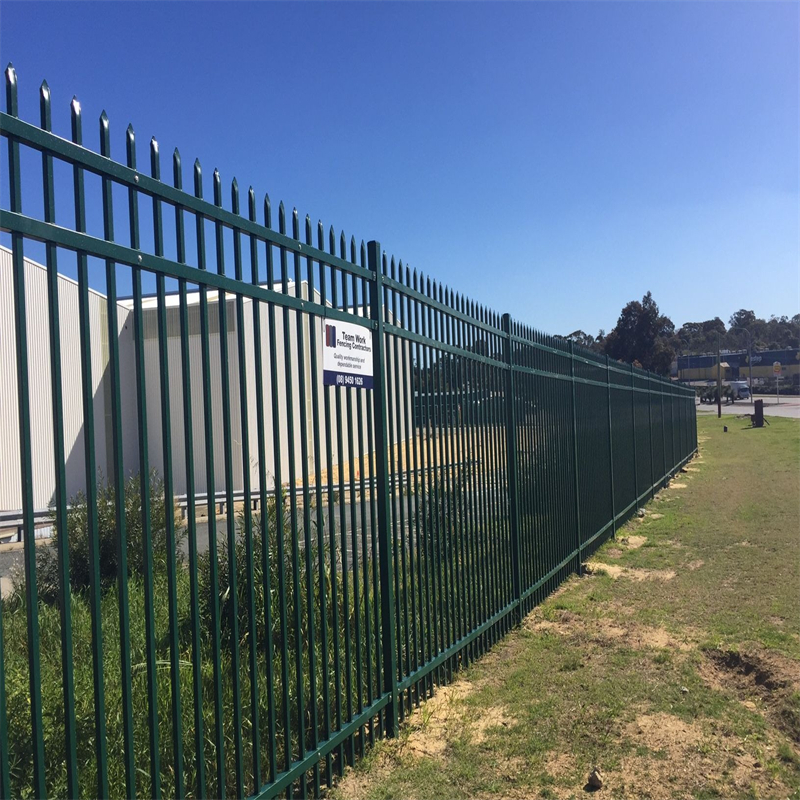
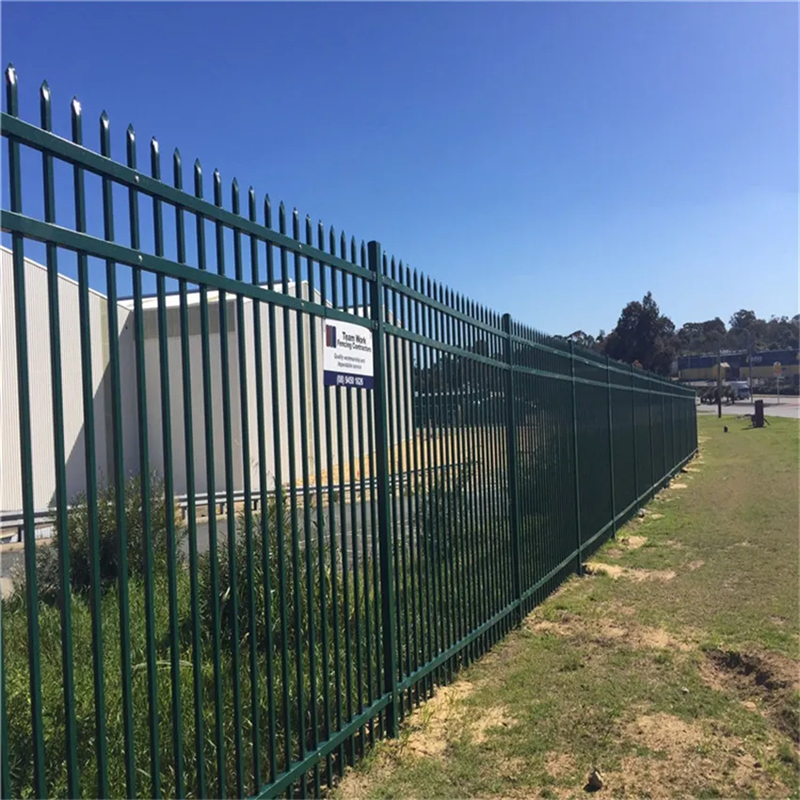
What “diplomat style fence” Means in Real Project Terms
In real procurement, diplomat style fence means the price to install a straight, repeatable perimeter line that stays stable under wind, handling, and daily site contact. If your fence must look architectural—especially in black finishes—tolerance discipline and finish protection become part of the cost. The cheapest panel is rarely the lowest total cost if it arrives with thin rails, inconsistent upright spacing, or incomplete accessories that force installers to fight every bay—especially when the same site also relies on temporary fencing rental during staging and construction.
Product Description
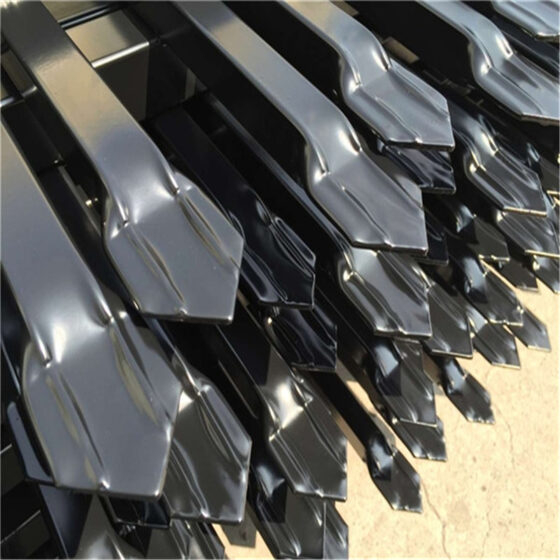
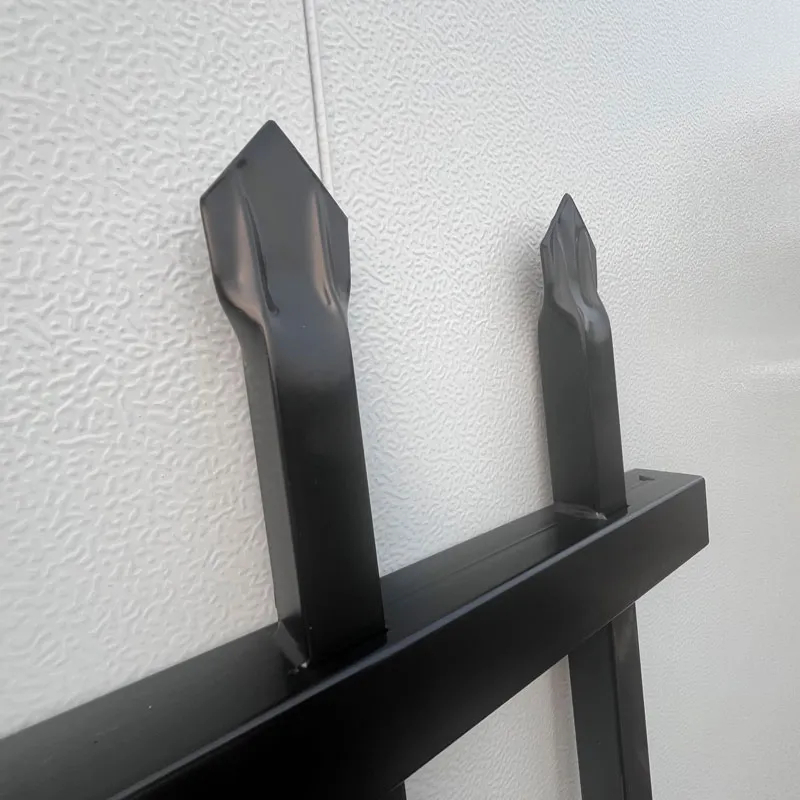
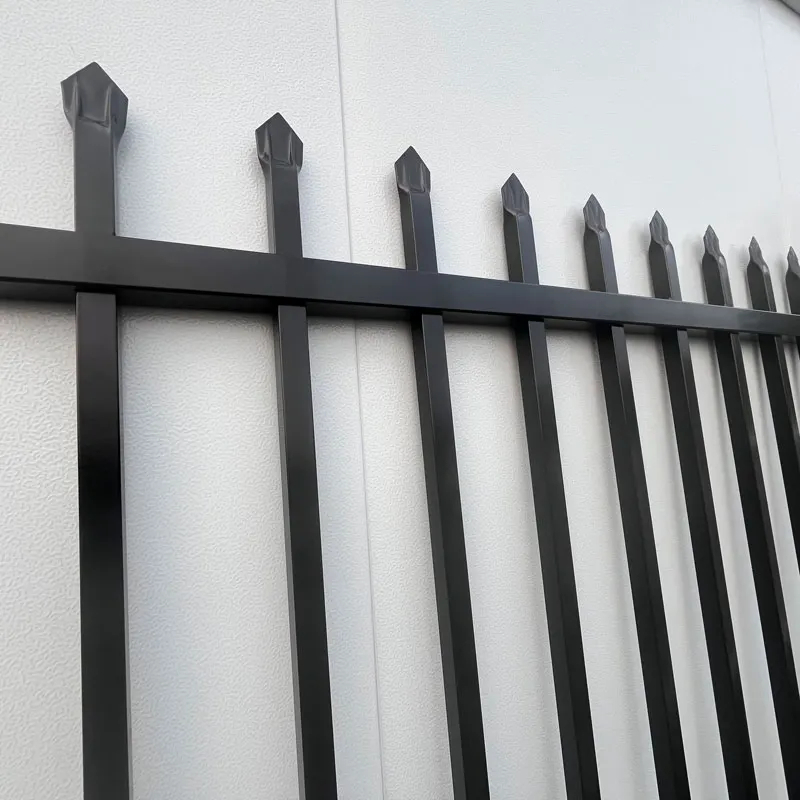
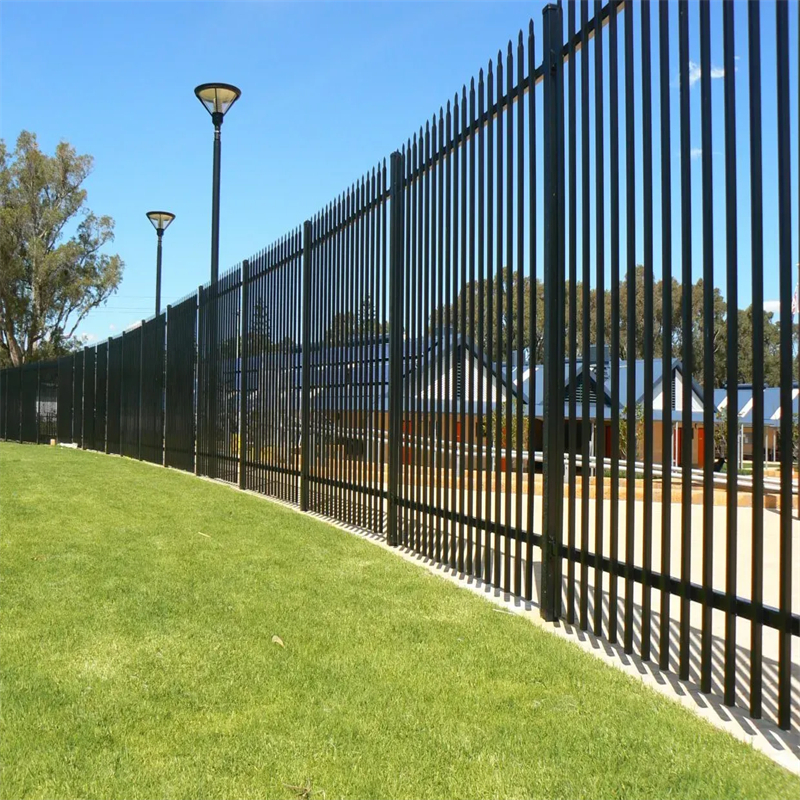
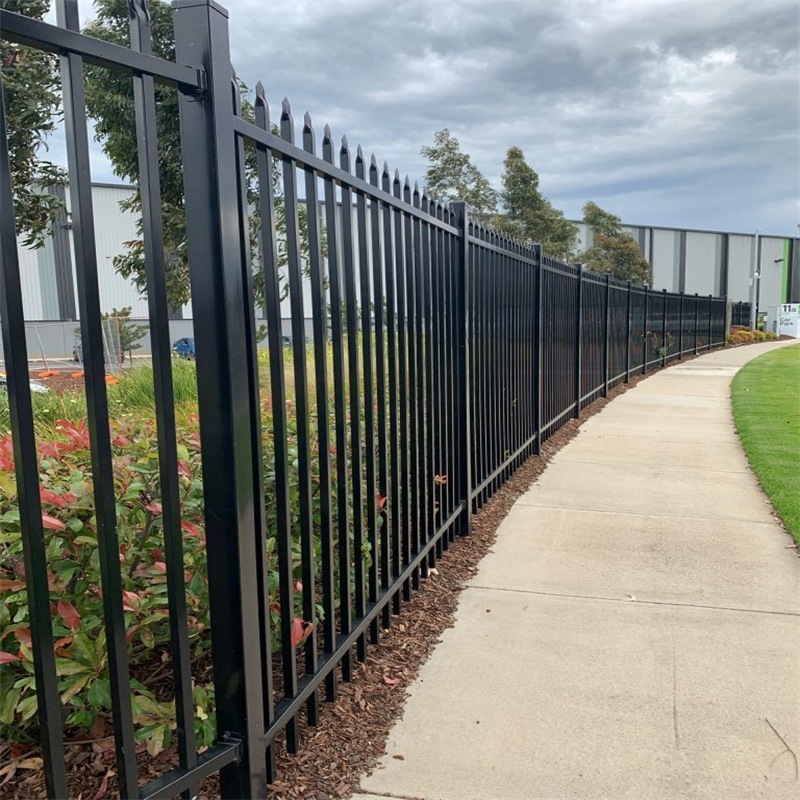
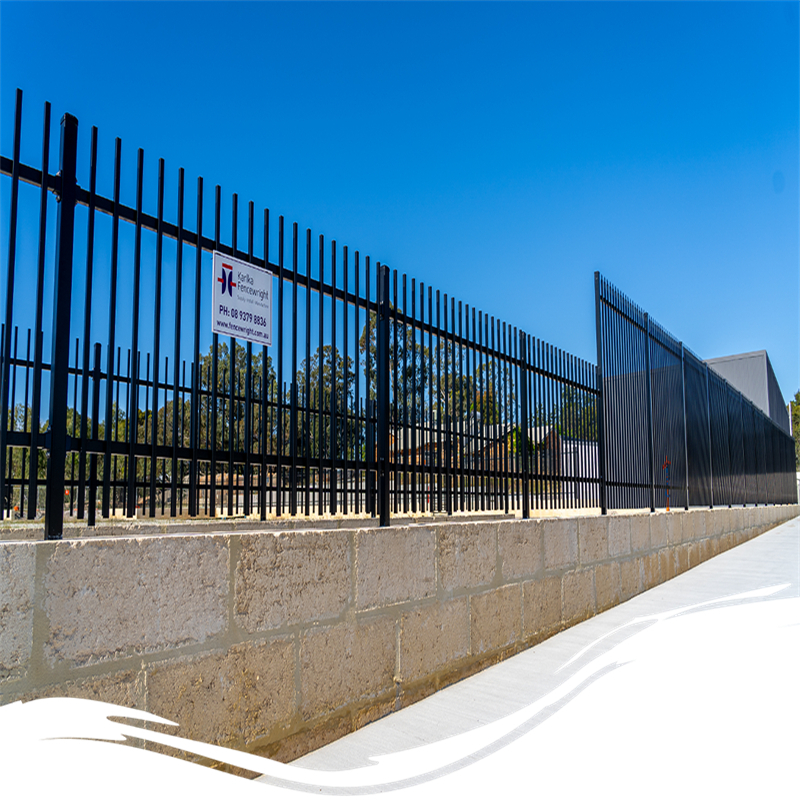
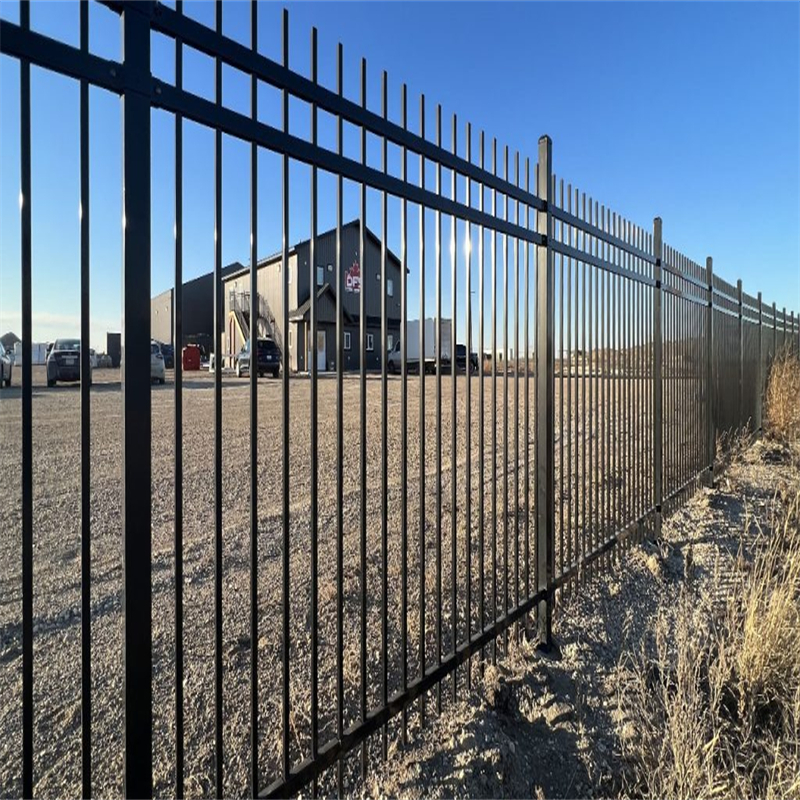
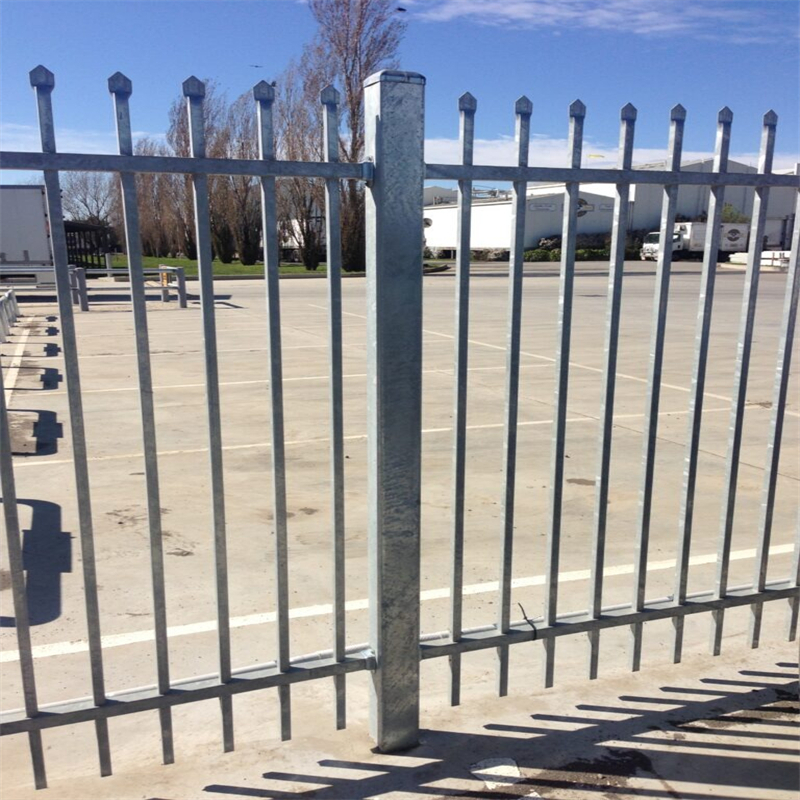
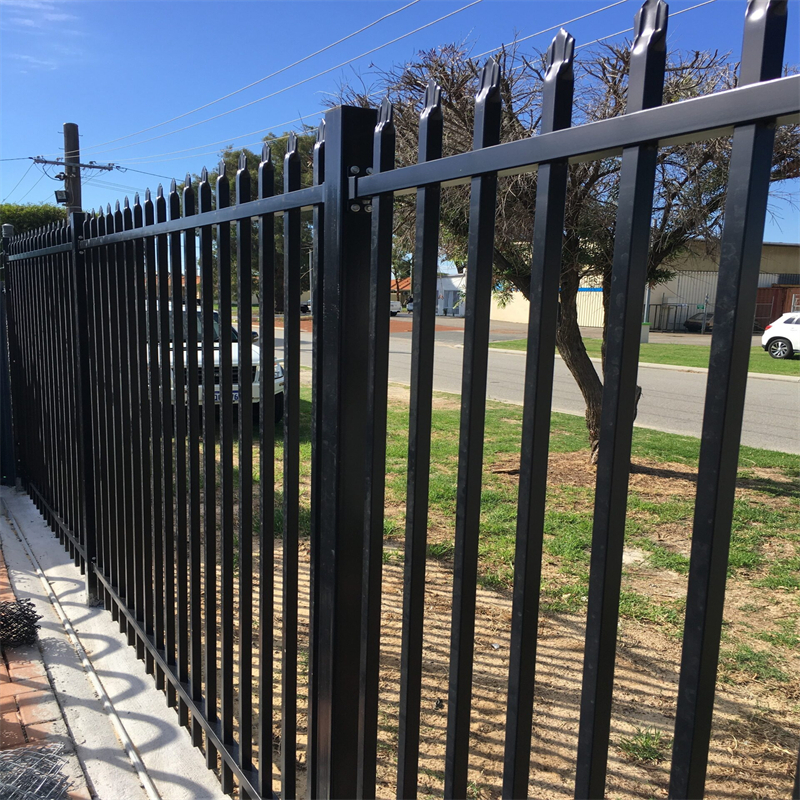
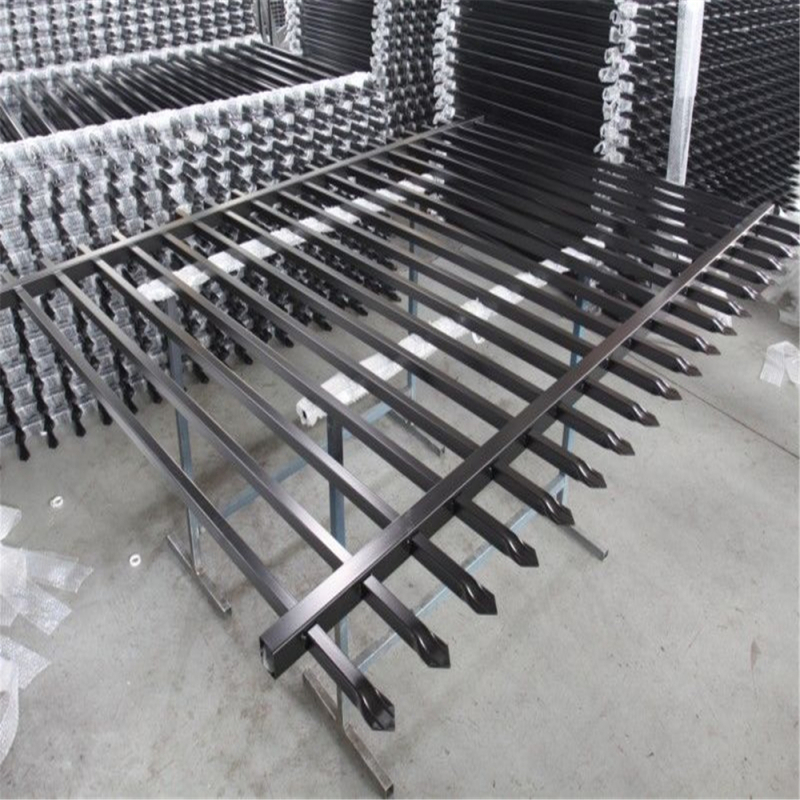
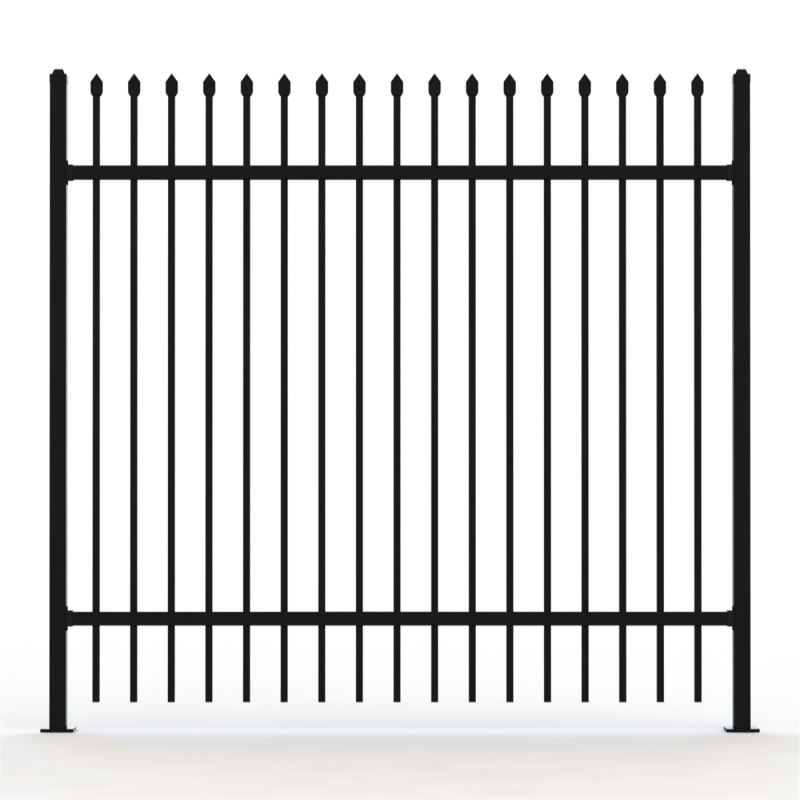
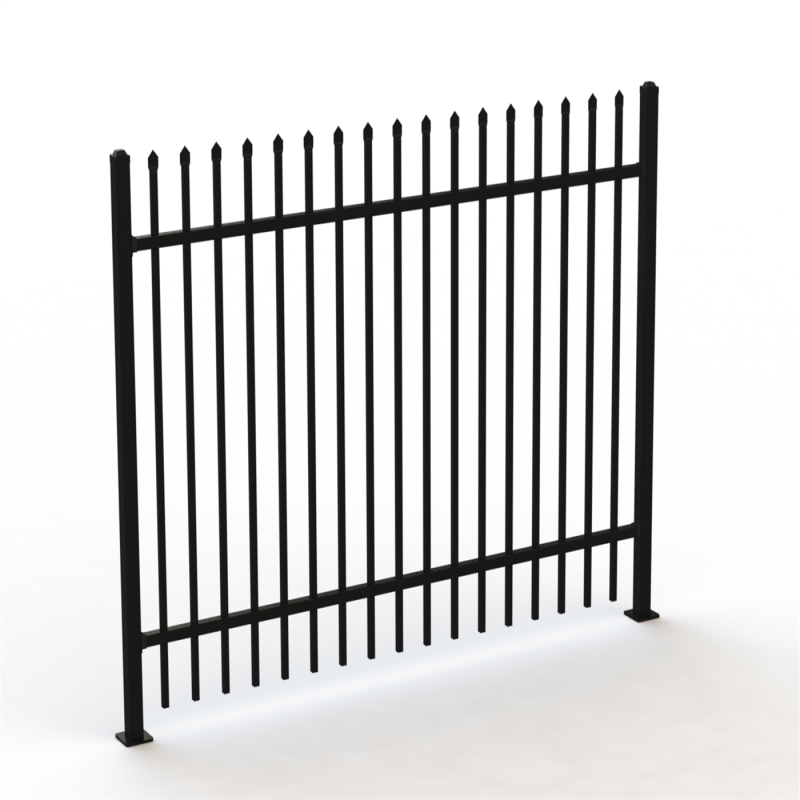
POLYMETAL diplomat style fence is manufactured as a controlled panel-and-post system designed for clean spear alignment and consistent bay rhythm across long straight runs. Each panel uses a welded square-tube frame with evenly scheduled uprights, spear-top detailing for deterrence, and a neat architectural profile that keeps visibility open for public-facing sites. By locking measurable inputs—panel size, rail frame and thickness, upright size and count, post size and wall thickness, welding method, surface treatment, and packing method—POLYMETAL reduces hidden downgrade risk and keeps diplomat style fence supply consistent across multi-container projects.
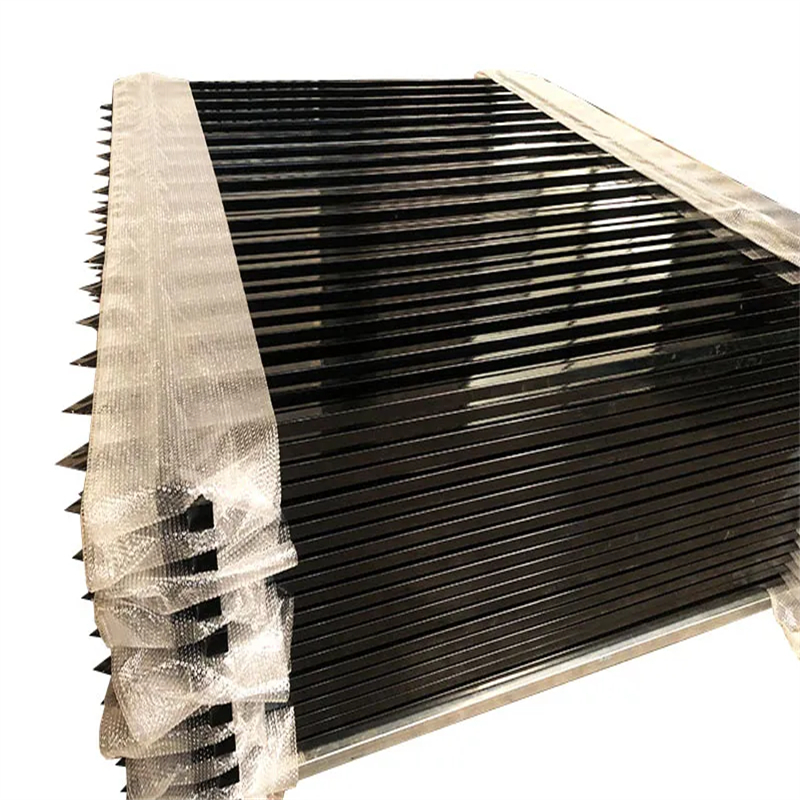
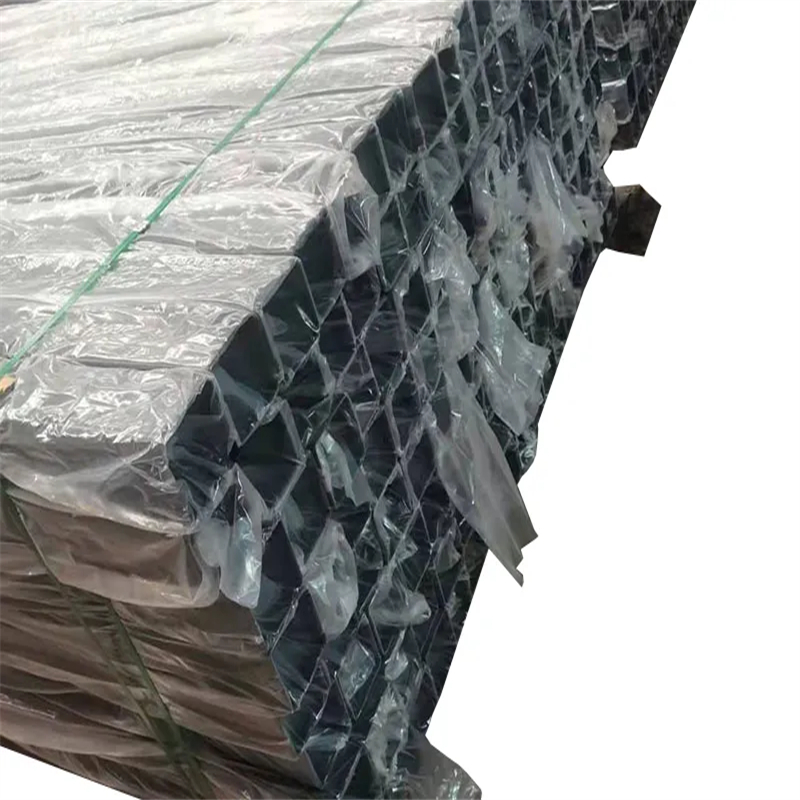
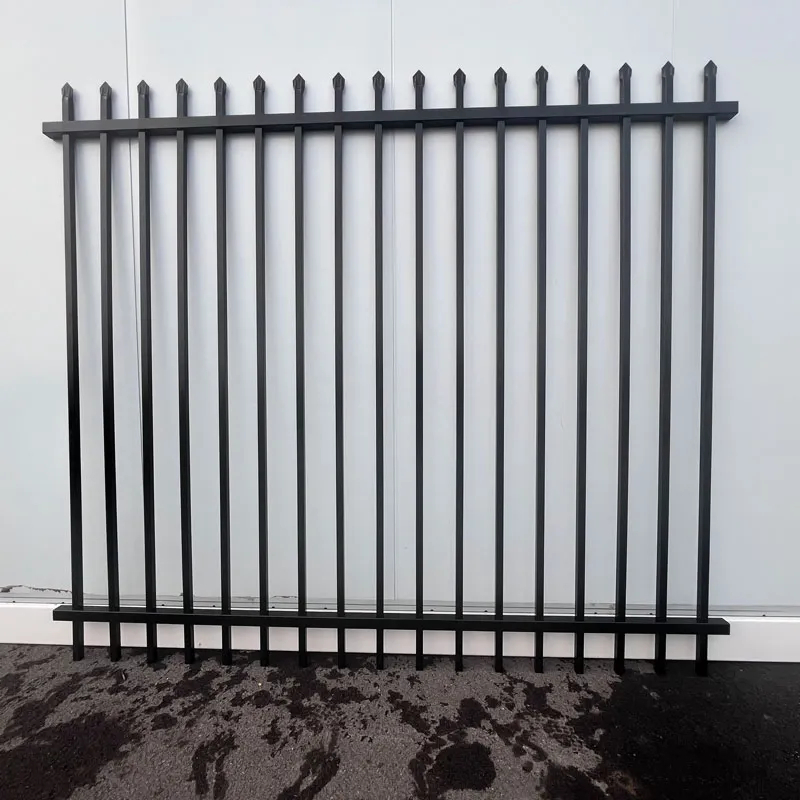
The 9 Variables That Actually Control diplomat style fence Cost
1) Fence Height and Fence Width
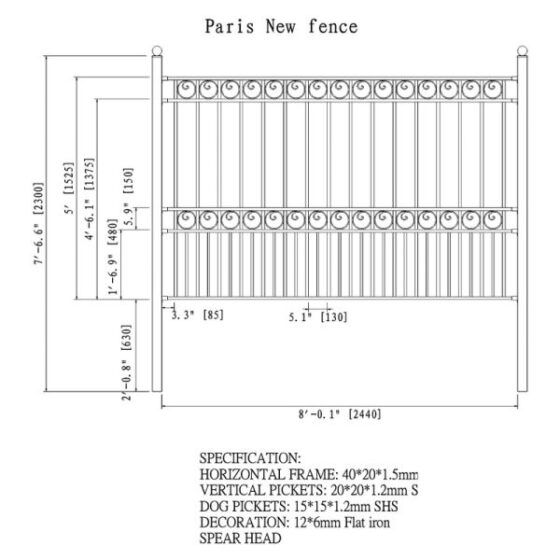
A diplomat style fence becomes heavier and harder to handle as height increases, and wide bays amplify straightness issues over long lines. If width is not locked (for example, 2400 mm versus 2450 mm), corner planning and gate offsets can shift later, increasing labor and hardware waste and pushing total cost upward.
2) Rail Frame Size and Rail Thickness
Rail thickness is the most common “invisible downgrade” because photos cannot show wall thickness clearly. A small thickness reduction can make panels twist, vibrate, and drift out of line during installation—raising labor time and increasing the chance of warranty complaints.
3) Upright Tube Size, Upright Thickness, and Upright Quantity
Upright density controls stiffness, visual rhythm, and perceived security. When upright count changes, spacing changes, and spear alignment looks messy across bays. That is one of the fastest ways a diplomat style fence looks “cheap” after it is already installed.
4) Post Options and Post Wall Thickness
Posts carry real loads. Under-specified posts can look fine during delivery but lean over time under wind, uneven ground, or repeated contact. Post replacement is often more expensive than any “savings” achieved on panel price.
5) Welding Discipline and Jig Control
Welding quality influences straightness and long-run repeatability. If the supplier lacks jigs or discipline, panels can vary bay-to-bay, and installers must “correct” alignment in the field—turning your diplomat style fence budget into labor cost.
6) Surface Treatment and Coating Build
Architectural finishes expose defects. If pretreatment and coating build are not controlled, chips often start at weld zones and sharp edges during packing, forklift handling, and site installation. That drives repaint cycles and early appearance failure.
7) Accessories and Fixings Completeness
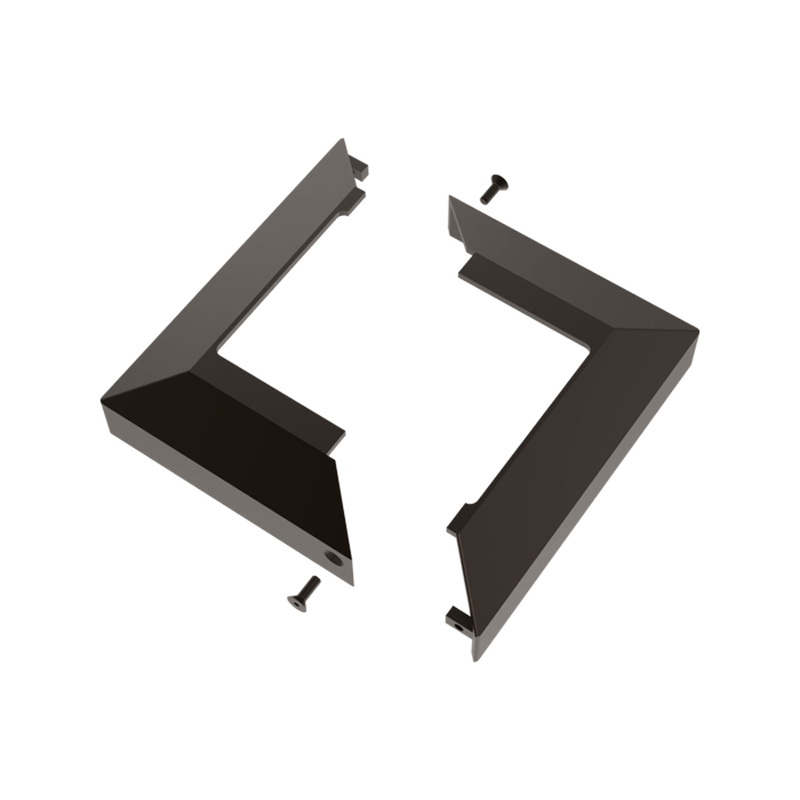
Brackets, caps, bolts, and anti-tamper fixings should be treated as part of the diplomat style fence system, not as a “later add-on.” Missing accessories force improvisation, slow installation, and increase safety risk.
8) Packing Method and Finish Protection
Packing is where clean finishes are either protected or destroyed. If panels rub in transit, coating damage becomes a visible defect that triggers claims, site repainting, and delays. Packing discipline is a direct cost-control lever.
9) Quality Control Checkpoints
A controlled QC routine stabilizes diplomat style fence supply by preventing surprise downgrades and ensuring each container matches the approved reference sample.
Top 23 Checks That Stop diplomat style fence Cost From Exploding
If you approve production without locking measurable specifications, you can receive a batch that technically “matches the quote” but fails on site. Use the checks below before you approve production and before your diplomat style fence cost becomes rework cost.
Trap #1: The “Same Photo” Quote Without a Thickness Statement
Photos hide rail wall thickness and upright thickness. If thickness is not locked, stiffness can be downgraded while keeping the same appearance.
Risk #2: Rail Frame “Size Match” With Wall Downgrade
A 40×40 rail is not the same across wall thicknesses. A thinner wall changes rigidity and increases twisting in long runs.
Warning #3: Upright Count Drift That Breaks Bay Rhythm
Changing uprights per panel shifts spacing and spear alignment. Installers then fight every bay and corners stop lining up cleanly.
Cost #4: Post Wall Thickness Skipped in the Quote
Posts that are too thin can create leaning fences under wind and repeated contact, forcing costly post replacement.
Pitfall #5: “Black Finish” Without Coating Build Control
Satin black looks premium until chips appear at weld zones and sharp edges. Coating thickness and pretreatment must be controlled.
Defect #6: Weld Cleanup Not Specified
Poor cleanup can leave sharp spatter and weak adhesion points that fail during packing and forklift handling.
Oversight #7: Corner and Gate Planning Not Included Early
If corner posts and gate offsets are not planned early, you pay later through custom fabrication and labor waste.
Failure #8: One-Spec-Fits-All Post Schedule
High-wind corridors, uneven ground, and public areas often need stronger posts. A generic schedule inflates total cost later.
Gap #9: No Tolerance Statement for Panel Width and Height
Without tolerances, panels can vary enough to create waves in long runs and constant correction during installation.
Misstep #10: Accessories Listed as “Optional”
Missing brackets, caps, or anti-tamper bolts force installers to improvise, increasing labor time and site risk.
Damage #11: Packing That Scratches the Finish Before the Container Leaves
The fastest way to increase diplomat style fence cost is letting panels rub during transport. Require cages, corner protection, separators, and straps that prevent contact damage.
Threat #12: Mixed-Batch Raw Tube Quality
Tube consistency affects straightness. Mixed raw supply can cause drift bay-to-bay and spears that do not align visually.
Myth #13: “Powder Coat Fixes Everything”
Powder coat does not fix poor zinc condition or weak pretreatment. If the base is wrong, the finish can fail early.
Snapshot #14: Weight Not Matching the Bill of Materials
Weight is a fast sanity check. If the delivered panel weight is lighter than expected, something was likely downgraded.
Checklist #15: No Pre-Production Sample Approval
A single confirmed sample panel prevents mass mistakes and stabilizes diplomat style fence cost across containers.
Guide #16: No QC Photos of Measurable Points
Require measurable QC photos: rail thickness checks, upright thickness checks, coating thickness readings, and packing photos.
Problem #17: Post Base Option Not Defined
If the post base method is not locked, site teams may face unexpected drilling, rework, or incompatible fixing hardware.
Danger #18: Upright Spacing Not Tied to Upright Quantity
Spacing schedules must match upright quantity. If the factory changes one without the other, your fence rhythm and visual alignment suffer.
Downside #19: Rail Thickness Chosen Without Long-Run Reality
Long straight runs punish weak rails. Under-spec rails can create visible waving that triggers client complaints.
Flaw #20: Post Size Selected Without Contact Risk
Sites with frequent vehicle movement or public contact need stronger post options to avoid leaning and repair.
Warning #21: No Batch-to-Batch Consistency Promise
A diplomat style fence should remain consistent across containers. Without batch control, repeat orders can drift in spec.
Loss #22: Receiving Inspection Not Planned
If site receiving does not verify key measurements on arrival, problems are discovered too late, when installation time is already booked.
Insight #23: Choosing “Cheap” When the Site Needs Architectural Straightness
If your project is public-facing, schools, estates, or commercial frontage, prioritize stiffness, tolerances, and packing discipline to reduce total cost.
Specifications
| Spec Item | POLYMETAL diplomat style fence Options | Notes for Cost & Consistency |
|---|---|---|
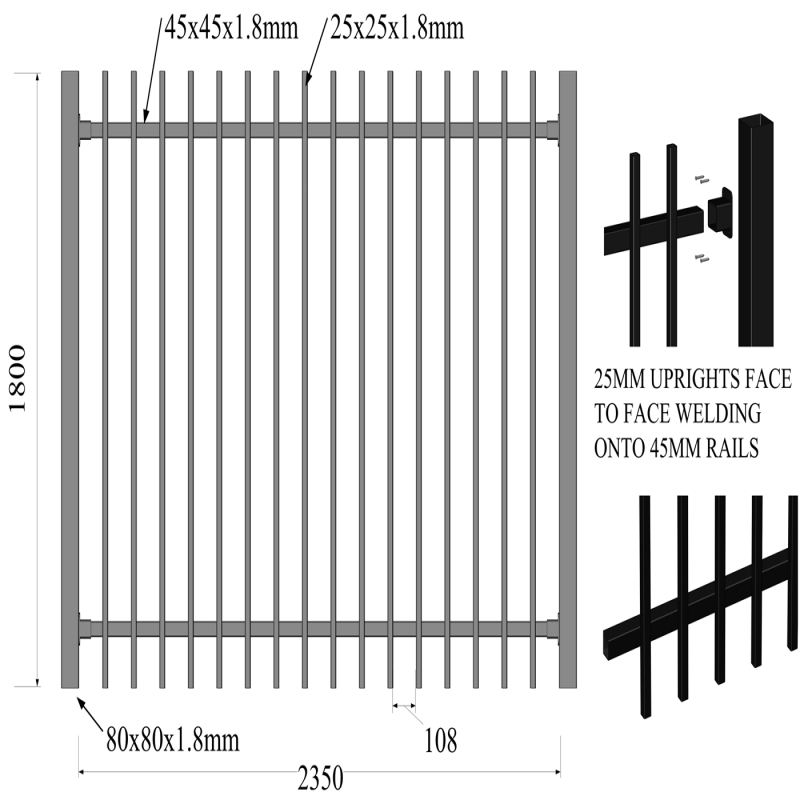
| Fence Height (Panel) | 1200 / 1500 / 1800 / 2100 / 2400 mm | Higher panels usually require stronger posts and stricter packing protection |
| Fence Width (Panel) | 2400 mm / 2450 mm | Lock width to protect bay rhythm, corners, and gate offsets |
| Rail Frame (OD) | 40×40 mm / 45×45 mm / 50×50 mm | Frame size must be paired with wall thickness to control stiffness |
| Rails Wall Thickness | 1.60 mm / 2.00 mm / 2.50 mm / 3.00 mm | Thickness is the most common hidden downgrade in “same photo” quotes |
| Upright Size (OD) | 16×16 mm / 25×25 mm / 30×30 mm | Upright size affects both strength feel and long-run straightness |
| Upright Wall Thickness | 0.80 mm / 1.00 mm / 1.20 mm / 2.00 mm | Thin uprights bend more easily during handling and create spear misalignment |
| Upright Quantity & Spacing Schedule | 16 pcs (115 mm) / 17 pcs (108 mm) / 18 pcs (100 mm) | Quantity must match spacing schedule to keep the diplomat style fence rhythm consistent |
| Target Upright Spacing (Common) | 100 mm (typical reference) | Use a fixed schedule when comparing quotes across suppliers |
| Fence Post Options (Square) | 60×60 / 65×65 / 75×75 / 80×80 / 100×100 mm | Posts determine long-term stability; do not compare quotes without post size |
| Fence Post Wall Thickness | 1.60 mm / 2.00 mm / 2.50 mm | Under-spec post walls often cause leaning and expensive replacement |
| Fence Post Height Rule | Post Height = Fence Panel Height + 600 mm | Show this in RFQ and confirmation to avoid silent post-height changes |
| Post Base Plate Option | 130 mm × 130 mm base plate with 4 pin holes | Lock base details to avoid site drilling surprises and hardware mismatch |
| Surface Treatment | Pre-galvanised + powder coat / HDG + powder coat (project-driven) | Finish discipline strongly influences diplomat style fence lifecycle cost |
| Common Color | Architectural black (e.g., RAL9005) | Black shows defects; packing and corner protection become critical |
Cost Structure Snapshot for diplomat style fence
| Cost Line | What Changes It | How POLYMETAL Controls It |
|---|---|---|
| Steel Usage | Height/width, rail frame, rail thickness, upright count | Lock BOM, confirm sample, verify target weights and dimensions |
| Posts | Post size, wall thickness, base option, spacing | Offer post options by site wind/contact exposure; lock post details early |
| Welding | Jigs, weld process, straightness control | Jig-weld discipline + measurable QC checkpoints |
| Coating | Pretreatment, powder build, curing stability | Define coating build targets and inspection points for consistent appearance |
| Packing | Rubbing risk, edge impact, spear damage | Separators + corner protection + straps to reduce transit damage |
| Site Labor | Mismatched panels, missing accessories, rework | Complete kit supply list + tolerance control + receiving checklist |
Applications
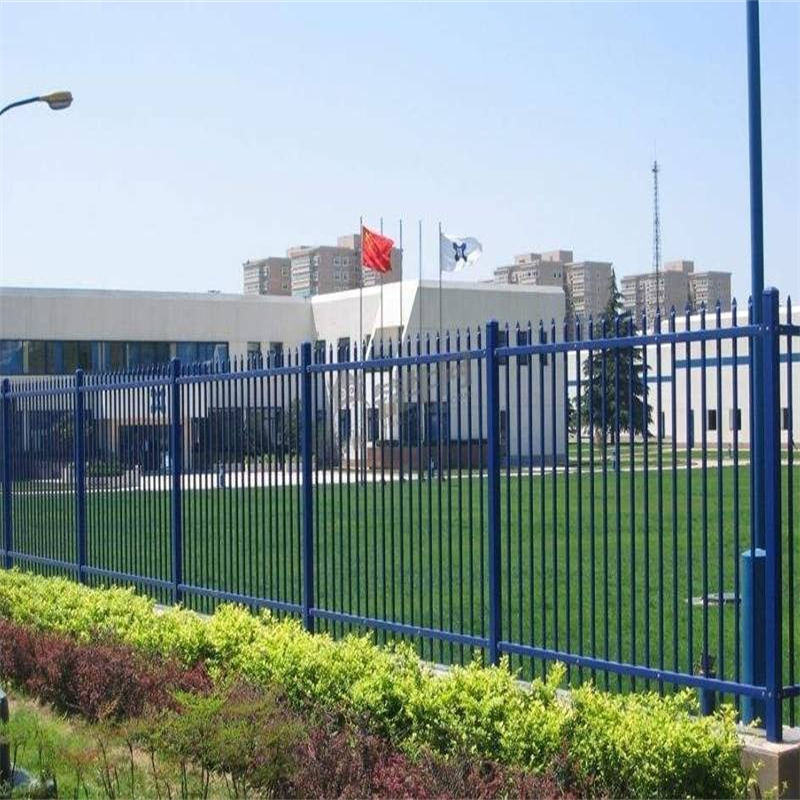
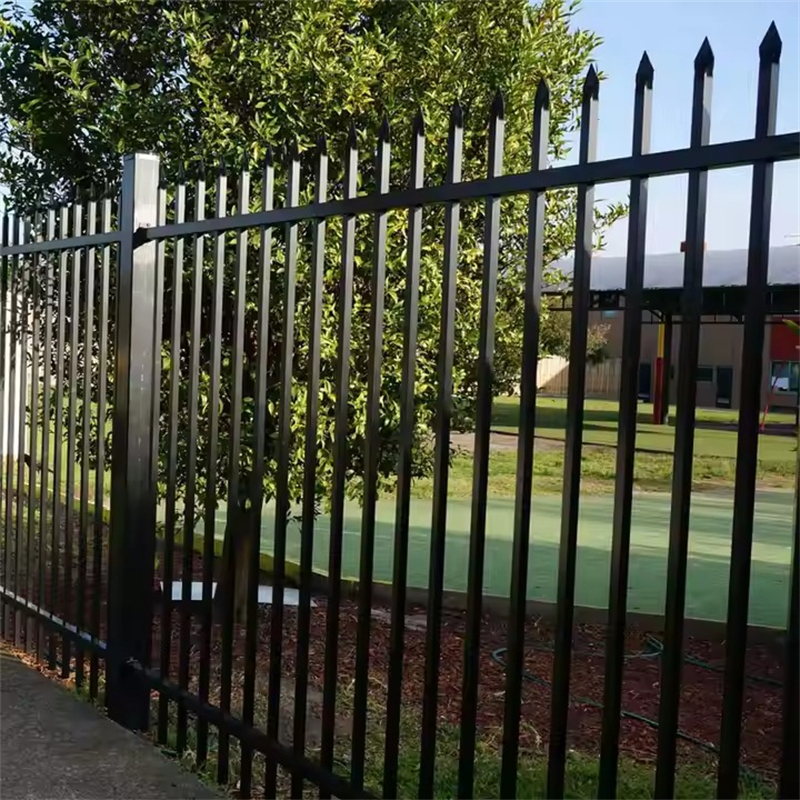
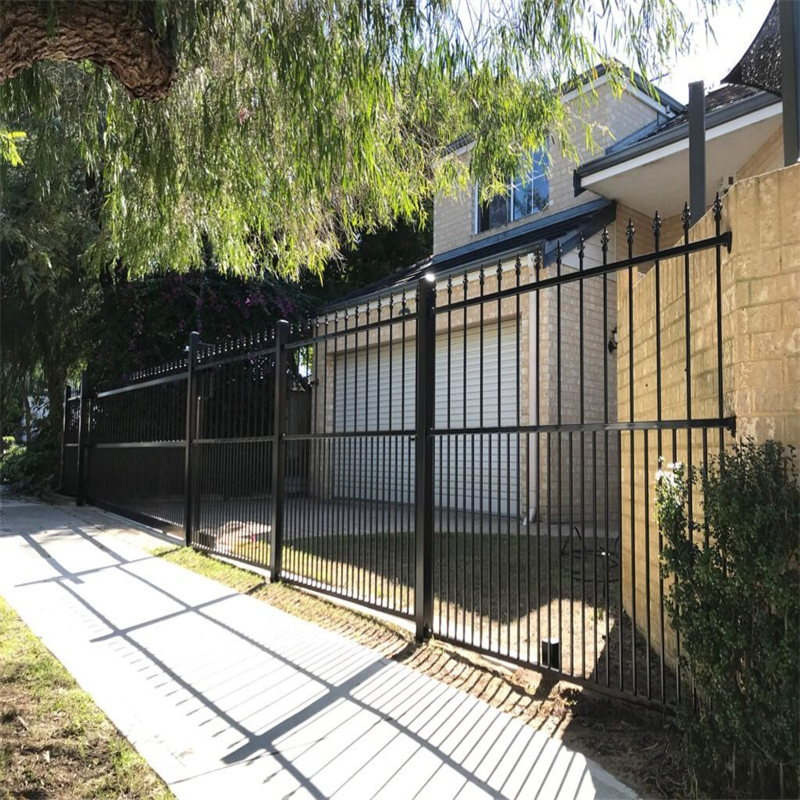
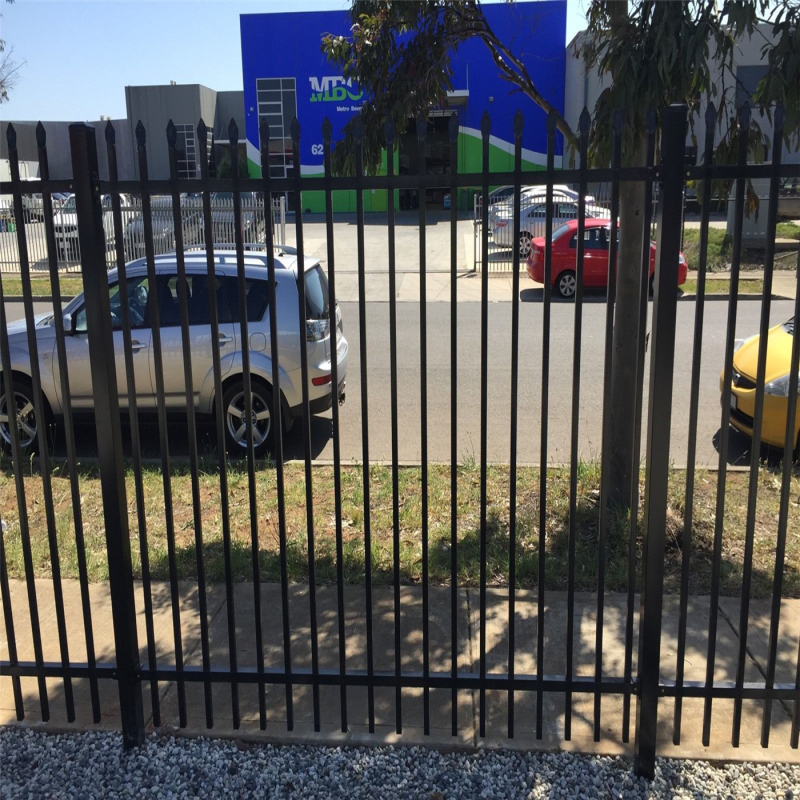
POLYMETAL diplomat style fence is commonly used for estates and residential boundaries, schools and campus edges, commercial frontage, warehouses and logistics yards, utility corridors, and public-facing perimeters where a clean architectural line improves deterrence without blocking visibility. For long straight runs, locking measurable inputs reduces visible waving and helps the perimeter look disciplined after installation.
Benefits
POLYMETAL diplomat style fence reduces hidden cost because the fence is specified as a system rather than a photo. Controlled rail thickness improves rigidity, consistent upright schedules protect the visual rhythm, and defined post options reduce leaning risk over time. When coating build and packing protection are locked, the fence stays straighter, looks newer longer, and becomes predictable in total cost instead of reactive in maintenance.
Packing
To protect architectural finishes and prevent transit rubbing, POLYMETAL diplomat style fence panels can be packed as controlled batches using steel cages or palletized stacks with separators, corner protectors, and straps designed to prevent panel-to-panel contact. Bundles are labeled for faster receiving and cleaner site distribution. Accessories such as brackets, caps, and fasteners are packed in secured cartons and fixed to pallets to prevent loss and installation delays.
Standards
POLYMETAL diplomat style fence can be produced to commonly requested project requirements covering dimensional tolerances, welding quality, and protective coating performance. If your project references a specific local standard or inspection routine, share it at RFQ stage so rail thickness, post options, coating build, and QC checkpoints align with compliance expectations and site acceptance criteria—especially if your site also requires compatible perimeter storage solutions like rubbish cages.
FAQs
Why does diplomat style fence pricing vary so much between “similar” quotes?
Because many quotes hide measurable differences: rail thickness, upright thickness, upright schedules, post wall thickness, coating discipline, accessory completeness, and packing protection. Those differences often appear after delivery when installation time and rework cost increase.
What should I lock first to control diplomat style fence cost?
Lock fence height and fence width, rail frame size and rail thickness, upright size and quantity schedule, post options and wall thickness, coating build, accessory list, and packing method. These inputs decide total cost after installation, not just unit price.
Is black diplomat style fence always more expensive?
Black finishes can require higher finishing and packing discipline because defects show more clearly and coating damage becomes a visible complaint risk. A controlled surface treatment plan and protected packing reduce that risk and protect total cost.
How do I compare suppliers fairly for diplomat style fence?
Convert every quote into the same measurable specification: height, width, rail frame and thickness, upright size and schedule, post size and wall thickness, coating plan, tolerances, accessories, and packing. If any of these are missing, the quote can become expensive later.
What is the fastest way to avoid rework on long straight runs?
Require a confirmed pre-production sample, jig-weld discipline, measurable QC photos, and packing protection that prevents rubbing. This combination keeps panels straight, spears aligned, and finishes intact from factory to site.
Checklist Summary
If you want stable diplomat style fence cost, treat the fence as measurable inputs instead of a photo. Confirm rail thickness, upright schedules, post options and wall thickness, coating discipline, accessory completeness, QC checkpoints, and packing protection before production. That is how POLYMETAL turns a diplomat style fence purchase into a straight, repeatable perimeter system you can install quickly and trust for years.