Your One-Stop Wire Mesh Fence Supplier | POLYMETAL
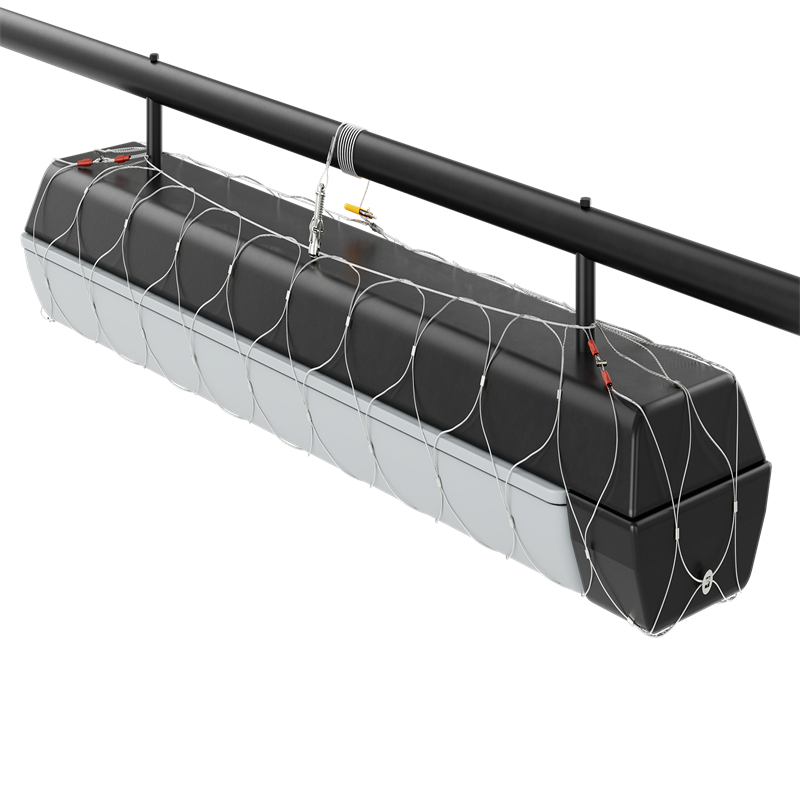
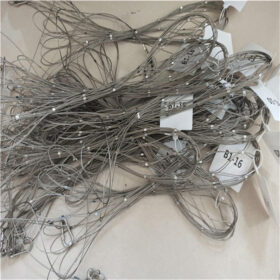
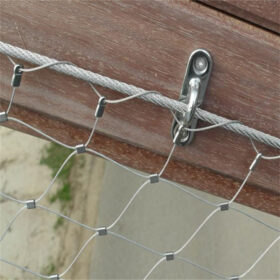
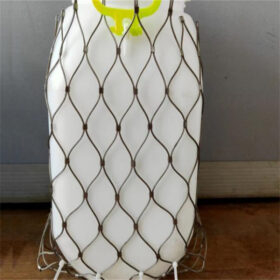
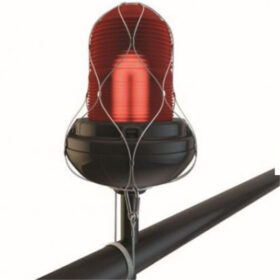
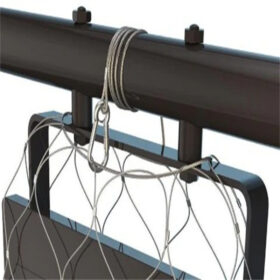
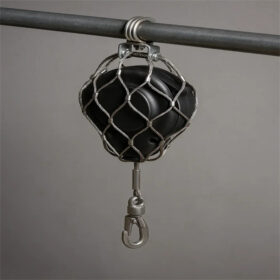
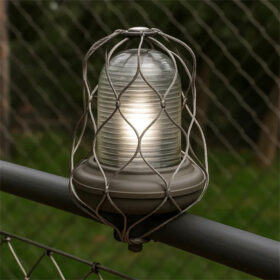
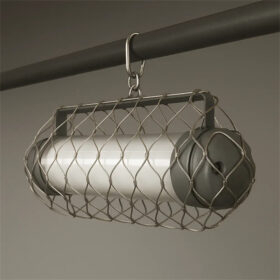
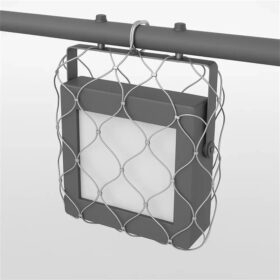
Drop safe nets (also called dropped object prevention nets or safety securing nets) are engineered mesh systems designed to stop tools, fixtures and other items from falling from height and injuring people or damaging equipment below. They are widely used on offshore platforms, helidecks, refineries, wind turbines, construction sites and industrial plants wherever work at height creates a dropped-object hazard.
These nets either:
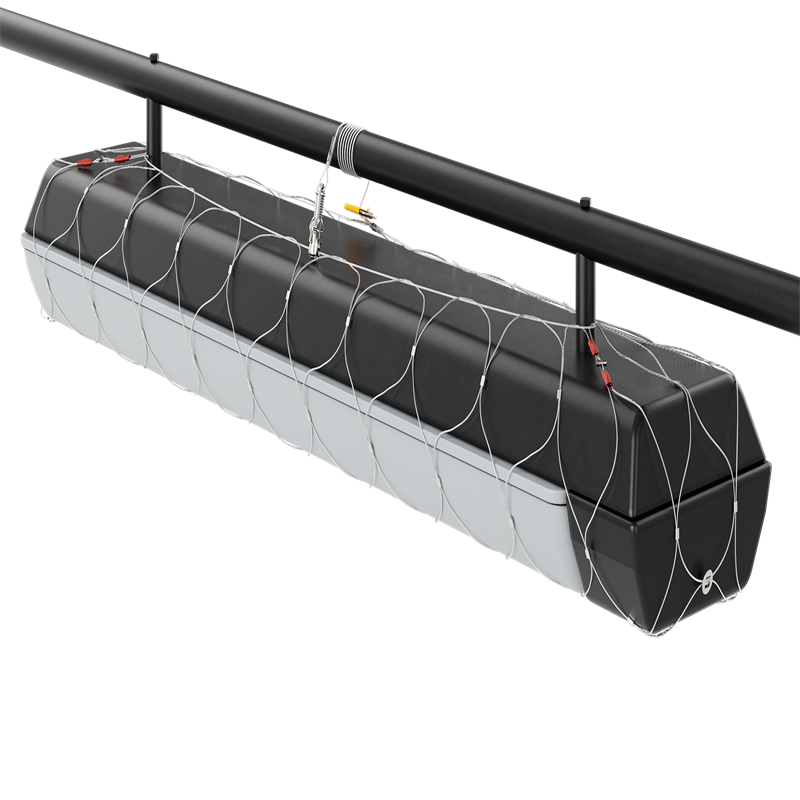
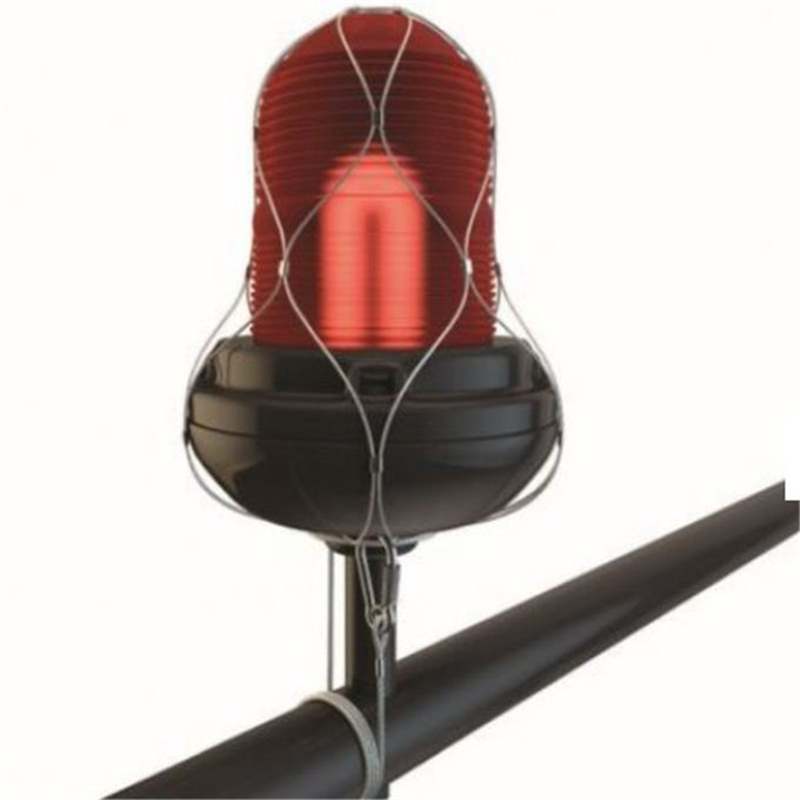
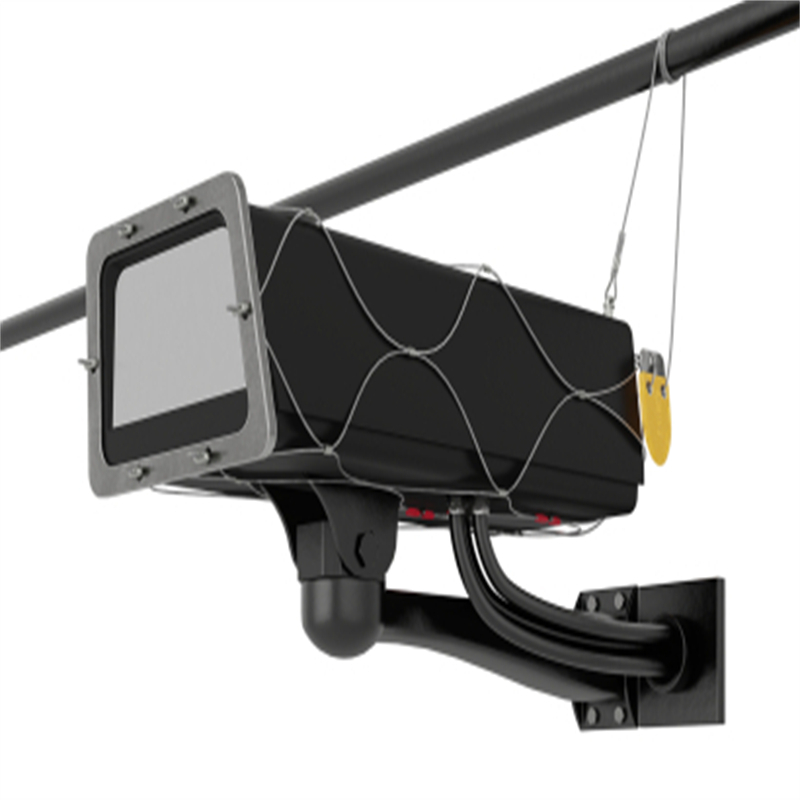
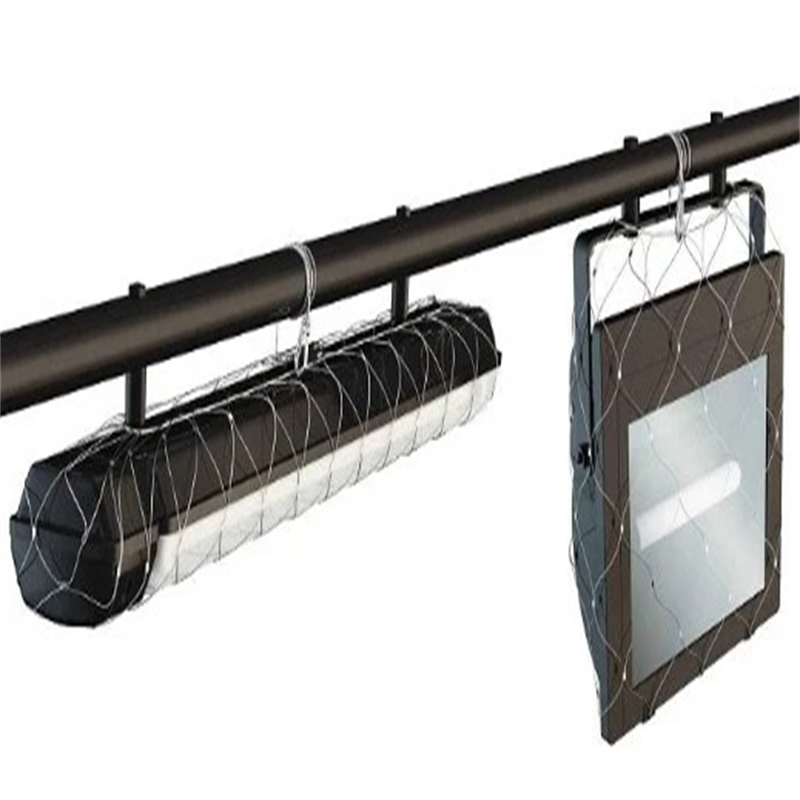
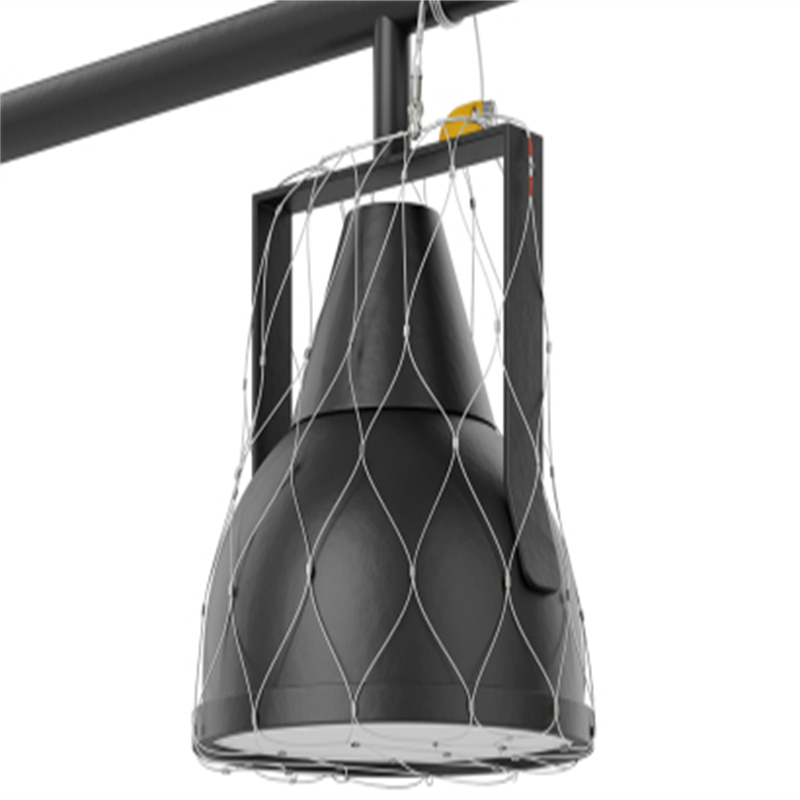
Enclose and tether overhead fixtures (lights, speakers, CCTV, sirens, junction boxes, etc.)
Create continuous barriers along guardrails and open edges so that loose items cannot slip through gaps.
Compared with improvised solutions (wire ties, tape, makeshift cages), professional drop safe nets offer traceable materials, certified load ratings and standardized installation methods, which significantly reduce risk and help sites demonstrate compliance with health and safety regulations.
1. What Are Drop Safe Nets?
Drop safe nets are purpose-designed safety devices installed wherever there is a risk that an object at height might become loose and fall. Two main families are commonly used:
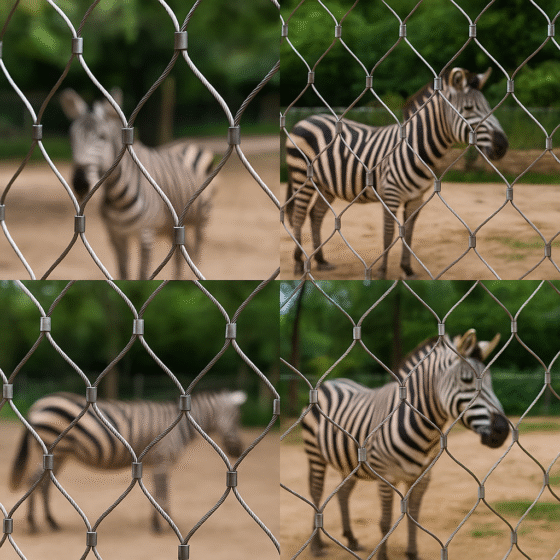
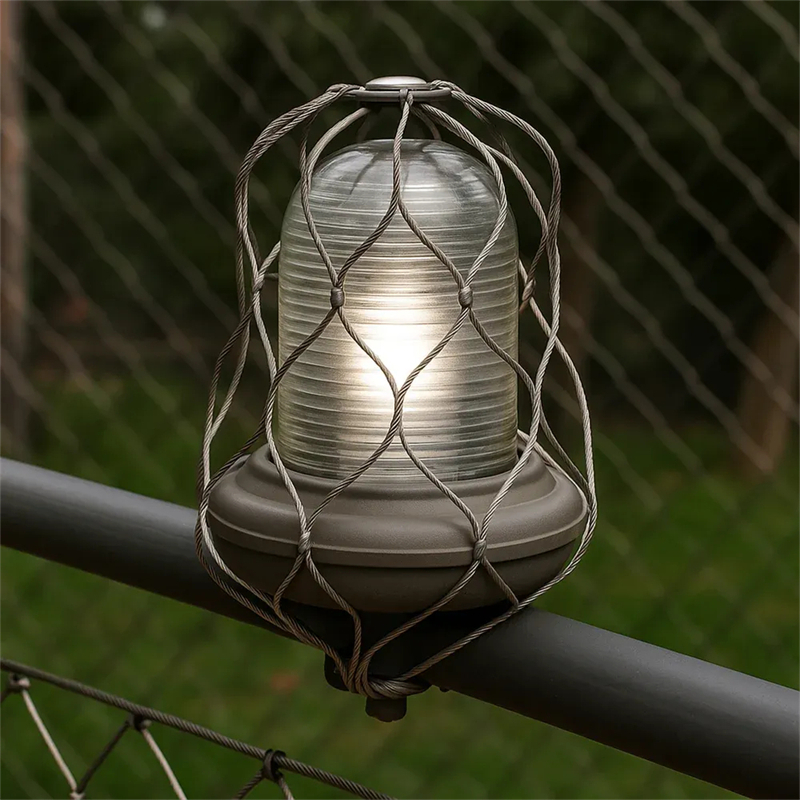
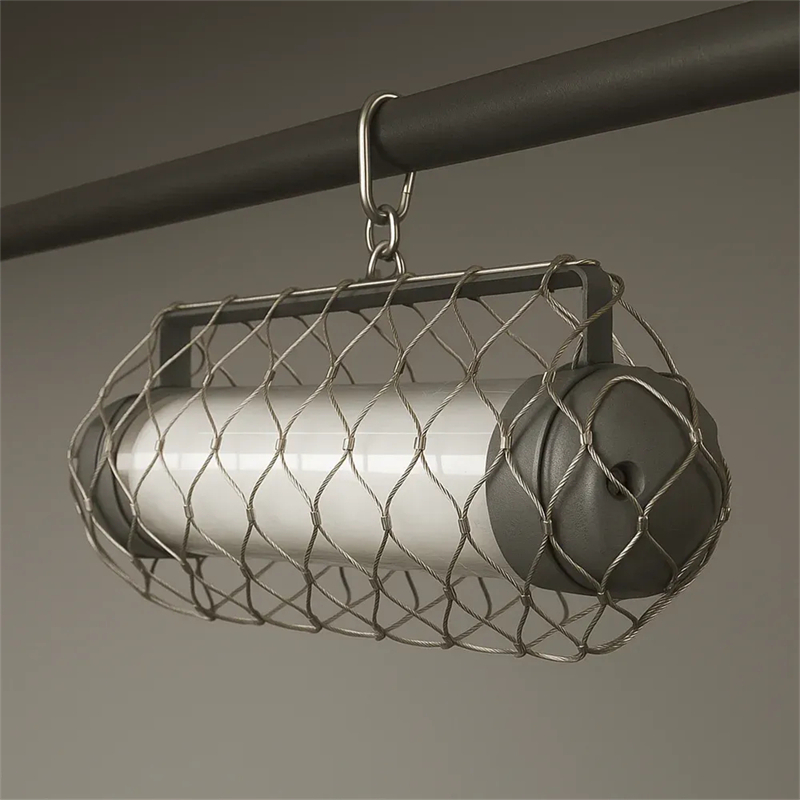
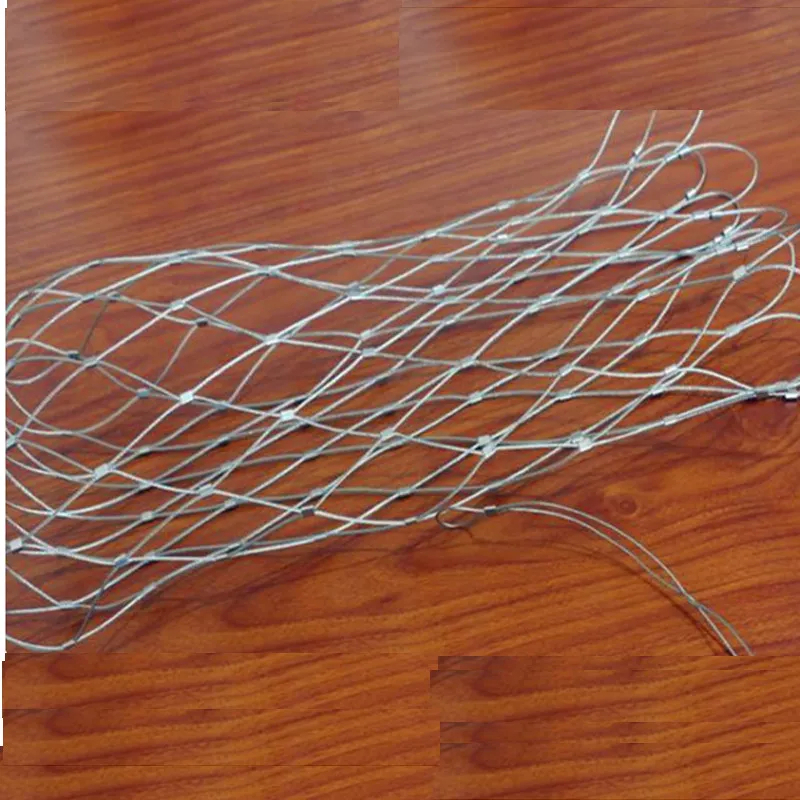
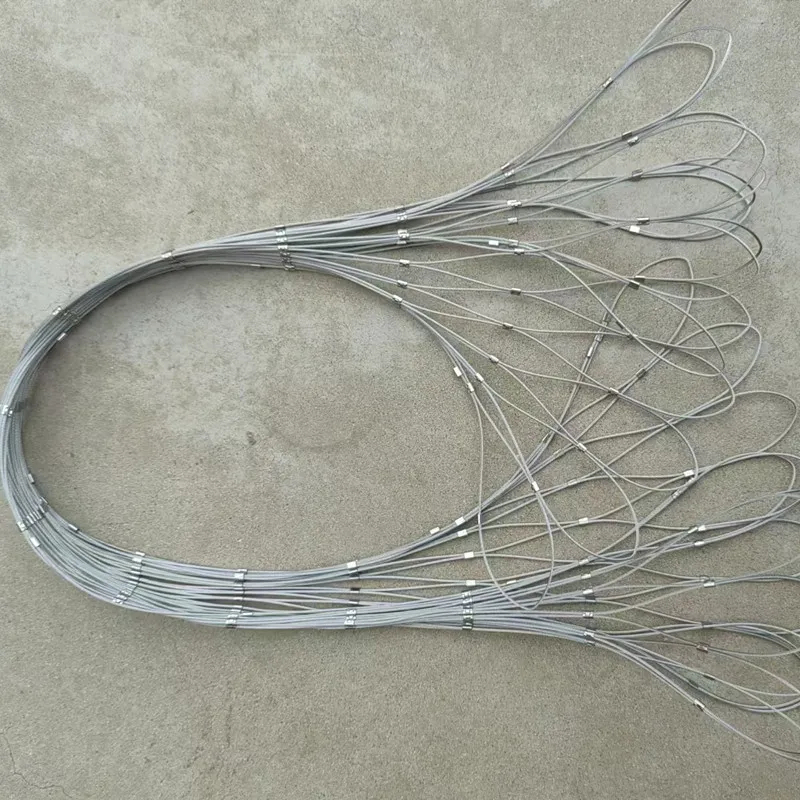
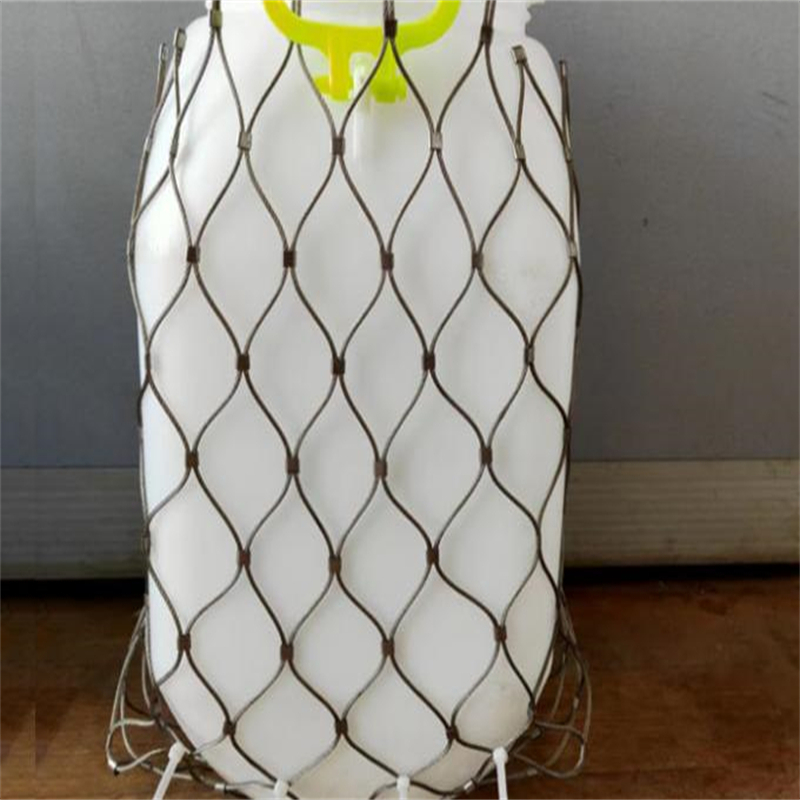
Fixture nets – stainless steel wire mesh “bags” that fully enclose an overhead fixture and then tether it back to a secure structure. If the original fixing fails (for example a corroded bracket or loose bolt), the net holds the item safely.
Guard nets / barrier nets – high-strength mesh panels installed along the inside of guardrails, stairways, platforms and scaffolding edges to stop tools and materials slipping through the gaps. These are typically made from flame-retardant coated polyester mesh or similar industrial fabrics designed for strong wind loads.
Both types are part of wider dropped-object prevention programs (such as DROPS – Dropped Object Prevention Scheme), which highlight that even small objects can be fatal when dropped from height. For example, an object weighing less than 1.4 kg dropped from 9 m can deliver lethal impact energy.
2. Materials and Construction
2.1 Fixture-Type Drop Safe Nets
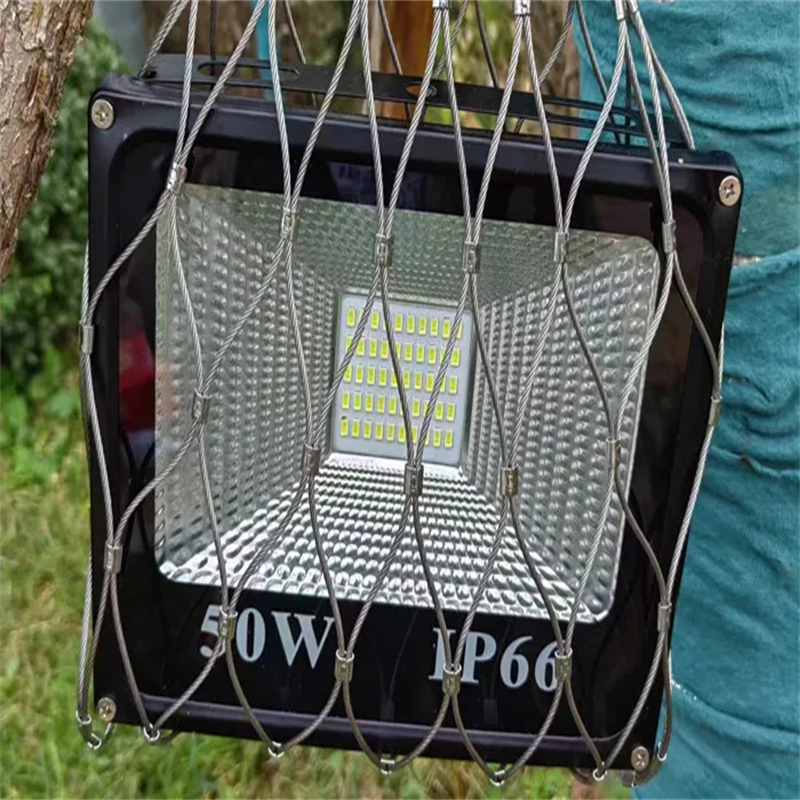
High-quality fixture nets are usually made from:
- Marine-grade stainless steel wire mesh, typically AISI 316, to withstand offshore and industrial atmospheres.
- Multi-strand cable constructions (for example 7×7 or 7×19) which provide high tensile strength plus enough flexibility to conform around different fixture shapes.
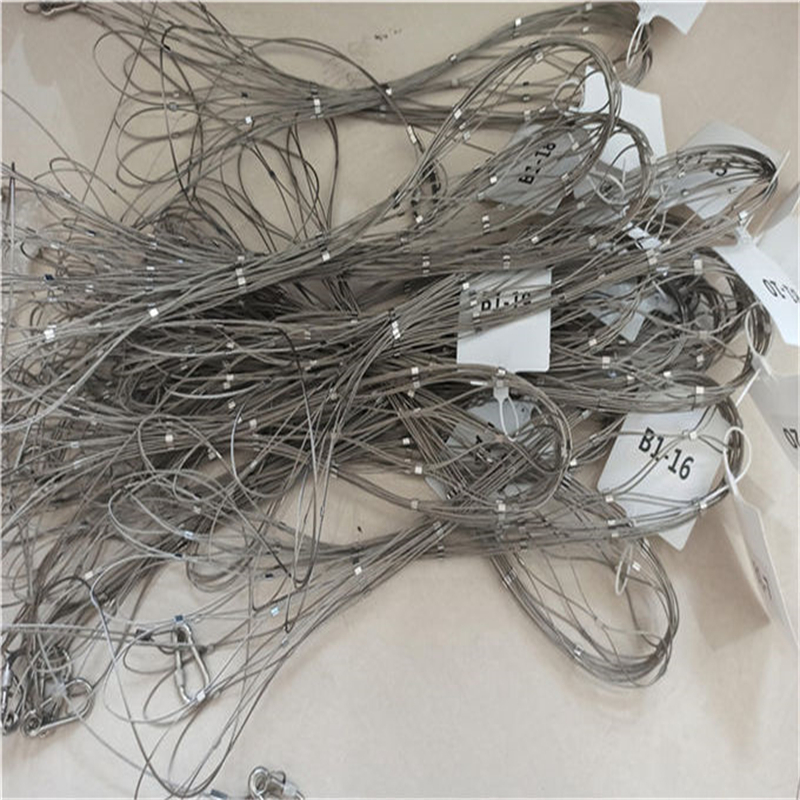
- Integrated tether and hardware such as stainless steel or high-grade alloy carabiners and choke plates for secure attachment. Many modern systems use triple-action, auto-locking carabiners to minimize human error during installation and maintenance.
The entire net forms a secondary retention system around the fixture. If the primary fixings fail, the net and tether take the load and prevent a free fall.
2.2 Guard / Barrier Nets
Guard nets typically use:
Flame-retardant coated polyester mesh fabric with reinforced hems and integrated webbing straps for strength.
High openness factor (often around 39%) so wind can pass through while still stopping tools and debris.
Temperature and fire ratings tested to relevant standards so they can be safely used in hazardous areas and high-risk industrial zones.
These nets are supplied in standard heights (commonly about 1.5 m) and lengths of 10, 20 or 30 m, complete with edge eyelets and ratchet straps for quick installation to railings and structures.
3. Typical Technical Characteristics
Values vary by manufacturer, but modern stainless steel drop safe nets for fixtures often share these characteristics:
Material: Marine-grade stainless steel (e.g. AISI 316) cable and mesh hardware.
Safe Working Load (SWL): Nets tested and certified typically to more than 5× the stated SWL, providing a very high safety margin.
Wide size range: Many suppliers offer dozens or even hundreds of different net sizes to ensure a snug fit around various light fittings, speakers and other overhead equipment.
Traceability: Systems frequently incorporate RFID tags or etched IDs so each net can be logged, inspected and tracked in asset-management systems.
For guard nets along railings, typical specifications include:
Fabric weight: Around 295 g/m².
Openness / air permeability: Approx. 39% openness and high air permeability to cope with strong wind loads while stopping small objects.
Service life: Commonly quoted life span of around 5 years in heavy industrial or offshore use when properly installed and maintained.
4. Key Benefits of Drop Safe Nets
4.1 Risk Reduction and Compliance
Drop safe nets directly address one of the most serious hazards in work at height: falling objects. They help organizations:
Protect workers and visitors underneath overhead fixtures, walkways and helidecks.
Comply with internal safety rules and external regulations related to dropped object prevention and safe workplace design.
Reduce the likelihood of expensive damage to equipment, production downtime and reputational harm from dropped-object incidents.
4.2 Engineered, Tested Solutions
Unlike improvised lashings or cages, professional drop safe nets:
Are purpose-designed and load-tested, not guessed.
Provide repeatable installation methods with clear instructions and standardized components.
Often utilize redundant safety features (auto-locking carabiners, multiple attachment points, reinforced hems) to reduce the risk of human error.
4.3 Durability in Harsh Environments
Drop safe nets are designed for use in offshore oil and gas, marine, mining and heavy industry, so they must handle:
Salt-laden atmospheres and high humidity (stainless steel fixture nets).
UV exposure, wind, rain and temperature swings (polyester guard nets with UV-stable, flame-retardant coatings).
This durability supports a long service life and lowers the total cost of ownership.
4.4 Rapid Installation and Reuse
Drop safe nets are designed for simple, fast installation without hot work:
Guard nets lash directly to existing railings with built-in straps and ratchets.
Fixture nets wrap around equipment and attach to secure anchor points using carabiners or shackles.
Most systems are reusable and can be moved to new locations as assets are relocated, further improving cost-effectiveness.
5. Main Applications
Drop safe nets are used wherever there is potential for objects to fall from height, including:
Offshore platforms and FPSOs – around process modules, walkways, under pipe racks and especially on helidecks (perimeter safety nets).
Onshore oil, gas and petrochemical plants – along high walkways, pipe bridges and around overhead lighting and alarms.
Wind turbines and renewable energy installations – inside tower sections and on external platforms to protect technicians from dropped tools and components.
Construction sites, scaffolds and temporary structures – as guard nets on scaffolding and elevated work platforms to prevent small tools and debris from falling.
Industrial facilities, warehouses and plants – below overhead cranes, lighting rigs and maintenance access ways.
6. Design and Selection Considerations
When selecting or designing a drop safe net system, safety engineers typically consider:
Type of object and mounting
Is it an overhead fixture (light, speaker, camera, siren) that needs a fixture net, or loose tools and materials on platforms that require a guard net?
Mass and geometry
Net size and Safe Working Load must comfortably exceed the mass and dynamic loads of the fixture, with suitable safety factors based on standards and company policy.
Environment
Offshore, coastal and chemical environments favor marine-grade stainless steel for fixture nets and robust coated fabrics for guard nets.
Inspection and traceability
Systems with integrated RFID tags and unique IDs make it easier to track inspections and replacement intervals.
Standards and company procedures
Alignment with internal dropped-object prevention policies, DROPS recommendations and relevant regulatory requirements.
7. Installation and Maintenance
7.1 Installation Principles
For fixture nets:
Select the correct size net to fully enclose the fixture with minimal excess slack.
Wrap the net around the equipment, close it according to the manufacturer’s instructions and attach the integrated tether to a secure structural element above or beside the fixture.
For guard nets:
Fix the net along the inside of guardrails or frames using the built-in straps, ratchets or cable ties provided, ensuring there are no gaps where objects can escape.
In both cases, the aim is to ensure that if the original fixing fails, the net immediately carries the load without significant drop distance.
7.2 Inspection and Maintenance
Recommended practices include:
Regular visual inspections (for example, during scheduled maintenance or DROPS walks) to check for damage, corrosion, UV degradation, missing fasteners or incorrect installation.
Periodic detailed checks using asset registers and RFID tags where available to confirm each net remains within its service life and has not been overloaded.
Prompt replacement of any net showing damage, severe wear or after any significant incident where it has arrested a falling object.
Guard nets made from coated polyester usually have a recommended life span in heavy-duty use and should be replaced according to manufacturer guidance.
8. Stainless Steel Drop Safe Fixture Nets vs. Fabric Guard Nets
Although both are part of dropped-object prevention, stainless steel fixture nets and fabric guard nets serve slightly different roles:
Fixture nets
Enclose a single item (light, speaker, junction box).
Typically made from stainless steel ferrule rope mesh.
Include an integral tether to structural steelwork.
Designed to arrest the full fall of that specific item.
Guard nets
Cover longer runs of guardrail or platform edge.
Usually made from coated polyester or similar technical fabrics.
Designed to prevent small objects, tools and debris from slipping through gaps.
Work alongside toe-boards, handrails and other physical barriers.
Many sites use a combination of both to achieve comprehensive dropped-object protection.
9. Example Stainless Steel Drop Safe Net Specifications
Below is an example specification table for stainless steel fixture-type drop safe nets, showing typical sizes, mesh apertures, cable diameters and materials. You can adapt model codes and values to match your own range and test data.
| No. | Model | Net size L × W × H (mm) | Mesh aperture (mm) | Wire rope diameter (mm) | Wire rope structure | Material (rope / ferrule / hardware) | Approx. min. breaking load per cable (kN) | Recommended SWL of net* (kg) | Typical application |
|---|---|---|---|---|---|---|---|---|---|
| 1 | DSN-01 | 200 × 200 × 200 | 40 × 40 | 1.2 | 7×7 | AISI 316 / 316L stainless steel | ≈ 1.2 | ≈ 5 | Small junction boxes, sensors, compact LED heads |
| 2 | DSN-02 | 250 × 250 × 220 | 40 × 40 | 1.5 | 7×7 | AISI 316 / 316L stainless steel | ≈ 1.8 | ≈ 8 | Small floodlights, CCTV cameras |
| 3 | DSN-03 | 300 × 300 × 250 | 50 × 50 | 1.5 | 7×7 | AISI 316 / 316L stainless steel | ≈ 1.8 | ≈ 10 | Medium LED fixtures, speakers, beacons |
| 4 | DSN-04 | 350 × 350 × 260 | 50 × 50 | 1.6 | 7×7 | AISI 316 / 316L stainless steel | ≈ 2.0 | ≈ 12 | Medium area lights, alarm sounders |
| 5 | DSN-05 | 400 × 400 × 300 | 60 × 60 | 2.0 | 7×7 | AISI 316 / 316L stainless steel | ≈ 3.2 | ≈ 18 | Standard floodlights, bulkhead luminaires |
| 6 | DSN-06 | 450 × 450 × 320 | 60 × 60 | 2.0 | 7×19 | AISI 316 / 316L stainless steel | ≈ 3.2 | ≈ 20 | Heavy LED fixtures, sirens, camera housings |
| 7 | DSN-07 | 500 × 500 × 350 | 60 × 80 | 2.4 | 7×7 | AISI 316 / 316L stainless steel | ≈ 4.2 | ≈ 25 | Large floodlights, combo light + speaker units |
| 8 | DSN-08 | 550 × 550 × 380 | 70 × 80 | 2.4 | 7×19 | AISI 316 / 316L stainless steel | ≈ 4.2 | ≈ 30 | Multi-head fixtures, small control boxes |
| 9 | DSN-09 | 600 × 600 × 400 | 70 × 100 | 3.0 | 7×19 | AISI 316 / 316L stainless steel | ≈ 6.5 | ≈ 40 | Large area lights, explosion-proof floodlights |
| 10 | DSN-10 | 700 × 700 × 450 | 80 × 100 | 3.0 | 7×19 | AISI 316 / 316L stainless steel | ≈ 6.5 | ≈ 50 | Big loudspeakers, signalling devices, cluster fixtures |
| 11 | DSN-11 | 800 × 800 × 500 | 80 × 120 | 3.2 | 7×19 | AISI 316 / 316L stainless steel | ≈ 7.2 | ≈ 60 | Heavy lighting arrays, instrument enclosures |
| 12 | DSN-12 | 900 × 900 × 550 | 100 × 120 | 3.2 | 7×19 | AISI 316 / 316L stainless steel | ≈ 7.2 | ≈ 70 | Oversized fixtures / custom equipment mounted at height |
*SWL (Safe Working Load) values above are illustrative and must be recalculated and validated with testing according to your local regulations, internal standards and third-party certifications.
10. Summary
Drop safe nets are specialized dropped-object prevention systems that greatly reduce the risk of injuries, fatalities and equipment damage caused by falling tools, fixtures and debris. Fixture-type nets made from marine-grade stainless steel fully enclose and tether overhead equipment, while guard nets create continuous barriers along elevated edges and railings.
By using engineered, certified drop safe nets instead of improvised solutions, companies in offshore, construction, renewable energy and industrial sectors can significantly improve safety performance, meet regulatory expectations and protect both people and assets from the hidden but serious threat of dropped objects.