Your One-Stop Wire Mesh Fence Supplier | POLYMETAL
Most buyers treat a Fixed Spear Top Fence Panel as a simple metal product: some rails, some spears, one more item in the security budget. The truth is far more dangerous. A poorly specified fixed spear system becomes a silent hazard that creates gaps, loopholes and weaknesses along your perimeter, turning safety into a costly illusion. One unnoticed defect or misstep can trigger risk, danger, damage, loss and long-term waste.
POLYMETAL Fixed Spear Top Fence Panels are engineered to turn that threat into a real advantage, but only when you understand the critical facts behind the design. Once you see each panel as a complete security system instead of a generic fence, every dimension becomes meaningful data, every component becomes a key feature, and every small oversight turns into a clear warning signal rather than an expensive surprise.
This article is your fear-proof guide, profile and checklist in one. It exposes seven deadly facts about Fixed Spear Top Fence Panels—seven angles that reveal both the benefit and the hazard hidden in this style of fencing. Fact number seven is especially brutal: ignore it and you invite a crisis that can destroy profit, reputation and peace of mind.
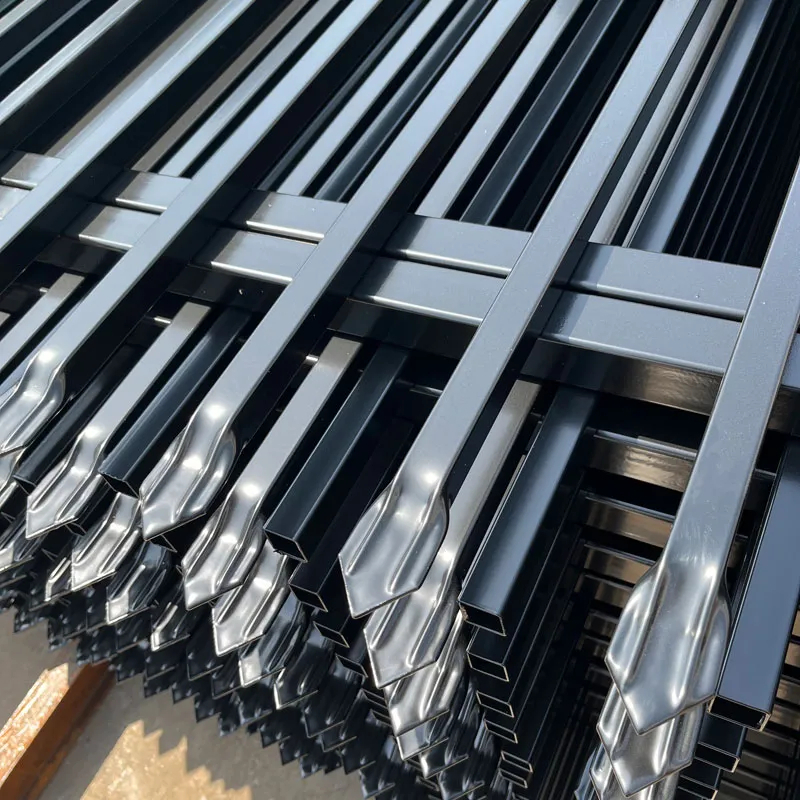
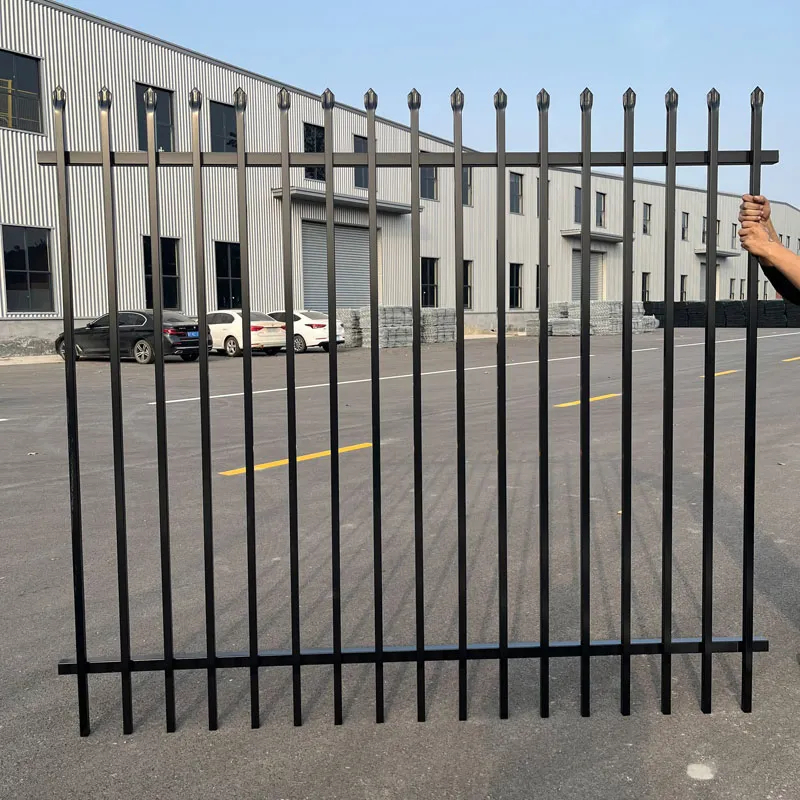
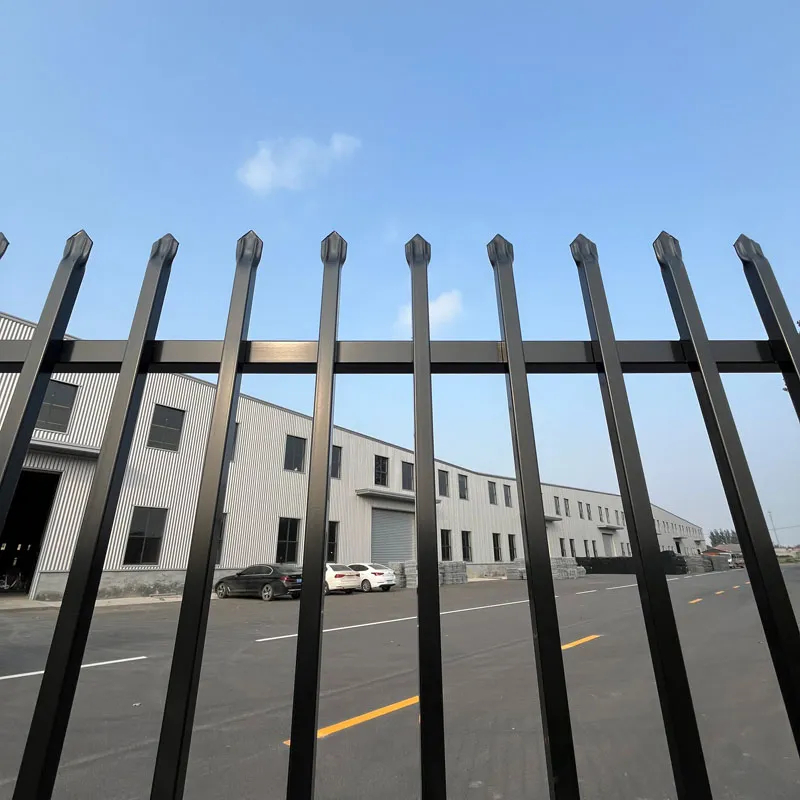
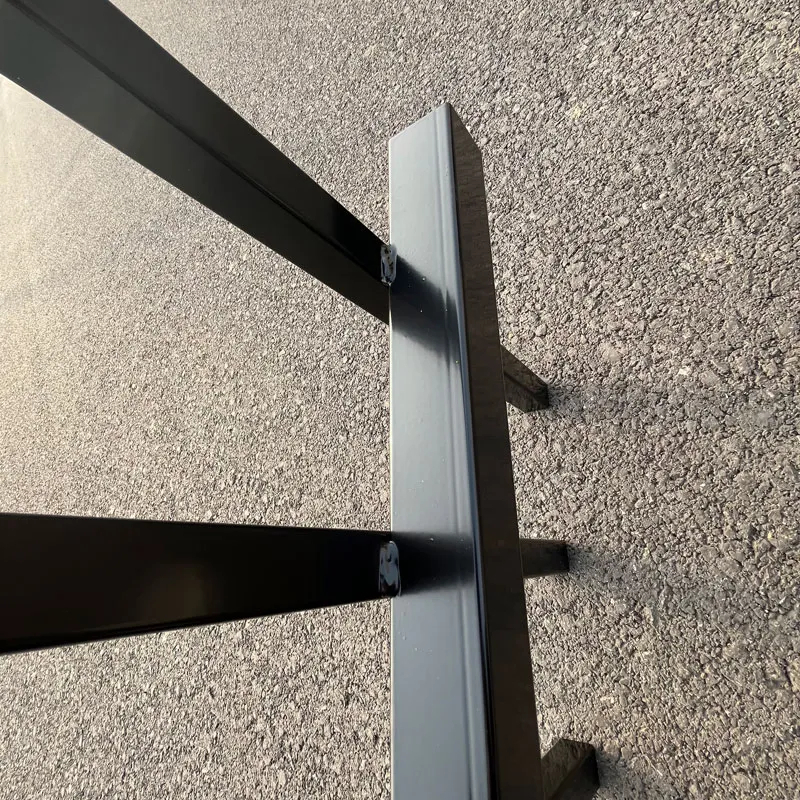
Product Overview of POLYMETAL Fixed Spear Top Fence Panel
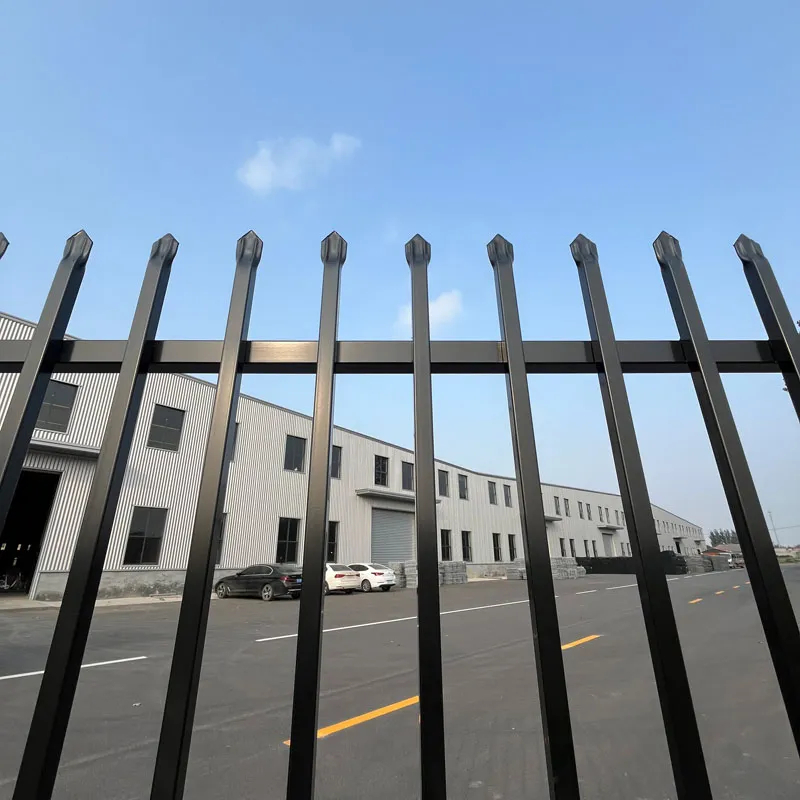
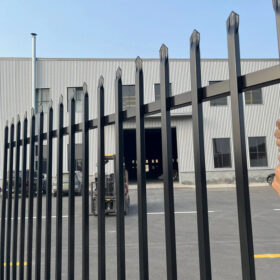
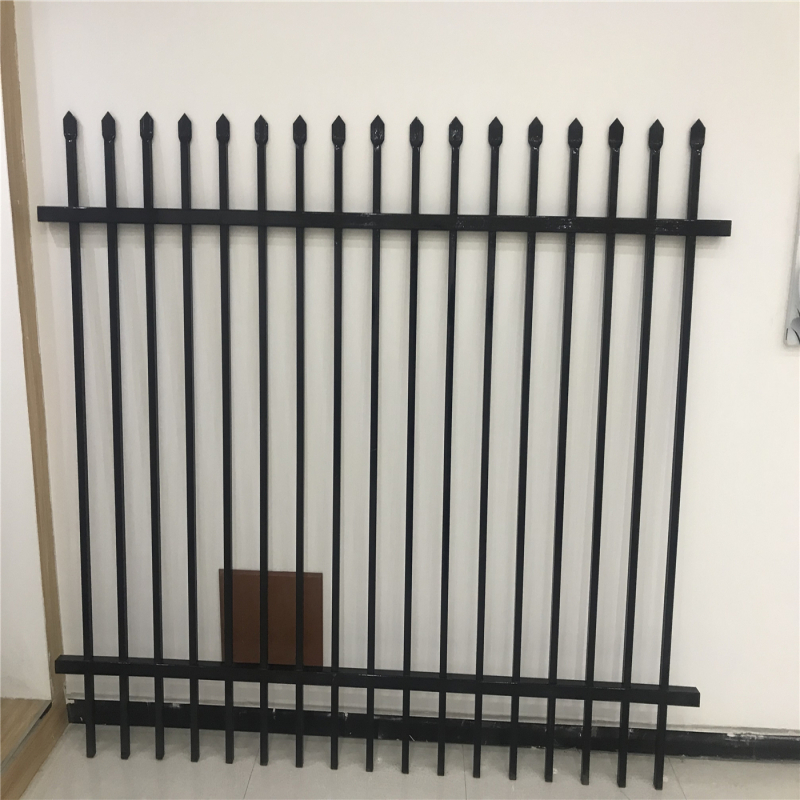
POLYMETAL Fixed Spear Top Fence Panels are heavy-duty, permanently installed steel barriers designed for industrial estates, warehouses, substations, schools, distribution centres and public facilities where ordinary systems such as standard tubular security fencing are no longer enough. A typical panel stands around 1200–2400 mm high and 2400–2450 mm wide, forming a tall, rigid outline that sends a clear visual signal: this boundary is not meant to be crossed.
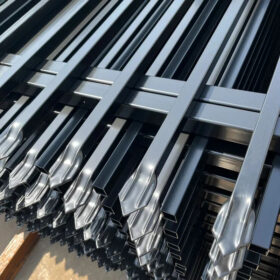
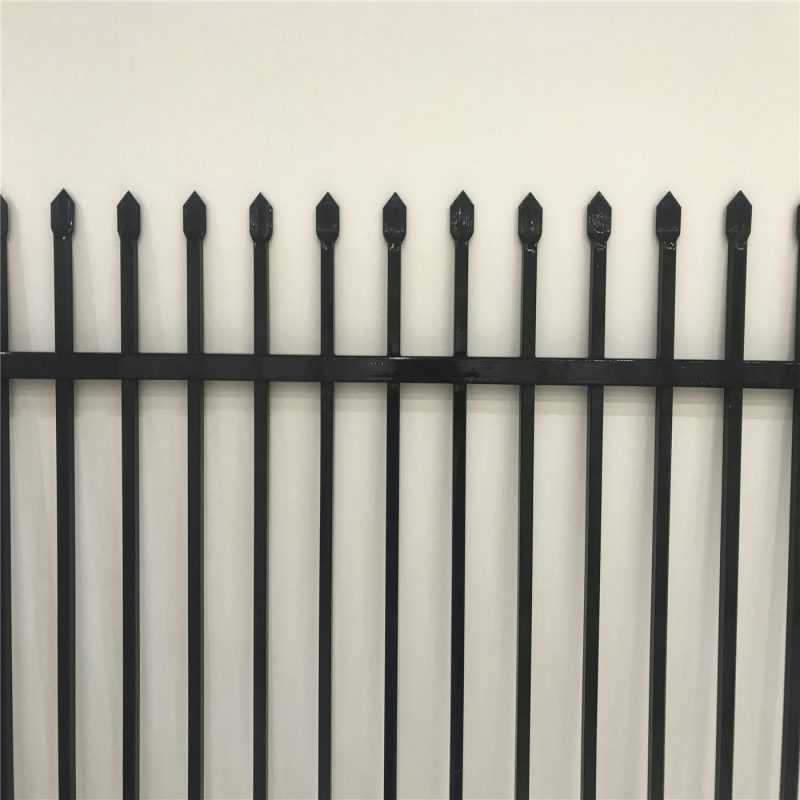
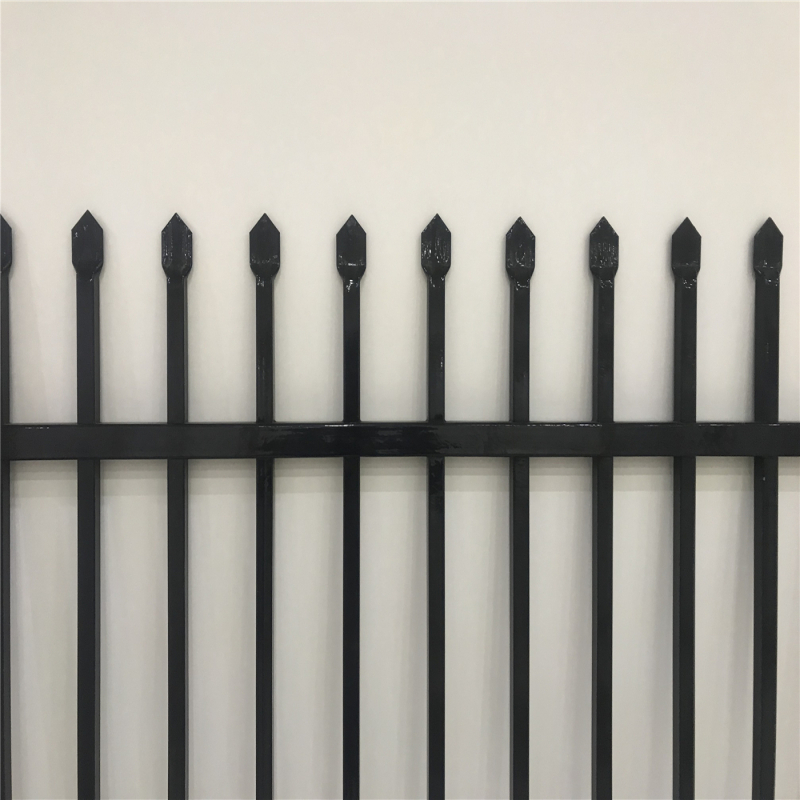
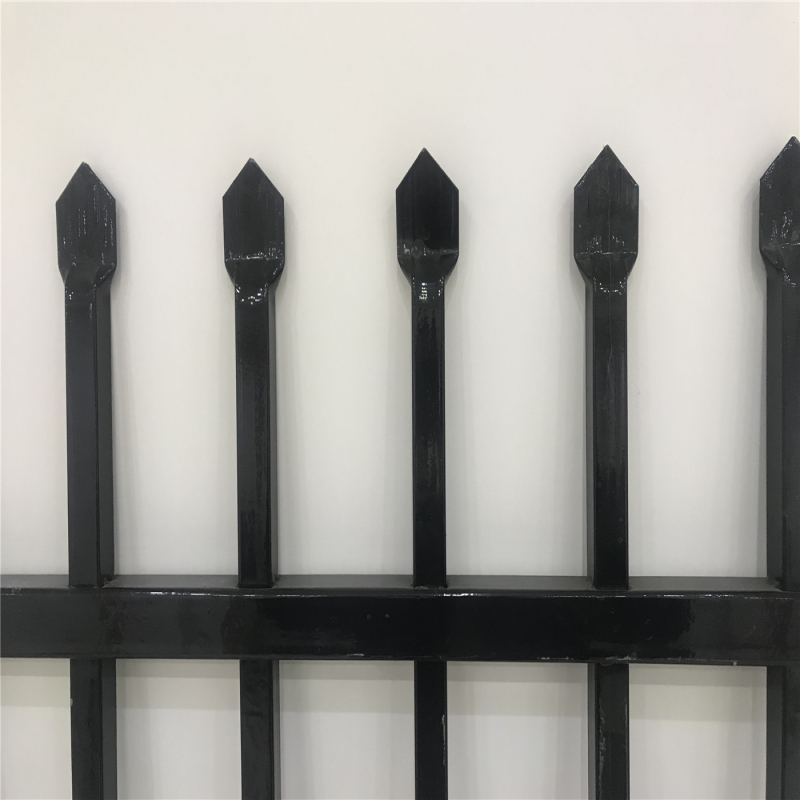
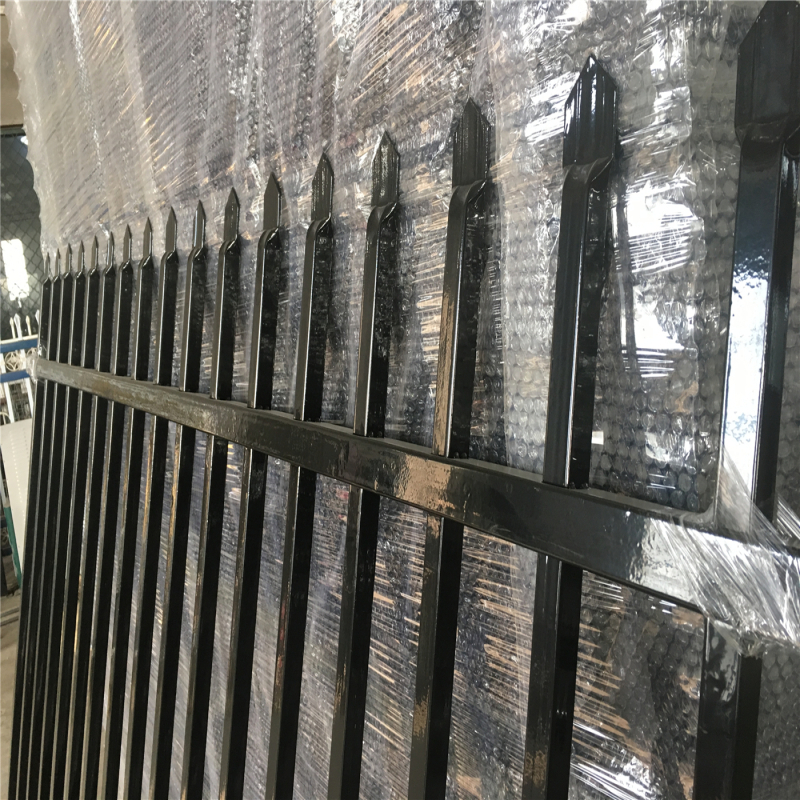
The frame is built from square hollow section (SHS) rail frames in 40 × 40 mm, 45 × 45 mm or 50 × 50 mm sizes, welded into a strong rectangular profile. Between the top and bottom rails runs a dense line of square vertical uprights in 16 × 16 mm, 25 × 25 mm or 30 × 30 mm, spaced at approximately 100 mm centres to create an anti-climb pattern. Each upright is finished with a spear top—often a 45° mitred point—turning the top line of the fence into an intimidating feature that is extremely uncomfortable and risky to grip.
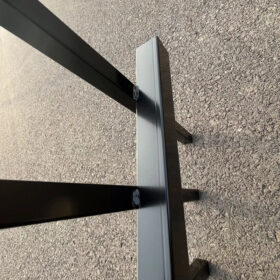
With the rails set slightly inboard from the edges, the panel achieves a clean side view and a stiff structural shape. Combined with carefully matched posts in sizes from 60 × 60 mm up to 100 × 100 mm and concrete footings, POLYMETAL Fixed Spear Top Fence Panels deliver a permanent, professional snapshot of security that suits both high-security profiles and architectural frontages.
Specification Tables for POLYMETAL Fixed Spear Top Fence Panel Systems
Table 1: Core Residential and Light Commercial Fixed Spear Top Fence Panels
| Model Code | Fence Height (mm) | Fence Width (mm) | Rail Frame (mm) | Upright Size (mm) | Upright Spacing (mm) | Post Height (mm) | Post Section (mm) |
|---|---|---|---|---|---|---|---|
| FS-1200-40R-16U-60P | 1200 | 2400 | 40 × 40 | 16 × 16 | 100 | 2100 | 60 × 60 |
| FS-1200-40R-25U-60P | 1200 | 2400 | 40 × 40 | 25 × 25 | 100 | 2100 | 60 × 60 |
| FS-1200-40R-25U-65P | 1200 | 2450 | 40 × 40 | 25 × 25 | 100 | 2100 | 65 × 65 |
| FS-1500-40R-16U-60P | 1500 | 2400 | 40 × 40 | 16 × 16 | 100 | 2400 | 60 × 60 |
| FS-1500-40R-25U-65P | 1500 | 2400 | 40 × 40 | 25 × 25 | 100 | 2400 | 65 × 65 |
| FS-1500-40R-25U-75P | 1500 | 2450 | 40 × 40 | 25 × 25 | 100 | 2400 | 75 × 75 |
| FS-1800-40R-16U-60P | 1800 | 2400 | 40 × 40 | 16 × 16 | 100 | 2600 | 60 × 60 |
| FS-1800-40R-25U-65P | 1800 | 2400 | 40 × 40 | 25 × 25 | 100 | 2600 | 65 × 65 |
| FS-1800-40R-25U-75P | 1800 | 2450 | 40 × 40 | 25 × 25 | 100 | 2600 | 75 × 75 |
| FS-2100-40R-25U-75P | 2100 | 2450 | 40 × 40 | 25 × 25 | 100 | 3000 | 75 × 75 |
Table 2: Standard Commercial Fixed Spear Top Fence Panels
| Model Code | Fence Height (mm) | Fence Width (mm) | Rail Frame (mm) | Upright Size (mm) | Upright Spacing (mm) | Post Height (mm) | Post Section (mm) |
|---|---|---|---|---|---|---|---|
| FS-1500-45R-16U-65P | 1500 | 2400 | 45 × 45 | 16 × 16 | 100 | 2400 | 65 × 65 |
| FS-1500-45R-25U-75P | 1500 | 2450 | 45 × 45 | 25 × 25 | 100 | 2400 | 75 × 75 |
| FS-1800-45R-16U-65P | 1800 | 2400 | 45 × 45 | 16 × 16 | 100 | 2600 | 65 × 65 |
| FS-1800-45R-25U-75P | 1800 | 2450 | 45 × 45 | 25 × 25 | 100 | 2600 | 75 × 75 |
| FS-1800-45R-30U-80P | 1800 | 2450 | 45 × 45 | 30 × 30 | 100 | 2600 | 80 × 80 |
| FS-2100-45R-25U-75P | 2100 | 2450 | 45 × 45 | 25 × 25 | 100 | 3000 | 75 × 75 |
| FS-2100-45R-30U-80P | 2100 | 2450 | 45 × 45 | 30 × 30 | 100 | 3000 | 80 × 80 |
| FS-2400-45R-25U-80P | 2400 | 2450 | 45 × 45 | 25 × 25 | 100 | 3300 | 80 × 80 |
| FS-2400-45R-30U-100P | 2400 | 2450 | 45 × 45 | 30 × 30 | 100 | 3300 | 100 × 100 |
| FS-2100-45R-25U-80P | 2100 | 2400 | 45 × 45 | 25 × 25 | 100 | 3000 | 80 × 80 |
Table 3: Heavy-Duty Security Fixed Spear Top Fence Panels
| Model Code | Fence Height (mm) | Fence Width (mm) | Rail Frame (mm) | Upright Size (mm) | Upright Spacing (mm) | Post Height (mm) | Post Section (mm) |
|---|---|---|---|---|---|---|---|
| FS-HD1800-50R-25U-75P | 1800 | 2400 | 50 × 50 | 25 × 25 | 100 | 2600 | 75 × 75 |
| FS-HD1800-50R-30U-80P | 1800 | 2450 | 50 × 50 | 30 × 30 | 100 | 2600 | 80 × 80 |
| FS-HD2000-50R-25U-80P | 2000 | 2450 | 50 × 50 | 25 × 25 | 100 | 3000 | 80 × 80 |
| FS-HD2000-50R-30U-100P | 2000 | 2450 | 50 × 50 | 30 × 30 | 100 | 3000 | 100 × 100 |
| FS-HD2100-50R-25U-80P | 2100 | 2450 | 50 × 50 | 25 × 25 | 100 | 3000 | 80 × 80 |
| FS-HD2100-50R-30U-100P | 2100 | 2450 | 50 × 50 | 30 × 30 | 100 | 3000 | 100 × 100 |
| FS-HD2400-50R-25U-100P | 2400 | 2450 | 50 × 50 | 25 × 25 | 100 | 3300 | 100 × 100 |
| FS-HD2400-50R-30U-100P | 2400 | 2450 | 50 × 50 | 30 × 30 | 100 | 3300 | 100 × 100 |
| FS-HD1800-50R-30U-80P2 | 1800 | 2400 | 50 × 50 | 30 × 30 | 100 | 2600 | 80 × 80 |
| FS-HD2000-50R-30U-100P2 | 2000 | 2400 | 50 × 50 | 30 × 30 | 100 | 3000 | 100 × 100 |
Table 4: Mixed Application Fixed Spear Top Fence Panel Options
| Model Code | Fence Height (mm) | Fence Width (mm) | Rail Frame (mm) | Upright Size (mm) | Upright Spacing (mm) | Post Height (mm) | Post Section (mm) |
|---|---|---|---|---|---|---|---|
| FS-MX1200-40R-16U-60P | 1200 | 2400 | 40 × 40 | 16 × 16 | 100 | 2100 | 60 × 60 |
| FS-MX1500-40R-25U-65P | 1500 | 2450 | 40 × 40 | 25 × 25 | 100 | 2400 | 65 × 65 |
| FS-MX1800-45R-25U-75P | 1800 | 2450 | 45 × 45 | 25 × 25 | 100 | 2600 | 75 × 75 |
| FS-MX2100-45R-30U-80P | 2100 | 2450 | 45 × 45 | 30 × 30 | 100 | 3000 | 80 × 80 |
| FS-MX2400-50R-25U-80P | 2400 | 2450 | 50 × 50 | 25 × 25 | 100 | 3300 | 80 × 80 |
| FS-MX1800-40R-30U-75P | 1800 | 2400 | 40 × 40 | 30 × 30 | 100 | 2600 | 75 × 75 |
| FS-MX2000-45R-25U-80P | 2000 | 2400 | 45 × 45 | 25 × 25 | 100 | 3000 | 80 × 80 |
| FS-MX2000-50R-30U-100P | 2000 | 2450 | 50 × 50 | 30 × 30 | 100 | 3000 | 100 × 100 |
| FS-MX2100-50R-25U-100P | 2100 | 2400 | 50 × 50 | 25 × 25 | 100 | 3000 | 100 × 100 |
| FS-MX2400-45R-30U-100P | 2400 | 2400 | 45 × 45 | 30 × 30 | 100 | 3300 | 100 × 100 |
Seven Deadly Facts About Fixed Spear Top Fence Panels
Fact 1: Height and Width – The Small Dimensional Gap That Becomes a Big Problem
The first deadly fact is that many fences fail not because the steel is weak, but because the dimensions are wrong. If a Fixed Spear Top Fence Panel is even a little lower than specified, the final fence line becomes easier to scale. If the width is reduced without adjusting post centres, sudden gaps appear between panels and posts. These small errors are not just details; they are defects that create literal openings in your defence.
The principle is simple: fence height and width must be treated as hard rules, not flexible hints. Correct dimensions give you predictable coverage, stable patterns and fewer joints. Every deviation is a sign of bias toward cost-cutting rather than real protection.
Fact 2: Rail Frame Size – The Hidden Structural Weakness
The second fact sits in the rail frame. A Fixed Spear Top Fence Panel can look strong while hiding a weakness. A 40 × 40 mm rail with thin wall thickness might flex or twist under impact, while a 45 × 45 mm or 50 × 50 mm rail with proper wall thickness maintains rigidity for years. If the frame is under-specified, the entire fence develops a bending trend under wind and crowd loads.
This is not a cosmetic flaw; it is a structural bug. When rails bow, spear tops go out of alignment, gates stop closing correctly, and the fence becomes a visible symbol of failure. The correct data for rail frames is a critical element, not a minor note.
Fact 3: Upright Size and Spacing – When Anti-Climb Turns into a Ladder
The third fact exposes a dangerous illusion. Many people believe any spear top design is automatically anti-climb. That is a myth. If uprights are too small or spaced too far apart, the fence becomes a rigid ladder. Feet and hands find a pattern of footholds, and the spear line becomes only a partial deterrent.
POLYMETAL designs Fixed Spear Top Fence Panels with uprights in 16 × 16 mm, 25 × 25 mm or 30 × 30 mm at a 100 mm spacing, creating a tough profile that resists twisting, prying and scaling. If you loosen this pattern to save cost, you create a gap between what the fence looks like and what it actually does. That gap is a real trap and a permanent downside.
Fact 4: Post Height and Section – The Support That Fails When You Need It Most
The fourth fact lies in the posts, an aspect too many buyers ignore. A fence panel is only as reliable as the post that supports it. Using a 60 × 60 mm post where a 75 × 75 mm or 80 × 80 mm is required creates a weakness that will appear under storm wind or impact. If the post height is too short, the embedment depth suffers, and the whole line can lean, tilt or crack at the base.
This oversight shows up as a slow but clear sign: slight movement, hairline cracks around footings, panels no longer level. Once this pattern starts, the entire system is at risk. Correct post size and height are not optional; they are a foundational principle.
Fact 5: Coating System – Corrosion as a Slow, Silent Threat
The fifth fact is about corrosion, a threat that hides under the surface. Even a perfectly fabricated Fixed Spear Top Fence Panel will fail early if the coating is wrong. Too little zinc, poor hot-dip galvanizing or low-quality powder coating results in a corrosion trend that starts as minor stains and ends as serious structural damage.
Every rust spot is a signal of material loss. Once spear tops and welds begin to corrode, the fence line loses both strength and appearance. Customers, neighbours and inspectors see not security but neglect. POLYMETAL insists on full hot-dip galvanizing and quality polyester powder coating over zinc where colour is required, turning coating from a weak side issue into a strong advantage.
Fact 6: Installation Practice – The Human Error that Creates Loopholes
The sixth fact deals with people, not steel. Even a perfectly engineered Fixed Spear Top Fence Panel can turn into a problem if installed badly. Misaligned post centres, uneven concrete footings, incomplete weld touch-ups and loose brackets create defects that intruders can exploit. These are not manufacturing faults; they are human missteps in the field.
When installation follows a disciplined checklist and manual—correct post spacing, accurate level, full tightening of tamper-resistant fasteners—the fence behaves like a continuous security wall. When installers improvise, they introduce loopholes, oversights and failure points. The difference between a safe perimeter and a risky one is often in these details.
Fact 7: Standards and Compliance – The Legal Crisis You Never See Coming
The seventh fact is the most dangerous because it lives in paperwork and law instead of steel. If your Fixed Spear Top Fence Panel system does not align with relevant security, pool or boundary standards in height, spacing and strength, you are exposed to a legal hazard. In the event of an incident—injury, intrusion, property damage—investigators look at standards, test data and compliance, not marketing brochures.
Non-compliant fencing is a quiet threat. It seems fine until something goes wrong; then it becomes the centre of a crisis. POLYMETAL designs with standards as a working rulebook, not a fantasy. That approach transforms compliance from a cost into leverage and long-term protection.
Packing of POLYMETAL Fixed Spear Top Fence Panel
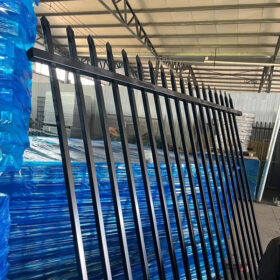
Packing is often treated as a side issue, but for POLYMETAL it is a critical element in the product lifecycle. Fixed Spear Top Fence Panels are stacked in uniform, tightly controlled bundles on heavy-duty steel pallets. The bottom rails rest on structural supports so that weight transfers through the 40 × 40, 45 × 45 or 50 × 50 frames instead of the spear tops or uprights. Between each layer, protective spacers keep the spear tips separated and stop metal-to-metal abrasion.
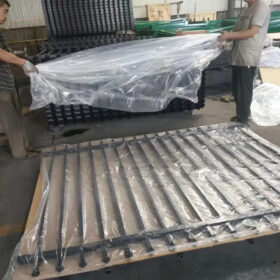
Bundles are banded with high-tension steel or composite straps and wrapped in plastic film to protect against moisture, dust and site contamination during transport and storage. Posts—whether 60 × 60, 65 × 65, 75 × 75, 80 × 80 or 100 × 100—are packed separately in clearly labelled pallets, together with matching caps and brackets. This organised packing method gives a clean overview of components on arrival, reduces handling damage and prevents waste caused by scratches, dents or coating failure before installation even begins.
Production Process of POLYMETAL Fixed Spear Top Fence Panel
Production of POLYMETAL Fixed Spear Top Fence Panels begins with certified Q235 or equivalent mild-steel SHS in rail and upright sizes. Rails are cut to precise fence widths such as 2400 mm or 2450 mm, while uprights are cut to match fence heights from 1200 mm to 2400 mm plus the spear top allowance. The spear tops are formed using dedicated dies or mitre saws, giving each upright a sharp, consistent spear profile that matches the chosen design.
Cut components move into welding jigs that lock the rail frame and upright spacing according to the specification. This jigging process controls alignment, square and pattern, ensuring that every panel in a batch shares the same outline and trait. Welders or robotic cells attach uprights to top and bottom rails, following defined welding parameters to avoid undercut, porosity or incomplete fusion. Welds are inspected visually and, on a sample basis, mechanically tested to verify strength.
Panels then pass through surface preparation—degreasing, pickling or abrasive cleaning—before being hot-dip galvanized. Immersion in molten zinc coats all surfaces, including internal corners, with a corrosion-resistant layer. Where colour is specified, panels are further powder coated with UV-stable polyester. Coating thickness, colour and adhesion are checked as part of quality control. Final inspection verifies dimensions, upright spacing, spear alignment and finish before panels are labelled, recorded in production data and released for packing.

Standards and Compliance
POLYMETAL Fixed Spear Top Fence Panels are designed in accordance with common garrison-style security fence principles and aligned to typical requirements for boundary, security and barrier systems in demanding markets. Fence height, upright spacing, spear form and structural layout are chosen to provide an effective anti-climb barrier while maintaining visibility for surveillance.
Rails and posts are sized to withstand site-specific wind and impact loading when installed with appropriate post centres and footing details, and connected using compatible garrison fencing brackets to maintain structural continuity and security performance. Hot-dip galvanizing follows recognised international standards for zinc thickness, and powder-coated finishes use architectural-grade powders suitable for long-term outdoor exposure. Internal quality systems govern design, welding, coating and inspection, turning standards from a theoretical guideline into a practical rule set.
By respecting standards as essential truths rather than optional suggestions, POLYMETAL converts compliance into a concrete benefit, minimising legal risk and giving specifiers, contractors and owners a clear edge in audits, inspections and insurance assessments.