Your One-Stop Wire Mesh Fence Supplier | POLYMETAL
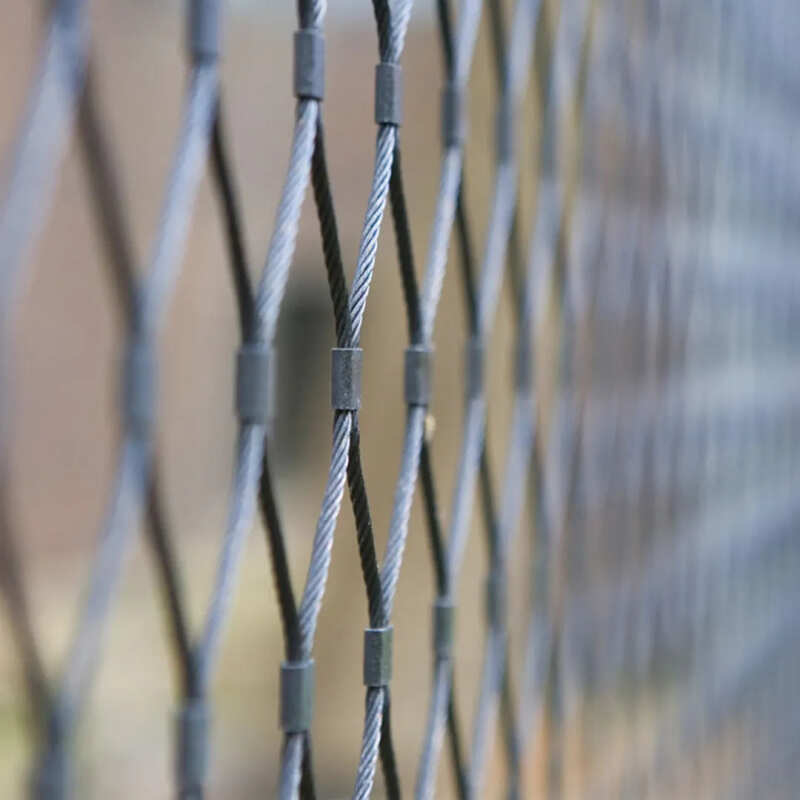
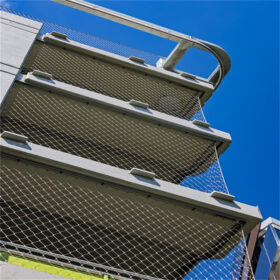
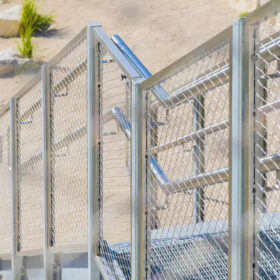
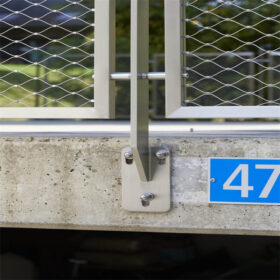
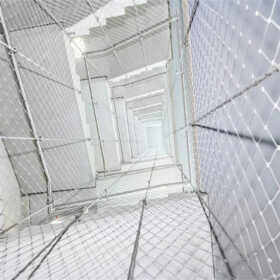
Flexible stainless steel cable netting is a modern mesh system that replaces rigid bars and heavy panels with a light, transparent stainless steel rope net. The mesh is tensioned between frames, posts or edge cables so it behaves like a continuous safety net: strong enough to resist falls, impacts, wind and snow, yet open enough to preserve views, daylight and the overall design of façades, balustrades, green walls and animal enclosures. Because flexible stainless steel cable netting has very low visual density, from most viewing angles the cables almost disappear and the eye reads the architecture, plants or landscape rather than the barrier, which is why this product now appears in airports, zoos, stadiums, bridges, hotels and high-end residential projects worldwide.
Secret 1 – The “Invisible Net” Effect Hides Real Safety Capacity
The first secret of flexible stainless steel cable netting is that its almost invisible appearance often leads people to underestimate its strength; when it is properly tensioned, the seemingly delicate net actually behaves like a continuous safety blanket that spreads impact loads across many cables and anchors, giving you discreet aesthetics without secretly downgrading safety performance.
1. What Is Flexible Stainless Steel Cable Netting?
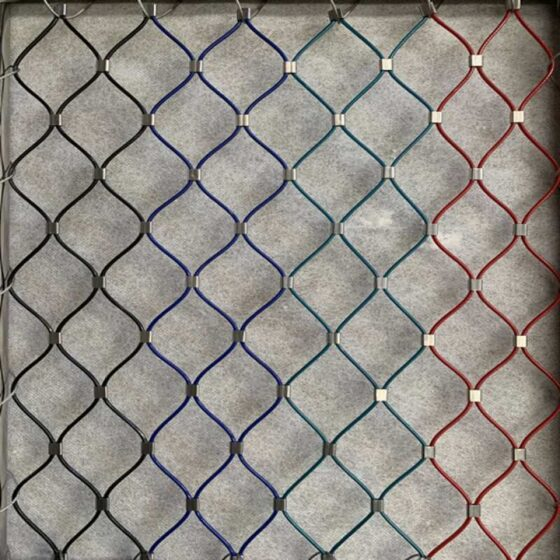
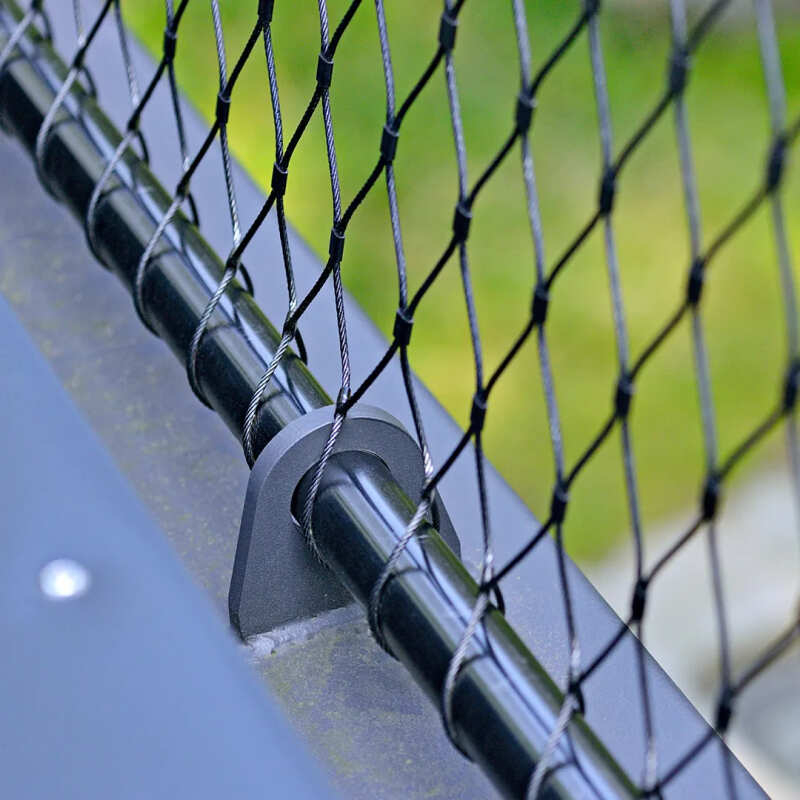
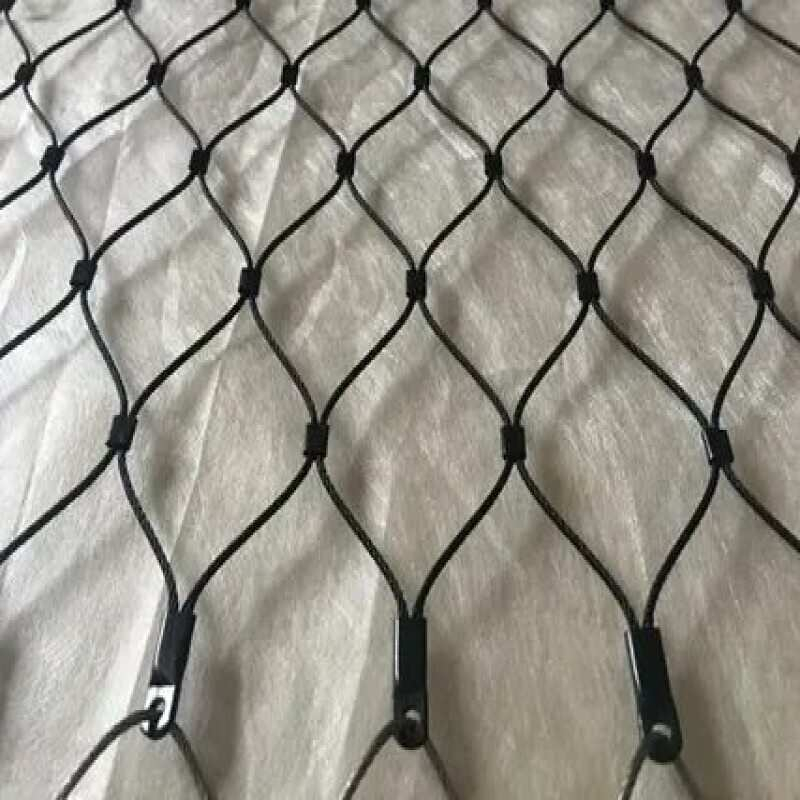
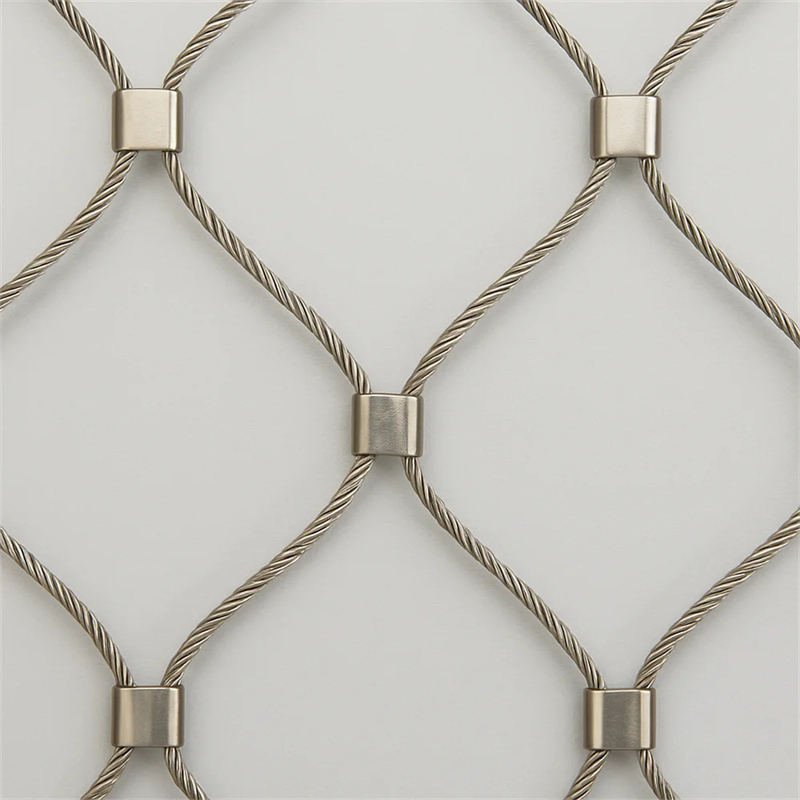
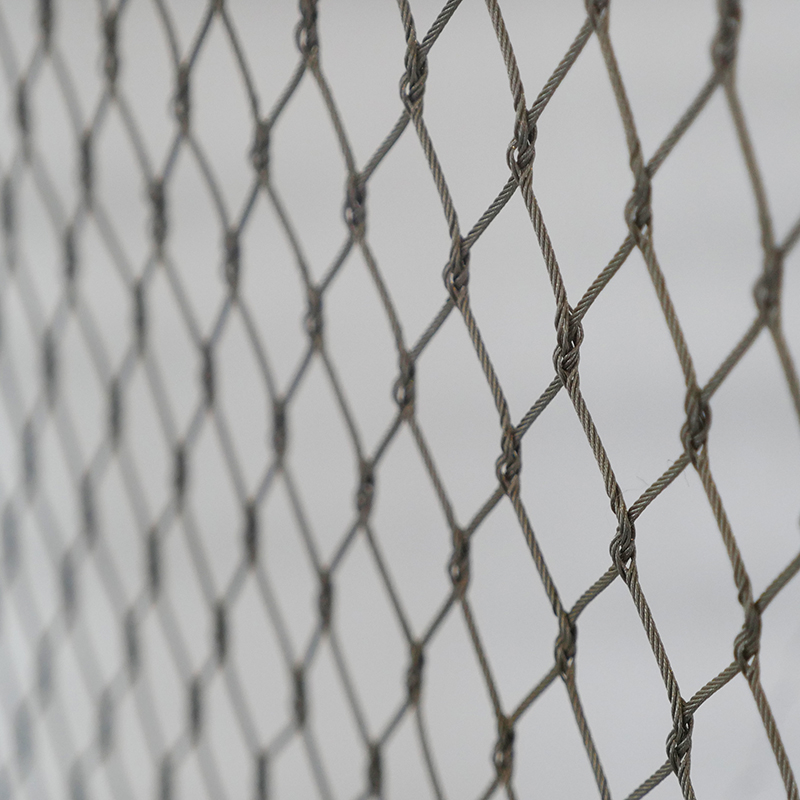
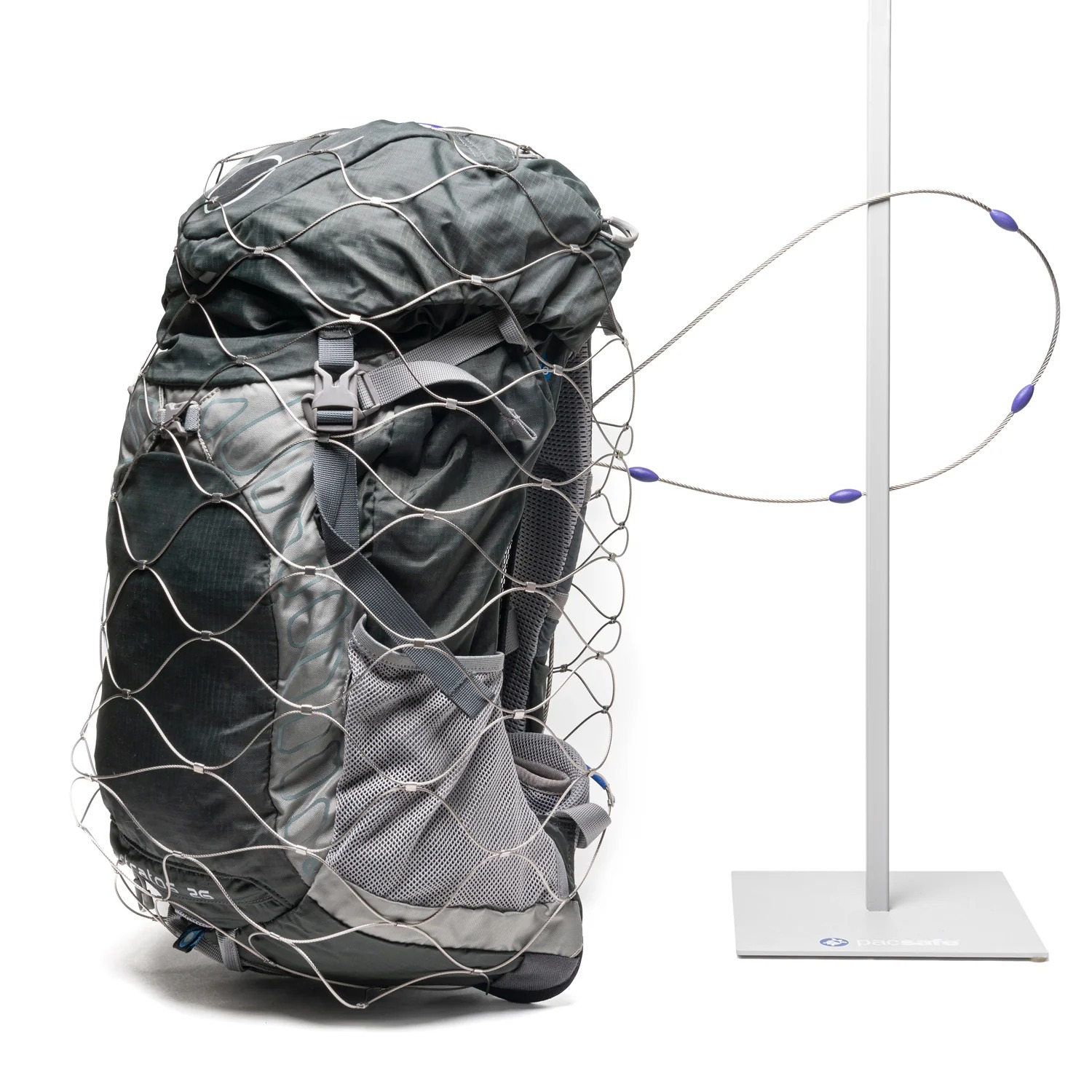
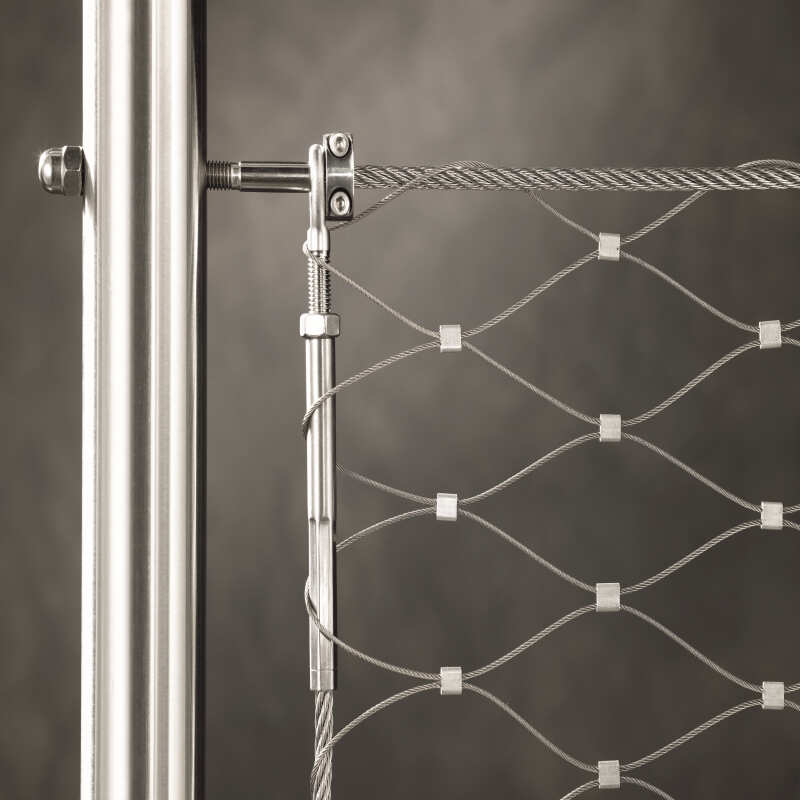
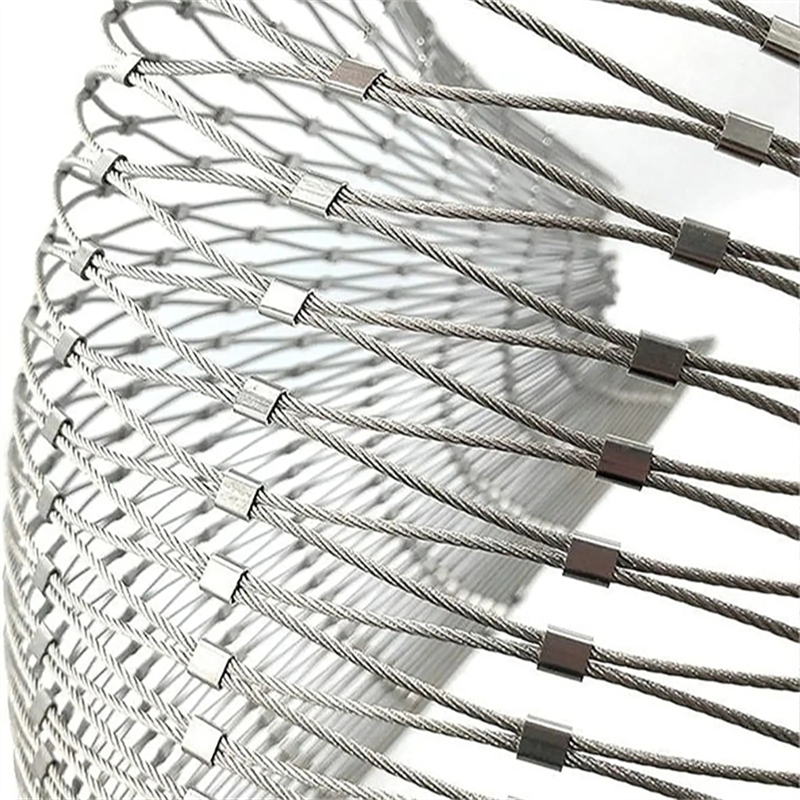
Flexible stainless steel cable netting (also called stainless steel rope mesh or stainless steel cable mesh) is woven or ferrule-pressed from multi-strand stainless steel wire rope, typically in 7×7 or 7×19 constructions. Individual cables are arranged to form diamond-shaped openings; at each intersection the cables are either hand-woven or fixed with stainless steel ferrules so the geometry cannot unravel. The finished panel is fixed to a rigid perimeter using flat bars, angle frames or boundary cables and then tensioned so the diamond mesh becomes regular and works structurally in tension.
Cable diameters commonly range from about 1.2 mm up to 3.2 mm or more, and mesh apertures can be tuned from very fine (around 20×20 mm) to large, open diamonds (200×400 mm or above) depending on whether the application is a plant climbing net, a child-safe balustrade or a high zoo enclosure. Flexible stainless steel cable netting is usually manufactured from AISI 304, 304L, 316 or 316L stainless steel; AISI 304/304L suits normal dry interior environments, while AISI 316/316L is preferred for outdoor, coastal, poolside and industrial locations where salt, chlorides and high humidity quickly attack lesser materials. Many high-quality systems carry CE and SGS certifications to demonstrate consistent material quality and manufacturing.
Secret 2 – Choosing the Wrong Steel Grade Quietly Destroys Your Investment
If you choose AISI 304 flexible stainless steel cable netting for a genuinely marine, poolside or industrial environment where AISI 316 is required, surface tea staining and local corrosion can appear far earlier than expected; that cosmetic damage rapidly turns into expensive cleaning, partial replacement or full system change-out, so matching the steel grade to the real environment is a hidden but critical decision.
2. Key Features and Performance of Flexible Stainless Steel Cable Netting
Flexible stainless steel cable netting combines mechanical performance, durability and design freedom in a way that conventional welded or punched metal products struggle to match.
2.1 High Strength, Toughness and Impact Resistance
Each component rope in flexible stainless steel cable netting has high tensile strength, and when many ropes are interlinked into a diamond pattern and tensioned, the panel behaves as a structural membrane. Under load, forces are carried by tension, not bending; when someone leans or falls against the net, the impact is shared across many cables and anchor points, rather than being concentrated on a single bar or glass panel. In zoo projects this same principle is often applied to black oxide zoo mesh, where the darker finish makes the net visually recede while still working structurally in exactly the same way. The result is a lightweight system with impressive capacity to resist everyday leaning, crowd pressure, sports impacts and even heavy snow or wind-driven debris when designed correctly
2.2 Corrosion Resistance, Weathering and UV Stability
Because flexible stainless steel cable netting is made from austenitic stainless steel, it is naturally resistant to rust and most common atmospheric pollutants. It does not require painting, does not peel or flake and is unaffected by UV radiation. In outdoor, coastal and pool environments, AISI 316 or 316L provides enhanced resistance to chlorides and salt spray. Regular rinsing with clean water is usually enough to keep the passive layer intact and the surface bright.
Secret 3 – “Indoor” Mesh Can Still Fail in Semi-Exterior Zones
A subtle but important trap is treating semi-exposed atria, semi-open car parks or poolside spaces as “indoor” and specifying 304 flexible stainless steel cable netting; in reality, airborne chlorides and intermittent moisture behave like exterior exposure, so an indoor-grade mesh can discolour and pit prematurely, pushing you into surprise refurbishment and warranty disputes.
2.3 Flexibility, 3D Forming and Lightweight Construction
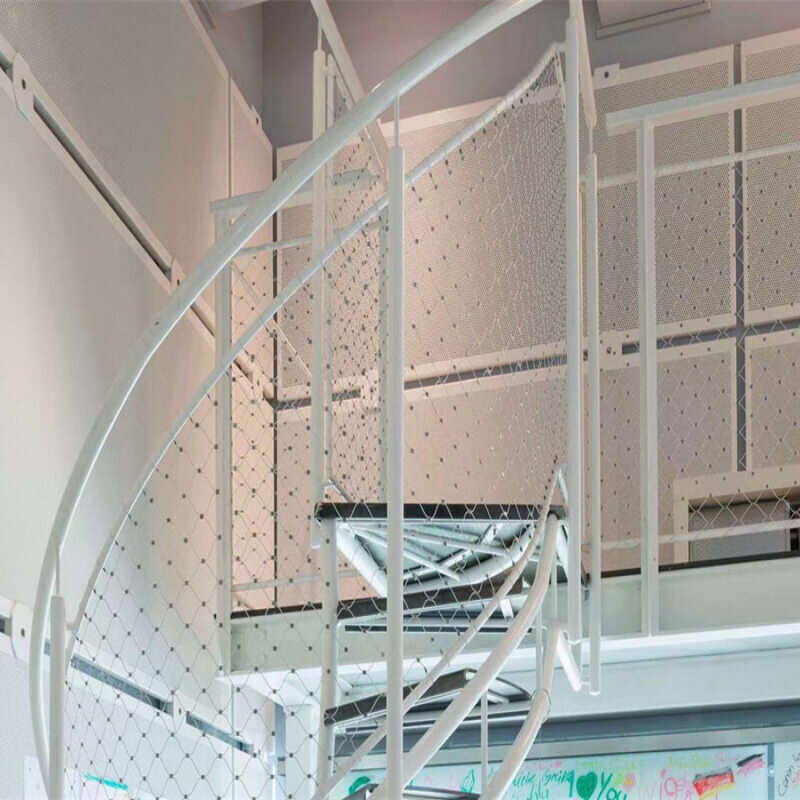
Before tensioning, flexible stainless steel cable netting behaves like a soft fabric that can be draped over complex geometries. This allows designers to wrap curved façades, helical stairs, double-curved green walls or organically shaped animal enclosures with continuous sheets, without breaking the surface into many flat segments. Once the net is fixed and tensioned, it transforms from a flexible fabric into a stiff, three-dimensional surface with very low self-weight compared to glass or thick steel plates, reducing loads on the supporting structure and making it particularly attractive for refurbishment and retrofit projects.
Secret 4 – Underestimating Wind and Snow Loads Can Turn Flexibility into a Hazard
If you rely only on catalogue load data and ignore site-specific wind and snow actions, the flexibility of flexible stainless steel cable netting can become a liability; excessive panel deflection, frame vibration or snow build-up can overstress anchors and posts, so checking the net as a real membrane under local wind and snow loads is essential on tall buildings and exposed sites.
2.4 Safety, Non-Toxicity and Environmental Credentials
Flexible stainless steel cable netting contains no toxic coatings or solvents, is non-flammable and does not emit fumes under fire. It can be safely used in zoological parks, children’s areas, plant-support systems and public interiors without concerns about off-gassing or flaking paint. At end of life, stainless steel is fully recyclable, allowing the material to re-enter the production cycle rather than becoming waste.
Secret 5 – Ferruled vs Woven Construction Quietly Changes Cost and Behaviour
Buyers often treat all flexible stainless steel cable netting as the same, but hand-woven mesh and ferruled mesh behave differently in terms of stiffness, aesthetics and cost; choosing the cheaper option without understanding these differences can leave you with a net that either looks too “busy”, deflects more than expected or costs more in labour to shape and install.
3. Applications of Flexible Stainless Steel Cable Netting
Flexible stainless steel cable netting is used across many sectors because it combines safety with transparency and design freedom.
3.1 Green Walls and Plant Climbing Support
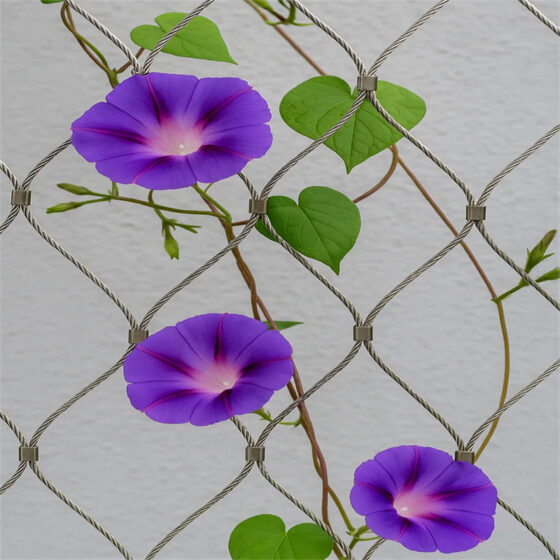
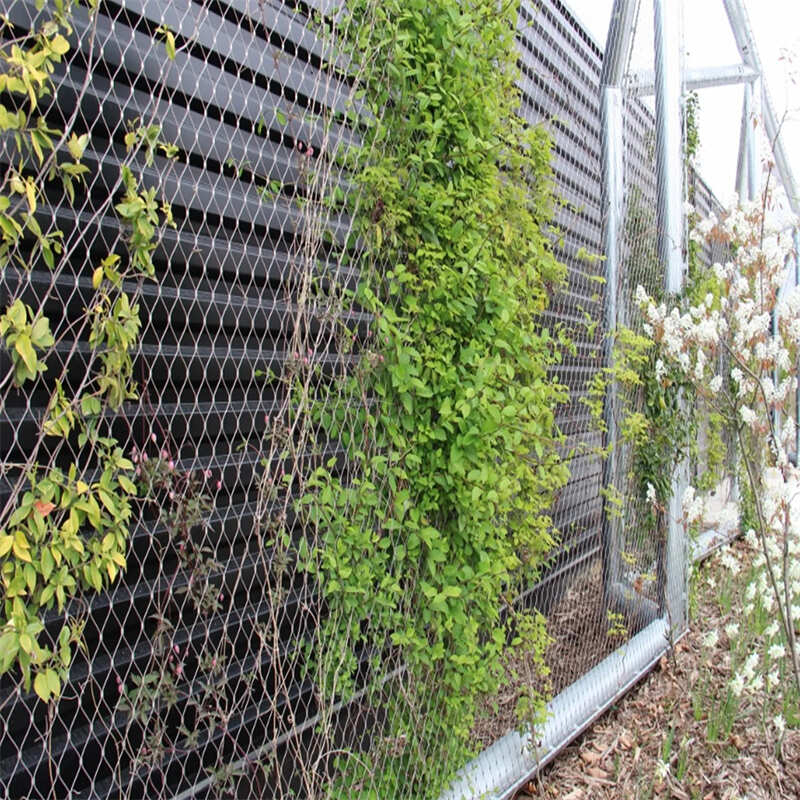
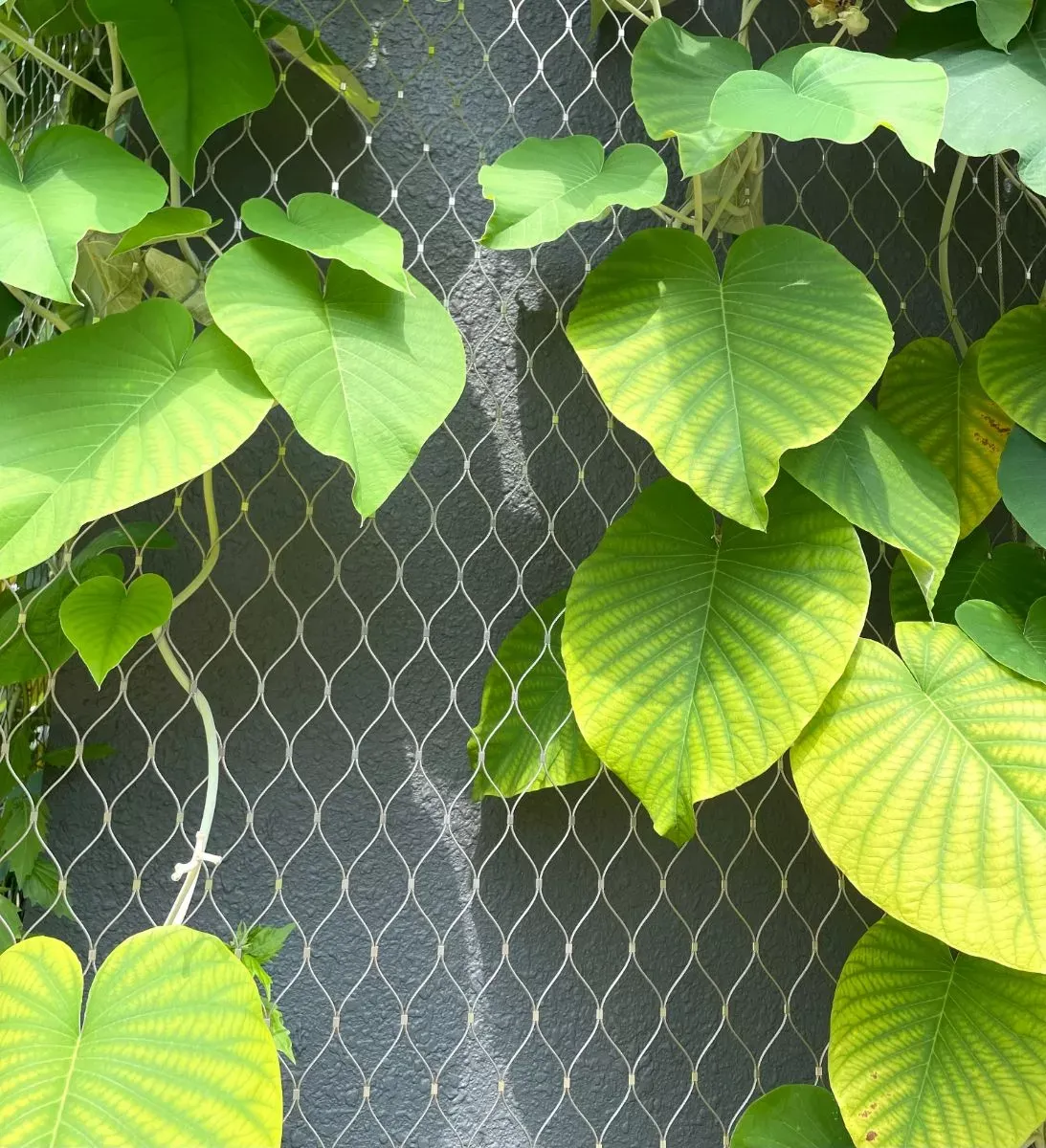
As a plant climbing net, flexible stainless steel cable netting offers corrosion resistance, high tensile strength and long service life with minimal maintenance. It provides excellent support for vines and climbers on façades, atria and courtyard walls, helping to create living green screens that improve microclimate and visual comfort. The mesh is resistant to wind, frost, rain and snow, so it performs reliably in all seasons while allowing air circulation and light penetration.
3.2 Balustrades, Stairs, Bridges and Perimeter Safety
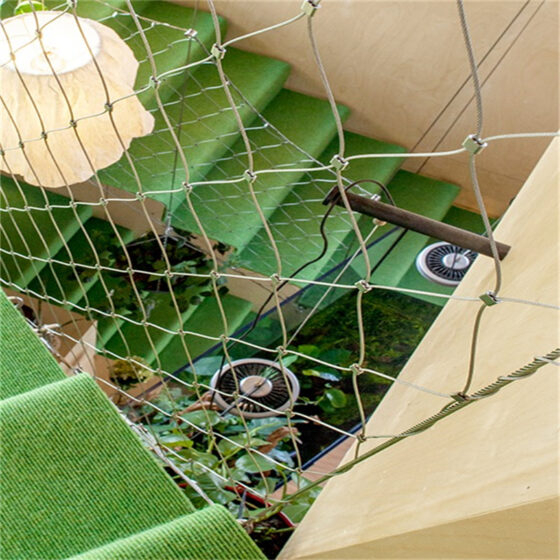
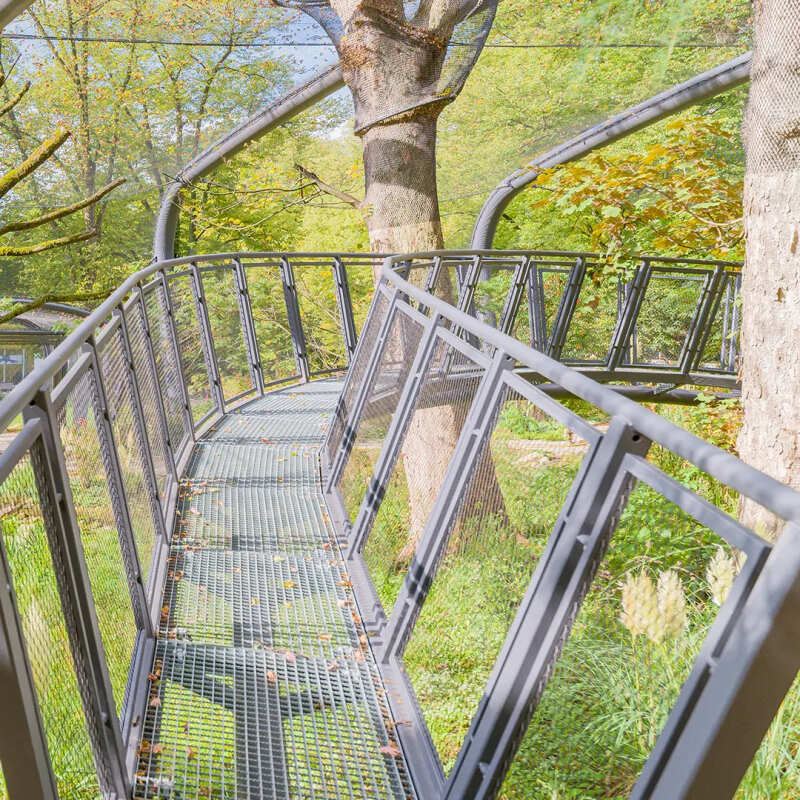
Flexible stainless steel cable netting is widely used as infill for balcony, bridge and stair balustrades, where it prevents falls while preserving views of cityscapes, landscapes or interiors. By tuning mesh aperture and cable diameter, designers can meet child-safety rules, anti-climb requirements and falling-object protection without resorting to heavy bars or opaque panels. In bridges and elevated walkways it can also function as an anti-throw or anti-fall barrier.
3.3 Zoos, Aviaries and Animal Enclosures
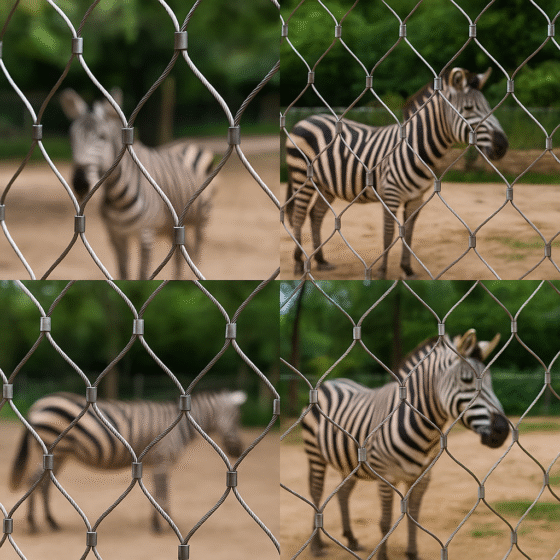
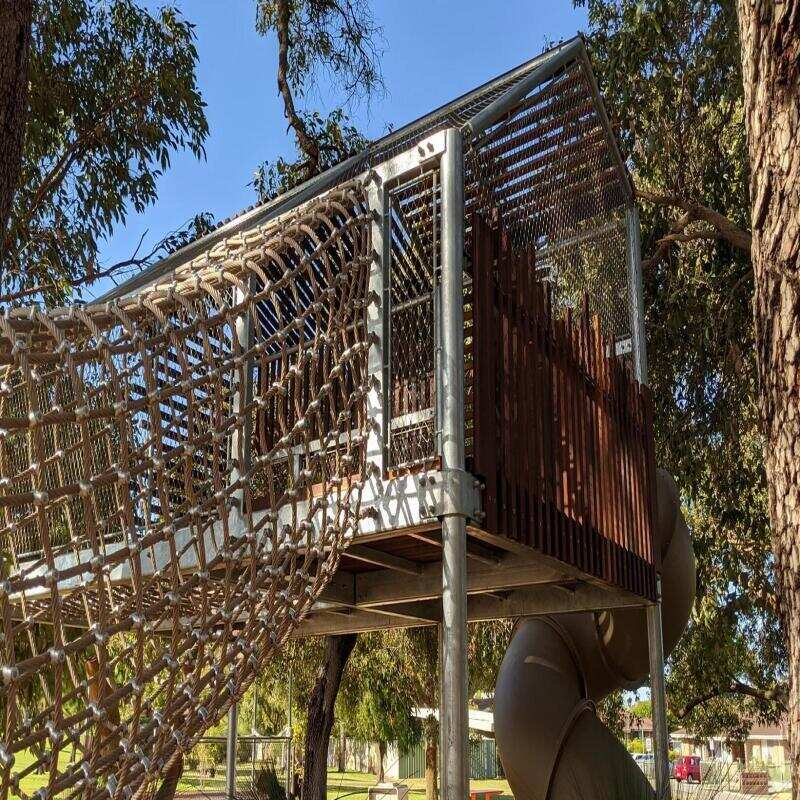
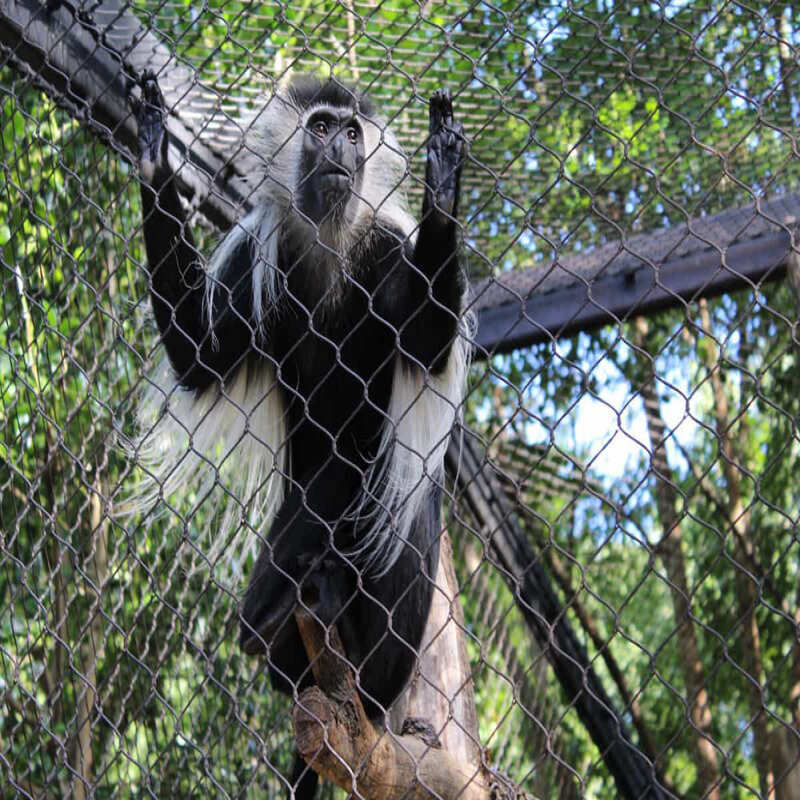
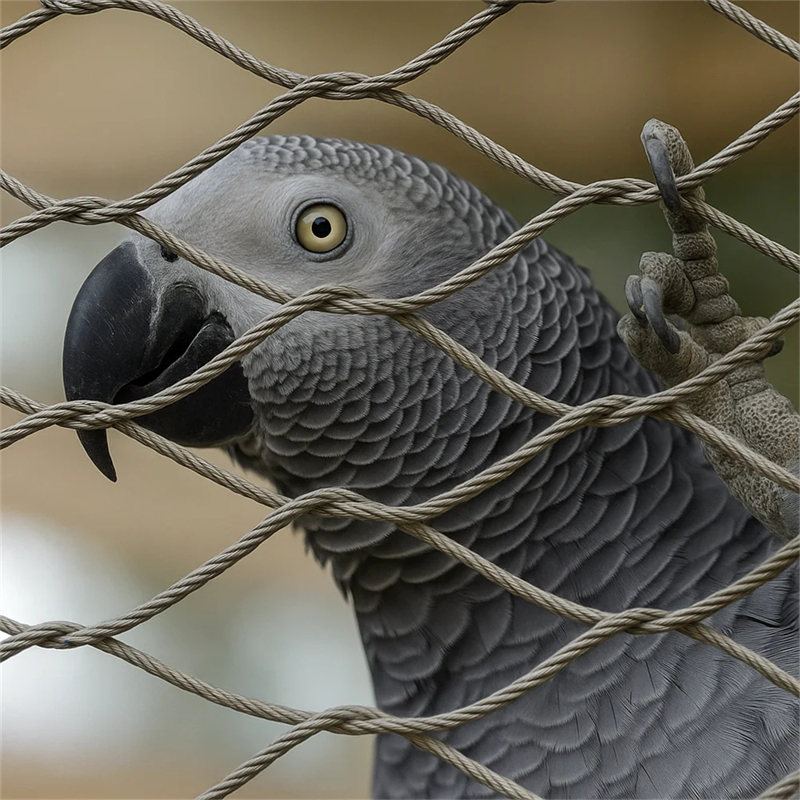
Zoo designers use flexible stainless steel cable netting for aviaries, big-cat enclosures and mixed-species habitats because it is strong enough to resist chewing and clawing, yet visually unobtrusive, giving visitors a near 360-degree field of view. The mesh is safe for animals, does not splinter or shatter and can be shaped into large free-form domes or tunnels that mimic natural environments.
3.4 Sports, Acrobatics and Special Installations
In sports and performance settings, flexible stainless steel cable netting can act as fall protection under walkways, safety screens around stands or structural support for acrobatic apparatus. Its combination of strength, flexibility and low visual weight lets designers create high-performance safety layers that do not visually dominate the architecture or stage.
Secret 6 – Copying a “Nice Reference Project” Can Put You in the Wrong Risk Category
It is tempting to copy a beautiful reference photo of flexible stainless steel cable netting from a hotel, bridge or zoo, but every site has different fall heights, user behaviour, animal species and environmental exposure; reusing another project’s layout and mesh size without recalculating for your own risks can leave you unintentionally outside your legal duty of care.
4. Technical Specifications of Flexible Stainless Steel Cable Netting
Exact values depend on project requirements, but most flexible stainless steel cable netting falls within a familiar range of cable diameters and apertures. The tables below provide typical sizes and configurations for different applications.
4.1 Table 1 – Basic Flexible Stainless Steel Cable Netting Sizes and Breaking Loads
| Cable Diameter (inch) | Cable Diameter (mm) | Mesh Opening (inch) | Mesh Opening (mm) | Nominal Breaking Load (lbs) | Typical Application |
|---|---|---|---|---|---|
| 1/8 | 3.2 | 4 × 4 | 102 × 102 | 1600 | Large zoo enclosures, perimeter safety nets |
| 1/8 | 3.2 | 3 × 3 | 76 × 76 | 1600 | Bridge and high-level balustrade infill |
| 1/8 | 3.2 | 2 × 2 | 51 × 51 | 1600 | Stadium edge protection, anti-throw barriers |
| 3/32 | 2.4 | 4 × 4 | 102 × 102 | 920 | General façade mesh, plant climbing supports |
| 3/32 | 2.4 | 3 × 3 | 76 × 76 | 920 | Public terrace and balcony guards |
| 3/32 | 2.4 | 2 × 2 | 51 × 51 | 920 | Internal atrium and stair balustrades |
| 5/64 | 2.0 | 3 × 3 | 76 × 76 | 676 | Office atrium balustrade infill |
| 5/64 | 2.0 | 2 × 2 | 51 × 51 | 676 | Residential balcony rope mesh infill |
| 5/64 | 2.0 | 1½ × 1½ | 38 × 38 | 676 | Zoo small animal and monkey enclosures |
| 1/16 | 1.6 | 3 × 3 | 76 × 76 | 480 | Decorative internal safety nets |
| 1/16 | 1.6 | 2 × 2 | 51 × 51 | 480 | Light-duty balustrades and galleries |
| 1/16 | 1.6 | 1½ × 1½ | 38 × 38 | 480 | Child-safe balcony and stair protection |
| 1/16 | 1.6 | 1 × 1 | 25.4 × 25.4 | 480 | Bird aviaries, small animal habitats |
| 3/64 | 1.2 | 1½ × 1½ | 38 × 38 | 270 | Indoor decorative plant climbing nets |
| 3/64 | 1.2 | 1 × 1 | 25.4 × 25.4 | 270 | Fine aviaries, interior feature nets |
| 3/64 | 1.2 | 4/5 × 4/5 | 20 × 20 | 270 | Dense plant support, small bird protection |
Secret 7 – “Standard” Sizes Rarely Match Your Real Risk Profile
It is common to pick a cable diameter and mesh opening directly from a table like this, but the genuinely safe choice depends on fall height, user type, animal species, expected impacts and local code rules; blindly copying “standard” flexible stainless steel cable netting sizes can leave gaps between your real risk profile and the protection your system actually provides.
4.2 Table 2 – Flexible Stainless Steel Cable Netting for Green Walls and Plant Climbing
| Model | Cable Ø (mm) | Mesh Aperture (mm) | Material Grade | Panel Size (W × H, m) | Installation Type | Typical Application |
|---|---|---|---|---|---|---|
| FSCN-G01 | 1.2 | 20 × 20 | AISI 316 | 1.5 × 3.0 | Vertical | Indoor atrium green wall for climbing vines |
| FSCN-G02 | 1.2 | 25 × 25 | AISI 304 | 1.5 × 3.0 | Vertical | Office lobby feature wall planting |
| FSCN-G03 | 1.5 | 40 × 40 | AISI 316 | 2.0 × 3.0 | Vertical | External courtyard climbing plant support |
| FSCN-G04 | 1.5 | 50 × 50 | AISI 316 | 2.0 × 4.0 | Sloped | Sloped retaining wall planting net |
| FSCN-G05 | 1.5 | 60 × 60 | AISI 316 | 2.5 × 4.0 | Vertical | Façade-scale green wall on commercial buildings |
| FSCN-G06 | 2.0 | 76 × 76 | AISI 316 | 3.0 × 5.0 | Vertical | High-rise façade planting support |
| FSCN-G07 | 2.0 | 100 × 100 | AISI 316 | 3.0 × 5.0 | Curved | Curved atrium and gallery green wall |
| FSCN-G08 | 2.0 | 120 × 120 | AISI 316 | 3.0 × 6.0 | Vertical | Outdoor courtyard and plaza green screens |
| FSCN-G09 | 2.4 | 150 × 150 | AISI 316 | 3.0 × 6.0 | Vertical | Large-scale commercial green façades |
| FSCN-G10 | 2.4 | 180 × 180 | AISI 316 | 3.5 × 6.0 | Vertical | Shopping mall exterior planting meshes |
| FSCN-G11 | 2.4 | 200 × 200 | AISI 316 | 4.0 × 6.0 | Vertical | Hotel courtyard and garden façades |
| FSCN-G12 | 3.0 | 150 × 260 | AISI 316 | 4.0 × 8.0 | Vertical | Transport hub green noise barriers |
| FSCN-G13 | 3.0 | 200 × 300 | AISI 316 | 4.0 × 8.0 | Vertical | Infrastructure and bridge-side green screens |
| FSCN-G14 | 3.0 | 250 × 400 | AISI 316 | 5.0 × 10.0 | Vertical | Very tall façade planting nets on towers |
| FSCN-G15 | 1.6 | 30 × 50 | AISI 316 | 1.2 × 2.4 | Vertical | Small private villa green wall systems |
4.3 Table 3 – Flexible Stainless Steel Cable Netting for Balustrades and Safety Barriers
| Model | Cable Ø (mm) | Mesh Aperture (mm) | Material Grade | Panel Height (mm) | Panel Orientation | Typical Application |
|---|---|---|---|---|---|---|
| FSCN-B01 | 1.5 | 40 × 70 | AISI 304 | 900 | Raked | Internal townhouse stair balustrades |
| FSCN-B02 | 1.5 | 50 × 80 | AISI 304 | 1000 | Vertical | Loft and mezzanine balcony guards |
| FSCN-B03 | 1.6 | 50 × 90 | AISI 304 | 1000 | Vertical | Duplex apartment internal balustrades |
| FSCN-B04 | 1.6 | 60 × 100 | AISI 304 | 1100 | Raked | Internal stair stringer rope mesh infill |
| FSCN-B05 | 1.6 | 60 × 120 | AISI 316 | 1100 | Vertical | Residential balustrades near large windows |
| FSCN-B06 | 2.0 | 60 × 100 | AISI 316 | 1100 | Raked | Office stair balustrade infill panels |
| FSCN-B07 | 2.0 | 60 × 120 | AISI 316 | 1200 | Vertical | Atrium gallery balustrades, short spans |
| FSCN-B08 | 2.0 | 70 × 120 | AISI 316 | 1200 | Curved | Feature stair balustrades in showrooms |
| FSCN-B09 | 2.0 | 70 × 140 | AISI 316 | 1200 | Vertical | Open void and atrium safety barriers |
| FSCN-B10 | 2.0 | 80 × 140 | AISI 316 | 1200 | Raked | Minimalist stair balustrades, long runs |
| FSCN-B11 | 2.5 | 80 × 160 | AISI 316 | 1200 | Vertical | Multi-storey residential atrium balustrades |
| FSCN-B12 | 2.5 | 90 × 160 | AISI 316 | 1200 | Vertical | Hotel corridor and lobby rope mesh guards |
| FSCN-B13 | 2.5 | 90 × 180 | AISI 316 | 1300 | Vertical | Museum and gallery balcony balustrades |
| FSCN-B14 | 2.5 | 100 × 180 | AISI 316 | 1300 | Raked | Large internal staircases, controlled access |
| FSCN-B15 | 2.5 | 100 × 200 | AISI 316 | 1300 | Vertical | Balustrades combined with glass or mid-rails |
Secret 8 – Ignore Detailing and Maintenance Design, Invite Accidents and Claims
This is the critical secret you cannot afford to skip: most catastrophic failures are not caused by the flexible stainless steel cable netting itself but by weak posts, badly anchored clamp bars, sharp cut cable ends and layouts that cannot be inspected or re-tensioned; if you treat detailing and access as an afterthought, small issues like loose bolts, hidden corrosion or trapped debris can grow unnoticed until a section suddenly gives way under load—and at that moment you are facing injuries, emergency closures, insurance investigations, expert reports and potentially years of legal and reputational damage.
5. Design, Structural Behaviour and Installation of Flexible Stainless Steel Cable Netting
Flexible stainless steel cable netting behaves structurally as a tensioned membrane rather than a bending element. For the system to perform correctly, the support structure must be designed to carry the membrane forces without excessive deflection, and the installation must achieve the required pre-tension without damaging cables or anchors.
Secret 9 – Strong Mesh Cannot Compensate for a Weak Frame
A very common but dangerous assumption is that specifying a high breaking-load flexible stainless steel cable netting automatically guarantees safety; in reality, if the posts or edge beams are under-sized, the net will simply pull the frame inwards, leading to large visible deflections, cracked fixings and failed inspections, so frame design is just as important as mesh selection.
Key installation principles include rigid, well-aligned frames or edge cables, correctly specified turnbuckles or tension devices and clear access for future adjustment. Installers typically fix one edge of each panel first, then gradually tension the opposite edge while checking that the diamond pattern remains regular. Once the desired tension is achieved, the remaining edges and corners are fixed and any excess cable is neatly trimmed and capped. Completion tests should include push-load checks at several points to verify deflection and clearances.
6. Maintenance, Cleaning and Service Life
One of the largest advantages of flexible stainless steel cable netting is its low maintenance requirement. Because there is no paint layer, there is nothing to flake or peel, and stainless steel is resistant to most everyday contaminants. Routine cleaning usually consists of rinsing with clean water and occasionally using a mild neutral detergent for stubborn marks, followed by thorough rinsing. Abrasive pads, carbon steel brushes and strong acids should be avoided so as not to damage the passive layer that protects the stainless steel from corrosion.
In coastal, industrial or heavily polluted environments, more frequent washing is recommended to remove salt and airborne contaminants, especially from horizontal elements where water can stand. Periodic inspection should cover all clamps, ferrules, turnbuckles, anchor bolts and boundary frames; any slack areas can often be corrected by re-tensioning rather than replacing whole panels, significantly extending service life. With sensible design and basic care, it is realistic to expect flexible stainless steel cable netting systems to perform reliably for decades.
7. How to Specify Flexible Stainless Steel Cable Netting to Your Supplier
A clear specification helps suppliers propose the right flexible stainless steel cable netting for your project. Start by describing the project type and location: for example, internal stair, residential balcony, zoo enclosure, bridge walkway or plant-support façade. Identify whether the environment is interior, semi-exposed or fully exterior, and whether it is coastal, poolside or industrial. Provide basic geometry such as panel widths and heights, railing or parapet height, spans between posts and any curved or sloping segments.
State your priority outcomes: child safety, anti-climb performance, falling-object protection, maximum transparency or animal containment. Based on these, the supplier can recommend suitable cable diameters, mesh apertures and material grades. Share any known code requirements for maximum opening size, minimum guard height and line and point loads. Finally, clarify whether you require supply only or supply and installation, as well as whether you need shop drawings, structural calculations, CE/SGS certificates or test reports to support approvals.
8. Conclusion
Flexible stainless steel cable netting has moved from a niche speciality to a mainstream solution because it offers a rare combination of safety, transparency, durability and design freedom. When you understand how the net actually works as a tensioned membrane, match the stainless steel grade to the environment, tune cable diameter and mesh aperture to your true risk profile and pay serious attention to frame stiffness and detailing, you obtain a system that quietly protects people, animals and plants while keeping spaces open, bright and visually connected.
By respecting the 9 secrets hidden behind this apparently simple product—especially Secret 8 about detailing and maintenance design—you avoid the hidden traps of premature corrosion, excessive deflection, non-compliance, accidents and legal claims, and instead unlock the full long-term value of flexible stainless steel cable netting on your project.