Your One-Stop Wire Mesh Fence Supplier | POLYMETAL
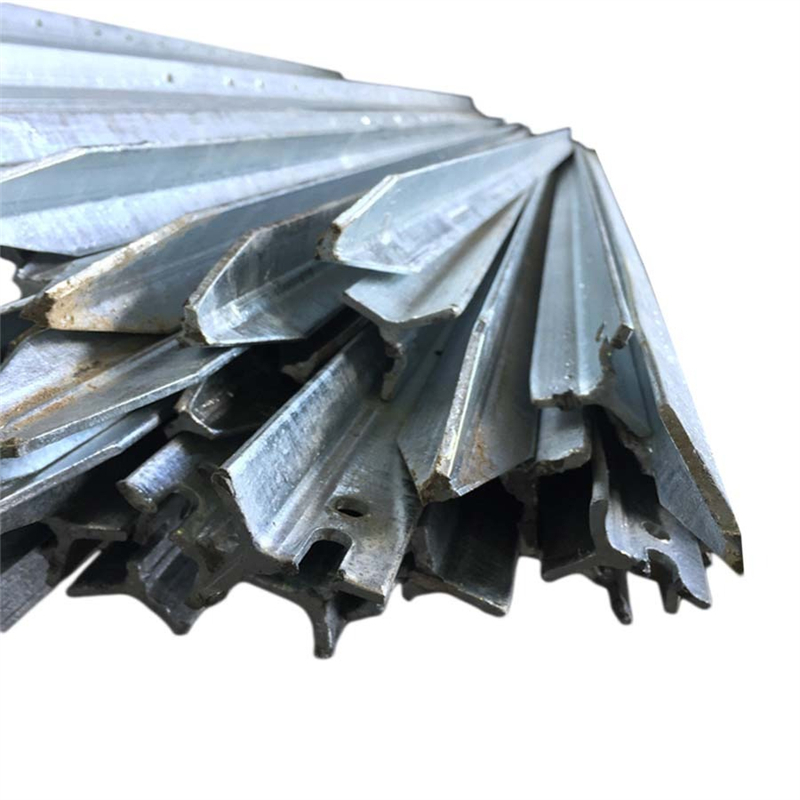
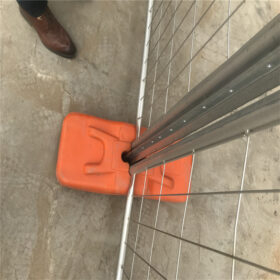
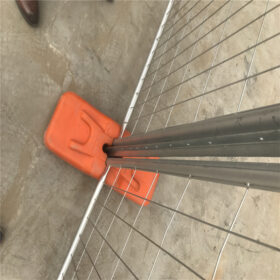
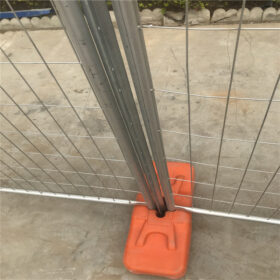
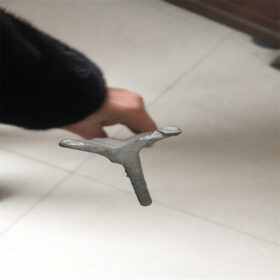
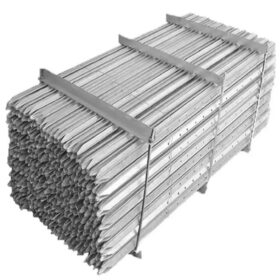
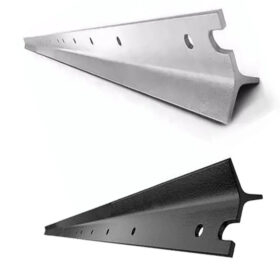
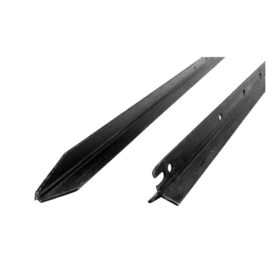
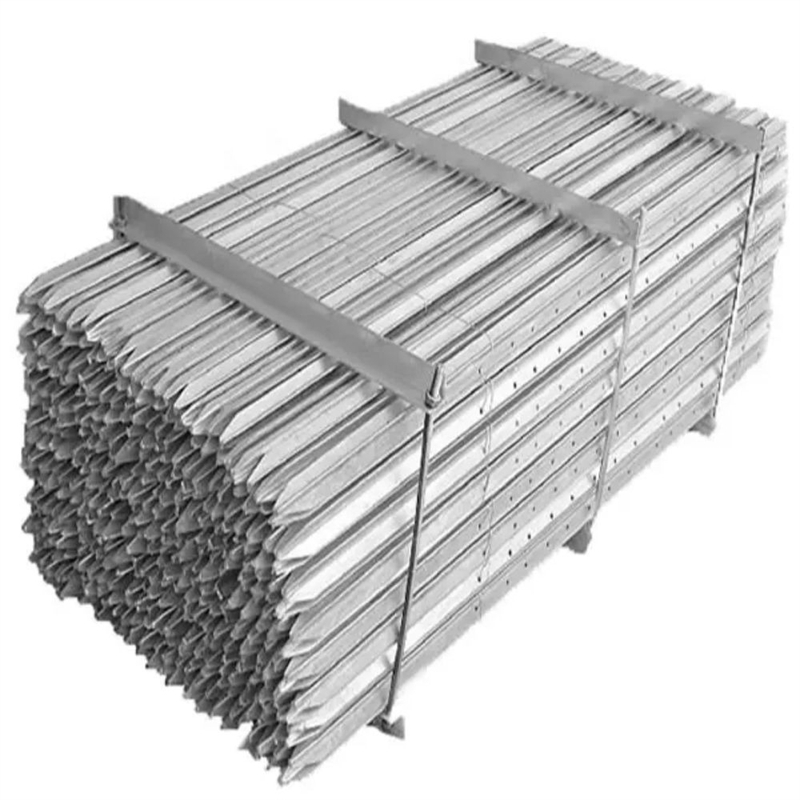
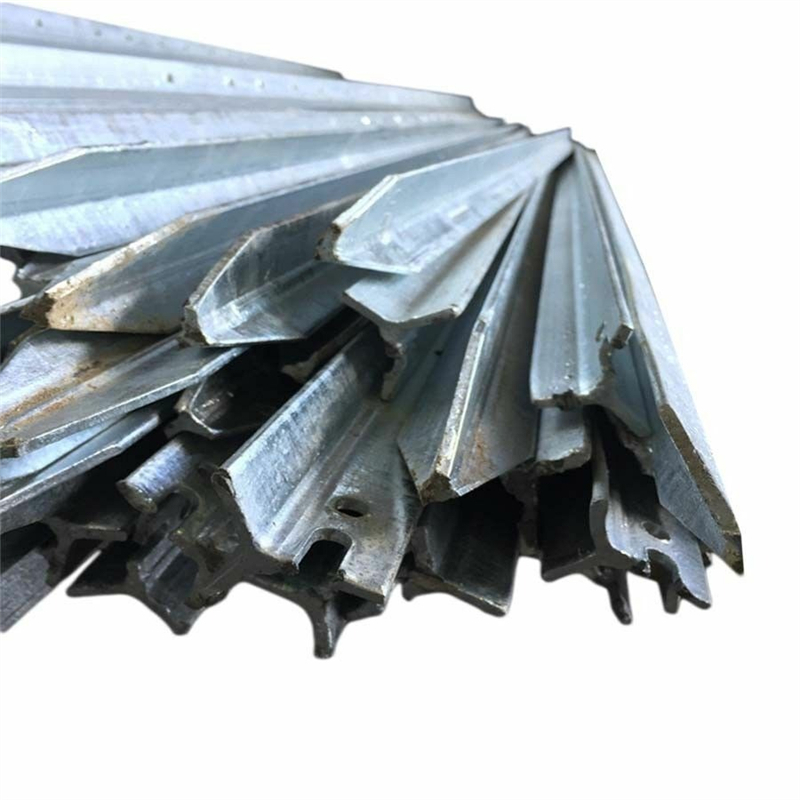
Galv star pickets (also called Y posts, steel pickets, Y shaped fence posts, or Y pickets) are Australian/New Zealand style fence posts designed to carry wire or mesh under tension across farms, orchards, roadside runs, gardens, and security boundaries. The problem is that many galv star pickets appear identical at first glance, but long-run performance is decided by weight-per-meter, steel grade, hole pattern accuracy, coating choice, and the correct length for embedment. Miss one of these and a fence that looks straight on install day can drift, lean, and force repeat driving and re-straining across the whole line.
POLYMETAL Galv Star Pickets Product Description
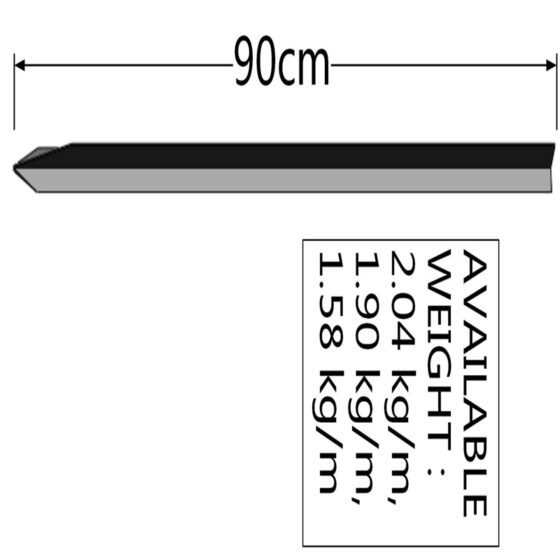
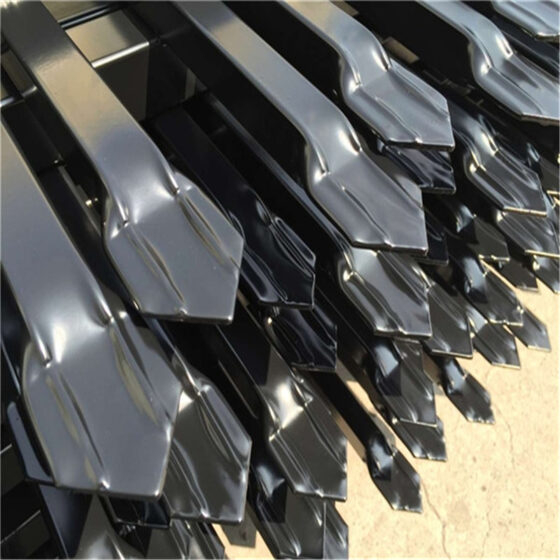
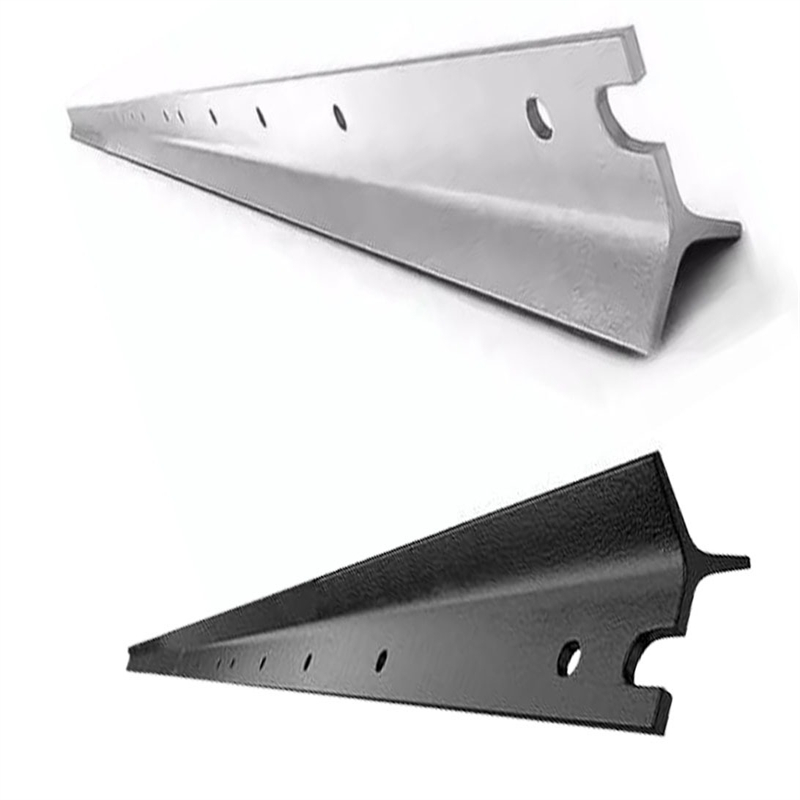
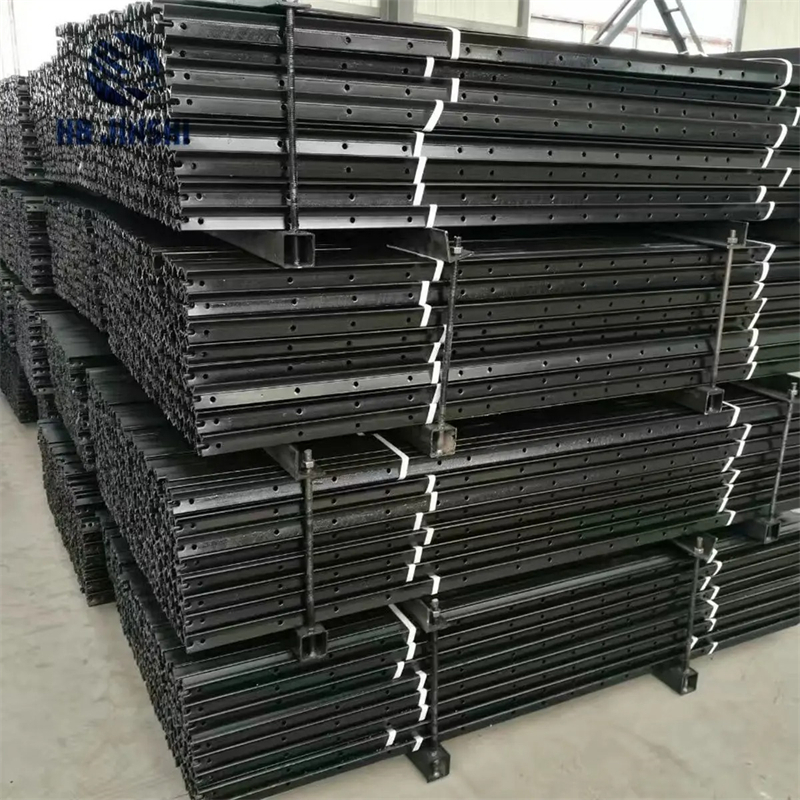
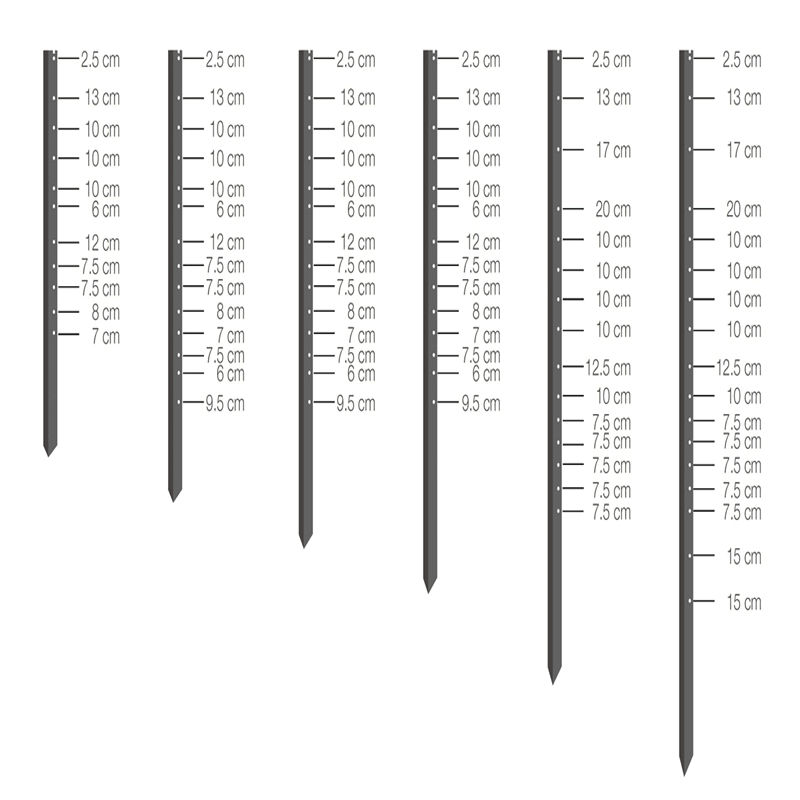
POLYMETAL galv star pickets are manufactured for practical tension work using carbon steel (commonly Q235 grade) or re-rolled rail steel to improve driving stability and resistance to bending. The range covers common lengths from 0.45 m up to 2.70 m (and longer options for special jobs), with mainstream weight classes such as 1.58 kg/m, 1.86 kg/m, 1.90 kg/m, and 2.04 kg/m so you can match post stiffness to soil hardness, livestock pressure, wind exposure, and fence tension. Finish options include hot-dip galvanized (the typical “galv” choice for long outdoor life), plus alternatives like electric galvanized or black bitumen coating depending on environment and handling intensity. With consistent hole placement and reliable straightness control, galv star pickets help keep wire heights repeatable so tensioning stays fast and the fence line stays aligned over time—especially when paired with spear top garrison fencing panels for higher-security boundary runs.
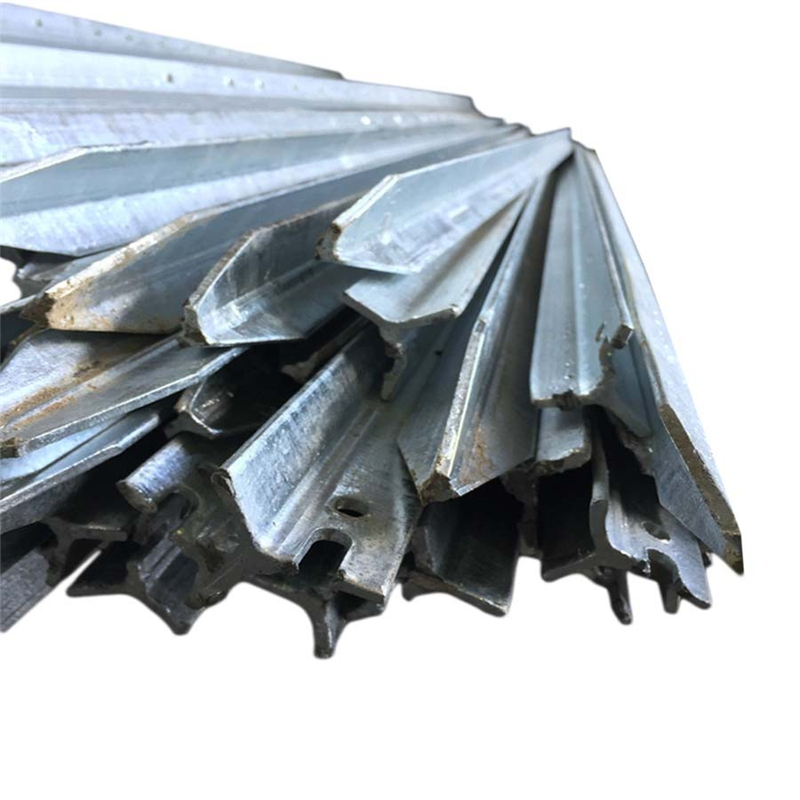
Where Galv Star Pickets Are Commonly Used
Galv star pickets are frequently selected for orchard lines, livestock boundaries, and long straight rural runs where corrosion exposure and repeat tension cycles are normal. They are also widely used for roadside and corridor fencing where vibration and ground movement can punish under-specified posts, plus general garden and property fencing where a clean, straight line must stay stable through seasons.
Galvanized vs Black Bitumen: The Decision That Controls Service Life
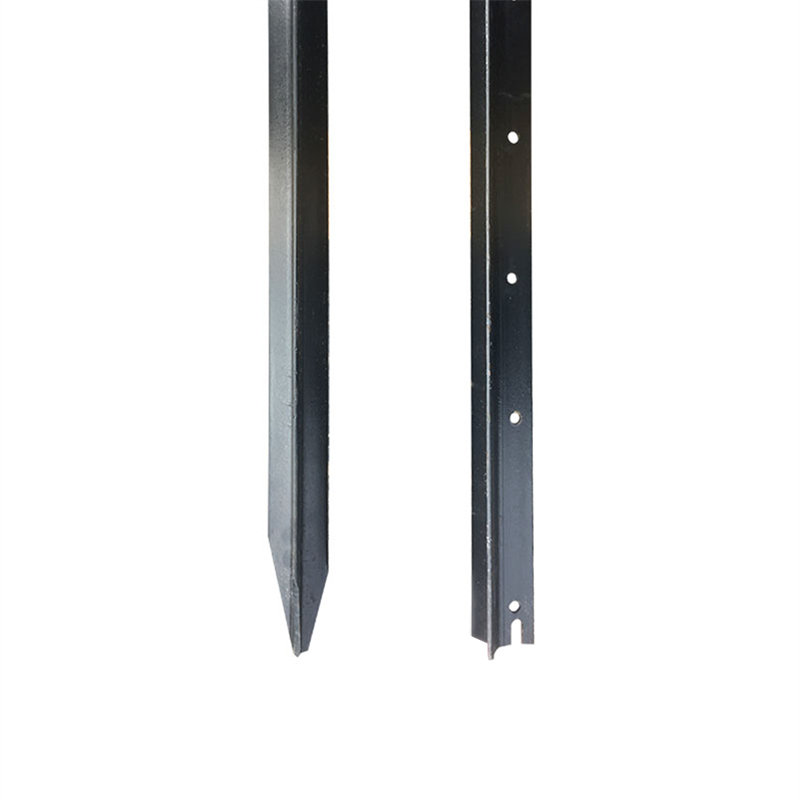
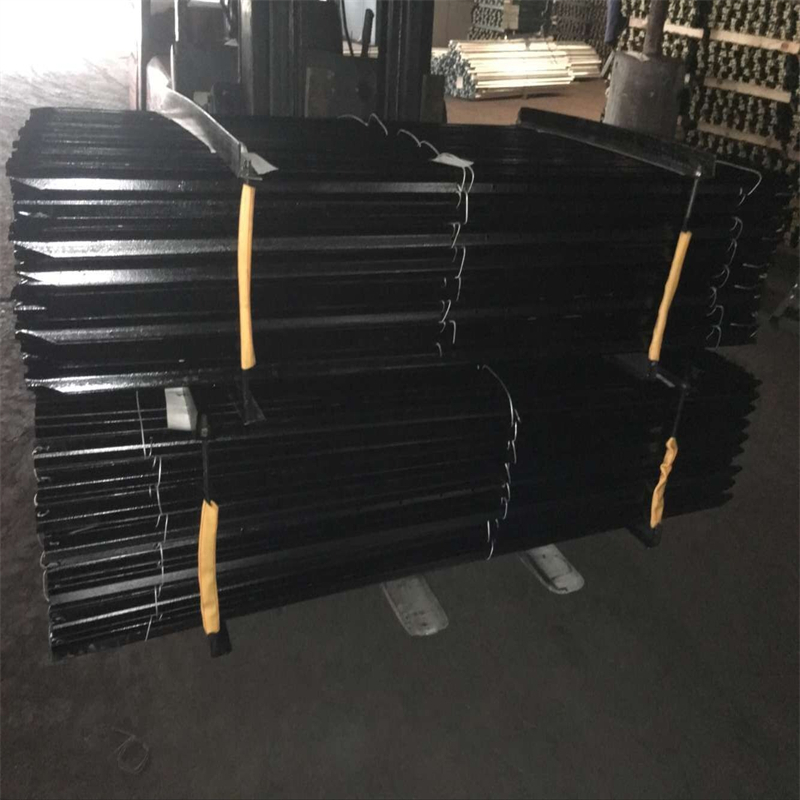
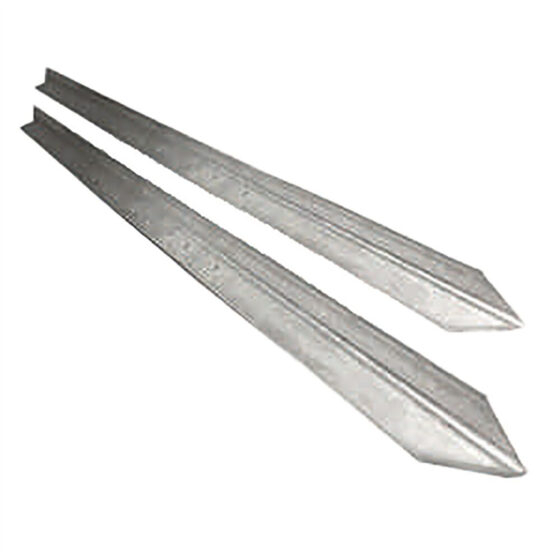
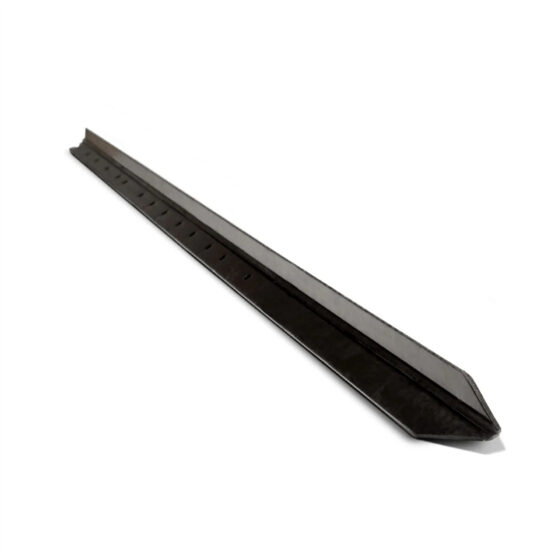
Galv star pickets are typically chosen when corrosion risk is real—coastal air, wet ground, frequent wash-down, or long service-life expectations. Black bitumen coated star pickets often suit budget-focused farm work and certain soils where the coating provides a protective barrier, but rough handling and abrasion can damage bitumen at impact points, accelerating rust in the wrong environment. If your fence must stay straight with minimal maintenance, the smartest approach is to treat coating, weight class, and length as one system decision instead of shopping each item separately.
The Top 22 Buying Traps That Decide Whether You Save Money—or Pay Twice
- Buying by photo instead of kg/m (weight-per-meter) and steel grade.
- Choosing the cheapest length even when embedment demands more.
- Treating “galv” as a label instead of a durability decision tied to use conditions.
- Under-specifying kg/m in hard ground and then bending posts during driving.
- Assuming re-rolled rail steel automatically guarantees straightness.
- Mixing weight classes in one fence run and creating weak sections that drift first.
- Mixing lengths without a plan, creating uneven stiffness and tension behavior.
- Ignoring how livestock pressure multiplies load at low wire heights.
- Selecting a light post for high-tension wire and slowly twisting the line out of square.
- Forgetting corners and ends carry the highest strain.
- Using the wrong finish for the environment and accelerating corrosion at damage points.
- Underestimating how transport scratches can become rust starters.
- Ignoring hole layout preferences (with-hole vs without-hole) and slowing tie-off work.
- Choosing a weight that installs fast today but leans after the first wet season.
Trap #15 Danger: The “cheap galv star pickets everywhere” choice that quietly turns into repeat rework
When 1.58 kg/m is used across a line that faces higher wire tension, livestock pressure, wind exposure, or unstable soils, posts can lean or twist sooner—forcing re-driving, re-straining, and repeated tightening. This is the budget killer because it spreads across the whole run, not one isolated repair, and it turns “saving per post” into ongoing labor loss.
- Ignoring that short posts can’t hold alignment once soils move.
- Over-driving in rocky ground and deforming the star profile.
- Choosing the wrong hole spacing for your strand heights and creating uneven tension.
- Using inconsistent tie methods and blaming the post when wire slips.
- Ordering without a single, consistent project specification and increasing install mistakes.
- Treating garden fencing like low-load work when wind and pets still create impacts.
- Chasing the lowest unit price instead of the lowest lifetime maintenance and rework cost.
Specifications in Tables
Table 1: Star Pickets Length (Australia & New Zealand) — Unit: PCS/MT
| MEAS. | 0.45 m | 0.60 m | 0.90 m | 1.35 m | 1.50 m | 1.65 m | 1.80 m | 2.10 m | 2.40 m | 2.70 m |
|---|---|---|---|---|---|---|---|---|---|---|
| 2.04 kg/m | 1089 | 816 | 544 | 363 | 326 | 297 | 272 | 233 | 204 | 181 |
| 1.90 kg/m | 1169 | 877 | 584 | 389 | 350 | 319 | 292 | 250 | 219 | 195 |
| 1.86 kg/m | 1194 | 896 | 597 | 368 | 358 | 325 | 298 | 256 | 224 | 199 |
| 1.58 kg/m | 1406 | 1054 | 703 | 468 | 422 | 383 | 351 | 301 | 263 | 234 |
Conclusion
Galv star pickets don’t fail because they’re “bad posts”—they fail because buyers mix the wrong kg/m, length, finish, and hole plan for the real loads. Specify POLYMETAL galv star pickets as a system decision, avoid the Top 22 traps—especially Trap #15 Danger—and you protect alignment, reduce repeat labor, and keep the fence straight long after install day.