Your One-Stop Wire Mesh Fence Supplier | POLYMETAL
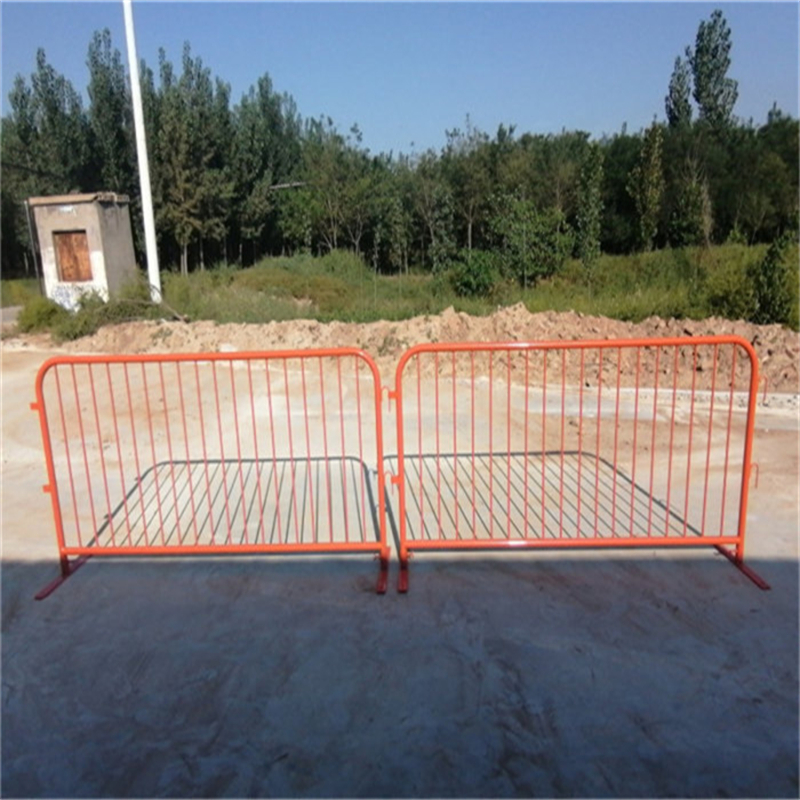
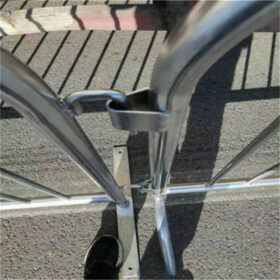
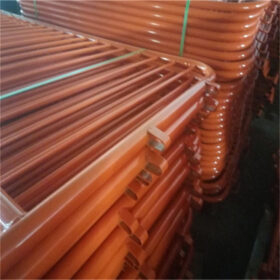
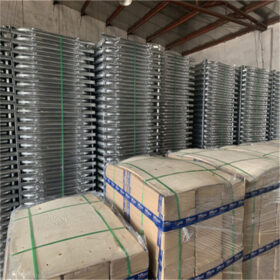
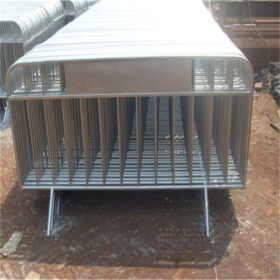
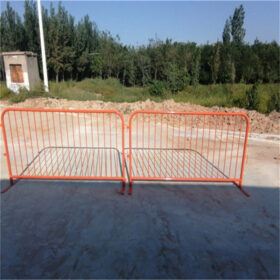
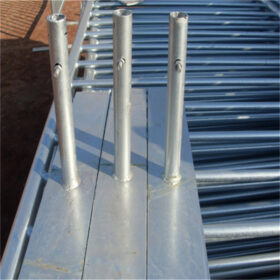
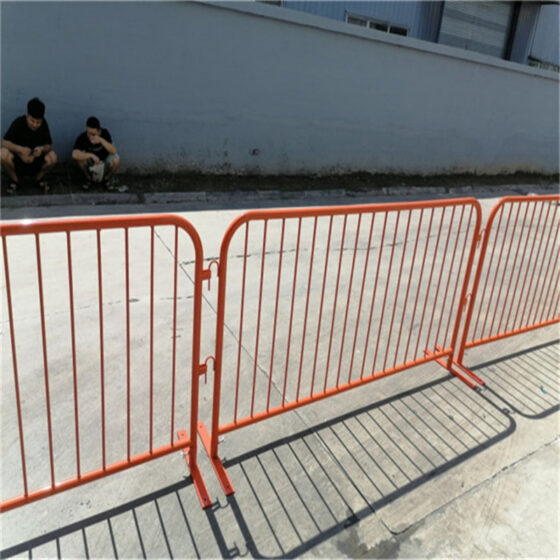
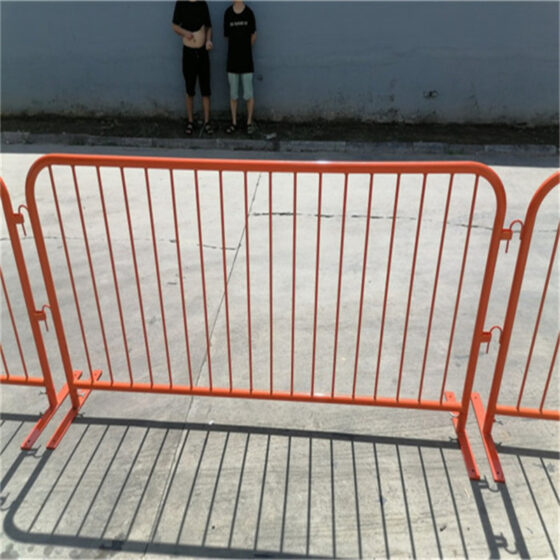
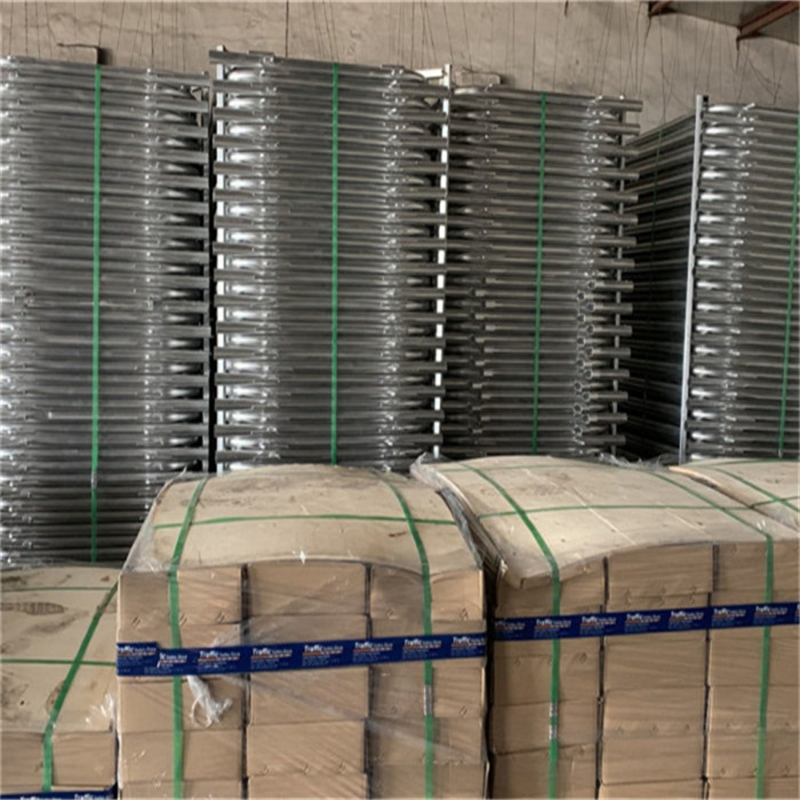
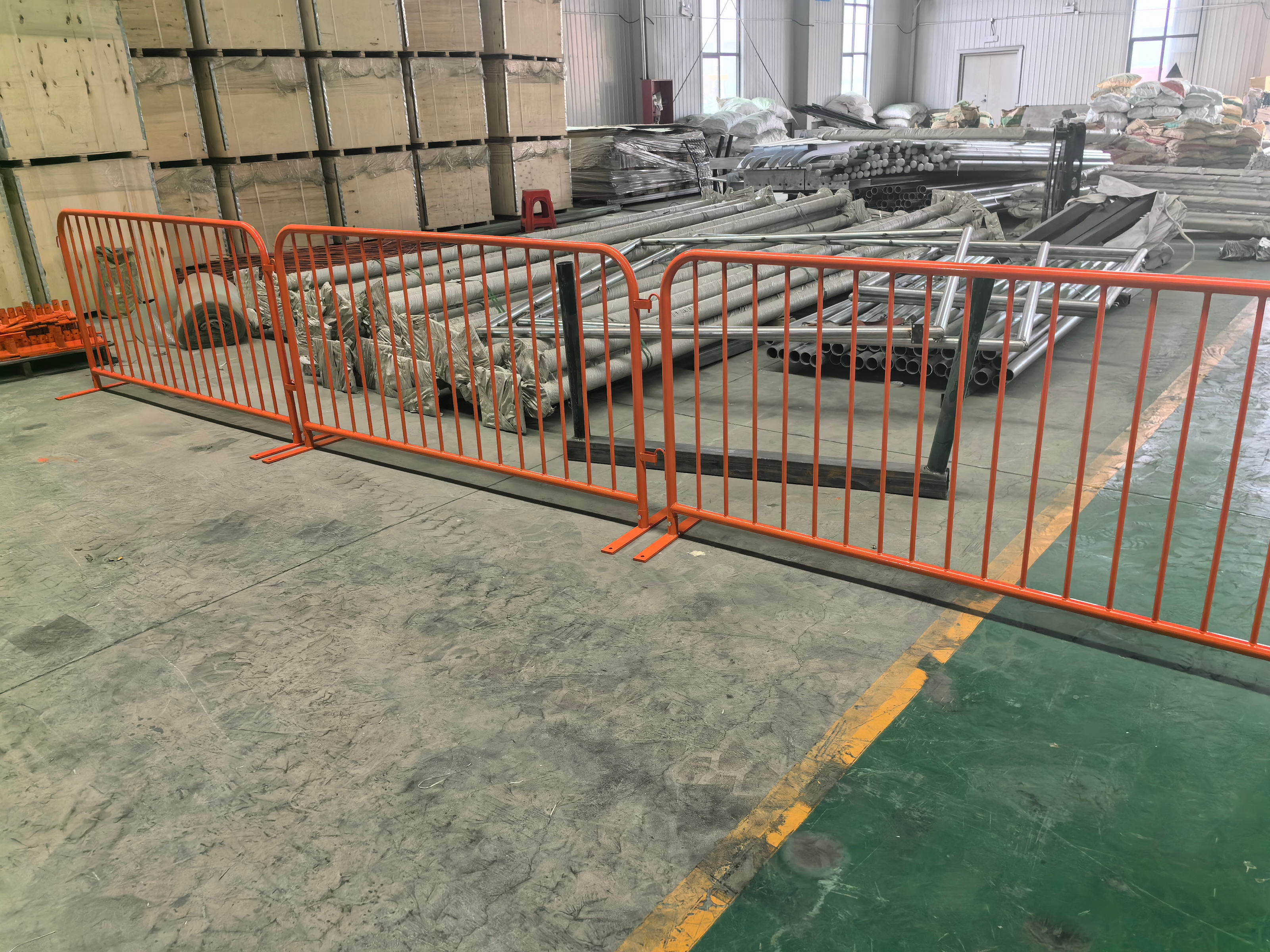
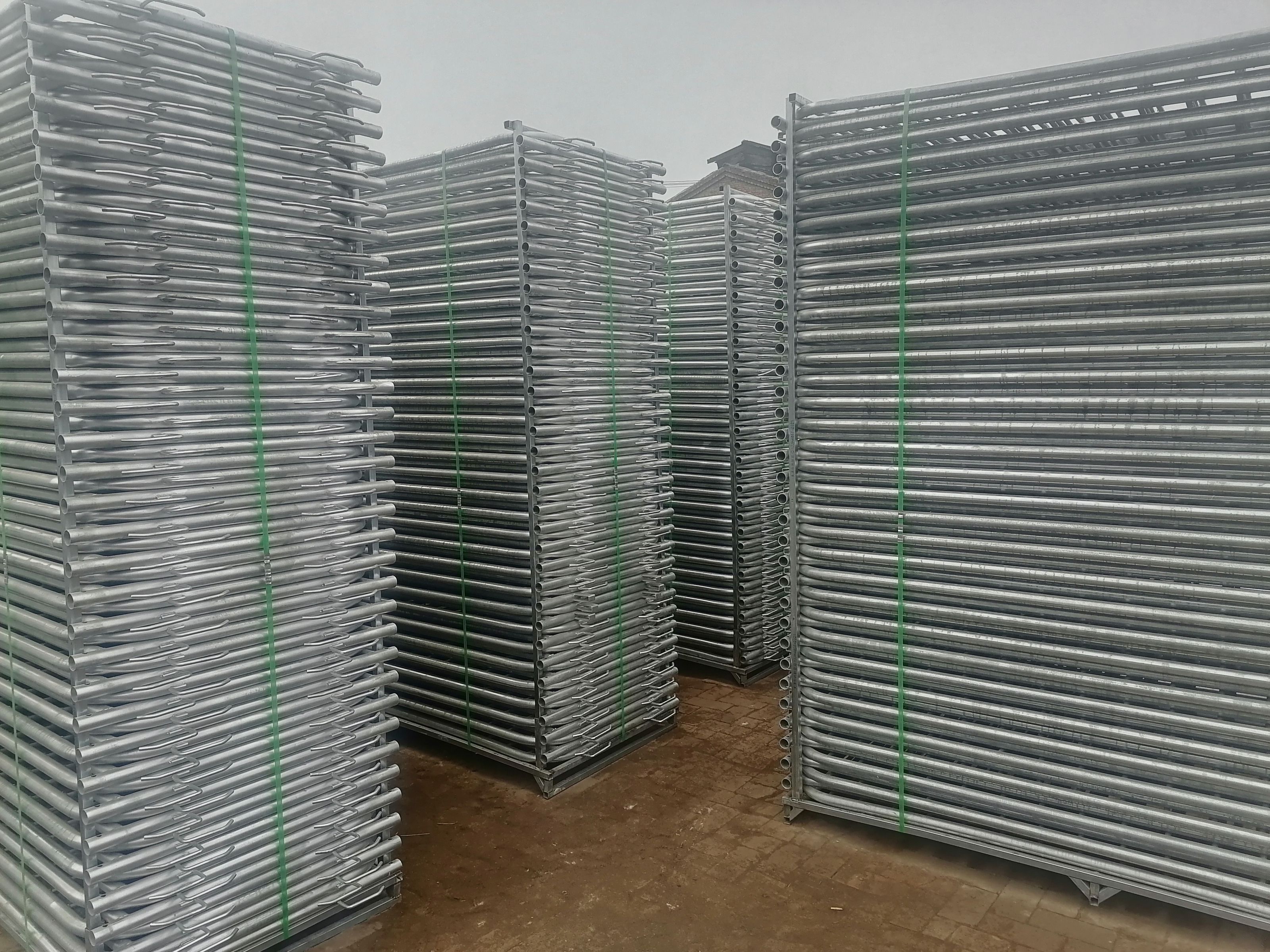
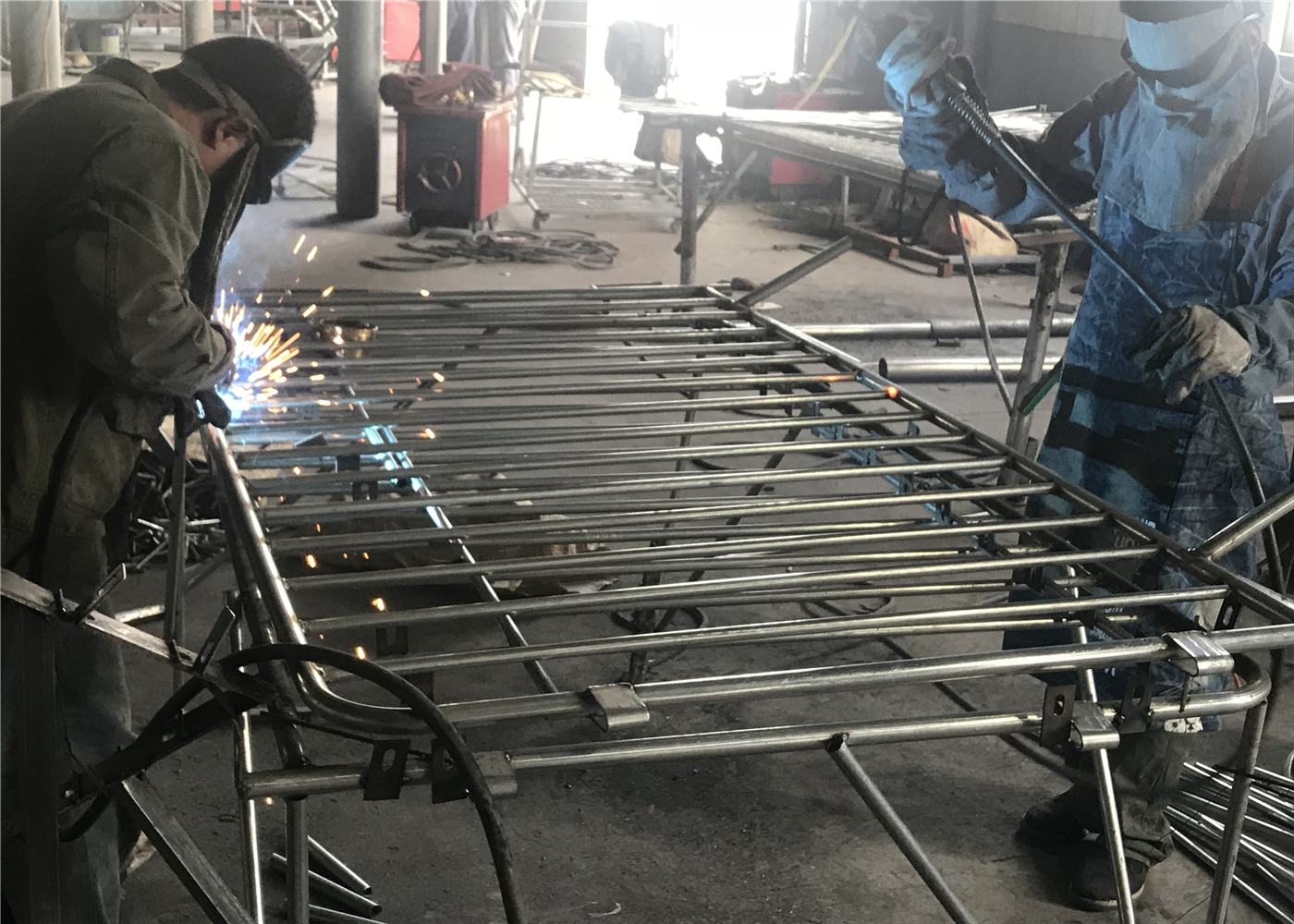
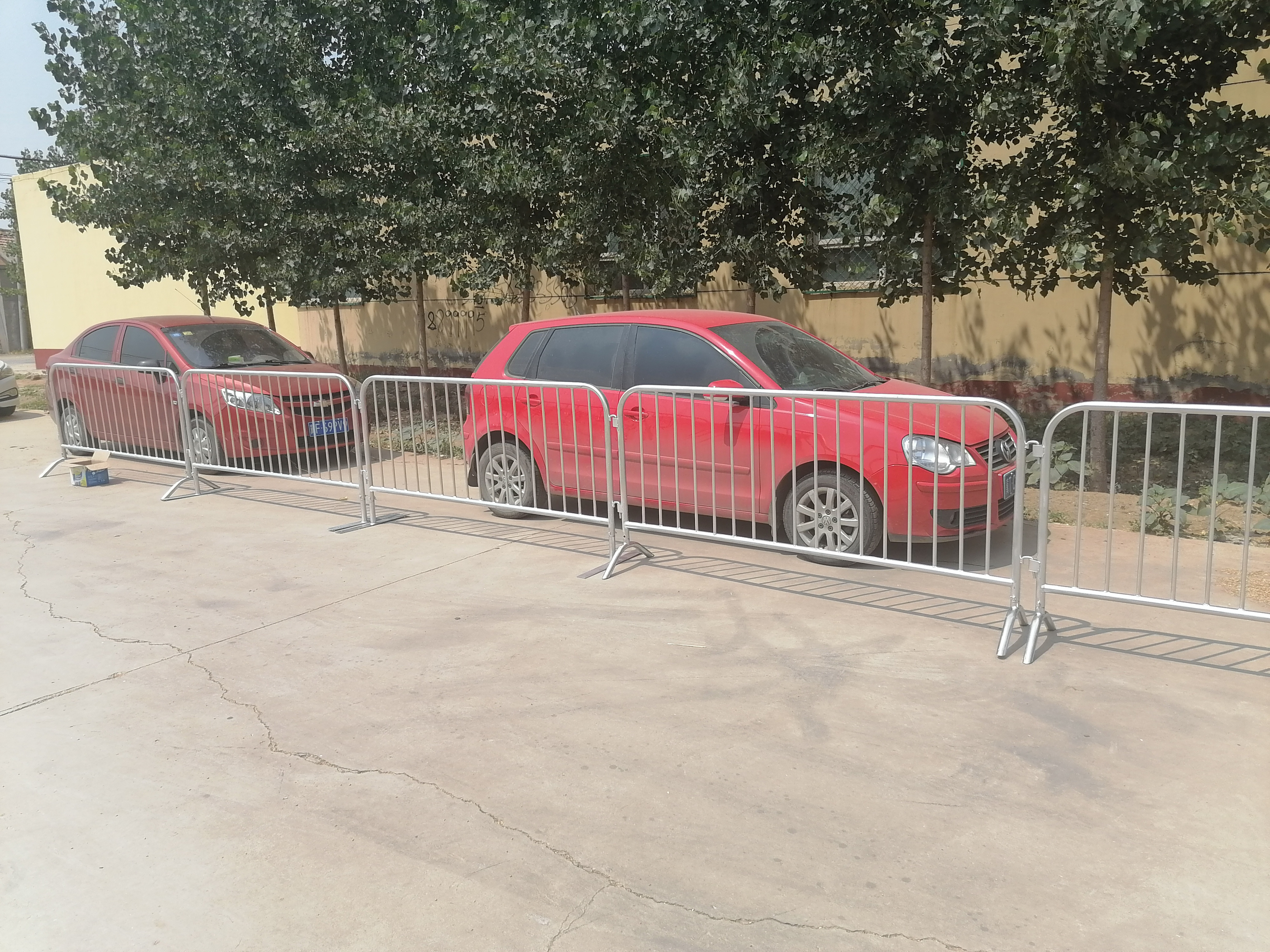
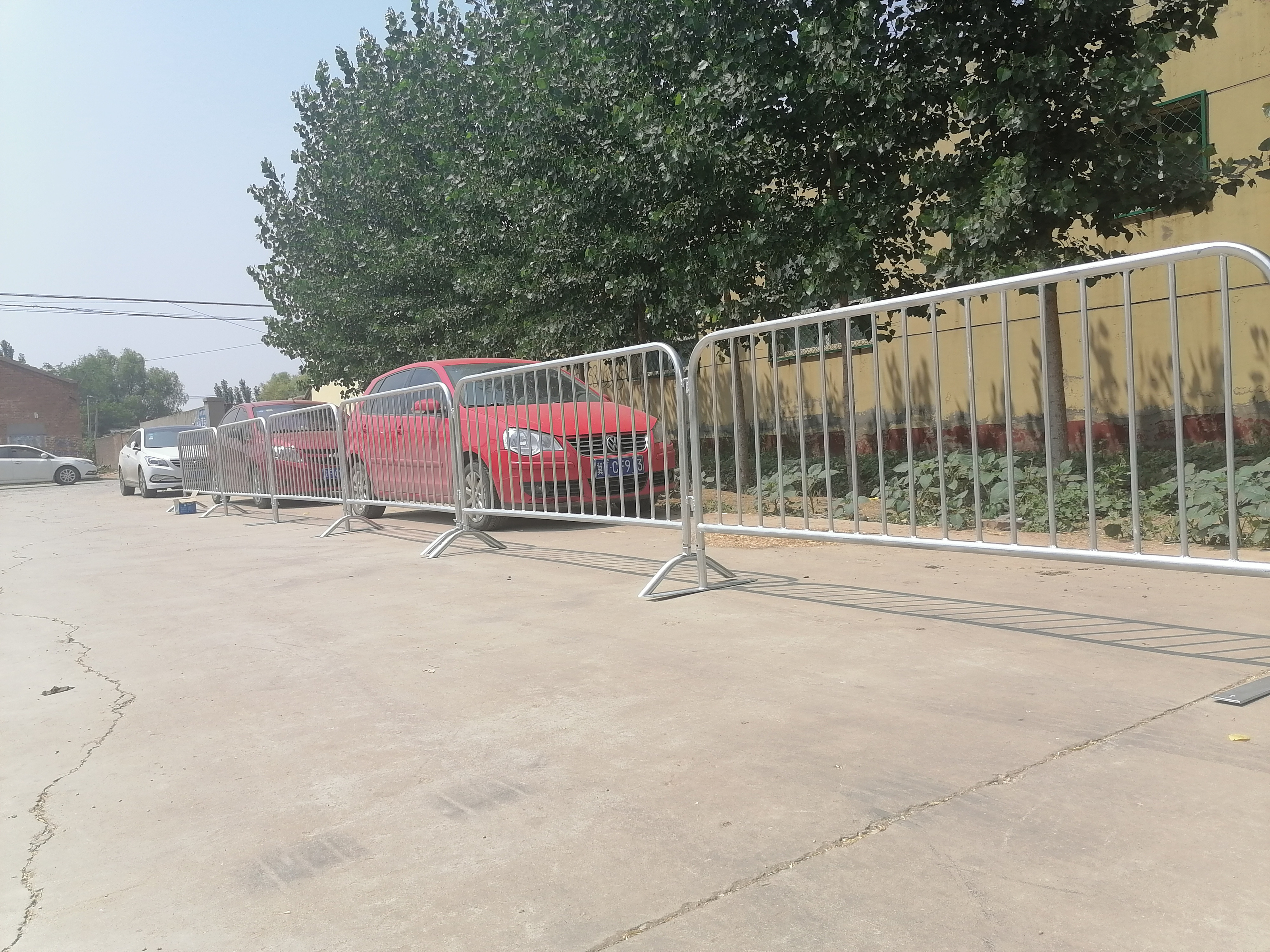
A galvanized crowd control fence is a removable steel barrier panel designed to guide queues, protect work zones, and create temporary perimeter control at events, public venues, construction sites, and logistics yards. Many panels look identical in photos, but real performance depends on frame tube size, wall thickness, upright tube diameter/thickness, vertical spacing, and—most ignored—the foot system that keeps panels stable under push loads and vibration.
POLYMETAL Galvanized Crowd Control Fence Product Description
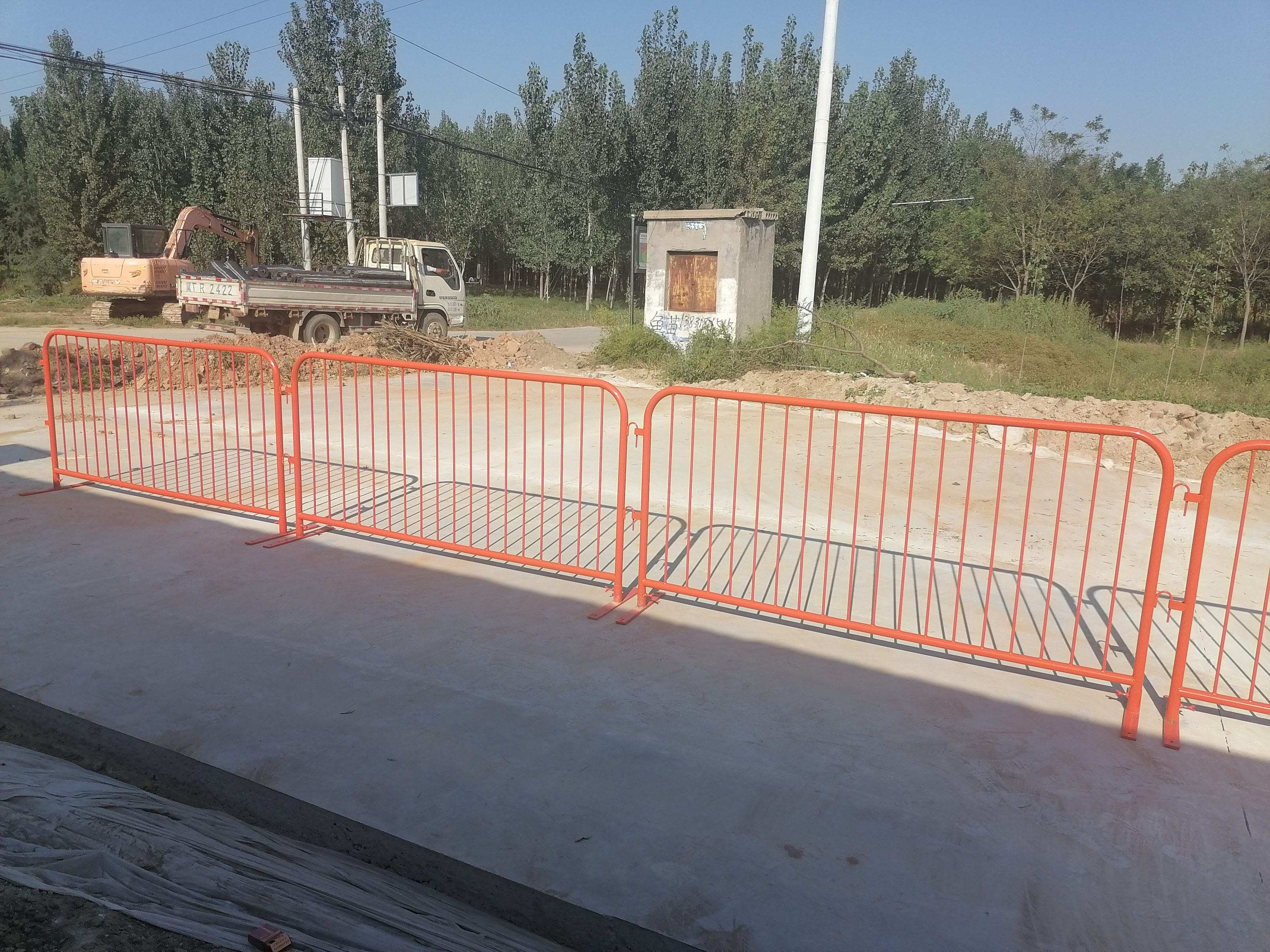
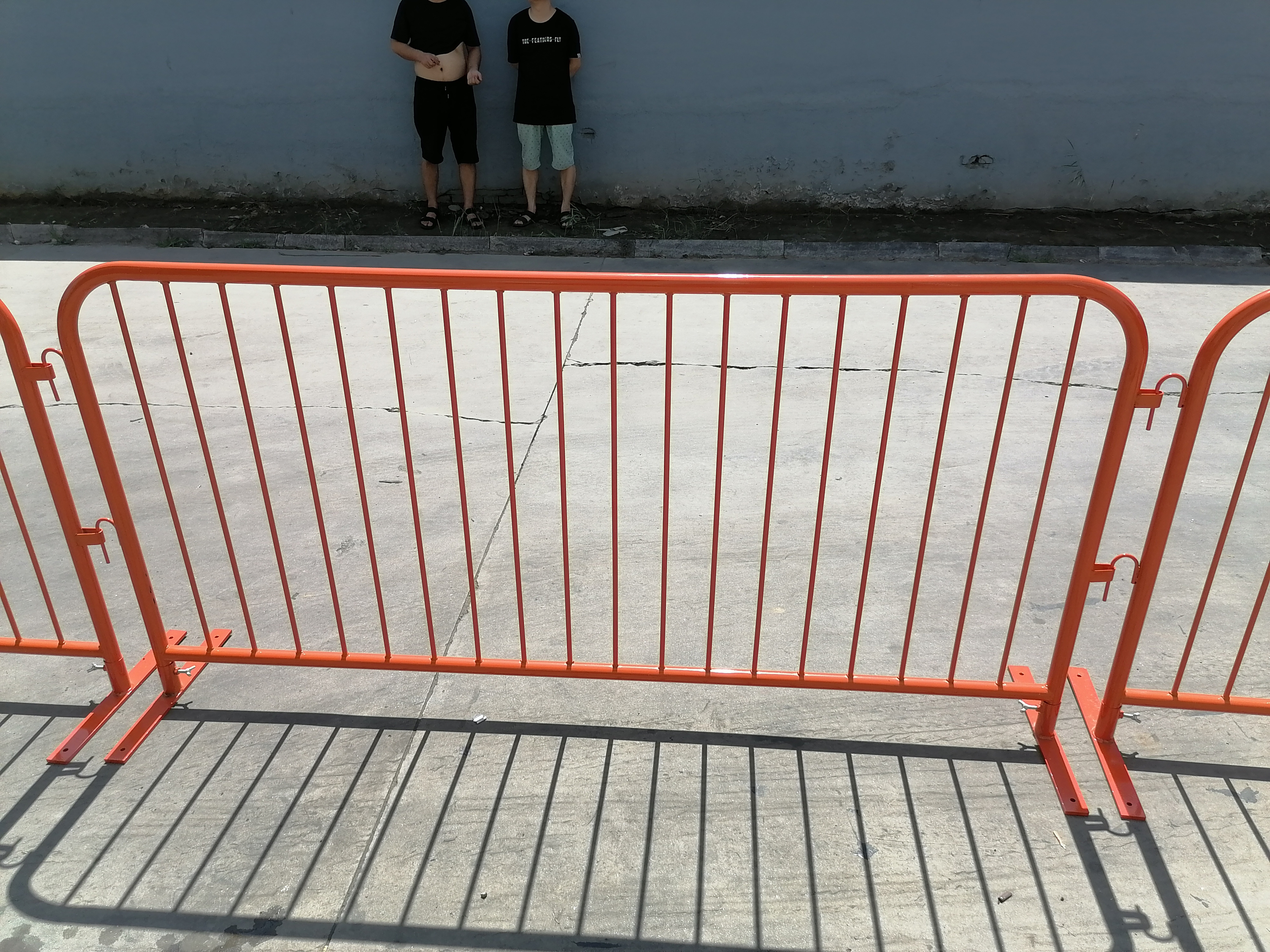
Where a Galvanized Crowd Control Fence Wins
Event & Venue Flow Control
When foot traffic surges, barriers must stay aligned and resist “panel walking” caused by repeated pushes and vibration.
Construction & Worksite Separation
Temporary boundaries only work if they stay upright after bumps from carts, forklifts passing nearby, and daily repositioning.
Public Safety & Queue Management
Spacing and frame rigidity decide whether the line feels solid—or turns into a rattling, unstable hazard that staff constantly re-straighten.
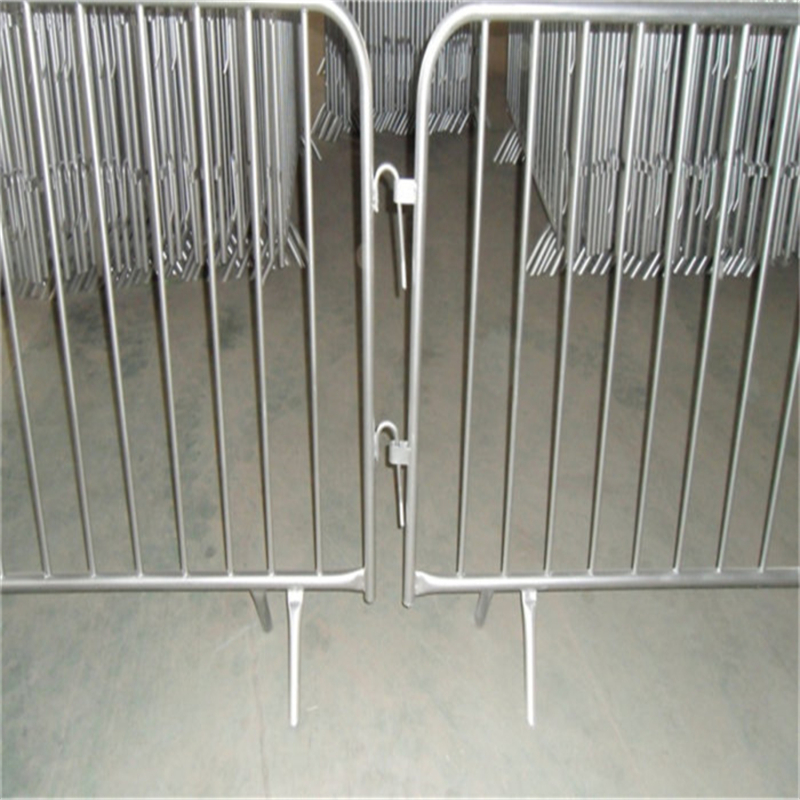
How to Specify the Right System (So It Doesn’t Fail in Week One)
Frame Tube and Wall Thickness
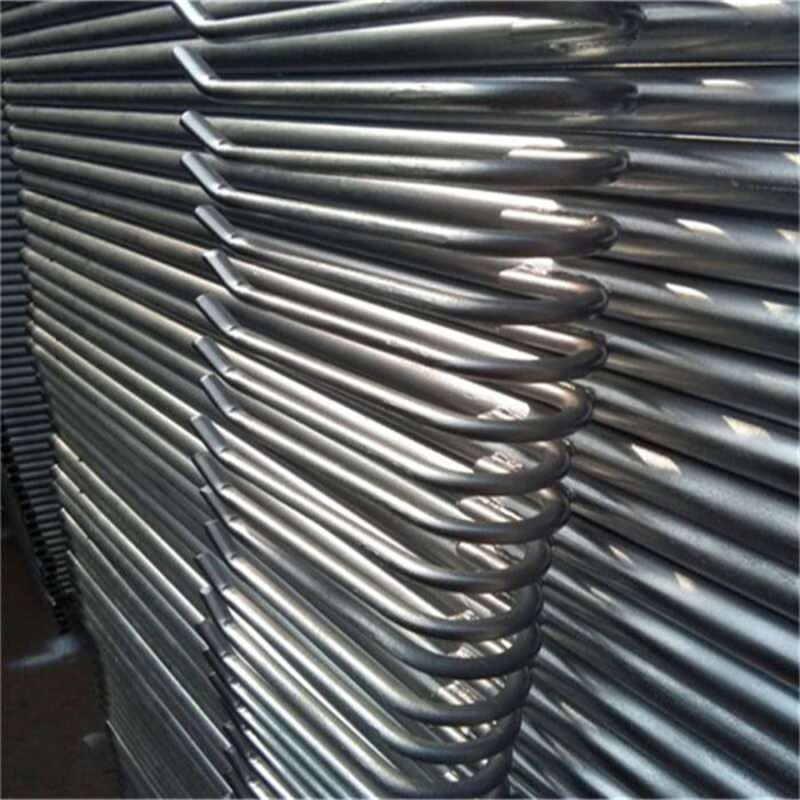
Frame tube size and wall thickness determine how well the panel resists bending during transport, drops, and lateral pushing.
Upright Tube Diameter, Thickness, and Spacing
Uprights are the “face stiffness.” Too thin or too wide spacing creates flex, noise, and rapid fatigue at weld points.
Feet Type (The Stability Decision Most Buyers Underestimate)
Wheel feet improve mobility, bridge feet improve line continuity, and V feet improve resistance to sideways push. Choosing the wrong foot type turns every shift change into rework.
The Top 17 Traps That Decide Whether You Control Crowds—or Pay Twice
Trap #1 Mistake: Buying by photo instead of tube specs
Two panels can look the same, but thin walls bend and stay bent—then the whole line never sits straight again.
Trap #2 Cost: Choosing 25mm frames for push-load zones
Light frames can work for low-contact queues, but fail fast where crowds lean or surge.
Trap #3 Problem: Ignoring upright thickness in repeated deployments
Rehandling cycles punish thin uprights; micro-bends accumulate until the panel rattles and misaligns.
Trap #4 Warning: Using wide spacing where pinch control matters
200mm spacing can be fine for low-risk zones, but it can feel “soft” under pressure and look unsafe.
Trap #5 Failure: Specifying thick frames but thin uprights
A strong border with a weak face still flexes, still rattles, still loosens over time.
Trap #6 Gap: Overlooking weld fatigue from vibration
If a site has constant vibration (traffic, staging decks, loading bays), thin sections fatigue first.
Trap #7 Drawback: Choosing the wrong width for the layout
2.6m panels reduce count but increase leverage; mis-matched specs create “wave lines” under push.
Trap #8 Oversight: Treating feet as “optional accessories”
Feet are load-control hardware—wrong feet equals constant rocking and constant re-leveling.
Trap #9 Trap: Picking wheel feet for stability work
Wheel feet move easily, but that mobility can become drift unless the line design supports it.
Trap #10 Mistake: Picking V feet where line-bridging is required
V feet resist sideways load well, but bridge feet often keep long runs straighter in tight alignments.
Trap #11 Problem: Mixing spacing across one project
Soft sections become the failure points and the whole barrier line starts to look unreliable.
Trap #12 Danger: Cutting wall thickness “to save cost” and creating a repeating repair cycle
When frame walls and uprights are under-specified, panels begin to flex under push load and vibration. Flex becomes movement, movement becomes misalignment, and misalignment becomes repeated re-straightening, re-hooking, and replacement. This is the budget killer because it spreads across the whole deployment, not one damaged panel.
Trap #13 Risk: Under-specifying for transport abuse
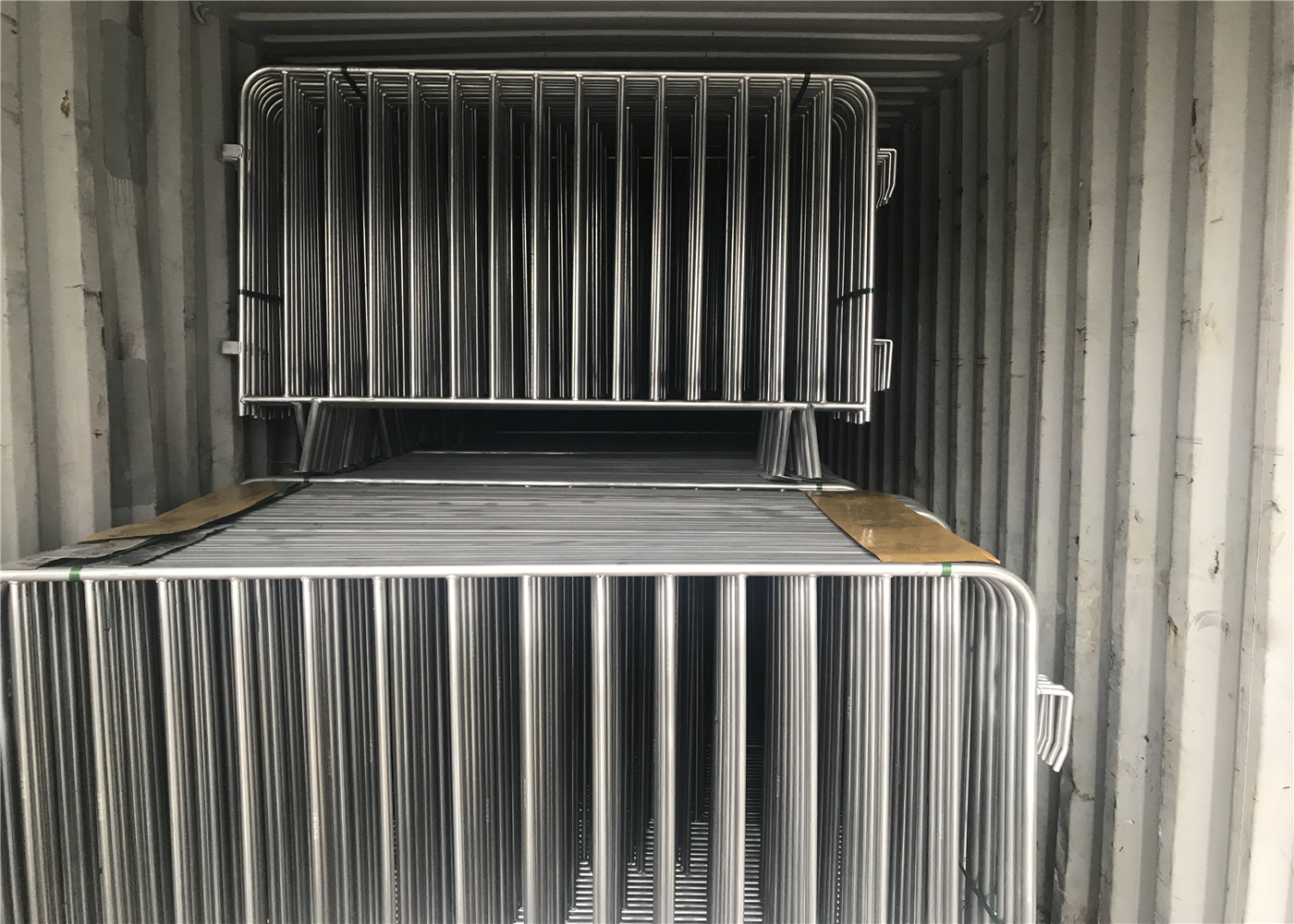
If panels ride loose, thin frames get knocked out of square and never lock cleanly again.
Trap #14 Loss: Choosing spacing that increases snagging
Some environments catch bags, straps, or equipment edges—poor spacing choices increase snag incidents and damage.
Trap #15 Pitfall: Forgetting staff handling reality
If your team moves barriers daily, you need specs that survive drops, drags, and stacking.
Trap #16 Waste: Buying a “one-size” panel for every zone
Entry queues, stage fronts, and worksite edges have different stress profiles—spec systems accordingly.
Trap #17 Crisis: Optimizing unit price instead of control performance
The cheapest barrier becomes the expensive one when labor hours spike and damaged panels multiply.
Specifications in Tables
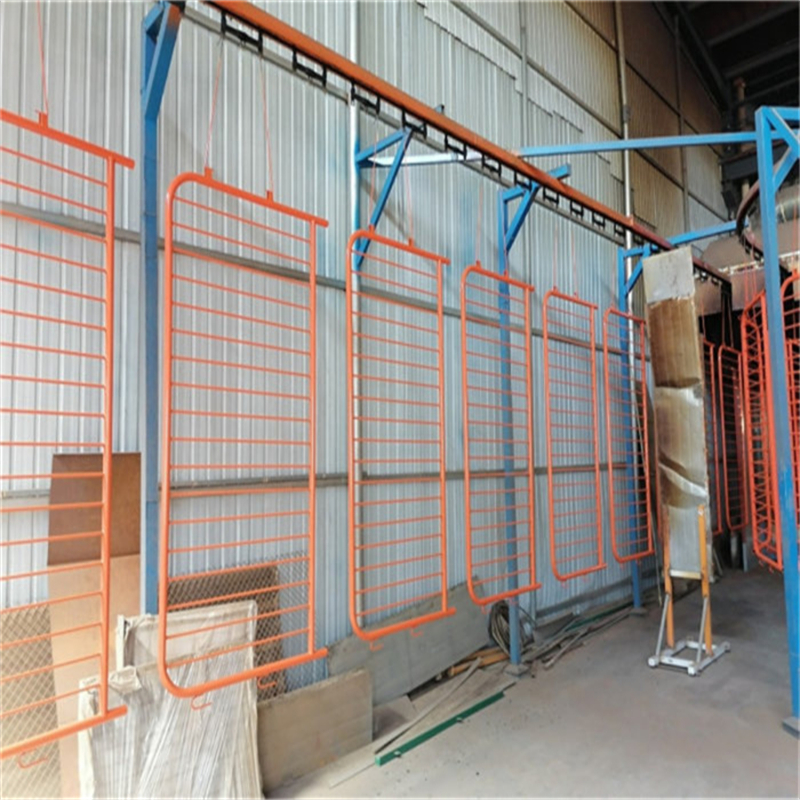
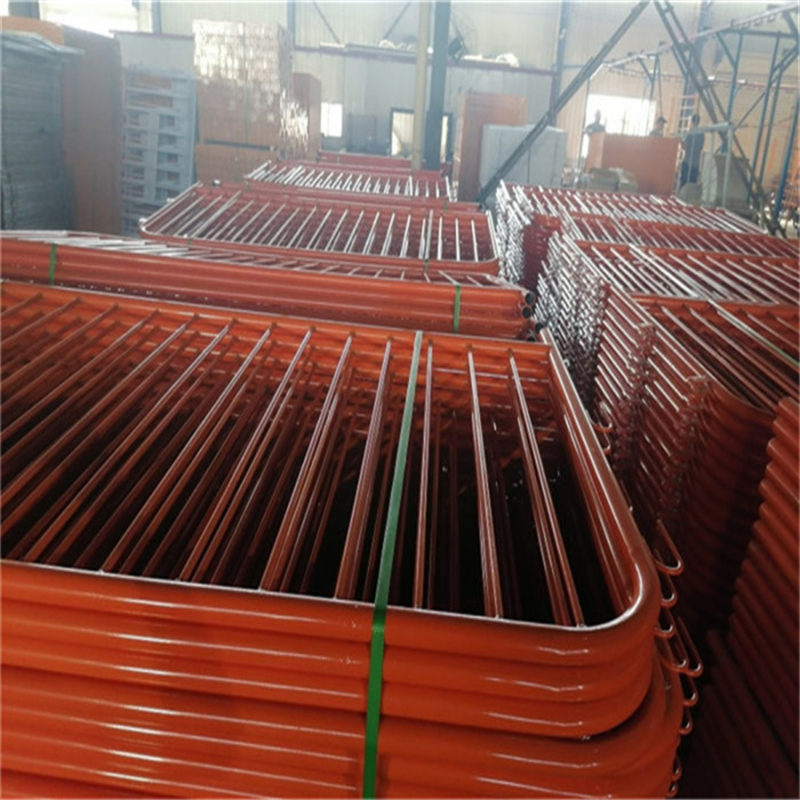
Table 1: POLYMETAL Galvanized Crowd Control Fence – Standard Series (10 Specs)
| Model | Height (m) | Width (m) | Frame Tube (mm) | Frame Wall (mm) | Upright Tube OD (mm) | Upright Thick (mm) | Spacing (mm) | Foot Type | Flat Steel (mm) |
|---|---|---|---|---|---|---|---|---|---|
| GCC-S01 | 1.00 | 2.00 | 25 | 1.5 | 16 | 0.8 | 150 | Bridge feet | 580×50×10 |
| GCC-S02 | 1.00 | 2.20 | 32 | 1.5 | 19 | 0.8 | 100 | V feet | 580×50×10 |
| GCC-S03 | 1.00 | 2.50 | 32 | 1.6 | 16 | 1.0 | 150 | Bridge feet | 580×50×10 |
| GCC-S04 | 1.00 | 2.60 | 35 | 1.6 | 19 | 0.7 | 200 | Wheel feet | 580×50×10 |
| GCC-S05 | 1.06 | 2.00 | 25 | 1.6 | 16 | 0.8 | 100 | V feet | 580×50×10 |
| GCC-S06 | 1.06 | 2.20 | 32 | 1.6 | 12 | 1.0 | 150 | Bridge feet | 580×50×10 |
| GCC-S07 | 1.06 | 2.50 | 35 | 1.5 | 16 | 1.0 | 90 | Bridge feet | 580×50×10 |
| GCC-S08 | 1.06 | 2.60 | 38 | 1.5 | 19 | 0.8 | 150 | Wheel feet | 580×50×10 |
| GCC-S09 | 1.10 | 2.20 | 32 | 1.6 | 16 | 0.8 | 200 | V feet | 580×50×10 |
| GCC-S10 | 1.10 | 2.50 | 35 | 1.6 | 19 | 1.0 | 150 | Bridge feet | 580×50×10 |
Table 2: POLYMETAL Galvanized Crowd Control Fence – High-Stability Series (10 Specs)
| Model | Height (m) | Width (m) | Frame Tube (mm) | Frame Wall (mm) | Upright Tube OD (mm) | Upright Thick (mm) | Spacing (mm) | Foot Type | Flat Steel (mm) |
|---|---|---|---|---|---|---|---|---|---|
| GCC-H01 | 1.10 | 2.00 | 35 | 2.0 | 19 | 1.0 | 100 | Bridge feet | 580×50×10 |
| GCC-H02 | 1.10 | 2.20 | 38 | 2.0 | 19 | 1.2 | 100 | V feet | 580×50×10 |
| GCC-H03 | 1.10 | 2.50 | 38 | 1.6 | 16 | 1.2 | 90 | Bridge feet | 580×50×10 |
| GCC-H04 | 1.10 | 2.60 | 38 | 2.0 | 19 | 1.0 | 150 | Wheel feet | 580×50×10 |
| GCC-H05 | 1.20 | 2.00 | 35 | 2.0 | 16 | 1.2 | 100 | V feet | 580×50×10 |
| GCC-H06 | 1.20 | 2.20 | 38 | 1.6 | 19 | 1.2 | 150 | Bridge feet | 580×50×10 |
| GCC-H07 | 1.20 | 2.50 | 35 | 2.0 | 16 | 1.0 | 90 | Bridge feet | 580×50×10 |
| GCC-H08 | 1.20 | 2.60 | 38 | 2.0 | 19 | 1.2 | 150 | Wheel feet | 580×50×10 |
| GCC-H09 | 1.06 | 2.50 | 35 | 2.0 | 16 | 1.0 | 100 | V feet | 580×50×10 |
| GCC-H10 | 1.06 | 2.60 | 38 | 2.0 | 19 | 1.0 | 200 | Bridge feet | 580×50×10 |
Table 3: POLYMETAL Galvanized Crowd Control Fence – Tight-Spacing Series (10 Specs)
| Model | Height (m) | Width (m) | Frame Tube (mm) | Frame Wall (mm) | Upright Tube OD (mm) | Upright Thick (mm) | Spacing (mm) | Foot Type | Flat Steel (mm) |
|---|---|---|---|---|---|---|---|---|---|
| GCC-T01 | 1.00 | 2.00 | 32 | 1.6 | 16 | 1.0 | 90 | Bridge feet | 580×50×10 |
| GCC-T02 | 1.00 | 2.20 | 35 | 1.6 | 19 | 0.8 | 90 | V feet | 580×50×10 |
| GCC-T03 | 1.00 | 2.50 | 35 | 2.0 | 16 | 1.0 | 90 | Bridge feet | 580×50×10 |
| GCC-T04 | 1.00 | 2.60 | 38 | 1.6 | 19 | 1.0 | 90 | Wheel feet | 580×50×10 |
| GCC-T05 | 1.06 | 2.00 | 32 | 1.6 | 12 | 1.2 | 90 | V feet | 580×50×10 |
| GCC-T06 | 1.06 | 2.20 | 35 | 1.5 | 16 | 1.0 | 90 | Bridge feet | 580×50×10 |
| GCC-T07 | 1.10 | 2.00 | 35 | 2.0 | 19 | 1.0 | 90 | Bridge feet | 580×50×10 |
| GCC-T08 | 1.10 | 2.20 | 38 | 1.6 | 16 | 1.2 | 90 | V feet | 580×50×10 |
| GCC-T09 | 1.20 | 2.50 | 38 | 2.0 | 19 | 1.2 | 90 | Bridge feet | 580×50×10 |
| GCC-T10 | 1.20 | 2.60 | 38 | 2.0 | 16 | 1.2 | 90 | Wheel feet | 580×50×10 |
Table 4: POLYMETAL Galvanized Crowd Control Fence – Wide-Run Series (10 Specs)
| Model | Height (m) | Width (m) | Frame Tube (mm) | Frame Wall (mm) | Upright Tube OD (mm) | Upright Thick (mm) | Spacing (mm) | Foot Type | Flat Steel (mm) |
|---|---|---|---|---|---|---|---|---|---|
| GCC-W01 | 1.00 | 2.60 | 35 | 1.5 | 19 | 0.7 | 200 | Wheel feet | 580×50×10 |
| GCC-W02 | 1.06 | 2.60 | 35 | 1.6 | 16 | 0.8 | 200 | Bridge feet | 580×50×10 |
| GCC-W03 | 1.10 | 2.60 | 38 | 1.6 | 19 | 0.8 | 150 | Wheel feet | 580×50×10 |
| GCC-W04 | 1.20 | 2.60 | 38 | 2.0 | 19 | 1.0 | 150 | Bridge feet | 580×50×10 |
| GCC-W05 | 1.00 | 2.50 | 32 | 1.5 | 16 | 0.8 | 200 | V feet | 580×50×10 |
| GCC-W06 | 1.06 | 2.50 | 35 | 1.5 | 12 | 1.0 | 150 | Bridge feet | 580×50×10 |
| GCC-W07 | 1.10 | 2.50 | 35 | 1.6 | 16 | 1.0 | 150 | V feet | 580×50×10 |
| GCC-W08 | 1.20 | 2.50 | 38 | 2.0 | 19 | 1.2 | 100 | Bridge feet | 580×50×10 |
| GCC-W09 | 1.06 | 2.20 | 32 | 1.6 | 16 | 0.8 | 200 | Wheel feet | 580×50×10 |
| GCC-W10 | 1.10 | 2.20 | 35 | 2.0 | 19 | 1.0 | 150 | Bridge feet | 580×50×10 |
Table 5: POLYMETAL Galvanized Crowd Control Fence – Mixed-Duty Snapshot (10 Specs)
| Model | Height (m) | Width (m) | Frame Tube (mm) | Frame Wall (mm) | Upright Tube OD (mm) | Upright Thick (mm) | Spacing (mm) | Foot Type | Flat Steel (mm) |
|---|---|---|---|---|---|---|---|---|---|
| GCC-M01 | 1.00 | 2.00 | 25 | 1.5 | 12 | 0.8 | 100 | Bridge feet | 580×50×10 |
| GCC-M02 | 1.00 | 2.20 | 32 | 1.5 | 16 | 0.7 | 150 | V feet | 580×50×10 |
| GCC-M03 | 1.06 | 2.00 | 25 | 1.6 | 16 | 0.8 | 200 | Bridge feet | 580×50×10 |
| GCC-M04 | 1.06 | 2.20 | 32 | 1.6 | 19 | 0.8 | 100 | Wheel feet | 580×50×10 |
| GCC-M05 | 1.10 | 2.00 | 32 | 1.6 | 16 | 1.0 | 150 | Bridge feet | 580×50×10 |
| GCC-M06 | 1.10 | 2.20 | 35 | 1.6 | 19 | 1.0 | 100 | V feet | 580×50×10 |
| GCC-M07 | 1.20 | 2.00 | 35 | 2.0 | 16 | 1.2 | 150 | Bridge feet | 580×50×10 |
| GCC-M08 | 1.20 | 2.20 | 38 | 1.6 | 19 | 1.2 | 100 | Wheel feet | 580×50×10 |
| GCC-M09 | 1.10 | 2.50 | 35 | 2.0 | 12 | 1.2 | 150 | Bridge feet | 580×50×10 |
| GCC-M10 | 1.06 | 2.60 | 38 | 1.6 | 19 | 1.0 | 200 | V feet | 580×50×10 |
Applications of a Galvanized Crowd Control Fence
Events & venues: concerts, festivals, sports matches, parades, marathons (queue lanes, entry/exit control, backstage separation).
Public spaces: malls, transit hubs, airports, stations (guided pedestrian routing, temporary closures).
Construction & maintenance: sidewalk detours, roadworks, utility repairs (keep people away from hazards while keeping flow moving).
Retail & promotions: product launches, pop-ups, holiday lines (orderly queuing and staff-only zones).
Emergency & incident response: temporary perimeter control during inspections, cleanup, or restricted-area management.
Facilities & operations: warehouses, loading bays, depots (separating vehicle paths and foot traffic).
Schools & campuses: event-day management, temporary access control for assemblies and crowd-heavy periods.
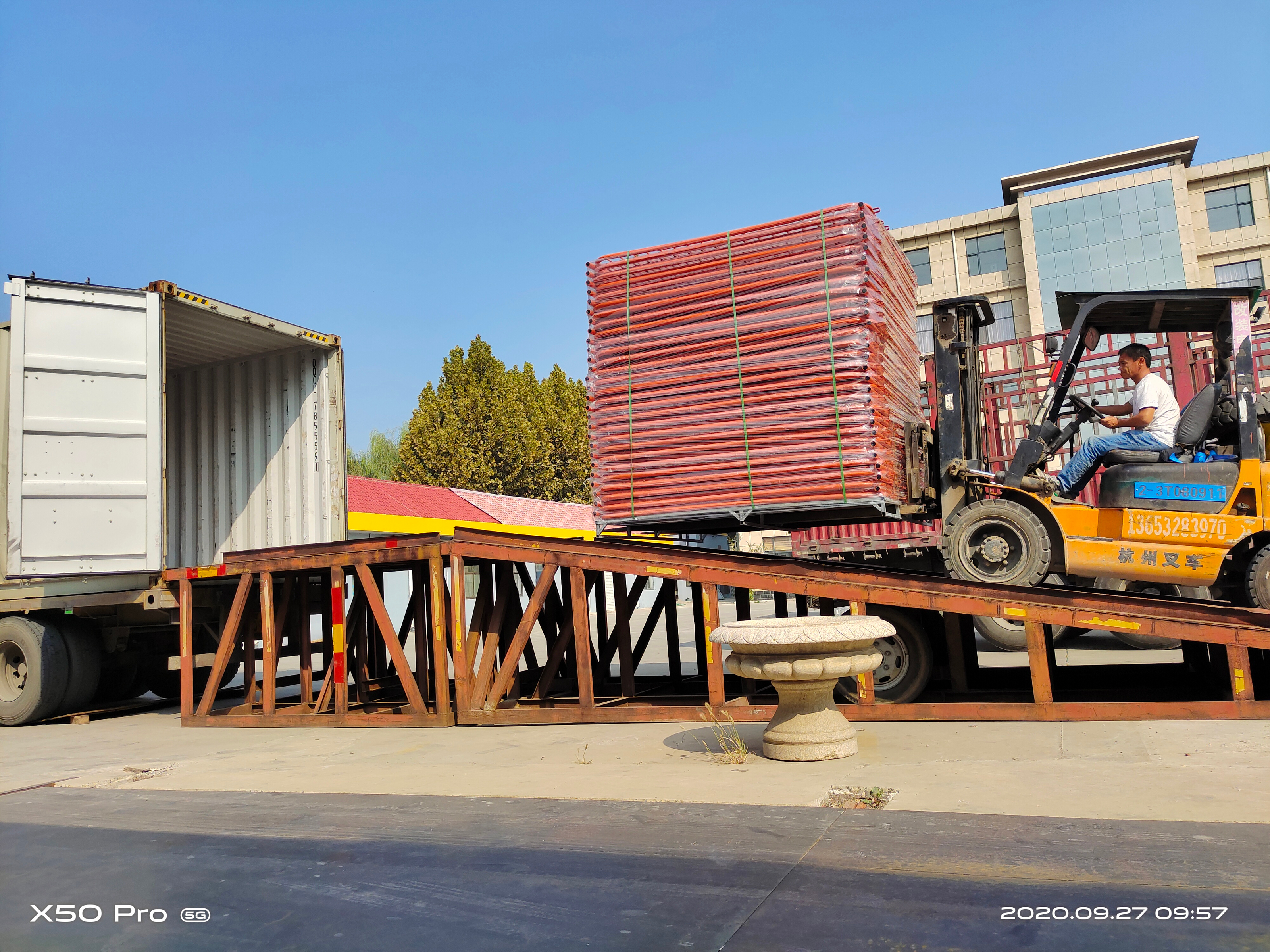
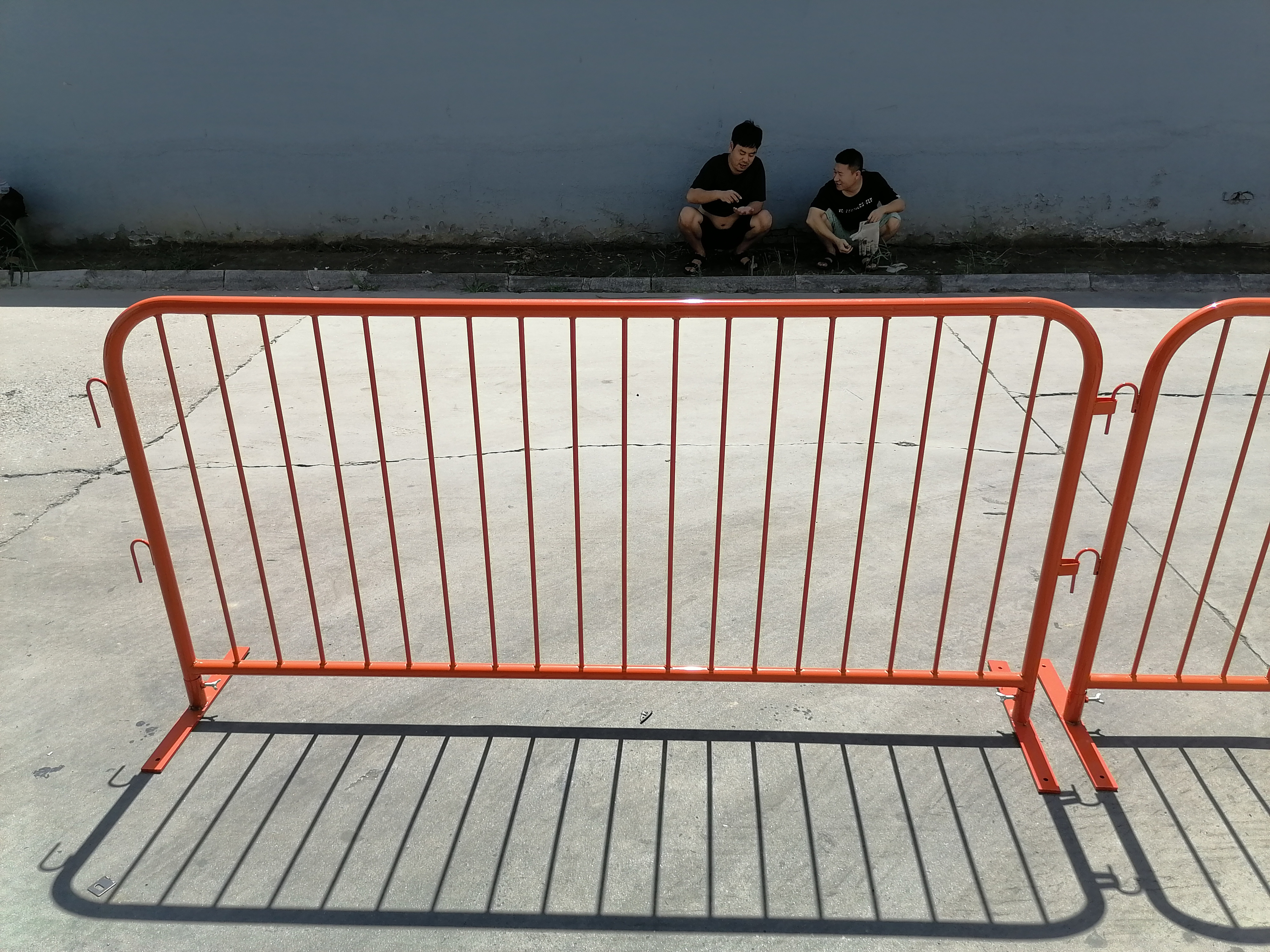
Benefits of Galvanized Crowd Control Fence
- Corrosion resistance: galvanizing helps the barrier survive outdoor exposure, rain, and frequent handling without fast rusting.
- Repeat deployment value: designed to be moved, stacked, transported, and reused—lower cost per use over time.
- Fast setup & modular control: panels interlock to create long straight lines, corners, or “pens” quickly.
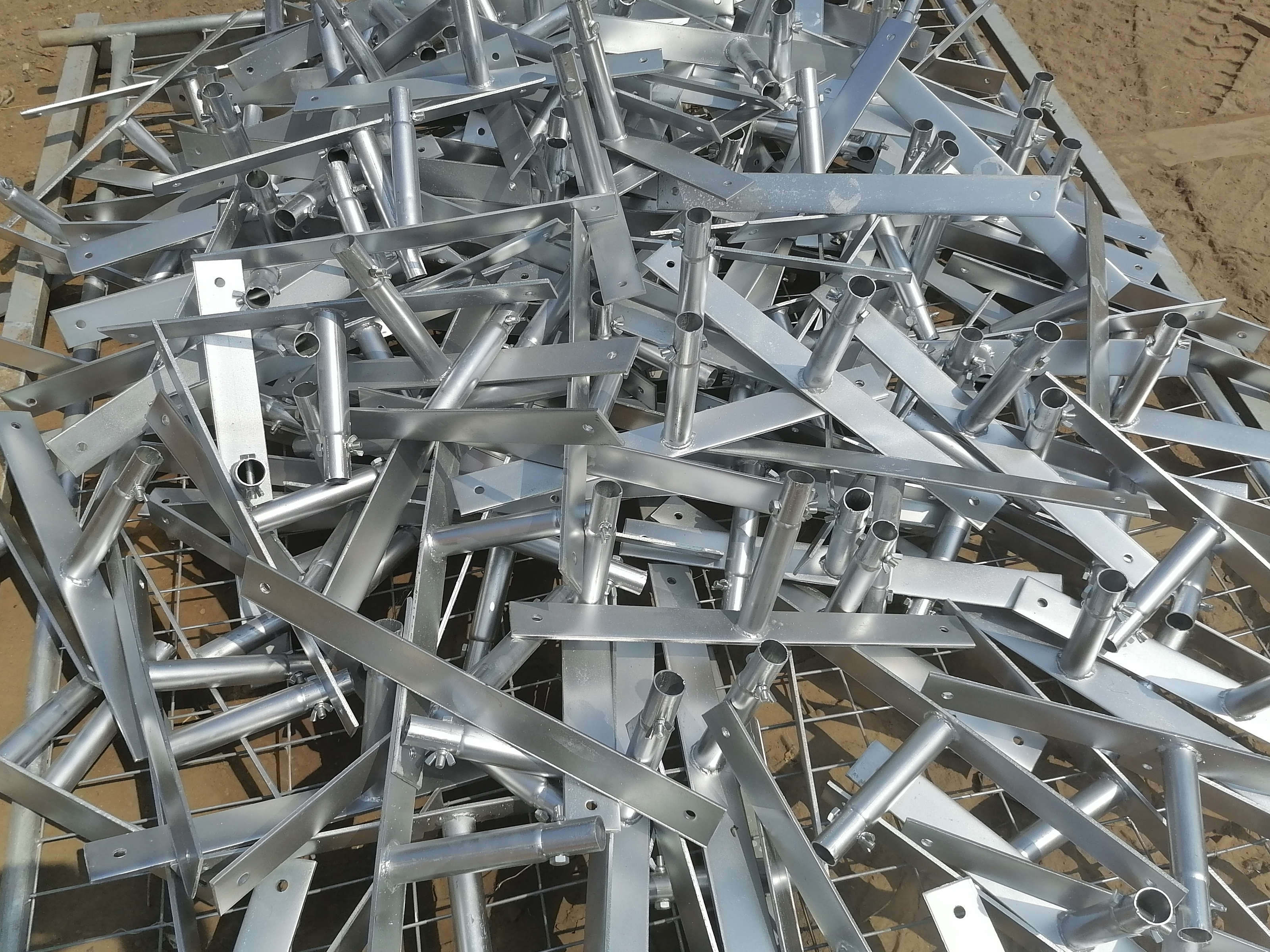
- Predictable stability: proper base designs (flat steel base, bridge feet, V feet, wheel feet) reduce rocking and keep lines aligned.
- Better safety control: spacing and height can reduce squeeze points, discourage climbing, and help staff manage flows.
- Lower maintenance burden: less repainting/spot-rust chasing compared with untreated steel in typical use.
- Professional appearance: clean, uniform finish looks organized and “official,” which improves compliance.
FAQs
1) What’s the difference between pre-galvanized and hot-dip galvanized?
Pre-galvanized uses zinc-coated strip/tube before fabrication; hot-dip galvanizing coats the finished welded product. Hot-dip typically offers stronger long-term protection, especially around welds and cut areas.
2) What heights and widths are most common?
Common heights are around 1.0–1.2 m, and common panel widths are 2.0–2.6 m—chosen based on crowd pressure, transport limits, and how quickly you need to build long runs.
3) Which foot type should I choose: flat, bridge, V, or wheel?
Flat base: general-purpose on hard ground; good stacking and stability.
Bridge feet: helps when panels need to sit over uneven surfaces or minor curbs.
V feet: extra stability in certain layouts and directional loads.
Wheel feet: best when barriers must be repositioned frequently.
4) Will a galvanized barrier still rust?
Over time, any steel can show wear—usually where abrasion is heavy (contact points, stacked corners, chain areas). Galvanizing greatly slows corrosion compared to bare steel.
5) Can these barriers be used on grass or uneven ground?
Yes, but stability depends on soil firmness and foot style. On soft or sloped ground, plan for extra support points and smarter layout (shorter spans, more “returns”/bracing).
6) How do I prevent wobble in long runs?
Use consistent interlocking direction, keep bases fully flat, avoid gaps between panels, add returns (angled sections) at intervals, and choose heavier frame tubes if you expect higher crowd pressure or frequent impacts.
7) Are they safe for high-traffic pedestrian routes?
They’re widely used for that purpose, but you should avoid sharp edges, maintain clear walk widths, and ensure bases don’t create trip hazards in tight corridors.
8) How do I store and transport them?
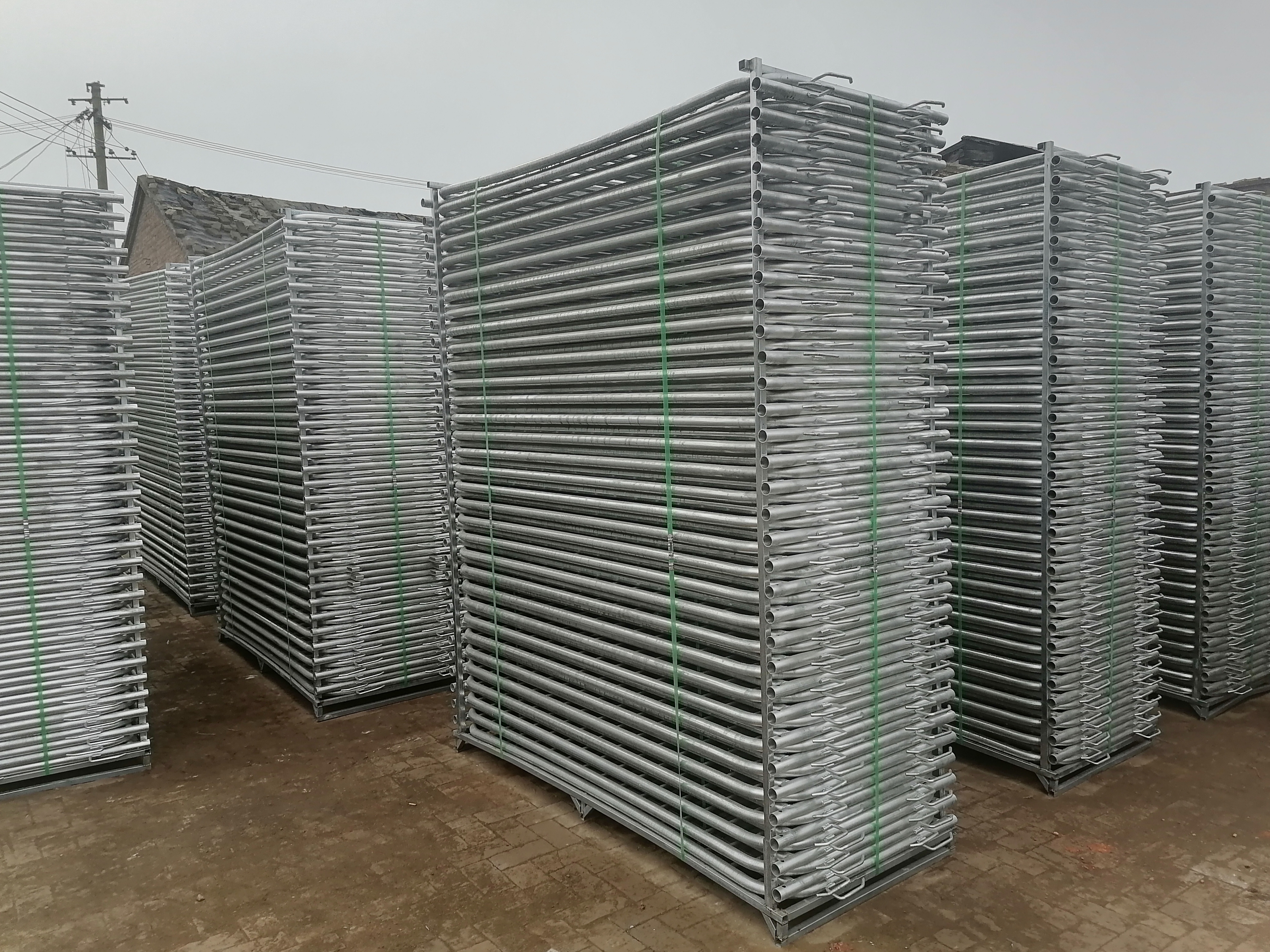
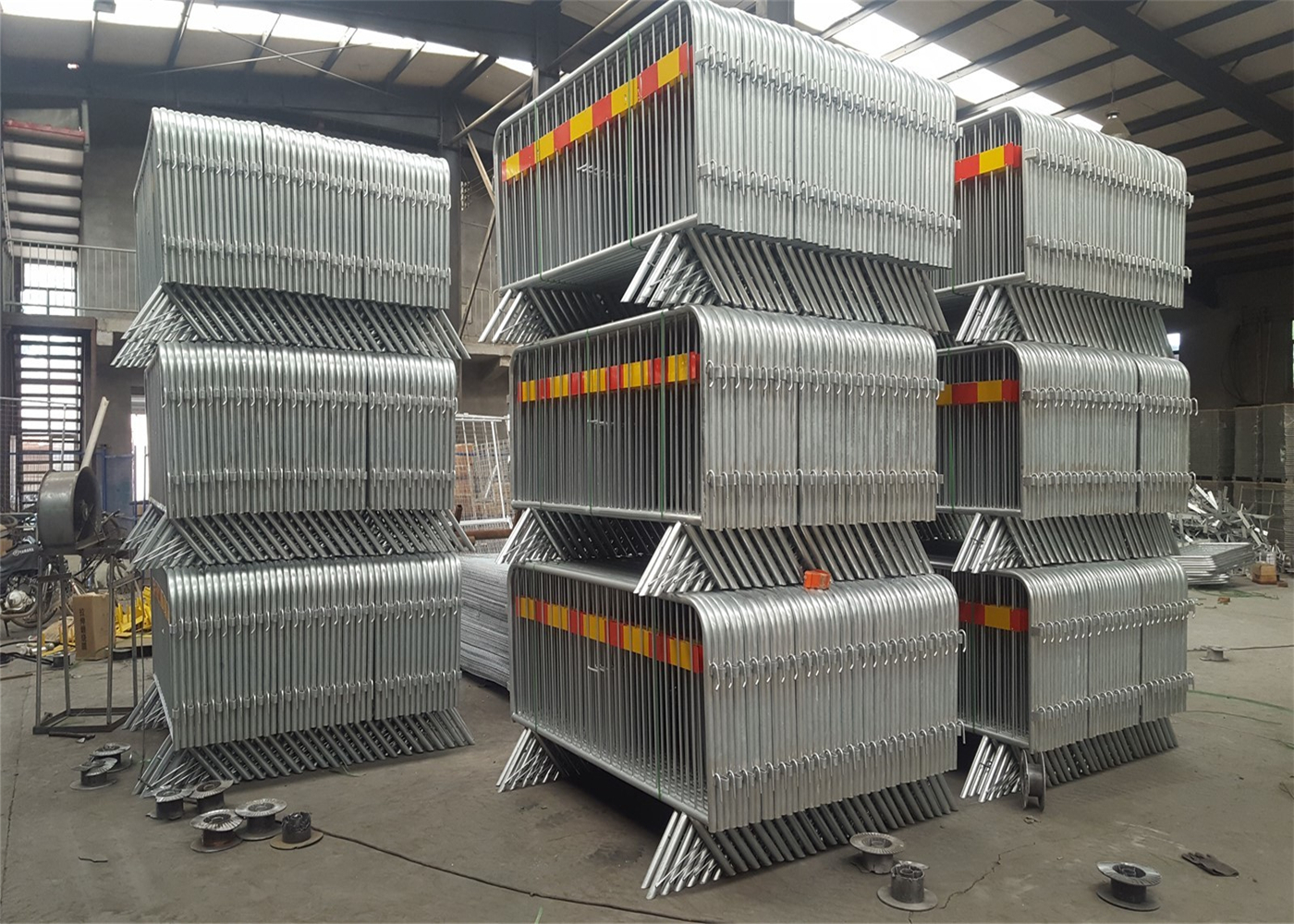
Stack panels in aligned bundles, protect contact points to reduce zinc wear, and avoid dragging to keep the finish intact. Wheel-foot units typically need separate handling plans.
9) Can I customize spacing, frame tube size, or add signage?
Yes—common options include tighter upright spacing, thicker tubes, custom lengths, powder coat over galvanizing, reflective strips, and sign brackets.
10) Do I need powder coating if it’s already galvanized?
Not always. Powder coating adds appearance options and an extra barrier layer, but galvanized-only is often chosen for rugged, low-maintenance deployments.
Conclusion
A galvanized crowd control fence only behaves “safe and solid” when the frame, uprights, spacing, and feet are specified as one system for real push loads, handling cycles, and site vibration. Avoid the Top 17 traps—especially Trap #12 Danger—and you stop wobble, misalignment, and repeat redeploy labor from turning temporary control into permanent cost.