Your One-Stop Wire Mesh Fence Supplier | POLYMETAL

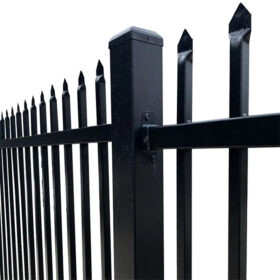
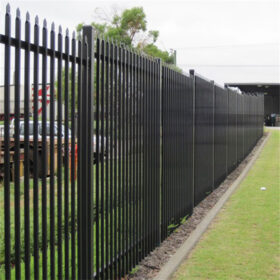
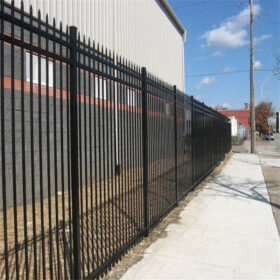
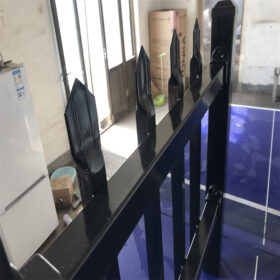
Galvanized Steel Tubular Fencing is widely used in industrial, commercial and high-density residential areas because it combines a strong security barrier with a clean, architectural look. Compared with lightweight garden fencing or low-cost chain mesh, a properly engineered tubular system in hot-dip galvanized steel looks more professional, is harder to cut or bend and gives visitors a clear visual sign that the site is secure and well managed.
Under the POLYMETAL brand, Galvanized Steel Tubular Fencing can be supplied in plain galvanized finish or with an additional polyester powder coat in a range of colours. This allows architects, builders and end users to match corporate branding, school colours or surrounding façade tones, while still keeping all the structural and anti-corrosion advantages of thick-walled galvanized steel tube. Matching pedestrian and driveway gates can be fabricated from the same tubular profiles and, where required, integrated with electronic access control, intercoms and security systems.
The same core POLYMETAL Galvanized Steel Tubular Fencing system can therefore be used across warehouses, logistics yards, substations, public utilities, schools , apartment developments and premium residential front boundaries. However, the wrong design choices and the wrong supplier can turn a strong fence into a long-term problem. The following 11 items highlight the key facts, traps, hazards and other critical angles you must not overlook.



11 high-risk facts, traps and hazards in Galvanized Steel Tubular Fencing
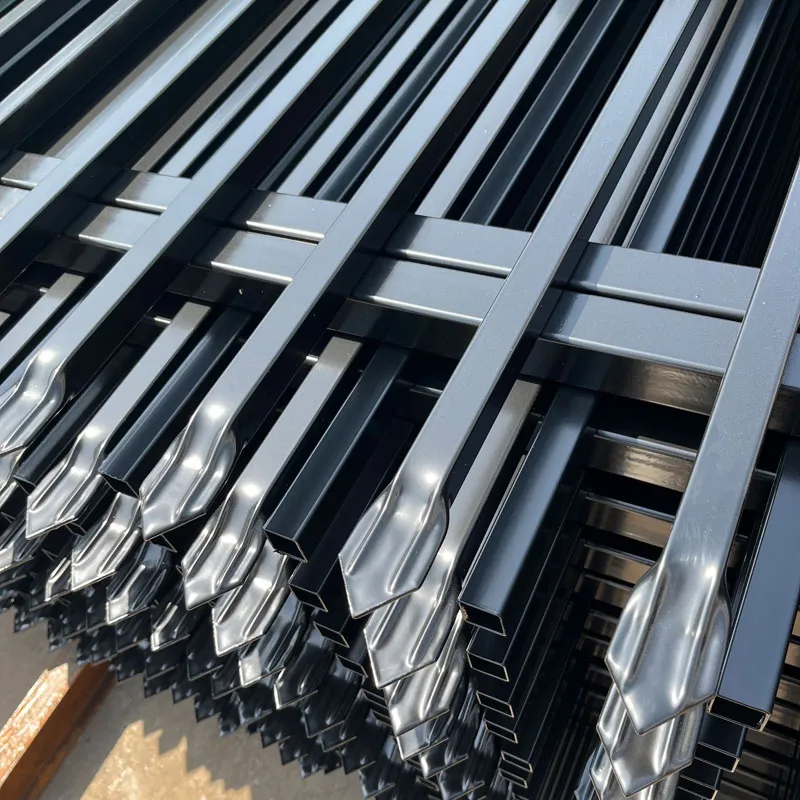
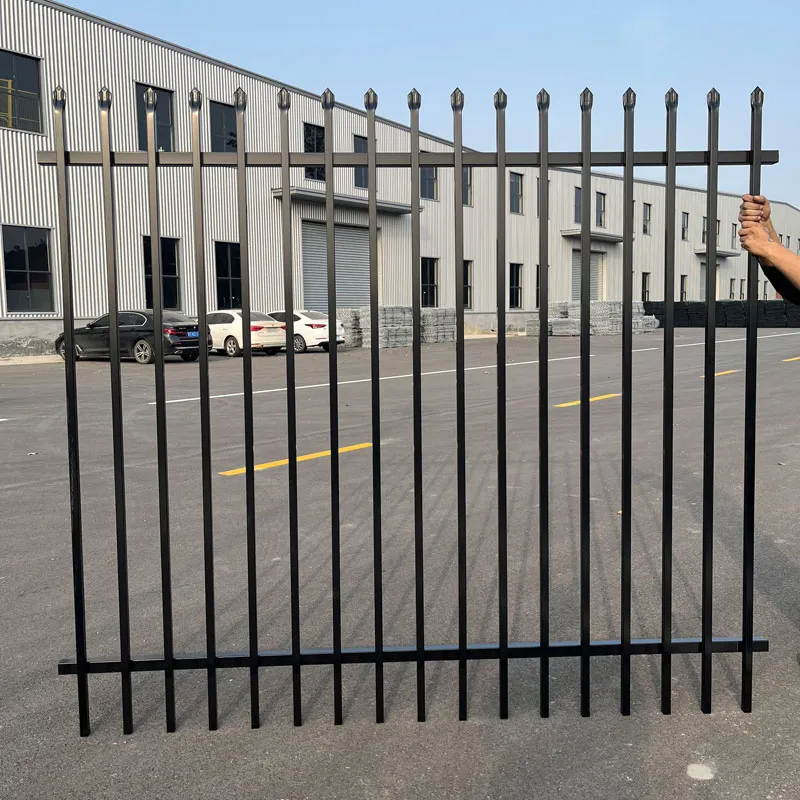
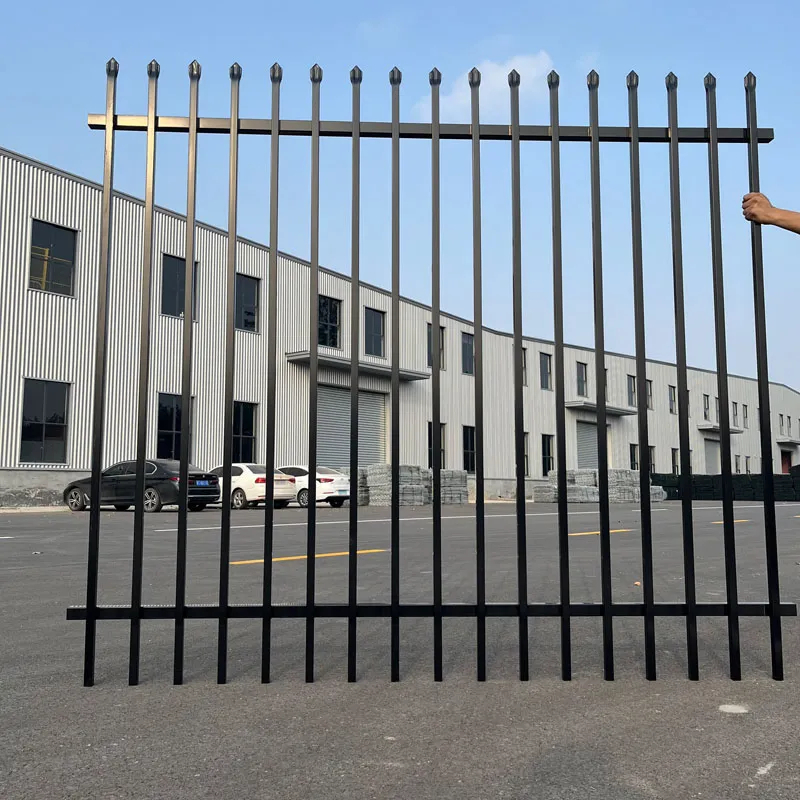
Fact 1 – Not all Galvanized Steel Tubular Fencing uses the same tube profile
Many buyers hold the dangerous illusion that all Galvanized Steel Tubular Fencing is identical as long as it is silver-grey and looks like steel. This is a myth. Tube can range from light 0.9 mm wall material through to robust 1.6 mm or 2.0 mm walls, and the difference only becomes obvious when the fence is hit, climbed or exposed to high winds. POLYMETAL designs its tubular rails and uprights around structural-grade tube with controlled wall thickness, so the fence behaves like a permanent barrier rather than a decorative screen.
Trap 2 – Ignoring fence height, bay width and upright spacing data
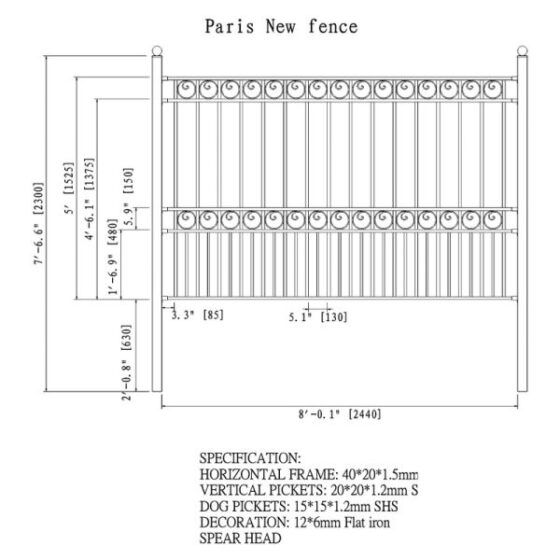
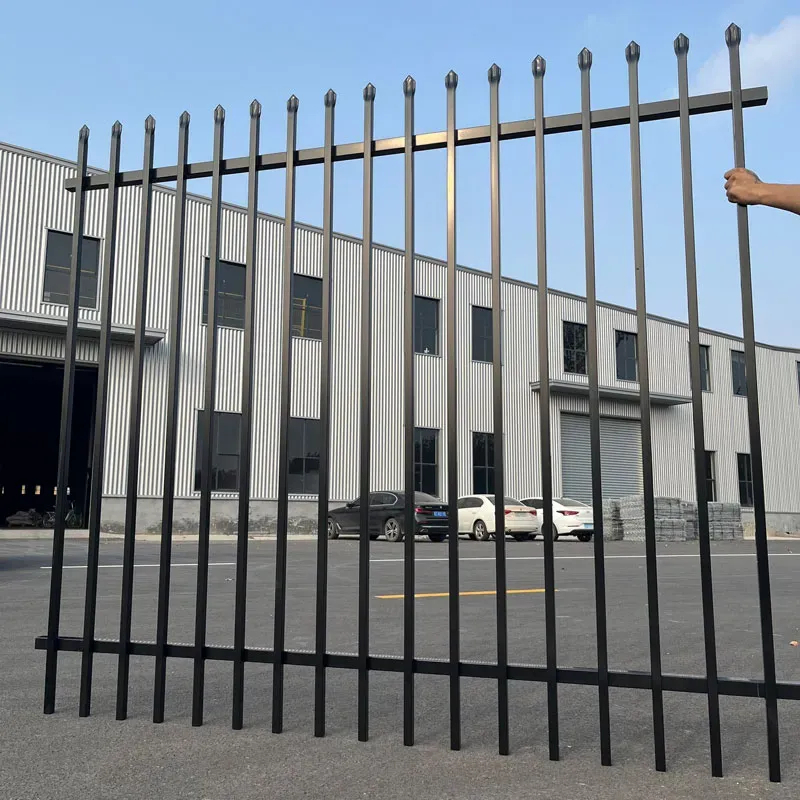
A common trap is to focus only on the overall length of the fence and forget the critical data: fence height, bay width and upright spacing. If you choose the wrong combination, you unintentionally create easy hand- and foot-holds for intruders. POLYMETAL Galvanized Steel Tubular Fencing typically uses a bay width around 2400–2450 mm with upright spacing at about 100 mm centre-to-centre, giving a pattern that is deliberately difficult to climb while still looking symmetrical and open from a distance.
Hazard 3 – Under-designed rail frame that bends under real-world loads
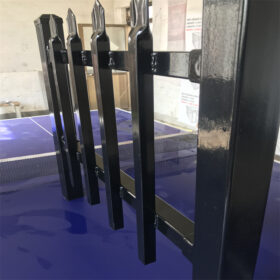
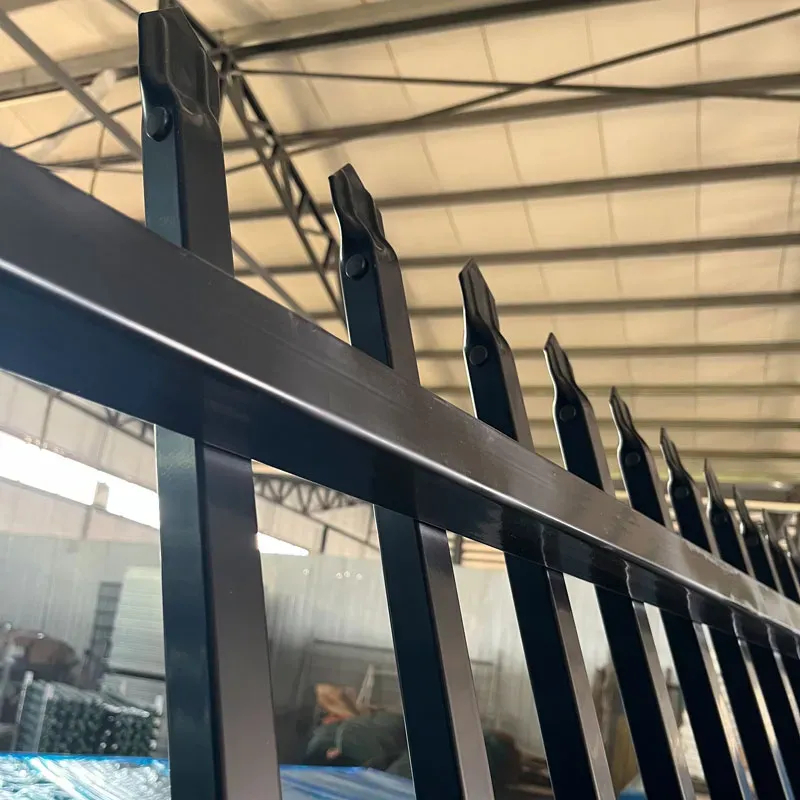
The horizontal rail frame is the backbone of any tubular fence. Using smaller rail sizes or thin walls to cut cost creates a structural hazard: panels may twist, bow or permanently deform under everyday impacts or wind gusts. POLYMETAL uses square hollow section rails such as 40×40 mm, 45×45 mm or 50×50 mm with 1.6–2.5 mm wall thickness, matched to fence height and application. This ensures that the top rail, mid rail and bottom rail can transfer load evenly to the posts instead of acting like flimsy picture frames.
Flaw 4 – Posts that are too short or too light for the fence height
Another serious flaw is using short or light posts behind what appears to be a solid tubular panel. If the post height and section size are not correctly matched to the fence height, the entire line can rock, lean or even fail at ground level. POLYMETAL tubular fence posts are typically 60×60, 65×65, 75×75, 80×80 or 100×100 mm and in lengths from 2400 to 3900 mm, allowing the installer to set enough embedment depth in concrete while still giving correct finished height for 1200–3000 mm fences.
Mistake 5 – Believing galvanizing alone is always enough corrosion protection
A frequent mistake is assuming hot-dip galvanizing automatically makes a fence maintenance free for life. In harsh coastal, industrial or chemically aggressive environments, bare galvanizing can still dull, stain and slowly corrode, especially around cut edges and welds. POLYMETAL fences are produced from pre-galvanized or hot-dip galvanized steel and can be further protected by phosphate pre-treatment and polyester powder coating. This multi-layer protection boosts long-term durability and keeps the fence looking new for years rather than just structurally intact.
Loss 6 – Overlooking the cost of brackets, caps and fasteners
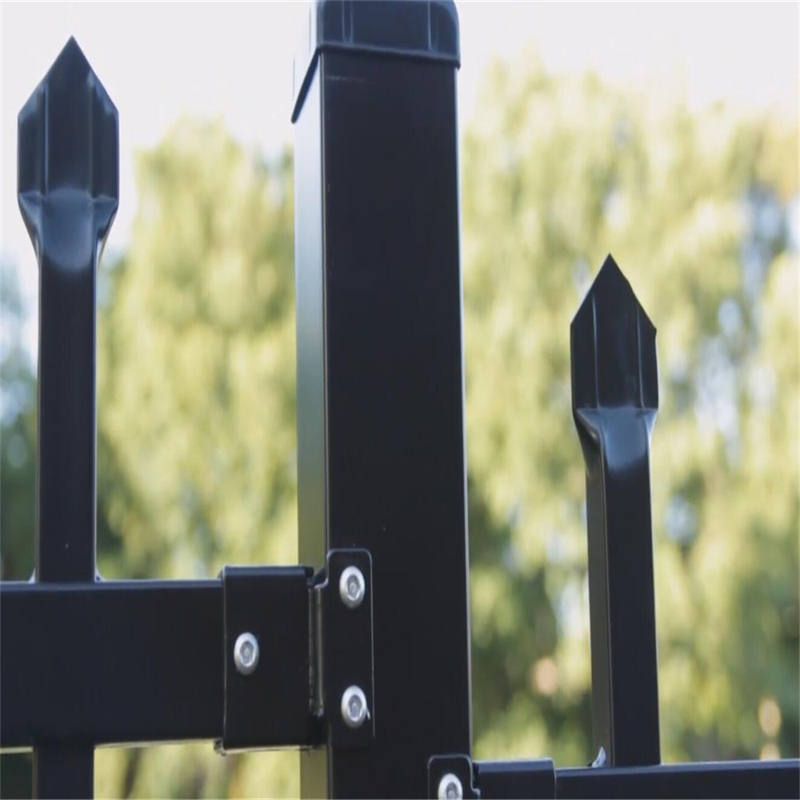
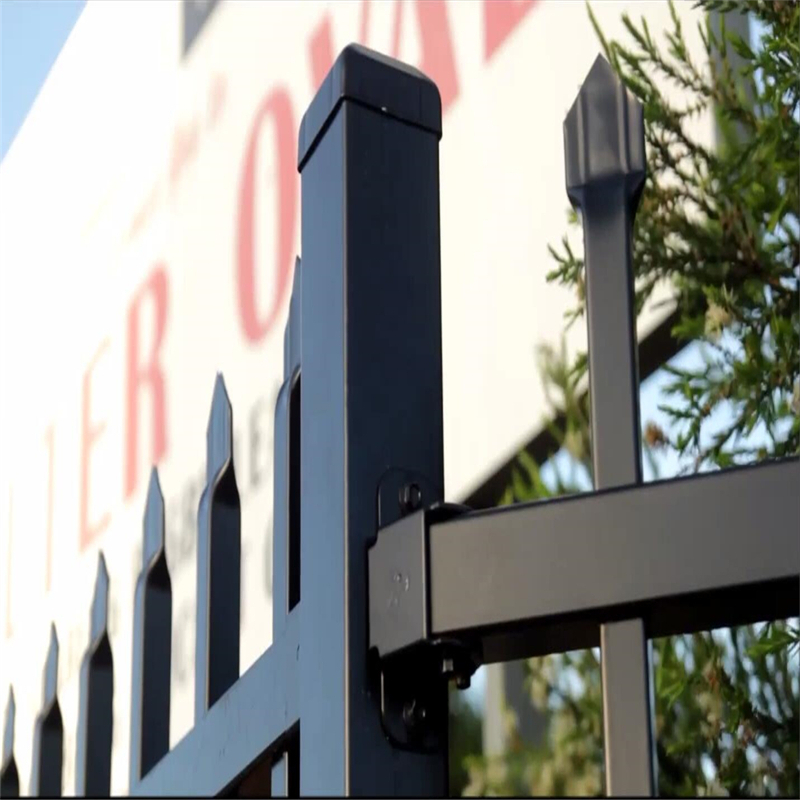
Many projects budget only for panels and posts and forget the hidden loss caused by low-quality brackets, caps and fixings. Cheap brackets can crack, stretch or loosen; caps that do not seal properly let water enter the post and accelerate internal corrosion. POLYMETAL supplies powder-coated steel brackets and matching plastic or metal caps for all post sizes, chosen to lock the system together and protect the post interior from rain and debris, avoiding the long-term loss of premature replacement.
Myth 7 – Thinking all tubular fence gates are easy to automate later
A dangerous myth is that you can install any tubular gate now and add automation later without planning. Gate weight, hinge type, post size and clear opening all affect whether a gate can safely carry a motor, closer or access control hardware. If these are not allowed for in the original design, the later upgrade can become a crisis of extra cost, retrofit work and downtime. POLYMETAL designs gate frames, posts and hardware options so that swing or sliding gates can be automated cleanly when required, without structural compromise or ugly add-ons.
Weakness 8 – Ignoring standards, codes and pool safety rules
Another key weakness is assuming that a strong-looking galvanized tubular fence automatically meets local standards for industrial, commercial or pool applications. Pool regulations, anti-climb requirements, road-boundary setbacks and public-space safety rules can be strict. POLYMETAL Galvanized Steel Tubular Fencing can be specified with compliant heights, rail positions, picket spacing and gate latching to match local requirements, helping avoid fines, rectification works and insurance problems.
Risk 9 – Choosing outdated chain mesh instead of tubular fencing
Some buyers still believe chain mesh fencing is always cheaper and good enough for light industrial use. The pattern has changed: chain mesh is easy to cut, can be stretched or deformed by vandals and usually presents a rough, temporary look that pulls down property value. Galvanized Steel Tubular Fencing offers a better security-to-appearance ratio, stronger welded joints and a clearer deterrent effect. Over the life of the site, the payoff is improved brand image, fewer repairs and a stronger resale or rental position.
Drawback 10 – Underestimating life-cycle cost and visual impact
A serious downside in many fence projects is focusing on the initial quote instead of life-cycle cost. A fence that rusts, sags or goes out of alignment quickly may be cheap in year one but expensive over ten years. Bent tubes, rust stains and peeling coatings send a negative signal to staff, tenants and visitors. POLYMETAL aims to control tube quality, weld integrity, galvanizing and coating so the system holds its line and colour for long periods, lifting overall site appearance rather than dragging it down.
Advantage 11 – Using detailed data and specification as your leverage
The final advantage, and your most powerful leverage, is understanding the data behind Galvanized Steel Tubular Fencing: tube sizes, fence heights, bay widths, upright spacing and post sections. With a clear checklist of specifications, you can compare suppliers using facts instead of vague promises and prevent oversights that turn into defects or failures later. POLYMETAL provides clear profiles, outlines and tables for engineering and purchasing teams, so every fence line is based on verified information rather than guesswork.
Product description – POLYMETAL Galvanized Steel Tubular Fencing
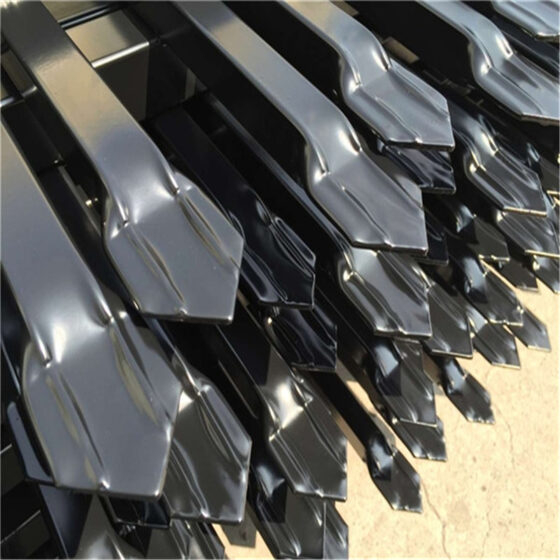
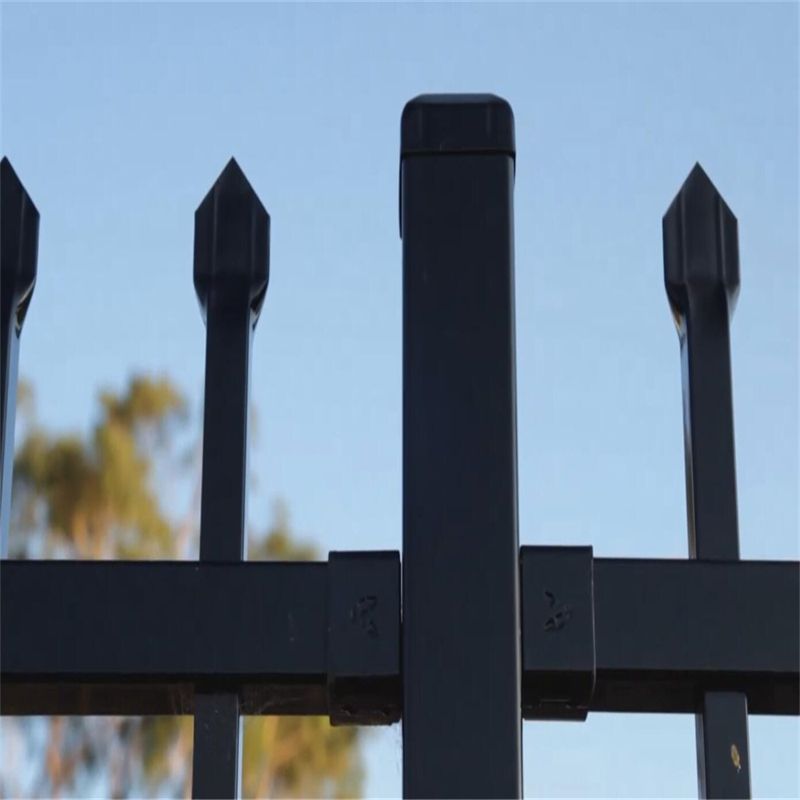
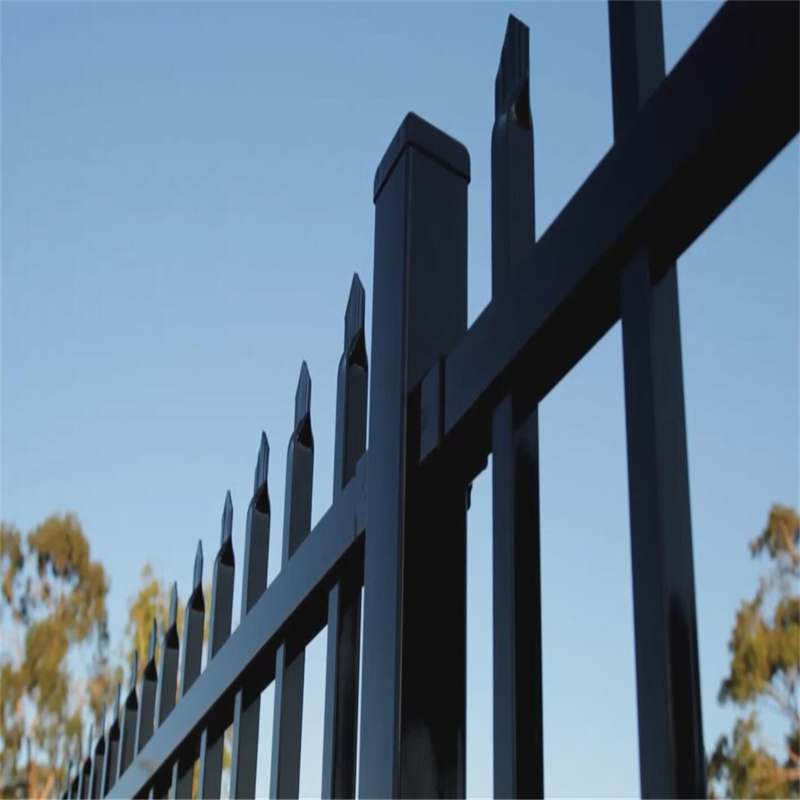
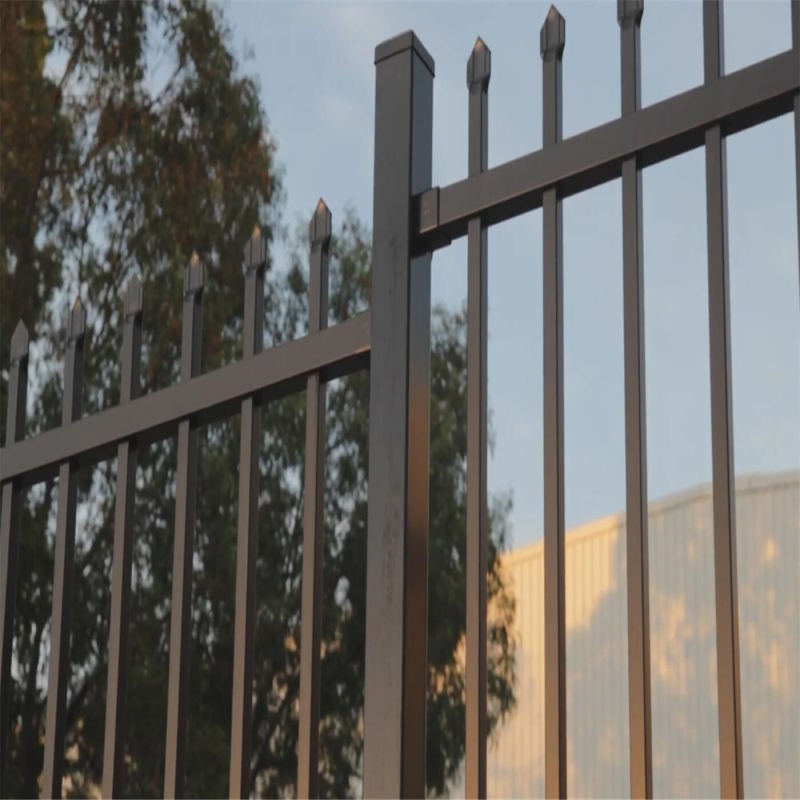
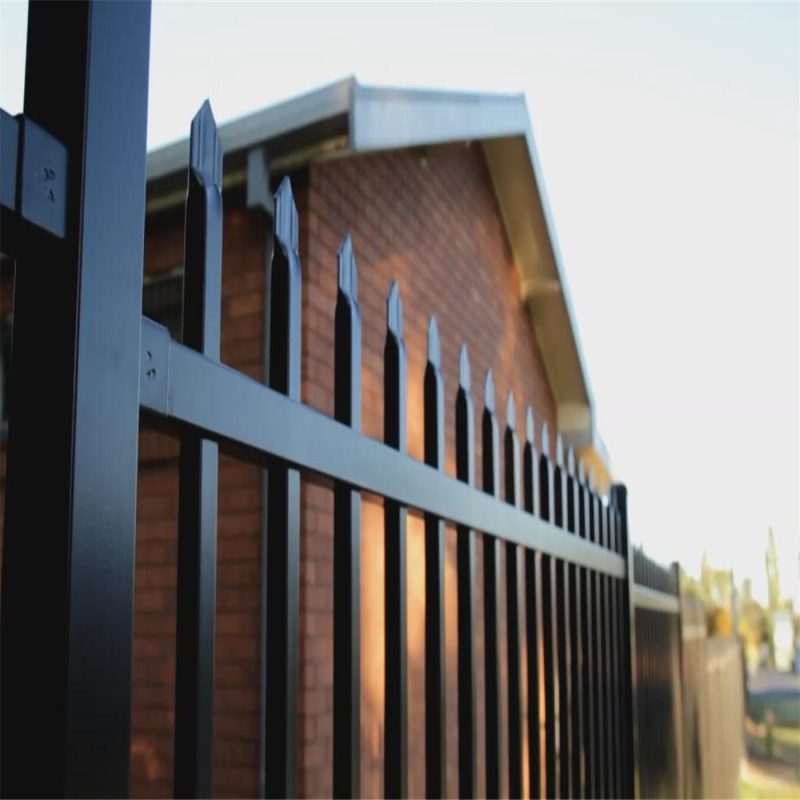
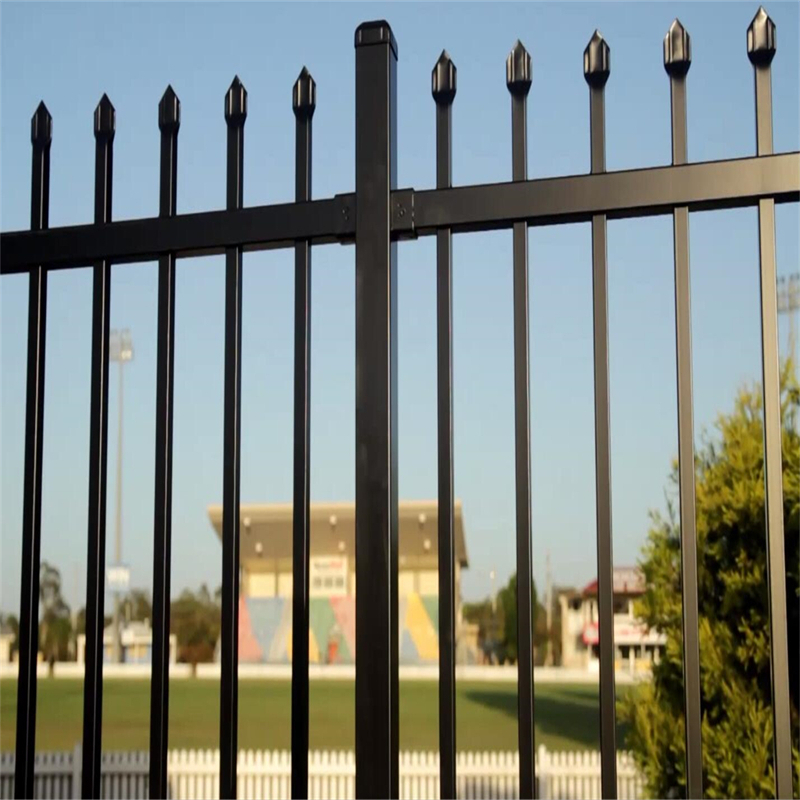
POLYMETAL Galvanized Steel Tubular Fencing is engineered as a durable security and boundary solution for industrial estates, logistics facilities, schools, utilities and high-density residential projects. Each fence line is composed of rectangular or square tubular panels fixed between robust steel posts. The upright tubes form vertical pickets with consistent spacing of around 100 mm, creating an anti-climb pattern that is difficult to scale yet visually open enough to maintain sightlines and natural surveillance.
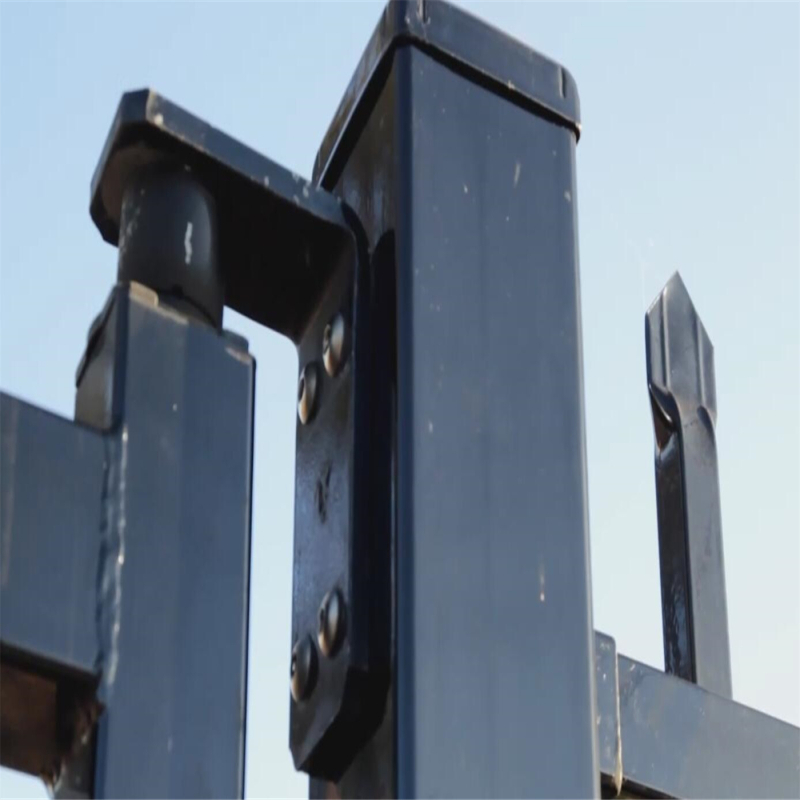
The top and mid rails are fabricated from square hollow section tube such as 40×40, 45×45 or 50×50 mm, selected according to fence height and wind exposure. Uprights are typically 16×16, 25×25 or 30×30 mm tubular steel with 1.2–1.6 mm wall thickness, welded to the rails in a regular pattern. Panel widths are commonly 2400 or 2450 mm, balancing efficient installation with structural performance. Posts are available in sizes like 60×60, 65×65, 75×75, 80×80 and 100×100 mm, and are cut in lengths from 2400 to 3900 mm so that installers can achieve the correct embedment depth and finished fence height in different soil conditions.
All POLYMETAL Galvanized Steel Tubular Fencing components are manufactured from galvanized steel to provide strong corrosion resistance, with the option of additional phosphate pre-treatment and polyester powder coating to improve long-term appearance and durability. Standard finishes include classic galvanized silver and popular architectural colours such as black, grey and green. Matching gates use the same tubular sections and picket patterns, ensuring continuity of style along the entire boundary and allowing both manual and automated access solutions.
By combining carefully specified tube sizes, controlled upright spacing, heavy-duty posts and a disciplined production process, POLYMETAL delivers a Galvanized Steel Tubular Fencing system that looks modern and professional while providing a serious physical barrier against unwanted entry.
Specifications – Galvanized Steel Tubular Fencing (Table 1: Standard 2400 mm width)
| Fence height (mm) | Fence width (mm) | Rail frame (mm) | Upright size (mm) | Upright spacing (mm) | Post height (mm) | Post section (mm) |
|---|---|---|---|---|---|---|
| 1200 | 2400 | 40×40 | 16×16 | 100 | 2400 | 60×60 |
| 1500 | 2400 | 40×40 | 16×16 | 100 | 2450 | 60×60 |
| 1500 | 2400 | 40×40 | 25×25 | 100 | 2450 | 65×65 |
| 1800 | 2400 | 40×40 | 25×25 | 100 | 2700 | 65×65 |
| 1800 | 2400 | 45×45 | 25×25 | 100 | 2700 | 65×65 |
| 1800 | 2400 | 45×45 | 30×30 | 100 | 2700 | 75×75 |
| 2100 | 2400 | 40×40 | 25×25 | 100 | 3000 | 65×65 |
| 2100 | 2400 | 45×45 | 25×25 | 100 | 3000 | 75×75 |
| 2400 | 2400 | 45×45 | 30×30 | 100 | 3300 | 75×75 |
| 2700 | 2400 | 50×50 | 30×30 | 100 | 3600 | 80×80 |
Specifications – Galvanized Steel Tubular Fencing (Table 2: 2450 mm width bays)
| Fence height (mm) | Fence width (mm) | Rail frame (mm) | Upright size (mm) | Upright spacing (mm) | Post height (mm) | Post section (mm) |
|---|---|---|---|---|---|---|
| 1200 | 2450 | 40×40 | 16×16 | 100 | 2400 | 60×60 |
| 1500 | 2450 | 40×40 | 25×25 | 100 | 2450 | 60×60 |
| 1500 | 2450 | 45×45 | 25×25 | 100 | 2450 | 65×65 |
| 1800 | 2450 | 40×40 | 25×25 | 100 | 2700 | 65×65 |
| 1800 | 2450 | 45×45 | 25×25 | 100 | 2700 | 75×75 |
| 1800 | 2450 | 50×50 | 30×30 | 100 | 2700 | 75×75 |
| 2100 | 2450 | 40×40 | 25×25 | 100 | 3000 | 65×65 |
| 2100 | 2450 | 45×45 | 30×30 | 100 | 3000 | 75×75 |
| 2400 | 2450 | 45×45 | 30×30 | 100 | 3300 | 80×80 |
| 2700 | 2450 | 50×50 | 30×30 | 100 | 3600 | 100×100 |
Specifications – Galvanized Steel Tubular Fencing (Table 3: light upright 16×16 mm)
| Fence height (mm) | Fence width (mm) | Rail frame (mm) | Upright size (mm) | Upright spacing (mm) | Post height (mm) | Post section (mm) |
|---|---|---|---|---|---|---|
| 1200 | 2400 | 40×40 | 16×16 | 100 | 2400 | 60×60 |
| 1500 | 2400 | 40×40 | 16×16 | 100 | 2450 | 60×60 |
| 1500 | 2400 | 45×45 | 16×16 | 100 | 2450 | 65×65 |
| 1800 | 2400 | 40×40 | 16×16 | 100 | 2700 | 65×65 |
| 1800 | 2400 | 45×45 | 16×16 | 100 | 2700 | 75×75 |
| 2100 | 2400 | 40×40 | 16×16 | 100 | 3000 | 65×65 |
| 2100 | 2400 | 45×45 | 16×16 | 100 | 3000 | 75×75 |
| 2400 | 2400 | 40×40 | 16×16 | 100 | 3300 | 75×75 |
| 2400 | 2400 | 45×45 | 16×16 | 100 | 3300 | 80×80 |
| 2700 | 2400 | 50×50 | 16×16 | 100 | 3600 | 80×80 |
Specifications – Galvanized Steel Tubular Fencing (Table 4: medium and heavy uprights 25×25 and 30×30 mm)
| Fence height (mm) | Fence width (mm) | Rail frame (mm) | Upright size (mm) | Upright spacing (mm) | Post height (mm) | Post section (mm) |
|---|---|---|---|---|---|---|
| 1200 | 2400 | 40×40 | 25×25 | 100 | 2400 | 60×60 |
| 1500 | 2400 | 40×40 | 25×25 | 100 | 2450 | 60×60 |
| 1500 | 2400 | 45×45 | 25×25 | 100 | 2450 | 65×65 |
| 1800 | 2400 | 40×40 | 25×25 | 100 | 2700 | 65×65 |
| 1800 | 2400 | 45×45 | 30×30 | 100 | 2700 | 75×75 |
| 2100 | 2400 | 45×45 | 25×25 | 100 | 3000 | 65×65 |
| 2100 | 2400 | 50×50 | 30×30 | 100 | 3000 | 75×75 |
| 2400 | 2400 | 45×45 | 30×30 | 100 | 3300 | 80×80 |
| 2700 | 2400 | 50×50 | 30×30 | 100 | 3600 | 80×80 |
| 3000 | 2400 | 50×50 | 30×30 | 100 | 3900 | 100×100 |
Packing
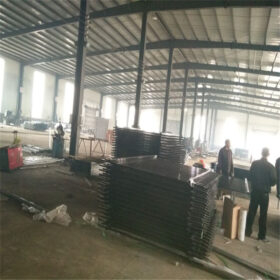
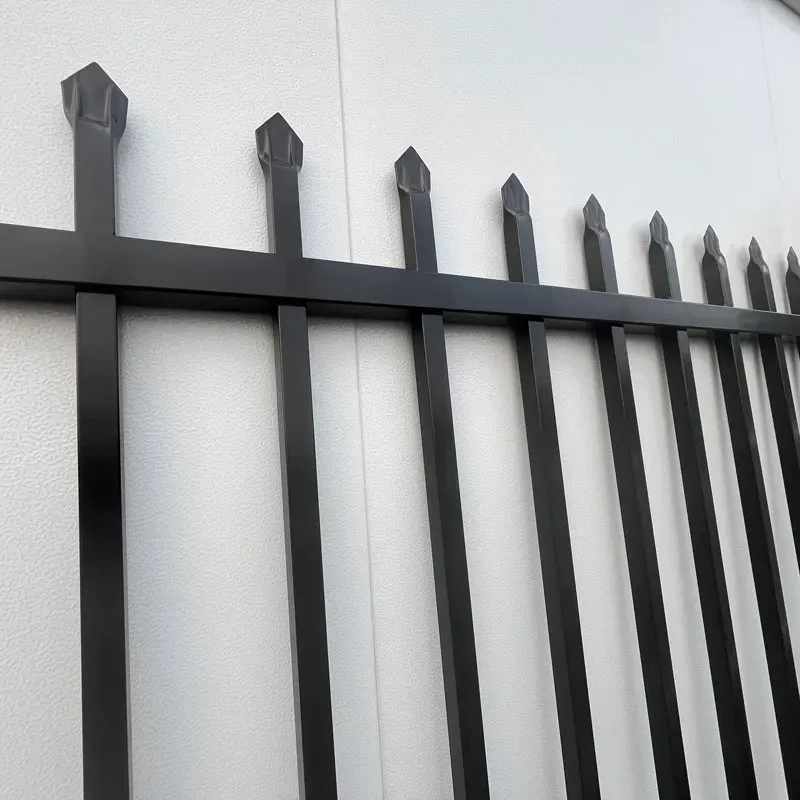
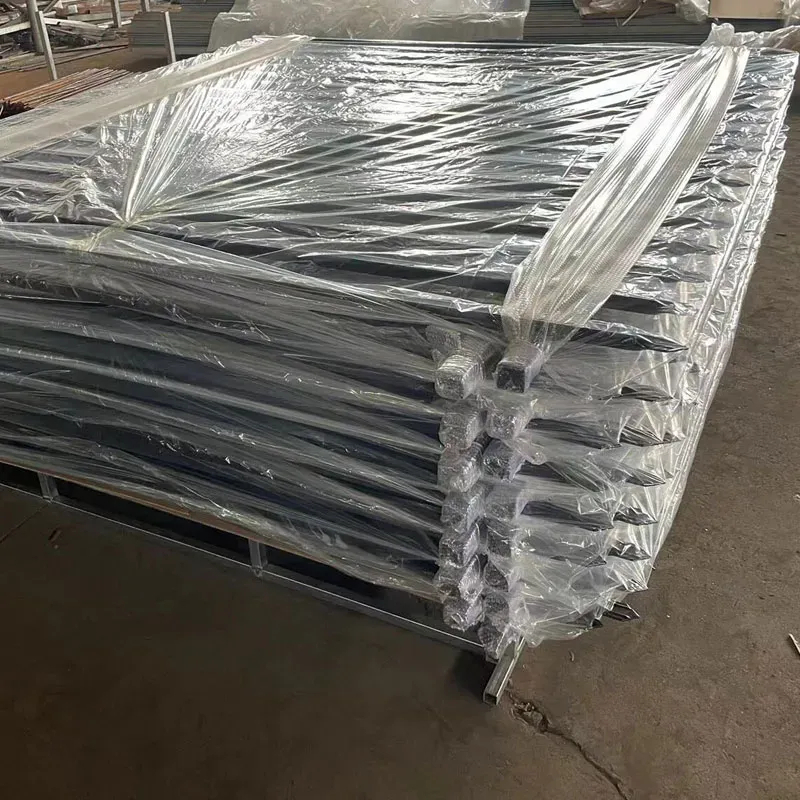
POLYMETAL Galvanized Steel Tubular Fencing panels are packed to protect every rail, upright and welded joint during long-distance transport and on-site handling. Panels are stacked in consistent bundles, with plastic or cardboard separators between layers to prevent steel-to-steel contact and protect the galvanized or powder-coated surface. The crimped or flat tops of uprights are shielded with additional corner protection so that they do not chip or scratch neighbouring panels.
Fence posts are gathered into bundles by size and height, with each bundle clearly labelled to match the corresponding fence height and bay width. Post caps, brackets and fasteners are packed in separate cartons with clear printing so installers can quickly find the correct hardware for each post section. All panel and post bundles are strapped with steel or heavy-duty plastic banding and, where required, loaded onto pallets or steel stillages to allow safe forklift loading and unloading. This careful packing approach minimises the risk of transit damage and ensures that the full fence system arrives on site ready for efficient installation.
Production process
The production process for POLYMETAL Galvanized Steel Tubular Fencing begins with the selection of structural-grade steel tube in the required sizes for rails, uprights and posts. Tubes are cut to precise length on automated saws, and rail pieces are prepared with jigs that ensure consistent hole positioning or weld locations for uprights. Depending on the design, uprights are either inserted through punched holes in the rails and welded, or positioned on the rail surface and fillet welded along their base.
After welding, each panel is cleaned to remove oil, spatter and scale, then inspected for straightness, weld quality and correct upright spacing. For pre-galvanized tube, weld areas and cut ends are treated with zinc-rich coatings to restore barrier protection. For hot-dip galvanized systems, panels may be fabricated before galvanizing so that the entire panel, including welds, is immersed in the zinc bath. Where powder coating is specified, panels and posts pass through a phosphate or other conversion-coating stage, then are dried and coated with electrostatically applied polyester powder in the chosen colour.
Coated products are cured in ovens at controlled temperature and time to achieve full film strength and adhesion. After cooling, panels, posts and brackets undergo final inspection for coating thickness, coverage and visual appearance. Only then are they assembled into matched sets with the correct number of panels, posts, caps, brackets and fasteners for each project and packed for shipment. This disciplined production process helps ensure that the finished POLYMETAL Galvanized Steel Tubular Fencing system behaves as a coherent, high-performance barrier rather than a collection of mismatched components.
Standard and compliance overview
POLYMETAL Galvanized Steel Tubular Fencing is designed to align with commonly accepted industrial, commercial and high-density residential standards for perimeter security and safety. Typical fence heights from 1200 to 3000 mm can be configured to meet local requirements for boundary fences, front boundary treatments, school fencing and medium-security industrial perimeters. Upright spacing at approximately 100 mm and top rail positioning can be adjusted to support pool-safety or anti-climb regulations where these apply.
Tube sizes for rails, uprights and posts are chosen to satisfy structural design principles for wind loading, impact resistance and deflection limits. Galvanizing and optional powder coating are applied according to recognised coating standards to achieve consistent zinc thickness and paint film build, providing long service life in normal urban and many industrial environments. Fasteners, hinges and latches for gates can be specified to comply with local building codes, access-control guidelines and pool-safety rules.
By using clear specification data, consistent tube sizes and controlled coatings, POLYMETAL provides a Galvanized Steel Tubular Fencing system that not only looks modern and robust but also supports compliance with relevant standards and safety rules in the markets where it is installed.