Your One-Stop Wire Mesh Fence Supplier | POLYMETAL


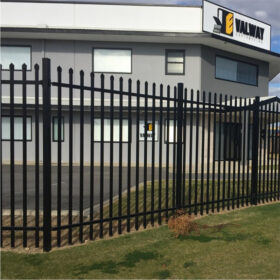
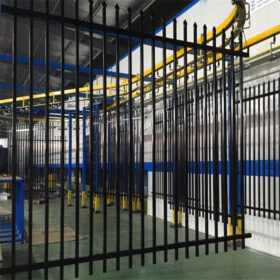


If you are sourcing garrison fencing Brisbane projects, the biggest risk is assuming “tubular garrison fence is tubular garrison fence.”
In real installs around Brisbane—mixed ground conditions, storm-driven wind events, high foot traffic, and long straight runs—small spec mistakes turn into visible wave-lines, rattles, coating rub-through, loose brackets, gate misalignment, and expensive rework.
That’s why it’s smart to benchmark your purchase order against a clear garrison fencing specifications reference before production starts.
POLYMETAL builds garrison fencing as a repeatable system so the panel, bracket, and post package matches the job from the first bay to the last.


Top 10 High-Risk Checks for Garrison Fencing Brisbane Orders
Each item below is a “buying trap” that looks minor on a purchase order—but becomes a site problem after posts are already set. Pay special attention to #7, because it is where many buyers suffer the biggest loss.



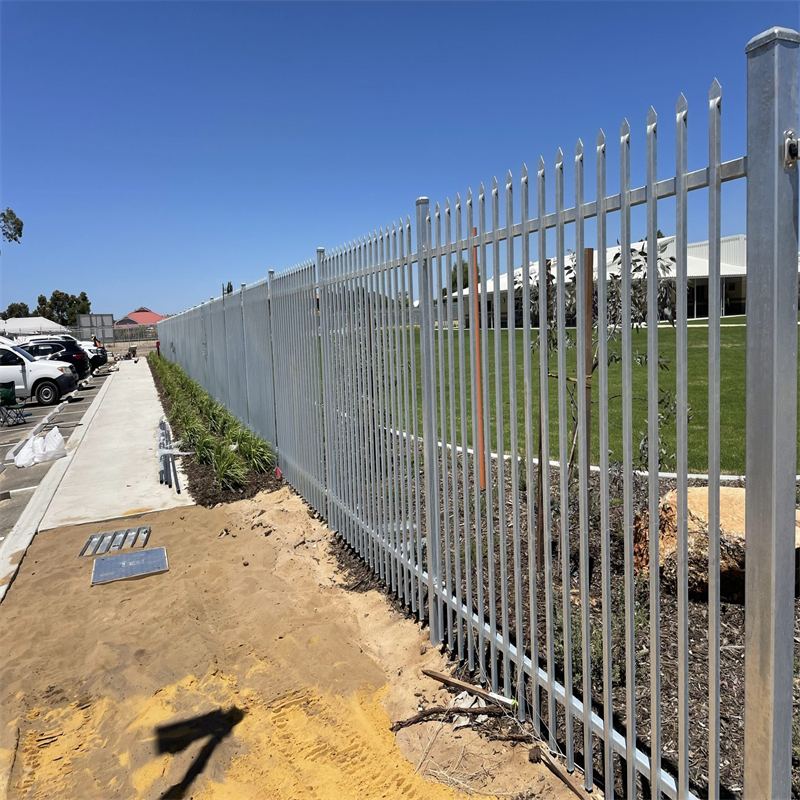
Risk #1: Choosing a rail frame that is too light for the run length
Rails control straightness. If the rail frame is under-specified, your fence line can develop a visible “wave” once brackets are tightened and the run heats/cools. For Brisbane projects, confirm the rail frame option matches the height and exposure:
40×40, 45×45, or 50×50 (with suitable thickness).
Trap #2: Ordering the right height but the wrong panel width
Most garrison bays are built around 2400mm width (and sometimes 2450mm to match specific site modules).
When panel widths vary without a layout plan, the crew “forces” alignment, which loosens fixings and causes bracket stress.
Lock the fence width early and keep it consistent across the perimeter.
Oversight #3: Mixing upright sizes without a clear reason
Garrison Fencing Brisbane Upright size changes the stiffness and the security feel. Typical upright options include
16×16, 25×25, and 30×30.
If you mix sizes across the same run, your line will not read uniform and the fence can flex unevenly.
Standardize upright size per project zone (public frontage vs industrial boundary) instead of mixing “because it’s available.”
Danger #4: Ignoring upright thickness and then blaming “wind”
Upright thickness is not a detail—it is performance. Common options include 0.80mm, 1.00mm, 1.20mm, and up to 2.00mm.
If the thickness is too light for the height and spacing, the fence can feel soft, brackets loosen faster, and impacts leave permanent bends.
Warning #5: Picking spacing without matching the upright count
Spacing must match the upright count in the panel design. Typical builds are:
16 pcs (about 115mm),
17 pcs (about 108mm spacing),
or 18 pcs (about 100mm spacing).
If you demand 100mm spacing but order a panel layout that does not match, you get either a “non-standard” fabrication surprise or a delivered panel that does not meet your expectation.
Cost #6: Letting coating selection stay vague
Garrison Fencing Brisbane Surface finish affects lifespan and appearance. If you specify “powder coat” without stating the process (galvanised + powder coat), film expectations, and handling protection, you risk early rust bleed at cut ends, bracket contact points, and rub areas.
For architectural installs, define your finish clearly (e.g., galvanised then powder coated) and require packaging that protects faces and corners.
Failure #7: Post height not engineered to panel height (this is where you lose money)
This is the most common hidden failure point. If your posts are not tall enough, you cannot achieve proper embedment or base-plating geometry, and the line becomes unstable.
A practical rule is: Fence post height should be panel height + 600mm (minimum guideline) so you have working allowance for embedment and stability.
When this is wrong, you will pay twice: once for the steel, and again for post replacement, re-drilling, re-concreting, and downtime.
Pitfall #8: Post size selected without matching wall thickness
Post options commonly include 60×60, 65×65, 75×75, 80×80, and 100×100.
But size alone is not enough—wall thickness matters:
1.6mm, 2.0mm, 2.5mm, and even 3.0mm (or higher) are used depending on height and exposure.
If wall thickness is too light, posts can twist under bracket load and the fence “leans” even when panels are correct.
Gap #9: Brackets and fasteners not treated as a system
Panels, posts, brackets, and fasteners must be designed as one package. If brackets are weak or fasteners are not matched to the post wall thickness, installers will over-tighten, strip threads, or deform brackets.
That creates movement, squeaks, and visible misalignment—then you end up chasing “panel problems” that are really fixing problems.
Lesson #10: Ordering “a fence” instead of ordering a receiving-ready kit
Site loss often comes from logistics: mixed bundles, missing caps, wrong bracket counts, or posts packed without clear height labels.
For Brisbane projects, insist on labeled bundles by panel height, panel width, rail frame group, upright spacing group, and matching post sets—so installers cannot swap components by accident.
Product Overview: POLYMETAL Garrison Tubular Fence System
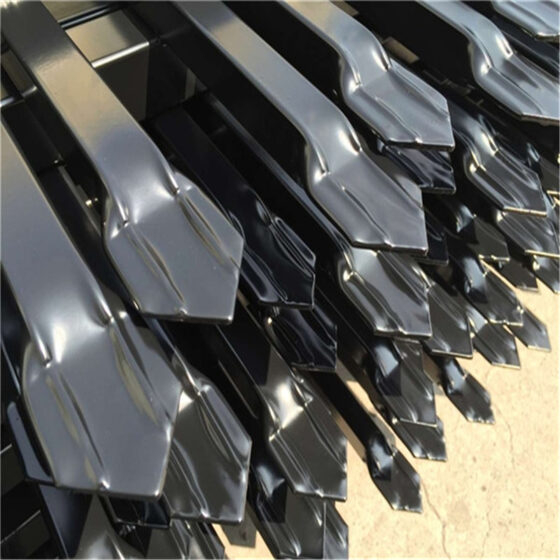
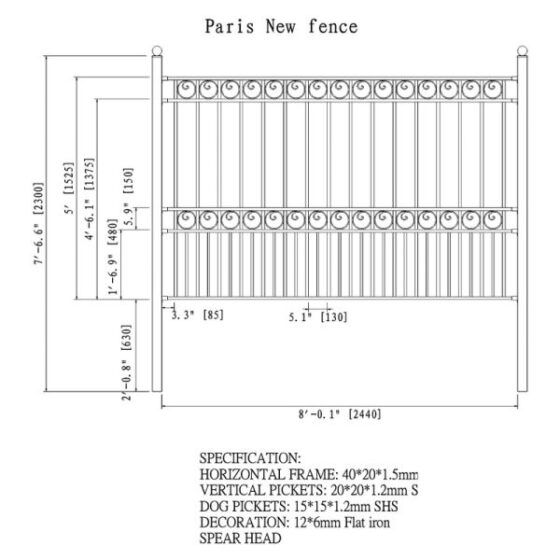
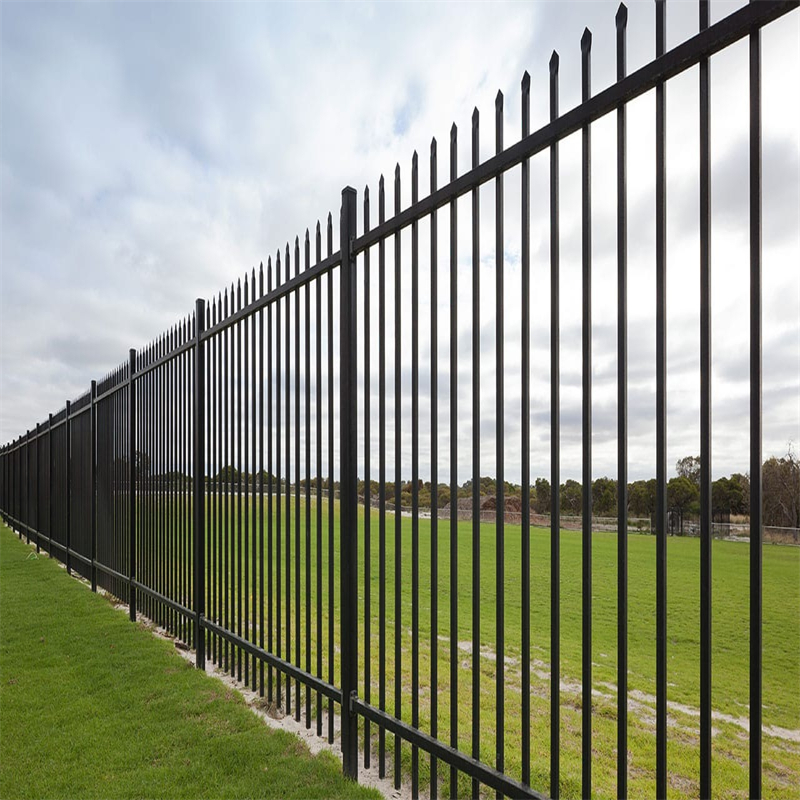
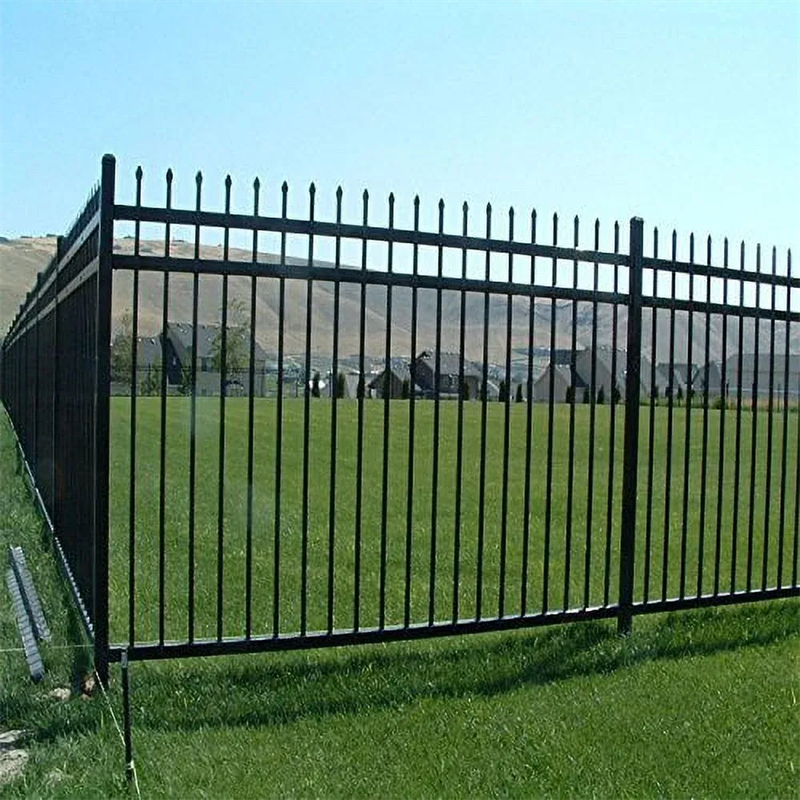
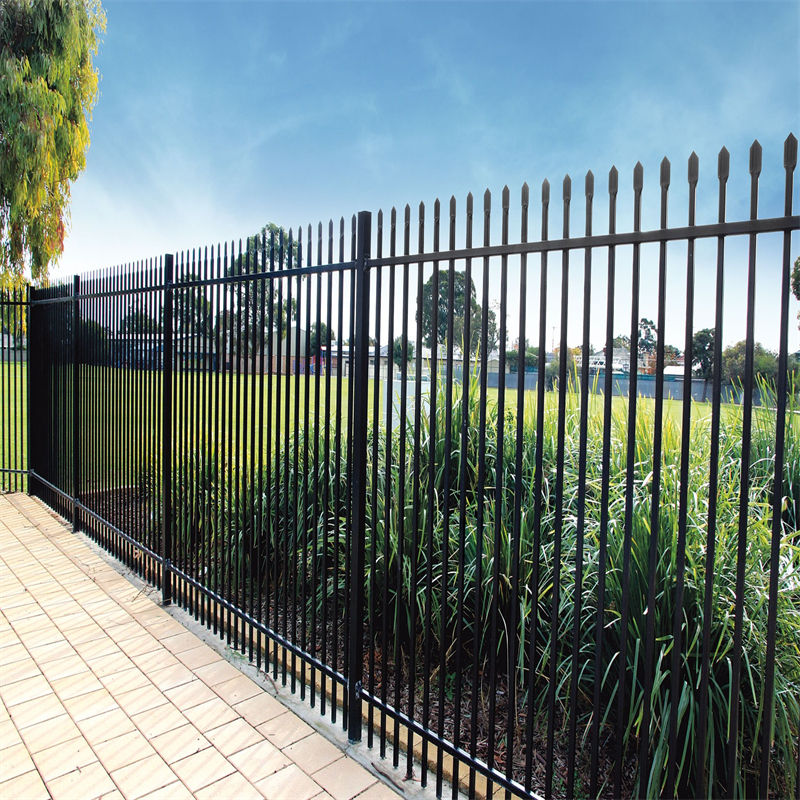
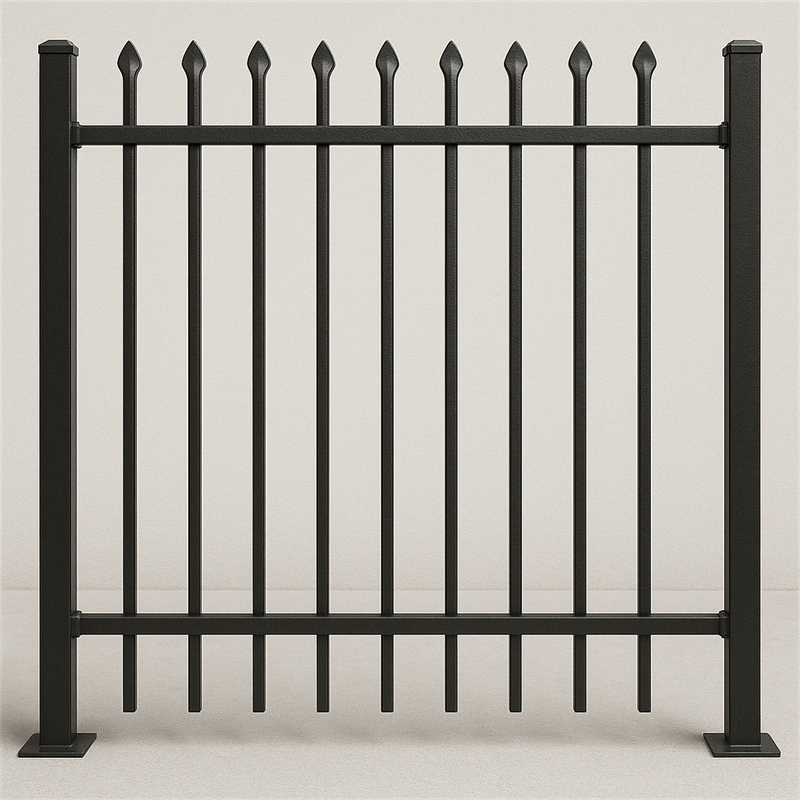
POLYMETAL supplies garrison fencing as a modular tubular fence system designed for fast installation and a consistent architectural line.
Panels are manufactured from low carbon steel such as Q195/Q235 and can be supplied galvanised and powder coated for long-term durability.
Colours can be supplied in black, green, white, blue and other common project colours; if your project requires a specific colour code, define it clearly (for example, black or RAL colour options, including Interpon powder systems where specified).
A complete system can include panels, brackets, fasteners, post caps, and gate options so your perimeter performs as one unified build rather than mixed components from different sources.


Key Configuration Checklist (Expanded Specifications)
Use this checklist to lock your garrison fencing Brisbane purchase order so the delivered fence matches site expectations.

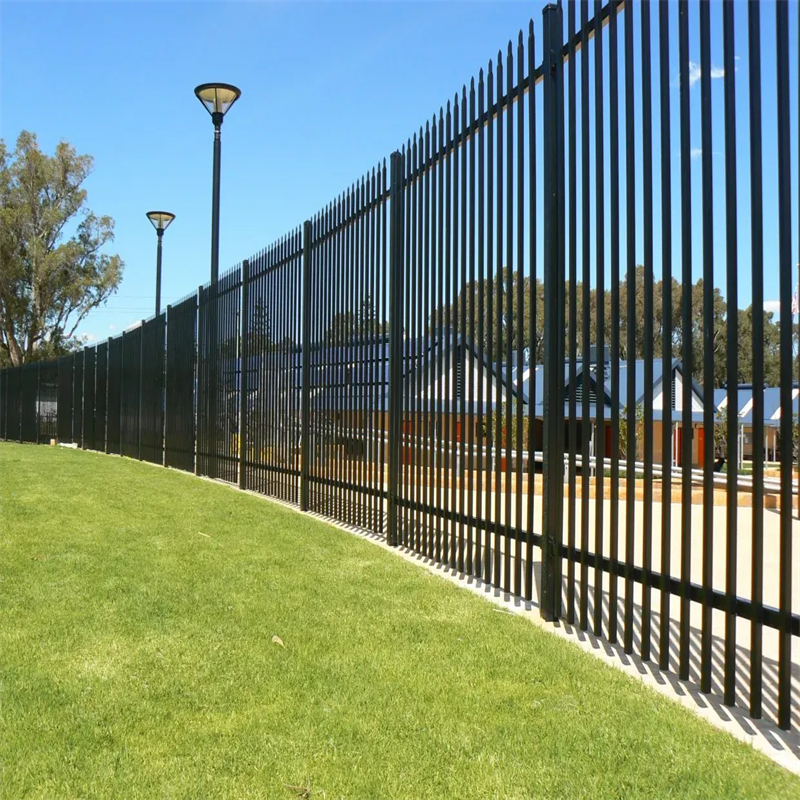


| Specification Item | Options / Requirements | Notes for Brisbane Projects |
| Fence Height (Panel Height) | 1200mm, 1500mm, 1800mm, 2100mm, 2400mm (and higher on request) | Higher panels increase wind load and need stronger rails/posts. |
| Fence Width (Panel Width) | 2400mm common, 2450mm common option, 3000mm on request | Keep one width per run to avoid forced alignment and bracket stress. |
| Rail Frame Size | 40mm×40mm, 45mm×45mm, 50mm×50mm | Choose larger frames for taller panels and long straight lines. |
| Rail Thickness | 1.60mm, 2.00mm, 2.50mm, 3.00mm (etc.) | Thickness controls stiffness and reduces “wave-lines.” |
| Upright Size | 16mm×16mm, 25mm×25mm, 30mm×30mm | Public-facing zones often prefer heavier uprights for “security feel.” |
| Upright Thickness | 0.80mm, 1.00mm, 1.20mm, 2.00mm | Match thickness to impact risk and fence height. |
| Upright Spacing | 100mm target (also 108mm / 115mm layouts depending on picket count) | Spacing must match upright count; do not assume. |
| Upright Count (Typical) | 16 pcs (~115mm), 17 pcs (~108mm), 18 pcs (~100mm) | 18 pcs is common when specifying 100mm spacing. |
| Fence Post Size Options | 60×60, 65×65, 75×75, 80×80, 100×100 | Post size must be paired with wall thickness and panel height. |
| Post Wall Thickness | 1.60mm, 2.00mm, 2.50mm (and heavier options on request) | Under-thickness posts twist and make straight fences look “repaired.” |
| Post Height Rule | Fence post height should be panel height + 600mm | This is the #7 loss point. Confirm before production. |
Garrison Fencing Brisbane 1200mmx2400mm for Lawn, Powder Coated (Interpon Option)
Material: Q195 Q235 low carbon steel
Horizontal rail:25x25mm,40x40mm
Vertical rail:16x16mm,20x20mm
Surface Treatment: galvanized and powder coated
Colour: green, black, white.blue etc
Accessories: rails, pickets and post
Application: used for residential and villa, business and industry area, factories and workshops, public buildings, parks, roads.
| Horizontal Rail | Upright Picket | Center space | Post |
| 25*25*1.0mm 25*25*1.2mm 25*25*1.5mm 40*40*1.0mm 40*40*1.2mm 40*40*1.5mm | 16*16*1.0mm 19*19*1.0mm 25*25*1.0mm | 100mm, 120mm | 50*50*1.5mm 60*60*2.0mm 75*75*2.0mm |
| Materials | Pre-galvanised steel hollow tube |
| Panel height (mm) | 1200, 1500, 1800, 2100, 2400, 3000 etc. |
| Panel width (mm) | 2400, 3000 etc. |
| Horizontal rails(mm) | 40x40RHS etc. |
| Vertical pickets(mm) | 25x25RHS etc. |
| Post (mm) | 65x65RHS, 80x80RHS, 100x100RHS etc. |
| Surface finish | Galvanised then Black powder coating |
| Accessories | Brackets and Fasteners |
| Package Details: | In bulk or steel pallet |
| Delivery Details: | Within 10days after confirming order and receiving 30% deposit |
| Trade Way | FOB/CNF/CIF/DDU/DDP |
POLYMETAL focuses on high quality with reasonable pricing, customized production on demand, and shipping plans designed to reduce damage and speed up site receiving.
If you give us the project height, spacing, finish, and post requirement, we will return a buildable configuration rather than a generic quote.
A complete POLYMETAL garrison tubular fence system can include garrison fence panels, bracket sets, post caps, vehicle gates, sliding gates, and matching fasteners so your site team installs one consistent system.
| Item No. | Panel Size (mm) | Rails (mm) | Pickets (mm) | Rail No. | |
| 15121 | 2100mm High x 2400mm Wide | 40x40x2.5 | 25x25x1.6 | 3 | 2 |
| 15122 | 2100mm High x 2400mm Wide | 40x40x2.0 | 25x25x1.6 | 3 | 2 |
| 15123 | 2100mm High x 2400mm Wide | 40x40x1.6 | 25x25x1.2 | 3 | 2 |
| 15124 | 1800mm High x 2400mm Wide | 40x40x2.5 | 25x25x2.0 | 2 | |
| 15125 | 1800mm High x 2400mm Wide | 40x40x2.0 | 25x25x1.6 | 2 | |
| 15126 | 1800mm High x 2400mm Wide | 40x40x1.6 | 25x25x1.2 | 2 | |
| 15127 | 1500mm High x 2400mm Wide | 40x40x2.0 | 25x25x1.6 | 2 | |
| 15128 | 1500mm High x 2400mm Wide | 40x40x1.6 | 25x25x1.2 | 2 | |
| Cap post 65x65mm (wall thickness 2mm – 5mm) | Cut length | ||||
| Die Casting Bracket | Four holes | ||||
Applications
Garrison fencing in Brisbane is commonly used where a clean “architectural” look is required but the site still needs real boundary control.
Typical uses include residential and villa boundaries, commercial frontage, factories and workshops, public buildings, parks, road corridors, storage yards, school perimeters, and any project that needs repeatable bays for fast installation and future section replacement—and when higher-risk sites need a tougher upgrade path, many buyers also compare it with 358 security anti climb fence options before finalizing the perimeter spec.
Benefits Garrison Fencing Brisbane
A properly specified garrison fence system delivers straight sight lines, consistent spacing, and predictable installation because every bay is built to the same module.
It reduces on-site cutting and patching, improves visual quality on public-facing boundaries, and supports faster repairs because a damaged panel can be swapped without rebuilding the whole run.
When posts, brackets, and panel stiffness are matched correctly, the fence feels solid, stays aligned, and holds its finish longer under daily contact.
Packing Garrison Fencing Brisbane
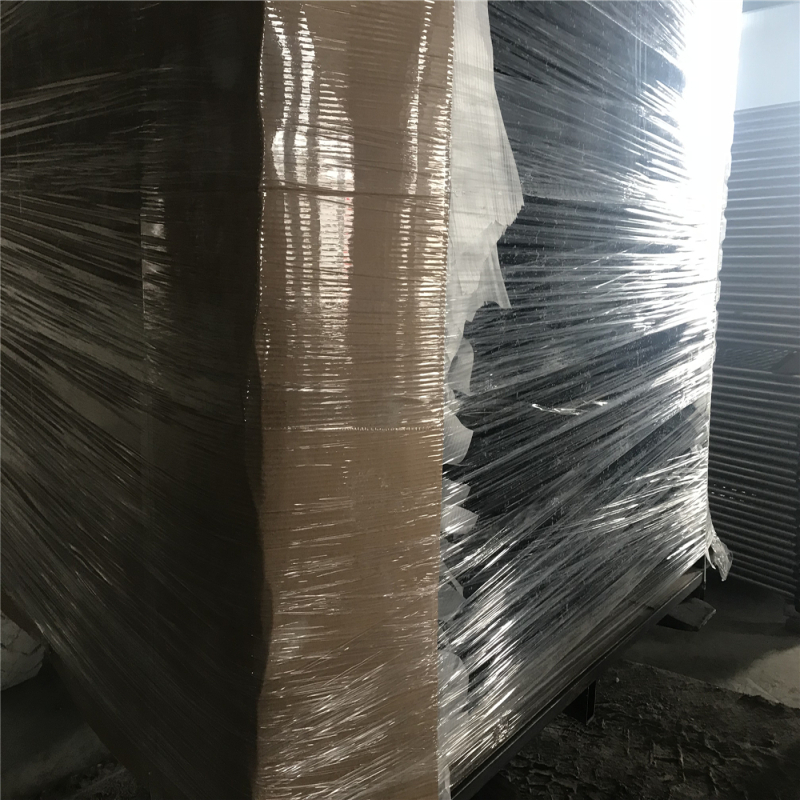
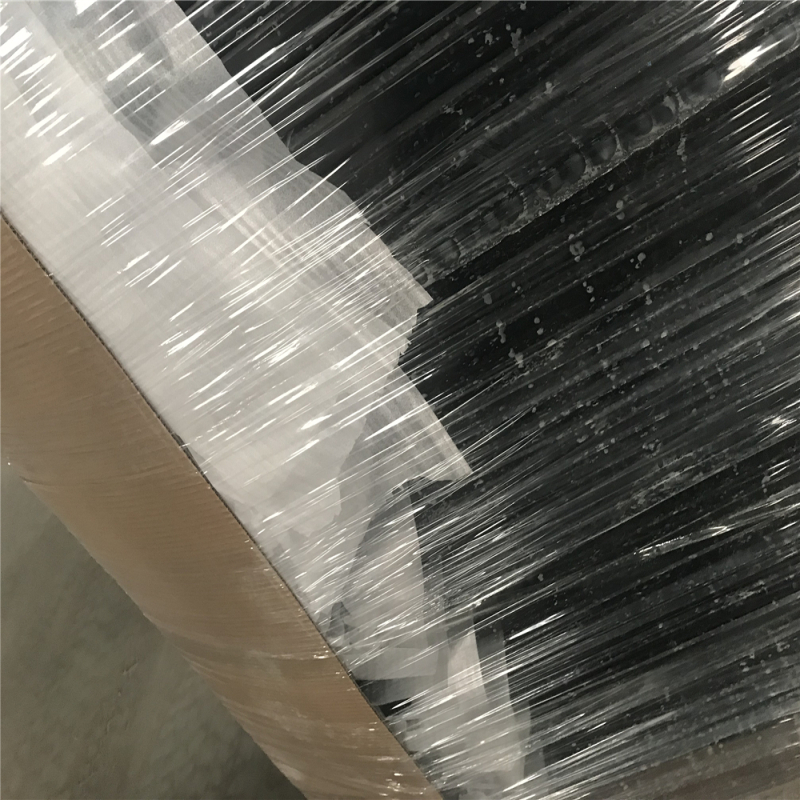
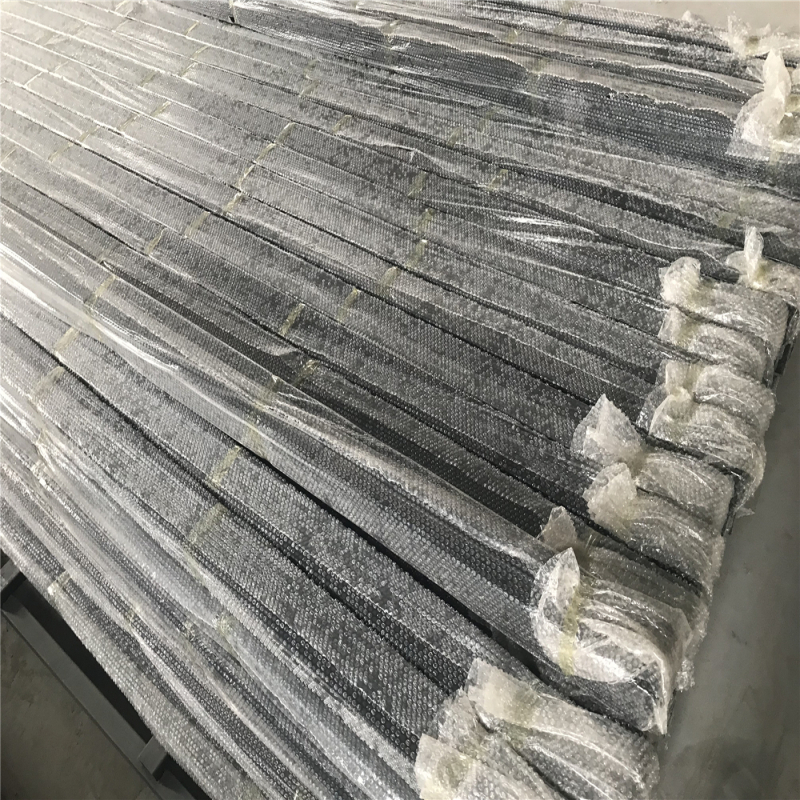
POLYMETAL typically packs garrison panels in counted bundles to protect faces and corners during transport and unloading.
Panels are stacked with separation protection to reduce rub damage, then wrapped and palletized for forklift handling.
Posts are bundled separately by size and wall thickness to prevent mix-ups and bending risk.
Brackets, fasteners, and caps are packed as counted sets to simplify site receiving.
For multi-height jobs, every bundle is labeled by panel height group, panel width group, rail frame group, and upright spacing group so installers do not swap components and create alignment problems.



Standards and FAQs
Standards
Because “compliance” depends on your project scope, the safest approach is to define required coating performance targets, corrosion protection expectations, colour requirements, and installation method directly in the purchase specification.
If your Brisbane project has specific local requirements (public-facing safety, school frontage, industrial boundary security), POLYMETAL can match the system configuration—rails, uprights, spacing, post size, and finish—to your stated requirements so the delivered fence is buildable and consistent.
FAQs Garrison Fencing Brisbane
Q: What is the best standard panel width for garrison fencing Brisbane projects?
A: 2400mm is the common module because it aligns well with post spacing and site layout. If you use 2450mm, keep it consistent across the run and ensure gates and corners are designed to the same module.
Q: Is 100mm spacing always the right choice?
A: 100mm spacing is common for security feel, but it must match upright count and fabrication design. If the panel layout is built around 16 or 17 uprights, your delivered spacing will differ unless the panel is re-engineered.
Q: How do I choose rail thickness?
A: Rail thickness controls stiffness and straightness. Taller fences and long, highly visible runs typically justify thicker rails because the cost of rework and complaints is far higher than the steel difference.
Q: Why do posts matter more than people think?
A: Posts are the foundation of straightness. If the post is too light (size or wall thickness), it twists under bracket load and the fence line shows it immediately. If the post height is wrong, you lose embedment and stability—this is the #7 cost failure.
Q: What post height should I order?
A: A practical guideline is post height = panel height + 600mm. Confirm the final post height against your installation method (embedment depth, base plate, footing design) before production.
Q: Can POLYMETAL supply gates as part of the same finish and spacing?
A: Yes. When gates are supplied as part of the same system (same finish, same visual spacing, matching posts and brackets), alignment improves and the perimeter looks consistent instead of pieced together.
Final Buying Reminder for Garrison Fencing Brisbane
If you want the fence to install straight, stay tight, and keep its finish, do not buy “a panel.”
Buy a complete, matched POLYMETAL system: panel height and width locked, rail frame and thickness defined, upright size and spacing confirmed, and post size/wall thickness/height engineered to the panel—especially the post height rule (panel height + 600mm).
That is how you avoid delays, rework, and the hidden loss that hits when the schedule is already locked.