Your One-Stop Wire Mesh Fence Supplier | POLYMETAL
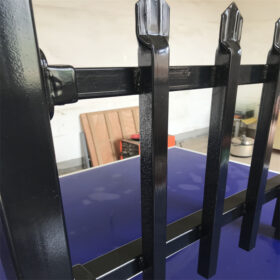
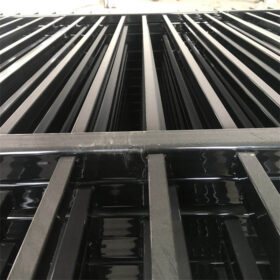
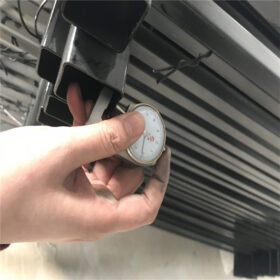
garrison fencing china is chosen for a clean modern look and a clear “security feel” without the harsh appearance of chainwire. The real danger is that many panels look identical in photos, yet behave completely differently after installation. A slightly thinner rail wall, a lighter upright thickness, the wrong upright count, or under-built posts can turn a straight boundary into a noisy, wavy run that attracts complaints, triggers rejection, and forces rework when schedules are already tight.
POLYMETAL treats garrison fencing china as a complete system, not random panels: panel geometry, rail frame size, wall thickness, upright profile and density, post pairing, and finish protection are controlled together so installers don’t have to “fix it on site” with crooked lines, uneven spacing, or rattling joints.
Brand Overview: POLYMETAL
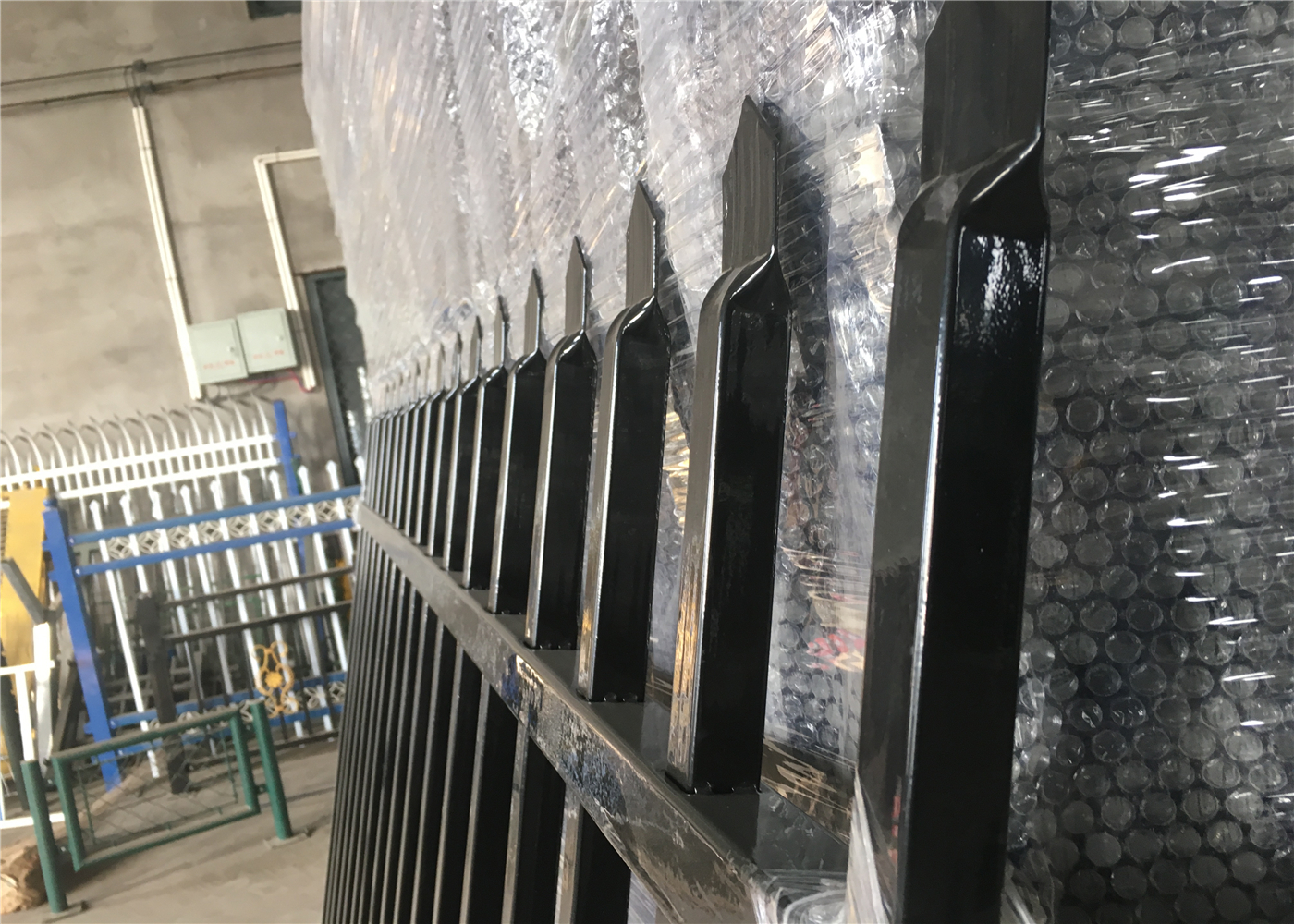
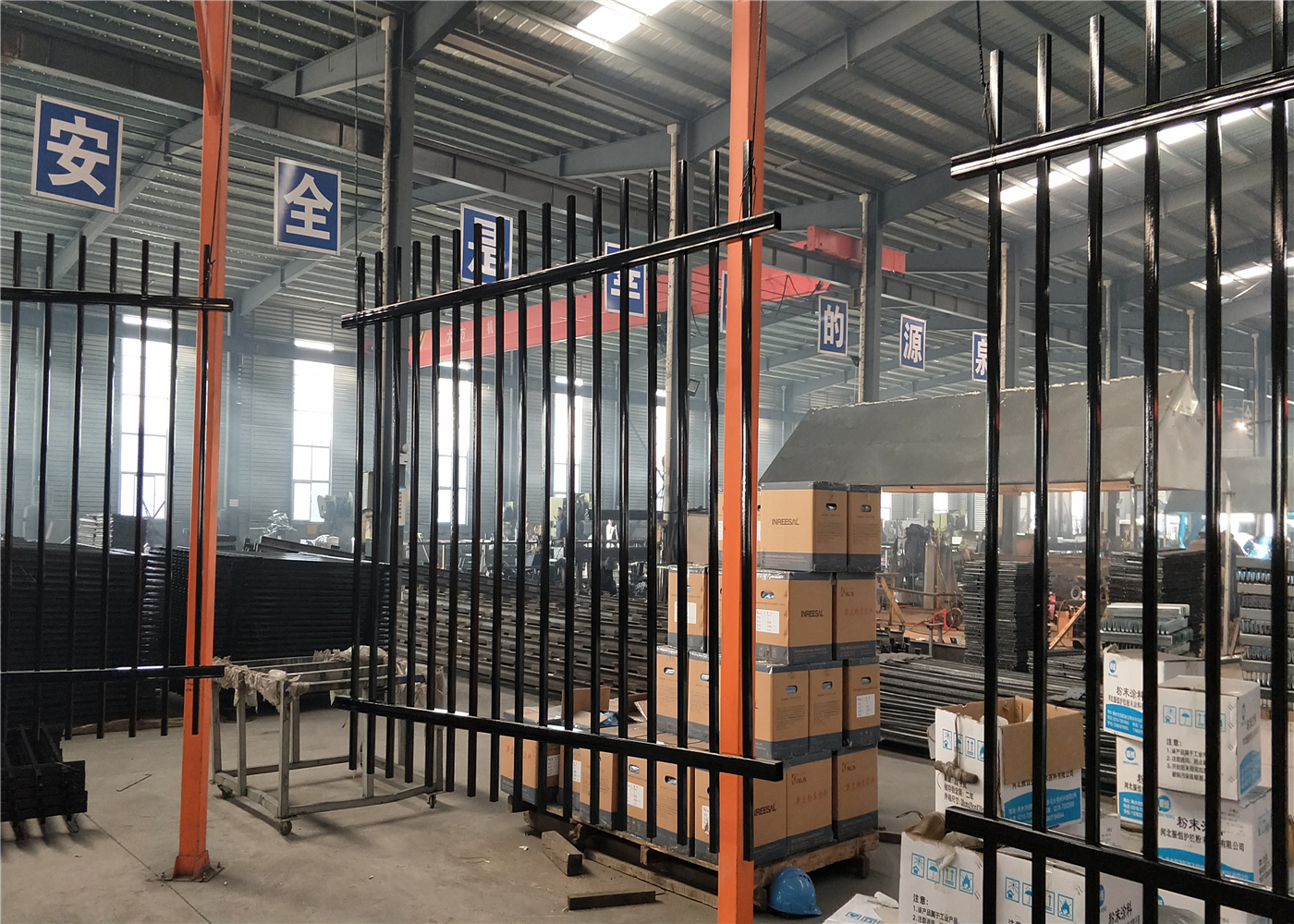
POLYMETAL supplies garrison fencing china as a matched perimeter package designed to stay straight across long runs. Instead of selling “panels only,” POLYMETAL locks the details that decide real-world outcomes: rail stiffness, upright density discipline, correct post sizing, controlled surface preparation, and packing protection that keeps panels acceptance-ready instead of arriving scratched or damaged.
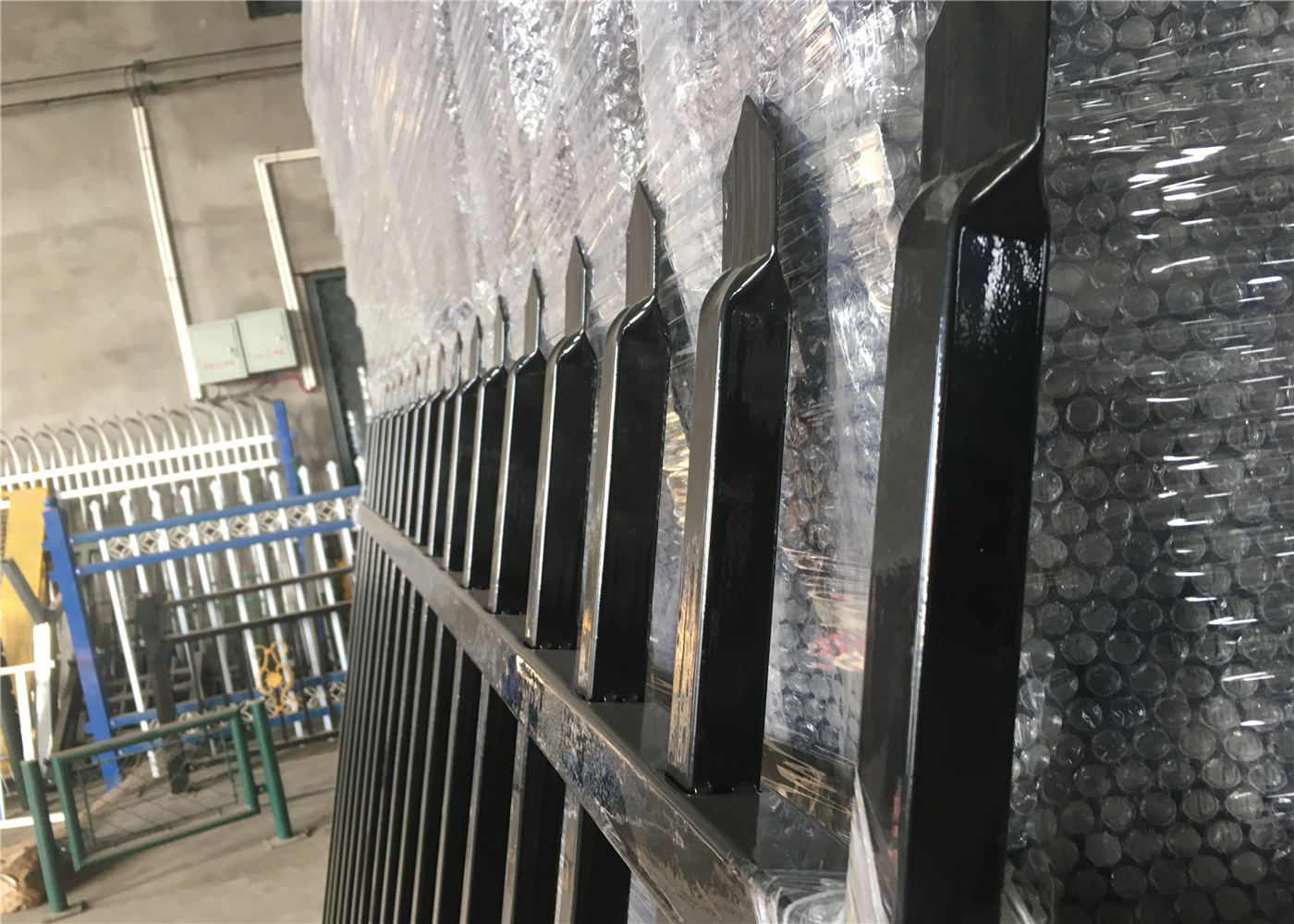
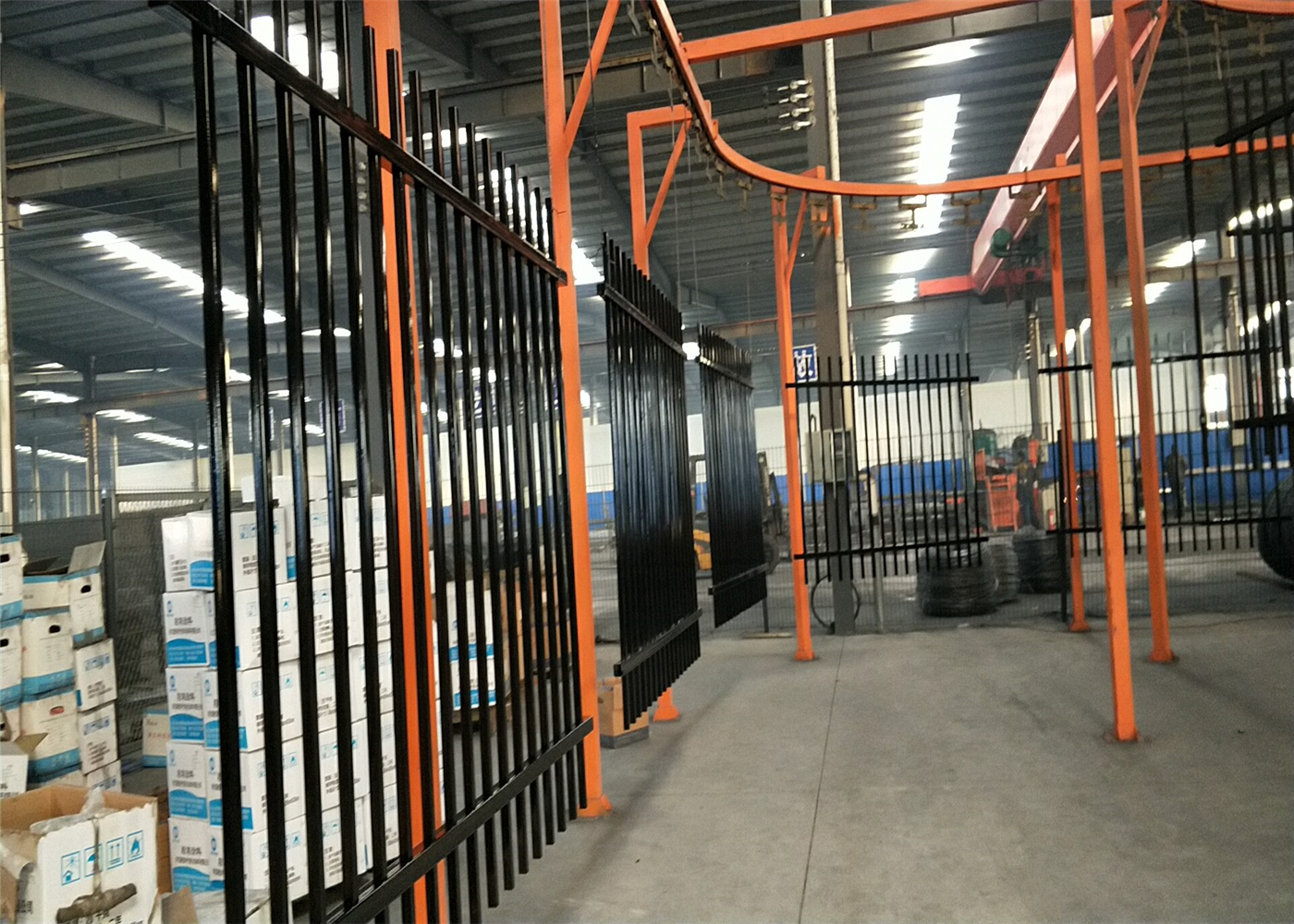
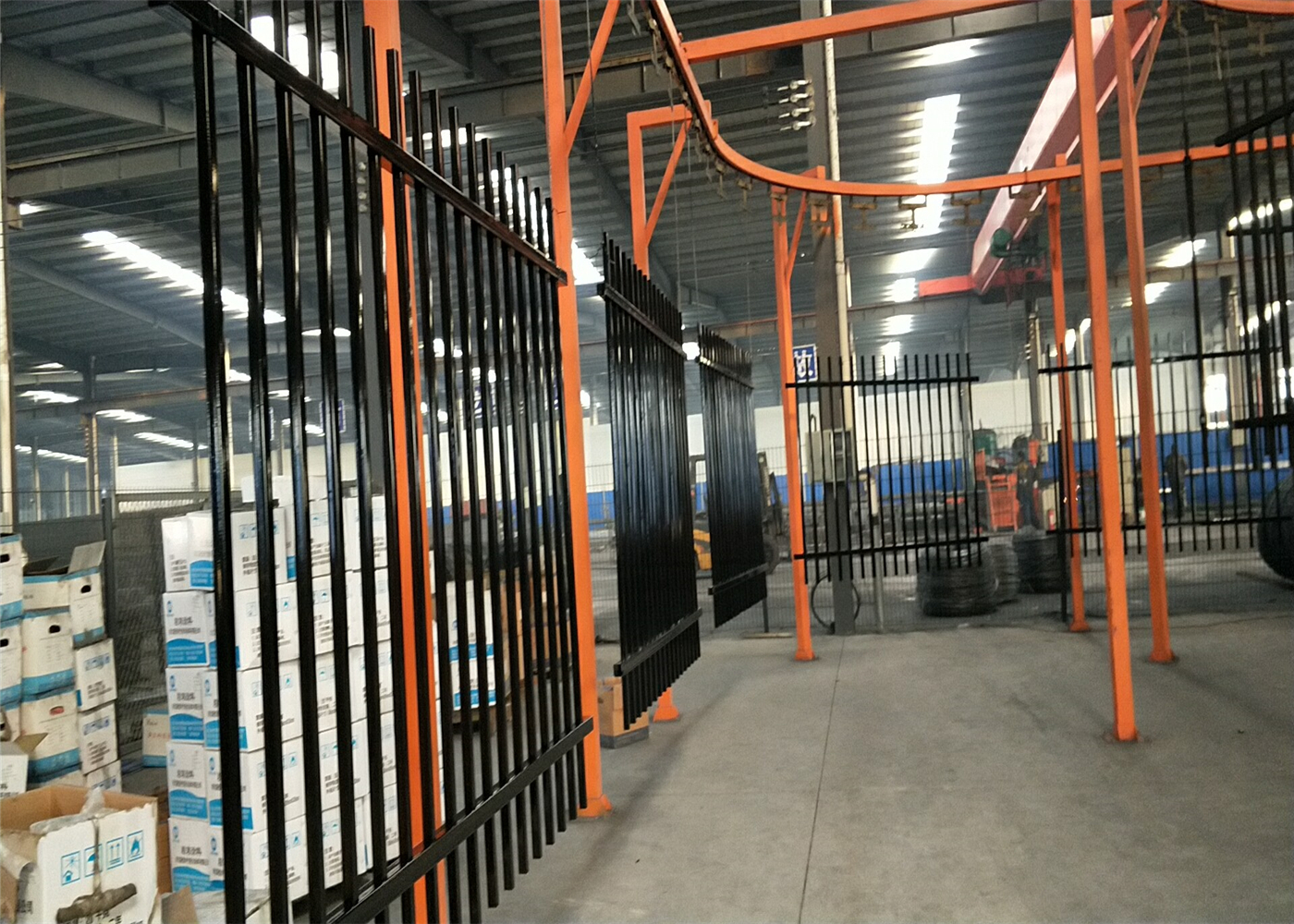
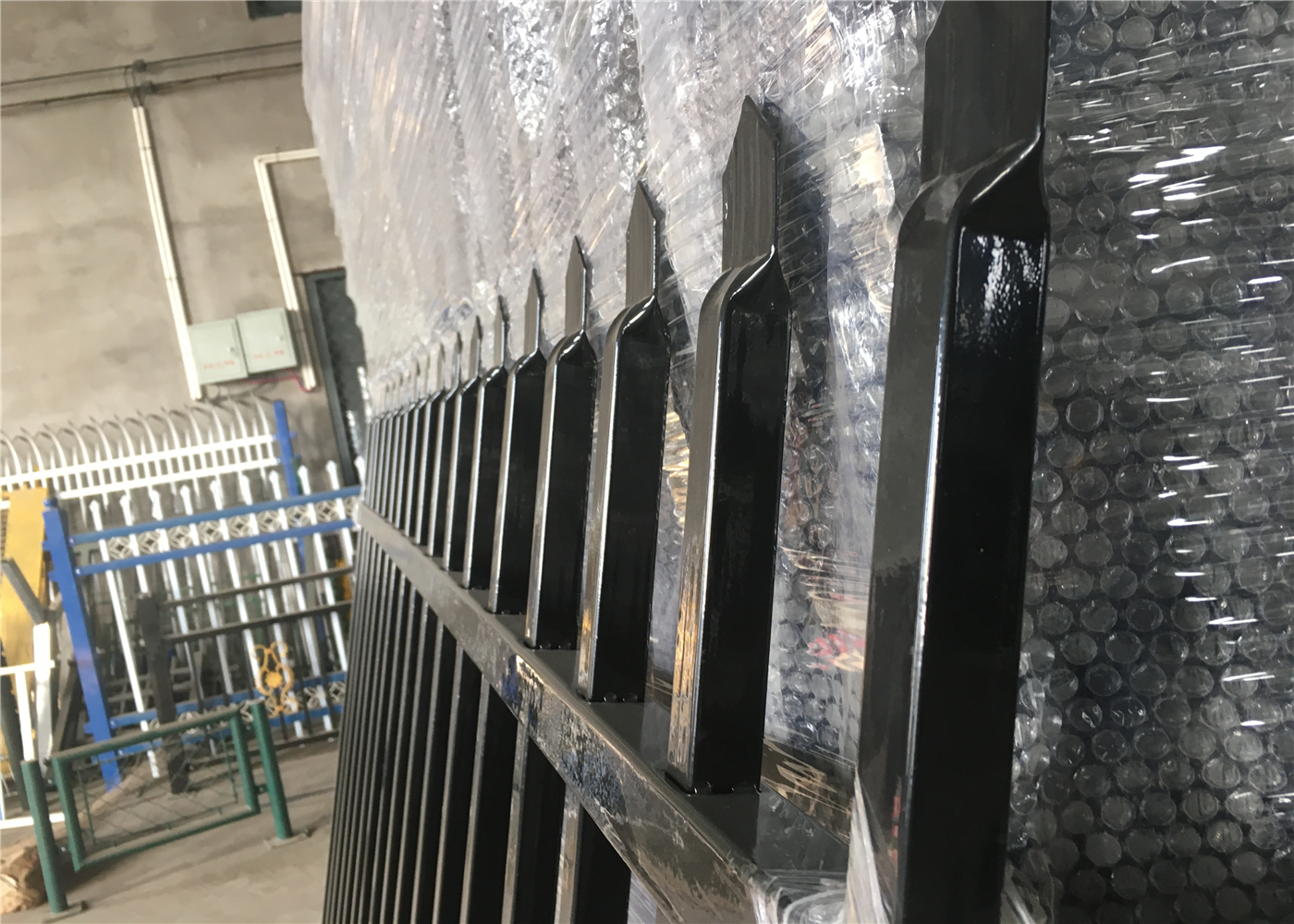
Product Description: POLYMETAL garrison fencing china
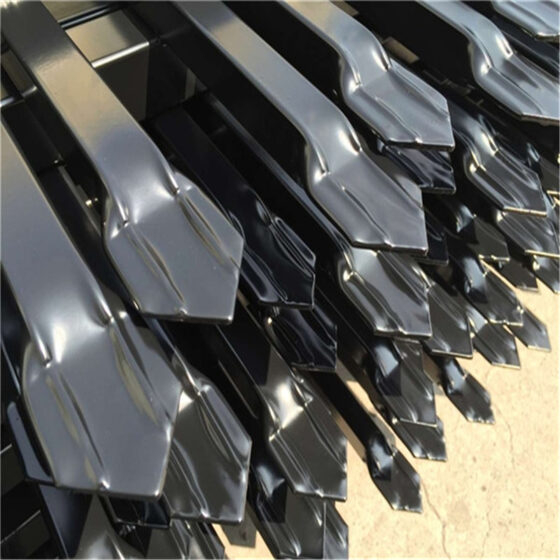
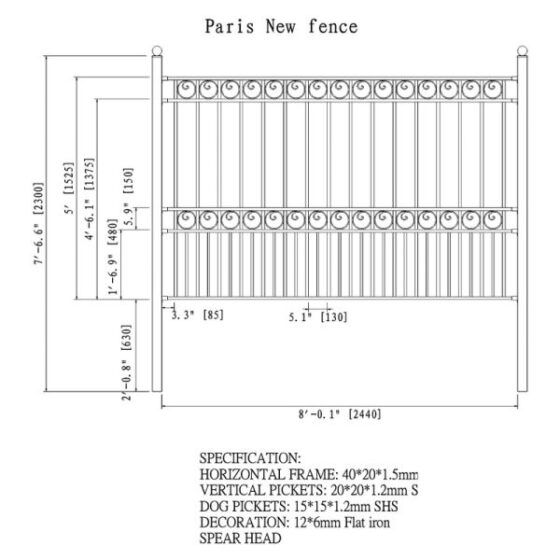
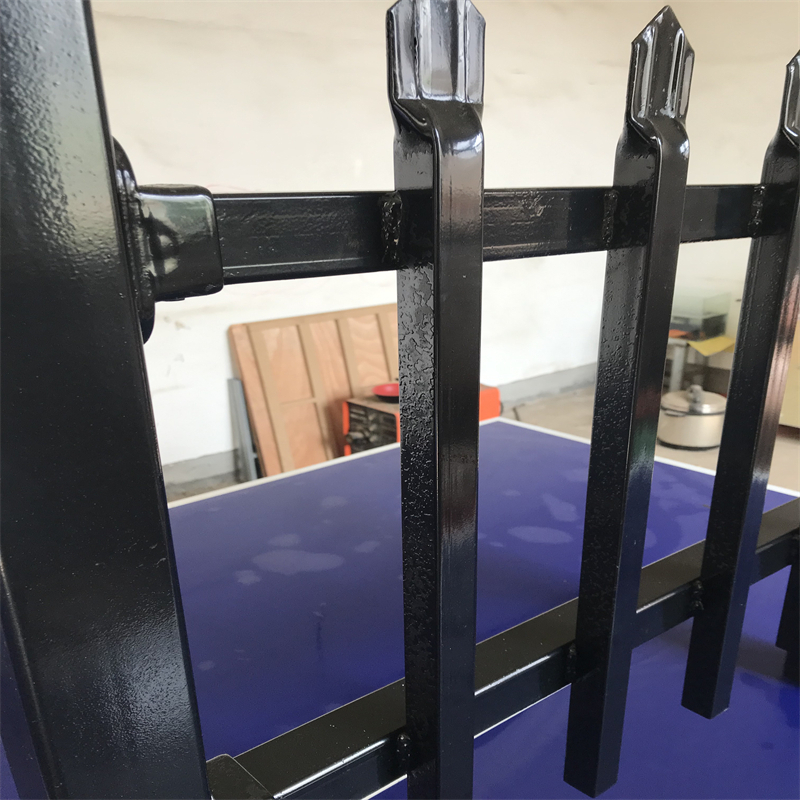
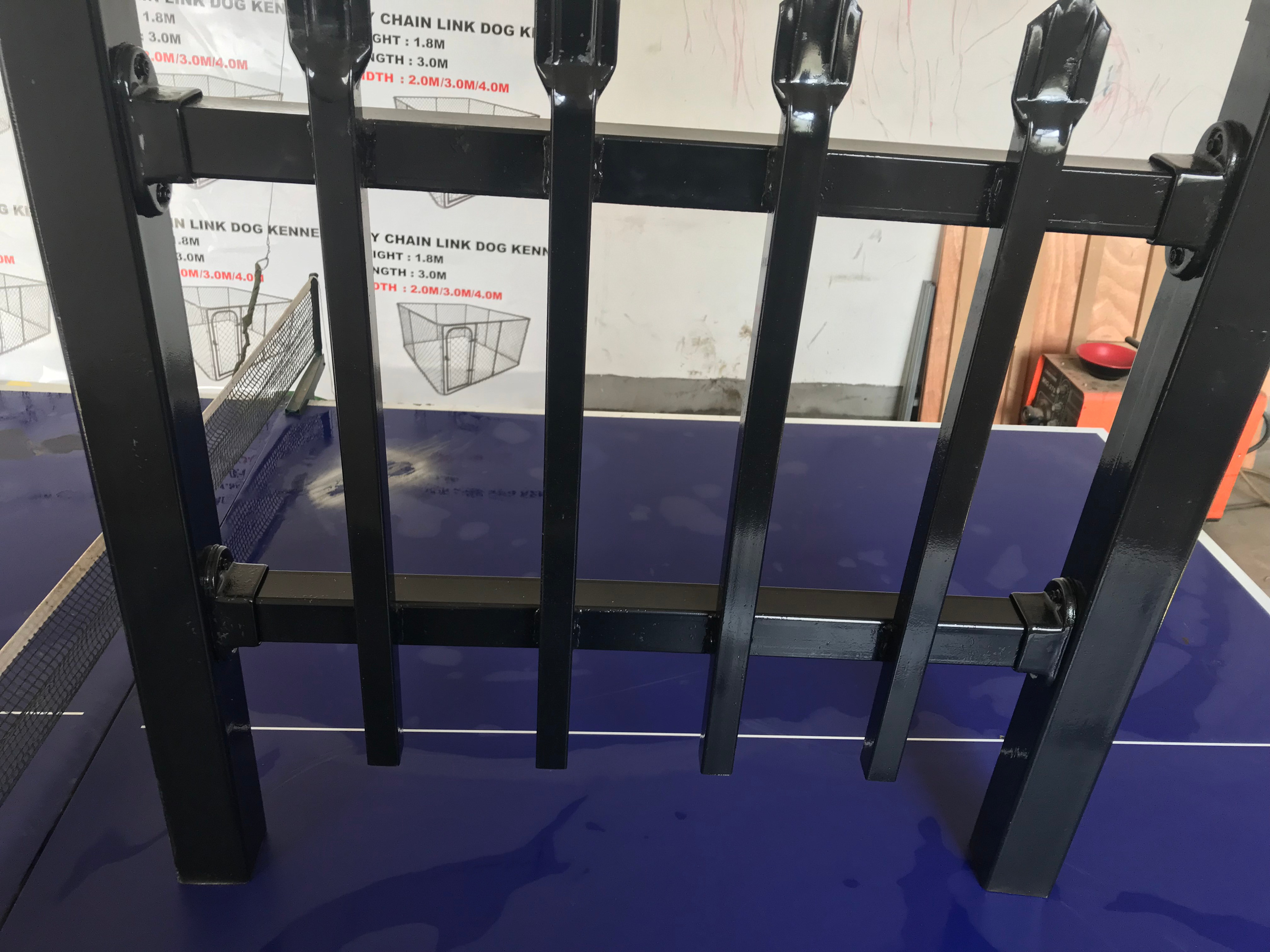
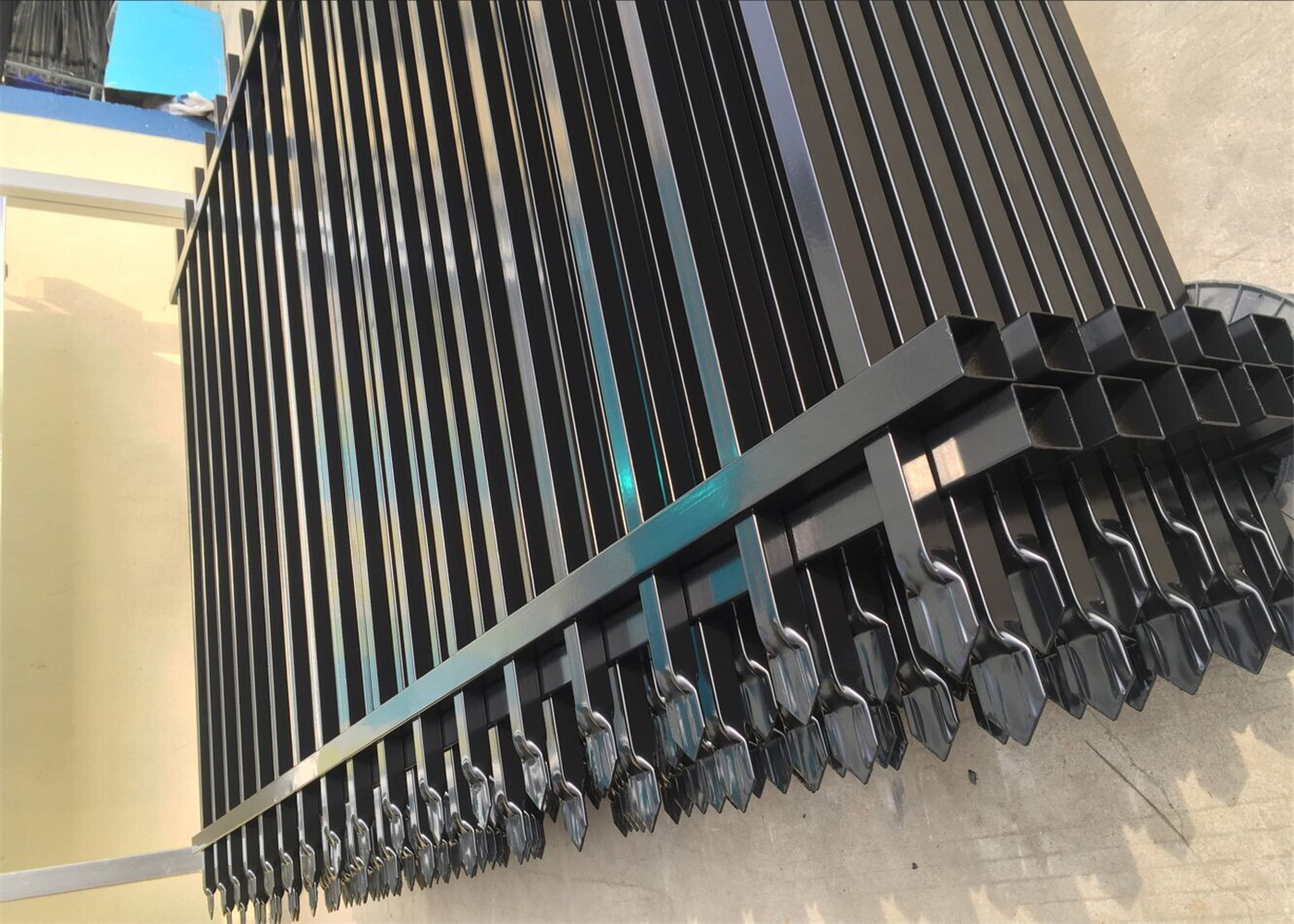
POLYMETAL garrison fencing china is manufactured from welded tubular rails and uprights to form a rigid security panel with an architectural finish. Standard fence widths are 2400mm and 2450mm to fit common site set-out patterns, while common fence heights include 1200mm, 1500mm, 1800mm, 2100mm, and 2400mm. Rail frames are typically specified as 40mm×40mm, 45mm×45mm, or 50mm×50mm to control stiffness over long runs, with rail thickness options such as 1.60mm, 2.00mm, 2.50mm, and up to 3.00mm for high-abuse or high-wind environments—especially when sites also need compatible containment solutions like rubbish cages to keep service areas controlled and visually tidy.
Upright profiles are commonly 16mm×16mm, 25mm×25mm, or 30mm×30mm. Upright thickness options include 0.80mm, 1.00mm, 1.20mm, and 2.00mm depending on the required rigidity and handling durability. Upright density is controlled by locking upright quantity (commonly 16 pcs, 17 pcs, or 18 pcs) and a 100mm spacing target, which prevents “patched” looking lines and inconsistent security gaps across the same project frontage.
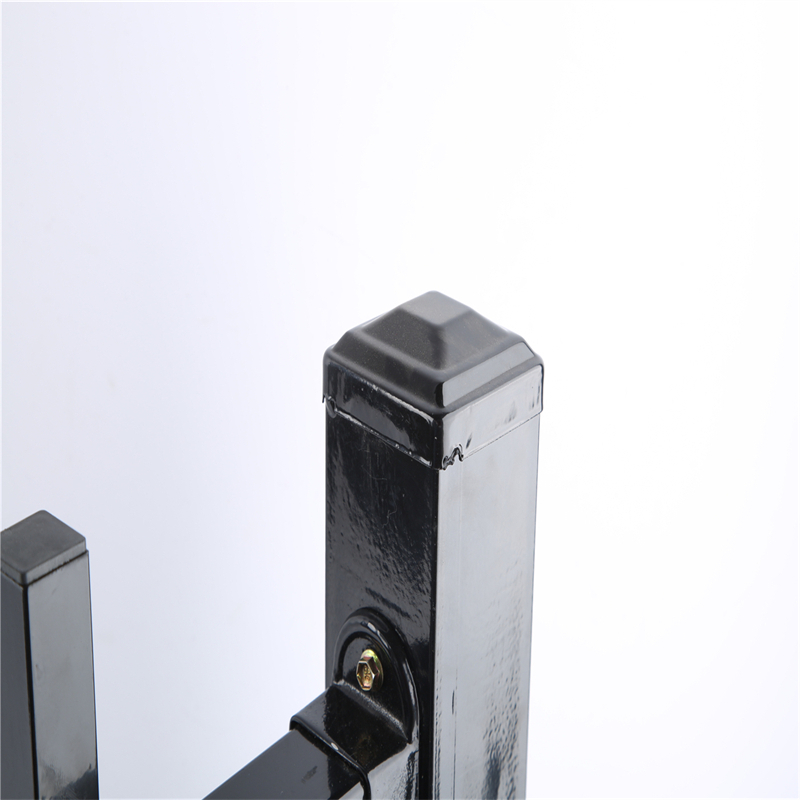
Post planning is the difference between a straight fence line and a “snake line.” POLYMETAL pairs panels with posts sized for stability (60×60mm, 65×65mm, 75×75mm, 80×80mm, or 100×100mm) using wall thickness options of 1.6mm, 2.00mm, and 2.50mm. To support embedment and long-term alignment, a practical stability rule is applied consistently: post height is greater than panel height by 600mm, reducing rotation and lean over time.
Specifications: garrison fencing china
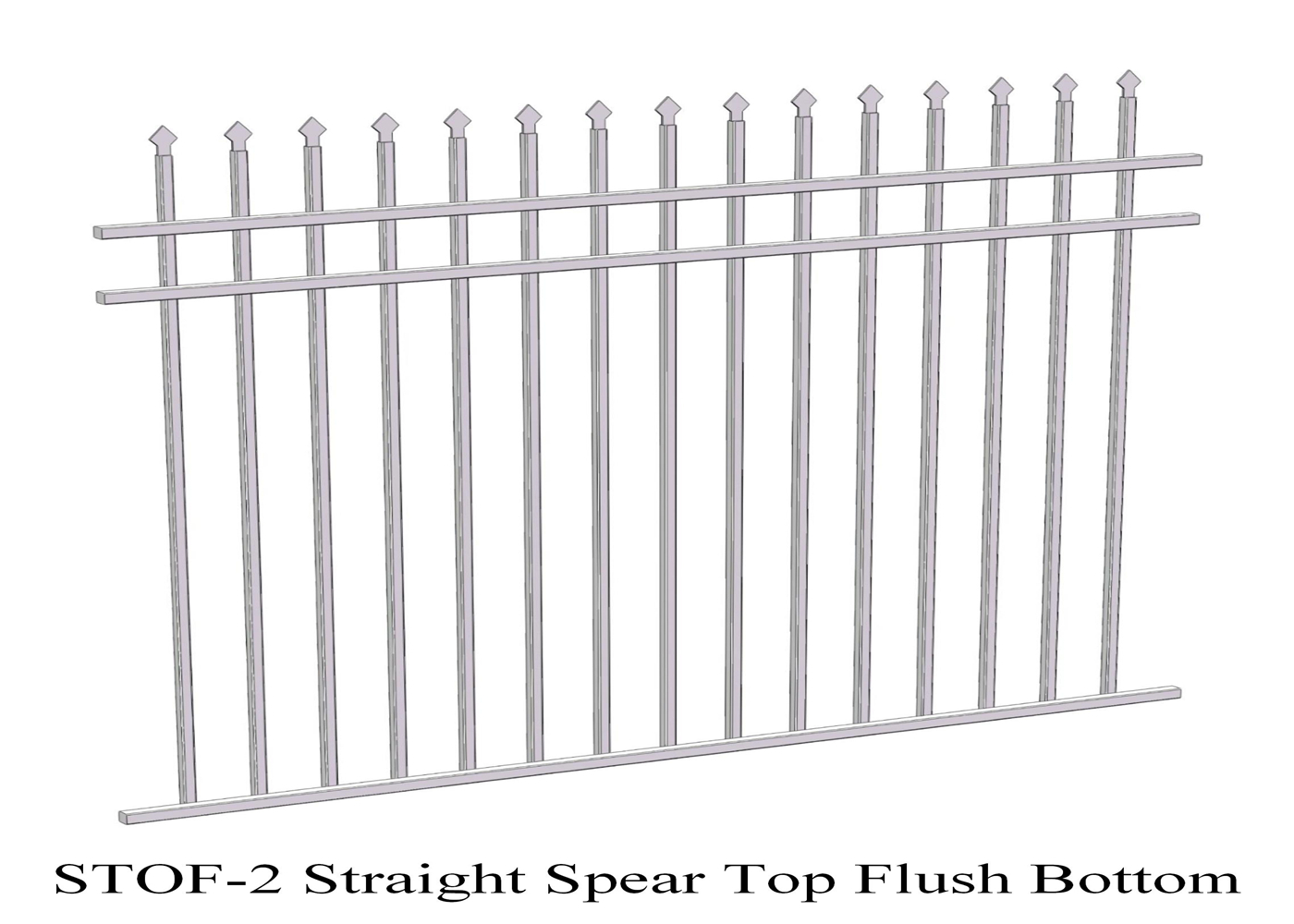
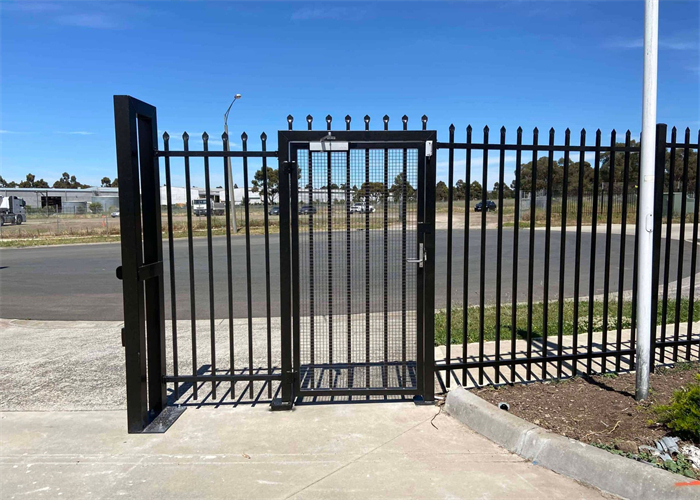
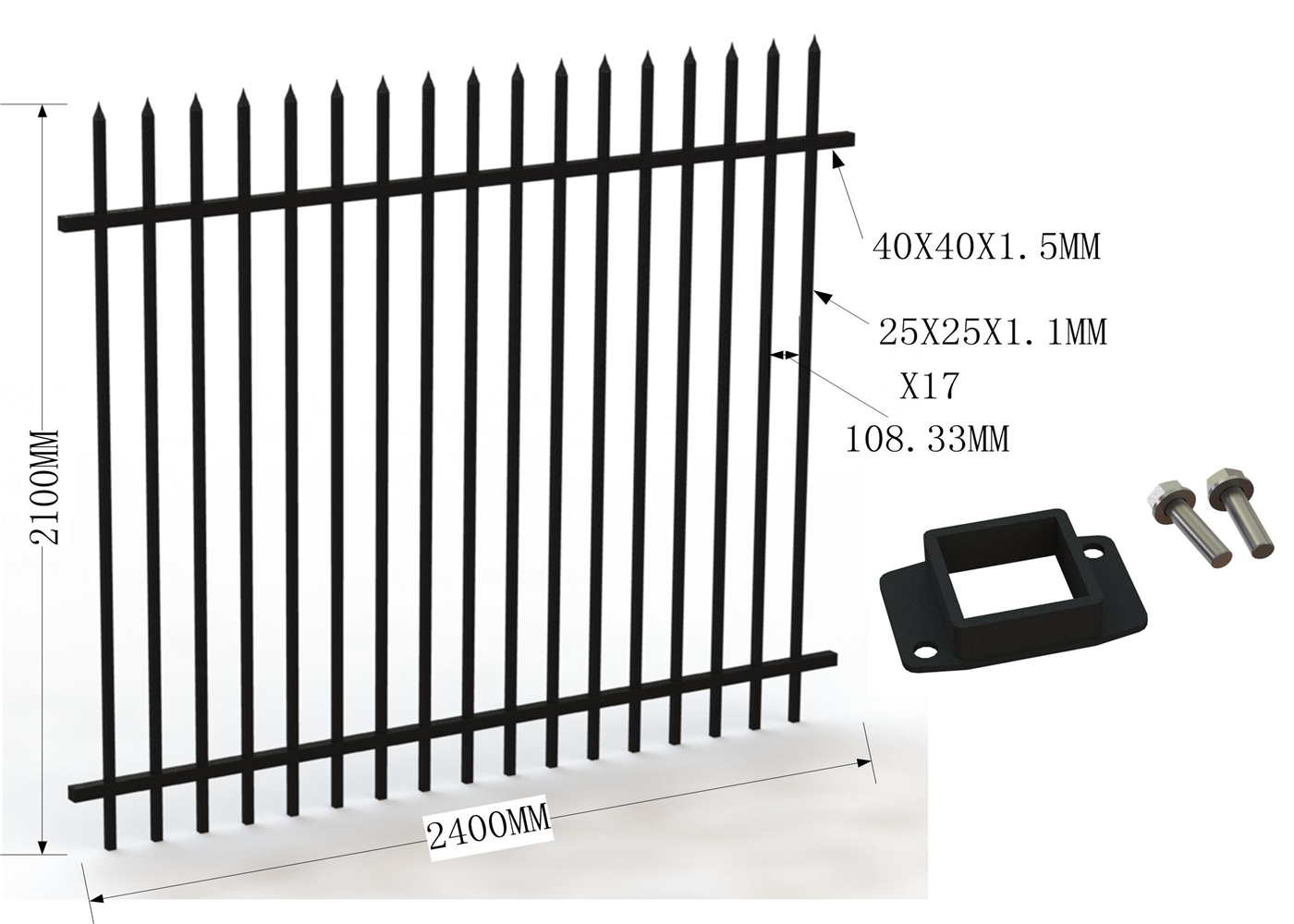
Table 1: 2400mm Width System Builds (Common for Projects)
| Fence Height | Fence Width | Rail Frame | Rail Thickness | Upright | Upright Thickness | Upright No. (Approx Gap) | Spacing Target | Post Option (Wall) | Post Height (Panel+600) |
|---|---|---|---|---|---|---|---|---|---|
| 1200mm | 2400mm | 40×40mm | 1.60mm | 16×16mm | 0.80mm | 16 pcs (≈115mm) | 100mm | 60×60mm (1.6mm) | 1800mm |
| 1200mm | 2400mm | 45×45mm | 2.00mm | 25×25mm | 1.00mm | 17 pcs (≈108mm) | 100mm | 65×65mm (2.0mm) | 1800mm |
| 1500mm | 2400mm | 40×40mm | 2.00mm | 25×25mm | 1.00mm | 18 pcs (≈100mm) | 100mm | 65×65mm (2.0mm) | 2100mm |
| 1500mm | 2400mm | 45×45mm | 2.50mm | 25×25mm | 1.20mm | 17 pcs (≈108mm) | 100mm | 75×75mm (2.0mm) | 2100mm |
| 1800mm | 2400mm | 40×40mm | 1.60mm | 25×25mm | 1.20mm | 17 pcs (≈108mm) | 100mm | 60×60mm (2.0mm) | 2400mm |
| 1800mm | 2400mm | 45×45mm | 2.00mm | 25×25mm | 1.20mm | 18 pcs (≈100mm) | 100mm | 75×75mm (2.0mm) | 2400mm |
| 1800mm | 2400mm | 50×50mm | 2.50mm | 30×30mm | 2.00mm | 18 pcs (≈100mm) | 100mm | 80×80mm (2.0mm) | 2400mm |
| 2100mm | 2400mm | 45×45mm | 2.50mm | 25×25mm | 1.20mm | 18 pcs (≈100mm) | 100mm | 80×80mm (2.0mm) | 2700mm |
| 2100mm | 2400mm | 50×50mm | 2.50mm | 30×30mm | 2.00mm | 17 pcs (≈108mm) | 100mm | 100×100mm (2.0mm) | 2700mm |
| 2400mm | 2400mm | 50×50mm | 3.00mm | 30×30mm | 2.00mm | 18 pcs (≈100mm) | 100mm | 100×100mm (2.5mm) | 3000mm |
Table 2: 2450mm Width System Builds (Set-Out Flex for Projects)
| Fence Height | Fence Width | Rail Frame | Rail Thickness | Upright | Upright Thickness | Upright No. (Approx Gap) | Spacing Target | Post Option (Wall) | Post Height (Panel+600) |
|---|---|---|---|---|---|---|---|---|---|
| 1200mm | 2450mm | 40×40mm | 1.60mm | 16×16mm | 0.80mm | 16 pcs (≈115mm) | 100mm | 60×60mm (1.6mm) | 1800mm |
| 1200mm | 2450mm | 45×45mm | 2.00mm | 25×25mm | 1.00mm | 17 pcs (≈108mm) | 100mm | 65×65mm (2.0mm) | 1800mm |
| 1500mm | 2450mm | 40×40mm | 2.00mm | 25×25mm | 1.00mm | 18 pcs (≈100mm) | 100mm | 65×65mm (2.0mm) | 2100mm |
| 1500mm | 2450mm | 45×45mm | 2.50mm | 25×25mm | 1.20mm | 18 pcs (≈100mm) | 100mm | 75×75mm (2.0mm) | 2100mm |
| 1800mm | 2450mm | 45×45mm | 2.00mm | 25×25mm | 1.20mm | 17 pcs (≈108mm) | 100mm | 80×80mm (2.0mm) | 2400mm |
| 1800mm | 2450mm | 45×45mm | 2.50mm | 25×25mm | 1.20mm | 18 pcs (≈100mm) | 100mm | 80×80mm (2.5mm) | 2400mm |
| 1800mm | 2450mm | 50×50mm | 2.50mm | 30×30mm | 2.00mm | 18 pcs (≈100mm) | 100mm | 80×80mm (2.5mm) | 2400mm |
| 2100mm | 2450mm | 45×45mm | 2.50mm | 25×25mm | 1.20mm | 18 pcs (≈100mm) | 100mm | 80×80mm (2.0mm) | 2700mm |
| 2100mm | 2450mm | 50×50mm | 2.50mm | 30×30mm | 2.00mm | 17 pcs (≈108mm) | 100mm | 100×100mm (2.0mm) | 2700mm |
| 2400mm | 2450mm | 50×50mm | 3.00mm | 30×30mm | 2.00mm | 18 pcs (≈100mm) | 100mm | 100×100mm (2.5mm) | 3000mm |
Table 3: Heavy-Duty Upgrade Map (Stop Wave-Lines, Reduce Rattle, Improve Straight Runs)
| Fence Height | Fence Width | Rail Frame | Rail Thickness | Upright | Upright Thickness | Upright No. (Approx Gap) | Spacing Target | Post Option (Wall) | Post Height (Panel+600) |
|---|---|---|---|---|---|---|---|---|---|
| 1200mm | 2400mm | 45×45mm | 2.50mm | 25×25mm | 1.20mm | 18 pcs (≈100mm) | 100mm | 65×65mm (2.5mm) | 1800mm |
| 1500mm | 2400mm | 45×45mm | 2.50mm | 25×25mm | 2.00mm | 18 pcs (≈100mm) | 100mm | 75×75mm (2.5mm) | 2100mm |
| 1500mm | 2450mm | 50×50mm | 2.50mm | 30×30mm | 2.00mm | 17 pcs (≈108mm) | 100mm | 80×80mm (2.0mm) | 2100mm |
| 1800mm | 2400mm | 45×45mm | 2.50mm | 25×25mm | 2.00mm | 18 pcs (≈100mm) | 100mm | 75×75mm (2.5mm) | 2400mm |
| 1800mm | 2450mm | 50×50mm | 3.00mm | 30×30mm | 2.00mm | 18 pcs (≈100mm) | 100mm | 100×100mm (2.0mm) | 2400mm |
| 2100mm | 2400mm | 50×50mm | 2.50mm | 30×30mm | 2.00mm | 18 pcs (≈100mm) | 100mm | 100×100mm (2.0mm) | 2700mm |
| 2100mm | 2450mm | 50×50mm | 3.00mm | 30×30mm | 2.00mm | 17 pcs (≈108mm) | 100mm | 100×100mm (2.5mm) | 2700mm |
| 2400mm | 2400mm | 50×50mm | 3.00mm | 30×30mm | 2.00mm | 18 pcs (≈100mm) | 100mm | 100×100mm (2.5mm) | 3000mm |
| 2400mm | 2450mm | 50×50mm | 3.00mm | 30×30mm | 2.00mm | 18 pcs (≈100mm) | 100mm | 100×100mm (2.5mm) | 3000mm |
| 1800mm | 2400mm | 50×50mm | 2.50mm | 25×25mm | 2.00mm | 18 pcs (≈100mm) | 100mm | 80×80mm (2.5mm) | 2400mm |
Applications: garrison fencing china
garrison fencing china is widely used for villas and residential estates, schools and public facilities, commercial frontages, warehouses and factories, industrial site boundaries, gardens and community perimeters, sports venues, convention centers, and public-facing boundaries where a clean look must still communicate strong perimeter control—especially when paired with durable infill and protection options like stainless steel perforated sheet 1.22×2.44 for added privacy, airflow control, or anti-throw performance in sensitive zones.
Benefits: What a Correct System Delivers
When rail frame size and rail wall thickness are correctly specified, the fence line stays straight across long runs instead of forming visible wave lines. When upright count and spacing are locked, the fence presents as consistent and professional instead of “patched.”
When posts are paired correctly and the post height rule (panel + 600mm) is respected, long-term leaning risk drops sharply. When controlled surface preparation and durable coating are used, the finish stays acceptance-ready instead of arriving scratched or chalking early. The net benefit is not only security—it is lower rework risk, fewer complaints, and smoother handover on tight schedules.
Packing: Protect Straightness, Protect Finish
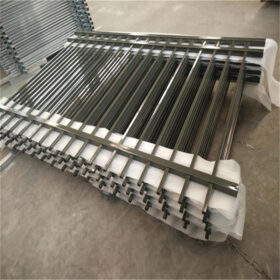
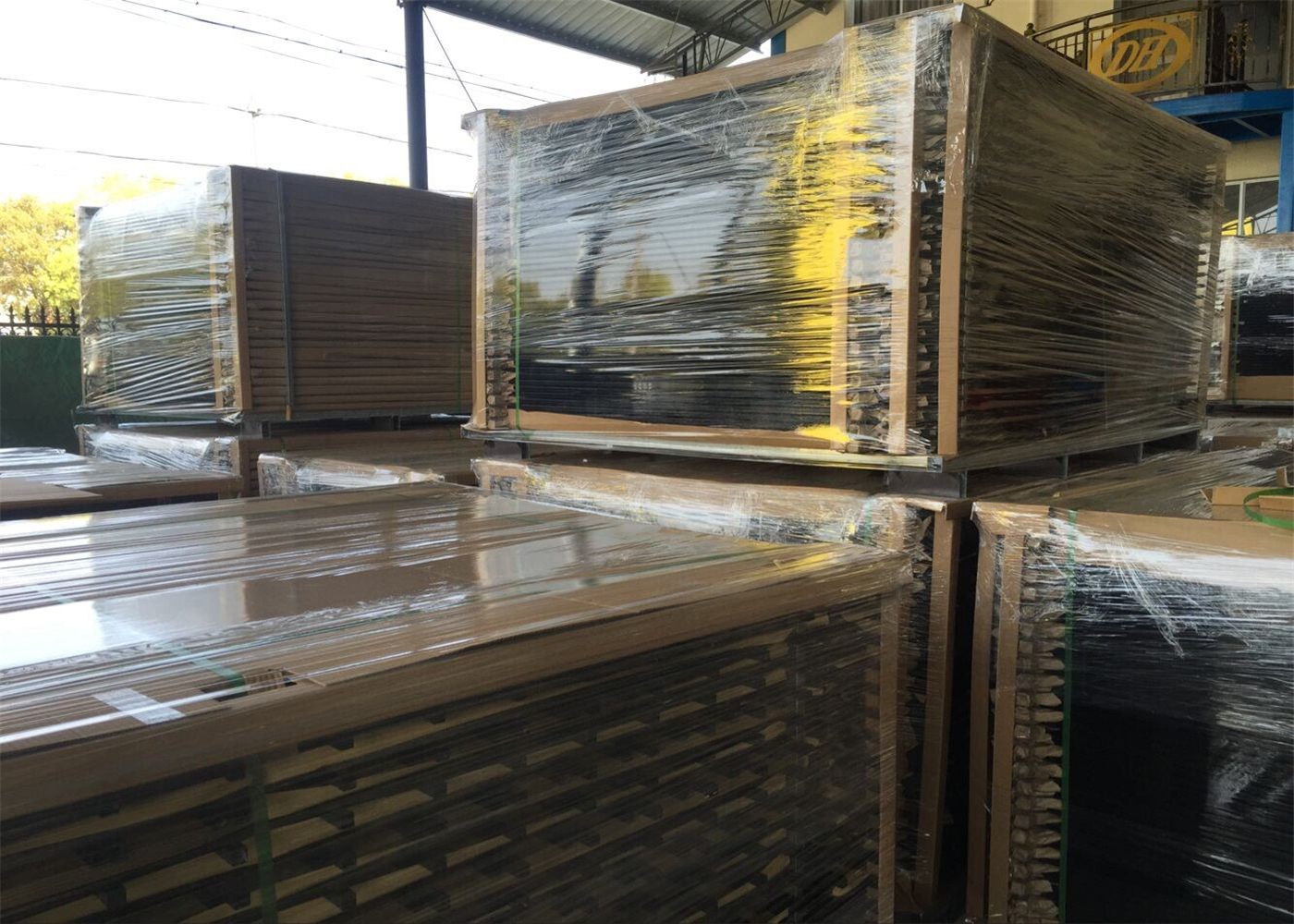
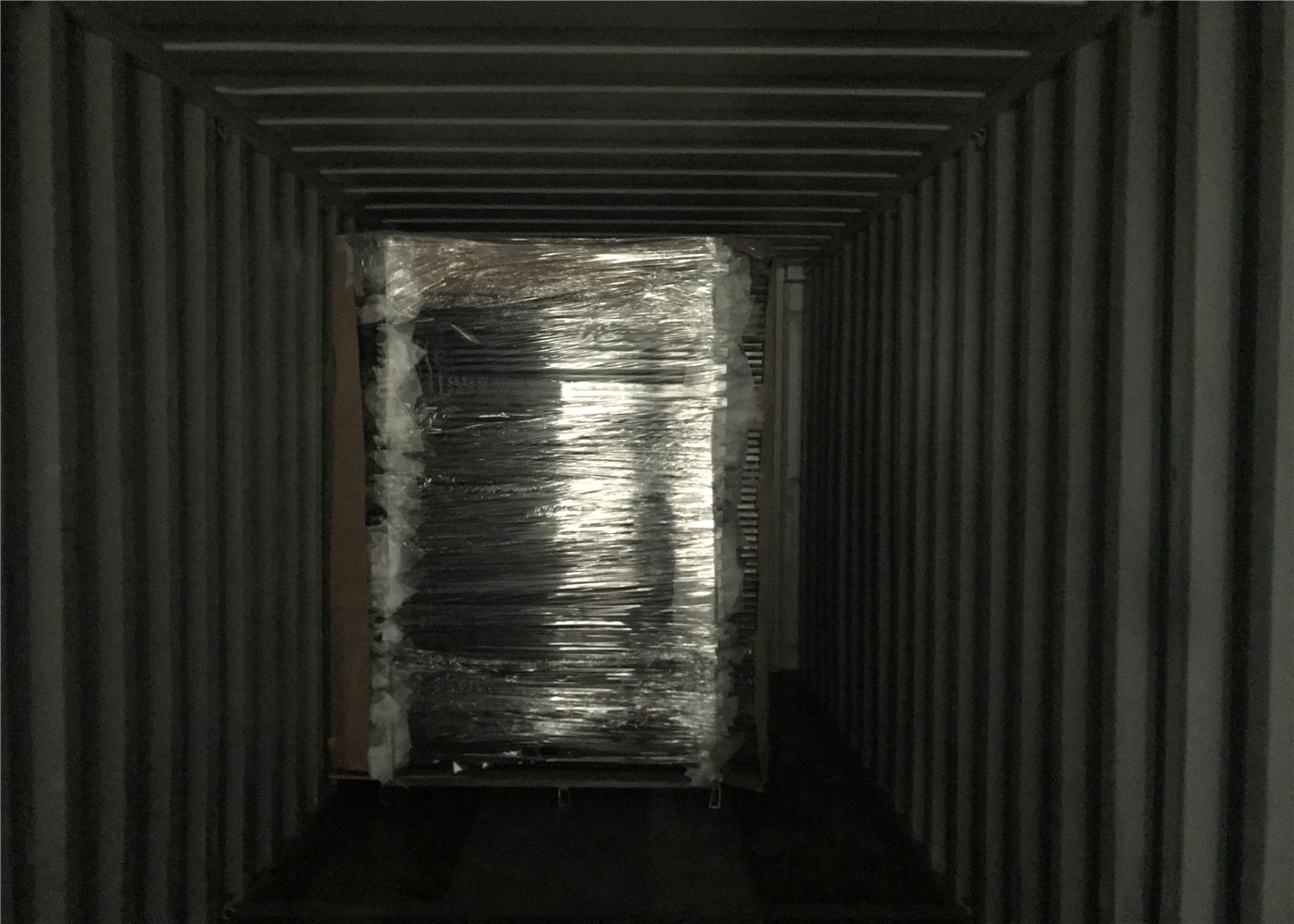
Packing is treated as part of performance. Panels should be protected from rubbing with separators/foam or film, palletized for stability, strapped for container safety, and hardware packed by complete set to prevent missing parts and on-site improvisation. This is how “looks perfect in the factory” stays clean when it reaches site and avoids the most frustrating failure: damaged coating and bent geometry before installation even starts.
Standard and Quality Control
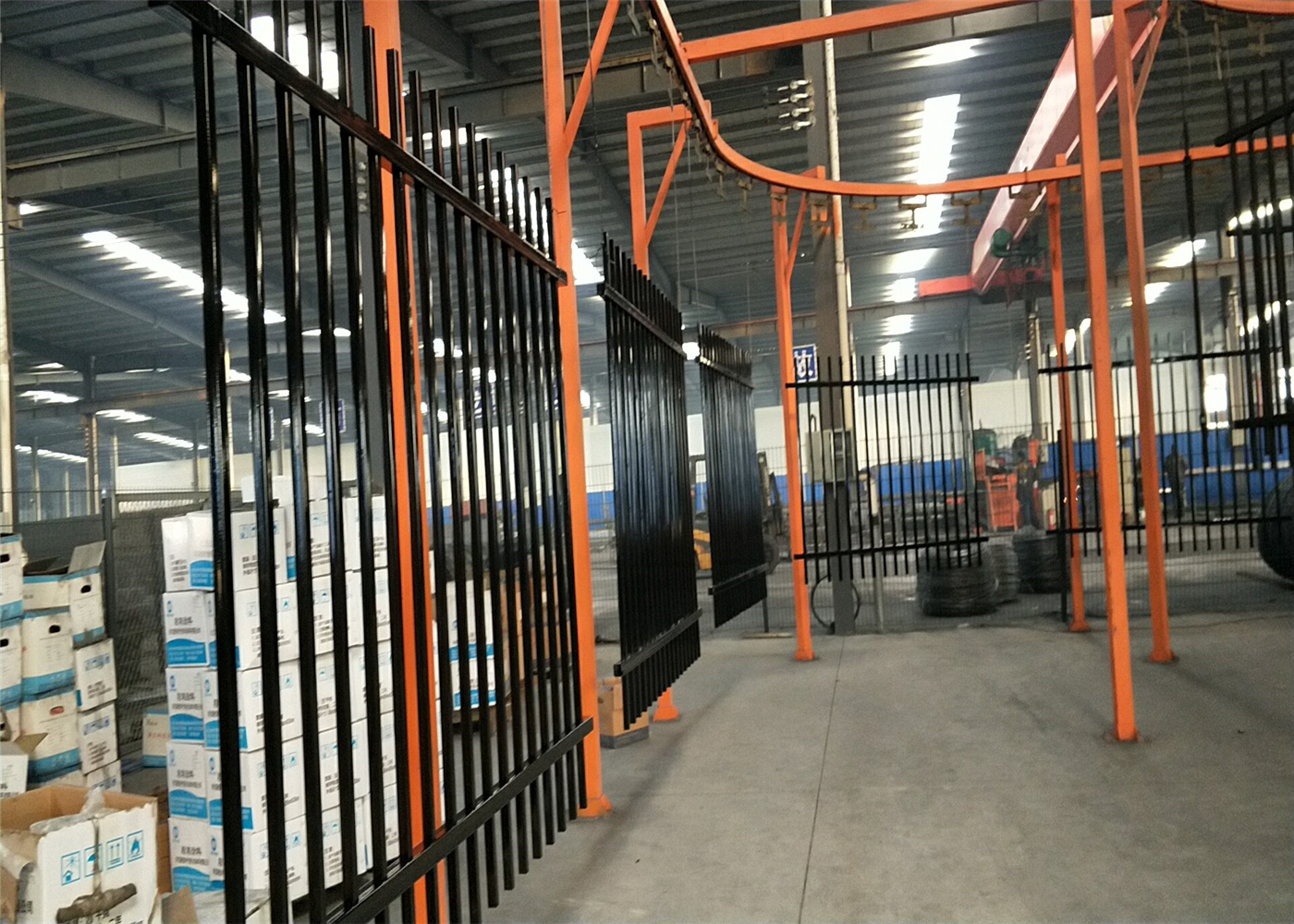
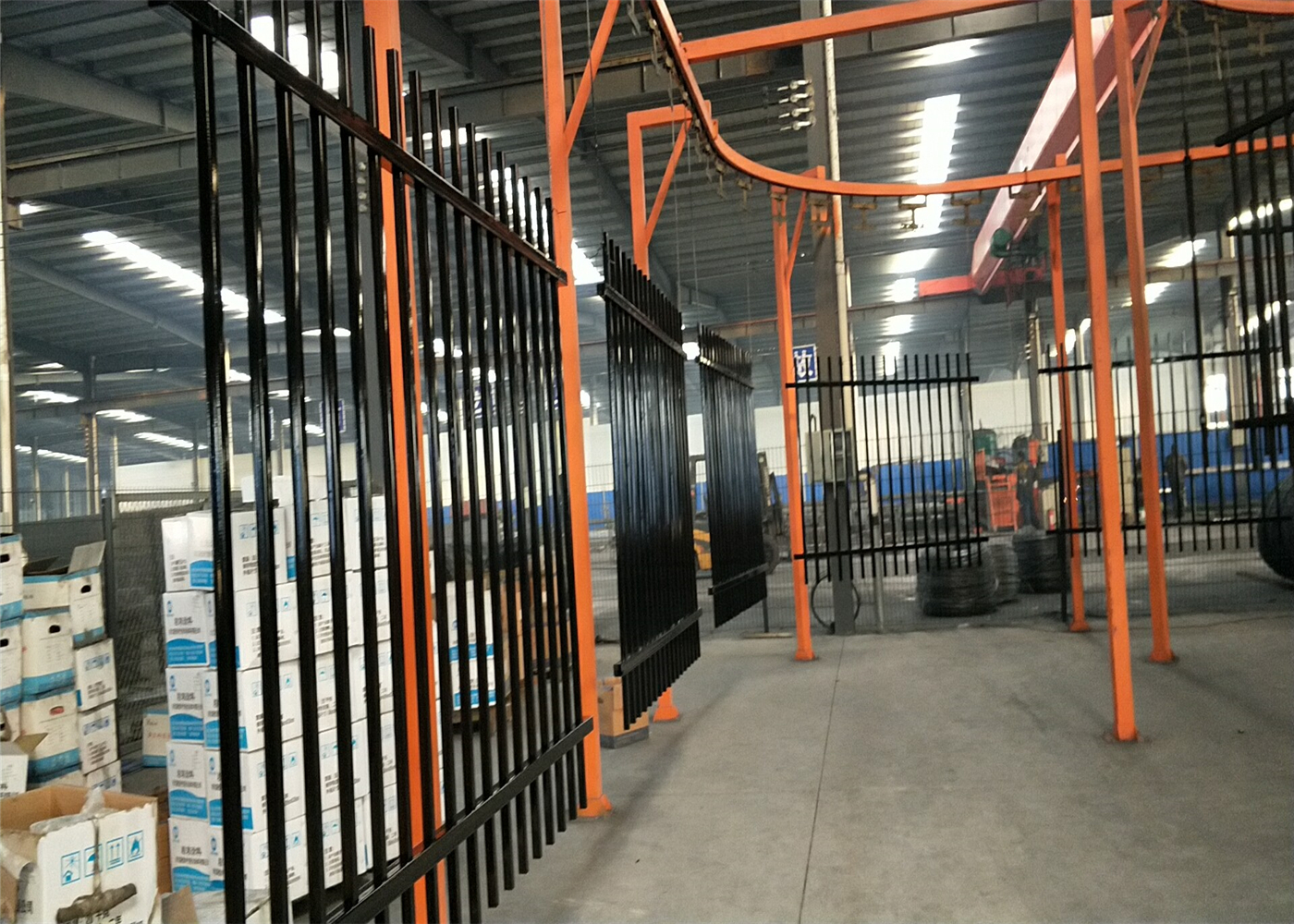
POLYMETAL production follows a practical control flow: raw material selection → cutting → punching and jig positioning → full welding → weld cleanup → surface preparation → coating → inspection → protective packing.
Quality control focuses on weld integrity, dimensional repeatability (so panels align cleanly), finish adhesion (to reduce peeling and chalking), and post pairing discipline to avoid rotation and drift over time. This system-first approach is what keeps repeat orders consistent and prevents “similar but not the same” shipments.
Top 18 TRAPS for garrison fencing china (Especially #15)
TRAP #1: Buying by photo and ignoring rail thickness
Thin rails flex, joints loosen, and the fence line becomes noisy and uneven.
TRAP #2: Using 40×40mm rails where 45×45mm or 50×50mm is required
Under-sized frames amplify vibration and reduce long-run straightness.
TRAP #3: Treating upright thickness as “minor”
0.80mm uprights bend in handling and never look straight again.
TRAP #4: Not locking upright count (16/17/18) in the order
“Similar spacing” becomes inconsistent gaps and a patchy look.
TRAP #5: Claiming 100mm spacing without a jig-controlled plan
Spacing discipline comes from count + jig positions, not guesswork.
TRAP #6: Mixing upright profiles (16×16 / 25×25 / 30×30) in one run
Even if color matches, the pattern doesn’t—rejection risk rises.
TRAP #7: Under-building posts and expecting panels to stay straight
Weak posts twist and rotate, which creates wave lines and loose fixings.
TRAP #8: Ignoring post wall thickness
Thin post walls twist at brackets and lose alignment over time.
TRAP #9: Breaking the post height rule (Panel + 600mm)
Shallow embedment is the fastest route to leaning and rework.
TRAP #10: Accepting poor panel squareness
Out-of-square panels can’t produce a clean straight line—even with good installers.
TRAP #11: Treating corners and ends as “standard posts”
Movement often starts at corners and spreads down the run.
TRAP #12: Using weak brackets or inconsistent fixing sets
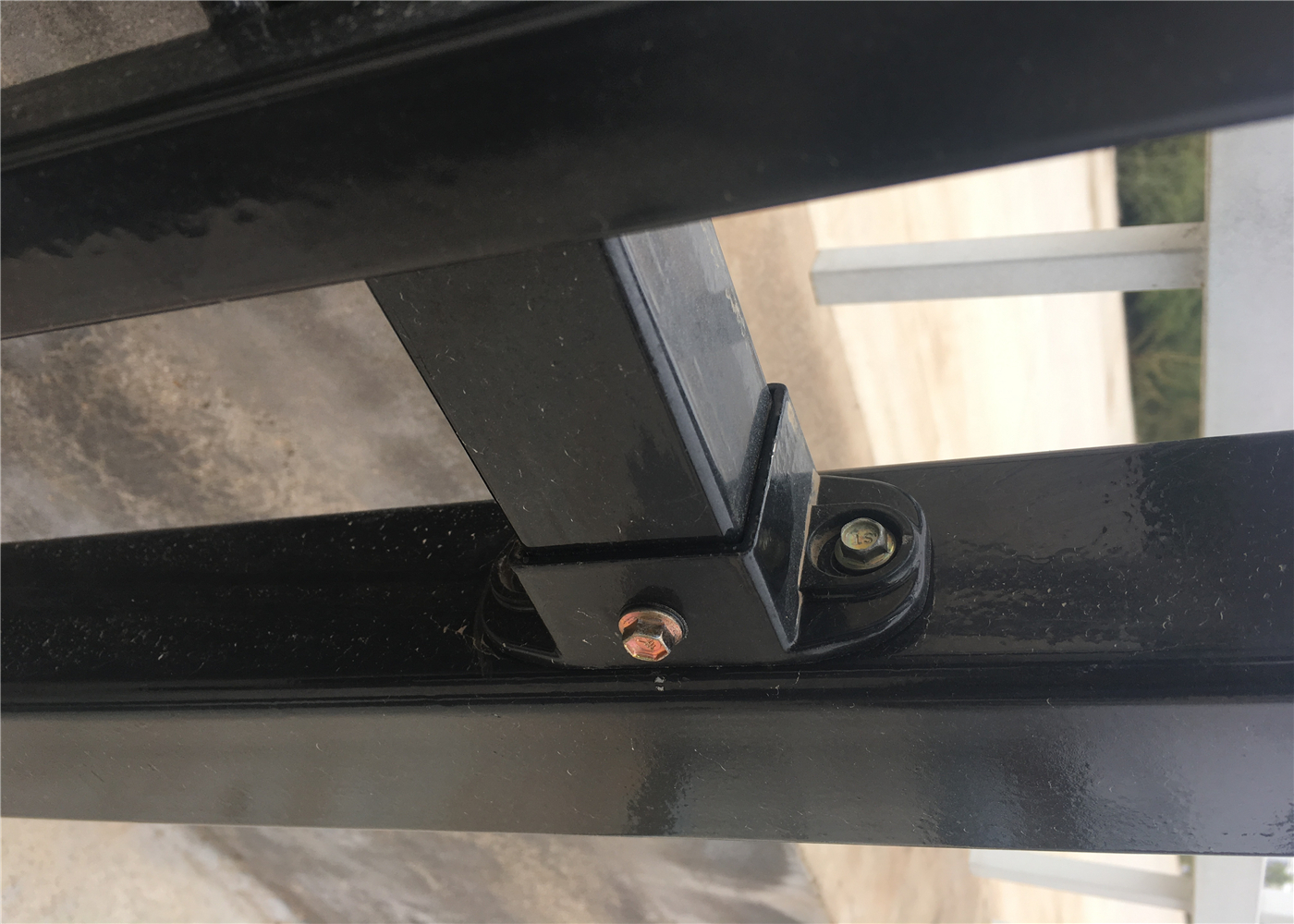
Loose joints create rattle, drift, and visible defects across the frontage.
TRAP #13: Skipping proper surface preparation before coating
Bad adhesion leads to early peeling, chalking, and ugly edge failure.
TRAP #14: Allowing poor packing that rubs panels in transit
Scuffs become acceptance defects before the first panel is installed.
TRAP #15: The hidden LOSS—your garrison fencing china looks great, then fails acceptance
This is the budget killer. Under-sized rails, under-built posts, inconsistent upright density, or weak finish protection can turn into rattles, leaning, and a wavy run after normal handling. That triggers rejection, rework, replacement panels, delayed handover, and reputation damage when timelines are already tight.
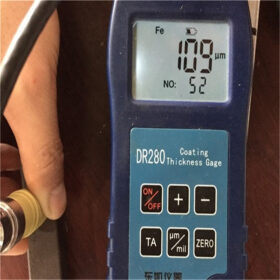
TRAP #16: Choosing coating without controlling thickness and curing
Thin or poorly cured coating scratches during install, then looks old fast—dark colors show everything.
TRAP #17: Mixing batches without locking geometry
Small jig differences create visible steps and uneven top alignment.
TRAP #18: Buying panels only instead of a complete system plan
Panels without matched posts, spacing plan, fixings, and finish targets create on-site improvisation—and improvisation creates failure points.
FAQs: garrison fencing china
FAQ 1: What widths are most common?
2400mm and 2450mm are common project widths used for clean set-out and consistent bay planning.
FAQ 2: How do I control the final “look” across long runs?
Lock upright count (16/17/18), upright profile, and a 100mm spacing target in the RFQ so every batch repeats the same face pattern.
FAQ 3: What rail frame should I choose?
40×40mm suits many standard boundaries, 45×45mm improves stiffness for cleaner long runs, and 50×50mm is preferred when rigidity and quiet joints matter most.
FAQ 4: What post height should I use?
Use the stability rule: post height is panel height + 600mm. For 1800mm panels, common post height is 2400mm.
FAQ 5: What post options are typical?
Common post sections include 60×60mm, 65×65mm, 75×75mm, 80×80mm, and 100×100mm with wall thickness options of 1.6mm, 2.0mm, and 2.5mm chosen by height and abuse level.
FAQ 6: How should garrison fencing china be packed for shipping?
Use separators/foam or film between panels, palletize for stability, strap for container safety, and pack all hardware by complete set to prevent missing parts and unsafe on-site improvisation.
Conclusion
garrison fencing china delivers clean aesthetics and real perimeter control only when it is bought as a system: correct rail stiffness, correct upright thickness and density, correct post pairing with the +600mm rule, controlled finish preparation, and packing that prevents rub damage. Control these details and you get a fence line that stays straight, quiet, acceptance-ready, and far less likely to trigger rework when the project is already under pressure.