Your One-Stop Wire Mesh Fence Supplier | POLYMETAL
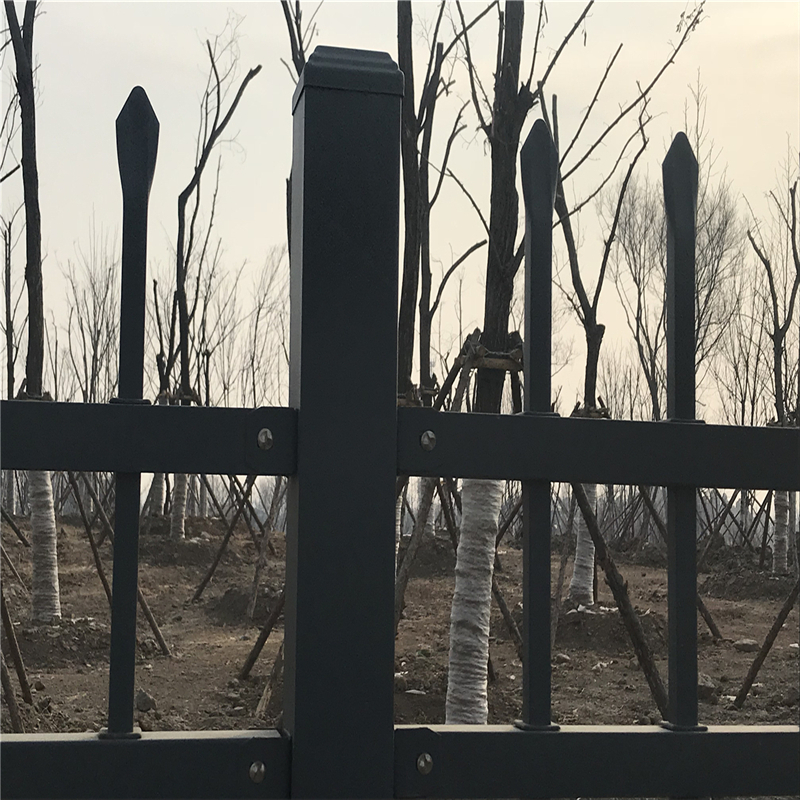
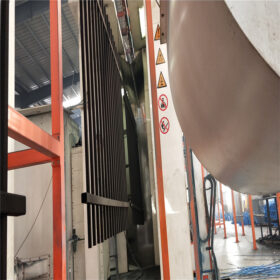
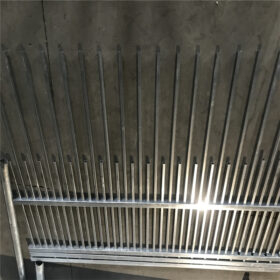
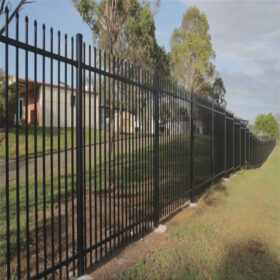
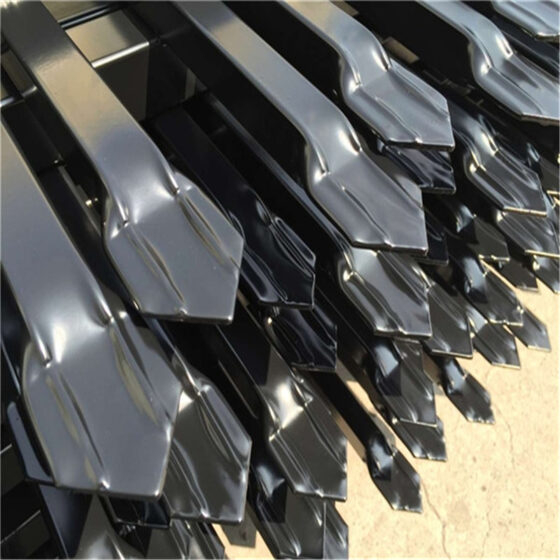
A garrison fencing panel (also called steel picket fence panels, tubular security fence panels, ornamental fence panels, or picket-style perimeter panels) is selected when projects need a clean architectural line with real stiffness for schools, factories, parks, commercial frontage, pools, residential boundaries, and public facilities.
POLYMETAL garrison fencing panel systems are manufactured as repeatable modules using high-strength rails and uprights, then fixed to powder-coated square tubular posts with high-strength brackets so the fence installs faster, stays straighter, and holds alignment across long runs.
The hidden risk is that many garrison fencing panel products look identical in photos, yet behave very differently once installed. A small downgrade in rail frame size, rail thickness, upright thickness, upright spacing discipline, post option, or fasteners can turn a premium perimeter into visible wave-lines, loose pickets, corner racking, early coating damage, and costly rejection—often when posts are already set and the jobsite schedule is locked.
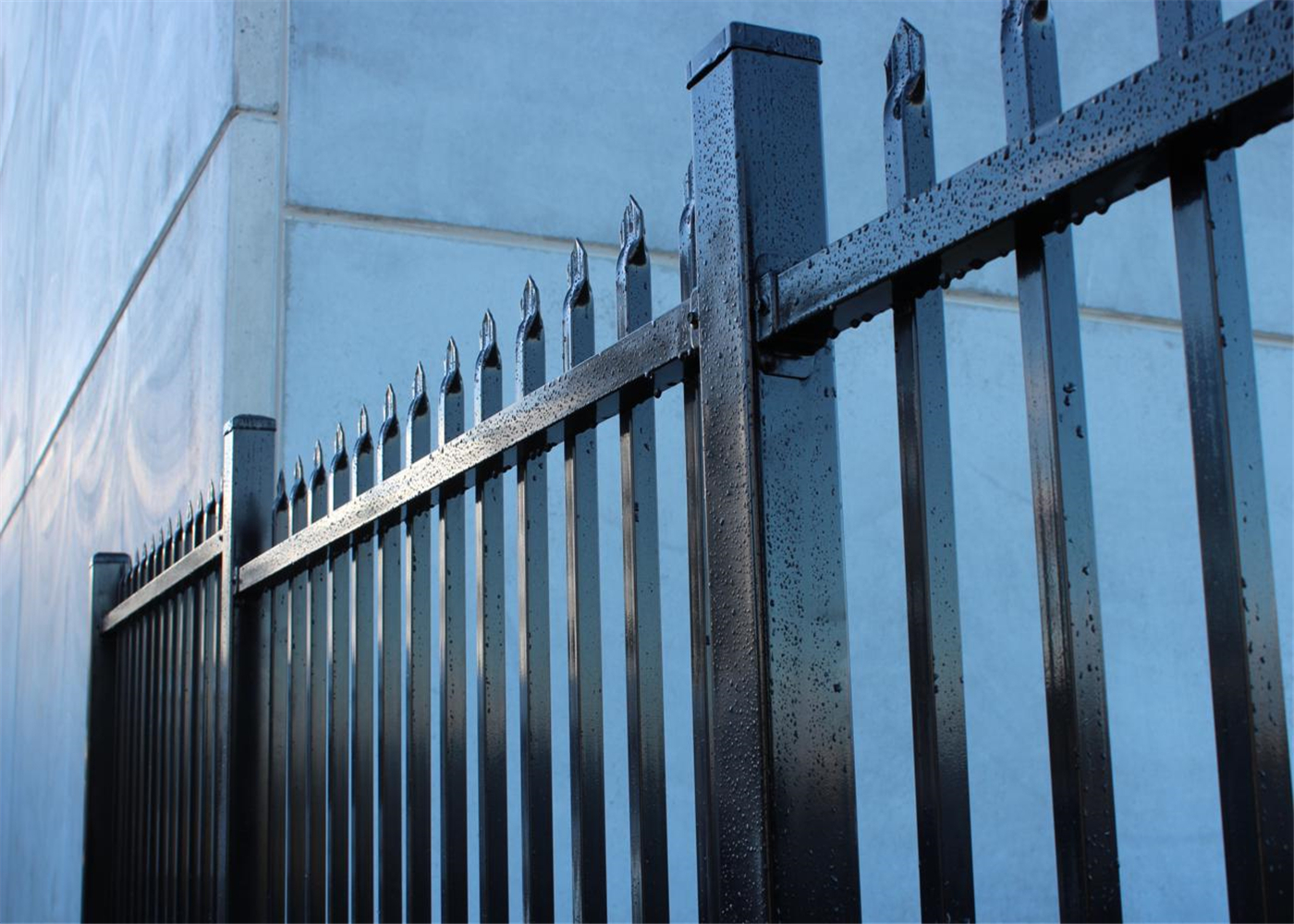
Steel vs Aluminium for Garrison Fencing Panel Projects
Steel garrison fencing panel systems remain the strongest option when straightness, rigidity, and impact tolerance matter most across long runs. Aluminium can reduce weight and improve corrosion resistance in certain environments, but steel typically delivers higher stiffness at comparable geometry—critical where panels must stay aligned under wind, vibration, and daily gate traffic.
For maximum service life, hot dipped galvanized protection is the baseline; powder coating adds a premium appearance only when pretreatment and film thickness are controlled, not treated as a cosmetic shortcut—and for projects chasing higher chemical/UV stability, some spec teams also compare advanced coating systems like PVDF finishes before finalizing long-life surface performance targets.


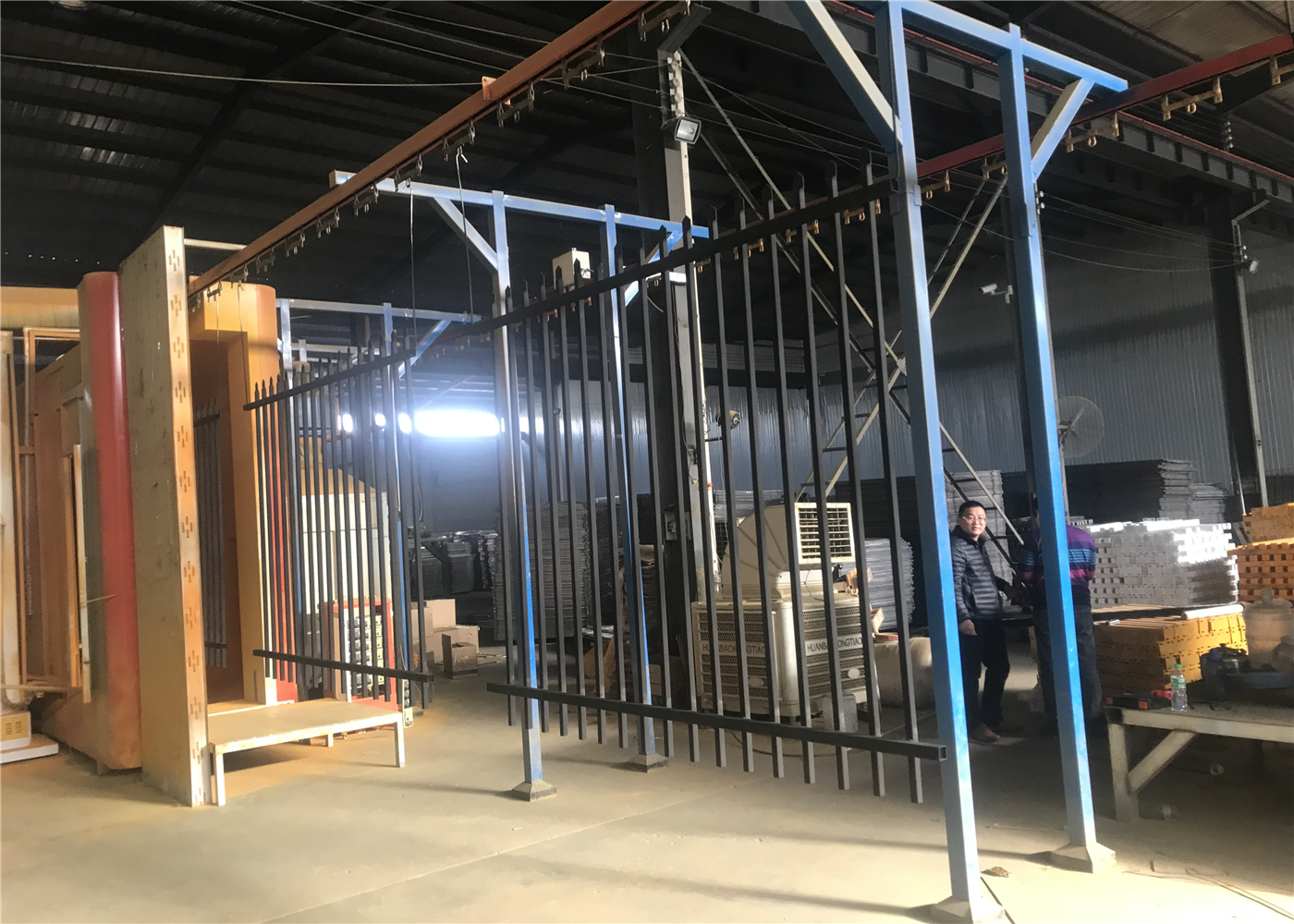

What Makes a Garrison Fencing Panel “High-Performance” on Site
High-performance garrison fencing panel installs depend on three controls staying locked: (1) rail stiffness so the fence line stays straight, (2) upright discipline so pickets don’t flex and loosen under vibration, and (3) post rigidity so corners and gates do not rack the line.
When these three are engineered correctly, the fence maintains a premium architectural look, reduces site complaints, and avoids the most expensive outcome: pulling out posts to rebuild the line.

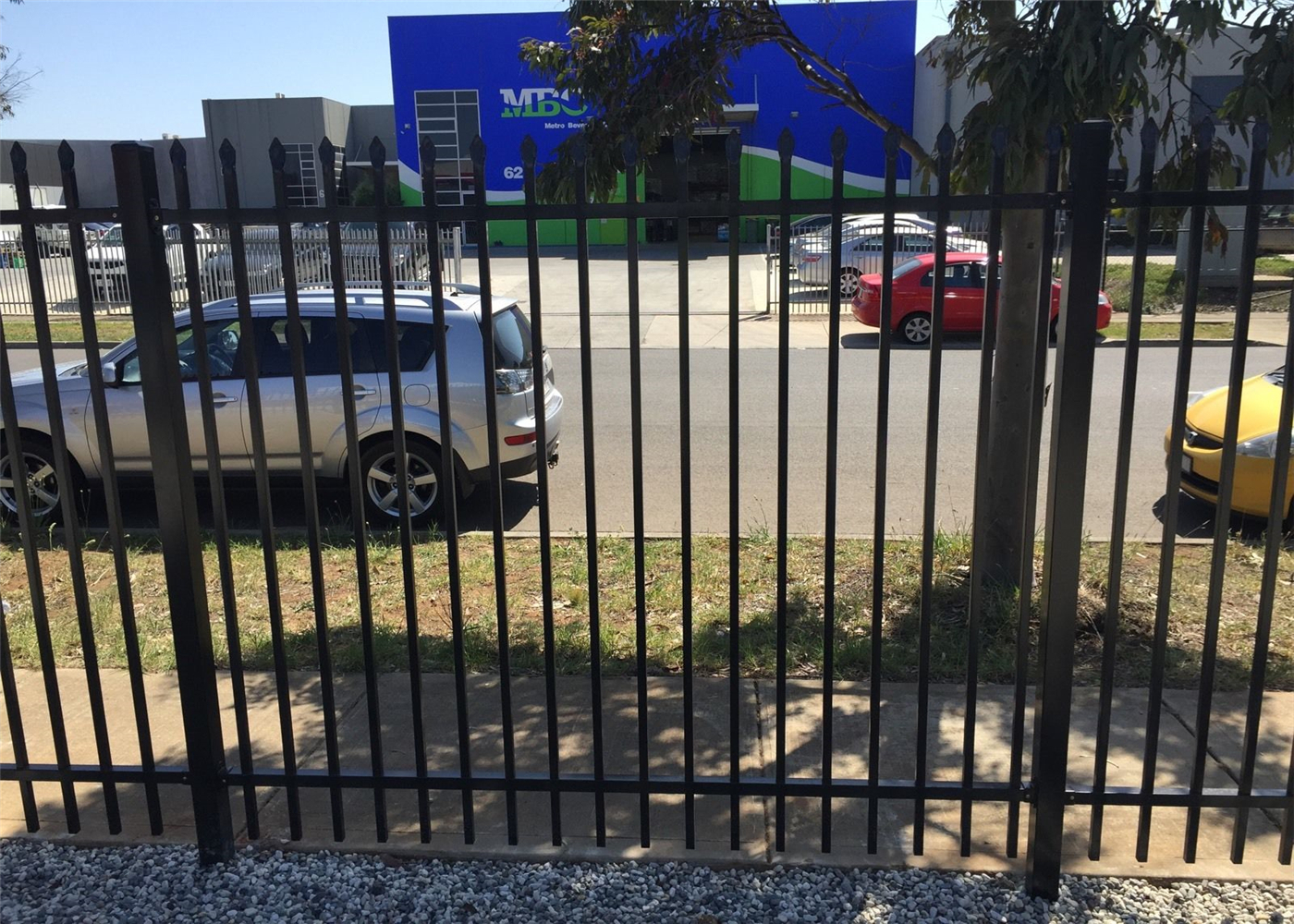

Processing Flow (Garrison Fencing Panel)
Cut tube → Punching holes → Surface cleaning → Pretreatment → Hot-dipped galvanizing (optional) → Zinc phosphate pretreatment → Zinc-rich epoxy (optional) → Polyester powder coating → Assembly (brackets & fasteners) → Inspection → Packing → Container loading

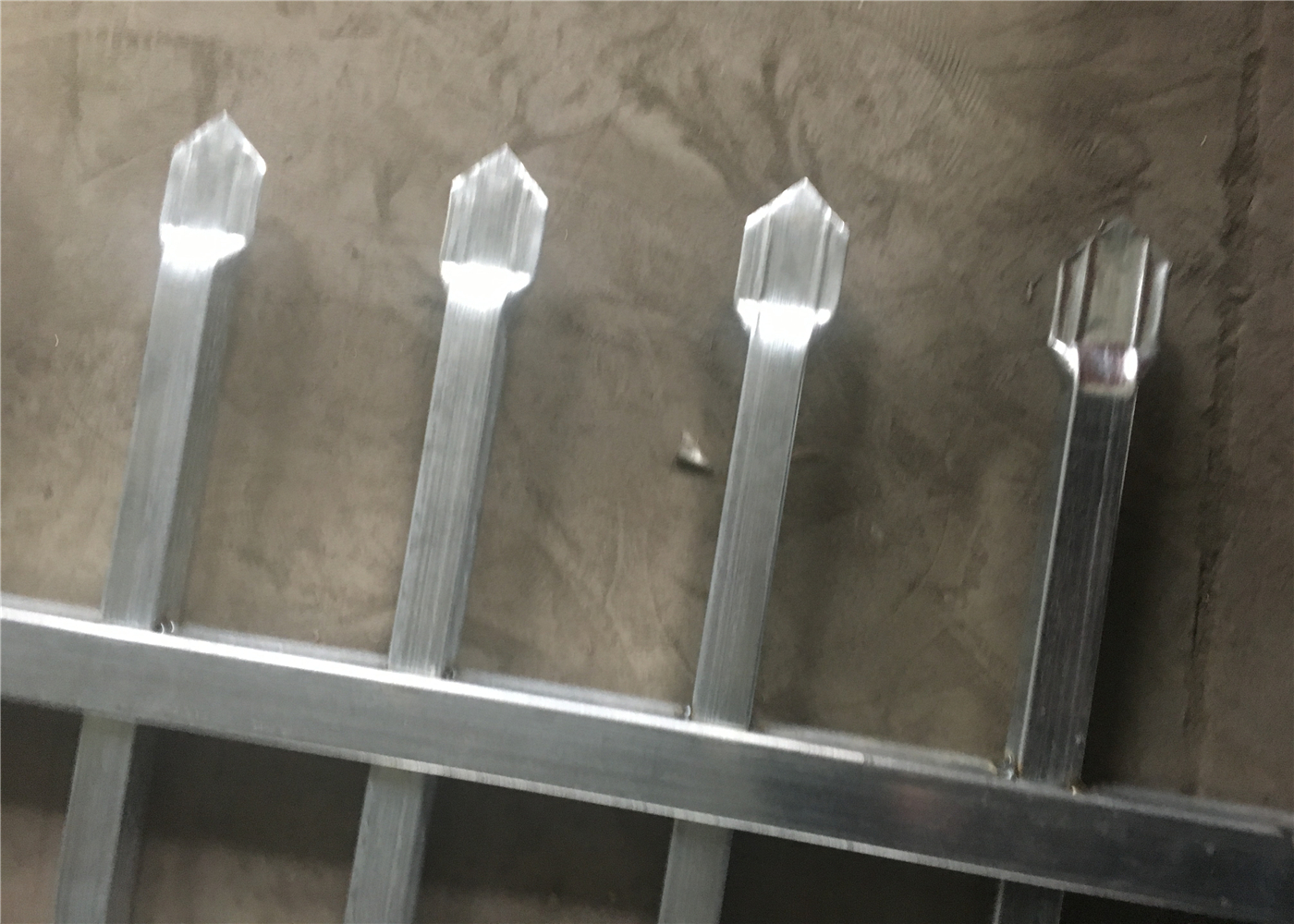

Top 10 Shocking Traps Buyers Miss in Garrison Fencing Panel Orders
These are the real reasons buyers lose money on garrison fencing panel projects. The worst cost blowout usually happens when posts are already installed and the line must be rebuilt—especially Trap #7.

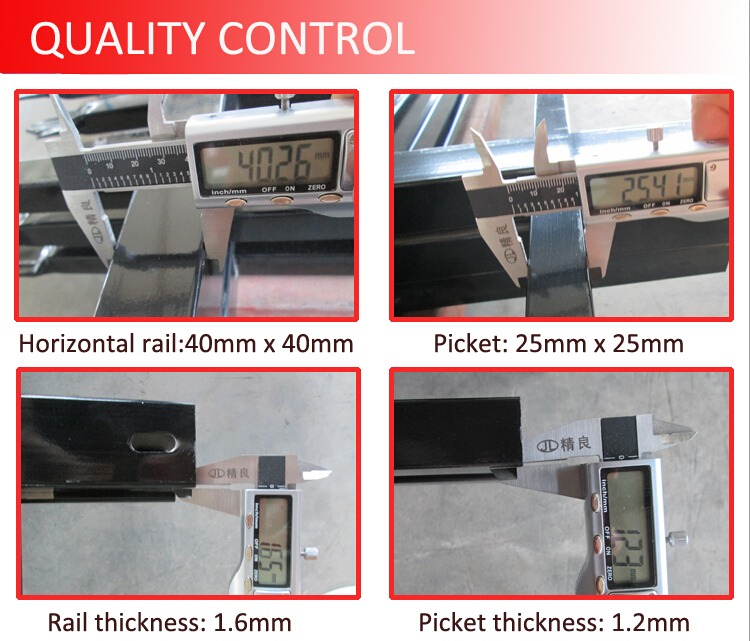


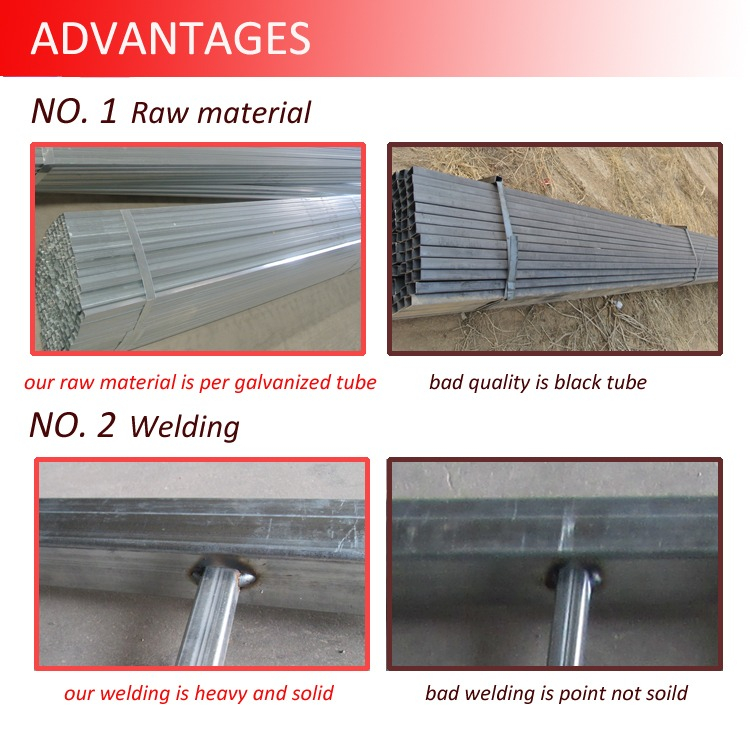
Trap #1 (illusion): The “Looks the Same” Rail Frame Illusion
Two panels can look identical, yet a rail frame change from 50×50mm to 40×40mm can drop stiffness enough to create wave-lines across long runs. Rail frame choice must match fence height, wind exposure, bay length, and corner/gate load zones—otherwise the fence line drifts from “architectural” to “patched” after installation.
Trap #2 (gap): Rail Thickness Quietly Drops
Rail thickness is the difference between a fence that stays straight and one that twists and sags after repeated loads.
A tall garrison fencing panel on thin rails can pass initial inspection, then develop misalignment after wind cycles and gate vibration. If you want stable runs, lock rail thickness to height, not to a lowest-cost template.
Trap #3 (misstep): Upright Thickness Treated as Cosmetic
Upright thickness controls micro-movement. When uprights are downgraded, pickets flex more under impact and vibration, which makes brackets work loose faster and creates visible rattle.
Upright thickness is a stability control point, not a “nice-to-have” detail.
Trap #4 (oversight): Upright Spacing Discipline Is Not Locked
Spacing changes both the visual rhythm and the structural behavior.
If spacing drifts from 100mm to 108mm to 115mm without strict discipline, panels look mismatched and become harder to align, and the fence line can “walk” as hardware loosens under micro-movement. Lock spacing and upright count in the purchase order—then label it for installers.
Trap #5 (risk): Post Option Under-Specified
Many fence failures are post failures. If the post size or wall thickness is too light, the line racks at corners and gates, panels don’t sit flat, and the perimeter looks “repaired” on day one.
If you want premium straight lines, match post option to height and exposure, not to minimum compliance.
Trap #6 (warning): Brackets and Fasteners Treated as “Standard”
High-security appearance is wasted if fixings can be removed with common tools. Anti-tamper fasteners and correct bracket selection must be specified as part of the system, not added later. When brackets are under-specified, the fence becomes noisy, loose, and expensive to maintain.
Trap #7 (loss): Post Height Planning Ignored (Biggest Rework Trigger)
This is where buyers lose the most money. If post heights are not specified correctly for embedment depth, baseplates, and ground variation, installers cut, pack, or re-set posts on site. That creates misaligned bays, uneven top lines, and full rework.
POLYMETAL locks a simple rule into the order: Post Height = Fence Panel Height + 600mm. This builds footing depth and long-run rigidity into the layout from day one and prevents the “posts are already set” disaster.
Trap #8 (danger): Coating Spec Is Vague
Powder coating performance depends on the full process, not just color. If minimum film thickness, pretreatment discipline, and powder quality are not defined, chipping and early corrosion become disputes.
A garrison fencing panel is handled, stacked, and installed under pressure—vague coating specs become visible damage fast.
Trap #9 (problem): Mixed Specs in One Project Without Labels
Mixing rail frames, upright spacing, or post options across a single project requires strict labeling.
If installers swap panels during deployment, the fence line becomes inconsistent and rework becomes inevitable. Mixed specs without labels turn a clean perimeter into a mismatched patchwork.
Trap #10 (checklist): Packing Discipline Missing
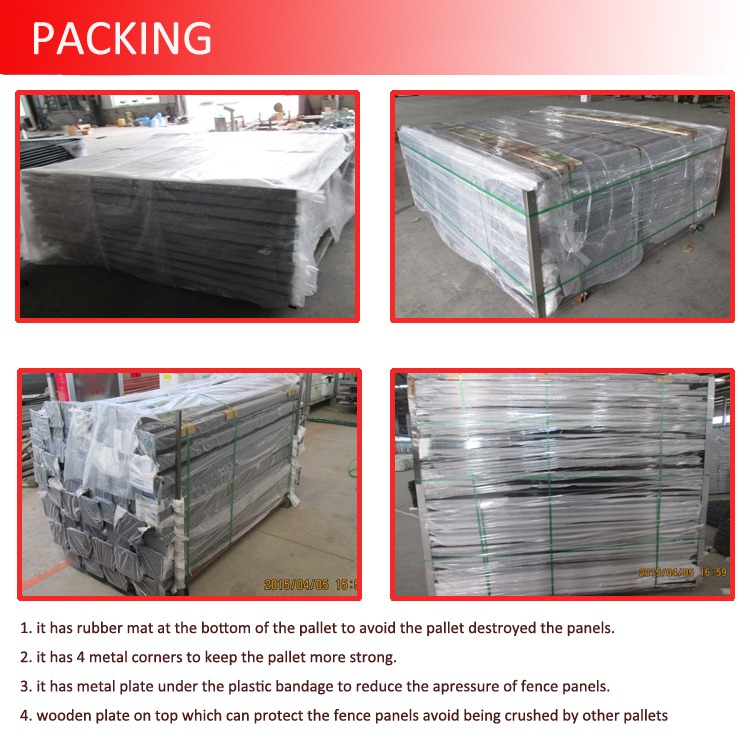
Transit damage is profit loss. Without separation protection, counted bundles, and correct pallet structure, panels rub, corners chip, and site teams mix incompatible components. The job doesn’t fail at the factory—it fails when damaged panels arrive and the schedule has no margin.
Product Description
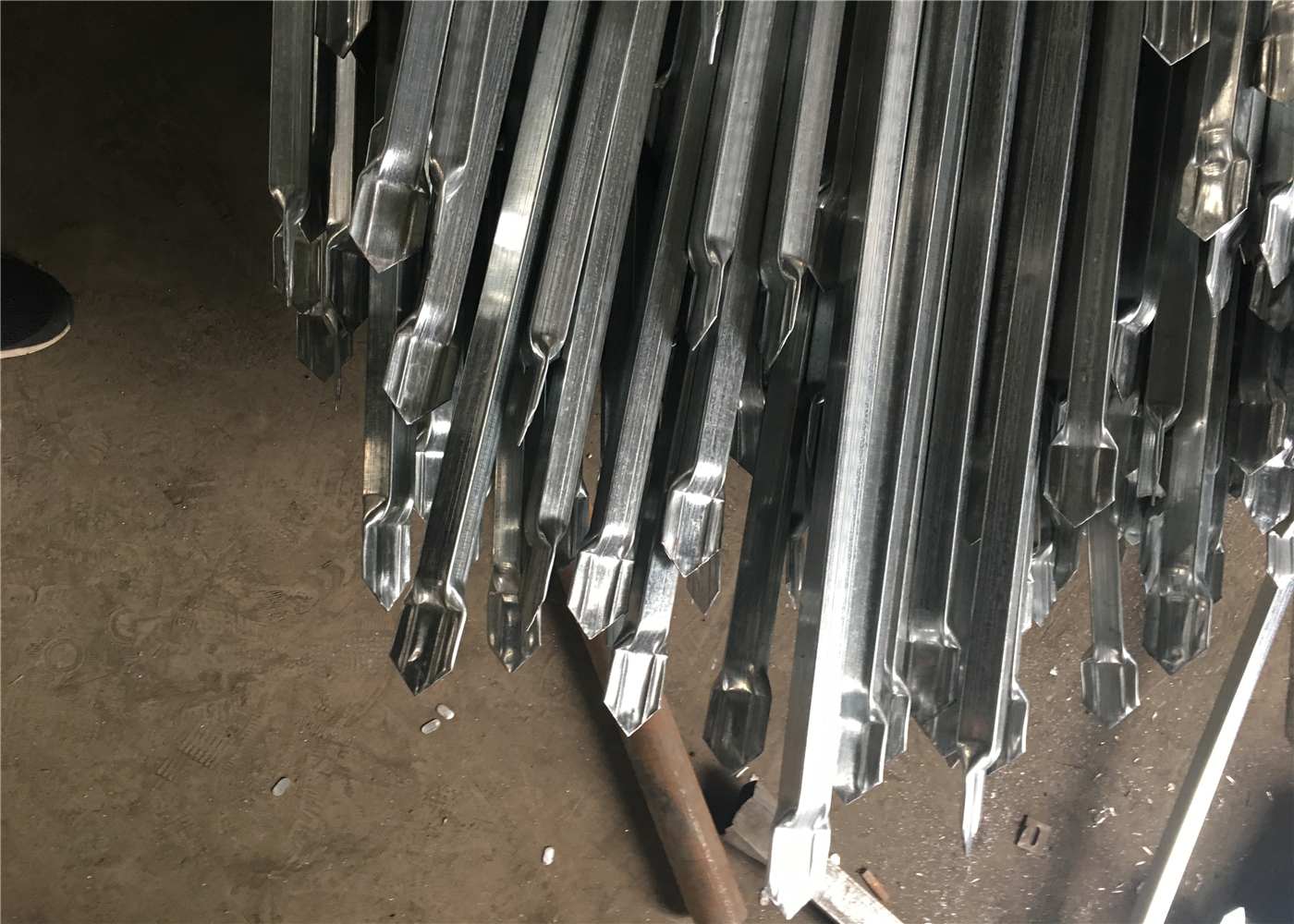
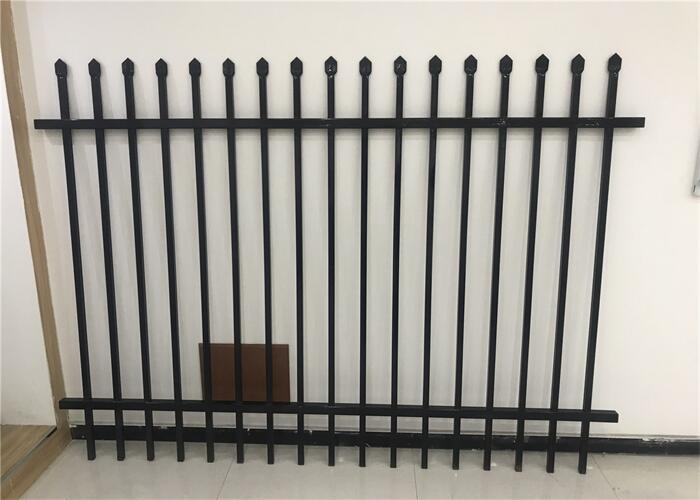
POLYMETAL garrison fencing panel systems are tubular picket-style security panels manufactured from high-strength steel rails and uprights, engineered to deliver a clean architectural boundary with repeatable straightness across long runs.
Panels are fixed to powder-coated square tubular posts using high-strength garrison fence brackets and secure fasteners, creating a perimeter that installs faster and stays stable under daily pressure from wind, foot traffic, and gate vibration.
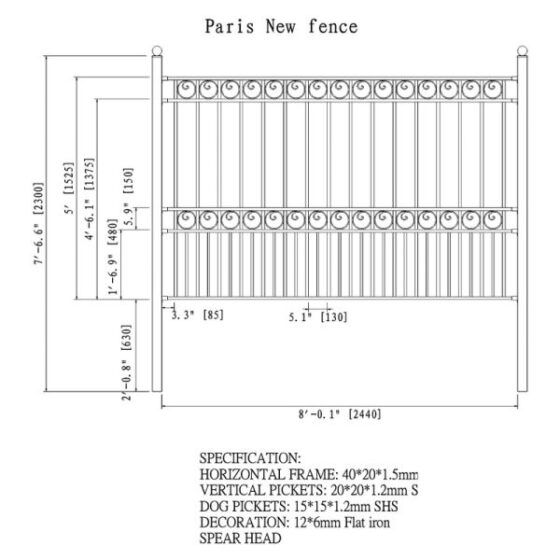
To match different project exposures, POLYMETAL offers multiple rail frame sizes (40×40mm, 45×45mm, 50×50mm), rail thickness options (1.60mm, 2.00mm, 2.50mm, 3.00mm), upright profiles (16×16mm, 25×25mm, 30×30mm) with controlled upright thickness (0.80mm, 1.00mm, 1.20mm, 2.00mm), and post options (60×60mm, 65×65mm, 75×75mm, 80×80mm, 100×100mm) with wall thickness discipline (1.6mm, 2.0mm, 2.5mm) so corners, gates, and long runs remain straight and secure.



Specifications Rule (Critical)
Rule applied: Post Height = Fence Panel Height + 600mm. This prevents the #7 loss scenario by ensuring embedment/base stability and long-run rigidity are built into the design, not improvised on site.
Specifications Table 1: Standard Duty Garrison Fencing Panel (10 Specs)
| Standard Duty (Architectural Boundaries / General Perimeter) | |||||||||||
|---|---|---|---|---|---|---|---|---|---|---|---|
| Fence Height (mm) | Fence Width (mm) | Rail Frame | Rail Thickness (mm) | Upright | Upright Thickness (mm) | Upright Spacing (mm) | Upright Qty | Post Option | Post Wall (mm) | Post Height (mm) | Notes |
| 1200 | 2400 | 40×40 | 1.60 | 16×16 | 0.80 | 115 | 16 pcs | 60×60 | 1.60 | 1800 | Clean look, light exposure |
| 1200 | 2450 | 40×40 | 2.00 | 16×16 | 1.00 | 108 | 17 pcs | 65×65 | 1.60 | 1800 | Better stiffness for longer bays |
| 1500 | 2400 | 40×40 | 2.00 | 25×25 | 1.00 | 100 | 18 pcs | 65×65 | 2.00 | 2100 | More security feel |
| 1500 | 2450 | 45×45 | 1.60 | 25×25 | 1.20 | 108 | 17 pcs | 75×75 | 1.60 | 2100 | Stiffer rail for mixed zones |
| 1800 | 2400 | 45×45 | 2.00 | 25×25 | 1.20 | 100 | 18 pcs | 75×75 | 2.00 | 2400 | Popular perimeter spec |
| 1800 | 2450 | 45×45 | 2.50 | 30×30 | 1.00 | 108 | 17 pcs | 80×80 | 2.00 | 2400 | Higher rigidity at width 2450 |
| 2100 | 2400 | 50×50 | 2.00 | 30×30 | 1.20 | 100 | 18 pcs | 80×80 | 2.00 | 2700 | High security appearance |
| 2100 | 2450 | 50×50 | 2.50 | 30×30 | 1.20 | 108 | 17 pcs | 100×100 | 2.00 | 2700 | Long-run straightness focus |
| 2400 | 2400 | 50×50 | 2.50 | 30×30 | 1.20 | 100 | 18 pcs | 100×100 | 2.50 | 3000 | Tall panel, rigid post |
| 2400 | 2450 | 50×50 | 3.00 | 30×30 | 2.00 | 100 | 18 pcs | 100×100 | 2.50 | 3000 | Maximum stability for height |
Specifications Table 2: Heavy Duty Garrison Fencing Panel (10 Specs)
| Heavy Duty (Higher Wind / Gate Zones / Public-Facing Security) | |||||||||||
|---|---|---|---|---|---|---|---|---|---|---|---|
| Fence Height (mm) | Fence Width (mm) | Rail Frame | Rail Thickness (mm) | Upright | Upright Thickness (mm) | Upright Spacing (mm) | Upright Qty | Post Option | Post Wall (mm) | Post Height (mm) | Notes |
| 1200 | 2400 | 45×45 | 2.00 | 25×25 | 1.20 | 100 | 18 pcs | 75×75 | 2.00 | 1800 | Public areas, higher handling |
| 1200 | 2450 | 45×45 | 2.50 | 25×25 | 1.20 | 108 | 17 pcs | 80×80 | 2.00 | 1800 | Improved long-run stiffness |
| 1500 | 2400 | 45×45 | 2.50 | 30×30 | 1.20 | 100 | 18 pcs | 80×80 | 2.50 | 2100 | Gate-zone stability |
| 1500 | 2450 | 50×50 | 2.00 | 30×30 | 1.20 | 108 | 17 pcs | 100×100 | 2.00 | 2100 | Higher rigidity at width 2450 |
| 1800 | 2400 | 50×50 | 2.50 | 30×30 | 1.20 | 100 | 18 pcs | 100×100 | 2.50 | 2400 | High wind areas |
| 1800 | 2450 | 50×50 | 3.00 | 30×30 | 2.00 | 100 | 18 pcs | 100×100 | 2.50 | 2400 | Maximum upright rigidity |
| 2100 | 2400 | 50×50 | 3.00 | 30×30 | 2.00 | 100 | 18 pcs | 100×100 | 2.50 | 2700 | Premium straight line |
| 2100 | 2450 | 50×50 | 3.00 | 30×30 | 2.00 | 108 | 17 pcs | 100×100 | 2.50 | 2700 | Consistency across mixed runs |
| 2400 | 2400 | 50×50 | 3.00 | 30×30 | 2.00 | 100 | 18 pcs | 100×100 | 2.50 | 3000 | Tall commercial boundary |
| 2400 | 2450 | 50×50 | 3.00 | 30×30 | 2.00 | 115 | 16 pcs | 100×100 | 2.50 | 3000 | Wider spacing, higher post control |
Specifications Table 3: Maximum Rigidity Garrison Fencing Panel (10 Specs)
| Maximum Rigidity (Straight-Line Priority / High Exposure / High Security Feel) | |||||||||||
|---|---|---|---|---|---|---|---|---|---|---|---|
| Fence Height (mm) | Fence Width (mm) | Rail Frame | Rail Thickness (mm) | Upright | Upright Thickness (mm) | Upright Spacing (mm) | Upright Qty | Post Option | Post Wall (mm) | Post Height (mm) | Notes |
| 1200 | 2400 | 50×50 | 2.50 | 25×25 | 1.20 | 100 | 18 pcs | 80×80 | 2.50 | 1800 | High rigidity short height |
| 1200 | 2450 | 50×50 | 3.00 | 30×30 | 1.20 | 108 | 17 pcs | 100×100 | 2.00 | 1800 | Maximum straight line at 2450 |
| 1500 | 2400 | 50×50 | 3.00 | 30×30 | 1.20 | 100 | 18 pcs | 100×100 | 2.50 | 2100 | Gate-zone ready |
| 1500 | 2450 | 50×50 | 3.00 | 30×30 | 2.00 | 108 | 17 pcs | 100×100 | 2.50 | 2100 | High impact tolerance |
| 1800 | 2400 | 50×50 | 3.00 | 30×30 | 2.00 | 100 | 18 pcs | 100×100 | 2.50 | 2400 | Most rigid common height |
| 1800 | 2450 | 50×50 | 3.00 | 30×30 | 2.00 | 115 | 16 pcs | 100×100 | 2.50 | 2400 | Lower picket density, high rail control |
| 2100 | 2400 | 50×50 | 3.00 | 30×30 | 2.00 | 100 | 18 pcs | 100×100 | 2.50 | 2700 | High exposure perimeter |
| 2100 | 2450 | 50×50 | 3.00 | 30×30 | 2.00 | 108 | 17 pcs | 100×100 | 2.50 | 2700 | Premium straight run at 2450 |
| 2400 | 2400 | 50×50 | 3.00 | 30×30 | 2.00 | 100 | 18 pcs | 100×100 | 2.50 | 3000 | Tall panel, maximum rigidity |
| 2400 | 2450 | 50×50 | 3.00 | 30×30 | 2.00 | 108 | 17 pcs | 100×100 | 2.50 | 3000 | Tall + wide with strict control |
Applications (Garrison Fencing Panel)
- Schools, campuses, and public facilities requiring a clean, premium security boundary
- Factories, warehouses, and industrial sites with gate and corner load zones
- Parks, reserves, and commercial frontage needing consistent architectural appearance
- Residential boundary upgrades and managed properties (project compliance dependent)
- Pool zones and restricted access areas (project compliance dependent)
- Permanent perimeter style for construction sites and staged developments
Benefits
- High security feel: Picket-style line signals control and deters casual entry.
- Straight long runs: Correct rail frames, thickness, and posts reduce wave-lines.
- Lower maintenance cost: Disciplined uprights and rigid posts reduce loosening and rework.
- Premium appearance: Powder coating supports modern architectural boundaries when specified correctly.
- Fast, repeatable install: Standardized bays, posts, and brackets simplify site handling.
- Reduced tamper risk: Anti-tamper fasteners improve perimeter integrity when specified in the order.
Packing
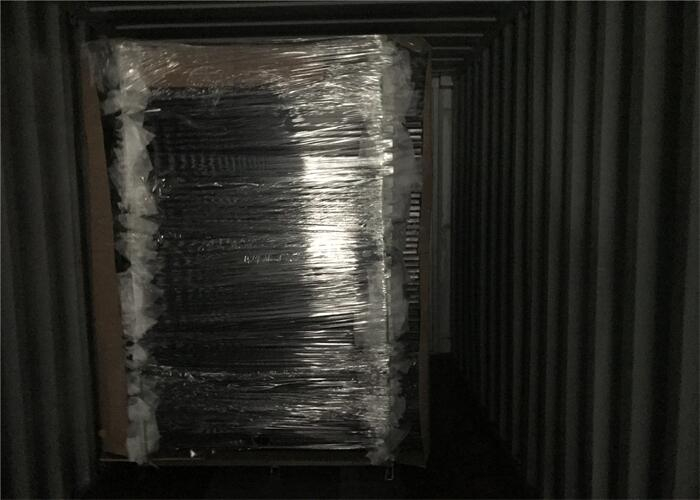
POLYMETAL packing is designed to protect finish and prevent mix-ups so garrison fencing panel installs straight and consistent.
- Panels stacked with separation protection to prevent rubbing and corner chipping
- Counted bundles to simplify receiving and prevent missing components
- Corner protectors and strapping discipline to reduce transit dents
- Posts bundled separately by size and wall thickness to prevent installation swapping
- Brackets and fasteners boxed, counted, and labeled by height group / run group

Standard
- Rail frame and rail thickness locked to fence height and exposure
- Upright size, thickness, spacing, and count fixed for repeatable visual rhythm
- Post option and post wall thickness matched to corners, gates, and long runs
- Post Height = Panel Height + 600mm built into the purchase specification
- Coating system defined with clear process discipline to reduce early corrosion disputes
FAQs (Garrison Fencing Panel)
Q1: What is the fastest way to choose the right garrison fencing panel spec?
A: Start with fence height and exposure, then lock rail frame (40×40 / 45×45 / 50×50), rail thickness (1.60 / 2.00 / 2.50 / 3.00), upright size (16×16 / 25×25 / 30×30), upright thickness (0.80 / 1.00 / 1.20 / 2.00), spacing (100 / 108 / 115), and post option with wall thickness matched to corners and gates.
Q2: Which upright counts are most common?
A: Common options are 18 pcs (100mm spacing), 17 pcs (108mm spacing), and 16 pcs (115mm spacing) depending on the security feel and visual density target.
Q3: What post sizes are commonly used?
A: Common post options include 60×60, 65×65, 75×75, 80×80, and 100×100mm with wall thickness options 1.6mm, 2.0mm, and 2.5mm.
Q4: What is the #1 reason fence lines look wavy after install?
A: Under-specified rails and posts, plus spacing discipline drift. If rail frames/thickness and post rigidity are not matched to height and exposure, long runs show wave-lines quickly.
Q5: What is the simplest rule to prevent the #7 loss scenario?
A: Keep post height greater than panel height by 600mm so embedment/base stability and long-run rigidity are built into the layout from day one.