Your One-Stop Wire Mesh Fence Supplier | POLYMETAL
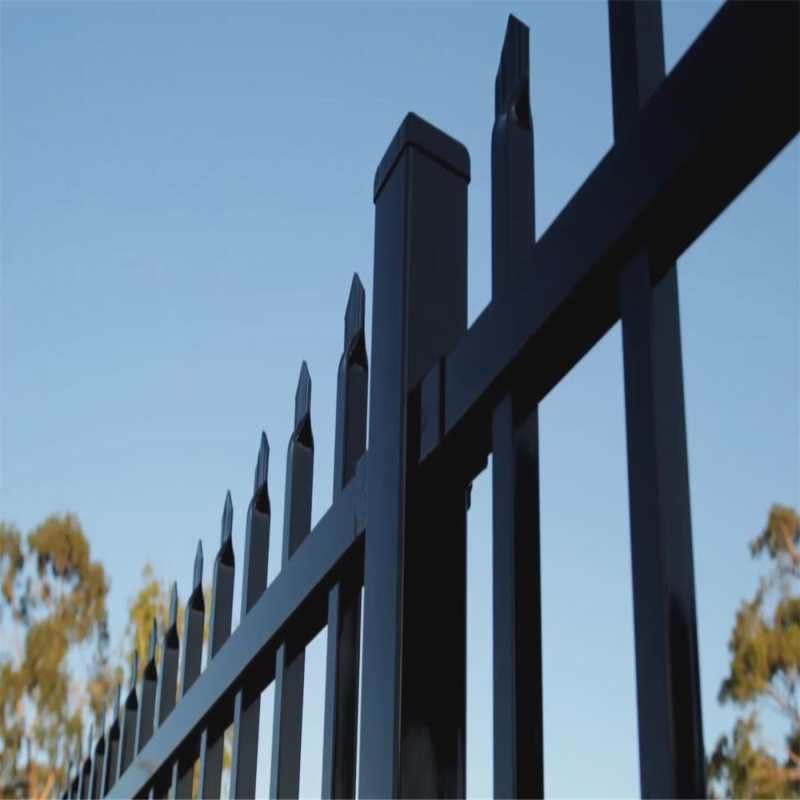


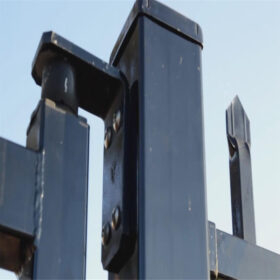

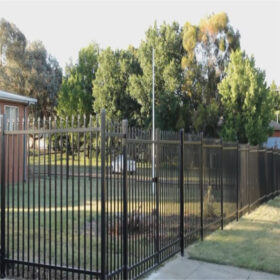


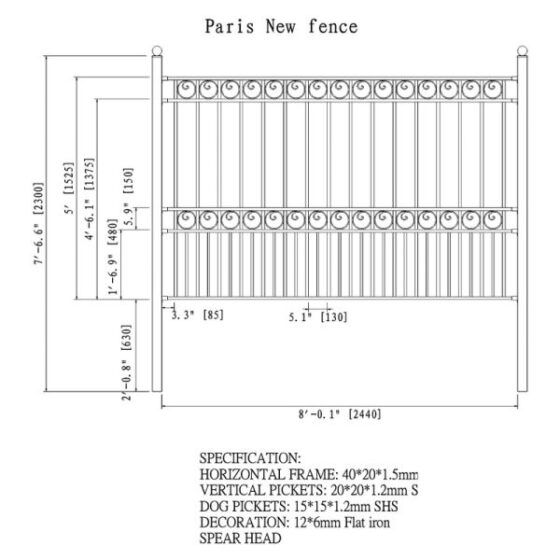
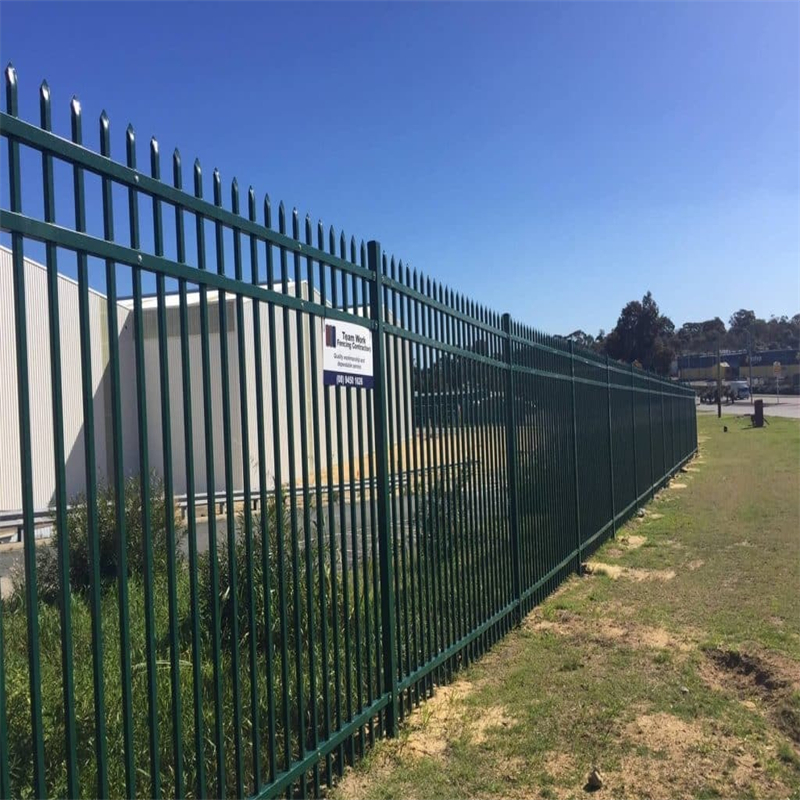
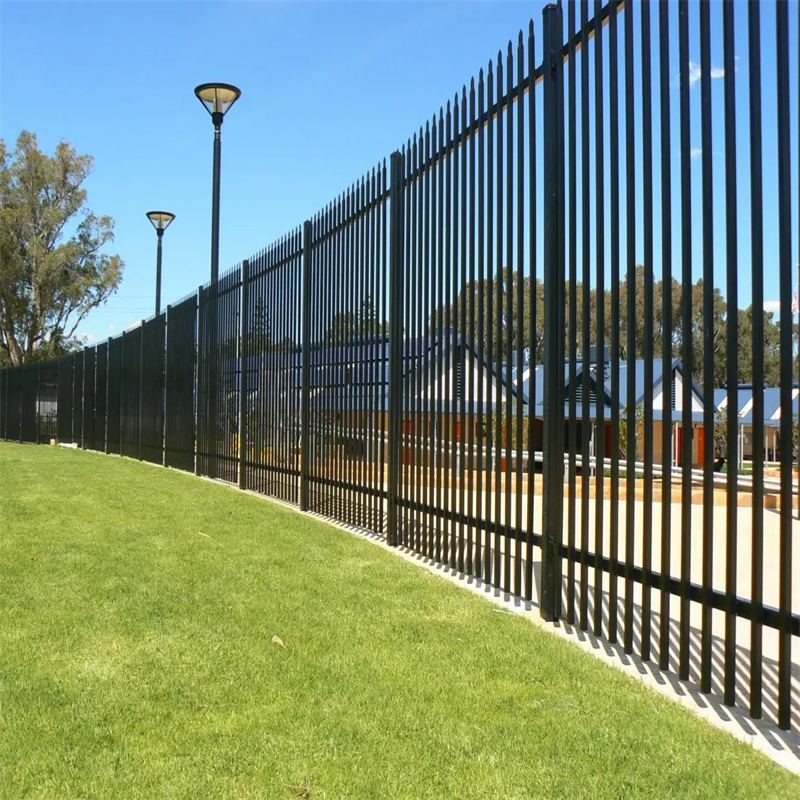
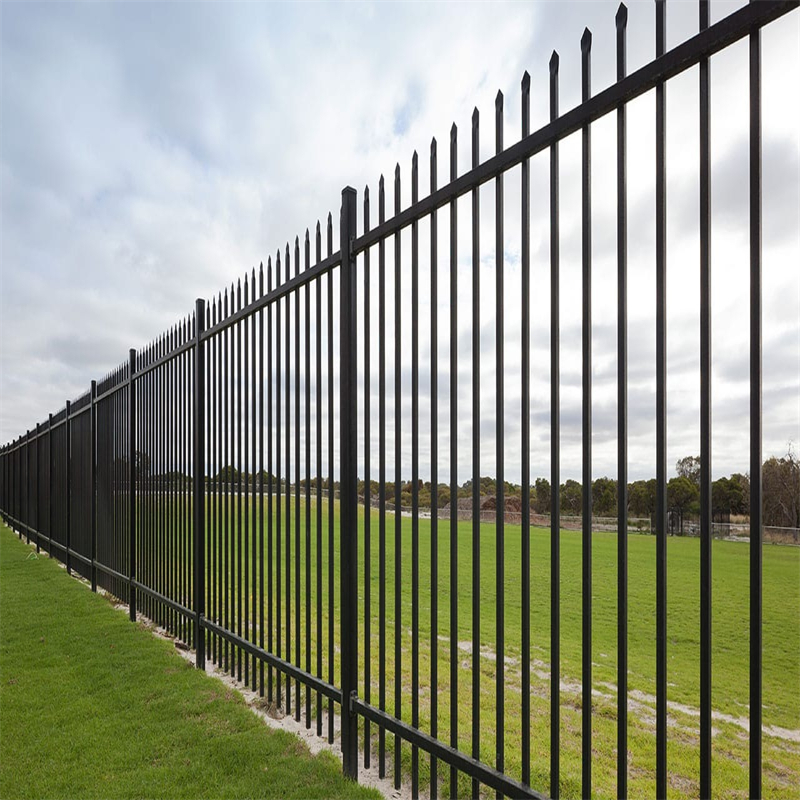
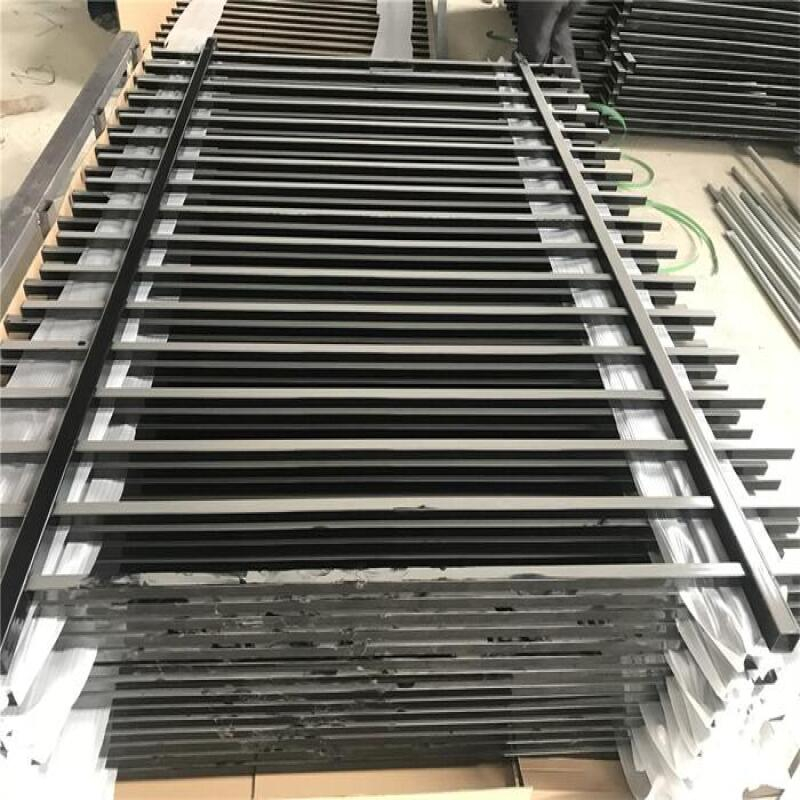
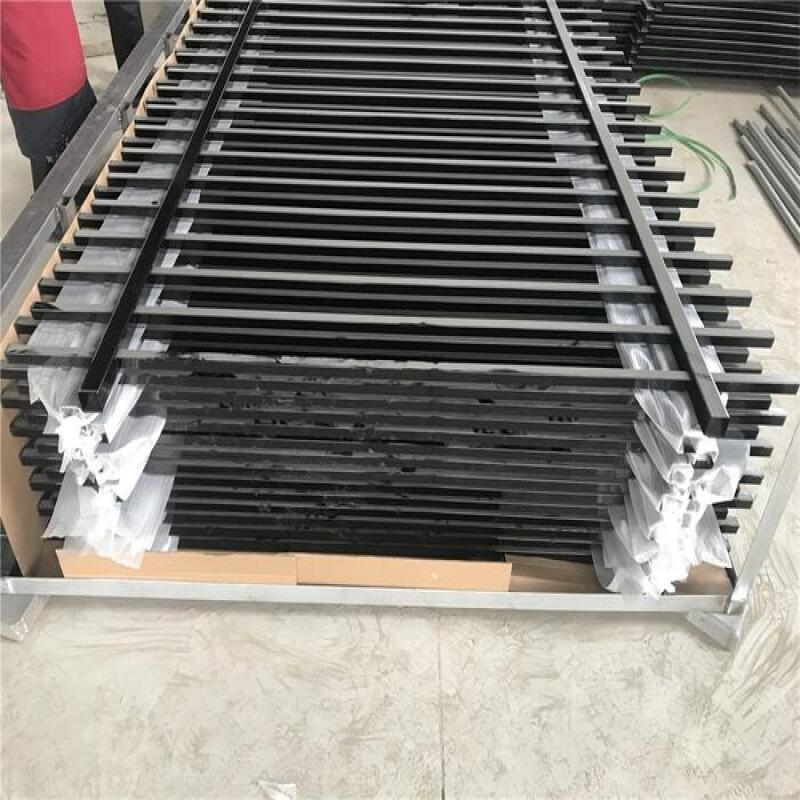
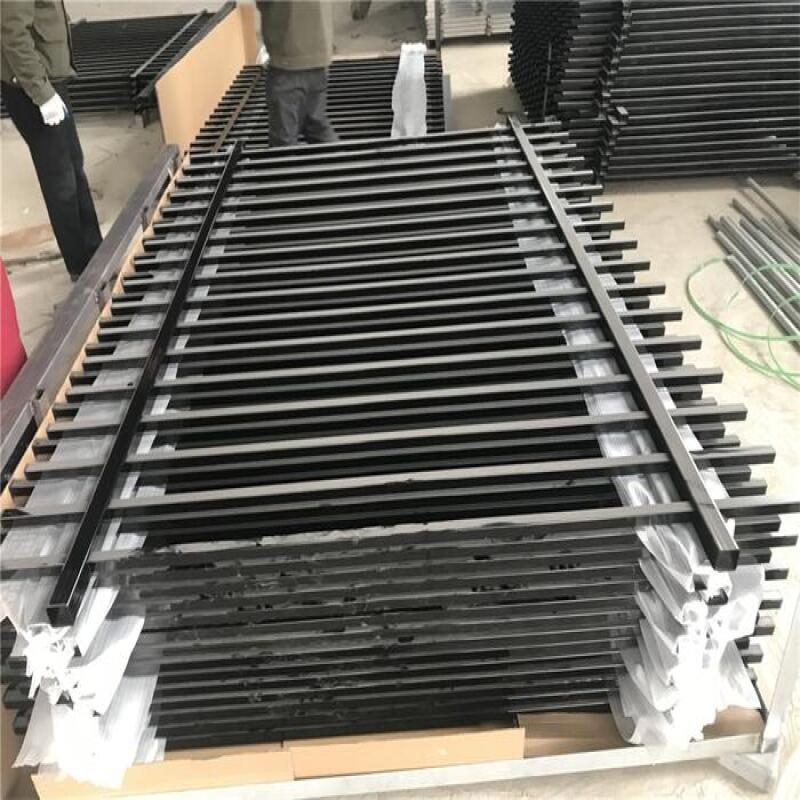
POLYMETAL garrison fencing supplies are built for projects that need a rigid steel boundary with strong visibility, a professional architectural look, and repeatable installation speed. A garrison fence (often called a steel picket fence) uses welded or assembled rails and vertical uprights to create a high-strength barrier that discourages climbing, controls access, and keeps your site line straight and consistent across long runs.
In real-world jobs, the fence is only as “secure” as the consistency of its spacing, the stiffness of its rails and uprights, the accuracy of its panel dimensions, and the durability of its coating at edges and welded zones. That’s why POLYMETAL production emphasizes tight tolerances, stable welding behavior, and controlled coating build—so the perimeter performs after installation, not just on delivery day.
Product description
POLYMETAL garrison fencing supplies cover a complete steel picket fence system designed for campuses, industrial sites, utilities, storage yards, public facilities, and any perimeter where a strong “see-through” fence is preferred over solid barriers. The system is centered on rigid panels formed by steel rails and evenly spaced uprights (pickets). With correct upright spacing, the fence reduces toe/hand leverage points while keeping clear sightlines for patrol routes, CCTV, lighting coverage, and boundary monitoring.
The fence structure is engineered around practical installation: consistent panel widths, matching post options, and predictable post height allowances for bury depth or base plate mounting. When rail thickness and upright thickness are specified correctly, the panel stays straight, the post line remains stable under wind load, and the finished perimeter looks uniform—without “waves,” gaps, or on-site grinding and rework.
How garrison fencing supplies create anti-climb pressure without blocking visibility
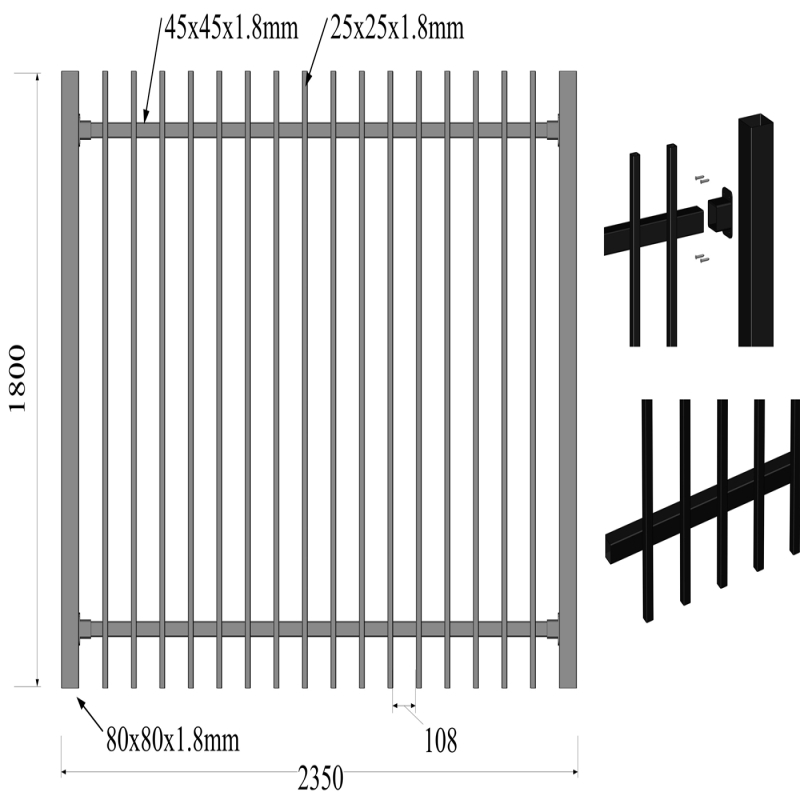
A garrison fence doesn’t need tiny mesh openings to resist climbing attempts. Its advantage comes from upright spacing, upright stiffness, and the way the rail-upright structure refuses to deform when someone tries to leverage it. Correct picket spacing (commonly 100–115 mm depending on picket count) reduces easy footholds and makes it harder to gain rhythm on the fence face. Combined with properly sized posts, the fence resists shake, loosen, and long-term vibration that can create security gaps later.
Surface treatment and finish options that decide whether the fence lasts
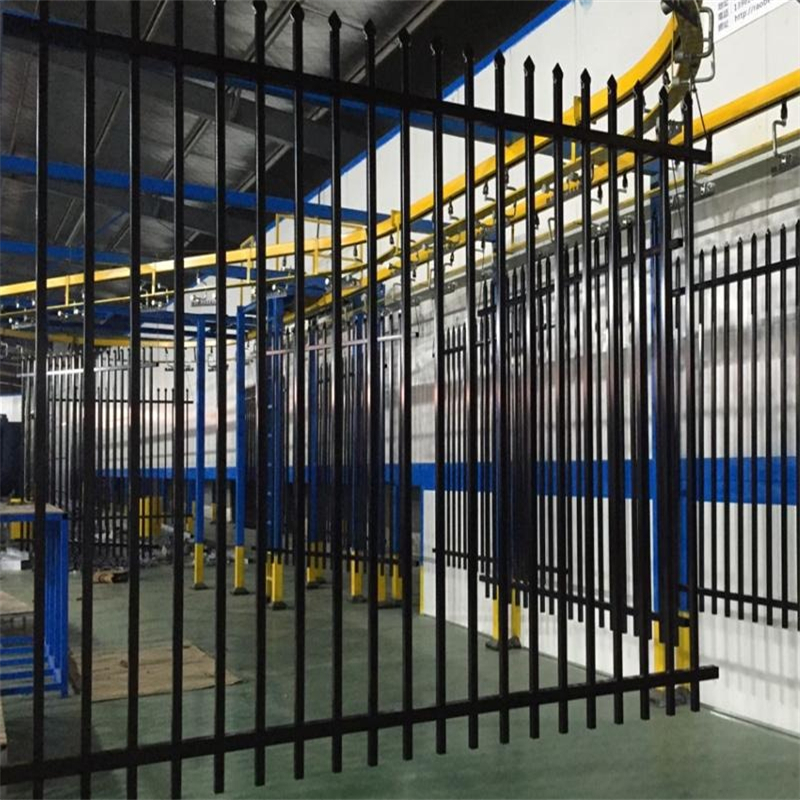
The finish system is where many “good-looking” fences quietly fail. A durable garrison fence typically starts with galvanized steel (or equivalent corrosion-prepared material), then receives a powder coating build that protects edges, joints, and exposed corners. With stable pretreatment and controlled coating thickness, the fence maintains appearance longer and slows corrosion at the highest-risk zones: weld lines, cut ends, and handling contact points.
Common architectural colors include Green (RAL 6005) and Black (RAL 9005), with other RAL colors used for matching buildings, walls, and landscape elements.
What most buyers miss until the job site gets expensive
The Top 12 Pitfall headlines you can’t ignore in garrison fencing supplies (Especially #11)
Pitfall #1: “Garrison” style ordered, but rail sizes are too light for the height
A tall fence on thin rails bends easier, looks wavy, and turns into a maintenance problem.
Pitfall #2: Upright spacing is inconsistent across panels
Even small spacing drift makes panels look misaligned and can create climb-friendly “rhythm points.”
Pitfall #3: Upright thickness is under-specced
Thin uprights dent during transport and flex under impact, making the fence feel weak.
Pitfall #4: Rail thickness is chosen by “price,” not load
Wind, traffic vibration, and long runs punish light rails—especially at corners and gates.
Pitfall #5: Posts are selected like decoration, not structure
A strong panel on an undersized post will move, lean, and loosen at fixings.
Pitfall #6: Post wall thickness is ignored
The fence may look correct on day one, then wobble starts after repeated vibration cycles.
Pitfall #7: Post height doesn’t include real embedment or base requirements
If post height is not correctly planned, installers cut, patch, and compromise consistency.
Pitfall #8: Coating looks smooth, then chips at corners and handling points
If corner protection and coating build aren’t controlled, chipping starts early.
Pitfall #9: No plan for transitions, corners, and gates
Perimeters fail where systems “change,” not where they stay straight.
Pitfall #10: Panel width doesn’t match site module planning
The fence line ends up with ugly small infill sections that weaken the professional finish.
Pitfall #11: Tight tolerances are not controlled—then the site pays twice
When panel height, width, upright spacing, and post alignment drift even slightly, installation slows down, holes don’t line up, rework begins, and “small” gaps appear that compromise the perimeter when time is critical.
Pitfall #12: Packing is treated as shipping, not quality control
If panels rub, twist, or stack poorly, you receive “damage that looks like factory defects.”
Specifications garrison fencing supplies
Specifications Table 1: Standard rail frame 40×40 mm (balanced cost + rigidity)
| Fence height (mm) | Fence width (mm) | Rail frame (mm) | Rails thickness (mm) | Upright size (mm) | Upright thickness (mm) | Upright number (pcs) | Upright spacing (mm) | Fence post option (mm) | Post wall thickness (mm) | Post height (mm) |
|---|---|---|---|---|---|---|---|---|---|---|
| 1200 | 2400 | 40×40 | 1.60 | 16×16 | 0.80 | 18 | 100 | 60×60 | 1.60 | 1800 |
| 1200 | 2450 | 40×40 | 2.00 | 25×25 | 1.00 | 17 | 108 | 65×65 | 2.00 | 1800 |
| 1500 | 2400 | 40×40 | 2.00 | 25×25 | 1.00 | 18 | 100 | 65×65 | 1.60 | 2100 |
| 1500 | 2450 | 40×40 | 2.50 | 30×30 | 1.20 | 17 | 108 | 75×75 | 2.00 | 2100 |
| 1800 | 2400 | 40×40 | 2.00 | 25×25 | 1.20 | 16 | 115 | 75×75 | 2.00 | 2400 |
| 1800 | 2450 | 40×40 | 2.50 | 30×30 | 1.20 | 18 | 100 | 80×80 | 2.00 | 2400 |
| 2100 | 2400 | 40×40 | 2.50 | 30×30 | 1.20 | 17 | 108 | 80×80 | 2.50 | 2700 |
| 2100 | 2450 | 40×40 | 3.00 | 30×30 | 2.00 | 18 | 100 | 100×100 | 2.00 | 2700 |
| 2400 | 2400 | 40×40 | 2.50 | 30×30 | 1.20 | 16 | 115 | 100×100 | 2.50 | 3000 |
| 2400 | 2450 | 40×40 | 3.00 | 30×30 | 2.00 | 18 | 100 | 100×100 | 2.50 | 3000 |
Specifications Table 2: Commercial rail frame 45×45 mm (stiffer line for busy sites)
| Fence height (mm) | Fence width (mm) | Rail frame (mm) | Rails thickness (mm) | Upright size (mm) | Upright thickness (mm) | Upright number (pcs) | Upright spacing (mm) | Fence post option (mm) | Post wall thickness (mm) | Post height (mm) |
|---|---|---|---|---|---|---|---|---|---|---|
| 1200 | 2400 | 45×45 | 2.00 | 25×25 | 1.00 | 16 | 115 | 65×65 | 2.00 | 1800 |
| 1200 | 2450 | 45×45 | 2.50 | 25×25 | 1.20 | 17 | 108 | 75×75 | 1.60 | 1800 |
| 1500 | 2400 | 45×45 | 2.00 | 25×25 | 1.20 | 17 | 108 | 75×75 | 2.00 | 2100 |
| 1500 | 2450 | 45×45 | 2.50 | 30×30 | 1.20 | 18 | 100 | 80×80 | 2.00 | 2100 |
| 1800 | 2400 | 45×45 | 2.50 | 30×30 | 1.20 | 18 | 100 | 80×80 | 2.50 | 2400 |
| 1800 | 2450 | 45×45 | 3.00 | 30×30 | 2.00 | 17 | 108 | 100×100 | 2.00 | 2400 |
| 2100 | 2400 | 45×45 | 2.50 | 30×30 | 1.20 | 16 | 115 | 100×100 | 2.00 | 2700 |
| 2100 | 2450 | 45×45 | 3.00 | 30×30 | 2.00 | 18 | 100 | 100×100 | 2.50 | 2700 |
| 2400 | 2400 | 45×45 | 3.00 | 30×30 | 2.00 | 17 | 108 | 100×100 | 2.50 | 3000 |
| 2400 | 2450 | 45×45 | 3.00 | 30×30 | 2.00 | 18 | 100 | 100×100 | 2.50 | 3000 |
Specifications Table 3: Heavy-duty rail frame 50×50 mm (best for high fences + wind)
| Fence height (mm) | Fence width (mm) | Rail frame (mm) | Rails thickness (mm) | Upright size (mm) | Upright thickness (mm) | Upright number (pcs) | Upright spacing (mm) | Fence post option (mm) | Post wall thickness (mm) | Post height (mm) |
|---|---|---|---|---|---|---|---|---|---|---|
| 1200 | 2400 | 50×50 | 2.00 | 25×25 | 1.20 | 18 | 100 | 75×75 | 2.00 | 1800 |
| 1200 | 2450 | 50×50 | 2.50 | 30×30 | 1.20 | 17 | 108 | 80×80 | 2.00 | 1800 |
| 1500 | 2400 | 50×50 | 2.50 | 30×30 | 1.20 | 18 | 100 | 80×80 | 2.50 | 2100 |
| 1500 | 2450 | 50×50 | 3.00 | 30×30 | 2.00 | 16 | 115 | 100×100 | 2.00 | 2100 |
| 1800 | 2400 | 50×50 | 2.50 | 30×30 | 1.20 | 17 | 108 | 100×100 | 2.00 | 2400 |
| 1800 | 2450 | 50×50 | 3.00 | 30×30 | 2.00 | 18 | 100 | 100×100 | 2.50 | 2400 |
| 2100 | 2400 | 50×50 | 3.00 | 30×30 | 2.00 | 17 | 108 | 100×100 | 2.50 | 2700 |
| 2100 | 2450 | 50×50 | 3.00 | 30×30 | 2.00 | 18 | 100 | 100×100 | 2.50 | 2700 |
| 2400 | 2400 | 50×50 | 3.00 | 30×30 | 2.00 | 16 | 115 | 100×100 | 2.50 | 3000 |
| 2400 | 2450 | 50×50 | 3.00 | 30×30 | 2.00 | 18 | 100 | 100×100 | 2.50 | 3000 |
Specifications Table 4: Tight-spacing security styles (100 mm or near) for stronger deterrence
| Fence height (mm) | Fence width (mm) | Rail frame (mm) | Rails thickness (mm) | Upright size (mm) | Upright thickness (mm) | Upright number (pcs) | Upright spacing (mm) | Fence post option (mm) | Post wall thickness (mm) | Post height (mm) |
|---|---|---|---|---|---|---|---|---|---|---|
| 1200 | 2400 | 40×40 | 2.00 | 16×16 | 1.00 | 18 | 100 | 60×60 | 2.00 | 1800 |
| 1200 | 2450 | 45×45 | 2.00 | 16×16 | 1.20 | 18 | 100 | 65×65 | 2.00 | 1800 |
| 1500 | 2400 | 45×45 | 2.50 | 25×25 | 1.20 | 18 | 100 | 75×75 | 2.00 | 2100 |
| 1500 | 2450 | 50×50 | 2.50 | 25×25 | 1.20 | 18 | 100 | 80×80 | 2.00 | 2100 |
| 1800 | 2400 | 45×45 | 2.50 | 25×25 | 1.20 | 18 | 100 | 80×80 | 2.50 | 2400 |
| 1800 | 2450 | 50×50 | 3.00 | 30×30 | 2.00 | 18 | 100 | 100×100 | 2.00 | 2400 |
| 2100 | 2400 | 50×50 | 3.00 | 30×30 | 2.00 | 18 | 100 | 100×100 | 2.50 | 2700 |
| 2100 | 2450 | 50×50 | 3.00 | 30×30 | 2.00 | 18 | 100 | 100×100 | 2.50 | 2700 |
| 2400 | 2400 | 50×50 | 3.00 | 30×30 | 2.00 | 18 | 100 | 100×100 | 2.50 | 3000 |
| 2400 | 2450 | 50×50 | 3.00 | 30×30 | 2.00 | 18 | 100 | 100×100 | 2.50 | 3000 |
Specifications Table 5: 2450 mm wide project modules (clean alignment for long runs)
| Fence height (mm) | Fence width (mm) | Rail frame (mm) | Rails thickness (mm) | Upright size (mm) | Upright thickness (mm) | Upright number (pcs) | Upright spacing (mm) | Fence post option (mm) | Post wall thickness (mm) | Post height (mm) |
|---|---|---|---|---|---|---|---|---|---|---|
| 1200 | 2450 | 40×40 | 1.60 | 25×25 | 0.80 | 16 | 115 | 60×60 | 1.60 | 1800 |
| 1200 | 2450 | 45×45 | 2.00 | 25×25 | 1.00 | 17 | 108 | 65×65 | 2.00 | 1800 |
| 1500 | 2450 | 40×40 | 2.00 | 25×25 | 1.00 | 17 | 108 | 75×75 | 1.60 | 2100 |
| 1500 | 2450 | 45×45 | 2.50 | 30×30 | 1.20 | 18 | 100 | 80×80 | 2.00 | 2100 |
| 1800 | 2450 | 45×45 | 2.50 | 30×30 | 1.20 | 16 | 115 | 80×80 | 2.50 | 2400 |
| 1800 | 2450 | 50×50 | 3.00 | 30×30 | 2.00 | 17 | 108 | 100×100 | 2.00 | 2400 |
| 2100 | 2450 | 45×45 | 3.00 | 30×30 | 2.00 | 17 | 108 | 100×100 | 2.50 | 2700 |
| 2100 | 2450 | 50×50 | 3.00 | 30×30 | 2.00 | 18 | 100 | 100×100 | 2.50 | 2700 |
| 2400 | 2450 | 50×50 | 3.00 | 30×30 | 2.00 | 16 | 115 | 100×100 | 2.50 | 3000 |
| 2400 | 2450 | 50×50 | 3.00 | 30×30 | 2.00 | 18 | 100 | 100×100 | 2.50 | 3000 |
Applications garrison fencing supplies
POLYMETAL garrison fencing supplies are widely selected for schools and campuses, industrial facilities, warehouses and logistics yards, public buildings, parks and municipal boundaries, substations and utilities (where visibility is important), and commercial properties that need a strong perimeter without a “prison look.” The fence style works especially well where the site wants a neat architectural finish with clear sightlines for cameras and patrol.
Benefits garrison fencing supplies
A well-built garrison fence improves perimeter control while keeping the environment open and visible, which supports lighting plans, CCTV coverage, and routine inspections. Structurally, correct rail and upright thickness reduce vibration and deformation, helping the fence stay straight after transport and after years of wind cycles. Operationally, consistent panel dimensions and planned post heights reduce installation delays, minimize on-site cutting, and help projects finish faster with a cleaner visual result; for temporary site management and event safety needs, you can also check our used crowd control barriers for sale as a practical add-on solution.
Packing
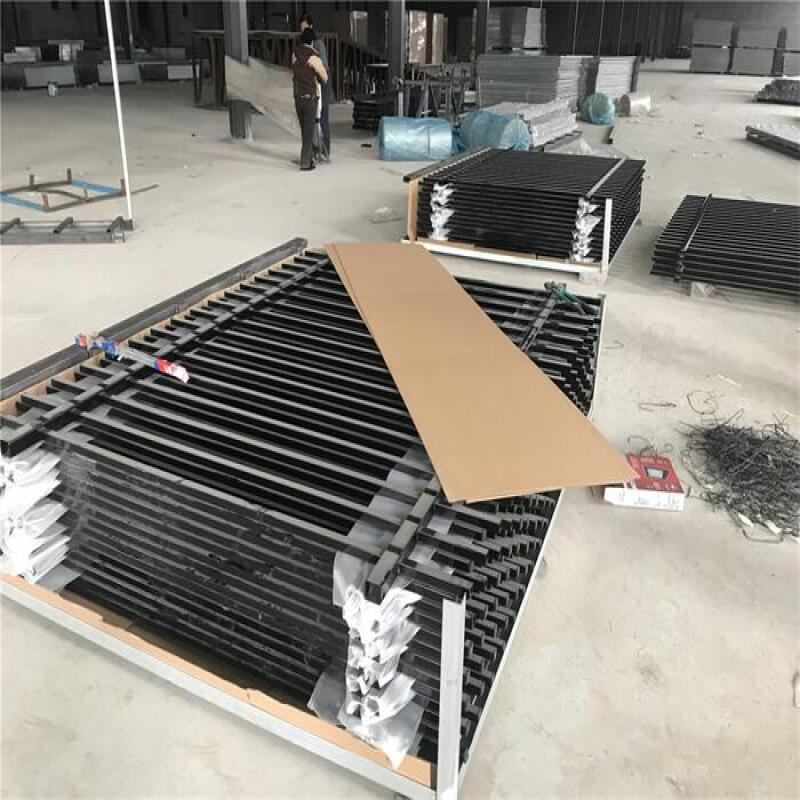
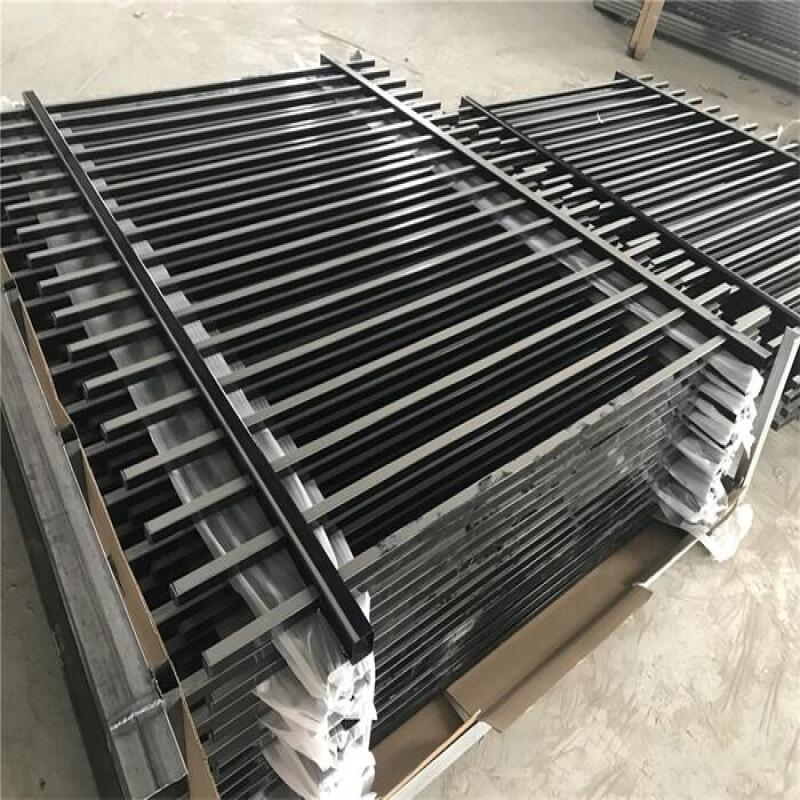
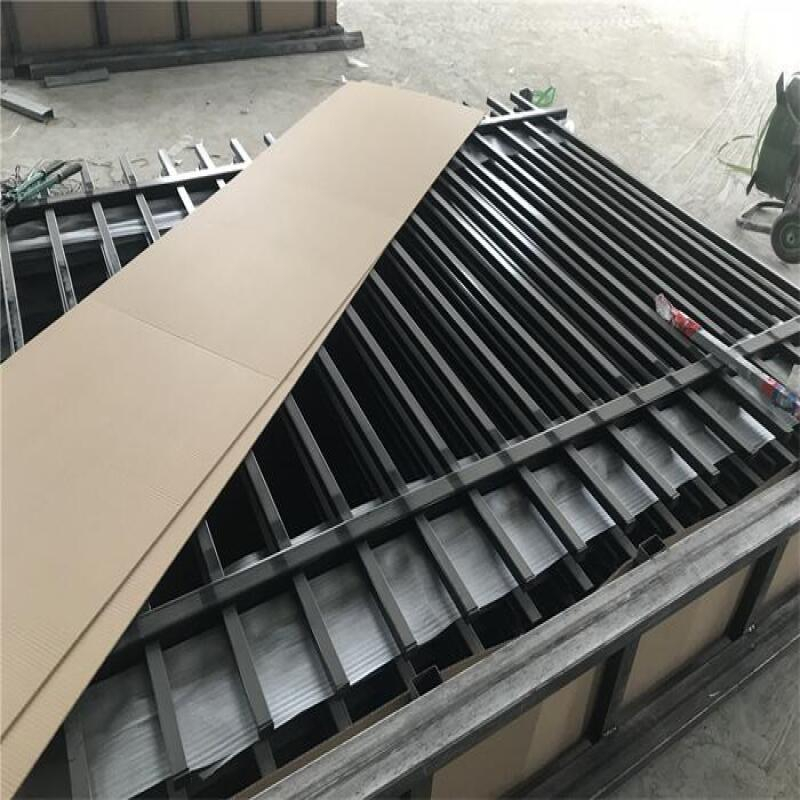
Panels are typically pallet-packed with protective separation to reduce rubbing, plus corner protection to keep stacks aligned during handling. Posts are bundled and wrapped to reduce scuffing, then secured on pallets for forklift loading. Accessories (brackets, fasteners, caps) are packed in labeled plastic bags and cartons to reduce loss, simplify site distribution, and speed installation.
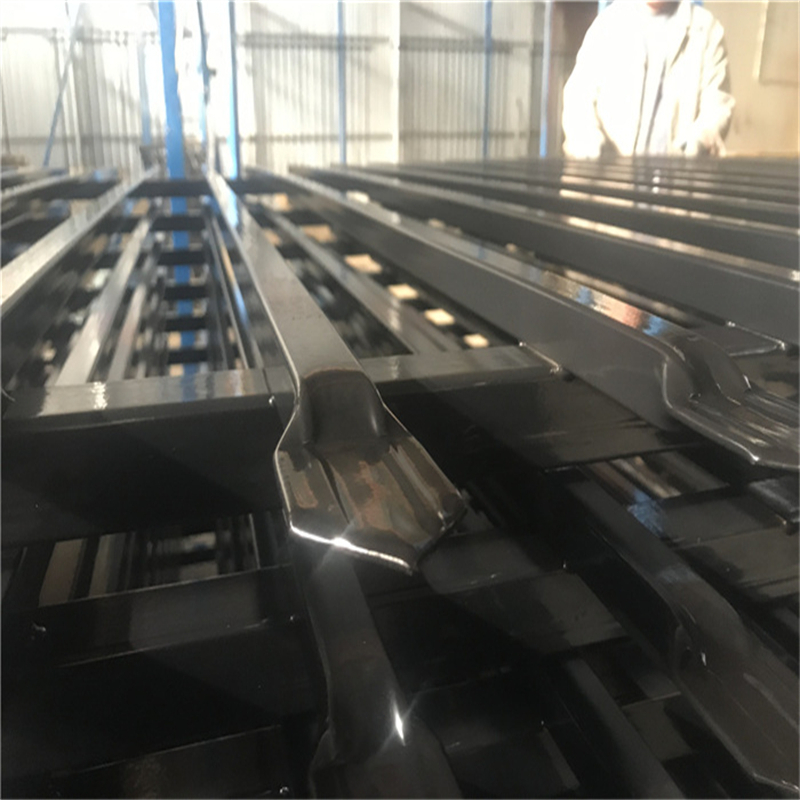
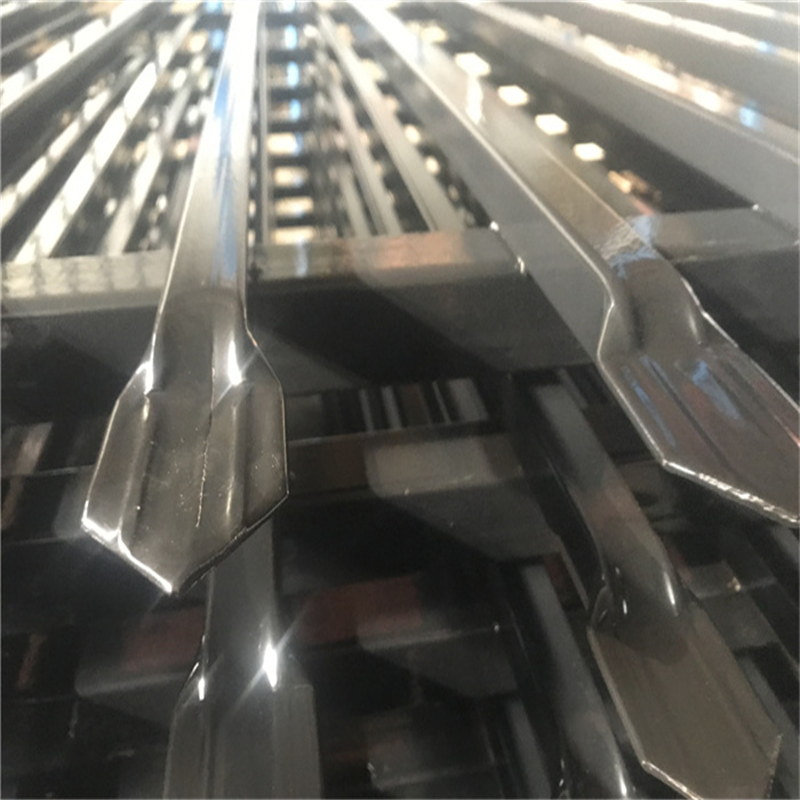
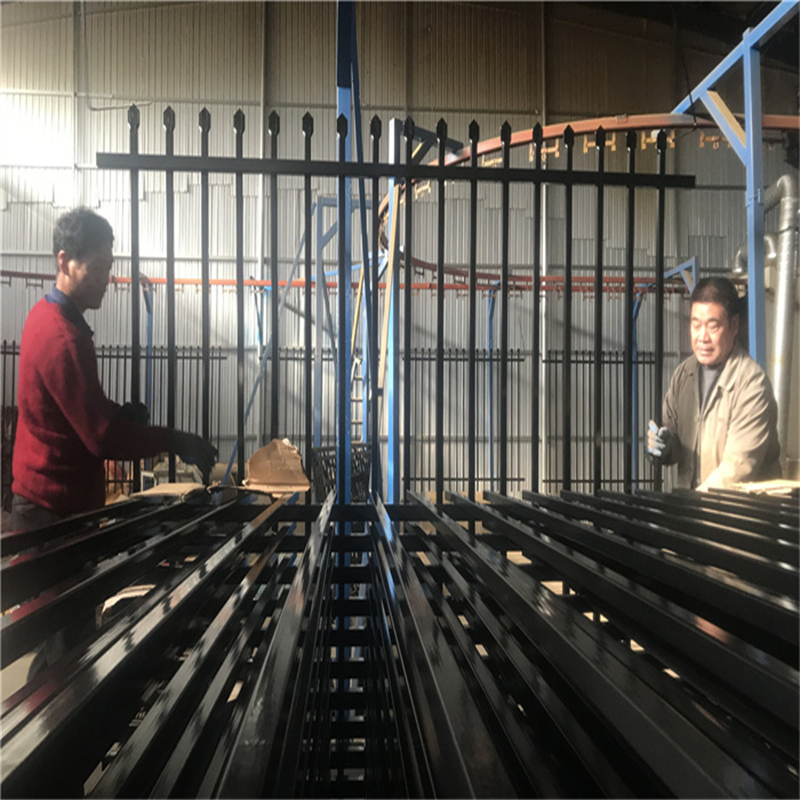
Standard garrison fencing supplies
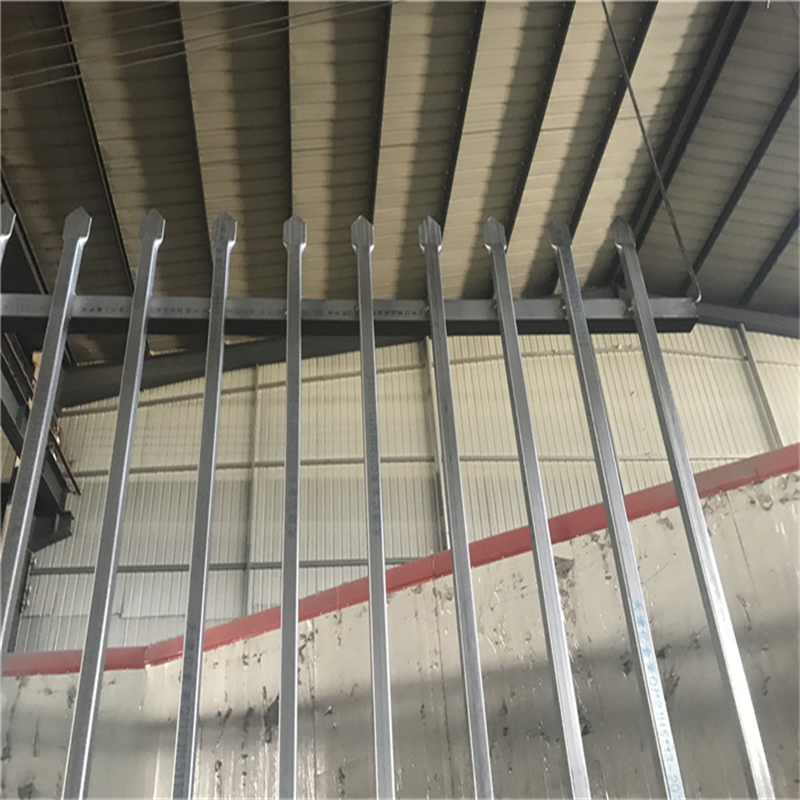
POLYMETAL garrison fencing supplies production focuses on dimensional accuracy, upright spacing consistency, rail straightness, coating thickness control, and packing inspection so panels arrive straight, uniform, and ready for repeatable installation. Quality control checkpoints commonly include weld integrity (where welded construction is used), squareness checks, coating coverage at edges and corners, and packing stability tests to reduce transit damage and job-site rework.
FAQs garrison fencing supplies
What is “garrison fencing”?
Garrison fencing is a steel picket fence system using horizontal rails and vertical uprights (pickets). It’s chosen for strong visibility, a professional appearance, and reliable perimeter control.
What upright spacing is common?
Common picket layouts include 18 uprights per panel at about 100 mm spacing, 17 uprights at about 108 mm spacing, or 16 uprights at about 115 mm spacing—selected based on the visual style and deterrence level required. For temporary perimeter control and site flow management, many projects also pair fencing with crowd control barriers to guide pedestrians and protect work zones.
How do I choose rail and upright thickness?
Higher fence heights and windier sites typically need thicker rails and uprights for stiffness. Selecting thickness correctly reduces waviness, vibration, and long-term loosening.
Why must the post height be higher than the panel height?
Posts need extra length for embedment depth or base mounting allowance. A common planning rule is to make post height exceed panel height by about 600 mm to support stable installation and long-term performance.
Which post sizes are common?
Common post options include 60×60, 65×65, 75×75, 80×80, and 100×100 mm, typically paired with wall thickness options such as 1.6 mm, 2.0 mm, or 2.5 mm based on height and site load conditions.
If you want, paste your existing article version (with your current images/tags), and I’ll rewrite it in the same structure while preserving every image block exactly where it is.