Your One-Stop Wire Mesh Fence Supplier | POLYMETAL
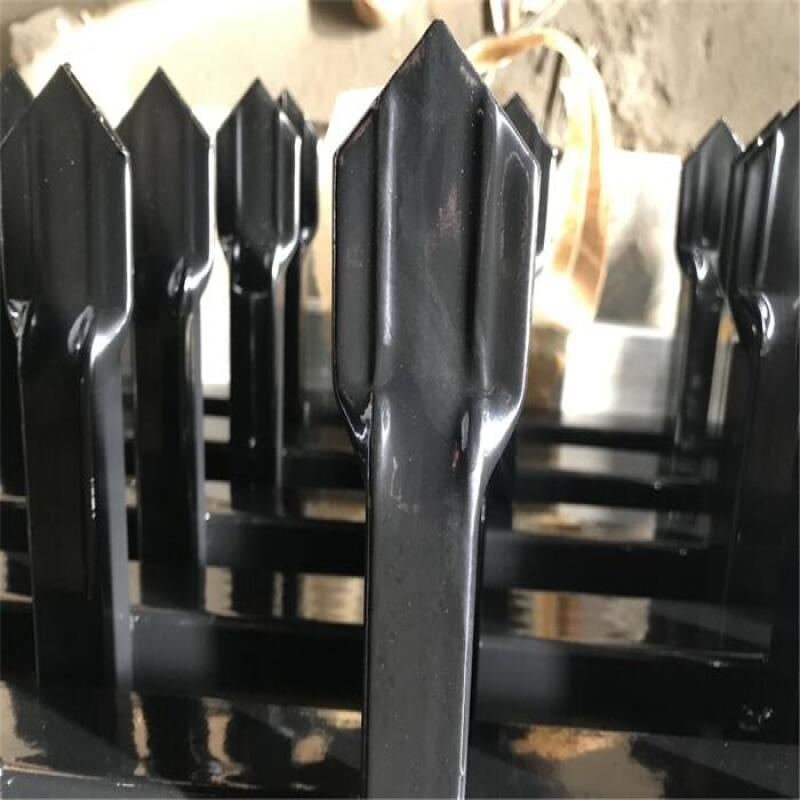
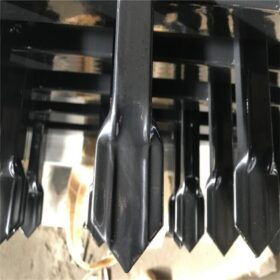
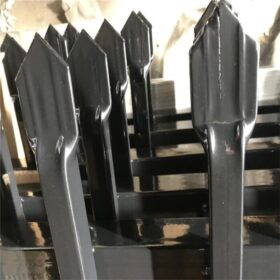
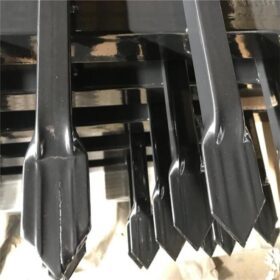
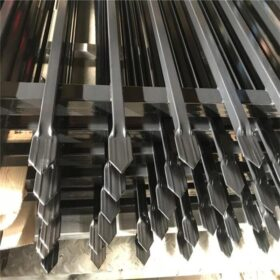
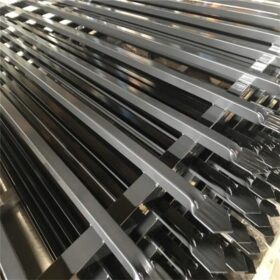
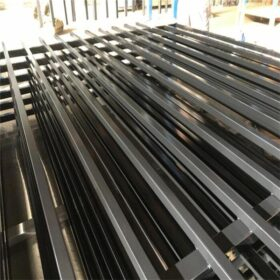
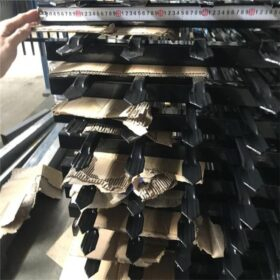
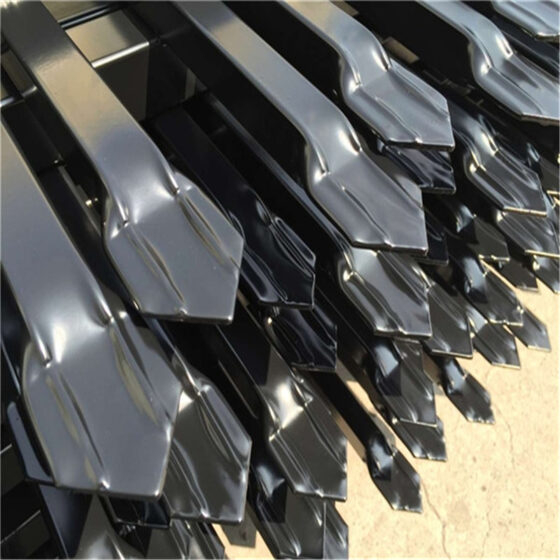
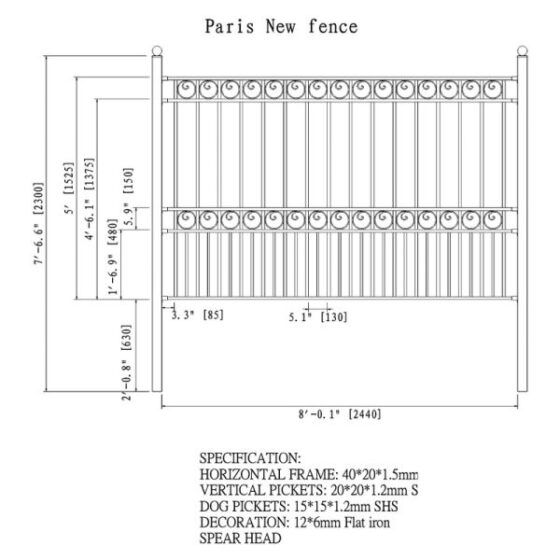
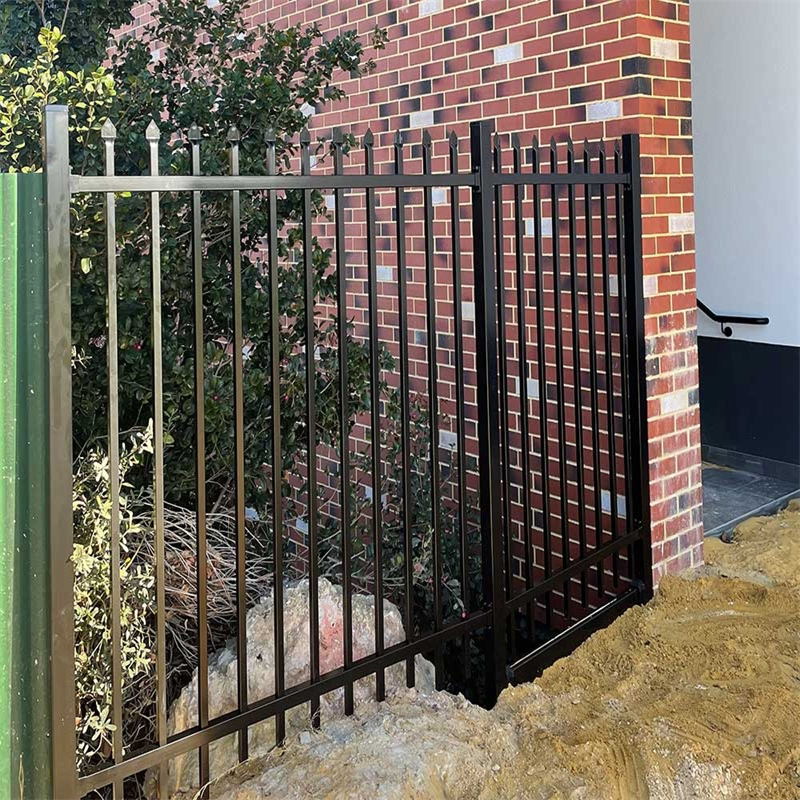
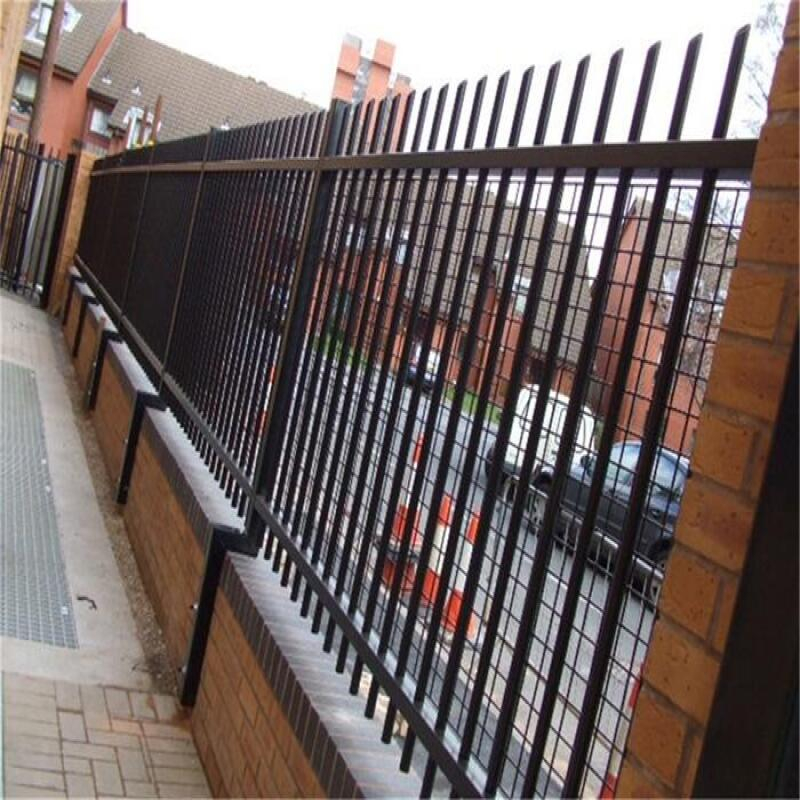
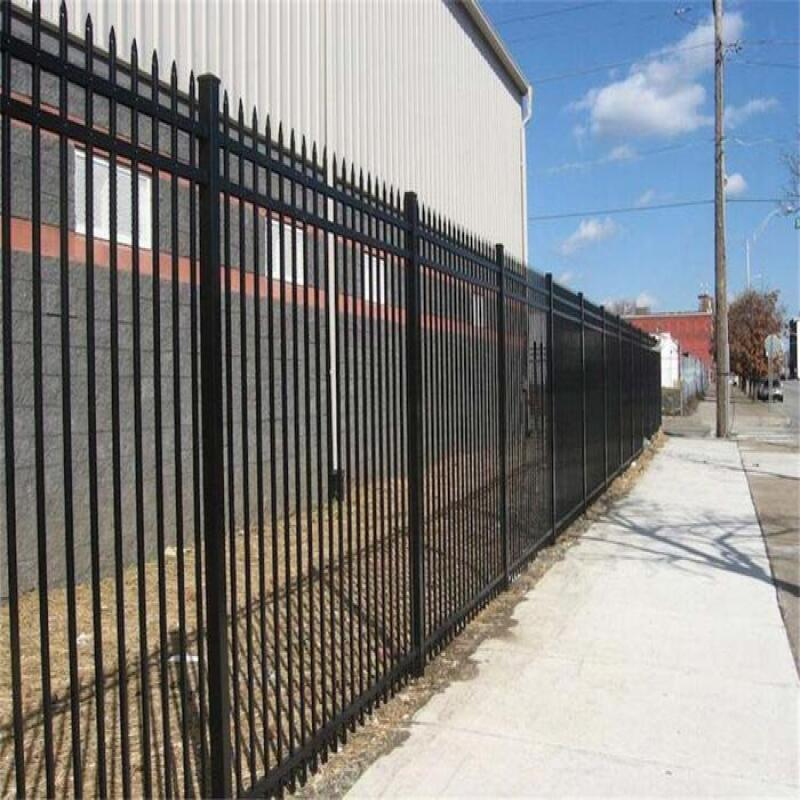
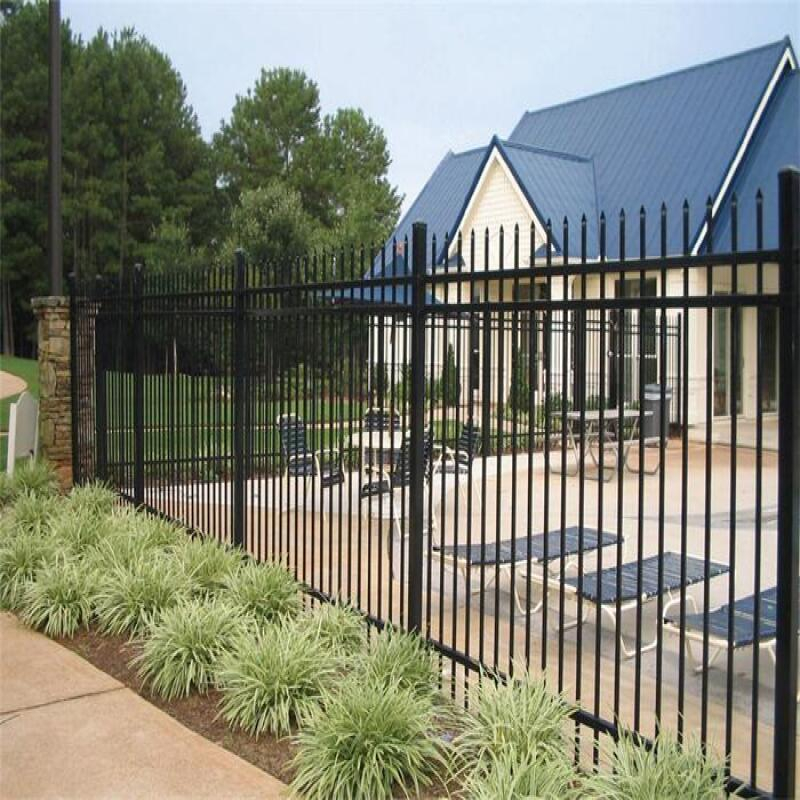
A garrison security fence is chosen because it delivers a clean architectural line with real “security presence”—especially for schools, commercial frontage, storage yards, factories, parks, and public boundaries where straightness and strength feel matter. Spear-top and picket-style profiles add visible deterrence, but real performance comes from the engineering underneath: rail frame size, rail thickness, upright (picket) size, upright spacing discipline, post selection, bracket strength, and coating system.
The problem is simple: many garrison security fence panels look identical in photos, yet behave very differently once installed. If the purchase order misses one key detail, panels can rack at corners, posts can lean under wind load, gates can drag, powder coat can chip during unloading, and installers discover too late that the “right-looking” fence is not the “right-performing” fence. For sites that also need orderly pedestrian routing during deliveries, events, or gate works, many contractors pair the perimeter plan with security crowd control barriers to keep the work zone controlled while POLYMETAL garrison security fence systems deliver consistent bays, consistent alignment, and predictable fit-up.
Top 10 You Can’t See in Photos (Especially #7)
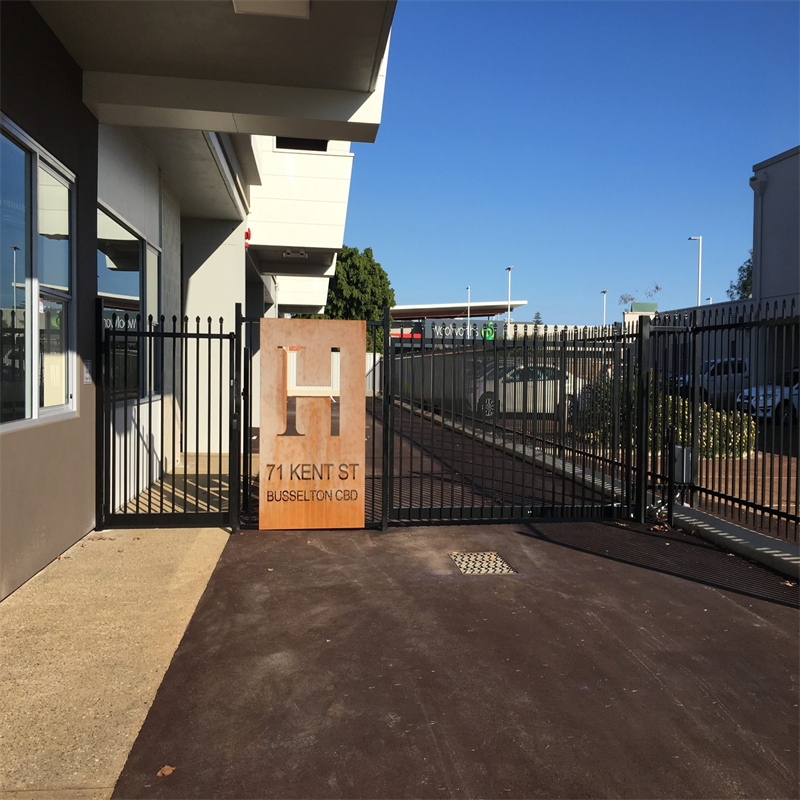
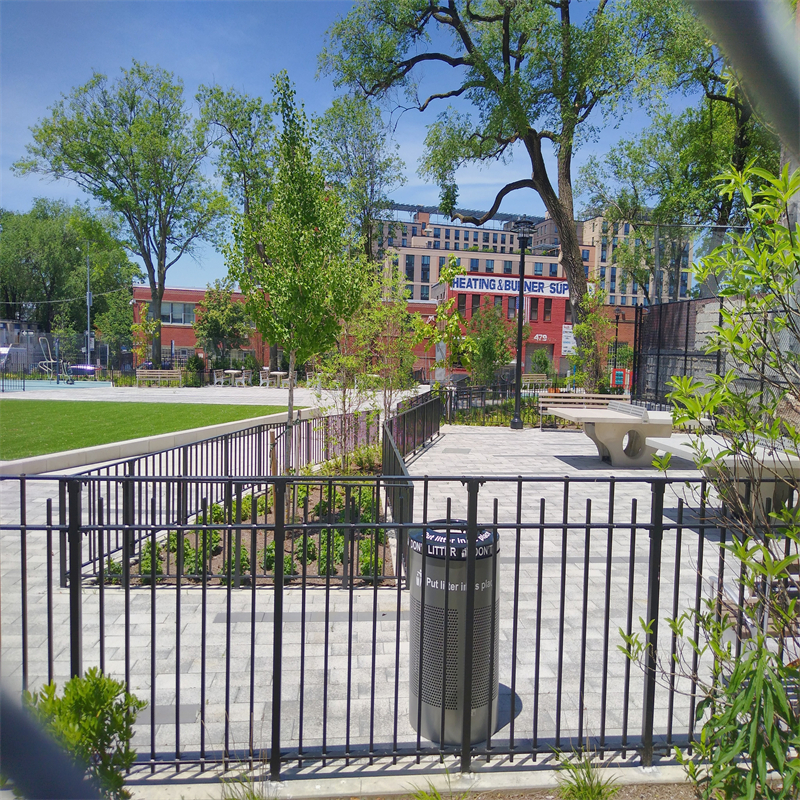
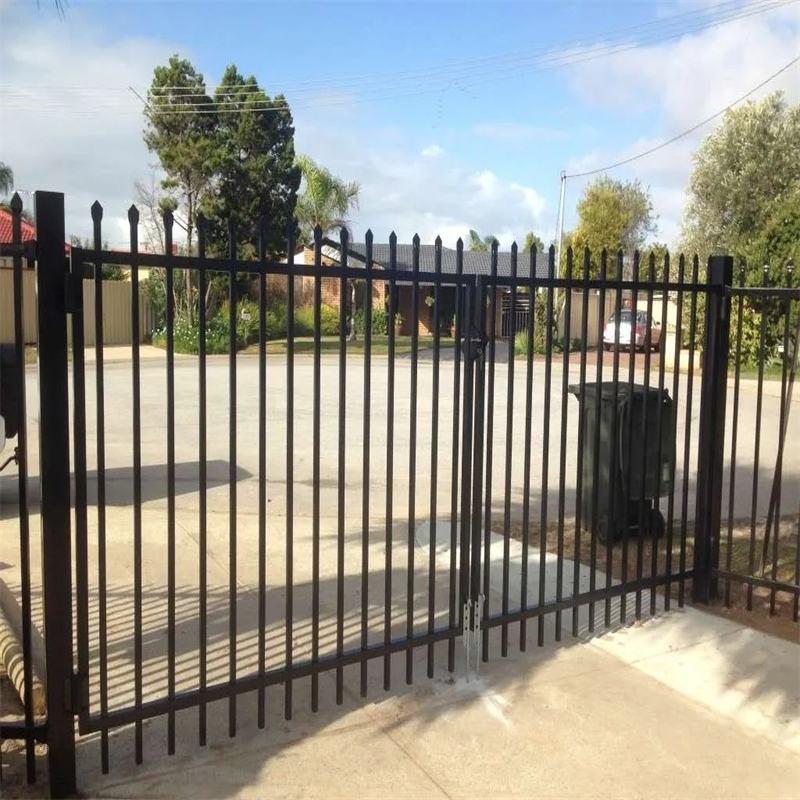
Trap #1: Rail Frame Size Not Matched to Wind Exposure and Run Length
Rail frame is the backbone. A 40×40mm rail can be correct for many standard runs, but higher wind exposure, longer runs, and heavier pickets often need a stronger rail option like 45×45mm or 50×50mm to keep panels straight and reduce wave-lines. If you only specify “garrison security fence” without rail frame and thickness, the stiffness level is decided for you—and that’s where failures start.
Risk #2: Rail Thickness Downgrades That Quietly Reduce Rigidity
Rails can be supplied in thickness ranges such as 1.6mm, 2.0mm, 2.5mm, and up to 3.0mm. A small downgrade changes how the panel behaves under everyday loads—handling, gate traffic, corner tension, vibration, and wind. If your fence must “stay straight,” thickness must be specified, not guessed.
Mistake #3: Upright Size Chosen for Looks Instead of Anti-Rattle Strength
Uprights (pickets) are commonly specified as square options like 16×16mm, 25×25mm, or 30×30mm. If you select uprights purely for appearance, you can trigger vibration and rattle, especially when spacing is tight and panels see repeated micro-movement. Upright profile must match the target security feel and site abuse level.
Pitfall #4: Upright Thickness Set Too Light for Real-World Handling
Upright thickness options commonly include 0.80mm, 1.00mm, 1.20mm, and up to 2.00mm. A lighter upright can dent during unloading, flex under push pressure, and amplify noise. In public-facing areas, small dents and misalignment become obvious—and replacements are costly because posts are already set.
Weakness #5: Spacing Drift That Breaks the Premium Straight-Line Look
Typical center-to-center (CTC) spacing options include 80mm, 98mm, 100mm, 104mm, 110mm, or customized spacing. Many buyers request “100mm spacing,” but do not lock upright quantity per panel and do not enforce spacing discipline. That’s how you get mismatched bays and a perimeter that looks repaired on day one.
Oversight #6: Ordering Upright Quantity Without Confirming Actual Spacing
Even within similar widths, upright count changes spacing results. Common examples include 16 pcs (≈115mm), 17 pcs (≈108mm spacing), and 18 pcs (≈100mm spacing). If you only specify upright count (or only specify spacing) without confirming the full panel geometry, your delivery can be “technically close” but visually unacceptable.
Loss #7 (Biggest Cost): Fence Post Height Not Set to Panel Height + 600mm
If your fence post height is not greater than the fence panel height by 600mm, you can lose the job twice—once in installation time and again in corrective works. The post needs extra length for proper ground embedment (or baseplate design), alignment control, and long-term stability under wind and corner loads. When posts are too short, installers compromise depth, panels lean over time, and the only fix is re-ordering posts and re-setting footings. Schedules break and budgets bleed here.
Warning #8: Post Size and Wall Thickness Under-Specified
Posts are not one-size-fits-all. Common post options include 60×60mm, 65×65mm, 75×75mm, 80×80mm, and 100×100mm, with wall thickness options such as 1.6mm, 2.0mm, and 2.5mm. If you do not match post size to fence height and site exposure, you can get movement at the post line and visible misalignment over long runs.
Defect #9: Coating System Chosen Without Planning for Handling Damage
Surface treatment choices change lifespan and maintenance cost. Galvanized + powder coating is popular, but chips during transport/unloading become corrosion starting points if packing is weak. Hot-dip galvanizing can improve corrosion resistance, but needs clear expectations for finish and tolerance. Coastal or high-humidity projects must define the corrosion strategy in the purchase specification.
Checklist #10: Brackets and Caps Treated as “Small Parts” That Control Fit-Up
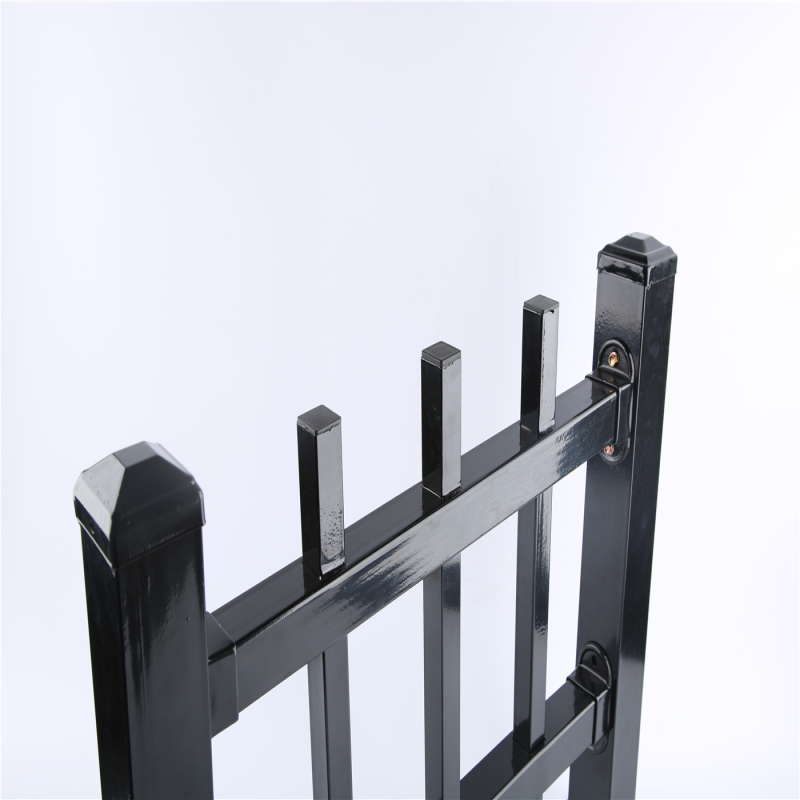
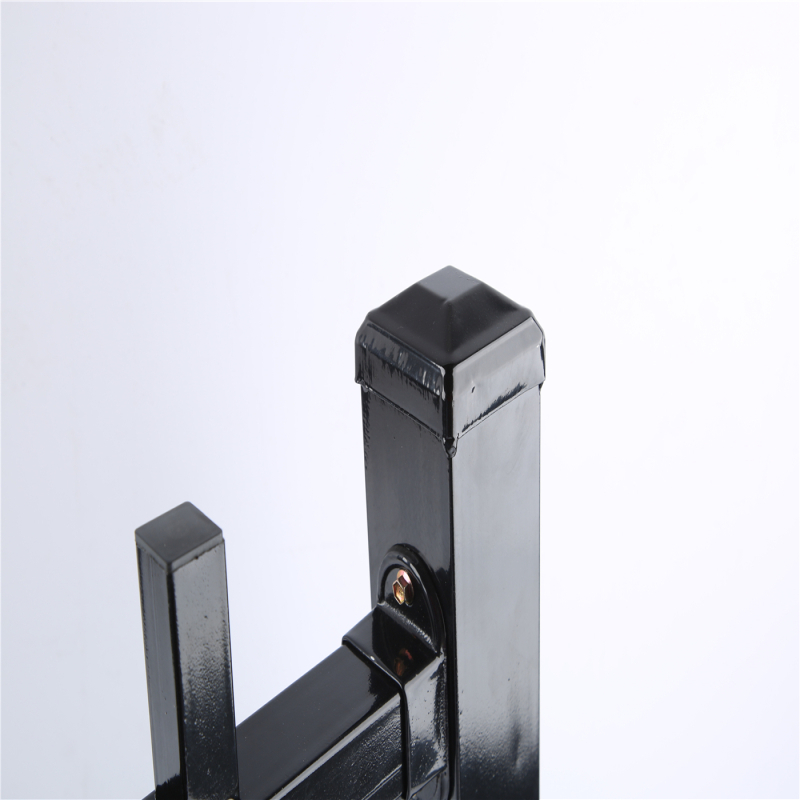
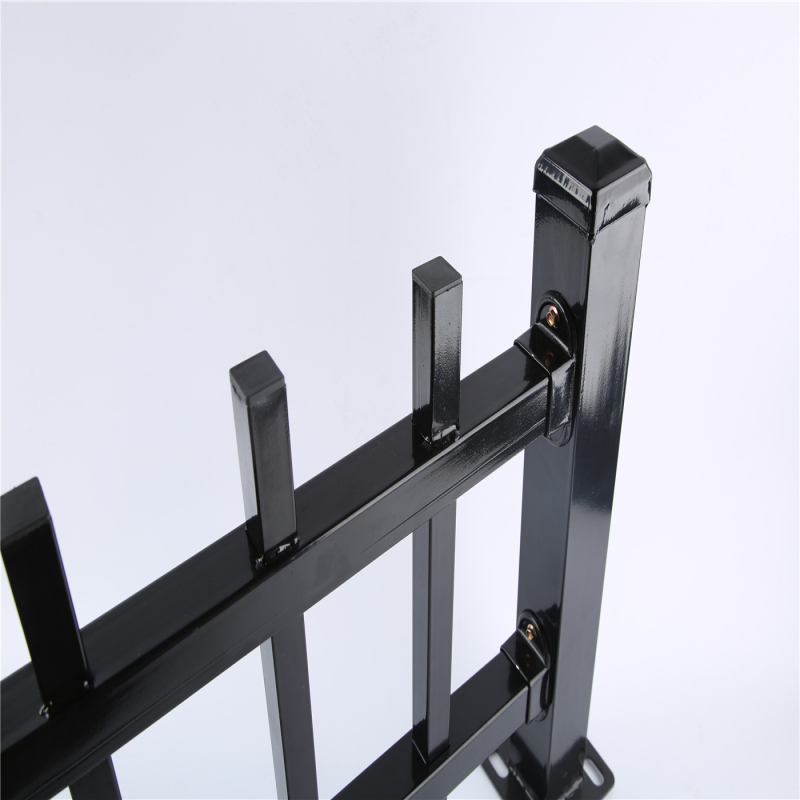
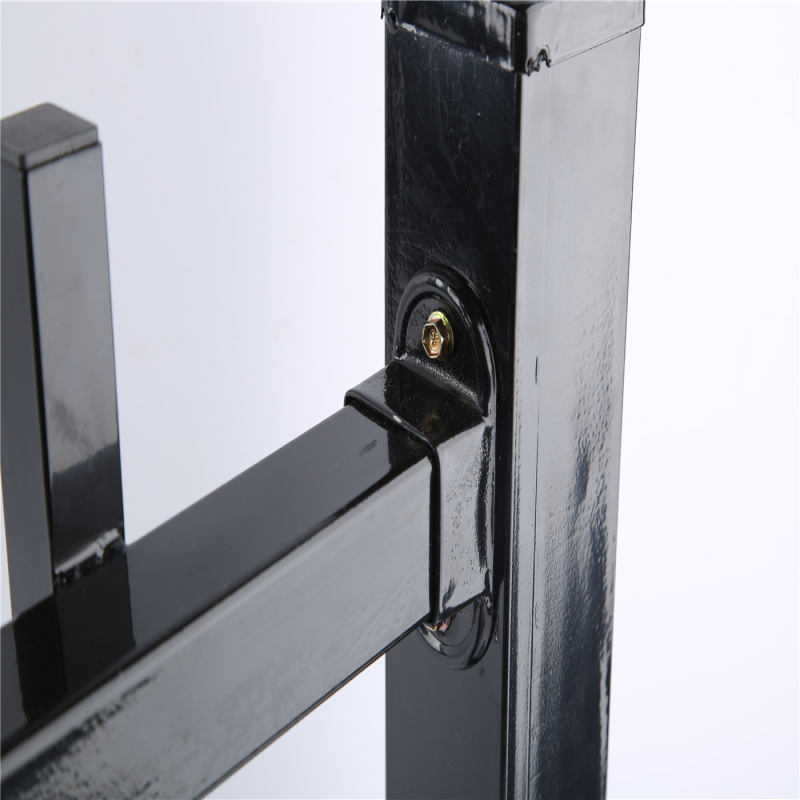
A strong panel can still fail visually if brackets loosen or caps don’t match the post profile. Die-casting brackets (four-hole styles) must match post size, rail alignment, and installation torque. Cap posts must match the post and coating system. When these parts are not standardized, installers improvise—and that’s how fences start rattling and drifting out of line.
Product Description (POLYMETAL garrison security fence)
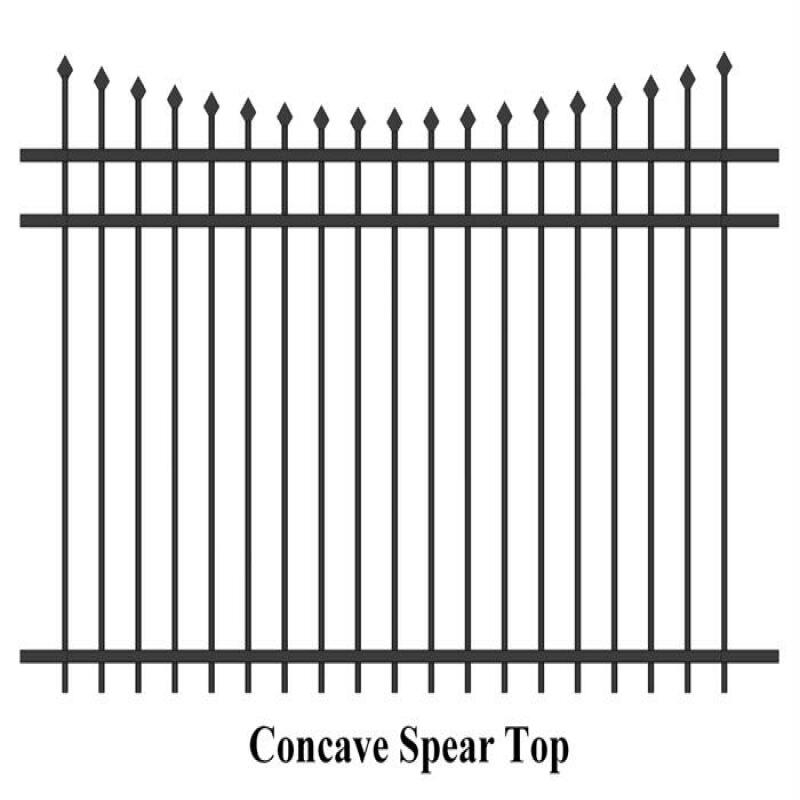
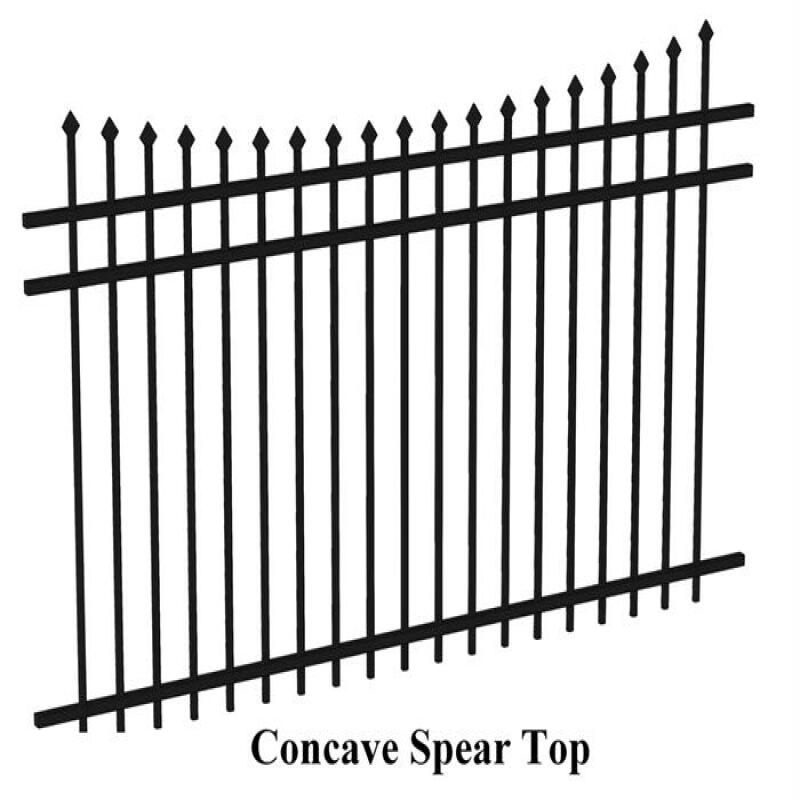
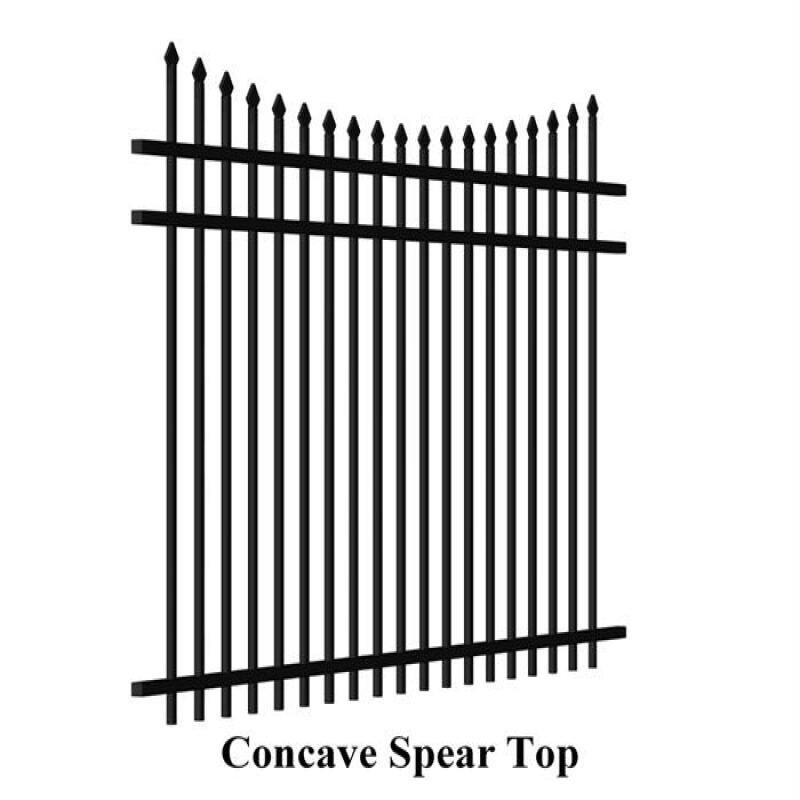
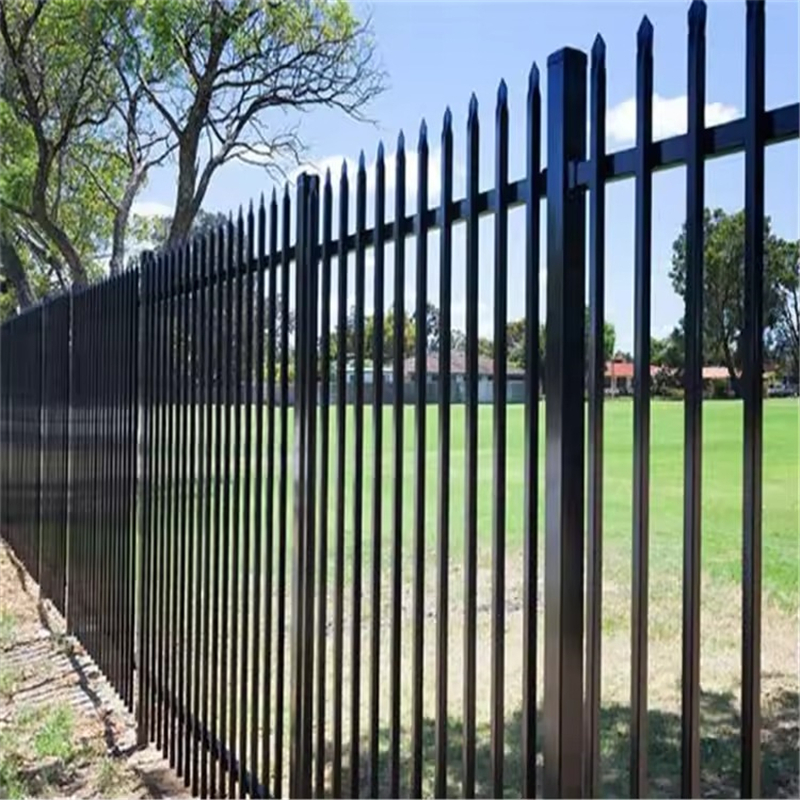
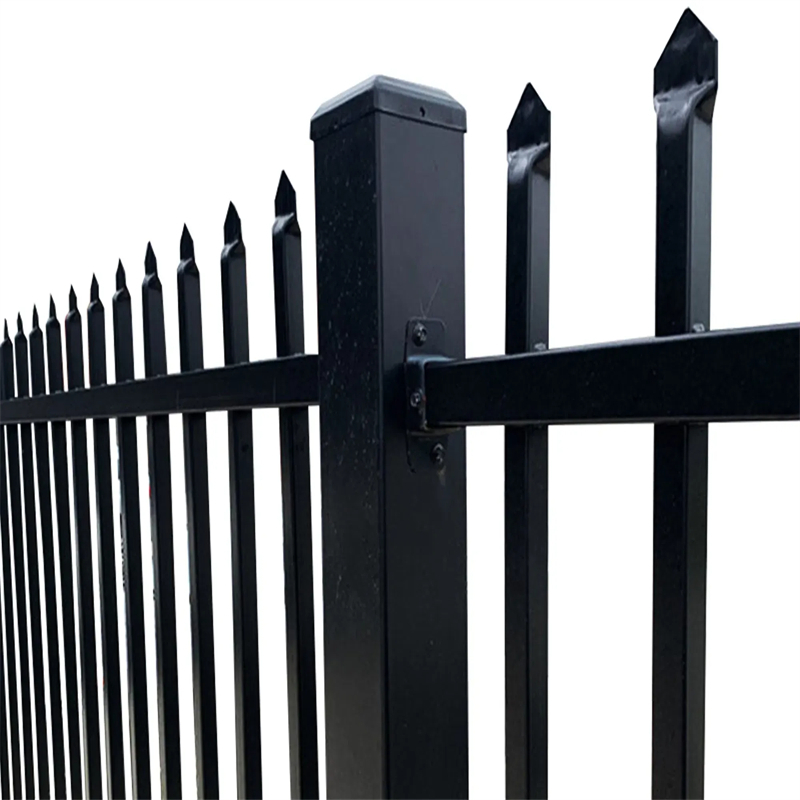
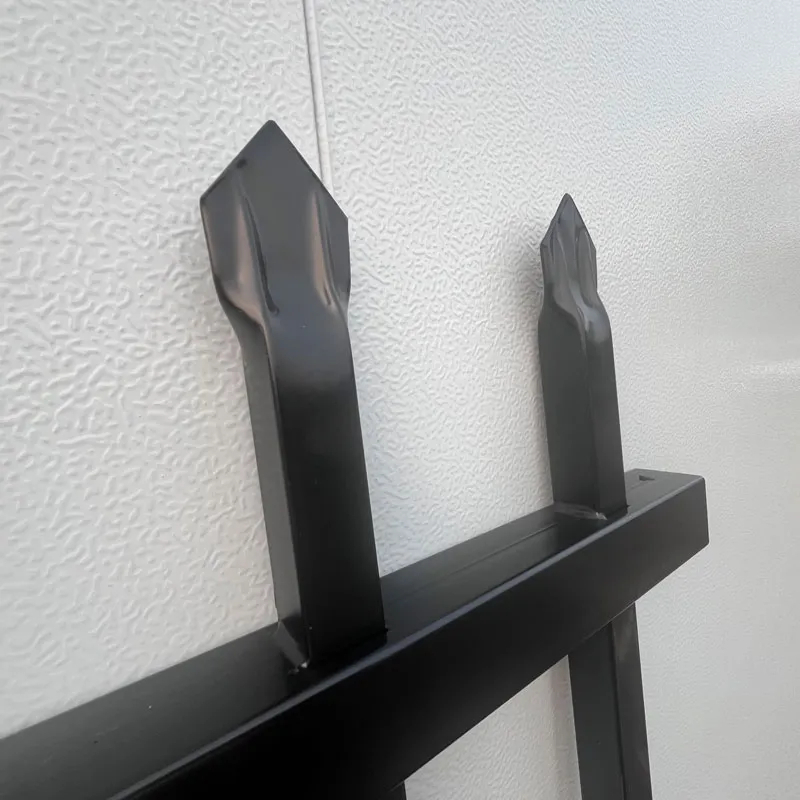
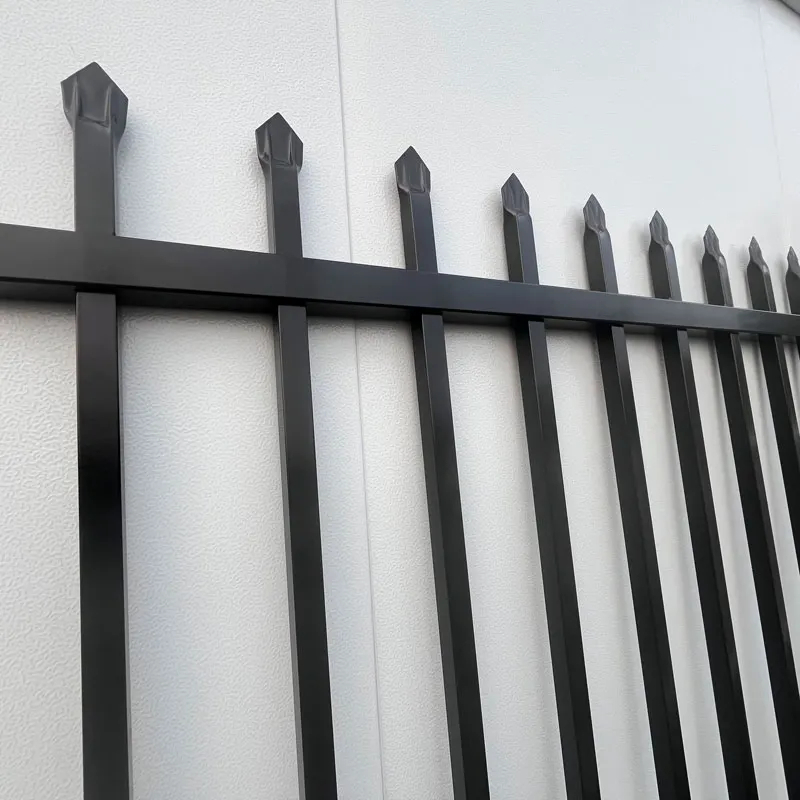
POLYMETAL garrison security fence panels are engineered as modular welded security sections designed to deliver consistent bay spacing, straight sight lines, and repeatable installation. Each panel is built around selected square-tube rails and matched uprights to create a strong, clean perimeter appearance while maintaining stiffness against vibration, push pressure, and wind load. The goal is simple: the fence line stays straight, the panel bays stay consistent, and the finished perimeter looks controlled—not “temporary.”
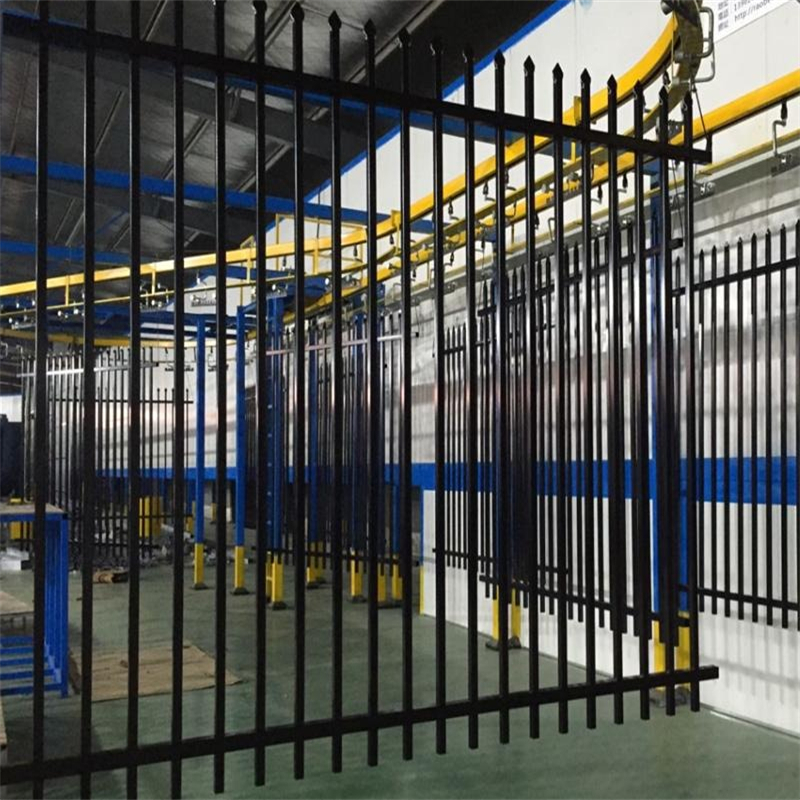
Production begins with raw steel or selected aluminum alloy depending on project requirements. Pickets and rails are welded together to provide dependable strength and minimize installation time. After welding, surface preparation and finish steps can include galvanizing and electrostatic polyester powder coating processes to improve corrosion resistance and long-term appearance. When the full specification is locked into the purchase order—panel geometry, tube sizes, thickness, spacing, post selection, bracket design, and surface treatment—the delivered garrison security fence matches the site’s security level and exposure with far less rework risk.
Specifications
Core Specification Table (Define These Before You Pay a Deposit)
| Specification Item | Options / Data |
|---|---|
| Fence Panel Height | 1200mm / 1500mm / 1800mm / 2100mm / 2400mm (custom: 1000mm–2400mm) |
| Fence Panel Width | 2400mm and 2450mm (custom range: 1200mm–6000mm) |
| Rail Frame | 40×40mm / 45×45mm / 50×50mm |
| Rails Thickness | 1.60mm / 2.00mm / 2.50mm / 3.00mm |
| Upright (Picket) Size | 16×16mm / 25×25mm / 30×30mm (other options available per project) |
| Upright Thickness | 0.80mm / 1.00mm / 1.20mm / 2.00mm |
| Upright Spacing (CTC) | 100mm (also: 80mm / 98mm / 104mm / 110mm / customized) |
| Upright Number Examples | 16 pcs (≈115mm) / 17 pcs (≈108mm spacing) / 18 pcs (≈100mm spacing) |
| Fence Post Height Rule | Fence post height must be panel height + 600mm |
| Post Options | 60×60 / 65×65 / 75×75 / 80×80 / 100×100 (wall thickness: 1.6mm / 2.0mm / 2.5mm) |
Post Height
| Fence Panel Height | Recommended Post Height | Typical Panel Width |
|---|---|---|
| 1200mm | 1800mm | 2400mm / 2450mm |
| 1500mm | 2100mm | 2400mm / 2450mm |
| 1800mm | 2400mm | 2400mm / 2450mm |
| 2100mm | 2700mm | 2400mm / 2450mm |
| 2400mm | 3000mm | 2400mm / 2450mm |
Rails (Provided Data)
| Size | Thickness | Surface Treatment | Length |
| 25 x 25mm 30 x 30mm | 0.8mm 1.0mm 1.2mm | Galvanized and Electrostatic polyester powder coated | 2000mm 2500mm |
Picket (Provided Data)
| Size | Thickness | Surface Treatment | Height |
| 15 x 15mm | 0.8mm 1.0mm 1.2mm | Galvanized and Electrostatic polyester powder coated | 1000mm – 2400mm |
Post (Provided Data)
| Size | Thickness | Surface Treatment | Length |
| 40 x 40mm 50 x 50mm60 x 60mm | 1.2mm 1.5mm 2.0mm | Galvanized and Electrostatic polyester powder coated | 1000mm – 3000mm |
Applications (garrison security fence)
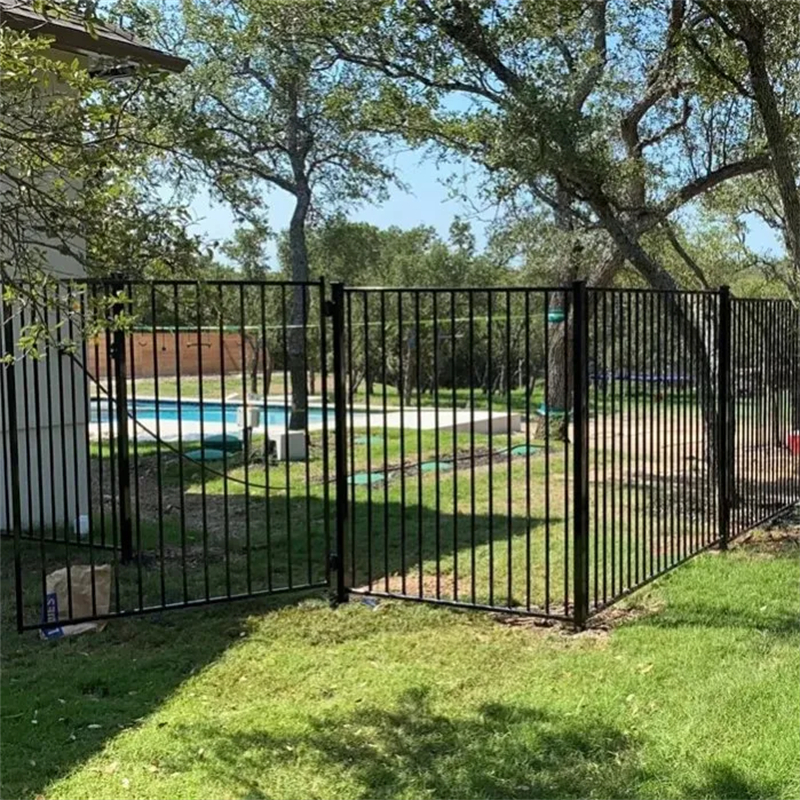
- Schools and campuses needing a visible deterrent and clean boundary line
- Factories, warehouses, storage yards, logistics compounds
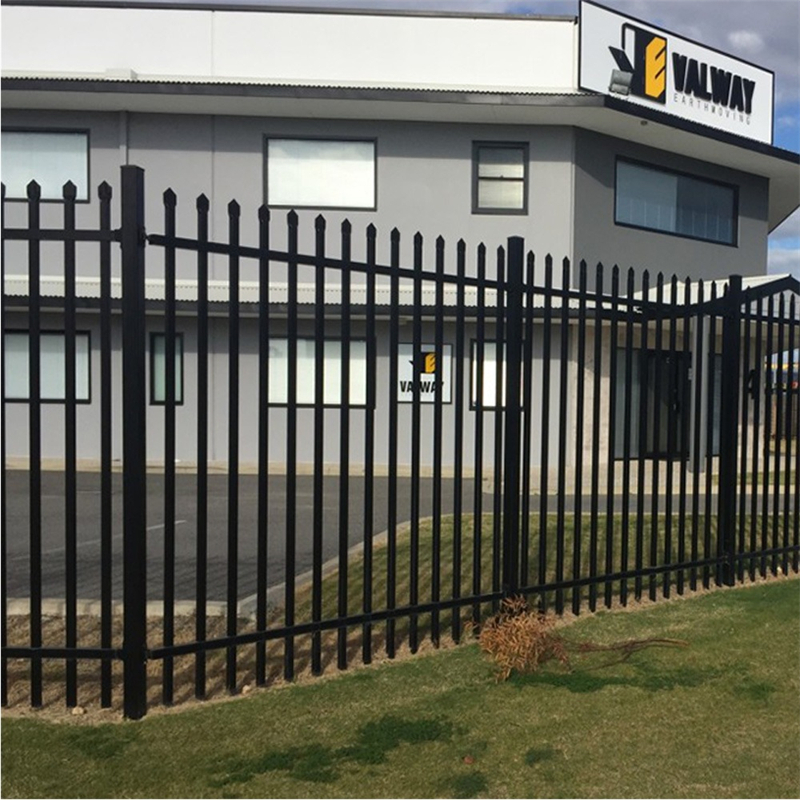
- Commercial frontage and public-facing boundaries where appearance matters
- Parks, council assets, infrastructure corridors, public facilities
- Residential and mixed-use boundaries needing stronger security presence
Benefits
- Straighter sight lines: engineered rail frames and controlled spacing reduce wave-lines
- Higher security feel: picket structure and height options upgrade deterrence
- Repeatable installation: modular panels make bays predictable and repairs easier
- Finish options: galvanized + powder coated or hot-dip galvanized for corrosion resistance
- Lower rework risk: when post height (+600mm) and post thickness are locked in
Packing & Shipping
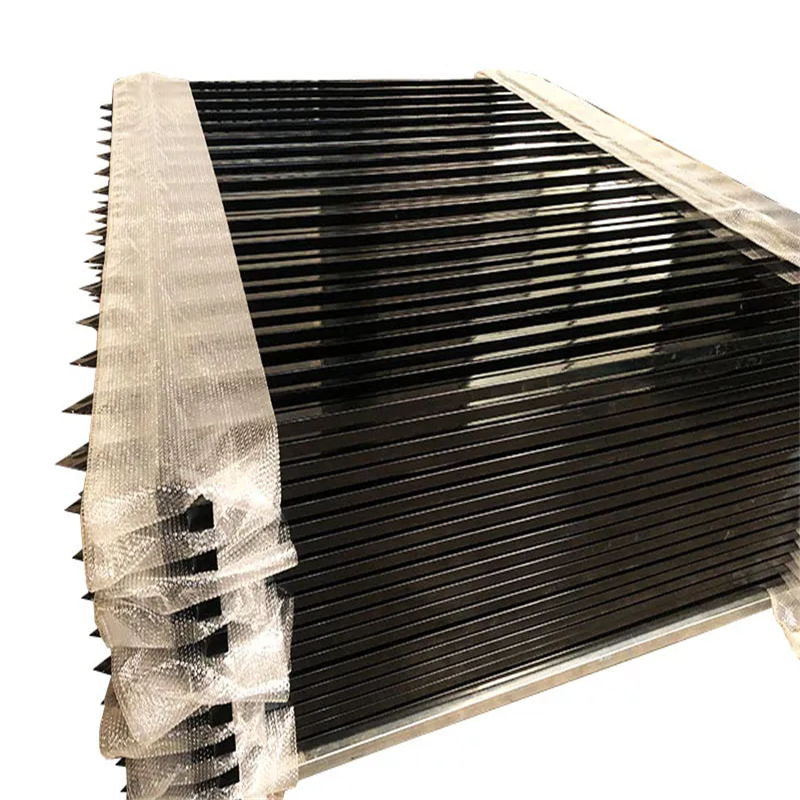
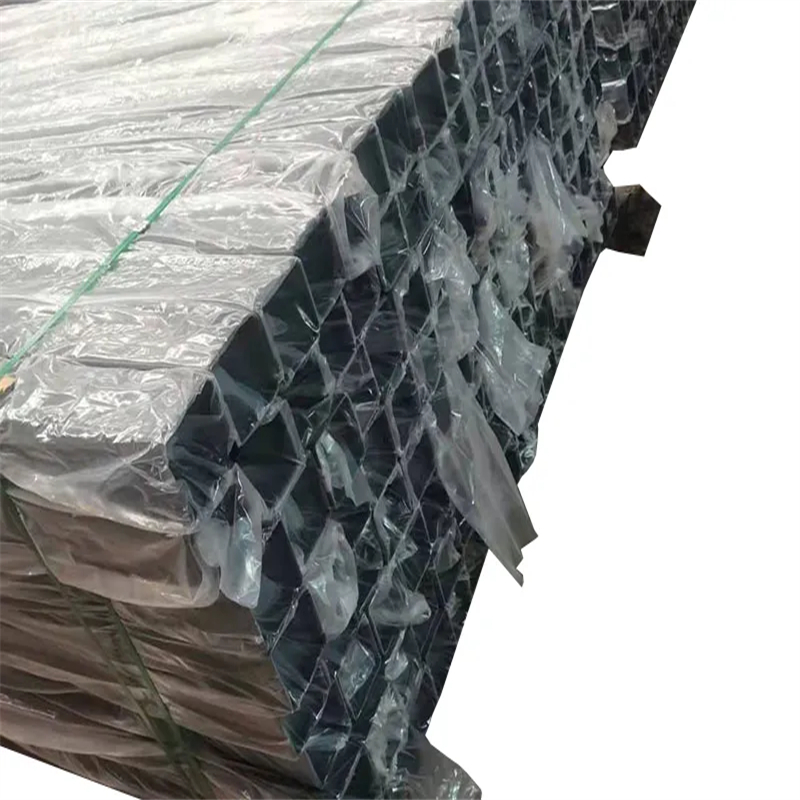
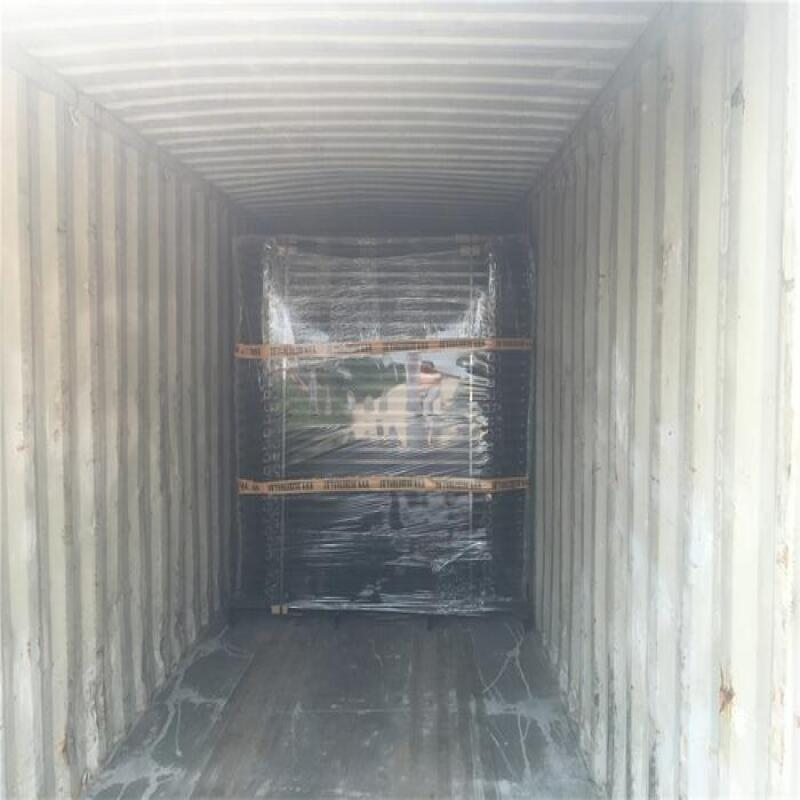
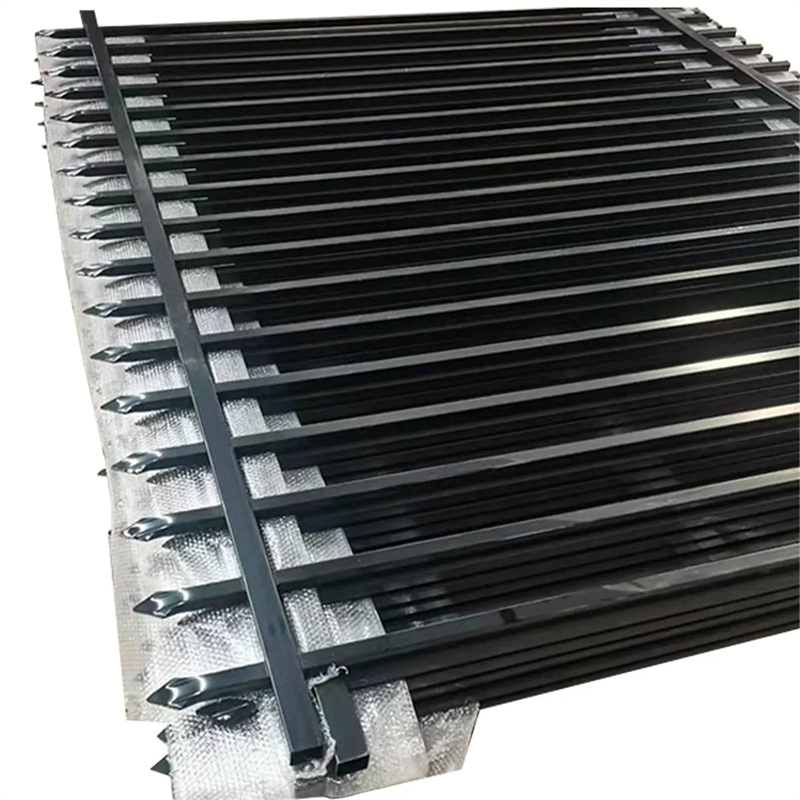
POLYMETAL commonly packs garrison security fence panels in counted bundles to simplify site receiving and reduce finish damage. Panels are stacked with separation protection to prevent rubbing, then wrapped and palletized for forklift handling. Posts are packed separately by size and wall thickness to prevent mix-ups, and brackets/caps are boxed so installers can count components quickly. For mixed-height projects, labeling by height group, rail frame group, and spacing group helps prevent the “wrong panel in the wrong run” problem that creates visible misalignment.
Standards
A garrison security fence can be produced to meet project specifications and regional requirements when those requirements are written clearly into the purchase order. If your site requires a specific coating performance expectation, dimensional tolerance, or installation practice, define it directly in the technical specification so the delivered fence matches the compliance target and the site exposure.
FAQs
What rail frame should I choose: 40×40, 45×45, or 50×50?
Choose based on fence height, run length, wind exposure, and the stiffness you need. For higher exposure and longer runs, upgrading rail frame size and/or thickness helps reduce corner racking and wave-lines.
How do I avoid spacing mismatch between shipments?
Lock the full geometry: panel width, target CTC spacing, and upright quantity per panel. If spacing and upright count are not defined together, bay-to-bay inconsistency shows up immediately after installation.
Why is post height +600mm the key rule?
Because stability depends on embedment depth (or baseplate design) and alignment control. If posts are short, installers compromise depth, the fence leans, and corrective works become expensive and slow.
Which coating option should I choose?
Galvanized + powder coated is common for balancing corrosion resistance and appearance, while hot-dip galvanizing can be selected for heavier corrosion environments. Packing protection and handling discipline matter as much as the coating itself.
Our Services
- Provide samples (fast dispatch); customers cover freight
- Factory direct supply with stable quality control and competitive pricing
- Customization supported (height, width, spacing, posts, coatings)
- Online response support with fast technical clarification
- Quick delivery scheduling with clear production planning
- Questions answered within 12 hours for smoother purchasing
Final Buying Checklist (Use This Before You Approve Production)
- Confirm panel height, width (2400/2450), and bay layout
- Lock rail frame (40×40 / 45×45 / 50×50) and rail thickness (1.6–3.0mm)
- Lock upright size (16×16 / 25×25 / 30×30), thickness (0.80–2.00mm), spacing (CTC), and upright quantity
- Choose post size (60×60 to 100×100) and post wall thickness (1.6 / 2.0 / 2.5mm)
- Set fence post height = fence panel height + 600mm to prevent the #7 loss
- Define coating option and packing protection level to reduce finish damage
- Standardize brackets and caps so installation stays tight and straight