Your One-Stop Wire Mesh Fence Supplier | POLYMETAL
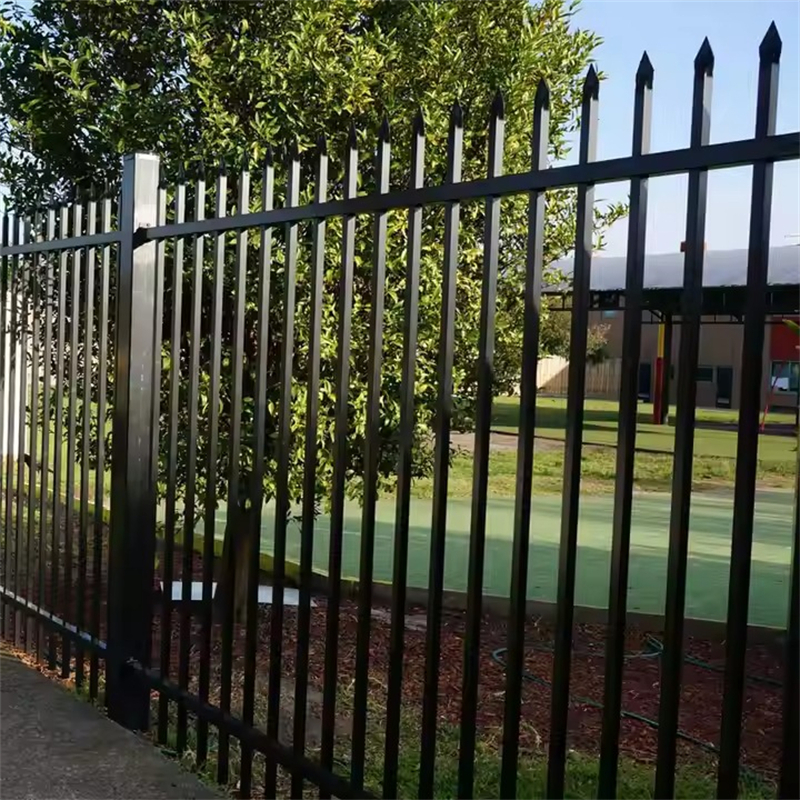
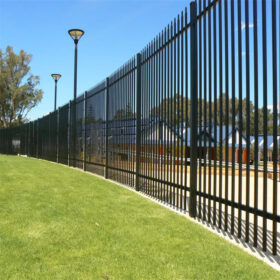
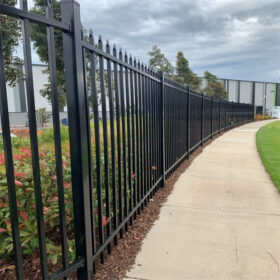
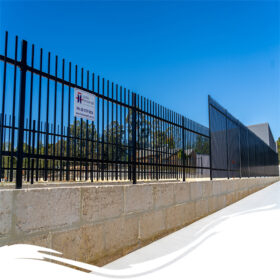
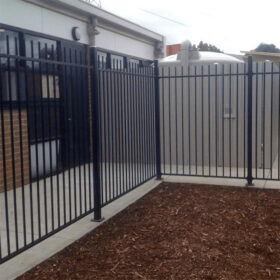
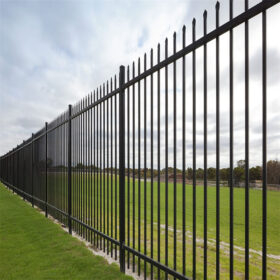
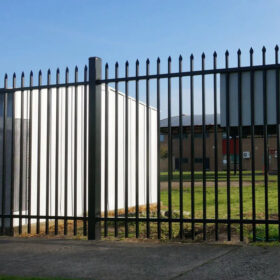
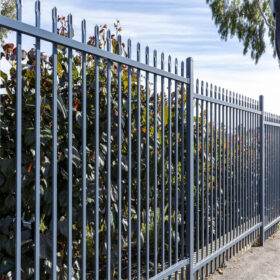
Garrison Security Fencing is often judged by the moment it gets abused: forklifts brushing posts, repeated opening cycles, wind load, and the reality of fast installation. When the specification is vague, the fence line becomes a surprise—rattles, visible wave-lines, early corrosion at welds, and rework when the schedule is already locked.
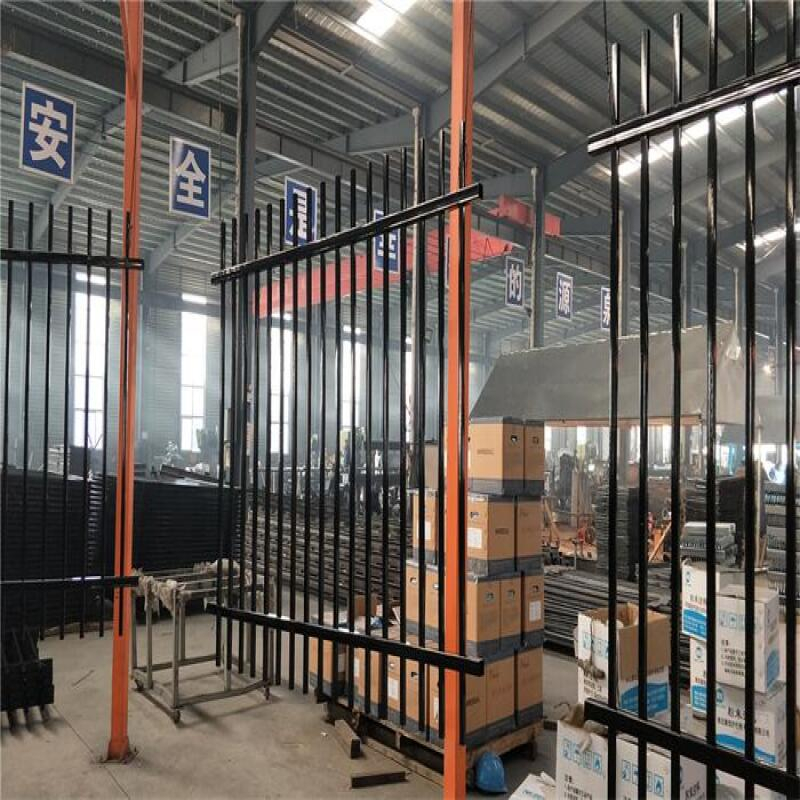
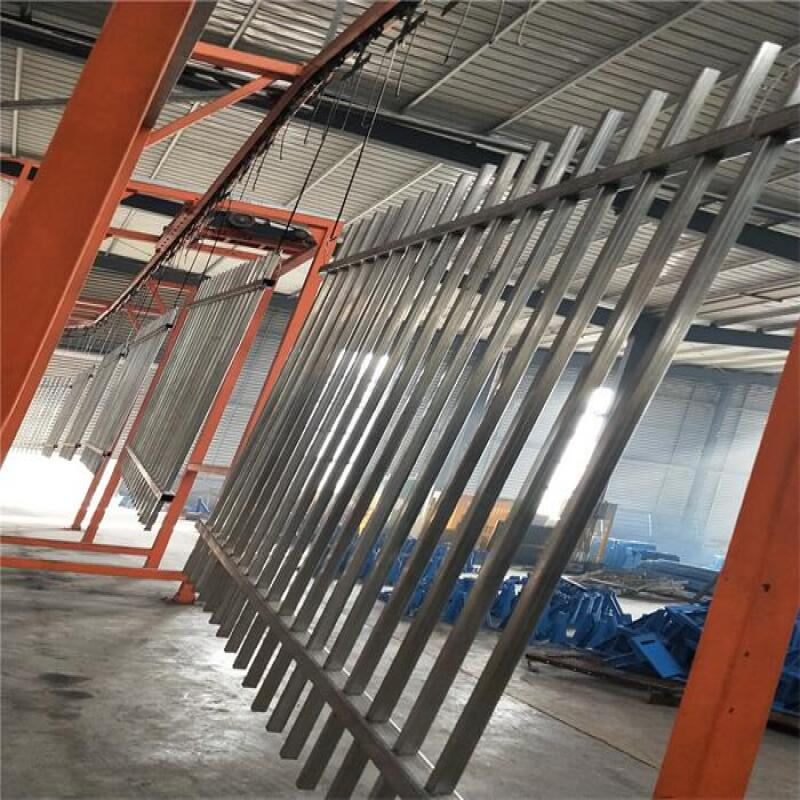
Why Installation Determines Real Security
The best Garrison Security Fencing design and materials only deliver full protection when the system is installed by experienced contractors. Professional installation keeps panels aligned, posts set correctly, gates matched to the fence line, and fixings tightened to specification—so the boundary performs under wind, traffic, and repeated use for years.
Experience That Protects Your Site Long-Term
With decades of fabrication and construction knowledge behind the category, Garrison Security Fencing is best delivered as a complete system—panel build, post selection, coating choice, and installation method working together. When those elements are coordinated, you gain consistent rigidity, clean straight lines, and reliable security performance across the entire perimeter.
Architectural Appearance With Low Maintenance
Garrison Security Fencing can be powder coated to suit your site aesthetics while maintaining a durable, professional finish. In many environments it requires minimal upkeep compared with lightweight wire mesh alternatives, because the rigid tubular structure is designed to resist movement and maintain appearance under daily handling.
Custom Design Options Without Compromising Security
A well-specified Garrison Security Fencing package can be tailored to your preferred look and project requirements, including height, rail frame selection, upright spacing options, and post sizing. This design flexibility allows you to achieve a high-security boundary that still fits the visual standards of schools, commercial properties, warehouses, and public-facing sites.
Secure Gates That Match the Fence System
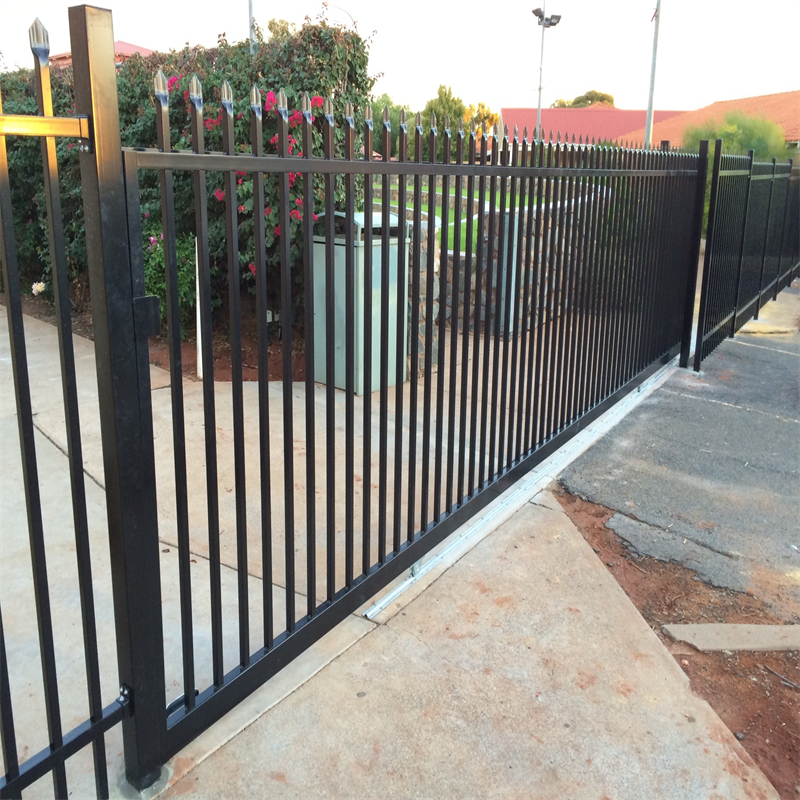
Access points are where many fences fail. A properly planned Garrison Security Fencing project includes gates engineered to match the same structural logic as the panels—correct post sizing, hinge and latch selection, and reinforced gate frames—so alignment stays true and security remains consistent after repeated opening cycles.
Why Garrison Security Fencing Is Trusted for Asset Protection
Garrison Security Fencing is chosen to protect valuable assets, buildings, plant, and equipment because it is engineered to perform—not simply to look secure. When a boundary is critical, installing a system that flexes, rattles, or deforms under pressure is wasted money. A properly built and installed garrison system is designed to remain rigid and dependable in real-world conditions.
How the Structure Creates a Strong Security Barrier
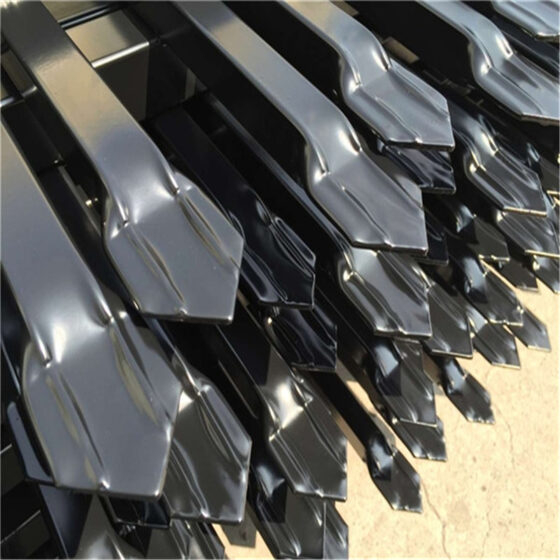
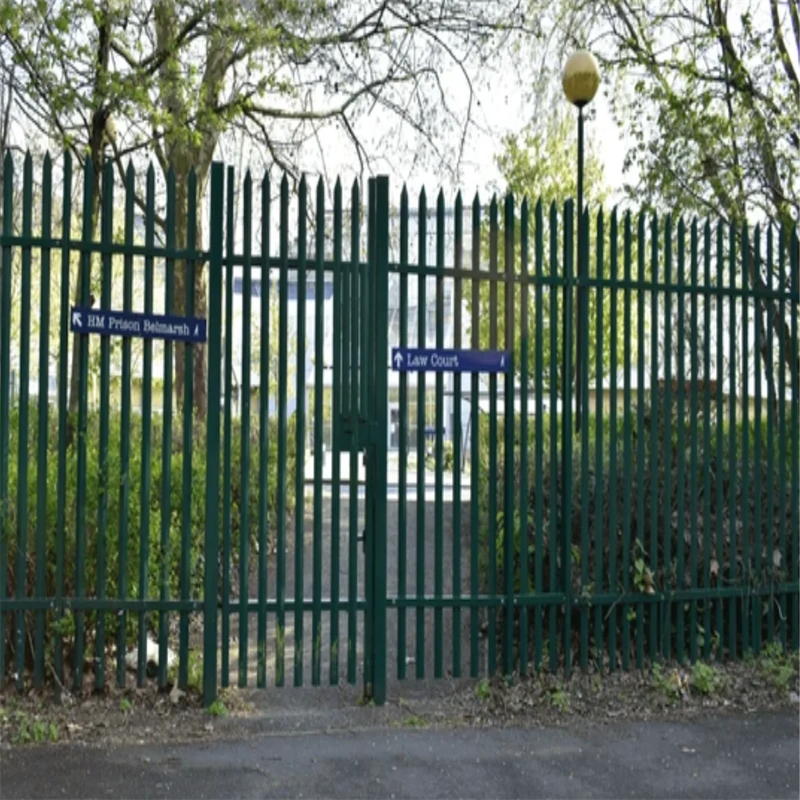
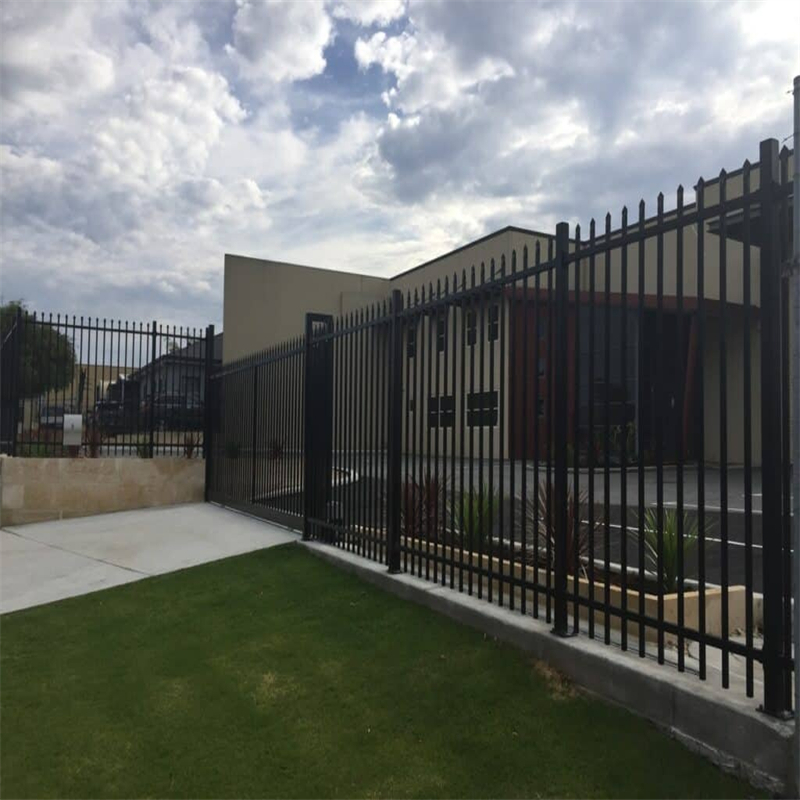
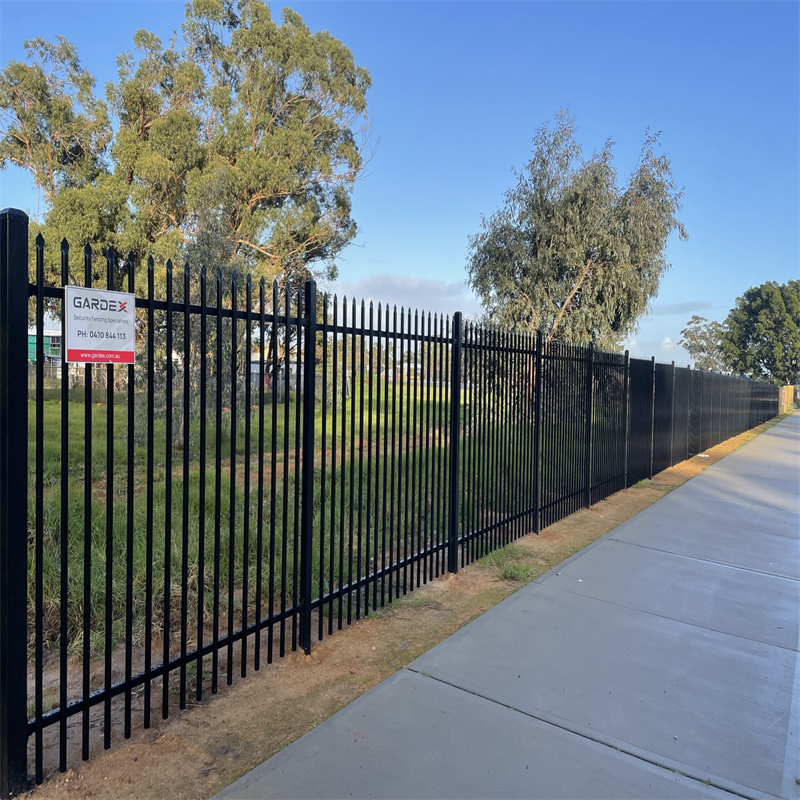
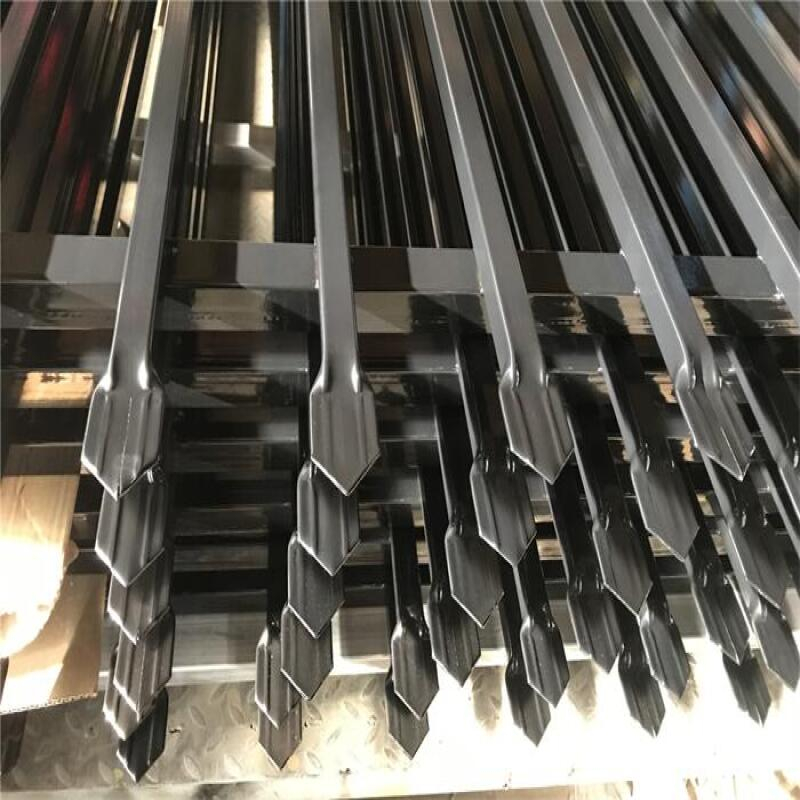
Garrison Security Fencing uses heavy-duty tubular uprights fixed to horizontal rails, forming a rigid panel structure that is anchored into concrete foundations. The height of the uprights and the spear-top profile significantly reduce climbing opportunity, while secure welding and a disciplined post plan help prevent movement, pry leverage, and long-term loosening.
Proven Performance That Stands the Test of Time
When correctly specified and installed, Garrison Security Fencing delivers consistent perimeter control with a strong security feel and a clean architectural finish. The result is a fence line that holds alignment, maintains appearance, and continues to perform year after year—without the ongoing repair cycle that comes from under-specified “look-alike” products.
Product Description
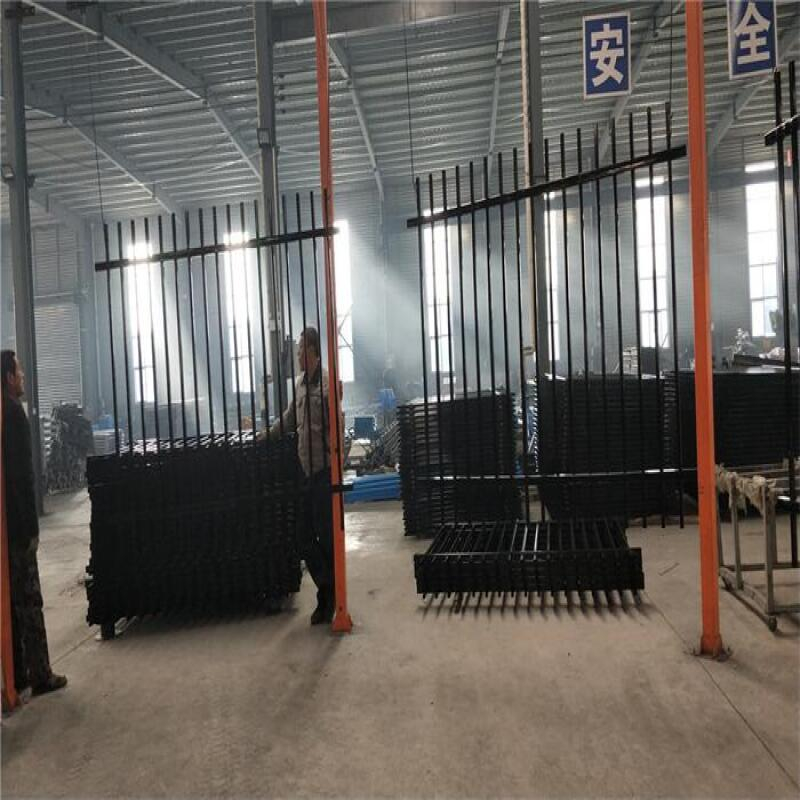
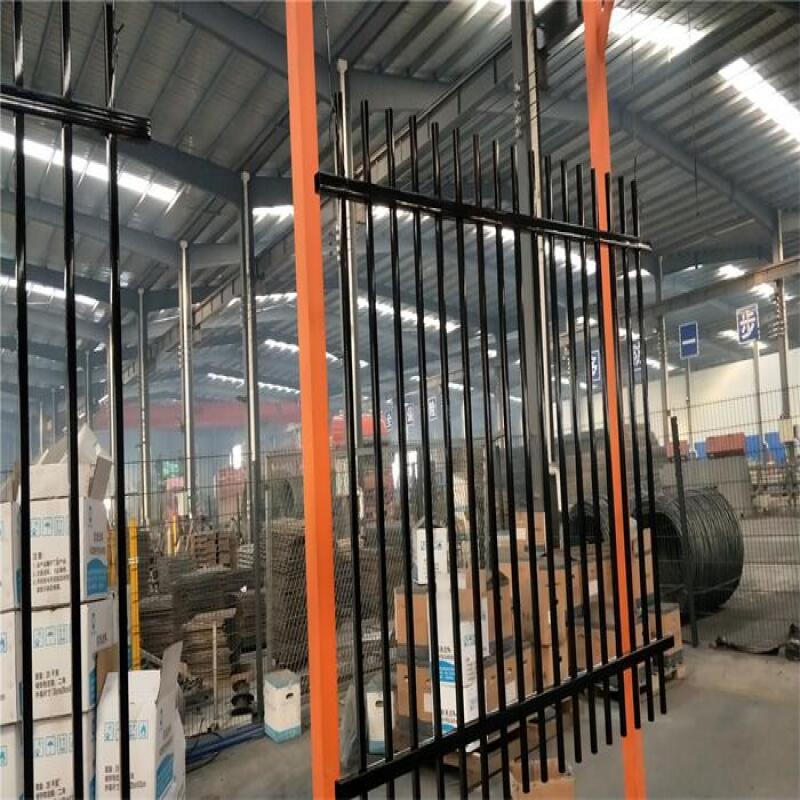
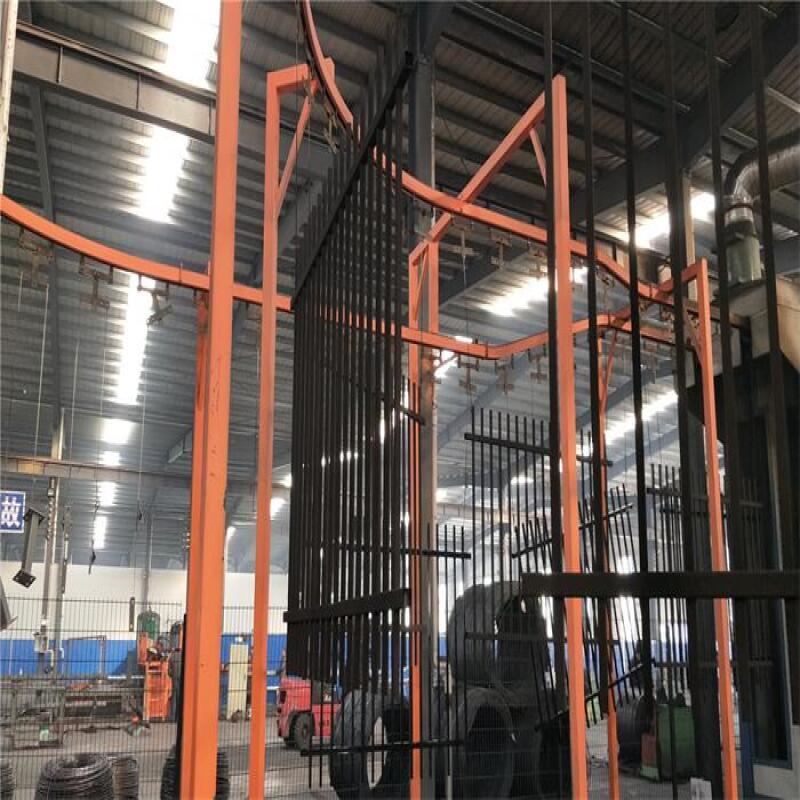
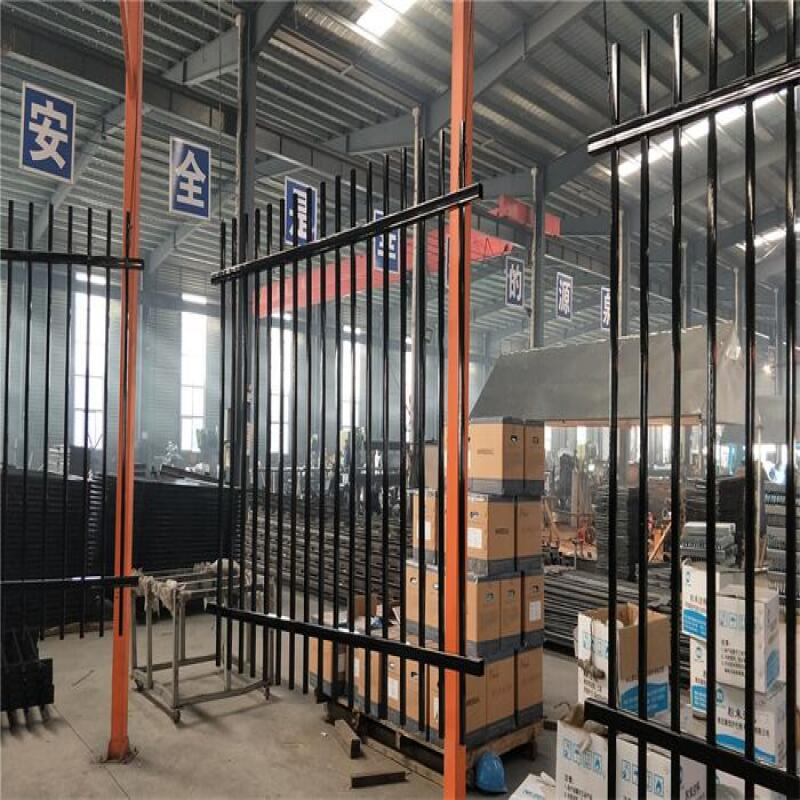
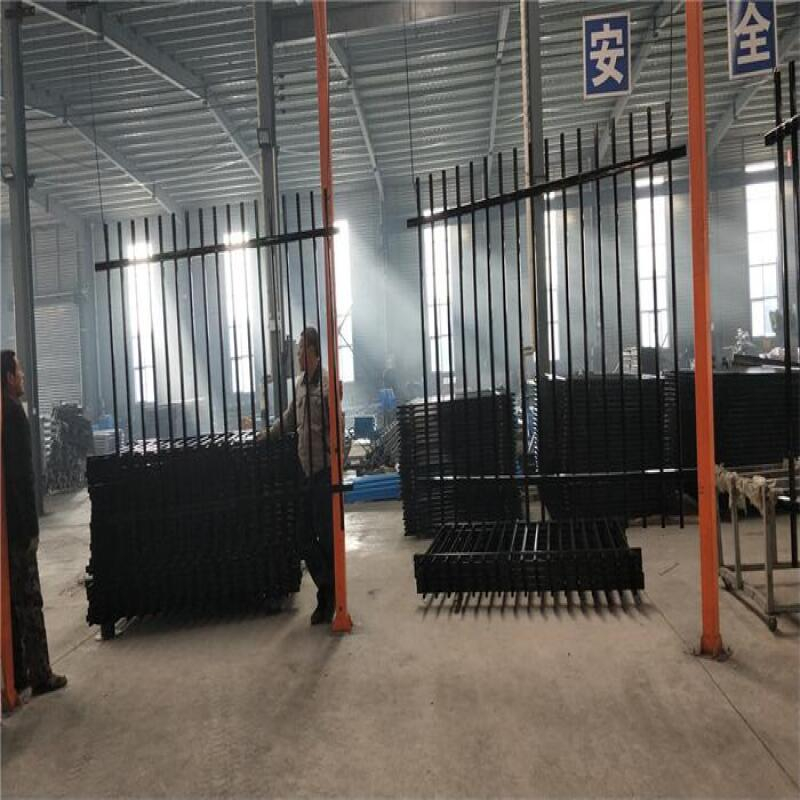
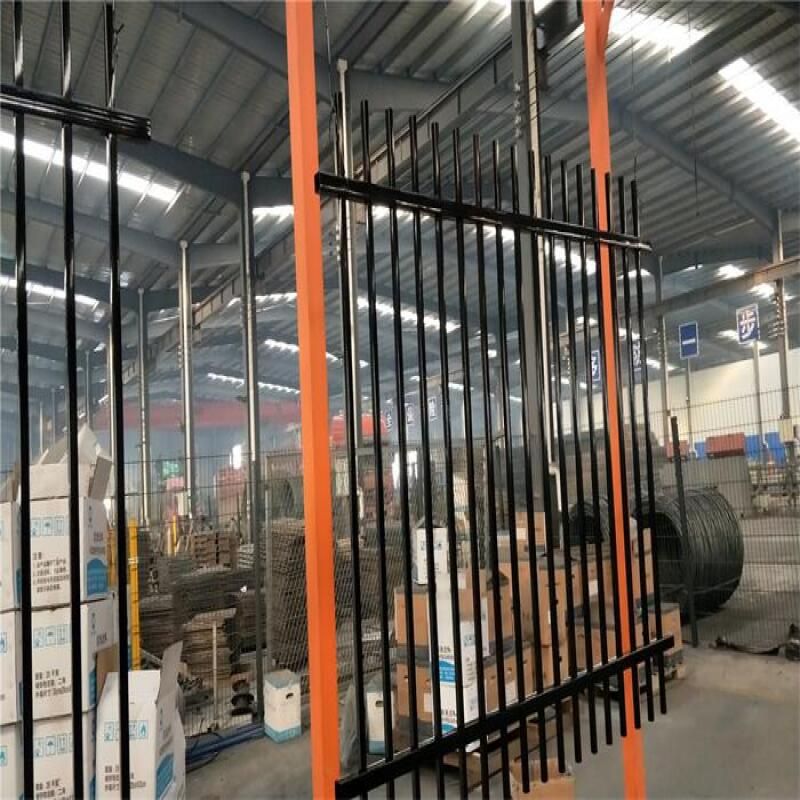
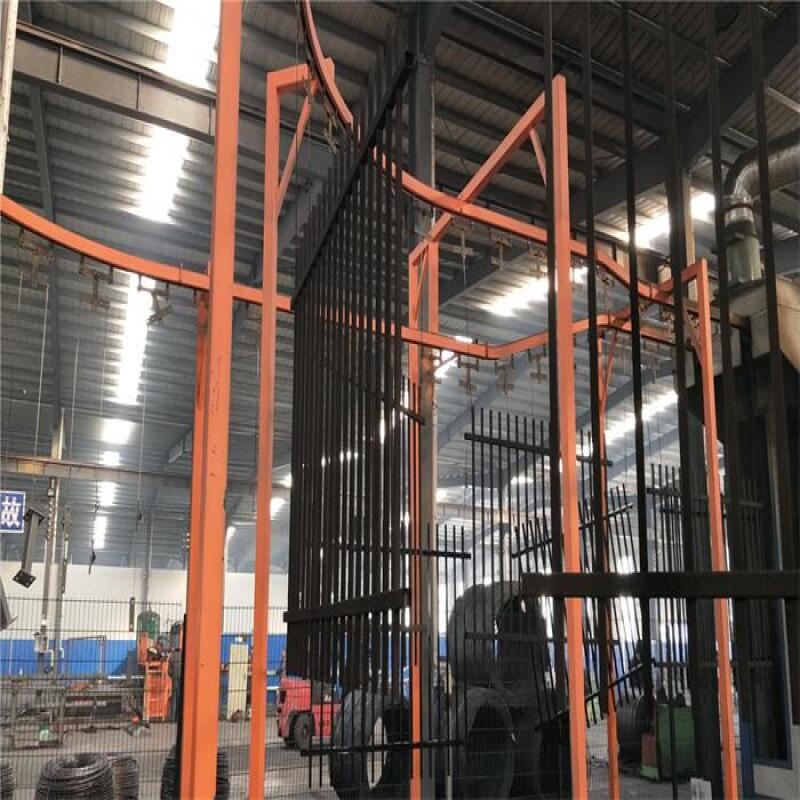
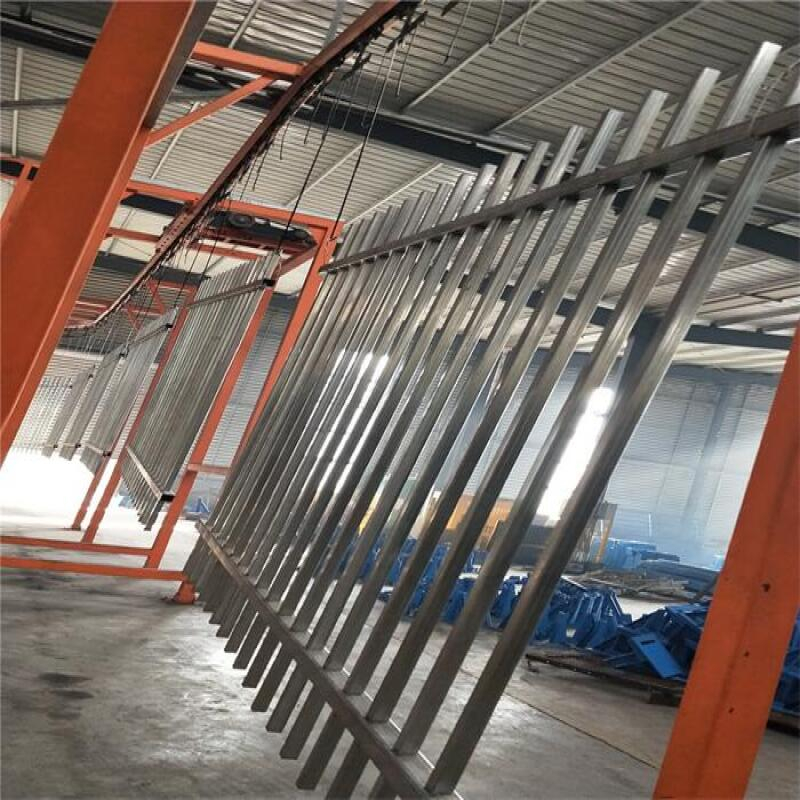
POLYMETAL Garrison Security Fencing is a welded steel picket panel system designed to create a high-security boundary with a clean architectural appearance.
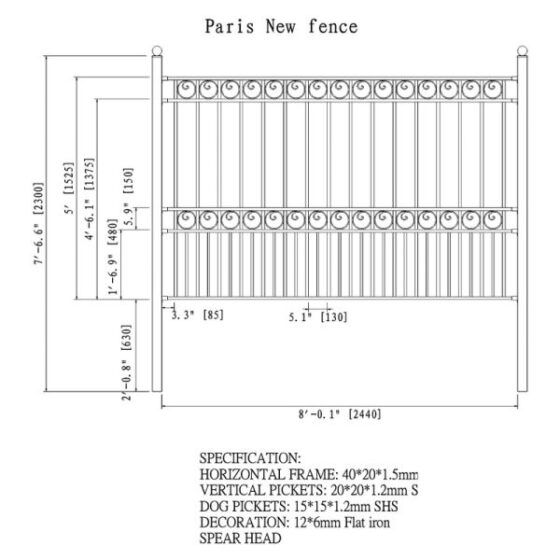
The panel structure is controlled by measurable geometry—rail frame size and wall thickness matched to panel height, upright profile and quantity set to target spacing, and post options selected for the exposure level and required rigidity. When those inputs are locked in the purchase specification, installation becomes predictable and the finished fence line stays straight under daily handling. If your perimeter includes access points, specify the gate package at the same time—our Garrison fencing gates guide shows how to match hinges, latches, and gate posts to the same garrison system so alignment stays true after repeated opening cycles
Unlike generic “picket style” panels that rely on thin sections and inconsistent spacing, a true garrison build behaves like a repeatable module. Rails hold alignment, uprights resist bending and pry leverage, and posts provide the stiffness that stops the fence line from developing wave patterns over time.
This is especially important when the fence is specified for schools, warehouses, utilities, rail corridors, commercial buildings, and public-facing boundaries where performance and appearance are both non-negotiable.
The hidden risk is assuming two panels that look similar in photos will perform the same. They won’t. Small changes in rail wall thickness, upright spacing discipline, post sizing, and coating control can decide whether the job passes inspection—or becomes an expensive repair cycle.
Top 20 Traps Buyers Miss (Especially #12)
Warning: “Looks the same” is how projects lose money. These traps show exactly where
Garrison Security Fencing orders fail—quietly at first, then loudly during install and warranty.
Trap #1: Ordering Garrison Security Fencing by Photo Instead of Measurable Geometry
Photos hide wall thickness, spacing discipline, and post stiffness. If a Garrison Security Fencing order
doesn’t define rail frame, rail thickness, upright profile, upright thickness, and upright count/spacing, you are buying
a guess—and paying for surprises on site.
Trap #2: Rail Frame Size Not Matched to Garrison Security Fencing Height
Taller panels amplify leverage and vibration. If the rail frame is undersized for height and wind exposure,
Garrison Security Fencing can flex, rattle, and develop visible wave-lines over time even when installation is “correct.”
Trap #3: Thin Rails That Dent in Garrison Security Fencing Handling
Panels are stacked, dragged, and clamped. Thin rail walls dent at clamp points, distort at forklift contact, and
telegraph misalignment across long runs—turning Garrison Security Fencing into a straightness problem you can’t hide.
Trap #4: Uprights Chosen for Looks, Not Garrison Security Fencing Anti-Pry Behavior
Uprights are the business end of a garrison panel. If the upright profile and thickness are too light,
Garrison Security Fencing feels “soft” and becomes easier to deform during attack, impact, or rough handling.
Trap #5: Garrison Security Fencing “Spacing” Written Once, Then Ignored in Production
If upright count is not locked, spacing drifts. A small drift repeated across hundreds of panels creates inconsistent
aesthetics and misalignment at joins—then installers start forcing Garrison Security Fencing into place.
Trap #6: No Agreement on Garrison Security Fencing Weld Discipline
Weak welds are not always visible under coating. In real use, poor weld fusion becomes cracked pickets, rattles,
and early rust points that appear after Garrison Security Fencing is already in service. This risk becomes even more expensive
on sites running multiple perimeter controls (for example, when a project also installs a temporary construction noise barrier nearby), because inconsistent weld quality can trigger rework, schedule delays, and repeated handling that damages coatings faster.
Trap #7: Ignoring the Garrison Security Fencing Clamp/Bracket Interface
Panels and posts must interface without forcing. If bracket spacing or clamp geometry is not aligned to the actual rail frame,
installers grind, pry, or overtighten—damaging coating and creating corrosion entry points across Garrison Security Fencing.
Trap #8: Garrison Security Fencing Post Size Selected Without Wind/Traffic Reality
Posts are the spine. Undersized posts look fine in a brochure and fail in a real boundary with gates, corners, long runs,
or higher wind exposure—making Garrison Security Fencing feel unstable even with good panels.
Trap #9: Garrison Security Fencing Coating System Assumed, Not Specified
“Galvanized” can mean very different things depending on process control. If coating type and acceptance expectation are not specified,
Garrison Security Fencing can look acceptable at delivery but underperform in service.
Trap #10: No Garrison Security Fencing Protection Plan for Transit and Unloading
Damage often happens after production is perfect. Without correct packing, stacking separation, and edge protection,
Garrison Security Fencing arrives rubbed-through at contact points and starts corroding at the worst possible time—after installation.
Trap #11: Garrison Security Fencing Corner Strategy Not Defined
Corners concentrate load. If the corner post option and bracing strategy are not defined, the fence line can lean or open gaps at corners
even when straight runs of Garrison Security Fencing look fine.
Trap #12: Missing the Post-Height Rule That Prevents Garrison Security Fencing “Soft Fence Syndrome”
Especially #12: This is where losses hide—projects pass quotation stage and fail at install stage.
When post height selection is not locked to the panel height requirement, Garrison Security Fencing loses stability,
leading to movement, rattle, and wave-lines that trigger complaints and rework.
The cost impact is brutal: extra concrete, additional labor, re-drilling, panel replacement due to coating damage during forcing,
and “blame ping-pong” between installer and supplier. A stable Garrison Security Fencing boundary starts with a stable post plan—
written into the specification so no one can “value engineer” it away.
Trap #13: Ordering Gates Without Matching the Garrison Security Fencing System
Gates load posts differently than panels. If gate posts and hinge hardware are not specified as a matched system,
sag and latch misalignment show up fast and reduce Garrison Security Fencing security and appearance.
Trap #14: No Garrison Security Fencing Tolerance for Straightness and Squareness
“Standard tolerance” is meaningless if not written. Without straightness and squareness control, panels that are slightly out
accumulate error across long runs, and installers start fighting Garrison Security Fencing.
Trap #15: Not Specifying Garrison Security Fencing Anti-Tamper Fixing Options
A garrison fence can look secure and still be easily defeated if fixings are basic. If the job needs higher security,
specify anti-tamper fasteners and compatible brackets for Garrison Security Fencing.
Trap #16: Ignoring Ground Conditions in the Garrison Security Fencing Post Plan
Hard ground, reactive soil, and variable substrate demand different installation practices. If the fence spec is not aligned to site reality,
Garrison Security Fencing can develop uneven post set, leaning lines, and premature movement.
Trap #17: Assuming One Post Size Fits All Garrison Security Fencing Zones
Straight runs, ends, corners, and gate zones experience different loads. A mixed post plan often performs better than forcing one post option everywhere,
keeping Garrison Security Fencing stable without overspending.
Trap #18: No Garrison Security Fencing Acceptance Checklist at Delivery
Without a receiving checklist, small defects become “installed defects.” Define what is checked on arrival so problems are captured
before Garrison Security Fencing is on the ground.
Trap #19: Not Planning for Future Garrison Security Fencing Maintenance and Touch-Up
Every boundary gets scratches. If the project needs long life, plan how touch-up is handled and what coating system supports it best,
so Garrison Security Fencing retains performance over time.
Trap #20: Buying the Cheapest Garrison Security Fencing Panel, Paying the Most on Site
Cheap panels often cost more once handling damage, installation delays, and callbacks are included.
Garrison Security Fencing is a boundary system—its real cost is the total installed outcome.
Specifications (Project-Ready Table)
The table below keeps all critical variables visible in one place, so procurement, installers, and QA are aligned before the order is placed.
| Fence Panel Height (mm) | Fence Panel Width (mm) | Rail Frame Options | Rail Thickness Options (mm) | Upright Options | Upright Thickness Options (mm) | Upright Qty & Spacing Options | Fence Post Height Options (mm) (Panel height + 600mm minimum) | Fence Post Options | Post Wall Thickness Options (mm) | Finish Options |
|---|---|---|---|---|---|---|---|---|---|---|
| 1200 | 2400 | 40×40mm; 45×45mm; 50×50mm | 1.60; 2.00; 2.50; 3.00 | 16×16mm; 25×25mm; 30×30mm | 0.80; 1.00; 1.20; 2.00 | 18 pcs (100mm); 17 pcs (108mm); 16 pcs (115mm) | 1800 | 60×60mm; 65×65mm; 75×75mm; 80×80mm; 100×100mm | 1.60; 2.00; 2.50 | Pre-galv + powder coat; HDG + powder coat; Powder coat only (project-dependent) |
| 1500 | 2400 | 40×40mm; 45×45mm; 50×50mm | 1.60; 2.00; 2.50; 3.00 | 16×16mm; 25×25mm; 30×30mm | 0.80; 1.00; 1.20; 2.00 | 18 pcs (100mm); 17 pcs (108mm); 16 pcs (115mm) | 2100 | 60×60mm; 65×65mm; 75×75mm; 80×80mm; 100×100mm | 1.60; 2.00; 2.50 | Pre-galv + powder coat; HDG + powder coat; Powder coat only (project-dependent) |
| 1800 | 2400 | 40×40mm; 45×45mm; 50×50mm | 1.60; 2.00; 2.50; 3.00 | 16×16mm; 25×25mm; 30×30mm | 0.80; 1.00; 1.20; 2.00 | 18 pcs (100mm); 17 pcs (108mm); 16 pcs (115mm) | 2400; 2450 (optional) | 60×60mm; 65×65mm; 75×75mm; 80×80mm; 100×100mm | 1.60; 2.00; 2.50 | Pre-galv + powder coat; HDG + powder coat; Powder coat only (project-dependent) |
| 2100 | 2400 | 40×40mm; 45×45mm; 50×50mm | 1.60; 2.00; 2.50; 3.00 | 16×16mm; 25×25mm; 30×30mm | 0.80; 1.00; 1.20; 2.00 | 18 pcs (100mm); 17 pcs (108mm); 16 pcs (115mm) | 2700 | 60×60mm; 65×65mm; 75×75mm; 80×80mm; 100×100mm | 1.60; 2.00; 2.50 | Pre-galv + powder coat; HDG + powder coat; Powder coat only (project-dependent) |
| 2400 | 2400 | 40×40mm; 45×45mm; 50×50mm | 1.60; 2.00; 2.50; 3.00 | 16×16mm; 25×25mm; 30×30mm | 0.80; 1.00; 1.20; 2.00 | 18 pcs (100mm); 17 pcs (108mm); 16 pcs (115mm) | 3000 | 60×60mm; 65×65mm; 75×75mm; 80×80mm; 100×100mm | 1.60; 2.00; 2.50 | Pre-galv + powder coat; HDG + powder coat; Powder coat only (project-dependent) |
Procurement shortcut: If you want a straight, rigid fence line, lock rail frame + rail thickness + upright count/spacing + post option in the PO so the delivered system matches the site load reality.
Applications
Construction & logistics facilities: Garrison Security Fencing is selected where perimeter control must look professional while resisting daily impacts from vehicles, pallets, and site traffic.
Schools, commercial buildings & public-facing assets: The architectural appearance reduces “temporary-looking” boundaries while delivering a stronger security feel than basic mesh.
Warehouses, utilities & infrastructure corridors: Consistent panel geometry supports long straight runs, reliable access control integration, and cleaner maintenance planning.
Rail corridors & sensitive sites: Upright spacing control and robust post options help keep the boundary stable in higher-wind or higher-vibration environments.
Benefits
Predictable installation: When the specification is disciplined, installers spend time building a clean line—not fighting misaligned panels and brackets.
Higher rigidity: Proper rail frame selection, rail wall thickness, and post stiffness reduce rattle, sway, and visible wave-lines.
Better appearance retention: Controlled upright spacing and repeatable panel geometry maintain a uniform “architectural boundary” look across the whole project.
Lower lifetime cost: Fewer callbacks, less touch-up, fewer panel replacements, and reduced project delays compared with under-specified “look-alike” panels.
Packing
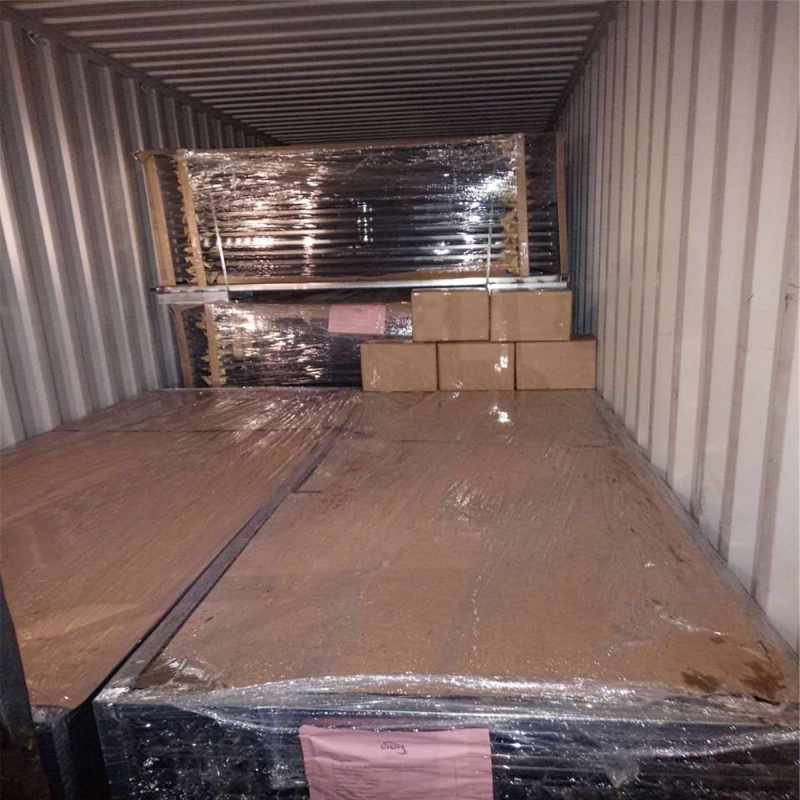
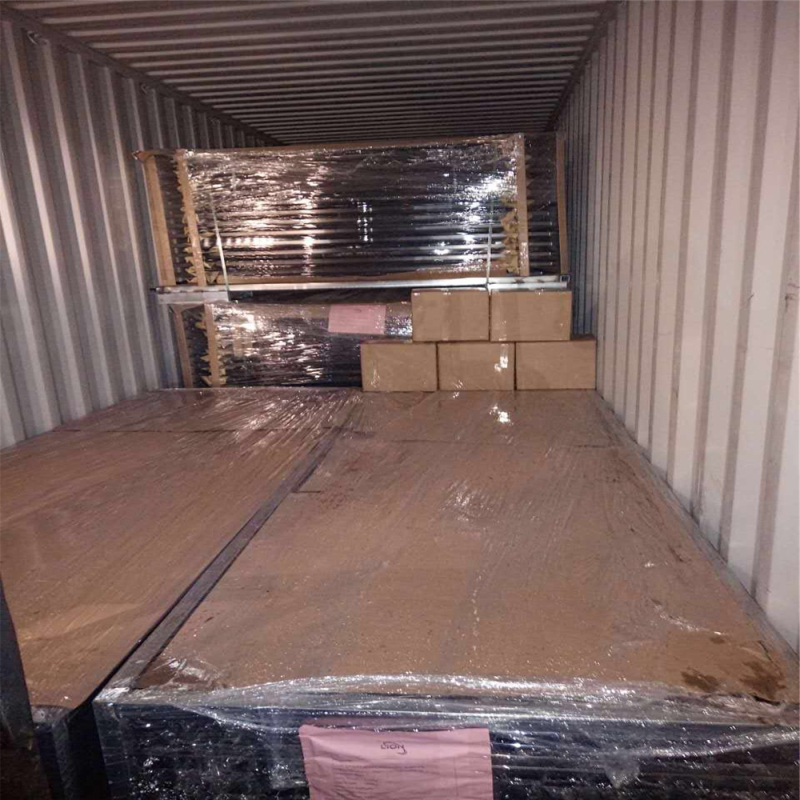
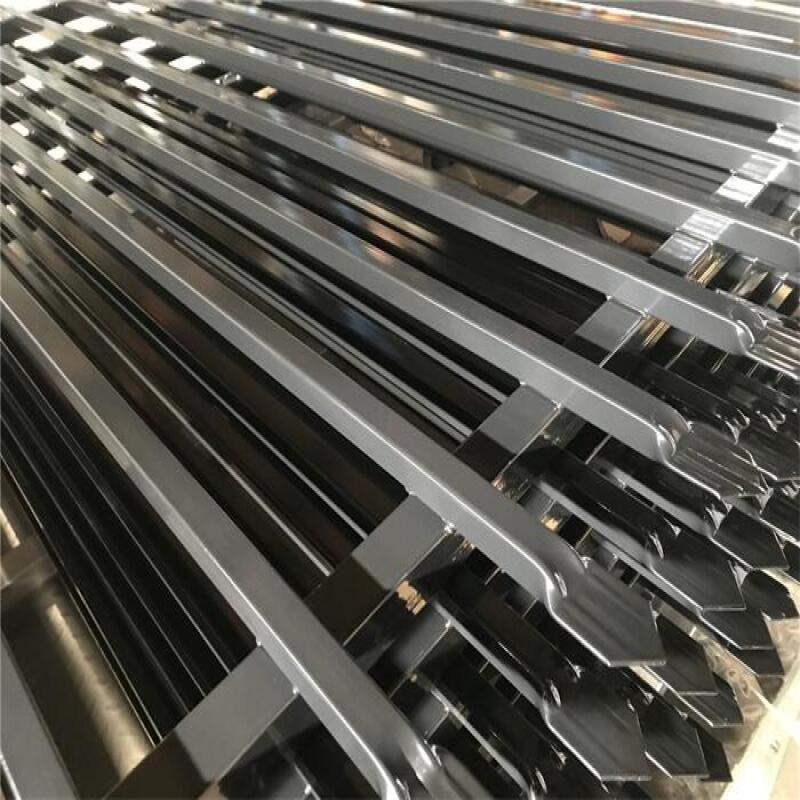
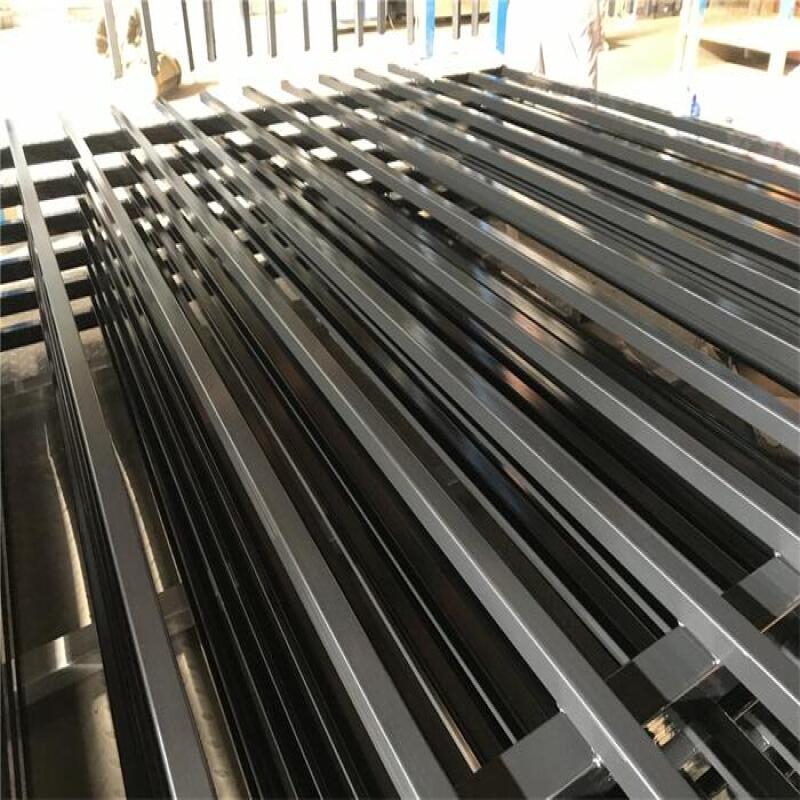
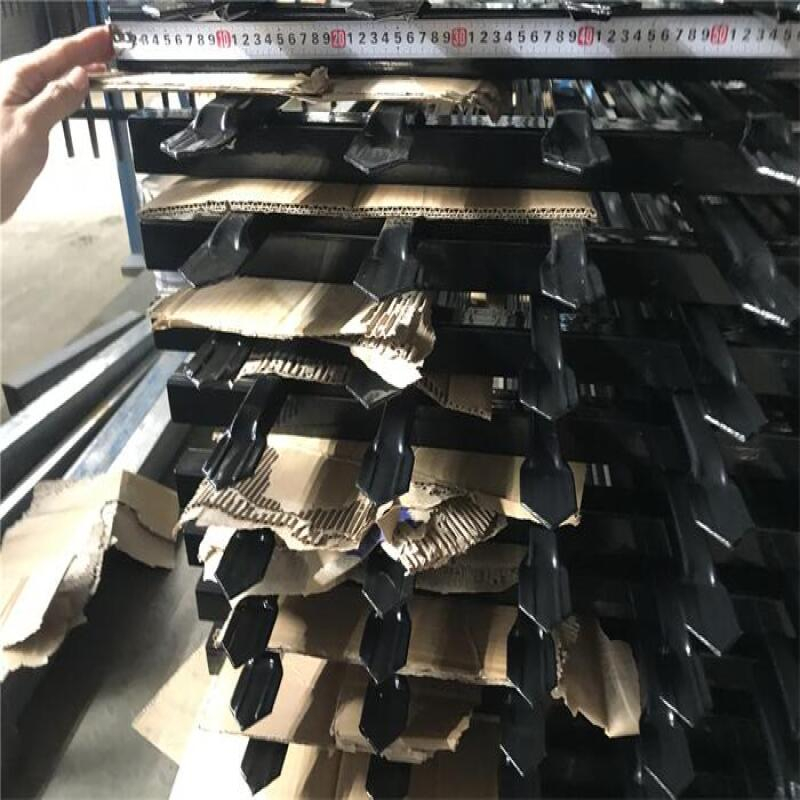
POLYMETAL packs Garrison Security Fencing for export handling and jobsite unloading discipline. Panels can be stacked with separation protection to reduce rubbing, with corner/edge guards to protect coating in transit, and banding that holds geometry without crushing rail faces. Post bundles are strapped to minimize movement, while brackets and fixings are packed in labeled cartons for count accuracy and faster receiving. Packing options can be arranged for container optimization, forklift handling, and site-ready distribution.
Standard (References) & Quality Control
Garrison Security Fencing requirements vary by market and project. POLYMETAL can manufacture to customer-specified standards and drawings,including defined material grade, coating process expectations, and inspection criteria. Common references clients may specify include hot-dip galvanizing and zinc coating standards, powder coating performance expectations, and general quality management requirements, with acceptance checks for dimensions, spacing, weld integrity, and finish consistency. For projects comparing perimeter systems for different site conditions, you can also review our Heras fencing Note: Always provide your project’s target standard list and acceptance criteria in writing so the delivered fence matches inspection expectations.
FAQS
What is the most common mistake when buying Garrison Security Fencing?
The most common mistake is leaving the specification “open,” especially rail thickness and upright spacing discipline. When these are not locked, different builds can be supplied under the same product name.
How do I prevent fence line wave patterns?
Match rail frame and thickness to the fence height and exposure, keep upright spacing disciplined with a fixed upright count option, and select post options that support corners, ends, and gate zones without flex.
Is powder coating enough for outdoor projects?
It depends on environment and expected service life. Many projects specify a galvanized base plus powder coating for stronger corrosion resistance, especially in coastal or industrial exposure zones.
Can I mix post sizes in one project?
Yes. Straight runs, corners, ends, and gates experience different loads. A mixed post plan is often the most cost-effective way to hit stability targets without overspending everywhere.
How do I write a purchase order that avoids costly surprises?
Specify fence height and width, rail frame and rail thickness, upright profile and thickness, upright count/spacing option, post option and wall thickness, finish system, and the required bracket/fastener type.
POLYMETAL practical takeaway: If a supplier can’t confirm your spacing option (16/17/18 uprights) and rail/post wall thickness in writing, you don’t have a garrison system—you have a risk.