Your One-Stop Wire Mesh Fence Supplier | POLYMETAL
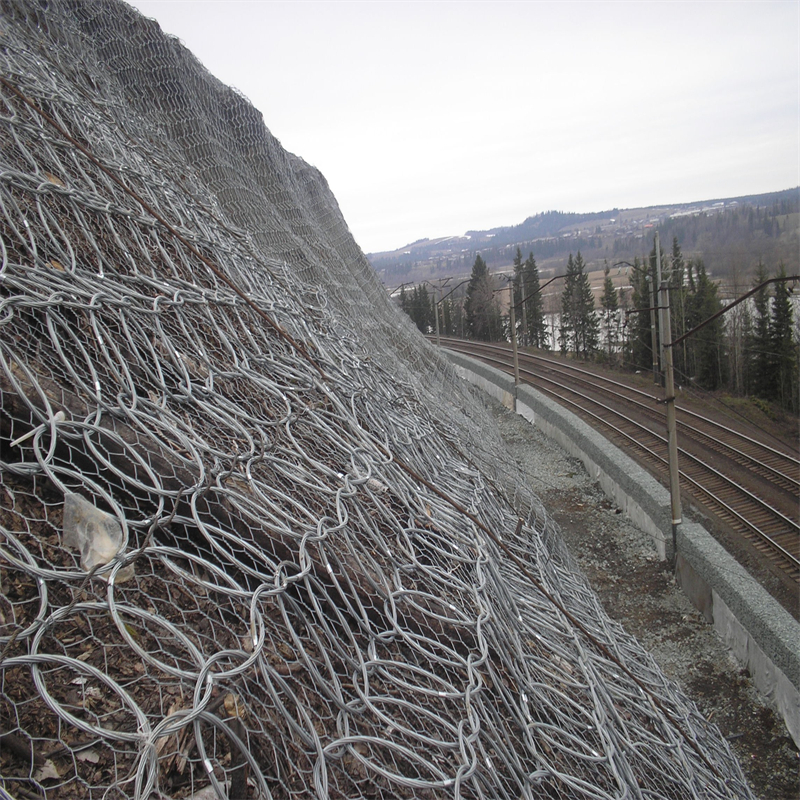
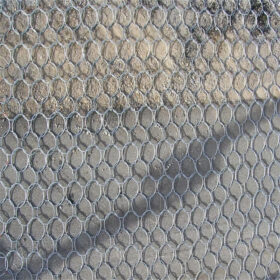
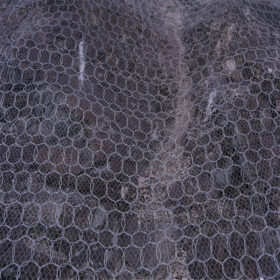
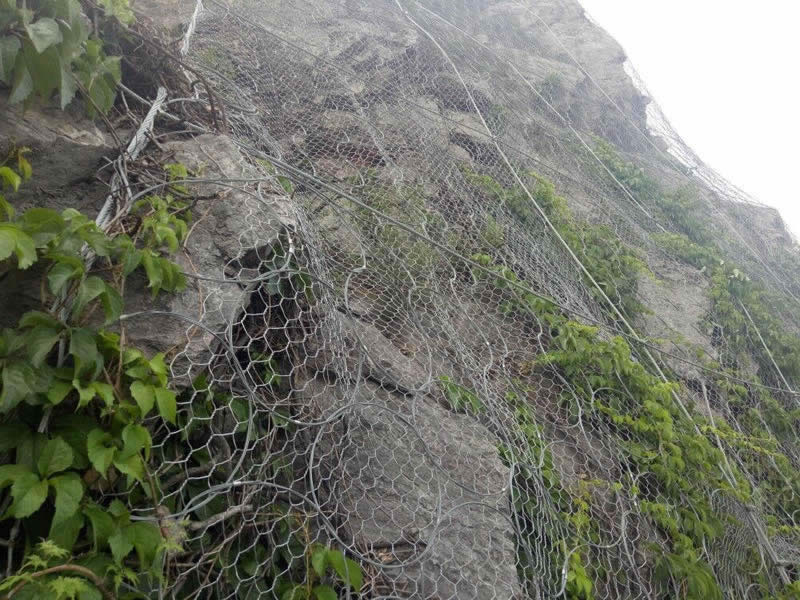
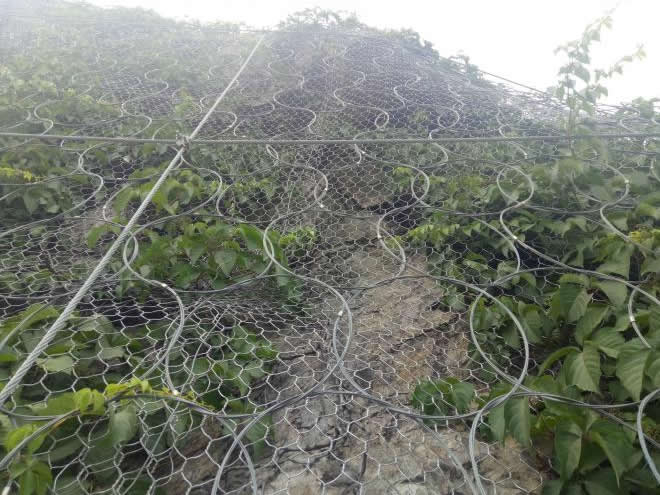
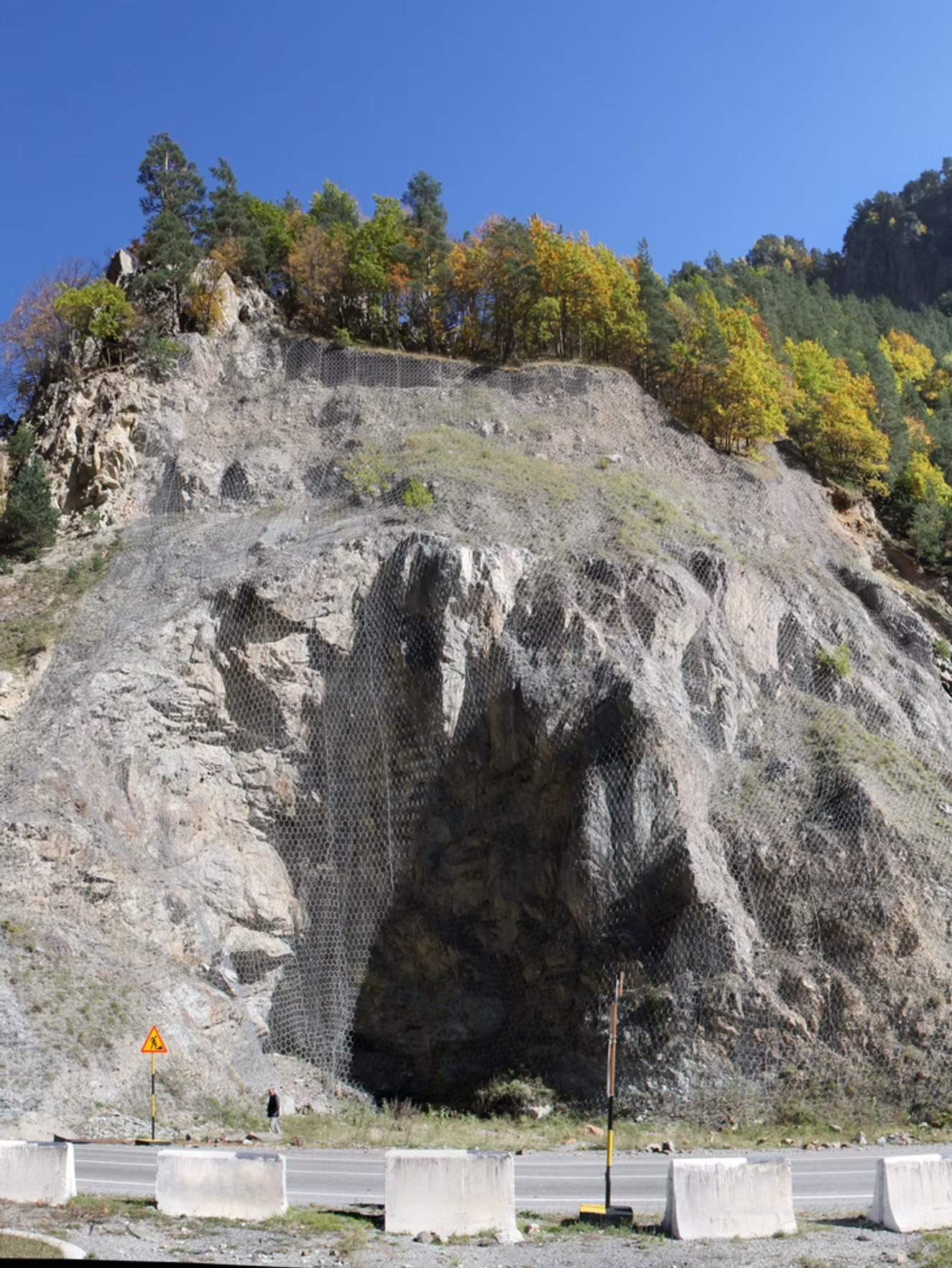
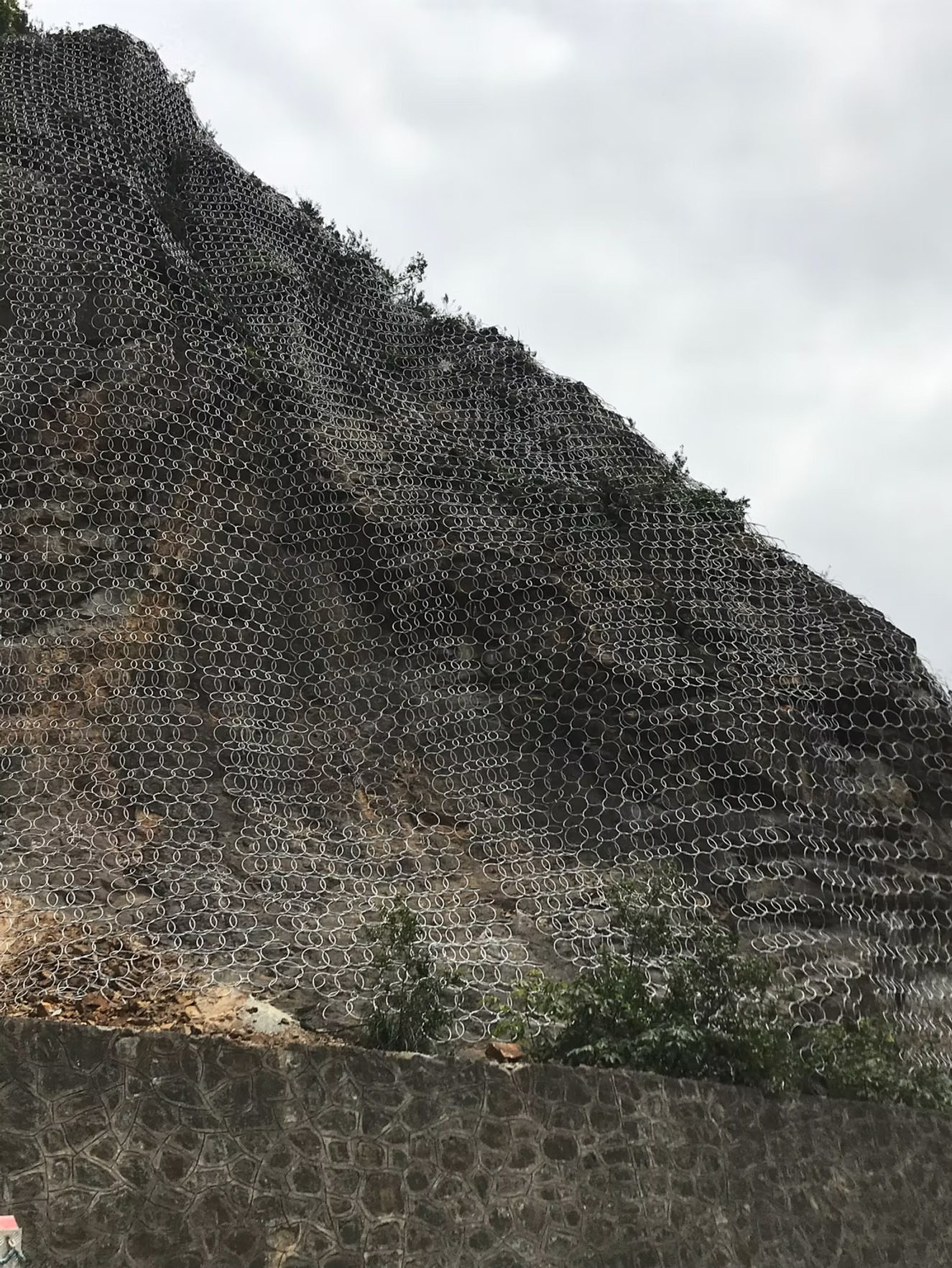
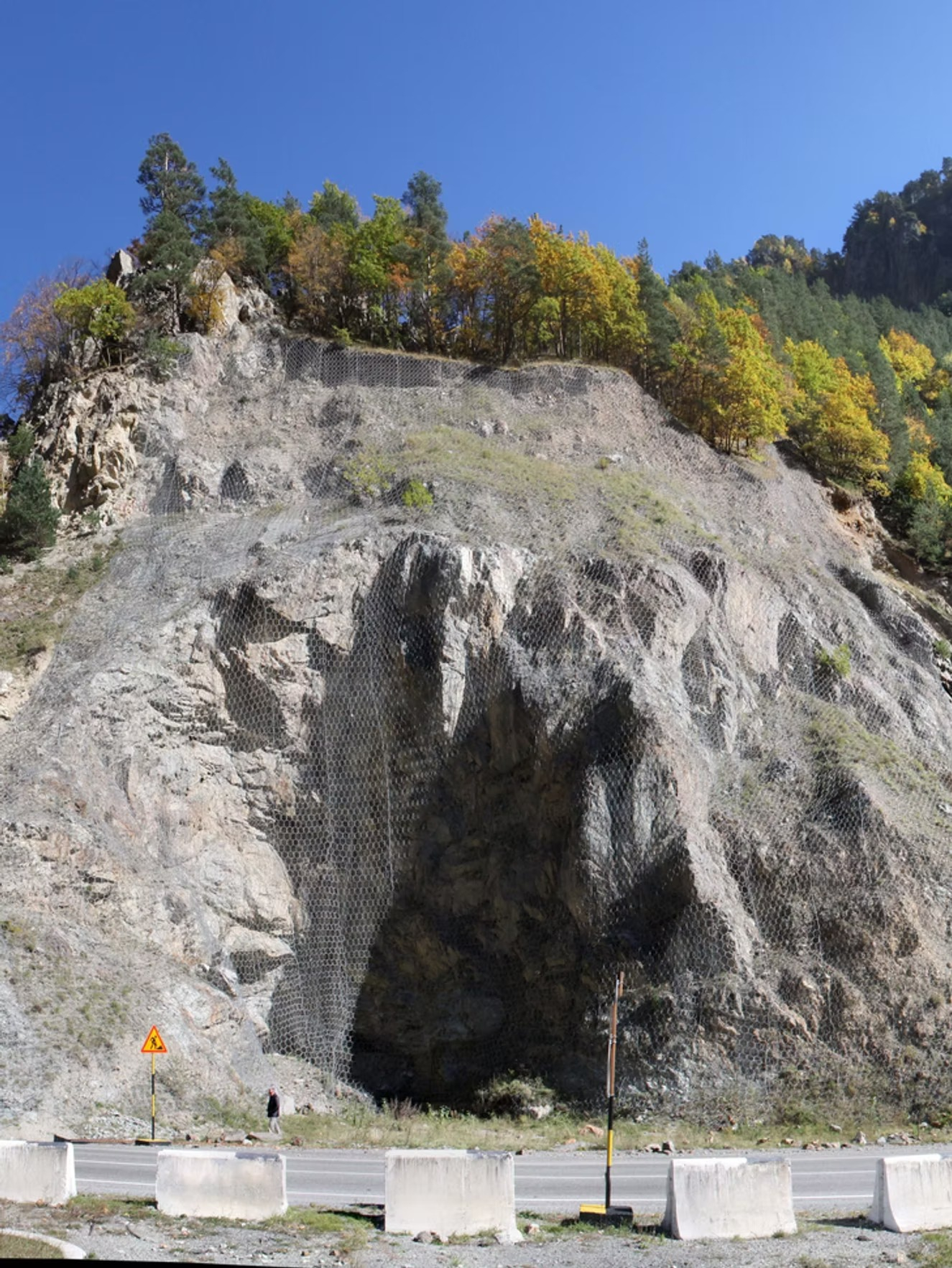
GPS-O ring nets are a high-performance active rockfall protection system designed to stabilize fractured rock slopes and control falling blocks before they reach roads, railways or infrastructure. Unlike passive barriers that sit at the bottom of the slope, GPS-O ring nets are installed directly on the rock face, combining high-tensile steel rings, backing mesh, support ropes and anchors into a continuous protective “shell” over the slope.
They are especially suitable for steep, heavily jointed rock masses where traditional concrete or masonry solutions are costly, slow to build, or visually intrusive.
 |  |
Product Positioning – GPS O Ring Net
GPS O Ring Net is a steel ring mesh active rockfall protection system, installed directly on rock slopes to stabilize loose rock and control falling blocks, protecting roads, railways, hydropower and other infrastructure below.
What it is used for:
- Active rock slope stabilization
GPS O Ring Net is anchored to the slope with rock bolts, anchor plates and support ropes. The high-tensile steel ring mesh forms a continuous “shell” over the rock face, holding loose blocks and fractured rock layers in place. - Rockfall control and risk reduction
When rock blocks move or detach, the ring net restrains their motion, intercepts smaller stones and slows down larger blocks, preventing them from reaching traffic lanes, buildings or industrial facilities. - Typical application scenarios
- Steep rock slopes with joints, fractures and weathered blocks
- Highway and railway cut slopes in mountainous areas
- Mine and quarry slopes and haul roads
- Hydropower and dam project slopes
- Scenic areas and tourist roads with high rockfall risk
- System characteristics
- Classified as an active / anchored rockfall protection system (installed on the slope, not at the toe)
- Can be combined with a backing mesh (such as hexagonal mesh or Tecco mesh) to retain small fragments
- Provides both slope reinforcement and rockfall interception with high energy absorption capacity

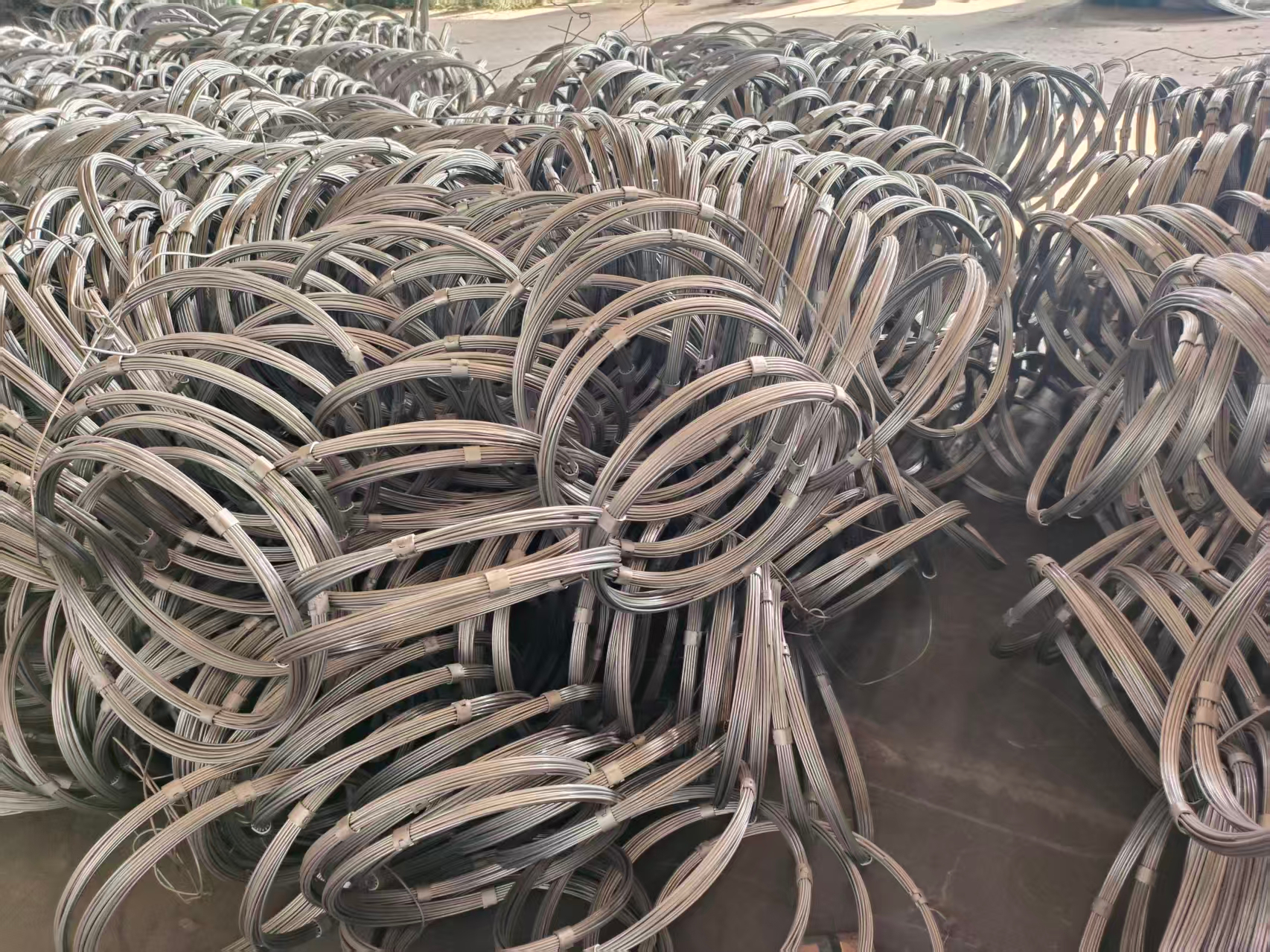
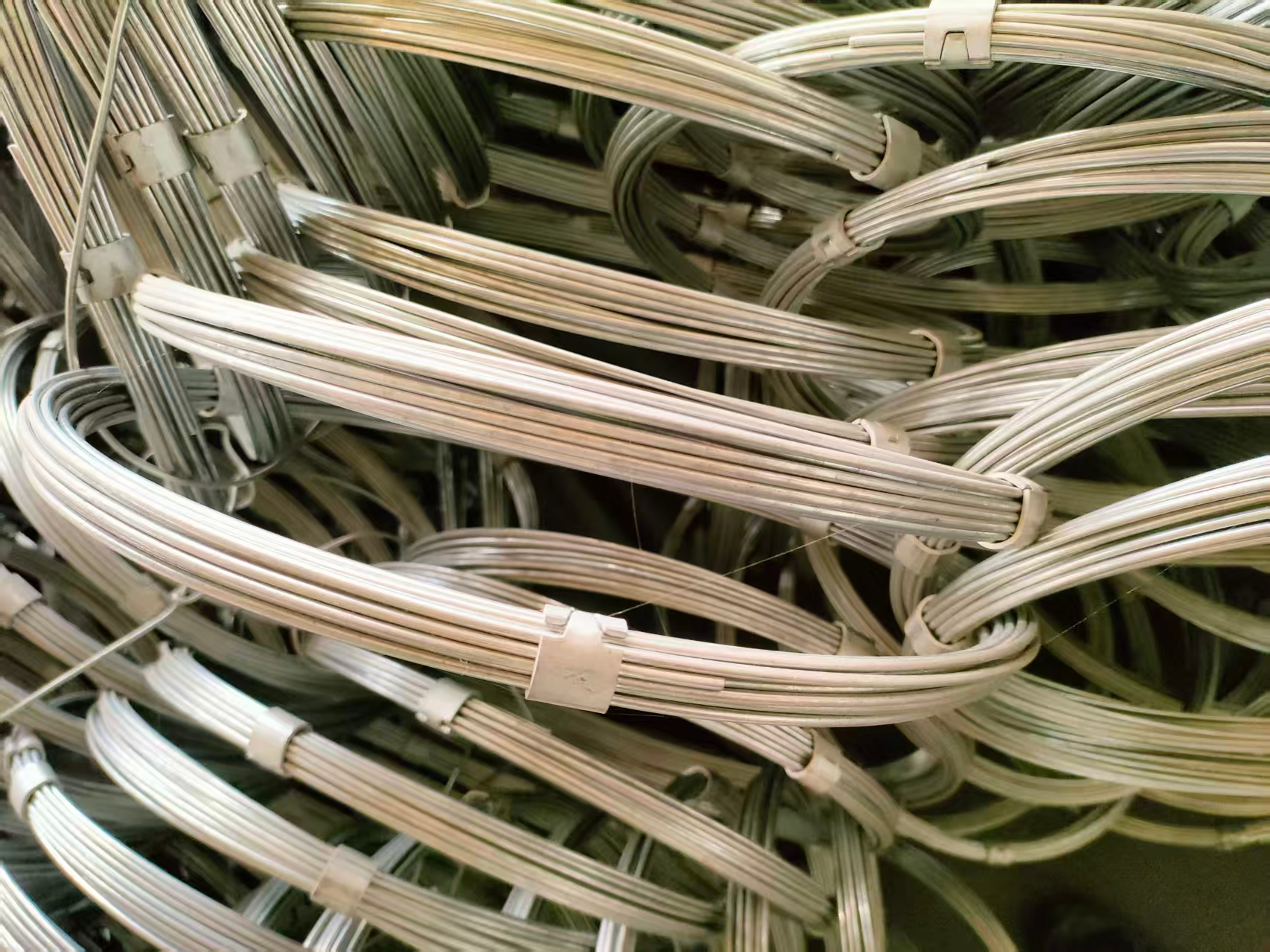
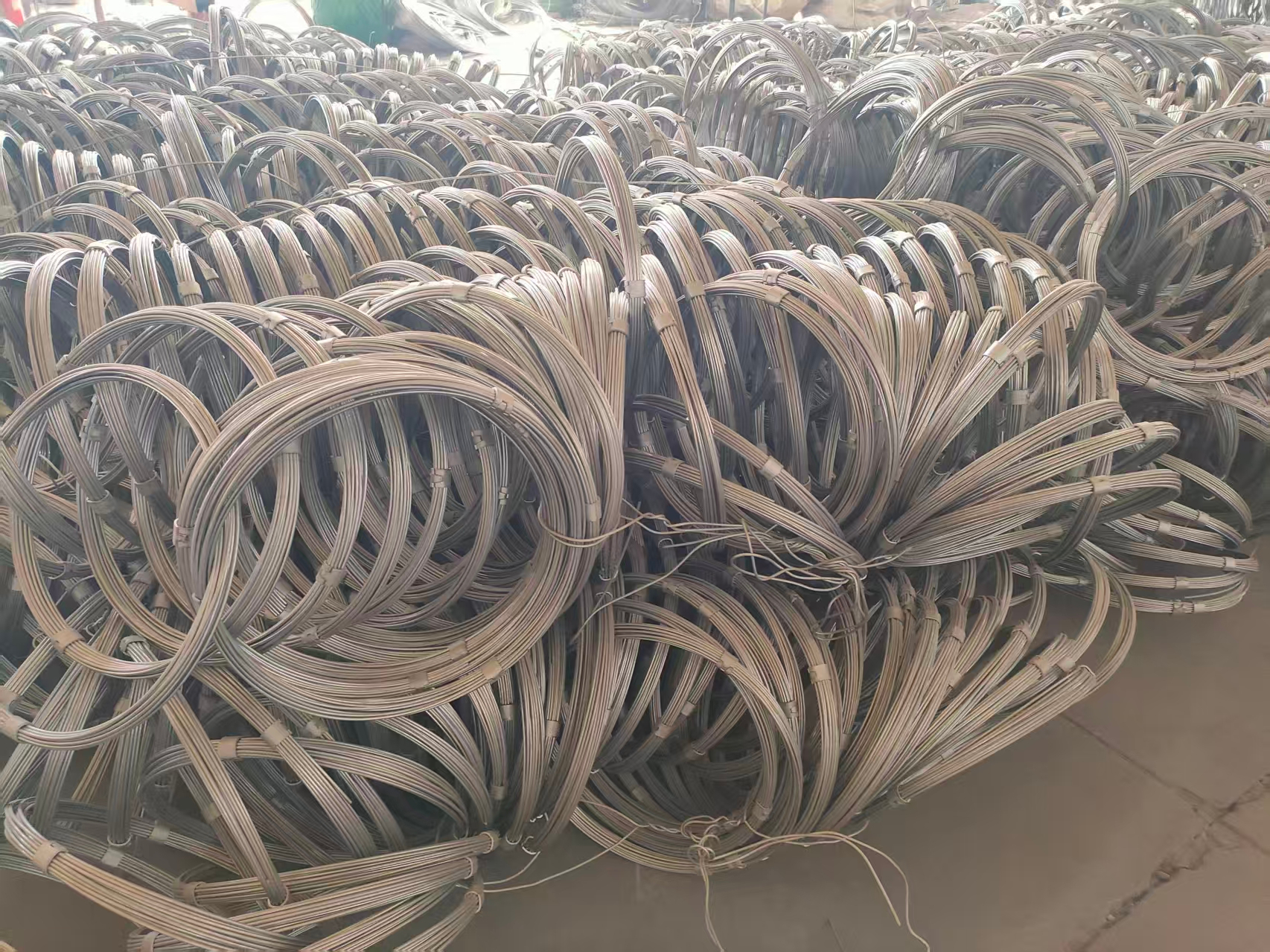
What Are GPS-O Ring Nets?
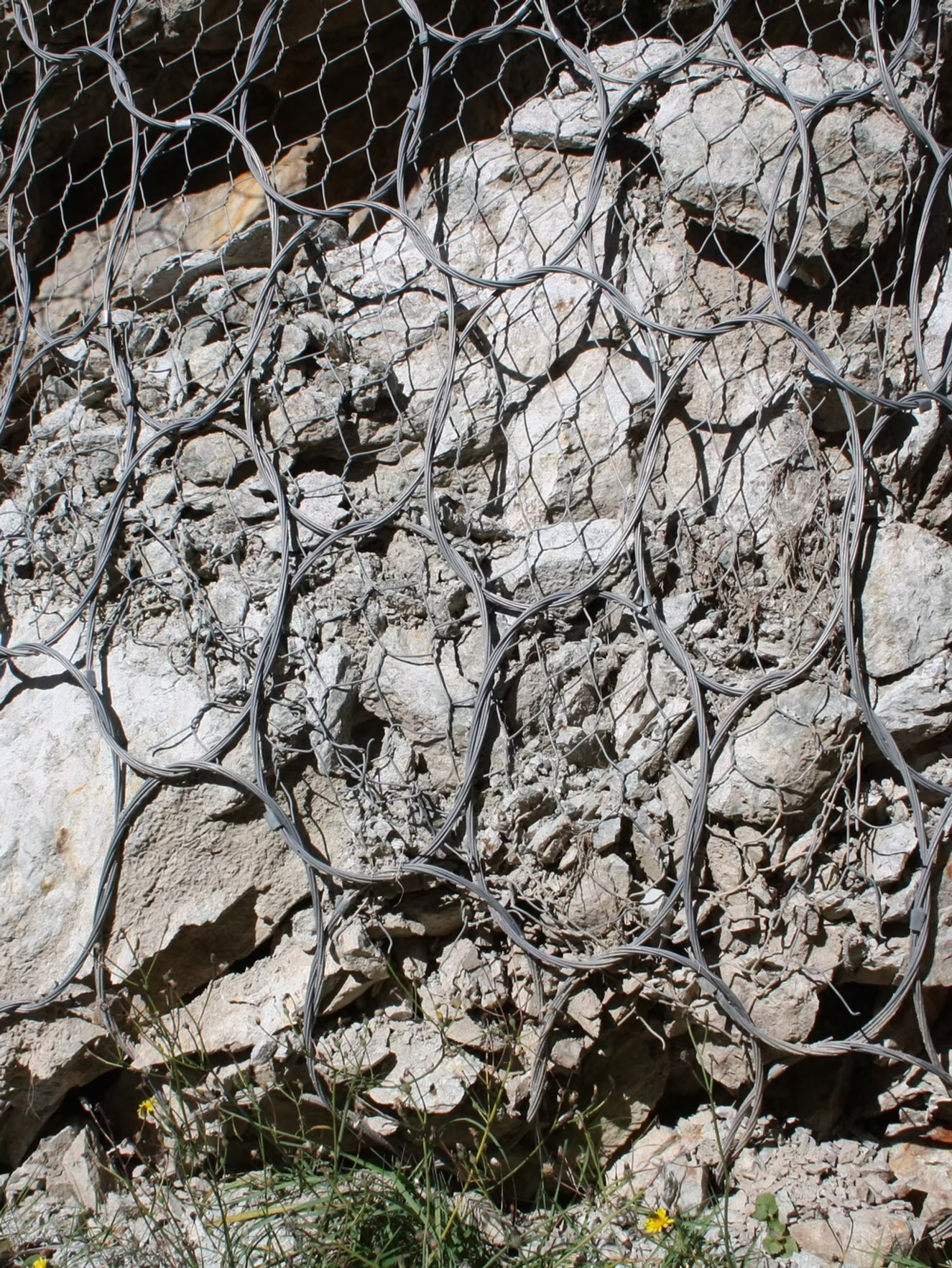
A GPS-O ring net consists of interlinked, high-tensile steel rings that form a flexible, robust net. Each ring is made from a single length of steel wire, wound into several turns and closed to form a circle. Neighboring rings are interlaced to create a continuous mesh.
In most modern systems, GPS-O ring nets are used as part of a complete active protection system, typically including:
- Ring net panels – high-tensile steel rings (e.g. 250–450 mm diameter, 3.0–4.0 mm wire).
- Backing hexagonal mesh – double-twisted galvanized mesh to retain small fragments and fines.
- Crest, side and toe support ropes – galvanized steel wire ropes to carry and distribute loads.
- Steel anchors and anchor plates – deformed bars grouted into rock or soil to fix the system.
- Boundary ropes & sewing ropes – to connect panels and close edges.
- Connection fittings – shackles, U-bolts, clips and clamps.
Together, these components create a flexible shell over the slope that can deform under load, absorb energy and retain rock blocks safely.
Typical GPS-O Ring Net Panel Specifications
Below is a model family table you can use as a “quick selection” chart. Model codes are designed to be clear and easy to remember (you can rename them to match your factory code).
| Model | Ring Ø (mm) | Ring Wire Ø (mm) | Typical No. of Turns | Approx. Effective Mesh Aperture* | Standard Panel Size (W × L) | Typical Use |
|---|---|---|---|---|---|---|
| GPSO-250/3-A | 250 | 3.0 | 7 | ≈ 250 × 250 mm | 3.0 m × 3.0 m | Light slopes, small fragments, low rockfall risk |
| GPSO-250/3.5-B | 250 | 3.5 | 7–9 | ≈ 250 × 250 mm | 3.0 m × 4.0 m | Slightly higher loads, closer to road/rail line |
| GPSO-300/3-A | 300 | 3.0 | 7 | ≈ 300 × 300 mm | 3.0 m × 4.0 m | Standard rock slopes with small–medium blocks |
| GPSO-300/3.5-B | 300 | 3.5 | 9 | ≈ 300 × 300 mm | 3.0 m × 5.0 m | Medium hazard slopes, combined with hex mesh backing |
| GPSO-300/4-C | 300 | 4.0 | 9–11 | ≈ 300 × 300 mm | 4.0 m × 4.0 m | Heavier rock blocks, steeper slopes |
| GPSO-350/3.5-A | 350 | 3.5 | 9 | ≈ 350 × 350 mm | 4.0 m × 5.0 m | Medium–high rockfall potential, rough rock faces |
| GPSO-350/4-B | 350 | 4.0 | 12 | ≈ 350 × 350 mm | 4.0 m × 6.0 m | Heavy slopes, higher impact blocks, near important facilities |
| GPSO-400/3.5-A | 400 | 3.5 | 12 | ≈ 400 × 400 mm | 4.0 m × 6.0 m | Large blocks with moderate frequency, wide coverage |
| GPSO-400/4-B | 400 | 4.0 | 16 | ≈ 400 × 400 mm | 4.0 m × 6.0 m | Higher safety reserve, critical structures below |
| GPSO-450/4-C | 450 | 4.0 | 16–19 | ≈ 450 × 450 mm | 5.0 m × 6.0 m | Very large blocks, special projects, custom designs |
Typical Applications of GPS-O Ring Nets
GPS-O ring nets are used wherever unstable rock slopes threaten people, vehicles or infrastructure. Typical applications include:
Highways and expressways
Stabilization of cut slopes and rocky embankments.
Protection of road corridors in mountainous areas.
Railway lines and tunnels
Protection of rail cuts, tunnel portals and rock faces above tracks.
Hydropower and dam projects
Stabilization of slopes around reservoirs, spillways, access roads and powerhouses.
Mining and quarry slopes
Protection of haul roads and working areas near open-pit benches or quarry faces.
Industrial and utility facilities
Rockfall control behind plants, pipelines, substations or storage yards near steep slopes.
Tourist and scenic areas
Rockfall protection along mountain trails, scenic drives and viewpoints while maintaining a low visual impact.
Where required, GPS-O ring nets can be combined with Tecco mesh or other high-tensile grids to form a layered protection concept:
Tecco mesh for surface stabilization of fractured rock;
GPS-O ring nets for additional energy absorption and block retention in high-risk zones.
Key Benefits of GPS-O Ring Nets
1. High Energy Absorption and Robustness
The interlinked rings act like a flexible chain mail, distributing impact forces over a wide area.
Multiple turns of high-tensile wire in each ring provide high tear resistance and impact capacity.
Suitable for slopes with large blocks and high local loads, where ordinary mesh may be overloaded.
2. Flexible but Strong
The system can follow irregular rock faces and accommodate differential movements without cracking.
Under load, the net deforms and absorbs energy instead of transmitting sharp peak forces to anchors.
Compatible with complex geometries such as concave/convex slopes, corners and ledges.
3. Modular and Adaptable
Ring size, wire diameter, number of turns and panel size can be adjusted to match hazard level.
Works well with different backing meshes (hexagonal, high-tensile mesh, etc.).
Easy to combine with passive barriers or ditches at the toe for composite protection strategies.
4. Durable Corrosion Protection
Rings, ropes and fittings are typically hot-dip galvanized or Zn–Al coated, with high coating weight.
Optional polymer or PVC top coatings can be used in aggressive coastal or industrial environments.
Long service life with minimal maintenance when installed and specified correctly.
5. Faster Installation than Massive Civil Works
No large concrete retaining walls or extensive excavation required.
Equipment access is often easier than for heavy civil construction; many works can be done with rope access / light machinery.
Ideal for sites where keeping roads or railways open during construction is critical.
6. Low Visual Impact
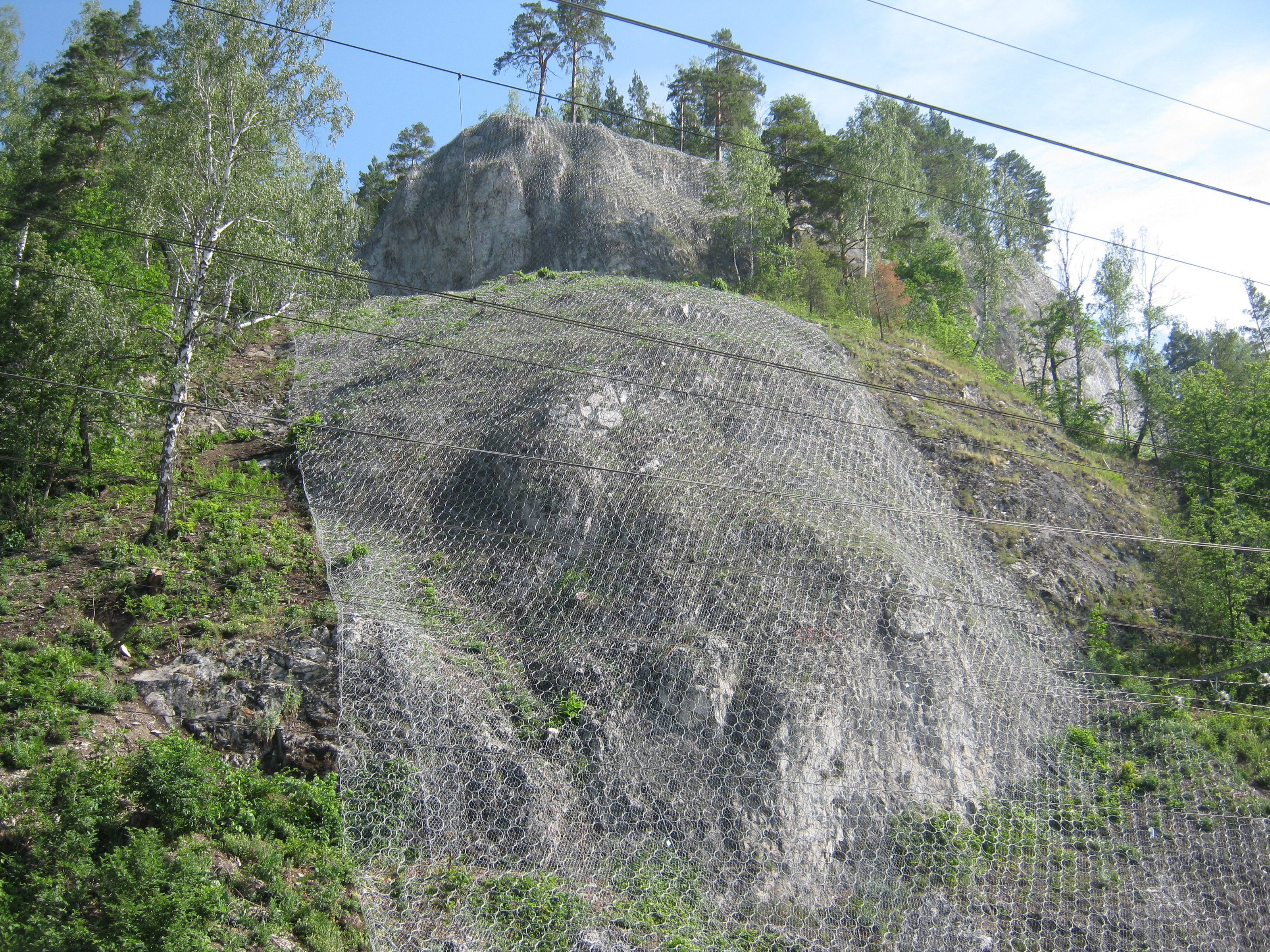
Slim steel components and open ring structure allow the slope’s natural rock to remain visible.
Over time, vegetation can grow through and around the net, blending the system into the landscape.
Technical Highlights
Below is a simplified “family overview” of GPS-O ring net models you can use as a reference in your documentation or product page:
Ring diameters: approx. 250, 300, 350, 400, 450 mm
Ring wire diameters: approx. 3.0–4.0 mm (custom heavier options possible)
Typical rings per panel: defined by design; panels commonly 3–5 m wide, 3–6 m long
Backing mesh (optional but common): 60×80 or 80×100 mm hexagonal mesh, 2.7–3.0 mm wire
Support ropes: galvanized steel wire ropes approx. 16–22 mm diameter
Anchors: deformed steel bars approx. 25–32 mm diameter, length based on design (e.g. 2–4 m)
Installation grid: anchors at approx. 2–4 m horizontal and vertical spacing, adjusted to the results of geotechnical assessment.
All of these parameters can be tuned to meet project-specific requirements and design standards.
Typical Installation Concept
Survey and design
Geotechnical assessment of slope, block size, jointing and rockfall energy.
Definition of anchor layout, net type and overlap zones.
Anchor drilling and grouting
Drilling anchor holes into rock or soil according to the designed grid.
Installing and grouting the steel anchors.
Installation of support ropes
Crest and side ropes fixed to anchor heads with anchor plates.
Additional intermediate ropes if required.
Placement of GPS-O ring net panels
Panels lifted into position and attached to support ropes and anchors.
Neighboring panels connected with shackles or clips.
Backing mesh (if used)
Hexagonal mesh installed behind the ring nets to retain small fragments.
Mesh laced or clipped to ring nets and boundary ropes.
Inspection and tensioning
All connections checked; system tensioned where required.
Final inspection and documentation before opening the protected area.

Frequently Asked Questions (FAQs)
1. What does “GPS-O ring nets” mean?
“GPS-O” is a product family name used in the rockfall protection industry for ring-type active net systems. It does not refer to satellite GPS navigation; instead, it identifies a specific style of high-tensile steel ring net used for slope stabilization and rockfall control.
2. Are GPS-O ring nets active or passive rockfall protection?
GPS-O ring nets are primarily used as an active system, installed directly on the slope surface and anchored into the rock. They help stabilize unstable blocks and control rockfall close to the source.
In some designs, GPS-O ring nets can also be used in semi-passive ways, for example combined with catch ditches or barriers lower on the slope, but their main application is active protection.
3. How are GPS-O ring nets different from Tecco mesh?
Tecco mesh:
High-tensile wire mesh with smaller rhomboid openings.
Excellent for surface stabilization, fine crack control and thin unstable rock layers.
GPS-O ring nets:
Built from interlinked steel rings, with larger openings and very high local energy capacity.
Better suited for slopes with larger blocks or high local impact forces.
On demanding slopes, it is common to use Tecco mesh as a backing / inner layer and GPS-O ring nets as an outer reinforcing layer in the most critical zones.
4. What kind of maintenance do GPS-O ring nets require?
Periodic visual inspections (e.g. annually or after major storms/earthquakes).
Check for: damaged rings, loose anchors/plates, missing clips or ropes, excessive deformation.
Occasional replacement of individual panels or components in areas that have experienced strong impact.
Compared to concrete structures, GPS-O ring nets normally require less heavy maintenance, but they should still be included in your regular slope inspection program.
5. How long do GPS-O ring nets last?
Service life depends on environment (climate, pollution, salt, etc.) and coating:
In typical inland environments with proper hot-dip galvanizing or Zn–Al coating, GPS-O ring nets can offer 10–20 years or more of service life.
In aggressive coastal or industrial atmospheres, enhanced coatings (Zn–Al + polymer) are recommended to extend durability.
6. How do I choose the right GPS-O ring net model for my project?
Selection is based on:
Expected rock block size and impact energy
Slope height and geometry
Rock quality and jointing
Stand-off distance to protected assets (road, railway, building)
Environmental conditions and required service life
Geotechnical engineers usually carry out rockfall simulations and stability analyses to propose ring diameter, wire size, anchor spacing and whether an additional backing mesh (e.g. hexagonal or Tecco mesh) is needed.


Conclusion
GPS-O ring nets provide a robust, flexible and durable solution for active rockfall protection on steep, fractured rock slopes. By combining high-tensile steel rings, backing mesh, anchors and support ropes, they create a protective shell that stabilizes the rock mass, absorbs impact energy and prevents dangerous rockfall from reaching roads, railways, hydropower facilities and other critical infrastructure.
When designed correctly—often in combination with Tecco mesh and other high-tensile grids—GPS-O ring nets offer:
- High energy absorption
- Excellent adaptability to complex rock faces
- Long-term corrosion resistance
- Fast installation and low visual impact